The Hope Rehab Center

Hopelessness Is a Sin: Understanding the Spiritual and Emotional Weight of Despair

Hopelessness Is a Sin: Understanding the Spiritual and Emotional Weight of Despair

Hopelessness is a heavy emotional state that can make a person feel lost, empty, and disconnected from life. It often appears during difficult times—when pain feels endless, when prayers seem unanswered, or when life becomes overwhelming. Many people ask whether hopelessness is simply a feeling or something deeper.

From a spiritual perspective, hopelessness is often seen as dangerous because it can distance a person from faith, purpose, and trust in God. In many religious teachings, despair is discouraged because it can weaken the belief that healing, mercy, and change are still possible.

However, it is important to understand the difference between feeling hopeless and choosing to live in hopelessness.

Hopelessness as a Human Emotion

Every person experiences moments of sadness, pain, and uncertainty. Feeling hopeless during hardship does not make someone weak or sinful. It is part of being human. Loss, trauma, addiction, depression, and emotional pain can create intense feelings of despair.

What matters is how a person responds to those feelings.

When hopelessness becomes permanent in the mind, it can lead to isolation, depression, and harmful decisions. That is why emotional support, faith, and professional help are so important.

Spiritual Meaning of Hopelessness

Many faith traditions teach that God’s mercy, guidance, and help are always present—even when unseen. Losing all hope can sometimes reflect losing trust in that mercy.

In Islamic teachings, despairing completely of Allah’s mercy is strongly discouraged. The Qur’an repeatedly reminds believers that hardship is temporary and that relief can come after struggle.

Hopelessness becomes spiritually harmful when a person believes:

  • Things can never improve
  • Forgiveness is impossible
  • Recovery is out of reach
  • Their life has no value

These thoughts can trap a person in darkness.

The Connection Between Hopelessness and Mental Health

Hopelessness Is a Sin: Understanding the Spiritual and Emotional Weight of Despair

Hopelessness is also closely connected to mental health conditions like depression, anxiety, trauma, and addiction. Sometimes people do not feel hopeless because of weak faith—they feel hopeless because they are emotionally exhausted.

This is why mental health support matters.

At The Hope Rehabilitation Center Islamabad, Pakistan, individuals struggling with depression, addiction, and emotional trauma receive structured care designed to help them rebuild emotional strength and regain hope.

Professional treatment can help people understand that hopelessness is often a symptom, not a permanent truth.

How to Fight Hopelessness

Overcoming hopelessness often takes both spiritual and practical steps:

1. Speak to Someone

Keeping pain inside can make hopelessness stronger. Talking to a trusted person, therapist, or counselor can provide relief.

2. Reconnect with Faith

Prayer, reflection, and spiritual connection can help restore inner peace and perspective.

3. Focus on Small Steps

Recovery and healing do not happen overnight. Small progress still matters.

4. Seek Professional Help

If hopelessness is linked with depression, addiction, or trauma, professional support may be necessary.

At The Hope Rehabilitation Center Islamabad, Pakistan, mental health and addiction recovery programs help individuals rebuild confidence, emotional balance, and hope.

Final Thoughts

Hopelessness is not something to ignore. While it can be a painful emotional experience, living in complete despair can damage both mental health and spiritual well-being. The key is to remember that no hardship lasts forever.

Healing is possible. Forgiveness is possible. Recovery is possible.

Even in the darkest moments, hope remains one of the strongest forces a person can hold onto. Sometimes the first step toward healing is simply believing that a better day can still come.

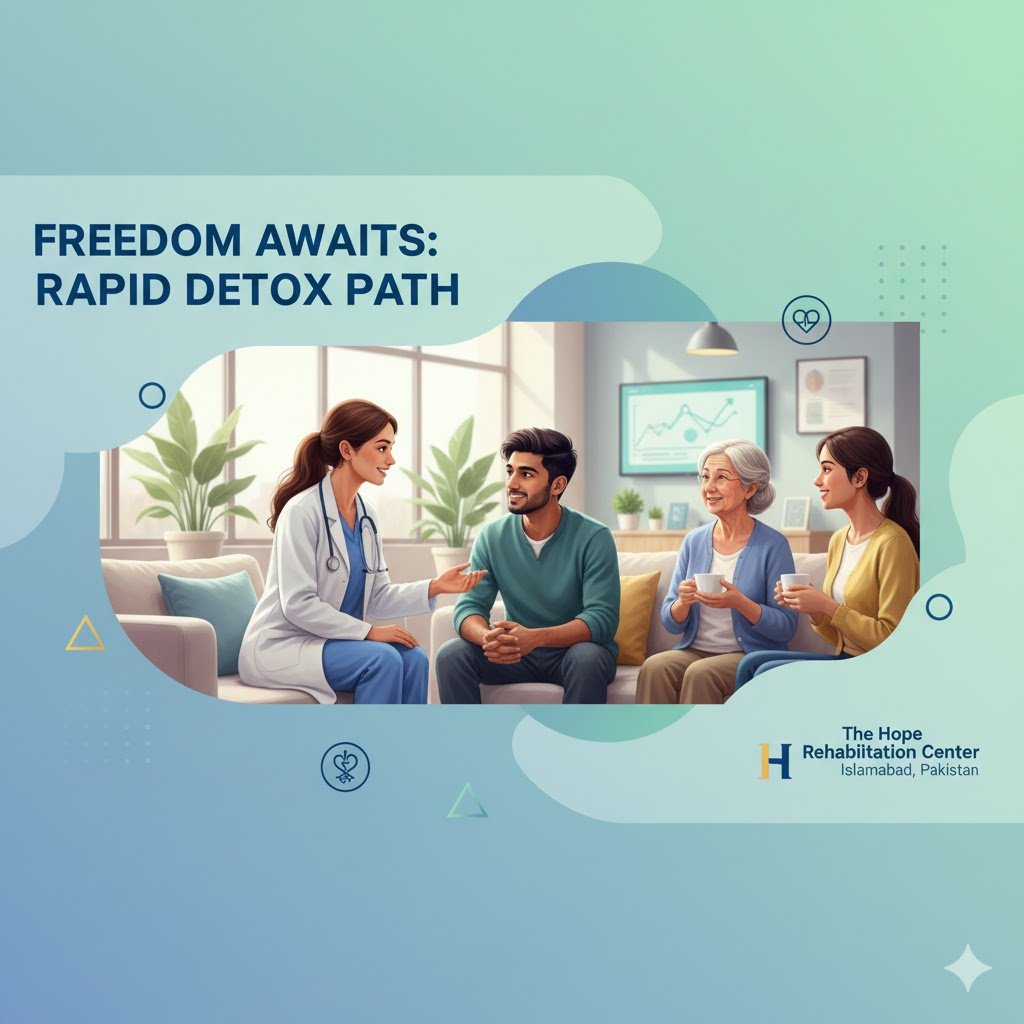
Rapid Detox Treatment – Rapid Detox Center in Islamabad, Pakistan

Rapid Detox Treatment

Rapid detox treatment is an innovative medical solution to help address withdrawal from substance use in the early stages of addiction recovery. It is often prescribed to those suffering from opioid or substance dependence and in need of close medical management while detoxing. Though detox is just the first step of recovery, it’s a crucial one to make someone ready for long-term rehabilitation.

The Hope Rehabilitation Center Islamabad, Pakistan,is for such people who need a place with clinical treatment and sympathy, so they can start their journey toward recovery. Most people seek and trust Rapid Detox Centre in Islamabad, Pakistan to get best from the detox process. In this article, we will discuss what rapid detox is, its advantages, and how it fits into a complete addiction treatment plan.

What Is Rapid Detox Treatment?

Rapid detox treatment is a medical supervised process that seeks to hasten the body’s journey through withdrawal. It is usually performed with rigorous clinical oversight of the patient to maintain safety. The aim is to alleviate the severity and duration of withdrawal symptoms, alongside supportive care.

Traditional detox methods may be slow and lengthy, whereas rapid detox aims to address withdrawal in a clinical environment. However, it must be clarified that detox is not itself an addiction treatment; it is the starting point for rehabilitation.

A professional Rapid Detox Centre in Islamabad, Pakistan ensures appropriate medical evaluation and monitoring for the entire period of detox.

Follow Us Why Medical Supervision Is Necessary for Rapid Detox

Rapid Detox Treatment

Detoxing is no easy feat, and for those who have used substances long-term, this process may also be physically or emotionally daunting. Rapid detox requires medical interventions and close monitoring by trained clinicians.

Managing Withdrawal Symptoms

Fighting the urge to use drugs can lead to withdrawal symptoms such as anxiety, nausea, restlessness and general discomfort. These symptoms are managed in a medical setting.

Ensuring Patient Safety

Some substances produce severe withdrawal responses. A controlled environment helps to minimize health risks and ensures immediate medical attention if required.

Stabilizing Physical Health

Rapid detox stabilizes the body so that people can progress into therapy and rehabilitation.

Detoxification at The Hope Rehabilitation Center Islamabad, Pakistan,Focuses on Safety and Patient Wellbeing

Who We Treat with Rapid Detox Treatment?

Rapid detox treatment can benefit individuals who:

  • Have become dependent on opioids or some specific prescription medications
  • Require medically supervised withdrawal
  • Have had struggles on past detox attempts
  • Requires structure Early recovery need structured environment

An extensive evaluation at a Rapid Detox Centre in Islamabad, Pakistan determines whether this method is suitable for the individual.

Basics of Rapid Detox Treatment

The rapid detox procedure itself consists of multiple stages and is performed in a safe, clinical environment.

1.     Medical Evaluation

The first step is a full evaluation of the person’s health; substance use history and current condition. This assessment can help health care professionals develop an appropriate detox regimen.

2.     Supervised Detox Process

During detox, the body starts to remove substances as medical professionals observe vital signs and treat withdrawal symptoms. The duration and intensity of detox differ depending on each individual.

This stage needs to be carefully handled for minimizing risks & discomfort and a Rapid Detox Centre in Islamabad, Pakistan does just that.

3.     Supportive Care and Monitoring

Continuous monitoring is necessary to consider the progress and respond to any complications. Supportive care can also involve hydration, nutritional support and symptom management.

4.     Transition to Rehabilitation

Rehabilitation programs which focus on psychological aspects of addiction are recommended after detox. Detoxification alone is not enough for a recovery to last.

At The Hope Rehabilitation Center Islamabad, Pakistan,patients are directed towards therapy and counselling to enable a long-lasting recovery.

Importance of Therapy After Detox

Detox takes care of the physical part of addiction, and yet psychological and behavioral factors have a big part to play too. So, it is critical to continue treatment after detox in order to achieve success long-term.

Behavioral Therapy

Individuals learn about their triggers, and how to cope with them in a healthier manner through therapy.

Counseling Sessions

Individual counseling is helpful in terms of providing emotional support and identifying underlying issues relating to substance use.

Group Support

But peer support groups provide community and create accountability during all stages of recovery.

Many treatment protocols at a Rapid Detox Centre in Islamabad, Pakistan may feature one or more of these components.

Advantages of Selecting a Professional Rapid Detox Facility

Why this is better than going to a regular therapist/specialist.

Safe and Controlled Environment

A preventive environment provides a continuum of care.

Medical Expertise

DTG providers like The Cabin are trained healthcare professionals who ensure detox is completed safely and efficiently.

Personalized Care Plans

Everyone gets a treatment plan specific to their needs and health status.

Support for Long-Term Recovery

Detox progresses into therapy and aftercare for continued support.

Care is given with safety, dignity, and ongoing well-being at The Hope Rehabilitation Center Islamabad, Pakistan,

Lifestyle Changes After Rapid Detox

Detox does not, in and of itself, constitute recovery. While you may already have some healthy habits in place, it is key to be consistent with them and do your best to replace unhealthy ones.

Important lifestyle changes include:

  • Establishing a daily routine
  • Practicing stress management techniques
  • Engaging in physical activity
  • Building supportive relationships
  • Avoiding triggers and high-risk environments

These shifts allow people to restore balance and minimize the chances of regression.

Once you have completed a drug addiction forensics training program, there is much to be gained from integrating with your family.

Role of Family Support in Addiction Recovery

The Role of Family Support in Addiction Recovery Motivating factors include words from friends and family.

Family counseling sessions help with communication and relationships. Family involvement tends to be a part of most programs at a Rapid Detox Centre in Islamabad, Pakistan, helping individuals stay committed to long-term healing.

Frequently Asked Questions (FAQs)

1.     What is rapid detox treatment?

Rapid detox is a medically supervised process that uses medication to ease withdrawal symptoms in a controlled, accelerated setting.

2.     Is rapid detox safe?

When done in a professional facility with experienced medical staff, rapid detox can be safe.

3.     How long does rapid detoxification take?

The length of time varies as it depends on the person’s condition, and what substance they used.

4.     Does rapid detox cure addiction?

No, detox is the first step. Then long-term recovery takes therapy, counseling and lifestyle changes.

5.     Who might be a good candidate for quick detox treatment?

This is beneficial for patients with substance dependence and who need withdrawal in a medically supervised setting after an evaluation.

Conclusion

Substance dependency treatment begins with a rapid detox procedure. This allows you to prepare for continued rehabilitation and sobriety long term while managing withdrawal symptoms in a controlled environment.

Rehabilitation centers like The Hope Rehabilitation Center Islamabad, Pakistan,offer supervised and empathy-driven treatment catering to individual requirements. Rapid Detox Centre Programs in Islamabad, Pakistan are done under medical supervision with emotional support and continued rehabilitation.

Drug Rehabilitation Centre | Drug Rehabilitation Centre in the Islamabad Pakistan

Drug Rehabilitation Centre

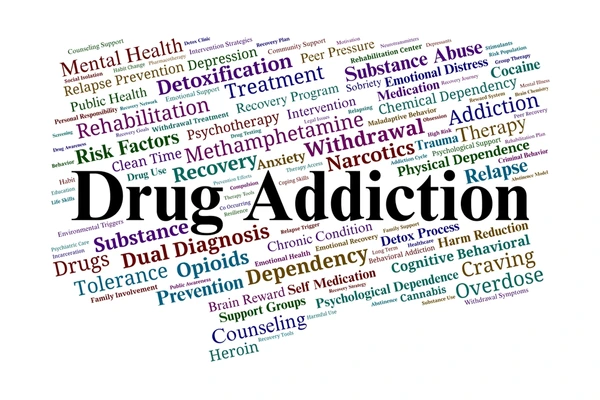
Drug addiction is a complex condition that impacts both physical health and mental wellbeing. And it can affect individuals, families and communities, sometimes creating challenges that need professional support to resolve. It is an important step to seek help from a structured and supportive Iraqi environment to get rid of this crisis that may destroy lives.

Trusted Drug Rehabilitation Centre in Islamabad Pakistan offers individuals of all ages a pathway to recovery with access to medical care, counseling and therapeutic support tailored to focus on the underlying causes of addiction. Treatment programs at The Hope Rehabilitation Center Islamabad Pakistan are designed in such a way to provide ethical care and safety for every individual while also ensuring patients go on the path towards recovery.

This knowledge can also help individuals and families know what to expect from rehab programs and how they work.

Role of Drug Rehabilitation Centre Explained

A drug rehabilitation center is a treatment facility that focuses on helping individuals with substance use disorders. These facilities are designed to aid an individual in safely ceasing substance use, as well as deal with the emotional and behavioral aspects of addiction.

A Drug Rehabilitation Centre Islamabad Pakistan is functional that helps individuals struggling to recover from substance or drug addiction. The objective is to help people take back their life in a sustainable way.

Drug Rehabilitation Centre

The Hope Rehabilitation Center Islamabad, Pakistan follows a patient-centered approach which aims to identify and address the unique needs of each individual.

Signs That You May Need Rehabilitation

Understanding when you need outside assistance can be a crucial element in the recovery process. While every scenario is unique, certain warning signs may indicate a need for rehabilitative care:

  • Unable to quit or cut down on drug use
  • Increased tolerance to drugs
  • Physical or emotional withdrawal symptoms
  • Declining work, academic or social performance
  • Disinterest in family and social activities

A qualified Drug Rehabilitation Centre in Islamabad Pakistan can evaluate a person properly and recommend the right treatment options based on these signs.

Essentials of Drug Rehabilitation Program

Rehabilitation programs address not only the physical components of addiction but also the psychological elements to help overcome substance abuse. With a holistic approach, common early elements in the process can help patients lay down a solid framework for healing.

Medical Detoxification

Detoxification is often the first phase of treatment. The body detoxifies itself of harmful substances and manages withdrawal symptoms during this time.

Detox at The Hope Rehabilitation Center Islamabad, Pakistan is highly monitored by experts to maintain the comfort and safety of our patients.

A proper Drug Rehabilitation Centre in Islamabad Pakistan optimally monitors the detoxification process to alleviate the dangers involved.

Behavioral Therapy

Behavioral therapy is a major component of addiction treatment. It assists people in determining harmful thought habits and cultivating better coping mechanisms.

Commonly, therapies like Cognitive Behavioral Therapy (CBT) are used to address the triggers, stressors and emotional challenges of substance use.

To ensure long-term recovery, a professional Drug Rehabilitation Centre in Islamabad Pakistan includes therapy sessions in the treatment plans.

Counseling and Emotional Support

Sessions of counseling give people a protected domain in which they can address individual challenges, passionate hardships, and recovery destination. These meetings can be held 1 on 1 or as a group.

The Hope Rehabilitation Center Islamabad Pakistan — Keeping in mind the psychological needs of patients, individual and family counseling programs promote emotional healing and motivate behavioral changes.

Lack of Structure and Support is a Recipe for Disaster

To rehabilitate successfully, a supportive environment is crucial. Structured settings help people recover without external distractions or triggers.

Many rehabilitation centers have structured daily schedules for therapy, wellness activities and educational discussions. Such routines are designed to instill discipline and develop healthier habits.

A credible Drug Rehabilitation Centre in Islamabad Pakistan establishes an atmosphere where treatment appears as respect, privacy, and care that should make patients feel comfortable.

Step one — Healing Environment at The Hope Rehabilitation Center Islamabad, Pakistan.

Long-Term Recovery and Relapse Prevention

The work of recovery does not stop once treatment is out of the picture. Leaving a rehabilitation center can only be the beginning; long-term success often involves a continuation of that support as well as the tools to deal with new challenges.

Rehabilitation programs often include strategies for relapse prevention. These strategies may include:

  • Identifying triggers and high-risk situations
  • Creating healthy practices and coping strategies
  • Continuing therapy or counseling sessions
  • Building a strong support system

Finding a comprehensive Drug Rehabilitation Centre in Islamabad Pakistan will prepare you to face life after treatment.

This is where patients facilitate the road of building confidence and overcoming adversity on their road to recovery at The Hope Rehabilitation Center Islamabad Pakistan.

Family and Rehabilitation

Family can be an instrumental component in recovery. The more family members know about addiction and how it can be overcome, the better position they are in to do meaningful support.

Most rehab centers promote family involvement in either counseling sessions or educational seminars. These things improve communication and strengthen relationships.

Working Hand in Hand and here is a Drug Rehabilitation Centre Islamabad Pakistan knows that people recover better when they are surrounded and supported by professionals as well as their family members.

Frequently Asked Questions (FAQs)

1.     What is Drug Rehabilitation Centre?

Simply put, a drug rehabilitation centre is where one receives medical care, therapy and support to recover from substance use disorders.

2.     How long rehabilitation treatment usually last?

The time frame of treatment varies based on the person’s condition, substance abuse history, and individual response to therapy.

3.     Do all patients need to be detoxified?

Detox is often the first step, but whether detox is needed depends on the type and severity of substance use.

4.     Can rehabilitation help prevent relapse?

In addition, rehabilitation programs focus on relapse prevention strategies that teach individuals how to cope with temptations and sustain long-term recovery.

5.     Should treatment plan involve family support?

Yes. Family support can increase communication, offer emotional motivation, and enhance recovery outcomes.

Conclusion

I’m not qualified to practice with or help drug addicts. Best Drug Rehabilitation Centre in Islamabad Pakistan provides a complete rehab plan which not only ensures your physical recovery but eventually takes care of your emotional health as well.

In doing so, people can strive for a life that is healthier and more stable through medical detoxification, therapy and counseling, as well as relapse prevention techniques. Recovery is not an overnight event, but with appropriate support it can be quite meaningful.

At The Hope Rehabilitation Center Islamabad Pakistan, treatment programs are tailored keeping in mind the need to provide ethical and patient-centered care in a safe environment. For those looking for recovery, navigating through every stage can be difficult, but this center provides guidance to help a patient reclaim control of their life & work toward true well-being in the long run.

Nalbin Injection Addiction Treatment Centre | Nalbin injection addiction treatment.

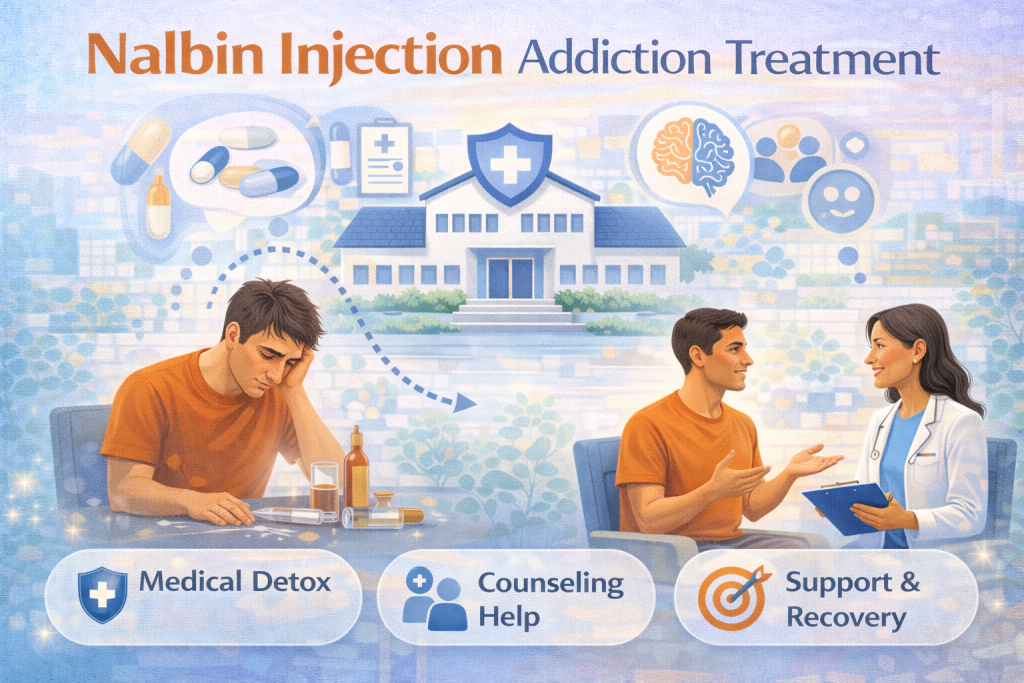
Nalbin Injection Addiction Treatment

The misuse of Nalbin by injection has been a growing problem in many communities. Nalbin (nalbuphine), commonly used for pain relief, is an opioid that can be addictive if misused or taken without a prescription. Physical dependence, psychological cravings and serious health risks may vex those who give in to repeated use. The best way to stop Nalbin injection addiction is a well-structured and medically supervised Nalbin Injection Addiction Treatment Program.

The Hope Rehabilitation Centre Islamabad, Pakistan provides professional and confidential care to its patients in an ethical manner and by providing various addiction treatment services. Our aim is to offer evidence-based medical assistance and psychological care whilst maintaining the dignity of our patients. By knowing about the development of Nalbin addiction and how rehabilitation centres deal with it, people and families can make knowledgeable decisions concerning their medical care.

Understanding Nalbin Injection Addiction

Nalbin (nalbuphine) is a prescription-only opioid analgesic for moderate to severe pain. Effective under medical supervision, but prone to opiate dependence. Over time, repeated use may change the way the brain is wired, leading to tolerance and withdrawal symptoms when use of the drug stops.

Nalbin Injection Addiction Treatment

Nalbin abuse is usually seen through certain signs, such as:

  • Increased dosage without medical advice
  • Intense desire or urge to use
  • Symptoms of withdrawal such as anxiety, sweating, nausea or body aches
  • Disregard for personal, work, or social obligations
  • Continued use despite harmful consequences

Nalbin injection dependency requires the assistance of Nalbin injection addiction recovery professionals to address the physical and psychological aspects of overcoming chemical dependence.

The Importance of Professional Treatment

Nalbin abuse, from opioid dependence treatment, lends itself to a highly structured medical intervention. If you try to stop suddenly without help, you can face intense withdrawal symptoms and health risks.

A comprehensive treatment program generally involves:

  • Medical detoxification
  • Psychiatric assessment
  • Individual and group therapy
  • Relapse prevention planning
  • Aftercare support

The Hope Rehabilitation Center in Islamabad, Pakistan offers dedicated attention from addiction specialists with a focus on the detox period and long term recovery plans instead of short-term solutions.

Medically Supervised Detoxification

The first step in treating Nalbin injection addiction is often detoxification. In this process, the drug is slowly flushed out of the body under medical supervision. As Nalbin is an opioid, withdrawal symptoms might be painful and even severe.

Symptoms may include:

  • Muscle pain
  • Insomnia
  • Restlessness
  • Mood swings
  • Gastrointestinal discomfort

Medical supervision confirms that withdrawal is safely controlled and supportive medications are provided when clinically warranted. Keeping track of vital parameters also ensures the patients have better comfort & increased stable condition leading to lesser health risks.

Psychological and Behavioral Therapy

Addiction is not just a physical disease; there are behavioral patterns and emotional triggers involved, too. To properly rehabilitate these people you need to treat this underlying cause.

Cognitive Behavioral Therapy (CBT)

CBT assists individuals to recognize the harmful thought patterns that lead to drug use. By learning to question negative beliefs and explore more adaptive coping mechanisms, patients lower their risk for relapse.

Individual Counseling

Therapeutic sessions can be one-on-one format with a therapist to address personal stressors in addition to trauma or emotional challenges that may have led to Nalbin abuse.

Group Therapy

Group therapy encourages peer support and mutual experience. Patients gain knowledge from others with similar struggles, which can alleviate feelings of isolation and inspire accountability.

Addressing Co-Occurring Mental Health Conditions

Most patients with opioid use disorder have co-occurring mental health disorders like depression, anxiety, or trauma-related conditions. Integrated treatment focuses on treating both the addiction and the mental health concerns at the same time.

Dual diagnosis care may involve:

  • Psychiatric evaluation
  • Medication management
  • Ongoing mental health counseling
  • Behavioral therapy adjustments

Therapists at The Hope Rehabilitation Center Islamabad, Pakistan provide full and individualised assessment of each patient.

Relapse Prevention Strategies

In all addiction recovery plan, relapse prevention can be regarded as one of the most essential elements. Recovery is an incremental process that can only happen using structured planning, which makes it easier for individuals to lead a sober life.

Relapse prevention strategies often include:

  • Identifying personal triggers
  • Developing stress management techniques
  • Creating emergency coping plans
  • Building supportive social networks
  • Continuing follow-up therapy sessions

A Nalbin injection addiction treatment program that is effective encourages patients to manage real-world hurdles once they finish a course of inpatient or outpatient care.

The Role of Family Support

Addiction impacts families, too — not just individuals. Family education and counseling sessions also can promote recovery outcomes by enhancing communication and mitigating misunderstandings.

Programs which provide family support may include:

  • Understanding opioid addiction
  • Learning healthy boundaries
  • Encouraging accountability
  • Supporting relapse prevention efforts

At The Hope Rehabilitation Center Islamabad, Pakistan, family involvement is encouraged with patient consent and based on confidentiality standards.

Ethical and Confidential Care

Healthcare Providers Must Treat Addiction According to Ethical Guidelines Victim or patient privacy, informed consent, and evidence-based care are important elements of responsible rehabilitation services.

These factors are ensured at a professional Nalbin injection addiction treatment centre:

  • Confidential medical records
  • Non-judgmental support
  • Safe prescribing practices
  • Individualized care plans

This attitude is ethically sound and facilitates trust and long-term therapeutic relationships.

Long-Term Recovery and Aftercare

The end of detox or first rounds of therapy do not mean recovery. Aftercare services provide a consistent and zero-pressure environment for recovering addicts.

Aftercare may include:

  • Regular counseling sessions
  • Peer support groups
  • Psychiatric follow-up appointments
  • Lifestyle and wellness guidance

Structured support creates an environment that can give participants a better shot at long-term recovery and quality of life.

Frequently Asked Questions (FAQs)

1.     What is Nalbin injection addiction?

Nalbin injection addiction is when repeated abuse of nalbuphine results in physical dependence and psychological craving, needing medical intervention.

2.     Does Nalbin addiction require detoxification?

In many instances, individuals benefit from medically supervised detox to safely address withdrawal symptoms and minimize health risks.

3.     How long will the treatment for Nalbin injection addiction take?

The length of the program is based on the needs, the level of addiction, and how well an individual responds to treatment. Treatment plans are personalized.

4.     Can you become addicted to Nalbin with a prescription?

Yes. Abuse outside the directive of prescription or through untreated extended use can cause dependence.

5.     Is treatment confidential?

Yes. Professional treatment facilities adhere to corporate lines and medical ethics, ensuring that patient privacy is retained throughout the process.

Conclusion

Nalbin injection abuse is a significant health issue that calls for organised treatment. Nalbin Injection Addiction Treatment with a Comprehensive, Painkiller-free Solution

Treatment services at The Hope Rehabilitation Center Islamabad, Pakistan are provided with compassion, clinical expertise and stringent ethical standards. Thanks to the combination of medically supervised detox, behavioral therapy exercises, family involvement in rebuilding a stable home environment and continued aftercare follow-ups, individuals are now set up to pursue healthier lives once they leave sealed doors.

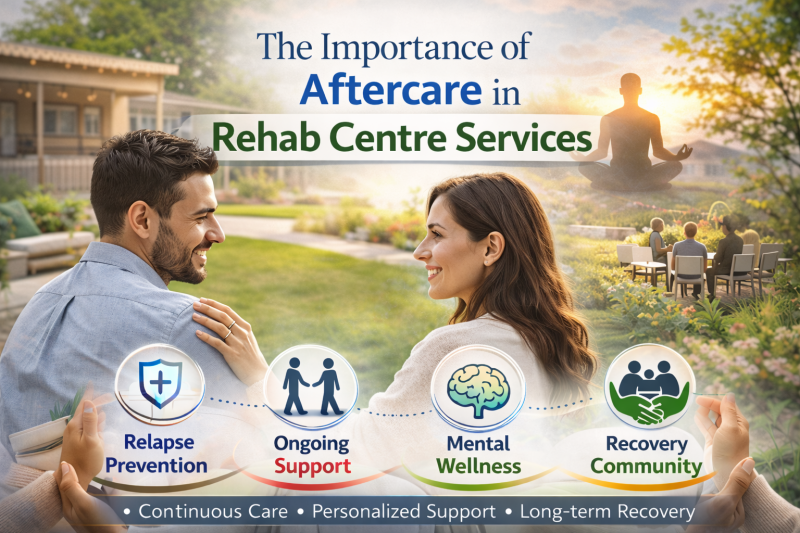
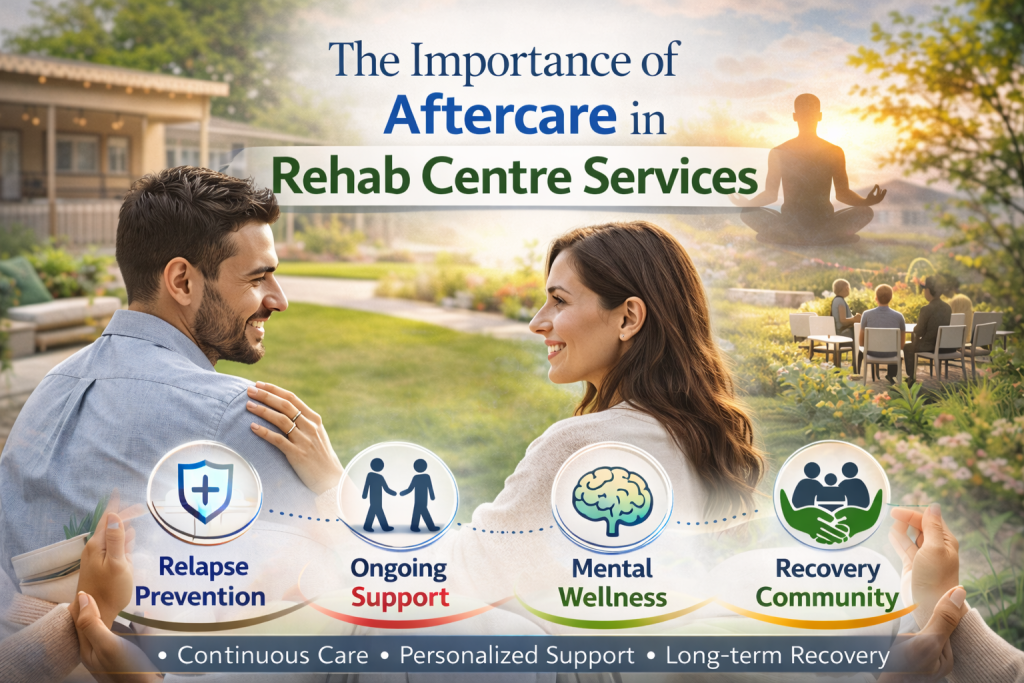
The Importance of Aftercare in Rehab Centre Services | aftercare rehab centre services in Islamabad,Pakistan

aftercare rehab centre services in Islamabad,Pakistan,

Recovery from addiction and mental health disorders does not end when a patient completes an inpatient or outpatient rehabilitation program. In many cases, the period following discharge is one of the most vulnerable stages in the recovery journey. This is where structured aftercare becomes essential. Within the framework of aftercare rehab centre services in Islamabad,Pakistan, continued support plays a critical role in preventing relapse, strengthening coping strategies, and maintaining long-term stability.

At The Hope Rehabilitation Center Islamabad, Pakistan, aftercare planning is considered a core component of responsible rehabilitation. The focus remains on ethical, patient-centered care that supports individuals beyond the primary treatment phase while respecting confidentiality and professional standards.


aftercare rehab centre services in Islamabad,Pakistan,

Understanding Aftercare in Rehabilitation

Aftercare refers to the structured support services provided to individuals after they complete a formal rehabilitation program. These services are designed to help individuals transition back into daily life while maintaining recovery goals.

Addiction recovery and mental health treatment often require long-term management. Without follow-up support, individuals may struggle with stress, triggers, or emotional challenges that increase the risk of relapse. Comprehensive aftercare rehab centre services in Islamabad,Pakistan ensure continuity of care and reduce this risk.

Aftercare is not a single service but a combination of therapeutic, social, and practical support systems tailored to each patient’s needs.


Why Aftercare Is Essential for Long-Term Recovery

Recovery is a gradual process. While inpatient rehabilitation provides structured treatment and supervision, daily life outside the facility presents real-world challenges. Returning to work, reconnecting with social circles, or facing unresolved stressors can test a person’s coping abilities.

Aftercare programs support individuals by:

  • Reinforcing coping skills learned during treatment
  • Monitoring mental health stability
  • Providing accountability and professional guidance
  • Offering emotional support during difficult transitions

In structured aftercare rehab centre services in Islamabad,Pakistan, these measures significantly strengthen long-term recovery outcomes.


Key Components of Effective Aftercare Programs

1. Ongoing Individual Counseling

Continued therapy sessions help individuals address ongoing emotional concerns and adapt coping strategies as new challenges arise. Regular counseling provides a safe and confidential space for reflection and problem-solving.

At The Hope Rehabilitation Center Islamabad, Pakistan, aftercare counseling sessions are personalized to align with each patient’s recovery plan.


2. Group Therapy and Peer Support

Peer support groups create opportunities for individuals to share experiences, discuss setbacks, and celebrate progress. Hearing from others facing similar challenges reduces isolation and encourages accountability.

Group therapy often focuses on:

  • Relapse prevention strategies
  • Stress management techniques
  • Emotional regulation skills
  • Healthy lifestyle development

These elements form a strong foundation in aftercare rehab centre services in Islamabad,Pakistan.


3. Relapse Prevention Planning

Relapse prevention is a critical focus of aftercare. Patients work with therapists to identify personal triggers, high-risk situations, and early warning signs of relapse.

Structured relapse prevention plans may include:

  • Emergency coping strategies
  • Support contact lists
  • Lifestyle modifications
  • Scheduled follow-up appointments

Rather than offering guarantees, ethical aftercare programs focus on preparation and proactive management.


4. Family Involvement and Education

Family members often play a key role in long-term recovery. Aftercare services may include family counseling sessions or educational workshops to help loved ones understand relapse risks and communication strategies.

Family participation in aftercare rehab centre services in Islamabad,Pakistan helps create a stable and supportive home environment that promotes accountability and trust.


Addressing Co-Occurring Mental Health Conditions

Many individuals recovering from substance use disorders also face underlying mental health challenges such as depression, anxiety, or trauma-related disorders. Aftercare ensures continued monitoring and management of these conditions.

Integrated care may include:

  • Psychiatric follow-up appointments
  • Medication management
  • Ongoing psychotherapy
  • Behavioral therapy adjustments

At The Hope Rehabilitation Center Islamabad, Pakistan, coordinated care supports both addiction recovery and mental health stabilization.


Reintegration into Daily Life

One of the most significant goals of aftercare is helping individuals reintegrate into society in a healthy and sustainable way. This includes returning to employment, rebuilding relationships, and developing structured daily routines.

Rehabilitation centers offering comprehensive aftercare rehab centre services in Islamabad,Pakistan may provide guidance in:

  • Time management and routine building
  • Stress reduction techniques
  • Healthy social engagement
  • Career or vocational support referrals

These practical supports reduce feelings of overwhelm and improve confidence during reintegration.


The Ethical Foundation of Aftercare Services

Healthcare services must operate within ethical guidelines that prioritize patient safety, dignity, and confidentiality. Aftercare programs are no exception.

Ethical aftercare practices include:

  • Voluntary participation
  • Confidential therapy sessions
  • Respect for patient autonomy
  • Evidence-based treatment approaches

At The Hope Rehabilitation Center Islamabad, Pakistan, aftercare services are designed to align with professional healthcare standards and responsible treatment practices.


Benefits of Structured Aftercare Support

When aftercare is properly implemented, individuals often experience:

  • Increased emotional resilience
  • Reduced risk of relapse
  • Improved coping mechanisms
  • Stronger personal accountability
  • Enhanced quality of life

It is important to note that recovery is a personal journey, and outcomes vary. However, structured follow-up care provides a reliable support system that improves stability and long-term well-being.


Frequently Asked Questions (FAQs)

1. How long does aftercare typically last?

The duration of aftercare varies depending on individual needs. Some individuals benefit from several months of follow-up support, while others may require longer-term monitoring.

2. Is aftercare mandatory after completing rehab?

Aftercare is usually recommended but voluntary. Participation often improves recovery outcomes by providing continued guidance and accountability.

3. Can aftercare help prevent relapse?

While no program can guarantee prevention, structured aftercare significantly reduces relapse risk by reinforcing coping skills and providing early intervention support.

4. Does aftercare include mental health treatment?

Yes. For individuals with co-occurring disorders, aftercare may include ongoing psychiatric care, medication management, and therapy sessions.

5. Are aftercare services confidential?

Yes. Professional rehab centres maintain strict confidentiality standards to protect patient privacy and uphold ethical healthcare practices.


Conclusion

The journey toward recovery extends beyond the walls of a rehabilitation facility. Aftercare plays a vital role in sustaining progress, strengthening coping strategies, and promoting long-term emotional stability. By offering continued counseling, relapse prevention planning, peer support, and family involvement, structured aftercare programs provide essential guidance during the transition back to everyday life.

Within the framework of aftercare rehab centre services in Islamabad,Pakistan, The Hope Rehabilitation Center Islamabad, Pakistan emphasizes ethical, patient-centered follow-up care designed to support lasting recovery. Through compassionate and structured aftercare services, individuals are better equipped to navigate life’s challenges while maintaining their commitment to health and well-being.
How Aftercare Supports Long-Term Healing – Mental Rehabilitation Center in Islamabad Pakistan

Even when a patient leaves a treatment center, recovery from mental health or substance use issues is not finished. The path towards long-term health never ends, and aftercare is incredibly important to maintain the course of health. At The Hope Rehab Center, we believe that organised aftercare is critical to guys keeping their results, avoiding returning to alcohol or drugs and restoring their lives for the better.

In this post, we’ll discuss the importance of aftercare, what it entails and how it fits into long-term recovery. We will also discuss why a mental rehabilitation center in Islamabad Pakistan is necessary, which provides aftercare following primary treatment.

Aftercare in Mental Health Recovery Explained

Aftercare is the continuing care and treatment for those who have finished a course at a rehabilitation programme. Inpatient and outpatient treatment attend to a patient’s immediate needs, versus aftercare, which is about sustaining what has been achieved, handling triggers for relapse and incorporating coping mechanisms into daily living.

The best aftercare allows patients to reintegrate seamlessly into their home, work and social life while minimizing the likelihood of a relapse. For the patients in a mental rehabilitation center in Islamabad Pakistan, it is the kind of support that will help its treatment to stick.

Key Components of Aftercare

1. Continued Therapy and Counseling

Aftercare may consist of group or individual therapy to discuss lingering problems, bolster coping skills and offer a supportive environment in which stories can be shared. At The Hope Rehab Center, sessions are tailored to each individual’s requirements and the personal issues connected with mental health, emotional or behavioural adjustment.

2. Relapse Prevention Planning

Aftercare must include a well-organized relapse prevention plan. Patients are taught to recognize what triggers episodes of feeling the blues or a sudden mood drop and how to manage stress; they are encouraged to stick to routines that help them maintain good mental health. Preventing Relapse: Minimising the risk of a relapse and strengthening skills learned in treatment.

3. Support Groups and Peer Networks

Being a part of a support group creates an environment of “we’re all in this together”. Having accountability and motivation in the company of others with similar challenges becomes a source of emotional support. These themed groups are usually led by seeking therapy professionals to keep things positive and safe.

4. Family Involvement and Education

With the involvement of their family, recovery is usually more successful. The Hope Rehab Center’s aftercare programs also feature family counseling services and training lectures. These works aim to make it easier for families to understand a diagnosis of mental health difficulty, improve communication and support their loved ones.

5. Wellness and Lifestyle Guidance

Sustainable recovery is intimately linked to wellness. Aftercare focuses on living a healthy life, including good nutrition, exercise and stress reduction techniques. By adopting these routines in our daily life, we can provide mental resiliency and improve recovery over the long run.

Advantages of Aftercare for Long-term Recovery

Consistent Emotional Support

During aftercare, a recovering addict will receive guidance in an organized arrangement, and as such this continued emotional support helps to alleviate the sense of isolation and anxiety that commonly plagues individuals after they graduate from their treatment facility.

Improved Coping Skills

Patients are still learning and practicing stress-coping behaviors that strengthen their resistance to relapse and ability to overcome obstacles in the future.

Reinforced Treatment Gains

Aftercare maintains the accomplishments of a patient in his or her primary course of treatment. Ongoing supervision also motivates patients and keeps them accountable for making positive changes.

Stronger Community Connections

Participation in peer groups, family programs, and community activities develops a network of support that helps sustain recovery attempts and promotes the reintegration into society.

Personalized Guidance

Personalized aftercare enables treatment providers to follow up on patient recovery, adapt interventions, and deliver personalized therapy when necessary.

How Hope Rehab Center Helps You Stay Strong Post-Treatment

At The Hope Rehab Center, our aftercare system is built on the idea that it should be a continuity of care between intense treatment and your new life free from addiction. Our team of skilled experts provides you with real support:

  • Scheduled follow-up therapy sessions
  • Access to support groups and mentoring programmes
  • Family counseling and educational workshops
  • Personalized relapse prevention strategies
  • Wellness and lifestyle coaching

This effort philosophically commits that no patient should lack the advice and resources to support mental health wellness and long-term recovery. Picking a trusted mental rehabilitation center in Islamabad Pakistan with professional oversight, continuity of care and sympathethic treatment devised for each individual The Hope Rehab Center.

FAQs About Aftercare and Long-Term Healing

1. Why is aftercare critical upon completing rehab?

Aftercare enables them to sustain their progress, manage triggers and avoid relapse. It’s a way of making sure the tools for recovery that are acquired during treatment are actually used.

2. How long does aftercare last?

Length of Aftercare Length of aftercare depends on our client’s individual needs. Some patients do well with a few months of follow-up advice, while others need longer-term support to achieve recovery that is likely to endure.

3. Do relatives get to looking after programs?

Yes, families are important and yes family involvement is a part of the aftercare. Workshops and counseling sessions about mental health help families recognize these difficulties and which support is vital.

4. What are some of the therapies that would be offered in an aftercare program?

Aftercare options might consist of private individual counseling, group therapy, cognitive-behavioral therapy (CBT), mindfulness training and relapse prevention planning to address mental, emotional and behavioral health.

5. How can you tell if a rehab does aftercare well?

Good aftercare includes structured follow-up, ongoing access to professional help, involvement of family members, peer support groups and a personalized wellness plan – all offered by The Hope Rehab Center.

Conclusion

Aftercare is vital to your recovery process and can help you maintain and build on the progress made during treatment. By providing structured therapy, relapse prevention techniques, family support and wellness skills aftercare teaches resilience, how to stand on our own two feet and live life to the full again.

If you are looking for a treatment option that is made of both compassion and complete solution then The Hope Rehab Center is your best answer, as we continue to be the preferred mental rehab center in Islamabad Pakistan offering professional aftercare services to ensure long-term healing and continued mental well-being.

How Aftercare Programs Prevent Relapse and Ensure Stability – A Guide from the Best Drug Rehab Centers in Pakistan

Introduction: The Value of Aftercare in Recovery

The journey to drug addiction recovery does not end at the moment when a person leaves detox program or inpatient treatment. As a matter of fact, one of the most vulnerable stages is the period after treatment. Most people will be in the danger of reentering into bad habits without having an appropriate art of guidance. It is at this point the role of aftercare programs is essential. Top drug rehab programs in Pakistan including The Hope Rehab Center know that post-rehab is not an option, but it is mandatory. These programs help an individual remain sober and make a smooth transition back into our normal daily lives as these programs offer support, structure, and encouragement.

Knowing the risk of relapse after cover-up

Why Relapse Happens

Relapse does not result in treatment not happening; it assures that the individual requires additional support. The reason it happens quite often is the fact that addiction is a chronic illness that influences the brain reward/decision-making system. There are greater chances of relapse unless the care is further provided.

The Triggers of Emotion and Psychology

A relapse may be provoked by stress, loneliness, peer persuasion, and even party. The most reputable drug rehab centers in Pakistan have acknowledged these obstacles and formulate aftercare plans that teach them how to identify and contain triggers positively.

In Long-term Recovery Role of Aftercare Programs

Continuation of Support after Detox and Therapy

Treatment cures the brain, detoxification purges the body, however, recovery is a life long process. Aftercare links formal rehab and independent living so that patients do not feel they have been abandoned on quitting treatment.

Developing Favorable Adaptation Strategies

By participating in frequent counseling and workshops, the patients are informed about healthier techniques of handling the emotions, stress, and social interactions. They do not resort to substances but make plans to deal positively with the pressures of life.

Aftercare Programs that the Best Drug Rehab Centers in Pakistan Provide

Outpatient Counseling/Therapy

Others engage in the services of therapists weekly or even bi-monthly. This makes sure that they keep on dealing with deeper emotional or psychological issues.

Peer Networks, Support Groups

There is peer support and accountability by peer groups like NA (Narcotics Anonymous). Openness to share with people form friend circles who have gone through the same path eliminates feelings of isolation.

Sober Living Homes

Transitional housing provides a secure and drug free setting, under which one can slowly re-enter the community, whilst being sober.

Family involvement in recovery

Family is an essential part of the healing process in the best drug rehab centers in Pakistan. The loved ones would then be made aware of addiction and recovery and offer greater support back home.

The Stability of Aftercare Programs

The shaping of Routine and Discipline

Structure is stability. Aftercare programs will assist people to develop their everyday habits such as exercise, work, therapy and healthy hobbies.

Enhancing Emotional Strength

Resilience is needed to deal with cravings and stress. Aftercare programs are more directed through continued training to affirm emotional restraint and self-confidence.

Avoiding Isolation and of Community

One of the relapse triggers is loneliness. Through activities in groups and participation of communities, recovering individuals are made to feel connected and could be supported.

How The Hope Rehab Center Can Help in Complete Aftercare

Customized Recovery Plans

At The Hope Rehab Center, the aftercare plan of every patient is unique to him or her with attention to his/her history, challenges and goals.

Support and Monitoring (Long-term)

Our facility offers continuous check-in, treatment, and mentorship which mean that the patients will be dedicated to the sobering process.

Relations with Family and Society

We also target reintegration-re-entering work, school and family life in a sober and satisfied state.

Success Stories: Life After Rehab

Numerous alumni of The Hope Rehab Center have attesting effects of effective future follow-up of the strategies implemented in the rehabilitation centers. In reconstructing career, reuniting with families, their experiences demonstrate that it is not always a matter of relapse when adequate post-treatment systems are upheld.

Aftercare/Relapse Prevention FAQs

  • What is the value of aftercare during addiction recovery?

Aftercare includes the next level of assistance because people do not want to lose the progress, and they need help to create long-term stability.

  • Which programs are the most effective as aftercare programs?

Some of the most effective counseling, peer support groups, sober living programs, and family therapy include them.

  • What is the duration of aftercare?

It depends on an individual, yet the majority of professionals suggest one-year formal aftercare.

  • Is the prevention of relapse possible?

Although there is the probability of relapse, aftercare with proper aftercare can reduce the risk greatly due to imparting coping mechanisms and support.

  • What does The Hope Rehab Center offer to patients post rehab?

We also have provided tailored aftercare plans, round-the-clock observation, and integration program with family so as to guarantee success in recovery.

  • Are aftercare programs offered in Pakistan?

Yes, the best drug rehab centers in Pakistan such as The Hope Rehab Center offer structured after care to meet various needs.

Conclusion: Long-term Follow-up Recovery

The recovery process does not terminate with the termination of treatment steps, and recovery takes place in the lifelong learning and support. The most reputable drug rehab centers in Pakistan such as The Hope Rehab Centre focus on postcare since it is the corner-stone of sustainability. Through integrated therapy, community, family integration, and self-development, aftercare initiatives provide restoring individuals with the power and self-esteem to lead full meaningful lives of sobriety.


To find out the best drug rehab centers in Pakistan, you or your loved one should consider The Hope Rehab Center- where aftercare is not a service, but rather a promise of permanent recovery.

The Role of Family and Community in Aftercare Support

Recovering from addiction is a lifelong journey that doesn’t end with detox or rehabilitation. Aftercare is a critical phase where individuals transition from structured treatment back into daily life. During this phase, family and community support play an essential role in maintaining long-term sobriety. At The Hope Rehab Center, we believe that healing isn’t just individual—it’s collective. Here’s how families and communities become pillars of strength in the aftercare process.

Why Aftercare Support Matters

Aftercare is the continued support and services provided after formal addiction treatment has ended. It may include outpatient therapy, support groups, sober living environments, relapse prevention strategies, and more. Studies show that individuals engaged in a structured aftercare program are significantly more likely to maintain long-term sobriety.

The Family’s Role in Aftercare: A Foundation for Recovery

1. Emotional Support and Stability

Family members are often the first line of defense in preventing relapse. Their emotional presence provides a safe, understanding environment that promotes trust and recovery. When families offer empathy, patience, and non-judgmental communication, recovering individuals are more likely to feel empowered and accountable.

2. Involvement in Family Therapy

At The Hope Rehab Center, we emphasize family therapy as a crucial component of aftercare. Therapy sessions help rebuild damaged relationships, improve communication, and resolve longstanding emotional conflicts. When families are involved, recovery feels less isolating and more inclusive.

3. Education and Awareness

Many family members do not initially understand addiction as a chronic brain disease. By educating themselves about triggers, relapse signs, and coping mechanisms, families can better support their loved ones without enabling destructive behaviors.

Community Support: The Power of Belonging

1. Community-Based Recovery Programs

One of the strongest elements in sustaining recovery is community support. Programs like Alcoholics Anonymous (AA), Narcotics Anonymous (NA), and other peer-led groups provide a sense of belonging and accountability. These meetings offer opportunities for individuals to connect with others on a similar path.

2. Sober Living Communities

Sober living homes provide structured, substance-free environments that ease the transition back to normal life. These communities encourage responsibility, mutual support, and healthy routines. Living with others who are also committed to sobriety can be both motivating and healing.

3. Local Outreach and Volunteer Opportunities

Engaging in volunteer work and community outreach gives recovering individuals a renewed sense of purpose. It reinforces the value of giving back and helps them stay focused on positive activities, reducing the risk of relapse.

How Family and Community Prevent Relapse

Recovery is not linear. Triggers, stress, and emotional pain can cause setbacks. Here’s how family and community can help prevent relapse:

– Recognizing Early Warning Signs

Loved ones who are informed can identify changes in behavior, mood swings, or withdrawal that may indicate a relapse is near. Early intervention is key to getting back on track.

– Creating a Safe Environment

Removing substances, limiting contact with toxic influences, and encouraging healthy habits can foster an environment where recovery can thrive.

– Offering Accountability and Routine

When recovering individuals feel supported and held accountable through structured schedules and check-ins, they are less likely to return to old habits.

The Hope Rehab Center’s Aftercare Approach

At The Hope Rehab Center, we integrate both family and community involvement in our aftercare programs. Here’s what we offer:

  • Family Counseling and Education Programs
    We help families understand addiction and build healthier relationships through therapy and workshops.

  • Community Integration Support
    We assist in connecting individuals with support groups, job placements, and sober living opportunities.

  • Relapse Prevention Planning
    Our specialists work with each client to develop a customized, practical relapse prevention plan.

  • 24/7 Aftercare Helpline
    We provide continuous support to clients and their families, ensuring that help is always available.

Real-Life Success Stories: Healing Through Connection

One of our clients, Ahmed, battled alcohol addiction for over a decade. After completing his rehab program at The Hope Rehab Center, it was the unwavering support from his sister and his participation in a local AA group that solidified his recovery. Today, Ahmed leads a support group in his neighborhood and serves as a mentor to others on their journey.

Stories like Ahmed’s showcase the transformative power of love, unity, and community in healing.

Tips for Families and Communities Supporting Recovery

  • Stay Educated: Attend workshops and read about addiction recovery.

  • Practice Patience: Healing takes time—avoid setting unrealistic expectations.

  • Encourage Openness: Create an atmosphere where honest communication is welcomed.

  • Celebrate Milestones: Acknowledge every step forward, no matter how small.

  • Seek Professional Guidance: Don’t hesitate to consult with counselors or therapists.

Final Thoughts

Recovery is more than an individual journey—it’s a collective effort. When families and communities come together to provide consistent, loving support, individuals are far more likely to remain sober and lead fulfilling lives.

At The Hope Rehab Center, we’re committed to empowering our clients through personalized aftercare programs that involve not just the individual, but also their loved ones and local support systems. Together, we can build a stronger, healthier future.

Need Help Supporting a Loved One in Recovery?
Contact The Hope Rehab Center today for more information about our family-inclusive aftercare programs. Your support could make all the difference.