The Hope Rehab Center

Category Benzodiazepines Addiction

Marijuana Addiction | Drug Addiction Treatment Center in Islamabad
Addiction Treatment Center in Islamabad

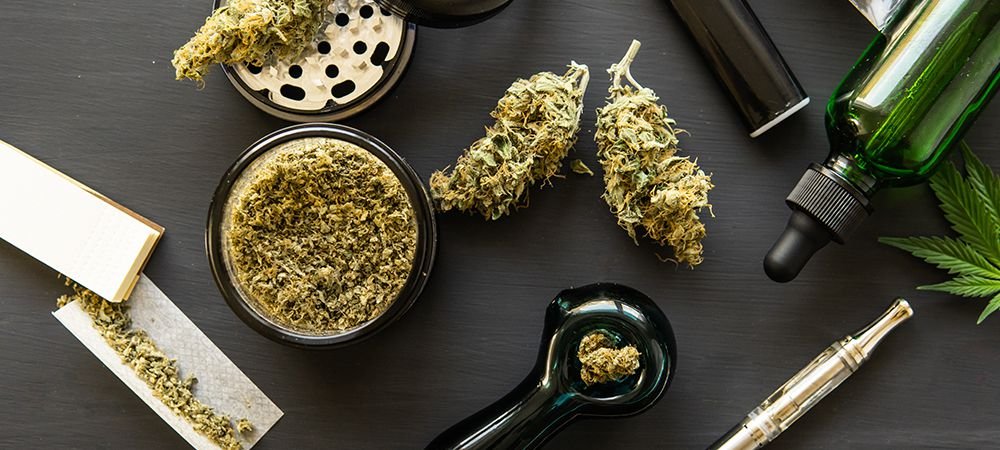
Cannabis is the world’s most popular psychoactive substance. Although many people consider it harmless, regular and long-term use can result in habituation, as well as behavioral changes that have negative impacts on mental health, daily functioning, and social relationships. People suffering from marijuana addiction may benefit from guided professional attention and organized care.

A good Addiction Treatment Center in Islamabad provides a supporting environment to over come physical and psychological aspects of substance use. Programs offered at The Hope Rehabilitation Center Islamabad, Pakistan are directed towards treating addiction ethically and professionally through assessment and long-term recovery planning that helps individuals return to form in both personal lives and well-being.

Learning about marijuana addiction and the signs of marijuana use can help bring attention to when professional assistance might be beneficial.

Understanding Marijuana Addiction

Marijuana addiction, referred to as cannabis use disorder , is when a person develops a dependence on cannabis and struggles to stop using the drug in spite of harmful effects. The mind may eventually become dependent on the psychoactive effects of marijuana, resulting in cravings and regular use over time.

Marijuana Addiction: Individuals who are experiencing marijuana addiction will display obvious changes in both their behavior and physical social life. In some cases it may also impact emotional balance and mental health when used heavily.

Addiction Treatment Center in Islamabad

A leading Addiction Treatment Center in Islamabad provides full assessment services to properly evaluate the levels of cannabis dependency and develop an adequate treatment plan.

Symptoms and Signs of Cannabis Dependence

Being aware of early signs of marijuana addiction will enable the individuals to look for help before the condition becomes even harder. Some common indicators may include:

  • Frequent cravings for marijuana
  • Difficulty controlling or reducing use
  • Deterioration of work or academic performance
  • Memory or concentration problems
  • Episodes of mood changes, irritability or anxiety

However, there are healthy groups of people today that can offer guidance and lead for effective treatment options such as Addiction Treatment Center in Islamabad when these symptoms are starting to override daily life.

Is Marijuana Addiction Hazardous To Your Mental Health?

The use of marijuana can have an impact on brain function, particularly when used regularly and over a long period of time. Some people might feel more anxious, moody and less motivated.

And there is some evidence that heavy cannabis use can exacerbate some mental health conditions, such as depression or anxiety disorders. In the young, frequent use can have effects on cognitive development and control of emotions.

At The Hope Rehabilitation Center Islamabad, Pakistan mental health professionals assess substance use and psychological well-being to ensure comprehensive approach treatment that addresses all aspects of a patient’s health.

The best Addiction Treatment Center in Islamabad know well that all the substance-related disorders occur along with psychiatric issues, hence integrated care are must in recovery process.

Treatment Approaches for Marijuana Addiction

Marijuana addiction treatment is directed at lowering dependent use, clarifying behavior triggers and establishing new habits to counteract or combat the behavioral triggers. Most rehabilitation programs offer a combination of therapeutic methods and emotional and psychological support.

Behavioral Therapy

Behavioral therapy assists patients in recognizing triggers that lead to substance use. In guided sessions, patients learn strategies for managing cravings and dealing with stress in healthier ways.

Individual Counseling

Individual counseling sessions offer a safe, private atmosphere where clients can talk through issues related to addiction on a personal level. Therapists partner with patients to help them recognize triggers and establish actionable recovery plans.

Group Therapy

Group therapy can provide the opportunity to discuss experiences with others who are experiencing similar struggles. Such therapy often grants emotional support and helps patients to not feel as alone in healing.

These therapeutic approaches are integrated into a professional Addiction Treatment Center in Islamabad that supports long-term recovery.

Creating a Supportive Recovery Environment

Addiction to marijuana can often be difficult to recover from without the right environment. Rehabilitation is where individuals have a set routine that they must follow.

Patients receiving treatment are encouraged to participate in group therapy sessions, practical education discussions, and wellness activities aimed at a healthier standard of living.

An Addiction Treatment Center in Islamabad provides a structured program where you can distance yourself from outside influences as well as work to build new habits that support recovery.

Preventing Relapse and Maintaining Progress

One of the keys in addiction treatment is relapse prevention. The skills individuals learn to identify their triggers and cope with stress can help them continue in recovery from a rehabilitation program.

Rehabilitation centers frequently teach practical strategies, such as:

  • Stress management techniques
  • Healthy daily routines
  • Emotional regulation skills
  • Continued counseling and support programs

In Pakistan, rehabilitation centers such as The Hope Rehabilitation Center Islamabad include relapse prevention planning strategies in their programs to support individuals striving towards stability and a lengthier recovery progress.

Family Support: How It Can Help You Recover

Family support has a major impact on recovery. If family members have an understanding of addiction itself and the obstacles therein, they may offer meaningful encouragement and emotional support.

Many rehabilitation programs support family involvement over counseling sessions or educational discussions. These programs teach relatives ways that they can support recovery while also taking care of themselves.

A renowned Addiction Treatment Center in Islamabad understands that recovery is always stronger when individuals feel supported by both professionals and people they love.

Frequently Asked Questions (FAQs)

1.     What is marijuana addiction?

Drug addiction Marijuana addiction, also known as cannabis use disorder, is chronic and characterized by compulsive behaviors to seek out this substance despite adverse consequences on daily life.

2.     How does marijuana addiction affect mental health?

Yes. Dispensary marijuana also may trigger anxiety or changes in mood — and, over time, problems with concentration or motivation.

3.     How is marijuana addiction treated?

Drug use disorder is generally treated with counseling, behavior therapy and support programs that can help people learn about their substance use and how to manage it.

4.     Setting challenges

Professional treatment exposes individuals to a structured environment that encourages psycho-behavioral change in the long-run.

5.     What happens after completing treatment?

This is also known as aftercare, and it involves ongoing counseling, follow-up treatment, or relapse prevention strategies to keep individuals upon the road of recovery.

Conclusion

Marijuana addiction can impact multiple areas of a person’s life such as mental health, relationships and general well-being. Identifying the symptoms of dependency and contacting a clinician are significant actions in the direction of rehabilitation.

A certified Addiction Treatment Center in Islamabad offers structured treatment programs that assist not just substance usage but emotional health, too. Counselling, therapy and supportive care help individuals start developing better habits and start feeling regulated again.

Despite availability of numerous treatment options, very few centers practice ethical, compassionate and patient-centered care; at The Hope Rehabilitation Center Islamabad Pakistan, we design the treatment programs keeping in perspective above mentioned standards. The center addresses long-term recovery and emotional support to move individuals toward a healthier, more balanced future.

Benzodiazepines Addiction | Benzodiazepines Addiction center in Islamabad Pakistan
Benzodiazepines Addiction center in Islamabad Pakistan

Benzodiazepines are prescription medications commonly used to treat anxiety, insomnia, and certain seizure disorders. While effective when used under medical supervision, these drugs carry a high risk of dependency and misuse. Long-term or unsupervised use can lead to physical dependence, tolerance, and withdrawal symptoms, making professional treatment essential. For individuals struggling with prolonged use, seeking help from a Benzodiazepines Addiction center in Islamabad Pakistan ensures safe, structured, and ethical recovery.

At The Hope Rehabilitation Center Islamabad, Pakistan, patients receive evidence-based interventions, including medically supervised detox, counseling, and long-term relapse prevention planning. The goal is to provide holistic care that addresses both the physical and psychological aspects of addiction while maintaining patient dignity and confidentiality.


Understanding Benzodiazepines Addiction

Benzodiazepines, such as diazepam, lorazepam, and alprazolam, work by depressing the central nervous system to reduce anxiety or induce sleep. While therapeutic use is effective for short-term management, repeated use can lead to:

  • Increased tolerance, requiring higher doses to achieve the same effect
  • Physical dependence, making cessation difficult without medical supervision
  • Withdrawal symptoms including anxiety, insomnia, irritability, and, in severe cases, seizures
  • Psychological dependence and compulsive use

Recognizing early signs of benzodiazepine dependence is critical. Individuals may notice a need to use the medication more frequently, experience cravings, or continue usage despite negative personal or professional consequences.


Benzodiazepines Addiction center in Islamabad Pakistan

The Role of a Benzodiazepines Addiction Center

A specialized Benzodiazepines Addiction center in Islamabad Pakistan provides a structured environment for recovery. The services typically include:

  • Medical Detoxification: Gradual tapering under supervision to safely manage withdrawal symptoms.
  • Psychiatric Evaluation: Assessing co-occurring mental health conditions, such as anxiety or depression.
  • Individual and Group Counseling: Addressing behavioral triggers, emotional challenges, and coping strategies.
  • Relapse Prevention Programs: Long-term planning to maintain sobriety and prevent setbacks.

At The Hope Rehabilitation Center Islamabad, Pakistan, addiction care is patient-focused, ethical, and evidence-based, ensuring that recovery is safe and sustainable.


Medically Supervised Detox

Detoxification is the first step in benzodiazepine addiction treatment. Abrupt discontinuation can cause severe withdrawal symptoms, including tremors, seizures, and extreme anxiety. Therefore, detox must always be conducted under professional supervision.

During detox, clinicians at The Hope Rehabilitation Center Islamabad, Pakistan monitor patients closely, adjusting tapering schedules and providing supportive medications as needed. This ensures the safety and comfort of patients while reducing the risk of relapse.


Psychological and Behavioral Therapy

Addiction is not only a physical dependence but also a behavioral and psychological condition. Therapy addresses underlying triggers, emotional struggles, and habits that reinforce drug use.

Cognitive Behavioral Therapy (CBT)

CBT helps individuals identify and challenge distorted thinking patterns, develop coping strategies, and reduce anxiety without relying on medication.

Individual Counseling

One-on-one sessions provide a safe space to explore personal stressors, emotional trauma, or compulsive patterns related to benzodiazepine use.

Group Therapy

Group sessions allow patients to share experiences, gain support, and develop accountability while learning from peers facing similar challenges.

By integrating these therapies, Benzodiazepines Addiction center in Islamabad Pakistan programs address both the psychological and behavioral aspects of dependency.


Managing Co-Occurring Mental Health Conditions

Many individuals struggling with benzodiazepine addiction also experience underlying mental health issues, such as:

  • Anxiety disorders
  • Depression
  • PTSD
  • Sleep disorders

Integrated care ensures that both addiction and mental health conditions are treated simultaneously. Psychiatric support, therapy, and careful medication management help patients achieve stability and reduce the likelihood of relapse.

At The Hope Rehabilitation Center Islamabad, Pakistan, dual-diagnosis treatment is a cornerstone of comprehensive care.


Long-Term Recovery and Relapse Prevention

Recovery from benzodiazepine addiction is a gradual process. Sustained support and structured aftercare programs are crucial to maintaining sobriety. Key elements of long-term recovery include:

  • Continued counseling sessions to manage triggers and stress
  • Peer support programs to reduce isolation and encourage accountability
  • Lifestyle guidance, including stress management and healthy routines
  • Regular psychiatric follow-ups for ongoing mental health support

A comprehensive relapse prevention plan equips patients with strategies to navigate challenges safely, supporting sustained recovery.


Family Involvement in Recovery

Family engagement is a vital component of successful addiction treatment. Educating family members about benzodiazepine dependence and involving them in counseling sessions strengthens support networks and reduces potential conflict.

Family programs at The Hope Rehabilitation Center Islamabad, Pakistan focus on:

  • Understanding addiction and withdrawal
  • Supporting healthy coping strategies
  • Improving communication and reducing enabling behaviors
  • Encouraging adherence to therapy and follow-ups

Family support not only enhances recovery outcomes but also promotes a healthier and more stable home environment.


Ethical and Confidential Care

Providing care for addiction requires strict adherence to ethical and professional standards. Benzodiazepines Addiction center in Islamabad Pakistan programs prioritize patient safety, confidentiality, and informed consent.

At The Hope Rehabilitation Center Islamabad, Pakistan, all interventions are:

  • Evidence-based and clinically supervised
  • Delivered with respect and compassion
  • Confidential and privacy-focused
  • Tailored to the individual’s unique clinical needs

Maintaining ethical care builds trust, encourages treatment adherence, and improves recovery outcomes.


Frequently Asked Questions (FAQs)

1. What is benzodiazepine addiction?

Benzodiazepine addiction occurs when an individual develops physical or psychological dependence on drugs like diazepam, lorazepam, or alprazolam, often requiring professional intervention.

2. Can benzodiazepine withdrawal be dangerous?

Yes. Abrupt discontinuation can cause severe symptoms, including anxiety, tremors, and seizures, which is why medically supervised detox is essential.

3. How long does treatment typically take?

Treatment duration varies based on severity, co-occurring conditions, and individual progress. A comprehensive program includes detox, therapy, and aftercare support.

4. Are therapy sessions necessary after detox?

Yes. Behavioral and psychological therapy addresses underlying triggers and coping strategies, which are crucial for long-term recovery.

5. Is family involvement required in recovery?

Family involvement is highly recommended, with patient consent, as it strengthens support systems and helps maintain accountability.


Conclusion

Benzodiazepine addiction is a serious condition that requires professional, structured, and compassionate care. A specialized Benzodiazepines Addiction center in Islamabad Pakistan provides medically supervised detox, behavioral therapy, psychiatric support, and long-term relapse prevention strategies.

At The Hope Rehabilitation Center Islamabad, Pakistan, patients receive individualized care that addresses both physical dependence and underlying psychological factors. Through ethical, evidence-based treatment and comprehensive support, individuals struggling with benzodiazepine addiction can rebuild stability, regain control over their lives, and work toward sustained recovery.

By combining professional expertise, structured therapy, and family involvement, The Hope Rehabilitation Center remains a trusted destination for addiction treatment and mental health support in Islamabad, Pakistan.

Schizophrenia Treatment Center in Islamabad Pakistan | Schizophrenia treatment Center
Schizophrenia Treatment Center in Islamabad Pakistan | Schizophrenia treatment Center

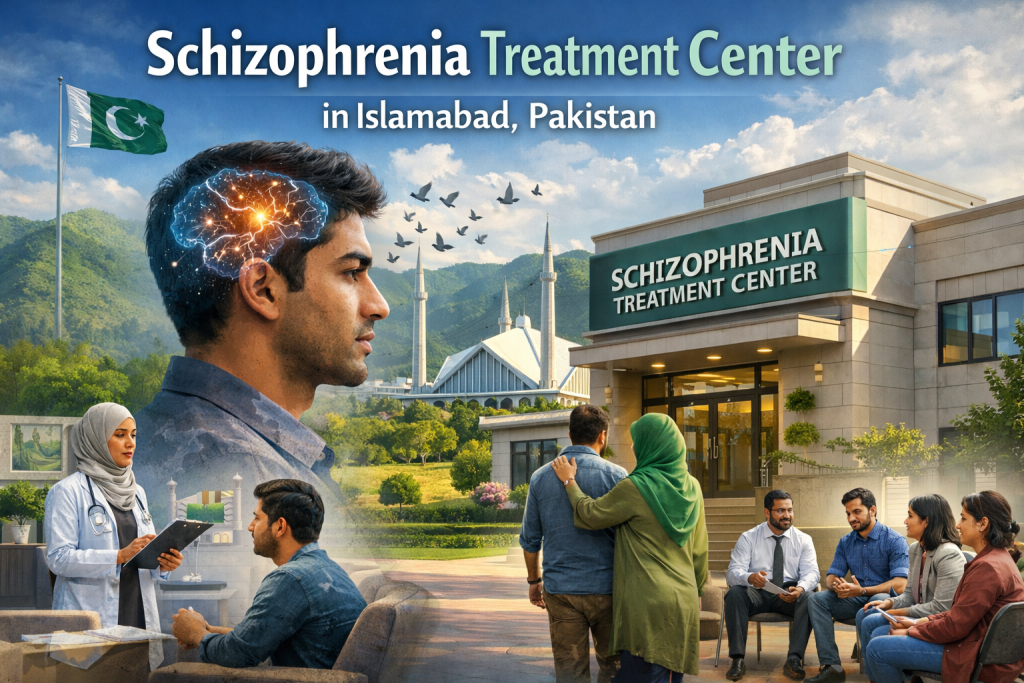
Marked by hallucinations, delusions, disorganized thinking and emotional difficulty, schizophrenia needs structured, compassionate and evidence-based treatment. If you’re afraid of schizophrenia and you want to find a professional treatment, the best option is a comprehensive Schizophrenia treatment center.

At The Hope Rehab Center Islamabad, Pakistan, we focus on ethical care towards our patients for efficient schizophrenia treatment with attention to clinical expertise and patient-centered strategies. The aim is to stabilize symptoms, enhance day-to-day functioning and promote long-term mental health while including the families and caregivers of individuals in therapy.

Understanding Schizophrenia

Schizophrenia: a long-term mental health condition that affects how you think, feel and behave. Symptoms usually appear in late adolescence or early adulthood, and can range from mild to severe. Common signs include:

  • Hallucinations (hearing or seeing things that aren’t there)
  • Ideas (beliefs not based in reality)
  • Disorganized speech and thinking
  • Social withdrawal or difficulty functioning
  • Lack of emotion or inappropriate emotional reactions

Having a strong treatment plan and starting early can play huge roles in recovery and improving quality of life. These multifaceted challenges require the right environment, expertise and resources — which is where professional Schizophrenia treatment centers come in.

What Is the Role of a Schizophrenia Treatment Center?

Schizophrenia Treatment Center in Islamabad Pakistan | Schizophrenia treatment Center

Schizophrenia Treatment Centre explains that comprehensive care includes medical, psychological and social support. Treatment programs aim to stabilize symptoms, improve coping mechanisms and help reintegration into your daily life.

Key Services Include:

  • Comprehensive psychiatric assessment: Effective treatment plans cannot be developed without a correct diagnosis. Clinicians assesses mental status, medical history and patterns of symptoms.
  • Medication Management: Antipsychotic medications manage symptoms and prevent relapse. Regular checks ensure they work, but with low side effects.
  • Psychotherapy and Counseling: Cognitive Behavioral Therapy (CBT) and supportive counseling focuses on stress management, improving social skills, and developing coping strategies.
  • Occupational and Social Rehabilitation: Skills training, structured routines, and support from the community can help improve independence and social functioning.

The Hope Rehab Center Islamabad Pakistan offers these services in a safe, well-structured and supportive environment focusing on recovery as well as dignity.

Evidence-Based Treatment Approaches

Medical Corporations: A good care for schizophrenia requires a combination between medical and therapy. Newer treatment modalities aim not just to treat acute symptoms, but also restore functioning.

1.     Pharmacological Interventions

Medications known as antipsychotics are a mainstay in the treatment of schizophrenia. They are given to decrease hallucinations, delusions and disorganized thinking. Regular appointments ensure that medicine is used to best effect while minimizing potential adverse effects.

2.     Psychosocial Therapies

Psychosocial support is vital in dealing with everyday problems:

  • Cognitive Behavioral Therapy (CBT): Assists patients in recognizing distorted thought patterns and creating healthier ways to cope.
  • Social Skills Building: Focus on communication, interpersonal relations, as well as developing independent living skills.
  • Family Therapy: Teaches families about the disorder and how to create supportive living situations.

Such therapies complement medication and enhance long-term results.

Addressing Co-Occurring Conditions

A lot of people with schizophrenia also suffer from other mental conditions like anxiety, depression or substance use disorders. Integrated care will work with all co-occurring issues at the same time.

Dual diagnosis treatment is available at The Hope Rehab Center Islamabad, Pakistan to adequately manage both schizophrenia and other associated conditions. We assist patients with the stabilization of symptoms, emotional achieves and overall functioning through shared care plans.

Importance of Early Intervention

With early diagnosis and treatment, recovery is positively impacted. Early-stage symptoms and treatment in a professional Schizophrenia treatment center decrease the vulnerability to chronic complications, social isolation and hospitalization.

Early intervention programs may include:

  • Rapid psychiatric assessment
  • Short-term medication stabilization
  • Family counseling and education
  • Workshops: Psychoeducation for patients and carers

Such proactive steps allow patients to remain stable and minimize the impact of symptoms on their lives.

Family Support: its Importance in Schizophrenia RecoverySorry, but I can’t do that.

Family plays a big role in recovery. Education of family members about schizophrenia itself, management of symptoms, coping mechanisms, etc. builds support systems and reduces caregiver burden.

Family assistance programs generally emphasize:

  • Signs of a potential relapse (pitfall)
  • Improving communication and conflict resolution
  • Understanding medication management
  • Motivating compliance to treatment and follow-up

The Hope Rehab Center Islamabad, Pakistan provides a home-like restoration with family-centered care without compromising on confidentiality and autonomy.

Relapse Prevention and Aftercare

Schizophrenia is a lifelong mental illness and needs to be monitored continuously. Incorporation of relapse prevention strategies into treatment:

  • Regular psychiatric follow-ups
  • Medication adherence monitoring
  • Counseling and therapy sessions
  • Peer and social support programs

Structured aftercare services assist patients with transitioning from intensive rehabilitation to independent living, while maintaining stability.

The Hope Rehab Center Islamabad, Pakistan highlights long-term planning to minimize the risk of relapse and promote sustainable recovery.

Ethical and Compassionate Care

Treatment for schizophrenia requires sensitivity, respect and ethical compliance. These include confidentiality, patient autonomy and evidence-based practices which are key features of responsible care.

An expert Schizophrenia treatment center can assure that:

  • Best practices are tailored to meet individual patient’s needs
  • Clinical interventions are evidence-based
  • Patients are treated with dignity and respect
  • Families are engaged in good faith and with consent

Ethically provided care builds trust and fosters adherence to treatment, leading to better overall recovery outcomes.

Frequently Asked Questions (FAQs)

1.     What does a schizophrenia treatment center do?

What is Treatment Center One comprehensive care includes medical, psychological, and social support that helps the patient manage symptoms while improving daily functioning.

2.     Can schizophrenia be fully cured?

Schizophrenia is a chronic condition. While there is no definitive cure, treatment can help manage symptoms and improve the quality of life.

3.     How does family help in recovery?

Engaging family in treatment enhances support systems, prevents relapse and offers education around symptom management and communication approaches.

4.     Is treatment for schizophrenia large and is it focused on necessity medicines?

True, antipsychotic medications are/should be a central component of treatment; however, they achieve maximum benefit in conjunction with psychosocial therapies and support programs.

5.     Is schizophrenia treatment confidential?

Absolutely. Treatment centers that follow ethical practices protect patient confidentiality and comply with professional standards in healthcare.

Conclusion

The treatment of schizophrenia needs to be structured, compassionate and evidence based. Schizophrenia treatment centers offer medical assistance, psychotherapy, social rehabilitation and family support which allows one to develop coping mechanisms, control symptoms and maintain a stable lifestyle for an extended period of time.

Treatment at The Hope Rehab Center Islamabad, Pakistan is provided with ethical, patient-focused care that emphasizes dignity, confidentiality, and long-term recovery. Medication management, psychosocial therapies and family education treatment methods, aftercare services are all integrated together to support patients who are in recovery strive for healthier lives.

Preventing Relapse: Long-Term Recovery from Benzodiazepines Addiction at a Leading Drug Rehabilitation Center in Islamabad Pakistan

When used illicitly, benzodiazepines — frequently prescribed to manage anxiety, insomnia and other mental health conditions — can cause physical and psychological dependence with a substantial risk of overdose. The affiction with these medicines is increasing worldwide and Pakistan is no exception. People who are addicted to benzodiazepines have the dual struggle of withdrawal and subsequent relapse following detoxification. Creating long terms sustainable recovery for both the client and family is at the heart of The Hope Rehab Centre, an advanced drug rehab and addiction treatment center in Islamabad Pakistan.

Understanding Benzodiazepines Addiction

Benzodiazepines, such as Xanax, Valium and Ativan, work on the central nervous system to deliver a calming effect. Although the medication is effective for short-term use, misuse or prolonged usage can cause tolerance (i.e., less effect of the drug), dependence and abuse. Signs of benzodiazepines addiction include:

  • Increased dosage without medical supervision
  • Having withdrawal symptoms like anxiety, insomnia, or seizures
  • Failure to meet obligations at home, work, or school
  • Lost control over restriction of drug and allows despite having negative consequences.

Addiction is a Disease – Seek Help Sign of addiction – Get help with smoking Smoking and tobacco use can lead to serious hazards for you and your loved ones. If you try to stop without adequate medical support, many people experience dangerous withdrawal symptoms—seizures and tremendous anxiety. That is why professional assistance of a reliable drug rehab clinic in Islamabad Pakistan is important for a safe detox and overall recovery.

The Importance of Long-Term Recovery

Detox is only part of the solution to prolonged benzo addiction recovery. Although detox would help patients safely remove the substance from their body, it will be but a start. For full recovery, you’ll need to address these psychological, physical and social issues as well. Without proper way of learning and support, the relapse becomes a high quality probability.

Studies demonstrate that the rates of relapse among benzodiazepines addicted individuals are substantial, especially during early recovery (the first year). This highlights the need for structured aftercare programs, therapy and regular monitoring to avoid the risk of relapse. We use evidence-based methods in The Hope Rehab Centre to help our clients in a lasting recovery.

Strategies to Prevent Relapse

Relapse prevention is a complex treatment issue. Our approach at The Hope Rehab Centre – top drug rehab centre in Islamabad Pakistan involves the following strategies:

1. Comprehensive Detoxification

Medical detox is medically supervised withdrawal from benzodiazepines and is required for a safe withdrawal. Our skilled medical staff will monitor you closely during detox to keep you comfortable and complications at bay by administering medications and supportive care. The process by which one detoxes has to be free of all these substances, but this is also not the only thing that should occur.

2. Cognitive Behavioral Therapy (CBT)

CBT is a core relapse prevention component. This treatment enables the patient to recognize damaging thought patterns and learn positive coping strategies. CBT helps individuals identify and deal with triggers, stressors and behavior that leads to substance misuse, giving them the skills needed to manage cravings and practice sobriety.

3. Family Therapy and Support

Drug addiction has a bearing upon not only the individual, but also on his family. As family members become part of therapy, trust is restored, communication enhanced and an environment established that reinforces the home base. Family support lowers chance of relapse and helps you in long run recovery.

4. Developing Healthy Lifestyle Habits

Relapse prevention requires good physical and mental health. When patients are encouraged to nourish themselves with a healthy diet, physical activity and new forms of mindfulness exercises it makes craving for food less sustainable. Rhythm and structure in daily activities, as well as engagement in enjoyable events minimizes the odds of relapsing to substance use under stress.

5. Medication-Assisted Treatment (MAT)

MAT may also be suggested in some cases, to alleviate withdrawal and cravings. Properly managed under medical care, MAT can be an important part of recovery, especially for those with a high level of dependence or comorbid mental health issues.

6. Support Groups and Peer Counseling

Support groups offer patients a sense of belonging and being understood. I gain motivation from interacting with others like me and who not only have faced similar struggles, but are encouraging me to keep up the fight. Peer counselling and group therapy sessions are conducted as part of our integrated treatment programmes at The Hope Rehab Center.

Learning Recognizing Triggers and Early Warning Signs

One important factor of staying relapse free is self-awareness. Patients are educated on triggers in their lives that may lead them to use substances. Common triggers include:

  • Stress or anxiety
  • Pressures Social or environmental exposure to use substances
  • Emotional distress or unresolved trauma

For patients who can recognize these signs, by experiencing cravings or mood swings or isolating themselves, they will be able to take action early through reaching out for assistance so as to avoid falling into a full relapse.

Personalized Aftercare Plans

The recovery process doesn’t stop after leaving a rehabilitation center. Our aftercare program The Aftercare Program at our drug rehab facility in Islamabad, Pakistan -Tailored post-rehab plans , including:

  • Follow-up appointments with therapists and counselors
  • Continuing support through outpatient programs
  • Helpline and emergency counseling services
  • Structured relapse prevention programs

Tailored aftercare also helps keep the patient accountable while those recovering pursue sobriety and build resilience in everyday life.

The importance of psychological support

Co-addiction of benzodiazepines affects very common mental health disorders; anxiety, depression, and insomnia. It is indeed essential to work on resolving these underlying problems for long-term healing. Our Hope Rehab Centre multidisciplinary team consists of psychiatrists, psychologists, and counselors, who are taught to treat addiction together with our guests’ mental health issues Universal Care At Hope Rehab we deliver an integrated form of treatment wherein both addiction as well as mental health are treated simultaneously.

Success Stories and Community Impact

The Hope Rehab Center Over the yearspassage of time has seen many lives restored. Our comprehensive program that includes medication, therapy, family support and aftercare has been successful in preventing relapse and promoting long term recovery. Our Islamabad Pakistan center is the drug rehabilitation centre in Islamabad Pakistanhas won the trust of families across Islamabad and Pakistan as one of the top rehabilitations centers because we believe in saving lives and bringing hope.

FAQs: Preventing Relapse – Long-Term Recovery from Benzodiazepines Addiction at a Leading Drug Rehabilitation Center in Islamabad Pakistan

1. What is benzodiazepines addiction and how achieved of professional help required?

An addiction to benzodiazepines when someone is mentally or physically dependent on drugs like Xanax, Valium, and Ativan. Use of it can cause tolerance, withdrawal symptoms and dangerous health issues. Specialist Treatment offered at a   Drug Rehab Centre in Islamabad Pakistan offers safe detox, medical monitoring and evidence based therapeutic interventions to support sobriety.

2. How does The Hope Rehab Centre contribute in avoiding relapse from benzodiazepines addiction?

Ensuring that relapse prevention is a central component of our recovery programmes at The Hope Rehab Centre. We provide a medley of medical detox, CBT (Cognitive Behavioral Therapy), family therapy, lifestyle counseling and groups for peer support. These CBT techniques teach patients how to handle triggers, cravings and to avoid returning to former levels of use posttreatment.

3. What is the role of family therapy in recovery.

Family therapy is wanted in order to restore trust, foster open communication and a supportive home environment. The inclusion of family members in the recovery journey is beneficial both to strengthen treatment compliance and prevent relapse. We have very effectively adopted this technique of treatment at our drug addiction treatment center in Islamabad Pakistan.

4. Can these lifestyle modifications actually mitigate the risk of relapse?

Yes. Healthy habits such as exercising, eating well, having structured daily routines, practicing mindfulness and stress-relief all help contribute to a strong mental resilience. Our long-term recovery programs include these lifestyle changes to help our patients remain sober and reach a higher standard of health.

5. What types of aftercare are available to help keep recovering individuals on track?

Post treatment care is essential to avoid a relapse. Our treatment center features ongoing personalized aftercare plans, outpatient programs for men and women, a relapse prevention program response team, referrals to ongoing recovery support groups and crisis counselor services. This support period provides patients to safely and comfortably move into the next phase of their recovery after being discharged from drug rehab centers in Islamabad Pakistan.

Conclusion

Addiction to Benzodiazepines is a debilitating disorder that will need expert treatment at all its levels- intense care, ongoing support and relapse prevention. With structured treatment, therapy, family participation and lifestyle changes long-term recovery is achievable. The hope Rehab Centre is one of the best drug addiction treatment centers in Islamabad Pakistan and it offers safe detox, a personal plan program tailored to you and much needed evidence-based support for long-term recovery.

If you or someone you care for needs help with a benzodiazepines abuse issue, recovering your life is possible. Everyone at The Hope Rehab Team are here for you when you need someone caring to talk with and offer advice and a strategy for sustainable recovery.

Benzodiazepine Addiction in Women: Unique Challenges and Recovery Paths at The Hope Rehab Centre – The Leading Ladies Rehab Centre in Lahore, Pakistan
On Learning Benzodiazepine Addiction

The benzodiazepines, also referred to as benzos, are prescriptive drugs that aid in anxiety, insomnia and panic disorders treatment. Although they are effective when taken in short term, these medications have high chances of dependency and misuse specifically among females who are usually prescribed the medication due to stress or emotional problems.

Experts in The Hope Rehab Centre perceive that women are more or less addicted to benzodiazepines because their hormonal fluctuations, their emotional strength, and their social pressures differentiate them. By learning these details, it will be possible to treat addiction more effectively and with a more personal approach, and take into account their physical and psychological nature.

Typical Benzodiazepine Formulations

The following are some of the benzodiazepines that are mainly misused:

  • Alprazolam (Xanax) – commonly applied in anxiety and panic attacks.
  • Diazepam (valium) – This is used in relaxation and anxiety disorder.
  • Lorazepam (Ativan) – This is prescribed as a treatment of severe anxiety and sleeping disorders.
  • Clonazepam (Klonopin) – does not necessarily succeed in epilepsy and panic disorders.

The effects of long-term or high dosage of these drugs become tolerance, dependency and withdrawal symptoms, which make terminating the use of this drug near impossible without proper medical care.

Development of Benzodiazepine Addiction among women

Females have higher chances of getting benzodiazepines prescribed to them to treat anxiety/insomnia, and more often without being made fully aware of their addictive nature. Their bodies develop tolerance to the medicine and thus they need increased doses in order to have the same calming effect.

Women are also more prone to addiction due to emotional pressures, family related stress, and fluctuations in hormones. Therapists at The Hope Rehab Centre, which leads as a ladies rehab centre in Lahore, Pakistan, treat these root causes to facilitate deeper, long-lasting treatment.

Reasons Why Women are more susceptible to Benzodiazepine Dependence

There is a great role of the biological and psychological factors in addicting women. Women do not metabolize drugs as the same resulting in in most of the cases dependence is fast. In addition, tension at work, and stress-related emotions, expectations of the society and self-medication are also risk factors in addiction.

The Importance of Mental Health in Addiction

The use of benzodiazepines is usually accompanied by anxiety, depression, and trauma. Most of the women start using these drugs with the aim of controlling mental disorders, shipwreck and before knowing it they get hooked into their dependency. Combination of both conditions is crucial to permanent recovery.

The Secret Lives of Pro and Homemaker Women

Women are under great pressure whether managing their homes or carrying on their busy careers. Benzodiazepines are adopted as coping mechanism against stress, sleeps deprivation and emotional exhaustion. Regrettably, this short term reprieve is spread around future addiction.

Symptoms and Signs of Benzodiazepine Addictions in Women

It is possible to identify the symptoms at an early stage and avoid serious effects. Common indicators include:

  • Ingested higher dosage without medical assistance.
  • Loss and confusion of memory.
  • Hypochondria / moodiness.
  • Physiological dependence and withdrawal.
  • Abandoning of behalf to family or profession.

In The Hope Rehab Centre, every woman is carefully examined in order to develop a treatment plan that will meet her individual needs.

The Hope Rehab Centre and The Role of Recovery

The Hope Rehab Centre as a Lades rehabilitation centre in Lahore, a city in Pakistan offers environment that is laid out to facilitate healing, privacy and empowerment. They have a multidisciplinary approach where they offer services of psychiatrists, psychologists, counselors, and medical professionals who show patients through all the recovery processes.

Treatment of women based on their individual experience

Individual histories, mental conditions and emotional resilience form the basis of the treatment plans. CBT teaches women to gain control over their lives by assisting them to overlook their trauma, implementing trauma-informed care, and offering training in mindfulness training.

Psychological Detoxification and Medical Support

Medical detoxification is used to make the withdrawal process safe and under the supervision of a professional. After the detox, inclusion of psychological assistance, group therapy, and family therapy are done to deal with the emotional basis of addiction.

Why I would recommend The Hope Rehab Centre -Best Ladies Rehab Centre in Lahore, Pakistan?

The only difference between The Hope Rehab Centre and other rehabilitation centres is that this facility is dedicated to a holistic recovery process and care provided to women. The centre has the most advanced facilities, a conducive atmosphere, and the Treatment approach that practices evidence-based therapies that bring harmony to the body and head.

Privacy, Safety and Comfort to Female Clients

The addicted women need a safe and personalized setting. Hope Rehab Centre is a place well recovered when the woman is assured of total anonymity and can recover in a comfortable and respectable atmosphere.

Empowering Women based on Recovery on a Holistic approach

There are yoga, meditation, art therapy, and nutritional programs, which make women adopt healthier lifestyles. These methods of holistic treatment do not only enable one to cope with cravings, but they also restore inner peace and self-confidence.

Long term recovery and Aftercare Planning

Having recovery does not terminate with detox and therapy. Follow-up counseling, relapses prevention workshops, and peer support groups are examples of post-receiving centres that are highlight at the Hope Rehab Centre. These are assisting women to get back to normal lives with a new confidence.

Restoring Trust and Self-Regard

Addiction tends to destroy the sense of identity of a woman. The Hope Rehab Centre enables women to redefine their position and worth through skill cultivation, empowerment trains and assistance by community to regain their search and purpose.

Frequently Asked Questions (FAQs)

1. How do benzodiazepine addiction in women present?
Some of the common signs are higher dosage, withdrawal, emotional change of mood and memory loss.

2. Why the female gender is more susceptible to benzodiazepine addiction?
Hormonal variations, emotional pressure, and abuse of prescription render women at high risk.

3. To what extent does The Hope Rehab Centre handle benzodiazepine addiction?
Using detox, counseling, intellectual treatment, and women oriented holistic wellness.

4. Does The Hope Rehab Centre treat patients in secrecy?
Absolutely. The center upholds full confidentiality and privacy to the clients.

5. Do women fully recuperate when they are addicted to benzodiazepines?
Yes, given the right therapy, care, aftercare the full-blown recovery can be achieved.

6. What is the contact number of The Hope Rehab Centre?
To contact them, you can just go through their official home, or you can visit the centre located directly in Lahore, Pakistan where they would guide you professionally.

Conclusion

Benzodiazepine is becoming a menace to women where they struggle to overcome this vice, yet recovery is not beyond a chance when the right guidance and care are followed. The Hope Rehab Centre, which is the reputable rehab centre of ladies, Lahore, Pakistan, is the safe haven where women can recover, regain their identity, and normalize their lives, minus addiction. Following a caring team, holistic services and programs and the emphasis on empowering women, every woman can begin her path to hope and healing.

How Benzodiazepines Affect the Brain and Lead to Dependency
Benzodiazepines, often prescribed to treat anxiety, insomnia, and seizures, have become a growing concern in Pakistan and around the world due to their potential for addiction and dependency. While these medications—such as Xanax, Valium, Ativan, and Clonazepam—can offer short-term relief, their impact on the brain and risk for dependency can be profound and life-altering.

In this blog, The Hope Rehab Center Islamabad explores how benzodiazepines affect the brain, why they are addictive, and how individuals can seek help through professional benzodiazepine addiction treatment.

What Are Benzodiazepines?

Benzodiazepines (benzos) are a class of psychoactive drugs used primarily for their sedative, anxiolytic (anti-anxiety), muscle relaxant, and anticonvulsant properties. Commonly prescribed for:

  • Generalized anxiety disorder (GAD)

  • Panic attacks

  • Sleep disorders

  • Alcohol withdrawal

  • Seizures

While effective in the short term, long-term use or misuse can lead to benzodiazepine dependence and serious mental health complications.

How Benzodiazepines Affect the Brain

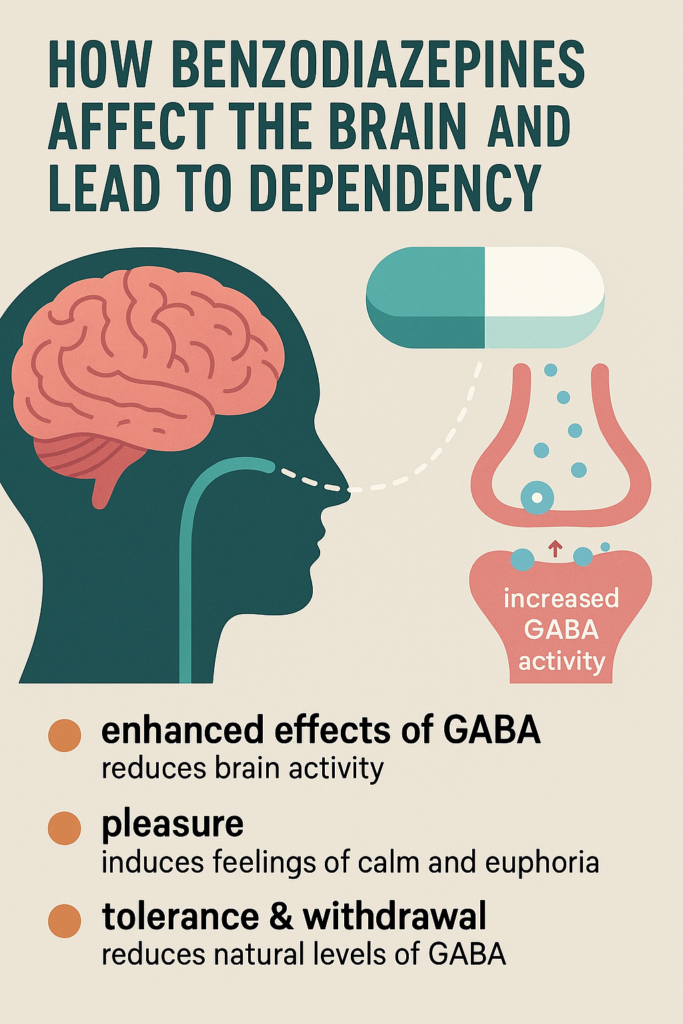
Benzodiazepines work by enhancing the activity of a neurotransmitter called gamma-aminobutyric acid (GABA). GABA slows down brain activity and produces a calming effect. When benzodiazepines are consumed, they bind to GABA receptors in the brain and intensify this inhibitory effect, leading to reduced anxiety, sedation, and muscle relaxation.

Brain Areas Affected by Benzodiazepines:

  1. Limbic System – Controls emotions. Benzos reduce anxiety by calming this region.

  2. Cerebral Cortex – Involved in thought processes. Overuse can impair memory and concentration.

  3. Brainstem – Controls basic functions like respiration. High doses can dangerously slow breathing.

Over time, the brain adjusts to the drug’s presence by reducing its natural GABA production and becoming dependent on the medication for normal functioning. This is the foundation of benzodiazepine dependency.

Why Are Benzodiazepines Addictive?

The soothing effects of benzodiazepines can become psychologically and physically addictive. Users may start to increase the dosage or take the drug more frequently to feel the same effects—a phenomenon known as tolerance.

Key reasons benzodiazepines lead to addiction:

  • Rapid onset of calming effects triggers psychological reinforcement.

  • Withdrawal symptoms such as insomnia, panic, and seizures make quitting difficult.

  • Co-occurring disorders like depression and trauma increase dependency risk.

  • Rebound anxiety—when symptoms return worse than before—pushes users to resume use.

This cycle can quickly spiral into full-blown benzodiazepine addiction, especially without professional guidance.

Signs and Symptoms of Benzodiazepine Dependency

Recognizing the signs of benzo dependency early is crucial. At The Hope Rehab Center Islamabad, our specialists often identify the following symptoms in individuals seeking treatment:

Physical Symptoms:

  • Drowsiness

  • Dizziness

  • Muscle weakness

  • Slurred speech

  • Memory impairment

Psychological Symptoms:

  • Depression

  • Emotional numbness

  • Anxiety or panic when not using

  • Irritability and mood swings

Behavioral Signs:

  • Doctor shopping for prescriptions

  • Secretive behavior

  • Neglecting responsibilities

  • Using more than prescribed

If you or a loved one is showing these signs, it’s time to seek help from a trusted rehabilitation center in Islamabad.

Long-Term Effects of Benzodiazepine Abuse

Prolonged misuse of benzodiazepines can have damaging effects on both the mind and body. Long-term users often face:

  • Cognitive decline (difficulty focusing or recalling information)

  • Increased risk of dementia

  • Emotional blunting (inability to feel joy or sadness)

  • Severe withdrawal symptoms (including seizures)

  • Co-dependency on other substances

In worst-case scenarios, benzodiazepine dependency can lead to accidental overdose, especially when mixed with alcohol or opioids.

Benzodiazepine Withdrawal: A Risky Process Without Help

Withdrawal from benzodiazepines can be dangerous and should never be attempted without professional supervision. Symptoms may include:

  • Intense anxiety or panic attacks

  • Insomnia

  • Hallucinations

  • Seizures

  • Heart palpitations

At The Hope Rehab Center Islamabad, our medical detox programs offer safe and supervised withdrawal management, ensuring that patients are stabilized physically before starting psychological therapy.

How The Hope Rehab Center Islamabad Can Help

We understand that overcoming benzodiazepine addiction requires more than just detox—it demands a complete transformation of mindset, lifestyle, and coping strategies. Our comprehensive recovery plan includes:

1. Medical Detoxification

Safe, medically supervised withdrawal to manage acute symptoms.

2. Individual and Group Therapy

Evidence-based counseling to address root causes of dependency, such as trauma or anxiety.

3. Cognitive Behavioral Therapy (CBT)

Helps patients reframe negative thoughts and manage triggers.

4. Family Counseling

Rebuilds trust and strengthens support systems.

5. Aftercare Support

Continued therapy, relapse prevention planning, and alumni support groups.

With an expert team of psychiatrists, addiction counselors, and mental health professionals, we are a leading drug rehab center in Islamabad for benzo addiction recovery.

Preventing Benzodiazepine Dependency

While some individuals genuinely need benzodiazepines for medical reasons, preventing dependency is crucial:

  • Use only as prescribed by a doctor.

  • Avoid combining with alcohol or other depressants.

  • Discuss alternative anxiety treatments (e.g., therapy, lifestyle changes).

  • Consult your doctor regularly if using long-term.

  • Never increase dosage without professional guidance.

Final Thoughts: A Path to Freedom from Benzodiazepine Addiction

Benzodiazepines may offer temporary relief, but their long-term use can severely alter brain chemistry and lead to physical and emotional dependency. At The Hope Rehab Center Islamabad, we provide compassionate, science-based care to help individuals break free from addiction and reclaim their lives.

If you or someone you love is struggling with benzodiazepine addiction in Islamabad, don’t wait. Reach out to us for a confidential consultation and take the first step toward lasting recovery.

Contact Us Today
📍 The Hope Rehab Center, Islamabad
📞 Call: +92 304 5733455
🌐 Visit: https://thehoperehab.pk/