The Hope Rehab Center

Category Cognitive Behavioral Therapy (CBT)

Hopelessness Is a Sin: Understanding the Spiritual and Emotional Weight of Despair

Hopelessness Is a Sin: Understanding the Spiritual and Emotional Weight of Despair

Hopelessness is a heavy emotional state that can make a person feel lost, empty, and disconnected from life. It often appears during difficult times—when pain feels endless, when prayers seem unanswered, or when life becomes overwhelming. Many people ask whether hopelessness is simply a feeling or something deeper.

From a spiritual perspective, hopelessness is often seen as dangerous because it can distance a person from faith, purpose, and trust in God. In many religious teachings, despair is discouraged because it can weaken the belief that healing, mercy, and change are still possible.

However, it is important to understand the difference between feeling hopeless and choosing to live in hopelessness.

Hopelessness as a Human Emotion

Every person experiences moments of sadness, pain, and uncertainty. Feeling hopeless during hardship does not make someone weak or sinful. It is part of being human. Loss, trauma, addiction, depression, and emotional pain can create intense feelings of despair.

What matters is how a person responds to those feelings.

When hopelessness becomes permanent in the mind, it can lead to isolation, depression, and harmful decisions. That is why emotional support, faith, and professional help are so important.

Spiritual Meaning of Hopelessness

Many faith traditions teach that God’s mercy, guidance, and help are always present—even when unseen. Losing all hope can sometimes reflect losing trust in that mercy.

In Islamic teachings, despairing completely of Allah’s mercy is strongly discouraged. The Qur’an repeatedly reminds believers that hardship is temporary and that relief can come after struggle.

Hopelessness becomes spiritually harmful when a person believes:

  • Things can never improve
  • Forgiveness is impossible
  • Recovery is out of reach
  • Their life has no value

These thoughts can trap a person in darkness.

The Connection Between Hopelessness and Mental Health

Hopelessness Is a Sin: Understanding the Spiritual and Emotional Weight of Despair

Hopelessness is also closely connected to mental health conditions like depression, anxiety, trauma, and addiction. Sometimes people do not feel hopeless because of weak faith—they feel hopeless because they are emotionally exhausted.

This is why mental health support matters.

At The Hope Rehabilitation Center Islamabad, Pakistan, individuals struggling with depression, addiction, and emotional trauma receive structured care designed to help them rebuild emotional strength and regain hope.

Professional treatment can help people understand that hopelessness is often a symptom, not a permanent truth.

How to Fight Hopelessness

Overcoming hopelessness often takes both spiritual and practical steps:

1. Speak to Someone

Keeping pain inside can make hopelessness stronger. Talking to a trusted person, therapist, or counselor can provide relief.

2. Reconnect with Faith

Prayer, reflection, and spiritual connection can help restore inner peace and perspective.

3. Focus on Small Steps

Recovery and healing do not happen overnight. Small progress still matters.

4. Seek Professional Help

If hopelessness is linked with depression, addiction, or trauma, professional support may be necessary.

At The Hope Rehabilitation Center Islamabad, Pakistan, mental health and addiction recovery programs help individuals rebuild confidence, emotional balance, and hope.

Final Thoughts

Hopelessness is not something to ignore. While it can be a painful emotional experience, living in complete despair can damage both mental health and spiritual well-being. The key is to remember that no hardship lasts forever.

Healing is possible. Forgiveness is possible. Recovery is possible.

Even in the darkest moments, hope remains one of the strongest forces a person can hold onto. Sometimes the first step toward healing is simply believing that a better day can still come.

Alcohol Addiction – Alcohol Addiction Treatment in Islamabad, Pakistan

Alcohol Addiction – Alcohol Addiction Treatment in Islamabad, Pakistan

Alcohol addiction is a serious health condition that can affect a person’s physical health, emotional stability, family life, and social responsibilities. While alcohol may begin as a casual habit for some, regular and excessive drinking can gradually turn into dependence. This condition often makes it difficult for individuals to stop drinking without professional support.

For people searching for Alcohol Addiction Treatment in Islamabad, Pakistan, understanding the signs, causes, and treatment options is an important step toward recovery. At The Hope Rehabilitation Center Islamabad, Pakistan, individuals struggling with alcohol addiction receive professional, ethical, and personalized care designed to support long-term healing and emotional wellness.

Understanding Alcohol Addiction

Alcohol addiction, also known as alcohol use disorder (AUD), occurs when a person becomes physically or psychologically dependent on alcohol. Over time, alcohol changes the brain’s reward system, making it harder to control drinking habits.

What may start as social drinking can slowly become a pattern of excessive alcohol consumption. As tolerance builds, a person may need larger amounts of alcohol to feel the same effect, increasing the risk of addiction.

Without proper treatment, alcohol addiction can affect health, relationships, and daily functioning.

Common Signs of Alcohol Addiction

Recognizing the symptoms of alcohol addiction can help individuals seek support before the condition worsens.

Common signs include:

  • Strong cravings for alcohol
  • Drinking larger amounts than intended
  • Difficulty stopping alcohol use
  • Withdrawal symptoms such as sweating, shaking, or nausea
  • Mood swings and irritability
  • Neglecting responsibilities at work or home
  • Sleep disturbances
  • Relationship conflicts
  • Memory problems
  • Increased tolerance to alcohol

If these signs continue over time, professional treatment may be needed.

Causes and Risk Factors

Alcohol addiction often develops due to a combination of factors.

Emotional Stress

Many individuals use alcohol to cope with stress, anxiety, depression, or emotional pain. This can increase the risk of dependence over time.

Genetic Factors

A family history of alcohol addiction may increase a person’s vulnerability to developing similar patterns.

Social Environment

Peer pressure, social gatherings, and easy access to alcohol can contribute to excessive drinking habits.

Mental Health Conditions

People experiencing depression, trauma, anxiety, or chronic stress may use alcohol as a way to manage difficult emotions.

Health Effects of Alcohol Addiction

Long-term alcohol misuse can have serious effects on both physical and mental health.

Physical Health Effects

Alcohol addiction may contribute to:

  • Liver disease
  • Heart problems
  • Digestive issues
  • Sleep disorders
  • Weak immune system
  • Nutritional deficiencies
Alcohol Addiction – Alcohol Addiction Treatment in Islamabad, Pakistan

Mental Health Effects

Alcohol can also impact emotional and psychological well-being by causing:

  • Depression
  • Anxiety
  • Poor concentration
  • Memory loss
  • Mood instability

These effects can significantly reduce a person’s quality of life.

Why Professional Alcohol Addiction Treatment Is Important

Recovering from alcohol addiction can be difficult without proper support, especially because withdrawal symptoms may become severe.

Seeking Alcohol Addiction Treatment in Islamabad, Pakistan can provide individuals with structured care and professional guidance throughout recovery.

Professional treatment may help with:

  • Safe withdrawal management
  • Understanding addiction triggers
  • Emotional healing
  • Relapse prevention planning
  • Rebuilding healthy routines
  • Strengthening family relationships

At The Hope Rehabilitation Center Islamabad, Pakistan, treatment focuses on both physical recovery and emotional wellness.

Treatment Approaches for Alcohol Addiction

Assessment and Evaluation

Recovery often begins with a detailed assessment to understand the individual’s drinking patterns, health status, and personal treatment goals.

Detoxification Support

Detox is often the first stage for individuals with physical dependence on alcohol. Medical supervision helps manage withdrawal symptoms safely.

Individual Therapy

One-on-one counseling helps individuals explore personal challenges and the emotional reasons behind alcohol use.

Cognitive Behavioral Therapy (CBT)

CBT helps identify negative thinking patterns and teaches healthier ways to manage stress and cravings.

Group Therapy

Group sessions provide peer support and shared experiences, helping individuals feel less isolated during recovery.

Family Support Programs

Family involvement can be an important part of healing. Education and counseling sessions can improve communication and help loved ones better support recovery.

Relapse Prevention Strategies

Recovery from alcohol addiction is a long-term process. Learning relapse prevention skills can help maintain sobriety.

Common relapse prevention strategies include:

  • Avoiding triggers
  • Managing stress effectively
  • Building healthy daily routines
  • Continuing therapy
  • Joining support groups
  • Maintaining strong social support

These strategies help individuals stay focused on their recovery goals.

Benefits of Early Alcohol Addiction Treatment

Seeking help early can improve recovery outcomes and reduce long-term health risks.

Benefits may include:

  • Better physical health
  • Improved emotional stability
  • Stronger relationships
  • Better work performance
  • Increased self-confidence
  • Improved overall quality of life

Early intervention can provide the tools needed for healthier decision-making and long-term wellness.

Frequently Asked Questions (FAQs)

1. What is alcohol addiction?

Alcohol addiction is a condition where a person becomes dependent on alcohol and struggles to stop drinking despite negative consequences.

2. Can alcohol withdrawal be dangerous?

Yes. In some cases, alcohol withdrawal can cause serious symptoms, which is why medical supervision is often recommended.

3. How is alcohol addiction treated?

Treatment may include detoxification, therapy, counseling, family support, and relapse prevention planning.

4. Can alcohol addiction affect mental health?

Yes. Alcohol addiction is often linked with anxiety, depression, mood changes, and emotional instability.

5. Is long-term recovery possible?

Yes. With proper treatment, support, and ongoing commitment, many individuals achieve long-term recovery.

Conclusion

Alcohol addiction can affect every area of life, from physical health to emotional well-being and personal relationships. However, recovery is possible with professional care and the right support system. Seeking Alcohol Addiction Treatment in Islamabad, Pakistan can help individuals safely manage withdrawal, address underlying causes, and build healthier coping strategies.

The Hope Rehabilitation Center Islamabad, Pakistan is dedicated to providing compassionate, ethical, and personalized addiction treatment. Through counseling, therapy, family support, and relapse prevention strategies, individuals can work toward recovery, emotional stability, and a healthier future.

Best Rehab Center – Best Rehab Center in Islamabad, Pakistan

Best Rehab Center – Best Rehab Center in Islamabad, Pakistan

Addiction and mental health challenges can affect every aspect of a person’s life, including physical health, emotional well-being, family relationships, and professional responsibilities. Seeking timely support from a qualified rehabilitation facility can be an important step toward recovery and long-term wellness. When individuals search for the Best Rehab Center in Islamabad, Pakistan, they are often looking for compassionate care, professional treatment, and a supportive environment that promotes healing.

The Hope Rehabilitation Center Islamabad, Pakistan is committed to providing ethical, evidence-based, and individualized care for people facing substance use disorders and mental health concerns. Recovery is a personal journey, and professional support can help individuals build the skills and confidence needed for positive change.

Understanding the Role of a Rehabilitation Center

A rehabilitation center provides structured treatment and support for individuals dealing with addiction, mental health conditions, and behavioral challenges. These facilities offer professional guidance designed to address the physical, emotional, psychological, and social aspects of recovery.

The goal of rehabilitation is not only to help individuals stop harmful behaviors but also to support healthier lifestyles, emotional resilience, and long-term well-being.

Why Professional Rehabilitation Matters

Addiction is a complex health condition that often requires more than personal determination alone. Many individuals experience withdrawal symptoms, cravings, emotional distress, or underlying mental health challenges that make recovery difficult without professional support.

A quality rehabilitation program can help individuals:

  • Understand the causes of addiction
  • Develop healthier coping strategies
  • Manage cravings and triggers
  • Improve emotional well-being
  • Strengthen family relationships
  • Build relapse prevention skills

Choosing the Best Rehab Center in Islamabad, Pakistan can provide access to comprehensive care tailored to individual needs.

Common Conditions Treated in Rehabilitation Centers

Modern rehabilitation facilities often provide support for a variety of conditions, including:

Drug Addiction

Substance use disorders involving heroin, cocaine, cannabis, ICE (crystal meth), opioids, and prescription medications can significantly impact daily life and health.

Alcohol Addiction

Alcohol dependence can affect physical health, mental well-being, relationships, and professional responsibilities.

Mental Health Disorders

Many rehabilitation centers also address mental health conditions such as:

  • Anxiety disorders
  • Depression
  • Stress-related conditions
  • Trauma-related concerns
  • Emotional and behavioral challenges

Dual Diagnosis

Some individuals experience both addiction and mental health conditions simultaneously. Integrated treatment approaches can help address both concerns together.

Key Features of the Best Rehab Center in Islamabad, Pakistan

Best Rehab Center – Best Rehab Center in Islamabad, Pakistan

When evaluating rehabilitation options, several important factors should be considered.

Personalized Treatment Plans

Every individual’s recovery journey is unique. Effective rehabilitation programs create customized treatment plans based on personal needs, health history, and recovery goals.

Qualified Healthcare Professionals

Professional treatment teams often include therapists, counselors, addiction specialists, psychologists, and healthcare providers who work together to support recovery.

Safe and Supportive Environment

A structured and supportive setting can help individuals focus on healing while reducing exposure to triggers and unhealthy influences.

Family Involvement

Family support can play a valuable role in the recovery process. Educational programs and family counseling may help strengthen communication and understanding.

At The Hope Rehabilitation Center Islamabad, Pakistan, family engagement is recognized as an important component of comprehensive care.

Treatment Approaches Used in Rehabilitation

Assessment and Evaluation

Treatment usually begins with a thorough assessment to understand an individual’s physical health, mental well-being, substance use history, and recovery objectives.

Detoxification Support

For individuals experiencing physical dependence, detoxification may be an important first step. Medical supervision can help manage withdrawal symptoms safely and comfortably.

Individual Therapy

One-on-one counseling allows individuals to explore personal challenges, identify triggers, and develop healthier coping mechanisms.

Cognitive Behavioral Therapy (CBT)

CBT is widely recognized for helping individuals identify negative thought patterns and replace them with constructive behaviors.

Group Therapy

Group sessions provide peer support, shared experiences, and encouragement throughout the recovery journey.

Relapse Prevention Programs

Long-term recovery often involves learning strategies to manage stress, recognize triggers, and maintain positive lifestyle changes.

The Importance of Mental Health Support

Mental health and addiction are often closely connected. Anxiety, depression, trauma, and chronic stress can contribute to substance use, while addiction itself may worsen emotional challenges.

Comprehensive rehabilitation programs address both addiction recovery and mental wellness to support lasting positive outcomes.

Individuals receiving integrated care often benefit from:

  • Improved emotional stability
  • Better coping skills
  • Enhanced self-awareness
  • Stronger resilience during recovery

Benefits of Seeking Treatment Early

Early intervention can help reduce the impact of addiction and mental health conditions before they become more severe.

Potential benefits include:

  • Improved physical health
  • Better emotional well-being
  • Stronger personal relationships
  • Increased productivity
  • Reduced risk of complications
  • Greater quality of life

Seeking help early may provide individuals with more opportunities to achieve sustainable recovery.

Why Recovery Is a Lifelong Journey

Recovery extends beyond completing a treatment program. Ongoing support, healthy habits, counseling, and positive social connections can contribute to long-term success.

Many individuals benefit from continuing care services that help reinforce recovery skills and maintain motivation over time.

At The Hope Rehabilitation Center Islamabad, Pakistan, recovery is viewed as a continuing process focused on personal growth, wellness, and resilience.

Frequently Asked Questions (FAQs)

1. What services does a rehabilitation center provide?

Rehabilitation centers typically offer assessment, detoxification support, counseling, therapy, relapse prevention planning, and mental health support.

2. How do I know if someone needs rehabilitation treatment?

Common signs include substance dependence, withdrawal symptoms, declining health, relationship difficulties, and challenges managing daily responsibilities.

3. Can mental health conditions be treated alongside addiction?

Yes. Many rehabilitation programs provide integrated treatment for both addiction and co-occurring mental health conditions.

4. Is family involvement important during recovery?

Family support often plays a valuable role in recovery by improving communication, understanding, and emotional support.

5. How long does rehabilitation treatment take?

Treatment duration varies depending on individual circumstances, treatment goals, and the complexity of the condition being addressed.

Conclusion

Finding the Best Rehab Center in Islamabad, Pakistan involves choosing a facility that prioritizes professional care, ethical treatment practices, individualized support, and long-term recovery planning. Addiction and mental health challenges can be difficult, but recovery is possible with the right guidance and support.

The Hope Rehabilitation Center Islamabad, Pakistan is dedicated to providing compassionate, evidence-based care that supports individuals and families throughout the recovery journey. Through personalized treatment plans, therapeutic support, mental health services, and relapse prevention strategies, individuals can work toward healthier lives and lasting well-being.
Cognitive Behavioral Therapy (CBT) – Cognitive Behavioral Therapy (CBT) in Islamabad, Pakistan

Cognitive Behavioral Therapy (CBT) – Cognitive Behavioral Therapy (CBT) in Islamabad, Pakistan

Mental health and addiction recovery often require more than physical treatment alone. Thoughts, emotions, and behaviors are deeply connected, and unhealthy thinking patterns can significantly affect a person’s well-being. One of the most widely recognized and evidence-based approaches used in modern mental health care is Cognitive Behavioral Therapy (CBT). Individuals seeking Cognitive Behavioral Therapy (CBT) in Islamabad, Pakistan often benefit from structured support designed to help them understand and change negative thought patterns that influence their emotions and actions.

At The Hope Rehabilitation Center Islamabad, Pakistan, Cognitive Behavioral Therapy is an important component of comprehensive mental health and addiction recovery programs. CBT helps individuals develop practical coping strategies, improve emotional resilience, and work toward healthier daily functioning.

What Is Cognitive Behavioral Therapy (CBT)?

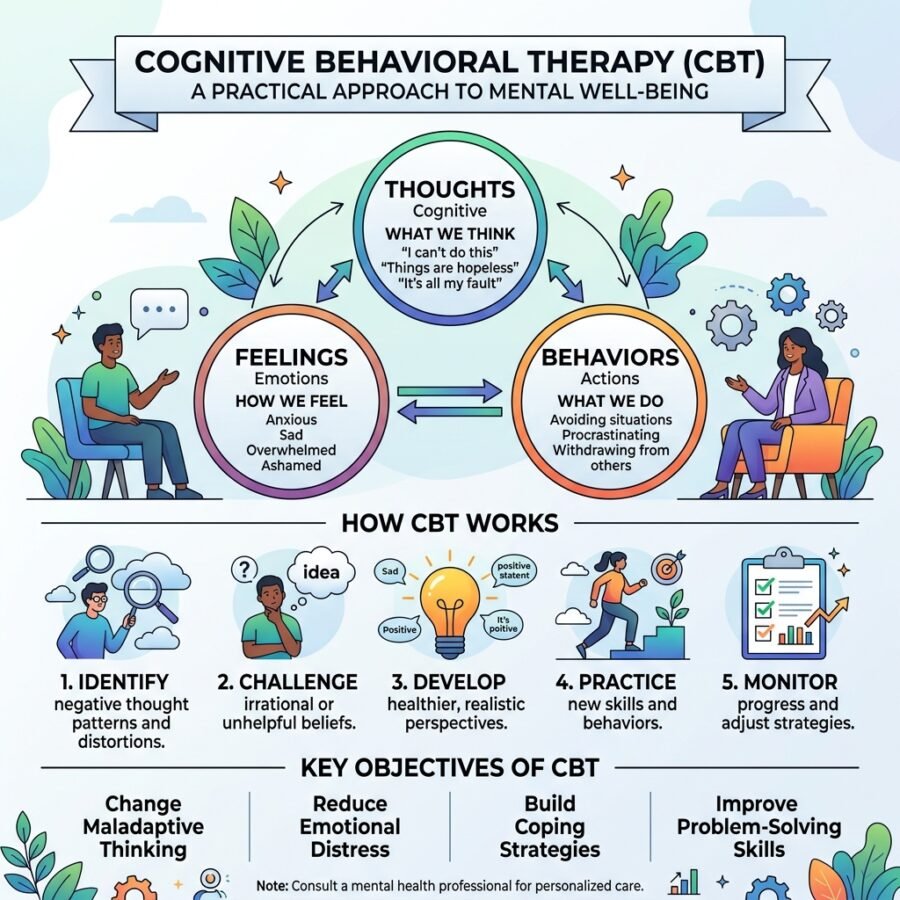
Cognitive Behavioral Therapy, commonly known as CBT, is a structured form of psychotherapy that focuses on the relationship between thoughts, feelings, and behaviors. The core principle of CBT is that negative thought patterns can influence emotional distress and unhealthy behaviors.

By identifying and challenging these thoughts, individuals can learn healthier ways of thinking and responding to life’s challenges. CBT is goal-oriented, practical, and designed to provide skills that can be applied in everyday situations.

Today, Cognitive Behavioral Therapy (CBT) in Islamabad, Pakistan is widely used to support individuals facing mental health concerns, addiction recovery challenges, stress-related conditions, and emotional difficulties.

How CBT Works

CBT helps individuals recognize automatic negative thoughts that may contribute to anxiety, depression, addiction, or emotional distress. Once these thoughts are identified, therapists work with individuals to evaluate their accuracy and replace them with healthier perspectives.

The therapy process often includes:

  • Identifying harmful thinking patterns
  • Understanding emotional triggers
  • Learning problem-solving skills
  • Developing healthy coping mechanisms
  • Practicing behavioral changes
  • Building emotional resilience

Rather than focusing solely on past experiences, CBT emphasizes current challenges and practical solutions that can improve daily life.

Conditions Commonly Treated with CBT

Cognitive Behavioral Therapy is used to support a wide range of mental health and behavioral conditions.

Anxiety Disorders

CBT helps individuals manage excessive worry, panic attacks, social anxiety, and fear-based thinking.

Depression

Many people struggling with depression experience negative self-beliefs and hopeless thoughts. CBT helps challenge these patterns and encourage healthier thinking.

Substance Use Disorders

CBT is commonly used in addiction recovery programs to help individuals recognize triggers, manage cravings, and prevent relapse.

Stress Management

People dealing with chronic stress often benefit from CBT techniques that improve emotional regulation and coping skills.

Obsessive Thoughts and Behavioral Challenges

CBT can support individuals experiencing repetitive thoughts, unhealthy habits, or difficulty managing emotions.

Cognitive Behavioral Therapy (CBT) – Cognitive Behavioral Therapy (CBT) in Islamabad, Pakistan

Benefits of Cognitive Behavioral Therapy (CBT)

One reason CBT is widely respected is its focus on practical and measurable progress. Individuals learn skills that can continue benefiting them long after therapy sessions have ended.

Common benefits include:

  • Improved emotional awareness
  • Better stress management
  • Reduced negative thinking
  • Enhanced problem-solving abilities
  • Healthier relationships
  • Increased self-confidence
  • Stronger coping skills

These benefits make Cognitive Behavioral Therapy (CBT) in Islamabad, Pakistan a valuable option for individuals seeking long-term emotional wellness.

CBT and Addiction Recovery

Addiction often involves behavioral patterns that become deeply connected to thoughts and emotions. Individuals may use substances in response to stress, sadness, anxiety, or social pressure.

CBT helps individuals:

  • Identify addiction triggers
  • Recognize unhealthy thinking patterns
  • Develop alternative coping strategies
  • Improve decision-making skills
  • Strengthen relapse prevention plans

At The Hope Rehabilitation Center Islamabad, Pakistan, CBT is frequently integrated into addiction treatment programs to support lasting recovery and emotional stability.

The Role of CBT in Mental Health Treatment

Mental health challenges can affect every aspect of life, including work performance, family relationships, social interactions, and physical health. CBT provides practical tools that help individuals respond more effectively to difficult situations.

Therapy sessions may focus on:

  • Managing emotional reactions
  • Building self-esteem
  • Improving communication skills
  • Reducing self-criticism
  • Developing healthier daily routines

Because CBT is highly adaptable, treatment plans can be customized to meet each individual’s unique needs and goals.

Why Professional Guidance Matters

Although self-help resources can be useful, professional CBT guidance offers structured support and personalized strategies. Trained mental health professionals can help individuals identify underlying issues and develop realistic goals for improvement.

Professional support often provides:

  • Objective feedback
  • Personalized treatment planning
  • Accountability and encouragement
  • Safe discussion of emotional concerns
  • Ongoing progress evaluation

Seeking professional Cognitive Behavioral Therapy (CBT) in Islamabad, Pakistan can help individuals gain a deeper understanding of their emotions and behaviors while working toward positive change.

FAQs About Cognitive Behavioral Therapy (CBT)

1. What is the main goal of Cognitive Behavioral Therapy?

The primary goal of CBT is to help individuals identify and change negative thought patterns that influence emotions and behaviors.

2. Is CBT effective for addiction recovery?

CBT is widely used in addiction treatment because it helps individuals understand triggers, manage cravings, and develop healthier coping strategies.

3. How long does Cognitive Behavioral Therapy take?

The duration varies depending on individual needs, treatment goals, and the complexity of the issues being addressed.

4. Can CBT help with anxiety and depression?

Yes. CBT is commonly used to support individuals experiencing anxiety disorders, depression, stress, and other emotional challenges.

5. Is CBT suitable for all age groups?

CBT can be adapted for adolescents, adults, and older individuals, depending on their specific needs and circumstances.

Conclusion

Cognitive Behavioral Therapy is a practical and evidence-based approach that helps individuals understand the connection between thoughts, emotions, and behaviors. By learning healthier thinking patterns and effective coping strategies, people can improve emotional well-being, strengthen relationships, and manage life’s challenges more effectively.

At The Hope Rehabilitation Center Islamabad, Pakistan, Cognitive Behavioral Therapy (CBT) in Islamabad, Pakistan is incorporated into comprehensive mental health and addiction recovery programs. Through professional guidance, structured therapy, and compassionate support, individuals can work toward meaningful personal growth, emotional stability, and a healthier future.