The Hope Rehab Center

Category Individual Counseling sessions

Ecstasy Addiction | Drug Addict Rehab Center in Islamabad, Pakistan

Ecstasy Addiction | Drug Addict Rehab Center in Islamabad, Pakistan

Ecstasy, or MDMA, is a man-made substance that alters mood, energy levels and perception. Although often associated with such environments as parties or social gathering, repeated use can lead to dependency and severe health issues. Eventually, people may come to depend on the drug for their energy, self-assurance, or emotional connection, and that dependence can lead to addiction.

It is also essential to identify the signs of ecstasy addiction and get professional help. One of the best Addiction Treatment Center in Islamabad, Pakistan provides a safe and controlled environment where you can receive structured care. Treatment programs at The Hope Rehabilitation Center Islamabad Pakistan focuses on psycho-behavioral aspects of addiction and also helps you to recover for long-term.

Awareness of the dangers associated with ecstasy and treatment options can lead users and their families to make informed decisions towards a better life.

Understanding Ecstasy Addiction

How does Ecstasy work? Ecstasy promotes the release of several chemicals in the brain, most notably serotonin and dopamine. These chemicals affect mood, enjoyment and emotional bonding. Although the initial outcome may provide more energy levels and happiness, chronic usage can de-regulate the brain’s natural state.

As time goes on, people may seek larger doses to experience the same effects. Over time, this behavior can escalate into dependence which is when the body and mind start to crave the substance.

Ecstasy Addiction | Drug Addict Rehab Center in Islamabad, Pakistan

A seasoned Addiction Treatment Center in Islamabad, Pakistan carries out medical and psychological evaluations to assess the degree of addiction and suggest possible treatment approaches.

Symptoms and Signs of Ecstasy Addiction

People can learn to identify the early signs of ecstasy addiction and seek help sooner. Symptoms can range from person to person, but some common signs include:

  • Frequent cravings for the drug
  • Increased tolerance, requiring higher doses
  • Mood swings or emotional instability
  • Sleep disturbances or fatigue
  • Reduced concentration or memory difficulties
  • Isolation from family or community activities

If these symptoms become disruptive to daily life, they may require professional help from Addiction Treatment Center Islamabad Pakistan.

What Are the Health Effects of Long-Term Ecstasy Use?

While ecstasy is viewed by some as a party drug with relatively few dangers, it can have long-term effects on both mental and physical health.

Possible effects may include:

  • Anxiety and depression
  • Difficulty with memory and learning
  • Emotional instability
  • Sleep problems and fatigue
  • Higher stress on the body and brain

For instance, The Hope Rehabilitation Center Islamabad Pakistan, assesses the physical and psychological aspects of substance use at the time of treatment planning.

A Professional Addiction Treatment Center: Islamabad, Pakistan works to cure health problems he faces and helps him restore his emotional balance.

Treatment Approaches for Ecstasy Addiction

Treatment involves a combination of medical assistance, therapy, and emotional support. These programs are meant to get them to recognize the patterns of their behavior and teach an alternative way of coping.

Medical Evaluation and Detox Support

Treatment typically begins with a thorough assessment of the person’s physical and mental health. This evaluation determines the best way to address withdrawal symptoms and initiate recovery as safely as possible.

During detox, patients are susceptible to medical complications and require clinical supervision – offered at The Hope Rehabilitation Center Islamabad, Pakistan – to safeguard safety throughout the first stages of treatment.

Behavioral Therapy

Psychotherapeutic techniques are, for instance, of CBT (Cognitive Behavioral Therapy) which is popularly used technique in recovery from addiction. Such therapies assist both individuals in taking notice of destructive habitual thought patterns, as well as forming more functional responses to emotional triggers or stress.

In a specialized Addiction Treatment Center in Islamabad, Pakistan, behavioral therapy is included to ensure that recovery period becomes permanent along with addiction prevention.

Individual and Group Counseling

Counseling sessions create a safe environment for individuals to speak openly about their personal experiences and struggles with substance use. Group therapy also enables patients to interact with people undergoing similar experiences, fostering a sense of camaraderie.

Counseling Programs at The Hope Rehabilitation Center Islamabad, Pakistan

Why You Want a Recovery Environment That Works in Your Favor

This humility and accountability become an addiction recovery ally when paired with a stable environment. The routines provided by rehabilitation centers are often structured and involve therapy sessions, educational discussions, and wellness activities.

A professional Addiction Treatment Center in Islamabad, Pakistan allows you to concentrate on your recovery away from the stressors or triggers of everyday life.

Treatment programs at The Hope Rehabilitation Center Islamabad Pakistan promote healthier habits among patients, enhance emotional awareness, and build on coping skills.

Long-Term Recovery and Relapse Prevention

For many, defeating addiction ultimately requires lifelong commitment and vigilance beyond the initial treatment period. Long-term success typically requires continued support and relapse prevention efforts.

Rehabilitation programs generally provide people with real-life skills like:

  • Stress management and emotional regulation
  • Developing positive daily routines
  • Avoiding high-risk situations and identifying triggers
  • Continuing counseling and follow-up care

an exclusive Addiction Treatment Center in Islamabad, Pakistan is committed to helping individuals achieve stability and establish healthy lifestyles following their treatment.

Frequently Asked Questions (FAQs)

1.     What is ecstasy addiction?

MDMA addiction, in fact, occurs when someone develops a dependency on ecstasy and continues to take it despite negative effects on their life or health.

2.     16 common signs of ecstasy addiction include:

Characteristic symptoms include cravings, mood swings, sleep disturbances, increased tolerance and withdrawal from everyday activities.

3.     Can ecstasy affect mental health?

Yes. Long-term use can lead to anxiety, depression, trouble with memory and emotional instability.

4.     How is ecstasy addiction treated?

Treatment typically includes medical assessment, as well as counseling and behavioral therapies with continuing support to assist individuals in stopping destructive behaviors.

5.     Why do you need rehabilitation center help?

The professionalism of an Addiction Treatment Center in Islamabad, Pakistan brings structure, therapeutic support, and guidance that can help someone safely be on the road to recovery.

Conclusion

The effects of ecstasy addiction include serious implications for mental and physical well-being. While the drug is able to create temporary feelings of pleasure or energy — it still leads to a dependence and instability in emotions when used over time.

Another option is to seek professional support, such as working with an Addiction Treatment Center in Islamabad Pakistan. With counseling, behavioral therapy, and supportive care, individuals can learn healthier coping strategies and work toward better emotional balance.

At The Hope Rehabilitation Center Islamabad, Pakistan treatment programs at the rehabilitation center emphasize ethical care, professional guidance, and recovery patient-centered. The center provides a supportive and structured environment to help individuals embark on their journey to lasting recovery and a healthier life.
ICE METH Treatment Center Islamabad / Ice Treatment Center Islamabad

ICE | METH Treatment Center in Islamabad – Best Drug Addiction Treatment center in Islamabad

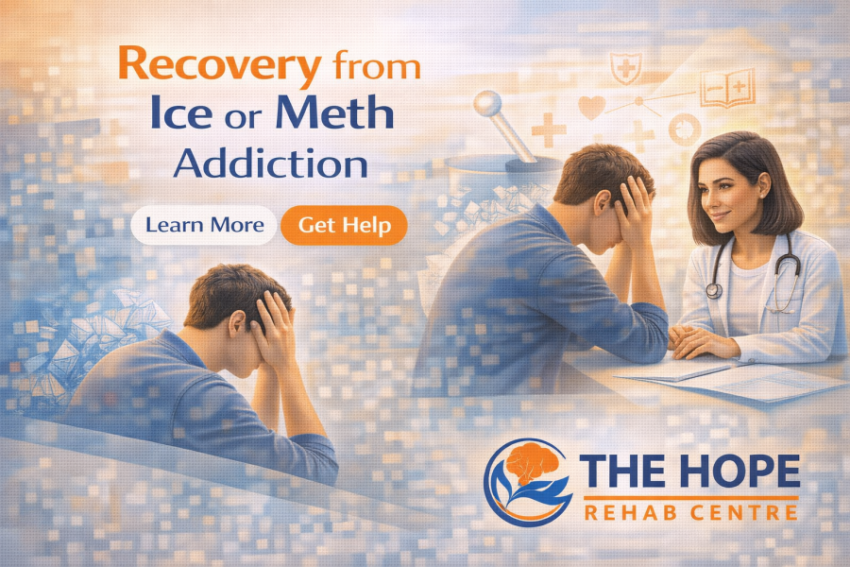
The abuse of methamphetamine, popularly known as “ICE,” has spiraled into a big concern across the globe. ICE is a strong stimulant and chronic use can lead to potentially harmful effects on physical health, psychological wellbeing or social functioning. The dangers of meth | Meth use in the US | Crystal meth: a history What is methamphetamine dependence?

Getting professional help is a significant step toward healing. ICE Treatment Center Islamabad is an appropriate substance rehab facility offering organized medical and therapeutic treatment for ICE or meth addiction. Positioned as a premier addiction treatment facility, we offer our patients specialized, genuine and caring services while ensuring their safety from harm and for supporting mental health during recovery into active high-quality planning of sustainable long-term recovery.

By understanding the process of ICE addiction and treatment options available an individual or family can make informed decisions on the road to recovery.

Understanding ICE (Methamphetamine) Addiction

ICE, which is crystal meth or methamphetamine, is a powerful addictive stimulant that affects the central nervous system. It creates overwhelming feelings of energy and vigilance, but those effects are fleeting and generally followed by devastating physical and emotional crashes.

ICE | METH Treatment Center in Islamabad – Best Drug Addiction Treatment center in Islamabad

Methamphetamine can be addicting when individuals feel a strong urge to continue using it despite negative consequences. Long-term use of ICE can have effects on brain, emotional state and decision making.

More information about the level of addiction and the measures to be taken can be gathered through a proper assessment, which is what a professional Ice Treatment Center Islamabad does.

Methamphetamine Dependence Signs and Symptoms

Understanding the signs and symptoms of ICE addiction can be a first step in getting help sooner rather than later.

Common symptoms may include:

  • Increased restlessness or hyperactivity
  • Difficulty sleeping or severe insomnia
  • Any unexplained weight loss or lack of appetite
  • Mood swings, irritability, or aggression
  • Social withdrawal or behavioral changes

But when these symptoms interfere with day-to-day living, professional treatment at an Ice Treatment Center Islamabad can offer a structured support system and medical guidance.

Health producers related to ICE use

There are many physical and mental health consequences of using methamphetamine. Long-term use may impair the brain’s capacity to manage emotions and can also lead to anxiety, paranoia or depression.

Other potential health concerns include:

  • Cardiovascular strain
  • Cognitive impairment, like memory issues
  • Increased stress and emotional instability
  • Sleep disruption and fatigue

Physical and psychological health conditions are assessed by healthcare professionals while providing treatment at The Hope Rehabilitation Center Islamabad, Pakistan. A simultaneous focus on these issues is crucial for sustainable recovery.

As an experienced Ice Treatment Center Islamabad knows how to offer balanced care that fosters medical stability while also promoting emotional health.

Treatment Approaches for ICE Addiction

This multi-modal treatment strategy targets the underlying behavioral addiction issues, as well as the emotional component of these maladaptive behaviors.

Medical Assessment and Detox Support

Before the treatment process starts, professionals evaluate the individuals’ medical history and drug usage patterns. This assessment examines the best method to treat withdrawal symptoms and to discharge safely.

Detox – At The Hope Rehabilitation Center Islamabad, Pakistan detox support is carried out under medical supervision to ensure the safety of patients throughout the early weeks of recovery.

Behavioral Therapy

ICE Addiction Treatment Behavioral Therapies Cognitive Behavioral therapy (CBT) is the most common tool used to achieve this goal, supporting humans as they learn to identify harmful thought patterns and develop positive coping mechanisms.

Therapy sessions also help patients get an idea of the triggers that affect substance use.

Counseling and Emotional Support

One-on-one therapy lets patients explore personal history, stress factors and emotional issues that may have fueled addiction.

However, a professional Ice Treatment Centre Islamabad is a familiar environment where you can explore all these questions and changes in your behavior.

Structured rehabilitation environment and its significance

Drug or alcohol intensive treatment patients often require supportive sober living environments in recovery. The daily regiment provided at rehabilitation centers protect against finding oneself in these dangerous situations during a critical time of healing.

The Hope Rehabilitation Center Islamabad, Pakistan has treatment programs ranging from therapy sessions to educational discussions and wellness activities that work towards overall recovery.

The environment in an Ice Treatment Center Islamabad is structured which helps you walk away from the negative influences and focus on creating a better lifestyle.

Long-Term Recovery and Relapse Prevention

Recovery from all of the above is a lifelong commitment and it is important to remember that recovery doesn’t end when formal treatment ends. And it trains them to avoid common triggers, teaching the skills to cope when things get tough.

Patients can gain useful skills like:

  • Stress management and emotional regulation
  • Developing healthy daily routines
  • Continued counseling and follow-up sessions
  • Building supportive relationships

At The Hope Rehabilitation Centre Islamabad, Pakistan we have made it a point that treatment plans are structured in such a way that they facilitate longer-term stability and personal growth beyond the early stages of recovery.

One specific Ice Treatment Center Islamabad focuses on empowering individuals as they re-integrate into regular living and practice healthy mental patterns.

Frequently Asked Questions (FAQs)

1.     What is ICE or methamphetamine?

Crystal meth or ICE is a potent central nervous system stimulant that can result in significant psychological as well as physical dependence.

2.     How is ICE addiction treated?

As rehabilitation progresses, it often involves both physical and psychological treatment, such as medical assessment, detox support, behavior therapy and counseling.

3.     Why Get Professional Treatment for Methamphetamine Addiction?

Treatment professionals can provide medical supervision, structure and emotional support that helps you manage withdrawal safely and start recovery.

4.     What is the duration for ICE addiction treatment?

How long a treatment program lasts is determined by each person’s health, history of addiction, and process in recovery.

5.     What post-treatment support will be offered?

Aftercare programs may involve counseling, follow-up therapy appointments, and relapse prevention techniques to hold on to recovery.

Conclusion

ICE or meth addiction can impact physical health, mental wellness, and life in general. At this point, one must learn to recognize the signs of dependency and reach out for professional help in order to begin the road toward recovery.

Enter Ice treatment center Islamabad, a therapeutic environment between the chaos of addiction and abstinence, offering structure, emotional support and closely monitored environments that may be able to help you along your recovery journey. Counseling, behavioral therapy or supportive care can help individuals to begin getting back on track with healthier routines and emotional stability.

Staff at The Hope Rehabilitation Center Islamabad, Pakistan are there to guide you on both your immediate recovery and long-term psychological well-being through individual treatment programs designed for each patient. All those with meth addiction in their life have a shot at a more productive, stable future under the right professional treatment and care.

How Individual Counseling Helps Navigate Life Transitions | Psychiatrics Treatment Center in Islamabad

Life is all abaut change, it’s a something changing. Whether one changes career or family, experiences the loss of a loved one, or moves house, we all go through transitions of some sort. Change can be a fantastic way to move forward, and bring new opportunities and growth; but it can also lead to stress, worry or fear. At hope rehab center we know one to one counseling can be of great assistance when dealing with them changing aspects in your life.

During a therapy session, our clients can work 1-on-1 in the comfort of therapeutic space to examine their own thoughts and feelings. With customized support, counselors assist people in learning new ways to cope, strengthen resiliency, and make healthy choices that positively influence mental health and well-being.

Understanding Life Transitions

Life transitions are events, or changes in one’s life that disrupt a person’s normal lifestyle and can affect their responsibilities and relationships. These changes can be positive, by taking a new job or having a baby, but they can also be difficult, such as facing divorce or losing someone close. These changes are part of life, but can be very emotional and seem overwhelming if not properly attended to.

Common life transitions include:

  • Career changes or job loss
  • Migration or shift from one city to another
  • Changes in household structure (marriage, divorce or children)
  • Health setbacks or healing from a period of sickness
  • Personal growth milestones

For most, negotiating these transitions takes more than just some hunkering down or serious reflection.

The Role of Individual Counseling

One-on-One Counselling Individual therapy, also commonly called one-to-one therapy or counselling, is a process through which clients work with trained mental heal professionals (counsellor) in a safe, caring, and confidential environment. Hope Rehab counselors customize sessions based on the individual client’s experience and offer practical techniques for coping with emotional confusions or changes.

Benefits of Individual Therapy Some benefits of in a one-to-one setting include:

1. Emotional Support and Validation

Life changes can bring up a cocktail of feelings, including excitement and hope but also anxiety and grief. Inividual counselling allows you to express these feelings without fear of judgment. Validation and normalisation of feelings for clients is important in helping them feel less burdened by their emotional responses to trauma, making sense of these reactions.

2. Developing Coping Strategies

A crucial part of therapy is assisting the client in learning healthier ways to cope. Trained counselors at The Hope Rehab Center – a reliable Psychiatrics Treatment Center in Islamabad help the clients to recognize triggers and stressors as they also demonstrate exercises on mindfulness, cognitive restructuring and relaxation which can also be used to cope with anxiety and uncertainty.

3. Improving Decision-Making

Transitions can be painful for one must not always choose between a rock and a hard place. With individual counseling comes clarity, allowing clients to examine alternatives and what the potential consequences would be if they select them, he said. This helps increase confidence and decrease the anxiety of large life event transitions.

4. Building Resilience

Resilience is the process of successfully adapting to adversity and change. You trigger resilience by promoting self-reflection, emotional stability, and the ability to resolve conflicts in counselling. Clients become more secure in their ability to face future challenges over time.

5. Enhancing Personal Growth

Littleton life coaching goes beyond adapting to change and encouraging personal growth. Clients increase self-awareness regarding their behavior, thoughts, and aspirations so that they can not only face passages in life as less of a threat and more like the opportunity for personal growth.

How Counseling Can Help Through Particular Life Changes

Career and Professional Changes

It can be stressful and disorienting to lose your job or make a career change. Counseling assists in coping with doubt, re-establishing career objectives and regaining confidence. Strategies like setting goals, self-assessment and stress management help clients make the leap from one job to another effectively.

Relationship and Family Adjustments

Emotional well-being can be affected by marriage, divorce, parenting or caregiving obligations. Counseling addresses difficulties in communication, emotional discord, and adjustment issues so that resources can be kept pleasantly in balance as clients deal with personal stress.

Health-Related Transitions

Coping with illness and recovery from disease often bring physical, emotional and psychological issues. Counseling offers emotional support, coping skills, and lifestyle change integrations when transitioning to better health.

Relocation and Environmental Changes

New city or culture or social context can be so overwhelming. Personal counseling assists with loneliness, anxiety, and homesickness as students work on making new friends and adjusting to their new environment.

Why The Hope Rehab Center

Being one of the leading Psychiatrics Treatment Center in Islamabad, The Hope Rehab Center is committed to serving with understanding and the best available counseling. Clinical Professional Counselors The breadth of our personal experiences gives RCS Counseling Services professionals the unique ability to assist people at any stage in the life transition process.

Clients benefit from:

  • Confidential and judgment-free sessions
  • Specific plans designed to meet personal needs
  • Acceptance around their emotional and behavioral issues
  • A comprehensive approach to their mental and emotional health

Emphasizing empathy, trust and ethical treatment/education, we help clients overcome change with resiliency and optimism.

Top-Climbing Approaches in One on One Counselling

  • Cognitive Behavioral Therapy (CBT): Assists individuals in pointing out negative ways of thinking and exchange them with productive thoughts.
  • Mindfulness and Relaxation Strategies: Lower anxiety levels and increase attention during transitions.
  • Purpose Driven Counseling: Helps clients develop strategies for personal and professional growth/action.
  • Solution-Focused Brief Therapy: Promotes relevant problem-solving skills and provides long-term growth.

When used as part of face-to-face counseling, these techniques increase flexibility, emotional balance and satisfaction in general.

Frequently Asked Questions (FAQs)

1. What is the duration of an individual therapy?

Counseling is short- or long term and depends on the intricacy of the life transition/your needs. Some are fine with in and out, other’s stay a while.

2. Can counseling assist with transitions, both personal and professional?

Yes. Individual therapy focuses on diverse life transition, relationship changing, career transitioning, moving and self-development to name a few.

3. Is what we say kept secret (confidential) during counseling?

Absolutely. The Hope Rehab Center Confidentiality is maintained in all ways that is for privacy and making sure all clients can have a safe environment.

4. What if I’m not ready to get started in counseling?

A counselor will offer you an initial consultation to get a sense of who you are and the concerns that brought you to counseling, share about our process, and how counseling can assist with how to effectively go through life transitions.

5. Do I need a referral to make an appoint for counseling at the Hope Rehab Center?

No referral is necessary. As a prospective guest you may engage with our trained counselors directly to plan your visit.

Conclusion

Life Transitions Managing life transitions is not always easy, yet individual counseling can help turn these into opportunities for progress, strength and insight. At The Hope Rehab Center Islamabad’s premier Rehabs in Islamabad, It helps individuals through this difficult period with clarity, confidence and mental stability. Clients develop the tools and confidence they need to make smooth transitions and succeed in all areas of life through individualized coaching sessions.

Group Therapy vs. Individual Therapy: Which Is Right for You?

When it comes to seeking mental health support, choosing between group therapy and individual therapy can be a crucial decision on your healing journey. Both forms of therapy offer unique benefits, and what works best often depends on your personal needs, comfort level, and recovery goals.

At The Hope Rehab Center, we understand how important it is to find the right therapeutic approach. In this guide, we’ll explore the key differences between group therapy and individual counseling, their benefits, and how to decide which one is best for your mental health and addiction recovery.

What Is Individual Therapy?

Individual therapy, also known as one-on-one therapy or talk therapy, involves a private session between a licensed therapist and a client. It is tailored to the individual’s specific mental health concerns such as depression, anxiety, PTSD, or addiction.

Key Features of Individual Therapy:

  • Personalized treatment plan

  • Confidential one-on-one environment

  • In-depth exploration of emotional issues

  • Goal-focused sessions with measurable progress

  • Safe space for trauma or sensitive topics

What Is Group Therapy?

Group therapy involves one or more therapists working with several individuals at the same time. Participants usually share similar struggles, such as substance abuse recovery, anxiety disorders, or trauma healing. It fosters a sense of community and shared healing.

Key Features of Group Therapy:

  • Peer support and accountability

  • Shared experiences and coping strategies

  • Social skill development

  • Empathy and reduced sense of isolation

  • Led by a trained therapist or counselor

Benefits of Individual Therapy

1. Personalized Attention

Each session is customized to your unique needs, challenges, and therapy goals. This allows for a deeper exploration of issues that may not be addressed in a group setting.

2. Privacy and Confidentiality

In individual therapy, you can speak freely without fear of judgment. This is especially important when discussing trauma, abuse, or addiction triggers.

3. Focused Progress Tracking

Your therapist can closely monitor your mental health journey, adjusting the treatment plan as needed based on your progress and feedback.

4. Flexible Scheduling

One-on-one therapy often offers more flexible timing options, allowing you to schedule sessions according to your convenience.

Benefits of Group Therapy

1. Community Support

Group therapy fosters a sense of belonging. Knowing you’re not alone in your struggle can be empowering and healing.

2. Learning from Others

Listening to others share their stories can give you new insights, strategies, and perspectives on your own challenges.

3. Builds Social Skills

Engaging in group discussions improves your communication and interpersonal skills—especially helpful for those with social anxiety or relationship issues.

4. Cost-Effective

Group therapy is often more affordable than individual therapy while still offering professional guidance and support.

Group Therapy vs. Individual Therapy: A Side-by-Side Comparison

Aspect Individual Therapy Group Therapy
Format One-on-one with therapist Therapist-led group sessions
Privacy Highly confidential Semi-confidential, group setting
Focus Deep personal issues Shared experiences and feedback
Cost Typically higher More affordable
Support Therapist-driven Peer and therapist support
Best For Trauma, severe depression, anxiety, addiction Social anxiety, addiction recovery, support needs

Which Therapy Is Right for You?

Choosing between individual and group therapy depends on several factors:

✔ Your Comfort Level

If you’re not ready to open up in a group setting, individual therapy might be the best start.

✔ Your Mental Health Needs

For deep-rooted personal issues, trauma, or co-occurring disorders, individual therapy provides more focused care. If you’re seeking community support, especially in addiction recovery, group therapy is highly effective.

✔ Your Budget

If cost is a concern, group therapy offers a more affordable alternative without sacrificing professional support.

✔ Your Recovery Stage

Those in early recovery may benefit from individual therapy first. As you progress, integrating into group therapy can offer peer connection and motivation.

The Hope Rehab Center’s Integrated Therapy Approach

At The Hope Rehab Center, we offer a comprehensive range of mental health and addiction recovery programs that combine both individual and group therapy.

Our Therapy Services Include:

  • Individual Counseling for Addiction and Mental Health

  • Group Therapy for Depression, Anxiety, and Substance Abuse

  • Trauma-Informed Therapy Programs

  • Dual Diagnosis Treatment Plans

  • Family Therapy and Relationship Counseling

  • Cognitive Behavioral Therapy (CBT)

  • Dialectical Behavior Therapy (DBT)

  • Holistic Healing Approaches (Yoga, Mindfulness, Art Therapy)

We tailor our programs based on a complete assessment of your emotional, psychological, and social needs. Whether you need individual focus, group dynamics, or a mix of both, we’re here to guide you every step of the way.

Real Stories. Real Healing.

Many of our clients have found success through a combination of group and individual therapy. One of our former clients shared:

“Starting with one-on-one counseling helped me face my inner demons. Once I gained confidence, group therapy gave me a support system I didn’t know I needed.”

Final Thoughts

Both group therapy and individual therapy play essential roles in mental health treatment and addiction recovery. The choice isn’t always about which is better—but rather, which is better for you at this point in your journey.

At The Hope Rehab Center, we believe in empowering you to make informed decisions about your treatment. Whether you start with private counseling or join a supportive therapy group, your path to healing begins with the right guidance.

Ready to take the first step?
Contact The Hope Rehab Center today to explore the best therapy options tailored to your recovery goals.

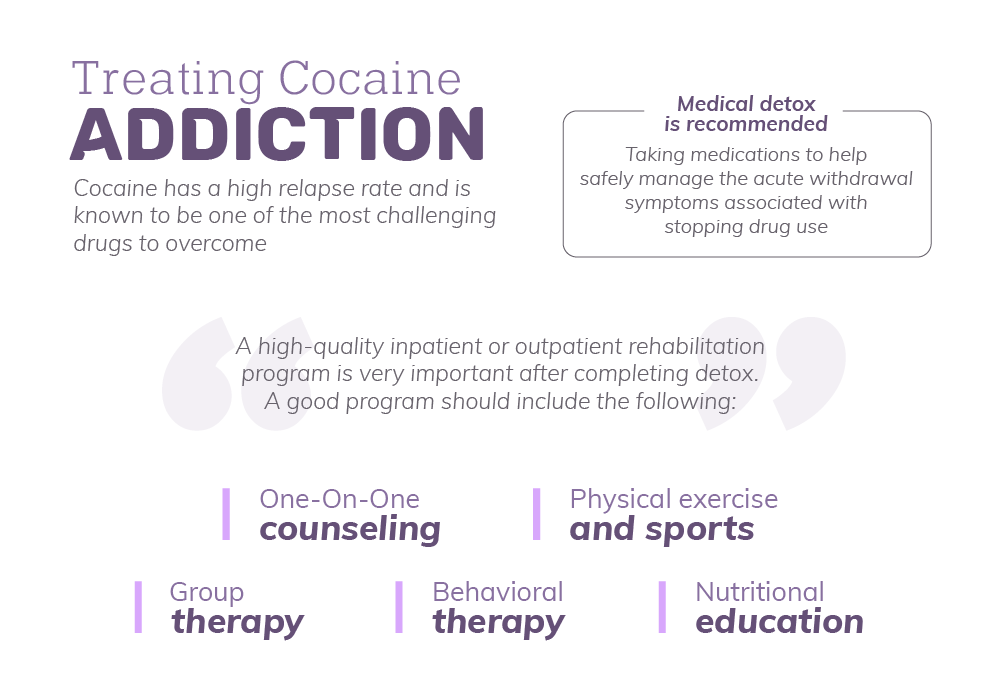
Effective Treatment Options for Overcoming Cocaine Addiction

Cocaine addiction is a serious and life-threatening condition that affects millions of people worldwide. At The Hope Rehab Center, we understand the profound impact substance abuse can have on individuals and their families. That’s why we offer comprehensive, evidence-based treatment programs designed to support recovery and promote long-term healing.

In this blog, we explore the most effective treatment options for overcoming cocaine addiction and how our team at The Hope Rehab Center can help you or your loved one reclaim a life free from drugs.

Understanding Cocaine Addiction

Cocaine is a powerful and highly addictive stimulant that significantly impacts the brain’s reward system. Over time, individuals who misuse cocaine develop a physical and psychological dependence that can be extremely difficult to break without professional help.

Common signs of cocaine addiction include:

  • Intense cravings

  • Increased tolerance

  • Mood swings and irritability

  • Financial and legal problems

  • Social withdrawal

  • Risky behaviors

Recognizing these signs early and seeking timely help from a reputable drug rehabilitation center is essential for a successful recovery journey.

Why Choose Professional Cocaine Addiction Treatment?

Cocaine addiction is not just a bad habit—it’s a chronic disease that requires professional intervention, personalized care, and consistent follow-up. Self-detox or quitting cold turkey often leads to dangerous withdrawal symptoms and a high risk of relapse.

At The Hope Rehab Center, we offer evidence-based cocaine addiction treatment programs tailored to each individual’s unique needs. Our holistic and supportive environment ensures clients receive physical, emotional, and psychological care throughout their recovery process.

Top Treatment Options for Cocaine Addiction

1. Medically Supervised Detoxification

The first step in overcoming cocaine addiction is medical detox. This process helps cleanse the body of cocaine and other harmful substances under the supervision of healthcare professionals. Detox addresses the uncomfortable and often dangerous withdrawal symptoms, such as:

  • Depression and anxiety

  • Fatigue and irritability

  • Intense drug cravings

  • Sleep disturbances

Our detox program at The Hope Rehab Center ensures that clients are safe, comfortable, and medically supported during this critical phase.

2. Inpatient Cocaine Rehab Programs

Inpatient treatment offers the most intensive level of care for individuals battling severe addiction. Clients stay at our secure and supportive facility, where they receive 24/7 medical care, therapy, and holistic support.

Benefits of inpatient cocaine rehab include:

  • Structured daily routines

  • Access to multiple therapy modalities

  • Peer support and accountability

  • Focused environment free from triggers

This type of residential rehab is ideal for clients who require immersive care and a break from external stressors or environments that may trigger relapse.

3. Outpatient Cocaine Treatment Programs

For individuals with mild to moderate addiction or those who need to maintain personal and professional responsibilities, outpatient treatment is an excellent option. This flexible program allows clients to attend therapy and support sessions during the day while returning home in the evenings.

Our intensive outpatient program (IOP) includes:

  • Behavioral therapy sessions

  • Family counseling

  • Relapse prevention education

  • Group therapy support

Outpatient treatment promotes long-term recovery while allowing clients to stay connected with their daily life.

4. Cognitive Behavioral Therapy (CBT)

CBT is one of the most effective behavioral therapies for cocaine addiction. It helps clients identify and change negative thought patterns and behaviors that contribute to substance abuse.

Through CBT, individuals learn to:

  • Recognize triggers and cravings

  • Develop healthy coping mechanisms

  • Strengthen emotional regulation

  • Set and achieve personal goals

At The Hope Rehab Center, licensed therapists guide clients through CBT sessions to promote self-awareness and positive behavioral changes.

5. Dual Diagnosis Treatment

Many people with substance use disorders also suffer from co-occurring mental health conditions, such as depression, anxiety, PTSD, or bipolar disorder. Our dual diagnosis program ensures both the addiction and mental health issues are treated simultaneously.

By addressing the root causes of addiction, we create a path to sustainable recovery and improved mental well-being.

6. Family Therapy and Support

Addiction affects not just the individual but also their family and loved ones. Our family counseling programs help rebuild trust, improve communication, and provide education about the nature of addiction.

Family support is a key component in long-term recovery and relapse prevention.

7. Aftercare and Relapse Prevention

Recovery doesn’t end after rehab—it’s a lifelong journey. Our aftercare programs at The Hope Rehab Center provide continuous support and guidance even after clients complete their primary treatment.

We offer:

  • Sober living arrangements

  • Ongoing therapy sessions

  • Peer support groups

  • Regular follow-ups and relapse prevention plans

These services empower clients to maintain sobriety and cope with life’s challenges without turning to drugs.

The Hope Rehab Center: Your Partner in Recovery

At The Hope Rehab Center, we believe that every individual has the power to heal and recover. Our compassionate team of addiction specialists, therapists, and medical professionals are committed to providing:

✅ Personalized care plans
✅ Safe and supportive environment
✅ Holistic treatment options
✅ 24/7 medical and emotional support

Whether you need inpatient care, outpatient treatment, or long-term aftercare, we’re here to walk with you every step of the way.

Conclusion: Start Your Recovery Today

Overcoming cocaine addiction is challenging, but with the right treatment and support system, recovery is absolutely possible. Don’t let addiction control your life any longer—reach out to The Hope Rehab Center and take the first step toward a brighter, drug-free future.

Contact us today to learn more about our cocaine addiction treatment programs and begin your journey to lasting recovery.