The Hope Rehab Center

Category Methadone addiction Treatment

ICE TREATMENT CENTER – ICE TREATMENT ISLAMABAD PAKISTAN

ICE TREATMENT CENTER – ICE TREATMENT ISLAMABAD PAKISTAN

Ice, which is sometimes referred to as crystal meth or methamphetamine, is a potent and highly addictive stimulant that has devastating effects on the physical health, mental well-being and quality of life of an individual. People addicted to ice have acute cravings, volatility in emotions and behavior that make it hard for them to complete day-to-day tasks. Wondering why seeking help can be a time when your life feels chaotic and professional.

Places like The Hope Rehabilitation Center Islamabad, Pakistan, offer structured treatment in a caring environment for those suffering from substance use disorders. Maroof International Hospital Ice Treatment in Islamabad Pakistan is one of the many individuals and families looking for reliable option for ice treatment now a days. In this article, we take a look at ice addiction and its effects, as well as how professional treatment programs can assist with long-term recovery.

Understanding Ice (Methamphetamine) Addiction

Ice is a man-made drug that stimulates the central nervous system. It boosts release of the feel-good hormone dopamine, the neurotransmitter signaling pleasure and reward. This increase induces strong sensations of euphoria, energy, and alertness. But they can quickly become addictive when used repeatedly.

Eventually the brain needs the drug for these effects, and individuals can’t feel normal without it. This dependence is what makes expert Ice Treatment in Islamabad Pakistan crucial for those that want healing.

ICE TREATMENT CENTER – ICE TREATMENT ISLAMABAD PAKISTAN

Causes and Risk Factors for Ice Addiction

An addiction is not developed overnight; ice addiction does take place over the course of time. There are multiple contributing factors that can increase the risk of dependency.

Psychological Stress and Trauma

In cases of stress, anxiety or emotional trauma, they may find sweet peace in ice.

Social and Environmental Influences

Risk factors that may increase the likelihood of experimenting with methamphetamine include peer pressure, exposure to drug use and certain social settings.

Previous Substance Use

A previous history of drug or alcohol use may increase vulnerability to stimulant addiction.

Treatment programs at The Hope Rehabilitation Center Islamabad, Pakistan, work on the underlying causes of addiction so that recovery can be durable and meaningful.

Symptoms and Signs of Ice Addiction

Being aware of the warning signs for ice addiction is the first step in getting help.

Behavioral Symptoms

  • Increased energy and hyperactivity
  • Risk-taking behavior
  • Neglect of responsibilities
  • Social withdrawal or isolation

Psychological Symptoms

  • Anxiety and irritability
  • Mood swings
  • Paranoia or confusion
  • Difficulty concentrating

Physical Symptoms

  • Rapid weight loss
  • Sleep disturbances
  • Increased heart rate
  • Caveats with drug-euphoria withdrawal fatigue

Ice Therapy Islamabad Pakistan Thus, if these signs start to hamper everyday living, opting for Ice Treatment helps an individual get the deserved attention and care.

Long-Term Health Effects of Ice Use

Methamphetamine use for long periods can lead to dangerous effects on a person’s mental and physical health.

Mental Health Impact

Long-term ice use can cause anxiety, depression and psychotic symptoms in some cases including hallucinations or paranoia.

Cognitive Impairment

It alters memory, learning and judgment so that people can no longer function successfully in even the simplest of daily tasks.

Physical Health Risks

Chronic use can affect the cardiovascular system, suppress the immune system and cause nutritional deficiencies.

Treatment at The Hope Rehabilitation Center Islamabad, Pakistan, approaches these health issues as a component of a full-fledged recovery program.

Treatment Approaches at an Ice Treatment Center

An ice addiction recovery plan must be well-rounded, and include an element of addressing the physical and psychological aspects of dependency.

1.     Medical Assessment and Detoxification

Often that first step is a thorough medical evaluation. Under medical supervision, detoxification may be prescribed to allow the body to safely acclimate to the absence of the drug.

Ice Treatment Islamabad Pakistan where the detox is carried out in a safe professional center.

2.     Behavioral Therapy and Counseling

One of the biggest things in an addiction recovery is therapy. It also supports individuals in comprehending the reasons behind substance use and discovering better strategies for coping.

Common approaches include:

  • Cognitive Behavioral Therapy (CBT)
  • Individual counseling
  • Motivational therapy

3.     Group Therapy and Peer Support

Having people to talk to who are undergoing a similar struggle is what makes group therapy sessions so valuable. This communal feeling can help motivate you during recovery.

Peer Support at The Hope Rehabilitation Center Islamabad, Pakistan, Peer support is an important aspect of the rehabilitation process at The Hope Rehabilitation Center Islamabad, Pakistan,

4.     Relapse Prevention Strategies

It is important to learn how to avoid triggers and handle cravings once you are sober. Treatment programs offer skills to deal with high-risk situations.

The key comes in the form of a proper Ice Treatment in Islamabad Pakistan plan to live by, providing safely helps people maintain long-term recovery.

Lifestyle Changes That Support Recovery

Recovery is not only abstaining from a substance but also creating a better life.

Key lifestyle changes include:

  • Establishing a consistent daily routine
  • Practicing stress management techniques
  • Engaging in physical activity
  • Building positive relationships
  • Setting achievable goals

At The Hope Rehabilitation Center Islamabad, Pakistan, we help a person through these changes resulting in a healthy life.

Rehabilitation from Ice Addiction: The Role of Family Support

The recovery process can be really eased through family support. Support of family members or friends can encourage their treatment and common acceptance that the individual behind panic disorder is normal make individuals stay in feeling healthy.

The purpose of family counseling sessions is to facilitate communication and help create a supportive home environment. Most of the Ice Treatment programs in Islamabad Pakistan also provide family involvement as a key part of comprehensive care.

Frequently Asked Questions (FAQs)

1.     What is ice addiction?

Ice addiction, commonly known as methamphetamine dependence, is a chronic disorder by which the user compulsively consumes the substance despite significant physical and psychosocial difficulties.

2.     What are the symptoms of ice addiction?

Common symptoms include hyperactivity, mood swings, sleeping troubles, weight loss and trouble keeping track of daily responsibilities.

3.     How is ice addiction treated?

Treatment can include detoxication and then therapy, counseling, and relapse prevention.

The overwhelming and dangerous cravings can result in needing professional treatment for ice addiction.

Seeking professional help offers a structured environment and guidance that can assist individuals in navigating withdrawal symptoms and establishing healthier coping mechanisms.

4.     Does family support enhance recovery outcomes?

Yes, and having an encouraging family can help them stay on track with recovery which improves outcomes long term.

Conclusion

Ice addiction is a complex issue that impacts multiple dimensions of an individual’s life, such as mental and physical health and social relationships. Please note: While it is crucial to connect with a healthcare professional as soon as possible, you will always find help here.

The Hope Rehabilitation Center Islamabad, Pakistan, are the famous rehabilitation center for guide individuals affected by substance use disorder, in fact entire Pakistan come to them who needs treatment. Ice Treatment in Islamabad Pakistan emphasize medical intervention, psychological support, and long-term rehabilitative care.

Alcohol Addiction – Islamabad, Pakistan’s Alcohol Addiction Treatment Center

Alcohol Addiction – Islamabad, Pakistan's Alcohol Addiction Treatment Center

Alcohol use disorder, or alcohol addiction, is a serious health problem that affects both your body and mind. Alcohol is okay in a lot of social situations, but using it too much and for too long can make you dependent on it, which can hurt your relationships, work performance, and overall quality of life. Recognizing the signs of alcohol addiction and getting help as soon as possible is a big step toward getting better.

 The Hope Rehabilitation Center Islamabad, Pakistan are two places that offer structured and caring care for people who have substance use disorders. A lot of people and families look for a trustworthy alcohol addiction treatment center in Islamabad, Pakistan, where they can get professional help in a safe and supportive setting.

This article explains alcohol addiction clearly, including its causes, symptoms, effects, and the importance of getting professional help to stay sober for a long time.

Understanding Alcoholism

An alcoholic is someone who is dependent on alcohol and can’t stop drinking even when it hurts them. The body and brain get used to alcohol over time, which makes them tolerant and causes withdrawal symptoms when drinking is cut back or stopped.

People who are addicted to alcohol may feel like they have to drink, even if it hurts their health, relationships, or responsibilities. Getting help from an alcohol addiction treatment center in Islamabad, Pakistan can give you the structure and direction you need to deal with this problem well.

Alcohol Addiction – Islamabad, Pakistan's Alcohol Addiction Treatment Center

What Makes People Addicted to Alcohol and What Makes Them More Likely to Do It

There isn’t just one reason why people become addicted to alcohol. A mix of personal, social, and mental factors often leads to it.

Stress that affects your emotions and mind

A lot of people drink alcohol to deal with stress, anxiety, or emotional problems. This way of dealing with things can make you

dependent over time.

The environment around you

Peer pressure, cultural norms, and easy access to alcohol can all make it more likely that someone will use drugs regularly and become addicted.

Genetic and Biological Factors

Some people may be more likely to become dependent on alcohol because of their genes or differences in the chemistry of their brains.

At  The Hope Rehabilitation Center Islamabad, Pakistan, treatment plans are made to deal with these underlying issues so that real recovery can happen.

What to Look for if You Think You Have an Alcohol Problem

It’s important to know the signs of alcohol addiction so you can help someone early on.

1.     Signs of Behavioral Problems

  • Drinking too much or too often
  • Hard to control drinking habits
  • Not taking care of personal or work duties
  • Drinking even though it has bad effects

2.     Mental Health Symptoms

  • Mood swings or irritability
  • Feeling anxious or sad
  • Strong desire for alcohol
  • Struggling to concentrate or make choices

3.     Symptoms in the body

  • Problems with sleep
  • Changes in how hungry you are
  • Being tired or having low energy
  • Symptoms of withdrawal include sweating or feeling restless.

    People who have these symptoms should go to an alcohol addiction treatment center in Islamabad, Pakistan, where they can get the right care and advice.

Long-Term Alcohol Use and Its Effects on Health

Long-term drinking can have negative effects on many areas of health.

Effects on Mental Health

Drinking can make you anxious, depressed, and emotionally unstable. It could also make mental health problems that are already there worse.

Risks to Physical Health

Long-term drinking can harm the liver, heart, and immune system. It could also cause a lack of nutrients and make your health worse overall.

Effects on social and lifestyle

Addiction to alcohol can hurt relationships, make you less productive, and make it hard to do everyday things.

The treatment programs at  The Hope Rehabilitation Center Islamabad, Pakistan focus on both the physical and mental effects of drinking.

Ways to Treat Alcohol Addiction

A structured and thorough approach is usually needed to get over an alcohol addiction.

1.     Medical Evaluation and Detoxification Assistance

The first step is often a thorough look at the person’s health and how much alcohol they drink. Detoxification may be suggested to safely deal with withdrawal symptoms while under medical supervision.

2.     Counseling for mental health

Therapy sessions help people figure out why they drink and come up with better ways to deal with stress.

Some common methods are:

  • Cognitive Behavioral Therapy (CBT)
  • Counseling for motivation
  • Therapy for behavior

These treatments help people change their behavior for a long time.

3.     Group therapy and support from peers

People can share their experiences and learn from others who are going through the same things in group sessions.

Peer support is a common part of programs at  The Hope Rehabilitation Center Islamabad, Pakistan. It helps people stay motivated and responsible.

4.     Ways to Prevent Relapse

To stay sober, you need to learn how to deal with triggers and cravings. Rehabilitation programs give you useful tools for dealing with dangerous situations.

A structured plan from an alcohol addiction treatment center in Islamabad, Pakistan can help people stay sober for a long time.

Changes in lifestyle for long-term recovery

Getting better isn’t just about quitting drinking; it’s also about making your life healthier.

Changes that are helpful are:

  • Setting up daily routines
  • Using stress management techniques
  • Doing things that require physical activity
  • Making connections that help
  • Making personal goals that are possible

    People at  The Hope Rehabilitation Center Islamabad, Pakistan are helped to make healthy changes to their lives that will help them get better.

How Family Support Helps with Recovery

Family support can help you feel better and keep things stable while you recover. Addiction can hurt relationships, and rebuilding trust is an important part of getting better.

Family counseling sessions help people talk to each other better and make the home a safe place for long-term recovery. Family support is a big part of many programs at an alcohol addiction treatment center in Islamabad, Pakistan.

Questions That Are Often Asked (FAQs)
1. What does it mean to be addicted to alcohol?

Alcohol addiction is when a person becomes dependent on alcohol and has trouble controlling how much they drink.

2. What are the first signs that someone is addicted to alcohol?

Some early signs are needing more alcohol, drinking a lot, wanting to drink, and having trouble keeping up with responsibilities.

3. Is detox a necessary part of treating alcohol addiction?

Detox may be suggested to help people who are going through withdrawal symptoms, especially if they have been drinking heavily or for a long time.

4. What do you do to help someone who is addicted to alcohol?

Most of the time, treatment includes medical help, counseling, therapy sessions, and ways to keep from relapsing.

5. Can family help people get better faster?

Yes, having a supportive family can help people stay motivated and stay sober for a long time.

In conclusion

Alcohol addiction is a complicated disease that can affect every part of a person’s life. It might start out as occasional or social use, but over time it can turn into a dependence that causes problems in your body, mind, and social life.

 The Hope Rehabilitation Center Islamabad, Pakistan and other places like it offer structured care for people who want to get better. An alcohol addiction treatment center in Islamabad, Pakistan offers programs that focus on medical help, counseling, and planning for long-term recovery.

Methadone Addiction Treatment | Methadone addiction treatment in Islamabad Pakistan
Methadone addiction Treatment

Prolonged use of the medication methadone for maintaining opioid dependency; using plenty of methadone sufficient to orbit in limbs to hinder the convection within it. Although it can be useful in a supervised, clinical setting, long-term or unsupervised use carries the risk of dependence. People who are dependent on methadone can experience physical, emotional and behavioral issues that inhibit their lifestyle.

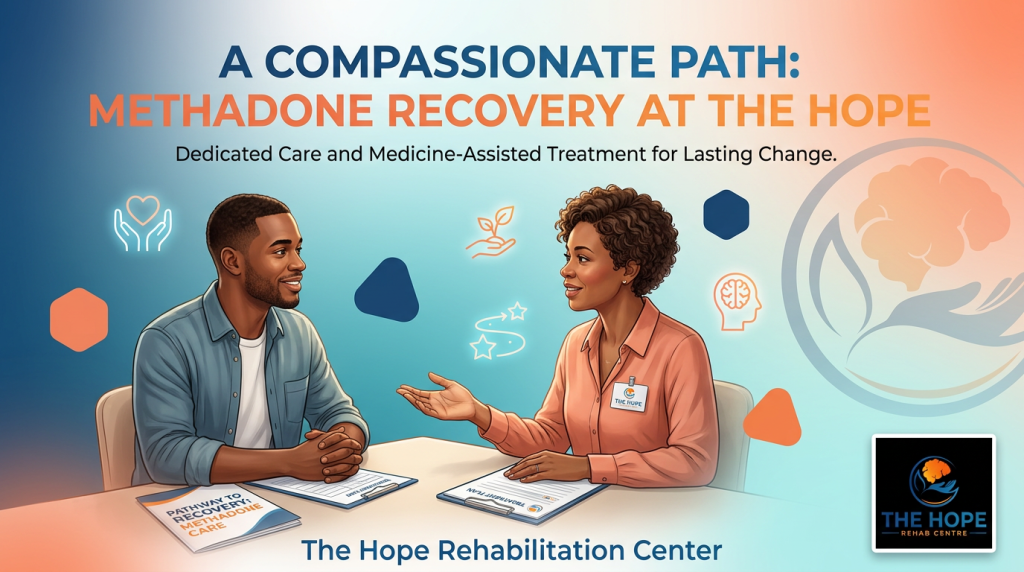
In Recovery and Getting Help Seeking help from a professional is an important step in the recovery process. A systematic method of Methadone addiction Treatment in Islamabad Pakistan considers safe detox, psychosocial assistance and long-term rehabilitative schemes. Treatment programs at The Hope Rehabilitation Center Islamabad Pakistan encompass ethical care and clinical supervision, guiding patients through their journeys of recovery.

Learning more about methadone addiction and treatment options may help individuals and families make informed choices regarding care.

Understanding Methadone Dependence

Methadone acts on the same receptors in the brain that other opioids do, thereby reducing cravings and withdrawal symptoms. But if the drug is misused or taken long-term without medical supervision, it can create physical dependence.

Methadone addiction Treatment

People who are dependent on methadone might find it difficult to function properly without the drug. Your body gets used to it, and after some time, you find it very hard to give up without having withdrawal symptoms.

Getting professional Methadone addiction treatment in Islamabad Pakistan starts with a thorough assessment to see the individual’s medical history, patterns of consumption and general health condition.

Methadone Addiction: Signs and Symptoms

Symptoms of Methadone Addiction and Understanding the Condition Symptoms depend on how long and how much someone has been using but typically include:

  • Persistent cravings for methadone
  • Difficulty reducing or stopping use
  • Drowsiness or fatigue
  • Changes in mood, including irritability or depression
  • Reduced motivation or social withdrawal

Methadone addiction treatment in Islamabad Pakistan ensures that once such symptoms start affecting daily life — professionals can help break those cycles.

Health Risks Associated with Methadone Misuse

While methadone is used in medical settings, its misuse can be associated with various health issues. Extended or unmonitored use can impact physical and mental health.

Possible health risks include:

  • Respiratory issues or slowed breathing
  • Cognitive issues like poor concentration
  • Emotional instability
  • Greater likelihood of developing a dependency on other drugs

These risks are carefully evaluated by health professionals at The Hope Rehabilitation Center Islamabad, Pakistan, and personalized treatment modules which cover the physical and psychological facets of addiction are designed.

In Islamabad Pakistan Balanced Methadone addiction treatment, the whole health is being totally restored (both physical and psychological) while preventing anyone from experiencing withdrawal symptoms.

Treatment Approaches for Methadone Addiction

A good methadone use therapy plan also should include medical assistance, psychotherapy and affective help. The treatment plan for each patient is customized to meet their needs.

Medical Detox and Monitoring

The first stage of treatment is detoxification (detox). At this point, the individual gradually adapts to operating without methadone. Withdrawal can happen, which is where medical supervision comes into play.

The Hope Rehabilitation Center Islamabad Pakistan provides detox programs for patients in a controlled setting, combines professional monitoring and supportive care.

The leading Methadone addiction treatment in Islamabad Pakistan approach involves detox in a structured environment, which helps ensure the substance withdrawal process is safe and as comfortable as possible.

Behavioral Therapy

At the heart of addiction treatment are behavioral therapies directed at addressing and treating the underlying causes. For example, Cognitive Behavioral Therapy (CBT) encourages people to recognize toxic thought patterns and build better coping strategies.

The therapy sessions are also aimed at managing stress, regulating emotions and building resilience.

Professional Methadone addiction treatment in Islamabad Pakistan treatment program involves behavioral therapy along with medications in order to help you achieve long-term recovery.

Individual and Group Counseling

Counseling sessions create a safe environment for discussing personal issues and emotional triggers surrounding substance use. Group therapy also provides peer support and can help with feelings of isolation.

Counseling programs at The Hope Rehabilitation Center Islamabad, Pakistan, are structured to foster open communication and emotional healing while maintaining client confidentiality.

Creating a Recovery Atmosphere Within Your Home

Here are some reasons why this is so: Recovery Oriented Development Individual recovery is most productive when the re-entering members can be stabilized in a conducive environment. This can make it very difficult to know what is real, people in a loved one may be involved in causing that pain and at the same time still seeking help.

At The Hope Rehabilitation Center in Islamabad, Pakistan patients are asked to take part in therapy sessions, wellness activities and educational programs that aid the journey of recovery.

The Methadone addiction treatment in Islamabad Pakistan program has a dedicated group of professionals who specialize in this area and are committed to providing you with the support needed to conquer your addiction.

Long-Term Recovery and Relapse Prevention

While finishing treatment is a significant step, repercussions carry on past the fading of the final rounding up — and long-haul recuperation expects extra exertion and support. Relapse prevention approaches assist people pay attention to their development and not slip back into a substance use.

These strategies may include:

  • Identifying and managing triggers
  • Developing healthy daily routines
  • Continuing therapy and follow-up care
  • Engaging family and social support systems

At The Hope Rehabilitation Centre Islamabad Pakistan, long-term recovery planning is an integral component of the treatment. Patients are encouraged to develop long term habits conducive to a healthier life style.

The main focus of a complete program for Methadone addiction treatment in Islamabad Pakistan is to ensure that individuals remain stable and self-assured on their road to recovery.

Frequently Asked Questions (FAQs)

1.     What is methadone addiction?

Methadone addiction is when a person is dependent on the medication and finds it challenging to stop using the same despite harmful effects.

2.     Is methadone safe when used for medical purposes?

Methadone is a drug that can be relatively safe if used with appropriate medical oversight. But its misuse or prolonged unsupervised use can lead to dependence.”

3.     How is methadone addiction treated?

This may include medical detox, behavioral therapy, counseling, and longer-term recovery support.

4.     How Long Does Methadone Treatment Last?

The length of time varies, as it depends on the person’s state, history of drug use and response to treatment.

5.     Is full recovery from methadone addiction possible for people?

Rehabilitation takes time, and with proper treatment and support, you can pave the way for a more stable and fulfilling life.

Conclusion

These include both physical and emotional challenges that methadone addiction can bring. Methadone is used for medical purposes but can lead to dependence if not taken properly.

Methadone addiction treatment in Islamabad Pakistan offers professional care and structure to those reaching out for their first efforts toward recovery. Patients are guided through their addiction, allowing them to tackle the physical and psychological challenges that can arise during recovery with medical supervision, therapy and counselling.

Treatment programs at The Hope Rehabilitation Center Islamabad, Pakistan are developed from an ethical perspective emphasizing patient welfare, safety and long-term recovery. The center takes a compassionate approach, providing individuals with the tools they need to pursue a more promising future