Introduction to Methamphetamine Addiction

Methamphetamine addiction has become one of the fastest growing substance use disorders in the world today, and Pakistan is no exception. With a heavy dependence on this drug which is also known as meth or ice, it is not just a problem for the body but also one that causes great affliction in the mind. It disrupts the brain’s natural chemistry, leading to intense cravings, anxiety, paranoia and great depression.
As the best Islamabad Rehabilitation Center we are committed to providing a safe, supportive and structured setting for those with a methamphetamine dependency, recovering from abuse. We believe teaching patients how to live in a healthy life again is the most important priority of all.
Understanding Methamphetamine and Its Effects on the Brain
Methamphetamine is a potent central nervous system stimulant that alters the chemistry of our brains. It boosts dopamine production, which is responsible for making people feel good and happy-carrying ecstasy levels. However, prolonged use causes damage to the neurons that process this feel-good substance, inducing serious impairment in one’s cognitive functions and mood state. It also leads some to lose all sense of self-control or direction for future goals -what used to be called “motivation”
As time goes on, meth users suffer from problems ranging from memory loss to mood swings. And when they go through withdrawal it can be very tough indeed. That’s why the support given by professional therapy and counseling during both physical recovery and psychological healing is so important for them to sustain longterm recovery.
The Rising Threat of Methamphetamine Abuse in Pakistan
Recent research shows that meth use among young Pakistanis has been increasing steadily in recent years. The availability, ease of use, and low cost of “ice” have all combined to make our major cities–including Islamabad–a hotbed for this dangerous trend which involves serious risk at a very high level indeed.Families are feeling the need to find effective solutions– and this is where The Hope Rehab Centre in Islamabad stands out as an eminent beacon towards recovery and transformation.
Importance of Counselling Services in Treating an Opiate Dependency
Psychological Impact of Methamphetamine Addiction
Certain is it that methamphetamine addiction has a destructive influence on mental health. Who you were earlier becomes somebody else and these psychological changes — hallucinations, anxiety, paranoia, depression etc.-can be long-lasting if not treated early enough with psychological counseling!
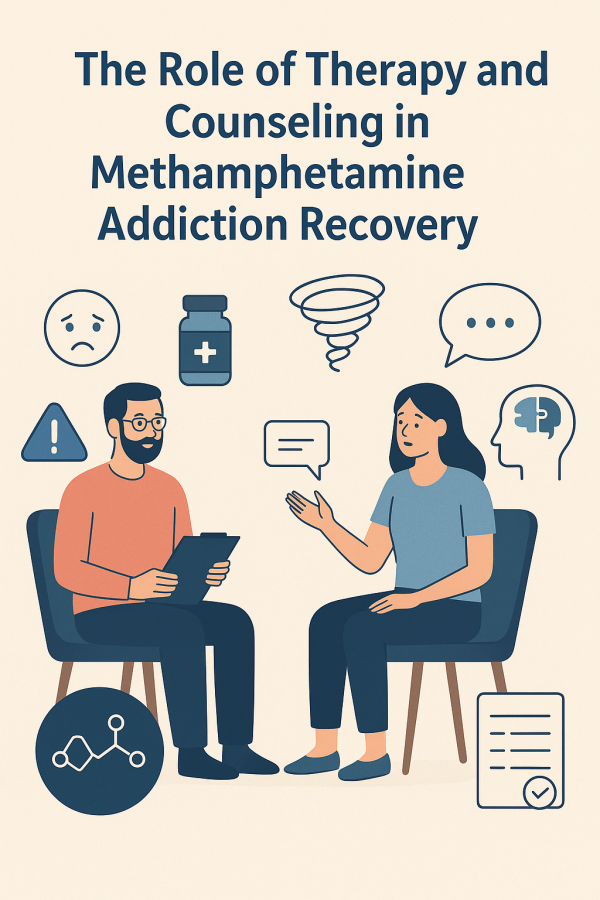
Therapy allows individuals to deal with these psychological barriers, to understand and replace their triggers thus destructive behavior with positive coping mechanisms.
Why Therapy is Essential for Long-Term Recovery
Detox by itself isn’t enough. Counseling fills the gap between physical sobriety and emotional recovery. By giving continuous support, people learn to recover their self-esteem, handle stress better and develop the resilience needed for lasting recovery.
Types of Therapy Used in Methamphetamine Recovery
Cognitive Behavioral Therapy (CBT)
CBT is one of the most effective techniques used at The Hope Rehab Centre. It enables patients to identify and challenge negative thought patterns, so as to replace these with healthier modes of response altogether. This evidence-based approach means that even when treatment has ended, patients are empowered not only to recognize their triggers and avoid relapse, making sure they stay on track to be drug free for good.
Motivational Interviewing (MI)
Motivational Interviewing encourages patients to find their own reasons for getting well. Therapists at the Best Rehabilitation Center in Islamabad use MI to build up motivation and commitment on the patient’s part.
Group Therapy and Peer Support
A sharing environment is created through group therapy. The shared personal challenges of people going through the same experiences as you ensures encouragement, responsibility, and hope that can’t be found anywhere else.
Family Counselling and Community Reintegration
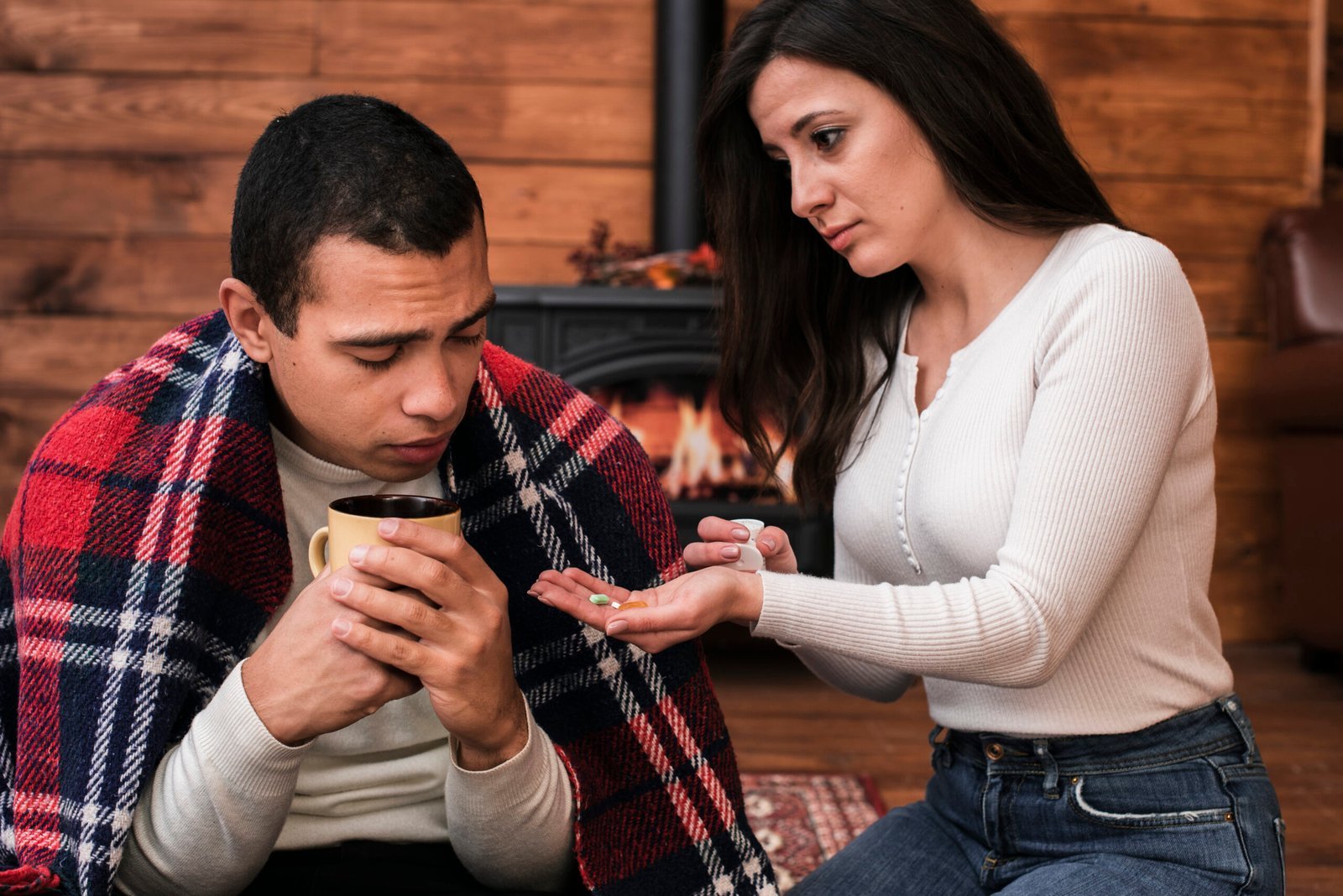
Just as it hurts the individual taking drugs, addiction similarly affects families. Family therapy sessions can provide a place to rebuild trust between all in the family (especially when non-drug-using members have to see and understand how difficult their loved ones’ lives were before recovery so that detached understanding can come about) smackremove?
How The Hope Rehab Centre – Best Rehabilitation Center in Islamabad, Pakistan – Aids in Curing Meth Addicts
Personalized Treatment Regimens
Each patient has his or her treatment plan adjusted to suit his or her situation and background. This personalized care means that once recovered, he can continue to heal.
Holistic Healing and a Dual Diagnosis Approach
There is a coupling of this holistic therapy with a traditional medical treatment that includes yoga and nutritional advice. For those patients who have co-occurring mental health problems, our dual diagnosis program tackles two problems at once so the patient can come back completely recovered.
sober and thrive in everyday life, The Hope Rehab Centre provide extensive aftercare such as continued counselling, relapse prevention training and local community programs that allow clients to stay A trusted agent cause encourages shared success stories Our customer comments tell a story all their own. Many notables who seemingly had no hope left secure,has found new starting points as a result of therapy and investment at The Hope Rehab Centre.They bear witness to the fact that recovery isn’t just a dream – but that it’s also attainable through compassionate staff, consistency of care, professional help. When it comes to homepage
Frequently asked questions on bothered Rebuilding lives after meth addiction
Q1: How long does methamphetamine addiction treatment take?
Duration varies according to the severity of addiction but generally spans 30 to 90 days accompanied by continued aftercare support
Q2: Can you help me with meth addiction without resort to a combination of therapy and drugs?
Therapy is indispensable, but we also recommend medical detoxification,counselling sessions, and provision of medicine to opt out of dependence upon swaying leaves for live
Q3: What makes The Hope Rehab Centre best rehabilitation centre in Islamabad, Pakistan?
We combine professional knowledge with personal care and a treatment ethos that wholeheartedly believes that meth addiction can be treated that ever went wrong
Q4: How important is family participation during recovery?
Essential. Family involvement in treatment increases comunication, believe that long-term healing is possible.
Q5: Does meth addiction affect mental health permanently?
With timely intervention and therapy, most psychological effects can be managed and indeed significantly improved over time.
Q6- What types of aftercare programs do you offer?
We provides patient-oriented education, continuing counseling, and peer groups. (Patience to reach) Persistant efforts ensure a patient-oriented sustainable recovery in this era when relapse is so common.
Achieving a happy ending/Restoring hope to the hopeless and individual self-healing is the philosophy of The Hope Rehab Centre
In our How to Break Free From Methamphetamine Addiction class–unique to this rehab centre–we help people learn how to escape temptation, recognize their own self-worth and make their own future. As the best rehabilitation centre in Pakistan and Islamabad Rehabilitation Services is committed to creating recovery one life at a time, we hope that all who come here for help will find lasting peace.