The Hope Rehab Center

Category Nutrition and Dietician

Detoxification | Addiction Treatment Centre Islamabad
Detoxification | Addiction Treatment Centre Islamabad

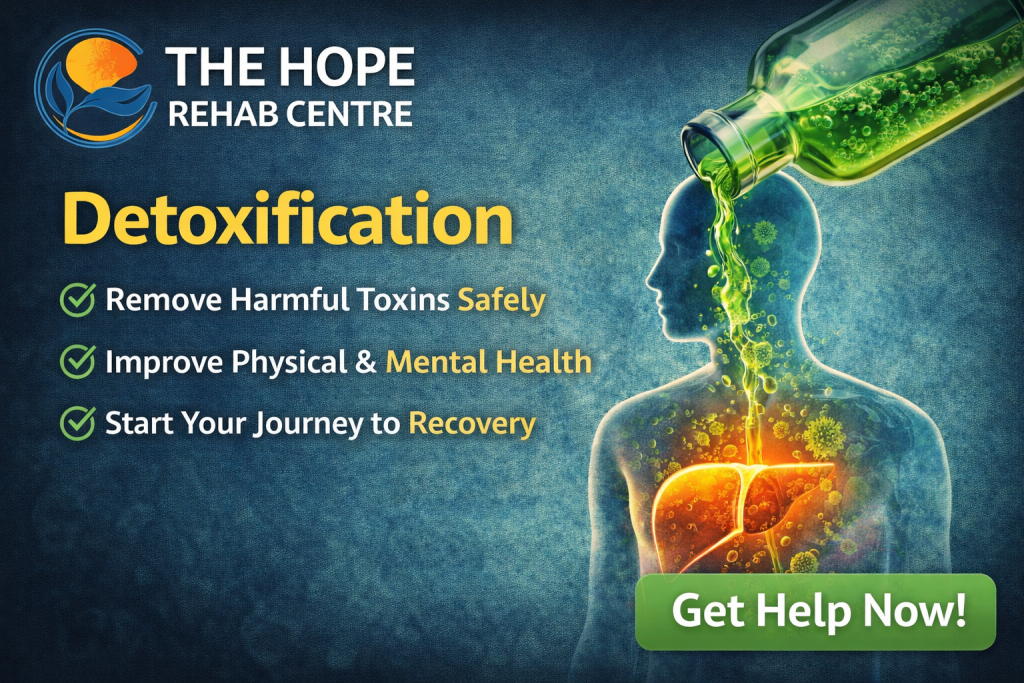
Detoxification is usually the first phase, and arguably the most important one, on the road to recovery from substance dependence. As someone lets go of drugs or alcohol after long-term use, the body takes time to reacquaint itself with a life without using these substances. This is when withdrawal symptoms may emerge, which can be both physically and emotionally difficult to endure.

An Addiction Treatment Centre in Islamabad is a professional facility that offers a systematic environment for the detoxification process under medical care. And it protects their health and wellbeing by helping them manage Silkworm withdrawal symptoms. To accomplish this, detoxification programs at The Hope Rehabilitation Center Islamabad Pakistan offer patients a similar level of support involving compassionate care, professional monitoring, and individualized treatment planning.

We will also discuss what detoxification entails and why it is an important step along this recovery journey so that individuals and families can make informed decisions about treatment.

What Is Detoxification in Addiction Recovery?

Detoxification is also the body’s way of ridding itself of harmful substances. Medication or drinking drugs or alcohol can also create dependency in a human, which causes the body to adjust itself to these substances. Once use stops, the body has to readjust so this can bring about withdrawal symptoms.

Medically supervised detox is performed in a professional Addiction Treatment Centre in Islamabad. Healthcare providers observe patients meticulously to handle issues, render supportive care, and keep sure of safety over the period.

Detoxification | Addiction Treatment Centre Islamabad

Detox does not in itself cure someone of addiction. Rather, it equips people for the next steps in treatment, which are frequently therapy or counseling and long-term recovery support.

Why Medical Detox Is Important

Withdrawal symptoms vary based on the type of substance used, how long it has been used, and the individual’s overall health. Some may have mild symptoms and some more severe requiring medical care.

Hence, a medically supervised detox program offered by an Addiction Treatment Centre in Islamabad would help patients get the necessary requirements during this important stage. Health care providers track vital signs, administer supportive medicines as needed and act promptly if complications develop.

Detox facilities at The Hope Rehabilitation Center Islamabad, Pakistan prioritize patient safety and emotional support, as well as gradual stabilization. Such an environment enables people to make a head start on recovery with professional support and comfort.

Common Withdrawal Symptoms During Detox

This is a natural reaction of the body as it learns to operate without a substance on which it has become dependent. Although the severity of symptoms can vary, a few things you may experience during detox are:

  • Anxiety or restlessness
  • Sleep disturbances
  • Mood changes or irritability
  • Physical fatigue or discomfort
  • Cravings for substances

Qualified Addiction Treatment Centre in Islamabad gives proper medical supervision to cope with these symptoms and avoid the patient feeling unwell, ensuring that they are comfortable and stable throughout detoxification.

The Detoxification Process

Detoxification is usually done in phases, each step meant to nurture the patient’s physical and emotional health.

Assessment and Evaluation

Before detox starts, a medical professional conducts an intake assessment. This involves examining the patient’s medical history, substance use patterns and mental health condition.

With this evaluation the professionals at The Hope Rehabilitation Center Islamabad, Pakistan just prepare a tailor-fit detox plan according to the need of the patient.

Stabilization

The body is gradually adapting to the absence of substances during this period. Medical staff watch for symptoms, offer supportive care and help patients be as comfortable as possible.

During this phase, continuous monitoring is required to be provided at the professional Addiction treatment Centre in Islamabad to maintain safety and avoid complications.

Preparation for Ongoing Treatment

After detox ends, patients are encouraged to stay engaged in additional rehabilitation services. Such programs may include therapy, counseling and mental Health support

Detox is the beginning, but it’s only the beginning: addiction is inherently biological, psychological, and societal. Detox is best as part of a structured treatment program that addresses the other aspects of addiction as well.

Addressing Mental Health During Detox

The idea with such treatments is that many people who are addicted also suffer from mental health issues, like anxiety and depression or trauma-related disorders. Untreated underlying issues can make recovery hard to maintain.

A holistic approach such as Addiction Treatment Centre in Islamabad offers a combination of mental health services and detoxification program. Therapy, evaluations, and psychological assessments help the patients to identify the emotional connections with substance use.

A mental health professional works alongside the medical staff at The Hope Rehabilitation Center Islamabad, Pakistan to make sure that both physical and emotional needs are being met during the detoxing process.

Creating a Supportive Healing Environment

The setting of detox can have a major impact on the recovery process. Providing a calm and structured setting allows the individual to concentrate on healing without non healing stress or triggers.

Patients at Hope Rehabilitation Center Islamabad, Pakistan are cared for in a setting focused on comfort, dignity and confidentiality. A conducive environment helps patients to stay engaged in treatment and develops the confidence they need for long-term recovery.

A specialized Addiction Treatment Centre in Islamabad also provides an insight into forming a consistent lifestyle routine that aids health — sleep hygiene, nutritional balance, therapy presence and much more.

Long-Term Recovery After Detox

Finishing detox is an important first step, but it is just the start of your recovery. Staying in treatment and support is often key to long-term success.

Rehabilitation programs may feature individual therapy, group counseling, relapse prevention strategies and lifestyle adjustments supporting healthy habits. Such programs teach individuals the skills to handle stress, ward off triggers and stay sober.

Treatment plans are based on the patient’s medical needs and tailored to guide them beyond detoxification towards lasting recovery with professional care, ongoing support at The Hope Rehabilitation Center in Islamabad, Pakistan.

Frequently Asked Questions (FAQs)

1.     Detoxification – What Is It in Addiction Treatment?

Detox is the removal of toxic substances from the body and control of withdrawal symptoms in a medically supervised facility.

2.     How long does detox typically last?

How long detox lasts depends on the substance involved, how long it has been in use, and an individual’s overall health condition.

3.     Do you require medical supervision during detox?

Medical supervision is highly recommended, as withdrawal symptoms can occasionally be severe and need the help of a professional.

4.     Does detox alone treat addiction?

No. Detox is the first part of recovery. Therapies, counseling sessions, and rehabilitation programs are very important for long recovery.

5.     What comes after detox is done?

Usually, after detox individuals are continuing their treatment with counselling therapy and relapse prevention programs at an addiction treatment Centre in Islamabad.

Conclusion

For those seeking recovery from substance dependence, detoxification is an essential first step. Detox lays the groundwork for future recovery and rehabilitation by safely helping the body to adjust to the absence of drugs or alcohol.

That’s why a professional Addiction Treatment Centre in Islamabad can be the medical supervision, emotional support and structure you need to break through. Detox, therapy and long-term recovery planning is a balanced three-pronged approach to treatment.

Detoxification at The Hope Rehabilitation Center Islamabad, Pakistan is performed in an environment of safety, empathy and tailored assistance. Under the guise of professional help and continued rehabilitative services, recovering individuals can work toward healthier and more stable lifestyles.

Customized Meal Plans: Why One‑Size‑Fits‑All Diets Don’t Work at Your “best rehabilitation center in islamabad” — The Hope Rehab Center
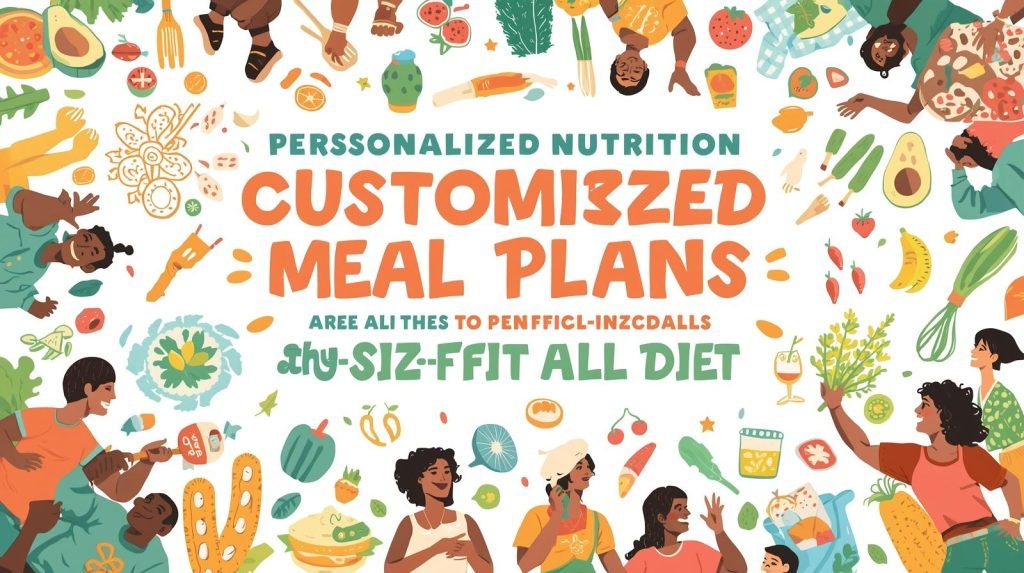
Where is the best rehabilitation center in Islamabad? It is not only fashionable to say, but essential that the sick and injured receive their nutrition there too. Here at The Hope Rehab Center, we know that Paleo, vegan and other one‑size‑fits‑all diets simply doesn’t deliver results. All of our approaches are customized Healthy Eating Plans (HEPs)e specific to each client’s body and condition. Healthy Eating Plans (HEPs) have been shown to deliver better recovery and overall health than plans based on other people’s ideas of your body image.Healthy Eating Plans: Graph

We provide these by route of graphing. This shows you immediately what “Best Detoxification & Rehabilitation Foods” might look like in actual dietry terms and from your point of view.You know your own body best.

Why “generic diets” fail in rehabilitation settings

In many facilities, patients are given standard diet charts: the same breakfast, lunch and dinner for everyone. But here’s the problem each person has unique needs–age, metabolism, activity level. Dietitian nutritionists see that individualized nutrition plans result in better outcomes than “generic” ones.

For example, at The Hope Rehab Center we treat individuals undergoing withdrawal and detoxified persons in our “Aftercare Clinic.” Their nutrient needs vary considerably: someone who has just come off drugs may require nutrient replenishment and gentle digestion whereas someone further along may be building up muscle again or has to handle a condition that goes hand in hand with mental health. A “generic” diet views these nuances as irrelevant and often leads to poor appetite, poor recovery, nutrient deficiencies and “The Plateau Syndrome” where you stall or stop making progress altogether.

The advantages of a personalized meal plan at the best rehabilitation center in Islamabad

Choosing The Hope Rehab Center as the best rehabilitation center in Islamabad means you receive a nutrition strategy that realizes you are not average–and neither should your diet be. Here are some good points:

1. Accurate nutritional assessment

Upon admission we conduct a detailed review of the person’s health history, eating habits, metabolic rate, nutrient deficiencies, allergies, and impacts of addiction or medication. This accords with dietetics best practices: “Initial consultation and nutritional assessment” as step one for individually tailored plans.

2. Custom-Designed Eating

Form Whether it is to restore strength, pacify the mind, to recover mental health via a diet or meal plan in line with psychological treatment standards can offer very different experiences. Even someone with liver damage on account of substance abuse will require different macronutrient and micronutrient needs from another person in the early stages of withdrawal.

3. Integrated with Treatment and Rehab

Just as we are the best rehabilitation center in Islamabad, our diet plan is not just one thing at all. It interacts with the exercise, physiotherapy, and medical treatments of a full that is whole. When diet, body and mind are all singing from three defferent hymn sheets (to borrow an English boxing parlance), healing deepens. Custom plans usually result in the fact that energy levels are better, moods are more controlled, drug cravings lose power rather than gaining it; there is also a much less destructive line overall for new eating habits.

4. Continuous Control & Changes

You are in a constant state of change as you recover. A diet plan that was perfect for week one might be sub‑optimal for week four. At The Hope Rehab Center, we continuously check up on how you’re doing nutritionally speaking and accordingly adjust your meals — much like they do in successful dietetic programs.

The Incompatibility of One‑Size‑Fits‑All Diets with Rehab Recovery New From Hope Rehab

Why generic diet plans simply don’t work when used in rehab contexts like ours Variously.

  • Metabolic states. Substance abuse, withdrawal and medication all change metabolism in their own way. One patient might have a low metabolic rate, another could use nutrients badly.
  • Varied nutrient deficits. Addiction frequently leads to lack of vitamins, minerals and amino‑acids in varying amounts for their accustomed eaters IDD standard fare will not supply each defunct item (e.g. low B‑vitamins, magnesium or omega‑3s)
  • Eating behavior and psychological incentives. People are inherently emotional eaters, and when in a situation of fear or anxiety their natural cravings take over. Nor can this sort of thing be managed through any old diet.
  • Physical activity levels and body composition need to be taken into account. Some clients might have a sedentary lifestyle during their early recovery, while others might do therapeutic exercise or physical rehabilitation exercises for the related diseases. Macronutrient and caloric needs are different too.
  • Medical comorbidities. Detox may accompany liver, kidney, heart or mental‑health issues requiring specialised nutrition (low‑sodium, low‑fat, high‑protein, etc.). One‑size feeds no one.
  • Long‑term sustainability. Generic diets often lead to boredom, frustration or relapse into unhealthy eating patterns. Personalized plans encourage sustainable, enjoyable choices

Frequently Asked Questions (FAQs)

1. Why are one-size-fits-all diets ineffective in rehabilitation?

At its base, this type of diet fails because every individual has unique nutritional needs affected by metabolism, medical history, substance-related deficiencies and therapy requirements. These differences tend to be overlooked in such generic diets, usually leading the road to slower recovery or nutrition imbalance.

2. How does The Hope Rehab Center concoct customized meal plans?

At the Hope Rehab Center, each patient’s medical history, current condition and goals in recovery are evaluated by our nutrition experts. According to this, we devise individualized meal plans to assist detox, therapy, overall mental health and physical recovery in an enjoyable yet sustainable manner.

3. Can customized diets help prevent relapse when rehabilitating?

Yes. Designed to enhance overall energy levels, mood stability and rooting our cravings which are prime relapse triggers they tick all three boxes. Such plans, from the emotional and physical nutritional perspectives, support lasting recovery and encourage healthful eating habits.

4. How often are meal plans altered at The Hope Rehab Center?

Regular reviews and modifications are made to these plans according to lab results, body composition changes, losing body weight, energy levels or moving therapy forward. In this way the program serves each patient as his or her own evolving diet throughout recovery.

5. Is customized nutrition meant only for physical health, or does it have any bearing on mental well-being as well?

Personalized – Hope Rehab Centre style ‡ nutrition supports both physical and mental health. It’s proper nutrients that can bring about obedience of the brain, total regulatory power over mood, good sleep habits and targeted concentration par excellence. So the results of therapy will go up along with their overall well-being during rehabilitation.

Conclusion: Invest in nutrition and invest in happiness

If you go to Islamabad’s best rehabilitation facility, Hope Rehab, you will not merely receive detoxification and therapy. You’ll be given a diet tailored specifically for you, not some sort of standard regime then retro-engineered to fit everyone else. When you are recovering your body rebuilds, your mind calms and your habits change. From that perspective proper food tailored to your specific requirements historicall slow you down; it creates nutritional gaps and recurrent triggers to old habits or fatigue.

One‑size‑fits‑all programs may be the stuff of low cost and simplicity, but they cannot deliver the kind of health restructuring required for permanent change. It is by customized meal plans that recovery meets endurance.

If you are ready now to invest in genuine wellness, mind‑body nutrition and permanent recovery, then we are here for you. At Hope Rehab Center, we are finally dedicated to caring about your future –almost literally, one meal at a time.

The Role of Nutrition in Boosting Immunity: Expert Insights from The Hope Rehabilitation Center in Islamabad

Introduction


Good nutrition is more than just a healthy habit—it’s a cornerstone of strong immunity and faster recovery. At The Hope Rehabilitation Center in Islamabad, we’ve seen firsthand how proper diet can help patients regain their strength, fight infections, and improve mental well-being. Whether recovering from illness, injury, or addiction, the right foods can act as your body’s defense system.

1. Understanding the Link Between Nutrition and Immunity

The immune system relies on nutrients to function optimally. Deficiencies in vitamins, minerals, or macronutrients can weaken your body’s defenses, making you more vulnerable to illness. For rehabilitation patients, immune health is critical because recovery often requires extra resilience.

Key Points:

  • A balanced diet fuels the production of white blood cells.

  • Nutrients act as antioxidants, reducing inflammation.

  • Proper hydration aids in toxin removal.

2. Essential Nutrients That Boost Immunity

At The Hope Rehabilitation Center in Islamabad, nutritionists design meal plans to ensure patients receive these vital nutrients:

Vitamins & Minerals:

  • Vitamin C: Supports white blood cell production (found in citrus fruits, bell peppers).

  • Vitamin D: Enhances pathogen-fighting abilities (found in fatty fish, fortified milk).

  • Zinc: Strengthens immune cell development (found in nuts, seeds, legumes).

Proteins & Healthy Fats:

  • Lean meats, eggs, and legumes support cell repair.

  • Omega-3 fatty acids reduce inflammation.

3. The Role of Antioxidants in Recovery

Antioxidants fight oxidative stress—a condition that can damage cells and delay healing. Foods rich in antioxidants include:

  • Berries (blueberries, strawberries)

  • Dark leafy greens

  • Green tea

These foods are staples in our rehabilitation meal plans to speed up recovery.

4. Hydration and Immunity

Water is essential for nutrient transportation and waste removal. Dehydration can impair immune function, making it harder for the body to fight infections. Herbal teas, soups, and water-rich fruits like watermelon can keep hydration levels optimal.

5. Personalized Nutrition at The Hope Rehabilitation Center in Islamabad

One-size-fits-all diets don’t work in recovery. Our specialists create tailored nutrition plans based on:

  • Medical history

  • Recovery stage

  • Food preferences

  • Allergies or intolerances

This personalized approach ensures patients receive the right nutrients in the right amounts.

6. Common Nutrition Mistakes During Recovery

Even with the best intentions, patients sometimes make dietary mistakes:

  • Skipping meals due to low appetite

  • Overconsuming processed foods

  • Ignoring hydration

  • Avoiding healthy fats

Our team educates patients on avoiding these pitfalls to ensure steady progress.

7. The Mental Health Connection

A nutritious diet not only boosts immunity but also supports mental health. Foods high in omega-3s, magnesium, and B vitamins can help regulate mood and reduce stress—critical factors in rehabilitation.

8. Immune-Boosting Sample Meal Plan

Here’s an example of a day’s menu from The Hope Rehabilitation Center in Islamabad:

Breakfast: Oatmeal with berries, chia seeds, and almond milk
Snack: Handful of mixed nuts
Lunch: Grilled chicken, quinoa, and steamed vegetables
Snack: Greek yogurt with honey
Dinner: Baked salmon with sweet potato and spinach
Hydration: 8–10 glasses of water, herbal tea

9. Long-Term Benefits of a Healthy Diet

Patients who maintain their nutrition plans after leaving our center enjoy:

  • Stronger immunity year-round

  • Better energy levels

  • Improved mental clarity

  • Reduced risk of relapse in addiction recovery

FAQs

Q1: How quickly can nutrition improve my immunity?
You may start noticing increased energy and fewer infections within a few weeks of improving your diet.

Q2: Is diet alone enough to boost immunity during rehabilitation?
No. Diet works best alongside exercise, proper rest, and mental wellness practices.

Q3: Can I get all nutrients from food without supplements?
Yes, but in some cases (like Vitamin D), supplements may be necessary.

Q4: How is nutrition handled at The Hope Rehabilitation Center in Islamabad?
We provide customized meal plans based on each patient’s needs and medical background.

Q5: Which foods should I avoid to maintain strong immunity?
Limit processed foods, refined sugar, and excessive caffeine.

Q6: Do immune-boosting diets help with mental health?
Yes. Nutrient-rich foods can improve mood, reduce anxiety, and enhance focus.

Conclusion

Nutrition plays a vital role in recovery and immunity building. At The Hope Rehabilitation Center in Islamabad, we prioritize balanced, nutrient-rich diets to help our patients heal faster and stay healthier for the long term. By incorporating immune-boosting foods into daily meals, you can strengthen your body’s natural defenses and improve your overall well-being.