The Hope Rehab Center

Detoxification | Addiction Treatment Centre Islamabad

Detoxification | Addiction Treatment Centre Islamabad

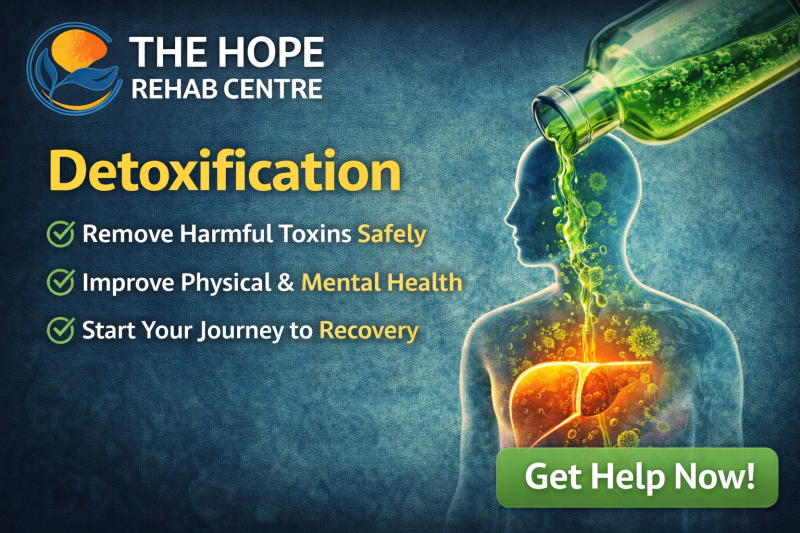
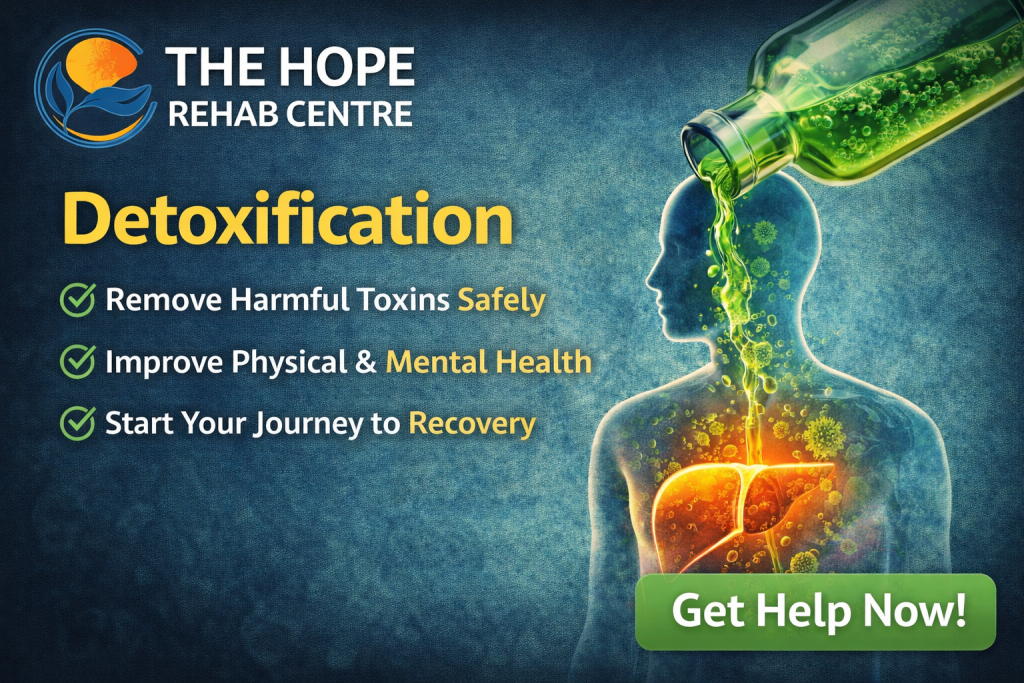
Detoxification is usually the first phase, and arguably the most important one, on the road to recovery from substance dependence. As someone lets go of drugs or alcohol after long-term use, the body takes time to reacquaint itself with a life without using these substances. This is when withdrawal symptoms may emerge, which can be both physically and emotionally difficult to endure.

An Addiction Treatment Centre in Islamabad is a professional facility that offers a systematic environment for the detoxification process under medical care. And it protects their health and wellbeing by helping them manage Silkworm withdrawal symptoms. To accomplish this, detoxification programs at The Hope Rehabilitation Center Islamabad Pakistan offer patients a similar level of support involving compassionate care, professional monitoring, and individualized treatment planning.

We will also discuss what detoxification entails and why it is an important step along this recovery journey so that individuals and families can make informed decisions about treatment.

What Is Detoxification in Addiction Recovery?

Detoxification is also the body’s way of ridding itself of harmful substances. Medication or drinking drugs or alcohol can also create dependency in a human, which causes the body to adjust itself to these substances. Once use stops, the body has to readjust so this can bring about withdrawal symptoms.

Medically supervised detox is performed in a professional Addiction Treatment Centre in Islamabad. Healthcare providers observe patients meticulously to handle issues, render supportive care, and keep sure of safety over the period.
Detoxification | Addiction Treatment Centre Islamabad

Detox does not in itself cure someone of addiction. Rather, it equips people for the next steps in treatment, which are frequently therapy or counseling and long-term recovery support.

Why Medical Detox Is Important

Withdrawal symptoms vary based on the type of substance used, how long it has been used, and the individual’s overall health. Some may have mild symptoms and some more severe requiring medical care.

Hence, a medically supervised detox program offered by an Addiction Treatment Centre in Islamabad would help patients get the necessary requirements during this important stage. Health care providers track vital signs, administer supportive medicines as needed and act promptly if complications develop.

Detox facilities at The Hope Rehabilitation Center Islamabad, Pakistan prioritize patient safety and emotional support, as well as gradual stabilization. Such an environment enables people to make a head start on recovery with professional support and comfort.

Common Withdrawal Symptoms During Detox

This is a natural reaction of the body as it learns to operate without a substance on which it has become dependent. Although the severity of symptoms can vary, a few things you may experience during detox are:

  • Anxiety or restlessness
  • Sleep disturbances
  • Mood changes or irritability
  • Physical fatigue or discomfort
  • Cravings for substances

Qualified Addiction Treatment Centre in Islamabad gives proper medical supervision to cope with these symptoms and avoid the patient feeling unwell, ensuring that they are comfortable and stable throughout detoxification.

The Detoxification Process

Detoxification is usually done in phases, each step meant to nurture the patient’s physical and emotional health.

Assessment and Evaluation

Before detox starts, a medical professional conducts an intake assessment. This involves examining the patient’s medical history, substance use patterns and mental health condition.

With this evaluation the professionals at The Hope Rehabilitation Center Islamabad, Pakistan just prepare a tailor-fit detox plan according to the need of the patient.

Stabilization

The body is gradually adapting to the absence of substances during this period. Medical staff watch for symptoms, offer supportive care and help patients be as comfortable as possible.

During this phase, continuous monitoring is required to be provided at the professional Addiction treatment Centre in Islamabad to maintain safety and avoid complications.

Preparation for Ongoing Treatment

After detox ends, patients are encouraged to stay engaged in additional rehabilitation services. Such programs may include therapy, counseling and mental Health support

Detox is the beginning, but it’s only the beginning: addiction is inherently biological, psychological, and societal. Detox is best as part of a structured treatment program that addresses the other aspects of addiction as well.

Addressing Mental Health During Detox

The idea with such treatments is that many people who are addicted also suffer from mental health issues, like anxiety and depression or trauma-related disorders. Untreated underlying issues can make recovery hard to maintain.

A holistic approach such as Addiction Treatment Centre in Islamabad offers a combination of mental health services and detoxification program. Therapy, evaluations, and psychological assessments help the patients to identify the emotional connections with substance use.

A mental health professional works alongside the medical staff at The Hope Rehabilitation Center Islamabad, Pakistan to make sure that both physical and emotional needs are being met during the detoxing process.

Creating a Supportive Healing Environment

The setting of detox can have a major impact on the recovery process. Providing a calm and structured setting allows the individual to concentrate on healing without non healing stress or triggers.

Patients at Hope Rehabilitation Center Islamabad, Pakistan are cared for in a setting focused on comfort, dignity and confidentiality. A conducive environment helps patients to stay engaged in treatment and develops the confidence they need for long-term recovery.

A specialized Addiction Treatment Centre in Islamabad also provides an insight into forming a consistent lifestyle routine that aids health — sleep hygiene, nutritional balance, therapy presence and much more.

Long-Term Recovery After Detox

Finishing detox is an important first step, but it is just the start of your recovery. Staying in treatment and support is often key to long-term success.

Rehabilitation programs may feature individual therapy, group counseling, relapse prevention strategies and lifestyle adjustments supporting healthy habits. Such programs teach individuals the skills to handle stress, ward off triggers and stay sober.

Treatment plans are based on the patient’s medical needs and tailored to guide them beyond detoxification towards lasting recovery with professional care, ongoing support at The Hope Rehabilitation Center in Islamabad, Pakistan.

Frequently Asked Questions (FAQs)

1.     Detoxification – What Is It in Addiction Treatment?

Detox is the removal of toxic substances from the body and control of withdrawal symptoms in a medically supervised facility.

2.     How long does detox typically last?

How long detox lasts depends on the substance involved, how long it has been in use, and an individual’s overall health condition.

3.     Do you require medical supervision during detox?

Medical supervision is highly recommended, as withdrawal symptoms can occasionally be severe and need the help of a professional.

4.     Does detox alone treat addiction?

No. Detox is the first part of recovery. Therapies, counseling sessions, and rehabilitation programs are very important for long recovery.

5.     What comes after detox is done?

Usually, after detox individuals are continuing their treatment with counselling therapy and relapse prevention programs at an addiction treatment Centre in Islamabad.

Conclusion

For those seeking recovery from substance dependence, detoxification is an essential first step. Detox lays the groundwork for future recovery and rehabilitation by safely helping the body to adjust to the absence of drugs or alcohol.

That’s why a professional Addiction Treatment Centre in Islamabad can be the medical supervision, emotional support and structure you need to break through. Detox, therapy and long-term recovery planning is a balanced three-pronged approach to treatment.

Detoxification at The Hope Rehabilitation Center Islamabad, Pakistan is performed in an environment of safety, empathy and tailored assistance. Under the guise of professional help and continued rehabilitative services, recovering individuals can work toward healthier and more stable lifestyles.

Benzodiazepines Addiction | Benzodiazepines Addiction center in Islamabad Pakistan

Benzodiazepines Addiction center in Islamabad Pakistan

Benzodiazepines are prescription medications commonly used to treat anxiety, insomnia, and certain seizure disorders. While effective when used under medical supervision, these drugs carry a high risk of dependency and misuse. Long-term or unsupervised use can lead to physical dependence, tolerance, and withdrawal symptoms, making professional treatment essential. For individuals struggling with prolonged use, seeking help from a Benzodiazepines Addiction center in Islamabad Pakistan ensures safe, structured, and ethical recovery.

At The Hope Rehabilitation Center Islamabad, Pakistan, patients receive evidence-based interventions, including medically supervised detox, counseling, and long-term relapse prevention planning. The goal is to provide holistic care that addresses both the physical and psychological aspects of addiction while maintaining patient dignity and confidentiality.


Understanding Benzodiazepines Addiction

Benzodiazepines, such as diazepam, lorazepam, and alprazolam, work by depressing the central nervous system to reduce anxiety or induce sleep. While therapeutic use is effective for short-term management, repeated use can lead to:

  • Increased tolerance, requiring higher doses to achieve the same effect
  • Physical dependence, making cessation difficult without medical supervision
  • Withdrawal symptoms including anxiety, insomnia, irritability, and, in severe cases, seizures
  • Psychological dependence and compulsive use

Recognizing early signs of benzodiazepine dependence is critical. Individuals may notice a need to use the medication more frequently, experience cravings, or continue usage despite negative personal or professional consequences.


Benzodiazepines Addiction center in Islamabad Pakistan

The Role of a Benzodiazepines Addiction Center

A specialized Benzodiazepines Addiction center in Islamabad Pakistan provides a structured environment for recovery. The services typically include:

  • Medical Detoxification: Gradual tapering under supervision to safely manage withdrawal symptoms.
  • Psychiatric Evaluation: Assessing co-occurring mental health conditions, such as anxiety or depression.
  • Individual and Group Counseling: Addressing behavioral triggers, emotional challenges, and coping strategies.
  • Relapse Prevention Programs: Long-term planning to maintain sobriety and prevent setbacks.

At The Hope Rehabilitation Center Islamabad, Pakistan, addiction care is patient-focused, ethical, and evidence-based, ensuring that recovery is safe and sustainable.


Medically Supervised Detox

Detoxification is the first step in benzodiazepine addiction treatment. Abrupt discontinuation can cause severe withdrawal symptoms, including tremors, seizures, and extreme anxiety. Therefore, detox must always be conducted under professional supervision.

During detox, clinicians at The Hope Rehabilitation Center Islamabad, Pakistan monitor patients closely, adjusting tapering schedules and providing supportive medications as needed. This ensures the safety and comfort of patients while reducing the risk of relapse.


Psychological and Behavioral Therapy

Addiction is not only a physical dependence but also a behavioral and psychological condition. Therapy addresses underlying triggers, emotional struggles, and habits that reinforce drug use.

Cognitive Behavioral Therapy (CBT)

CBT helps individuals identify and challenge distorted thinking patterns, develop coping strategies, and reduce anxiety without relying on medication.

Individual Counseling

One-on-one sessions provide a safe space to explore personal stressors, emotional trauma, or compulsive patterns related to benzodiazepine use.

Group Therapy

Group sessions allow patients to share experiences, gain support, and develop accountability while learning from peers facing similar challenges.

By integrating these therapies, Benzodiazepines Addiction center in Islamabad Pakistan programs address both the psychological and behavioral aspects of dependency.


Managing Co-Occurring Mental Health Conditions

Many individuals struggling with benzodiazepine addiction also experience underlying mental health issues, such as:

  • Anxiety disorders
  • Depression
  • PTSD
  • Sleep disorders

Integrated care ensures that both addiction and mental health conditions are treated simultaneously. Psychiatric support, therapy, and careful medication management help patients achieve stability and reduce the likelihood of relapse.

At The Hope Rehabilitation Center Islamabad, Pakistan, dual-diagnosis treatment is a cornerstone of comprehensive care.


Long-Term Recovery and Relapse Prevention

Recovery from benzodiazepine addiction is a gradual process. Sustained support and structured aftercare programs are crucial to maintaining sobriety. Key elements of long-term recovery include:

  • Continued counseling sessions to manage triggers and stress
  • Peer support programs to reduce isolation and encourage accountability
  • Lifestyle guidance, including stress management and healthy routines
  • Regular psychiatric follow-ups for ongoing mental health support

A comprehensive relapse prevention plan equips patients with strategies to navigate challenges safely, supporting sustained recovery.


Family Involvement in Recovery

Family engagement is a vital component of successful addiction treatment. Educating family members about benzodiazepine dependence and involving them in counseling sessions strengthens support networks and reduces potential conflict.

Family programs at The Hope Rehabilitation Center Islamabad, Pakistan focus on:

  • Understanding addiction and withdrawal
  • Supporting healthy coping strategies
  • Improving communication and reducing enabling behaviors
  • Encouraging adherence to therapy and follow-ups

Family support not only enhances recovery outcomes but also promotes a healthier and more stable home environment.


Ethical and Confidential Care

Providing care for addiction requires strict adherence to ethical and professional standards. Benzodiazepines Addiction center in Islamabad Pakistan programs prioritize patient safety, confidentiality, and informed consent.

At The Hope Rehabilitation Center Islamabad, Pakistan, all interventions are:

  • Evidence-based and clinically supervised
  • Delivered with respect and compassion
  • Confidential and privacy-focused
  • Tailored to the individual’s unique clinical needs

Maintaining ethical care builds trust, encourages treatment adherence, and improves recovery outcomes.


Frequently Asked Questions (FAQs)

1. What is benzodiazepine addiction?

Benzodiazepine addiction occurs when an individual develops physical or psychological dependence on drugs like diazepam, lorazepam, or alprazolam, often requiring professional intervention.

2. Can benzodiazepine withdrawal be dangerous?

Yes. Abrupt discontinuation can cause severe symptoms, including anxiety, tremors, and seizures, which is why medically supervised detox is essential.

3. How long does treatment typically take?

Treatment duration varies based on severity, co-occurring conditions, and individual progress. A comprehensive program includes detox, therapy, and aftercare support.

4. Are therapy sessions necessary after detox?

Yes. Behavioral and psychological therapy addresses underlying triggers and coping strategies, which are crucial for long-term recovery.

5. Is family involvement required in recovery?

Family involvement is highly recommended, with patient consent, as it strengthens support systems and helps maintain accountability.


Conclusion

Benzodiazepine addiction is a serious condition that requires professional, structured, and compassionate care. A specialized Benzodiazepines Addiction center in Islamabad Pakistan provides medically supervised detox, behavioral therapy, psychiatric support, and long-term relapse prevention strategies.

At The Hope Rehabilitation Center Islamabad, Pakistan, patients receive individualized care that addresses both physical dependence and underlying psychological factors. Through ethical, evidence-based treatment and comprehensive support, individuals struggling with benzodiazepine addiction can rebuild stability, regain control over their lives, and work toward sustained recovery.

By combining professional expertise, structured therapy, and family involvement, The Hope Rehabilitation Center remains a trusted destination for addiction treatment and mental health support in Islamabad, Pakistan.

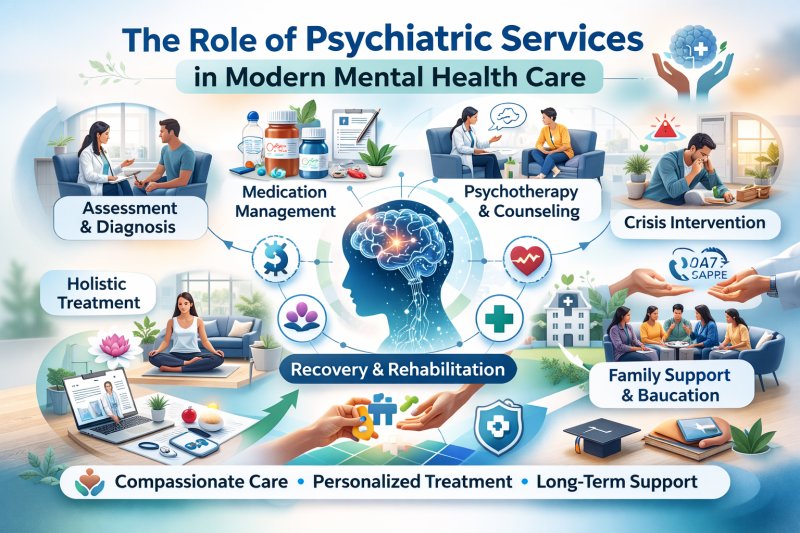
The Role of Psychiatric Services in Modern Mental Health Care | Modern Mental Health Care Islamabad Pakistan

The Role of Psychiatric Services in Modern Mental Health Care Modern Mental Health Care Islamabad Pakistan

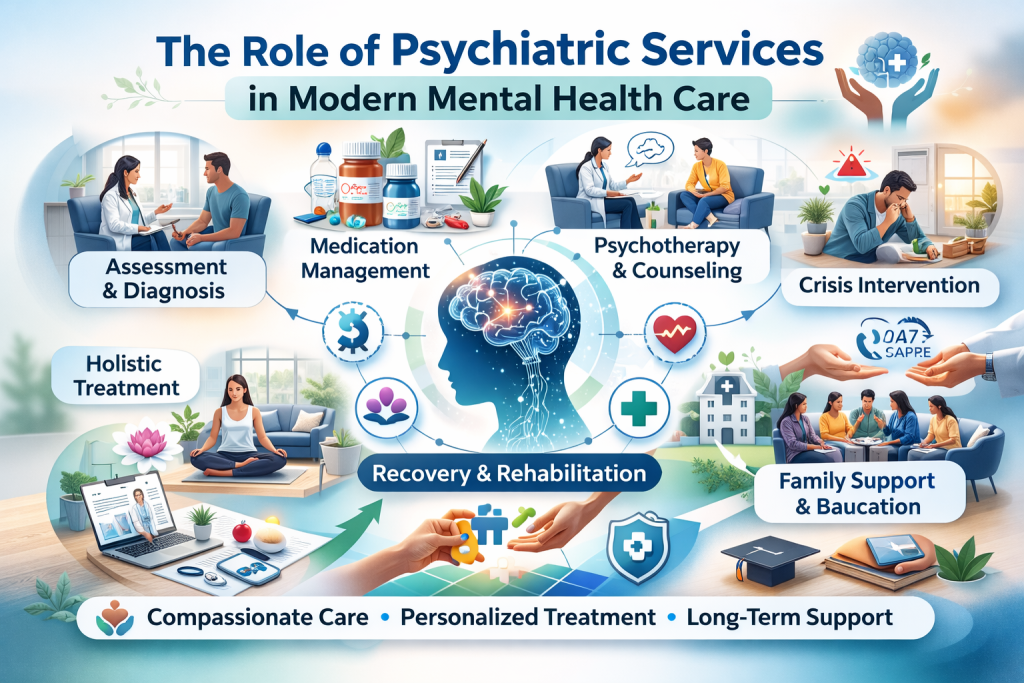
Mental health has become a central focus of healthcare systems worldwide. As awareness grows, so does the need for structured, evidence-based psychiatric services that support individuals facing emotional, psychological, and behavioral challenges. In the context of Modern Mental Health Care Islamabad Pakistan, psychiatric services play a vital role in assessment, diagnosis, treatment, and long-term recovery support.

At The Hope Rehab Center, psychiatric care is delivered through a compassionate, ethical, and patient-centered approach. The goal is not only symptom management but also improving quality of life, restoring functioning, and supporting individuals and families throughout the recovery journey.


Understanding Modern Mental Health Care

Modern mental health care goes beyond traditional treatment methods. It integrates clinical expertise, therapeutic interventions, rehabilitation strategies, and community support systems. This comprehensive approach addresses conditions such as depression, anxiety disorders, bipolar disorder, schizophrenia, post-traumatic stress disorder (PTSD), and other psychiatric conditions.

In Modern Mental Health Care Islamabad Pakistan, services typically include:

  • Psychiatric evaluation and diagnosis
  • Medication management
  • Psychotherapy and counseling
  • Crisis intervention
  • Rehabilitation and aftercare planning

These services work together to create a structured treatment pathway that is tailored to individual needs.


The Core Functions of Psychiatric Services

Psychiatric services form the foundation of effective mental health treatment. They involve medical professionals trained in diagnosing and treating mental illnesses using scientific and evidence-based methods.

1. Comprehensive Psychiatric Assessment

A detailed psychiatric evaluation is the first and most important step in treatment. This process includes reviewing medical history, understanding symptoms, conducting mental status examinations, and identifying contributing factors such as stress, trauma, or substance use.

Accurate diagnosis allows for a personalized treatment plan that addresses the root causes rather than just surface symptoms.

2. Medication Management and Monitoring

For many individuals, medication is an essential component of treatment. Psychiatric medications can help stabilize mood, reduce psychotic symptoms, manage anxiety, and improve overall functioning.

However, medication management requires careful monitoring. Psychiatrists assess effectiveness, manage side effects, and adjust dosages when necessary. In responsible Modern Mental Health Care Islamabad Pakistan, medication is prescribed ethically and reviewed regularly to ensure patient safety.

3. Psychotherapy and Behavioral Interventions

Psychiatric services are not limited to medication. Psychotherapy plays a significant role in modern treatment. Approaches such as Cognitive Behavioral Therapy (CBT), dialectical behavior therapy (DBT), and supportive counseling help individuals:

  • Understand negative thought patterns
  • Develop healthy coping strategies
  • Improve emotional regulation
  • Strengthen interpersonal relationships

At The Hope Rehab Center, therapy is provided in a structured and confidential environment, ensuring individuals feel safe while discussing sensitive concerns.


Integration of Psychiatric Rehabilitation

One of the defining features of modern psychiatric care is rehabilitation. Psychiatric rehabilitation focuses on restoring independence and improving social and occupational functioning.

Key components include:

  • Life skills training
  • Occupational therapy
  • Social skills development
  • Relapse prevention strategies

These services are especially important for individuals with severe or long-term mental health conditions. By combining medical treatment with rehabilitation programs, modern mental health care supports both stability and long-term growth.


Addressing Stigma Through Compassionate Care

Despite progress in awareness, stigma around mental illness still exists. Many individuals delay seeking help due to fear, misunderstanding, or social pressure. Psychiatric services must therefore operate within a compassionate, respectful framework.

In Modern Mental Health Care Islamabad Pakistan, ethical practice includes:

  • Maintaining patient confidentiality
  • Respecting patient autonomy
  • Encouraging shared decision-making
  • Providing non-judgmental support

At The Hope Rehab Center, the emphasis is on dignity and trust. Patients are treated as individuals with unique experiences, not defined by their diagnoses.


Crisis Intervention and Early Treatment

Modern psychiatric services also include crisis management. Individuals experiencing severe anxiety attacks, suicidal thoughts, or acute psychotic episodes require immediate attention from trained professionals.

Early intervention is crucial. Research consistently shows that timely psychiatric care improves outcomes and reduces the risk of complications. By identifying warning signs early and initiating structured treatment, mental health professionals can help prevent long-term deterioration.

This proactive approach is a key part of responsible Modern Mental Health Care Islamabad Pakistan, ensuring individuals receive support when they need it most.


The Role of Family in Psychiatric Treatment

Family involvement can significantly enhance recovery outcomes. Mental illness affects not only the individual but also loved ones who may struggle to understand symptoms and behaviors.

Psychiatric services often include:

  • Family education sessions
  • Counseling for caregivers
  • Guidance on communication strategies
  • Support for managing stress at home

At The Hope Rehab Center, families are encouraged to participate in the recovery process while respecting patient consent and privacy. A supportive home environment strengthens treatment progress and reduces relapse risks.


Evidence-Based and Ethical Mental Health Practices

Modern psychiatric care is grounded in scientific research and ethical guidelines. Treatment decisions are based on clinical evidence rather than trends or assumptions.

Responsible mental health centers focus on:

  • Accurate diagnosis
  • Individualized care plans
  • Regular progress evaluation
  • Safe prescribing practices
  • Continuous professional training

In Modern Mental Health Care Islamabad Pakistan, maintaining professional standards ensures patients receive safe and reliable treatment options.


Holistic Approach to Mental Wellness

Mental health does not exist in isolation from physical and social wellbeing. A holistic model considers sleep, nutrition, exercise, stress management, and social interaction as important elements of recovery.

Holistic psychiatric services may include:

  • Stress reduction techniques
  • Mindfulness practices
  • Routine building
  • Healthy lifestyle counseling

At The Hope Rehab Center, care plans are designed to support overall wellness rather than focusing solely on symptom control.


Frequently Asked Questions (FAQs)

1. What conditions are treated under modern psychiatric services?

Modern psychiatric services address conditions such as depression, anxiety disorders, bipolar disorder, schizophrenia, PTSD, and other mental health concerns that impact daily functioning.

2. Is medication always necessary in psychiatric treatment?

Not always. Treatment plans are individualized. Some individuals benefit from therapy alone, while others may require a combination of medication and psychotherapy.

3. How long does psychiatric treatment typically last?

The duration varies depending on the condition, severity, and individual response to treatment. Some individuals need short-term support, while others may benefit from longer-term care.

4. Can family members be involved in treatment?

Yes, family involvement is often encouraged, provided the patient consents. Family education and counseling can improve understanding and support recovery.

5. How is patient confidentiality maintained?

Professional psychiatric services follow strict confidentiality guidelines to protect patient privacy and ensure ethical care.


Conclusion

The role of psychiatric services in modern mental health systems is both essential and transformative. Through structured assessment, medication management, psychotherapy, rehabilitation, and compassionate care, individuals can achieve greater stability and improved quality of life.

Online Psychotherapy vs. In‑Person Therapy: Which One Is Right for You? – Psychiatrist in rawalpindi

Online Psychotherapy vs. In‑Person Therapy Which One Is Right for You - Psychiatrist in rawalpindi

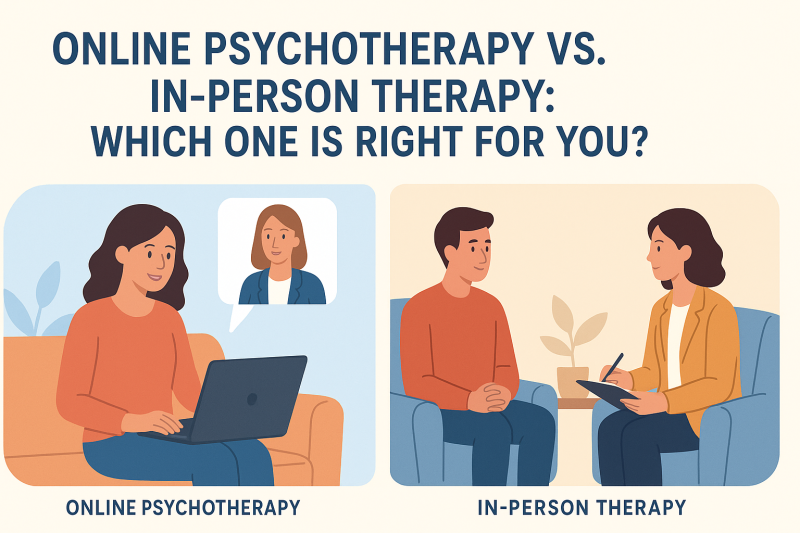
Should psychotherapy–such as the kind we provide under a leading psychiatrist with complete manner of compassionate mental healthcare at Rawalpindi’s The Hope Rehab Center–be done online or in person? That is a question that preoccupies many clients here. In this comprehensive guide, we will compare the two formats and their advantages and disadvantages so you can make your choice.

1. Why it’s Important to Ask This Quest ion: The Emerging Role of Online Psychotherapy

In recent years (sometimes referred to online psychological therapy, teletherapy or internet psychotherapy), therapy has become more widespread. With technology, there’s no longer a need for you to go to the clinic please. Today it is possible to connect with mental health professionals from your own location online. This shift is particularly significant in the case of Pakistan, where a major shortage of mental health professionals exists. According to recent research, Pakistan has very few paedeatric psychiatrists in relation to its population size and mental health services are a significant barrier for those living here.

2. What is Online Psychotherapy?

Online psychotherapy is not much different from traditional therapy. It is a way of making use, through video links or phone lines (in the case that one uses control over what occurs on one’s computer systems) and even sometimes text messaging or chat rooms; one can communicate with an approved mental health specialist. Such consultations essentially hope to achieve what might be achieved in a psychological consult: a set schedule involving supplementary contact and good advice.

3. What Is In‐Person Therapy?

In-person therapy is conducted in a physical place–usually an empty office with walls and a door to prevent anyone from hearing your problems being aired where the therapist looks up at you face-to face. This traditional form of therapy is still very effective, whether the problems that it addresses be complex or not.

4. Benefits of Online Psychotherapy

Here are the main advantages of trying online psychotherapy:

1. Convenience & Flexibility

  • You won’t have to travel to treatment. There’s no appropriate time of the day to bother packing your bag and clearing out to get there, or which days are better for going without a lunch hour without confusing everyone around with many take-away boxes from different places (yes, even 5 keep a list over next week).
  • Virtual sessions provide even greater scheduling freedom than physical sessions. For example, Tamil traders now have meetings back in Chennai for the first time since Windows 10…) They can be held in the evening or at weekends.

2. Equally Contact

Here are some key advantages of going for online psychotherapy:

  1. Convenience & Flexibility

    • You don’t need to travel to a clinic, which saves commuting time and cost.

    • Virtual sessions often offer more flexible scheduling, including evenings or weekends.

  2. Accessibility

    • Online therapy breaks down geographical barriers. Whether someone is in Rawalpindi, a remote town, or simply can’t leave home easily, they can still consult a qualified psychiatrist in Rawalpindi (or other mental health professionals).

    • For people with mobility issues or limited local options, teletherapy can be a game changer.

  3. Lower Costs

    • Without the overhead of a physical office, online therapy can sometimes be more affordable.

    • Reduced travel expenses also make it cheaper overall.

  4. Comfort & Privacy

    • Being in your own space (home, or any private environment) can help you feel safer, which may encourage openness.

    • For those who face stigma around mental health, online therapy provides a discreet way to get help.

  5. Effectiveness

    • Evidence suggests that for many common conditions—like anxiety and depression—online therapy (especially cognitive-behavioral therapy) can be just as effective as in-person therapy

3. Lower Overheads

  • The savings trickles down directly to you, the patient.
  • Travel To save on travel costs, you can be in your pajamas if you wish – at least for the initial visit.

4. Comfort & Privacy

  • Being in your own environment (familiar and private) may encourage you to speak freely.
  • For people who face stigma or a general reluctance to seek help for mental health problems, See a Therapist on the internet offers an anonymous way of seeking help.

5. Effectiveness

  • Evidence shows that for many common conditions — such as anxiety, depression, and bulimia — online therapy (particular cognitive behavioral therapy) can be just as effective as face-to-face treatment. It seems to work well too in many cases of chronic pain and irritable bowel syndrome.

5. Reasons to be Sceptical of Online Psychotherapy

However, online therapy isn’t a complete panacea. Here are some limitations:

1. Technical Challenges

  • You need a stable Internet connection, a reasonably current device, and the ability to use digital data.
  • Disruptions in sessions through the sheer inability to connect can interfere with therapy.

2. Vital Non-verbal Clues

  • Without seeing vital non-verbal cues a therapist might miss significant body language, posture or subtle facial expressions.
  • This impairs depth of understanding. With people are not really present in sessions, the therapeutic alliance itself can be at issue.

3. Risks of intrusion into privacy / breaking confidence

  • If you conduct a session from home or another nonprivate setting for whatever reason, all bets are off your privacy is as good as shredded.
  • You face a possibility of data being divulged if your provider is not secure.

4. Not for Intense Conditions or Emergency Situations

  • For people with severe mental illness (e.g., schizophrenia, manic depression) or in crisis, it may be more appropriate to obtain therapy face-to-face.
  • There may not exist the necessary infrastructure for crisis intervention sessions when on-line.

5. Distractions

  • Temptations to be distracted Home environments contain the inevitable interruptions from family members or pets.
  • It may require a greater force of will to approach an Internet appointment as seriously as one conducted face-to-face.

6. The pros of manual aid Here are some of the advantages

1. Deeper connection Also, with nonverbal communication

  • Being in the same room allows your therapist to pick up on nonverbal signals (body language, tone, posture) that are more difficult to perceive online.

  • A physical space creates a professional, neutral environment that helps set the tone for serious therapeutic work

2. Structured, Safe Environment

  • The therapy room is a controlled environment without much deflection.
  • It helps to break the therapy experience away from one’s daily life, thus aiding in concentration.

3. Better for Complex or Severe Cases

  • In-person observation and crisis management tend to be more effective for people who are acutely ill.
  • Clinics may also offer a wider range of services (e.g., group therapy, holistic interventions) that cannot be done online.

4. Privacy

  • In some cases, in-person sessions may offer better privacy than those online (especially if the home environment is noisy or shared).

7. Con: The Disadvantages

However, “manual assistance” can also have drawbacks:

1. Inconvenience

  • Travel time, restrictive hours and commuting costs.
  • For busy individuals or those with mobility challenges, attending regularly can be hard.

2. Limited Availability

  • In many areas including Rawalpindi or nearby locations, there are not enough qualified mental health specialists. Indeed, reports show that Pakistan has very few psychiatrists in relation to its large population.
  • The waiting lists for in-person appointments may be longer.

3. Higher Cost

  • A physical office has overhead (rent, utilities), which is passed on to the patient in session fees.
  • Travel and other indirect costs (parking, transportation) add up.

4. Stigma

  • Some people are anxious about being seen in a mental hospital on account of societal stigma.
  • First-time visitors may think it daunting to book an appointment at a prestigious clinic.

In such cases you can use the phone and go there instead (or, in a matchless evolution of technology).

Summary:

8. So, Which One Is Right for You?

Deciding between online psychotherapy and traditional physiotherapy, given the need to visit a psychiatrist in Rawalpindi, you might consider the two options based on your own needs, preferences, and present situation.

1. Assess Your Setup

  • Do you have a reliable internet connection and a quiet place?
  • If yes: online therapy advisors can offer pieces of information by mail. This method may benefit patients who are seeking convenience and flexibility; even today it ‘s often used across seas.
  • If no: in-person sessions may feel better because they will be more confidential and safer.

2. Consider Your Mental Health Needs

  • Are you dealing with mild to moderate anxiety, depression or life stress? Online therapy might work perfectly.
  • If you have a more serious mental health problem, or have experienced crisis episodes and crises, in-person therapy can offer the kind of depth and structure which is simply not possible online.

3. Think About Your Lifestyle

  • If your schedule is packed, or you have difficulties with physical mobility or transportation, online therapy is accommodating.
  • If you want a quiet, professional environment where you can “leave your troubles at the door,” in-person might suit you better.

4. Test the Relationship

  • Try several online sessions first. Many customers find that once they have built up a relationship with their therapists, virtual therapy becomes incredibly personal.
  • Conversely, you might start with person therapy and as your experience with the therapist grows, or convenience becomes more and more important, you will shift to online therapy.

9. Why The Hope Rehab Center?

Our primary aim at The Hope Rehab Center is to give Rawalpindi and beyond high quality mental health care that everyone can access. As a recognized psychiatrist in Rawalpindi, we provide both online psychotherapy and in-person therapy services

  • Online Psychotherapy: For those who like flexibility, privacy and continuity without the need to travel.
  • In-Person Therapy: It is ideal for deeper psychic work, helping support you in times of crisis or creating strong therapeutic alliances face- to-face.

Our team is committed to narrowing the treatment gap in Pakistan (which has just a few psychiatrists while serving millions). By providing virtual care, we can bridge that gap and make mental health accessible to everybody.

FAQs: Online Psychotherapy vs. In‑Person Therapy — Psychiatrist in Rawalpindi

1. How is online psychotherapy different from in-person therapy?

Online psychotherapy is conducted via video calls, phone or chat, which enables you to be in touch with a therapist wherever they happen to be. In-person therapy occurs face-to-face at a clinic, providing a controlled, professional environment and closer access to other members of staff for help or advice.

2. Can online therapy be as effective as in-person therapy?

Yes. For conditions such as anxiety, depression, and stress management, we know that online psychotherapy works as well or better than traditional face-to-face sessions. However, acute mental health problems are often better treated face-to-face.

3. How can I tell whether online therapy is suitable for me?

Online therapy works best when you have a private area, reliable internet access, and are looking for convenience. It is provided by any qualified providers of psychological care: not one particular brand. If your problem calls for hands-on treatment that cannot be offered through a real-time platform and you have complex needs that are met well in person, face-to-face therapy may prove better suited.

4. Are online therapy sessions with a psychiatrist in Rawalpindi safe and private?

Trusted online therapy platforms and licensed psychiatrists assure that all sessions are completely secure and confidential. Remember to use a private place and secure internet connection to protect your privacy.

5. Can I switch from online to in-person therapy and back again?

Absolutely. Many customers will begin with sessions online for convenience but then take the step up to physical therapy and thus a much more profound therapeutic working over time. of course depends on what suits you and your needs

Final Thoughts

Deciding between online psychotherapy and in-person therapy isn’t an issue of one-size-fits-all Instead, each has its own benefits and drawbacks. The right solution is determined by your situation, how much you can integrate into it with ease, and what your mental health aims are. Whether you prefer the convenience of online sessions or the depth of face-to-face therapy, The Hope Rehab Center will be your beacon. As your peer in Rawalpindi I will be the hand to guide, bend your care around what is (arguably) best for you, and help you on a journey towards healing and restoration.

Want to talk? Contact us right away, and we’ll help you find out if online psychotherapy or face-to-face therapy is right for you. At The Hope Rehab Center, it’s a matter of life or death and you’re never alone.

What Is Psychotherapy? Understanding Its Role in Mental Health Treatment

In recent years, psychotherapy has gained recognition as a powerful and effective tool for treating a wide range of mental health issues, including depression, anxiety, trauma, stress, and more. As mental health awareness grows in Pakistan, more individuals are turning to psychotherapy in Islamabad to find healing and support.

At The Hope Rehab Center Islamabad, we believe in the transformative power of psychotherapy. In this blog, we explore what psychotherapy is, how it works, and why it plays a critical role in improving mental well-being.

What Is Psychotherapy?

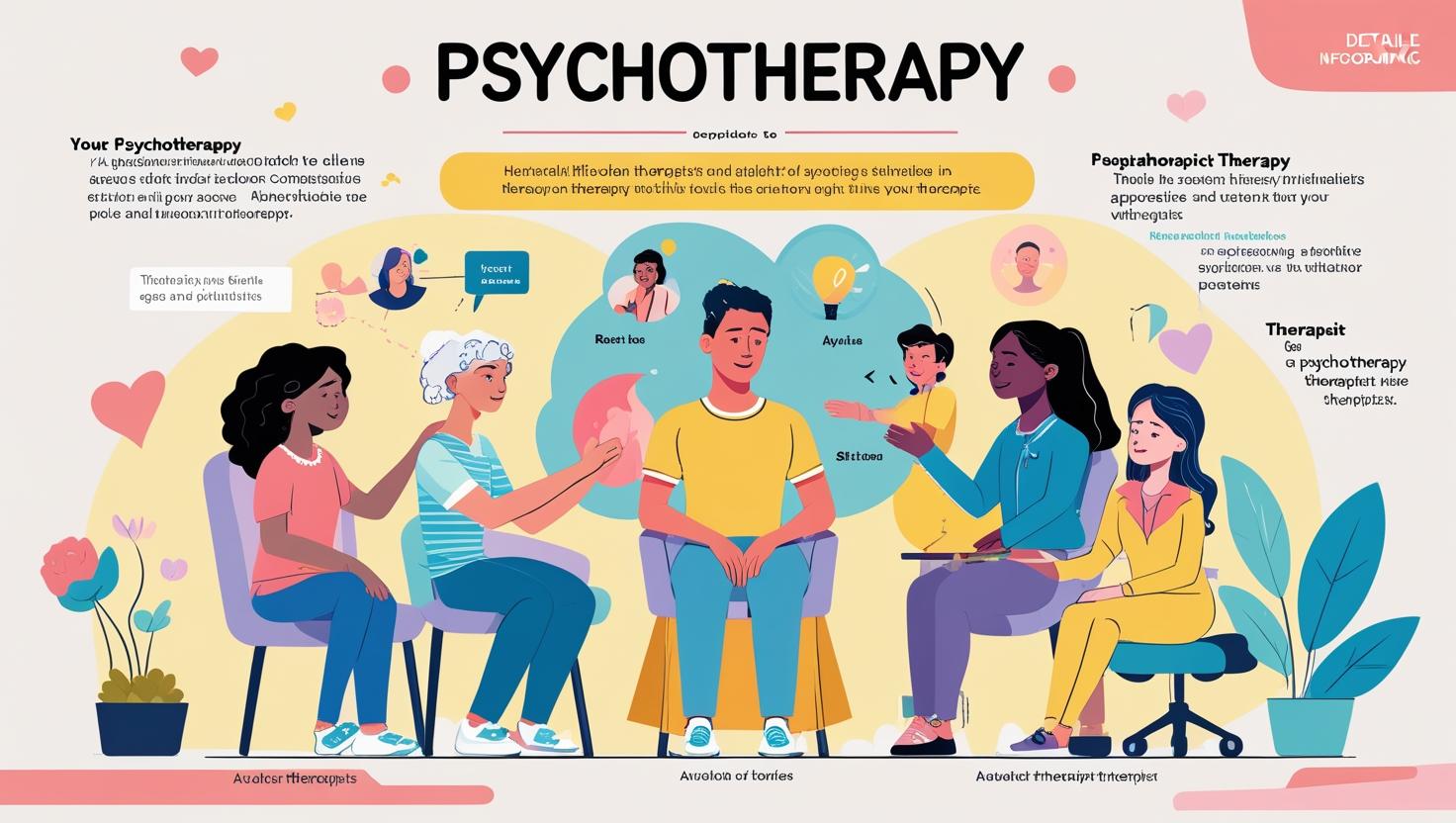
Psychotherapy, also known as talk therapy or counseling, is a therapeutic process where individuals work with a trained mental health professional to identify and resolve emotional, behavioral, and psychological issues. It provides a safe and confidential environment for exploring thoughts, feelings, and patterns that may be affecting your quality of life.

There are different types of psychotherapy, including:

  • Cognitive Behavioural Therapy (CBT)

  • Dialectical Behaviour Therapy (DBT)

  • Psychodynamic Therapy

  • Humanistic Therapy

  • Group and Family Therapy

Each approach is tailored based on the individual’s mental health condition and goals.

The Role of Psychotherapy in Mental Health Treatment

Psychotherapy goes beyond simply talking about problems — it helps individuals develop coping mechanisms, process traumatic experiences, improve relationships, and make positive life changes.

1. Treatment for Depression and Anxiety

Two of the most common mental health issues treated through psychotherapy are depression and anxiety. Techniques such as CBT for depression in Islamabad help individuals challenge negative thought patterns and learn new, healthier ways of thinking and behaving.

2. Managing Stress and Life Transitions

Major life changes such as divorce, loss, relocation, or academic pressure can trigger emotional distress. Psychotherapy provides emotional support and helps clients develop practical strategies for managing stress.

3. Trauma and PTSD Therapy

People who’ve experienced trauma or suffer from Post-Traumatic Stress Disorder (PTSD) can greatly benefit from trauma-focused therapy. This helps them process painful memories and regain a sense of safety and control.

4. Addiction Recovery and Relapse Prevention

At The Hope Rehab Center Islamabad, psychotherapy is an essential part of our addiction treatment programs. It helps individuals identify the root causes of addiction, build healthier habits, and develop resilience against relapse.

5. Improving Relationships and Communication

Whether it’s through couples therapy or family counseling, psychotherapy supports better communication, conflict resolution, and emotional intimacy — making relationships stronger and healthier.

Common Types of Psychotherapy Offered at The Hope Rehab Center Islamabad

At our center, we offer evidence-based, client-centered therapies that match the unique needs of every individual. Our most popular services include:

Cognitive Behavioural Therapy (CBT) in Islamabad

CBT is one of the most effective psychotherapies for anxiety, depression, and negative thinking. It helps you identify and challenge distorted thoughts, develop problem-solving skills, and build confidence.

Dialectical Behaviour Therapy (DBT)

DBT is ideal for individuals struggling with intense emotions, borderline personality disorder, or self-harm tendencies. It focuses on emotional regulation, distress tolerance, and mindfulness.

Individual Psychotherapy

This one-on-one therapy helps clients focus on personal issues in a private setting. It’s useful for exploring deep-rooted emotional challenges or mental health conditions.

Group Therapy in Islamabad

Sharing your journey with others facing similar struggles can be healing. Group therapy enhances self-awareness and provides mutual support under the guidance of a professional therapist.

Why Choose The Hope Rehab Center for Psychotherapy in Islamabad?

Finding trusted psychotherapy services in Islamabad is crucial for effective mental health treatment. At The Hope Rehab Center, we offer:

  • Qualified Psychologists and Therapists

  • Personalized Treatment Plans

  • Confidential and Safe Environment

  • Affordable Mental Health Services in Islamabad

  • Holistic Support for Recovery and Healing

Our mission is to promote mental wellness in Pakistan through compassionate, high-quality care. We believe every person deserves a chance to heal, grow, and lead a fulfilling life.

Who Should Consider Psychotherapy?

You don’t have to be in crisis to seek therapy. Anyone experiencing emotional challenges or personal difficulties can benefit. Consider psychotherapy if you:

  • Feel persistently sad, anxious, or overwhelmed

  • Struggle with addiction, trauma, or grief

  • Have trouble sleeping or eating

  • Face relationship or family conflicts

  • Want to improve your self-esteem or mental resilience

If these sound familiar, it might be time to book a psychotherapy session in Islamabad at The Hope Rehab Center.

Mental Health Matters: Ending the Stigma in Pakistan

Mental health issues are often misunderstood or ignored in our society. However, just like physical illnesses, mental conditions require timely and professional care. Seeking help is not a sign of weakness — it’s a powerful step toward healing.

The Hope Rehab Center is committed to raising mental health awareness in Islamabad and beyond. Through professional psychotherapy and rehabilitation services, we aim to build a healthier, more supportive community.

How to Get Started with Therapy?

Starting therapy can feel daunting, but our team at The Hope Rehab Center Islamabad is here to make the process smooth and supportive.

Here’s how to begin:

  1. Book a confidential consultation

  2. Meet with a licensed therapist

  3. Discuss your goals and concerns

  4. Begin your personalized therapy journey

You can call us directly or visit our website to schedule your appointment today.

Final Thoughts

Psychotherapy is a proven and powerful way to enhance your mental and emotional well-being. Whether you’re battling depression, managing stress, or seeking personal growth, therapy can guide you toward a brighter, more balanced life.

At The Hope Rehab Center Islamabad, we are here to help you take that first step. With experienced professionals and evidence-based care, you are never alone in your journey to healing.