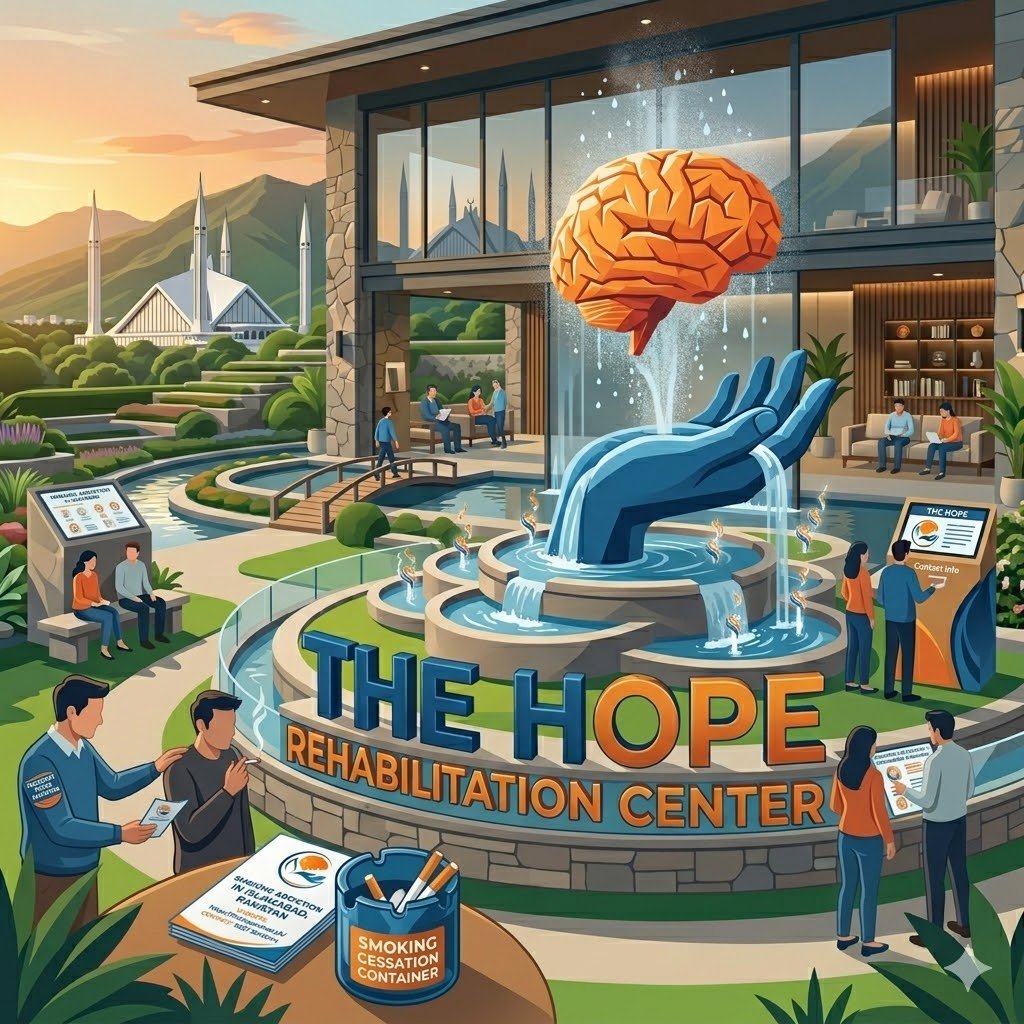
The Hope Rehab Center

Category Relapse Control Program

Alcohol Detox | Alcohol Detox in Islamabad Pakistan
Alcohol Detox | Alcohol Detox in Islamabad Pakistan

Over time, it can take a toll on a person’s physical health and emotional stability, as well as their overall quality of life. Although many people try to cut back or quit drinking on their own, withdrawal symptoms and cravings can complicate the process. This is why professional detoxication is a vital aspect of the initial steps towards recovery.

Alcohol detox in Islamabad Pakistan centers provide individuals with a safe, medically supervised environment to start their recovery. Detoxification programs at The Hope Rehabilitation Center Islamabad, Pakistan focus on laying the foundation for a successful recovery by ensuring that patients receive both medical and emotional support during this crucial first phase.

Learn about the detoxed process and why it may be important for individuals or families to seek care from a professional.

What is Alcohol Detox?

Alcohol detox is the process of getting alcohol out of your system while dealing with physical symptoms of withdrawal. When someone who has been excessively drinking withdraws abruptly, he or she can experience physical and psychological symptoms from the body.

What Are the Symptoms of Mumps? This is why a professional Alcohol Detox in Islamabad Pakistan ensures that individuals get the necessary monitoring and care during this stage.

There is detox programs designed to help patients safely transition into further treatment at The Hope Rehabilitation Center Islamabad, Pakistan which offers clinically supervised detox.

Why Professional Detox is Important

Detoxing on your own can be difficult and, in some cases, dangerous. Symptoms of withdrawal can range from anxiety, irritability, sweating, nausea or insomnia.

In more extreme cases, people may become disoriented or physically agitated. Structured Alcohol Detox in Islamabad Pakistan has the resources required to handle these symptoms.

Alcohol Detox | Alcohol Detox in Islamabad Pakistan

Professional detox offers several benefits:

  • Continuous medical monitoring
  • Support for managing withdrawal symptoms
  • A safe and controlled environment
  • Preparation for further rehabilitation

The Hope Rehabilitation Center Islamabad, Pakistan place importance on comfort and safety during the detox process.

Common Withdrawal Symptoms

Withdrawal symptoms can vary based on the length and magnitude of alcohol use. Familiarity with these symptoms makes it clear that professional care is needed.

Some common symptoms include:

  • Headaches and fatigue
  • Irritability or mood swings
  • Sleep disturbances
  • Increased heart rate
  • Difficulty concentrating

A good Alcohol Detox in Islamabad Pakistan program will help you get through these symptoms with supportive care and medical supervision.

The Alcohol Detox Process

There is no one-size-fits-all for detoxification. Each individual has a different experience, and treatment plans are tailored to them.

Initial Assessment

The first step in detox is a thorough evaluation of the person’s health, drinking behavior and medical history. This allows healthcare providers to get an idea of the best care plan.

The Hope Rehabilitation Center Islamabad, Pakistan performs assessments for treatment planning in a confidential and caring manner.

Medical Supervision and Stabilization

Through detox, patients are watched in close proximity to monitor withdrawal manifestations and build stability. Medical providers might be able to offer supportive care to help relieve discomfort and keep people safe.

This process is monitored and can be done in a Safe Environment, an Alcohol Detox in Islamabad Pakistan also Gradual Stabilization for the body keeping in mind gradual alleviation of symptoms associated without alc.

Emotional and Psychological Support

Detoxification is not only physical; it is also emotional. In this phase, people can have mood changes or anxiety.

During the early period of recovery, it does not offer mere counseling but also emotional support through therapeutic interaction at The Hope Rehabilitation Center Islamabad, Pakistan.

Transition to Rehabilitation

Detox is the beginning, but long-term recovery cannot happen without ongoing care and support. Following detox, people need to undergo rehabilitation programs focusing on the reason behind the addiction.

Alcohol Detox in Islamabad Pakistan provides you with a full foundation for the future when it comes to counseling or good relapse prevention.

After detoxification, patients at The Hope Rehabilitation Center Islamabad Pakistan transition into rehabilitation and learn to remain stable long term.

Building a Foundation for Recovery

Detoxification is an important milestone, but recovery involves ongoing work. It is important to build healthy habits and coping strategies for long-term success.

Key Components of Recovery Include:

  • Establishing a stable daily routine
  • Managing stress effectively
  • Engaging in counseling or therapy
  • Building a supportive social network

The long-term practices for recovery can be derived from a professional Alcohol Detox in Islamabad Pakistan.

Frequently Asked Questions (FAQs)

1.     What is alcohol detox?

Alcohol detox involves the removal of alcohol from your system while addressing withdrawal symptoms within a controlled environment.

2.     Is Alcohol Detox Required for Everyone?

Detox is generally recommended for people who are moderate to severely dependent on alcohol, particularly if they would experience withdrawal symptoms.

3.     How long does detoxing from alcohol take?

The length of time depends on the individual, but detox lasts anywhere from a few days to perhaps a week.

4.     Is detox alone enough to help with alcohol addiction?

Detox is only the first step. Permanent recovery typically necessitates therapy, counseling and ongoing support.

5.     Why choose professional detox services?

With a medically supervised alcohol detox, you can rest assured that professionals will be there to help and support you through the process.

Conclusion

Alcohol detox represents an important first step in breaking the cycle of alcohol dependency. Although some parts of the process can feel overwhelming, having professional support can make it safer and easier.

Detoxifying from alcohol can be dangerous, and a comprehensive Alcohol Detox in Islamabad Pakistan can allow individuals to properly manage withdrawal symptoms and start their recovery journey with assurance. By providing medical monitoring, emotional support and a safe environment, detox programs help to lay the foundation for long term healing.

Ethical, safe and patient-centric detox services at The Hope Rehabilitation Center Islamabad, Pakistan. The center allows individuals to move towards a sober and balanced life by taking them through the initial stages of recovery.

Cannabis or Marijuana Addiction | Cannabis or Marijuana Addiction in Islamabad Pakistan
Cannabis or Marijuana Addiction | Cannabis or Marijuana Addiction in Islamabad Pakistan

Cannabis, commonly known as marijuana, is often perceived as a mild or recreational substance. However, repeated and prolonged use can lead to dependency, affecting both mental and physical health. While not everyone who uses cannabis develops an addiction, some individuals may struggle to control their usage, leading to disruptions in daily life.

Addressing Cannabis or Marijuana Addiction in Islamabad Pakistan requires a balanced and professional approach that focuses on both behavioral patterns and emotional well-being. At The Hope Rehabilitation Center Islamabad, Pakistan, treatment programs are designed to provide structured care, psychological support, and a safe environment for recovery.

Understanding how cannabis addiction develops and how it can be treated is essential for individuals and families seeking meaningful and lasting change.


Understanding Cannabis or Marijuana Addiction

Cannabis affects the brain by interacting with receptors that influence mood, memory, and perception. While occasional use may not lead to dependency, regular use can alter brain function over time.

Individuals dealing with Cannabis or Marijuana Addiction in Islamabad Pakistan may find it difficult to stop using the substance, even when it begins to impact their work, relationships, or mental health.

Dependency often develops gradually. What may start as occasional use can turn into a routine habit, eventually leading to cravings and psychological reliance. Recognizing this pattern early can make treatment more effective.


Signs and Symptoms of Cannabis Dependence

Cannabis or Marijuana Addiction | Cannabis or Marijuana Addiction in Islamabad Pakistan

Identifying the signs of cannabis addiction can help individuals seek timely support. Although symptoms vary, some common indicators include:

  • Frequent cravings for cannabis
  • Difficulty reducing or stopping use
  • Reduced motivation or energy levels
  • Trouble concentrating or remembering information
  • Changes in mood, including irritability or anxiety

When these symptoms begin to affect daily functioning, professional support for Cannabis or Marijuana Addiction in Islamabad Pakistan can provide valuable guidance and care.


Impact on Mental and Physical Health

Long-term cannabis use can affect mental health, especially when used regularly over an extended period. Some individuals may experience increased anxiety, mood instability, or difficulty managing stress.

Cognitive functions such as memory and attention may also be affected. In certain cases, excessive use can lead to reduced productivity and withdrawal from social or professional responsibilities.

At The Hope Rehabilitation Center Islamabad, Pakistan, healthcare professionals assess both physical and psychological health to ensure a comprehensive treatment plan.

A structured approach to Cannabis or Marijuana Addiction in Islamabad Pakistan focuses on improving overall well-being while addressing substance use behaviors.


Treatment Approaches for Cannabis Addiction

Recovery from cannabis addiction involves a combination of therapy, counseling, and lifestyle adjustments. Treatment plans are tailored to meet the specific needs of each individual.

Behavioral Therapy

Behavioral therapy plays a central role in treating cannabis addiction. Techniques such as Cognitive Behavioral Therapy (CBT) help individuals understand the connection between thoughts, emotions, and behaviors.

Through therapy, patients learn to identify triggers, manage cravings, and develop healthier coping mechanisms.

A professional approach to Cannabis or Marijuana Addiction in Islamabad Pakistan integrates these therapeutic methods to support long-term recovery.


Individual Counseling

Individual counseling provides a safe and confidential environment where individuals can discuss their challenges and experiences. Therapists work with patients to address underlying emotional issues that may contribute to substance use.

At The Hope Rehabilitation Center Islamabad, Pakistan, counseling sessions are designed to promote self-awareness and encourage positive behavioral changes.


Group Support and Peer Interaction

Group therapy sessions allow individuals to share experiences with others who are facing similar challenges. This shared understanding can reduce feelings of isolation and provide emotional support.

A structured Cannabis or Marijuana Addiction in Islamabad Pakistan program often includes group sessions to encourage communication and peer learning.


Building Healthy Habits for Recovery

Recovery is not only about stopping substance use but also about building a healthier lifestyle. Establishing positive habits can support long-term stability and well-being.

Some beneficial practices include:

  • Maintaining a consistent daily routine
  • Engaging in physical activity
  • Practicing stress management techniques
  • Developing healthy social connections

At The Hope Rehabilitation Center Islamabad, Pakistan, patients are encouraged to adopt lifestyle changes that support both mental and physical health.

A comprehensive approach to Cannabis or Marijuana Addiction in Islamabad Pakistan emphasizes the importance of balance and personal growth.


Preventing Relapse and Maintaining Progress

Relapse prevention is an important aspect of recovery. Learning to recognize triggers and manage stress effectively can help individuals maintain their progress.

Rehabilitation programs often include relapse prevention strategies such as:

  • Identifying high-risk situations
  • Developing coping skills
  • Continuing therapy or follow-up care
  • Strengthening support systems

At The Hope Rehabilitation Center Islamabad, Pakistan, patients receive guidance on maintaining recovery beyond the initial treatment phase.

A reliable Cannabis or Marijuana Addiction in Islamabad Pakistan program focuses on long-term success rather than short-term solutions.


Frequently Asked Questions (FAQs)

1. What is cannabis addiction?

Cannabis addiction occurs when an individual becomes dependent on marijuana and finds it difficult to stop using it despite negative effects.

2. Can marijuana affect mental health?

Yes. Long-term use may contribute to anxiety, mood changes, and difficulties with concentration or memory.

3. How is cannabis addiction treated?

Treatment typically includes behavioral therapy, counseling, and support programs designed to help individuals change their habits and manage triggers.

4. Is professional help necessary for cannabis addiction?

Professional support can provide structured guidance and therapy, which can be beneficial for individuals struggling to quit on their own.

5. How long does recovery take?

Recovery time varies for each individual, depending on their condition, level of dependence, and commitment to treatment.


Conclusion

Cannabis or marijuana addiction can impact various aspects of life, including mental health, relationships, and daily functioning. While it may seem manageable at first, long-term use can lead to dependency and behavioral challenges.

Seeking support for Cannabis or Marijuana Addiction in Islamabad Pakistan is an important step toward recovery. Through therapy, counseling, and structured rehabilitation programs, individuals can develop healthier habits and regain control of their lives.

At The Hope Rehabilitation Center Islamabad, Pakistan, treatment programs are designed with a focus on ethical care, patient well-being, and long-term recovery. By providing a supportive environment and professional guidance, the center helps individuals move toward a healthier and more balanced future.

Cocaine Addiction – Cocaine Addiction in Islamabad, Pakistan
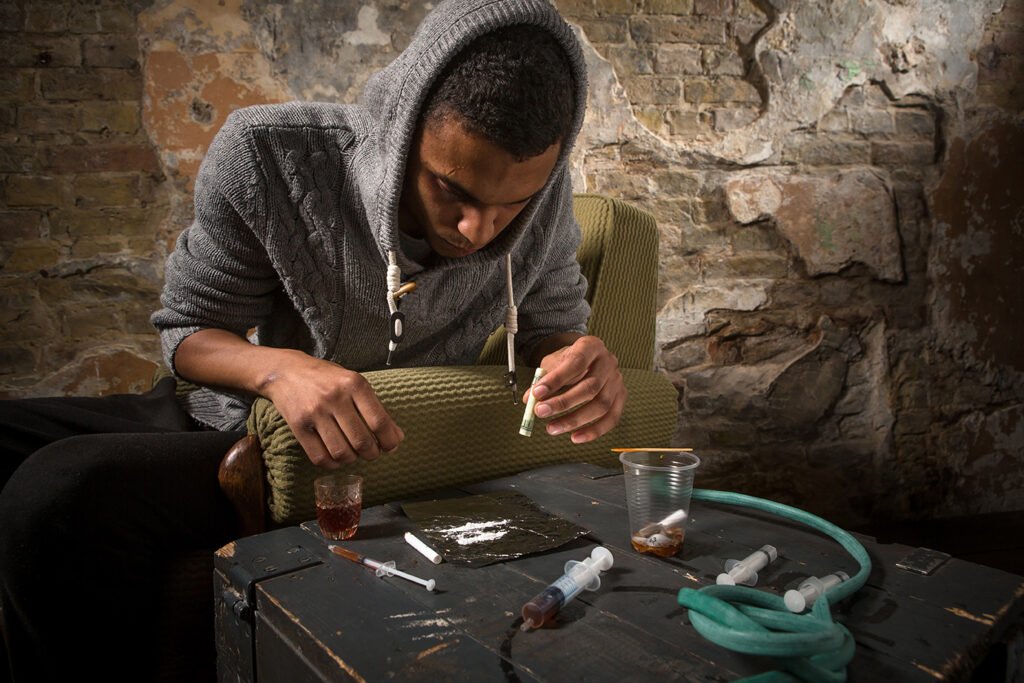
Cocaine Addiction – Cocaine Addiction in Islamabad, Pakistan

Cocaine addiction is a serious and complex health condition that affects both the body and mind. As a powerful stimulant, cocaine can create intense feelings of energy and euphoria, but its repeated use often leads to dependency and long-term health risks. Individuals struggling with this condition may find it difficult to control their use despite harmful consequences.

Seeking timely professional support is essential for recovery. Many individuals and families search for effective care options for Cocaine Addiction in Islamabad, Pakistan to begin the healing process in a safe and structured environment. At The Hope Rehabilitation Center Islamabad, Pakistan, treatment programs are designed with compassion, clinical expertise, and a focus on long-term recovery. This article explores cocaine addiction, its effects, and the importance of professional rehabilitation.


Understanding Cocaine Addiction

Cocaine is a stimulant that affects the central nervous system by increasing dopamine levels in the brain. This creates temporary feelings of pleasure, confidence, and heightened energy. However, repeated use can disrupt the brain’s natural balance, leading to dependency.

Over time, individuals may develop tolerance, requiring larger amounts of the substance to achieve the same effect. This cycle often leads to addiction and makes quitting without support extremely difficult. A structured program addressing Cocaine Addiction in Islamabad, Pakistan can provide the necessary guidance for safe recovery.

At The Hope Rehabilitation Center Islamabad, Pakistan, treatment focuses on both the physical and psychological aspects of addiction.


Causes and Risk Factors of Cocaine Addiction

Cocaine addiction can develop due to a variety of factors that influence behavior and decision-making.

Psychological Factors

Cocaine Addiction – Cocaine Addiction in Islamabad, Pakistan

Stress, anxiety, depression, or emotional trauma can lead individuals to use cocaine as a way to cope with difficult feelings.

Social and Environmental Influences

Peer pressure, exposure to substance use, and easy availability of drugs can increase the likelihood of experimentation and continued use.

Biological Factors

Genetic predisposition and differences in brain chemistry may make some individuals more vulnerable to addiction.

A professional approach to Cocaine Addiction in Islamabad, Pakistan involves identifying these factors and creating personalized treatment plans.


Signs and Symptoms of Cocaine Addiction

Recognizing the symptoms of cocaine addiction is an important step toward seeking help.

Behavioral Symptoms

  • Increased energy and restlessness
  • Risk-taking behavior
  • Neglecting responsibilities
  • Social withdrawal

PsychologicalSymptoms

  • Mood swings
  • Anxiety or irritability
  • Difficulty concentrating
  • Strong cravings for cocaine

Physical Symptoms

  • Increased heart rate
  • Sleep disturbances
  • Loss of appetite
  • Fatigue after the drug’s effects wear off

If these symptoms are present, seeking care for Cocaine Addiction in Islamabad, Pakistan can provide appropriate support and treatment.


Health Effects of Long-Term Cocaine Use

Long-term cocaine use can have serious consequences for both physical and mental health.

Cardiovascular Risks

Cocaine can increase heart rate and blood pressure, which may lead to heart-related complications over time.

Mental Health Challenges

Chronic use is often linked to anxiety, depression, and emotional instability.

Cognitive and Behavioral Impact

Cocaine can affect memory, decision-making, and overall cognitive function, making daily life more difficult.

At The Hope Rehabilitation Center Islamabad, Pakistan, treatment programs are designed to address these challenges through a comprehensive approach.


Treatment Approaches for Cocaine Addiction

Recovery from cocaine addiction requires a structured and supportive treatment plan.

1. Medical Assessment and Detoxification

The first step involves a detailed evaluation of the individual’s health and substance use history. Detoxification may be recommended to manage withdrawal symptoms safely.

A professional program for Cocaine Addiction in Islamabad, Pakistan ensures that this process is conducted under medical supervision.


2. Behavioral Therapy and Counseling

Therapy plays a central role in recovery. It helps individuals understand the underlying causes of addiction and develop healthier coping strategies.

Common approaches include:

  • Cognitive Behavioral Therapy (CBT)
  • Individual counseling
  • Motivational therapy

At The Hope Rehabilitation Center Islamabad, Pakistan, therapy sessions are tailored to meet individual needs.


3. Group Therapy and Peer Support

Group therapy provides a supportive environment where individuals can share experiences and learn from others. This helps reduce isolation and build motivation during recovery.


4. Relapse Prevention and Aftercare

Relapse prevention strategies are essential for maintaining long-term recovery. Individuals learn how to identify triggers and manage cravings effectively.

Aftercare programs provide continued support through counseling and lifestyle guidance. Structured care for Cocaine Addiction in Islamabad, Pakistan focuses on sustaining progress.


Lifestyle Changes for Long-Term Recovery

Recovery is not limited to treatment alone. Adopting healthy habits is essential for maintaining progress.

Important lifestyle changes include:

  • Establishing a consistent daily routine
  • Practicing stress management techniques
  • Engaging in regular physical activity
  • Building supportive relationships
  • Setting realistic personal goals

At The Hope Rehabilitation Center Islamabad, Pakistan, individuals are guided in integrating these habits into their daily lives.


Role of Family Support in Recovery

Family support can play a significant role in the recovery process. Encouragement and understanding from loved ones can help individuals stay motivated.

Family counseling sessions improve communication and rebuild trust. Many programs for Cocaine Addiction in Islamabad, Pakistan include family involvement as part of comprehensive care.


Frequently Asked Questions (FAQs)

1. What is cocaine addiction?

Cocaine addiction is a condition where an individual becomes dependent on the drug and struggles to control its use.


2. What are the early signs of cocaine addiction?

Early signs include increased energy, mood swings, cravings, and difficulty managing daily responsibilities.


3. Is detox necessary for cocaine addiction treatment?

Detox may be recommended to manage withdrawal symptoms safely before starting therapy.


4. How is cocaine addiction treated?

Treatment typically includes medical support, therapy, counseling, and relapse prevention strategies.


5. Can recovery from cocaine addiction be long-term?

With proper care, support, and lifestyle changes, individuals can achieve long-term recovery.


Conclusion

Cocaine addiction is a serious condition that can affect every aspect of an individual’s life. However, with timely intervention and professional care, recovery is possible. Understanding the risks and seeking structured support can make a meaningful difference.

The Hope Rehabilitation Center Islamabad, Pakistan provides compassionate and ethical care tailored to individual needs. Programs addressing Cocaine Addiction in Islamabad, Pakistan focus on medical supervision, psychological support, and long-term recovery planning.

Relapse Control Program| Relapse Control Program in Islamabad Pakistan.
Relapse Control Program

The process of addiction or mental health recovery is a lifelong process that does not end after the initial treatment. Although a rehabilitation program is an important step, long-term stability needs support, awareness, and practical plans. It is here that the relapse control program comes in with structure.

The Relapse Control Program designed in Islamabad Pakistan aims at assisting the individuals to identify the early warning signs, control triggers, and practice healthy routines. In The Hope Rehabilitation Center Islamabad, Pakistan, relapse prevention is regarded as an essential component of the recovery process, which provides patients with the instruments and advice to continue the progress in the long term.

The knowledge of the relapse control programs functionality can assist individuals and families to remain ready and dedicated to the long-term recovery.

Relapse and the Problems of Relapse.

Relapse has been misinterpreted as a failure yet in fact, it may be an element of the recovery process to some individuals. It is a relapse to substance use or other unhealthy behaviors after some improvement.

Relapse can be caused by several factors such as stress, emotional difficulties, environmental stimuli, or absence of constant support. The identification of these factors is a significant move towards prevention.

One of the professional Relapse Control Programs in Islamabad Pakistan is aimed at early identification of these challenges and assisting individuals to devise strategies to deal with them.

The main elements of a Relapse Control Program.

Relapse prevention programs are structured to offer continuous support and practical aids that assist people to remain stable in their daily lives.

Trigger Identification

Relapse Control Program

Trigger identification is one of the most significant elements of relapse prevention. The triggers can be emotional stress, some environments or social situations which enhance the risk of relapsing.

In The Hope Rehabilitation Center Islamabad, Pakistan, patients are instructed to identify their own triggers and how they affect behavior.

A structured Relapse Control Program in Islamabad Pakistan, assists people in building awareness, which is crucial in prevention of relapse.

Coping Strategies and Skill Development.

One of the most important aspects of relapse prevention is learning to deal with stress and emotional difficulties. Practical coping skills are taught to patients to be applied in real life.

These policies can involve:

  • Stress management techniques
  • Meditative and restorative activities.
  • Problem-solving skills
  • Emotional regulation methods

The Relapse Control Program of Islamabad Pakistan is a reliable program that aims at developing these skills in order to enable people to cope with the challenges without resorting to substance use.

Continuous Counseling and Support.

Follow-up counseling is significant in sustaining recovery. Constant therapy sessions allow individuals a secure environment to talk about their progress, difficulties, and concerns.

The Hope Rehabilitation Center Islamabad, Pakistan, is a facility where follow-up counseling sessions will be conducted to help the patients integrate into their normal lives.

In Islamabad Pakistan, a professional Relapse Control Program will see to it that the individuals do not lose touch with the support systems even after they have undergone initial treatment.

The importance of Routine and Lifestyle Changes.

Making a healthy routine is a significant component of relapse prevention. Daily routines can assist people to be attentive and minimize the risk of triggers.

The positive lifestyle changes could be:

  • Having a regular sleep schedule.
  • Physical exercise.
  • Practicing healthy eating habits
  • Staying involved in productive activities

The Hope Rehabilitation Center Islamabad, Pakistan, encourages patients to implement practices that can promote physical and emotional health.

The Relapse Control Program in Islamabad Pakistan is well planned and focused on the significance of stability and balance in daily life.

The Significance of Family and Social Support.

Family and friends can play a great role in the recovery process. Loved ones can also offer encouragement and make people remain motivated when they have knowledge about the recovery process.

Family intervention can involve attending counseling sessions or finding out how to contribute to recovery positively. Communication and understanding can be open and foster relationships and decrease stress.

A reputable Relapse Control Program in Islamabad Pakistan understands the importance of a good support system and promotes the involvement of the family where necessary.

Family support is a part of recovery planning at The Hope Rehabilitation Center Islamabad, Pakistan, to facilitate long-term success.

Long-term Relapse Prevention Program Benefits.

Relapse prevention programs have long-term advantages beyond substance use avoidance. They assist people to gain confidence, enhance emotional stability, and feel stable.

Among the major advantages, there are:

  • Increased self-awareness
  • Better stress management
  • Stronger relationships
  • Improved decision-making skills

There is a Relapse Control Program in Islamabad Pakistan that is comprehensive and aims at assisting individuals to live balanced and fulfilling lives following treatment.

In The Hope Rehabilitation Center Islamabad, Pakistan, relapse prevention is considered as a continuous process that helps in the constant growth and self-development.

Frequently Asked Questions (FAQs)

1. What is a relapse control program?

Relapse control program is an organized plan that assists people to sustain recovery by recognizing triggers, devising coping skills and continuous support.

2. What is the significance of relapse prevention?

Relapse prevention assists a person to cope with the difficulties, minimize the possibility of relapsing to substance use, and sustain long-term recovery.

3. What are common triggers for relapse?

Examples of common triggers are stress, emotional problems, particular settings, or social circumstances related to past substance use.

4. Is it possible to prevent relapse?

Although relapse is not always fully avoidable, structured programs can greatly lower the risk of relapse by equipping individuals to manage the challenges effectively.

5. How much time is required to be spent in a relapse prevention program?

The time will be different according to personal needs, yet constant assistance can be helpful in the long-term recovery.

Conclusion

The process of recovery is a lifelong process that involves constant effort, consciousness and encouragement. The Relapse Control Program in Islamabad Pakistan is a structured program that is very important in assisting people to stay on track and overcome difficulties.

Relapse prevention programs offer a solid base of permanent recovery by emphasizing trigger identification, coping mechanisms, counseling, and lifestyle modifications. This process is further reinforced by the support of the family and professionals who help individuals develop confidence and resilience.

Relapse control initiatives in The Hope Rehabilitation Center Islamabad, Pakistan, are based on ethical care, patient well-being, and long-term success. With consistent counseling and systematic support, people will be able to sustain the process of recovery and have a brighter future of being healthier.