The Hope Rehab Center

Drug Addiction Treatment – Drug Addiction Treatment in Islamabad, Pakistan

Drug Addiction Treatment – Drug Addiction Treatment in Islamabad, Pakistan

Drug addiction is a complex disease that influences the mind, body, personality, other relationships and day to day functions. It can be a struggle to not fall back into using drugs as you previously have easy access, but along with this comes cravings, tolerance, dependence and inability to stop despite serious problems developing because of it. With proper clinical support, individuals struggling with substance use disorders can learn to live free from drugs and alcohol.

Selecting an acceptable treatment level for drug addiction therapy in Islamabad, Pakistan is actually the preliminary step among human beings and households who want Drug Addiction Treatment in Islamabad. The Hope Rehabilitation Center Islamabad, Pakistan offers treatment based on individual needs that encompass physical health, mental health, family situations, as well as long-term recovery goals.

What Is Drug Addiction Treatment?

Drug addiction treatment is the process of medical or psychotherapeutic intervention, for dependency on substances such as alcohol and prescription drugs.

They can involve assessment, medically managed withdrawal, counselling, behavioral therapy, family support and/or relapse prevention aftercare. How this breaks down depends on the drug in question, as well as one’s medical and psychological needs.

Some of the most common substances associated with substance use disorder include:

  • Heroin and other opioids
  • Crystal methamphetamine or ICE
  • Cocaine
  • Cannabis or marijuana
  • Prescription medications
  • Benzodiazepines
  • Other stimulants or illicit drugs

Professional evaluation is required prior to establishing a plan of treatment.

When To Seek Professional Help

Drug addiction can have an onset over a long period of time, and several warning signs may be ignored at first. Potential signs include:

  • Strong or frequent cravings
  • Increasing tolerance
  • Using more than intended
  • Repeated unsuccessful attempts to stop
  • Letting work, school or family responsibilities slide
  • Withdrawing from friends and family
  • Money or legal problems over drug use
  • Using despite health problems
  • Experiencing withdrawal symptoms

Disinterest in activities or hobbies that were once important to us

These symptoms alone do not diagnose a condition. You should be assessed by a qualified health professional.

How Drug Addiction Treatment Works

Comprehensive Assessment

The first step of treatment typically involves an evaluation of substance use, physical health status, mental health status; the need for further medications; prior treatments; and family or social circumstances.

This data identifies if treatment does not require residential, outpatient, home-based or medically supervised care.

Detoxification and Withdrawal Management
Drug Addiction Treatment – Drug Addiction Treatment in Islamabad, Pakistan

Some people are not able to start rehabilitation without medical detox. The withdrawal symptoms if any for a medically supervised detox, depend on the type of substance, length of time it was used, its addictive potential, degree of physical dependence and general patient health.

A number of substances, particularly alcohol and some sedative drugs, can result in life-threatening withdrawal syndromes. Those who are heavily reliant should consult a doctor instead of withdrawing safely without medications.

Comprehensive Assessment

One-to-one counseling offers a confidential environment in which to examine triggers, emotional struggles, behavioral patterns and individual goals for recovery.

Cognitive Behavioral Therapy (CBT)

CBT — Cognitive Behavioral Therapy is an evidence-based psychological strategy that offers a means for individuals to recognize unproductive thought patterns regarding relapse and essentially build new coping responses to cravings, high-risk situations or stressors.

Group Therapy

Alternatively, group therapy can also provide peer support and the chance to learn from others who have encountered similar recovery challenges.

Disorders are the families of dual diagnosis and mental health-based care.

There are also cases where a substance use disorder occurs along with (a pattern of) depression, anxiety, trauma-related conditions or other mental health issues. This phenomenon is sometimes referred to as a dual diagnosis, as the patient is diagnosed with both alcohol addiction and a mental disorder.

So, if both are present, it’s a clinical reason to make it part of addressing together! Untreated psychological problems could impede recovery, while ongoing substance abuse might exacerbate the mental illness.

The The Hope Rehabilitation Center Islamabad, Pakistan also provide mental health assessment and psychological support as a part of treatment if clinically significant.

The Role of Family Support

Addiction does not only impact individuals, it also impacts families. Relatives will feel worried, frustrated, broke or confused on how to help.

Family support can involve:

  • Education about addiction
  • Family counseling
  • Improved communication
  • Healthy boundaries
  • Relapse-prevention education
  • Encouragement for continued treatment

Families need to promote recovery but not take the blame for their loved one treatment.

Relapse Prevention and Aftercare

Even when a person successfully completes detoxification or residential treatment, recovery does not end. Relapse risk is greater if you return home to a previous environment (unmanaged stress), become emotionally overwhelmed, or possibly encounter triggers.

A relapse-prevention plan may include:

  • Identifying personal triggers
  • Continuing counseling
  • Building healthy routines
  • Developing stress-management skills
  • Avoiding high-risk situations
  • Maintaining supportive relationships
  • Attending follow-up appointments
  • Having a plan for how you will act on your cravings.

A professional reassessment following a relapse can identify what went wrong and whether or not treatment needs to be adjusted.

Why Individualized Treatment Matters

But there is a no one-size-fits-all treatment plan. Good care accounts for things like kind of drug, degree of use and physical health, as well as the mental health status, past treatment experience, family support and environment.

For example, a person dependent on opioids needs a different management than someone with stimulant use disorder or cannabis use disorder. More importantly, it has further added that generalized programs should not be practiced to treat this but rather the treatment relies on clinical assessment.

Frequently Asked Questions (FAQs)

1.     What is drug addiction treatment?

Drug abuse therapy is a way of life action that treats difficult sexual utilization via proper medicinal care, advising, behavioral treatment, family support, resistance avoidance and continuing care.

2.     Does detoxification alone address drug addiction?

However, typically detoxification is just the first step. It alleviates withdrawal but doesn’t treat the emotional, psychological and social aspects of addiction. And staying with therapy can be critical for the long-haul.

3.     Is drug addiction a co-occurring condition with depression or anxiety?

Yes. Integrated care is particularly useful when someone with the same concern to treat two conditions: an addiction and a mental health condition at the same time, integrated care can work wonders.

4.     Do families have options for addiction treatment?

When indicated and consistent with the written treatment plan and privacy concerns of the individual, families may be included in education, counseling, communication aid, and relapse-prevention planning.

5.     Content How Long Does Drug Addiction Treatment Take?

There is no standard treatment time. Length of component will depend on these addicting material, seriousness addiction, health and wellness requirements, treatment reaction, and also proceeding treatment demands.

Conclusion

Drug Addiction Treatment Islamabad Pakistan consists of structured professional support needed to address individuals from problematic use, and in which one can find more about the physical, psychological and social challenges they face through substance faє recovery. Remember, though, that recovery takes time and the right drug treatment may involve more than just quitting drugs or alcohol.

The Hope Rehabilitation Center Islamabad, Pakistan provide personalized care: assessment, withdrawal management, counseling and behavioral therapy, family support services, mental health care and relapse prevention as part of aftercare. Given correct professional guidance and ongoing help, people can begin moving toward health, stability and eventual recovery.
Detoxification Treatment Centre in Islamabad, Pakistan

Detoxification Treatment Centre in Islamabad, Pakistan

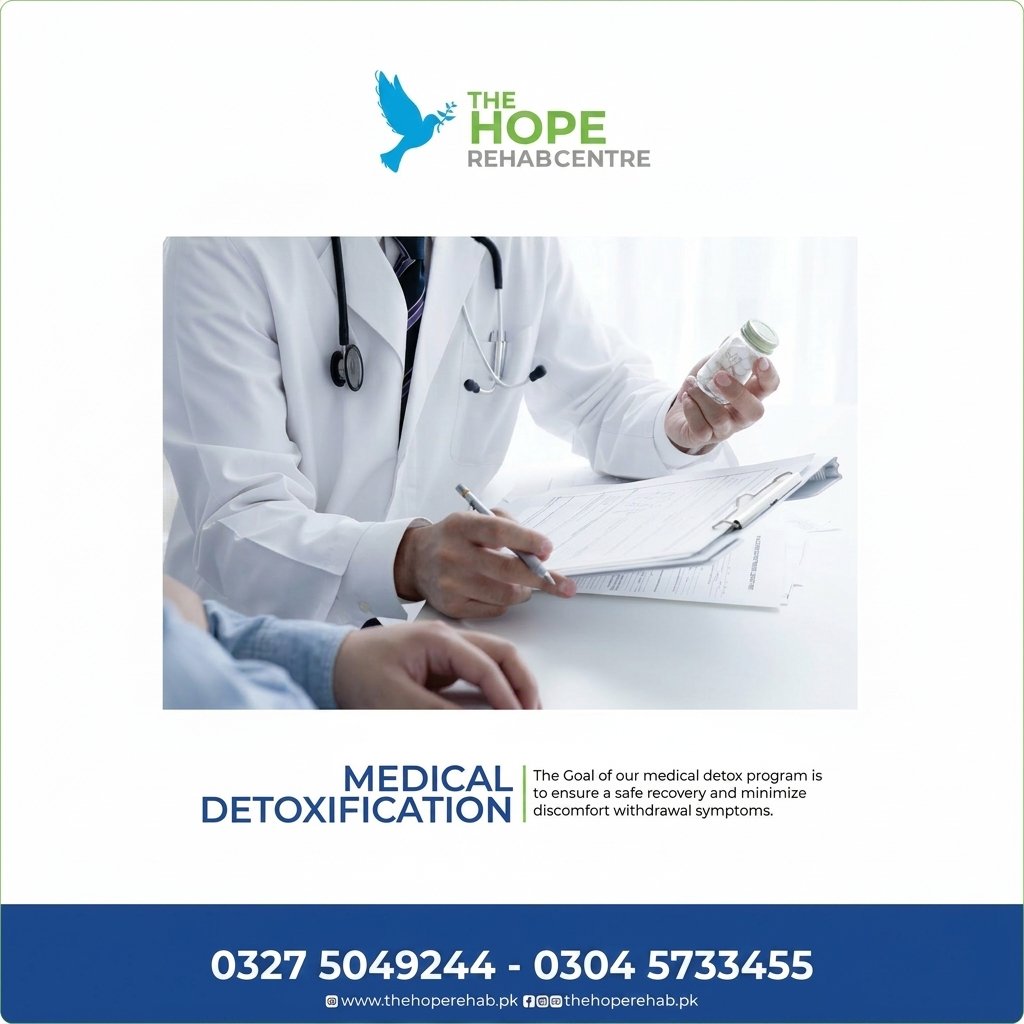
Detox is typically the first and most essential step of recovery from substance use disorders. It’s the process by which you have those harmful substances detoxed from your system while managing withdrawal symptoms in a safe and controlled environment. Providing medical supervision and emotional support, a professional I detoxification Treatment Centre in Islamabad, Pakistan will help to provide you with the firm footing needed for commencing your recovery journey.

Detoxification at The Hope Rehabilitation Center Islamabad, Pakistan is a comprehensive process performed with utmost care, professionalism, and dedication to patient safety. This is done in a safe environment, allowing the user to make positive steps towards recovery.

What is Detoxification?

Detoxification: a natural process of removing toxic substances from the body by either intentional or unintentional means (such as drug withdrawal, alcohol withdrawal). The body has its own detox systems, but entering an addictive withdrawal phase can be difficult without professional help.

Detox is best done in a I detoxification Treatment Centre in Islamabad, Pakistan working under adequate supervision to reduce risks and discomfort.

Why Detoxification is Important

Detox is an essential part because it sets your body and mind up for the next stages of treatment. Detox allows people to engage effectively in therapy or other longer-term recovery programs.

Key Benefits of Detoxification

  • It helps in detoxification from the body
  • Reduces physical dependence
  • Stabilizes the patient for subsequent treatment
  • Ensures a secure beginning of the recovery

The Hope Rehabilitation Center Islamabad, Pakistan consider detoxification as the cornerstone of successful rehabilitation.

Common Withdrawal Symptoms

The withdrawal symptoms are dependent on the substance, length of time it has been used for, and other medical conditions.

Physical Symptoms

  • Nausea and vomiting
  • Sweating and chills
  • Headaches
  • Fatigue

Psychological Symptoms

  • Anxiety and restlessness
  • Irritability
  • Mood swings
  • Sleep disturbances

By maintaining these symptoms at an expert, I detoxification Treatment Centre in Pakistan, even surface safety and comfort are ensured throughout the entire process.

Types of Detoxification Programs

Secondly, each individual requires a different approach to detox based on their condition.

Medical Detox

Medical detox uses healthcare supervision and in some cases medication to help alleviate withdrawal symptoms in a safe manner.

Inpatient Detox

With inpatient detox, patients are always being cared for in a structured environment. 24 hours, seven days a week they are monitored.

Outpatient Detox

Outpatient detox enables people to be treated whilst continuing with their daily life, though it may not advisable for acute ones.

Detox plans at The Hope Rehabilitation Center Islamabad, Pakistan are designed according to the individual.

The Detoxification Process

Having this information about the detox process can give individuals a sense of readiness and assurance.

Assessment and Evaluation

This involves a complete assessment of medical history, drug use pattern and general health.

Stabilization

Detoxification Treatment Centre in Islamabad, Pakistan

This stage provides individuals with medical and emotional support as they go through withdrawal symptoms.

Transition to Further Treatment

Post-detox, however, patients are directed to therapy and rehab programs for lasting recovery.

Each phase is dealt with care and professional conduct from a well-structured I detoxification Treatment Centre, Islamabad Pakistan.

Importance of Professional Supervision

There can be a danger involved with detoxification, especially when withdrawal symptoms are extreme. Supervision by a professional help to ensure any problems are identified immediately.

Benefits of Supervised Detox

  • Safer withdrawal management
  • Reduced risk of complications
  • Emotional and psychological support
  • Smooth transition to rehabilitation

We are one of the famous Top Drug Rehabilitation Center in Islamabad Like The Hope Rehabilitation Center Islamabad, Pakistan is a place where the patient comes first, always.

Role of Family Support

Family support can help during detox both as emotional encouragement and motivation. A recovery-sensitive environment enables an individual to remain dedicated to the process.

Family members can assist by:

  • Offering reassurance and understanding
  • Encouraging treatment adherence
  • Creating a stress-free environment
  • Attending therapy sessions, if suggested.

Most of the times, a I detoxification Treatment Centre in Islamabad Pakistan promotes and allows family support as needful in recovery.

Life After Detox

Detoxification itself is just the first step of healing. Any long-term success relies on ongoing care and lifestyle modification.

Healthy Recovery Practices

  • Maintain a balanced diet
  • Engage in regular physical activity
  • Practice stress management techniques
  • Attend counseling or therapy sessions

The Hope Rehabilitation Center Islamabad, Pakistan work with one goal in mind to educate people continuously so that they recover sustainably.

Frequently Asked Questions (FAQs)

1.     Why detoxify?

Detoxification removes unnatural substances from the body and prepares a person for subsequent treatment.

2.     Is detoxification painful?

While this can be uncomfortable, professional care ensures withdrawal symptoms are managed in a safe and appropriate manner.

3.     How long does detox take?

The length of time will differ based on the substance and general health.

4.     Can detox be done at home?

However, detox is best done under professional supervision for safety—this is especially true in cases of severe addiction.

5.     What happens after detox?

Detox only prepares you for recovery and addicts are still advised to continue therapy and rehab programs.

Conclusion

Drug detox is the essential element of the recovery process before addressing dependency on substances. It lays the groundwork for recovery by assisting a person in appropriately finding control of withdrawal and addressing additional treatment steps ahead.

Being a trusted I detoxification Treatment Centre in Islamabad, Pakistan The Hope Rehabilitation Center Islamabad, Pakistan provides systematic as well as compassionate care. Professional supervision, individual plans and continuing support all steer them down the path to safer and more stable futures.

Anxiety Treatment – Anxiety Treatments in Islamabad Pakistan

Anxiety Treatment – Anxiety Treatments in Islamabad Pakistan

Anxiety is one of the health conditions that are prevalent in the mental department globally, with millions of individuals being affected. But while unease is an inherent part of our life, anxiety turns to chronic stress and that impacts day-to-day tasks, relationships and quality of life. Seeking professional Anxiety Treatments in Islamabad, Pakistan is an essential first step to learn how to stop or manage such anxiety symptoms and improve hope living.

At The Hope Rehabilitation Center Islamabad, Pakistan clients obtain considerate spherical-the-clock remedy. It will emphasize making sense of the reason(s) behind anxiety in conjunction with promoting long term emotional security through effective coping mechanisms.

Understanding Anxiety and Its Impact

Anxiety is not just being stressed or worried. This can come in the form of general anxiety, panic attacks and social phobia. Untreated, it can damage both mental and physical health

Professional Anxiety Treatments in Islamabad, Pakistan allow people to better understand symptoms as well as practical approaches to treating them.

Common Symptoms of Anxiety

  • Constant worry or fear
  • Restlessness or difficulty relaxing
  • Feeling a heart rush or having difficulty in breathing
  • Trouble concentrating
  • Sleep disturbances

Early detection of these symptoms helps get assistance from people and avoids complications.

Anxiety Causes and Risk Factors

Some of the reasons behind experiencing anxiety could be:

  • Biological factors: Imbalances in chemist hormones.
  • Psychological reasons: Stress, trauma or pessimistic cognition
  • Environmental pressures such as: work, home or external

Treatment plans are devised considering these very factors at The Hope Rehabilitation Center Islamabad, Pakistan Why Should You Seek Professional Treatment for Anxiety

Intuitively managing anxiety without direction might be a struggle when the symptoms become unbearable. A formalized care setting allows a more supportive environment.

Accurate Diagnosis and Assessment

A proper evaluation can also provide insight into the nature (and severity) of anxiety as well, helping correctly treat people.

Personalized Treatment Plans

Each individual experiences anxiety differently. One-size-fits-all treatment — but it gives for individualized requirement.

Safe and Supportive Environment

In a professional atmosphere, persons can freely discuss their worries and solicit guidance without criticism.

A Balanced Care by Structured Approach to Anxiety Treatments in Islamabad, Pakistan!

Effective Anxiety Treatment Approaches

An integrated treatment plan includes a combination of therapies and lifestyle strategies.

Cognitive Behavioral Therapy (CBT)

Cognitive Behavior Therapy (CBT) is one of the most potent ways to manage anxiety. It enables people to recognize flawed patterns of thinking and replace them with constructive frameworks.

Individual Counseling

One-on-one therapy sessions allow you to overcome personal challenges and strategies to cope with them.

Stress Management Techniques

To alleviate anxiety, one must know how to handle stress. Techniques may include:

  • Deep breathing exercises
  • Mindfulness and relaxation practices
  • Time management skills

Lifestyle Modifications

Our health habits influence anxiety a lot:

  • Regular physical activity
  • Balanced nutrition
  • Adequate sleep
  • Limiting caffeine and stimulants

Such approaches are incorporated into treatment plans with us at The Hope Rehabilitation Center Islamabad, Pakistan to ensure long-term success.

Benefits of Anxiety Treatment

Benefits of Seeking Immediate Professional Help for Anxiety

Improved Emotional Well-Being

The treatment helps with reducing feelings of fear and worry, allowing for a more balanced emotional perspective.

Enhanced Daily Functioning

People should then be able to concentrate better on work, relationships, and goals.

Better Stress Management

The coping strategies that have been learnt, allows one to deal with challenges better.

Long-Term Stability

Continuing support keeps people on track and prevents relapses.

A sequestered program of Anxiety Treatments in Islamabad, Pakistan offers you the weapons for a refurbishment that will stay.

PLACE OF FAMILY AND SUPPORT SYSTEMS

Having a full support system can greatly change how a person with anxiety reacts. Support system is an excellent source of motivation and confidence during tough times.

Families can help by:

  • Listening without judgment
  • Encouraging healthy habits
  • Supporting treatment plans
  • Establishing a peaceful and nurturing environment

Family participation is emphasized at The Hope Rehabilitation Center Islamabad, Pakistan to improve the outcomes of recovery.

Managing Anxiety in Daily Life

Besides clinical intervention, people can practice easy methods to help with anxiety:

  • Practice mindfulness and relaxation techniques
  • Maintain a structured daily routine
  • Stay physically active
  • Avoid negative triggers
  • Seek support when needed

These habits can help reinforce professional Anxiety Treatments in Islamabad Pakistan and aid long-lasting wellness.

Frequently Asked Questions (FAQs)

1.     Anxiety disorders include index of people

Generalized anxiety disorder, panic disorder, social anxiety disorder are some of the common types.

2.     Can anxiety be treated effectively?

Yes, given therapy and support alike for individuals as the anxiety can be cured eventually.

3.     How much time does it take to deal with anxiety?

The length of time you will feel symptoms varies from person to person.

4.     The Role of Lifestyle Changes in Anxiety Management

Definitely, gestation habits just like understanding, real sleep and stress manage would possibly have a prominent effect on reducing signs of anxiety.

5.     How do I get help for anxiety?

Anxiety becomes a problem when it begins to interfere with your daily life or is difficult for you to manage, and at this point, you most likely need professional help.

Conclusion

Anxiety effects just about every angle of life, however with the right support and treatment, it might be feasible to treatments signs and hint how you feel. It is the professional care that gives a sense of structure, tools and guidance to get through problems with a healthier mind.

The Hope Rehabilitation Center Islamabad, Pakistan provide the best and most new modern dedicated with compassionate, supportive visit we at The Hope Rehabilitation Center Islamabad, Pakistanoffer a full & highly effective anxiety Treatments in Islamabad from Pakistan. With tailored treatment and therapy, along with ongoing support, people are directed towards better mental health and a more stable life.

The right approach, commitment, and support help people take their first step towards effective anxiety management and long-term emotional health.