The Hope Rehab Center

Category Addiction Treatment Center

Effective Treatment Options for Overcoming Cocaine Addiction
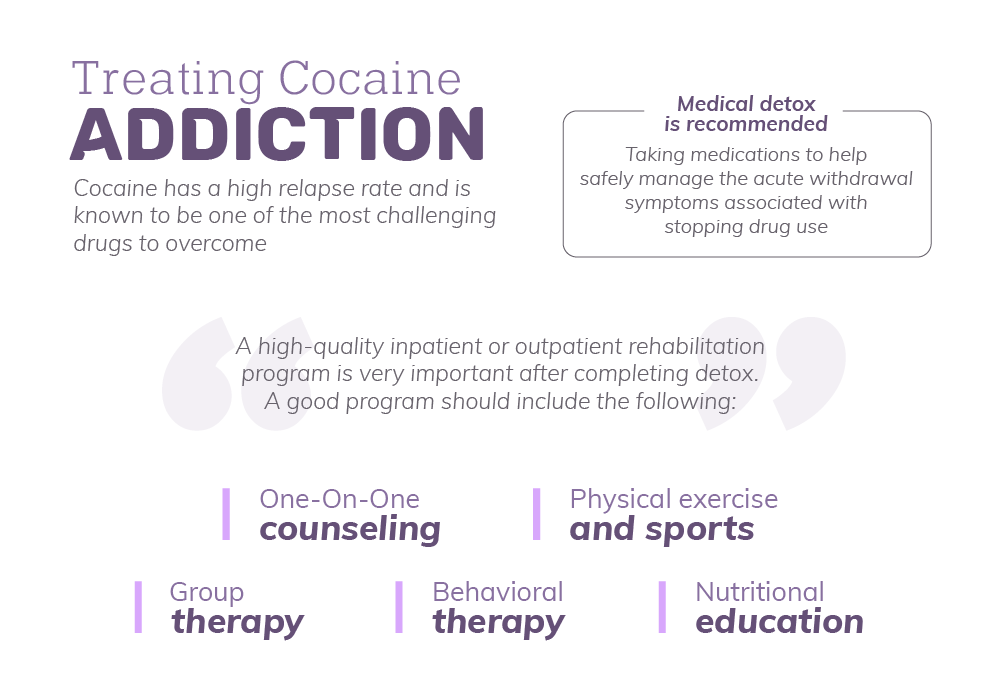
Cocaine addiction is a serious and life-threatening condition that affects millions of people worldwide. At The Hope Rehab Center, we understand the profound impact substance abuse can have on individuals and their families. That’s why we offer comprehensive, evidence-based treatment programs designed to support recovery and promote long-term healing.

In this blog, we explore the most effective treatment options for overcoming cocaine addiction and how our team at The Hope Rehab Center can help you or your loved one reclaim a life free from drugs.

Understanding Cocaine Addiction

Cocaine is a powerful and highly addictive stimulant that significantly impacts the brain’s reward system. Over time, individuals who misuse cocaine develop a physical and psychological dependence that can be extremely difficult to break without professional help.

Common signs of cocaine addiction include:

  • Intense cravings

  • Increased tolerance

  • Mood swings and irritability

  • Financial and legal problems

  • Social withdrawal

  • Risky behaviors

Recognizing these signs early and seeking timely help from a reputable drug rehabilitation center is essential for a successful recovery journey.

Why Choose Professional Cocaine Addiction Treatment?

Cocaine addiction is not just a bad habit—it’s a chronic disease that requires professional intervention, personalized care, and consistent follow-up. Self-detox or quitting cold turkey often leads to dangerous withdrawal symptoms and a high risk of relapse.

At The Hope Rehab Center, we offer evidence-based cocaine addiction treatment programs tailored to each individual’s unique needs. Our holistic and supportive environment ensures clients receive physical, emotional, and psychological care throughout their recovery process.

Top Treatment Options for Cocaine Addiction

1. Medically Supervised Detoxification

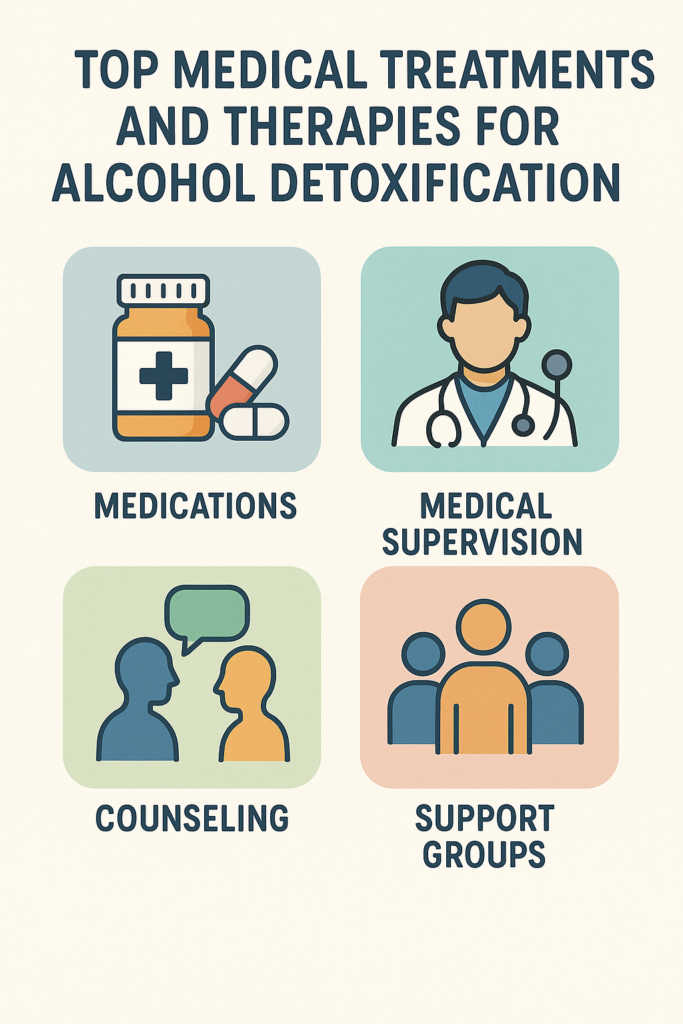
The first step in overcoming cocaine addiction is medical detox. This process helps cleanse the body of cocaine and other harmful substances under the supervision of healthcare professionals. Detox addresses the uncomfortable and often dangerous withdrawal symptoms, such as:

  • Depression and anxiety

  • Fatigue and irritability

  • Intense drug cravings

  • Sleep disturbances

Our detox program at The Hope Rehab Center ensures that clients are safe, comfortable, and medically supported during this critical phase.

2. Inpatient Cocaine Rehab Programs

Inpatient treatment offers the most intensive level of care for individuals battling severe addiction. Clients stay at our secure and supportive facility, where they receive 24/7 medical care, therapy, and holistic support.

Benefits of inpatient cocaine rehab include:

  • Structured daily routines

  • Access to multiple therapy modalities

  • Peer support and accountability

  • Focused environment free from triggers

This type of residential rehab is ideal for clients who require immersive care and a break from external stressors or environments that may trigger relapse.

3. Outpatient Cocaine Treatment Programs

For individuals with mild to moderate addiction or those who need to maintain personal and professional responsibilities, outpatient treatment is an excellent option. This flexible program allows clients to attend therapy and support sessions during the day while returning home in the evenings.

Our intensive outpatient program (IOP) includes:

  • Behavioral therapy sessions

  • Family counseling

  • Relapse prevention education

  • Group therapy support

Outpatient treatment promotes long-term recovery while allowing clients to stay connected with their daily life.

4. Cognitive Behavioral Therapy (CBT)

CBT is one of the most effective behavioral therapies for cocaine addiction. It helps clients identify and change negative thought patterns and behaviors that contribute to substance abuse.

Through CBT, individuals learn to:

  • Recognize triggers and cravings

  • Develop healthy coping mechanisms

  • Strengthen emotional regulation

  • Set and achieve personal goals

At The Hope Rehab Center, licensed therapists guide clients through CBT sessions to promote self-awareness and positive behavioral changes.

5. Dual Diagnosis Treatment

Many people with substance use disorders also suffer from co-occurring mental health conditions, such as depression, anxiety, PTSD, or bipolar disorder. Our dual diagnosis program ensures both the addiction and mental health issues are treated simultaneously.

By addressing the root causes of addiction, we create a path to sustainable recovery and improved mental well-being.

6. Family Therapy and Support

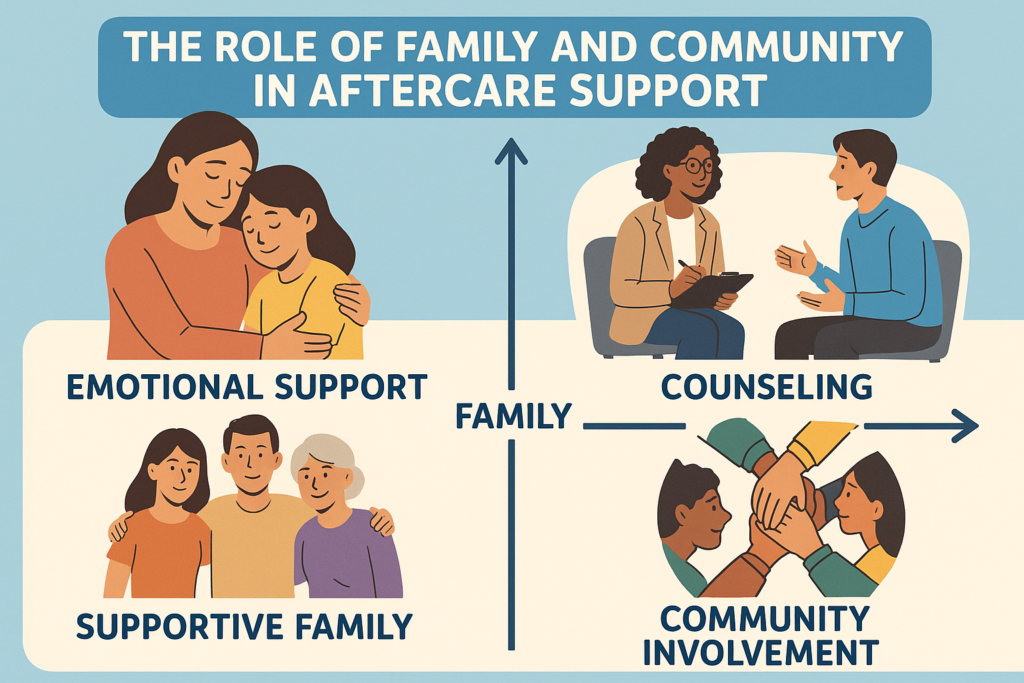
Addiction affects not just the individual but also their family and loved ones. Our family counseling programs help rebuild trust, improve communication, and provide education about the nature of addiction.

Family support is a key component in long-term recovery and relapse prevention.

7. Aftercare and Relapse Prevention

Recovery doesn’t end after rehab—it’s a lifelong journey. Our aftercare programs at The Hope Rehab Center provide continuous support and guidance even after clients complete their primary treatment.

We offer:

  • Sober living arrangements

  • Ongoing therapy sessions

  • Peer support groups

  • Regular follow-ups and relapse prevention plans

These services empower clients to maintain sobriety and cope with life’s challenges without turning to drugs.

The Hope Rehab Center: Your Partner in Recovery

At The Hope Rehab Center, we believe that every individual has the power to heal and recover. Our compassionate team of addiction specialists, therapists, and medical professionals are committed to providing:

✅ Personalized care plans
✅ Safe and supportive environment
✅ Holistic treatment options
✅ 24/7 medical and emotional support

Whether you need inpatient care, outpatient treatment, or long-term aftercare, we’re here to walk with you every step of the way.

Conclusion: Start Your Recovery Today

Overcoming cocaine addiction is challenging, but with the right treatment and support system, recovery is absolutely possible. Don’t let addiction control your life any longer—reach out to The Hope Rehab Center and take the first step toward a brighter, drug-free future.

Contact us today to learn more about our cocaine addiction treatment programs and begin your journey to lasting recovery.

How to Choose the Best Anxiety Treatment for Your Mental Health Needs
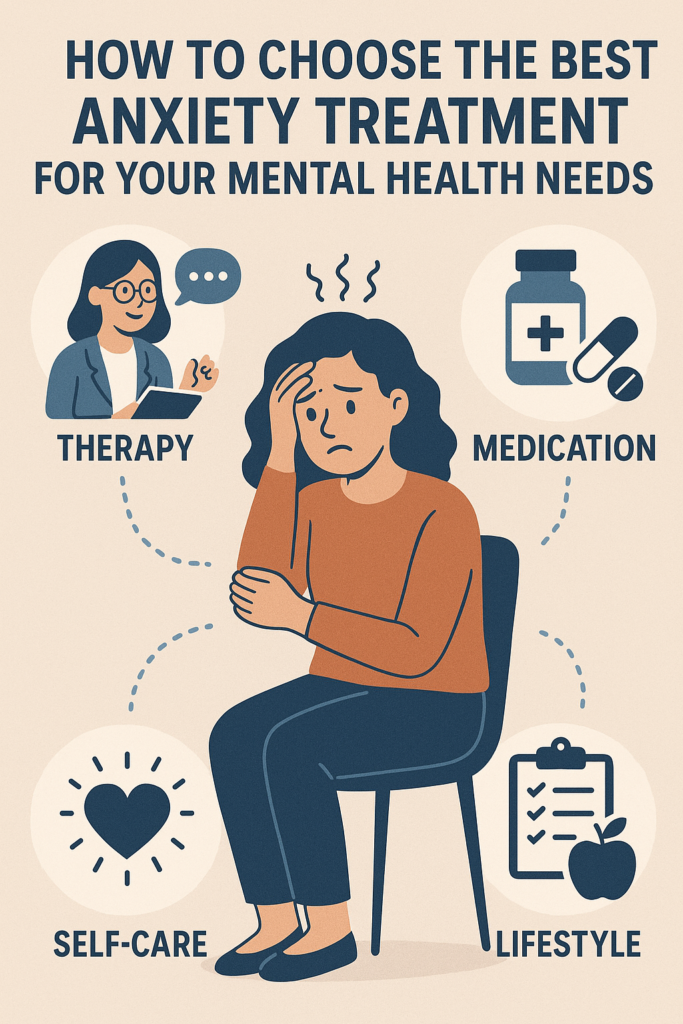
Anxiety disorders affect millions of people worldwide, making them one of the most common mental health issues today. Whether it’s generalized anxiety disorder (GAD), panic disorder, social anxiety, or specific phobias, finding the right treatment can make a world of difference in improving your mental health and quality of life.

At The Hope Rehab Center, we understand that anxiety looks different for everyone. That’s why selecting the best anxiety treatment tailored to your needs is essential. In this guide, we’ll walk you through the most effective treatment options available, how to evaluate them, and how to choose the one that works best for your mental health goals.

1. Understand the Root Cause of Your Anxiety

Before beginning any treatment, it’s important to explore the underlying causes of your anxiety. Is it trauma-related? Is it situational stress, such as work or family-related pressure? Or is it tied to a specific condition like OCD or PTSD?

A professional mental health evaluation at The Hope Rehab Center helps pinpoint the root of your anxiety. This insight lays the groundwork for a personalized anxiety treatment plan that addresses your unique emotional and psychological needs.

2. Explore Common Anxiety Treatment Options

There are several evidence-based approaches available for treating anxiety. Understanding these can help you make an informed choice:

a. Cognitive Behavioral Therapy (CBT)

CBT is considered the best therapy for anxiety by many mental health professionals. It focuses on identifying and changing negative thought patterns and behaviors that contribute to anxiety.

b. Medication

In some cases, anti-anxiety medication like SSRIs or benzodiazepines may be prescribed. These can be effective for short-term relief or managing severe symptoms but should always be part of a supervised treatment plan.

c. Exposure Therapy

This technique gradually introduces you to anxiety-provoking situations to desensitize your response over time, often used for phobias and PTSD.

d. Mindfulness and Relaxation Techniques

Mindfulness-based therapy, meditation, and breathing exercises help calm the nervous system and reduce anxiety over time.

e. Holistic and Lifestyle Approaches

Diet, exercise, sleep hygiene, and natural supplements can all support long-term mental wellness and reduce anxiety triggers.

3. Look for a Licensed Mental Health Professional

No matter which treatment path you choose, it’s vital to work with a qualified and licensed therapist, counselor, or psychiatrist. Professional guidance ensures that your treatment is safe, effective, and suited to your condition.

At The Hope Rehab Center, our team of certified psychologists and mental health experts work with you to design a treatment plan based on clinical research, compassion, and personalized care.

4. Consider Individual vs Group Therapy

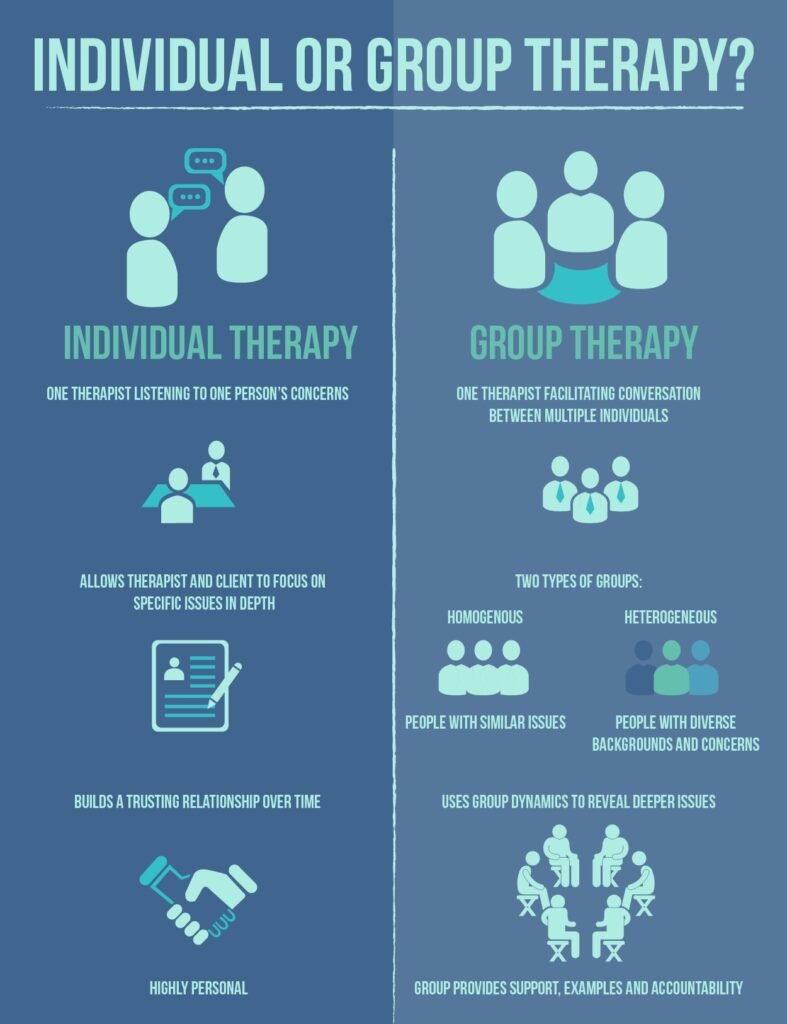
Depending on your comfort level, you might benefit more from one-on-one therapy or group sessions. Both have unique advantages:

  • Individual counseling offers a private, personalized space to explore your emotions and triggers.

  • Group therapy provides a supportive environment where you can connect with others experiencing similar challenges.

We offer both formats at The Hope Rehab Center, allowing you to choose what feels most supportive for your healing journey.

5. Assess the Intensity of Your Symptoms

Mild to moderate anxiety can often be managed with therapy and self-help tools, while severe or chronic anxiety may require a more intensive treatment program.

At The Hope Rehab Center, we offer outpatient and inpatient anxiety treatment programs designed to meet you where you are in your journey. Whether you need weekly counseling or immersive care, we tailor your treatment accordingly.

6. Incorporate Lifestyle Changes for Long-Term Relief

Treatment doesn’t end in the therapist’s office. Integrating healthy lifestyle changes can play a significant role in managing anxiety long-term. These may include:

  • Regular physical activity

  • A balanced, nutritious diet

  • Consistent sleep schedule

  • Reduced caffeine and alcohol intake

  • Positive social support networks

Our experts at The Hope Rehab Center help you build a daily wellness routine that supports emotional balance and anxiety prevention.

7. Choose a Rehab Center That Prioritizes You

When searching for the best anxiety treatment center, prioritize facilities that:

  • Offer a comprehensive assessment

  • Provide customized therapy plans

  • Employ experienced and licensed staff

  • Maintain a supportive and confidential environment

  • Use evidence-based and holistic approaches

The Hope Rehab Center combines clinical excellence with compassionate care. Our mission is to empower individuals to overcome anxiety and reclaim their inner peace through effective, individualized treatment.

8. Don’t Delay—Take the First Step Toward Healing

Anxiety may feel overwhelming, but it is highly treatable with the right support. If you’re struggling with persistent worry, fear, panic attacks, or physical symptoms of anxiety, it’s time to seek professional help.

At The Hope Rehab Center, we’re here to walk beside you on your journey to recovery. We offer confidential consultations, flexible treatment options, and a safe space to heal.

Final Thoughts

Choosing the best anxiety treatment requires a mix of self-awareness, professional guidance, and commitment to healing. From CBT and medication to mindfulness and holistic therapies, there are multiple paths to recovery. Let The Hope Rehab Center be your partner in finding the one that fits your unique mental health needs.

Take your first step today—contact us now for a confidential consultation and start your journey toward a more peaceful, empowered life.

How to Help a Loved One Struggling with Meth Addiction

Methamphetamine addiction is a devastating struggle that affects not only the individual but their entire support system. If someone you care about is battling meth addiction, your role in their journey to recovery can be powerful. At The Hope Rehab Center, we understand how emotionally challenging it is to witness a loved one fall into substance abuse. This blog offers practical steps, trending strategies, and expert advice on how you can help a loved one battling methamphetamine addiction—with compassion, patience, and the right professional support.

Understanding Meth Addiction

Methamphetamine (commonly known as meth, crystal meth, or ice) is a highly addictive stimulant that affects the central nervous system. It causes intense euphoria, followed by severe crashes, dependency, and long-term health issues including cognitive decline, dental decay (“meth mouth”), and mental health disorders such as anxiety, paranoia, and psychosis.

Recognizing that meth addiction is a disease—not a moral failing—is the first step in being an effective support system for your loved one.

Step 1: Educate Yourself About Methamphetamine Addiction

Before you can help, it’s essential to understand the nature of meth addiction. Learn about:

  • The psychological and physical symptoms

  • The behavioral changes and mood swings

  • The detox and withdrawal process

  • The available treatment options, including inpatient rehab, outpatient programs, therapy, and medical detox

Trending Tip:

Use trusted sources like the Substance Abuse and Mental Health Services Administration (SAMHSA) or speak directly with professionals at The Hope Rehab Center.

Step 2: Identify the Warning Signs Early

Recognizing the early signs of meth abuse can help in timely intervention. Some of the most common symptoms include:

  • Sudden weight loss and loss of appetite

  • Excessive energy or hyperactivity

  • Mood swings and paranoia

  • Skin sores, poor hygiene

  • Withdrawal from friends and family

  • Financial or legal problems

Document what you observe. This will be useful when consulting addiction specialists or staging an intervention.

Step 3: Have an Honest and Compassionate Conversation

Approaching a loved one about their addiction is never easy, but it’s necessary. Choose a calm, non-judgmental tone and express your concerns with empathy.

What to Say:

  • “I’ve noticed changes in your behavior, and I’m really worried about you.”

  • “You’re not alone. I want to support you.”

  • “There’s professional help available, and it can make a real difference.”

Avoid blame, shame, or confrontation, which can cause defensiveness and denial.

Step 4: Encourage Professional Help

Professional addiction treatment is vital for long-term recovery. Self-treatment or quitting cold turkey can be dangerous due to severe withdrawal symptoms such as:

  • Intense depression

  • Suicidal thoughts

  • Fatigue

  • Drug cravings

  • Hallucinations

At The Hope Rehab Center, we offer evidence-based meth addiction treatments, including:

  • Medical detox

  • Cognitive Behavioral Therapy (CBT)

  • Dual diagnosis treatment (for co-occurring mental health conditions)

  • Family therapy

  • Relapse prevention plans

Step 5: Participate in Family Therapy and Support Groups

Addiction affects the entire family. Family therapy is essential for:

  • Healing relationships

  • Rebuilding trust

  • Learning how to support recovery without enabling

Encourage your loved one—and yourself—to attend support groups such as:

  • Narcotics Anonymous (NA)

  • SMART Recovery

  • Family support meetings at The Hope Rehab Center

Trending Tips:

  • Use therapy to set healthy boundaries

  • Practice self-care to avoid burnout

  • Find support through local or online communities

Step 6: Create a Safe, Drug-Free Environment

After rehab, your loved one may return home or to a sober living environment. Ensure your home is:

  • Free of drugs, paraphernalia, and triggers

  • Structured with healthy routines

  • Supportive with positive reinforcement

Celebrate milestones and progress, no matter how small. Relapses can happen, but with the right environment and ongoing support, recovery remains achievable.

Step 7: Be Patient—Recovery is a Journey

Meth recovery isn’t linear. There will be setbacks, but your continued encouragement and emotional support can make all the difference.

Celebrate small victories like:

  • Attending therapy sessions

  • Staying clean for a week, a month, and beyond

  • Rebuilding trust and healthy relationships

Remember: Recovery is a marathon, not a sprint. Celebrate progress over perfection.

Why Choose The Hope Rehab Center?

At The Hope Rehab Center, we’re committed to helping individuals and families heal from the devastation of methamphetamine addiction. Our approach is:

  • Compassionate and patient-centered

  • Medically supervised detox & therapy

  • Custom recovery plans tailored to each client

  • Family involvement and aftercare planning

Our experienced staff includes licensed addiction counselors, psychologists, and medical professionals, all dedicated to your loved one’s success.

Final Thoughts

Watching someone you love struggle with meth addiction is heartbreaking, but you are not powerless. By educating yourself, offering support, setting boundaries, and encouraging professional treatment, you play a vital role in their journey to recovery.

If your loved one is ready to take the first step—or if you need guidance—contact The Hope Rehab Center today. Our doors are open, and recovery is possible.

Call Now for a Confidential Consultation:
📞 +92 304 5733455
🌐 https://thehoperehab.pk/
📍 The Hope Rehab Center – Leading Drug Rehab & Mental Health Facility in Pakistan

How Benzodiazepines Affect the Brain and Lead to Dependency
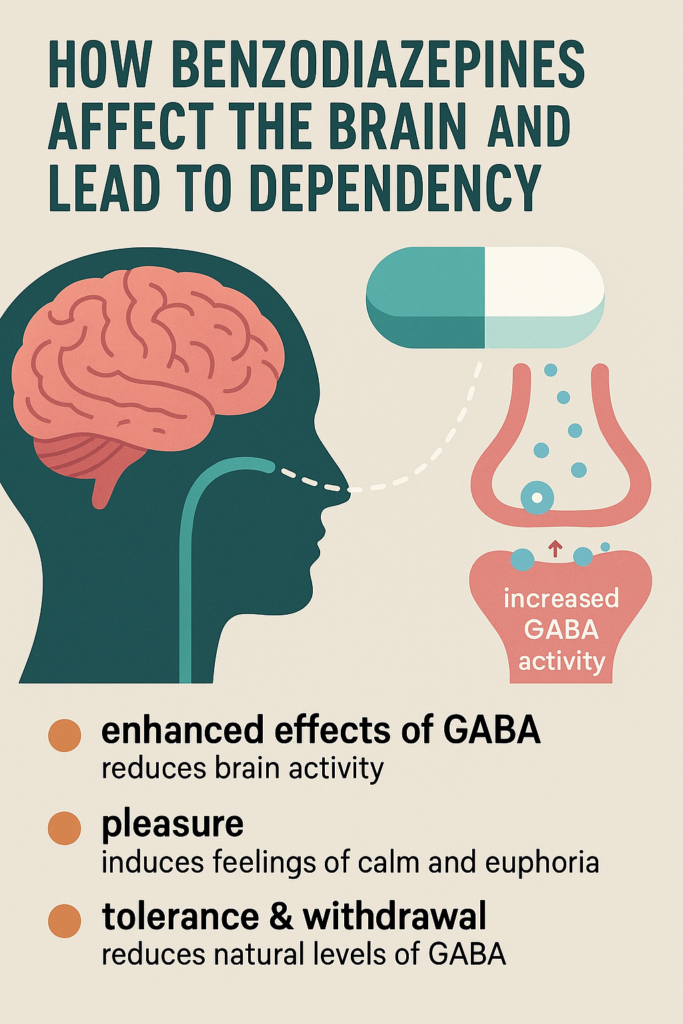
Benzodiazepines, often prescribed to treat anxiety, insomnia, and seizures, have become a growing concern in Pakistan and around the world due to their potential for addiction and dependency. While these medications—such as Xanax, Valium, Ativan, and Clonazepam—can offer short-term relief, their impact on the brain and risk for dependency can be profound and life-altering.

In this blog, The Hope Rehab Center Islamabad explores how benzodiazepines affect the brain, why they are addictive, and how individuals can seek help through professional benzodiazepine addiction treatment.

What Are Benzodiazepines?

Benzodiazepines (benzos) are a class of psychoactive drugs used primarily for their sedative, anxiolytic (anti-anxiety), muscle relaxant, and anticonvulsant properties. Commonly prescribed for:

  • Generalized anxiety disorder (GAD)

  • Panic attacks

  • Sleep disorders

  • Alcohol withdrawal

  • Seizures

While effective in the short term, long-term use or misuse can lead to benzodiazepine dependence and serious mental health complications.

How Benzodiazepines Affect the Brain

Benzodiazepines work by enhancing the activity of a neurotransmitter called gamma-aminobutyric acid (GABA). GABA slows down brain activity and produces a calming effect. When benzodiazepines are consumed, they bind to GABA receptors in the brain and intensify this inhibitory effect, leading to reduced anxiety, sedation, and muscle relaxation.

Brain Areas Affected by Benzodiazepines:

  1. Limbic System – Controls emotions. Benzos reduce anxiety by calming this region.

  2. Cerebral Cortex – Involved in thought processes. Overuse can impair memory and concentration.

  3. Brainstem – Controls basic functions like respiration. High doses can dangerously slow breathing.

Over time, the brain adjusts to the drug’s presence by reducing its natural GABA production and becoming dependent on the medication for normal functioning. This is the foundation of benzodiazepine dependency.

Why Are Benzodiazepines Addictive?

The soothing effects of benzodiazepines can become psychologically and physically addictive. Users may start to increase the dosage or take the drug more frequently to feel the same effects—a phenomenon known as tolerance.

Key reasons benzodiazepines lead to addiction:

  • Rapid onset of calming effects triggers psychological reinforcement.

  • Withdrawal symptoms such as insomnia, panic, and seizures make quitting difficult.

  • Co-occurring disorders like depression and trauma increase dependency risk.

  • Rebound anxiety—when symptoms return worse than before—pushes users to resume use.

This cycle can quickly spiral into full-blown benzodiazepine addiction, especially without professional guidance.

Signs and Symptoms of Benzodiazepine Dependency

Recognizing the signs of benzo dependency early is crucial. At The Hope Rehab Center Islamabad, our specialists often identify the following symptoms in individuals seeking treatment:

Physical Symptoms:

  • Drowsiness

  • Dizziness

  • Muscle weakness

  • Slurred speech

  • Memory impairment

Psychological Symptoms:

  • Depression

  • Emotional numbness

  • Anxiety or panic when not using

  • Irritability and mood swings

Behavioral Signs:

  • Doctor shopping for prescriptions

  • Secretive behavior

  • Neglecting responsibilities

  • Using more than prescribed

If you or a loved one is showing these signs, it’s time to seek help from a trusted rehabilitation center in Islamabad.

Long-Term Effects of Benzodiazepine Abuse

Prolonged misuse of benzodiazepines can have damaging effects on both the mind and body. Long-term users often face:

  • Cognitive decline (difficulty focusing or recalling information)

  • Increased risk of dementia

  • Emotional blunting (inability to feel joy or sadness)

  • Severe withdrawal symptoms (including seizures)

  • Co-dependency on other substances

In worst-case scenarios, benzodiazepine dependency can lead to accidental overdose, especially when mixed with alcohol or opioids.

Benzodiazepine Withdrawal: A Risky Process Without Help

Withdrawal from benzodiazepines can be dangerous and should never be attempted without professional supervision. Symptoms may include:

  • Intense anxiety or panic attacks

  • Insomnia

  • Hallucinations

  • Seizures

  • Heart palpitations

At The Hope Rehab Center Islamabad, our medical detox programs offer safe and supervised withdrawal management, ensuring that patients are stabilized physically before starting psychological therapy.

How The Hope Rehab Center Islamabad Can Help

We understand that overcoming benzodiazepine addiction requires more than just detox—it demands a complete transformation of mindset, lifestyle, and coping strategies. Our comprehensive recovery plan includes:

1. Medical Detoxification

Safe, medically supervised withdrawal to manage acute symptoms.

2. Individual and Group Therapy

Evidence-based counseling to address root causes of dependency, such as trauma or anxiety.

3. Cognitive Behavioral Therapy (CBT)

Helps patients reframe negative thoughts and manage triggers.

4. Family Counseling

Rebuilds trust and strengthens support systems.

5. Aftercare Support

Continued therapy, relapse prevention planning, and alumni support groups.

With an expert team of psychiatrists, addiction counselors, and mental health professionals, we are a leading drug rehab center in Islamabad for benzo addiction recovery.

Preventing Benzodiazepine Dependency

While some individuals genuinely need benzodiazepines for medical reasons, preventing dependency is crucial:

  • Use only as prescribed by a doctor.

  • Avoid combining with alcohol or other depressants.

  • Discuss alternative anxiety treatments (e.g., therapy, lifestyle changes).

  • Consult your doctor regularly if using long-term.

  • Never increase dosage without professional guidance.

Final Thoughts: A Path to Freedom from Benzodiazepine Addiction

Benzodiazepines may offer temporary relief, but their long-term use can severely alter brain chemistry and lead to physical and emotional dependency. At The Hope Rehab Center Islamabad, we provide compassionate, science-based care to help individuals break free from addiction and reclaim their lives.

If you or someone you love is struggling with benzodiazepine addiction in Islamabad, don’t wait. Reach out to us for a confidential consultation and take the first step toward lasting recovery.

Contact Us Today
📍 The Hope Rehab Center, Islamabad
📞 Call: +92 304 5733455
🌐 Visit: https://thehoperehab.pk/

What Is Psychotherapy? Understanding Its Role in Mental Health Treatment

In recent years, psychotherapy has gained recognition as a powerful and effective tool for treating a wide range of mental health issues, including depression, anxiety, trauma, stress, and more. As mental health awareness grows in Pakistan, more individuals are turning to psychotherapy in Islamabad to find healing and support.

At The Hope Rehab Center Islamabad, we believe in the transformative power of psychotherapy. In this blog, we explore what psychotherapy is, how it works, and why it plays a critical role in improving mental well-being.

What Is Psychotherapy?

Psychotherapy, also known as talk therapy or counseling, is a therapeutic process where individuals work with a trained mental health professional to identify and resolve emotional, behavioral, and psychological issues. It provides a safe and confidential environment for exploring thoughts, feelings, and patterns that may be affecting your quality of life.

There are different types of psychotherapy, including:

  • Cognitive Behavioural Therapy (CBT)

  • Dialectical Behaviour Therapy (DBT)

  • Psychodynamic Therapy

  • Humanistic Therapy

  • Group and Family Therapy

Each approach is tailored based on the individual’s mental health condition and goals.

The Role of Psychotherapy in Mental Health Treatment

Psychotherapy goes beyond simply talking about problems — it helps individuals develop coping mechanisms, process traumatic experiences, improve relationships, and make positive life changes.

1. Treatment for Depression and Anxiety

Two of the most common mental health issues treated through psychotherapy are depression and anxiety. Techniques such as CBT for depression in Islamabad help individuals challenge negative thought patterns and learn new, healthier ways of thinking and behaving.

2. Managing Stress and Life Transitions

Major life changes such as divorce, loss, relocation, or academic pressure can trigger emotional distress. Psychotherapy provides emotional support and helps clients develop practical strategies for managing stress.

3. Trauma and PTSD Therapy

People who’ve experienced trauma or suffer from Post-Traumatic Stress Disorder (PTSD) can greatly benefit from trauma-focused therapy. This helps them process painful memories and regain a sense of safety and control.

4. Addiction Recovery and Relapse Prevention

At The Hope Rehab Center Islamabad, psychotherapy is an essential part of our addiction treatment programs. It helps individuals identify the root causes of addiction, build healthier habits, and develop resilience against relapse.

5. Improving Relationships and Communication

Whether it’s through couples therapy or family counseling, psychotherapy supports better communication, conflict resolution, and emotional intimacy — making relationships stronger and healthier.

Common Types of Psychotherapy Offered at The Hope Rehab Center Islamabad

At our center, we offer evidence-based, client-centered therapies that match the unique needs of every individual. Our most popular services include:

Cognitive Behavioural Therapy (CBT) in Islamabad

CBT is one of the most effective psychotherapies for anxiety, depression, and negative thinking. It helps you identify and challenge distorted thoughts, develop problem-solving skills, and build confidence.

Dialectical Behaviour Therapy (DBT)

DBT is ideal for individuals struggling with intense emotions, borderline personality disorder, or self-harm tendencies. It focuses on emotional regulation, distress tolerance, and mindfulness.

Individual Psychotherapy

This one-on-one therapy helps clients focus on personal issues in a private setting. It’s useful for exploring deep-rooted emotional challenges or mental health conditions.

Group Therapy in Islamabad

Sharing your journey with others facing similar struggles can be healing. Group therapy enhances self-awareness and provides mutual support under the guidance of a professional therapist.

Why Choose The Hope Rehab Center for Psychotherapy in Islamabad?

Finding trusted psychotherapy services in Islamabad is crucial for effective mental health treatment. At The Hope Rehab Center, we offer:

  • Qualified Psychologists and Therapists

  • Personalized Treatment Plans

  • Confidential and Safe Environment

  • Affordable Mental Health Services in Islamabad

  • Holistic Support for Recovery and Healing

Our mission is to promote mental wellness in Pakistan through compassionate, high-quality care. We believe every person deserves a chance to heal, grow, and lead a fulfilling life.

Who Should Consider Psychotherapy?

You don’t have to be in crisis to seek therapy. Anyone experiencing emotional challenges or personal difficulties can benefit. Consider psychotherapy if you:

  • Feel persistently sad, anxious, or overwhelmed

  • Struggle with addiction, trauma, or grief

  • Have trouble sleeping or eating

  • Face relationship or family conflicts

  • Want to improve your self-esteem or mental resilience

If these sound familiar, it might be time to book a psychotherapy session in Islamabad at The Hope Rehab Center.

Mental Health Matters: Ending the Stigma in Pakistan

Mental health issues are often misunderstood or ignored in our society. However, just like physical illnesses, mental conditions require timely and professional care. Seeking help is not a sign of weakness — it’s a powerful step toward healing.

The Hope Rehab Center is committed to raising mental health awareness in Islamabad and beyond. Through professional psychotherapy and rehabilitation services, we aim to build a healthier, more supportive community.

How to Get Started with Therapy?

Starting therapy can feel daunting, but our team at The Hope Rehab Center Islamabad is here to make the process smooth and supportive.

Here’s how to begin:

  1. Book a confidential consultation

  2. Meet with a licensed therapist

  3. Discuss your goals and concerns

  4. Begin your personalized therapy journey

You can call us directly or visit our website to schedule your appointment today.

Final Thoughts

Psychotherapy is a proven and powerful way to enhance your mental and emotional well-being. Whether you’re battling depression, managing stress, or seeking personal growth, therapy can guide you toward a brighter, more balanced life.

At The Hope Rehab Center Islamabad, we are here to help you take that first step. With experienced professionals and evidence-based care, you are never alone in your journey to healing.

Effective Treatment Options for Heroin Addiction Recovery

Discover Compassionate and Proven Solutions at The Hope Rehab Center Islamabad

Heroin addiction is one of the most devastating forms of substance abuse, affecting not only the physical and mental health of individuals but also disrupting families, relationships, and communities. At The Hope Rehab Center Islamabad, we understand the complexities of heroin dependency and offer a holistic, medically supervised, and evidence-based recovery program tailored to each individual.

Whether you’re seeking help for yourself or a loved one, this guide will walk you through the most effective treatment options for heroin addiction available in Islamabad and how our facility supports long-term sobriety and healing.

Understanding Heroin Addiction: Why Immediate Help is Crucial

Heroin is a highly addictive opioid that alters brain function, causing intense cravings and physical dependence. Withdrawal symptoms can be severe and potentially life-threatening, making professional heroin detox and rehab services in Islamabad essential.

Symptoms of heroin addiction may include:

  • Uncontrollable drug-seeking behavior

  • Mood swings and depression

  • Isolation and relationship breakdowns

  • Financial or legal problems

  • Physical changes like weight loss, infections, and track marks

At The Hope Rehab Center, we emphasize early intervention and professional treatment to prevent long-term damage and increase the chances of successful recovery.

1. Medically Supervised Detoxification (Detox)

Heroin detox in Islamabad is the first and most critical step toward recovery. It helps eliminate the drug from the body under the supervision of trained medical professionals.

At our rehab center:

  • Detox is conducted in a safe, controlled environment.

  • Medications like Methadone, Buprenorphine, and Naltrexone are used to ease withdrawal symptoms.

  • 24/7 monitoring ensures patient safety and comfort.

This step lays the foundation for deeper therapeutic interventions.

2. Inpatient Rehabilitation Programs

Our inpatient rehab program for heroin addiction in Islamabad provides clients with a structured environment where they can focus solely on their recovery.

Key benefits include:

  • A drug-free, distraction-free setting

  • Daily therapy sessions (individual, group, and family)

  • Nutritional support and fitness activities

  • Mindfulness and stress management techniques

Inpatient treatment usually lasts between 30 to 90 days, depending on individual needs.

3. Behavioral Therapies

At The Hope Rehab Center, we utilize evidence-based therapies for heroin addiction, which are critical in changing harmful behaviors and building coping strategies.

Cognitive Behavioral Therapy (CBT)
CBT helps individuals identify and modify negative thoughts, triggers, and habits associated with drug use.

Dialectical Behavior Therapy (DBT)
Especially effective for those with co-occurring mental health issues, DBT teaches emotional regulation and distress tolerance.

Motivational Interviewing (MI)
MI empowers patients to find their own motivation for change through open, non-judgmental conversations with therapists.

4. Medication-Assisted Treatment (MAT)

MAT for heroin addiction combines behavioral therapy with medications to treat substance use disorders effectively.

Medications used in MAT:

  • Methadone: Reduces cravings and withdrawal symptoms.

  • Buprenorphine (Suboxone): Offers a safer alternative with lower risk of misuse.

  • Naltrexone (Vivitrol): Blocks the euphoric effects of heroin, preventing relapse.

MAT has been proven to:

  • Improve patient retention in rehab programs

  • Reduce relapse rates

  • Lower the risk of overdose

5. Dual Diagnosis Treatment

Many individuals struggling with heroin addiction also suffer from underlying mental health disorders such as depression, anxiety, or PTSD. The Hope Rehab Center Islamabad specializes in dual diagnosis treatment that addresses both addiction and co-occurring mental health conditions simultaneously.

Through coordinated care from psychiatrists, psychologists, and addiction specialists, we ensure that the root causes of addiction are properly treated for lasting recovery.

6. Family Counseling and Support

Addiction affects not just the individual but the entire family. Our family therapy sessions help rebuild trust, improve communication, and educate loved ones about addiction and recovery.

We provide:

  • Weekly family counseling sessions

  • Educational workshops for families

  • Support group meetings for families of addicts

Healing together enhances recovery outcomes and fosters a supportive home environment post-treatment.

7. Aftercare and Relapse Prevention

Recovery doesn’t end after rehab. Our aftercare programs for heroin addiction ensure ongoing support and accountability for patients transitioning back into society.

Services include:

  • Continued outpatient therapy

  • Support groups like NA (Narcotics Anonymous)

  • Sober living environments

  • Relapse prevention workshops

The Hope Rehab Center also offers personalized relapse prevention plans and follow-up counseling to maintain long-term sobriety.

8. Holistic and Wellness-Based Therapies

We believe in healing the mind, body, and soul. That’s why we incorporate holistic therapies for heroin recovery, which include:

  • Yoga and meditation sessions

  • Art and music therapy

  • Fitness and nutritional counseling

  • Spiritual healing and mindfulness practices

These therapies promote inner peace, reduce stress, and support overall well-being during recovery.

Why Choose The Hope Rehab Center Islamabad?

Top reasons to choose us for heroin addiction treatment in Islamabad:

✅ Highly qualified medical and psychiatric staff
✅ Safe, private, and compassionate environment
✅ Customized treatment plans for each individual
✅ 24/7 monitoring and support
✅ Focus on long-term recovery and relapse prevention

With years of experience in addiction recovery, we are committed to restoring lives and helping individuals break free from the chains of heroin dependency.

Take the First Step Toward Recovery Today

If you or a loved one is battling heroin addiction, don’t wait for the situation to worsen. The sooner you seek help, the better the outcome. At The Hope Rehab Center Islamabad, we offer expert care, a supportive atmosphere, and a pathway to lifelong recovery.

📞 Call us today for a confidential consultation
🌐 Visit our website for more information
📍 Located conveniently in the heart of Islamabad

Your journey to hope, healing, and freedom starts now.