The Hope Rehab Center

Category Depression Treatments

Alcohol Addiction – Alcohol Addiction Centre in Islamabad, Pakistan
Alcohol Addiction – Alcohol Addiction Centre in Islamabad, Pakistan

Alcohol addiction is a publicly-reputed health issue that transcends all generations and demographics. Though alcohol can be socially acceptable in some places, continued and excess use can result in dependence, with ramifications for the mind as well as body. Early recognition of the signs and professional support in recovery can be game-changing.

The Hope Rehabilitation Center Islamabad, Pakistan, run for Individuals and Families Seeking Structured Care in Pakistan, offers a structured environment where treatment is administered safely with ethical practices implemented at every level. Thus, looking for a reliable Alcohol Addiction Centre in Islamabad, Pakistan is what a lot of people seek so that one starts getting on the road to recovery with medical supervision and emotional assistance. This article discusses alcohol addiction, its impact on those affected and how professional treatment can help restore the person’s life.

Understanding Alcohol Addiction

Alcohol use disorder is the official term for someone who is entirely dependent upon alcohol, and has difficulty controlling their consumption even when bad things happen. With continued alcohol use, the brain becomes accustomed to that state, and when sober, individuals may not be able to operate as they normally would.

This dependence can build over time, beginning with the occasional drink and developing into a routine. Approaching an Alcohol Addiction Centre in Islamabad, Pakistan will help us to achieve a better structure and management of this disorder.

At The Hope Rehabilitation Center Islamabad, Pakistan, we provide a different type of treatment based on an understanding of each person’s journey and resolving the root causes of addiction.

What are the Causes and Risk Factors of Alcohol Addiction

When it comes to alcohol addiction, there is not a single factor that produces the condition.

Alcohol Addiction – Alcohol Addiction Centre in Islamabad, Pakistan

Emotional and Psychological Factors

Alcohol is a common coping mechanism for stress, anxiety, and depression or trauma.

Social and Environmental Influences

The risk of regular use may increase in situations where there is peer pressure, cultural acceptance of drinking and easy access to alcohol.

Genetic Predisposition

Others may have a greater chance based on genetics or biology.

A professional Alcohol Addiction Centre in Islamabad, Pakistan takes all these factors into account to create personalized treatment plans.

Symptoms of Alcohol Addiction

Identifying the Signs of Alcohol Addiction Recognizing your symptoms of alcohol addiction is a vital step to getting help.

Behavioral Symptoms

  • Frequent or excessive drinking
  • Difficulty controlling alcohol intake
  • Neglecting responsibilities
  • Drinking despite negative consequences

Psychological Symptoms

  • Mood swings or irritability
  • Anxiety or depression
  • Strong cravings for alcohol
  • Difficulty concentrating

Physical Symptoms

  • Fatigue or low energy
  • Sleep disturbances
  • Changes in appetite
  • Withdrawal symptoms like sweating, or feeling restless

These symptoms indicate if there are Alcohol Addiction Centre in Islamabad, Pakistan that can provide care.

Health Impacts of Chronic Use of Alcohol

Long-term alcohol usage can impact many facets of health and wellness.

Physical Health Impact

Chronic alcohol consumption can damage the liver, heart and immune system, resulting in serious health problems.

Mental Health Challenges

Alcohol can worsen anxiety, depression, and emotional instability — especially when a person becomes dependent on alcohol.

Social and Lifestyle Effects

Addiction can cause relations to fail, productivity to drop, and daily activities become increasingly difficult.

Treatment programs at The Hope Rehabilitation Center Islamabad, Pakistan, target these effects with a holistic, patient-centered approach.

Alcoholates has always been looked down upon by people.

In most cases of alcohol addiction, a clear treatment process is needed for recovery.

1.     Medical Assessment and Detoxification

The initial step is usually a thorough assessment of the person’s health and drinking habits. Medically assisted detoxification might be prescribed to reduce withdrawal effects.

A Professional Alcohol Addiction Centre in Islamabad, Pakistan makes sure that detox is being done safely and effectively.

2.     Counseling and Behavioral Therapy

Therapy is an essential part of recovery. It helps people understand what makes them become alcohol and find better coping skills.

Common approaches include:

  • Cognitive Behavioral Therapy (CBT)
  • Individual counseling
  • Motivational therapy

Therapy sessions at The Hope Rehabilitation Center Islamabad, Pakistan, are individualized.

3.     Group Therapy and Peer Support

Making a group therapy setting is an example of support for people who share their experience and it will help know that you are not only one facing the challenges. This sense of community can help provide motivation during recovery.

4.     Relapse Prevention and Aftercare

Relapse prevention strategies can help you manage triggers and stay clean. Aftercare is a service that offers continuing treatment with respect to emotional therapy and healthy living.

A structured plan from an Alcohol Addiction Centre in Islamabad, Pakistan can help in the longer recovery process.

Lifestyle Changes for Long-Term Recovery

During a sustainable recovery, we develop better habits that strengthen our bodies and minds.

Important lifestyle changes include:

  • Establishing a consistent daily routine
  • Practicing stress management techniques
  • Engaging in regular physical activity
  • Building supportive relationships
  • Setting realistic goals

People are taught to bring these positive changes at The Hope Rehabilitation Center Islamabad, Pakistan,

Importance of Family Support in Recovery

Families can be an important support on the road to recovery. Support and empathy from family members can inspire individuals to remain engaged in treatment, as well.

Family counseling sessions aid in enhancing communication and restoring trust. Family participation at an Alcohol Addiction Centre in Islamabad, Pakistan is a component of many programs that deliver comprehensive care.

Frequently Asked Questions (FAQs)

1.     What is alcohol addiction?

This condition is characterized by the dependence and inability to control alcohol consumption.

2.     What are the early symptoms of alcohol addiction?

Some early indicators include growing tolerance, drinking frequently, and having difficulty handling responsibilities.

3.     Do you need detox for treatment of alcohol addiction?

Detoxification may be suggested for safely managing withdrawal symptoms prior to entering therapy and counseling.

4.     How is alcohol addiction treated?

Treatment usually involves medical assistance, therapy, counseling, and prevention methods against relapse.

5.     Is long-term recovery from alcohol possible?

Yes, individuals can achieve long-term recovery with proper treatment at a luxury drug rehab facility, lifestyle changes, and support.

Conclusion

Alcoholism is a chronic disease that can impact all areas of life. However, if supported and given the appropriate type of care, it is possible to recover. Acknowledging the problem and seeking treatment can ultimately lead to a better quality of life.

There are many facilities like The Hope Rehabilitation Center Islamabad, Pakistan, that are offering professional care with love and dedication to recover an individual. Programs at an Alcohol Addiction Centre in Islamabad, Pakistan include medical supervision, psychological support and long-term recovery planning.

Rapid Detox Treatment – Rapid Detox Center in Islamabad, Pakistan
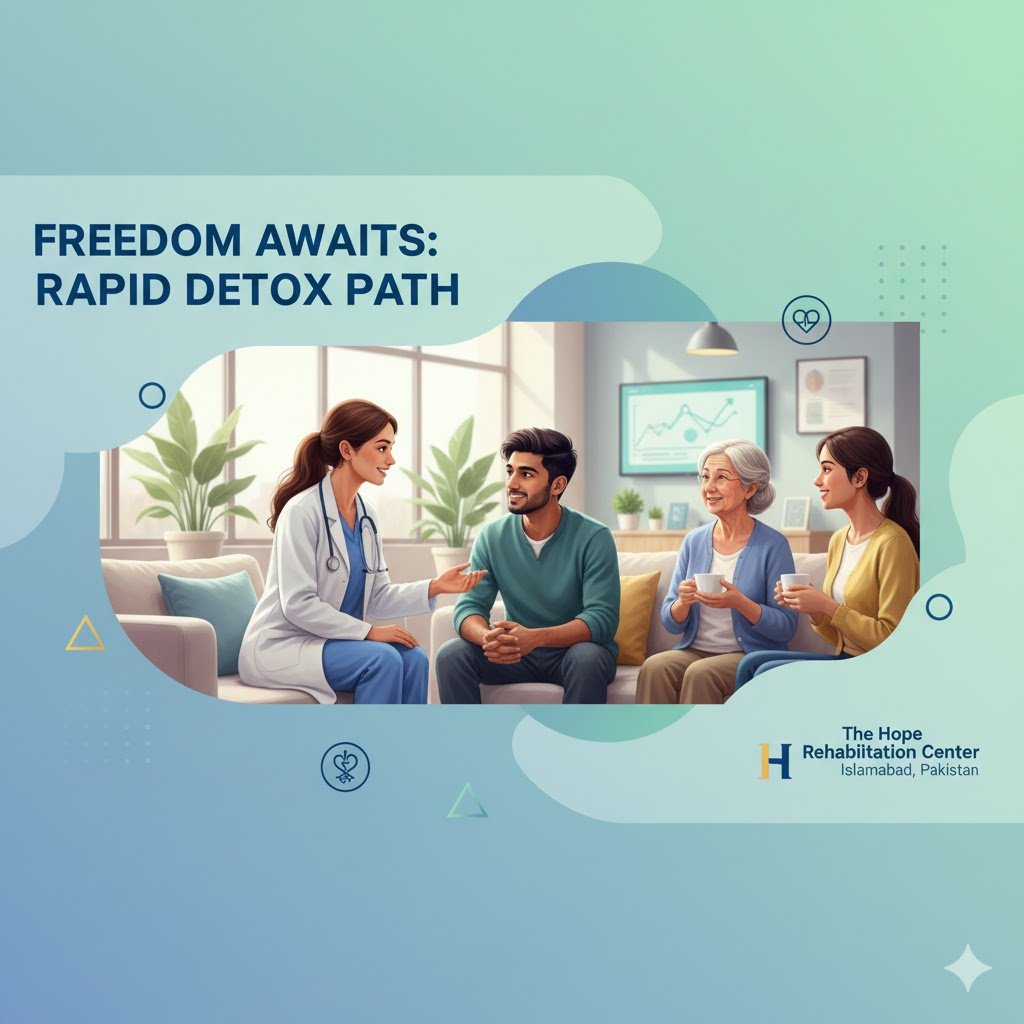
Rapid Detox Treatment

Rapid detox treatment is an innovative medical solution to help address withdrawal from substance use in the early stages of addiction recovery. It is often prescribed to those suffering from opioid or substance dependence and in need of close medical management while detoxing. Though detox is just the first step of recovery, it’s a crucial one to make someone ready for long-term rehabilitation.

The Hope Rehabilitation Center Islamabad, Pakistan,is for such people who need a place with clinical treatment and sympathy, so they can start their journey toward recovery. Most people seek and trust Rapid Detox Centre in Islamabad, Pakistan to get best from the detox process. In this article, we will discuss what rapid detox is, its advantages, and how it fits into a complete addiction treatment plan.

What Is Rapid Detox Treatment?

Rapid detox treatment is a medical supervised process that seeks to hasten the body’s journey through withdrawal. It is usually performed with rigorous clinical oversight of the patient to maintain safety. The aim is to alleviate the severity and duration of withdrawal symptoms, alongside supportive care.

Traditional detox methods may be slow and lengthy, whereas rapid detox aims to address withdrawal in a clinical environment. However, it must be clarified that detox is not itself an addiction treatment; it is the starting point for rehabilitation.

A professional Rapid Detox Centre in Islamabad, Pakistan ensures appropriate medical evaluation and monitoring for the entire period of detox.

Follow Us Why Medical Supervision Is Necessary for Rapid Detox

Rapid Detox Treatment

Detoxing is no easy feat, and for those who have used substances long-term, this process may also be physically or emotionally daunting. Rapid detox requires medical interventions and close monitoring by trained clinicians.

Managing Withdrawal Symptoms

Fighting the urge to use drugs can lead to withdrawal symptoms such as anxiety, nausea, restlessness and general discomfort. These symptoms are managed in a medical setting.

Ensuring Patient Safety

Some substances produce severe withdrawal responses. A controlled environment helps to minimize health risks and ensures immediate medical attention if required.

Stabilizing Physical Health

Rapid detox stabilizes the body so that people can progress into therapy and rehabilitation.

Detoxification at The Hope Rehabilitation Center Islamabad, Pakistan,Focuses on Safety and Patient Wellbeing

Who We Treat with Rapid Detox Treatment?

Rapid detox treatment can benefit individuals who:

  • Have become dependent on opioids or some specific prescription medications
  • Require medically supervised withdrawal
  • Have had struggles on past detox attempts
  • Requires structure Early recovery need structured environment

An extensive evaluation at a Rapid Detox Centre in Islamabad, Pakistan determines whether this method is suitable for the individual.

Basics of Rapid Detox Treatment

The rapid detox procedure itself consists of multiple stages and is performed in a safe, clinical environment.

1.     Medical Evaluation

The first step is a full evaluation of the person’s health; substance use history and current condition. This assessment can help health care professionals develop an appropriate detox regimen.

2.     Supervised Detox Process

During detox, the body starts to remove substances as medical professionals observe vital signs and treat withdrawal symptoms. The duration and intensity of detox differ depending on each individual.

This stage needs to be carefully handled for minimizing risks & discomfort and a Rapid Detox Centre in Islamabad, Pakistan does just that.

3.     Supportive Care and Monitoring

Continuous monitoring is necessary to consider the progress and respond to any complications. Supportive care can also involve hydration, nutritional support and symptom management.

4.     Transition to Rehabilitation

Rehabilitation programs which focus on psychological aspects of addiction are recommended after detox. Detoxification alone is not enough for a recovery to last.

At The Hope Rehabilitation Center Islamabad, Pakistan,patients are directed towards therapy and counselling to enable a long-lasting recovery.

Importance of Therapy After Detox

Detox takes care of the physical part of addiction, and yet psychological and behavioral factors have a big part to play too. So, it is critical to continue treatment after detox in order to achieve success long-term.

Behavioral Therapy

Individuals learn about their triggers, and how to cope with them in a healthier manner through therapy.

Counseling Sessions

Individual counseling is helpful in terms of providing emotional support and identifying underlying issues relating to substance use.

Group Support

But peer support groups provide community and create accountability during all stages of recovery.

Many treatment protocols at a Rapid Detox Centre in Islamabad, Pakistan may feature one or more of these components.

Advantages of Selecting a Professional Rapid Detox Facility

Why this is better than going to a regular therapist/specialist.

Safe and Controlled Environment

A preventive environment provides a continuum of care.

Medical Expertise

DTG providers like The Cabin are trained healthcare professionals who ensure detox is completed safely and efficiently.

Personalized Care Plans

Everyone gets a treatment plan specific to their needs and health status.

Support for Long-Term Recovery

Detox progresses into therapy and aftercare for continued support.

Care is given with safety, dignity, and ongoing well-being at The Hope Rehabilitation Center Islamabad, Pakistan,

Lifestyle Changes After Rapid Detox

Detox does not, in and of itself, constitute recovery. While you may already have some healthy habits in place, it is key to be consistent with them and do your best to replace unhealthy ones.

Important lifestyle changes include:

  • Establishing a daily routine
  • Practicing stress management techniques
  • Engaging in physical activity
  • Building supportive relationships
  • Avoiding triggers and high-risk environments

These shifts allow people to restore balance and minimize the chances of regression.

Once you have completed a drug addiction forensics training program, there is much to be gained from integrating with your family.

Role of Family Support in Addiction Recovery

The Role of Family Support in Addiction Recovery Motivating factors include words from friends and family.

Family counseling sessions help with communication and relationships. Family involvement tends to be a part of most programs at a Rapid Detox Centre in Islamabad, Pakistan, helping individuals stay committed to long-term healing.

Frequently Asked Questions (FAQs)

1.     What is rapid detox treatment?

Rapid detox is a medically supervised process that uses medication to ease withdrawal symptoms in a controlled, accelerated setting.

2.     Is rapid detox safe?

When done in a professional facility with experienced medical staff, rapid detox can be safe.

3.     How long does rapid detoxification take?

The length of time varies as it depends on the person’s condition, and what substance they used.

4.     Does rapid detox cure addiction?

No, detox is the first step. Then long-term recovery takes therapy, counseling and lifestyle changes.

5.     Who might be a good candidate for quick detox treatment?

This is beneficial for patients with substance dependence and who need withdrawal in a medically supervised setting after an evaluation.

Conclusion

Substance dependency treatment begins with a rapid detox procedure. This allows you to prepare for continued rehabilitation and sobriety long term while managing withdrawal symptoms in a controlled environment.

Rehabilitation centers like The Hope Rehabilitation Center Islamabad, Pakistan,offer supervised and empathy-driven treatment catering to individual requirements. Rapid Detox Centre Programs in Islamabad, Pakistan are done under medical supervision with emotional support and continued rehabilitation.

Drugs Addiction Treatment – ADDICTION TREATMENT CENTRES IN ISLAMABAD, PAKISTAN
Drugs Addiction Treatment – ADDICTION TREATMENT CENTRES IN ISLAMABAD, PAKISTAN Perhaps it is drug addiction, a chronic and complex disorder that has the power to devastate individuals, families, and entire communities. It can affect physical health, mental well-being, relationships, and day-to-day functioning. Substance use can become dependency over time, and people may find it hard to stop on their own without help from medical professionals. Are you looking for help from a trusted Addiction Treatment Centre in Islamabad, Pakistan? At The Hope Rehabilitation Center Islamabad, Pakistan, patients are engaged in a well-structured ethics-based compassionate treatment adapted to their individual needs. In this article, we discuss why drug addiction treatment is important, the most common types of treatment used in rehabilitation centers, and how professional care facilitates long-lasting recovery. What is Drug Addiction and the Consequences for It Drug addiction, also called substance use disorder, is a disease that affects a person’s brain and behavior and leads to an inability to control the use of a legal or illegal drug or medication. ADHD is not a 'bad' or behavioral problem — it's a medical thing that needs to be treated and supported. Addiction may impact several areas of life, including: • History of physical: Weak immune system and chronic illness potential • Mental health: Emotional instability, anxiety and depression • Social life: The strain of relationships and isolation • Work life: Lack of productivity and trouble fulfilling duties An Addiction Treatment Centre in Islamabad, Pakistan specializes in rehabilitation for drugs and alcohol depression. The Importance of Getting Professional Drug Addiction Treatment It can be difficult to recover from drug addiction without any support, given withdrawal symptoms, emotional triggers and environmental influences. That is why professional treatment programs are so good; you have control over your surroundings, and it helps to keep up healing and stability. Treatment plans at The Hope Rehabilitation Center Islamabad, Pakistan, are drafted in a way that the patients are able to understand what the core of addiction is both psychologically as well as physiologically, while forming new coping mechanisms. The main advantages of professional treatment include: • Safe and supervised care • Personalized recovery plans • Access to trained healthcare professionals • Emotional and psychological support • Long-term recovery guidance Essential Building Blocks of Drug Addiction Treatment In this sense, a solid rehabilitation program comprises numerous integral elements that promote healing at all levels and stages. 1. Medical Assessment and Detoxification It often begins with a comprehensive medical evaluation to assess an individual’s health status and substance use history. Under medical supervision, detoxification can be recommended as a safe way to eliminate substances from the body. A good Addiction Treatment Centre in Islamabad, Pakistan will make sure that detox is performed safely, minimizing discomfort and reducing health risks. 2. Psychological Counseling and Therapy A critical component of treating addiction is therapy. It assists people to recognize triggers, deal with emotions and form healthier patterns. Common therapy methods include: • Cognitive Behavioral Therapy (CBT) • Individual counseling • Motivational therapy Therapy sessions at The Hope Rehabilitation Center Islamabad, Pakistan, are designed to address individual challenges and encourage emotional healing. 3. Group Therapy and Peer Support Group therapy also creates a safe space for individuals to connect and discuss their experiences, as well as gain insights from others who are facing similar obstacles. Such community can help counter isolation and foster accountability. Peer support is sometimes embraced into the programs of an Addiction Treatment Centre in Islamabad, Pakistan to solidify motivation in overcoming the addiction. 4. Care for Mental Health & Dual Diagnosis Many people who have substance-use disorders also have mental health conditions like anxiety, depression or trauma. Recovery requires addressing both conditions at the same time. Integrated care approaches are used for addiction and mental health at The Hope Rehabilitation Center Islamabad, Pakistan, to promote overall well-being. 5. Relapse Prevention and Aftercare Recovery is an ongoing process that needs regular support. Relapse prevention techniques enable ex-drug users to identify triggers and handle cravings. Aftercare programs may include: Follow-up counseling Support group participation Lifestyle guidance A framework from an Addiction Treatment Centre in Islamabad, Pakistan guides individuals to continue making progress even after treatment ends. Lifestyle Changes That Support Recovery This is why it is so important to make healthy habits part of your lifestyle in your new life after drug addiction. These adjustments support people in increasing their stability and balance. Important lifestyle adjustments include: • Establishing a consistent daily routine • Practicing stress management techniques • Engaging in regular physical activity • Building positive social connections • Setting realistic goals People learn to make these changes at The Hope Rehabilitation Center Islamabad, Pakistan, as part of their recovery process. Family Involvement in Drug Addiction Recovery A major aspect in the recovery process is the support of family. Relationships can suffer from addiction, but families can learn how to rebuild trust and help meaningfully when guided appropriately. The family counseling sessions also lend to better communication and an overall supportive home life. Involving family is part of the structure of many programs at an Addiction Treatment Centre in Islamabad, Pakistan because it helps to improve outcomes in recovery. Frequently Asked Questions (FAQs) 1. What is drug addiction treatment? When treated, drug addiction can also be disease prevention for them as medical care. They may go to therapy and support programs that create their network for recovery from substances. 2. What is the duration of addiction treatment? The length of time will also depend on the individual, the extent of their addiction, and the program itself. 3. Is detox necessary for recovery? Detox might be necessitated to provide a safe environment for managing withdrawal symptoms prior to entering therapy and counseling. 4. If not, what are the steps involved in drug detox? Common treatments are Cognitive Behavioral Therapy (CBT), individual counseling, group therapy and motivational therapy. 5. Ends can treatment prevent relapse? There are a variety of relapse preventive strategies and aftercare programs that can aid individuals in coping with triggers, thus learning to sustain long-term recovery. Conclusion Drug addiction is a complex condition that can take time to work through and in order to do so, it takes professional care, organized assistance, and dedication surrounding recovery. If untreated it can impact every area of life, from physical health to emotional stability and relationships. The Hope Rehabilitation Center Islamabad, Pakistan, etc. are well known centers that offer ethical and complete care to the individuals seeking recovery. Addiction Treatment Centre Islamabad – Programs & Support System.

Perhaps it is drug addiction, a chronic and complex disorder that has the power to devastate individuals, families, and entire communities. It can affect physical health, mental well-being, relationships, and day-to-day functioning. Substance use can become dependency over time, and people may find it hard to stop on their own without help from medical professionals. Are you looking for help from a trusted Addiction Treatment Centre in Islamabad, Pakistan?

At The Hope Rehabilitation Center Islamabad, Pakistan, patients are engaged in a well-structured ethics-based compassionate treatment adapted to their individual needs. In this article, we discuss why drug addiction treatment is important, the most common types of treatment used in rehabilitation centers, and how professional care facilitates long-lasting recovery.

What is Drug Addiction and the Consequences for It

Drug addiction, also called substance use disorder, is a disease that affects a person’s brain and behavior and leads to an inability to control the use of a legal or illegal drug or medication. ADHD is not a ‘bad’ or behavioral problem — it’s a medical thing that needs to be treated and supported.

Drugs Addiction Treatment – ADDICTION TREATMENT CENTRES IN ISLAMABAD, PAKISTAN Perhaps it is drug addiction, a chronic and complex disorder that has the power to devastate individuals, families, and entire communities. It can affect physical health, mental well-being, relationships, and day-to-day functioning. Substance use can become dependency over time, and people may find it hard to stop on their own without help from medical professionals. Are you looking for help from a trusted Addiction Treatment Centre in Islamabad, Pakistan? At The Hope Rehabilitation Center Islamabad, Pakistan, patients are engaged in a well-structured ethics-based compassionate treatment adapted to their individual needs. In this article, we discuss why drug addiction treatment is important, the most common types of treatment used in rehabilitation centers, and how professional care facilitates long-lasting recovery. What is Drug Addiction and the Consequences for It Drug addiction, also called substance use disorder, is a disease that affects a person’s brain and behavior and leads to an inability to control the use of a legal or illegal drug or medication. ADHD is not a 'bad' or behavioral problem — it's a medical thing that needs to be treated and supported. Addiction may impact several areas of life, including: • History of physical: Weak immune system and chronic illness potential • Mental health: Emotional instability, anxiety and depression • Social life: The strain of relationships and isolation • Work life: Lack of productivity and trouble fulfilling duties An Addiction Treatment Centre in Islamabad, Pakistan specializes in rehabilitation for drugs and alcohol depression. The Importance of Getting Professional Drug Addiction Treatment It can be difficult to recover from drug addiction without any support, given withdrawal symptoms, emotional triggers and environmental influences. That is why professional treatment programs are so good; you have control over your surroundings, and it helps to keep up healing and stability. Treatment plans at The Hope Rehabilitation Center Islamabad, Pakistan, are drafted in a way that the patients are able to understand what the core of addiction is both psychologically as well as physiologically, while forming new coping mechanisms. The main advantages of professional treatment include: • Safe and supervised care • Personalized recovery plans • Access to trained healthcare professionals • Emotional and psychological support • Long-term recovery guidance Essential Building Blocks of Drug Addiction Treatment In this sense, a solid rehabilitation program comprises numerous integral elements that promote healing at all levels and stages. 1. Medical Assessment and Detoxification It often begins with a comprehensive medical evaluation to assess an individual’s health status and substance use history. Under medical supervision, detoxification can be recommended as a safe way to eliminate substances from the body. A good Addiction Treatment Centre in Islamabad, Pakistan will make sure that detox is performed safely, minimizing discomfort and reducing health risks. 2. Psychological Counseling and Therapy A critical component of treating addiction is therapy. It assists people to recognize triggers, deal with emotions and form healthier patterns. Common therapy methods include: • Cognitive Behavioral Therapy (CBT) • Individual counseling • Motivational therapy Therapy sessions at The Hope Rehabilitation Center Islamabad, Pakistan, are designed to address individual challenges and encourage emotional healing. 3. Group Therapy and Peer Support Group therapy also creates a safe space for individuals to connect and discuss their experiences, as well as gain insights from others who are facing similar obstacles. Such community can help counter isolation and foster accountability. Peer support is sometimes embraced into the programs of an Addiction Treatment Centre in Islamabad, Pakistan to solidify motivation in overcoming the addiction. 4. Care for Mental Health & Dual Diagnosis Many people who have substance-use disorders also have mental health conditions like anxiety, depression or trauma. Recovery requires addressing both conditions at the same time. Integrated care approaches are used for addiction and mental health at The Hope Rehabilitation Center Islamabad, Pakistan, to promote overall well-being. 5. Relapse Prevention and Aftercare Recovery is an ongoing process that needs regular support. Relapse prevention techniques enable ex-drug users to identify triggers and handle cravings. Aftercare programs may include: Follow-up counseling Support group participation Lifestyle guidance A framework from an Addiction Treatment Centre in Islamabad, Pakistan guides individuals to continue making progress even after treatment ends. Lifestyle Changes That Support Recovery This is why it is so important to make healthy habits part of your lifestyle in your new life after drug addiction. These adjustments support people in increasing their stability and balance. Important lifestyle adjustments include: • Establishing a consistent daily routine • Practicing stress management techniques • Engaging in regular physical activity • Building positive social connections • Setting realistic goals People learn to make these changes at The Hope Rehabilitation Center Islamabad, Pakistan, as part of their recovery process. Family Involvement in Drug Addiction Recovery A major aspect in the recovery process is the support of family. Relationships can suffer from addiction, but families can learn how to rebuild trust and help meaningfully when guided appropriately. The family counseling sessions also lend to better communication and an overall supportive home life. Involving family is part of the structure of many programs at an Addiction Treatment Centre in Islamabad, Pakistan because it helps to improve outcomes in recovery. Frequently Asked Questions (FAQs) 1. What is drug addiction treatment? When treated, drug addiction can also be disease prevention for them as medical care. They may go to therapy and support programs that create their network for recovery from substances. 2. What is the duration of addiction treatment? The length of time will also depend on the individual, the extent of their addiction, and the program itself. 3. Is detox necessary for recovery? Detox might be necessitated to provide a safe environment for managing withdrawal symptoms prior to entering therapy and counseling. 4. If not, what are the steps involved in drug detox? Common treatments are Cognitive Behavioral Therapy (CBT), individual counseling, group therapy and motivational therapy. 5. Ends can treatment prevent relapse? There are a variety of relapse preventive strategies and aftercare programs that can aid individuals in coping with triggers, thus learning to sustain long-term recovery. Conclusion Drug addiction is a complex condition that can take time to work through and in order to do so, it takes professional care, organized assistance, and dedication surrounding recovery. If untreated it can impact every area of life, from physical health to emotional stability and relationships. The Hope Rehabilitation Center Islamabad, Pakistan, etc. are well known centers that offer ethical and complete care to the individuals seeking recovery. Addiction Treatment Centre Islamabad – Programs & Support System.

Addiction may impact several areas of life, including:

  • History of physical: Weak immune system and chronic illness potential
  • Mental health: Emotional instability, anxiety and depression
  • Social life: The strain of relationships and isolation
  • Work life: Lack of productivity and trouble fulfilling duties

An Addiction Treatment Centre in Islamabad, Pakistan specializes in rehabilitation for drugs and alcohol depression.

The Importance of Getting Professional Drug Addiction Treatment

It can be difficult to recover from drug addiction without any support, given withdrawal symptoms, emotional triggers and environmental influences. That is why professional treatment programs are so good; you have control over your surroundings, and it helps to keep up healing and stability.

Treatment plans at The Hope Rehabilitation Center Islamabad, Pakistan, are drafted in a way that the patients are able to understand what the core of addiction is both psychologically as well as physiologically, while forming new coping mechanisms.

The main advantages of professional treatment include:

  • Safe and supervised care
  • Personalized recovery plans
  • Access to trained healthcare professionals
  • Emotional and psychological support
  • Long-term recovery guidance

Essential Building Blocks of Drug Addiction Treatment

In this sense, a solid rehabilitation program comprises numerous integral elements that promote healing at all levels and stages.

1.     Medical Assessment and Detoxification

It often begins with a comprehensive medical evaluation to assess an individual’s health status and substance use history. Under medical supervision, detoxification can be recommended as a safe way to eliminate substances from the body.

A good Addiction Treatment Centre in Islamabad, Pakistan will make sure that detox is performed safely, minimizing discomfort and reducing health risks.

2.     Psychological Counseling and Therapy

A critical component of treating addiction is therapy. It assists people to recognize triggers, deal with emotions and form healthier patterns.

Common therapy methods include:

  • Cognitive Behavioral Therapy (CBT)
  • Individual counseling
  • Motivational therapy

Therapy sessions at The Hope Rehabilitation Center Islamabad, Pakistan, are designed to address individual challenges and encourage emotional healing.

3.     Group Therapy and Peer Support

Group therapy also creates a safe space for individuals to connect and discuss their experiences, as well as gain insights from others who are facing similar obstacles. Such community can help counter isolation and foster accountability.

Peer support is sometimes embraced into the programs of an Addiction Treatment Centre in Islamabad, Pakistan to solidify motivation in overcoming the addiction.

4.     Care for Mental Health & Dual Diagnosis

Many people who have substance-use disorders also have mental health conditions like anxiety, depression or trauma. Recovery requires addressing both conditions at the same time.

Integrated care approaches are used for addiction and mental health at The Hope Rehabilitation Center Islamabad, Pakistan, to promote overall well-being.

5.     Relapse Prevention and Aftercare

Recovery is an ongoing process that needs regular support. Relapse prevention techniques enable ex-drug users to identify triggers and handle cravings.

Aftercare programs may include:

Follow-up counseling

Support group participation

Lifestyle guidance

A framework from an Addiction Treatment Centre in Islamabad, Pakistan guides individuals to continue making progress even after treatment ends.

Lifestyle Changes That Support Recovery

This is why it is so important to make healthy habits part of your lifestyle in your new life after drug addiction. These adjustments support people in increasing their stability and balance.

Important lifestyle adjustments include:

  • Establishing a consistent daily routine
  • Practicing stress management techniques
  • Engaging in regular physical activity
  • Building positive social connections
  • Setting realistic goals

People learn to make these changes at The Hope Rehabilitation Center Islamabad, Pakistan, as part of their recovery process.

Family Involvement in Drug Addiction Recovery

A major aspect in the recovery process is the support of family. Relationships can suffer from addiction, but families can learn how to rebuild trust and help meaningfully when guided appropriately.

The family counseling sessions also lend to better communication and an overall supportive home life. Involving family is part of the structure of many programs at an Addiction Treatment Centre in Islamabad, Pakistan because it helps to improve outcomes in recovery.

Frequently Asked Questions (FAQs)

1.     What is drug addiction treatment?

When treated, drug addiction can also be disease prevention for them as medical care. They may go to therapy and support programs that create their network for recovery from substances.

2.     What is the duration of addiction treatment?

The length of time will also depend on the individual, the extent of their addiction, and the program itself.

3.     Is detox necessary for recovery?

Detox might be necessitated to provide a safe environment for managing withdrawal symptoms prior to entering therapy and counseling.

4.     If not, what are the steps involved in drug detox?

Common treatments are Cognitive Behavioral Therapy (CBT), individual counseling, group therapy and motivational therapy.

5.     Ends can treatment prevent relapse?

There are a variety of relapse preventive strategies and aftercare programs that can aid individuals in coping with triggers, thus learning to sustain long-term recovery.

Conclusion

Drug addiction is a complex condition that can take time to work through and in order to do so, it takes professional care, organized assistance, and dedication surrounding recovery. If untreated it can impact every area of life, from physical health to emotional stability and relationships.

The Hope Rehabilitation Center Islamabad, Pakistan, etc. are well known centers that offer ethical and complete care to the individuals seeking recovery. Addiction Treatment Centre Islamabad – Programs & Support System.

Drug Rehabilitation Centre | Drug Rehabilitation Centre in the Islamabad Pakistan
Drug Rehabilitation Centre

Drug addiction is a complex condition that impacts both physical health and mental wellbeing. And it can affect individuals, families and communities, sometimes creating challenges that need professional support to resolve. It is an important step to seek help from a structured and supportive Iraqi environment to get rid of this crisis that may destroy lives.

Trusted Drug Rehabilitation Centre in Islamabad Pakistan offers individuals of all ages a pathway to recovery with access to medical care, counseling and therapeutic support tailored to focus on the underlying causes of addiction. Treatment programs at The Hope Rehabilitation Center Islamabad Pakistan are designed in such a way to provide ethical care and safety for every individual while also ensuring patients go on the path towards recovery.

This knowledge can also help individuals and families know what to expect from rehab programs and how they work.

Role of Drug Rehabilitation Centre Explained

A drug rehabilitation center is a treatment facility that focuses on helping individuals with substance use disorders. These facilities are designed to aid an individual in safely ceasing substance use, as well as deal with the emotional and behavioral aspects of addiction.

A Drug Rehabilitation Centre Islamabad Pakistan is functional that helps individuals struggling to recover from substance or drug addiction. The objective is to help people take back their life in a sustainable way.

Drug Rehabilitation Centre

The Hope Rehabilitation Center Islamabad, Pakistan follows a patient-centered approach which aims to identify and address the unique needs of each individual.

Signs That You May Need Rehabilitation

Understanding when you need outside assistance can be a crucial element in the recovery process. While every scenario is unique, certain warning signs may indicate a need for rehabilitative care:

  • Unable to quit or cut down on drug use
  • Increased tolerance to drugs
  • Physical or emotional withdrawal symptoms
  • Declining work, academic or social performance
  • Disinterest in family and social activities

A qualified Drug Rehabilitation Centre in Islamabad Pakistan can evaluate a person properly and recommend the right treatment options based on these signs.

Essentials of Drug Rehabilitation Program

Rehabilitation programs address not only the physical components of addiction but also the psychological elements to help overcome substance abuse. With a holistic approach, common early elements in the process can help patients lay down a solid framework for healing.

Medical Detoxification

Detoxification is often the first phase of treatment. The body detoxifies itself of harmful substances and manages withdrawal symptoms during this time.

Detox at The Hope Rehabilitation Center Islamabad, Pakistan is highly monitored by experts to maintain the comfort and safety of our patients.

A proper Drug Rehabilitation Centre in Islamabad Pakistan optimally monitors the detoxification process to alleviate the dangers involved.

Behavioral Therapy

Behavioral therapy is a major component of addiction treatment. It assists people in determining harmful thought habits and cultivating better coping mechanisms.

Commonly, therapies like Cognitive Behavioral Therapy (CBT) are used to address the triggers, stressors and emotional challenges of substance use.

To ensure long-term recovery, a professional Drug Rehabilitation Centre in Islamabad Pakistan includes therapy sessions in the treatment plans.

Counseling and Emotional Support

Sessions of counseling give people a protected domain in which they can address individual challenges, passionate hardships, and recovery destination. These meetings can be held 1 on 1 or as a group.

The Hope Rehabilitation Center Islamabad Pakistan — Keeping in mind the psychological needs of patients, individual and family counseling programs promote emotional healing and motivate behavioral changes.

Lack of Structure and Support is a Recipe for Disaster

To rehabilitate successfully, a supportive environment is crucial. Structured settings help people recover without external distractions or triggers.

Many rehabilitation centers have structured daily schedules for therapy, wellness activities and educational discussions. Such routines are designed to instill discipline and develop healthier habits.

A credible Drug Rehabilitation Centre in Islamabad Pakistan establishes an atmosphere where treatment appears as respect, privacy, and care that should make patients feel comfortable.

Step one — Healing Environment at The Hope Rehabilitation Center Islamabad, Pakistan.

Long-Term Recovery and Relapse Prevention

The work of recovery does not stop once treatment is out of the picture. Leaving a rehabilitation center can only be the beginning; long-term success often involves a continuation of that support as well as the tools to deal with new challenges.

Rehabilitation programs often include strategies for relapse prevention. These strategies may include:

  • Identifying triggers and high-risk situations
  • Creating healthy practices and coping strategies
  • Continuing therapy or counseling sessions
  • Building a strong support system

Finding a comprehensive Drug Rehabilitation Centre in Islamabad Pakistan will prepare you to face life after treatment.

This is where patients facilitate the road of building confidence and overcoming adversity on their road to recovery at The Hope Rehabilitation Center Islamabad Pakistan.

Family and Rehabilitation

Family can be an instrumental component in recovery. The more family members know about addiction and how it can be overcome, the better position they are in to do meaningful support.

Most rehab centers promote family involvement in either counseling sessions or educational seminars. These things improve communication and strengthen relationships.

Working Hand in Hand and here is a Drug Rehabilitation Centre Islamabad Pakistan knows that people recover better when they are surrounded and supported by professionals as well as their family members.

Frequently Asked Questions (FAQs)

1.     What is Drug Rehabilitation Centre?

Simply put, a drug rehabilitation centre is where one receives medical care, therapy and support to recover from substance use disorders.

2.     How long rehabilitation treatment usually last?

The time frame of treatment varies based on the person’s condition, substance abuse history, and individual response to therapy.

3.     Do all patients need to be detoxified?

Detox is often the first step, but whether detox is needed depends on the type and severity of substance use.

4.     Can rehabilitation help prevent relapse?

In addition, rehabilitation programs focus on relapse prevention strategies that teach individuals how to cope with temptations and sustain long-term recovery.

5.     Should treatment plan involve family support?

Yes. Family support can increase communication, offer emotional motivation, and enhance recovery outcomes.

Conclusion

I’m not qualified to practice with or help drug addicts. Best Drug Rehabilitation Centre in Islamabad Pakistan provides a complete rehab plan which not only ensures your physical recovery but eventually takes care of your emotional health as well.

In doing so, people can strive for a life that is healthier and more stable through medical detoxification, therapy and counseling, as well as relapse prevention techniques. Recovery is not an overnight event, but with appropriate support it can be quite meaningful.

At The Hope Rehabilitation Center Islamabad Pakistan, treatment programs are tailored keeping in mind the need to provide ethical and patient-centered care in a safe environment. For those looking for recovery, navigating through every stage can be difficult, but this center provides guidance to help a patient reclaim control of their life & work toward true well-being in the long run.

Alcohol Addiction – Islamabad, Pakistan’s Alcohol Addiction Treatment Center
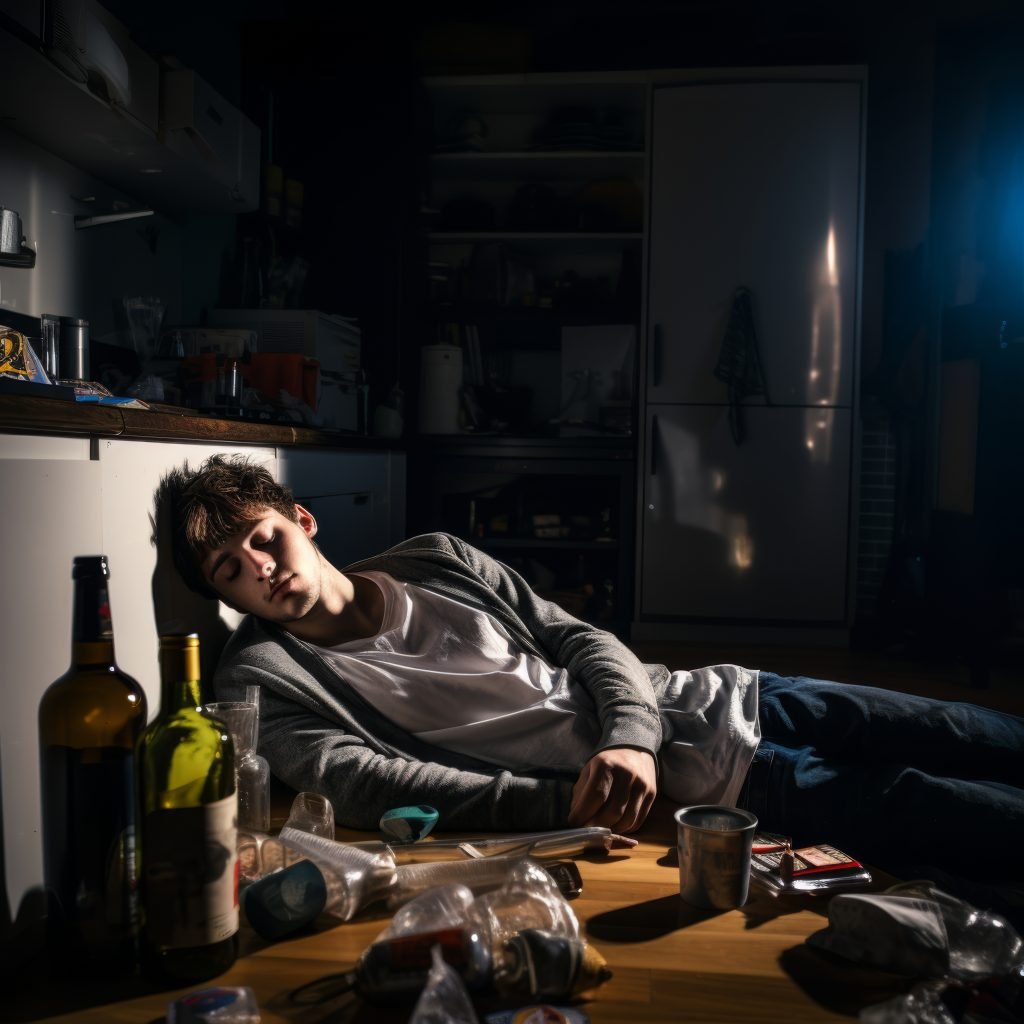
Alcohol Addiction – Islamabad, Pakistan's Alcohol Addiction Treatment Center

Alcohol use disorder, or alcohol addiction, is a serious health problem that affects both your body and mind. Alcohol is okay in a lot of social situations, but using it too much and for too long can make you dependent on it, which can hurt your relationships, work performance, and overall quality of life. Recognizing the signs of alcohol addiction and getting help as soon as possible is a big step toward getting better.

 The Hope Rehabilitation Center Islamabad, Pakistan are two places that offer structured and caring care for people who have substance use disorders. A lot of people and families look for a trustworthy alcohol addiction treatment center in Islamabad, Pakistan, where they can get professional help in a safe and supportive setting.

This article explains alcohol addiction clearly, including its causes, symptoms, effects, and the importance of getting professional help to stay sober for a long time.

Understanding Alcoholism

An alcoholic is someone who is dependent on alcohol and can’t stop drinking even when it hurts them. The body and brain get used to alcohol over time, which makes them tolerant and causes withdrawal symptoms when drinking is cut back or stopped.

People who are addicted to alcohol may feel like they have to drink, even if it hurts their health, relationships, or responsibilities. Getting help from an alcohol addiction treatment center in Islamabad, Pakistan can give you the structure and direction you need to deal with this problem well.

Alcohol Addiction – Islamabad, Pakistan's Alcohol Addiction Treatment Center

What Makes People Addicted to Alcohol and What Makes Them More Likely to Do It

There isn’t just one reason why people become addicted to alcohol. A mix of personal, social, and mental factors often leads to it.

Stress that affects your emotions and mind

A lot of people drink alcohol to deal with stress, anxiety, or emotional problems. This way of dealing with things can make you

dependent over time.

The environment around you

Peer pressure, cultural norms, and easy access to alcohol can all make it more likely that someone will use drugs regularly and become addicted.

Genetic and Biological Factors

Some people may be more likely to become dependent on alcohol because of their genes or differences in the chemistry of their brains.

At  The Hope Rehabilitation Center Islamabad, Pakistan, treatment plans are made to deal with these underlying issues so that real recovery can happen.

What to Look for if You Think You Have an Alcohol Problem

It’s important to know the signs of alcohol addiction so you can help someone early on.

1.     Signs of Behavioral Problems

  • Drinking too much or too often
  • Hard to control drinking habits
  • Not taking care of personal or work duties
  • Drinking even though it has bad effects

2.     Mental Health Symptoms

  • Mood swings or irritability
  • Feeling anxious or sad
  • Strong desire for alcohol
  • Struggling to concentrate or make choices

3.     Symptoms in the body

  • Problems with sleep
  • Changes in how hungry you are
  • Being tired or having low energy
  • Symptoms of withdrawal include sweating or feeling restless.

    People who have these symptoms should go to an alcohol addiction treatment center in Islamabad, Pakistan, where they can get the right care and advice.

Long-Term Alcohol Use and Its Effects on Health

Long-term drinking can have negative effects on many areas of health.

Effects on Mental Health

Drinking can make you anxious, depressed, and emotionally unstable. It could also make mental health problems that are already there worse.

Risks to Physical Health

Long-term drinking can harm the liver, heart, and immune system. It could also cause a lack of nutrients and make your health worse overall.

Effects on social and lifestyle

Addiction to alcohol can hurt relationships, make you less productive, and make it hard to do everyday things.

The treatment programs at  The Hope Rehabilitation Center Islamabad, Pakistan focus on both the physical and mental effects of drinking.

Ways to Treat Alcohol Addiction

A structured and thorough approach is usually needed to get over an alcohol addiction.

1.     Medical Evaluation and Detoxification Assistance

The first step is often a thorough look at the person’s health and how much alcohol they drink. Detoxification may be suggested to safely deal with withdrawal symptoms while under medical supervision.

2.     Counseling for mental health

Therapy sessions help people figure out why they drink and come up with better ways to deal with stress.

Some common methods are:

  • Cognitive Behavioral Therapy (CBT)
  • Counseling for motivation
  • Therapy for behavior

These treatments help people change their behavior for a long time.

3.     Group therapy and support from peers

People can share their experiences and learn from others who are going through the same things in group sessions.

Peer support is a common part of programs at  The Hope Rehabilitation Center Islamabad, Pakistan. It helps people stay motivated and responsible.

4.     Ways to Prevent Relapse

To stay sober, you need to learn how to deal with triggers and cravings. Rehabilitation programs give you useful tools for dealing with dangerous situations.

A structured plan from an alcohol addiction treatment center in Islamabad, Pakistan can help people stay sober for a long time.

Changes in lifestyle for long-term recovery

Getting better isn’t just about quitting drinking; it’s also about making your life healthier.

Changes that are helpful are:

  • Setting up daily routines
  • Using stress management techniques
  • Doing things that require physical activity
  • Making connections that help
  • Making personal goals that are possible

    People at  The Hope Rehabilitation Center Islamabad, Pakistan are helped to make healthy changes to their lives that will help them get better.

How Family Support Helps with Recovery

Family support can help you feel better and keep things stable while you recover. Addiction can hurt relationships, and rebuilding trust is an important part of getting better.

Family counseling sessions help people talk to each other better and make the home a safe place for long-term recovery. Family support is a big part of many programs at an alcohol addiction treatment center in Islamabad, Pakistan.

Questions That Are Often Asked (FAQs)
1. What does it mean to be addicted to alcohol?

Alcohol addiction is when a person becomes dependent on alcohol and has trouble controlling how much they drink.

2. What are the first signs that someone is addicted to alcohol?

Some early signs are needing more alcohol, drinking a lot, wanting to drink, and having trouble keeping up with responsibilities.

3. Is detox a necessary part of treating alcohol addiction?

Detox may be suggested to help people who are going through withdrawal symptoms, especially if they have been drinking heavily or for a long time.

4. What do you do to help someone who is addicted to alcohol?

Most of the time, treatment includes medical help, counseling, therapy sessions, and ways to keep from relapsing.

5. Can family help people get better faster?

Yes, having a supportive family can help people stay motivated and stay sober for a long time.

In conclusion

Alcohol addiction is a complicated disease that can affect every part of a person’s life. It might start out as occasional or social use, but over time it can turn into a dependence that causes problems in your body, mind, and social life.

 The Hope Rehabilitation Center Islamabad, Pakistan and other places like it offer structured care for people who want to get better. An alcohol addiction treatment center in Islamabad, Pakistan offers programs that focus on medical help, counseling, and planning for long-term recovery.

Benzodiazepines Addiction | Benzodiazepines Addiction center in Islamabad Pakistan
Benzodiazepines Addiction center in Islamabad Pakistan

Benzodiazepines are prescription medications commonly used to treat anxiety, insomnia, and certain seizure disorders. While effective when used under medical supervision, these drugs carry a high risk of dependency and misuse. Long-term or unsupervised use can lead to physical dependence, tolerance, and withdrawal symptoms, making professional treatment essential. For individuals struggling with prolonged use, seeking help from a Benzodiazepines Addiction center in Islamabad Pakistan ensures safe, structured, and ethical recovery.

At The Hope Rehabilitation Center Islamabad, Pakistan, patients receive evidence-based interventions, including medically supervised detox, counseling, and long-term relapse prevention planning. The goal is to provide holistic care that addresses both the physical and psychological aspects of addiction while maintaining patient dignity and confidentiality.


Understanding Benzodiazepines Addiction

Benzodiazepines, such as diazepam, lorazepam, and alprazolam, work by depressing the central nervous system to reduce anxiety or induce sleep. While therapeutic use is effective for short-term management, repeated use can lead to:

  • Increased tolerance, requiring higher doses to achieve the same effect
  • Physical dependence, making cessation difficult without medical supervision
  • Withdrawal symptoms including anxiety, insomnia, irritability, and, in severe cases, seizures
  • Psychological dependence and compulsive use

Recognizing early signs of benzodiazepine dependence is critical. Individuals may notice a need to use the medication more frequently, experience cravings, or continue usage despite negative personal or professional consequences.


Benzodiazepines Addiction center in Islamabad Pakistan

The Role of a Benzodiazepines Addiction Center

A specialized Benzodiazepines Addiction center in Islamabad Pakistan provides a structured environment for recovery. The services typically include:

  • Medical Detoxification: Gradual tapering under supervision to safely manage withdrawal symptoms.
  • Psychiatric Evaluation: Assessing co-occurring mental health conditions, such as anxiety or depression.
  • Individual and Group Counseling: Addressing behavioral triggers, emotional challenges, and coping strategies.
  • Relapse Prevention Programs: Long-term planning to maintain sobriety and prevent setbacks.

At The Hope Rehabilitation Center Islamabad, Pakistan, addiction care is patient-focused, ethical, and evidence-based, ensuring that recovery is safe and sustainable.


Medically Supervised Detox

Detoxification is the first step in benzodiazepine addiction treatment. Abrupt discontinuation can cause severe withdrawal symptoms, including tremors, seizures, and extreme anxiety. Therefore, detox must always be conducted under professional supervision.

During detox, clinicians at The Hope Rehabilitation Center Islamabad, Pakistan monitor patients closely, adjusting tapering schedules and providing supportive medications as needed. This ensures the safety and comfort of patients while reducing the risk of relapse.


Psychological and Behavioral Therapy

Addiction is not only a physical dependence but also a behavioral and psychological condition. Therapy addresses underlying triggers, emotional struggles, and habits that reinforce drug use.

Cognitive Behavioral Therapy (CBT)

CBT helps individuals identify and challenge distorted thinking patterns, develop coping strategies, and reduce anxiety without relying on medication.

Individual Counseling

One-on-one sessions provide a safe space to explore personal stressors, emotional trauma, or compulsive patterns related to benzodiazepine use.

Group Therapy

Group sessions allow patients to share experiences, gain support, and develop accountability while learning from peers facing similar challenges.

By integrating these therapies, Benzodiazepines Addiction center in Islamabad Pakistan programs address both the psychological and behavioral aspects of dependency.


Managing Co-Occurring Mental Health Conditions

Many individuals struggling with benzodiazepine addiction also experience underlying mental health issues, such as:

  • Anxiety disorders
  • Depression
  • PTSD
  • Sleep disorders

Integrated care ensures that both addiction and mental health conditions are treated simultaneously. Psychiatric support, therapy, and careful medication management help patients achieve stability and reduce the likelihood of relapse.

At The Hope Rehabilitation Center Islamabad, Pakistan, dual-diagnosis treatment is a cornerstone of comprehensive care.


Long-Term Recovery and Relapse Prevention

Recovery from benzodiazepine addiction is a gradual process. Sustained support and structured aftercare programs are crucial to maintaining sobriety. Key elements of long-term recovery include:

  • Continued counseling sessions to manage triggers and stress
  • Peer support programs to reduce isolation and encourage accountability
  • Lifestyle guidance, including stress management and healthy routines
  • Regular psychiatric follow-ups for ongoing mental health support

A comprehensive relapse prevention plan equips patients with strategies to navigate challenges safely, supporting sustained recovery.


Family Involvement in Recovery

Family engagement is a vital component of successful addiction treatment. Educating family members about benzodiazepine dependence and involving them in counseling sessions strengthens support networks and reduces potential conflict.

Family programs at The Hope Rehabilitation Center Islamabad, Pakistan focus on:

  • Understanding addiction and withdrawal
  • Supporting healthy coping strategies
  • Improving communication and reducing enabling behaviors
  • Encouraging adherence to therapy and follow-ups

Family support not only enhances recovery outcomes but also promotes a healthier and more stable home environment.


Ethical and Confidential Care

Providing care for addiction requires strict adherence to ethical and professional standards. Benzodiazepines Addiction center in Islamabad Pakistan programs prioritize patient safety, confidentiality, and informed consent.

At The Hope Rehabilitation Center Islamabad, Pakistan, all interventions are:

  • Evidence-based and clinically supervised
  • Delivered with respect and compassion
  • Confidential and privacy-focused
  • Tailored to the individual’s unique clinical needs

Maintaining ethical care builds trust, encourages treatment adherence, and improves recovery outcomes.


Frequently Asked Questions (FAQs)

1. What is benzodiazepine addiction?

Benzodiazepine addiction occurs when an individual develops physical or psychological dependence on drugs like diazepam, lorazepam, or alprazolam, often requiring professional intervention.

2. Can benzodiazepine withdrawal be dangerous?

Yes. Abrupt discontinuation can cause severe symptoms, including anxiety, tremors, and seizures, which is why medically supervised detox is essential.

3. How long does treatment typically take?

Treatment duration varies based on severity, co-occurring conditions, and individual progress. A comprehensive program includes detox, therapy, and aftercare support.

4. Are therapy sessions necessary after detox?

Yes. Behavioral and psychological therapy addresses underlying triggers and coping strategies, which are crucial for long-term recovery.

5. Is family involvement required in recovery?

Family involvement is highly recommended, with patient consent, as it strengthens support systems and helps maintain accountability.


Conclusion

Benzodiazepine addiction is a serious condition that requires professional, structured, and compassionate care. A specialized Benzodiazepines Addiction center in Islamabad Pakistan provides medically supervised detox, behavioral therapy, psychiatric support, and long-term relapse prevention strategies.

At The Hope Rehabilitation Center Islamabad, Pakistan, patients receive individualized care that addresses both physical dependence and underlying psychological factors. Through ethical, evidence-based treatment and comprehensive support, individuals struggling with benzodiazepine addiction can rebuild stability, regain control over their lives, and work toward sustained recovery.

By combining professional expertise, structured therapy, and family involvement, The Hope Rehabilitation Center remains a trusted destination for addiction treatment and mental health support in Islamabad, Pakistan.

Online Treatment Sessions in Pakistan | Pakistan No.1 rehabilitation center
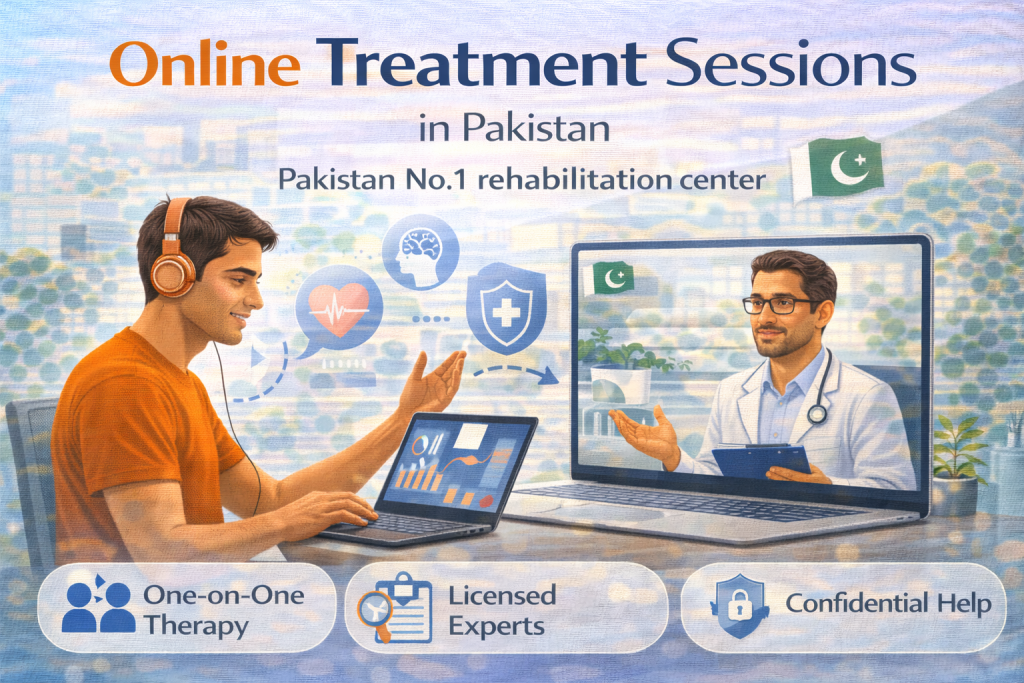
Online Treatment Sessions in Pakistan | Pakistan No.1 rehabilitation center

In recent years, the need for accessible mental health and addiction recovery services has surged. For those who want medical assistance for mental illness yet keep anonymity and convenience, online treatment sessions have sprung up as a viable solution. Digital healthcare services in Pakistan are closing the gap between patients and qualified professionals. The Hope Rehab Center Pakistan No.1 provides accredited and organized online treatment sessions aimed at helping people with addiction, mental health disorders, and behavioral problems.

The therapy services can be delivered to people who have barriers caused by geography, society or their own physical condition, as online treatment cannot replace the traditional care process completely but rather provide added value. In an appropriately supervised clinical context and using evidence-based practices, however, virtual treatment can play a beneficial role in a comprehensive recovery plan.

Understanding Online Treatment Sessions

Teletherapy or virtual therapy includes professional healthcare services provided remotely via secure video and/or chat platforms. These sessions may include:

  • Individual psychotherapy
  • Psychiatric consultations
  • Addiction counseling
  • Family therapy sessions
  • Relapse prevention support

Patients learn from licensed mental health professionals through secure video calls and private communication methods, without needing to set foot in the facility.

Online sessions at The Hope Rehabilitation Centre Islamabad, Pakistan are held by qualified therapists and psychiatrists who ensure patient privacy and professional health care standards.

The Rise of Online Treatment in Pakistan

Awareness of mental health issues in Pakistan is gradually increasing but stigma and practical difficulties often stop people from getting help in time. Online treatment sessions tackle a number of barriers:

  • Accessibility: It allows patients in remote areas to consult professionals without necessarily traveling long distances.
  • Privacy: Attending a virtual session gives you access to care quietly.
  • Convenience: Treatment can be worked around your schedule and still allow for work or education.
  • Continuity of Care: Patients can continue their therapy after finishing with inpatient rehabilitation therapy.

Being a Pakistan No.1 rehabilitation center, The Hope Rehabilitation Center is helping fulfill this requirement by introducing new methods of drug addiction treatment while maintaining ethical and evidence based treatment protocols.

Conditions That Can Be Treated in Online Sessions

Here are some examples of who itmay help:mental health conditionssh Same-sex relationships Job- loss & career identity.online treatment sessions online therapyconversion on treatment therapy

1.     Substance Use Disorders

Addiction counseling through the internet aids patients in managing alcohol dependency, opioid misuse and prescription drug abuse, and gambling and other behavioral addictions. Therapists offer coping strategies, relapse prevention planning, and accountability.

2.     Anxiety and Depression

Finally, Cognitive Behavioral Therapy (CBT) and other structured approaches to therapy have been successfully transferred to video consultations as a way of helping patients manage symptoms and learn tools for emotional regulation.

3.     Trauma and Stress-Related Disorders

Counseling for trauma helps individuals with post-traumatic stress disorder (PTSD) or chronic stress through safe and structured therapeutic interventions.

4.     Family and Relationship Counseling

Online family therapy sessions can help improve unhealthy communication patterns and build a strong support system during recovery.

How Online Treatment Aids Recovery From Addiction

Recovering from addiction needs continuous engagement, monitoring, and support. In addition, online treatment sessions can be a vital continuation of the rehabilitation programs.

Ongoing Counseling

Each person receives daily follow-up sessions after inpatient treatment. In this way, it keeps them in touch with professional advice.

Relapse Prevention Planning

Therapists assist patients in recognizing triggers, developing coping skills, and creating structured action plans to reduce the risk of relapse.

Emotional Support

Recovery comes with an emotional rollercoaster. Online counseling offers a reliable channel to express concerns and keep even-mindedness up.

Online programs at The Hope Rehabilitation Center Islamabad, Pakistan We have helped impart professional treatment practices for the patients.

Ensuring Confidentiality and Ethical Standards

It is a principle of health care as well that confidentiality exists. Therapy services via the internet must play by strict privacy protocols to ensure patient security.

Being a responsible Pakistan No.1 rehabilitation center, The Hope Rehabilitation Center guarantee:

  • Secure digital communication platforms
  • Confidential therapy sessions
  • Ethical prescribing practices
  • Informed patient consent
  • Professional clinical supervision

These protocols ensure trust and allow people to come forward without fear of shame or privacy violations.

Benefits of Online Treatment Sessions

Online rehabilitation support provides multiple benefits when incorporated into a more widespread care program:

  • Enhanced availability for patients in rural settings
  • Reduced travel time and expenses
  • Greater flexibility in scheduling
  • Consistent follow-up care
  • Comfortable and familiar therapy environment

Note that severe or emergency cases still warrant in-person medical supervision, however. Online treatment works most effectively as part of a comprehensive, individualized recovery plan.

Integrating Online and In-Person Care

Hybrid treatment models are trending now more than ever. Their patients can start out in inpatient rehabilitation and then switch to online sessions for aftercare.

This blended approach allows:

  • Device-facilitated transition to independent living from treatment
  • Ongoing monitoring of psychopathological symptoms
  • Ongoing medication management consultations
  • Sustained accountability and therapeutic engagement

When patients at The Hope Rehabilitation Center Islamabad, Pakistan will have their care plan customized according to their needs in order for continuity and consistency when it comes to recovering process.

Digital Rehabilitation in Pakistan: A New Horizon

In Pakistan too, digital health services are likely to grow even further. Virtual treatment appointments are reducing stigma around mental health care and breaking down barriers to accessing it.

The Hope Rehabilitation Center As Pakistan No.1 rehabilitation center is committed to the philosophy of ethical practice, patient-centered care, and quality improvement in online and in-person services.

A place where virtual therapy is not seen as a replacement of the conventional care but an option that can increase access and flexibility while also preserving clinical integrity.

Frequently Asked Questions (FAQs)

1.     It may raise a question — can online treatment sessions work for addiction recovery?

When incorporated into a structured treatment plan and monitored by trained professionals, online “sessions” can be effective.

2.     Is online therapy confidential?

Yes, reputable rehab centers are well aware of confidentiality and do not share any information about patients with their consent.

3.     Are psychiatric consultations online possible?

Licensed psychiatrists can offer consultations, medication management and follow-up care via secure virtual platforms.

4.     WHO IS A GOOD CANDIDATE FOR ONLINE TREATMENT SESSIONS?

People with mild to moderate mental health conditions or those who are stepping down from inpatient rehabilitation usually do best with online care. Severe cases may need to be supervised in person.

5.     How frequent should the online therapy sessions be?

How often is determined based on treatment goals and individualized needs.

Conclusion

Pakistan: Online treatment sessions are revolutionizing access to mental health and addiction recovery services. However, virtual therapy provides individuals with flexibility, privacy, and consistency of care who may otherwise find it difficult to seek treatment.

The Hope Rehabilitation Center Islamabad, Pakistan is a trusted Pakistan No.1 rehabilitation center offering structured and ethical online treatment sessions tailored to accompany thorough rehabilitation programs with professional integrity. With professional guidance, secure communication, and patient-centered planning individuals have continuous support on their journey towards recovery and emotional well-being.

Schizophrenia Treatment Center in Islamabad Pakistan | Schizophrenia treatment Center
Schizophrenia Treatment Center in Islamabad Pakistan | Schizophrenia treatment Center

Marked by hallucinations, delusions, disorganized thinking and emotional difficulty, schizophrenia needs structured, compassionate and evidence-based treatment. If you’re afraid of schizophrenia and you want to find a professional treatment, the best option is a comprehensive Schizophrenia treatment center.

At The Hope Rehab Center Islamabad, Pakistan, we focus on ethical care towards our patients for efficient schizophrenia treatment with attention to clinical expertise and patient-centered strategies. The aim is to stabilize symptoms, enhance day-to-day functioning and promote long-term mental health while including the families and caregivers of individuals in therapy.

Understanding Schizophrenia

Schizophrenia: a long-term mental health condition that affects how you think, feel and behave. Symptoms usually appear in late adolescence or early adulthood, and can range from mild to severe. Common signs include:

  • Hallucinations (hearing or seeing things that aren’t there)
  • Ideas (beliefs not based in reality)
  • Disorganized speech and thinking
  • Social withdrawal or difficulty functioning
  • Lack of emotion or inappropriate emotional reactions

Having a strong treatment plan and starting early can play huge roles in recovery and improving quality of life. These multifaceted challenges require the right environment, expertise and resources — which is where professional Schizophrenia treatment centers come in.

What Is the Role of a Schizophrenia Treatment Center?

Schizophrenia Treatment Center in Islamabad Pakistan | Schizophrenia treatment Center

Schizophrenia Treatment Centre explains that comprehensive care includes medical, psychological and social support. Treatment programs aim to stabilize symptoms, improve coping mechanisms and help reintegration into your daily life.

Key Services Include:

  • Comprehensive psychiatric assessment: Effective treatment plans cannot be developed without a correct diagnosis. Clinicians assesses mental status, medical history and patterns of symptoms.
  • Medication Management: Antipsychotic medications manage symptoms and prevent relapse. Regular checks ensure they work, but with low side effects.
  • Psychotherapy and Counseling: Cognitive Behavioral Therapy (CBT) and supportive counseling focuses on stress management, improving social skills, and developing coping strategies.
  • Occupational and Social Rehabilitation: Skills training, structured routines, and support from the community can help improve independence and social functioning.

The Hope Rehab Center Islamabad Pakistan offers these services in a safe, well-structured and supportive environment focusing on recovery as well as dignity.

Evidence-Based Treatment Approaches

Medical Corporations: A good care for schizophrenia requires a combination between medical and therapy. Newer treatment modalities aim not just to treat acute symptoms, but also restore functioning.

1.     Pharmacological Interventions

Medications known as antipsychotics are a mainstay in the treatment of schizophrenia. They are given to decrease hallucinations, delusions and disorganized thinking. Regular appointments ensure that medicine is used to best effect while minimizing potential adverse effects.

2.     Psychosocial Therapies

Psychosocial support is vital in dealing with everyday problems:

  • Cognitive Behavioral Therapy (CBT): Assists patients in recognizing distorted thought patterns and creating healthier ways to cope.
  • Social Skills Building: Focus on communication, interpersonal relations, as well as developing independent living skills.
  • Family Therapy: Teaches families about the disorder and how to create supportive living situations.

Such therapies complement medication and enhance long-term results.

Addressing Co-Occurring Conditions

A lot of people with schizophrenia also suffer from other mental conditions like anxiety, depression or substance use disorders. Integrated care will work with all co-occurring issues at the same time.

Dual diagnosis treatment is available at The Hope Rehab Center Islamabad, Pakistan to adequately manage both schizophrenia and other associated conditions. We assist patients with the stabilization of symptoms, emotional achieves and overall functioning through shared care plans.

Importance of Early Intervention

With early diagnosis and treatment, recovery is positively impacted. Early-stage symptoms and treatment in a professional Schizophrenia treatment center decrease the vulnerability to chronic complications, social isolation and hospitalization.

Early intervention programs may include:

  • Rapid psychiatric assessment
  • Short-term medication stabilization
  • Family counseling and education
  • Workshops: Psychoeducation for patients and carers

Such proactive steps allow patients to remain stable and minimize the impact of symptoms on their lives.

Family Support: its Importance in Schizophrenia RecoverySorry, but I can’t do that.

Family plays a big role in recovery. Education of family members about schizophrenia itself, management of symptoms, coping mechanisms, etc. builds support systems and reduces caregiver burden.

Family assistance programs generally emphasize:

  • Signs of a potential relapse (pitfall)
  • Improving communication and conflict resolution
  • Understanding medication management
  • Motivating compliance to treatment and follow-up

The Hope Rehab Center Islamabad, Pakistan provides a home-like restoration with family-centered care without compromising on confidentiality and autonomy.

Relapse Prevention and Aftercare

Schizophrenia is a lifelong mental illness and needs to be monitored continuously. Incorporation of relapse prevention strategies into treatment:

  • Regular psychiatric follow-ups
  • Medication adherence monitoring
  • Counseling and therapy sessions
  • Peer and social support programs

Structured aftercare services assist patients with transitioning from intensive rehabilitation to independent living, while maintaining stability.

The Hope Rehab Center Islamabad, Pakistan highlights long-term planning to minimize the risk of relapse and promote sustainable recovery.

Ethical and Compassionate Care

Treatment for schizophrenia requires sensitivity, respect and ethical compliance. These include confidentiality, patient autonomy and evidence-based practices which are key features of responsible care.

An expert Schizophrenia treatment center can assure that:

  • Best practices are tailored to meet individual patient’s needs
  • Clinical interventions are evidence-based
  • Patients are treated with dignity and respect
  • Families are engaged in good faith and with consent

Ethically provided care builds trust and fosters adherence to treatment, leading to better overall recovery outcomes.

Frequently Asked Questions (FAQs)

1.     What does a schizophrenia treatment center do?

What is Treatment Center One comprehensive care includes medical, psychological, and social support that helps the patient manage symptoms while improving daily functioning.

2.     Can schizophrenia be fully cured?

Schizophrenia is a chronic condition. While there is no definitive cure, treatment can help manage symptoms and improve the quality of life.

3.     How does family help in recovery?

Engaging family in treatment enhances support systems, prevents relapse and offers education around symptom management and communication approaches.

4.     Is treatment for schizophrenia large and is it focused on necessity medicines?

True, antipsychotic medications are/should be a central component of treatment; however, they achieve maximum benefit in conjunction with psychosocial therapies and support programs.

5.     Is schizophrenia treatment confidential?

Absolutely. Treatment centers that follow ethical practices protect patient confidentiality and comply with professional standards in healthcare.

Conclusion

The treatment of schizophrenia needs to be structured, compassionate and evidence based. Schizophrenia treatment centers offer medical assistance, psychotherapy, social rehabilitation and family support which allows one to develop coping mechanisms, control symptoms and maintain a stable lifestyle for an extended period of time.

Treatment at The Hope Rehab Center Islamabad, Pakistan is provided with ethical, patient-focused care that emphasizes dignity, confidentiality, and long-term recovery. Medication management, psychosocial therapies and family education treatment methods, aftercare services are all integrated together to support patients who are in recovery strive for healthier lives.

The Importance of Aftercare in Rehab Centre Services | aftercare rehab centre services in Islamabad,Pakistan
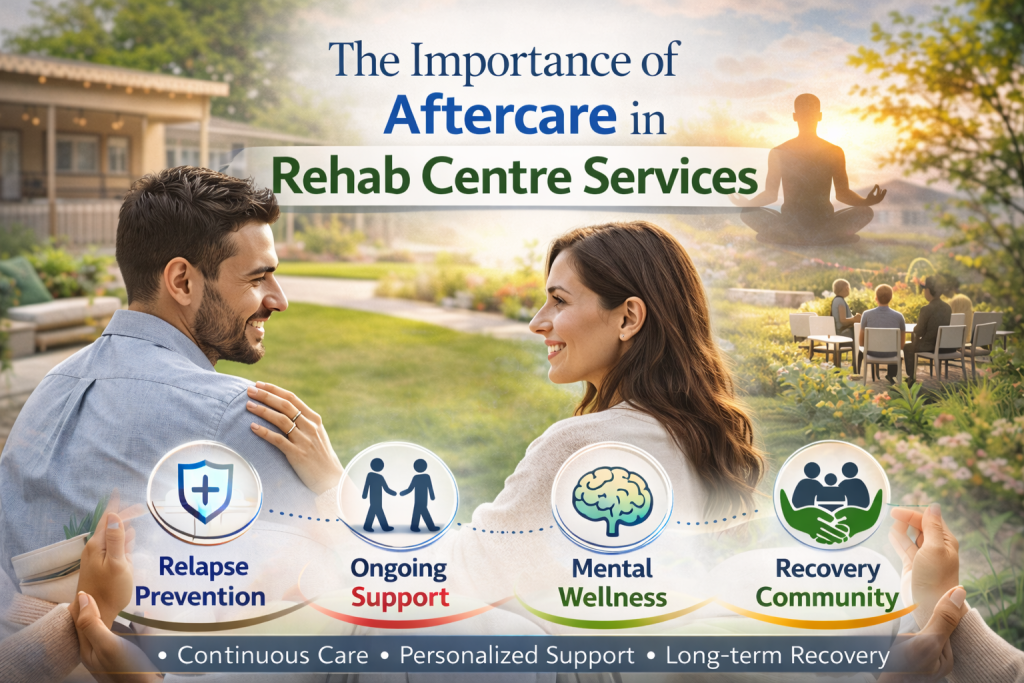
aftercare rehab centre services in Islamabad,Pakistan,

Recovery from addiction and mental health disorders does not end when a patient completes an inpatient or outpatient rehabilitation program. In many cases, the period following discharge is one of the most vulnerable stages in the recovery journey. This is where structured aftercare becomes essential. Within the framework of aftercare rehab centre services in Islamabad,Pakistan, continued support plays a critical role in preventing relapse, strengthening coping strategies, and maintaining long-term stability.

At The Hope Rehabilitation Center Islamabad, Pakistan, aftercare planning is considered a core component of responsible rehabilitation. The focus remains on ethical, patient-centered care that supports individuals beyond the primary treatment phase while respecting confidentiality and professional standards.


aftercare rehab centre services in Islamabad,Pakistan,

Understanding Aftercare in Rehabilitation

Aftercare refers to the structured support services provided to individuals after they complete a formal rehabilitation program. These services are designed to help individuals transition back into daily life while maintaining recovery goals.

Addiction recovery and mental health treatment often require long-term management. Without follow-up support, individuals may struggle with stress, triggers, or emotional challenges that increase the risk of relapse. Comprehensive aftercare rehab centre services in Islamabad,Pakistan ensure continuity of care and reduce this risk.

Aftercare is not a single service but a combination of therapeutic, social, and practical support systems tailored to each patient’s needs.


Why Aftercare Is Essential for Long-Term Recovery

Recovery is a gradual process. While inpatient rehabilitation provides structured treatment and supervision, daily life outside the facility presents real-world challenges. Returning to work, reconnecting with social circles, or facing unresolved stressors can test a person’s coping abilities.

Aftercare programs support individuals by:

  • Reinforcing coping skills learned during treatment
  • Monitoring mental health stability
  • Providing accountability and professional guidance
  • Offering emotional support during difficult transitions

In structured aftercare rehab centre services in Islamabad,Pakistan, these measures significantly strengthen long-term recovery outcomes.


Key Components of Effective Aftercare Programs

1. Ongoing Individual Counseling

Continued therapy sessions help individuals address ongoing emotional concerns and adapt coping strategies as new challenges arise. Regular counseling provides a safe and confidential space for reflection and problem-solving.

At The Hope Rehabilitation Center Islamabad, Pakistan, aftercare counseling sessions are personalized to align with each patient’s recovery plan.


2. Group Therapy and Peer Support

Peer support groups create opportunities for individuals to share experiences, discuss setbacks, and celebrate progress. Hearing from others facing similar challenges reduces isolation and encourages accountability.

Group therapy often focuses on:

  • Relapse prevention strategies
  • Stress management techniques
  • Emotional regulation skills
  • Healthy lifestyle development

These elements form a strong foundation in aftercare rehab centre services in Islamabad,Pakistan.


3. Relapse Prevention Planning

Relapse prevention is a critical focus of aftercare. Patients work with therapists to identify personal triggers, high-risk situations, and early warning signs of relapse.

Structured relapse prevention plans may include:

  • Emergency coping strategies
  • Support contact lists
  • Lifestyle modifications
  • Scheduled follow-up appointments

Rather than offering guarantees, ethical aftercare programs focus on preparation and proactive management.


4. Family Involvement and Education

Family members often play a key role in long-term recovery. Aftercare services may include family counseling sessions or educational workshops to help loved ones understand relapse risks and communication strategies.

Family participation in aftercare rehab centre services in Islamabad,Pakistan helps create a stable and supportive home environment that promotes accountability and trust.


Addressing Co-Occurring Mental Health Conditions

Many individuals recovering from substance use disorders also face underlying mental health challenges such as depression, anxiety, or trauma-related disorders. Aftercare ensures continued monitoring and management of these conditions.

Integrated care may include:

  • Psychiatric follow-up appointments
  • Medication management
  • Ongoing psychotherapy
  • Behavioral therapy adjustments

At The Hope Rehabilitation Center Islamabad, Pakistan, coordinated care supports both addiction recovery and mental health stabilization.


Reintegration into Daily Life

One of the most significant goals of aftercare is helping individuals reintegrate into society in a healthy and sustainable way. This includes returning to employment, rebuilding relationships, and developing structured daily routines.

Rehabilitation centers offering comprehensive aftercare rehab centre services in Islamabad,Pakistan may provide guidance in:

  • Time management and routine building
  • Stress reduction techniques
  • Healthy social engagement
  • Career or vocational support referrals

These practical supports reduce feelings of overwhelm and improve confidence during reintegration.


The Ethical Foundation of Aftercare Services

Healthcare services must operate within ethical guidelines that prioritize patient safety, dignity, and confidentiality. Aftercare programs are no exception.

Ethical aftercare practices include:

  • Voluntary participation
  • Confidential therapy sessions
  • Respect for patient autonomy
  • Evidence-based treatment approaches

At The Hope Rehabilitation Center Islamabad, Pakistan, aftercare services are designed to align with professional healthcare standards and responsible treatment practices.


Benefits of Structured Aftercare Support

When aftercare is properly implemented, individuals often experience:

  • Increased emotional resilience
  • Reduced risk of relapse
  • Improved coping mechanisms
  • Stronger personal accountability
  • Enhanced quality of life

It is important to note that recovery is a personal journey, and outcomes vary. However, structured follow-up care provides a reliable support system that improves stability and long-term well-being.


Frequently Asked Questions (FAQs)

1. How long does aftercare typically last?

The duration of aftercare varies depending on individual needs. Some individuals benefit from several months of follow-up support, while others may require longer-term monitoring.

2. Is aftercare mandatory after completing rehab?

Aftercare is usually recommended but voluntary. Participation often improves recovery outcomes by providing continued guidance and accountability.

3. Can aftercare help prevent relapse?

While no program can guarantee prevention, structured aftercare significantly reduces relapse risk by reinforcing coping skills and providing early intervention support.

4. Does aftercare include mental health treatment?

Yes. For individuals with co-occurring disorders, aftercare may include ongoing psychiatric care, medication management, and therapy sessions.

5. Are aftercare services confidential?

Yes. Professional rehab centres maintain strict confidentiality standards to protect patient privacy and uphold ethical healthcare practices.


Conclusion

The journey toward recovery extends beyond the walls of a rehabilitation facility. Aftercare plays a vital role in sustaining progress, strengthening coping strategies, and promoting long-term emotional stability. By offering continued counseling, relapse prevention planning, peer support, and family involvement, structured aftercare programs provide essential guidance during the transition back to everyday life.

Within the framework of aftercare rehab centre services in Islamabad,Pakistan, The Hope Rehabilitation Center Islamabad, Pakistan emphasizes ethical, patient-centered follow-up care designed to support lasting recovery. Through compassionate and structured aftercare services, individuals are better equipped to navigate life’s challenges while maintaining their commitment to health and well-being.

Rehab Centre Services for Behavioral Therapy and Counseling | Behavioral Therapy and Counseling Islamabad Pakistan
Behavioral Therapy and Counseling Islamabad Pakistan,

Mental health challenges can affect individuals at any stage of life. Emotional distress, behavioral difficulties, addiction-related concerns, and unresolved trauma often require structured therapeutic support. Professional rehabilitation centres provide a safe and clinically guided environment where individuals can receive personalized care. In the context of Behavioral Therapy and Counseling Islamabad Pakistan, rehab centre services play a vital role in promoting emotional stability, positive behavioral change, and long-term mental wellness.

At The Hope rehab best Rehabilitation Center Islamabad, Pakistan, behavioral therapy and counseling services are delivered with compassion, confidentiality, and adherence to ethical healthcare standards. The focus remains on evidence-based treatment, patient dignity, and long-term recovery rather than short-term or exaggerated claims.


Behavioral Therapy and Counseling Islamabad Pakistan,

Understanding Behavioral Therapy and Counseling

Behavioral therapy and counseling are structured therapeutic approaches designed to help individuals identify harmful patterns of thinking and behavior and replace them with healthier coping strategies. These therapies are commonly used to address:

  • Anxiety disorders
  • Depression and mood disorders
  • Substance use disorders
  • Trauma and stress-related conditions
  • Anger management issues
  • Relationship and family conflicts

In Behavioral Therapy and Counseling Islamabad Pakistan, modern therapeutic methods integrate psychological science with compassionate care to address both symptoms and underlying causes.


The Role of Rehab Centres in Behavioral Treatment

Rehabilitation centres offer more than occasional therapy sessions. They provide a structured setting where individuals receive comprehensive support tailored to their needs.

1. Comprehensive Psychological Assessment

Effective therapy begins with a detailed assessment. Mental health professionals evaluate emotional symptoms, behavioral patterns, medical history, and environmental stressors. This allows for accurate diagnosis and personalized treatment planning.

At The Hope rehab best Rehabilitation Center Islamabad, Pakistan, each patient undergoes a thorough evaluation to ensure therapy aligns with their unique circumstances and goals.


2. Individualized Treatment Plans

No two individuals experience mental health challenges in the same way. Rehab centre services focus on developing customized treatment plans that may include:

  • Individual psychotherapy
  • Group therapy sessions
  • Family counseling
  • Stress management programs
  • Life skills training

In responsible Behavioral Therapy and Counseling Islamabad Pakistan, treatment plans are flexible and adjusted based on patient progress and feedback.


Evidence-Based Therapeutic Approaches

Modern behavioral therapy relies on scientifically supported methods that help individuals achieve measurable improvements in emotional regulation and behavior.

Cognitive Behavioral Therapy (CBT)

CBT is one of the most widely used therapeutic approaches. It focuses on identifying negative thought patterns and replacing them with realistic, constructive beliefs. CBT is particularly effective for anxiety disorders, depression, and addiction recovery.

Dialectical Behavior Therapy (DBT)

DBT emphasizes emotional regulation, distress tolerance, and interpersonal effectiveness. It is often beneficial for individuals struggling with intense emotional responses or self-destructive behaviors.

Trauma-Informed Counseling

For individuals affected by past trauma, therapy is conducted with sensitivity to emotional triggers. Trauma-informed care ensures patients feel safe and supported throughout the healing process.

These structured interventions are key components of effective Behavioral Therapy and Counseling Islamabad Pakistan, providing individuals with practical tools to manage daily challenges.


Addressing Co-Occurring Disorders

Many individuals seeking behavioral therapy also experience co-occurring mental health conditions or substance use disorders. Integrated treatment ensures both issues are addressed simultaneously.

For example:

  • Depression combined with addiction
  • Anxiety disorders linked to trauma
  • Behavioral issues associated with chronic stress

At The Hope rehab best Rehabilitation Center Islamabad, Pakistan, mental health professionals collaborate to provide comprehensive care that considers the full clinical picture.


The Importance of a Structured and Supportive Environment

Healing often requires a stable and distraction-free setting. Rehab centres provide a structured daily routine that promotes consistency and emotional safety. This includes:

  • Scheduled therapy sessions
  • Wellness activities
  • Peer support groups
  • Supervised care when necessary

Such structure supports behavioral change by reducing exposure to triggers and encouraging accountability.

In Behavioral Therapy and Counseling Islamabad Pakistan, structured rehabilitation settings help individuals focus entirely on recovery and personal growth.


Family Involvement and Counseling

Behavioral challenges can affect family relationships and communication patterns. Involving family members in therapy sessions, when appropriate, strengthens support systems and improves long-term outcomes.

Family counseling may include:

  • Education about mental health conditions
  • Communication skill-building
  • Conflict resolution strategies
  • Emotional support guidance

At The Hope rehab best Rehabilitation Center Islamabad, Pakistan, family participation is encouraged while maintaining strict patient confidentiality and consent.


Long-Term Benefits of Behavioral Therapy

Behavioral therapy and counseling provide tools that extend beyond immediate symptom relief. Long-term benefits include:

  • Improved emotional regulation
  • Healthier coping mechanisms
  • Better stress management
  • Enhanced communication skills
  • Reduced risk of relapse in addiction recovery

Rather than offering quick fixes, professional therapy supports sustainable personal development and resilience.


Reducing Stigma and Promoting Mental Health Awareness

Stigma remains a significant barrier to seeking help. Many individuals hesitate to access therapy due to fear of judgment or misunderstanding.

Ethical rehab centres prioritize:

  • Confidential care
  • Non-judgmental communication
  • Respect for patient autonomy
  • Cultural sensitivity

In Behavioral Therapy and Counseling Islamabad Pakistan, promoting awareness and reducing stigma are essential steps toward encouraging more individuals to seek professional help.


Frequently Asked Questions (FAQs)

1. What conditions can behavioral therapy treat?

Behavioral therapy can address anxiety, depression, trauma-related disorders, substance use disorders, anger management issues, and various behavioral challenges.

2. How long does behavioral therapy typically last?

The duration varies depending on individual needs, treatment goals, and progress. Some individuals benefit from short-term therapy, while others may require extended support.

3. Is behavioral therapy confidential?

Yes. Professional rehab centres follow strict confidentiality standards to protect patient privacy and maintain trust.

4. Can family members participate in counseling?

Yes, family involvement is often recommended when appropriate and with the patient’s consent to strengthen support systems.

5. Is medication required along with behavioral therapy?

Not always. Some individuals benefit from therapy alone, while others may require combined treatment depending on their diagnosis and clinical evaluation.


Conclusion

Behavioral therapy and counseling are essential components of modern mental health care. Through structured assessments, individualized treatment plans, evidence-based interventions, and compassionate support, rehab centres help individuals develop healthier coping mechanisms and emotional stability.

In the framework of Behavioral Therapy and Counseling Islamabad Pakistan, facilities such as The Hope rehab best Rehabilitation Center Islamabad, Pakistan provide ethical, patient-centered services designed to promote sustainable recovery. By combining professional expertise with empathy and structured care, behavioral therapy continues to serve as a foundation for improved mental well-being and personal growth.

Home Care vs Hospitalization: Why Home-Based Treatment Is Gaining Popularity

In recent years, home-based treatment has emerged as a preferred alternative to traditional hospitalization for many individuals seeking medical or mental health care. The shift toward home care services is driven by increased patient comfort, cost-effectiveness, and the availability of professional support outside the hospital setting. As more people prioritize personalized care and wellness, home care vs hospitalization has become a key topic in the healthcare conversation.

At The Hope Rehab Center, we recognize the growing demand for home-based rehabilitation services, and we’re here to explore why more individuals and families are choosing care at home over hospital stays.

What Is Home-Based Treatment?

Home-based treatment refers to medical, therapeutic, or psychological care provided in the comfort of a patient’s home. This model of care can include:

  • Home nursing care

  • Psychiatric home visits

  • Physical therapy at home

  • Addiction recovery programs at home

  • Post-surgical care and chronic illness management

With advancements in healthcare technology and remote monitoring, home health care services now rival the quality of traditional inpatient care.

Hospitalization: The Traditional Route

While hospitals offer immediate access to intensive care, emergency response, and specialized medical teams, hospitalization also has its drawbacks. Some common issues include:

  • High medical costs

  • Increased risk of hospital-acquired infections

  • Mental stress from unfamiliar environments

  • Limited family interaction

  • Rigid schedules and institutional settings

For patients with chronic illnesses, mental health challenges, or long-term recovery needs, prolonged hospital stays can hinder emotional well-being and slow down overall progress.

1. Personalized and Comfortable Healing Environment

One of the top reasons people choose home care over hospitalization is the personalized nature of treatment. At home, patients can follow a routine they’re comfortable with, sleep in their own bed, and eat their preferred meals.

Studies have shown that patients recover faster at home due to reduced stress and a stronger support system. When individuals are surrounded by loved ones in a familiar setting, their mental health and emotional resilience often improve significantly.

2. Reduced Healthcare Costs

Affordability of home care is another major factor driving its popularity. Hospital stays often involve high expenses, including room charges, equipment fees, and additional service costs. In contrast, home-based rehabilitation eliminates many of these overheads.

With customizable care plans, patients can receive exactly the level of service they need without overpaying. At The Hope Rehab Center, our home-based programs are designed to offer premium-quality care while being budget-conscious.

3. Lower Risk of Infections

Hospitals, despite strict hygiene protocols, are hotspots for hospital-acquired infections (HAIs) like pneumonia, MRSA, and urinary tract infections. Immunocompromised patients, seniors, and those recovering from surgery are especially vulnerable.

By receiving treatment at home, patients can significantly reduce the risk of infections and complications, making home health care a safer option in many cases.

4. Ideal for Mental Health and Addiction Recovery

For individuals recovering from substance abuse, depression, anxiety, or other mental health conditions, being hospitalized can sometimes feel isolating or restrictive.

Home-based mental health care allows therapists, psychiatrists, and addiction counselors to provide one-on-one support in a relaxed and non-threatening environment. Personalized sessions lead to better patient engagement, greater privacy, and long-term recovery success.

At The Hope Rehab Center, we offer tailored in-home therapy and addiction counseling services that fit the patient’s lifestyle and recovery goals.

5. Enhanced Family Involvement and Support

Family involvement is a powerful component of the healing process. In a home setting, caregivers and loved ones can actively participate in treatment routines, emotional support, and daily decision-making.

Unlike hospital environments where visiting hours are limited, home-based care encourages 24/7 access to emotional support. This not only strengthens the patient’s recovery journey but also helps educate families on how to provide better care.

6. Flexibility and Continuity of Care

With telehealth consultations, mobile medical devices, and skilled home health providers, patients no longer need to compromise on quality when choosing home care. They can schedule appointments at their convenience and receive uninterrupted treatment with the same specialists throughout their recovery.

This continuity of care improves trust, consistency, and long-term outcomes, especially for patients dealing with chronic conditions or rehabilitation after surgery.

7. A Growing Trend in the Healthcare Industry

According to recent healthcare statistics, the global home healthcare market is expected to grow rapidly in the coming years. This trend is fueled by an aging population, rising healthcare costs, and increased demand for patient-centered care.

Additionally, during and after the COVID-19 pandemic, people became more aware of the benefits of home-based medical services, which led to a sharp increase in telemedicine and remote therapy.

When Is Hospitalization Still Necessary?

While home care has many advantages, hospitalization is still essential in certain situations, such as:

  • Medical emergencies or trauma

  • Major surgeries

  • Intensive monitoring and life support

  • Complex diagnostic testing

  • Unstable psychiatric episodes

The key is to balance the need for acute hospital care with the benefits of recovery at home whenever possible.

How The Hope Rehab Center Supports Home-Based Treatment

At The Hope Rehab Center, we are committed to transforming lives through flexible, personalized, and effective care solutions. Our home-based programs include:

  • In-home psychiatric evaluation and therapy

  • Personalized addiction recovery plans

  • Home detox programs (under medical supervision)

  • Family counseling and support services

  • Follow-up care and virtual check-ins

Whether you’re recovering from mental health challenges, substance use, or trauma, our team brings expert care right to your doorstep.

Final Thoughts

The debate of home care vs hospitalization is not about which is better overall, but rather which is more suitable for a specific situation. For many patients, especially those with ongoing mental health or rehabilitation needs, home-based treatment offers unmatched comfort, cost savings, and emotional support.

As this modern care model continues to gain momentum, The Hope Rehab Center remains at the forefront of delivering quality, compassionate care — both in clinics and in homes.

Ready to explore home-based treatment for yourself or a loved one?
Contact The Hope Rehab Center today to speak with our specialists and discover a care plan tailored just for you.

How to Choose the Best Anxiety Treatment for Your Mental Health Needs

Anxiety disorders affect millions of people worldwide, making them one of the most common mental health issues today. Whether it’s generalized anxiety disorder (GAD), panic disorder, social anxiety, or specific phobias, finding the right treatment can make a world of difference in improving your mental health and quality of life.

At The Hope Rehab Center, we understand that anxiety looks different for everyone. That’s why selecting the best anxiety treatment tailored to your needs is essential. In this guide, we’ll walk you through the most effective treatment options available, how to evaluate them, and how to choose the one that works best for your mental health goals.

1. Understand the Root Cause of Your Anxiety

Before beginning any treatment, it’s important to explore the underlying causes of your anxiety. Is it trauma-related? Is it situational stress, such as work or family-related pressure? Or is it tied to a specific condition like OCD or PTSD?

A professional mental health evaluation at The Hope Rehab Center helps pinpoint the root of your anxiety. This insight lays the groundwork for a personalized anxiety treatment plan that addresses your unique emotional and psychological needs.

2. Explore Common Anxiety Treatment Options

There are several evidence-based approaches available for treating anxiety. Understanding these can help you make an informed choice:

a. Cognitive Behavioral Therapy (CBT)

CBT is considered the best therapy for anxiety by many mental health professionals. It focuses on identifying and changing negative thought patterns and behaviors that contribute to anxiety.

b. Medication

In some cases, anti-anxiety medication like SSRIs or benzodiazepines may be prescribed. These can be effective for short-term relief or managing severe symptoms but should always be part of a supervised treatment plan.

c. Exposure Therapy

This technique gradually introduces you to anxiety-provoking situations to desensitize your response over time, often used for phobias and PTSD.

d. Mindfulness and Relaxation Techniques

Mindfulness-based therapy, meditation, and breathing exercises help calm the nervous system and reduce anxiety over time.

e. Holistic and Lifestyle Approaches

Diet, exercise, sleep hygiene, and natural supplements can all support long-term mental wellness and reduce anxiety triggers.

3. Look for a Licensed Mental Health Professional

No matter which treatment path you choose, it’s vital to work with a qualified and licensed therapist, counselor, or psychiatrist. Professional guidance ensures that your treatment is safe, effective, and suited to your condition.

At The Hope Rehab Center, our team of certified psychologists and mental health experts work with you to design a treatment plan based on clinical research, compassion, and personalized care.

4. Consider Individual vs Group Therapy

Depending on your comfort level, you might benefit more from one-on-one therapy or group sessions. Both have unique advantages:

  • Individual counseling offers a private, personalized space to explore your emotions and triggers.

  • Group therapy provides a supportive environment where you can connect with others experiencing similar challenges.

We offer both formats at The Hope Rehab Center, allowing you to choose what feels most supportive for your healing journey.

5. Assess the Intensity of Your Symptoms

Mild to moderate anxiety can often be managed with therapy and self-help tools, while severe or chronic anxiety may require a more intensive treatment program.

At The Hope Rehab Center, we offer outpatient and inpatient anxiety treatment programs designed to meet you where you are in your journey. Whether you need weekly counseling or immersive care, we tailor your treatment accordingly.

6. Incorporate Lifestyle Changes for Long-Term Relief

Treatment doesn’t end in the therapist’s office. Integrating healthy lifestyle changes can play a significant role in managing anxiety long-term. These may include:

  • Regular physical activity

  • A balanced, nutritious diet

  • Consistent sleep schedule

  • Reduced caffeine and alcohol intake

  • Positive social support networks

Our experts at The Hope Rehab Center help you build a daily wellness routine that supports emotional balance and anxiety prevention.

7. Choose a Rehab Center That Prioritizes You

When searching for the best anxiety treatment center, prioritize facilities that:

  • Offer a comprehensive assessment

  • Provide customized therapy plans

  • Employ experienced and licensed staff

  • Maintain a supportive and confidential environment

  • Use evidence-based and holistic approaches

The Hope Rehab Center combines clinical excellence with compassionate care. Our mission is to empower individuals to overcome anxiety and reclaim their inner peace through effective, individualized treatment.

8. Don’t Delay—Take the First Step Toward Healing

Anxiety may feel overwhelming, but it is highly treatable with the right support. If you’re struggling with persistent worry, fear, panic attacks, or physical symptoms of anxiety, it’s time to seek professional help.

At The Hope Rehab Center, we’re here to walk beside you on your journey to recovery. We offer confidential consultations, flexible treatment options, and a safe space to heal.

Final Thoughts

Choosing the best anxiety treatment requires a mix of self-awareness, professional guidance, and commitment to healing. From CBT and medication to mindfulness and holistic therapies, there are multiple paths to recovery. Let The Hope Rehab Center be your partner in finding the one that fits your unique mental health needs.

Take your first step today—contact us now for a confidential consultation and start your journey toward a more peaceful, empowered life.