Can Depression Cause Drug Addiction?
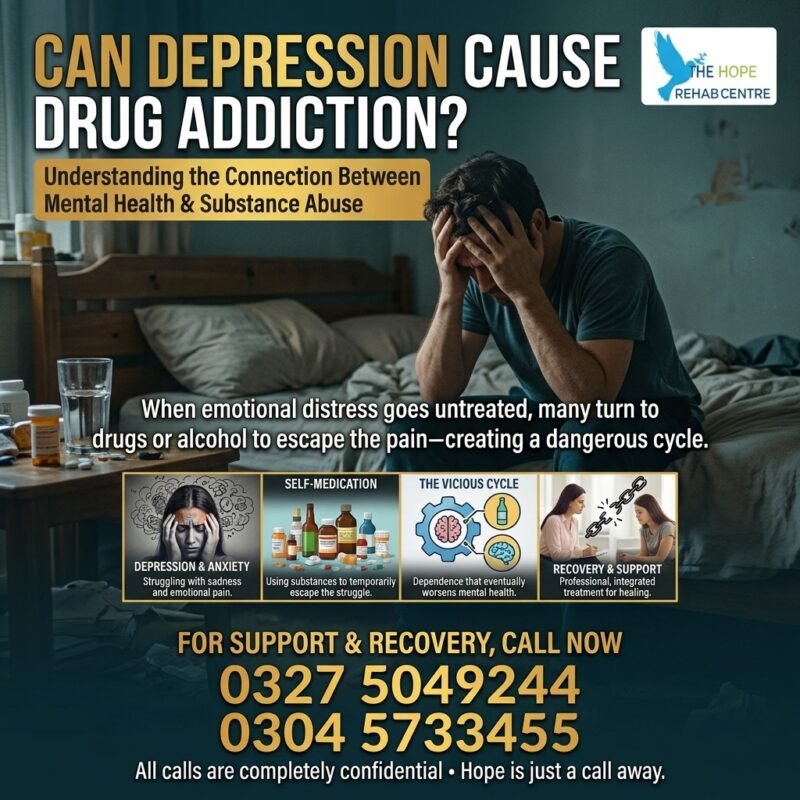
Depression and drug addiction are closely connected health conditions that can affect a person’s emotions, behaviour, relationships, and quality of life. People living with depression may experience persistent sadness, hopelessness, low energy, or a loss of interest in activities they once enjoyed. Some may turn to drugs or other substances in an attempt to escape […]
Opioid Addiction: Understanding Dependence and Recovery
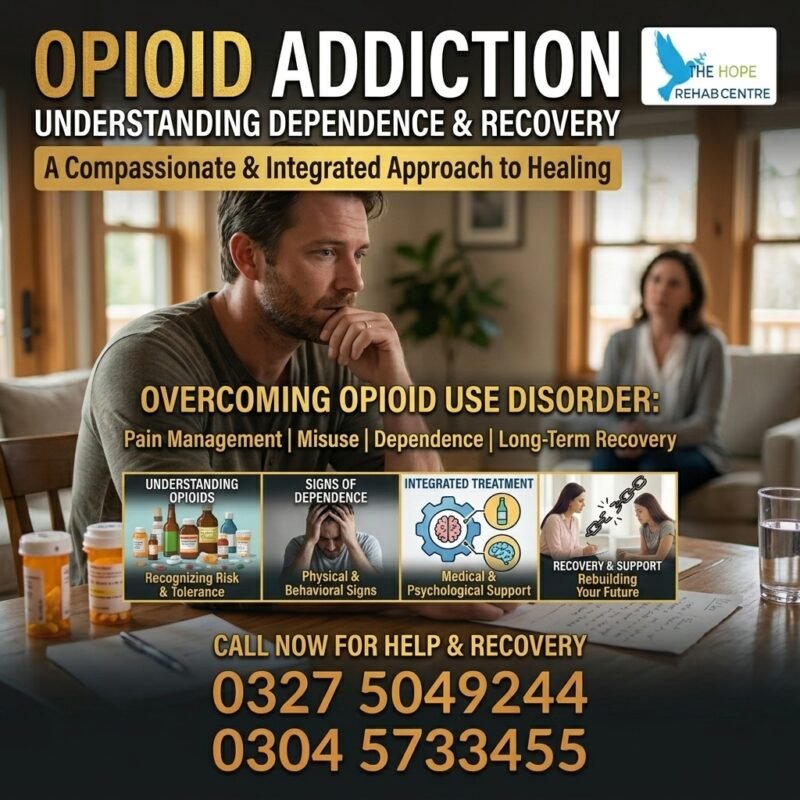
Opioid addiction is a serious health condition that can affect physical health, mental well-being, relationships, and daily life. Opioids include prescription pain medicines and drugs such as heroin. Although these substances may be used medically to manage pain, repeated use can lead to physical dependence and, in some cases, opioid use disorder. Recovery is possible […]
Flakka Addiction: Effects, Risks and Treatment
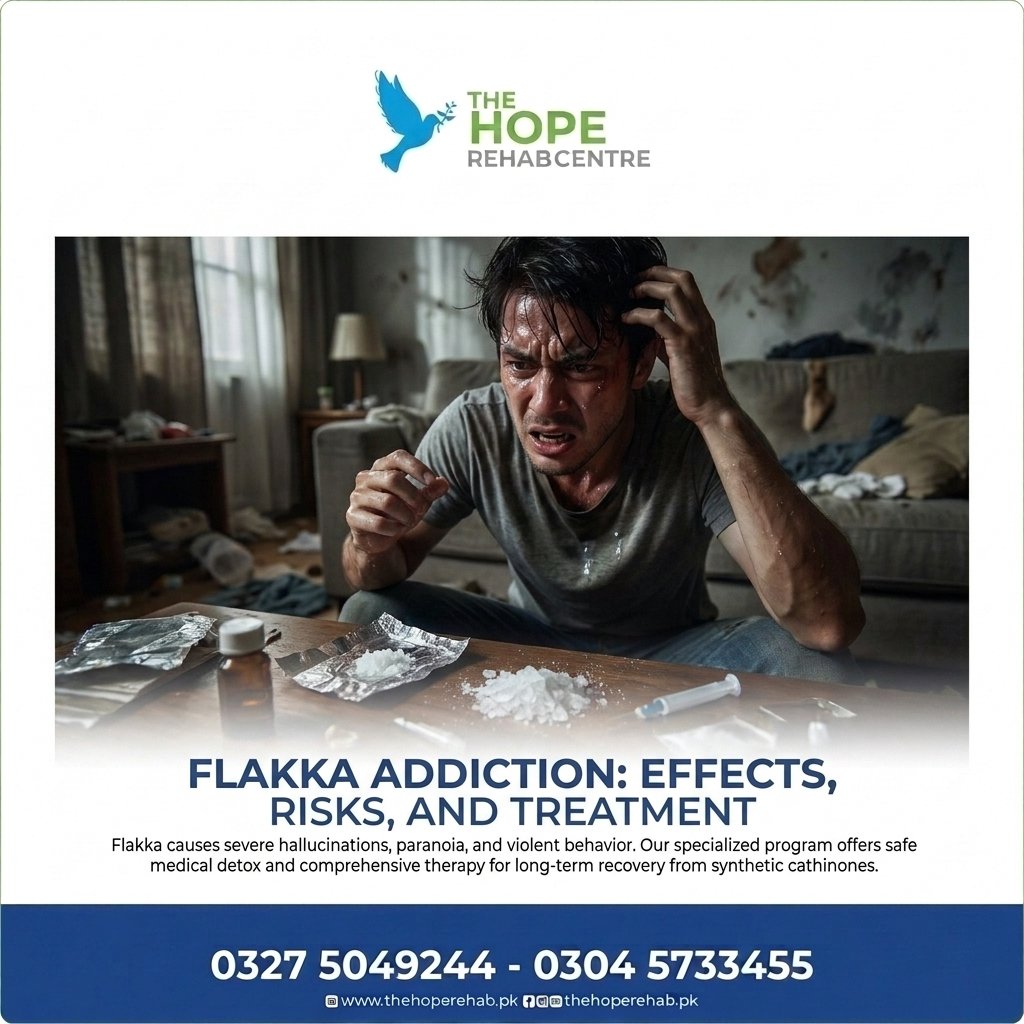
Addiction to flakka is linked with a variety of severe physical, psychosocial and behavioral disorders. In this case, flakka would be the street name of one of the new synthetic stimulants-based drugs called alpha-PVP. It can cause extreme stimulation and may result in agitation, paranoia, hallucinations, and harmful changes to body temperature and heart rate. […]
Teen Drug Addiction: Warning Signs Parents Should Not Ignore
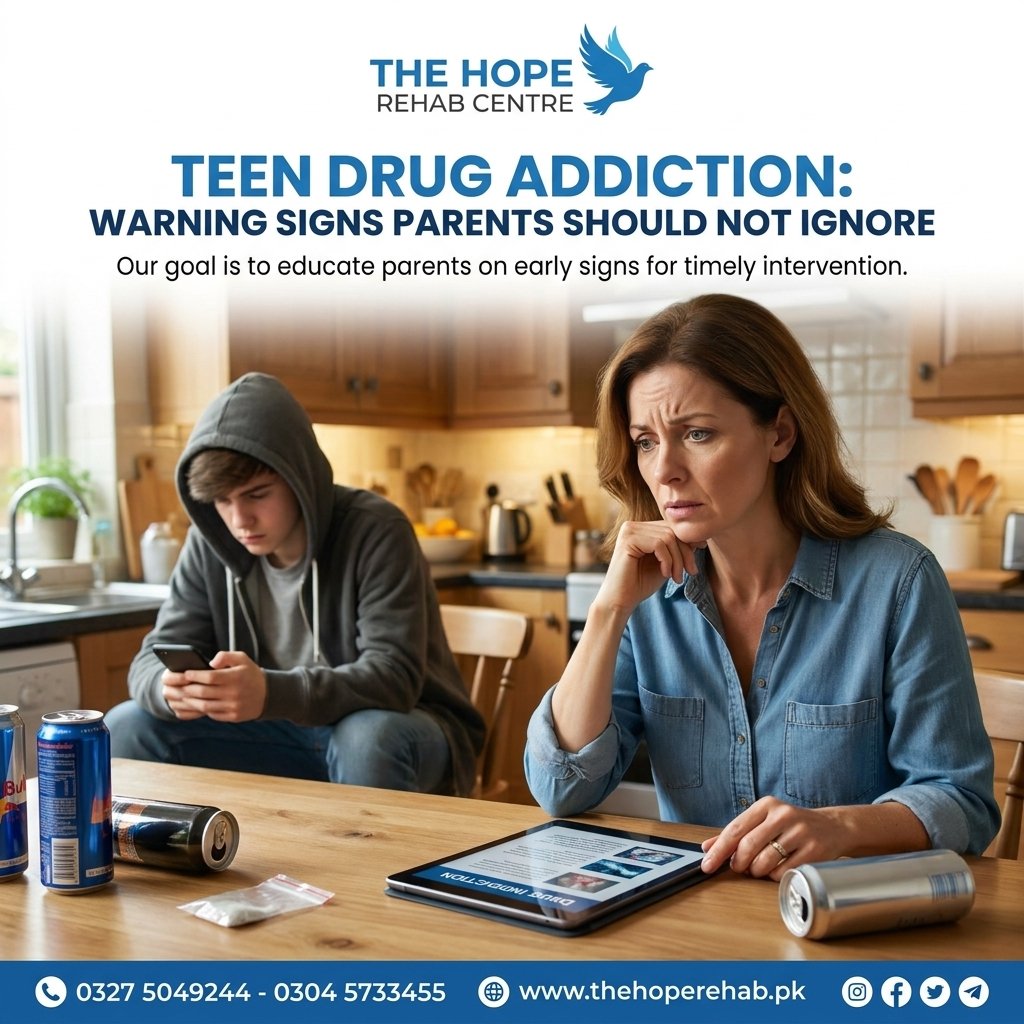
Teen drug addiction can be difficult for parents to recognize. Adolescence naturally brings changes in mood, behavior, friendships, sleep, and independence, so not every change means a young person is using drugs. However, a pattern of significant changes—especially when several warning signs appear together—deserves attention. Early recognition can give families an opportunity to seek professional […]
Depression and Drug Addiction: Understanding the Connection and Treatment
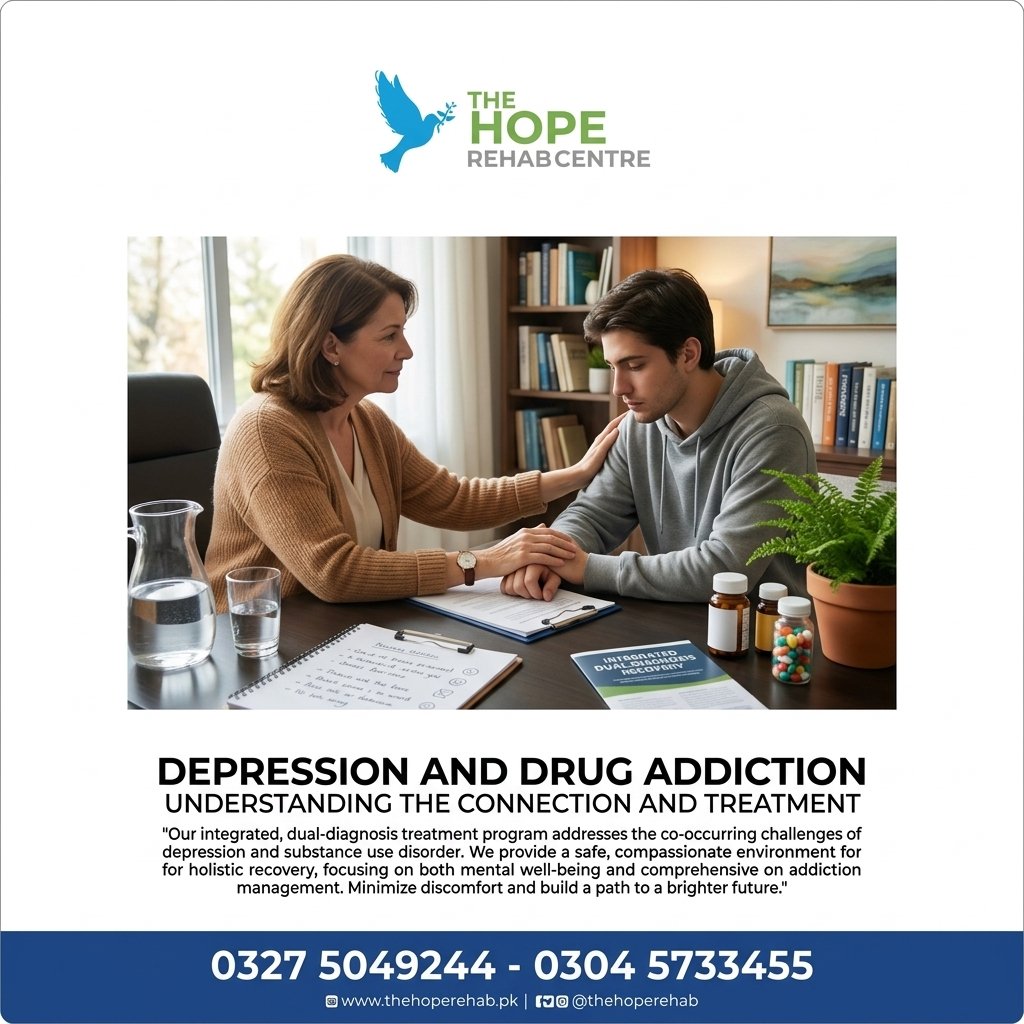
Co-occurrence of depression and drug addiction is challenging and can affect individuals physically, socially, and emotionally. While some turn to drugs during depression in an effort to escape or numb from sadness, anxiety, stressor trauma and emotional pain. In some instances, continued use of drugs may also play a role in the development or worsening […]
VIP Rehab Facility: Private, Personalised Addiction Treatment and Recovery Support
Choosing a VIP Rehab Facility can be an option for individuals who place particular importance on privacy, a more individualized treatment environment, and continuity of professional support during addiction recovery. While comfortable surroundings can be valuable, the quality and appropriateness of healthcare should remain the primary considerations when choosing addiction treatment. Substance use disorders can […]
Drug and Alcohol Addiction | Understanding Recovery and Professional Support
Drug and alcohol addiction is a complex health condition that affects millions of people worldwide. It can influence physical health, emotional well-being, relationships, education, employment, and overall quality of life. While substance use may begin as an occasional habit, repeated use can gradually lead to dependence, making it increasingly difficult to stop without professional support. […]
Best Rehab Center – Best Rehabilitation Centre in Islamabad, Pakistan

One of the most crucial elements which would decide an addict or someone dealing with mental health issue whether to be in rehabilitation is their time at one. Rehabilitation is more than just detox as it provides holistic care and covers the physical, emotional, psychological and social health of a person. Providing support in a […]
Family Support Program | Strengthening Recovery Through Care and Connection
Recovery from addiction or mental health challenges is rarely a journey taken alone. Family plays a powerful role in helping individuals heal, rebuild trust, and maintain long-term stability. A Family Support Program is designed to involve loved ones in the treatment process, offering education, emotional guidance, and structured support. When a person struggles with addiction, […]
Addiction Treatment – Addiction Treatment in Islamabad, Pakistan
Addiction is a complex health disorder that involves an individual’s mind, body, and behavior. This can be through drugs, alcohol, nicotine or some other untouched addiction and compulsions that make control impossible. Addiction slowly destroys relationships, mental health and overall quality of life. Fortunately, with effective therapy and additional support, recovery is achievable. Introduction — […]
Best Rehab Center – Best Rehab Center in Islamabad, Pakistan
Addiction and mental health challenges can affect every aspect of a person’s life, including physical health, emotional well-being, family relationships, and professional responsibilities. Seeking timely support from a qualified rehabilitation facility can be an important step toward recovery and long-term wellness. When individuals search for the Best Rehab Center in Islamabad, Pakistan, they are often […]
Depression Treatment in Islamabad, Pakistan | Depression Treatment in Islamabad, Pakistan
Mental health is an important part of overall well-being, yet many individuals silently struggle with emotional challenges every day. Depression is one of the most common mental health conditions affecting people of different ages and backgrounds. It can influence thoughts, emotions, relationships, and daily routines, making it difficult to maintain balance in life. Seeking professional […]