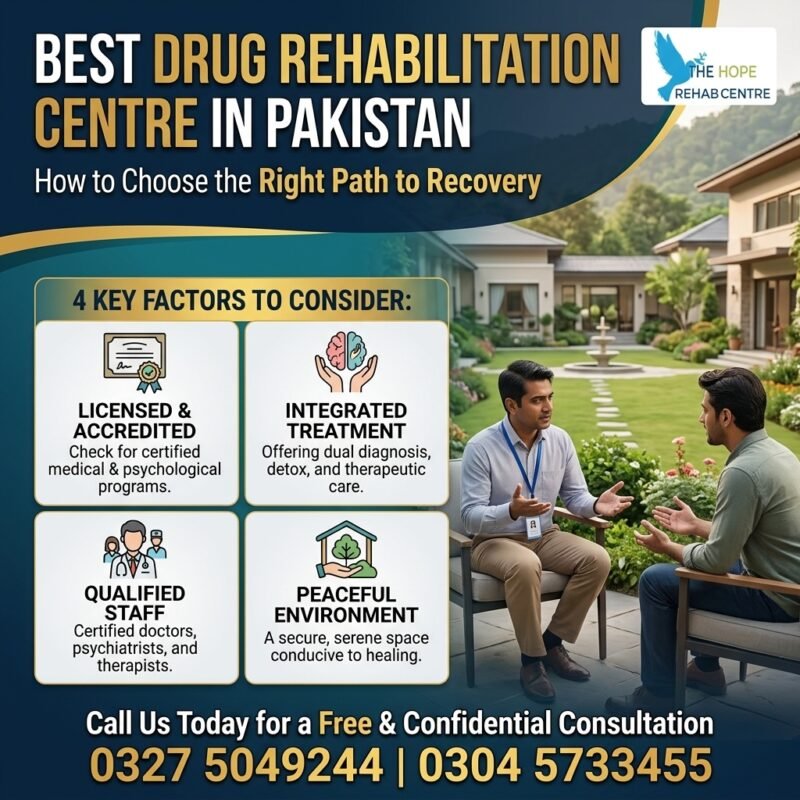
Choosing a VIP Rehab Facility can be an option for individuals who place particular importance on privacy, a more individualized treatment environment, and continuity of professional support during addiction recovery. While comfortable surroundings can be valuable, the quality and appropriateness of healthcare should remain the primary considerations when choosing addiction treatment.
Substance use disorders can affect physical health, mental well-being, relationships, work, and family life. Effective care should therefore address more than substance use alone. The Hope Rehabilitation Center Islamabad, Pakistan provides a setting where individuals and families can explore structured support for addiction and related concerns based on their individual circumstances.
What Is a VIP Rehab Facility?
A VIP rehab facility generally refers to a rehabilitation setting designed to provide a greater emphasis on privacy, individualized attention, comfort, and a discreet treatment environment.
The term “VIP” does not necessarily indicate a particular clinical standard or guarantee a particular outcome. Individuals should evaluate the healthcare services, professional qualifications, treatment methods, safety procedures, and aftercare provisions rather than relying on the label alone.
A private rehabilitation setting may be particularly relevant to people who have significant concerns about confidentiality or who prefer a more personalized environment during treatment.
Why Privacy Can Matter During Addiction Treatment
Concerns about stigma and confidentiality can prevent some people from seeking addiction treatment. Privacy can help individuals feel more comfortable discussing substance use, mental health, family relationships, and other sensitive issues with healthcare professionals.
A responsible rehabilitation provider should explain how personal information is handled and what measures are in place to protect confidentiality.
However, privacy should always be considered alongside clinical quality and patient safety.
Personalized Addiction Treatment
Addiction doesn’t affect everyone in the same way. A person’s substance use history, physical health, mental health, family circumstances, previous treatment experiences, and recovery goals can all influence the appropriate treatment approach.
An individualized program may include:
- Medical and psychological assessment
- Detoxification when clinically appropriate
- Individual counseling
- Behavioral therapy
- Group support
- Family education
- Mental health assessment
- Relapse-prevention planning
- Continuing or aftercare support
The combination and intensity of these services should be determined according to individual needs.
Assessment Before Treatment
A comprehensive assessment is an important part of safe addiction care. Healthcare professionals may review the substances being used, frequency and duration of use, previous withdrawal experiences, medical conditions, medications, mental health history, and current risks.
This assessment can help determine whether residential rehabilitation, outpatient treatment, medically supervised detoxification, or another level of care is appropriate.
Individuals shouldn’t choose a treatment level solely because it is described as premium or private.
Detoxification and Withdrawal Support
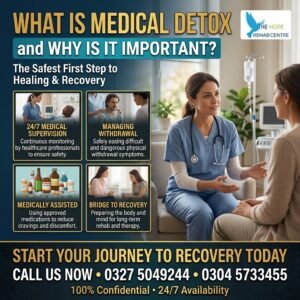
Some individuals require detoxification before beginning or continuing rehabilitation. Detox focuses on managing the physical effects of reducing or stopping substance use.
Withdrawal risks vary significantly between substances. Alcohol and certain sedative medications, for example, can produce potentially dangerous withdrawal symptoms and may require medical supervision.
Detox should be treated as one stage of addiction care rather than a complete treatment for substance use disorder.
Counseling and Recovery Support
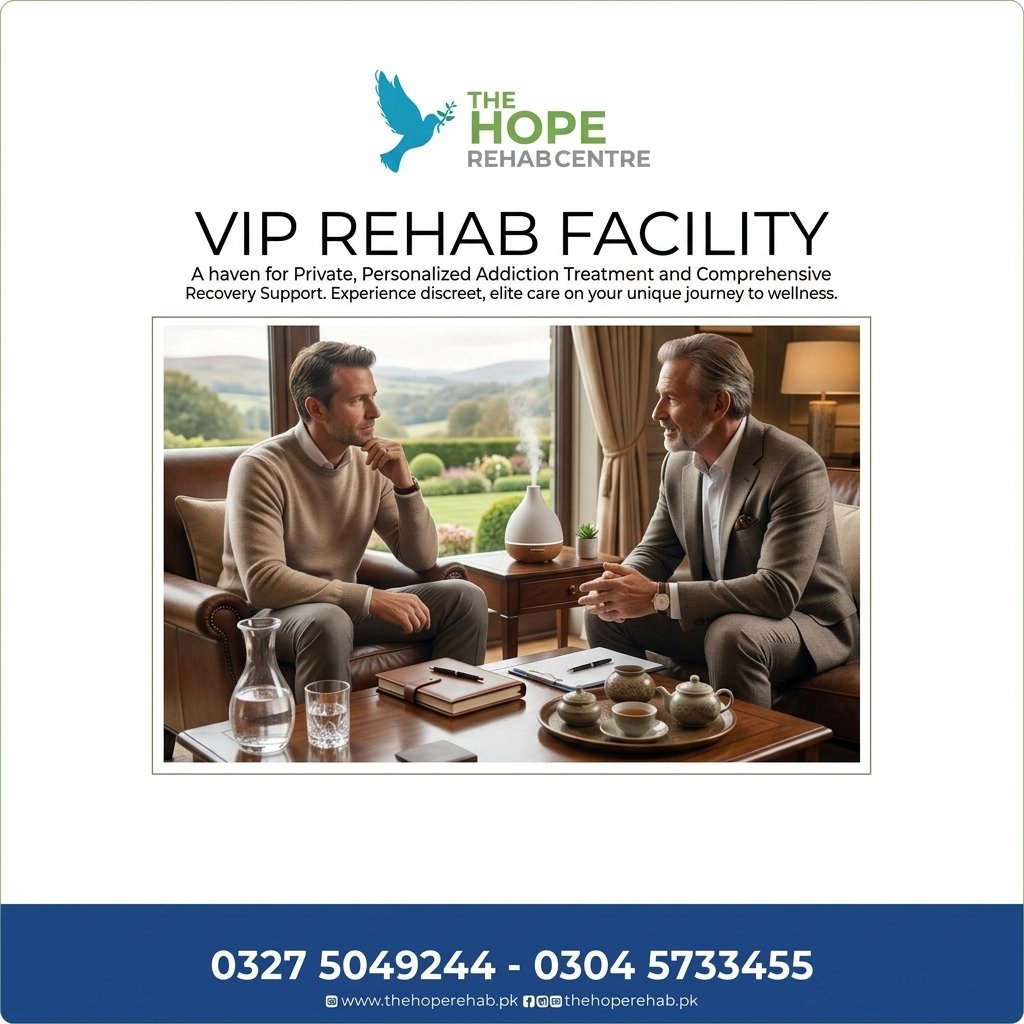
Counseling can help individuals explore the factors contributing to substance use and develop healthier coping strategies.
Individual therapy provides a private environment for discussing personal concerns, while group-based approaches can offer opportunities for peer connection and shared learning.
Behavioral treatment may address cravings, triggers, decision-making, emotional regulation, stress, and behaviors associated with substance use.
Mental Health and Dual Diagnosis
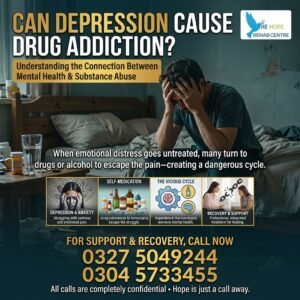
Some individuals experience addiction alongside depression, anxiety, trauma, or other mental health conditions. These co-occurring concerns can complicate recovery when they aren’t recognized.
A quality rehabilitation program should consider mental health as part of the overall assessment. When appropriate, psychiatric or psychological care can be incorporated into the treatment plan.
Family Involvement in Recovery
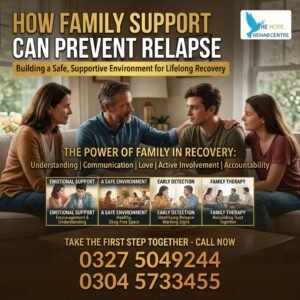
Addiction can affect spouses, parents, children, and other relatives. Family members may experience stress, uncertainty, and difficulty understanding how best to respond.
Family education and counseling can help relatives understand addiction, communicate more effectively, establish healthy boundaries, and provide appropriate support.
A private or VIP setting shouldn’t mean that recovery becomes isolated from important support networks. Family involvement should be considered according to the individual’s circumstances and preferences.
Relapse Prevention and Aftercare
Recovery continues after an individual leaves a rehabilitation setting. Returning to normal responsibilities can bring exposure to stress, triggers, social pressures, and familiar environments.
An aftercare plan may include continuing counseling, follow-up appointments, family support, peer recovery services, and strategies for managing cravings and high-risk situations.
If substance use returns, additional professional assessment may be needed. Relapse can indicate that the recovery plan needs to be reassessed rather than representing a simple personal failure.
Choosing a VIP Rehab Facility
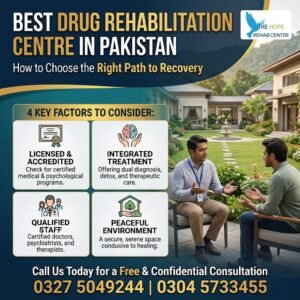
When considering a VIP Rehab Facility, ask questions about:
- Qualifications of healthcare professionals
- Treatment methods and clinical approach
- Medical supervision and emergency procedures
- Detoxification services
- Mental health support
- Confidentiality and privacy practices
- Family involvement
- Relapse-prevention planning
- Aftercare and continuing support
- The level of care appropriate for the individual
Comfort and privacy can be useful features, but they should complement—not replace—appropriate healthcare.
The Hope Rehabilitation Center Islamabad, Pakistan
The Hope Rehabilitation Center Islamabad, Pakistan provides a structured environment for individuals and families seeking support for addiction and related rehabilitation needs.
People considering treatment should receive an appropriate assessment before deciding which services or level of care are suitable. Treatment planning should take into account physical health, psychological needs, substance use history, family circumstances, and recovery goals.
Frequently Asked Questions
1. What makes a rehab facility “VIP”?
A VIP facility generally emphasizes privacy, individualized attention, comfort, and a discreet environment. The term itself doesn’t establish a specific clinical standard, so healthcare services and professional qualifications should be evaluated carefully.
2. Is VIP rehab more effective than standard rehabilitation?
Treatment outcomes cannot be determined simply by whether a facility is described as VIP. Appropriate assessment, evidence-informed care, qualified professionals, patient safety, and continuing support are important considerations.
3. Does private rehab treatment include detox?
Some rehabilitation facilities provide or coordinate detoxification, while others focus primarily on rehabilitation after detox. Whether detox is appropriate depends on the substance used and the individual’s medical circumstances.
4. Can family members participate in VIP rehabilitation?
Family involvement may be appropriate and can include education, counseling, or recovery planning. The level of participation should reflect the individual’s treatment plan and privacy preferences.
5. What should happen after completing VIP rehab?
Continuing care may include counseling, follow-up appointments, relapse-prevention planning, family support, and other recovery services. Aftercare can help individuals transition from structured treatment to everyday life.
Conclusion
A VIP Rehab Facility may offer privacy, comfort, and individualized support, but these features should be considered alongside clinical quality, safety, professional expertise, and continuing care.
For individuals exploring addiction treatment at The Hope Rehabilitation Center Islamabad, Pakistan, an initial professional assessment can help determine the most appropriate treatment approach. Recovery is an individual process, and ongoing support can be an important part of maintaining progress beyond the rehabilitation setting.