The Hope Rehab Center

Family Support Program | Top rehab center in Islamabad, Pakistan
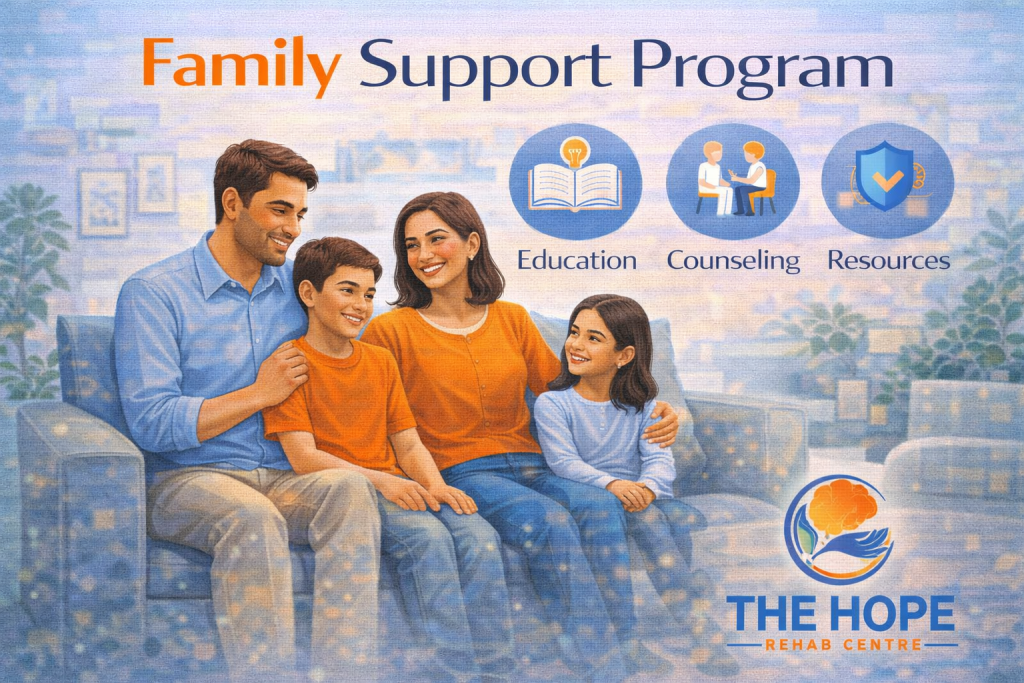
https://thehoperehab.pk/family-support-program/

Addiction and mental health disorders touch the family, friends and loved ones of every person who experiences them. Family members frequently endure emotional pain, confusion and uncertainty as they seek to support a loved one in recovery. Family support has a role as family-centered treatment to fit the patient and family for managing the treatment process, facilitating to ameliorate dysfunctional relationships between them.

A professional rehabilitation facility will treat family involvement as a major part of the recovery plan. Family involvement programs can help build communication skills, emotional literacy and a safe space for the healing to take root long after the experience. One of the most trusted Best rehabilitation center in Islamabad, Pakistan understands that recovery is more effective when family members are informed, involved and supported.

Family Support Programs at The Hope Rehabilitation Center Islamabad Pakistan are Not only to educate, and support the family members, it is ensured that the whole process should be done in confidence with maintaining the patient confidentiality and ethical care principles.

The Role of Family in Substance Abuse Recovery

Recovery from substance use disorders and mental health challenges is almost never a solitary endeavor. Family provides guidance, stability and motivation for individuals during treatment. But family members themselves may not understand addiction or mental health conditions.

A systematic family support program can help scaffold the process as it educates families on things like addiction, treatment options and recovery roadmaps. This is an ideal facility that also provides families the ability to better understand what their loved one is going through.

Family education is a tool for reducing persistent misunderstandings and replacing blame, shock or frustration with empathy and constructive support.

Top Components of a Family Support Program

https://thehoperehab.pk/family-support-program/

Most family support programs consist of multiple components that help the household build communication and emotional resilience.

Educational Sessions

The goal of educational sessions is to inform clearly about addiction, mental health disorders, and the recovery process. Families learn about frequent symptoms, triggers and coping strategies that might support their loved one’s progress.

At The Hope Rehabilitation Center Islamabad, Pakistan, these sessions are designed to help families understand the way treatment works and the need for professional care during recovery.

Family Counseling

Family counseling enables family members to share concerns and emotions and rebuild trust in a safe space. A trained therapist facilitates these dialogues, supporting families as they work through conflicts and establish healthier patterns of communication.

Improving understanding of each other is often at the focus of family counseling sessions at a Best rehabilitation center in Islamabad, Pakistan

Emotional Support for Families

Families can also experience their own stress, anxiety or guilt about helping someone in recovery. Support programs create a safe space for relatives to talk about their experience and learn how to cope with these feelings.

Families are encouraged to stay strong and be positive through the recovery process.

Improving Communication Within the Family

Nothing can be better than a healthy communication and that is what a family support program helps in ensuring for the longest of times. Addiction issues and mental health can cause some misunderstandings or strained relationship.

Guidelines that promote clear and respectful communication are regularly taught to families in rehabilitation centers. These techniques may include:

  • Active listening
  • Setting healthy boundaries
  • Expressing concerns calmly and constructively
  • Encouraging positive behaviors

When families master these skills, they are able to establish an environment that fosters recovery rather than inadvertently amplifying stress.

At The Hope Rehabilitation Center Islamabad, Pakistan therapists work closely with family to help them restore trust in their relationships and use healthier ways of relating.

Families Can Help — and Have a Role in Preventing Relapse

Preventing a relapse is a key aspect of lifelong recovery. Families who recognize the warning signs of relapse can help promote early intervention should challenges arise.

In fact, a Best rehabilitation center in Islamabad, Pakistan usually advice the person to overcome potential triggers like emotional stress, time pressure or environmental influences.

Families might also learn practical ways to support recovery at home, like encouraging healthy routines and maintaining open communication and regular follow-up therapy sessions.

Patients feel more supported and are often more motivated to continue making progress when their families are involved in the recovery process.

Creating a Supportive Home Environment

A stable and supportive home environment can play a huge role in successful recovery. Social supports from people who understand the struggles with addiction/mental health conditions are better able to give encouragement and patience.

Thus at The Hope Rehabilitation Center Islamabad Pakistan family programs strengthens positive lifestyle change among patients and their families. These can include enforcing daily routines at home, encouraging healthy behaviors, and maintaining a calm and respectful environment in the home.

By creating a nurturing environment, recovering people can concentrate on self-improvement while feeling safe within the family structure.

Understanding the Long-Term Benefits of Family Support Programs

Family System VS Substance habit Family support program not only helps while treatment but also helps the long term recovery. Having a strong family can contribute by providing emotional stability that can help in reducing further relapses.

Ongoing family involvement, up at a Best rehabilitation center in Islamabad Pakistan significantly reinforces the progressive developments made in rehabilitation. Open dialogue and addressing these shifts can help families lay a better foundation for long-term recovery.

In turn, all these also often result in healthier relationships with others, better emotional conditions of family members as well as overall stability of the home environment.

Frequently Asked Questions (FAQs)

1.     Family Support Program At REHAB, What is a family support program in rehabilitation?

A family support program teaches and guides loved ones so that they can gain insight into addiction, mental illness, and the recovery process.

2.     Why is family involvement important in recovery?

Family involvement aids emotionally, enhances communication, and fosters an environment conducive to progress especially during treatment.

3.     Would family members be able to join in on counseling sessions?

Yes. Numerous rehabilitation centers provide family therapy sessions in which relatives and patients can discuss their issues to restore trust with a professional’s help.

4.     How do family programs prevent them from relapsing?

Family programs educate relatives on recognizing warning signs, managing stress in the home and promoting healthy routines that underpin long-term recovery.

5.     Are family support programs confidential?

Yes. Professional rehabilitation centers follow confidentiality policy strictly, and guarantee that everything discussed is kept private and respectful within therapy sessions.

Conclusion

The Importance of Family Support Programs in Recovery Family support programs are… These programs provide a solid groundwork for continuing healing through the education of loved ones, enhanced interaction and added emotional bonding.

Best rehabilitation center in Islamabad, Pakistan Our trusted professionals know that recovery is more than personal treatment; When families are informed and engaged, they can help support a stable environment that fosters progress and resilience.

Family support programs at The Hope Rehabilitation Center in Islamabad Pakistan demonstrates compassion professionalism and respect for each patient’s unique journey By educating families and individuals, counseling them together, and providing support over time, lasting recovery is possible with healthier relationships.

The Importance of Aftercare in Rehab Centre Services | aftercare rehab centre services in Islamabad,Pakistan
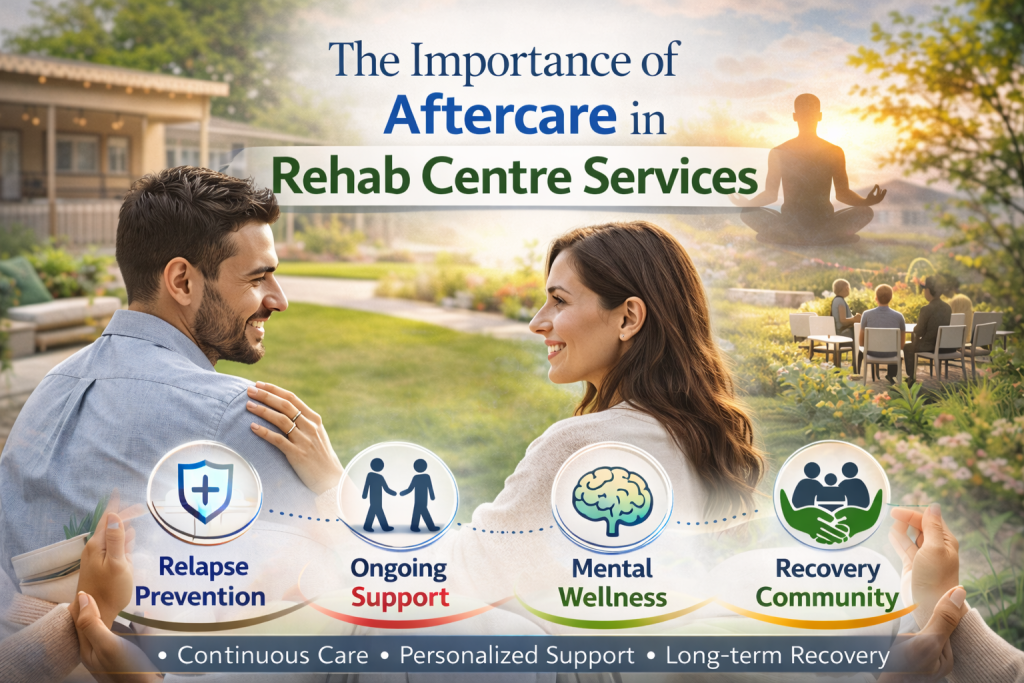
aftercare rehab centre services in Islamabad,Pakistan,

Recovery from addiction and mental health disorders does not end when a patient completes an inpatient or outpatient rehabilitation program. In many cases, the period following discharge is one of the most vulnerable stages in the recovery journey. This is where structured aftercare becomes essential. Within the framework of aftercare rehab centre services in Islamabad,Pakistan, continued support plays a critical role in preventing relapse, strengthening coping strategies, and maintaining long-term stability.

At The Hope Rehabilitation Center Islamabad, Pakistan, aftercare planning is considered a core component of responsible rehabilitation. The focus remains on ethical, patient-centered care that supports individuals beyond the primary treatment phase while respecting confidentiality and professional standards.


aftercare rehab centre services in Islamabad,Pakistan,

Understanding Aftercare in Rehabilitation

Aftercare refers to the structured support services provided to individuals after they complete a formal rehabilitation program. These services are designed to help individuals transition back into daily life while maintaining recovery goals.

Addiction recovery and mental health treatment often require long-term management. Without follow-up support, individuals may struggle with stress, triggers, or emotional challenges that increase the risk of relapse. Comprehensive aftercare rehab centre services in Islamabad,Pakistan ensure continuity of care and reduce this risk.

Aftercare is not a single service but a combination of therapeutic, social, and practical support systems tailored to each patient’s needs.


Why Aftercare Is Essential for Long-Term Recovery

Recovery is a gradual process. While inpatient rehabilitation provides structured treatment and supervision, daily life outside the facility presents real-world challenges. Returning to work, reconnecting with social circles, or facing unresolved stressors can test a person’s coping abilities.

Aftercare programs support individuals by:

  • Reinforcing coping skills learned during treatment
  • Monitoring mental health stability
  • Providing accountability and professional guidance
  • Offering emotional support during difficult transitions

In structured aftercare rehab centre services in Islamabad,Pakistan, these measures significantly strengthen long-term recovery outcomes.


Key Components of Effective Aftercare Programs

1. Ongoing Individual Counseling

Continued therapy sessions help individuals address ongoing emotional concerns and adapt coping strategies as new challenges arise. Regular counseling provides a safe and confidential space for reflection and problem-solving.

At The Hope Rehabilitation Center Islamabad, Pakistan, aftercare counseling sessions are personalized to align with each patient’s recovery plan.


2. Group Therapy and Peer Support

Peer support groups create opportunities for individuals to share experiences, discuss setbacks, and celebrate progress. Hearing from others facing similar challenges reduces isolation and encourages accountability.

Group therapy often focuses on:

  • Relapse prevention strategies
  • Stress management techniques
  • Emotional regulation skills
  • Healthy lifestyle development

These elements form a strong foundation in aftercare rehab centre services in Islamabad,Pakistan.


3. Relapse Prevention Planning

Relapse prevention is a critical focus of aftercare. Patients work with therapists to identify personal triggers, high-risk situations, and early warning signs of relapse.

Structured relapse prevention plans may include:

  • Emergency coping strategies
  • Support contact lists
  • Lifestyle modifications
  • Scheduled follow-up appointments

Rather than offering guarantees, ethical aftercare programs focus on preparation and proactive management.


4. Family Involvement and Education

Family members often play a key role in long-term recovery. Aftercare services may include family counseling sessions or educational workshops to help loved ones understand relapse risks and communication strategies.

Family participation in aftercare rehab centre services in Islamabad,Pakistan helps create a stable and supportive home environment that promotes accountability and trust.


Addressing Co-Occurring Mental Health Conditions

Many individuals recovering from substance use disorders also face underlying mental health challenges such as depression, anxiety, or trauma-related disorders. Aftercare ensures continued monitoring and management of these conditions.

Integrated care may include:

  • Psychiatric follow-up appointments
  • Medication management
  • Ongoing psychotherapy
  • Behavioral therapy adjustments

At The Hope Rehabilitation Center Islamabad, Pakistan, coordinated care supports both addiction recovery and mental health stabilization.


Reintegration into Daily Life

One of the most significant goals of aftercare is helping individuals reintegrate into society in a healthy and sustainable way. This includes returning to employment, rebuilding relationships, and developing structured daily routines.

Rehabilitation centers offering comprehensive aftercare rehab centre services in Islamabad,Pakistan may provide guidance in:

  • Time management and routine building
  • Stress reduction techniques
  • Healthy social engagement
  • Career or vocational support referrals

These practical supports reduce feelings of overwhelm and improve confidence during reintegration.


The Ethical Foundation of Aftercare Services

Healthcare services must operate within ethical guidelines that prioritize patient safety, dignity, and confidentiality. Aftercare programs are no exception.

Ethical aftercare practices include:

  • Voluntary participation
  • Confidential therapy sessions
  • Respect for patient autonomy
  • Evidence-based treatment approaches

At The Hope Rehabilitation Center Islamabad, Pakistan, aftercare services are designed to align with professional healthcare standards and responsible treatment practices.


Benefits of Structured Aftercare Support

When aftercare is properly implemented, individuals often experience:

  • Increased emotional resilience
  • Reduced risk of relapse
  • Improved coping mechanisms
  • Stronger personal accountability
  • Enhanced quality of life

It is important to note that recovery is a personal journey, and outcomes vary. However, structured follow-up care provides a reliable support system that improves stability and long-term well-being.


Frequently Asked Questions (FAQs)

1. How long does aftercare typically last?

The duration of aftercare varies depending on individual needs. Some individuals benefit from several months of follow-up support, while others may require longer-term monitoring.

2. Is aftercare mandatory after completing rehab?

Aftercare is usually recommended but voluntary. Participation often improves recovery outcomes by providing continued guidance and accountability.

3. Can aftercare help prevent relapse?

While no program can guarantee prevention, structured aftercare significantly reduces relapse risk by reinforcing coping skills and providing early intervention support.

4. Does aftercare include mental health treatment?

Yes. For individuals with co-occurring disorders, aftercare may include ongoing psychiatric care, medication management, and therapy sessions.

5. Are aftercare services confidential?

Yes. Professional rehab centres maintain strict confidentiality standards to protect patient privacy and uphold ethical healthcare practices.


Conclusion

The journey toward recovery extends beyond the walls of a rehabilitation facility. Aftercare plays a vital role in sustaining progress, strengthening coping strategies, and promoting long-term emotional stability. By offering continued counseling, relapse prevention planning, peer support, and family involvement, structured aftercare programs provide essential guidance during the transition back to everyday life.

Within the framework of aftercare rehab centre services in Islamabad,Pakistan, The Hope Rehabilitation Center Islamabad, Pakistan emphasizes ethical, patient-centered follow-up care designed to support lasting recovery. Through compassionate and structured aftercare services, individuals are better equipped to navigate life’s challenges while maintaining their commitment to health and well-being.

Rehab Centre Services for Behavioral Therapy and Counseling | Behavioral Therapy and Counseling Islamabad Pakistan
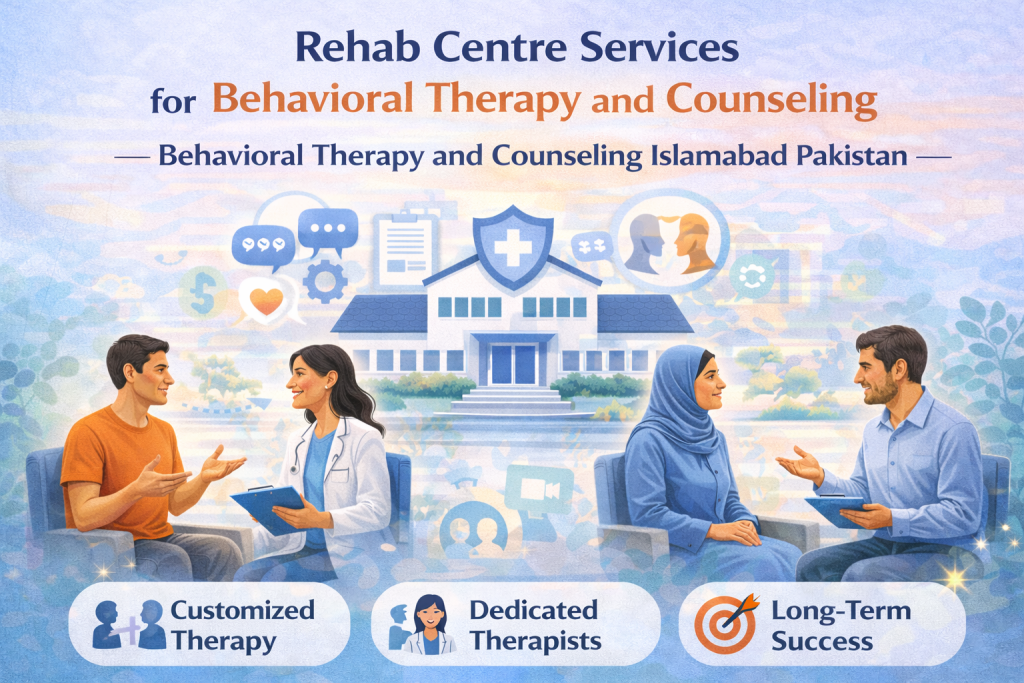
Behavioral Therapy and Counseling Islamabad Pakistan,

Mental health challenges can affect individuals at any stage of life. Emotional distress, behavioral difficulties, addiction-related concerns, and unresolved trauma often require structured therapeutic support. Professional rehabilitation centres provide a safe and clinically guided environment where individuals can receive personalized care. In the context of Behavioral Therapy and Counseling Islamabad Pakistan, rehab centre services play a vital role in promoting emotional stability, positive behavioral change, and long-term mental wellness.

At The Hope rehab best Rehabilitation Center Islamabad, Pakistan, behavioral therapy and counseling services are delivered with compassion, confidentiality, and adherence to ethical healthcare standards. The focus remains on evidence-based treatment, patient dignity, and long-term recovery rather than short-term or exaggerated claims.


Behavioral Therapy and Counseling Islamabad Pakistan,

Understanding Behavioral Therapy and Counseling

Behavioral therapy and counseling are structured therapeutic approaches designed to help individuals identify harmful patterns of thinking and behavior and replace them with healthier coping strategies. These therapies are commonly used to address:

  • Anxiety disorders
  • Depression and mood disorders
  • Substance use disorders
  • Trauma and stress-related conditions
  • Anger management issues
  • Relationship and family conflicts

In Behavioral Therapy and Counseling Islamabad Pakistan, modern therapeutic methods integrate psychological science with compassionate care to address both symptoms and underlying causes.


The Role of Rehab Centres in Behavioral Treatment

Rehabilitation centres offer more than occasional therapy sessions. They provide a structured setting where individuals receive comprehensive support tailored to their needs.

1. Comprehensive Psychological Assessment

Effective therapy begins with a detailed assessment. Mental health professionals evaluate emotional symptoms, behavioral patterns, medical history, and environmental stressors. This allows for accurate diagnosis and personalized treatment planning.

At The Hope rehab best Rehabilitation Center Islamabad, Pakistan, each patient undergoes a thorough evaluation to ensure therapy aligns with their unique circumstances and goals.


2. Individualized Treatment Plans

No two individuals experience mental health challenges in the same way. Rehab centre services focus on developing customized treatment plans that may include:

  • Individual psychotherapy
  • Group therapy sessions
  • Family counseling
  • Stress management programs
  • Life skills training

In responsible Behavioral Therapy and Counseling Islamabad Pakistan, treatment plans are flexible and adjusted based on patient progress and feedback.


Evidence-Based Therapeutic Approaches

Modern behavioral therapy relies on scientifically supported methods that help individuals achieve measurable improvements in emotional regulation and behavior.

Cognitive Behavioral Therapy (CBT)

CBT is one of the most widely used therapeutic approaches. It focuses on identifying negative thought patterns and replacing them with realistic, constructive beliefs. CBT is particularly effective for anxiety disorders, depression, and addiction recovery.

Dialectical Behavior Therapy (DBT)

DBT emphasizes emotional regulation, distress tolerance, and interpersonal effectiveness. It is often beneficial for individuals struggling with intense emotional responses or self-destructive behaviors.

Trauma-Informed Counseling

For individuals affected by past trauma, therapy is conducted with sensitivity to emotional triggers. Trauma-informed care ensures patients feel safe and supported throughout the healing process.

These structured interventions are key components of effective Behavioral Therapy and Counseling Islamabad Pakistan, providing individuals with practical tools to manage daily challenges.


Addressing Co-Occurring Disorders

Many individuals seeking behavioral therapy also experience co-occurring mental health conditions or substance use disorders. Integrated treatment ensures both issues are addressed simultaneously.

For example:

  • Depression combined with addiction
  • Anxiety disorders linked to trauma
  • Behavioral issues associated with chronic stress

At The Hope rehab best Rehabilitation Center Islamabad, Pakistan, mental health professionals collaborate to provide comprehensive care that considers the full clinical picture.


The Importance of a Structured and Supportive Environment

Healing often requires a stable and distraction-free setting. Rehab centres provide a structured daily routine that promotes consistency and emotional safety. This includes:

  • Scheduled therapy sessions
  • Wellness activities
  • Peer support groups
  • Supervised care when necessary

Such structure supports behavioral change by reducing exposure to triggers and encouraging accountability.

In Behavioral Therapy and Counseling Islamabad Pakistan, structured rehabilitation settings help individuals focus entirely on recovery and personal growth.


Family Involvement and Counseling

Behavioral challenges can affect family relationships and communication patterns. Involving family members in therapy sessions, when appropriate, strengthens support systems and improves long-term outcomes.

Family counseling may include:

  • Education about mental health conditions
  • Communication skill-building
  • Conflict resolution strategies
  • Emotional support guidance

At The Hope rehab best Rehabilitation Center Islamabad, Pakistan, family participation is encouraged while maintaining strict patient confidentiality and consent.


Long-Term Benefits of Behavioral Therapy

Behavioral therapy and counseling provide tools that extend beyond immediate symptom relief. Long-term benefits include:

  • Improved emotional regulation
  • Healthier coping mechanisms
  • Better stress management
  • Enhanced communication skills
  • Reduced risk of relapse in addiction recovery

Rather than offering quick fixes, professional therapy supports sustainable personal development and resilience.


Reducing Stigma and Promoting Mental Health Awareness

Stigma remains a significant barrier to seeking help. Many individuals hesitate to access therapy due to fear of judgment or misunderstanding.

Ethical rehab centres prioritize:

  • Confidential care
  • Non-judgmental communication
  • Respect for patient autonomy
  • Cultural sensitivity

In Behavioral Therapy and Counseling Islamabad Pakistan, promoting awareness and reducing stigma are essential steps toward encouraging more individuals to seek professional help.


Frequently Asked Questions (FAQs)

1. What conditions can behavioral therapy treat?

Behavioral therapy can address anxiety, depression, trauma-related disorders, substance use disorders, anger management issues, and various behavioral challenges.

2. How long does behavioral therapy typically last?

The duration varies depending on individual needs, treatment goals, and progress. Some individuals benefit from short-term therapy, while others may require extended support.

3. Is behavioral therapy confidential?

Yes. Professional rehab centres follow strict confidentiality standards to protect patient privacy and maintain trust.

4. Can family members participate in counseling?

Yes, family involvement is often recommended when appropriate and with the patient’s consent to strengthen support systems.

5. Is medication required along with behavioral therapy?

Not always. Some individuals benefit from therapy alone, while others may require combined treatment depending on their diagnosis and clinical evaluation.


Conclusion

Behavioral therapy and counseling are essential components of modern mental health care. Through structured assessments, individualized treatment plans, evidence-based interventions, and compassionate support, rehab centres help individuals develop healthier coping mechanisms and emotional stability.

In the framework of Behavioral Therapy and Counseling Islamabad Pakistan, facilities such as The Hope rehab best Rehabilitation Center Islamabad, Pakistan provide ethical, patient-centered services designed to promote sustainable recovery. By combining professional expertise with empathy and structured care, behavioral therapy continues to serve as a foundation for improved mental well-being and personal growth.

Family Therapy for Families of Children With Special Needs – Best Psychiatric Hospital in Islamabad
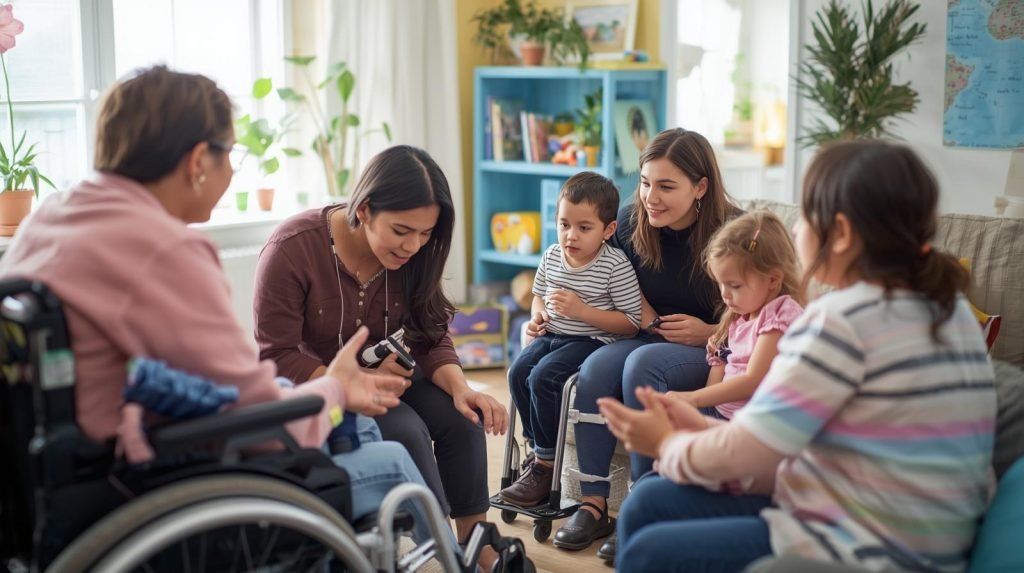
Families with children who have special needs experience their own unique set of difficulties beyond medical treatment and care. While raising a child who has developmental, behavioral or physical disabilities can be rewarding, it also can bring stress, uncertainty and difficult family dynamics. At The Hope Rehab Center we believe that healing is not accomplished by treating the child in isolation. Family therapy is a key part of striking that balance and keeping families flourishing while juggling special needs.

The Enigma of Family Therapy with Special Needs

29 Family therapy is a type of psychotherapy that engages several family members in the treatment process. It exists to strengthen CEI relationships and provide greater understanding of cultural identity, enhance the quality of intercultural communication, increase emotional coping with issues and problems in the family. Parents of special needs children are often in therapy for:

  • Coping with any stress or emotional strain, as a result of care-giving duties.
  • Improving family communication in order to minimize misunderstandings and frustration.
  • Problem-solving abilities specific to the child’s needs.
  • Building family relationships and supporting home environments.

Getting the whole family on board will also mean that everyone knows what your child needs and how they can ensure that their experience in school is a positive one.

Benefits of Family Therapy

The gains of family therapy for families with special needs are many:

1. Emotional Support for Caregivers

Parents and siblings may feel anxious, guilty or burnt out. This is where family therapy can help – it is a safe space to share our feelings and find coping methods.

2. Improved Sibling Relationships

Siblings of children with special needs often feel ignored or envious. Therapy can help them better understand their sibling’s condition and teach them how to be constructive with their emotions.

3. Enhanced Communication Skills

Clear, open communication is critical in homes with complex care schedules to manage. Therapists assist families in learning to communicate and resolve their conflicts.

4. Better Adaptation to Challenges

Family therapy gives families the tools they need to tackle behavioral, educational and social concerns more effectively and help them work towards a more balanced family life.

Approaches Used in Family Therapy

Family therapy approaches employed by the therapists at The Hope Rehab Center:

  • STRUCTURAL FAMILY THERAPY: Aims at restructuring family roles and setting boundaries to provide a more supportive environment.
  • Strategic Family Therapy: Assists the family in recognizing interactional patterns that could be contributing to stress and helps to devise solutions.
  • Systemic Therapy: Investigates the role of family within the larger framework.
  • Behavioral Family Therapy: Concentrates on supporting positive actions of both the child and family members.

Each method is tailored to the particular issues experienced by families of children with disabilities, guaranteeing a unique and successful intervention.

Role of the mental hospital in relation to the family

Professional advice from recognised psychiatric hospitals is of immense importance to families with special needs children. Best Psychiatric Hospital in Islamabad The Hope Rehab Center is born out of the dream to offer a wider community based mental and addiction services. Our multidisciplinary team of psychologists, psychiatrists, social workers and therapists work collaboratively to provide families with a range of support.

Services offered include:

  • Personal and family therapy to get help with emotional and behavior problems.
  • Parenting programs that teach coping skills for developmental disabilities.
  • Caregivers support network to exchange of experiences and receive peer counseling.
  • Discovery workshops to educate in the special education experience.

Combining the psychiatric with family therapy, families are provided with care that attends to the child’s and the family’s many needs.

Practical Tips for Families

As important as professional therapy is, families can also take simple steps at home to establish an environment conducive to recovery:

  • Stability Promote stress reduction and stability by keeping a consistent schedule.
  • Be open and create venues where family members can talk about feelings safely.
  • Commend small accomplishments in order to build confidence and motivation in the child and the caregiver.
  • Look for community support, such as check-ups at local health fairs or information about nutrition and exercise.
  • Parents and siblings should focus on taking care of themselves to support emotional and physical well-being.

Practicing professional therapy in conjunction with these strategies further increases family overall resilience.

FAQ Family Therapy for Children with Special Needs

1. How does Family Therapy benefit the brothers and sisters of special needs kids?

With family therapy, siblings can learn tools to help them understand their brother or sister’s illness, share their feelings and establish healthy relationships.

2. Online Family Therapy Can family therapy be done online?

Absolutely, there are many excellent psychiatric hospitals who offer teletherapy sessions in the event that families cannot or are not willing to attend in person – organizations like The Hope Rehab Center.

3. What is the usual duration of family therapy?

The length of time is dependent on the needs of the family but it often spans several weeks or months.

4. Is family therapy reserved only for families with quite serious problems?

“Not at all, family therapy is helpful for any family who want to improve communication and need support in coping and receiving emotional support even if things aren’t as catastrophic.

5. How do I know if my child’s family should be in therapy?

Signs can range from frequent battles with a child, to caregiver stress and sibling tensions to challenges managing a child’s behavior. A visit to a trained specialist can help you decide.

Conclusion

I just call him that, because it’s easier. And he doesn’t mind.”Family therapy is an important part of providing this support to families of children with special needs. Through helping to navigate emotional, behavioral and relational difficulties, it supports families in the provision of a caring environment for children while also remaining healthy as individuals. The Hope Rehab CentreBoys are among the best psychiatric hospital in Islamabad and works on the Family-Centered Care model, focusing more on families with therapy, counsel and education of how to grow special children.

Whole family therapy is an investment in the mental wellbeing and peace of your home where all family members can flourish with their child.

Common Issues Addressed in Family Therapy and Their Solutions – Best Rehabilitation Center in Islamabad
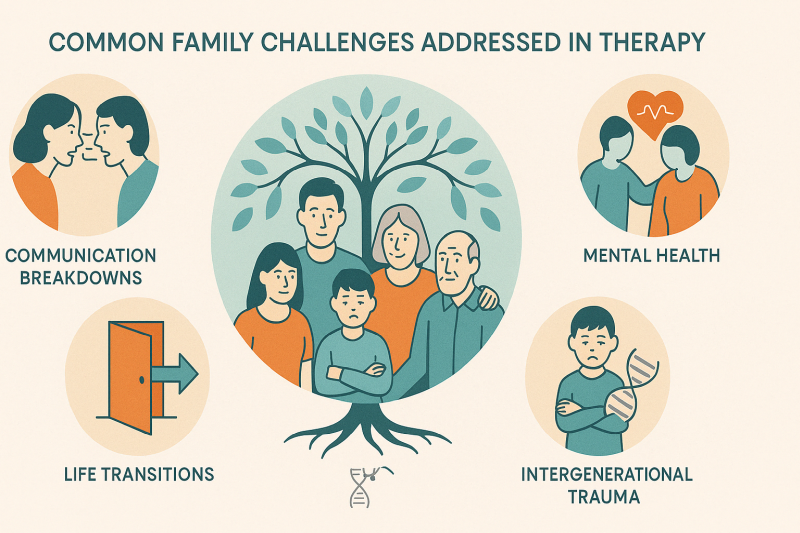
Family is also the epitome of emotional support, love and guidance. But addictions, trauma or unresolved issues can seep in and rock even the strongest of families. Family therapy can help with that. At The entire Best Rehabilitation Center in Islamabad Family Therapy for Drug and Alcohol Abuse: At The Hope Rehab Center, (The Best Rehab Center in Islamabad) family therapy is a key to mend broken relationships, enhance communication and establish conducive conditions ensuring lifelong sobriety.

Introduction to Family Therapy for Modern Rehabilitation

The Significance of Family Therapy in Addiction and Behavioral Health Recovery

Addiction and the mental health of one individual does not occur in a vacuum; it affects the entire family system. Misunderstanding and blaming and resentment, they often make recovery more difficult. Family therapy has families rebuild trust, learn coping skills and provide the right kind of support.

The contribution of Hope Rehab Center in creating a Healthy Family

Family therapy plays a significant role in the treatment at The Hope Rehab Center. Our caring therapists work with patients and their families in order to uncover underlying problems, encourage empathy, and promote resilient behavior.

What Family Therapy Can Help With

1. Communication Barriers Within Families

Causes of Communication Gaps

A lack of good listening skills, impulsive assumptions or generational barriers are among the biggest sources of misunderstandings. Failure to comprehend can lead to emotional remoteness.

Family Counseling Techniques To Improve Communication

Individuals are taught to communicate openly, listen actively, and express conflict-free. Family sessions with structure can facilitate the expression of feelings without judgment.

2. Unresolved Conflicts and Resentments

How Conflict Affects Mental Health and Addiction

Persisting battles, grievances or unforgiveness can frequently ratchet up stress. This can exacerbate anxiety, depression and even feed substance abuse.

Methods for Resolving Conflict in Family Therapy

Family counseling provides you with knowledge around solving problems, mediating and through an healthy compromise in a manner to handle conflicts productively.

3. Co-dependency and Enabling Behaviors

Identifying Co-dependency Patterns

Other family members might subconsciously contribute to destructive behavior — subverting addiction or avoiding responsibility.

Healthy Boundaries and Supportive Roles

Therapists teach families to set limits, providing emotional validation without reinforcing bad habits.

4. Issues in Parenting and Child Problem Behaviors

How Stressful is Listening to Babies Cry?

Kids often reflect family fights by acting out. Parents addicted or stressed may have difficulty in providing that stability.

Powerful Parenting Tips from the Pros: Family Therapists

Therapists provide parents with skills to practice positive discipline, manage emotions, and create nurturing environments for a child’s stability.

5. Coping with Trauma and Loss

Trauma Effects on Family Dynamics

Emotional Alienation Emotional detachment within the family is found in a majority of cases through loss, domestic abuse or child-hood traumata.

Family Therapy Interventions for Healing Trauma

By providing these progress-based activities, counselors are able to rebuild trust and promote emotional healing and restoration through trauma-informed practices including cognitive-behavioral therapy (CBT) and mindfulness.

Proven Solutions in Family Therapy at The Hope Rehab Center

Evidence-Based Counseling Approaches

CBT to a systems approach, there is scientific support for methods that cut to the core of why families struggle.

Group and Individual Family Sessions

At the Hope Rehab Center, there were sessions that involved time with the entire family and others where they all met separately to work on specific issues.

Developing families that are resilient and supportive

Families pick up long-term coping skills, teamwork and resilience to deal with future struggles.

Why we are the Best Rehabilitation Center in Islamabad

Experienced Therapists and Compassionate Care

Our professional therapists can also provide cultural and familial specific help as they are familiar with the Islamic values characteristic to Islamabad.

Holistic Healing Beyond Addiction Recovery

We don’t simply medicate for addiction — we treat the complete person and the family unit.

Success Stories and Positive Outcomes

We have so many families who tell us their trust is restored, and relationships are stronger; they recovered through therapy.

Frequently Asked Questions (FAQs)

  • How does family therapy work in addiction treatment?

It also deals with family issues at the root providing support to sustain recovery in the long run.

  • How long does family counseling last?

The sessions, which vary based on the needs of the family, can last a few months.

  • Will family therapy serve to resolve old conflicts?

I mean, you can still work through deep-seated problems together.

  • Is family therapy confidential?

Absolutely. All discussion is confidential for trust and honesty.

  • What makes The Hope Rehab Center unique?

We mix experience and compassion with holistic approaches catering you the Best Rehabilitation Center in Islamabad.

  • Is it necessary for families to be present in every session of the patient?

Not necessarily — therapists are the judges of whether to have either joint or individual sessions.

Conclusion – Creating Healthier Families with The Hope Rehab Center

Family therapy is more than just advice or counseling, it’s a bridge to healing and stronger bonds with the people you love most. At Hope, we have developed time-tested solutions for communication gaps, co-dependency h issues parenting and trauma. By selecting the Best Rehabilitation Center in Islamabad, they are making strides towards a more healthiness and positive future.

The Role of Family and Community in Aftercare Support
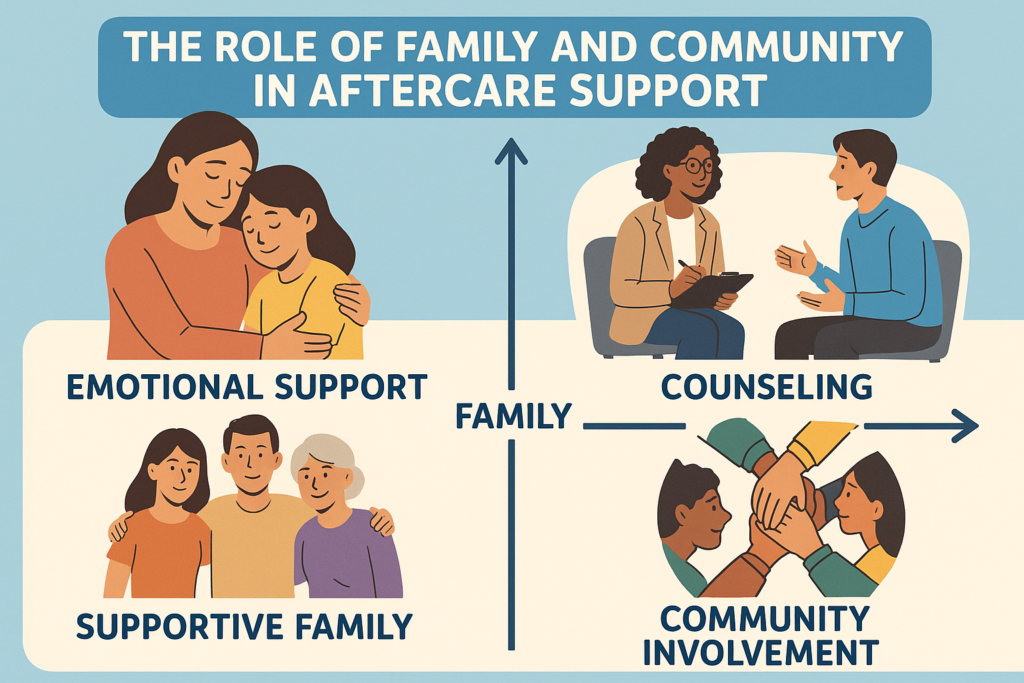
Recovering from addiction is a lifelong journey that doesn’t end with detox or rehabilitation. Aftercare is a critical phase where individuals transition from structured treatment back into daily life. During this phase, family and community support play an essential role in maintaining long-term sobriety. At The Hope Rehab Center, we believe that healing isn’t just individual—it’s collective. Here’s how families and communities become pillars of strength in the aftercare process.

Why Aftercare Support Matters

Aftercare is the continued support and services provided after formal addiction treatment has ended. It may include outpatient therapy, support groups, sober living environments, relapse prevention strategies, and more. Studies show that individuals engaged in a structured aftercare program are significantly more likely to maintain long-term sobriety.

The Family’s Role in Aftercare: A Foundation for Recovery

1. Emotional Support and Stability

Family members are often the first line of defense in preventing relapse. Their emotional presence provides a safe, understanding environment that promotes trust and recovery. When families offer empathy, patience, and non-judgmental communication, recovering individuals are more likely to feel empowered and accountable.

2. Involvement in Family Therapy

At The Hope Rehab Center, we emphasize family therapy as a crucial component of aftercare. Therapy sessions help rebuild damaged relationships, improve communication, and resolve longstanding emotional conflicts. When families are involved, recovery feels less isolating and more inclusive.

3. Education and Awareness

Many family members do not initially understand addiction as a chronic brain disease. By educating themselves about triggers, relapse signs, and coping mechanisms, families can better support their loved ones without enabling destructive behaviors.

Community Support: The Power of Belonging

1. Community-Based Recovery Programs

One of the strongest elements in sustaining recovery is community support. Programs like Alcoholics Anonymous (AA), Narcotics Anonymous (NA), and other peer-led groups provide a sense of belonging and accountability. These meetings offer opportunities for individuals to connect with others on a similar path.

2. Sober Living Communities

Sober living homes provide structured, substance-free environments that ease the transition back to normal life. These communities encourage responsibility, mutual support, and healthy routines. Living with others who are also committed to sobriety can be both motivating and healing.

3. Local Outreach and Volunteer Opportunities

Engaging in volunteer work and community outreach gives recovering individuals a renewed sense of purpose. It reinforces the value of giving back and helps them stay focused on positive activities, reducing the risk of relapse.

How Family and Community Prevent Relapse

Recovery is not linear. Triggers, stress, and emotional pain can cause setbacks. Here’s how family and community can help prevent relapse:

– Recognizing Early Warning Signs

Loved ones who are informed can identify changes in behavior, mood swings, or withdrawal that may indicate a relapse is near. Early intervention is key to getting back on track.

– Creating a Safe Environment

Removing substances, limiting contact with toxic influences, and encouraging healthy habits can foster an environment where recovery can thrive.

– Offering Accountability and Routine

When recovering individuals feel supported and held accountable through structured schedules and check-ins, they are less likely to return to old habits.

The Hope Rehab Center’s Aftercare Approach

At The Hope Rehab Center, we integrate both family and community involvement in our aftercare programs. Here’s what we offer:

  • Family Counseling and Education Programs
    We help families understand addiction and build healthier relationships through therapy and workshops.

  • Community Integration Support
    We assist in connecting individuals with support groups, job placements, and sober living opportunities.

  • Relapse Prevention Planning
    Our specialists work with each client to develop a customized, practical relapse prevention plan.

  • 24/7 Aftercare Helpline
    We provide continuous support to clients and their families, ensuring that help is always available.

Real-Life Success Stories: Healing Through Connection

One of our clients, Ahmed, battled alcohol addiction for over a decade. After completing his rehab program at The Hope Rehab Center, it was the unwavering support from his sister and his participation in a local AA group that solidified his recovery. Today, Ahmed leads a support group in his neighborhood and serves as a mentor to others on their journey.

Stories like Ahmed’s showcase the transformative power of love, unity, and community in healing.

Tips for Families and Communities Supporting Recovery

  • Stay Educated: Attend workshops and read about addiction recovery.

  • Practice Patience: Healing takes time—avoid setting unrealistic expectations.

  • Encourage Openness: Create an atmosphere where honest communication is welcomed.

  • Celebrate Milestones: Acknowledge every step forward, no matter how small.

  • Seek Professional Guidance: Don’t hesitate to consult with counselors or therapists.

Final Thoughts

Recovery is more than an individual journey—it’s a collective effort. When families and communities come together to provide consistent, loving support, individuals are far more likely to remain sober and lead fulfilling lives.

At The Hope Rehab Center, we’re committed to empowering our clients through personalized aftercare programs that involve not just the individual, but also their loved ones and local support systems. Together, we can build a stronger, healthier future.

Need Help Supporting a Loved One in Recovery?
Contact The Hope Rehab Center today for more information about our family-inclusive aftercare programs. Your support could make all the difference.