The Hope Rehab Center

ICE METH Treatment Center Islamabad / Ice Treatment Center Islamabad
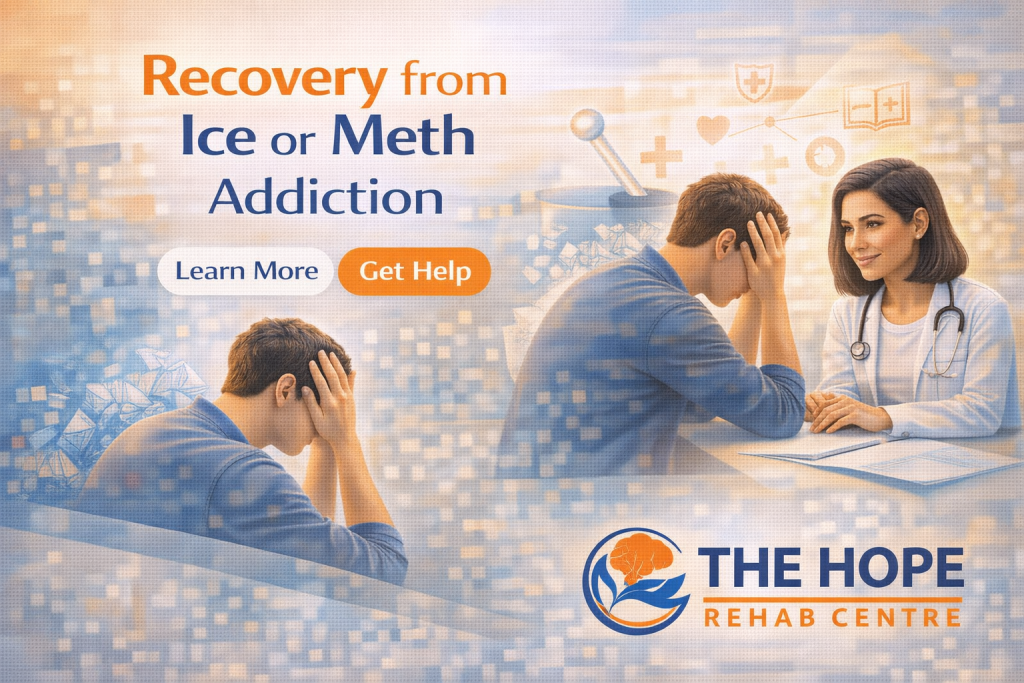
ICE | METH Treatment Center in Islamabad – Best Drug Addiction Treatment center in Islamabad

The abuse of methamphetamine, popularly known as “ICE,” has spiraled into a big concern across the globe. ICE is a strong stimulant and chronic use can lead to potentially harmful effects on physical health, psychological wellbeing or social functioning. The dangers of meth | Meth use in the US | Crystal meth: a history What is methamphetamine dependence?

Getting professional help is a significant step toward healing. ICE Treatment Center Islamabad is an appropriate substance rehab facility offering organized medical and therapeutic treatment for ICE or meth addiction. Positioned as a premier addiction treatment facility, we offer our patients specialized, genuine and caring services while ensuring their safety from harm and for supporting mental health during recovery into active high-quality planning of sustainable long-term recovery.

By understanding the process of ICE addiction and treatment options available an individual or family can make informed decisions on the road to recovery.

Understanding ICE (Methamphetamine) Addiction

ICE, which is crystal meth or methamphetamine, is a powerful addictive stimulant that affects the central nervous system. It creates overwhelming feelings of energy and vigilance, but those effects are fleeting and generally followed by devastating physical and emotional crashes.

ICE | METH Treatment Center in Islamabad – Best Drug Addiction Treatment center in Islamabad

Methamphetamine can be addicting when individuals feel a strong urge to continue using it despite negative consequences. Long-term use of ICE can have effects on brain, emotional state and decision making.

More information about the level of addiction and the measures to be taken can be gathered through a proper assessment, which is what a professional Ice Treatment Center Islamabad does.

Methamphetamine Dependence Signs and Symptoms

Understanding the signs and symptoms of ICE addiction can be a first step in getting help sooner rather than later.

Common symptoms may include:

  • Increased restlessness or hyperactivity
  • Difficulty sleeping or severe insomnia
  • Any unexplained weight loss or lack of appetite
  • Mood swings, irritability, or aggression
  • Social withdrawal or behavioral changes

But when these symptoms interfere with day-to-day living, professional treatment at an Ice Treatment Center Islamabad can offer a structured support system and medical guidance.

Health producers related to ICE use

There are many physical and mental health consequences of using methamphetamine. Long-term use may impair the brain’s capacity to manage emotions and can also lead to anxiety, paranoia or depression.

Other potential health concerns include:

  • Cardiovascular strain
  • Cognitive impairment, like memory issues
  • Increased stress and emotional instability
  • Sleep disruption and fatigue

Physical and psychological health conditions are assessed by healthcare professionals while providing treatment at The Hope Rehabilitation Center Islamabad, Pakistan. A simultaneous focus on these issues is crucial for sustainable recovery.

As an experienced Ice Treatment Center Islamabad knows how to offer balanced care that fosters medical stability while also promoting emotional health.

Treatment Approaches for ICE Addiction

This multi-modal treatment strategy targets the underlying behavioral addiction issues, as well as the emotional component of these maladaptive behaviors.

Medical Assessment and Detox Support

Before the treatment process starts, professionals evaluate the individuals’ medical history and drug usage patterns. This assessment examines the best method to treat withdrawal symptoms and to discharge safely.

Detox – At The Hope Rehabilitation Center Islamabad, Pakistan detox support is carried out under medical supervision to ensure the safety of patients throughout the early weeks of recovery.

Behavioral Therapy

ICE Addiction Treatment Behavioral Therapies Cognitive Behavioral therapy (CBT) is the most common tool used to achieve this goal, supporting humans as they learn to identify harmful thought patterns and develop positive coping mechanisms.

Therapy sessions also help patients get an idea of the triggers that affect substance use.

Counseling and Emotional Support

One-on-one therapy lets patients explore personal history, stress factors and emotional issues that may have fueled addiction.

However, a professional Ice Treatment Centre Islamabad is a familiar environment where you can explore all these questions and changes in your behavior.

Structured rehabilitation environment and its significance

Drug or alcohol intensive treatment patients often require supportive sober living environments in recovery. The daily regiment provided at rehabilitation centers protect against finding oneself in these dangerous situations during a critical time of healing.

The Hope Rehabilitation Center Islamabad, Pakistan has treatment programs ranging from therapy sessions to educational discussions and wellness activities that work towards overall recovery.

The environment in an Ice Treatment Center Islamabad is structured which helps you walk away from the negative influences and focus on creating a better lifestyle.

Long-Term Recovery and Relapse Prevention

Recovery from all of the above is a lifelong commitment and it is important to remember that recovery doesn’t end when formal treatment ends. And it trains them to avoid common triggers, teaching the skills to cope when things get tough.

Patients can gain useful skills like:

  • Stress management and emotional regulation
  • Developing healthy daily routines
  • Continued counseling and follow-up sessions
  • Building supportive relationships

At The Hope Rehabilitation Centre Islamabad, Pakistan we have made it a point that treatment plans are structured in such a way that they facilitate longer-term stability and personal growth beyond the early stages of recovery.

One specific Ice Treatment Center Islamabad focuses on empowering individuals as they re-integrate into regular living and practice healthy mental patterns.

Frequently Asked Questions (FAQs)

1.     What is ICE or methamphetamine?

Crystal meth or ICE is a potent central nervous system stimulant that can result in significant psychological as well as physical dependence.

2.     How is ICE addiction treated?

As rehabilitation progresses, it often involves both physical and psychological treatment, such as medical assessment, detox support, behavior therapy and counseling.

3.     Why Get Professional Treatment for Methamphetamine Addiction?

Treatment professionals can provide medical supervision, structure and emotional support that helps you manage withdrawal safely and start recovery.

4.     What is the duration for ICE addiction treatment?

How long a treatment program lasts is determined by each person’s health, history of addiction, and process in recovery.

5.     What post-treatment support will be offered?

Aftercare programs may involve counseling, follow-up therapy appointments, and relapse prevention techniques to hold on to recovery.

Conclusion

ICE or meth addiction can impact physical health, mental wellness, and life in general. At this point, one must learn to recognize the signs of dependency and reach out for professional help in order to begin the road toward recovery.

Enter Ice treatment center Islamabad, a therapeutic environment between the chaos of addiction and abstinence, offering structure, emotional support and closely monitored environments that may be able to help you along your recovery journey. Counseling, behavioral therapy or supportive care can help individuals to begin getting back on track with healthier routines and emotional stability.

Staff at The Hope Rehabilitation Center Islamabad, Pakistan are there to guide you on both your immediate recovery and long-term psychological well-being through individual treatment programs designed for each patient. All those with meth addiction in their life have a shot at a more productive, stable future under the right professional treatment and care.

Marijuana Addiction | Drug Addiction Treatment Center in Islamabad
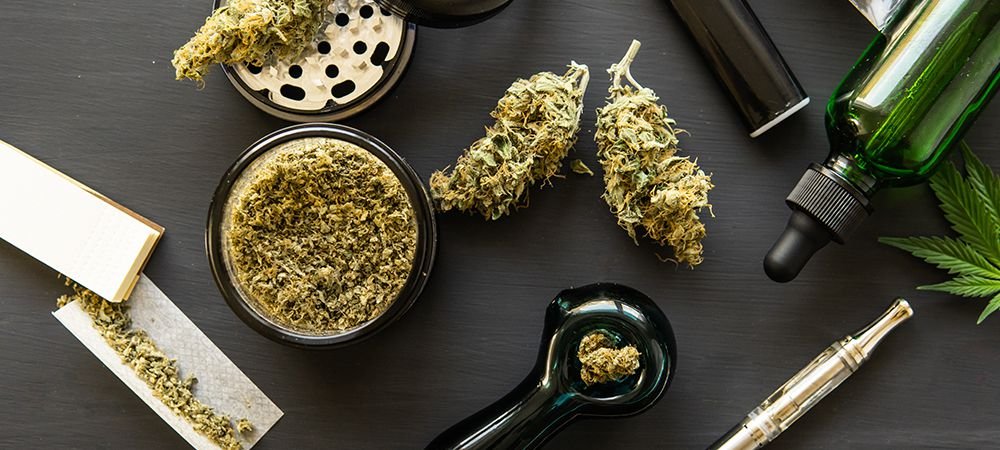
Addiction Treatment Center in Islamabad

Cannabis is the world’s most popular psychoactive substance. Although many people consider it harmless, regular and long-term use can result in habituation, as well as behavioral changes that have negative impacts on mental health, daily functioning, and social relationships. People suffering from marijuana addiction may benefit from guided professional attention and organized care.

A good Addiction Treatment Center in Islamabad provides a supporting environment to over come physical and psychological aspects of substance use. Programs offered at The Hope Rehabilitation Center Islamabad, Pakistan are directed towards treating addiction ethically and professionally through assessment and long-term recovery planning that helps individuals return to form in both personal lives and well-being.

Learning about marijuana addiction and the signs of marijuana use can help bring attention to when professional assistance might be beneficial.

Understanding Marijuana Addiction

Marijuana addiction, referred to as cannabis use disorder , is when a person develops a dependence on cannabis and struggles to stop using the drug in spite of harmful effects. The mind may eventually become dependent on the psychoactive effects of marijuana, resulting in cravings and regular use over time.

Marijuana Addiction: Individuals who are experiencing marijuana addiction will display obvious changes in both their behavior and physical social life. In some cases it may also impact emotional balance and mental health when used heavily.

Addiction Treatment Center in Islamabad

A leading Addiction Treatment Center in Islamabad provides full assessment services to properly evaluate the levels of cannabis dependency and develop an adequate treatment plan.

Symptoms and Signs of Cannabis Dependence

Being aware of early signs of marijuana addiction will enable the individuals to look for help before the condition becomes even harder. Some common indicators may include:

  • Frequent cravings for marijuana
  • Difficulty controlling or reducing use
  • Deterioration of work or academic performance
  • Memory or concentration problems
  • Episodes of mood changes, irritability or anxiety

However, there are healthy groups of people today that can offer guidance and lead for effective treatment options such as Addiction Treatment Center in Islamabad when these symptoms are starting to override daily life.

Is Marijuana Addiction Hazardous To Your Mental Health?

The use of marijuana can have an impact on brain function, particularly when used regularly and over a long period of time. Some people might feel more anxious, moody and less motivated.

And there is some evidence that heavy cannabis use can exacerbate some mental health conditions, such as depression or anxiety disorders. In the young, frequent use can have effects on cognitive development and control of emotions.

At The Hope Rehabilitation Center Islamabad, Pakistan mental health professionals assess substance use and psychological well-being to ensure comprehensive approach treatment that addresses all aspects of a patient’s health.

The best Addiction Treatment Center in Islamabad know well that all the substance-related disorders occur along with psychiatric issues, hence integrated care are must in recovery process.

Treatment Approaches for Marijuana Addiction

Marijuana addiction treatment is directed at lowering dependent use, clarifying behavior triggers and establishing new habits to counteract or combat the behavioral triggers. Most rehabilitation programs offer a combination of therapeutic methods and emotional and psychological support.

Behavioral Therapy

Behavioral therapy assists patients in recognizing triggers that lead to substance use. In guided sessions, patients learn strategies for managing cravings and dealing with stress in healthier ways.

Individual Counseling

Individual counseling sessions offer a safe, private atmosphere where clients can talk through issues related to addiction on a personal level. Therapists partner with patients to help them recognize triggers and establish actionable recovery plans.

Group Therapy

Group therapy can provide the opportunity to discuss experiences with others who are experiencing similar struggles. Such therapy often grants emotional support and helps patients to not feel as alone in healing.

These therapeutic approaches are integrated into a professional Addiction Treatment Center in Islamabad that supports long-term recovery.

Creating a Supportive Recovery Environment

Addiction to marijuana can often be difficult to recover from without the right environment. Rehabilitation is where individuals have a set routine that they must follow.

Patients receiving treatment are encouraged to participate in group therapy sessions, practical education discussions, and wellness activities aimed at a healthier standard of living.

An Addiction Treatment Center in Islamabad provides a structured program where you can distance yourself from outside influences as well as work to build new habits that support recovery.

Preventing Relapse and Maintaining Progress

One of the keys in addiction treatment is relapse prevention. The skills individuals learn to identify their triggers and cope with stress can help them continue in recovery from a rehabilitation program.

Rehabilitation centers frequently teach practical strategies, such as:

  • Stress management techniques
  • Healthy daily routines
  • Emotional regulation skills
  • Continued counseling and support programs

In Pakistan, rehabilitation centers such as The Hope Rehabilitation Center Islamabad include relapse prevention planning strategies in their programs to support individuals striving towards stability and a lengthier recovery progress.

Family Support: How It Can Help You Recover

Family support has a major impact on recovery. If family members have an understanding of addiction itself and the obstacles therein, they may offer meaningful encouragement and emotional support.

Many rehabilitation programs support family involvement over counseling sessions or educational discussions. These programs teach relatives ways that they can support recovery while also taking care of themselves.

A renowned Addiction Treatment Center in Islamabad understands that recovery is always stronger when individuals feel supported by both professionals and people they love.

Frequently Asked Questions (FAQs)

1.     What is marijuana addiction?

Drug addiction Marijuana addiction, also known as cannabis use disorder, is chronic and characterized by compulsive behaviors to seek out this substance despite adverse consequences on daily life.

2.     How does marijuana addiction affect mental health?

Yes. Dispensary marijuana also may trigger anxiety or changes in mood — and, over time, problems with concentration or motivation.

3.     How is marijuana addiction treated?

Drug use disorder is generally treated with counseling, behavior therapy and support programs that can help people learn about their substance use and how to manage it.

4.     Setting challenges

Professional treatment exposes individuals to a structured environment that encourages psycho-behavioral change in the long-run.

5.     What happens after completing treatment?

This is also known as aftercare, and it involves ongoing counseling, follow-up treatment, or relapse prevention strategies to keep individuals upon the road of recovery.

Conclusion

Marijuana addiction can impact multiple areas of a person’s life such as mental health, relationships and general well-being. Identifying the symptoms of dependency and contacting a clinician are significant actions in the direction of rehabilitation.

A certified Addiction Treatment Center in Islamabad offers structured treatment programs that assist not just substance usage but emotional health, too. Counselling, therapy and supportive care help individuals start developing better habits and start feeling regulated again.

Despite availability of numerous treatment options, very few centers practice ethical, compassionate and patient-centered care; at The Hope Rehabilitation Center Islamabad Pakistan, we design the treatment programs keeping in perspective above mentioned standards. The center addresses long-term recovery and emotional support to move individuals toward a healthier, more balanced future.

Detoxification | Addiction Treatment Centre Islamabad
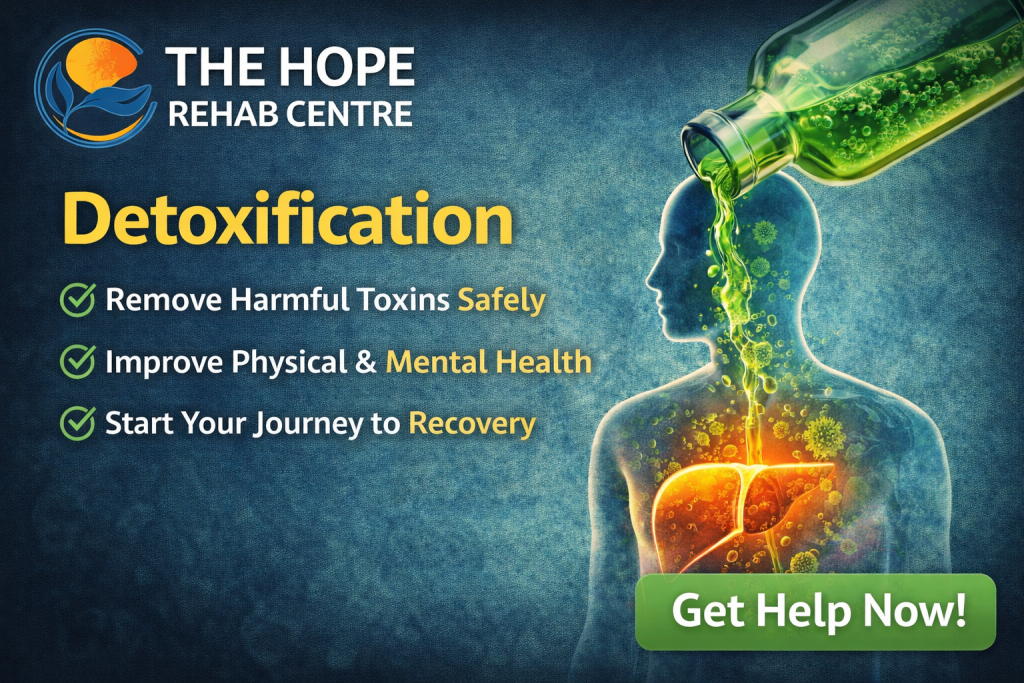
Detoxification | Addiction Treatment Centre Islamabad

Detoxification is usually the first phase, and arguably the most important one, on the road to recovery from substance dependence. As someone lets go of drugs or alcohol after long-term use, the body takes time to reacquaint itself with a life without using these substances. This is when withdrawal symptoms may emerge, which can be both physically and emotionally difficult to endure.

An Addiction Treatment Centre in Islamabad is a professional facility that offers a systematic environment for the detoxification process under medical care. And it protects their health and wellbeing by helping them manage Silkworm withdrawal symptoms. To accomplish this, detoxification programs at The Hope Rehabilitation Center Islamabad Pakistan offer patients a similar level of support involving compassionate care, professional monitoring, and individualized treatment planning.

We will also discuss what detoxification entails and why it is an important step along this recovery journey so that individuals and families can make informed decisions about treatment.

What Is Detoxification in Addiction Recovery?

Detoxification is also the body’s way of ridding itself of harmful substances. Medication or drinking drugs or alcohol can also create dependency in a human, which causes the body to adjust itself to these substances. Once use stops, the body has to readjust so this can bring about withdrawal symptoms.

Medically supervised detox is performed in a professional Addiction Treatment Centre in Islamabad. Healthcare providers observe patients meticulously to handle issues, render supportive care, and keep sure of safety over the period.

Detoxification | Addiction Treatment Centre Islamabad

Detox does not in itself cure someone of addiction. Rather, it equips people for the next steps in treatment, which are frequently therapy or counseling and long-term recovery support.

Why Medical Detox Is Important

Withdrawal symptoms vary based on the type of substance used, how long it has been used, and the individual’s overall health. Some may have mild symptoms and some more severe requiring medical care.

Hence, a medically supervised detox program offered by an Addiction Treatment Centre in Islamabad would help patients get the necessary requirements during this important stage. Health care providers track vital signs, administer supportive medicines as needed and act promptly if complications develop.

Detox facilities at The Hope Rehabilitation Center Islamabad, Pakistan prioritize patient safety and emotional support, as well as gradual stabilization. Such an environment enables people to make a head start on recovery with professional support and comfort.

Common Withdrawal Symptoms During Detox

This is a natural reaction of the body as it learns to operate without a substance on which it has become dependent. Although the severity of symptoms can vary, a few things you may experience during detox are:

  • Anxiety or restlessness
  • Sleep disturbances
  • Mood changes or irritability
  • Physical fatigue or discomfort
  • Cravings for substances

Qualified Addiction Treatment Centre in Islamabad gives proper medical supervision to cope with these symptoms and avoid the patient feeling unwell, ensuring that they are comfortable and stable throughout detoxification.

The Detoxification Process

Detoxification is usually done in phases, each step meant to nurture the patient’s physical and emotional health.

Assessment and Evaluation

Before detox starts, a medical professional conducts an intake assessment. This involves examining the patient’s medical history, substance use patterns and mental health condition.

With this evaluation the professionals at The Hope Rehabilitation Center Islamabad, Pakistan just prepare a tailor-fit detox plan according to the need of the patient.

Stabilization

The body is gradually adapting to the absence of substances during this period. Medical staff watch for symptoms, offer supportive care and help patients be as comfortable as possible.

During this phase, continuous monitoring is required to be provided at the professional Addiction treatment Centre in Islamabad to maintain safety and avoid complications.

Preparation for Ongoing Treatment

After detox ends, patients are encouraged to stay engaged in additional rehabilitation services. Such programs may include therapy, counseling and mental Health support

Detox is the beginning, but it’s only the beginning: addiction is inherently biological, psychological, and societal. Detox is best as part of a structured treatment program that addresses the other aspects of addiction as well.

Addressing Mental Health During Detox

The idea with such treatments is that many people who are addicted also suffer from mental health issues, like anxiety and depression or trauma-related disorders. Untreated underlying issues can make recovery hard to maintain.

A holistic approach such as Addiction Treatment Centre in Islamabad offers a combination of mental health services and detoxification program. Therapy, evaluations, and psychological assessments help the patients to identify the emotional connections with substance use.

A mental health professional works alongside the medical staff at The Hope Rehabilitation Center Islamabad, Pakistan to make sure that both physical and emotional needs are being met during the detoxing process.

Creating a Supportive Healing Environment

The setting of detox can have a major impact on the recovery process. Providing a calm and structured setting allows the individual to concentrate on healing without non healing stress or triggers.

Patients at Hope Rehabilitation Center Islamabad, Pakistan are cared for in a setting focused on comfort, dignity and confidentiality. A conducive environment helps patients to stay engaged in treatment and develops the confidence they need for long-term recovery.

A specialized Addiction Treatment Centre in Islamabad also provides an insight into forming a consistent lifestyle routine that aids health — sleep hygiene, nutritional balance, therapy presence and much more.

Long-Term Recovery After Detox

Finishing detox is an important first step, but it is just the start of your recovery. Staying in treatment and support is often key to long-term success.

Rehabilitation programs may feature individual therapy, group counseling, relapse prevention strategies and lifestyle adjustments supporting healthy habits. Such programs teach individuals the skills to handle stress, ward off triggers and stay sober.

Treatment plans are based on the patient’s medical needs and tailored to guide them beyond detoxification towards lasting recovery with professional care, ongoing support at The Hope Rehabilitation Center in Islamabad, Pakistan.

Frequently Asked Questions (FAQs)

1.     Detoxification – What Is It in Addiction Treatment?

Detox is the removal of toxic substances from the body and control of withdrawal symptoms in a medically supervised facility.

2.     How long does detox typically last?

How long detox lasts depends on the substance involved, how long it has been in use, and an individual’s overall health condition.

3.     Do you require medical supervision during detox?

Medical supervision is highly recommended, as withdrawal symptoms can occasionally be severe and need the help of a professional.

4.     Does detox alone treat addiction?

No. Detox is the first part of recovery. Therapies, counseling sessions, and rehabilitation programs are very important for long recovery.

5.     What comes after detox is done?

Usually, after detox individuals are continuing their treatment with counselling therapy and relapse prevention programs at an addiction treatment Centre in Islamabad.

Conclusion

For those seeking recovery from substance dependence, detoxification is an essential first step. Detox lays the groundwork for future recovery and rehabilitation by safely helping the body to adjust to the absence of drugs or alcohol.

That’s why a professional Addiction Treatment Centre in Islamabad can be the medical supervision, emotional support and structure you need to break through. Detox, therapy and long-term recovery planning is a balanced three-pronged approach to treatment.

Detoxification at The Hope Rehabilitation Center Islamabad, Pakistan is performed in an environment of safety, empathy and tailored assistance. Under the guise of professional help and continued rehabilitative services, recovering individuals can work toward healthier and more stable lifestyles.

Managing Cravings During Heroin Addiction Recovery | Best Rehabilitation Center in Islamabad, Pakistan
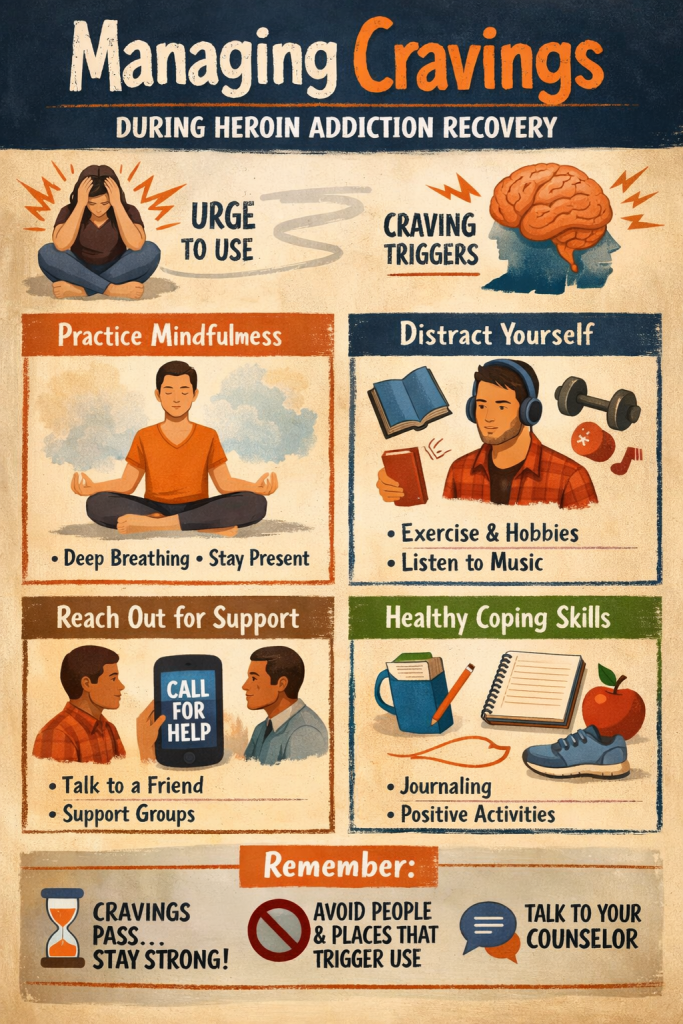
Managing Cravings During Heroin Addiction Recovery Best Rehabilitation Center in Islamabad, Pakistan

Heroin addiction is a complex and challenging condition that affects not only physical health but also emotional and social well-being.

Managing cravings carefully is one of the most critical aspects of successful recovery. For those in the process of quitting heroin today, maintaining sobriety and preempting relapse are intertwined with mastering irresistible urges in a different way.

As the Best Rehabilitation Center in Islamabad, Pakistan, The Hope Rehab Centre comprehensively supports and guides individuals dealing with heroin dependence. This includes ensured detoxification, guidance on facing up to various psychological crises as well as techniques defeat cravings(sync with previous sentence for more natural flow). With and communal support from others in the same boat as you – all designed for this journey!

Understanding the Nature of Heroin Cravings and Effective Management: Literary AnalysisHeroin Craving: Lure and Tie…Craving is an almost coercive urge that arises in heroin addicts but withdrawal does not remove–and which lures them back to addictionThey can come after one or two weeks of drug-free life, or even, in fact any amount short of actual recovery. Craving is not a singular event but something which keeps on repeating itself for as long as the addict does Heroin.

Understanding Heroin Cravings

Heroin cravings are intense and usually overpowering urges to use the drug. They can be triggered by many factors, both physical and spiritual. Even when abstinent for weeks or months, these cravings will sometimes emerge out of nowhere–making recovery an ongoing process really rather than periodic rest periods in between episodes of heroin use (to paraphrase Wilder).

The Science of Cravings

When a person injects heroin, it attaches to certain cells in the brain; this attachment has two important effects. First of all, there is a feeling of only pleasure and second it interferes with reception all round–hence physical pain relief. After 3 weeks this temporary relief will compound into addiction. Prolonged use of narcrex ical erit benzoate on a daily basis reduces the human body’s ability to produce natural endorphins through regular digestion of amino-acid amino acids vitamin B complex something. The person then becomes dependent upon heroin for these substances, leading nonzero discontinuity period in which he suffers intense cravings alternating with other forms of adverse side-effects such as anxiety and irritation. Nonetheless, this may well be only part of a general pattern now being picked up under greater guidance of science–i.e., what happens when any addictive substance physically enters the human body

Situations that may Trigger Cravings

Cravings follow varied causes, including:

  • Environmental cues: Places, people, or situations associated with previous drug use.

  • Stress: Emotional or physical stress can lead to intense urges.

  • Emotional states: Feelings of sadness, loneliness, or frustration.

  • Social pressure: Being around individuals who use heroin or other substances.

Recognizing these triggers is a crucial first step in developing effective coping strategies.

Techniques to Manage Cravings

The successful management of cravings combines professional assistance, lifestyle changes and psychological strategies. At The Hope Rehab Centre, patients receive tailor-made plans to handle their cravings safely and effectively.

1. Behavioral Therapy

This kind of therapy helps people in treatment understand what their triggers are, gives them coping strategies, and replaces negative thoughts. In addition, cognitive behavioural therapy (CBT) in a particular way enables individuals to make sense of the connection between their own thoughts as well as how their various emotions affect drug-seeking behaviour.

2. Medication-assisted Trement (MAT)

Medication-assisted therapy helps reduce cravings and withdrawal symptoms. Methadone, buprenorphine, or naltrexone is prescribed under strict medical supervision in the mid-and long-term recovery process in order to stabilize brain chemistry. MAT often includes counseling for an optimal outcome.

3. Focused Breathing and Mindfulness

For some individuals, practicing mindfulness, meditation or deep-breathing exercises will enable them to stay in the here-and now. If they want help managing these emotional states caused by cravings, then focusing on their own breathing is best advice possible. Stress Reduction Techniques are particularly effective for addicts who hope to remain drug-free now that their lives have been healed.

4. Structured Daily Life

It slows down your life to have a predictable daily routine -and makes it easier for you. Regular activities, including exercise, club activities, etc ensure that no time is wasted on looking for kicks from heroin and stars in proper venues to replace such wanting.

5. Support Groups

Peer support groups provide a sense of community and accountability. Sharing experiences with others in recovery can normalize struggles, provide encouragement, and reduce feelings of isolation, which are common relapse triggers.

The Role of Nutrition and Physical Health

Maintaining physical health plays a vital role in managing cravings. Proper nutrition, hydration, and regular exercise can stabilize mood, improve energy levels, and reduce the intensity of withdrawal symptoms. For instance, balanced meals with sufficient protein, complex carbohydrates, and healthy fats support neurotransmitter function, which influences mood and craving intensity.

Exercise and Endorphins

Regular exercise elevates endorphin production, offsetting the desire signals that arise in your brain. Walking, swimming, or yoga will not only improve your body but also your brain—reducing the odds of relapse.

Developing a Relapse Prevention Plan

Building a structured relapse prevention plan is key to long-term recovery. In Islamabad, Pakistan, professionals counselors stationed at The Hope Rehab Centre, the Best Rehabilitation Center in the city according to our poll last year, work with individuals and groups to iron out their own specific strategies up to:

  • Recognizing high-risk situations and triggers
  • Setting up emergency phone numbers and a whole net of people on whom they can call after an incident leaves them feeling vulnerable
  • Refining short-term and long-term goals that are not only realistic, but also achievable

However, with a well-prepared plan cravings are foreseen, recognized and effectively managed–thereby greatly improving results once it comes time for recovery.

Family and Social Support

Recovery is often more successful when family members and friends give an understanding ear. Letting relatives know about heroin addiction and including them in therapy sessions promotes rehabilitation. It decreases the sensation of isolation and offers both emotional support and an authority figure who can verify that one is practicing the right coping habits.

How The Hope Rehab Centre Assists Recovery

At The Hope Rehab Centre in Bangkok, Thailand, individuals receive a range of therapies in line with their own particular habits and needs. Services include: lodging facilities, medical detoxification treatment stages, group and individual therapy programs around depression relief as well as psychiatric intervention, daily activity plans and most important of all; staff who are trained to understand where the suffering individual is at. By combining psychological and physical factors of heroin addiction, the center creates an environment where cravings can be tackled head on–and long-range recovery became possible.

FAQs on Managing Cravings after You Have Quit Using Heroin

1. How long do heroin cravings last?

Heroin cravings can continue for weeks, months, or indeed years after drug use has stopped. In fact the length of time you will suffer one depends upon where you as an individual currently stand and how much practice in coping with cravings is required.

2. When in recovery, are cravings bad or harmful?

Though cravings are not harmful from a physical perspective, they can lead to relapse if you can’t overcome them and manage the underlying causes properly.Developing. coping mechanisms and support systems can be very helpful.

3. Is it effective to use exercise in alleviating cravings?

Sure!Physical exercise raises endorphin levels, improves mood, and reduces stress in important ways for managing cravings.

4. The management of cravings must rely on professional help, right?

Healthcare services in recovery are essential. They include the work of addiction professionals and have always provided higher success rates for recovery than less specialized approaches such as support group meetings or prayer.

5. How does family support help during recovery?

Family support is a stable emotional environment; the presence of another person to share experiences like daily living patterns and shortcuts keeps the recovering individual from becoming isolated in their plumbing journey. Moreover, it increases the chances that people will make good decisions by giving them accountability when they make wrong ones and encouragement when they get things right.

Conclusion

Craving management during heroin addiction recovery is a multifaceted process requiring medical, psychological, and social support. If one uses the right strategies you can reduce the intensity of cravings, and once more embark on your journey towards recovery.Behavioral therapy, mindfulness, physical health and structured routines, if used wisely provide the methods and tools for individuals to overcome cravings and regain their independence and control of life. The Hope Rehab Centre in Islamabad, Pakistan, is known as the Best Rehabilitation Center for its comprehensive treatment program that empowers drug dependent patients with the know?how and support network necessary to enjoy a life free from drugs In uncovering the causes of cravings at their root and establishing a recovery environment supportive of success, the center helps many people to get back on their feet from addiction to heroin back into normal life.

The Role of Family and Community in Aftercare Support
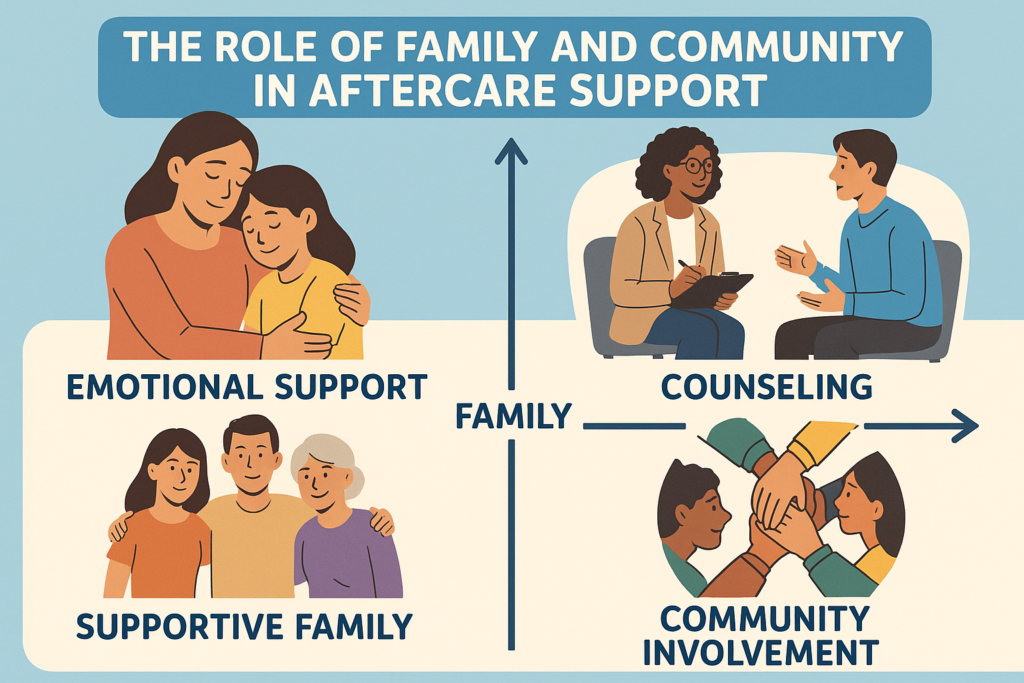
Recovering from addiction is a lifelong journey that doesn’t end with detox or rehabilitation. Aftercare is a critical phase where individuals transition from structured treatment back into daily life. During this phase, family and community support play an essential role in maintaining long-term sobriety. At The Hope Rehab Center, we believe that healing isn’t just individual—it’s collective. Here’s how families and communities become pillars of strength in the aftercare process.

Why Aftercare Support Matters

Aftercare is the continued support and services provided after formal addiction treatment has ended. It may include outpatient therapy, support groups, sober living environments, relapse prevention strategies, and more. Studies show that individuals engaged in a structured aftercare program are significantly more likely to maintain long-term sobriety.

The Family’s Role in Aftercare: A Foundation for Recovery

1. Emotional Support and Stability

Family members are often the first line of defense in preventing relapse. Their emotional presence provides a safe, understanding environment that promotes trust and recovery. When families offer empathy, patience, and non-judgmental communication, recovering individuals are more likely to feel empowered and accountable.

2. Involvement in Family Therapy

At The Hope Rehab Center, we emphasize family therapy as a crucial component of aftercare. Therapy sessions help rebuild damaged relationships, improve communication, and resolve longstanding emotional conflicts. When families are involved, recovery feels less isolating and more inclusive.

3. Education and Awareness

Many family members do not initially understand addiction as a chronic brain disease. By educating themselves about triggers, relapse signs, and coping mechanisms, families can better support their loved ones without enabling destructive behaviors.

Community Support: The Power of Belonging

1. Community-Based Recovery Programs

One of the strongest elements in sustaining recovery is community support. Programs like Alcoholics Anonymous (AA), Narcotics Anonymous (NA), and other peer-led groups provide a sense of belonging and accountability. These meetings offer opportunities for individuals to connect with others on a similar path.

2. Sober Living Communities

Sober living homes provide structured, substance-free environments that ease the transition back to normal life. These communities encourage responsibility, mutual support, and healthy routines. Living with others who are also committed to sobriety can be both motivating and healing.

3. Local Outreach and Volunteer Opportunities

Engaging in volunteer work and community outreach gives recovering individuals a renewed sense of purpose. It reinforces the value of giving back and helps them stay focused on positive activities, reducing the risk of relapse.

How Family and Community Prevent Relapse

Recovery is not linear. Triggers, stress, and emotional pain can cause setbacks. Here’s how family and community can help prevent relapse:

– Recognizing Early Warning Signs

Loved ones who are informed can identify changes in behavior, mood swings, or withdrawal that may indicate a relapse is near. Early intervention is key to getting back on track.

– Creating a Safe Environment

Removing substances, limiting contact with toxic influences, and encouraging healthy habits can foster an environment where recovery can thrive.

– Offering Accountability and Routine

When recovering individuals feel supported and held accountable through structured schedules and check-ins, they are less likely to return to old habits.

The Hope Rehab Center’s Aftercare Approach

At The Hope Rehab Center, we integrate both family and community involvement in our aftercare programs. Here’s what we offer:

  • Family Counseling and Education Programs
    We help families understand addiction and build healthier relationships through therapy and workshops.

  • Community Integration Support
    We assist in connecting individuals with support groups, job placements, and sober living opportunities.

  • Relapse Prevention Planning
    Our specialists work with each client to develop a customized, practical relapse prevention plan.

  • 24/7 Aftercare Helpline
    We provide continuous support to clients and their families, ensuring that help is always available.

Real-Life Success Stories: Healing Through Connection

One of our clients, Ahmed, battled alcohol addiction for over a decade. After completing his rehab program at The Hope Rehab Center, it was the unwavering support from his sister and his participation in a local AA group that solidified his recovery. Today, Ahmed leads a support group in his neighborhood and serves as a mentor to others on their journey.

Stories like Ahmed’s showcase the transformative power of love, unity, and community in healing.

Tips for Families and Communities Supporting Recovery

  • Stay Educated: Attend workshops and read about addiction recovery.

  • Practice Patience: Healing takes time—avoid setting unrealistic expectations.

  • Encourage Openness: Create an atmosphere where honest communication is welcomed.

  • Celebrate Milestones: Acknowledge every step forward, no matter how small.

  • Seek Professional Guidance: Don’t hesitate to consult with counselors or therapists.

Final Thoughts

Recovery is more than an individual journey—it’s a collective effort. When families and communities come together to provide consistent, loving support, individuals are far more likely to remain sober and lead fulfilling lives.

At The Hope Rehab Center, we’re committed to empowering our clients through personalized aftercare programs that involve not just the individual, but also their loved ones and local support systems. Together, we can build a stronger, healthier future.

Need Help Supporting a Loved One in Recovery?
Contact The Hope Rehab Center today for more information about our family-inclusive aftercare programs. Your support could make all the difference.

Effective Treatment Options for Heroin Addiction Recovery
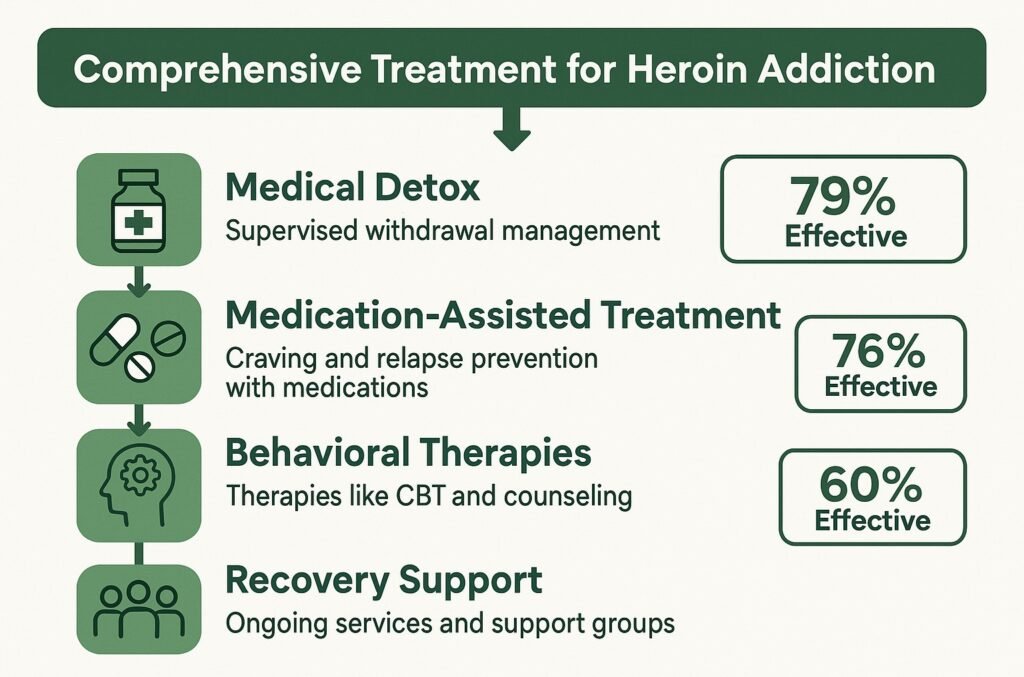
Discover Compassionate and Proven Solutions at The Hope Rehab Center Islamabad

Heroin addiction is one of the most devastating forms of substance abuse, affecting not only the physical and mental health of individuals but also disrupting families, relationships, and communities. At The Hope Rehab Center Islamabad, we understand the complexities of heroin dependency and offer a holistic, medically supervised, and evidence-based recovery program tailored to each individual.

Whether you’re seeking help for yourself or a loved one, this guide will walk you through the most effective treatment options for heroin addiction available in Islamabad and how our facility supports long-term sobriety and healing.

Understanding Heroin Addiction: Why Immediate Help is Crucial

Heroin is a highly addictive opioid that alters brain function, causing intense cravings and physical dependence. Withdrawal symptoms can be severe and potentially life-threatening, making professional heroin detox and rehab services in Islamabad essential.

Symptoms of heroin addiction may include:

  • Uncontrollable drug-seeking behavior

  • Mood swings and depression

  • Isolation and relationship breakdowns

  • Financial or legal problems

  • Physical changes like weight loss, infections, and track marks

At The Hope Rehab Center, we emphasize early intervention and professional treatment to prevent long-term damage and increase the chances of successful recovery.

1. Medically Supervised Detoxification (Detox)

Heroin detox in Islamabad is the first and most critical step toward recovery. It helps eliminate the drug from the body under the supervision of trained medical professionals.

At our rehab center:

  • Detox is conducted in a safe, controlled environment.

  • Medications like Methadone, Buprenorphine, and Naltrexone are used to ease withdrawal symptoms.

  • 24/7 monitoring ensures patient safety and comfort.

This step lays the foundation for deeper therapeutic interventions.

2. Inpatient Rehabilitation Programs

Our inpatient rehab program for heroin addiction in Islamabad provides clients with a structured environment where they can focus solely on their recovery.

Key benefits include:

  • A drug-free, distraction-free setting

  • Daily therapy sessions (individual, group, and family)

  • Nutritional support and fitness activities

  • Mindfulness and stress management techniques

Inpatient treatment usually lasts between 30 to 90 days, depending on individual needs.

3. Behavioral Therapies

At The Hope Rehab Center, we utilize evidence-based therapies for heroin addiction, which are critical in changing harmful behaviors and building coping strategies.

Cognitive Behavioral Therapy (CBT)
CBT helps individuals identify and modify negative thoughts, triggers, and habits associated with drug use.

Dialectical Behavior Therapy (DBT)
Especially effective for those with co-occurring mental health issues, DBT teaches emotional regulation and distress tolerance.

Motivational Interviewing (MI)
MI empowers patients to find their own motivation for change through open, non-judgmental conversations with therapists.

4. Medication-Assisted Treatment (MAT)

MAT for heroin addiction combines behavioral therapy with medications to treat substance use disorders effectively.

Medications used in MAT:

  • Methadone: Reduces cravings and withdrawal symptoms.

  • Buprenorphine (Suboxone): Offers a safer alternative with lower risk of misuse.

  • Naltrexone (Vivitrol): Blocks the euphoric effects of heroin, preventing relapse.

MAT has been proven to:

  • Improve patient retention in rehab programs

  • Reduce relapse rates

  • Lower the risk of overdose

5. Dual Diagnosis Treatment

Many individuals struggling with heroin addiction also suffer from underlying mental health disorders such as depression, anxiety, or PTSD. The Hope Rehab Center Islamabad specializes in dual diagnosis treatment that addresses both addiction and co-occurring mental health conditions simultaneously.

Through coordinated care from psychiatrists, psychologists, and addiction specialists, we ensure that the root causes of addiction are properly treated for lasting recovery.

6. Family Counseling and Support

Addiction affects not just the individual but the entire family. Our family therapy sessions help rebuild trust, improve communication, and educate loved ones about addiction and recovery.

We provide:

  • Weekly family counseling sessions

  • Educational workshops for families

  • Support group meetings for families of addicts

Healing together enhances recovery outcomes and fosters a supportive home environment post-treatment.

7. Aftercare and Relapse Prevention

Recovery doesn’t end after rehab. Our aftercare programs for heroin addiction ensure ongoing support and accountability for patients transitioning back into society.

Services include:

  • Continued outpatient therapy

  • Support groups like NA (Narcotics Anonymous)

  • Sober living environments

  • Relapse prevention workshops

The Hope Rehab Center also offers personalized relapse prevention plans and follow-up counseling to maintain long-term sobriety.

8. Holistic and Wellness-Based Therapies

We believe in healing the mind, body, and soul. That’s why we incorporate holistic therapies for heroin recovery, which include:

  • Yoga and meditation sessions

  • Art and music therapy

  • Fitness and nutritional counseling

  • Spiritual healing and mindfulness practices

These therapies promote inner peace, reduce stress, and support overall well-being during recovery.

Why Choose The Hope Rehab Center Islamabad?

Top reasons to choose us for heroin addiction treatment in Islamabad:

✅ Highly qualified medical and psychiatric staff
✅ Safe, private, and compassionate environment
✅ Customized treatment plans for each individual
✅ 24/7 monitoring and support
✅ Focus on long-term recovery and relapse prevention

With years of experience in addiction recovery, we are committed to restoring lives and helping individuals break free from the chains of heroin dependency.

Take the First Step Toward Recovery Today

If you or a loved one is battling heroin addiction, don’t wait for the situation to worsen. The sooner you seek help, the better the outcome. At The Hope Rehab Center Islamabad, we offer expert care, a supportive atmosphere, and a pathway to lifelong recovery.

📞 Call us today for a confidential consultation
🌐 Visit our website for more information
📍 Located conveniently in the heart of Islamabad

Your journey to hope, healing, and freedom starts now.