The Hope Rehab Center

Category Inpatient Rehabilitation

ICE METH Treatment Center Islamabad / Ice Treatment Center Islamabad
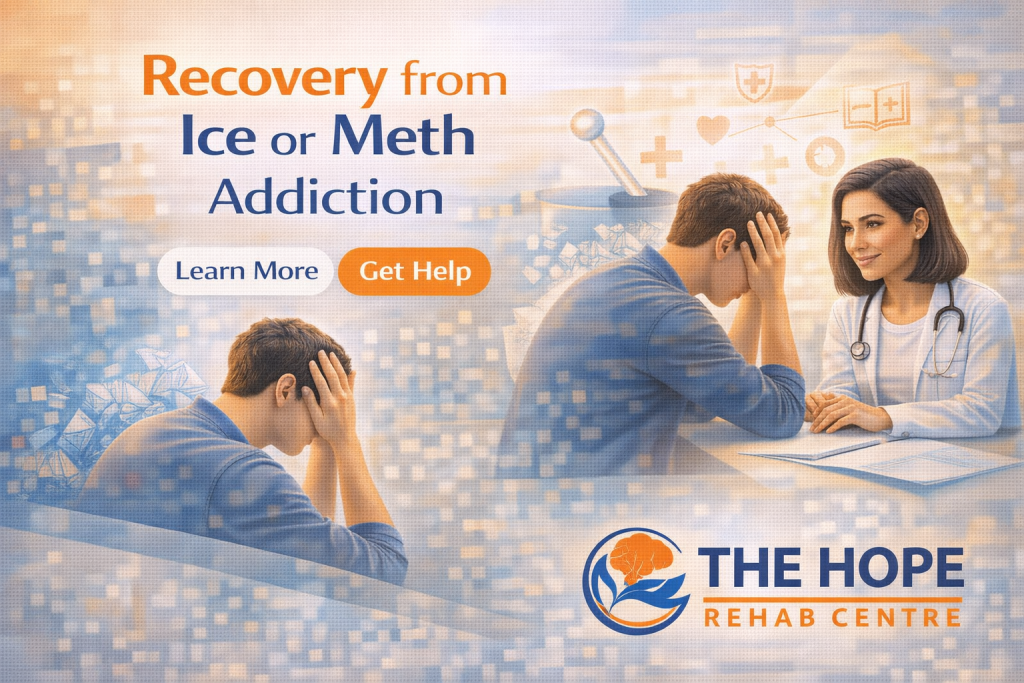
ICE | METH Treatment Center in Islamabad – Best Drug Addiction Treatment center in Islamabad

The abuse of methamphetamine, popularly known as “ICE,” has spiraled into a big concern across the globe. ICE is a strong stimulant and chronic use can lead to potentially harmful effects on physical health, psychological wellbeing or social functioning. The dangers of meth | Meth use in the US | Crystal meth: a history What is methamphetamine dependence?

Getting professional help is a significant step toward healing. ICE Treatment Center Islamabad is an appropriate substance rehab facility offering organized medical and therapeutic treatment for ICE or meth addiction. Positioned as a premier addiction treatment facility, we offer our patients specialized, genuine and caring services while ensuring their safety from harm and for supporting mental health during recovery into active high-quality planning of sustainable long-term recovery.

By understanding the process of ICE addiction and treatment options available an individual or family can make informed decisions on the road to recovery.

Understanding ICE (Methamphetamine) Addiction

ICE, which is crystal meth or methamphetamine, is a powerful addictive stimulant that affects the central nervous system. It creates overwhelming feelings of energy and vigilance, but those effects are fleeting and generally followed by devastating physical and emotional crashes.

ICE | METH Treatment Center in Islamabad – Best Drug Addiction Treatment center in Islamabad

Methamphetamine can be addicting when individuals feel a strong urge to continue using it despite negative consequences. Long-term use of ICE can have effects on brain, emotional state and decision making.

More information about the level of addiction and the measures to be taken can be gathered through a proper assessment, which is what a professional Ice Treatment Center Islamabad does.

Methamphetamine Dependence Signs and Symptoms

Understanding the signs and symptoms of ICE addiction can be a first step in getting help sooner rather than later.

Common symptoms may include:

  • Increased restlessness or hyperactivity
  • Difficulty sleeping or severe insomnia
  • Any unexplained weight loss or lack of appetite
  • Mood swings, irritability, or aggression
  • Social withdrawal or behavioral changes

But when these symptoms interfere with day-to-day living, professional treatment at an Ice Treatment Center Islamabad can offer a structured support system and medical guidance.

Health producers related to ICE use

There are many physical and mental health consequences of using methamphetamine. Long-term use may impair the brain’s capacity to manage emotions and can also lead to anxiety, paranoia or depression.

Other potential health concerns include:

  • Cardiovascular strain
  • Cognitive impairment, like memory issues
  • Increased stress and emotional instability
  • Sleep disruption and fatigue

Physical and psychological health conditions are assessed by healthcare professionals while providing treatment at The Hope Rehabilitation Center Islamabad, Pakistan. A simultaneous focus on these issues is crucial for sustainable recovery.

As an experienced Ice Treatment Center Islamabad knows how to offer balanced care that fosters medical stability while also promoting emotional health.

Treatment Approaches for ICE Addiction

This multi-modal treatment strategy targets the underlying behavioral addiction issues, as well as the emotional component of these maladaptive behaviors.

Medical Assessment and Detox Support

Before the treatment process starts, professionals evaluate the individuals’ medical history and drug usage patterns. This assessment examines the best method to treat withdrawal symptoms and to discharge safely.

Detox – At The Hope Rehabilitation Center Islamabad, Pakistan detox support is carried out under medical supervision to ensure the safety of patients throughout the early weeks of recovery.

Behavioral Therapy

ICE Addiction Treatment Behavioral Therapies Cognitive Behavioral therapy (CBT) is the most common tool used to achieve this goal, supporting humans as they learn to identify harmful thought patterns and develop positive coping mechanisms.

Therapy sessions also help patients get an idea of the triggers that affect substance use.

Counseling and Emotional Support

One-on-one therapy lets patients explore personal history, stress factors and emotional issues that may have fueled addiction.

However, a professional Ice Treatment Centre Islamabad is a familiar environment where you can explore all these questions and changes in your behavior.

Structured rehabilitation environment and its significance

Drug or alcohol intensive treatment patients often require supportive sober living environments in recovery. The daily regiment provided at rehabilitation centers protect against finding oneself in these dangerous situations during a critical time of healing.

The Hope Rehabilitation Center Islamabad, Pakistan has treatment programs ranging from therapy sessions to educational discussions and wellness activities that work towards overall recovery.

The environment in an Ice Treatment Center Islamabad is structured which helps you walk away from the negative influences and focus on creating a better lifestyle.

Long-Term Recovery and Relapse Prevention

Recovery from all of the above is a lifelong commitment and it is important to remember that recovery doesn’t end when formal treatment ends. And it trains them to avoid common triggers, teaching the skills to cope when things get tough.

Patients can gain useful skills like:

  • Stress management and emotional regulation
  • Developing healthy daily routines
  • Continued counseling and follow-up sessions
  • Building supportive relationships

At The Hope Rehabilitation Centre Islamabad, Pakistan we have made it a point that treatment plans are structured in such a way that they facilitate longer-term stability and personal growth beyond the early stages of recovery.

One specific Ice Treatment Center Islamabad focuses on empowering individuals as they re-integrate into regular living and practice healthy mental patterns.

Frequently Asked Questions (FAQs)

1.     What is ICE or methamphetamine?

Crystal meth or ICE is a potent central nervous system stimulant that can result in significant psychological as well as physical dependence.

2.     How is ICE addiction treated?

As rehabilitation progresses, it often involves both physical and psychological treatment, such as medical assessment, detox support, behavior therapy and counseling.

3.     Why Get Professional Treatment for Methamphetamine Addiction?

Treatment professionals can provide medical supervision, structure and emotional support that helps you manage withdrawal safely and start recovery.

4.     What is the duration for ICE addiction treatment?

How long a treatment program lasts is determined by each person’s health, history of addiction, and process in recovery.

5.     What post-treatment support will be offered?

Aftercare programs may involve counseling, follow-up therapy appointments, and relapse prevention techniques to hold on to recovery.

Conclusion

ICE or meth addiction can impact physical health, mental wellness, and life in general. At this point, one must learn to recognize the signs of dependency and reach out for professional help in order to begin the road toward recovery.

Enter Ice treatment center Islamabad, a therapeutic environment between the chaos of addiction and abstinence, offering structure, emotional support and closely monitored environments that may be able to help you along your recovery journey. Counseling, behavioral therapy or supportive care can help individuals to begin getting back on track with healthier routines and emotional stability.

Staff at The Hope Rehabilitation Center Islamabad, Pakistan are there to guide you on both your immediate recovery and long-term psychological well-being through individual treatment programs designed for each patient. All those with meth addiction in their life have a shot at a more productive, stable future under the right professional treatment and care.

Marijuana Addiction | Drug Addiction Treatment Center in Islamabad
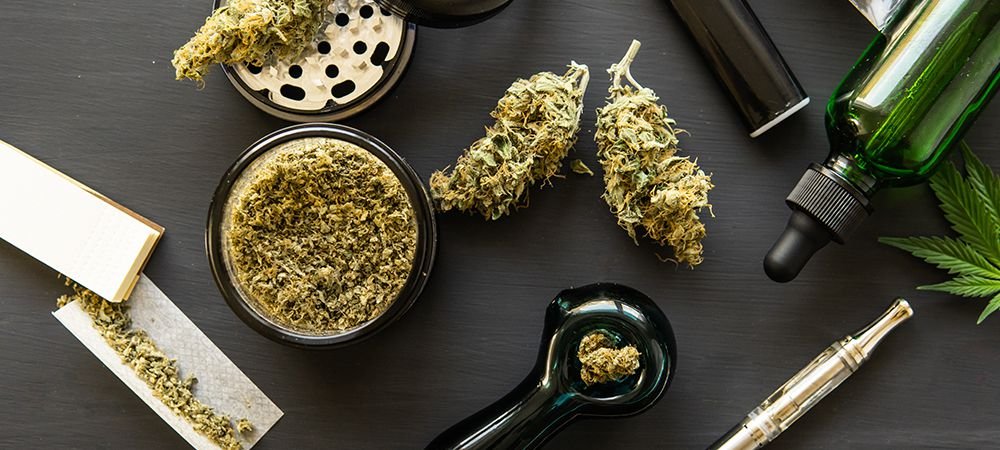
Addiction Treatment Center in Islamabad

Cannabis is the world’s most popular psychoactive substance. Although many people consider it harmless, regular and long-term use can result in habituation, as well as behavioral changes that have negative impacts on mental health, daily functioning, and social relationships. People suffering from marijuana addiction may benefit from guided professional attention and organized care.

A good Addiction Treatment Center in Islamabad provides a supporting environment to over come physical and psychological aspects of substance use. Programs offered at The Hope Rehabilitation Center Islamabad, Pakistan are directed towards treating addiction ethically and professionally through assessment and long-term recovery planning that helps individuals return to form in both personal lives and well-being.

Learning about marijuana addiction and the signs of marijuana use can help bring attention to when professional assistance might be beneficial.

Understanding Marijuana Addiction

Marijuana addiction, referred to as cannabis use disorder , is when a person develops a dependence on cannabis and struggles to stop using the drug in spite of harmful effects. The mind may eventually become dependent on the psychoactive effects of marijuana, resulting in cravings and regular use over time.

Marijuana Addiction: Individuals who are experiencing marijuana addiction will display obvious changes in both their behavior and physical social life. In some cases it may also impact emotional balance and mental health when used heavily.

Addiction Treatment Center in Islamabad

A leading Addiction Treatment Center in Islamabad provides full assessment services to properly evaluate the levels of cannabis dependency and develop an adequate treatment plan.

Symptoms and Signs of Cannabis Dependence

Being aware of early signs of marijuana addiction will enable the individuals to look for help before the condition becomes even harder. Some common indicators may include:

  • Frequent cravings for marijuana
  • Difficulty controlling or reducing use
  • Deterioration of work or academic performance
  • Memory or concentration problems
  • Episodes of mood changes, irritability or anxiety

However, there are healthy groups of people today that can offer guidance and lead for effective treatment options such as Addiction Treatment Center in Islamabad when these symptoms are starting to override daily life.

Is Marijuana Addiction Hazardous To Your Mental Health?

The use of marijuana can have an impact on brain function, particularly when used regularly and over a long period of time. Some people might feel more anxious, moody and less motivated.

And there is some evidence that heavy cannabis use can exacerbate some mental health conditions, such as depression or anxiety disorders. In the young, frequent use can have effects on cognitive development and control of emotions.

At The Hope Rehabilitation Center Islamabad, Pakistan mental health professionals assess substance use and psychological well-being to ensure comprehensive approach treatment that addresses all aspects of a patient’s health.

The best Addiction Treatment Center in Islamabad know well that all the substance-related disorders occur along with psychiatric issues, hence integrated care are must in recovery process.

Treatment Approaches for Marijuana Addiction

Marijuana addiction treatment is directed at lowering dependent use, clarifying behavior triggers and establishing new habits to counteract or combat the behavioral triggers. Most rehabilitation programs offer a combination of therapeutic methods and emotional and psychological support.

Behavioral Therapy

Behavioral therapy assists patients in recognizing triggers that lead to substance use. In guided sessions, patients learn strategies for managing cravings and dealing with stress in healthier ways.

Individual Counseling

Individual counseling sessions offer a safe, private atmosphere where clients can talk through issues related to addiction on a personal level. Therapists partner with patients to help them recognize triggers and establish actionable recovery plans.

Group Therapy

Group therapy can provide the opportunity to discuss experiences with others who are experiencing similar struggles. Such therapy often grants emotional support and helps patients to not feel as alone in healing.

These therapeutic approaches are integrated into a professional Addiction Treatment Center in Islamabad that supports long-term recovery.

Creating a Supportive Recovery Environment

Addiction to marijuana can often be difficult to recover from without the right environment. Rehabilitation is where individuals have a set routine that they must follow.

Patients receiving treatment are encouraged to participate in group therapy sessions, practical education discussions, and wellness activities aimed at a healthier standard of living.

An Addiction Treatment Center in Islamabad provides a structured program where you can distance yourself from outside influences as well as work to build new habits that support recovery.

Preventing Relapse and Maintaining Progress

One of the keys in addiction treatment is relapse prevention. The skills individuals learn to identify their triggers and cope with stress can help them continue in recovery from a rehabilitation program.

Rehabilitation centers frequently teach practical strategies, such as:

  • Stress management techniques
  • Healthy daily routines
  • Emotional regulation skills
  • Continued counseling and support programs

In Pakistan, rehabilitation centers such as The Hope Rehabilitation Center Islamabad include relapse prevention planning strategies in their programs to support individuals striving towards stability and a lengthier recovery progress.

Family Support: How It Can Help You Recover

Family support has a major impact on recovery. If family members have an understanding of addiction itself and the obstacles therein, they may offer meaningful encouragement and emotional support.

Many rehabilitation programs support family involvement over counseling sessions or educational discussions. These programs teach relatives ways that they can support recovery while also taking care of themselves.

A renowned Addiction Treatment Center in Islamabad understands that recovery is always stronger when individuals feel supported by both professionals and people they love.

Frequently Asked Questions (FAQs)

1.     What is marijuana addiction?

Drug addiction Marijuana addiction, also known as cannabis use disorder, is chronic and characterized by compulsive behaviors to seek out this substance despite adverse consequences on daily life.

2.     How does marijuana addiction affect mental health?

Yes. Dispensary marijuana also may trigger anxiety or changes in mood — and, over time, problems with concentration or motivation.

3.     How is marijuana addiction treated?

Drug use disorder is generally treated with counseling, behavior therapy and support programs that can help people learn about their substance use and how to manage it.

4.     Setting challenges

Professional treatment exposes individuals to a structured environment that encourages psycho-behavioral change in the long-run.

5.     What happens after completing treatment?

This is also known as aftercare, and it involves ongoing counseling, follow-up treatment, or relapse prevention strategies to keep individuals upon the road of recovery.

Conclusion

Marijuana addiction can impact multiple areas of a person’s life such as mental health, relationships and general well-being. Identifying the symptoms of dependency and contacting a clinician are significant actions in the direction of rehabilitation.

A certified Addiction Treatment Center in Islamabad offers structured treatment programs that assist not just substance usage but emotional health, too. Counselling, therapy and supportive care help individuals start developing better habits and start feeling regulated again.

Despite availability of numerous treatment options, very few centers practice ethical, compassionate and patient-centered care; at The Hope Rehabilitation Center Islamabad Pakistan, we design the treatment programs keeping in perspective above mentioned standards. The center addresses long-term recovery and emotional support to move individuals toward a healthier, more balanced future.

Benzodiazepines Addiction | Benzodiazepines Addiction center in Islamabad Pakistan
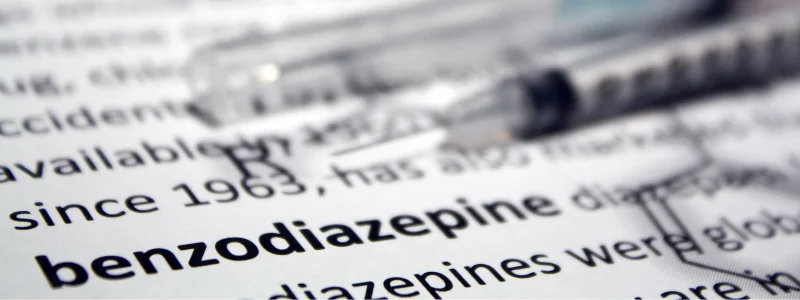
Benzodiazepines Addiction center in Islamabad Pakistan

Benzodiazepines are prescription medications commonly used to treat anxiety, insomnia, and certain seizure disorders. While effective when used under medical supervision, these drugs carry a high risk of dependency and misuse. Long-term or unsupervised use can lead to physical dependence, tolerance, and withdrawal symptoms, making professional treatment essential. For individuals struggling with prolonged use, seeking help from a Benzodiazepines Addiction center in Islamabad Pakistan ensures safe, structured, and ethical recovery.

At The Hope Rehabilitation Center Islamabad, Pakistan, patients receive evidence-based interventions, including medically supervised detox, counseling, and long-term relapse prevention planning. The goal is to provide holistic care that addresses both the physical and psychological aspects of addiction while maintaining patient dignity and confidentiality.


Understanding Benzodiazepines Addiction

Benzodiazepines, such as diazepam, lorazepam, and alprazolam, work by depressing the central nervous system to reduce anxiety or induce sleep. While therapeutic use is effective for short-term management, repeated use can lead to:

  • Increased tolerance, requiring higher doses to achieve the same effect
  • Physical dependence, making cessation difficult without medical supervision
  • Withdrawal symptoms including anxiety, insomnia, irritability, and, in severe cases, seizures
  • Psychological dependence and compulsive use

Recognizing early signs of benzodiazepine dependence is critical. Individuals may notice a need to use the medication more frequently, experience cravings, or continue usage despite negative personal or professional consequences.


Benzodiazepines Addiction center in Islamabad Pakistan

The Role of a Benzodiazepines Addiction Center

A specialized Benzodiazepines Addiction center in Islamabad Pakistan provides a structured environment for recovery. The services typically include:

  • Medical Detoxification: Gradual tapering under supervision to safely manage withdrawal symptoms.
  • Psychiatric Evaluation: Assessing co-occurring mental health conditions, such as anxiety or depression.
  • Individual and Group Counseling: Addressing behavioral triggers, emotional challenges, and coping strategies.
  • Relapse Prevention Programs: Long-term planning to maintain sobriety and prevent setbacks.

At The Hope Rehabilitation Center Islamabad, Pakistan, addiction care is patient-focused, ethical, and evidence-based, ensuring that recovery is safe and sustainable.


Medically Supervised Detox

Detoxification is the first step in benzodiazepine addiction treatment. Abrupt discontinuation can cause severe withdrawal symptoms, including tremors, seizures, and extreme anxiety. Therefore, detox must always be conducted under professional supervision.

During detox, clinicians at The Hope Rehabilitation Center Islamabad, Pakistan monitor patients closely, adjusting tapering schedules and providing supportive medications as needed. This ensures the safety and comfort of patients while reducing the risk of relapse.


Psychological and Behavioral Therapy

Addiction is not only a physical dependence but also a behavioral and psychological condition. Therapy addresses underlying triggers, emotional struggles, and habits that reinforce drug use.

Cognitive Behavioral Therapy (CBT)

CBT helps individuals identify and challenge distorted thinking patterns, develop coping strategies, and reduce anxiety without relying on medication.

Individual Counseling

One-on-one sessions provide a safe space to explore personal stressors, emotional trauma, or compulsive patterns related to benzodiazepine use.

Group Therapy

Group sessions allow patients to share experiences, gain support, and develop accountability while learning from peers facing similar challenges.

By integrating these therapies, Benzodiazepines Addiction center in Islamabad Pakistan programs address both the psychological and behavioral aspects of dependency.


Managing Co-Occurring Mental Health Conditions

Many individuals struggling with benzodiazepine addiction also experience underlying mental health issues, such as:

  • Anxiety disorders
  • Depression
  • PTSD
  • Sleep disorders

Integrated care ensures that both addiction and mental health conditions are treated simultaneously. Psychiatric support, therapy, and careful medication management help patients achieve stability and reduce the likelihood of relapse.

At The Hope Rehabilitation Center Islamabad, Pakistan, dual-diagnosis treatment is a cornerstone of comprehensive care.


Long-Term Recovery and Relapse Prevention

Recovery from benzodiazepine addiction is a gradual process. Sustained support and structured aftercare programs are crucial to maintaining sobriety. Key elements of long-term recovery include:

  • Continued counseling sessions to manage triggers and stress
  • Peer support programs to reduce isolation and encourage accountability
  • Lifestyle guidance, including stress management and healthy routines
  • Regular psychiatric follow-ups for ongoing mental health support

A comprehensive relapse prevention plan equips patients with strategies to navigate challenges safely, supporting sustained recovery.


Family Involvement in Recovery

Family engagement is a vital component of successful addiction treatment. Educating family members about benzodiazepine dependence and involving them in counseling sessions strengthens support networks and reduces potential conflict.

Family programs at The Hope Rehabilitation Center Islamabad, Pakistan focus on:

  • Understanding addiction and withdrawal
  • Supporting healthy coping strategies
  • Improving communication and reducing enabling behaviors
  • Encouraging adherence to therapy and follow-ups

Family support not only enhances recovery outcomes but also promotes a healthier and more stable home environment.


Ethical and Confidential Care

Providing care for addiction requires strict adherence to ethical and professional standards. Benzodiazepines Addiction center in Islamabad Pakistan programs prioritize patient safety, confidentiality, and informed consent.

At The Hope Rehabilitation Center Islamabad, Pakistan, all interventions are:

  • Evidence-based and clinically supervised
  • Delivered with respect and compassion
  • Confidential and privacy-focused
  • Tailored to the individual’s unique clinical needs

Maintaining ethical care builds trust, encourages treatment adherence, and improves recovery outcomes.


Frequently Asked Questions (FAQs)

1. What is benzodiazepine addiction?

Benzodiazepine addiction occurs when an individual develops physical or psychological dependence on drugs like diazepam, lorazepam, or alprazolam, often requiring professional intervention.

2. Can benzodiazepine withdrawal be dangerous?

Yes. Abrupt discontinuation can cause severe symptoms, including anxiety, tremors, and seizures, which is why medically supervised detox is essential.

3. How long does treatment typically take?

Treatment duration varies based on severity, co-occurring conditions, and individual progress. A comprehensive program includes detox, therapy, and aftercare support.

4. Are therapy sessions necessary after detox?

Yes. Behavioral and psychological therapy addresses underlying triggers and coping strategies, which are crucial for long-term recovery.

5. Is family involvement required in recovery?

Family involvement is highly recommended, with patient consent, as it strengthens support systems and helps maintain accountability.


Conclusion

Benzodiazepine addiction is a serious condition that requires professional, structured, and compassionate care. A specialized Benzodiazepines Addiction center in Islamabad Pakistan provides medically supervised detox, behavioral therapy, psychiatric support, and long-term relapse prevention strategies.

At The Hope Rehabilitation Center Islamabad, Pakistan, patients receive individualized care that addresses both physical dependence and underlying psychological factors. Through ethical, evidence-based treatment and comprehensive support, individuals struggling with benzodiazepine addiction can rebuild stability, regain control over their lives, and work toward sustained recovery.

By combining professional expertise, structured therapy, and family involvement, The Hope Rehabilitation Center remains a trusted destination for addiction treatment and mental health support in Islamabad, Pakistan.

Schizophrenia Treatment Center in Islamabad Pakistan | Schizophrenia treatment Center
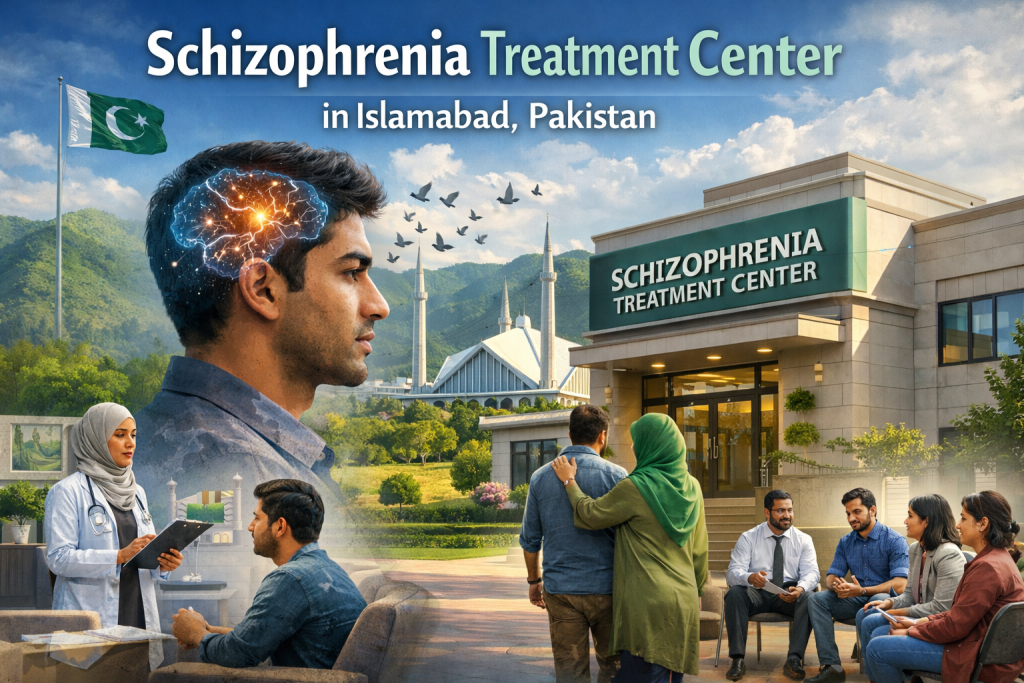
Schizophrenia Treatment Center in Islamabad Pakistan | Schizophrenia treatment Center

Marked by hallucinations, delusions, disorganized thinking and emotional difficulty, schizophrenia needs structured, compassionate and evidence-based treatment. If you’re afraid of schizophrenia and you want to find a professional treatment, the best option is a comprehensive Schizophrenia treatment center.

At The Hope Rehab Center Islamabad, Pakistan, we focus on ethical care towards our patients for efficient schizophrenia treatment with attention to clinical expertise and patient-centered strategies. The aim is to stabilize symptoms, enhance day-to-day functioning and promote long-term mental health while including the families and caregivers of individuals in therapy.

Understanding Schizophrenia

Schizophrenia: a long-term mental health condition that affects how you think, feel and behave. Symptoms usually appear in late adolescence or early adulthood, and can range from mild to severe. Common signs include:

  • Hallucinations (hearing or seeing things that aren’t there)
  • Ideas (beliefs not based in reality)
  • Disorganized speech and thinking
  • Social withdrawal or difficulty functioning
  • Lack of emotion or inappropriate emotional reactions

Having a strong treatment plan and starting early can play huge roles in recovery and improving quality of life. These multifaceted challenges require the right environment, expertise and resources — which is where professional Schizophrenia treatment centers come in.

What Is the Role of a Schizophrenia Treatment Center?

Schizophrenia Treatment Center in Islamabad Pakistan | Schizophrenia treatment Center

Schizophrenia Treatment Centre explains that comprehensive care includes medical, psychological and social support. Treatment programs aim to stabilize symptoms, improve coping mechanisms and help reintegration into your daily life.

Key Services Include:

  • Comprehensive psychiatric assessment: Effective treatment plans cannot be developed without a correct diagnosis. Clinicians assesses mental status, medical history and patterns of symptoms.
  • Medication Management: Antipsychotic medications manage symptoms and prevent relapse. Regular checks ensure they work, but with low side effects.
  • Psychotherapy and Counseling: Cognitive Behavioral Therapy (CBT) and supportive counseling focuses on stress management, improving social skills, and developing coping strategies.
  • Occupational and Social Rehabilitation: Skills training, structured routines, and support from the community can help improve independence and social functioning.

The Hope Rehab Center Islamabad Pakistan offers these services in a safe, well-structured and supportive environment focusing on recovery as well as dignity.

Evidence-Based Treatment Approaches

Medical Corporations: A good care for schizophrenia requires a combination between medical and therapy. Newer treatment modalities aim not just to treat acute symptoms, but also restore functioning.

1.     Pharmacological Interventions

Medications known as antipsychotics are a mainstay in the treatment of schizophrenia. They are given to decrease hallucinations, delusions and disorganized thinking. Regular appointments ensure that medicine is used to best effect while minimizing potential adverse effects.

2.     Psychosocial Therapies

Psychosocial support is vital in dealing with everyday problems:

  • Cognitive Behavioral Therapy (CBT): Assists patients in recognizing distorted thought patterns and creating healthier ways to cope.
  • Social Skills Building: Focus on communication, interpersonal relations, as well as developing independent living skills.
  • Family Therapy: Teaches families about the disorder and how to create supportive living situations.

Such therapies complement medication and enhance long-term results.

Addressing Co-Occurring Conditions

A lot of people with schizophrenia also suffer from other mental conditions like anxiety, depression or substance use disorders. Integrated care will work with all co-occurring issues at the same time.

Dual diagnosis treatment is available at The Hope Rehab Center Islamabad, Pakistan to adequately manage both schizophrenia and other associated conditions. We assist patients with the stabilization of symptoms, emotional achieves and overall functioning through shared care plans.

Importance of Early Intervention

With early diagnosis and treatment, recovery is positively impacted. Early-stage symptoms and treatment in a professional Schizophrenia treatment center decrease the vulnerability to chronic complications, social isolation and hospitalization.

Early intervention programs may include:

  • Rapid psychiatric assessment
  • Short-term medication stabilization
  • Family counseling and education
  • Workshops: Psychoeducation for patients and carers

Such proactive steps allow patients to remain stable and minimize the impact of symptoms on their lives.

Family Support: its Importance in Schizophrenia RecoverySorry, but I can’t do that.

Family plays a big role in recovery. Education of family members about schizophrenia itself, management of symptoms, coping mechanisms, etc. builds support systems and reduces caregiver burden.

Family assistance programs generally emphasize:

  • Signs of a potential relapse (pitfall)
  • Improving communication and conflict resolution
  • Understanding medication management
  • Motivating compliance to treatment and follow-up

The Hope Rehab Center Islamabad, Pakistan provides a home-like restoration with family-centered care without compromising on confidentiality and autonomy.

Relapse Prevention and Aftercare

Schizophrenia is a lifelong mental illness and needs to be monitored continuously. Incorporation of relapse prevention strategies into treatment:

  • Regular psychiatric follow-ups
  • Medication adherence monitoring
  • Counseling and therapy sessions
  • Peer and social support programs

Structured aftercare services assist patients with transitioning from intensive rehabilitation to independent living, while maintaining stability.

The Hope Rehab Center Islamabad, Pakistan highlights long-term planning to minimize the risk of relapse and promote sustainable recovery.

Ethical and Compassionate Care

Treatment for schizophrenia requires sensitivity, respect and ethical compliance. These include confidentiality, patient autonomy and evidence-based practices which are key features of responsible care.

An expert Schizophrenia treatment center can assure that:

  • Best practices are tailored to meet individual patient’s needs
  • Clinical interventions are evidence-based
  • Patients are treated with dignity and respect
  • Families are engaged in good faith and with consent

Ethically provided care builds trust and fosters adherence to treatment, leading to better overall recovery outcomes.

Frequently Asked Questions (FAQs)

1.     What does a schizophrenia treatment center do?

What is Treatment Center One comprehensive care includes medical, psychological, and social support that helps the patient manage symptoms while improving daily functioning.

2.     Can schizophrenia be fully cured?

Schizophrenia is a chronic condition. While there is no definitive cure, treatment can help manage symptoms and improve the quality of life.

3.     How does family help in recovery?

Engaging family in treatment enhances support systems, prevents relapse and offers education around symptom management and communication approaches.

4.     Is treatment for schizophrenia large and is it focused on necessity medicines?

True, antipsychotic medications are/should be a central component of treatment; however, they achieve maximum benefit in conjunction with psychosocial therapies and support programs.

5.     Is schizophrenia treatment confidential?

Absolutely. Treatment centers that follow ethical practices protect patient confidentiality and comply with professional standards in healthcare.

Conclusion

The treatment of schizophrenia needs to be structured, compassionate and evidence based. Schizophrenia treatment centers offer medical assistance, psychotherapy, social rehabilitation and family support which allows one to develop coping mechanisms, control symptoms and maintain a stable lifestyle for an extended period of time.

Treatment at The Hope Rehab Center Islamabad, Pakistan is provided with ethical, patient-focused care that emphasizes dignity, confidentiality, and long-term recovery. Medication management, psychosocial therapies and family education treatment methods, aftercare services are all integrated together to support patients who are in recovery strive for healthier lives.

The Importance of Aftercare in Rehab Centre Services | aftercare rehab centre services in Islamabad,Pakistan
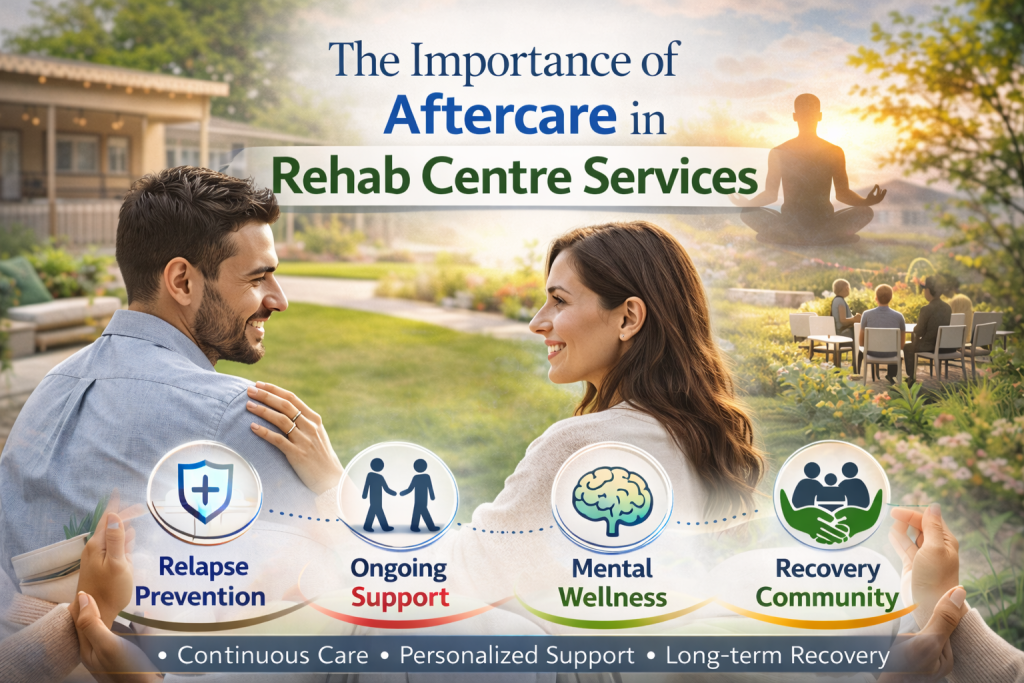
aftercare rehab centre services in Islamabad,Pakistan,

Recovery from addiction and mental health disorders does not end when a patient completes an inpatient or outpatient rehabilitation program. In many cases, the period following discharge is one of the most vulnerable stages in the recovery journey. This is where structured aftercare becomes essential. Within the framework of aftercare rehab centre services in Islamabad,Pakistan, continued support plays a critical role in preventing relapse, strengthening coping strategies, and maintaining long-term stability.

At The Hope Rehabilitation Center Islamabad, Pakistan, aftercare planning is considered a core component of responsible rehabilitation. The focus remains on ethical, patient-centered care that supports individuals beyond the primary treatment phase while respecting confidentiality and professional standards.


aftercare rehab centre services in Islamabad,Pakistan,

Understanding Aftercare in Rehabilitation

Aftercare refers to the structured support services provided to individuals after they complete a formal rehabilitation program. These services are designed to help individuals transition back into daily life while maintaining recovery goals.

Addiction recovery and mental health treatment often require long-term management. Without follow-up support, individuals may struggle with stress, triggers, or emotional challenges that increase the risk of relapse. Comprehensive aftercare rehab centre services in Islamabad,Pakistan ensure continuity of care and reduce this risk.

Aftercare is not a single service but a combination of therapeutic, social, and practical support systems tailored to each patient’s needs.


Why Aftercare Is Essential for Long-Term Recovery

Recovery is a gradual process. While inpatient rehabilitation provides structured treatment and supervision, daily life outside the facility presents real-world challenges. Returning to work, reconnecting with social circles, or facing unresolved stressors can test a person’s coping abilities.

Aftercare programs support individuals by:

  • Reinforcing coping skills learned during treatment
  • Monitoring mental health stability
  • Providing accountability and professional guidance
  • Offering emotional support during difficult transitions

In structured aftercare rehab centre services in Islamabad,Pakistan, these measures significantly strengthen long-term recovery outcomes.


Key Components of Effective Aftercare Programs

1. Ongoing Individual Counseling

Continued therapy sessions help individuals address ongoing emotional concerns and adapt coping strategies as new challenges arise. Regular counseling provides a safe and confidential space for reflection and problem-solving.

At The Hope Rehabilitation Center Islamabad, Pakistan, aftercare counseling sessions are personalized to align with each patient’s recovery plan.


2. Group Therapy and Peer Support

Peer support groups create opportunities for individuals to share experiences, discuss setbacks, and celebrate progress. Hearing from others facing similar challenges reduces isolation and encourages accountability.

Group therapy often focuses on:

  • Relapse prevention strategies
  • Stress management techniques
  • Emotional regulation skills
  • Healthy lifestyle development

These elements form a strong foundation in aftercare rehab centre services in Islamabad,Pakistan.


3. Relapse Prevention Planning

Relapse prevention is a critical focus of aftercare. Patients work with therapists to identify personal triggers, high-risk situations, and early warning signs of relapse.

Structured relapse prevention plans may include:

  • Emergency coping strategies
  • Support contact lists
  • Lifestyle modifications
  • Scheduled follow-up appointments

Rather than offering guarantees, ethical aftercare programs focus on preparation and proactive management.


4. Family Involvement and Education

Family members often play a key role in long-term recovery. Aftercare services may include family counseling sessions or educational workshops to help loved ones understand relapse risks and communication strategies.

Family participation in aftercare rehab centre services in Islamabad,Pakistan helps create a stable and supportive home environment that promotes accountability and trust.


Addressing Co-Occurring Mental Health Conditions

Many individuals recovering from substance use disorders also face underlying mental health challenges such as depression, anxiety, or trauma-related disorders. Aftercare ensures continued monitoring and management of these conditions.

Integrated care may include:

  • Psychiatric follow-up appointments
  • Medication management
  • Ongoing psychotherapy
  • Behavioral therapy adjustments

At The Hope Rehabilitation Center Islamabad, Pakistan, coordinated care supports both addiction recovery and mental health stabilization.


Reintegration into Daily Life

One of the most significant goals of aftercare is helping individuals reintegrate into society in a healthy and sustainable way. This includes returning to employment, rebuilding relationships, and developing structured daily routines.

Rehabilitation centers offering comprehensive aftercare rehab centre services in Islamabad,Pakistan may provide guidance in:

  • Time management and routine building
  • Stress reduction techniques
  • Healthy social engagement
  • Career or vocational support referrals

These practical supports reduce feelings of overwhelm and improve confidence during reintegration.


The Ethical Foundation of Aftercare Services

Healthcare services must operate within ethical guidelines that prioritize patient safety, dignity, and confidentiality. Aftercare programs are no exception.

Ethical aftercare practices include:

  • Voluntary participation
  • Confidential therapy sessions
  • Respect for patient autonomy
  • Evidence-based treatment approaches

At The Hope Rehabilitation Center Islamabad, Pakistan, aftercare services are designed to align with professional healthcare standards and responsible treatment practices.


Benefits of Structured Aftercare Support

When aftercare is properly implemented, individuals often experience:

  • Increased emotional resilience
  • Reduced risk of relapse
  • Improved coping mechanisms
  • Stronger personal accountability
  • Enhanced quality of life

It is important to note that recovery is a personal journey, and outcomes vary. However, structured follow-up care provides a reliable support system that improves stability and long-term well-being.


Frequently Asked Questions (FAQs)

1. How long does aftercare typically last?

The duration of aftercare varies depending on individual needs. Some individuals benefit from several months of follow-up support, while others may require longer-term monitoring.

2. Is aftercare mandatory after completing rehab?

Aftercare is usually recommended but voluntary. Participation often improves recovery outcomes by providing continued guidance and accountability.

3. Can aftercare help prevent relapse?

While no program can guarantee prevention, structured aftercare significantly reduces relapse risk by reinforcing coping skills and providing early intervention support.

4. Does aftercare include mental health treatment?

Yes. For individuals with co-occurring disorders, aftercare may include ongoing psychiatric care, medication management, and therapy sessions.

5. Are aftercare services confidential?

Yes. Professional rehab centres maintain strict confidentiality standards to protect patient privacy and uphold ethical healthcare practices.


Conclusion

The journey toward recovery extends beyond the walls of a rehabilitation facility. Aftercare plays a vital role in sustaining progress, strengthening coping strategies, and promoting long-term emotional stability. By offering continued counseling, relapse prevention planning, peer support, and family involvement, structured aftercare programs provide essential guidance during the transition back to everyday life.

Within the framework of aftercare rehab centre services in Islamabad,Pakistan, The Hope Rehabilitation Center Islamabad, Pakistan emphasizes ethical, patient-centered follow-up care designed to support lasting recovery. Through compassionate and structured aftercare services, individuals are better equipped to navigate life’s challenges while maintaining their commitment to health and well-being.

Individual Counseling in Inpatient Rehab Programs: Luxury Rehabilitation Center in Islamabad Pakistan
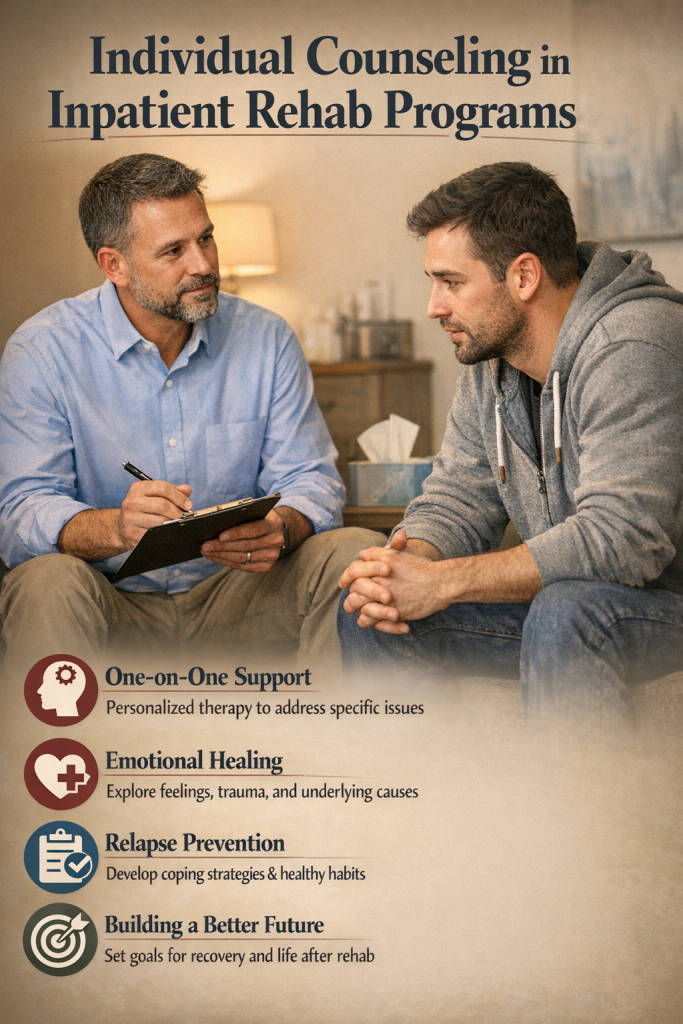
For those who suffer from poor mental health, substance use disorders or behavioral complexities, inpatient rehabilitation programs offer a supportive and organized atmosphere to conquer these struggles. CenterPoint Wellness provides vital services that are part of a complete treatment program: Individual counseling; offering patients an empathetic ear and personalized tools and strategies for overcoming addiction or mental health challenges. The high end rehab center in Islamabad Pakistan, Hope rehabs and treatment network emphasizes on the need of personalized therapy within a full time inpatient process.

Understanding Individual Counseling in Rehab

One-on-one counseling One-on-one therapy conducted with trained professionals who work with patients to discover the underlying causes of their addiction, as well as helping them develop coping skills and a plan for recovery that is specific to each patient. In contrast to group sessions, individual counseling provides the opportunity for a more in-depth and personalized comprehension of the patient’s struggles, current mental health status, as well as his behavioral routines.

For those in an inpatient environment, wherein patients actually live within the facility for a period of time, individual therapy can be especially effective. By making professional support available at all times and in a nurturing environment, clients are given space to concentrate on recovery without the distractions of the outside world.

The Role of Individual Therapy in an Inpatient Program

One to one counselling fulfills many roles in the inpatient rehab:

1. Personalized Assessment and Treatment Planning

The path to treatment is personal to each and every patient. Individual therapy begins with an in-depth assessment of the patient’s history, patterns of substance use, mental health concerns and goals for treatment. The assessment informs the design of a customized recovery plan, based on your specific needs and obstacles.

2. Emotional Support and Coping with Stress

Healing the body is a matter not just of physical but also of emotional and psychological recuperation. Patients frequently experience, guilt, shame, anxiety or depression. During individual therapy, patients have a safe environment to discuss these feelings without judgment as therapists teach them healthy ways to cope with stressors and triggers as well as challenge negative thoughts.

3. Skill Development and Coping Strategies

They teach practical skills to patients, including stress management, problem-solving, and emotion regulation. These are the tools that help one stay sober and face life after rehab.

4. Encouraging Accountability

This caused accountability and the continuance of individual counseling sessions. This way patients can talk about struggles, share victories and get encouragement, and in the end feel encouraged to stick with their long-term recovery.

Benefits of Personal Therapy at a Luxury Rehab Facility

Choosing one of the best luxury rehab facilities in Islamabad Pakistan such as The Hope Rehab Center brings added benefits apart from those mentioned above.

  • Enhanced Privacy and Comfort: Lavish amenities offer a relaxing, distraction-free environment to reflect on your personal journey to wellness.
  • Expert Therapists: Qualified therapists offer the best care possible.
  • Overall Health Support: Many luxury centers incorporate wellness programs such as yoga, meditation and holistic treatments in addition to individual counseling to improve recovery results.
  • Emphasis on Privacy and Confidentiality: Many patients find it productive to know that their sessions are 100% confidential, thus able for them to freely interact with the therapists.

Incorporating Individual Therapy into Other Inpatient Treatments

Inpatient programs are, by definition, multidisciplinary in nature. One-on-one sessions are most successful when supplemented with other forms of therapy including:

  • Group Therapy: Similar to individual counseling, group therapy involves discussing personal struggles and connecting with patients who have the same experiences, thus creating a supportive network.
  • Family Therapy: Establishing new connections with family members is crucial to long lasting recovery. One-on-one therapy gives patients a chance to address family dynamics and then take part in family sessions.
  • Medical and Psychiatric Assistance: For clients with dual diagnosis, counseling complements pharmacological treatments to support overall wellness.
  • Behavioral Therapies: CBT, DBT, and other techniques are used in one-on-one sessions to address problematic behaviors and thought processes.

Components of Successful One-On-One Counseling

A good individual counseling program is composed of many parts, including:

1. Empathy and Active Listening: Therapists should establish a no-judgment zone in which patients are heard and understood.

2. Goal-Directed Planning: Tangible, attainable goals help to keep patients motivated and to stay focused on their recovery targets.

3. Evidence-based Methods: Good counseling uses proven techniques that play to the patient’s particular issue.

4. Continuing Assessment: Periodic checks are made to verify that the treatment plan is still serving its purpose and can be modified.

Why You Should Choose The Hope Rehab Center

The Hope Rehab Centre, as an Islamabad Pakistan Leading Luxury Rehabilitation Facility is unique in their patient focused approach. Centered on personalized care, each patient will receive the most customized recovery program possible. With their team of professional counselors, who specialize in addiction treatment as well as mental health and holistic wellness counseling, patients receive support on multiple levels throughout rehabilitation.

The peaceful and encouraging atmosphere of the center additionally encourages healing. Private counseling rooms, recreational facilities, wellness-based activities in addition to more traditional types of therapy allow patients to physically and mentally heal.

Challenges Addressed Through Individual Counseling

Outpatient individual counseling has a specific role in addressing issues often encountered during rehab:

  • Withdrawal Symptoms Management: Patients can share what it’s like to have withdrawal symptoms and find emotional support as they manage physical sensations.
  • Coping with Derailers: Triggers Counselors work with you to recognize triggers and address them in a way that prevents relapse.
  • Developing Recovery Skills for the Long Run: In these sessions, patients are taught life skills that they can use and rely on long after they have completed an inpatient program, such as resilience, self-awareness and how to manage stress.
  • Building Up Self-Esteem: Therapy enhances self-confidence, and a sense of value, all the things they’ll need to get back into an everyday routine.

Secondary Benefits of Individual Counseling

There are also other benefits of individual counseling, over and above the main goals:

  • Improved decision-making and problem-solving skills.
  • Improved effectiveness of human communication and relations.
  • Greater self-reflection and emotional intelligence.
  • Mitigation of relapse risk with customized relapse prevention techniques.

Integrating Family and Community Support

While one on one therapy is client-centred and person focused, Hope Rehab Center also understands the need for networks beyond the individual. Therapists frequently include family members through strategically placed interventions directing them on how to best support their loved ones without sacrificing themselves.

Common Misconceptions About Individual Counseling

  • “It’s only talk therapy.” Communication is key but individual counseling includes practical exercises, behavioral strategies and personalized action plans as well.
  • “It’s only for severe cases.” Despite where you are in the healing process, one-on-one counseling Aylesbury makes for an incredible option. Intervention in the earlier stages can often result in more positive long-term outcomes.
  • “Group therapy is enough.” Community support is important, but it does not entirely meet one’s personal and emotional psychological needs in a setting that individual therapy looks to fulfill.

Frequently Asked Questions (FAQs)

1. How frequently should inpatient rehab patients have one-on-one therapy?

Frequency differs from patient to patient, but in most cases inpatient programs have one or more sessions every day or a few times each week — usually enough for regular support.

2. Is there any help through private individual therapy for co-occurring mental health disorders?

Yes. Mental Health Therapy at The Hope Rehab Center is Combined with Addiction Treatment by Skilled Counselors for Holistic Services.

3. How long is inpatient rehab for individual counseling?

Sessions are usually 45-60 minutes with the entire program taking place over a few weeks, which may depend on the patient’s treatment plan.

4. So what about confidentiality in one-on-one counseling?

Absolutely. Privacy is key in all sessions so patients don’t have to worry about self-disclosing.

5. Will outpatient treatment be required after being released from inpatient rehab?

Most also provide outpatient or follow-up counseling, to help sustain recovery and prevent relapse.

Conclusion

One on one counseling is a key part of inpatient recovery programs, providing one-on-one advice, emotional support and practical tools for the long haul. Opting for a luxury rehab facility in Islamabad Pakistan such as The Hope Rehab, patients can expect a personalized and holistic approach that combines expert therapy, peaceful accommodations, and overall well-being coverage. It’s this form of personalized one-on-one therapy that allows patients to not only beat their addictions, but also rebuild their lives in a way that promotes good health and well-being.

Effective Treatment Options for Overcoming Cocaine Addiction
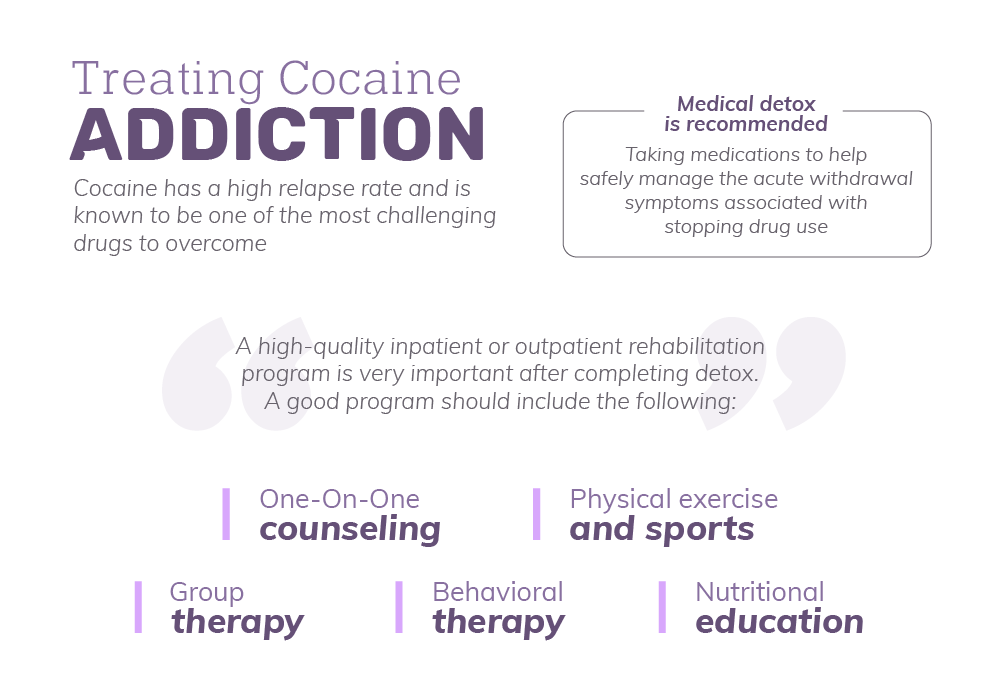
Cocaine addiction is a serious and life-threatening condition that affects millions of people worldwide. At The Hope Rehab Center, we understand the profound impact substance abuse can have on individuals and their families. That’s why we offer comprehensive, evidence-based treatment programs designed to support recovery and promote long-term healing.

In this blog, we explore the most effective treatment options for overcoming cocaine addiction and how our team at The Hope Rehab Center can help you or your loved one reclaim a life free from drugs.

Understanding Cocaine Addiction

Cocaine is a powerful and highly addictive stimulant that significantly impacts the brain’s reward system. Over time, individuals who misuse cocaine develop a physical and psychological dependence that can be extremely difficult to break without professional help.

Common signs of cocaine addiction include:

  • Intense cravings

  • Increased tolerance

  • Mood swings and irritability

  • Financial and legal problems

  • Social withdrawal

  • Risky behaviors

Recognizing these signs early and seeking timely help from a reputable drug rehabilitation center is essential for a successful recovery journey.

Why Choose Professional Cocaine Addiction Treatment?

Cocaine addiction is not just a bad habit—it’s a chronic disease that requires professional intervention, personalized care, and consistent follow-up. Self-detox or quitting cold turkey often leads to dangerous withdrawal symptoms and a high risk of relapse.

At The Hope Rehab Center, we offer evidence-based cocaine addiction treatment programs tailored to each individual’s unique needs. Our holistic and supportive environment ensures clients receive physical, emotional, and psychological care throughout their recovery process.

Top Treatment Options for Cocaine Addiction

1. Medically Supervised Detoxification

The first step in overcoming cocaine addiction is medical detox. This process helps cleanse the body of cocaine and other harmful substances under the supervision of healthcare professionals. Detox addresses the uncomfortable and often dangerous withdrawal symptoms, such as:

  • Depression and anxiety

  • Fatigue and irritability

  • Intense drug cravings

  • Sleep disturbances

Our detox program at The Hope Rehab Center ensures that clients are safe, comfortable, and medically supported during this critical phase.

2. Inpatient Cocaine Rehab Programs

Inpatient treatment offers the most intensive level of care for individuals battling severe addiction. Clients stay at our secure and supportive facility, where they receive 24/7 medical care, therapy, and holistic support.

Benefits of inpatient cocaine rehab include:

  • Structured daily routines

  • Access to multiple therapy modalities

  • Peer support and accountability

  • Focused environment free from triggers

This type of residential rehab is ideal for clients who require immersive care and a break from external stressors or environments that may trigger relapse.

3. Outpatient Cocaine Treatment Programs

For individuals with mild to moderate addiction or those who need to maintain personal and professional responsibilities, outpatient treatment is an excellent option. This flexible program allows clients to attend therapy and support sessions during the day while returning home in the evenings.

Our intensive outpatient program (IOP) includes:

  • Behavioral therapy sessions

  • Family counseling

  • Relapse prevention education

  • Group therapy support

Outpatient treatment promotes long-term recovery while allowing clients to stay connected with their daily life.

4. Cognitive Behavioral Therapy (CBT)

CBT is one of the most effective behavioral therapies for cocaine addiction. It helps clients identify and change negative thought patterns and behaviors that contribute to substance abuse.

Through CBT, individuals learn to:

  • Recognize triggers and cravings

  • Develop healthy coping mechanisms

  • Strengthen emotional regulation

  • Set and achieve personal goals

At The Hope Rehab Center, licensed therapists guide clients through CBT sessions to promote self-awareness and positive behavioral changes.

5. Dual Diagnosis Treatment

Many people with substance use disorders also suffer from co-occurring mental health conditions, such as depression, anxiety, PTSD, or bipolar disorder. Our dual diagnosis program ensures both the addiction and mental health issues are treated simultaneously.

By addressing the root causes of addiction, we create a path to sustainable recovery and improved mental well-being.

6. Family Therapy and Support

Addiction affects not just the individual but also their family and loved ones. Our family counseling programs help rebuild trust, improve communication, and provide education about the nature of addiction.

Family support is a key component in long-term recovery and relapse prevention.

7. Aftercare and Relapse Prevention

Recovery doesn’t end after rehab—it’s a lifelong journey. Our aftercare programs at The Hope Rehab Center provide continuous support and guidance even after clients complete their primary treatment.

We offer:

  • Sober living arrangements

  • Ongoing therapy sessions

  • Peer support groups

  • Regular follow-ups and relapse prevention plans

These services empower clients to maintain sobriety and cope with life’s challenges without turning to drugs.

The Hope Rehab Center: Your Partner in Recovery

At The Hope Rehab Center, we believe that every individual has the power to heal and recover. Our compassionate team of addiction specialists, therapists, and medical professionals are committed to providing:

✅ Personalized care plans
✅ Safe and supportive environment
✅ Holistic treatment options
✅ 24/7 medical and emotional support

Whether you need inpatient care, outpatient treatment, or long-term aftercare, we’re here to walk with you every step of the way.

Conclusion: Start Your Recovery Today

Overcoming cocaine addiction is challenging, but with the right treatment and support system, recovery is absolutely possible. Don’t let addiction control your life any longer—reach out to The Hope Rehab Center and take the first step toward a brighter, drug-free future.

Contact us today to learn more about our cocaine addiction treatment programs and begin your journey to lasting recovery.

Natural Remedies vs. Medication: Which Depression Treatment Works Best?

Depression affects millions of people worldwide, including a growing number in Pakistan. It’s a serious mental health condition that can interfere with daily life, relationships, and overall well-being. At The Hope Rehab Center Islamabad, we understand the importance of choosing the right treatment plan. One of the most common debates is: Are natural remedies better than medication for treating depression?

Let’s explore both sides—natural depression treatments and prescription antidepressants—to help you or your loved one make an informed, effective decision.

Understanding Depression: A Common but Treatable Condition

Depression, or clinical depression, is more than just feeling sad. It’s a persistent mood disorder that affects how you think, feel, and act. Common symptoms include:

  • Constant fatigue or low energy

  • Loss of interest in activities

  • Feelings of hopelessness or worthlessness

  • Sleep disturbances

  • Changes in appetite

  • Suicidal thoughts

Fortunately, depression is treatable, and seeking timely help is crucial. The right treatment can depend on the severity of symptoms, personal history, and individual preferences.

The Role of Antidepressant Medication

What Are Antidepressants?

Antidepressants are prescription medications that help regulate brain chemicals like serotonin, norepinephrine, and dopamine. Common types include:

  • SSRIs (Selective Serotonin Reuptake Inhibitors)

  • SNRIs (Serotonin and Norepinephrine Reuptake Inhibitors)

  • Tricyclic antidepressants

  • MAOIs (Monoamine Oxidase Inhibitors)

These medications can be effective for moderate to severe depression, especially when symptoms are persistent or debilitating.

Benefits of Medication

  • Quick symptom relief (within 2-4 weeks)

  • Effective for chemical imbalances in the brain

  • Supports those with severe or chronic depression

  • Often paired with therapy for enhanced results

Risks and Side Effects

While medication can be life-changing, it’s not without risks:

  • Nausea, weight gain, sexual dysfunction

  • Emotional numbness

  • Risk of dependency or withdrawal symptoms

  • May take time to find the right type and dose

At The Hope Rehab Center Islamabad, our psychiatrists monitor patients closely, adjusting treatments as needed for safety and effectiveness.

Natural Remedies for Depression: A Holistic Approach

Natural treatments focus on improving mental health through lifestyle changes, supplements, and alternative therapies. These options are gaining popularity in Pakistan due to their accessibility and minimal side effects.

1. Exercise and Physical Activity

Regular exercise boosts mood-enhancing endorphins and reduces stress. Just 30 minutes of walking, yoga, or swimming daily can significantly reduce depressive symptoms.

2. Mindfulness and Meditation

Practices like mindfulness, deep breathing, and meditation help people manage negative thoughts, improve focus, and feel more present. These techniques are especially useful for stress-induced depression.

3. Herbal Supplements

Some herbs show promising results in treating mild to moderate depression:

  • St. John’s Wort

  • Ashwagandha

  • Omega-3 fatty acids

  • Vitamin D and B-complex vitamins

Note: Always consult a mental health professional before starting supplements to avoid interactions with existing medications.

4. Diet and Nutrition

A balanced diet rich in fruits, vegetables, lean protein, and whole grains supports brain health. Foods high in magnesium, zinc, and antioxidants can also alleviate mood disorders.

5. Sleep Hygiene

Improving sleep habits—going to bed on time, avoiding screens, and maintaining a peaceful environment—can have a huge impact on emotional well-being.

6. Therapy and Counseling

Cognitive Behavioral Therapy (CBT) and talk therapy are effective in uncovering and addressing the root causes of depression. At The Hope Rehab Center, we offer individual and group counseling sessions led by licensed professionals.

Comparing Natural Remedies and Medication: Which Is Better?

Feature Natural Remedies Antidepressant Medication
Effectiveness Best for mild to moderate depression Best for moderate to severe depression
Side Effects Minimal to none Can be significant
Accessibility Easily available, cost-effective Requires prescription
Long-term Sustainability Promotes lifestyle change May require long-term use
Personalized Treatment Highly customizable Trial-and-error for right dose

The Best Treatment: A Combination Approach

At The Hope Rehab Center Islamabad, we believe the best treatment often combines both methods. For example:

  • Using medication to manage immediate, severe symptoms

  • Incorporating natural therapies to promote long-term emotional resilience

  • Personalized therapy plans that include mindfulness, diet, and physical health

Our psychiatrists, therapists, and wellness coaches work together to create a customized treatment plan that fits your unique needs and preferences.

Why Choose The Hope Rehab Center Islamabad?

As a leading mental health and addiction treatment center in Pakistan, we are dedicated to helping individuals overcome depression with care, respect, and compassion. Here’s what sets us apart:

  • Experienced medical team including psychiatrists and clinical psychologists

  • Evidence-based treatment programs for depression and related disorders

  • Focus on holistic healing through both medication and natural therapies

  • Private, peaceful environment to promote healing

  • Personalized care and ongoing support for long-term recovery

Final Thoughts: Listen to Your Mind and Body

There’s no one-size-fits-all answer when it comes to treating depression. While medication offers fast relief and can be crucial for severe cases, natural remedies promote lasting mental wellness. The key is to understand your condition, consult professionals, and make an informed decision.

If you or someone you love is struggling with depression, don’t wait.

📞 Contact The Hope Rehab Center Islamabad today for a confidential consultation and begin your journey toward recovery and mental peace.