The Hope Rehab Center

Category Mental Health Rehab

Cocaine Addiction – Cocaine Addiction in Islamabad, Pakistan
Cocaine Addiction – Cocaine Addiction in Islamabad, Pakistan

Cocaine addiction is a severe and multifaceted disease that has adverse consequences for both physical and mental health. Cocaine is one of the most powerful stimulants that changes the functioning of the brain resulting in intense cravings and addiction. Pakistan’s cocaine addiction needs a professional, ordered and diligent method to live about existence without cocaine.

At The Hope Rehabilitation Center Islamabad, Pakistan ensure that patients with cocaine addiction are treated ethically, scientifically, and in a supportive manner. It involves understanding the underlying factors that perpetuate addiction, addressing those influences and leading an individual through lifelong recovery.

Understanding Cocaine Addiction

Cocaine is a powerfully addictive central nervous system (CNS) stimulant. It induces a euphoric feeling for a few mins, better concentration and higher activity. Yet these effects are temporary, leading to increased consumption and subsequent dependence.

As a result, over time the brain becomes dependent on cocaine to feel pleasure, and referring yourself for treatment will be tough. Cocaine Addiction in Islamabad, Pakistan is a well-designed program to help individuals stop this cycle with or without drugs.

Common Signs of Cocaine Addiction

  • Strong cravings and frequent use
  • Mood swings and irritability
  • Increased energy followed by fatigue
  • Neglect of responsibilities
  • Risky or impulsive behavior

Identifying these early can lead to people getting help in a timely manner.

Health Effects of Cocaine Use

Cocaine addiction having physical and mental effects on the body, leading to dire health consequences.

Physical Health Risks

  • Faster pulse and science of the blood3
  • Risk of heart-related issues
  • Respiratory complications
  • Changes in appetite and weight

Mental and Emotional Impact

  • Anxiety and depression
  • Paranoia or restlessness
  • Difficulty concentrating
  • Emotional instability

Treatment programs at The Hope Rehabilitation Center Islamabad, Pakistan will work specifically with these effects as part of their whole care approach.

Why Professional Treatment is Important

Cocaine withdrawal and psychological dependence can make quitting cocaine a challenge on your own without assistance from professionals. Structured treatment programs offer a way of recovering in a safe and supportive environment.

Safe Detox and Stabilization

While cocaine withdrawal is predominantly psychological, it may be accompanied by powerful cravings and emotional struggles. This stage makes sure that individual is being accompanied by someone, professional care.

Personalized Treatment Plans

Cocaine Addiction – Cocaine Addiction in Islamabad, Pakistan

The experience each person has with addiction is unique. This targeted approach accounts for the trigger, habits and emotional components.

Emotional and Psychological Support

Therapy helps in identifying the reason behind addiction and developing healthy ways to cope.

The completed scope of Cocaine Addiction in Islamabad, Pakistan ensures security and conscientious recuperation.

Effective Treatment Approaches

An effective treatment plan uses several modalities to foster recovery.

Cognitive Behavioral Therapy (CBT)

With cognitive-behavioral therapy, you learn how to recognize unhealthy thought patterns and replace them with healthy behaviors. addiction recovery programs?)))) The approach is part of some drug rehab programs.

Individual Counseling

Through one-on-one counselling sessions, you have a place to talk about your personal challenges, and motivate yourself into becoming the person that you want to be.

Group Therapy

Group sessions are also a platform to share experiences, learn from each other and build on the shared sense of community and support.

Lifestyle Changes

Developing healthy habits is critical to sustainable recovery. These may include:

  • Regular physical activity
  • Balanced nutrition
  • Stress management techniques
  • Structured daily routines

These techniques have been incorporated throughout the treatment programs at The Hope Rehabilitation Center Islamabad, Pakistan to help enable sustainable recovery.

Role of Family in Recovery

The support of family is also an important factor in recovery. Being at a supportive environment can help make the determination needed to continue with treatment.

Families can contribute by:

Offering encouragement and understanding

Participating in counseling sessions

Assisting in creating a positive and steady environment

Family involvement is an important component of recovery and Programs for Cocaine Addiction in Islamabad; Pakistan often includes family members.

Preventing Relapse

Relapse is a common setback during addiction recovery, yet it can be mitigated through effective management.

Effective relapse prevention techniques include:

  • Identifying triggers and high-risk situations
  • Developing coping skills
  • Continuing therapy and support programs
  • Building a strong support network

Relapse prevention is one of the crucial components of every treatment plan at The Hope Rehabilitation Center Islamabad, Pakistan.

Benefits of Seeking Professional Help

There are many benefits to selecting professional care, including:

Structured Environment

A controlled environment helps them focus on recovery alone.

Comprehensive Treatment

It helps address the physical and psychological side of addiction.

Improved Quality of Life

Recovery means better health, more meaningful relationships, and stability.

Cocaine Addiction Treatment Program in Islamabad, Pakistan offers direction for a lifetime.

Frequently Asked Questions (FAQs)

1.     What causes cocaine addiction?

Repeated use of cocaine changes your brain chemistry, leading to dependency and allowing for addiction.

2.     Was this helpful Can cocaine addiction be treated successfully?

Therapy and support can help them to achieve long-term recovery – with you, by their side.

3.     What are common withdrawal symptoms?

The signs are fatigue, a feeling of depression, irritability and cravings that are practically uncontrollable.

4.     How long does treatment take?

How Long It Will Last: This is determined by the health of the individual and what plan they are on for treatment.

5.     You get to say whether or not families are involved in recovery.

Yes, family support serves emotional stability and promotes long-term growth.

Conclusion

Cocaine dependency is a complex disorder that needs greater than just willpower, and general treatment can help. Because and except that — with the proper supports, human beings can recovery and hold on with their lives.

We Do care, our treatment for Cocaine Addiction in Islamabad Pakistan at The Hope Rehabilitation Center Islamabad, Pakistan is ethical and extremely caring. With customized treatment plans, therapy sessions, and continuous support, people are bridged to a more promising and stable future.

ICE Drug Addiction – ICE Drug Addiction in Islamabad, Pakistan
ICE Drug Addiction – ICE Drug Addiction in Islamabad, Pakistan

ICE drug addiction is the use of ICE or crystal methamphetamine, and has become a widespread and serious physical and mental health issue. It is a very addictive substance that changes the way your brain functions, driving strong cravings and negative behavior patterns. ICE Drug addiction in Islamabad, Pakistan demands clinical treatment and structured treatment with long-term follow-up care.

More than results: Compassionate and Evidence-Based Care for ICE Addiction The Hope Rehabilitation Center Islamabad, Pakistan Helping people to understand their condition, cope with withdrawal and pave the road to recovery can be done in an environment that is safe and supportive.

Understanding ICE Drug Addiction

ICE, or crystalline methamphetamine, reacts with the central nervous system in a highly stimulant way. Though it provides an instant high of feel goodness and excitement, over time this releases havoc on health.

It can become addictive, and quitting often requires medical help. Colleges and ice drug rehab Treatment in Islamabad, Pakistan structured such programs assist individuals to understand how so much trouble of the substance.

Common Signs of ICE Addiction

  • Intense cravings for the drug
  • You feel energetic and then it is followed by the extreme fatigue
  • Changes in behavior or mood
  • Difficulty maintaining daily responsibilities

Recognizing these early warning signs is the first step to receiving help.

The health effects of using ICE drugs

An ICE drug addiction can—and often does—impact all areas of health, including physical, mental, and emotional.

Physical Health Effects

  • Rapid weight loss
  • Sleep disturbances
  • Higher heart rate and blood pressure
  • Dental and skin problems

Mental and Emotional Impact

  • Anxiety and depression
  • Aggressive or impulsive behavior
  • Difficulty concentrating
  • Emotional instability

The Hope Rehabilitation Center Islamabad, Pakistan provide comprehensive treatment for these health issues.

Why Professional Treatment is Essential

The second addiction is when an individual relies on their surroundings to help them overcome their addiction because ICE creates a solid foundation of dependence and it can be exceptionally tough to rid oneself of this substance without assistance. Treatment provides an environment that is safe and structured in order to begin recovery.

Medical Supervision

Psychological symptoms include anxiety and agitation [8] and withdrawal from ICE [9]. This process is manageable as long as supervision provides safety.

ICE Drug Addiction – ICE Drug Addiction in Islamabad, Pakistan

Personalized Treatment Plans

Every person’s addiction is different. A custom plan ensures treatment meets precise requirements and hurdles.

Emotional and Psychological Support

Therapists and therapy are critical components — helping them learn the root causes of their addiction and how to cope with the trauma or mental illness.

Due to the fact that a broad method of ICE Drug addiction in Islamabad, Pakistan is always consistent and authentic treatment.

Effective Treatment Approaches

ICE addiction is treated through a combination of medical care, therapy, and lifestyle modifications.

Detoxification and Stabilization

This first stage is for the drug to undergo a process of detoxification from the body. Where ICE recovery is largely a matter of mental/emotional state and professional management will keep symptoms in check.

Cognitive Behavioral Therapy (CBT)

Cognitive-behavioral therapy teaches individuals to notice their triggers and substitute harmful behaviors with healthy coping skills.

Individual and Group Counseling

Counseling sessions offer emotional support and allow the person to speak about his or her experiences in a secure environment.

Lifestyle and Behavioral Changes

It consists of taking on good habits, this includes:

  • Maintaining a regular sleep schedule
  • Engaging in physical activity
  • Practicing stress management techniques

The Hope Rehabilitation Center Islamabad, Pakistan these methodologies into the treatment plans that will last for years.

Role of Family in Recovery

Support from family is an important aid from which help addicts addicted to ICE recover. Having a positive environment can encourage people to stick with their treatment.

Families can contribute by:

  • Encouraging positive behaviors
  • Providing emotional support
  • Participating in counseling sessions

Family involvement in ICE Drug addiction programs in Islamabad, Pakistan tends to solidify the spire-ups of personal recovery.

Preventing Relapse

A significant aspect of treatment is relapse prevention. By helping someone track triggers and do those things to stay on a positive path.

Effective strategies include:

  • Identifying high-risk situations
  • Developing coping mechanisms
  • Continuing therapy or counseling
  • Building a supportive social network

Relapse prevention is an integral component of treatment at The Hope Rehabilitation Center Islamabad, Pakistan.

Benefits of Seeking Professional Help

Here are some of the benefits once you opt for professional care:

Structured Recovery Environment

In a specified environment, people concentrate on recovering without interruptions.

Comprehensive Care

Treatment treats both the psychological and physical components of addiction.

Improved Quality of Life

Recovery = better health, relationships and wellbeing.

ICE addiction treatment in Islamabad, Pakistan helps to guide permanent healing with a special program from ICE drug abuse.

Frequently Asked Questions (FAQs)

1.     What is ICE drug addiction?

Ice drug addiction is dependent on crystal meth, a powerful stimulant that influences the brain and body.

2.     Is it possible to successfully treat ICE addiction?

Addiction is a disease, and if you treat it right, then individuals are able to manage addiction and work on long-term recovery.

3.     What are common withdrawal symptoms?

Symptoms can include anxiety, fatigue/depression and extreme cravings.

4.     How long does recovery take?

The length of recovery depends on the person and the extent of addiction.

5.     Do We Need Family Support to Recover?

Yes, family support help motivate, keep in line with treatment

Conclusion

ICE addiction is very serious health disorder which needs professional treatment in comforting surroundings for successful rehabilitation. Recognizing the effects of the drug and getting help early can absolutely change a life.

An Introduction to ICE Drug Addiction – The Hope Rehabilitation Center Islamabad, Pakistan offer structured, compassionate care for those in need and offer specific experience of working with individuals facing ICE Drug addiction in Islamabad Pakistan. Compassionate care, therapy and support help guide people toward healthier footing and a more secure future.

Recovery is achievable when approached correctly with dedication and proper support system to rebuild their lives reaffirming joy and strength.

Smoking Addiction in Islamabad, Pakistan – Smoking Addiction in Islamabad, Pakistan
Smoking addiction In Islamabad, Pakistan

Abuse of smoking is a public health concern affecting many people in the world today and as one of more difficult conditions to address. For many people, smoking starts off as nothing more than a casual habit but grows into a full-blown nicotine addiction; it is extremely difficult — if not impossible — to shake, regardless of the dangers of long-term smoking awareness. Curing Smoking addiction In Islamabad, Pakistan demands medical attention along with psychological help as well as a change in lifestyle.

Treatment programs at The Hope Rehabilitation Center Islamabad, Pakistan, are tailored to combat nicotine dependence in a systematic and ethical manner. The center is about understanding behaviors and making changes that are more positive as part of comprehensive mental health and addiction services.

This article examines this disease of smoking, the repercussions it causes in human beings and how treatment by professionals can help people along their recovery.

Understanding Smoking Addiction

Nicotine — a major contributor to smoking addiction — is one of the substances in tobacco products. Nicotine stimulates the brain’s reward system, causing a feeling of short-lived pleasure and relaxation. Chronic use causes the brain to become reliant on nicotine and once smoking is lowered or stopped, cravings and withdrawal symptoms will occur.

Factors behind Smoking Addiction are:

  • Early exposure to tobacco
  • Social or environmental influences
  • Stress and emotional triggers
  • Habitual routines
  • Co-occurring mental health conditions

These factors are important to know when providing professional care for Smoking Addiction in Islamabad, Pakistan.

Health Effects of Smoking

It can take a toll for both physical and mental health than any other thing smoking. You train your body to use tobacco over years, and that has the burden of impacting many systems within.

Physical Health Risks

  • Chronic cough and other breathing problems
  • Increased risk of heart disease
  • Reduced lung function
  • Fatigue and decreased stamina

Mental and Emotional Impact

  • Increased anxiety and irritability
  • The nicotine reliance factors in alleviation of stress
  • Difficulty concentrating without smoking

Even though the risks are well known, giving up smoking can be tricky as nicotine is very addictive. A Smoking Addiction in Islamabad, Pakistan treatment center can help you to deal with these difficulties.

Symptoms of nicotine addiction

Smoking addiction In Islamabad, Pakistan

The first step to getting help with smoking dependence is recognizing the signs and symptoms. Common indicators include:

  • Intense desire to smoke cigarettes or tobacco
  • Difficulty quitting despite repeated attempts
  • Smoking when it is not the time or place
  • Withdrawal symptoms like irritability, or restlessness
  • Increased tolerance to nicotine

The Hope Rehabilitation Center Islamabad, Pakistan, conduct assessments to determine the extent of dependence or illness, enabling them to create customized treatment plans.

Why Professional Treatment Is Important

Many people try to quit smoking on their own, but can fail because of withdrawal symptoms and habitual triggers. Professional treatment helps people find structure and guidance.

Medical Guidance

When withdrawal symptoms become problematic, healthcare professionals will step in with a course of treatment.

Behavioral Therapy

Therapy can help people learn about the psychology of smoking and find more constructive coping methods.

Supportive Environment

Structured environment decreases risk of triggers and makes it complication free in preparation for a positive lifestyle change.

Smoking Addiction in Islamabad, Pakistan A complete Smoking Addiction in Islamabad.

Treatment Approaches for Smoking Addiction

Because nicotine dependence is a complex condition, successful treatment usually involves combination strategies unique to the person.

Cognitive Behavioral Therapy (CBT)

CBT focuses on identifying triggers and substituting behaviors that are more conducive to quitting smoking.

Motivational Counseling

It centers on enhancing the internal drive for quitting and sustained behavior change.

Nicotine Replacement Strategies

Sometimes, providers may use controlled methods to gradually manage cravings and withdrawal symptoms.

At The Hope Rehabilitation Center Islamabad, Pakistan, we develop treatment plans aimed at proving long-term sustainable recovery rather than in unrealistic expectations of a miracle cure.

Managing Withdrawal Symptoms

Afteryears of smoking, the body adjusts to nicotine intake and that can cause withdrawal symptoms when individuals quit.

Common symptoms include:

  • Irritability and mood changes
  • Difficulty concentrating
  • Increased appetite
  • Sleep disturbances
  • Anxiety or restlessness

These symptoms are generally momentary and make it tough. Getting a program for Smoking Addiction in Islamabad, Pakistan is on time able to control those symptoms.

Smoking Addiction and Mental Health: The Negative Influence of Each It Is

The act of smoking is commonly associated with emotions and mental factors. Nicotine is often a go-to drug for some people when faced with stress, anxiety or depression.

But this discretion can turn into a crutch and could decline mental health in the long run.

Integrated Treatment in a constructive environment from The Hope Rehabilitation Center Islamabad, Pakistan, takes care of not just smoking addiction but also treats other underlying mental health issues to improve overall well-being.

Lifestyle Changes for Long-Term Recovery

Professional treatment is important, but lifestyle changes are key when it comes to staying sober.

Healthy habits may include:

  • Regular physical activity
  • Balanced nutrition
  • Stress management techniques
  • Avoiding triggers associated with smoking
  • Building supportive social connections

The Smoking Addiction in Islamabad, Pakistan Program Sink Therapy does all these and gently guides them to build these practices for long-term maintenance.

Family and Social Support

Family and friends support are key factors in recovery outcomes. The support and understanding during the quit process keeps a person going.

Family involvement may include:

  • Emotional support
  • Encouragement to continue treatment
  • Creating a smoke-free environment
  • Participating in counseling sessions

Family support is an integral component of recovery The Hope Rehabilitation Center Islamabad, Pakistan,

Relapse Prevention Strategies

Understand that smoking cessation is a process, and relapse can happen. Identifying triggers and cravings and learning how to manage them is a critical component of long-term success.

Relapse prevention strategies include:

  • Identifying high-risk situations
  • Practicing stress management techniques
  • Continuing therapy or counseling
  • Building healthy routines
  • Seeking support when needed

A well-structured Smoking Addiction in Islamabad, Pakistan program helps keep you motivated and supports you to avoid relapse.

Frequently Asked Questions (FAQs)

1.     What causes smoking addiction?

Nicotine addiction, psychological and social dynamics that drive the behavior of smoking.

2.     Can you actually quit smoking?

A great number of people quit with assistance from specialists, therapy and changes in lifestyle.

3.     What are common withdrawal symptoms?

Some withdrawal symptoms are irritability, anxiety, sleep impediments and craving for nicotine.

4.     How Much Time to Get Over Smoking Addiction

The duration differs from person to person based on the degree of dependence, as well as dedication to treatment.

5.     Does mental health impact smoking habits?

The answer is yes: These factors can trigger smoking, making it more difficult to quit.

Conclusion

Smoking addiction is an extremely challenging state that considerably harms physical health and affects emotional well-being. It can be a bit tricky but with proper guidance, you can end the process in a pretty easy and effective manner.

The Hope Rehabilitation Center Islamabad, Pakistan, treatment programs emphasize ethical care, psychological support, and long-term recovery planning. When it is the center to treat Smoking Addiction, Islamabad, Pakistan intends to enhance your life through corrective propensities.

Family Support Program in Islamabad, Pakistan | Family Support Program in Islamabad, Pakistan
Family Support Program in Islamabad, Pakistan | Family Support Program in Islamabad, Pakistan

Addiction and mental health challenges do not only affect individuals—they also impact families in profound ways. Emotional stress, communication gaps, and uncertainty can make it difficult for families to provide effective support. This is where structured family support programs play a vital role in the recovery process.

A well-designed Family Support Program in Islamabad, Pakistan helps families understand addiction, rebuild trust, and develop healthier ways of supporting their loved ones. At The Hope Rehabilitation Center Islamabad, Pakistan, family involvement is considered an essential part of recovery, with programs designed to strengthen relationships and promote long-term healing.

Understanding the importance of family support can help create a more stable and encouraging environment for recovery.


Understanding the Importance of Family Support

Family plays a central role in an individual’s emotional well-being. During recovery, support from loved ones can significantly influence motivation and progress. However, without proper guidance, families may struggle to respond effectively to the challenges of addiction.

A structured Family Support Program in Islamabad, Pakistan provides education and tools that help families understand the nature of addiction and recovery. This understanding reduces confusion and allows family members to offer meaningful support.

At The Hope Rehabilitation Center Islamabad, Pakistan, families are guided to play a constructive role in the recovery journey, fostering empathy and positive communication.


Key Components of a Family Support Program

Family support programs are designed to address both emotional and practical aspects of recovery. These programs aim to create a balanced and supportive environment for everyone involved.

Education About Addiction and Recovery

One of the first steps in a family support program is educating family members about addiction. Understanding how addiction affects behavior and decision-making can help families respond with patience and awareness.

A professional Family Support Program in Islamabad, Pakistan provides clear information about recovery stages, relapse risks, and coping strategies.

At The Hope Rehabilitation Center Islamabad, Pakistan, educational sessions help families gain insight into the recovery process and their role in supporting it.


Family Support Program in Islamabad, Pakistan | Family Support Program in Islamabad, Pakistan

Family Counseling Sessions

Counseling sessions provide a safe space for families to discuss concerns, express emotions, and address misunderstandings. These sessions encourage open communication and help rebuild trust.

A structured Family Support Program in Islamabad, Pakistan includes guided counseling that focuses on improving relationships and resolving conflicts.

At The Hope Rehabilitation Center Islamabad, Pakistan, family counseling is conducted with sensitivity and confidentiality, ensuring a respectful and supportive environment.


Communication and Relationship Building

Healthy communication is essential for recovery. Families often need guidance on how to express support without creating pressure or conflict.

Family support programs teach effective communication skills, including active listening and constructive dialogue. These skills help reduce misunderstandings and strengthen relationships.

A reliable Family Support Program in Islamabad, Pakistan focuses on building positive interactions that contribute to long-term recovery.


Emotional Support for Families

Families themselves may experience stress, anxiety, or emotional fatigue while supporting a loved one in recovery. Providing support without addressing their own well-being can be challenging.

A comprehensive Family Support Program in Islamabad, Pakistan recognizes the importance of supporting both the patient and their family members. Programs may include stress management techniques and emotional support sessions for families.

At The Hope Rehabilitation Center Islamabad, Pakistan, families are encouraged to care for their own well-being while supporting their loved ones.


Role of Family in Preventing Relapse

Relapse prevention is an important part of recovery, and families can play a key role in this process. By understanding triggers and warning signs, family members can help identify potential challenges early.

A structured Family Support Program in Islamabad, Pakistan teaches families how to:

  • Recognize early signs of relapse
  • Provide support during difficult situations
  • Encourage positive habits and routines
  • Maintain a stable and supportive environment

At The Hope Rehabilitation Center Islamabad, Pakistan, families are guided to become active participants in maintaining long-term recovery.


Creating a Supportive Home Environment

A positive home environment can significantly influence recovery outcomes. Stability, understanding, and encouragement help individuals stay focused on their progress.

Families can contribute to a supportive environment by:

  • Promoting open and respectful communication
  • Avoiding judgment or criticism
  • Encouraging healthy routines
  • Supporting continued therapy or follow-up care

A professional Family Support Program in Islamabad, Pakistan provides families with practical strategies to create such an environment.


Long-Term Benefits of Family Support Programs

Family support programs offer long-term benefits that extend beyond the recovery period. These programs help strengthen relationships, improve communication, and promote emotional resilience.

Some key benefits include:

  • Improved family dynamics
  • Increased understanding of addiction
  • Stronger emotional connections
  • Enhanced support for long-term recovery

At The Hope Rehabilitation Center Islamabad, Pakistan, family support programs are designed to foster lasting positive change for both individuals and their families.


Frequently Asked Questions (FAQs)

1. What is a family support program?

A family support program provides education, counseling, and guidance to help families support a loved one in recovery.

2. Why is family involvement important in recovery?

Family involvement can improve emotional support, strengthen relationships, and increase the chances of long-term recovery.

3. What do family counseling sessions involve?

Family counseling sessions focus on communication, conflict resolution, and understanding the challenges of addiction.

4. Can family support help prevent relapse?

Yes. A structured Family Support Program in Islamabad, Pakistan helps families recognize warning signs and provide timely support.

5. Do family members also receive support?

Yes. Family support programs often include emotional support and stress management for family members themselves.


Conclusion

Recovery is not a journey that individuals take alone—it is a process that involves support, understanding, and collaboration. A structured Family Support Program in Islamabad, Pakistan plays a crucial role in strengthening relationships and creating a stable environment for recovery.

By focusing on education, communication, and emotional support, family programs help individuals and their loved ones move forward together. Building trust and understanding within the family can make a significant difference in maintaining long-term progress.

At The Hope Rehabilitation Center Islamabad, Pakistan, family support is an integral part of treatment. Through compassionate care and structured programs, the center helps families and individuals work toward a healthier, more balanced future.

Best Rehabilitation Center in Islamabad, Pakistan | Best Rehabilitation Center in Islamabad, Pakistan
Best Rehabilitation Center in Islamabad, Pakistan | Best Rehabilitation Center in Islamabad, Pakistan

Finding the right support for addiction and mental health challenges is an important step toward recovery. With increasing awareness about substance use disorders and psychological well-being, many individuals and families are seeking professional care that is safe, ethical, and effective. Choosing the Best Rehabilitation Center in Islamabad, Pakistan involves understanding the quality of services, treatment approaches, and the overall environment provided by the facility.

At The Hope Rehabilitation Center Islamabad, Pakistan, care is designed to support individuals through every stage of recovery. The focus remains on patient well-being, structured treatment, and long-term stability without making unrealistic promises. A balanced and professional approach ensures that individuals receive the guidance they need to rebuild their lives.


Understanding the Role of a Rehabilitation Center

A rehabilitation center provides structured treatment for individuals facing substance use disorders or mental health challenges. These centers aim to address both physical dependence and emotional factors that contribute to addiction.

The Best Rehabilitation Center in Islamabad, Pakistan offers a combination of medical care, therapy, and lifestyle support. Treatment is not limited to stopping substance use; it also focuses on helping individuals develop healthier coping mechanisms and routines.

At The Hope Rehabilitation Center Islamabad, Pakistan, programs are tailored to meet individual needs, ensuring that each patient receives personalized attention and care.


Key Features of the Best Rehabilitation Center

Best Rehabilitation Center in Islamabad, Pakistan | Best Rehabilitation Center in Islamabad, Pakistan

Choosing a rehabilitation center requires careful consideration of several important factors. The quality of care depends on how well the center addresses different aspects of recovery.

Comprehensive Assessment and Personalized Care

Every individual’s experience with addiction is different. A professional rehabilitation center begins with a detailed assessment to understand the patient’s condition, history, and specific needs.

The Best Rehabilitation Center in Islamabad, Pakistan ensures that treatment plans are personalized rather than generalized, allowing for more effective recovery outcomes.

At The Hope Rehabilitation Center Islamabad, Pakistan, assessments are conducted with care and confidentiality, forming the foundation of a structured treatment plan.


Medical Detox and Safe Withdrawal Management

Detoxification is often the first step in the recovery process. It involves removing harmful substances from the body while managing withdrawal symptoms.

A reliable Best Rehabilitation Center in Islamabad, Pakistan provides medical supervision during detox to ensure safety and comfort. This stage is handled carefully to reduce potential risks.

At The Hope Rehabilitation Center Islamabad, Pakistan, detox services are offered in a controlled environment where patients receive professional monitoring and support.


Therapy and Counseling Services

Therapy plays a crucial role in addressing the psychological aspects of addiction. Behavioral therapies, such as Cognitive Behavioral Therapy (CBT), help individuals identify harmful thought patterns and develop healthier responses.

Counseling sessions provide a safe space for patients to discuss their experiences, emotions, and recovery goals.

The Best Rehabilitation Center in Islamabad, Pakistan integrates therapy into every stage of treatment, supporting emotional healing and long-term recovery.


Importance of a Supportive Environment

A calm and structured environment is essential for effective rehabilitation. Being in a supportive setting allows individuals to focus entirely on recovery without external distractions or triggers.

The Best Rehabilitation Center in Islamabad, Pakistan provides routines that include therapy sessions, wellness activities, and educational programs. These routines help individuals build discipline and stability.

At The Hope Rehabilitation Center Islamabad, Pakistan, the environment is designed to promote respect, privacy, and emotional comfort, creating a space where patients feel safe throughout their recovery journey.


Building Skills for Long-Term Recovery

Recovery is not just about completing treatment; it is about maintaining progress over time. Rehabilitation centers focus on equipping individuals with the skills needed for long-term stability.

These skills may include:

  • Stress management techniques
  • Emotional regulation strategies
  • Healthy lifestyle habits
  • Relapse prevention planning

The Best Rehabilitation Center in Islamabad, Pakistan emphasizes the importance of these skills to help individuals navigate life after treatment.

At The Hope Rehabilitation Center Islamabad, Pakistan, patients are guided through the process of building sustainable routines that support their overall well-being.


Role of Family in the Recovery Process

Family support can have a meaningful impact on recovery. When family members understand addiction and its challenges, they can provide encouragement and emotional stability.

Many rehabilitation programs include family counseling sessions to improve communication and strengthen relationships.

A trusted Best Rehabilitation Center in Islamabad, Pakistan recognizes the importance of involving loved ones in the recovery process.

At The Hope Rehabilitation Center Islamabad, Pakistan, family support is integrated into treatment planning, helping individuals feel connected and supported.


Focus on Relapse Prevention

Relapse prevention is a key component of rehabilitation. Individuals are taught to recognize triggers and develop strategies to manage them effectively.

Common relapse prevention strategies include:

  • Identifying high-risk situations
  • Practicing coping mechanisms
  • Continuing therapy or follow-up care
  • Building a strong support system

The Best Rehabilitation Center in Islamabad, Pakistan focuses on preparing individuals for life after treatment by promoting long-term stability.


Frequently Asked Questions (FAQs)

1. What makes a rehabilitation center the best?

The best rehabilitation center provides personalized care, professional supervision, therapy, and a supportive environment for recovery.

2. How long does rehabilitation treatment take?

The duration varies depending on the individual’s condition and response to treatment.

3. Is detox necessary before starting therapy?

Detox is often the first step for individuals with physical dependence, but treatment plans are customized based on individual needs.

4. Can recovery be maintained after treatment?

With proper support, therapy, and lifestyle changes, individuals can work toward maintaining long-term recovery.

5. Why choose a professional rehabilitation center?

A professional Best Rehabilitation Center in Islamabad, Pakistan offers structured care, medical supervision, and emotional support that help individuals focus on recovery.


Conclusion

Choosing the Best Rehabilitation Center in Islamabad, Pakistan is an important decision that can shape the path to recovery. A well-structured program provides the medical care, therapy, and support needed to address both physical and emotional aspects of addiction.

Recovery is a gradual process that requires commitment, patience, and professional guidance. With the right environment and support, individuals can develop healthier habits and regain control over their lives.

At The Hope Rehabilitation Center Islamabad, Pakistan, treatment programs are designed to prioritize patient well-being, ethical care, and long-term recovery. By offering a supportive and structured approach, the center helps individuals move toward a more stable and healthier future.

Drug Rehabilitation Center in Islamabad Pakistan
Drug Rehabilitation Center in Islamabad Pakistan

Drug addiction is one of the most serious health problems for human beings, taking tolls on physical, emotional and social life. It can build slowly over time and is often difficult to get under control without professional guidance. A structured and supportive environment is essential in helping an individual seeking recovery attain long-term stability.

An effective Drug Rehabilitation Centre in Islamabad Pakistan offers a systematic treatment plan that focuses on both the physical and psychological aspects of addiction. Treatment programs at The Hope Rehabilitation Center, Pakistan emphasize ethical care, patient safety, and long-term recovery support.

However, many people have little to no knowledge about how rehabilitation centers work.

The Impact of Drug Addiction and What You Need to Know

Drug addiction alters the brain’s ability to manage behavior, emotions and decision-making. They change brain chemistry so that it is very hard for people to stop on their own without a structured support program.

What addiction can do over time:

  • Physical health complications
  • Emotional instability and stress
  • Difficulty maintaining relationships
  • Reduced performance in daily responsibilities

And a specialized Drug Rehabilitation Centre in Islamabad, Pakistan help address these challenges through a combination of medical care and therapeutic support.

Treatment at The Hope Rehabilitation Center Islamabad, Pakistan begins with addressing the unique condition and recovery needs of each patient.

Essential Services Provided by a Drug Treatment Center

Rehab centers provide a variety of services aimed at assisting patients at every step of the recuperation process. These services are designed to provide immediate care and long-term support — you’re not just rushed in and out of the office.

Medical Detoxification

Detox is typically the initial phase of recovery. It includes purging the body of toxic substances and handling withdrawal symptoms.

Detoxification programs are administered in a safe and comfortable environment, free of outside influence under professional supervision at The Hope Rehabilitation Center Islamabad Pakistan.

During this time, a structured Drug Rehabilitation Centre in Islamabad Pakistan provides the patients with continuous monitoring and helps them to smoothly transition into any further stage of treatment.

Behavioral Therapy and Counseling

A huge piece is therapy, an exact form of addiction treatment. This information is useful for people to learn about what drove substance use and learn better coping techniques.

Common methods used to work through triggers and emotional struggles include Cognitive Behavioral Therapy (CBT) techniques.

Drug Rehabilitation Centre Islamabad, Pakistan: Therapy/counseling is an integral element of treatment plans at the Drug Rehabilitation Centre in Islamabad, Pakistan to support emotional healing and long-term recovery.

Inpatient and Outpatient Treatment Options

Inpatient and outpatient programs may be offered at rehabilitation centers. The former a arranged environment in which patient remains on the facility and latter allow people to continue going through their daily schedules while receiving care.

Treatment plans are designed considering the patient’s condition at The Hope Rehabilitation Center Islamabad, Pakistan leading to versatility and effectiveness.

Utilizing a Structured Recovery Environment

Recovery time must be done in a stable and compassionate environment. Rehabilitation centers offer routines that reinforce discipline, focus and aid emotional stability.

Such routines often involve therapy sessions, wellness activities and educational discussions about addiction and recovery.

Drug Rehabilitation Center in Islamabad Pakistan

For the same purpose, a reputable Drug Rehabilitation Centre in Islamabad, Pakistan provides an opportunity to immerse oneself completely in recovery without any external interruptions.

In fact, The Hope Rehabilitation Center Islamabad, Pakistan is a place where it focuses to create respectful and supporting environment that gives an opportunity for the long-term recovery.

Building Skills for Long-Term Recovery

With the right foundation in place, recovery can continue long after treatment has ended. The key to staying on track and not relapsing is developing useful skills.

Rehabilitation programs often focus on:

  • Stress management techniques
  • Emotional regulation skills
  • Healthy lifestyle habits
  • Relapse prevention strategies

In Islamabad, Pakistan a complete Drug Rehabilitation Centre provides these skills with aims at long term consistency.

At The Hope Rehabilitation Center Islamabad, Pakistan patients are adept to sustainable routines that promote a positive culture for well-being.

Family Support During Treatment

Family participation can be a fundamental element of the recovery process. Being motivated to continue progress when they know that family members are aware and supportive.

Some rehabilitation centers might provide family counseling sessions or educate families on how to communicate better and be supportive of the patient in his or her recovery process.

An effective Drug Rehabilitation Centre in Islamabad Pakistan understands including family members in the recovery process.

Family support is included in treatment planning to create a safer recovery environment at The Hope Rehabilitation Center Islamabad, Pakistan.

Relapse Prevention and Ongoing Support

Treadmill is one of the key pillars in recovery which means you should be doing more whenever you feel mocked. People are trained to recognize their triggers and respond appropriately.

Common relapse prevention strategies include:

  • Recognizing high-risk situations
  • Practicing coping mechanisms
  • Continuing therapy or follow-up care
  • Building a strong support network

Drug Rehabilitation Centre in Islamabad, Pakistan which is a trusted one will provide necessary advice so that people can stay on their progress after being treated.

Frequently Asked Questions (FAQs)

1.     What is a drug rehabilitation center?

A drug rehabilitation center is an institution where individuals are treated for substance use disorders.

2.     How long does treatment take?

The length of treatment depends on the person’s condition and how they respond to therapy.

3.     Is detox always required?

Detox is frequently the first step despite some patients having a physical dependence, but treatment plans are specific for each case.

4.     Can addiction be managed long-term?

As you take the first step, with professional care and ongoing support, you can focus on achieving long-term recovery and stability.

5.     What are the benefits of a professional rehabilitation center?

A Drug Rehabilitation Centre in Islamabad, Pakistan is a structured program that helps a person observe it with complete attention and concentration as it removes outside distractions that can hinder recovery.

Conclusion

Or if they foster the drug addiction to worse. In Islamabad, Pakistan, a well-reputed Drug Rehabilitation Centre offers the needed resources for individuals to receive their first step into recovery.

With medical detoxification, therapy and counseling, as well as relapse prevention techniques, those struggling with addiction can learn to replace those bad habits with healthier ones and take their life back. Recovery is a process and takes time, but with the proper support in place, significant progress can be made.

A therapeutic community with a strong focus on patient-centered ethical practices, The Hope Rehabilitation Center Islamabad, Pakistan offers treatment programs that can nurture in a supportive environment. The center is instrumental in guiding patients throughout all stages of recovery and assists them on their journey towards a happier and healthier tomorrow.

Alcohol Detox | Alcohol Detox in Islamabad Pakistan
Alcohol Detox | Alcohol Detox in Islamabad Pakistan

Over time, it can take a toll on a person’s physical health and emotional stability, as well as their overall quality of life. Although many people try to cut back or quit drinking on their own, withdrawal symptoms and cravings can complicate the process. This is why professional detoxication is a vital aspect of the initial steps towards recovery.

Alcohol detox in Islamabad Pakistan centers provide individuals with a safe, medically supervised environment to start their recovery. Detoxification programs at The Hope Rehabilitation Center Islamabad, Pakistan focus on laying the foundation for a successful recovery by ensuring that patients receive both medical and emotional support during this crucial first phase.

Learn about the detoxed process and why it may be important for individuals or families to seek care from a professional.

What is Alcohol Detox?

Alcohol detox is the process of getting alcohol out of your system while dealing with physical symptoms of withdrawal. When someone who has been excessively drinking withdraws abruptly, he or she can experience physical and psychological symptoms from the body.

What Are the Symptoms of Mumps? This is why a professional Alcohol Detox in Islamabad Pakistan ensures that individuals get the necessary monitoring and care during this stage.

There is detox programs designed to help patients safely transition into further treatment at The Hope Rehabilitation Center Islamabad, Pakistan which offers clinically supervised detox.

Why Professional Detox is Important

Detoxing on your own can be difficult and, in some cases, dangerous. Symptoms of withdrawal can range from anxiety, irritability, sweating, nausea or insomnia.

In more extreme cases, people may become disoriented or physically agitated. Structured Alcohol Detox in Islamabad Pakistan has the resources required to handle these symptoms.

Alcohol Detox | Alcohol Detox in Islamabad Pakistan

Professional detox offers several benefits:

  • Continuous medical monitoring
  • Support for managing withdrawal symptoms
  • A safe and controlled environment
  • Preparation for further rehabilitation

The Hope Rehabilitation Center Islamabad, Pakistan place importance on comfort and safety during the detox process.

Common Withdrawal Symptoms

Withdrawal symptoms can vary based on the length and magnitude of alcohol use. Familiarity with these symptoms makes it clear that professional care is needed.

Some common symptoms include:

  • Headaches and fatigue
  • Irritability or mood swings
  • Sleep disturbances
  • Increased heart rate
  • Difficulty concentrating

A good Alcohol Detox in Islamabad Pakistan program will help you get through these symptoms with supportive care and medical supervision.

The Alcohol Detox Process

There is no one-size-fits-all for detoxification. Each individual has a different experience, and treatment plans are tailored to them.

Initial Assessment

The first step in detox is a thorough evaluation of the person’s health, drinking behavior and medical history. This allows healthcare providers to get an idea of the best care plan.

The Hope Rehabilitation Center Islamabad, Pakistan performs assessments for treatment planning in a confidential and caring manner.

Medical Supervision and Stabilization

Through detox, patients are watched in close proximity to monitor withdrawal manifestations and build stability. Medical providers might be able to offer supportive care to help relieve discomfort and keep people safe.

This process is monitored and can be done in a Safe Environment, an Alcohol Detox in Islamabad Pakistan also Gradual Stabilization for the body keeping in mind gradual alleviation of symptoms associated without alc.

Emotional and Psychological Support

Detoxification is not only physical; it is also emotional. In this phase, people can have mood changes or anxiety.

During the early period of recovery, it does not offer mere counseling but also emotional support through therapeutic interaction at The Hope Rehabilitation Center Islamabad, Pakistan.

Transition to Rehabilitation

Detox is the beginning, but long-term recovery cannot happen without ongoing care and support. Following detox, people need to undergo rehabilitation programs focusing on the reason behind the addiction.

Alcohol Detox in Islamabad Pakistan provides you with a full foundation for the future when it comes to counseling or good relapse prevention.

After detoxification, patients at The Hope Rehabilitation Center Islamabad Pakistan transition into rehabilitation and learn to remain stable long term.

Building a Foundation for Recovery

Detoxification is an important milestone, but recovery involves ongoing work. It is important to build healthy habits and coping strategies for long-term success.

Key Components of Recovery Include:

  • Establishing a stable daily routine
  • Managing stress effectively
  • Engaging in counseling or therapy
  • Building a supportive social network

The long-term practices for recovery can be derived from a professional Alcohol Detox in Islamabad Pakistan.

Frequently Asked Questions (FAQs)

1.     What is alcohol detox?

Alcohol detox involves the removal of alcohol from your system while addressing withdrawal symptoms within a controlled environment.

2.     Is Alcohol Detox Required for Everyone?

Detox is generally recommended for people who are moderate to severely dependent on alcohol, particularly if they would experience withdrawal symptoms.

3.     How long does detoxing from alcohol take?

The length of time depends on the individual, but detox lasts anywhere from a few days to perhaps a week.

4.     Is detox alone enough to help with alcohol addiction?

Detox is only the first step. Permanent recovery typically necessitates therapy, counseling and ongoing support.

5.     Why choose professional detox services?

With a medically supervised alcohol detox, you can rest assured that professionals will be there to help and support you through the process.

Conclusion

Alcohol detox represents an important first step in breaking the cycle of alcohol dependency. Although some parts of the process can feel overwhelming, having professional support can make it safer and easier.

Detoxifying from alcohol can be dangerous, and a comprehensive Alcohol Detox in Islamabad Pakistan can allow individuals to properly manage withdrawal symptoms and start their recovery journey with assurance. By providing medical monitoring, emotional support and a safe environment, detox programs help to lay the foundation for long term healing.

Ethical, safe and patient-centric detox services at The Hope Rehabilitation Center Islamabad, Pakistan. The center allows individuals to move towards a sober and balanced life by taking them through the initial stages of recovery.

Cannabis or Marijuana Addiction | Cannabis or Marijuana Addiction in Islamabad Pakistan
Cannabis or Marijuana Addiction | Cannabis or Marijuana Addiction in Islamabad Pakistan

Cannabis, commonly known as marijuana, is often perceived as a mild or recreational substance. However, repeated and prolonged use can lead to dependency, affecting both mental and physical health. While not everyone who uses cannabis develops an addiction, some individuals may struggle to control their usage, leading to disruptions in daily life.

Addressing Cannabis or Marijuana Addiction in Islamabad Pakistan requires a balanced and professional approach that focuses on both behavioral patterns and emotional well-being. At The Hope Rehabilitation Center Islamabad, Pakistan, treatment programs are designed to provide structured care, psychological support, and a safe environment for recovery.

Understanding how cannabis addiction develops and how it can be treated is essential for individuals and families seeking meaningful and lasting change.


Understanding Cannabis or Marijuana Addiction

Cannabis affects the brain by interacting with receptors that influence mood, memory, and perception. While occasional use may not lead to dependency, regular use can alter brain function over time.

Individuals dealing with Cannabis or Marijuana Addiction in Islamabad Pakistan may find it difficult to stop using the substance, even when it begins to impact their work, relationships, or mental health.

Dependency often develops gradually. What may start as occasional use can turn into a routine habit, eventually leading to cravings and psychological reliance. Recognizing this pattern early can make treatment more effective.


Signs and Symptoms of Cannabis Dependence

Cannabis or Marijuana Addiction | Cannabis or Marijuana Addiction in Islamabad Pakistan

Identifying the signs of cannabis addiction can help individuals seek timely support. Although symptoms vary, some common indicators include:

  • Frequent cravings for cannabis
  • Difficulty reducing or stopping use
  • Reduced motivation or energy levels
  • Trouble concentrating or remembering information
  • Changes in mood, including irritability or anxiety

When these symptoms begin to affect daily functioning, professional support for Cannabis or Marijuana Addiction in Islamabad Pakistan can provide valuable guidance and care.


Impact on Mental and Physical Health

Long-term cannabis use can affect mental health, especially when used regularly over an extended period. Some individuals may experience increased anxiety, mood instability, or difficulty managing stress.

Cognitive functions such as memory and attention may also be affected. In certain cases, excessive use can lead to reduced productivity and withdrawal from social or professional responsibilities.

At The Hope Rehabilitation Center Islamabad, Pakistan, healthcare professionals assess both physical and psychological health to ensure a comprehensive treatment plan.

A structured approach to Cannabis or Marijuana Addiction in Islamabad Pakistan focuses on improving overall well-being while addressing substance use behaviors.


Treatment Approaches for Cannabis Addiction

Recovery from cannabis addiction involves a combination of therapy, counseling, and lifestyle adjustments. Treatment plans are tailored to meet the specific needs of each individual.

Behavioral Therapy

Behavioral therapy plays a central role in treating cannabis addiction. Techniques such as Cognitive Behavioral Therapy (CBT) help individuals understand the connection between thoughts, emotions, and behaviors.

Through therapy, patients learn to identify triggers, manage cravings, and develop healthier coping mechanisms.

A professional approach to Cannabis or Marijuana Addiction in Islamabad Pakistan integrates these therapeutic methods to support long-term recovery.


Individual Counseling

Individual counseling provides a safe and confidential environment where individuals can discuss their challenges and experiences. Therapists work with patients to address underlying emotional issues that may contribute to substance use.

At The Hope Rehabilitation Center Islamabad, Pakistan, counseling sessions are designed to promote self-awareness and encourage positive behavioral changes.


Group Support and Peer Interaction

Group therapy sessions allow individuals to share experiences with others who are facing similar challenges. This shared understanding can reduce feelings of isolation and provide emotional support.

A structured Cannabis or Marijuana Addiction in Islamabad Pakistan program often includes group sessions to encourage communication and peer learning.


Building Healthy Habits for Recovery

Recovery is not only about stopping substance use but also about building a healthier lifestyle. Establishing positive habits can support long-term stability and well-being.

Some beneficial practices include:

  • Maintaining a consistent daily routine
  • Engaging in physical activity
  • Practicing stress management techniques
  • Developing healthy social connections

At The Hope Rehabilitation Center Islamabad, Pakistan, patients are encouraged to adopt lifestyle changes that support both mental and physical health.

A comprehensive approach to Cannabis or Marijuana Addiction in Islamabad Pakistan emphasizes the importance of balance and personal growth.


Preventing Relapse and Maintaining Progress

Relapse prevention is an important aspect of recovery. Learning to recognize triggers and manage stress effectively can help individuals maintain their progress.

Rehabilitation programs often include relapse prevention strategies such as:

  • Identifying high-risk situations
  • Developing coping skills
  • Continuing therapy or follow-up care
  • Strengthening support systems

At The Hope Rehabilitation Center Islamabad, Pakistan, patients receive guidance on maintaining recovery beyond the initial treatment phase.

A reliable Cannabis or Marijuana Addiction in Islamabad Pakistan program focuses on long-term success rather than short-term solutions.


Frequently Asked Questions (FAQs)

1. What is cannabis addiction?

Cannabis addiction occurs when an individual becomes dependent on marijuana and finds it difficult to stop using it despite negative effects.

2. Can marijuana affect mental health?

Yes. Long-term use may contribute to anxiety, mood changes, and difficulties with concentration or memory.

3. How is cannabis addiction treated?

Treatment typically includes behavioral therapy, counseling, and support programs designed to help individuals change their habits and manage triggers.

4. Is professional help necessary for cannabis addiction?

Professional support can provide structured guidance and therapy, which can be beneficial for individuals struggling to quit on their own.

5. How long does recovery take?

Recovery time varies for each individual, depending on their condition, level of dependence, and commitment to treatment.


Conclusion

Cannabis or marijuana addiction can impact various aspects of life, including mental health, relationships, and daily functioning. While it may seem manageable at first, long-term use can lead to dependency and behavioral challenges.

Seeking support for Cannabis or Marijuana Addiction in Islamabad Pakistan is an important step toward recovery. Through therapy, counseling, and structured rehabilitation programs, individuals can develop healthier habits and regain control of their lives.

At The Hope Rehabilitation Center Islamabad, Pakistan, treatment programs are designed with a focus on ethical care, patient well-being, and long-term recovery. By providing a supportive environment and professional guidance, the center helps individuals move toward a healthier and more balanced future.

Cocaine Addiction – Cocaine Addiction in Islamabad, Pakistan
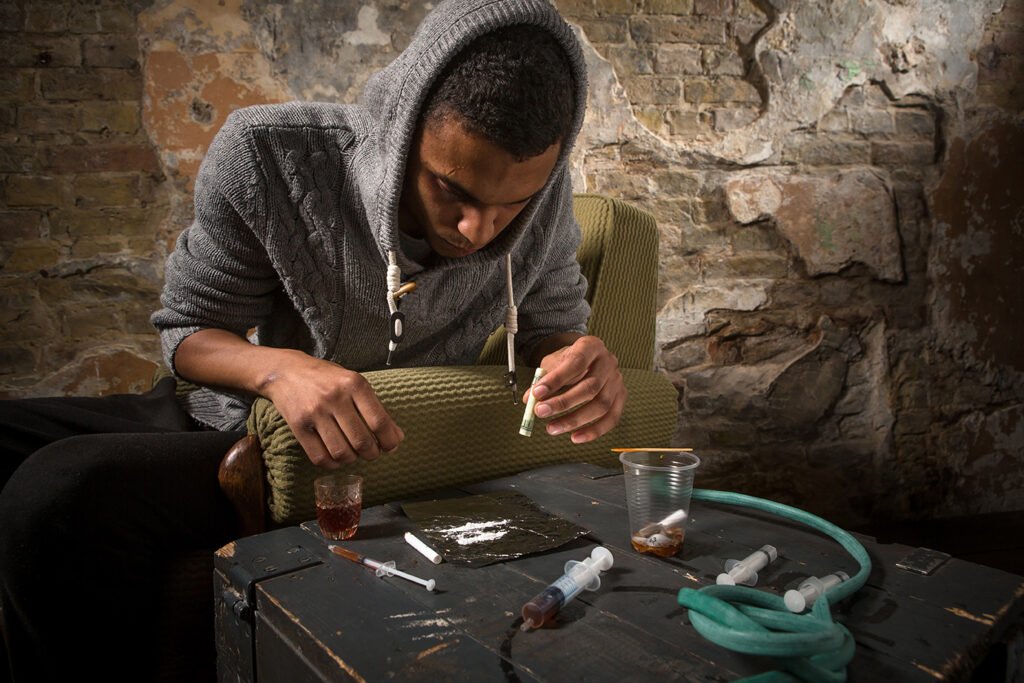
Cocaine Addiction – Cocaine Addiction in Islamabad, Pakistan

Cocaine addiction is a serious and complex health condition that affects both the body and mind. As a powerful stimulant, cocaine can create intense feelings of energy and euphoria, but its repeated use often leads to dependency and long-term health risks. Individuals struggling with this condition may find it difficult to control their use despite harmful consequences.

Seeking timely professional support is essential for recovery. Many individuals and families search for effective care options for Cocaine Addiction in Islamabad, Pakistan to begin the healing process in a safe and structured environment. At The Hope Rehabilitation Center Islamabad, Pakistan, treatment programs are designed with compassion, clinical expertise, and a focus on long-term recovery. This article explores cocaine addiction, its effects, and the importance of professional rehabilitation.


Understanding Cocaine Addiction

Cocaine is a stimulant that affects the central nervous system by increasing dopamine levels in the brain. This creates temporary feelings of pleasure, confidence, and heightened energy. However, repeated use can disrupt the brain’s natural balance, leading to dependency.

Over time, individuals may develop tolerance, requiring larger amounts of the substance to achieve the same effect. This cycle often leads to addiction and makes quitting without support extremely difficult. A structured program addressing Cocaine Addiction in Islamabad, Pakistan can provide the necessary guidance for safe recovery.

At The Hope Rehabilitation Center Islamabad, Pakistan, treatment focuses on both the physical and psychological aspects of addiction.


Causes and Risk Factors of Cocaine Addiction

Cocaine addiction can develop due to a variety of factors that influence behavior and decision-making.

Psychological Factors

Cocaine Addiction – Cocaine Addiction in Islamabad, Pakistan

Stress, anxiety, depression, or emotional trauma can lead individuals to use cocaine as a way to cope with difficult feelings.

Social and Environmental Influences

Peer pressure, exposure to substance use, and easy availability of drugs can increase the likelihood of experimentation and continued use.

Biological Factors

Genetic predisposition and differences in brain chemistry may make some individuals more vulnerable to addiction.

A professional approach to Cocaine Addiction in Islamabad, Pakistan involves identifying these factors and creating personalized treatment plans.


Signs and Symptoms of Cocaine Addiction

Recognizing the symptoms of cocaine addiction is an important step toward seeking help.

Behavioral Symptoms

  • Increased energy and restlessness
  • Risk-taking behavior
  • Neglecting responsibilities
  • Social withdrawal

PsychologicalSymptoms

  • Mood swings
  • Anxiety or irritability
  • Difficulty concentrating
  • Strong cravings for cocaine

Physical Symptoms

  • Increased heart rate
  • Sleep disturbances
  • Loss of appetite
  • Fatigue after the drug’s effects wear off

If these symptoms are present, seeking care for Cocaine Addiction in Islamabad, Pakistan can provide appropriate support and treatment.


Health Effects of Long-Term Cocaine Use

Long-term cocaine use can have serious consequences for both physical and mental health.

Cardiovascular Risks

Cocaine can increase heart rate and blood pressure, which may lead to heart-related complications over time.

Mental Health Challenges

Chronic use is often linked to anxiety, depression, and emotional instability.

Cognitive and Behavioral Impact

Cocaine can affect memory, decision-making, and overall cognitive function, making daily life more difficult.

At The Hope Rehabilitation Center Islamabad, Pakistan, treatment programs are designed to address these challenges through a comprehensive approach.


Treatment Approaches for Cocaine Addiction

Recovery from cocaine addiction requires a structured and supportive treatment plan.

1. Medical Assessment and Detoxification

The first step involves a detailed evaluation of the individual’s health and substance use history. Detoxification may be recommended to manage withdrawal symptoms safely.

A professional program for Cocaine Addiction in Islamabad, Pakistan ensures that this process is conducted under medical supervision.


2. Behavioral Therapy and Counseling

Therapy plays a central role in recovery. It helps individuals understand the underlying causes of addiction and develop healthier coping strategies.

Common approaches include:

  • Cognitive Behavioral Therapy (CBT)
  • Individual counseling
  • Motivational therapy

At The Hope Rehabilitation Center Islamabad, Pakistan, therapy sessions are tailored to meet individual needs.


3. Group Therapy and Peer Support

Group therapy provides a supportive environment where individuals can share experiences and learn from others. This helps reduce isolation and build motivation during recovery.


4. Relapse Prevention and Aftercare

Relapse prevention strategies are essential for maintaining long-term recovery. Individuals learn how to identify triggers and manage cravings effectively.

Aftercare programs provide continued support through counseling and lifestyle guidance. Structured care for Cocaine Addiction in Islamabad, Pakistan focuses on sustaining progress.


Lifestyle Changes for Long-Term Recovery

Recovery is not limited to treatment alone. Adopting healthy habits is essential for maintaining progress.

Important lifestyle changes include:

  • Establishing a consistent daily routine
  • Practicing stress management techniques
  • Engaging in regular physical activity
  • Building supportive relationships
  • Setting realistic personal goals

At The Hope Rehabilitation Center Islamabad, Pakistan, individuals are guided in integrating these habits into their daily lives.


Role of Family Support in Recovery

Family support can play a significant role in the recovery process. Encouragement and understanding from loved ones can help individuals stay motivated.

Family counseling sessions improve communication and rebuild trust. Many programs for Cocaine Addiction in Islamabad, Pakistan include family involvement as part of comprehensive care.


Frequently Asked Questions (FAQs)

1. What is cocaine addiction?

Cocaine addiction is a condition where an individual becomes dependent on the drug and struggles to control its use.


2. What are the early signs of cocaine addiction?

Early signs include increased energy, mood swings, cravings, and difficulty managing daily responsibilities.


3. Is detox necessary for cocaine addiction treatment?

Detox may be recommended to manage withdrawal symptoms safely before starting therapy.


4. How is cocaine addiction treated?

Treatment typically includes medical support, therapy, counseling, and relapse prevention strategies.


5. Can recovery from cocaine addiction be long-term?

With proper care, support, and lifestyle changes, individuals can achieve long-term recovery.


Conclusion

Cocaine addiction is a serious condition that can affect every aspect of an individual’s life. However, with timely intervention and professional care, recovery is possible. Understanding the risks and seeking structured support can make a meaningful difference.

The Hope Rehabilitation Center Islamabad, Pakistan provides compassionate and ethical care tailored to individual needs. Programs addressing Cocaine Addiction in Islamabad, Pakistan focus on medical supervision, psychological support, and long-term recovery planning.

Relapse Control Program| Relapse Control Program in Islamabad Pakistan.

Relapse Control Program

The process of addiction or mental health recovery is a lifelong process that does not end after the initial treatment. Although a rehabilitation program is an important step, long-term stability needs support, awareness, and practical plans. It is here that the relapse control program comes in with structure.

The Relapse Control Program designed in Islamabad Pakistan aims at assisting the individuals to identify the early warning signs, control triggers, and practice healthy routines. In The Hope Rehabilitation Center Islamabad, Pakistan, relapse prevention is regarded as an essential component of the recovery process, which provides patients with the instruments and advice to continue the progress in the long term.

The knowledge of the relapse control programs functionality can assist individuals and families to remain ready and dedicated to the long-term recovery.

Relapse and the Problems of Relapse.

Relapse has been misinterpreted as a failure yet in fact, it may be an element of the recovery process to some individuals. It is a relapse to substance use or other unhealthy behaviors after some improvement.

Relapse can be caused by several factors such as stress, emotional difficulties, environmental stimuli, or absence of constant support. The identification of these factors is a significant move towards prevention.

One of the professional Relapse Control Programs in Islamabad Pakistan is aimed at early identification of these challenges and assisting individuals to devise strategies to deal with them.

The main elements of a Relapse Control Program.

Relapse prevention programs are structured to offer continuous support and practical aids that assist people to remain stable in their daily lives.

Trigger Identification

Relapse Control Program

Trigger identification is one of the most significant elements of relapse prevention. The triggers can be emotional stress, some environments or social situations which enhance the risk of relapsing.

In The Hope Rehabilitation Center Islamabad, Pakistan, patients are instructed to identify their own triggers and how they affect behavior.

A structured Relapse Control Program in Islamabad Pakistan, assists people in building awareness, which is crucial in prevention of relapse.

Coping Strategies and Skill Development.

One of the most important aspects of relapse prevention is learning to deal with stress and emotional difficulties. Practical coping skills are taught to patients to be applied in real life.

These policies can involve:

  • Stress management techniques
  • Meditative and restorative activities.
  • Problem-solving skills
  • Emotional regulation methods

The Relapse Control Program of Islamabad Pakistan is a reliable program that aims at developing these skills in order to enable people to cope with the challenges without resorting to substance use.

Continuous Counseling and Support.

Follow-up counseling is significant in sustaining recovery. Constant therapy sessions allow individuals a secure environment to talk about their progress, difficulties, and concerns.

The Hope Rehabilitation Center Islamabad, Pakistan, is a facility where follow-up counseling sessions will be conducted to help the patients integrate into their normal lives.

In Islamabad Pakistan, a professional Relapse Control Program will see to it that the individuals do not lose touch with the support systems even after they have undergone initial treatment.

The importance of Routine and Lifestyle Changes.

Making a healthy routine is a significant component of relapse prevention. Daily routines can assist people to be attentive and minimize the risk of triggers.

The positive lifestyle changes could be:

  • Having a regular sleep schedule.
  • Physical exercise.
  • Practicing healthy eating habits
  • Staying involved in productive activities

The Hope Rehabilitation Center Islamabad, Pakistan, encourages patients to implement practices that can promote physical and emotional health.

The Relapse Control Program in Islamabad Pakistan is well planned and focused on the significance of stability and balance in daily life.

The Significance of Family and Social Support.

Family and friends can play a great role in the recovery process. Loved ones can also offer encouragement and make people remain motivated when they have knowledge about the recovery process.

Family intervention can involve attending counseling sessions or finding out how to contribute to recovery positively. Communication and understanding can be open and foster relationships and decrease stress.

A reputable Relapse Control Program in Islamabad Pakistan understands the importance of a good support system and promotes the involvement of the family where necessary.

Family support is a part of recovery planning at The Hope Rehabilitation Center Islamabad, Pakistan, to facilitate long-term success.

Long-term Relapse Prevention Program Benefits.

Relapse prevention programs have long-term advantages beyond substance use avoidance. They assist people to gain confidence, enhance emotional stability, and feel stable.

Among the major advantages, there are:

  • Increased self-awareness
  • Better stress management
  • Stronger relationships
  • Improved decision-making skills

There is a Relapse Control Program in Islamabad Pakistan that is comprehensive and aims at assisting individuals to live balanced and fulfilling lives following treatment.

In The Hope Rehabilitation Center Islamabad, Pakistan, relapse prevention is considered as a continuous process that helps in the constant growth and self-development.

Frequently Asked Questions (FAQs)

1. What is a relapse control program?

Relapse control program is an organized plan that assists people to sustain recovery by recognizing triggers, devising coping skills and continuous support.

2. What is the significance of relapse prevention?

Relapse prevention assists a person to cope with the difficulties, minimize the possibility of relapsing to substance use, and sustain long-term recovery.

3. What are common triggers for relapse?

Examples of common triggers are stress, emotional problems, particular settings, or social circumstances related to past substance use.

4. Is it possible to prevent relapse?

Although relapse is not always fully avoidable, structured programs can greatly lower the risk of relapse by equipping individuals to manage the challenges effectively.

5. How much time is required to be spent in a relapse prevention program?

The time will be different according to personal needs, yet constant assistance can be helpful in the long-term recovery.

Conclusion

The process of recovery is a lifelong process that involves constant effort, consciousness and encouragement. The Relapse Control Program in Islamabad Pakistan is a structured program that is very important in assisting people to stay on track and overcome difficulties.

Relapse prevention programs offer a solid base of permanent recovery by emphasizing trigger identification, coping mechanisms, counseling, and lifestyle modifications. This process is further reinforced by the support of the family and professionals who help individuals develop confidence and resilience.

Relapse control initiatives in The Hope Rehabilitation Center Islamabad, Pakistan, are based on ethical care, patient well-being, and long-term success. With consistent counseling and systematic support, people will be able to sustain the process of recovery and have a brighter future of being healthier.

Mental Health Rehab Center | Mental Health Rehab Center in Islamabad Pakistan

Mental Health Rehab Center | Mental Health Rehab Center in Islamabad Pakistan

Mental health, an integral component of well-being, is often neglected or misunderstood. Conditions like anxiety, depression, trauma-related disorders and substance use problems can have a profound impact on an individual’s well-being. You can have a big impact on managing these challenges by seeking the professional support of a structured rehabilitation facility.

A Mental Health Rehab Centre in Islamabad Pakistan can offer comprehensive care including psychiatric evaluation, therapy, and supportive services in a structured environment. With no understood recovery in the treatment of dysfunctional behaviors, they should strive for highly moral, patient-centered environments where effective mental health treatments are made available to help enforce sustainable wellbeing long after a person has left The Hope Rehabilitation Center Islamabad, Pakistan.

In this article, we are going to discuss what a mental health rehab center is, what they do and why they are imperative to improving our mental health outcomes.

What Is a Mental Health Rehab Center?

A mental health rehabilitation center is a treatment facility that offers structured care to those with mental health conditions. These centers provide medical, psychological and emotional care by trained professionals.

Services typically include:

  • Psychiatric evaluation and diagnosis
  • Medication management
  • Individual and group therapy
  • Behavioral therapy programs
  • Crisis intervention
  • Rehabilitation for co-occurring disorders

Well known Mental Health Rehab Center in Islamabad Pakistan offer effective treatment plans tailored specifically for each patient.

Why Mental Health Rehabilitation Is Important

Mental health conditions can affect all aspects of life, from relationships to work performance to physical health. Left untreated, symptoms can progress over time.

Early Intervention and Treatment

Mental Health Rehab Center | Mental Health Rehab Center in Islamabad Pakistan

Getting help early can stop the progression of mental health conditions. Rehabilitation centers offer a structured environment for early identification and treatment.

Safe and Supportive Environment

Rehabilitation centers provide a setting free from distractions where one can focus purely on recovery.

Comprehensive Care Approach

We believe that as mental health rehab centers can provide a combined effect of medical treatment and therapy along with counseling.

The Hope Rehabilitation Center Islamabad, Pakistan provides comprehensive care to patients by addressing their psychological and emotional needs simultaneously.

What Conditions Are Commonly Treated at a Mental Health Rehab Center?

A Mental Health Rehab Center in Islamabad Pakistan treats various mental health disorders, including:

  • Depression
  • Anxiety disorders
  • Bipolar disorder
  • Post-traumatic stress disorder (PTSD)
  • Obsessive-compulsive disorder (OCD)
  • Substance use disorders
  • Stress-related conditions

The treatment regimen is specific for each condition based on clinical assessment and individual needs.

Types of Treatment Programs Available

Inpatient Rehabilitation Programs

Inpatient programs require individuals to spend a period of time at the facility. This type of care provides:

  • 24/7 medical supervision
  • Structured daily routines
  • Intensive therapy sessions
  • Reduced exposure to stressors

Inpatient management is reserved for moderate to severe symptoms or anyone who needs close monitoring.

Outpatient Rehabilitation Programs

Outpatient programs let people stay at home but go to scheduled sessions for therapy. This alternative option works best for patients who have stable health conditions and a well-equipped home environment.

Outpatient services include:

  • Counseling sessions
  • Psychiatric consultations
  • Medication management
  • Behavioral therapy

A professional Mental Health Rehab Center in Islamabad Pakistan assesses the needs of each patient to ensure specialist treatment with a suitable level of care.

Psychiatric Care in Rehabilitation

There is a psychiatric care fundamental to mental health rehabilitation. Psychiatrists evaluate symptoms, make diagnosis and prescribe medications when appropriate.

Medication management helps:

  • Stabilize mood
  • Reduce anxiety
  • Improve sleep patterns
  • Manage severe symptoms

Psychiatric care is integrated with therapy at The Hope Rehabilitation Center Islamabad, Pakistan for balanced and powerful treatment.

Why Therapy and Counseling Are so Important

Therapy facilitates self-discovery in understanding thoughts, feelings and behaviors.

Cognitive Behavioral Therapy (CBT)

CBT aims to help patients recognize negative thinking patterns and moderate their thoughts with healthier outlooks.

Group Therapy

In group sessions, individuals can benefit from peer interaction, as hearing from others can help validate their experiences and provide lessons.

Family Counseling

Family support is beneficial as it fosters improved communication, strengthens support systems, and enhances the recovery process.

Mental Health Rehab Center in Islamabad Pakistan and structured approach to therapy affords long-term emotional stability.

Dual Diagnosis Treatment

People between mental health disorders and substance-use issues are cofactors. This is referred to as dual diagnosis.

Integrated treatment addresses both conditions concurrently, ensuring that:

  • Better symptom management
  • Reduced risk of relapse
  • Improved long-term recovery outcomes

Dual diagnosis treatment is a crucial component of rehabilitation services at The Hope Rehabilitation Center Islamabad, Pakistan

Advantages of Mental Health Rehabilitation Centers

Advantages of a Structured Rehabilitation Facility

  1. The availability of qualified mental health professionals
  2. Safe and supportive environment
  3. Individualized treatment plans
  4. Continuous monitoring and care
  5. Long-term recovery support

Mental Health Rehab Center in Pakistan makes sure that the patients get full care of what they need.

How Aftercare Plays an Important Role in Mental Health Recovery

The journey to recovery does not end after going through a rehabilitation program. Continuing support is vital to sustain progress and avoid relapse.

Aftercare services may include:

  • Follow-up psychiatric consultations
  • Continued therapy sessions
  • Support groups
  • Stress management strategies
  • Lifestyle counseling

The Hope Rehabilitation Center Islamabad, Pakistan making after care planning an integral part of treatment.

Stigma of seeking mental health treatment

For some people, stigma around mental health leads them not to get treatment. Keep in mind that mental health conditions are medical issues and should be treated as such.

When reaching out for treatment at a Mental Health Rehab Center in Islamabad Pakistan, is one of the best and responsible things you can do. Education and open discussion can de-stigmatize people with mental health issues, allowing for earlier intervention.

Frequently Asked Questions (FAQs)

1.     When to Seek the Help of a Mental Health Rehab Center?

When these mental health symptoms begin to create dysfunction in one’s life, relationships or sense of well-being it may be time for a rehab center.

2.     What is the duration of rehabilitation treatment?

The time needed varies based on the condition and progress. Programs can be anywhere from a few weeks to several months in length.

3.     Is inpatient treatment always necessary?

Not always. Inpatient versus outpatient — this is typically based on the severity of symptoms and each individual’s needs.

4.     Can mental health conditions be completely cured?

With proper treatment, therapy and continued support many of the issues can be effectively managed.

5.     What comes next when you finish rehab?

Therapy, counseling, and follow-up consultations are all kinds of aftercare services that help keep you sober and reduce the risk of relapse.

Conclusion

Mental health rehab center in Islamabad Pakistan a Mental Health Rehab Center in Islamabad Pakistan provides essential support and care for individuals struggling with mental health challenges. These places inspire and motivate you through structured programs, psychiatric care, and therapy that equip you with the tools needed for recovery and emotional stability.

The Hope Rehabilitation Center Islamabad, Pakistan: This center focuses on ethical, patient-centered care that promotes long-term well-being. Rehabilitation programs play a crucial role in helping individuals regain control of their lives through the combination of clinical expertise, support and compassion.

Drug Addictions — Drug Addictions facility in Islamabad, Pakistan

Drug Addictions — Drug Addictions facility in Islamabad, Pakistan

Drug addiction is a complex and serious health issue for individuals, families and communities. It is excessive, repeated use of manipulative people, places and things with harmful consequences that can lead to physical dependence and emotional trauma. Addiction can eventually take a toll on everyday life, relationships, and well-being.

Getting help is an essential step in the road to recovery. It is common for some individuals to seek for a trusted Drug Addictions center in Islamabad, Pakistan that deals with them through structured care and support. At The Hope Rehabilitation Center Islamabad, Pakistan we offer treatment that emphasizes safety, dignity, and long-term recovery. In this article, we will discuss drug addiction, its causes, and how professional rehabilitation can help people take control of their lives once again.

Understanding Drug Addiction

Drug addiction, called substance use disorder, is a disease that affects the brain and behavior. Drugs like opioids, stimulants, cannabis and prescription medications change the reward system of the brain, making it hard to stop using them without help.

Individuals may develop tolerance, which means that higher doses are needed to achieve the same effect. Dependency followed with more health risks can occur. Most Drug Addictions center in Islamabad Pakistan find a professional person who understands the purpose of addiction and provide them with medical as well as psychological care to leave addiction behind safely.

The Hope Rehabilitation Center Islamabad, Pakistan take an integrated approach to treat addiction We combine treatment of the mind with a spiritually charged and emotional approach.

What Causes Drug Addiction?

There is not one single cause of drug addiction. It is shaped by a mix of individual, environmental and biological factors.

Drug Addictions — Drug Addictions facility in Islamabad, Pakistan

Psychological Factors

Because stress, anxiety, depression or trauma may push people to use drugs as a self-medication.

Social and Environmental Influences

Exposure to drug use, peer pressure, and the easy availability of substances contribute to an increased risk of addiction.

Genetic and Biological Factors

Others are at higher risk because of family history or differences in brain chemistry.

An extensive evaluation at a Drug Addictions facility in Islamabad, Pakistan, is the first step toward discovering these factors and developing individualized treatment programs.

Symptoms and Signs of Drug Addiction

It is important to identify the symptoms of addiction early on.

Behavioral Symptoms

  • Frequent drug use or cravings
  • Neglecting responsibilities
  • Risk-taking behavior
  • Social withdrawal

Psychological Symptoms

  • Mood swings
  • Anxiety or depression
  • Difficulty concentrating
  • Irritability

Physical Symptoms

  • Loss of appetite or trouble sleeping
  • Fatigue or low energy
  • Longer periods without taking drugs withdrawal symptoms

Seek Help Always make sure if this sign is or not Past these signs seek Drug Addictions center in Islamabad, Pakistan to help you with and care.

Effects of Drug Addiction on the Health and Life

Physical health, mental well-being, and social relationships all suffer from drug addiction.

Physical Health Effects

Persistent drug use affects major organs, reduces immune function, and causes a higher risk of chronic conditions.

Mental Health Challenges

The adolescence of this group is characterized by increased emotional fragility, which are well-known correlates of anxiety, depression and addiction—making recovery all the more difficult.

Social and Lifestyle Impact

Even basic functions in life such as relationships, jobs or structure can become very challenging.

This being said, treatment programs at The Hope Rehabilitation Center Islamabad, Pakistan are tailored to overcome these challenges in all aspects.

Name of Drug Addictions Center Treatment Approaches

Now let us go into the details of how each step is involved in recovery from drug addiction.

1.     Medical Assessment and Detoxification

The first step is an in-depth assessment of the person’s health and history of substance use. In some cases, detoxification is a necessary step to safely process withdrawal symptoms.

A professional Drug Addictions center in Islamabad, Pakistan makes sure that detox is done by a doctor.

2.     Counseling and Behavioral Therapy

Therapeutic Approaches Addiction is complex, and often there are deeper feelings behind addiction that need to be seen.

Common therapy methods include:

  • Cognitive Behavioral Therapy (CBT)
  • Individual counseling
  • Motivational therapy

Therapy sessions at The Hope Rehabilitation Center Islamabad, Pakistan are designed to promote emotional healing and personal development.

3.     Group Therapy and Peer Support

Group therapy can be beneficial as it provides a support system for individuals to share experiences with and learn from others. This means less feeling isolated and more motivation in recovery.

4.     Relapse Prevention and Aftercare

Relapse prevention strategies aid in identifying triggers and controlling cravings. Counseling and guidance assistance are offered through aftercare programs.

The Drug Addictions treatment center Islamabad Pakistan in this structured plan will help you own up towards the long-term recovery.

Lifestyle Changes for Long-Term Recovery

You can only have a sustainable recovery with healthy changes in your lifestyle that are good for the overall well-being.

Key changes include:

  • Establishing a healthy daily routine
  • Practicing stress management techniques
  • Engaging in regular physical activity
  • Building supportive relationships
  • Setting realistic goals

The Hope Rehabilitation Center Islamabad, Pakistan guides individuals through the process of developing these habits as part of their recovery journey.

Family Support in the Recovery Process

Parents who support families because they contribute greatly to recovery. It will be easier for individuals to stay motivated if they have friends or family supporting them.

Family therapy sessions help improve communication and restore trust. As a part of holistic treatment, most programs at a Drug Addictions center in Islamabad, Pakistan involve family as well.

Frequently Asked Questions (FAQs)

1.     What is drug addiction?

Overview Drug abuse is when a person is dependent on drugs and cannot control the use of it.

2.     Tells of Drug Addiction: When is It Beginning?

Signs of this include which are increased cravings, changes in behavior and trouble managing day to day situations.

3.     Do I Need Detox in Order to Get Treat for My Drug Addiction?

Detox may be suggested so withdrawal symptoms can be managed safely prior to starting therapy.

4.     How long does addiction treatment take?

It is different for everyone; it depends on each person and the level of addiction.

5.     Is there an effective treatment for drug addiction?

A commitment to specialized treatment, therapy, and support can lead to a long-term recovery and an enhanced quality of life.

Conclusion

Substance use disorder is a severe disease that needs expert attention and an organized way of working towards sobriety. The simple fact is, if you don’t face these illnesses properly, it can impact every part of your life. However, with early intervention and appropriate treatment plan in place recovery is possible.

The The Hope Rehabilitation Center Islamabad, Pakistan privacy policy reflects the center’s sensitivity to caring for its users. Drug Addictions center in Islamabad, Pakistan uses a multi-stage method that focuses on medical healing, psychological health and continuing healing arranging.