Abuse of smoking is a public health concern affecting many people in the world today and as one of more difficult conditions to address. For many people, smoking starts off as nothing more than a casual habit but grows into a full-blown nicotine addiction; it is extremely difficult — if not impossible — to shake, regardless of the dangers of long-term smoking awareness. Curing Smoking addiction In Islamabad, Pakistan demands medical attention along with psychological help as well as a change in lifestyle.
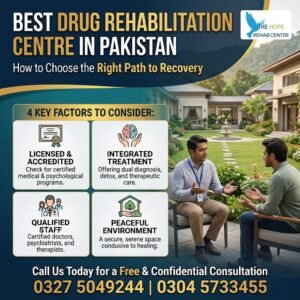
Treatment programs at The Hope Rehabilitation Center Islamabad, Pakistan, are tailored to combat nicotine dependence in a systematic and ethical manner. The center is about understanding behaviors and making changes that are more positive as part of comprehensive mental health and addiction services.
This article examines this disease of smoking, the repercussions it causes in human beings and how treatment by professionals can help people along their recovery.
Understanding Smoking Addiction
Nicotine — a major contributor to smoking addiction — is one of the substances in tobacco products. Nicotine stimulates the brain’s reward system, causing a feeling of short-lived pleasure and relaxation. Chronic use causes the brain to become reliant on nicotine and once smoking is lowered or stopped, cravings and withdrawal symptoms will occur.
Factors behind Smoking Addiction are:
- Early exposure to tobacco
- Social or environmental influences
- Stress and emotional triggers
- Habitual routines
- Co-occurring mental health conditions
These factors are important to know when providing professional care for Smoking Addiction in Islamabad, Pakistan.
Health Effects of Smoking
It can take a toll for both physical and mental health than any other thing smoking. You train your body to use tobacco over years, and that has the burden of impacting many systems within.
Physical Health Risks
- Chronic cough and other breathing problems
- Increased risk of heart disease
- Reduced lung function
- Fatigue and decreased stamina
Mental and Emotional Impact
- Increased anxiety and irritability
- The nicotine reliance factors in alleviation of stress
- Difficulty concentrating without smoking
Even though the risks are well known, giving up smoking can be tricky as nicotine is very addictive. A Smoking Addiction in Islamabad, Pakistan treatment center can help you to deal with these difficulties.
Symptoms of nicotine addiction
The first step to getting help with smoking dependence is recognizing the signs and symptoms. Common indicators include:
- Intense desire to smoke cigarettes or tobacco
- Difficulty quitting despite repeated attempts
- Smoking when it is not the time or place
- Withdrawal symptoms like irritability, or restlessness
- Increased tolerance to nicotine
The Hope Rehabilitation Center Islamabad, Pakistan, conduct assessments to determine the extent of dependence or illness, enabling them to create customized treatment plans.
Why Professional Treatment Is Important
Many people try to quit smoking on their own, but can fail because of withdrawal symptoms and habitual triggers. Professional treatment helps people find structure and guidance.
Medical Guidance
When withdrawal symptoms become problematic, healthcare professionals will step in with a course of treatment.
Behavioral Therapy
Therapy can help people learn about the psychology of smoking and find more constructive coping methods.
Supportive Environment
Structured environment decreases risk of triggers and makes it complication free in preparation for a positive lifestyle change.
Smoking Addiction in Islamabad, Pakistan A complete Smoking Addiction in Islamabad.
Treatment Approaches for Smoking Addiction
Because nicotine dependence is a complex condition, successful treatment usually involves combination strategies unique to the person.
Cognitive Behavioral Therapy (CBT)
CBT focuses on identifying triggers and substituting behaviors that are more conducive to quitting smoking.
Motivational Counseling
It centers on enhancing the internal drive for quitting and sustained behavior change.
Nicotine Replacement Strategies
Sometimes, providers may use controlled methods to gradually manage cravings and withdrawal symptoms.
At The Hope Rehabilitation Center Islamabad, Pakistan, we develop treatment plans aimed at proving long-term sustainable recovery rather than in unrealistic expectations of a miracle cure.
Managing Withdrawal Symptoms
Afteryears of smoking, the body adjusts to nicotine intake and that can cause withdrawal symptoms when individuals quit.
Common symptoms include:
- Irritability and mood changes
- Difficulty concentrating
- Increased appetite
- Sleep disturbances
- Anxiety or restlessness
These symptoms are generally momentary and make it tough. Getting a program for Smoking Addiction in Islamabad, Pakistan is on time able to control those symptoms.
Smoking Addiction and Mental Health: The Negative Influence of Each It Is
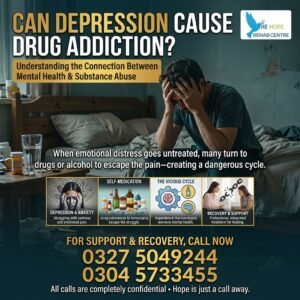
The act of smoking is commonly associated with emotions and mental factors. Nicotine is often a go-to drug for some people when faced with stress, anxiety or depression.
But this discretion can turn into a crutch and could decline mental health in the long run.
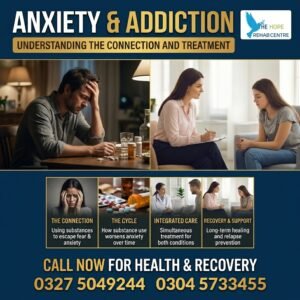
Integrated Treatment in a constructive environment from The Hope Rehabilitation Center Islamabad, Pakistan, takes care of not just smoking addiction but also treats other underlying mental health issues to improve overall well-being.
Lifestyle Changes for Long-Term Recovery
Professional treatment is important, but lifestyle changes are key when it comes to staying sober.
Healthy habits may include:
- Regular physical activity
- Balanced nutrition
- Stress management techniques
- Avoiding triggers associated with smoking
- Building supportive social connections
The Smoking Addiction in Islamabad, Pakistan Program Sink Therapy does all these and gently guides them to build these practices for long-term maintenance.
Family and Social Support
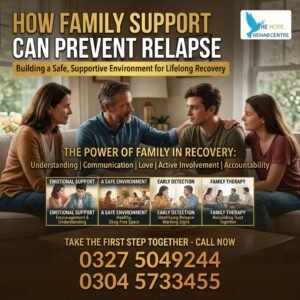
Family and friends support are key factors in recovery outcomes. The support and understanding during the quit process keeps a person going.
Family involvement may include:
- Emotional support
- Encouragement to continue treatment
- Creating a smoke-free environment
- Participating in counseling sessions
Family support is an integral component of recovery The Hope Rehabilitation Center Islamabad, Pakistan,
Relapse Prevention Strategies
Understand that smoking cessation is a process, and relapse can happen. Identifying triggers and cravings and learning how to manage them is a critical component of long-term success.
Relapse prevention strategies include:
- Identifying high-risk situations
- Practicing stress management techniques
- Continuing therapy or counseling
- Building healthy routines
- Seeking support when needed
A well-structured Smoking Addiction in Islamabad, Pakistan program helps keep you motivated and supports you to avoid relapse.
Frequently Asked Questions (FAQs)
1. What causes smoking addiction?
Nicotine addiction, psychological and social dynamics that drive the behavior of smoking.
2. Can you actually quit smoking?
A great number of people quit with assistance from specialists, therapy and changes in lifestyle.
3. What are common withdrawal symptoms?
Some withdrawal symptoms are irritability, anxiety, sleep impediments and craving for nicotine.
4. How Much Time to Get Over Smoking Addiction
The duration differs from person to person based on the degree of dependence, as well as dedication to treatment.
5. Does mental health impact smoking habits?
The answer is yes: These factors can trigger smoking, making it more difficult to quit.
Conclusion
Smoking addiction is an extremely challenging state that considerably harms physical health and affects emotional well-being. It can be a bit tricky but with proper guidance, you can end the process in a pretty easy and effective manner.
The Hope Rehabilitation Center Islamabad, Pakistan, treatment programs emphasize ethical care, psychological support, and long-term recovery planning. When it is the center to treat Smoking Addiction, Islamabad, Pakistan intends to enhance your life through corrective propensities.