The Hope Rehab Center

Category Motivational Interviewing

ICE Drug Addiction – ICE Drug Addiction in Islamabad, Pakistan
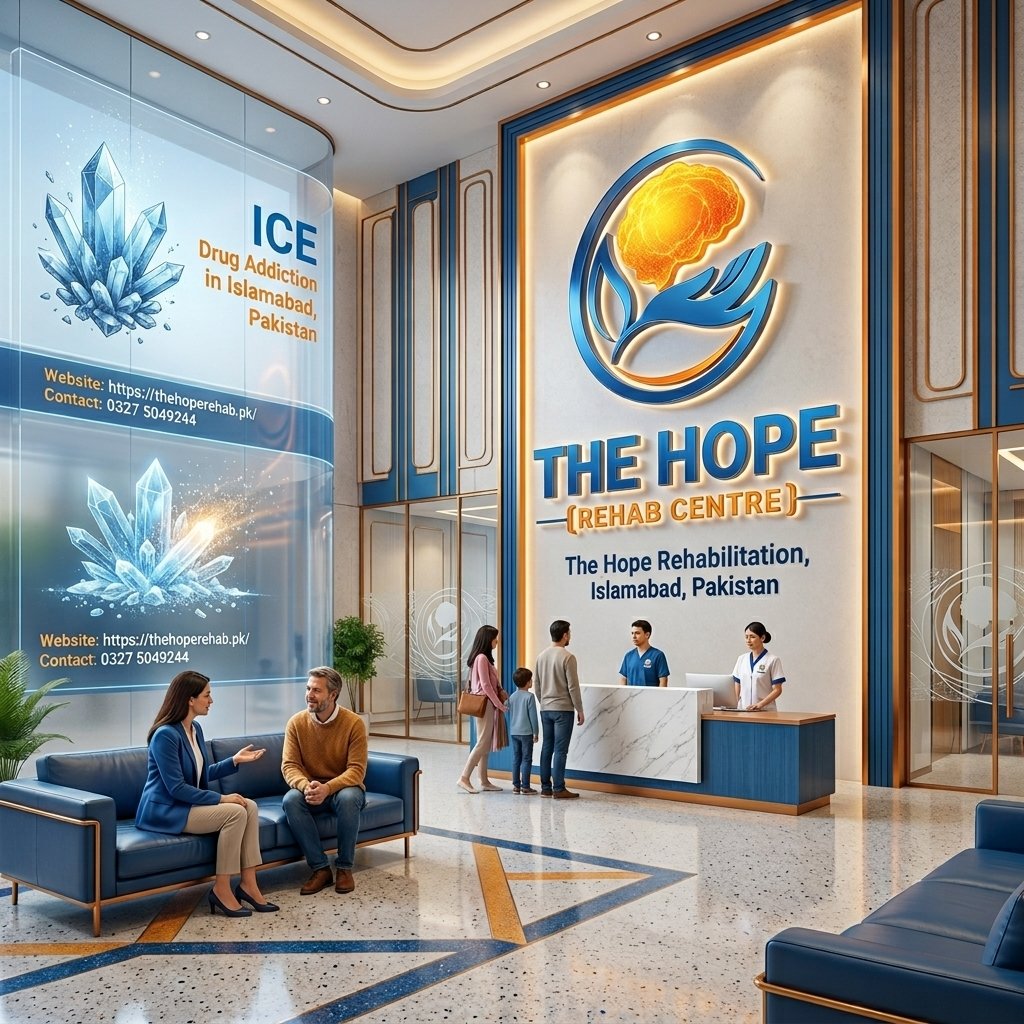
ICE Drug Addiction – ICE Drug Addiction in Islamabad, Pakistan

ICE drug addiction is the use of ICE or crystal methamphetamine, and has become a widespread and serious physical and mental health issue. It is a very addictive substance that changes the way your brain functions, driving strong cravings and negative behavior patterns. ICE Drug addiction in Islamabad, Pakistan demands clinical treatment and structured treatment with long-term follow-up care.

More than results: Compassionate and Evidence-Based Care for ICE Addiction The Hope Rehabilitation Center Islamabad, Pakistan Helping people to understand their condition, cope with withdrawal and pave the road to recovery can be done in an environment that is safe and supportive.

Understanding ICE Drug Addiction

ICE, or crystalline methamphetamine, reacts with the central nervous system in a highly stimulant way. Though it provides an instant high of feel goodness and excitement, over time this releases havoc on health.

It can become addictive, and quitting often requires medical help. Colleges and ice drug rehab Treatment in Islamabad, Pakistan structured such programs assist individuals to understand how so much trouble of the substance.

Common Signs of ICE Addiction

  • Intense cravings for the drug
  • You feel energetic and then it is followed by the extreme fatigue
  • Changes in behavior or mood
  • Difficulty maintaining daily responsibilities

Recognizing these early warning signs is the first step to receiving help.

The health effects of using ICE drugs

An ICE drug addiction can—and often does—impact all areas of health, including physical, mental, and emotional.

Physical Health Effects

  • Rapid weight loss
  • Sleep disturbances
  • Higher heart rate and blood pressure
  • Dental and skin problems

Mental and Emotional Impact

  • Anxiety and depression
  • Aggressive or impulsive behavior
  • Difficulty concentrating
  • Emotional instability

The Hope Rehabilitation Center Islamabad, Pakistan provide comprehensive treatment for these health issues.

Why Professional Treatment is Essential

The second addiction is when an individual relies on their surroundings to help them overcome their addiction because ICE creates a solid foundation of dependence and it can be exceptionally tough to rid oneself of this substance without assistance. Treatment provides an environment that is safe and structured in order to begin recovery.

Medical Supervision

Psychological symptoms include anxiety and agitation [8] and withdrawal from ICE [9]. This process is manageable as long as supervision provides safety.

ICE Drug Addiction – ICE Drug Addiction in Islamabad, Pakistan

Personalized Treatment Plans

Every person’s addiction is different. A custom plan ensures treatment meets precise requirements and hurdles.

Emotional and Psychological Support

Therapists and therapy are critical components — helping them learn the root causes of their addiction and how to cope with the trauma or mental illness.

Due to the fact that a broad method of ICE Drug addiction in Islamabad, Pakistan is always consistent and authentic treatment.

Effective Treatment Approaches

ICE addiction is treated through a combination of medical care, therapy, and lifestyle modifications.

Detoxification and Stabilization

This first stage is for the drug to undergo a process of detoxification from the body. Where ICE recovery is largely a matter of mental/emotional state and professional management will keep symptoms in check.

Cognitive Behavioral Therapy (CBT)

Cognitive-behavioral therapy teaches individuals to notice their triggers and substitute harmful behaviors with healthy coping skills.

Individual and Group Counseling

Counseling sessions offer emotional support and allow the person to speak about his or her experiences in a secure environment.

Lifestyle and Behavioral Changes

It consists of taking on good habits, this includes:

  • Maintaining a regular sleep schedule
  • Engaging in physical activity
  • Practicing stress management techniques

The Hope Rehabilitation Center Islamabad, Pakistan these methodologies into the treatment plans that will last for years.

Role of Family in Recovery

Support from family is an important aid from which help addicts addicted to ICE recover. Having a positive environment can encourage people to stick with their treatment.

Families can contribute by:

  • Encouraging positive behaviors
  • Providing emotional support
  • Participating in counseling sessions

Family involvement in ICE Drug addiction programs in Islamabad, Pakistan tends to solidify the spire-ups of personal recovery.

Preventing Relapse

A significant aspect of treatment is relapse prevention. By helping someone track triggers and do those things to stay on a positive path.

Effective strategies include:

  • Identifying high-risk situations
  • Developing coping mechanisms
  • Continuing therapy or counseling
  • Building a supportive social network

Relapse prevention is an integral component of treatment at The Hope Rehabilitation Center Islamabad, Pakistan.

Benefits of Seeking Professional Help

Here are some of the benefits once you opt for professional care:

Structured Recovery Environment

In a specified environment, people concentrate on recovering without interruptions.

Comprehensive Care

Treatment treats both the psychological and physical components of addiction.

Improved Quality of Life

Recovery = better health, relationships and wellbeing.

ICE addiction treatment in Islamabad, Pakistan helps to guide permanent healing with a special program from ICE drug abuse.

Frequently Asked Questions (FAQs)

1.     What is ICE drug addiction?

Ice drug addiction is dependent on crystal meth, a powerful stimulant that influences the brain and body.

2.     Is it possible to successfully treat ICE addiction?

Addiction is a disease, and if you treat it right, then individuals are able to manage addiction and work on long-term recovery.

3.     What are common withdrawal symptoms?

Symptoms can include anxiety, fatigue/depression and extreme cravings.

4.     How long does recovery take?

The length of recovery depends on the person and the extent of addiction.

5.     Do We Need Family Support to Recover?

Yes, family support help motivate, keep in line with treatment

Conclusion

ICE addiction is very serious health disorder which needs professional treatment in comforting surroundings for successful rehabilitation. Recognizing the effects of the drug and getting help early can absolutely change a life.

An Introduction to ICE Drug Addiction – The Hope Rehabilitation Center Islamabad, Pakistan offer structured, compassionate care for those in need and offer specific experience of working with individuals facing ICE Drug addiction in Islamabad Pakistan. Compassionate care, therapy and support help guide people toward healthier footing and a more secure future.

Recovery is achievable when approached correctly with dedication and proper support system to rebuild their lives reaffirming joy and strength.

Smoking Addiction in Islamabad, Pakistan – Smoking Addiction in Islamabad, Pakistan
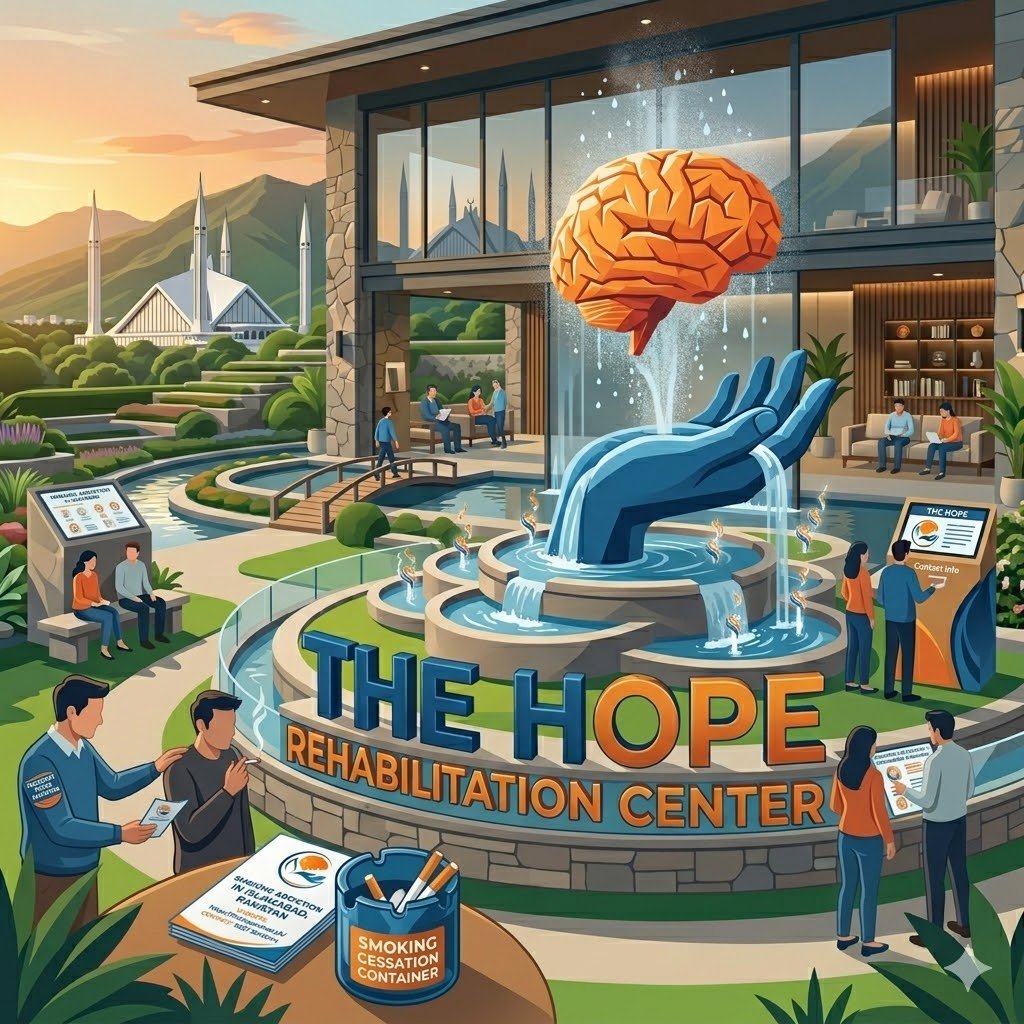
Smoking addiction In Islamabad, Pakistan

Abuse of smoking is a public health concern affecting many people in the world today and as one of more difficult conditions to address. For many people, smoking starts off as nothing more than a casual habit but grows into a full-blown nicotine addiction; it is extremely difficult — if not impossible — to shake, regardless of the dangers of long-term smoking awareness. Curing Smoking addiction In Islamabad, Pakistan demands medical attention along with psychological help as well as a change in lifestyle.

Treatment programs at The Hope Rehabilitation Center Islamabad, Pakistan, are tailored to combat nicotine dependence in a systematic and ethical manner. The center is about understanding behaviors and making changes that are more positive as part of comprehensive mental health and addiction services.

This article examines this disease of smoking, the repercussions it causes in human beings and how treatment by professionals can help people along their recovery.

Understanding Smoking Addiction

Nicotine — a major contributor to smoking addiction — is one of the substances in tobacco products. Nicotine stimulates the brain’s reward system, causing a feeling of short-lived pleasure and relaxation. Chronic use causes the brain to become reliant on nicotine and once smoking is lowered or stopped, cravings and withdrawal symptoms will occur.

Factors behind Smoking Addiction are:

  • Early exposure to tobacco
  • Social or environmental influences
  • Stress and emotional triggers
  • Habitual routines
  • Co-occurring mental health conditions

These factors are important to know when providing professional care for Smoking Addiction in Islamabad, Pakistan.

Health Effects of Smoking

It can take a toll for both physical and mental health than any other thing smoking. You train your body to use tobacco over years, and that has the burden of impacting many systems within.

Physical Health Risks

  • Chronic cough and other breathing problems
  • Increased risk of heart disease
  • Reduced lung function
  • Fatigue and decreased stamina

Mental and Emotional Impact

  • Increased anxiety and irritability
  • The nicotine reliance factors in alleviation of stress
  • Difficulty concentrating without smoking

Even though the risks are well known, giving up smoking can be tricky as nicotine is very addictive. A Smoking Addiction in Islamabad, Pakistan treatment center can help you to deal with these difficulties.

Symptoms of nicotine addiction

Smoking addiction In Islamabad, Pakistan

The first step to getting help with smoking dependence is recognizing the signs and symptoms. Common indicators include:

  • Intense desire to smoke cigarettes or tobacco
  • Difficulty quitting despite repeated attempts
  • Smoking when it is not the time or place
  • Withdrawal symptoms like irritability, or restlessness
  • Increased tolerance to nicotine

The Hope Rehabilitation Center Islamabad, Pakistan, conduct assessments to determine the extent of dependence or illness, enabling them to create customized treatment plans.

Why Professional Treatment Is Important

Many people try to quit smoking on their own, but can fail because of withdrawal symptoms and habitual triggers. Professional treatment helps people find structure and guidance.

Medical Guidance

When withdrawal symptoms become problematic, healthcare professionals will step in with a course of treatment.

Behavioral Therapy

Therapy can help people learn about the psychology of smoking and find more constructive coping methods.

Supportive Environment

Structured environment decreases risk of triggers and makes it complication free in preparation for a positive lifestyle change.

Smoking Addiction in Islamabad, Pakistan A complete Smoking Addiction in Islamabad.

Treatment Approaches for Smoking Addiction

Because nicotine dependence is a complex condition, successful treatment usually involves combination strategies unique to the person.

Cognitive Behavioral Therapy (CBT)

CBT focuses on identifying triggers and substituting behaviors that are more conducive to quitting smoking.

Motivational Counseling

It centers on enhancing the internal drive for quitting and sustained behavior change.

Nicotine Replacement Strategies

Sometimes, providers may use controlled methods to gradually manage cravings and withdrawal symptoms.

At The Hope Rehabilitation Center Islamabad, Pakistan, we develop treatment plans aimed at proving long-term sustainable recovery rather than in unrealistic expectations of a miracle cure.

Managing Withdrawal Symptoms

Afteryears of smoking, the body adjusts to nicotine intake and that can cause withdrawal symptoms when individuals quit.

Common symptoms include:

  • Irritability and mood changes
  • Difficulty concentrating
  • Increased appetite
  • Sleep disturbances
  • Anxiety or restlessness

These symptoms are generally momentary and make it tough. Getting a program for Smoking Addiction in Islamabad, Pakistan is on time able to control those symptoms.

Smoking Addiction and Mental Health: The Negative Influence of Each It Is

The act of smoking is commonly associated with emotions and mental factors. Nicotine is often a go-to drug for some people when faced with stress, anxiety or depression.

But this discretion can turn into a crutch and could decline mental health in the long run.

Integrated Treatment in a constructive environment from The Hope Rehabilitation Center Islamabad, Pakistan, takes care of not just smoking addiction but also treats other underlying mental health issues to improve overall well-being.

Lifestyle Changes for Long-Term Recovery

Professional treatment is important, but lifestyle changes are key when it comes to staying sober.

Healthy habits may include:

  • Regular physical activity
  • Balanced nutrition
  • Stress management techniques
  • Avoiding triggers associated with smoking
  • Building supportive social connections

The Smoking Addiction in Islamabad, Pakistan Program Sink Therapy does all these and gently guides them to build these practices for long-term maintenance.

Family and Social Support

Family and friends support are key factors in recovery outcomes. The support and understanding during the quit process keeps a person going.

Family involvement may include:

  • Emotional support
  • Encouragement to continue treatment
  • Creating a smoke-free environment
  • Participating in counseling sessions

Family support is an integral component of recovery The Hope Rehabilitation Center Islamabad, Pakistan,

Relapse Prevention Strategies

Understand that smoking cessation is a process, and relapse can happen. Identifying triggers and cravings and learning how to manage them is a critical component of long-term success.

Relapse prevention strategies include:

  • Identifying high-risk situations
  • Practicing stress management techniques
  • Continuing therapy or counseling
  • Building healthy routines
  • Seeking support when needed

A well-structured Smoking Addiction in Islamabad, Pakistan program helps keep you motivated and supports you to avoid relapse.

Frequently Asked Questions (FAQs)

1.     What causes smoking addiction?

Nicotine addiction, psychological and social dynamics that drive the behavior of smoking.

2.     Can you actually quit smoking?

A great number of people quit with assistance from specialists, therapy and changes in lifestyle.

3.     What are common withdrawal symptoms?

Some withdrawal symptoms are irritability, anxiety, sleep impediments and craving for nicotine.

4.     How Much Time to Get Over Smoking Addiction

The duration differs from person to person based on the degree of dependence, as well as dedication to treatment.

5.     Does mental health impact smoking habits?

The answer is yes: These factors can trigger smoking, making it more difficult to quit.

Conclusion

Smoking addiction is an extremely challenging state that considerably harms physical health and affects emotional well-being. It can be a bit tricky but with proper guidance, you can end the process in a pretty easy and effective manner.

The Hope Rehabilitation Center Islamabad, Pakistan, treatment programs emphasize ethical care, psychological support, and long-term recovery planning. When it is the center to treat Smoking Addiction, Islamabad, Pakistan intends to enhance your life through corrective propensities.

Family Support Program in Islamabad, Pakistan | Family Support Program in Islamabad, Pakistan
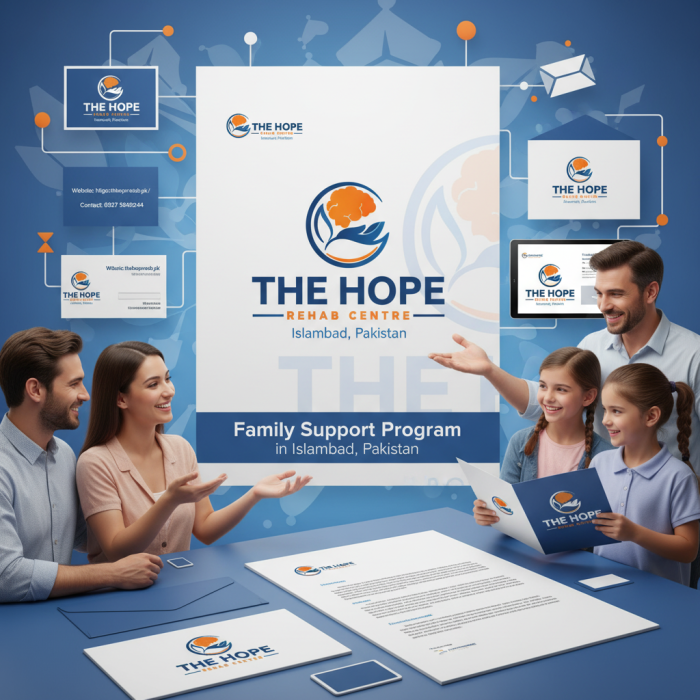
Family Support Program in Islamabad, Pakistan | Family Support Program in Islamabad, Pakistan

Addiction and mental health challenges do not only affect individuals—they also impact families in profound ways. Emotional stress, communication gaps, and uncertainty can make it difficult for families to provide effective support. This is where structured family support programs play a vital role in the recovery process.

A well-designed Family Support Program in Islamabad, Pakistan helps families understand addiction, rebuild trust, and develop healthier ways of supporting their loved ones. At The Hope Rehabilitation Center Islamabad, Pakistan, family involvement is considered an essential part of recovery, with programs designed to strengthen relationships and promote long-term healing.

Understanding the importance of family support can help create a more stable and encouraging environment for recovery.


Understanding the Importance of Family Support

Family plays a central role in an individual’s emotional well-being. During recovery, support from loved ones can significantly influence motivation and progress. However, without proper guidance, families may struggle to respond effectively to the challenges of addiction.

A structured Family Support Program in Islamabad, Pakistan provides education and tools that help families understand the nature of addiction and recovery. This understanding reduces confusion and allows family members to offer meaningful support.

At The Hope Rehabilitation Center Islamabad, Pakistan, families are guided to play a constructive role in the recovery journey, fostering empathy and positive communication.


Key Components of a Family Support Program

Family support programs are designed to address both emotional and practical aspects of recovery. These programs aim to create a balanced and supportive environment for everyone involved.

Education About Addiction and Recovery

One of the first steps in a family support program is educating family members about addiction. Understanding how addiction affects behavior and decision-making can help families respond with patience and awareness.

A professional Family Support Program in Islamabad, Pakistan provides clear information about recovery stages, relapse risks, and coping strategies.

At The Hope Rehabilitation Center Islamabad, Pakistan, educational sessions help families gain insight into the recovery process and their role in supporting it.


Family Support Program in Islamabad, Pakistan | Family Support Program in Islamabad, Pakistan

Family Counseling Sessions

Counseling sessions provide a safe space for families to discuss concerns, express emotions, and address misunderstandings. These sessions encourage open communication and help rebuild trust.

A structured Family Support Program in Islamabad, Pakistan includes guided counseling that focuses on improving relationships and resolving conflicts.

At The Hope Rehabilitation Center Islamabad, Pakistan, family counseling is conducted with sensitivity and confidentiality, ensuring a respectful and supportive environment.


Communication and Relationship Building

Healthy communication is essential for recovery. Families often need guidance on how to express support without creating pressure or conflict.

Family support programs teach effective communication skills, including active listening and constructive dialogue. These skills help reduce misunderstandings and strengthen relationships.

A reliable Family Support Program in Islamabad, Pakistan focuses on building positive interactions that contribute to long-term recovery.


Emotional Support for Families

Families themselves may experience stress, anxiety, or emotional fatigue while supporting a loved one in recovery. Providing support without addressing their own well-being can be challenging.

A comprehensive Family Support Program in Islamabad, Pakistan recognizes the importance of supporting both the patient and their family members. Programs may include stress management techniques and emotional support sessions for families.

At The Hope Rehabilitation Center Islamabad, Pakistan, families are encouraged to care for their own well-being while supporting their loved ones.


Role of Family in Preventing Relapse

Relapse prevention is an important part of recovery, and families can play a key role in this process. By understanding triggers and warning signs, family members can help identify potential challenges early.

A structured Family Support Program in Islamabad, Pakistan teaches families how to:

  • Recognize early signs of relapse
  • Provide support during difficult situations
  • Encourage positive habits and routines
  • Maintain a stable and supportive environment

At The Hope Rehabilitation Center Islamabad, Pakistan, families are guided to become active participants in maintaining long-term recovery.


Creating a Supportive Home Environment

A positive home environment can significantly influence recovery outcomes. Stability, understanding, and encouragement help individuals stay focused on their progress.

Families can contribute to a supportive environment by:

  • Promoting open and respectful communication
  • Avoiding judgment or criticism
  • Encouraging healthy routines
  • Supporting continued therapy or follow-up care

A professional Family Support Program in Islamabad, Pakistan provides families with practical strategies to create such an environment.


Long-Term Benefits of Family Support Programs

Family support programs offer long-term benefits that extend beyond the recovery period. These programs help strengthen relationships, improve communication, and promote emotional resilience.

Some key benefits include:

  • Improved family dynamics
  • Increased understanding of addiction
  • Stronger emotional connections
  • Enhanced support for long-term recovery

At The Hope Rehabilitation Center Islamabad, Pakistan, family support programs are designed to foster lasting positive change for both individuals and their families.


Frequently Asked Questions (FAQs)

1. What is a family support program?

A family support program provides education, counseling, and guidance to help families support a loved one in recovery.

2. Why is family involvement important in recovery?

Family involvement can improve emotional support, strengthen relationships, and increase the chances of long-term recovery.

3. What do family counseling sessions involve?

Family counseling sessions focus on communication, conflict resolution, and understanding the challenges of addiction.

4. Can family support help prevent relapse?

Yes. A structured Family Support Program in Islamabad, Pakistan helps families recognize warning signs and provide timely support.

5. Do family members also receive support?

Yes. Family support programs often include emotional support and stress management for family members themselves.


Conclusion

Recovery is not a journey that individuals take alone—it is a process that involves support, understanding, and collaboration. A structured Family Support Program in Islamabad, Pakistan plays a crucial role in strengthening relationships and creating a stable environment for recovery.

By focusing on education, communication, and emotional support, family programs help individuals and their loved ones move forward together. Building trust and understanding within the family can make a significant difference in maintaining long-term progress.

At The Hope Rehabilitation Center Islamabad, Pakistan, family support is an integral part of treatment. Through compassionate care and structured programs, the center helps families and individuals work toward a healthier, more balanced future.

Best Rehabilitation Center in Islamabad, Pakistan | Best Rehabilitation Center in Islamabad, Pakistan
Best Rehabilitation Center in Islamabad, Pakistan | Best Rehabilitation Center in Islamabad, Pakistan

Finding the right support for addiction and mental health challenges is an important step toward recovery. With increasing awareness about substance use disorders and psychological well-being, many individuals and families are seeking professional care that is safe, ethical, and effective. Choosing the Best Rehabilitation Center in Islamabad, Pakistan involves understanding the quality of services, treatment approaches, and the overall environment provided by the facility.

At The Hope Rehabilitation Center Islamabad, Pakistan, care is designed to support individuals through every stage of recovery. The focus remains on patient well-being, structured treatment, and long-term stability without making unrealistic promises. A balanced and professional approach ensures that individuals receive the guidance they need to rebuild their lives.


Understanding the Role of a Rehabilitation Center

A rehabilitation center provides structured treatment for individuals facing substance use disorders or mental health challenges. These centers aim to address both physical dependence and emotional factors that contribute to addiction.

The Best Rehabilitation Center in Islamabad, Pakistan offers a combination of medical care, therapy, and lifestyle support. Treatment is not limited to stopping substance use; it also focuses on helping individuals develop healthier coping mechanisms and routines.

At The Hope Rehabilitation Center Islamabad, Pakistan, programs are tailored to meet individual needs, ensuring that each patient receives personalized attention and care.


Key Features of the Best Rehabilitation Center

Best Rehabilitation Center in Islamabad, Pakistan | Best Rehabilitation Center in Islamabad, Pakistan

Choosing a rehabilitation center requires careful consideration of several important factors. The quality of care depends on how well the center addresses different aspects of recovery.

Comprehensive Assessment and Personalized Care

Every individual’s experience with addiction is different. A professional rehabilitation center begins with a detailed assessment to understand the patient’s condition, history, and specific needs.

The Best Rehabilitation Center in Islamabad, Pakistan ensures that treatment plans are personalized rather than generalized, allowing for more effective recovery outcomes.

At The Hope Rehabilitation Center Islamabad, Pakistan, assessments are conducted with care and confidentiality, forming the foundation of a structured treatment plan.


Medical Detox and Safe Withdrawal Management

Detoxification is often the first step in the recovery process. It involves removing harmful substances from the body while managing withdrawal symptoms.

A reliable Best Rehabilitation Center in Islamabad, Pakistan provides medical supervision during detox to ensure safety and comfort. This stage is handled carefully to reduce potential risks.

At The Hope Rehabilitation Center Islamabad, Pakistan, detox services are offered in a controlled environment where patients receive professional monitoring and support.


Therapy and Counseling Services

Therapy plays a crucial role in addressing the psychological aspects of addiction. Behavioral therapies, such as Cognitive Behavioral Therapy (CBT), help individuals identify harmful thought patterns and develop healthier responses.

Counseling sessions provide a safe space for patients to discuss their experiences, emotions, and recovery goals.

The Best Rehabilitation Center in Islamabad, Pakistan integrates therapy into every stage of treatment, supporting emotional healing and long-term recovery.


Importance of a Supportive Environment

A calm and structured environment is essential for effective rehabilitation. Being in a supportive setting allows individuals to focus entirely on recovery without external distractions or triggers.

The Best Rehabilitation Center in Islamabad, Pakistan provides routines that include therapy sessions, wellness activities, and educational programs. These routines help individuals build discipline and stability.

At The Hope Rehabilitation Center Islamabad, Pakistan, the environment is designed to promote respect, privacy, and emotional comfort, creating a space where patients feel safe throughout their recovery journey.


Building Skills for Long-Term Recovery

Recovery is not just about completing treatment; it is about maintaining progress over time. Rehabilitation centers focus on equipping individuals with the skills needed for long-term stability.

These skills may include:

  • Stress management techniques
  • Emotional regulation strategies
  • Healthy lifestyle habits
  • Relapse prevention planning

The Best Rehabilitation Center in Islamabad, Pakistan emphasizes the importance of these skills to help individuals navigate life after treatment.

At The Hope Rehabilitation Center Islamabad, Pakistan, patients are guided through the process of building sustainable routines that support their overall well-being.


Role of Family in the Recovery Process

Family support can have a meaningful impact on recovery. When family members understand addiction and its challenges, they can provide encouragement and emotional stability.

Many rehabilitation programs include family counseling sessions to improve communication and strengthen relationships.

A trusted Best Rehabilitation Center in Islamabad, Pakistan recognizes the importance of involving loved ones in the recovery process.

At The Hope Rehabilitation Center Islamabad, Pakistan, family support is integrated into treatment planning, helping individuals feel connected and supported.


Focus on Relapse Prevention

Relapse prevention is a key component of rehabilitation. Individuals are taught to recognize triggers and develop strategies to manage them effectively.

Common relapse prevention strategies include:

  • Identifying high-risk situations
  • Practicing coping mechanisms
  • Continuing therapy or follow-up care
  • Building a strong support system

The Best Rehabilitation Center in Islamabad, Pakistan focuses on preparing individuals for life after treatment by promoting long-term stability.


Frequently Asked Questions (FAQs)

1. What makes a rehabilitation center the best?

The best rehabilitation center provides personalized care, professional supervision, therapy, and a supportive environment for recovery.

2. How long does rehabilitation treatment take?

The duration varies depending on the individual’s condition and response to treatment.

3. Is detox necessary before starting therapy?

Detox is often the first step for individuals with physical dependence, but treatment plans are customized based on individual needs.

4. Can recovery be maintained after treatment?

With proper support, therapy, and lifestyle changes, individuals can work toward maintaining long-term recovery.

5. Why choose a professional rehabilitation center?

A professional Best Rehabilitation Center in Islamabad, Pakistan offers structured care, medical supervision, and emotional support that help individuals focus on recovery.


Conclusion

Choosing the Best Rehabilitation Center in Islamabad, Pakistan is an important decision that can shape the path to recovery. A well-structured program provides the medical care, therapy, and support needed to address both physical and emotional aspects of addiction.

Recovery is a gradual process that requires commitment, patience, and professional guidance. With the right environment and support, individuals can develop healthier habits and regain control over their lives.

At The Hope Rehabilitation Center Islamabad, Pakistan, treatment programs are designed to prioritize patient well-being, ethical care, and long-term recovery. By offering a supportive and structured approach, the center helps individuals move toward a more stable and healthier future.

Mental Health Rehab Center | Mental Health Rehab Center in Islamabad Pakistan
Mental Health Rehab Center | Mental Health Rehab Center in Islamabad Pakistan

Mental health, an integral component of well-being, is often neglected or misunderstood. Conditions like anxiety, depression, trauma-related disorders and substance use problems can have a profound impact on an individual’s well-being. You can have a big impact on managing these challenges by seeking the professional support of a structured rehabilitation facility.

A Mental Health Rehab Centre in Islamabad Pakistan can offer comprehensive care including psychiatric evaluation, therapy, and supportive services in a structured environment. With no understood recovery in the treatment of dysfunctional behaviors, they should strive for highly moral, patient-centered environments where effective mental health treatments are made available to help enforce sustainable wellbeing long after a person has left The Hope Rehabilitation Center Islamabad, Pakistan.

In this article, we are going to discuss what a mental health rehab center is, what they do and why they are imperative to improving our mental health outcomes.

What Is a Mental Health Rehab Center?

A mental health rehabilitation center is a treatment facility that offers structured care to those with mental health conditions. These centers provide medical, psychological and emotional care by trained professionals.

Services typically include:

  • Psychiatric evaluation and diagnosis
  • Medication management
  • Individual and group therapy
  • Behavioral therapy programs
  • Crisis intervention
  • Rehabilitation for co-occurring disorders

Well known Mental Health Rehab Center in Islamabad Pakistan offer effective treatment plans tailored specifically for each patient.

Why Mental Health Rehabilitation Is Important

Mental health conditions can affect all aspects of life, from relationships to work performance to physical health. Left untreated, symptoms can progress over time.

Early Intervention and Treatment

Mental Health Rehab Center | Mental Health Rehab Center in Islamabad Pakistan

Getting help early can stop the progression of mental health conditions. Rehabilitation centers offer a structured environment for early identification and treatment.

Safe and Supportive Environment

Rehabilitation centers provide a setting free from distractions where one can focus purely on recovery.

Comprehensive Care Approach

We believe that as mental health rehab centers can provide a combined effect of medical treatment and therapy along with counseling.

The Hope Rehabilitation Center Islamabad, Pakistan provides comprehensive care to patients by addressing their psychological and emotional needs simultaneously.

What Conditions Are Commonly Treated at a Mental Health Rehab Center?

A Mental Health Rehab Center in Islamabad Pakistan treats various mental health disorders, including:

  • Depression
  • Anxiety disorders
  • Bipolar disorder
  • Post-traumatic stress disorder (PTSD)
  • Obsessive-compulsive disorder (OCD)
  • Substance use disorders
  • Stress-related conditions

The treatment regimen is specific for each condition based on clinical assessment and individual needs.

Types of Treatment Programs Available

Inpatient Rehabilitation Programs

Inpatient programs require individuals to spend a period of time at the facility. This type of care provides:

  • 24/7 medical supervision
  • Structured daily routines
  • Intensive therapy sessions
  • Reduced exposure to stressors

Inpatient management is reserved for moderate to severe symptoms or anyone who needs close monitoring.

Outpatient Rehabilitation Programs

Outpatient programs let people stay at home but go to scheduled sessions for therapy. This alternative option works best for patients who have stable health conditions and a well-equipped home environment.

Outpatient services include:

  • Counseling sessions
  • Psychiatric consultations
  • Medication management
  • Behavioral therapy

A professional Mental Health Rehab Center in Islamabad Pakistan assesses the needs of each patient to ensure specialist treatment with a suitable level of care.

Psychiatric Care in Rehabilitation

There is a psychiatric care fundamental to mental health rehabilitation. Psychiatrists evaluate symptoms, make diagnosis and prescribe medications when appropriate.

Medication management helps:

  • Stabilize mood
  • Reduce anxiety
  • Improve sleep patterns
  • Manage severe symptoms

Psychiatric care is integrated with therapy at The Hope Rehabilitation Center Islamabad, Pakistan for balanced and powerful treatment.

Why Therapy and Counseling Are so Important

Therapy facilitates self-discovery in understanding thoughts, feelings and behaviors.

Cognitive Behavioral Therapy (CBT)

CBT aims to help patients recognize negative thinking patterns and moderate their thoughts with healthier outlooks.

Group Therapy

In group sessions, individuals can benefit from peer interaction, as hearing from others can help validate their experiences and provide lessons.

Family Counseling

Family support is beneficial as it fosters improved communication, strengthens support systems, and enhances the recovery process.

Mental Health Rehab Center in Islamabad Pakistan and structured approach to therapy affords long-term emotional stability.

Dual Diagnosis Treatment

People between mental health disorders and substance-use issues are cofactors. This is referred to as dual diagnosis.

Integrated treatment addresses both conditions concurrently, ensuring that:

  • Better symptom management
  • Reduced risk of relapse
  • Improved long-term recovery outcomes

Dual diagnosis treatment is a crucial component of rehabilitation services at The Hope Rehabilitation Center Islamabad, Pakistan

Advantages of Mental Health Rehabilitation Centers

Advantages of a Structured Rehabilitation Facility

  1. The availability of qualified mental health professionals
  2. Safe and supportive environment
  3. Individualized treatment plans
  4. Continuous monitoring and care
  5. Long-term recovery support

Mental Health Rehab Center in Pakistan makes sure that the patients get full care of what they need.

How Aftercare Plays an Important Role in Mental Health Recovery

The journey to recovery does not end after going through a rehabilitation program. Continuing support is vital to sustain progress and avoid relapse.

Aftercare services may include:

  • Follow-up psychiatric consultations
  • Continued therapy sessions
  • Support groups
  • Stress management strategies
  • Lifestyle counseling

The Hope Rehabilitation Center Islamabad, Pakistan making after care planning an integral part of treatment.

Stigma of seeking mental health treatment

For some people, stigma around mental health leads them not to get treatment. Keep in mind that mental health conditions are medical issues and should be treated as such.

When reaching out for treatment at a Mental Health Rehab Center in Islamabad Pakistan, is one of the best and responsible things you can do. Education and open discussion can de-stigmatize people with mental health issues, allowing for earlier intervention.

Frequently Asked Questions (FAQs)

1.     When to Seek the Help of a Mental Health Rehab Center?

When these mental health symptoms begin to create dysfunction in one’s life, relationships or sense of well-being it may be time for a rehab center.

2.     What is the duration of rehabilitation treatment?

The time needed varies based on the condition and progress. Programs can be anywhere from a few weeks to several months in length.

3.     Is inpatient treatment always necessary?

Not always. Inpatient versus outpatient — this is typically based on the severity of symptoms and each individual’s needs.

4.     Can mental health conditions be completely cured?

With proper treatment, therapy and continued support many of the issues can be effectively managed.

5.     What comes next when you finish rehab?

Therapy, counseling, and follow-up consultations are all kinds of aftercare services that help keep you sober and reduce the risk of relapse.

Conclusion

Mental health rehab center in Islamabad Pakistan a Mental Health Rehab Center in Islamabad Pakistan provides essential support and care for individuals struggling with mental health challenges. These places inspire and motivate you through structured programs, psychiatric care, and therapy that equip you with the tools needed for recovery and emotional stability.

The Hope Rehabilitation Center Islamabad, Pakistan: This center focuses on ethical, patient-centered care that promotes long-term well-being. Rehabilitation programs play a crucial role in helping individuals regain control of their lives through the combination of clinical expertise, support and compassion.

Drug Addictions — Drug Addictions facility in Islamabad, Pakistan
Drug Addictions — Drug Addictions facility in Islamabad, Pakistan

Drug addiction is a complex and serious health issue for individuals, families and communities. It is excessive, repeated use of manipulative people, places and things with harmful consequences that can lead to physical dependence and emotional trauma. Addiction can eventually take a toll on everyday life, relationships, and well-being.

Getting help is an essential step in the road to recovery. It is common for some individuals to seek for a trusted Drug Addictions center in Islamabad, Pakistan that deals with them through structured care and support. At The Hope Rehabilitation Center Islamabad, Pakistan we offer treatment that emphasizes safety, dignity, and long-term recovery. In this article, we will discuss drug addiction, its causes, and how professional rehabilitation can help people take control of their lives once again.

Understanding Drug Addiction

Drug addiction, called substance use disorder, is a disease that affects the brain and behavior. Drugs like opioids, stimulants, cannabis and prescription medications change the reward system of the brain, making it hard to stop using them without help.

Individuals may develop tolerance, which means that higher doses are needed to achieve the same effect. Dependency followed with more health risks can occur. Most Drug Addictions center in Islamabad Pakistan find a professional person who understands the purpose of addiction and provide them with medical as well as psychological care to leave addiction behind safely.

The Hope Rehabilitation Center Islamabad, Pakistan take an integrated approach to treat addiction We combine treatment of the mind with a spiritually charged and emotional approach.

What Causes Drug Addiction?

There is not one single cause of drug addiction. It is shaped by a mix of individual, environmental and biological factors.

Drug Addictions — Drug Addictions facility in Islamabad, Pakistan

Psychological Factors

Because stress, anxiety, depression or trauma may push people to use drugs as a self-medication.

Social and Environmental Influences

Exposure to drug use, peer pressure, and the easy availability of substances contribute to an increased risk of addiction.

Genetic and Biological Factors

Others are at higher risk because of family history or differences in brain chemistry.

An extensive evaluation at a Drug Addictions facility in Islamabad, Pakistan, is the first step toward discovering these factors and developing individualized treatment programs.

Symptoms and Signs of Drug Addiction

It is important to identify the symptoms of addiction early on.

Behavioral Symptoms

  • Frequent drug use or cravings
  • Neglecting responsibilities
  • Risk-taking behavior
  • Social withdrawal

Psychological Symptoms

  • Mood swings
  • Anxiety or depression
  • Difficulty concentrating
  • Irritability

Physical Symptoms

  • Loss of appetite or trouble sleeping
  • Fatigue or low energy
  • Longer periods without taking drugs withdrawal symptoms

Seek Help Always make sure if this sign is or not Past these signs seek Drug Addictions center in Islamabad, Pakistan to help you with and care.

Effects of Drug Addiction on the Health and Life

Physical health, mental well-being, and social relationships all suffer from drug addiction.

Physical Health Effects

Persistent drug use affects major organs, reduces immune function, and causes a higher risk of chronic conditions.

Mental Health Challenges

The adolescence of this group is characterized by increased emotional fragility, which are well-known correlates of anxiety, depression and addiction—making recovery all the more difficult.

Social and Lifestyle Impact

Even basic functions in life such as relationships, jobs or structure can become very challenging.

This being said, treatment programs at The Hope Rehabilitation Center Islamabad, Pakistan are tailored to overcome these challenges in all aspects.

Name of Drug Addictions Center Treatment Approaches

Now let us go into the details of how each step is involved in recovery from drug addiction.

1.     Medical Assessment and Detoxification

The first step is an in-depth assessment of the person’s health and history of substance use. In some cases, detoxification is a necessary step to safely process withdrawal symptoms.

A professional Drug Addictions center in Islamabad, Pakistan makes sure that detox is done by a doctor.

2.     Counseling and Behavioral Therapy

Therapeutic Approaches Addiction is complex, and often there are deeper feelings behind addiction that need to be seen.

Common therapy methods include:

  • Cognitive Behavioral Therapy (CBT)
  • Individual counseling
  • Motivational therapy

Therapy sessions at The Hope Rehabilitation Center Islamabad, Pakistan are designed to promote emotional healing and personal development.

3.     Group Therapy and Peer Support

Group therapy can be beneficial as it provides a support system for individuals to share experiences with and learn from others. This means less feeling isolated and more motivation in recovery.

4.     Relapse Prevention and Aftercare

Relapse prevention strategies aid in identifying triggers and controlling cravings. Counseling and guidance assistance are offered through aftercare programs.

The Drug Addictions treatment center Islamabad Pakistan in this structured plan will help you own up towards the long-term recovery.

Lifestyle Changes for Long-Term Recovery

You can only have a sustainable recovery with healthy changes in your lifestyle that are good for the overall well-being.

Key changes include:

  • Establishing a healthy daily routine
  • Practicing stress management techniques
  • Engaging in regular physical activity
  • Building supportive relationships
  • Setting realistic goals

The Hope Rehabilitation Center Islamabad, Pakistan guides individuals through the process of developing these habits as part of their recovery journey.

Family Support in the Recovery Process

Parents who support families because they contribute greatly to recovery. It will be easier for individuals to stay motivated if they have friends or family supporting them.

Family therapy sessions help improve communication and restore trust. As a part of holistic treatment, most programs at a Drug Addictions center in Islamabad, Pakistan involve family as well.

Frequently Asked Questions (FAQs)

1.     What is drug addiction?

Overview Drug abuse is when a person is dependent on drugs and cannot control the use of it.

2.     Tells of Drug Addiction: When is It Beginning?

Signs of this include which are increased cravings, changes in behavior and trouble managing day to day situations.

3.     Do I Need Detox in Order to Get Treat for My Drug Addiction?

Detox may be suggested so withdrawal symptoms can be managed safely prior to starting therapy.

4.     How long does addiction treatment take?

It is different for everyone; it depends on each person and the level of addiction.

5.     Is there an effective treatment for drug addiction?

A commitment to specialized treatment, therapy, and support can lead to a long-term recovery and an enhanced quality of life.

Conclusion

Substance use disorder is a severe disease that needs expert attention and an organized way of working towards sobriety. The simple fact is, if you don’t face these illnesses properly, it can impact every part of your life. However, with early intervention and appropriate treatment plan in place recovery is possible.

The The Hope Rehabilitation Center Islamabad, Pakistan privacy policy reflects the center’s sensitivity to caring for its users. Drug Addictions center in Islamabad, Pakistan uses a multi-stage method that focuses on medical healing, psychological health and continuing healing arranging.

Alcohol Addiction – Alcohol Addiction Centre in Islamabad, Pakistan
Alcohol Addiction – Alcohol Addiction Centre in Islamabad, Pakistan

Alcohol addiction is a publicly-reputed health issue that transcends all generations and demographics. Though alcohol can be socially acceptable in some places, continued and excess use can result in dependence, with ramifications for the mind as well as body. Early recognition of the signs and professional support in recovery can be game-changing.

The Hope Rehabilitation Center Islamabad, Pakistan, run for Individuals and Families Seeking Structured Care in Pakistan, offers a structured environment where treatment is administered safely with ethical practices implemented at every level. Thus, looking for a reliable Alcohol Addiction Centre in Islamabad, Pakistan is what a lot of people seek so that one starts getting on the road to recovery with medical supervision and emotional assistance. This article discusses alcohol addiction, its impact on those affected and how professional treatment can help restore the person’s life.

Understanding Alcohol Addiction

Alcohol use disorder is the official term for someone who is entirely dependent upon alcohol, and has difficulty controlling their consumption even when bad things happen. With continued alcohol use, the brain becomes accustomed to that state, and when sober, individuals may not be able to operate as they normally would.

This dependence can build over time, beginning with the occasional drink and developing into a routine. Approaching an Alcohol Addiction Centre in Islamabad, Pakistan will help us to achieve a better structure and management of this disorder.

At The Hope Rehabilitation Center Islamabad, Pakistan, we provide a different type of treatment based on an understanding of each person’s journey and resolving the root causes of addiction.

What are the Causes and Risk Factors of Alcohol Addiction

When it comes to alcohol addiction, there is not a single factor that produces the condition.

Alcohol Addiction – Alcohol Addiction Centre in Islamabad, Pakistan

Emotional and Psychological Factors

Alcohol is a common coping mechanism for stress, anxiety, and depression or trauma.

Social and Environmental Influences

The risk of regular use may increase in situations where there is peer pressure, cultural acceptance of drinking and easy access to alcohol.

Genetic Predisposition

Others may have a greater chance based on genetics or biology.

A professional Alcohol Addiction Centre in Islamabad, Pakistan takes all these factors into account to create personalized treatment plans.

Symptoms of Alcohol Addiction

Identifying the Signs of Alcohol Addiction Recognizing your symptoms of alcohol addiction is a vital step to getting help.

Behavioral Symptoms

  • Frequent or excessive drinking
  • Difficulty controlling alcohol intake
  • Neglecting responsibilities
  • Drinking despite negative consequences

Psychological Symptoms

  • Mood swings or irritability
  • Anxiety or depression
  • Strong cravings for alcohol
  • Difficulty concentrating

Physical Symptoms

  • Fatigue or low energy
  • Sleep disturbances
  • Changes in appetite
  • Withdrawal symptoms like sweating, or feeling restless

These symptoms indicate if there are Alcohol Addiction Centre in Islamabad, Pakistan that can provide care.

Health Impacts of Chronic Use of Alcohol

Long-term alcohol usage can impact many facets of health and wellness.

Physical Health Impact

Chronic alcohol consumption can damage the liver, heart and immune system, resulting in serious health problems.

Mental Health Challenges

Alcohol can worsen anxiety, depression, and emotional instability — especially when a person becomes dependent on alcohol.

Social and Lifestyle Effects

Addiction can cause relations to fail, productivity to drop, and daily activities become increasingly difficult.

Treatment programs at The Hope Rehabilitation Center Islamabad, Pakistan, target these effects with a holistic, patient-centered approach.

Alcoholates has always been looked down upon by people.

In most cases of alcohol addiction, a clear treatment process is needed for recovery.

1.     Medical Assessment and Detoxification

The initial step is usually a thorough assessment of the person’s health and drinking habits. Medically assisted detoxification might be prescribed to reduce withdrawal effects.

A Professional Alcohol Addiction Centre in Islamabad, Pakistan makes sure that detox is being done safely and effectively.

2.     Counseling and Behavioral Therapy

Therapy is an essential part of recovery. It helps people understand what makes them become alcohol and find better coping skills.

Common approaches include:

  • Cognitive Behavioral Therapy (CBT)
  • Individual counseling
  • Motivational therapy

Therapy sessions at The Hope Rehabilitation Center Islamabad, Pakistan, are individualized.

3.     Group Therapy and Peer Support

Making a group therapy setting is an example of support for people who share their experience and it will help know that you are not only one facing the challenges. This sense of community can help provide motivation during recovery.

4.     Relapse Prevention and Aftercare

Relapse prevention strategies can help you manage triggers and stay clean. Aftercare is a service that offers continuing treatment with respect to emotional therapy and healthy living.

A structured plan from an Alcohol Addiction Centre in Islamabad, Pakistan can help in the longer recovery process.

Lifestyle Changes for Long-Term Recovery

During a sustainable recovery, we develop better habits that strengthen our bodies and minds.

Important lifestyle changes include:

  • Establishing a consistent daily routine
  • Practicing stress management techniques
  • Engaging in regular physical activity
  • Building supportive relationships
  • Setting realistic goals

People are taught to bring these positive changes at The Hope Rehabilitation Center Islamabad, Pakistan,

Importance of Family Support in Recovery

Families can be an important support on the road to recovery. Support and empathy from family members can inspire individuals to remain engaged in treatment, as well.

Family counseling sessions aid in enhancing communication and restoring trust. Family participation at an Alcohol Addiction Centre in Islamabad, Pakistan is a component of many programs that deliver comprehensive care.

Frequently Asked Questions (FAQs)

1.     What is alcohol addiction?

This condition is characterized by the dependence and inability to control alcohol consumption.

2.     What are the early symptoms of alcohol addiction?

Some early indicators include growing tolerance, drinking frequently, and having difficulty handling responsibilities.

3.     Do you need detox for treatment of alcohol addiction?

Detoxification may be suggested for safely managing withdrawal symptoms prior to entering therapy and counseling.

4.     How is alcohol addiction treated?

Treatment usually involves medical assistance, therapy, counseling, and prevention methods against relapse.

5.     Is long-term recovery from alcohol possible?

Yes, individuals can achieve long-term recovery with proper treatment at a luxury drug rehab facility, lifestyle changes, and support.

Conclusion

Alcoholism is a chronic disease that can impact all areas of life. However, if supported and given the appropriate type of care, it is possible to recover. Acknowledging the problem and seeking treatment can ultimately lead to a better quality of life.

There are many facilities like The Hope Rehabilitation Center Islamabad, Pakistan, that are offering professional care with love and dedication to recover an individual. Programs at an Alcohol Addiction Centre in Islamabad, Pakistan include medical supervision, psychological support and long-term recovery planning.

Drugs Addiction Treatment – ADDICTION TREATMENT CENTRES IN ISLAMABAD, PAKISTAN
Drugs Addiction Treatment – ADDICTION TREATMENT CENTRES IN ISLAMABAD, PAKISTAN Perhaps it is drug addiction, a chronic and complex disorder that has the power to devastate individuals, families, and entire communities. It can affect physical health, mental well-being, relationships, and day-to-day functioning. Substance use can become dependency over time, and people may find it hard to stop on their own without help from medical professionals. Are you looking for help from a trusted Addiction Treatment Centre in Islamabad, Pakistan? At The Hope Rehabilitation Center Islamabad, Pakistan, patients are engaged in a well-structured ethics-based compassionate treatment adapted to their individual needs. In this article, we discuss why drug addiction treatment is important, the most common types of treatment used in rehabilitation centers, and how professional care facilitates long-lasting recovery. What is Drug Addiction and the Consequences for It Drug addiction, also called substance use disorder, is a disease that affects a person’s brain and behavior and leads to an inability to control the use of a legal or illegal drug or medication. ADHD is not a 'bad' or behavioral problem — it's a medical thing that needs to be treated and supported. Addiction may impact several areas of life, including: • History of physical: Weak immune system and chronic illness potential • Mental health: Emotional instability, anxiety and depression • Social life: The strain of relationships and isolation • Work life: Lack of productivity and trouble fulfilling duties An Addiction Treatment Centre in Islamabad, Pakistan specializes in rehabilitation for drugs and alcohol depression. The Importance of Getting Professional Drug Addiction Treatment It can be difficult to recover from drug addiction without any support, given withdrawal symptoms, emotional triggers and environmental influences. That is why professional treatment programs are so good; you have control over your surroundings, and it helps to keep up healing and stability. Treatment plans at The Hope Rehabilitation Center Islamabad, Pakistan, are drafted in a way that the patients are able to understand what the core of addiction is both psychologically as well as physiologically, while forming new coping mechanisms. The main advantages of professional treatment include: • Safe and supervised care • Personalized recovery plans • Access to trained healthcare professionals • Emotional and psychological support • Long-term recovery guidance Essential Building Blocks of Drug Addiction Treatment In this sense, a solid rehabilitation program comprises numerous integral elements that promote healing at all levels and stages. 1. Medical Assessment and Detoxification It often begins with a comprehensive medical evaluation to assess an individual’s health status and substance use history. Under medical supervision, detoxification can be recommended as a safe way to eliminate substances from the body. A good Addiction Treatment Centre in Islamabad, Pakistan will make sure that detox is performed safely, minimizing discomfort and reducing health risks. 2. Psychological Counseling and Therapy A critical component of treating addiction is therapy. It assists people to recognize triggers, deal with emotions and form healthier patterns. Common therapy methods include: • Cognitive Behavioral Therapy (CBT) • Individual counseling • Motivational therapy Therapy sessions at The Hope Rehabilitation Center Islamabad, Pakistan, are designed to address individual challenges and encourage emotional healing. 3. Group Therapy and Peer Support Group therapy also creates a safe space for individuals to connect and discuss their experiences, as well as gain insights from others who are facing similar obstacles. Such community can help counter isolation and foster accountability. Peer support is sometimes embraced into the programs of an Addiction Treatment Centre in Islamabad, Pakistan to solidify motivation in overcoming the addiction. 4. Care for Mental Health & Dual Diagnosis Many people who have substance-use disorders also have mental health conditions like anxiety, depression or trauma. Recovery requires addressing both conditions at the same time. Integrated care approaches are used for addiction and mental health at The Hope Rehabilitation Center Islamabad, Pakistan, to promote overall well-being. 5. Relapse Prevention and Aftercare Recovery is an ongoing process that needs regular support. Relapse prevention techniques enable ex-drug users to identify triggers and handle cravings. Aftercare programs may include: Follow-up counseling Support group participation Lifestyle guidance A framework from an Addiction Treatment Centre in Islamabad, Pakistan guides individuals to continue making progress even after treatment ends. Lifestyle Changes That Support Recovery This is why it is so important to make healthy habits part of your lifestyle in your new life after drug addiction. These adjustments support people in increasing their stability and balance. Important lifestyle adjustments include: • Establishing a consistent daily routine • Practicing stress management techniques • Engaging in regular physical activity • Building positive social connections • Setting realistic goals People learn to make these changes at The Hope Rehabilitation Center Islamabad, Pakistan, as part of their recovery process. Family Involvement in Drug Addiction Recovery A major aspect in the recovery process is the support of family. Relationships can suffer from addiction, but families can learn how to rebuild trust and help meaningfully when guided appropriately. The family counseling sessions also lend to better communication and an overall supportive home life. Involving family is part of the structure of many programs at an Addiction Treatment Centre in Islamabad, Pakistan because it helps to improve outcomes in recovery. Frequently Asked Questions (FAQs) 1. What is drug addiction treatment? When treated, drug addiction can also be disease prevention for them as medical care. They may go to therapy and support programs that create their network for recovery from substances. 2. What is the duration of addiction treatment? The length of time will also depend on the individual, the extent of their addiction, and the program itself. 3. Is detox necessary for recovery? Detox might be necessitated to provide a safe environment for managing withdrawal symptoms prior to entering therapy and counseling. 4. If not, what are the steps involved in drug detox? Common treatments are Cognitive Behavioral Therapy (CBT), individual counseling, group therapy and motivational therapy. 5. Ends can treatment prevent relapse? There are a variety of relapse preventive strategies and aftercare programs that can aid individuals in coping with triggers, thus learning to sustain long-term recovery. Conclusion Drug addiction is a complex condition that can take time to work through and in order to do so, it takes professional care, organized assistance, and dedication surrounding recovery. If untreated it can impact every area of life, from physical health to emotional stability and relationships. The Hope Rehabilitation Center Islamabad, Pakistan, etc. are well known centers that offer ethical and complete care to the individuals seeking recovery. Addiction Treatment Centre Islamabad – Programs & Support System.

Perhaps it is drug addiction, a chronic and complex disorder that has the power to devastate individuals, families, and entire communities. It can affect physical health, mental well-being, relationships, and day-to-day functioning. Substance use can become dependency over time, and people may find it hard to stop on their own without help from medical professionals. Are you looking for help from a trusted Addiction Treatment Centre in Islamabad, Pakistan?

At The Hope Rehabilitation Center Islamabad, Pakistan, patients are engaged in a well-structured ethics-based compassionate treatment adapted to their individual needs. In this article, we discuss why drug addiction treatment is important, the most common types of treatment used in rehabilitation centers, and how professional care facilitates long-lasting recovery.

What is Drug Addiction and the Consequences for It

Drug addiction, also called substance use disorder, is a disease that affects a person’s brain and behavior and leads to an inability to control the use of a legal or illegal drug or medication. ADHD is not a ‘bad’ or behavioral problem — it’s a medical thing that needs to be treated and supported.

Drugs Addiction Treatment – ADDICTION TREATMENT CENTRES IN ISLAMABAD, PAKISTAN Perhaps it is drug addiction, a chronic and complex disorder that has the power to devastate individuals, families, and entire communities. It can affect physical health, mental well-being, relationships, and day-to-day functioning. Substance use can become dependency over time, and people may find it hard to stop on their own without help from medical professionals. Are you looking for help from a trusted Addiction Treatment Centre in Islamabad, Pakistan? At The Hope Rehabilitation Center Islamabad, Pakistan, patients are engaged in a well-structured ethics-based compassionate treatment adapted to their individual needs. In this article, we discuss why drug addiction treatment is important, the most common types of treatment used in rehabilitation centers, and how professional care facilitates long-lasting recovery. What is Drug Addiction and the Consequences for It Drug addiction, also called substance use disorder, is a disease that affects a person’s brain and behavior and leads to an inability to control the use of a legal or illegal drug or medication. ADHD is not a 'bad' or behavioral problem — it's a medical thing that needs to be treated and supported. Addiction may impact several areas of life, including: • History of physical: Weak immune system and chronic illness potential • Mental health: Emotional instability, anxiety and depression • Social life: The strain of relationships and isolation • Work life: Lack of productivity and trouble fulfilling duties An Addiction Treatment Centre in Islamabad, Pakistan specializes in rehabilitation for drugs and alcohol depression. The Importance of Getting Professional Drug Addiction Treatment It can be difficult to recover from drug addiction without any support, given withdrawal symptoms, emotional triggers and environmental influences. That is why professional treatment programs are so good; you have control over your surroundings, and it helps to keep up healing and stability. Treatment plans at The Hope Rehabilitation Center Islamabad, Pakistan, are drafted in a way that the patients are able to understand what the core of addiction is both psychologically as well as physiologically, while forming new coping mechanisms. The main advantages of professional treatment include: • Safe and supervised care • Personalized recovery plans • Access to trained healthcare professionals • Emotional and psychological support • Long-term recovery guidance Essential Building Blocks of Drug Addiction Treatment In this sense, a solid rehabilitation program comprises numerous integral elements that promote healing at all levels and stages. 1. Medical Assessment and Detoxification It often begins with a comprehensive medical evaluation to assess an individual’s health status and substance use history. Under medical supervision, detoxification can be recommended as a safe way to eliminate substances from the body. A good Addiction Treatment Centre in Islamabad, Pakistan will make sure that detox is performed safely, minimizing discomfort and reducing health risks. 2. Psychological Counseling and Therapy A critical component of treating addiction is therapy. It assists people to recognize triggers, deal with emotions and form healthier patterns. Common therapy methods include: • Cognitive Behavioral Therapy (CBT) • Individual counseling • Motivational therapy Therapy sessions at The Hope Rehabilitation Center Islamabad, Pakistan, are designed to address individual challenges and encourage emotional healing. 3. Group Therapy and Peer Support Group therapy also creates a safe space for individuals to connect and discuss their experiences, as well as gain insights from others who are facing similar obstacles. Such community can help counter isolation and foster accountability. Peer support is sometimes embraced into the programs of an Addiction Treatment Centre in Islamabad, Pakistan to solidify motivation in overcoming the addiction. 4. Care for Mental Health & Dual Diagnosis Many people who have substance-use disorders also have mental health conditions like anxiety, depression or trauma. Recovery requires addressing both conditions at the same time. Integrated care approaches are used for addiction and mental health at The Hope Rehabilitation Center Islamabad, Pakistan, to promote overall well-being. 5. Relapse Prevention and Aftercare Recovery is an ongoing process that needs regular support. Relapse prevention techniques enable ex-drug users to identify triggers and handle cravings. Aftercare programs may include: Follow-up counseling Support group participation Lifestyle guidance A framework from an Addiction Treatment Centre in Islamabad, Pakistan guides individuals to continue making progress even after treatment ends. Lifestyle Changes That Support Recovery This is why it is so important to make healthy habits part of your lifestyle in your new life after drug addiction. These adjustments support people in increasing their stability and balance. Important lifestyle adjustments include: • Establishing a consistent daily routine • Practicing stress management techniques • Engaging in regular physical activity • Building positive social connections • Setting realistic goals People learn to make these changes at The Hope Rehabilitation Center Islamabad, Pakistan, as part of their recovery process. Family Involvement in Drug Addiction Recovery A major aspect in the recovery process is the support of family. Relationships can suffer from addiction, but families can learn how to rebuild trust and help meaningfully when guided appropriately. The family counseling sessions also lend to better communication and an overall supportive home life. Involving family is part of the structure of many programs at an Addiction Treatment Centre in Islamabad, Pakistan because it helps to improve outcomes in recovery. Frequently Asked Questions (FAQs) 1. What is drug addiction treatment? When treated, drug addiction can also be disease prevention for them as medical care. They may go to therapy and support programs that create their network for recovery from substances. 2. What is the duration of addiction treatment? The length of time will also depend on the individual, the extent of their addiction, and the program itself. 3. Is detox necessary for recovery? Detox might be necessitated to provide a safe environment for managing withdrawal symptoms prior to entering therapy and counseling. 4. If not, what are the steps involved in drug detox? Common treatments are Cognitive Behavioral Therapy (CBT), individual counseling, group therapy and motivational therapy. 5. Ends can treatment prevent relapse? There are a variety of relapse preventive strategies and aftercare programs that can aid individuals in coping with triggers, thus learning to sustain long-term recovery. Conclusion Drug addiction is a complex condition that can take time to work through and in order to do so, it takes professional care, organized assistance, and dedication surrounding recovery. If untreated it can impact every area of life, from physical health to emotional stability and relationships. The Hope Rehabilitation Center Islamabad, Pakistan, etc. are well known centers that offer ethical and complete care to the individuals seeking recovery. Addiction Treatment Centre Islamabad – Programs & Support System.

Addiction may impact several areas of life, including:

  • History of physical: Weak immune system and chronic illness potential
  • Mental health: Emotional instability, anxiety and depression
  • Social life: The strain of relationships and isolation
  • Work life: Lack of productivity and trouble fulfilling duties

An Addiction Treatment Centre in Islamabad, Pakistan specializes in rehabilitation for drugs and alcohol depression.

The Importance of Getting Professional Drug Addiction Treatment

It can be difficult to recover from drug addiction without any support, given withdrawal symptoms, emotional triggers and environmental influences. That is why professional treatment programs are so good; you have control over your surroundings, and it helps to keep up healing and stability.

Treatment plans at The Hope Rehabilitation Center Islamabad, Pakistan, are drafted in a way that the patients are able to understand what the core of addiction is both psychologically as well as physiologically, while forming new coping mechanisms.

The main advantages of professional treatment include:

  • Safe and supervised care
  • Personalized recovery plans
  • Access to trained healthcare professionals
  • Emotional and psychological support
  • Long-term recovery guidance

Essential Building Blocks of Drug Addiction Treatment

In this sense, a solid rehabilitation program comprises numerous integral elements that promote healing at all levels and stages.

1.     Medical Assessment and Detoxification

It often begins with a comprehensive medical evaluation to assess an individual’s health status and substance use history. Under medical supervision, detoxification can be recommended as a safe way to eliminate substances from the body.

A good Addiction Treatment Centre in Islamabad, Pakistan will make sure that detox is performed safely, minimizing discomfort and reducing health risks.

2.     Psychological Counseling and Therapy

A critical component of treating addiction is therapy. It assists people to recognize triggers, deal with emotions and form healthier patterns.

Common therapy methods include:

  • Cognitive Behavioral Therapy (CBT)
  • Individual counseling
  • Motivational therapy

Therapy sessions at The Hope Rehabilitation Center Islamabad, Pakistan, are designed to address individual challenges and encourage emotional healing.

3.     Group Therapy and Peer Support

Group therapy also creates a safe space for individuals to connect and discuss their experiences, as well as gain insights from others who are facing similar obstacles. Such community can help counter isolation and foster accountability.

Peer support is sometimes embraced into the programs of an Addiction Treatment Centre in Islamabad, Pakistan to solidify motivation in overcoming the addiction.

4.     Care for Mental Health & Dual Diagnosis

Many people who have substance-use disorders also have mental health conditions like anxiety, depression or trauma. Recovery requires addressing both conditions at the same time.

Integrated care approaches are used for addiction and mental health at The Hope Rehabilitation Center Islamabad, Pakistan, to promote overall well-being.

5.     Relapse Prevention and Aftercare

Recovery is an ongoing process that needs regular support. Relapse prevention techniques enable ex-drug users to identify triggers and handle cravings.

Aftercare programs may include:

Follow-up counseling

Support group participation

Lifestyle guidance

A framework from an Addiction Treatment Centre in Islamabad, Pakistan guides individuals to continue making progress even after treatment ends.

Lifestyle Changes That Support Recovery

This is why it is so important to make healthy habits part of your lifestyle in your new life after drug addiction. These adjustments support people in increasing their stability and balance.

Important lifestyle adjustments include:

  • Establishing a consistent daily routine
  • Practicing stress management techniques
  • Engaging in regular physical activity
  • Building positive social connections
  • Setting realistic goals

People learn to make these changes at The Hope Rehabilitation Center Islamabad, Pakistan, as part of their recovery process.

Family Involvement in Drug Addiction Recovery

A major aspect in the recovery process is the support of family. Relationships can suffer from addiction, but families can learn how to rebuild trust and help meaningfully when guided appropriately.

The family counseling sessions also lend to better communication and an overall supportive home life. Involving family is part of the structure of many programs at an Addiction Treatment Centre in Islamabad, Pakistan because it helps to improve outcomes in recovery.

Frequently Asked Questions (FAQs)

1.     What is drug addiction treatment?

When treated, drug addiction can also be disease prevention for them as medical care. They may go to therapy and support programs that create their network for recovery from substances.

2.     What is the duration of addiction treatment?

The length of time will also depend on the individual, the extent of their addiction, and the program itself.

3.     Is detox necessary for recovery?

Detox might be necessitated to provide a safe environment for managing withdrawal symptoms prior to entering therapy and counseling.

4.     If not, what are the steps involved in drug detox?

Common treatments are Cognitive Behavioral Therapy (CBT), individual counseling, group therapy and motivational therapy.

5.     Ends can treatment prevent relapse?

There are a variety of relapse preventive strategies and aftercare programs that can aid individuals in coping with triggers, thus learning to sustain long-term recovery.

Conclusion

Drug addiction is a complex condition that can take time to work through and in order to do so, it takes professional care, organized assistance, and dedication surrounding recovery. If untreated it can impact every area of life, from physical health to emotional stability and relationships.

The Hope Rehabilitation Center Islamabad, Pakistan, etc. are well known centers that offer ethical and complete care to the individuals seeking recovery. Addiction Treatment Centre Islamabad – Programs & Support System.

Alcohol Addiction – Islamabad, Pakistan’s Alcohol Addiction Treatment Center
Alcohol Addiction – Islamabad, Pakistan's Alcohol Addiction Treatment Center

Alcohol use disorder, or alcohol addiction, is a serious health problem that affects both your body and mind. Alcohol is okay in a lot of social situations, but using it too much and for too long can make you dependent on it, which can hurt your relationships, work performance, and overall quality of life. Recognizing the signs of alcohol addiction and getting help as soon as possible is a big step toward getting better.

 The Hope Rehabilitation Center Islamabad, Pakistan are two places that offer structured and caring care for people who have substance use disorders. A lot of people and families look for a trustworthy alcohol addiction treatment center in Islamabad, Pakistan, where they can get professional help in a safe and supportive setting.

This article explains alcohol addiction clearly, including its causes, symptoms, effects, and the importance of getting professional help to stay sober for a long time.

Understanding Alcoholism

An alcoholic is someone who is dependent on alcohol and can’t stop drinking even when it hurts them. The body and brain get used to alcohol over time, which makes them tolerant and causes withdrawal symptoms when drinking is cut back or stopped.

People who are addicted to alcohol may feel like they have to drink, even if it hurts their health, relationships, or responsibilities. Getting help from an alcohol addiction treatment center in Islamabad, Pakistan can give you the structure and direction you need to deal with this problem well.

Alcohol Addiction – Islamabad, Pakistan's Alcohol Addiction Treatment Center

What Makes People Addicted to Alcohol and What Makes Them More Likely to Do It

There isn’t just one reason why people become addicted to alcohol. A mix of personal, social, and mental factors often leads to it.

Stress that affects your emotions and mind

A lot of people drink alcohol to deal with stress, anxiety, or emotional problems. This way of dealing with things can make you

dependent over time.

The environment around you

Peer pressure, cultural norms, and easy access to alcohol can all make it more likely that someone will use drugs regularly and become addicted.

Genetic and Biological Factors

Some people may be more likely to become dependent on alcohol because of their genes or differences in the chemistry of their brains.

At  The Hope Rehabilitation Center Islamabad, Pakistan, treatment plans are made to deal with these underlying issues so that real recovery can happen.

What to Look for if You Think You Have an Alcohol Problem

It’s important to know the signs of alcohol addiction so you can help someone early on.

1.     Signs of Behavioral Problems

  • Drinking too much or too often
  • Hard to control drinking habits
  • Not taking care of personal or work duties
  • Drinking even though it has bad effects

2.     Mental Health Symptoms

  • Mood swings or irritability
  • Feeling anxious or sad
  • Strong desire for alcohol
  • Struggling to concentrate or make choices

3.     Symptoms in the body

  • Problems with sleep
  • Changes in how hungry you are
  • Being tired or having low energy
  • Symptoms of withdrawal include sweating or feeling restless.

    People who have these symptoms should go to an alcohol addiction treatment center in Islamabad, Pakistan, where they can get the right care and advice.

Long-Term Alcohol Use and Its Effects on Health

Long-term drinking can have negative effects on many areas of health.

Effects on Mental Health

Drinking can make you anxious, depressed, and emotionally unstable. It could also make mental health problems that are already there worse.

Risks to Physical Health

Long-term drinking can harm the liver, heart, and immune system. It could also cause a lack of nutrients and make your health worse overall.

Effects on social and lifestyle

Addiction to alcohol can hurt relationships, make you less productive, and make it hard to do everyday things.

The treatment programs at  The Hope Rehabilitation Center Islamabad, Pakistan focus on both the physical and mental effects of drinking.

Ways to Treat Alcohol Addiction

A structured and thorough approach is usually needed to get over an alcohol addiction.

1.     Medical Evaluation and Detoxification Assistance

The first step is often a thorough look at the person’s health and how much alcohol they drink. Detoxification may be suggested to safely deal with withdrawal symptoms while under medical supervision.

2.     Counseling for mental health

Therapy sessions help people figure out why they drink and come up with better ways to deal with stress.

Some common methods are:

  • Cognitive Behavioral Therapy (CBT)
  • Counseling for motivation
  • Therapy for behavior

These treatments help people change their behavior for a long time.

3.     Group therapy and support from peers

People can share their experiences and learn from others who are going through the same things in group sessions.

Peer support is a common part of programs at  The Hope Rehabilitation Center Islamabad, Pakistan. It helps people stay motivated and responsible.

4.     Ways to Prevent Relapse

To stay sober, you need to learn how to deal with triggers and cravings. Rehabilitation programs give you useful tools for dealing with dangerous situations.

A structured plan from an alcohol addiction treatment center in Islamabad, Pakistan can help people stay sober for a long time.

Changes in lifestyle for long-term recovery

Getting better isn’t just about quitting drinking; it’s also about making your life healthier.

Changes that are helpful are:

  • Setting up daily routines
  • Using stress management techniques
  • Doing things that require physical activity
  • Making connections that help
  • Making personal goals that are possible

    People at  The Hope Rehabilitation Center Islamabad, Pakistan are helped to make healthy changes to their lives that will help them get better.

How Family Support Helps with Recovery

Family support can help you feel better and keep things stable while you recover. Addiction can hurt relationships, and rebuilding trust is an important part of getting better.

Family counseling sessions help people talk to each other better and make the home a safe place for long-term recovery. Family support is a big part of many programs at an alcohol addiction treatment center in Islamabad, Pakistan.

Questions That Are Often Asked (FAQs)
1. What does it mean to be addicted to alcohol?

Alcohol addiction is when a person becomes dependent on alcohol and has trouble controlling how much they drink.

2. What are the first signs that someone is addicted to alcohol?

Some early signs are needing more alcohol, drinking a lot, wanting to drink, and having trouble keeping up with responsibilities.

3. Is detox a necessary part of treating alcohol addiction?

Detox may be suggested to help people who are going through withdrawal symptoms, especially if they have been drinking heavily or for a long time.

4. What do you do to help someone who is addicted to alcohol?

Most of the time, treatment includes medical help, counseling, therapy sessions, and ways to keep from relapsing.

5. Can family help people get better faster?

Yes, having a supportive family can help people stay motivated and stay sober for a long time.

In conclusion

Alcohol addiction is a complicated disease that can affect every part of a person’s life. It might start out as occasional or social use, but over time it can turn into a dependence that causes problems in your body, mind, and social life.

 The Hope Rehabilitation Center Islamabad, Pakistan and other places like it offer structured care for people who want to get better. An alcohol addiction treatment center in Islamabad, Pakistan offers programs that focus on medical help, counseling, and planning for long-term recovery.

Online Treatment Sessions | Rehabilitation Center in Islamabad

Online Treatment Sessions | Rehabilitation Center in Islamabad

Local mental health and addiction treatment availability has changed considerably in the last couple years. Online therapy sessions are one of the most significant advancements in healthcare services. These sessions enable people to obtain guidance, counseling, and emotional support from qualified specialists in the comfort of their own homes without needing to go into a treatment facility.

For people with mental health or substance abuse problems, remote care can be a convenient and private way to begin the road back. Flexible treatment options in a trusted Rehabilitation Center in Islamabad give patients hope, especially when things go against them. Online treatment sessions at The Hope Rehabilitation Center Islamabad Pakistan are structured so as to maintain the best professional standard of care whilst maintaining patient confidentiality.

Online treatment programs make it easier for individuals to access the support they need by integrating modern technology with evidence-based therapeutic techniques, which can help them continue their daily responsibilities.

Understanding Online Treatment Sessions

Online treatment sessions, also known as teletherapy or virtual counseling, where patients chat with healthcare professionals on secure digital platforms. In these sessions therapists, psychologists, and Counselors administer guidance, therapy and follow up may be remote.

While a professional Rehabilitation Center in Islamabad could provide online sessions as part of it. This makes it easier with people who can not attend in person either due to distance, health or scheduling concerns.

Online sessions often consist of structured therapy conversations, mental health assessments and regular progress evaluations. Now the format is virtual, but the clinical principles are identical to what would have been used in traditional counseling environments.

Advantages of Web Based Therapy for Psychological Wellness and Addiction

Online treatment has played a key role for people needing help with addiction recovery and mental health disorders. It has a number of practical benefits that make treatment more accessible.

Increased Accessibility

Many people may be living far away from the treatment facilities, or might have mobility limitations. These barriers are eliminated in online treatment sessions, as patients can communicate with healthcare professionals from the comforts of their home.

A Rehabilitation Center in Islamabad that offers online helps individuals from different provinces to get professional mental health support.

Greater Privacy and Comfort

Some prefer to discuss sensitive job-related issues in an environment with which they are familiar. Remote therapy adjustments enable patients to communicate freely with therapists while preserving privacy.

Confidentiality and ethical treatment practices remains at the core of Islamabad Pakistan The Hope Rehabilitation Center’s in-person and online programs.

Flexible Scheduling

Therapy online can also entail greater flexibility in booking sessions. This can be especially beneficial for those who are juggling work, education and/or family commitments.

A trustworthy Rehabilitation Center in Islamabad designs the treatment process in a way that patients do not have to risk their day-to-day practices.

Types of Online Therapy Services

Teletherapy sessions can take multiple forms of therapeutic support, which will depend on the patient’s individual needs and treatment aims.

Individual Counseling

In individualized counseling, patients can speak to a counselor about personal struggles, emotional issues or objectives related to their treatment. These sessions frequently center on recognizing triggering situations, coping with stress and developing strategies to cope.

Behavioral Therapy

One approach used in many online treatment programs is known as behavioral therapy (for example, Cognitive Behavioral Therapy, or CBT). These approaches can support people to understand the patterns of thought that lead to behaviors and develop more constructive responses to stress or emotional triggers.

Addiction Recovery Counseling

Online therapy sessions for addiction counseling can help someone who is just starting their recovery or in active treatment as a supplement to their inpatient treatment.

In these therapies, a professional Rehabilitation Center in Islamabad integrates to help achieving not only mental health stability but also substance recovery.

The Role of Online Sessions in a Holistic Treatment Approach

Rehabilitation services tend to be balanced with online treatment sessions. Virtual therapy could be a stepping stone for some toward getting in-person treatment later, if necessary.

The Hope Rehabilitation Center Islamabad, Pakistan also offers online programs to enhance conventional rehabilitation services. Patients can access counseling, advice and follow-up care also through internet sessions while continuing other elements of their treatment plan.

A Leading Comprehensive Rehabilitation Center in Islamabad that guarantees patients proper guidance and help for the whole duration of recovery, whether the sessions happen online or on-ground.

Maintaining a Professional Standard of Care Online

Professionalism, secure communication systems and ethical practices are essential to effective treatment online. It’s vital for healthcare providers to make sure patients are not only comfortable but feel respected and supported the entire way through.

Online treatment sessions at THE Hope Rehabilitation Center Islamabad, Pakistan, abide by strict confidentiality rules and professional norms. Therapists also creates an environment that is structured, patient and open to discussion in each session.

A reputable Rehabilitation Center in Islamabad realizes that digital care ought to be as proficient and patient-centered as ordinary treatment settings.

Gradual Recovery by Online Follow-Up

Online treatment sessions can also be an important aspect of long-term recovery and aftercare. Since long-term, heavy substance abusers may complete intensive treatment programs and find ongoing counseling beneficial for maintaining emotional stability and not returning to addictive behaviors.

Virtual follow-up sessions keep patients connected with therapists and counselors who understand their recovery process. These types of continued dialogue can also help with stress management, adjusting to life changes and keeping healthy coping mechanisms.

Online follow up is commonly used to bridge the gap between structured rehabilitation and independent living at The Hope Rehabilitation Center Islamabad, Pakistan.

Frequently Asked Questions (FAQs)

1.     What are online treatment sessions?

Online treatment sessions refer to counseling or therapy appointments that take place virtually over secure online platforms, enabling patients to access mental health professionals from the comfort of their homes.

2.     Do online therapy sessions help with addiction recovery?

Session help online, can act as a really vital support in addiction restoration through counselling, guidance or other recovery plans.

3.     Who is online treatment sessions good for?

Online counseling and therapy services can be useful for people who are struggling with mental health issues, emotional distress, or problems with addiction.

4.     Are online therapy sessions confidential?

Yes. A professional Rehabilitation Center in Islamabad also always makes sure to keep strict confidentiality guidelines for online sessions and protect patient privacy.

5.     Is it possible to substitue in-person rehabilitation programs with online therapy?

Online therapy may supplement conventional treatment programs, but depending on the individual in terms of severity and care may need to be delivered face-to-face.

Conclusion

Now, online treatment sessions are an invaluable tool in the modern care of mental health and addiction. But, by offering virtual access to qualified counseling and therapeutic support, treatment options can remove hurdles to getting professional help and allow the journey of recovery to commence in one’s own time in a supportive environment.

A well-reputed Rehabilitation Center in Islamabad understands the importance of merging technology with sympathy to approach people who might not have approached for help otherwise. Internet sessions also make it easier for patients to continue seeing therapists, keeping progress going and having ongoing guidance.

Online treatment programs at The Hope Rehabilitation Center Islamabad, Pakistan are organized to deliver ethical, patient-centered support while inspiring professional standards of care. By utilizing a combination of both types of services, individuals have access to the support they need to pursue mental health and wellness.

Benzodiazepines Addiction | Benzodiazepines Addiction center in Islamabad Pakistan
Benzodiazepines Addiction center in Islamabad Pakistan

Benzodiazepines are prescription medications commonly used to treat anxiety, insomnia, and certain seizure disorders. While effective when used under medical supervision, these drugs carry a high risk of dependency and misuse. Long-term or unsupervised use can lead to physical dependence, tolerance, and withdrawal symptoms, making professional treatment essential. For individuals struggling with prolonged use, seeking help from a Benzodiazepines Addiction center in Islamabad Pakistan ensures safe, structured, and ethical recovery.

At The Hope Rehabilitation Center Islamabad, Pakistan, patients receive evidence-based interventions, including medically supervised detox, counseling, and long-term relapse prevention planning. The goal is to provide holistic care that addresses both the physical and psychological aspects of addiction while maintaining patient dignity and confidentiality.


Understanding Benzodiazepines Addiction

Benzodiazepines, such as diazepam, lorazepam, and alprazolam, work by depressing the central nervous system to reduce anxiety or induce sleep. While therapeutic use is effective for short-term management, repeated use can lead to:

  • Increased tolerance, requiring higher doses to achieve the same effect
  • Physical dependence, making cessation difficult without medical supervision
  • Withdrawal symptoms including anxiety, insomnia, irritability, and, in severe cases, seizures
  • Psychological dependence and compulsive use

Recognizing early signs of benzodiazepine dependence is critical. Individuals may notice a need to use the medication more frequently, experience cravings, or continue usage despite negative personal or professional consequences.


Benzodiazepines Addiction center in Islamabad Pakistan

The Role of a Benzodiazepines Addiction Center

A specialized Benzodiazepines Addiction center in Islamabad Pakistan provides a structured environment for recovery. The services typically include:

  • Medical Detoxification: Gradual tapering under supervision to safely manage withdrawal symptoms.
  • Psychiatric Evaluation: Assessing co-occurring mental health conditions, such as anxiety or depression.
  • Individual and Group Counseling: Addressing behavioral triggers, emotional challenges, and coping strategies.
  • Relapse Prevention Programs: Long-term planning to maintain sobriety and prevent setbacks.

At The Hope Rehabilitation Center Islamabad, Pakistan, addiction care is patient-focused, ethical, and evidence-based, ensuring that recovery is safe and sustainable.


Medically Supervised Detox

Detoxification is the first step in benzodiazepine addiction treatment. Abrupt discontinuation can cause severe withdrawal symptoms, including tremors, seizures, and extreme anxiety. Therefore, detox must always be conducted under professional supervision.

During detox, clinicians at The Hope Rehabilitation Center Islamabad, Pakistan monitor patients closely, adjusting tapering schedules and providing supportive medications as needed. This ensures the safety and comfort of patients while reducing the risk of relapse.


Psychological and Behavioral Therapy

Addiction is not only a physical dependence but also a behavioral and psychological condition. Therapy addresses underlying triggers, emotional struggles, and habits that reinforce drug use.

Cognitive Behavioral Therapy (CBT)

CBT helps individuals identify and challenge distorted thinking patterns, develop coping strategies, and reduce anxiety without relying on medication.

Individual Counseling

One-on-one sessions provide a safe space to explore personal stressors, emotional trauma, or compulsive patterns related to benzodiazepine use.

Group Therapy

Group sessions allow patients to share experiences, gain support, and develop accountability while learning from peers facing similar challenges.

By integrating these therapies, Benzodiazepines Addiction center in Islamabad Pakistan programs address both the psychological and behavioral aspects of dependency.


Managing Co-Occurring Mental Health Conditions

Many individuals struggling with benzodiazepine addiction also experience underlying mental health issues, such as:

  • Anxiety disorders
  • Depression
  • PTSD
  • Sleep disorders

Integrated care ensures that both addiction and mental health conditions are treated simultaneously. Psychiatric support, therapy, and careful medication management help patients achieve stability and reduce the likelihood of relapse.

At The Hope Rehabilitation Center Islamabad, Pakistan, dual-diagnosis treatment is a cornerstone of comprehensive care.


Long-Term Recovery and Relapse Prevention

Recovery from benzodiazepine addiction is a gradual process. Sustained support and structured aftercare programs are crucial to maintaining sobriety. Key elements of long-term recovery include:

  • Continued counseling sessions to manage triggers and stress
  • Peer support programs to reduce isolation and encourage accountability
  • Lifestyle guidance, including stress management and healthy routines
  • Regular psychiatric follow-ups for ongoing mental health support

A comprehensive relapse prevention plan equips patients with strategies to navigate challenges safely, supporting sustained recovery.


Family Involvement in Recovery

Family engagement is a vital component of successful addiction treatment. Educating family members about benzodiazepine dependence and involving them in counseling sessions strengthens support networks and reduces potential conflict.

Family programs at The Hope Rehabilitation Center Islamabad, Pakistan focus on:

  • Understanding addiction and withdrawal
  • Supporting healthy coping strategies
  • Improving communication and reducing enabling behaviors
  • Encouraging adherence to therapy and follow-ups

Family support not only enhances recovery outcomes but also promotes a healthier and more stable home environment.


Ethical and Confidential Care

Providing care for addiction requires strict adherence to ethical and professional standards. Benzodiazepines Addiction center in Islamabad Pakistan programs prioritize patient safety, confidentiality, and informed consent.

At The Hope Rehabilitation Center Islamabad, Pakistan, all interventions are:

  • Evidence-based and clinically supervised
  • Delivered with respect and compassion
  • Confidential and privacy-focused
  • Tailored to the individual’s unique clinical needs

Maintaining ethical care builds trust, encourages treatment adherence, and improves recovery outcomes.


Frequently Asked Questions (FAQs)

1. What is benzodiazepine addiction?

Benzodiazepine addiction occurs when an individual develops physical or psychological dependence on drugs like diazepam, lorazepam, or alprazolam, often requiring professional intervention.

2. Can benzodiazepine withdrawal be dangerous?

Yes. Abrupt discontinuation can cause severe symptoms, including anxiety, tremors, and seizures, which is why medically supervised detox is essential.

3. How long does treatment typically take?

Treatment duration varies based on severity, co-occurring conditions, and individual progress. A comprehensive program includes detox, therapy, and aftercare support.

4. Are therapy sessions necessary after detox?

Yes. Behavioral and psychological therapy addresses underlying triggers and coping strategies, which are crucial for long-term recovery.

5. Is family involvement required in recovery?

Family involvement is highly recommended, with patient consent, as it strengthens support systems and helps maintain accountability.


Conclusion

Benzodiazepine addiction is a serious condition that requires professional, structured, and compassionate care. A specialized Benzodiazepines Addiction center in Islamabad Pakistan provides medically supervised detox, behavioral therapy, psychiatric support, and long-term relapse prevention strategies.

At The Hope Rehabilitation Center Islamabad, Pakistan, patients receive individualized care that addresses both physical dependence and underlying psychological factors. Through ethical, evidence-based treatment and comprehensive support, individuals struggling with benzodiazepine addiction can rebuild stability, regain control over their lives, and work toward sustained recovery.

By combining professional expertise, structured therapy, and family involvement, The Hope Rehabilitation Center remains a trusted destination for addiction treatment and mental health support in Islamabad, Pakistan.

Motivational Interviewing vs Traditional Counseling: Key Differences | Best Rehabilitation Center in Islamabad, Pakistan

When it comes to mental health and addiction healing, the therapeutic option makes a significant impact on successful treatment. At The Hope Rehab Center we specialse in customised, evidence-based approaches. Two popular models presented in counseling literature are MI and Traditional Counseling. Knowing the key distinctions between these approaches can assist individuals and families in making informed choices when seeking help at the Best rehab center Islamabad Pakistan.

What is Motivational Interviewing?

Motivational Interviewing is a directive, client-centered counseling style for resolving ambivalence about change. Unlike prescriptive approaches, MI seeks to help clients explore their ambivalence about behavior change thus stimulating desire for behavioral change autonomously.

Key characteristics of MI include:

  • Collaborative Conversation: A facilitative guide vs. an expert.
  • Non-Struggling Method: This is about empathy not struggle.
  • Target Driven Process: Promotes the setting of realistic and meaningful goals by clients.
  • Strength-Based Focus: This approach focuses on individual’s abilities and strengths instead of their weaknesses.

In a rehabilitation context, Ml can be especially beneficial for those with addiction difficulties as it helps these patients to connect with their reasons for change and become engaged in the recovery process of their own free will.

What is Traditional Counseling?

Traditional counseling (also known as talk therapy) is usually more structured. This may include problem solution, advice giving, and some psycho-education. The therapist will usually lead the session, offering advice and techniques for addressing emotional or behavioral issues.

Some of the most common elements of traditional counseling are:

  • Direct Approach: Counselors are directive with comments and solutions.
  • Facilitated Structure: Sessions are typically guided with a particular clinical objective in mind.
  • Looking, Looking and More Looking: Frequently delves into previous events to make sense of present behaviors.
  • Skilling Up: This focuses on coping mechanisms, stress busters and a quick happy-pill doing.

Although traditional counseling is successful for many issues, it also may be less directive toward client self-motivation as MI when a client is ambivalent about change.

Distinguishing Features of MI Versus Traditional Counseling

By learning the differences between MI and other tradtional counseling, patients and families can make better informed decisions regarding effective interventions at the Best rehab center in Islamabad, Pakistan.

Feature Motivational Interviewing (MI) Traditional Counseling
Approach Collaborative, client-centered Directive, therapist-led
Focus Enhancing intrinsic motivation Problem-solve and provide guidance
Role of Therapist Guide and facilitator Expert or advisor
Client Participation Encourages active reflection May be more passive, eliciting guidance
Techniques  Open-ended questions, affirmations, reflective listening CBT techniques: advice, structured exercises
Goal Setting Client-driven & individual Therapist-instructed & structural
Application Particularly effective with ambivalence/ addiction Effective for a variety psychological issues

This comparison suggests that both approaches are important, however when the client’s motivation and confidence is central to change (as in a rehabilitation environment) MI may be preferred for this reason.

The reason why Hope Rehab Centre employ a hybrid approach

At The Hope Rehab Centre, Best rehab center in Islamabad, Pakistan we know that there isn’t a one size fits all approach for everybody. Our programs draw on the best of both Motivational Interviewing and standard counseling methods to create a comprehensive package of care.

  • Individualized Treatment: Each client is afforded a tailored treatment program that takes into account their own unique issues, background, and willingness to change.
  • Compassion and Partnership: Our therapists use empathic, active listening so that clients feel heard and capable.
  • Skills Training: As well as immediate strategies for motivation, we will teach tools for coping with urges, preventing relapse and regulating emotions.
  • Progress Checkpoints: Frequent measurements allow us to modify treatment methods as the client works through rehab.

We integrate these techniques to optimize engagement, promote durable behavior change, and encourage emotional health.

Applications of Motivational Interviewing in Rehabilitation

Motivational Interviewing has its clear benefits, therefore is a crucial element in addiction treatment and behavioral therapy:

1. Decreases Resistance: Without pressure, clients have fewer reasons to dig in their heels.

2. Increased Adherence: Motivates autonomous decisions, promoting better adherence to their treatment plans.

3. Fosters self-reflection: Assists in finding personal motivation for change and recognizing barriers.

4. Versatile in all Settings: Effective during therapy sessions and group activities.

5. Based on Evidence: Research has consistently demonstrated that MI is effective for substance use disorders and other problem behaviours.

These advantages make MI a vital part of the treatment programs offered at The Hope Rehab Centre, the Best Rehabs in Islamabad, Pakistan.

When Traditional Therapy Is Ideal

What Are Some Situations in Which Traditional Counseling Is a Good Idea? Let’s face it: traditional counseling is an age-old part of mental health care – and sometimes, even in tough times like these, it can offer some value.

  • Chronic Mental Health Issues: Offers cognitive-behavioral plans that may help minimize stress, depression and trauma spirit.
  • Skill Acquisition Requirements: Provides skill for stress management, communication and emotion regulation.
  • Structured Therapy Goals: Â Helpful when trying to guide a client toward specific changes in their behavior.
  • Unpacking trauma: Helping people understand the source of what they do now.

At The Hope Rehab Centre, the two methods are combined to provide powerful motivational and skill based support.

Picking the Recovery Right Path

The various factors, which include the choice of therapy approach:

  • Client Readiness: MI may be more suitable for those ambivalent about change.
  • Type of Issue: Chronic psychological issues or trauma calls for traditional therapy.
  • Therapist Experience: The better the therapist, the more they can blend MI and their usual methods.
  • Desired Results of Therapy: Identification of immediate and long-range goals directs therapeutic choices.

At The Hope Rehab Centre, each individualized treatment plan takes these dynamics into account to provide clients with the best combination of care.

Frequently Asked Questions About Motivational Interviewing And Traditional Counseling

1. What is the fundamental distinction between motivational interviewing and informative counseling?

The MI approach seeks to increase the client’s one’s intrinsic motivation to change, whereas traditional styles of counselling tend to be structured with a more therapist-driven style.

2. Can you do someone motivational interviewing and then some counseling?

Yes. Here at The Hope Rehab Centre, therapists combine the two approaches to design individualised recovery plans.

3. Who are most likely to benefit from motivational interviewing?

Those who are torn between the pros and cons of change, as is often the case in recovering from substance abuse, find MI to be especially helpful.

4. Does traditional therapy work for addiction?

Yes, of course, that sort of traditional counseling would indeed provide important skills, coping strategies, and coaching to supplement motivational techniques.

5. How does The Hope Rehab Centre make therapy successful?

We will also offer evidence-based, client-centered therapy, frequent outcome evaluations and individualized support.

Conclusion

Selecting the correct therapeutic solution is great beginning point in order to recovery. Motivational Interviewing is a great tool for encouraging self motivation and readiness to change, while Traditional Counseling provides a foundation with structure, guidance and skill development. At The Hope Rehab Center, the that offers the best rehabilitation center in Islamabad Pakistan offer both to ensure you’re get thoughtful and customized care. There is a lot to learn about the pros and cons of these approach so that people can be informed as they make decisions that best support their long-term recovery and emotional health.