The Hope Rehab Center

ICE & Crystal Meth Addiction – ICE & Crystal Meth Addiction in Islamabad, Pakistan

ICE & Crystal Meth Addiction – ICE & Crystal Meth Addiction in Islamabad, Pakistan

ICE, commonly known as crystal methamphetamine, is one of the most powerful and addictive stimulant drugs. Its use has become a growing concern in many communities due to its serious impact on physical health, mental well-being, relationships, and overall quality of life. Individuals struggling with ICE & Crystal Meth Addiction in Islamabad, Pakistan often face significant challenges that require professional support, structured treatment, and long-term recovery planning.

At The Hope Rehabilitation Center Islamabad, Pakistan, addiction recovery is approached with compassion, confidentiality, and evidence-based care. Understanding the risks associated with crystal meth addiction is an important step toward seeking help and rebuilding a healthier future.

What Is ICE or Crystal Meth?

ICE, also known as crystal meth, is a highly potent stimulant that affects the central nervous system. It typically appears as clear or bluish crystals and is often smoked, swallowed, injected, or snorted. The drug produces intense feelings of energy, alertness, and euphoria, but these effects are usually short-lived and often lead to repeated use.

Over time, regular methamphetamine use can alter brain function, making it difficult for individuals to experience pleasure, motivation, or emotional balance without the drug.

Understanding ICE & Crystal Meth Addiction in Islamabad, Pakistan

Addiction develops when a person becomes physically or psychologically dependent on a substance. Crystal meth has a high potential for dependency because it rapidly affects the brain’s reward system.

People may initially use ICE out of curiosity, peer pressure, stress, or a desire for increased energy. However, repeated use often leads to cravings, compulsive drug-seeking behavior, and difficulty stopping without professional support.

The growing awareness of ICE & Crystal Meth Addiction in Islamabad, Pakistan highlights the need for education, prevention, and accessible treatment options for individuals and families affected by substance abuse.

Signs and Symptoms of Crystal Meth Addiction

Recognizing the warning signs of addiction can help individuals seek assistance before the condition becomes more severe.

Physical Symptoms

  • Rapid weight loss
  • Insomnia or sleep disturbances
  • Increased heart rate
  • Excessive sweating
  • Poor personal hygiene
  • Dental problems, often called “meth mouth”

Behavioral Symptoms

  • Secretive behavior
  • Social withdrawal
  • Aggressive reactions
  • Risk-taking activities
  • Financial difficulties
  • Obsessive focus on obtaining the drug

Psychological Symptoms

  • Anxiety
  • Depression
  • Mood swings
  • Paranoia
  • Hallucinations
  • Difficulty concentrating

These symptoms may vary depending on the duration and intensity of drug use.

Health Risks Associated with ICE Addiction

Crystal meth affects multiple systems within the body. Long-term use can result in serious health complications that impact both physical and mental well-being.

Potential risks include:

  • Severe anxiety disorders
  • Memory problems
  • Cardiovascular complications
  • Weakened immune function
  • Nutritional deficiencies
  • Emotional instability
  • Increased risk of psychosis

The longer addiction continues, the greater the likelihood of experiencing long-term health consequences.

The Impact on Mental Health

One of the most concerning effects of methamphetamine addiction is its influence on mental health. Many individuals experience emotional distress, paranoia, panic attacks, or symptoms resembling severe psychiatric disorders.

In some cases, prolonged use may contribute to:

  • Chronic anxiety
  • Severe depression
  • Emotional detachment
  • Delusional thinking
  • Sleep-related disorders
ICE & Crystal Meth Addiction – ICE & Crystal Meth Addiction in Islamabad, Pakistan

Addressing mental health concerns is often an essential component of treatment for ICE & Crystal Meth Addiction in Islamabad, Pakistan.

Treatment Approaches for Crystal Meth Addiction

Recovery from methamphetamine addiction requires a structured and individualized treatment plan. Because every person’s circumstances are different, treatment strategies should be tailored to their unique needs.

Assessment and Evaluation

A comprehensive assessment helps healthcare professionals understand the severity of addiction, mental health status, and any co-occurring conditions.

Detoxification Support

Detoxification is often the first stage of recovery. During this period, individuals may experience withdrawal symptoms such as fatigue, depression, irritability, and intense cravings.

Behavioral Therapy

Therapeutic interventions can help individuals identify triggers, develop coping strategies, and replace unhealthy habits with healthier behaviors.

Mental Health Support

Many individuals recovering from meth addiction benefit from counseling and emotional support to address anxiety, depression, or trauma.

Relapse Prevention Planning

Long-term recovery involves learning practical skills for managing stress, avoiding triggers, and maintaining a substance-free lifestyle.

The Importance of Family Involvement

Addiction affects not only the individual but also family members and loved ones. Family support can play a meaningful role in the recovery process.

Families can help by:

  • Encouraging professional treatment
  • Providing emotional support
  • Learning about addiction
  • Participating in family counseling sessions
  • Supporting healthy lifestyle changes

A supportive home environment often contributes positively to long-term recovery outcomes.

Recovery Is a Long-Term Journey

Recovery from crystal meth addiction is not a single event but an ongoing process. Progress may occur gradually as individuals rebuild their physical health, emotional stability, and personal relationships.

Important recovery goals often include:

  • Maintaining sobriety
  • Improving mental health
  • Restoring family connections
  • Developing healthy routines
  • Building self-confidence
  • Managing stress effectively

With appropriate support and commitment, individuals can work toward a healthier and more balanced life.

FAQs About ICE & Crystal Meth Addiction

1. What makes crystal meth highly addictive?

Crystal meth rapidly stimulates the brain’s reward system, creating intense feelings of pleasure that can lead to repeated use and dependency.

2. What are common withdrawal symptoms from ICE addiction?

Withdrawal symptoms may include fatigue, depression, sleep disturbances, irritability, anxiety, and strong drug cravings.

3. Can crystal meth addiction affect mental health?

Yes. Long-term use can contribute to anxiety, depression, paranoia, hallucinations, and other mental health challenges.

4. Is family support important during recovery?

Family support can provide encouragement, stability, and emotional assistance throughout the recovery process.

5. How long does recovery from crystal meth addiction take?

Recovery timelines vary for each individual. Factors such as duration of use, overall health, treatment participation, and support systems all influence progress.

Conclusion

ICE and crystal meth addiction can have serious effects on physical health, mental well-being, relationships, and daily functioning. Early intervention, professional care, and strong support systems are important for individuals seeking recovery. Understanding the risks associated with ICE & Crystal Meth Addiction in Islamabad, Pakistan can encourage informed decisions and timely treatment.

The Hope Rehabilitation Center Islamabad, Pakistan is committed to providing compassionate, confidential, and professional support for individuals facing substance use challenges. Through structured care, mental health support, and recovery-focused programs, people can take meaningful steps toward a healthier and more stable future.

Depression Treatment in Islamabad, Pakistan | Depression Treatment in Islamabad, Pakistan
Depression Treatment in Islamabad, Pakistan | Depression Treatment in Islamabad, Pakistan

Mental health is an important part of overall well-being, yet many individuals silently struggle with emotional challenges every day. Depression is one of the most common mental health conditions affecting people of different ages and backgrounds. It can influence thoughts, emotions, relationships, and daily routines, making it difficult to maintain balance in life.

Seeking professional Depression Treatment in Islamabad, Pakistan can help individuals better understand their condition and receive structured support in a safe and caring environment. At The Hope Rehabilitation Center Islamabad, Pakistan, mental health services are designed to provide compassionate care, emotional guidance, and personalized treatment approaches that support long-term well-being.

Understanding the symptoms, causes, and available treatment options for depression can encourage individuals and families to seek timely help.


Understanding Depression

Depression is more than occasional sadness or emotional stress. It is a mental health condition that can affect how a person thinks, feels, and functions in daily life. Individuals experiencing depression may struggle with motivation, concentration, emotional stability, and social interaction.

Professional Depression Treatment in Islamabad, Pakistan focuses on identifying the emotional, psychological, and environmental factors contributing to the condition.

At The Hope Rehabilitation Center Islamabad, Pakistan, mental health professionals work closely with individuals to create supportive treatment plans that address both emotional and behavioral challenges.


Common Symptoms of Depression

Depression can affect each person differently, but some common symptoms include:

  • Persistent sadness or hopelessness
  • Loss of interest in daily activities
  • Fatigue or low energy
  • Difficulty concentrating
  • Changes in appetite or sleep patterns
  • Increased irritability or emotional sensitivity

Some individuals may also withdraw from social situations or experience difficulty managing responsibilities at work or home.

Recognizing these symptoms early can make it easier to seek appropriate Depression Treatment in Islamabad, Pakistan before the condition becomes more severe.


Causes and Risk Factors

Depression may result from a combination of biological, emotional, and environmental factors. Common risk factors include:

  • Long-term stress or anxiety
  • Emotional trauma or grief
  • Family history of mental health conditions
  • Social isolation
  • Substance use disorders
  • Chronic medical conditions

A professional approach to Depression Treatment in Islamabad, Pakistan considers these underlying causes while developing individualized care plans.

At The Hope Rehabilitation Center Islamabad, Pakistan, treatment focuses on understanding each patient’s personal experiences and emotional needs.


Importance of Professional Treatment

Many individuals hesitate to seek help because they believe depression will improve on its own. However, untreated depression can affect physical health, relationships, and quality of life.

Professional Depression Treatment in Islamabad, Pakistan provides structured support that helps individuals manage emotional distress and improve daily functioning.

Treatment often includes:

Depression Treatment in Islamabad, Pakistan | Depression Treatment in Islamabad, Pakistan
  • Psychological counseling
  • Behavioral therapy
  • Emotional wellness support
  • Stress management techniques

At The Hope Rehabilitation Center Islamabad, Pakistan, care is provided in a respectful and supportive environment where individuals can focus on emotional healing.


Therapy and Counseling for Depression

Therapy is one of the most effective methods for managing depression. It provides a safe space where individuals can discuss their emotions, challenges, and personal experiences.

Cognitive Behavioral Therapy (CBT)

CBT helps individuals identify negative thought patterns and replace them with healthier ways of thinking and responding.

A structured Depression Treatment in Islamabad, Pakistan program may include CBT sessions that focus on emotional regulation and coping strategies.


Individual Counseling Sessions

One-on-one counseling allows individuals to express their feelings openly and receive personalized guidance.

At The Hope Rehabilitation Center Islamabad, Pakistan, counseling sessions are tailored to support emotional recovery while promoting self-awareness and confidence.


Stress and Emotional Management

Managing stress is an important part of depression treatment. Mental health professionals may guide individuals through relaxation techniques, mindfulness exercises, and healthy coping methods.

These practices help individuals build emotional resilience and maintain long-term stability.


Lifestyle Habits That Support Recovery

Healthy lifestyle habits can complement professional treatment and improve emotional well-being. Individuals receiving Depression Treatment in Islamabad, Pakistan are often encouraged to:

  • Maintain regular sleep routines
  • Engage in physical activity
  • Eat balanced and nutritious meals
  • Practice mindfulness and relaxation techniques
  • Build supportive social connections

Small lifestyle changes can positively influence mood, energy levels, and emotional balance over time.


Role of Family and Social Support

Support from family and close friends can make a significant difference in the recovery process. Understanding, patience, and open communication often help individuals feel less isolated.

At The Hope Rehabilitation Center Islamabad, Pakistan, family involvement may be encouraged as part of treatment planning to improve emotional support and relationship stability.

A supportive environment can help individuals stay motivated and focused on their mental health goals.


Long-Term Mental Wellness and Recovery

Managing depression is often a gradual process that requires consistency and ongoing support. Long-term recovery involves learning healthy coping mechanisms and maintaining emotional balance.

A comprehensive approach to Depression Treatment in Islamabad, Pakistan focuses not only on symptom management but also on improving overall quality of life.

At The Hope Rehabilitation Center Islamabad, Pakistan, individuals are guided toward building sustainable routines that support emotional wellness and personal growth.


Frequently Asked Questions (FAQs)

1. What is depression?

Depression is a mental health condition that affects mood, emotions, behavior, and daily functioning.

2. Can depression affect physical health?

Yes. Depression may contribute to fatigue, sleep disturbances, appetite changes, and reduced energy levels.

3. Is therapy effective for depression?

Therapy can help individuals understand emotional patterns, manage stress, and develop healthier coping strategies.

4. How long does depression treatment take?

The duration varies depending on the individual’s condition and response to treatment.

5. Why is professional treatment important?

Professional Depression Treatment in Islamabad, Pakistan provides structured emotional support, therapy, and guidance that can improve mental well-being and daily functioning.


Conclusion

Depression is a serious mental health condition that can affect many aspects of life, but professional support and emotional care can help individuals regain balance and stability. Understanding symptoms, seeking timely help, and developing healthy coping strategies are important steps toward recovery.

A structured approach to Depression Treatment in Islamabad, Pakistan provides individuals with the guidance and emotional support needed to improve their well-being and quality of life.

At The Hope Rehabilitation Center Islamabad, Pakistan, mental health services are designed with compassion, professionalism, and patient-centered care. Through therapy, counseling, and emotional wellness support, individuals can move toward a healthier and more hopeful future.

Nicotine Addiction – Nicotine Addiction Treatment in Islamabad, Pakistan
Nicotine Addiction – Nicotine Addiction Treatment in Islamabad, Pakistan

Nicotine is one of the most abused drugs in the world. Most people start smoking or using tobacco casually, but finally nicotine will have left the person with a strong physical and psychological dependence. Once it starts as a social habit or a stress-relief method, it can go on to affect physical health, emotional balance and even day-to-day life.

At The Hope Rehabilitation Center Islamabad, Pakistan we offer loving care and a full programmed of support that promotes healthy living while addressing nicotine dependence. The Nicotine Addiction Treatment in Islamabad, Pakistan is highlighted as this article deals with its causes, symptoms and risks followed by treatment approaches.

Understanding Nicotine Addiction

Nicotine, a highly addictive chemical component of cigarettes, tobacco products, vaping products and smokeless tobacco. By discharging chemicals in the brain temporarily inducing sensations of relaxation or pleasure.

With the repetition of this, brain gets used to nicotine for getting these feelings. When tolerance rises, people can find their daily nicotine intake increasing and it’s harder to quite unaided.

Treating Nicotine Addiction, Islamabad Pakistan also needs people who give emotional guidance along with behavioral treatment.

Common Causes of Nicotine Addiction

It is associated with various physical, emotional, social and behavioral causes of nicotine dependence.

Stress and Emotional Pressure

While a lot of people use nicotine to battle anxiety, stress, sadness or emotional tension.

Social Influence

Peer influence and environment can increase the risk of smoking or chewing tobacco ad among teenagers and young adults.

Habit Formation

You can associate smoking with daily activities like tea breaks, stress at work or driving a car (alcohol always wins here though) or speaking to friends.

Mental Health Challenges

Nicotine is used by those struggling with depression, anxiety, or emotional trauma to temporarily alleviate their emotional pain.

At The Hope Rehabilitation Center Islamabad, Pakistan our treatment programs emphasize the importance of identifying and addressing these underlying factors in order to facilitate lasting change.

FEELING OF NICOTINE ADDICTION

By doing so, a person can seek treatment promptly or in an early manner when the health complications are not serious.

Physical Symptoms

  • Strong nicotine cravings
  • Increased smoking frequency
  • Headaches during withdrawal
  • Restlessness without smoking
  • Persistent cough
  • Breathing difficulties

Behavioral Symptoms

  • Smoking immediately after waking up
  • Difficulty refraining from smoking cigarettes in restricted areas
  • Repeated failed attempts to quit
  • Smoking during stressful situations

Emotional Symptoms

  • Irritability
  • Anxiety
  • Mood swings
  • Difficulty concentrating without nicotine

Such people can look for specialist Nicotine Addiction Treatment in Islamabad, Pakistan.

Health Econometric Model to Evaluate Nicotine Addiction

Nicotine Addiction – Nicotine Addiction Treatment in Islamabad, Pakistan

Chronic consumption of nicotine can harm health and make numerous diseases develop.

Respiratory Problems

Smoking harms the lungs and airways, which can lower lung capacity but increase stamina.

Heart and Blood Pressure Issues

Nicotine can raise blood pressure, causing a strophic effect on the cardiovascular system.

Mental and Emotional Impact

Being dependent on nicotine may even be a source of stress, irritability, anxiety and emotional instability.

Reduced Quality of Life

Smoking addiction is a problem lying not just on the health front, but also affecting the daily routine in terms of sleep, energy levels, appearance and other things.

That’s why Nicotine Addiction Treatment in Islamabad; Pakistan is encouraged before your infection worsens to prevent the long-term disposal of clinical problems.

Why Professional Treatment Is Important

Nicotine is a very addicted source, so you will get both physical and psychological habit by quitting nicotine. Many people make multiple attempts to quit before they are able to succeed long-term.

Professional treatment programs provide:

  • Behavioral counseling
  • Emotional support
  • Withdrawal management
  • Relapse prevention strategies
  • Healthy coping techniques

The Hope Rehabilitation Center Islamabad, Pakistan provide everyone with personalized assistance along the road to recovery.

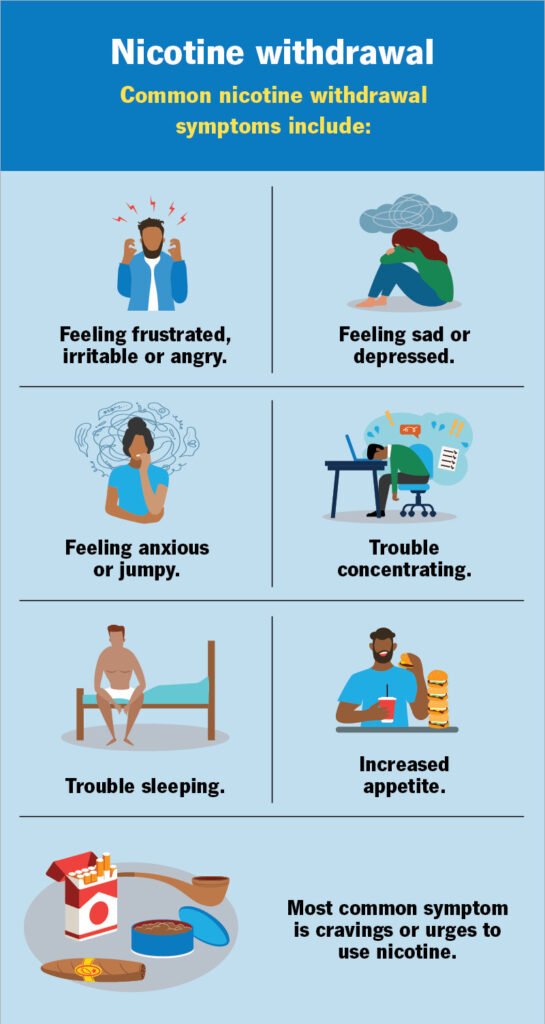
Nicotine Withdrawal Symptoms

As the body adjusts to life without nicotine, some withdrawal symptoms may occur.

Common withdrawal symptoms include:

  • Strong cravings
  • Anxiety and nervousness
  • Difficulty sleeping
  • Irritability
  • Restlessness
  • Mood changes
  • Trouble concentrating

At this point, professional support can ensure that the affected individual copes with these symptoms more comfortably and stays in line with recovery targets.

Behavioral Therapy and Counseling

Therapy is vital for the recovery of nicotine addiction. Therapy teaches people the triggers that cause them to seek out drugs and then helps them replace those bad habits with positive coping mechanisms.

Individual Counseling

Patients can talk about emotional stress, addiction triggers, and personal struggles as private counseling sessions give a good outlet for everything best

Cognitive Behavioral Therapy (CBT)

Cognitive-Behavioral Therapy (CBT) is another facet of behavior psychotherapy that can allow individuals to identify the negative thinking patterns associated with smoking and find more productive alternatives.

Motivational Therapy

Treatment that focuses on motivation helps to inspire self-belief and dedication at every stage of recovery.

The professional advice that enhances the following recovery results of nicotine addiction treatment when looking for nicotine addiction treatment in Islamabad, Pakistan.

Healthy Lifestyle Changes During Recovery

Making some lifestyle improvements can not only help you recover from nicotine but also mentally feel a lot better.

Helpful habits include:

  • Regular exercise
  • Balanced nutrition
  • Stress management practices
  • Healthy sleep routines
  • Avoiding smoking triggers
  • Building positive social support

Many patients at The Hope Rehabilitation Center Islamabad, Pakistan are taught to establish positive lifestyle habits.

Family Support and Emotional Encouragement

Family assistance can be an essential factor in overcoming nicotine addiction. This can be useful to stay motivated and emotionally stable during treatment, perhaps friends or family encouraging.

Supportive family involvement may help:

  • Improve communication
  • Reduce emotional stress
  • Strengthen accountability
  • Create a healthier home environment

General recovery is often aided by positive support systems that improve your chance of long-term success.

FAQs About Nicotine Addiction

1.     What causes nicotine addiction?

The addiction to nicotine occurs as the brain builds a reliance on the nicotine in cigarettes and similar products.

2.     Nicotine withdrawal can include a variety of psychological symptoms

Yes, withdrawal can include anxiety, irritability, mood changes and trouble focusing.

3.     Does professional treatment work for nicotine addiction?

Professional counseling and structured support improve recovery outcomes—more prevention from relapse.

4.     How long to recover from nicotine?

How long recovery last? Recovery is different for everyone and depends upon smoking habits, emotional issues, and commitment to treatment.

5.     Do changes in lifestyle assist the workaround?

Exercise, good nutrition, stress reduction and supportive relationships can make recovery more effective.

Conclusion

Nicotine dependency is an intense concern considering it can impair physical wellness, emotional security and operational from day today. Although it may seem hard to stop smoking, professional treatment and supportive care can give back control over your life again.

The Hope Rehabilitation Center Islamabad, Pakistan are 100 % best-trained rehabilitation center for Nicotine Addiction Treatment in Islamabad, Pakistan Providing Emotional Healing, Healthy Living and Functional Rehabilitation treatment sessions. With right direction and steady support, you can achieve a healthier and smoke-free future.