Nicotine is one of the most abused drugs in the world. Most people start smoking or using tobacco casually, but finally nicotine will have left the person with a strong physical and psychological dependence. Once it starts as a social habit or a stress-relief method, it can go on to affect physical health, emotional balance and even day-to-day life.
At The Hope Rehabilitation Center Islamabad, Pakistan we offer loving care and a full programmed of support that promotes healthy living while addressing nicotine dependence. The Nicotine Addiction Treatment in Islamabad, Pakistan is highlighted as this article deals with its causes, symptoms and risks followed by treatment approaches.
Understanding Nicotine Addiction
Nicotine, a highly addictive chemical component of cigarettes, tobacco products, vaping products and smokeless tobacco. By discharging chemicals in the brain temporarily inducing sensations of relaxation or pleasure.
With the repetition of this, brain gets used to nicotine for getting these feelings. When tolerance rises, people can find their daily nicotine intake increasing and it’s harder to quite unaided.
Treating Nicotine Addiction, Islamabad Pakistan also needs people who give emotional guidance along with behavioral treatment.
Common Causes of Nicotine Addiction
It is associated with various physical, emotional, social and behavioral causes of nicotine dependence.
Stress and Emotional Pressure
While a lot of people use nicotine to battle anxiety, stress, sadness or emotional tension.
Social Influence
Peer influence and environment can increase the risk of smoking or chewing tobacco ad among teenagers and young adults.
Habit Formation
You can associate smoking with daily activities like tea breaks, stress at work or driving a car (alcohol always wins here though) or speaking to friends.
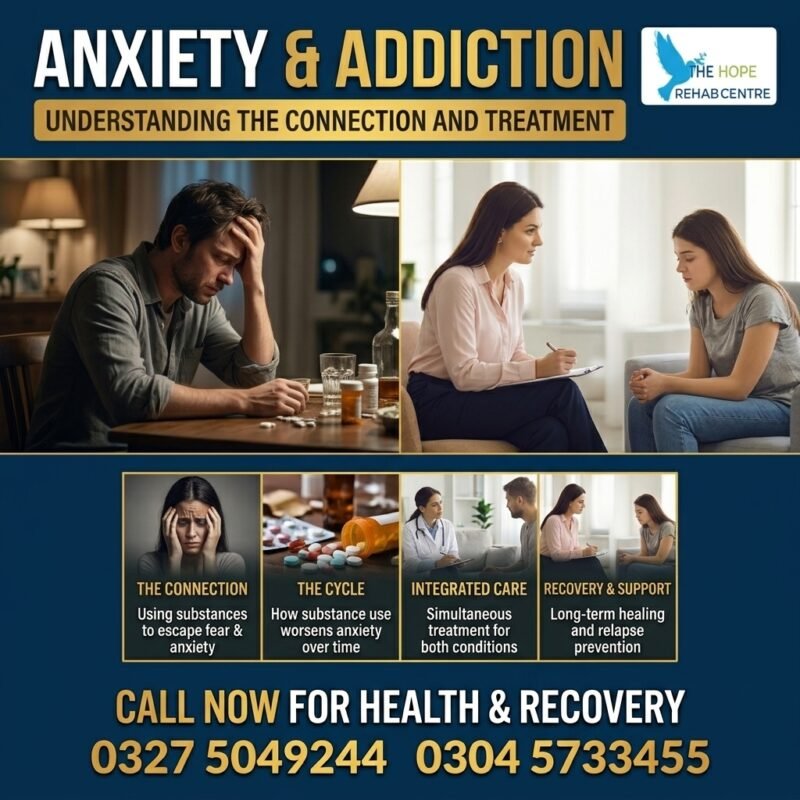
Mental Health Challenges
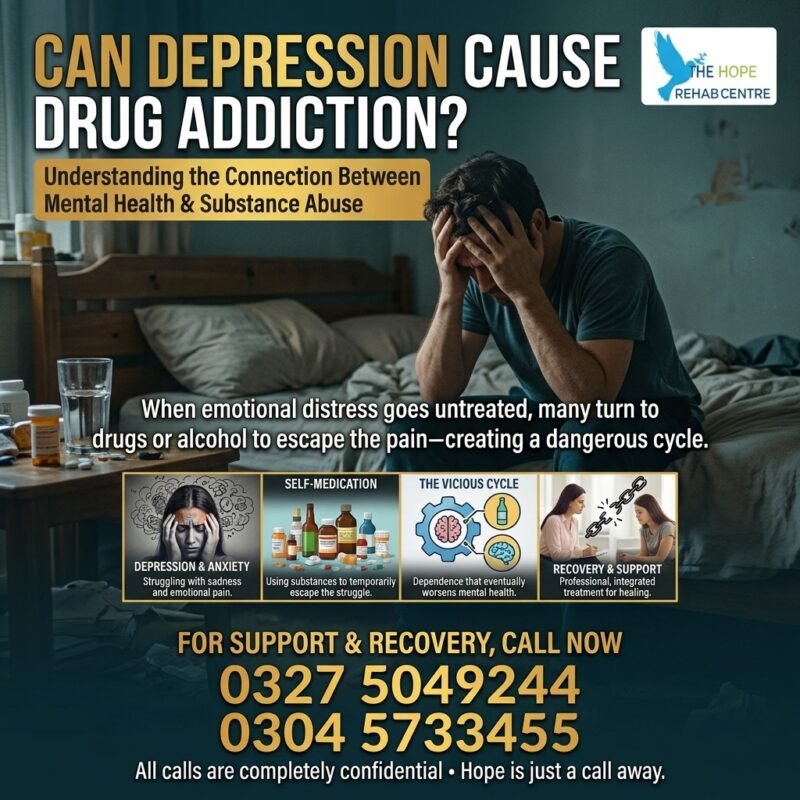
Nicotine is used by those struggling with depression, anxiety, or emotional trauma to temporarily alleviate their emotional pain.
At The Hope Rehabilitation Center Islamabad, Pakistan our treatment programs emphasize the importance of identifying and addressing these underlying factors in order to facilitate lasting change.
FEELING OF NICOTINE ADDICTION
By doing so, a person can seek treatment promptly or in an early manner when the health complications are not serious.
Physical Symptoms
- Strong nicotine cravings
- Increased smoking frequency
- Headaches during withdrawal
- Restlessness without smoking
- Persistent cough
- Breathing difficulties
Behavioral Symptoms
- Smoking immediately after waking up
- Difficulty refraining from smoking cigarettes in restricted areas
- Repeated failed attempts to quit
- Smoking during stressful situations
Emotional Symptoms
- Irritability
- Anxiety
- Mood swings
- Difficulty concentrating without nicotine
Such people can look for specialist Nicotine Addiction Treatment in Islamabad, Pakistan.
Health Econometric Model to Evaluate Nicotine Addiction
Chronic consumption of nicotine can harm health and make numerous diseases develop.
Respiratory Problems
Smoking harms the lungs and airways, which can lower lung capacity but increase stamina.
Heart and Blood Pressure Issues
Nicotine can raise blood pressure, causing a strophic effect on the cardiovascular system.
Mental and Emotional Impact
Being dependent on nicotine may even be a source of stress, irritability, anxiety and emotional instability.
Reduced Quality of Life
Smoking addiction is a problem lying not just on the health front, but also affecting the daily routine in terms of sleep, energy levels, appearance and other things.
That’s why Nicotine Addiction Treatment in Islamabad; Pakistan is encouraged before your infection worsens to prevent the long-term disposal of clinical problems.
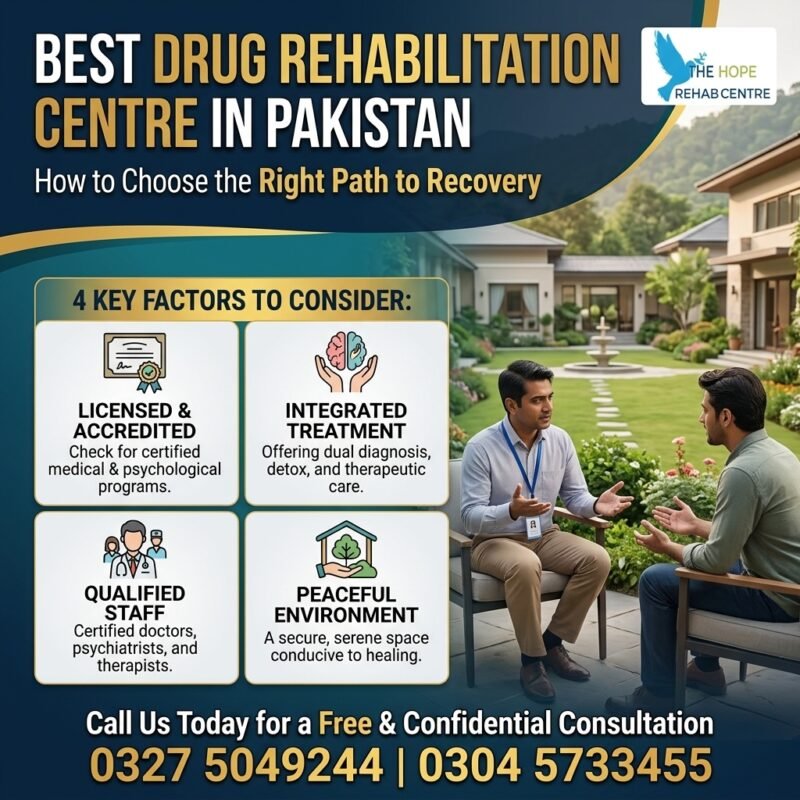
Why Professional Treatment Is Important
Nicotine is a very addicted source, so you will get both physical and psychological habit by quitting nicotine. Many people make multiple attempts to quit before they are able to succeed long-term.
Professional treatment programs provide:
- Behavioral counseling
- Emotional support
- Withdrawal management
- Relapse prevention strategies
- Healthy coping techniques
The Hope Rehabilitation Center Islamabad, Pakistan provide everyone with personalized assistance along the road to recovery.
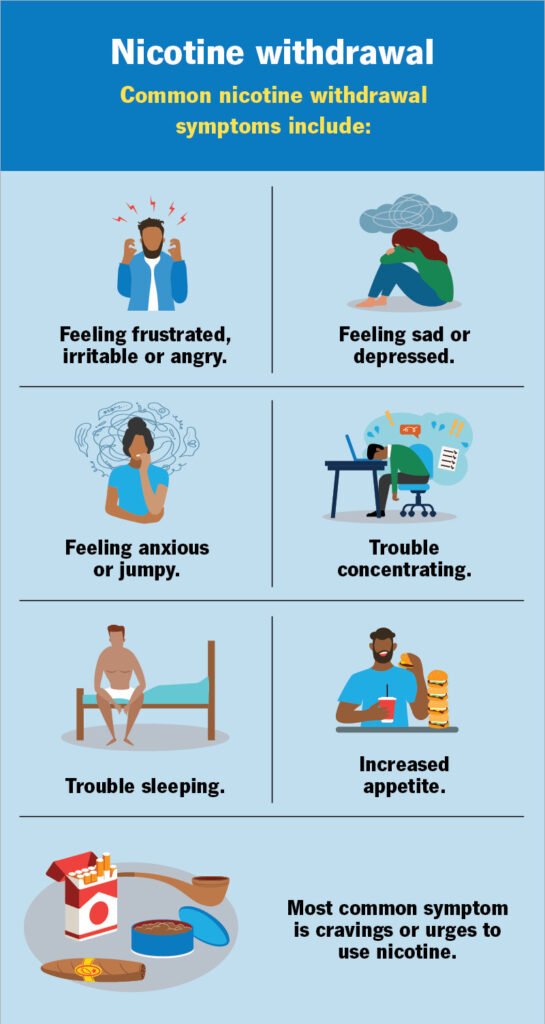
Nicotine Withdrawal Symptoms
As the body adjusts to life without nicotine, some withdrawal symptoms may occur.
Common withdrawal symptoms include:
- Strong cravings
- Anxiety and nervousness
- Difficulty sleeping
- Irritability
- Restlessness
- Mood changes
- Trouble concentrating
At this point, professional support can ensure that the affected individual copes with these symptoms more comfortably and stays in line with recovery targets.
Behavioral Therapy and Counseling
Therapy is vital for the recovery of nicotine addiction. Therapy teaches people the triggers that cause them to seek out drugs and then helps them replace those bad habits with positive coping mechanisms.
Individual Counseling
Patients can talk about emotional stress, addiction triggers, and personal struggles as private counseling sessions give a good outlet for everything best
Cognitive Behavioral Therapy (CBT)
Cognitive-Behavioral Therapy (CBT) is another facet of behavior psychotherapy that can allow individuals to identify the negative thinking patterns associated with smoking and find more productive alternatives.
Motivational Therapy
Treatment that focuses on motivation helps to inspire self-belief and dedication at every stage of recovery.
The professional advice that enhances the following recovery results of nicotine addiction treatment when looking for nicotine addiction treatment in Islamabad, Pakistan.
Healthy Lifestyle Changes During Recovery
Making some lifestyle improvements can not only help you recover from nicotine but also mentally feel a lot better.
Helpful habits include:
- Regular exercise
- Balanced nutrition
- Stress management practices
- Healthy sleep routines
- Avoiding smoking triggers
- Building positive social support
Many patients at The Hope Rehabilitation Center Islamabad, Pakistan are taught to establish positive lifestyle habits.
Family Support and Emotional Encouragement
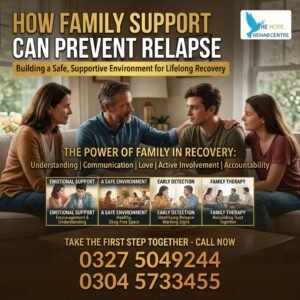
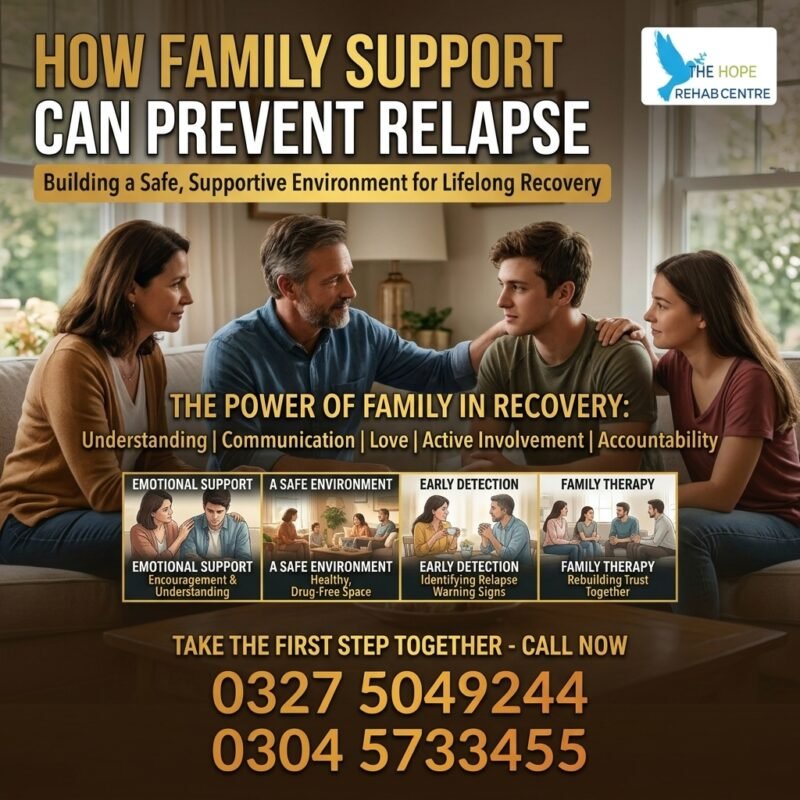
Family assistance can be an essential factor in overcoming nicotine addiction. This can be useful to stay motivated and emotionally stable during treatment, perhaps friends or family encouraging.
Supportive family involvement may help:
- Improve communication
- Reduce emotional stress
- Strengthen accountability
- Create a healthier home environment
General recovery is often aided by positive support systems that improve your chance of long-term success.
FAQs About Nicotine Addiction
1. What causes nicotine addiction?
The addiction to nicotine occurs as the brain builds a reliance on the nicotine in cigarettes and similar products.
2. Nicotine withdrawal can include a variety of psychological symptoms
Yes, withdrawal can include anxiety, irritability, mood changes and trouble focusing.
3. Does professional treatment work for nicotine addiction?
Professional counseling and structured support improve recovery outcomes—more prevention from relapse.
4. How long to recover from nicotine?
How long recovery last? Recovery is different for everyone and depends upon smoking habits, emotional issues, and commitment to treatment.
5. Do changes in lifestyle assist the workaround?
Exercise, good nutrition, stress reduction and supportive relationships can make recovery more effective.
Conclusion
Nicotine dependency is an intense concern considering it can impair physical wellness, emotional security and operational from day today. Although it may seem hard to stop smoking, professional treatment and supportive care can give back control over your life again.
The Hope Rehabilitation Center Islamabad, Pakistan are 100 % best-trained rehabilitation center for Nicotine Addiction Treatment in Islamabad, Pakistan Providing Emotional Healing, Healthy Living and Functional Rehabilitation treatment sessions. With right direction and steady support, you can achieve a healthier and smoke-free future.