The Hope Rehab Center

Category Outpatient Drug Rehab

Drug Addiction in Pakistan: Causes, Effects, Treatment and Recovery

Drug Addiction in Pakistan: Causes, Effects, Treatment and Recovery

Drug Addiction in Pakistan is an important public health concern that can affect individuals, families, and communities. Substance use can begin for different reasons, including curiosity, peer pressure, emotional distress, chronic stress, or exposure to drugs. With repeated use, some people may develop dependence or a substance use disorder that makes stopping difficult without professional support.

Understanding the causes, effects, treatment options, and recovery process can help reduce stigma and encourage people to seek appropriate care. The Hope Rehabilitation Center Islamabad, Pakistan focuses on a compassionate and structured approach to addiction recovery, recognizing that each person’s circumstances and treatment needs are different.

Understanding Drug Addiction in Pakistan

Drug addiction is more than a lack of willpower. Repeated use of certain substances can affect brain systems involved in reward, decision-making, motivation, and stress. As dependence develops, a person may experience cravings and continue using drugs despite negative consequences.

Drug addiction can involve substances such as heroin, opioids, methamphetamine, cannabis, cocaine, prescription medicines, and other psychoactive substances. The risks vary according to the substance, amount used, method of use, and the person’s physical and mental health.

Major Causes of Drug Addiction

There is no single cause of addiction. Biological, psychological, social, and environmental factors can interact and increase a person’s risk.

Psychological and Emotional Factors

Depression, anxiety, trauma, loneliness, grief, and chronic stress may influence substance use. Some people use drugs as a way of temporarily escaping emotional pain. Without appropriate support, this pattern can become increasingly difficult to control.

Social and Environmental Influences

Peer pressure, family difficulties, social isolation, unemployment, and easy exposure to substance use can also contribute. Young people may be particularly influenced by their social environment and the behavior of people around them.

Commonly Misused Drugs

Different substances create different risks. Common categories include:

  • Opioids: heroin, illicit opioids, and some prescription pain medicines
  • Stimulants: methamphetamine and other stimulant drugs
  • Cannabis: marijuana and related cannabis products
  • Sedatives: certain prescription medicines when misused
  • Club drugs: substances such as MDMA and other psychoactive drugs

Polydrug use, or using more than one substance, can increase health risks and make treatment more complex.

Effects of Drug Addiction on Health

Drug addiction can affect almost every area of health. The consequences depend on the substance and pattern of use.

Physical Health Effects

Possible complications include cardiovascular problems, respiratory difficulties, infections, poor nutrition, sleep problems, liver or kidney complications, and increased risk of injury.

Injecting drugs can create additional risks, particularly when needles or other equipment are shared.

Mental Health Effects

Substance use may contribute to anxiety, depression, mood changes, impaired concentration, paranoia, or other psychological symptoms. Some people also have an existing mental health condition alongside addiction.

When substance use and mental health conditions occur together, both concerns should be assessed and addressed as part of an individualized treatment plan.

Effects on Families and Society

Drug Addiction in Pakistan: Causes, Effects, Treatment and Recovery

Addiction can place considerable emotional and financial pressure on families. Trust may become difficult to maintain, responsibilities may be neglected, and conflicts can increase.

The effects can also extend to education, employment, relationships, and community well-being. Reducing stigma and improving access to appropriate treatment can help people seek support earlier.

Recognizing the Signs of Addiction

Possible warning signs include:

  • Strong or frequent cravings
  • Difficulty controlling drug use
  • Increasing secrecy or withdrawal from family
  • Neglect of work, studies, or responsibilities
  • Sudden changes in behavior or social circles
  • Financial problems related to substance use
  • Withdrawal symptoms when the substance is stopped
  • Continued use despite physical, emotional, or social harm

These signs don’t automatically confirm addiction. A healthcare professional can conduct a proper assessment.

Assessment and Diagnosis

Before treatment begins, professionals may review a person’s substance use history, physical health, mental health, family circumstances, previous treatment experiences, and current safety concerns.

A thorough assessment helps determine whether outpatient care, residential rehabilitation, medical treatment, counseling, or another level of support may be appropriate.

Drug Addiction Treatment Options

Treatment should be individualized rather than based on a single standard program.

Detoxification and Medical Support

Some substances can produce significant withdrawal symptoms when stopped. Medical supervision may be important, particularly for people with heavy or prolonged substance use, multiple substance use, or other medical conditions.

Detoxification is only an initial stage of recovery. Removing a substance from the body does not by itself address the psychological, behavioral, or social factors associated with addiction.

Counseling and Behavioral Therapy

Behavioral therapy and counseling can help individuals understand triggers, manage cravings, develop healthier coping strategies, and make practical changes to daily routines.

Individual counseling, group sessions, and relapse-prevention work may all have a role depending on the person’s needs.

Family Support and Education

Family involvement can strengthen recovery when it is appropriate and welcomed by the individual. Education helps relatives understand addiction as a health condition rather than simply a behavioral failure.

Families can also learn communication skills, healthy boundaries, and ways to respond constructively to setbacks.

Recovery and Relapse Prevention

Recovery is an ongoing process. After the initial phase of treatment, continuing support can help people maintain healthy habits and respond to triggers.

An aftercare plan may include counseling, peer support, family involvement, healthy sleep and nutrition routines, and strategies for managing high-risk situations.

Relapse can occur during recovery and should be treated as a reason to reassess and strengthen the treatment plan rather than as proof that change is impossible.

Role of a Rehabilitation Center

A rehabilitation center can provide a structured environment where individuals receive professional guidance while working on the physical, psychological, and behavioral aspects of addiction.

At The Hope Rehabilitation Center Islamabad, Pakistan, an appropriate recovery plan may involve assessment, counseling, behavioral support, family education, relapse-prevention planning, and continuing care according to individual needs.

Seeking treatment is a health decision, not something that should be associated with shame. Professional assessment can help determine what type of support is most suitable.

Frequently Asked Questions

1. What are the main causes of drug addiction in Pakistan?

Drug addiction can develop through a combination of genetic vulnerability, psychological distress, peer influence, family circumstances, social pressures, trauma, and repeated exposure to substances.

2. What are the common effects of drug addiction?

Drug addiction can affect physical health, mental well-being, relationships, education, employment, finances, and overall quality of life.

3. Is drug addiction treatable?

Yes. Substance use disorders are treatable health conditions. Treatment may involve medical care, counseling, behavioral therapy, family support, and continuing recovery services.

4. Is detoxification enough to overcome addiction?

Usually, detoxification is only one part of treatment. Long-term recovery may also require counseling, behavioral support, relapse-prevention strategies, and aftercare.

5. How can families help someone with addiction?

Families can encourage professional help, learn about addiction, communicate without unnecessary blame, establish healthy boundaries, and support appropriate treatment and aftercare.

Conclusion

Drug Addiction in Pakistan is a complex health issue that requires understanding, responsible treatment, and long-term support. Recognizing the warning signs early can make it easier to seek professional guidance before substance use causes further harm.

Recovery doesn’t happen in exactly the same way for everyone. With individualized care, appropriate medical and psychological support, family involvement, and continuing recovery planning, people affected by addiction can work toward healthier and more stable lives. At The Hope Rehabilitation Center Islamabad, Pakistan, compassionate and structured support can be an important part of that journey.

Drug Addictions – Drug Treatment for Addiction in Islamabad, Pakistan
Drug Addictions – Drug Treatment for Addiction in Islamabad, Pakistan

Drug addiction is a complex health issue that impacts millions of individuals across the world, irrespective of age, gender or background. It may use significant affect physical health, mental constipation of recalcitrant duty to his/her family and education and employment etc. While addiction may appear to be inescapable, treatment is also available when substance abuse intervention, clinical remedy and continuous assistance are examined into account.

Drug Addiction Treatment in Islamabad aspects of Help is awareness about the causes, symptoms & treatments. The Hope Rehabilitation Center Islamabad, Pakistan have intensive treatment programs which are based on compassionate, ethical and evidence-based care that is tailored according to the needs of the individual.

What Is Drug Addiction?

A drug addiction, also known as a substance use disorder is a condition which humans are unable to control the excessive or harmful (or social) consequence of using drugs. This addiction hijacks the reward system in your brain and makes it increasingly hard to break that cycle without intervention.

This could be illegal bits of drugs or abuse of authorized prescription capsules.

Common Types of Drug Addiction

Addiction may shine the light on many substances, and they include:

  • Heroin
  • Cocaine
  • Crystal Meth (ICE)
  • Cannabis (Marijuana)
  • Opioids
  • Prescription painkillers
  • Sedatives and sleeping medications
  • Ecstasy (MDMA)

There are many different substances that have differing effects in a person so each situation needs to be addressed specially.

Symptoms of Drug Addiction

The earlier an addiction is identified, the sooner treatment can begin which ultimately helps with recovery.

Common symptoms include:

  • Strong cravings for drugs
  • Loss of control over drug use
  • Increased tolerance
  • Withdrawal symptoms when not using
  • Mood swings
  • Anxiety or depression
  • Poor concentration
  • Sleep disturbances
  • Neglecting family, work, or education
  • Substance use-related financial or legal problems

The severity of the symptoms tends to worsen throughout the course of addiction.

Causes of Drug Addiction

Drug addiction typically becomes a result of both physiological, psychological and environmental influences.

Mental Health Conditions

Substance misuse behavior: those who live within anxiety, depression, trauma or chronic stress are more susceptible to becoming involved with substance use.

Emotional Challenges

Drug Addictions – Drug Treatment for Addiction in Islamabad, Pakistan

Some people use these if they are sad, lonely, emotionally hurt or facing a tough life situation.

Peer Influence

This may include social pressure or sights of drug use which can lead to experimentation and further use affectively forming a cycle.

Family History

Addiction can be influenced by genetics and family history.

A thorough understanding of all of these factors will allow professionals to create effective, individualized treatment plans.

Health Risks of Drug Addiction

Depending on the drug, addiction may see almost all systems of the body affected.

Physical Health Risks

Possible complications include:

  • Heart disease
  • Liver damage
  • Kidney problems
  • Respiratory disorders
  • Malnutrition
  • Increased risk of infections
  • Weakened immune system
  • Overdose

Mental Health Effects

Drug addiction can also lead to:

  • Anxiety
  • Depression
  • Memory impairment
  • Panic attacks
  • Emotional instability
  • Hallucinations
  • Difficulty concentrating

Often, those with a mental health condition and alcohol or drug addiction battle each disorder at the same time; addressing both problems often increases your chances for recovery.

The Importance of Professional Drug Addiction Treatment

Battling addiction on your own can be quite an uphill battle. Untreated, professional treatment provides with medical supervision and counseling in an environment or structure.

If you notice something in your BELOVED family members or you yourself possibly have the following a few issues, Seeking Drug Addiction Treatment in Islamabad, Pakistan helps.

  • Manage withdrawal symptoms safely
  • Tackle the underlying factors behind addiction
  • Improve emotional well-being
  • Develop healthier coping strategies
  • Reduce the risk of relapse
  • Rebuild healthy daily routines

The Hope Rehabilitation Center Islamabad, Pakistan provide treatment plans based on the physical, emotional and psychological health condition of the patient itself.

Treatment Approaches for Drug Addiction

Medical Detoxification

Detoxification allows the body to rid itself of an addictive substance while trained healthcare professionals take care to keep the individual safe and comfortable, closely monitoring withdrawal symptoms.

Individual Counseling

With personal counseling, one can talk about their emotional issues, help recognize triggers and learn better coping skills.

Cognitive Behavioral Therapy (CBT)

By identifying negative ways of thinking, CBT encourages patients to introduce healthier actions that will ensure long-lasting recovery.

Group Therapy

Group therapy provides support, accountability and common experiences that support feelings of not being alone.

Family Support Programs

Family counseling improves communication, helps restore trust, and creates a home environment that encourages lasting recovery.

Relapse Prevention and Aftercare

Life after treatment is not a speedy finale! Relapse prevention follows that, to help people avoid relapse and deal with future issues.

Effective relapse prevention strategies include:

  • Identifying personal triggers
  • Managing stress in healthy ways
  • Attending follow-up counseling
  • Maintaining structured daily routines
  • Building supportive relationships
  • Participating in ongoing recovery programs

The Hope Rehabilitation Center Islamabad, Pakistan consider aftercare planning an integral component of every recovery program.

Frequently Asked Questions (FAQs)

1.     What is drug addiction?

Addiction is a chronic disease characterized by compulsive drug seeking, continued use despite harmful consequences, and long-lasting changes in the brain.

2.     Can drug addiction be treated?

Yes. Even professional treatment helps those struggling with detoxification, counselling, therapy, and relapse prevention successfully recover.

3.     How long does drug addiction therapy take?

Treatment can run from a few days up were depending on the substance involved, the seriousness of addiction and how well they respond to treatment in days or weeks.

4.     Importance of Therapy During Addiction Treatment

Through therapy, person can learn and understand why the addiction occurred in the first place, better manage triggers that return them to drug abuse, heal any mental health problems caused by their addiction or worsened due to it, acquire skills to cope with things that led up this situation so as not fall again into a spiral of drugs.

5.     Does family involvement improve recovery?

Yes. Support from family can encourage motivation, foster communication and create a healthy environment when it comes to long-term recovery.

Conclusion

Drug abuse is an illness that can be treated like any other physical or mental health problem. With timely treatment, expert care and continuous support individuals can beat addiction and lead renew a more fulfilling and healthy life. Drugs are one of the most widespread problems in Pakistan, as well as all over the world so Drug Addiction Treatment Islamabad Pakistan is really important to take initiative to make drug free and healthy people.

The Hope Rehabilitation Center Islamabad, Pakistan integrate medical detoxification, evidence-based therapies, mental health treatment, family counseling, and relapse prevention in their comprehensive approach to addiction management. With compassionate and personalized treatment, patients are given the skills and support they need to step off to a permanent recovery and enhancing overall well-being.

Outpatient Drug Rehab | Flexible Addiction Treatment for Lasting Recovery
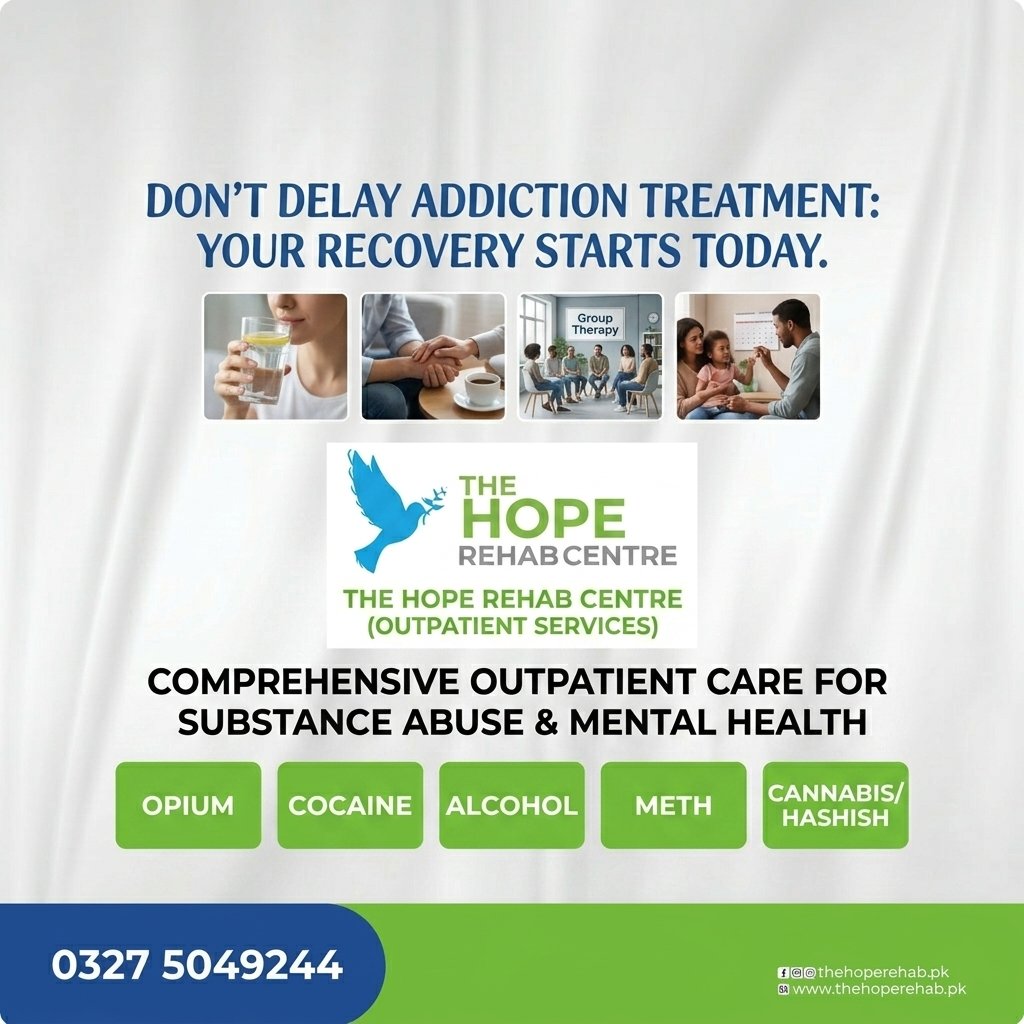
Outpatient Drug Rehab | Flexible Addiction Treatment for Lasting Recovery

Outpatient drug rehab is an effective treatment option for individuals seeking professional support while continuing to manage their daily responsibilities. Unlike residential rehabilitation, outpatient care allows patients to receive structured therapy, counseling, and medical guidance without staying overnight at a treatment facility. This approach can be suitable for people with mild to moderate substance use disorders or those transitioning from inpatient rehabilitation.

Recovery from addiction is a personal journey, and treatment should be tailored to each individual’s needs. At The Hope Rehabilitation Center Islamabad, Pakistan, outpatient drug rehab programs provide compassionate, evidence-based care that helps individuals overcome addiction while maintaining family, work, or educational commitments.

What Is Outpatient Drug Rehab?

Outpatient drug rehab is a structured treatment program in which individuals attend scheduled therapy sessions, counseling appointments, and recovery activities while living at home. The program offers professional support without requiring full-time residential care.

Outpatient rehabilitation may include:

  • Individual counseling
  • Group therapy
  • Family counseling
  • Behavioral therapy
  • Medical assessments
  • Relapse prevention planning
  • Ongoing recovery support

Treatment schedules vary depending on each person’s recovery needs and clinical assessment.

Who Can Benefit from Outpatient Drug Rehab?

Outpatient Drug Rehab | Flexible Addiction Treatment for Lasting Recovery

Outpatient rehabilitation may be appropriate for individuals who:

  • Have mild to moderate substance use disorders
  • Have completed an inpatient rehabilitation program
  • Have a stable and supportive home environment
  • Are motivated to participate actively in treatment
  • Need flexibility to continue work, school, or family responsibilities

A professional assessment helps determine whether outpatient care or a more intensive treatment program is the most suitable option.

Benefits of Outpatient Drug Rehab

Outpatient treatment offers several advantages while maintaining structured professional support.

Flexible Scheduling

Individuals can attend therapy sessions around work, education, or family commitments, making treatment more accessible.

Continued Family Support

Remaining at home allows individuals to stay connected with loved ones while learning healthier communication and coping strategies.

Lower Disruption to Daily Life

Outpatient care allows many individuals to maintain employment, continue their education, and fulfill personal responsibilities while receiving treatment.

Personalized Care

Treatment plans are tailored according to the individual’s substance use history, physical health, mental health, and recovery goals.

At The Hope Rehabilitation Center Islamabad, Pakistan, outpatient programs are designed to provide individualized care while supporting long-term recovery.

Services Included in Outpatient Drug Rehab

Comprehensive Assessment

Treatment begins with a detailed evaluation of the individual’s physical health, mental well-being, addiction history, and personal goals.

Individual Counseling

Private counseling sessions help individuals understand the emotional and behavioral factors contributing to substance use while developing healthier coping mechanisms.

Behavioral Therapy

Evidence-based approaches such as Cognitive Behavioral Therapy (CBT) help individuals identify negative thinking patterns, manage cravings, improve decision-making, and reduce the risk of relapse.

Group Therapy

Group sessions provide a supportive environment where participants share experiences, build motivation, and learn practical recovery skills from others facing similar challenges.

Family Counseling

Family involvement can improve communication, strengthen relationships, and create a supportive environment that encourages long-term recovery.

The Importance of Relapse Prevention

Recovery extends beyond completing a treatment program. Relapse prevention helps individuals maintain progress by preparing them for future challenges.

Relapse prevention strategies may include:

  • Identifying personal triggers
  • Developing healthy coping skills
  • Practicing stress management
  • Building structured daily routines
  • Continuing therapy when appropriate
  • Strengthening social support networks

These strategies help individuals maintain recovery while adapting to everyday life.

Mental Health Support During Recovery

Many individuals with substance use disorders also experience mental health conditions such as anxiety, depression, or trauma-related concerns. Addressing both addiction and mental health together often improves overall treatment outcomes.

Integrated care may include:

  • Mental health assessments
  • Individual psychotherapy
  • Emotional wellness counseling
  • Stress management education
  • Healthy lifestyle planning

At The Hope Rehabilitation Center Islamabad, Pakistan, treatment plans are developed with consideration for both addiction recovery and emotional well-being.

Why Professional Outpatient Treatment Matters

Professional outpatient rehabilitation provides ongoing guidance, accountability, and evidence-based therapies that support lasting recovery. Rather than facing addiction alone, individuals receive structured care from experienced healthcare professionals who monitor progress and adjust treatment as needed.

The combination of counseling, behavioral therapy, family support, and relapse prevention helps individuals build the skills necessary for maintaining long-term recovery.

Frequently Asked Questions (FAQs)

1. What is outpatient drug rehab?

Outpatient drug rehab is a structured addiction treatment program that allows individuals to receive counseling, therapy, and professional support while continuing to live at home.

2. Who is a good candidate for outpatient treatment?

Outpatient care may be appropriate for individuals with mild to moderate substance use disorders, those with supportive home environments, or individuals transitioning from inpatient rehabilitation.

3. Does outpatient rehab include counseling?

Yes. Most outpatient programs include individual counseling, behavioral therapy, group sessions, and, when appropriate, family counseling.

4. Can outpatient treatment help prevent relapse?

Yes. Relapse prevention education, coping strategies, ongoing counseling, and follow-up support are important parts of outpatient rehabilitation.

5. How long does outpatient drug rehab last?

Treatment duration varies depending on each person’s recovery needs, clinical assessment, and progress throughout the program.

Conclusion

Outpatient drug rehab offers a flexible and effective treatment option for individuals seeking professional support while maintaining their daily responsibilities. Through counseling, behavioral therapies, family involvement, and relapse prevention planning, outpatient care helps individuals build healthier coping skills and work toward sustainable recovery.

At The Hope Rehabilitation Center Islamabad, Pakistan, outpatient drug rehabilitation programs are personalized to meet each individual’s unique recovery needs. With compassionate care, experienced professionals, and evidence-based treatment, individuals receive the support they need to make meaningful progress toward a healthier, substance-free future.