Outpatient drug rehab is an effective treatment option for individuals seeking professional support while continuing to manage their daily responsibilities. Unlike residential rehabilitation, outpatient care allows patients to receive structured therapy, counseling, and medical guidance without staying overnight at a treatment facility. This approach can be suitable for people with mild to moderate substance use disorders or those transitioning from inpatient rehabilitation.
Recovery from addiction is a personal journey, and treatment should be tailored to each individual’s needs. At The Hope Rehabilitation Center Islamabad, Pakistan, outpatient drug rehab programs provide compassionate, evidence-based care that helps individuals overcome addiction while maintaining family, work, or educational commitments.
What Is Outpatient Drug Rehab?
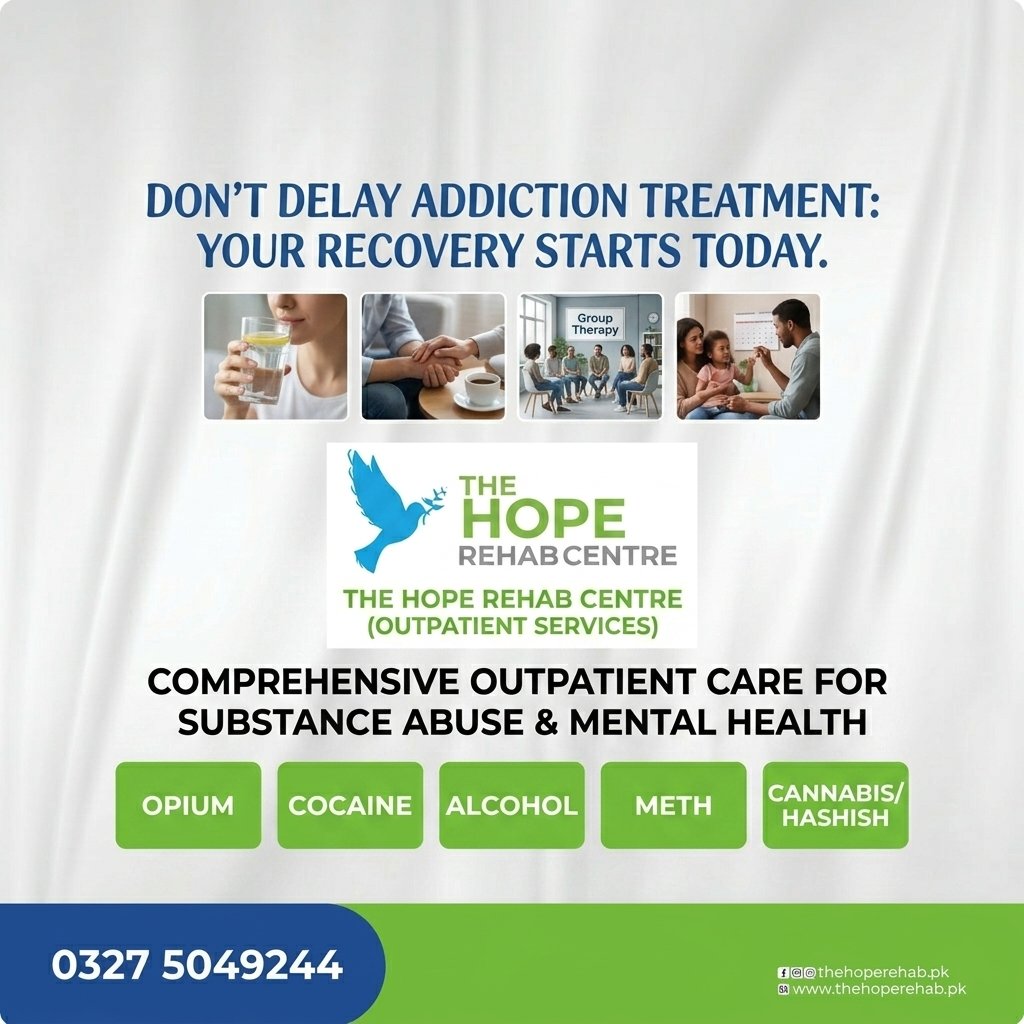
Outpatient drug rehab is a structured treatment program in which individuals attend scheduled therapy sessions, counseling appointments, and recovery activities while living at home. The program offers professional support without requiring full-time residential care.
Outpatient rehabilitation may include:
- Individual counseling
- Group therapy
- Family counseling
- Behavioral therapy
- Medical assessments
- Relapse prevention planning
- Ongoing recovery support
Treatment schedules vary depending on each person’s recovery needs and clinical assessment.
Who Can Benefit from Outpatient Drug Rehab?
Outpatient rehabilitation may be appropriate for individuals who:
- Have mild to moderate substance use disorders
- Have completed an inpatient rehabilitation program
- Have a stable and supportive home environment
- Are motivated to participate actively in treatment
- Need flexibility to continue work, school, or family responsibilities
A professional assessment helps determine whether outpatient care or a more intensive treatment program is the most suitable option.
Benefits of Outpatient Drug Rehab
Outpatient treatment offers several advantages while maintaining structured professional support.
Flexible Scheduling
Individuals can attend therapy sessions around work, education, or family commitments, making treatment more accessible.
Continued Family Support
Remaining at home allows individuals to stay connected with loved ones while learning healthier communication and coping strategies.
Lower Disruption to Daily Life
Outpatient care allows many individuals to maintain employment, continue their education, and fulfill personal responsibilities while receiving treatment.
Personalized Care
Treatment plans are tailored according to the individual’s substance use history, physical health, mental health, and recovery goals.
At The Hope Rehabilitation Center Islamabad, Pakistan, outpatient programs are designed to provide individualized care while supporting long-term recovery.
Services Included in Outpatient Drug Rehab
Comprehensive Assessment
Treatment begins with a detailed evaluation of the individual’s physical health, mental well-being, addiction history, and personal goals.
Individual Counseling
Private counseling sessions help individuals understand the emotional and behavioral factors contributing to substance use while developing healthier coping mechanisms.
Behavioral Therapy
Evidence-based approaches such as Cognitive Behavioral Therapy (CBT) help individuals identify negative thinking patterns, manage cravings, improve decision-making, and reduce the risk of relapse.
Group Therapy
Group sessions provide a supportive environment where participants share experiences, build motivation, and learn practical recovery skills from others facing similar challenges.
Family Counseling
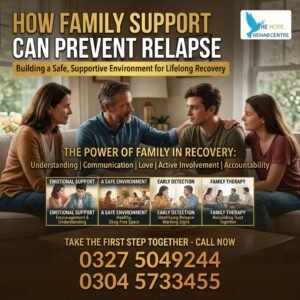
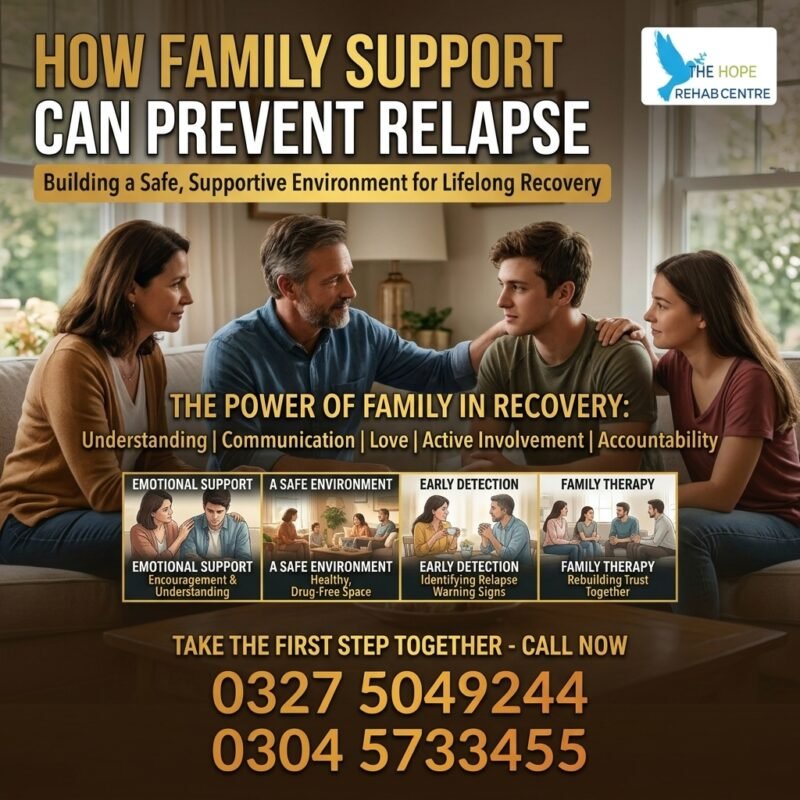
Family involvement can improve communication, strengthen relationships, and create a supportive environment that encourages long-term recovery.
The Importance of Relapse Prevention
Recovery extends beyond completing a treatment program. Relapse prevention helps individuals maintain progress by preparing them for future challenges.
Relapse prevention strategies may include:
- Identifying personal triggers
- Developing healthy coping skills
- Practicing stress management
- Building structured daily routines
- Continuing therapy when appropriate
- Strengthening social support networks
These strategies help individuals maintain recovery while adapting to everyday life.
Mental Health Support During Recovery
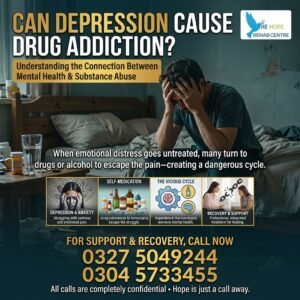
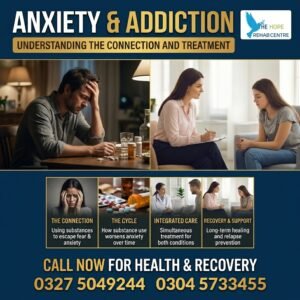
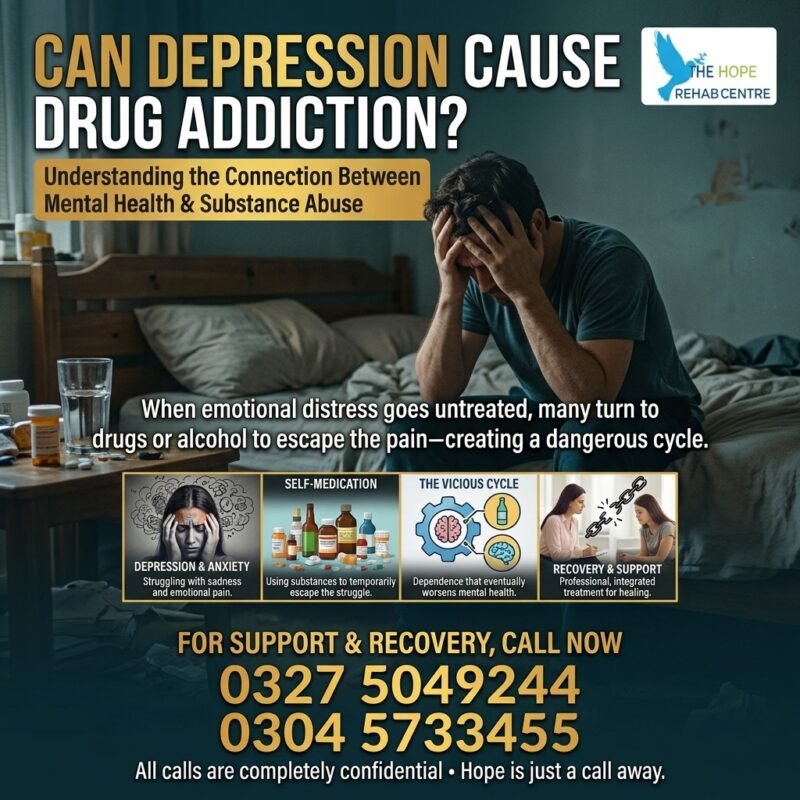
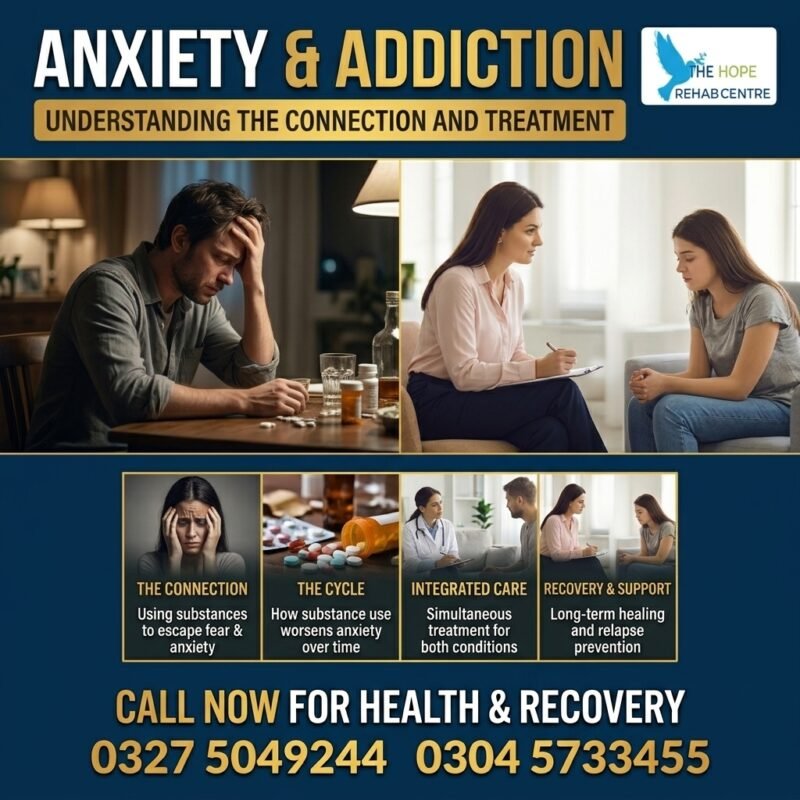
Many individuals with substance use disorders also experience mental health conditions such as anxiety, depression, or trauma-related concerns. Addressing both addiction and mental health together often improves overall treatment outcomes.
Integrated care may include:
- Mental health assessments
- Individual psychotherapy
- Emotional wellness counseling
- Stress management education
- Healthy lifestyle planning
At The Hope Rehabilitation Center Islamabad, Pakistan, treatment plans are developed with consideration for both addiction recovery and emotional well-being.
Why Professional Outpatient Treatment Matters
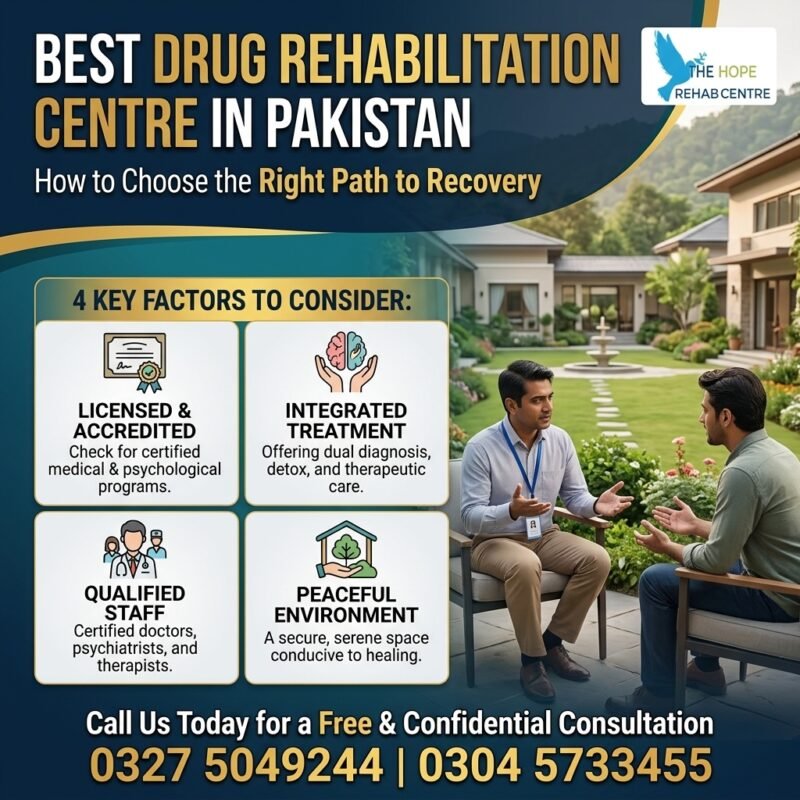
Professional outpatient rehabilitation provides ongoing guidance, accountability, and evidence-based therapies that support lasting recovery. Rather than facing addiction alone, individuals receive structured care from experienced healthcare professionals who monitor progress and adjust treatment as needed.
The combination of counseling, behavioral therapy, family support, and relapse prevention helps individuals build the skills necessary for maintaining long-term recovery.
Frequently Asked Questions (FAQs)
1. What is outpatient drug rehab?
Outpatient drug rehab is a structured addiction treatment program that allows individuals to receive counseling, therapy, and professional support while continuing to live at home.
2. Who is a good candidate for outpatient treatment?
Outpatient care may be appropriate for individuals with mild to moderate substance use disorders, those with supportive home environments, or individuals transitioning from inpatient rehabilitation.
3. Does outpatient rehab include counseling?
Yes. Most outpatient programs include individual counseling, behavioral therapy, group sessions, and, when appropriate, family counseling.
4. Can outpatient treatment help prevent relapse?
Yes. Relapse prevention education, coping strategies, ongoing counseling, and follow-up support are important parts of outpatient rehabilitation.
5. How long does outpatient drug rehab last?
Treatment duration varies depending on each person’s recovery needs, clinical assessment, and progress throughout the program.
Conclusion
Outpatient drug rehab offers a flexible and effective treatment option for individuals seeking professional support while maintaining their daily responsibilities. Through counseling, behavioral therapies, family involvement, and relapse prevention planning, outpatient care helps individuals build healthier coping skills and work toward sustainable recovery.
At The Hope Rehabilitation Center Islamabad, Pakistan, outpatient drug rehabilitation programs are personalized to meet each individual’s unique recovery needs. With compassionate care, experienced professionals, and evidence-based treatment, individuals receive the support they need to make meaningful progress toward a healthier, substance-free future.