The Hope Rehab Center

Detoxification | Addiction Treatment Centre Islamabad
Detoxification | Addiction Treatment Centre Islamabad

Detoxification is usually the first phase, and arguably the most important one, on the road to recovery from substance dependence. As someone lets go of drugs or alcohol after long-term use, the body takes time to reacquaint itself with a life without using these substances. This is when withdrawal symptoms may emerge, which can be both physically and emotionally difficult to endure.

An Addiction Treatment Centre in Islamabad is a professional facility that offers a systematic environment for the detoxification process under medical care. And it protects their health and wellbeing by helping them manage Silkworm withdrawal symptoms. To accomplish this, detoxification programs at The Hope Rehabilitation Center Islamabad Pakistan offer patients a similar level of support involving compassionate care, professional monitoring, and individualized treatment planning.

We will also discuss what detoxification entails and why it is an important step along this recovery journey so that individuals and families can make informed decisions about treatment.

What Is Detoxification in Addiction Recovery?

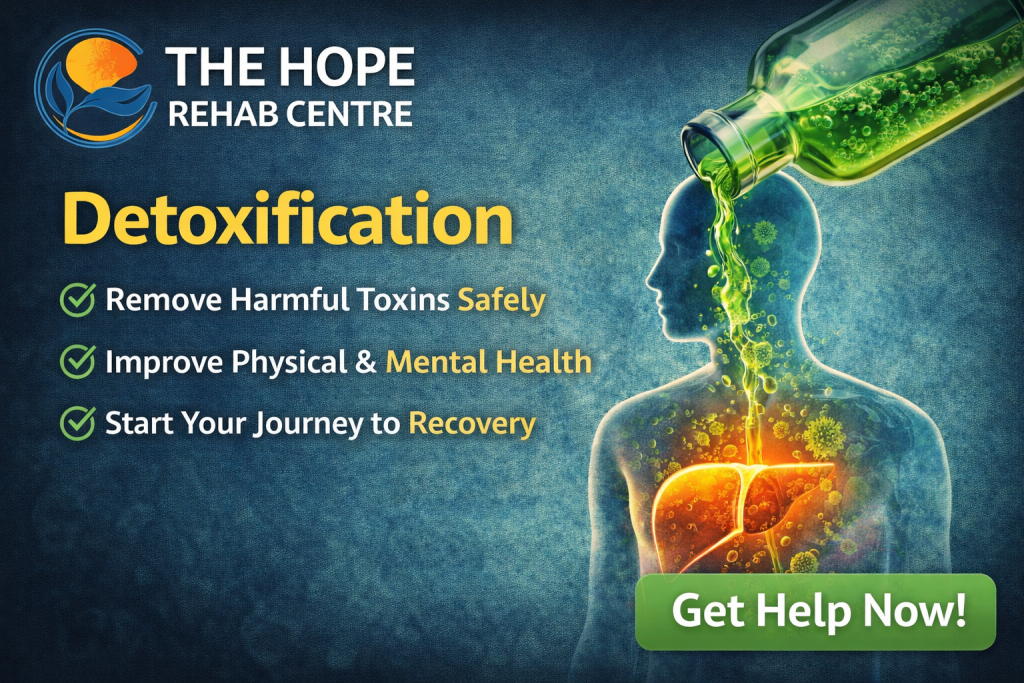
Detoxification is also the body’s way of ridding itself of harmful substances. Medication or drinking drugs or alcohol can also create dependency in a human, which causes the body to adjust itself to these substances. Once use stops, the body has to readjust so this can bring about withdrawal symptoms.

Medically supervised detox is performed in a professional Addiction Treatment Centre in Islamabad. Healthcare providers observe patients meticulously to handle issues, render supportive care, and keep sure of safety over the period.

Detoxification | Addiction Treatment Centre Islamabad

Detox does not in itself cure someone of addiction. Rather, it equips people for the next steps in treatment, which are frequently therapy or counseling and long-term recovery support.

Why Medical Detox Is Important

Withdrawal symptoms vary based on the type of substance used, how long it has been used, and the individual’s overall health. Some may have mild symptoms and some more severe requiring medical care.

Hence, a medically supervised detox program offered by an Addiction Treatment Centre in Islamabad would help patients get the necessary requirements during this important stage. Health care providers track vital signs, administer supportive medicines as needed and act promptly if complications develop.

Detox facilities at The Hope Rehabilitation Center Islamabad, Pakistan prioritize patient safety and emotional support, as well as gradual stabilization. Such an environment enables people to make a head start on recovery with professional support and comfort.

Common Withdrawal Symptoms During Detox

This is a natural reaction of the body as it learns to operate without a substance on which it has become dependent. Although the severity of symptoms can vary, a few things you may experience during detox are:

  • Anxiety or restlessness
  • Sleep disturbances
  • Mood changes or irritability
  • Physical fatigue or discomfort
  • Cravings for substances

Qualified Addiction Treatment Centre in Islamabad gives proper medical supervision to cope with these symptoms and avoid the patient feeling unwell, ensuring that they are comfortable and stable throughout detoxification.

The Detoxification Process

Detoxification is usually done in phases, each step meant to nurture the patient’s physical and emotional health.

Assessment and Evaluation

Before detox starts, a medical professional conducts an intake assessment. This involves examining the patient’s medical history, substance use patterns and mental health condition.

With this evaluation the professionals at The Hope Rehabilitation Center Islamabad, Pakistan just prepare a tailor-fit detox plan according to the need of the patient.

Stabilization

The body is gradually adapting to the absence of substances during this period. Medical staff watch for symptoms, offer supportive care and help patients be as comfortable as possible.

During this phase, continuous monitoring is required to be provided at the professional Addiction treatment Centre in Islamabad to maintain safety and avoid complications.

Preparation for Ongoing Treatment

After detox ends, patients are encouraged to stay engaged in additional rehabilitation services. Such programs may include therapy, counseling and mental Health support

Detox is the beginning, but it’s only the beginning: addiction is inherently biological, psychological, and societal. Detox is best as part of a structured treatment program that addresses the other aspects of addiction as well.

Addressing Mental Health During Detox

The idea with such treatments is that many people who are addicted also suffer from mental health issues, like anxiety and depression or trauma-related disorders. Untreated underlying issues can make recovery hard to maintain.

A holistic approach such as Addiction Treatment Centre in Islamabad offers a combination of mental health services and detoxification program. Therapy, evaluations, and psychological assessments help the patients to identify the emotional connections with substance use.

A mental health professional works alongside the medical staff at The Hope Rehabilitation Center Islamabad, Pakistan to make sure that both physical and emotional needs are being met during the detoxing process.

Creating a Supportive Healing Environment

The setting of detox can have a major impact on the recovery process. Providing a calm and structured setting allows the individual to concentrate on healing without non healing stress or triggers.

Patients at Hope Rehabilitation Center Islamabad, Pakistan are cared for in a setting focused on comfort, dignity and confidentiality. A conducive environment helps patients to stay engaged in treatment and develops the confidence they need for long-term recovery.

A specialized Addiction Treatment Centre in Islamabad also provides an insight into forming a consistent lifestyle routine that aids health — sleep hygiene, nutritional balance, therapy presence and much more.

Long-Term Recovery After Detox

Finishing detox is an important first step, but it is just the start of your recovery. Staying in treatment and support is often key to long-term success.

Rehabilitation programs may feature individual therapy, group counseling, relapse prevention strategies and lifestyle adjustments supporting healthy habits. Such programs teach individuals the skills to handle stress, ward off triggers and stay sober.

Treatment plans are based on the patient’s medical needs and tailored to guide them beyond detoxification towards lasting recovery with professional care, ongoing support at The Hope Rehabilitation Center in Islamabad, Pakistan.

Frequently Asked Questions (FAQs)

1.     Detoxification – What Is It in Addiction Treatment?

Detox is the removal of toxic substances from the body and control of withdrawal symptoms in a medically supervised facility.

2.     How long does detox typically last?

How long detox lasts depends on the substance involved, how long it has been in use, and an individual’s overall health condition.

3.     Do you require medical supervision during detox?

Medical supervision is highly recommended, as withdrawal symptoms can occasionally be severe and need the help of a professional.

4.     Does detox alone treat addiction?

No. Detox is the first part of recovery. Therapies, counseling sessions, and rehabilitation programs are very important for long recovery.

5.     What comes after detox is done?

Usually, after detox individuals are continuing their treatment with counselling therapy and relapse prevention programs at an addiction treatment Centre in Islamabad.

Conclusion

For those seeking recovery from substance dependence, detoxification is an essential first step. Detox lays the groundwork for future recovery and rehabilitation by safely helping the body to adjust to the absence of drugs or alcohol.

That’s why a professional Addiction Treatment Centre in Islamabad can be the medical supervision, emotional support and structure you need to break through. Detox, therapy and long-term recovery planning is a balanced three-pronged approach to treatment.

Detoxification at The Hope Rehabilitation Center Islamabad, Pakistan is performed in an environment of safety, empathy and tailored assistance. Under the guise of professional help and continued rehabilitative services, recovering individuals can work toward healthier and more stable lifestyles.

The Importance of Cold Chain Management in Pharmacy – Best Rehabilitation Center for Ice Treatment
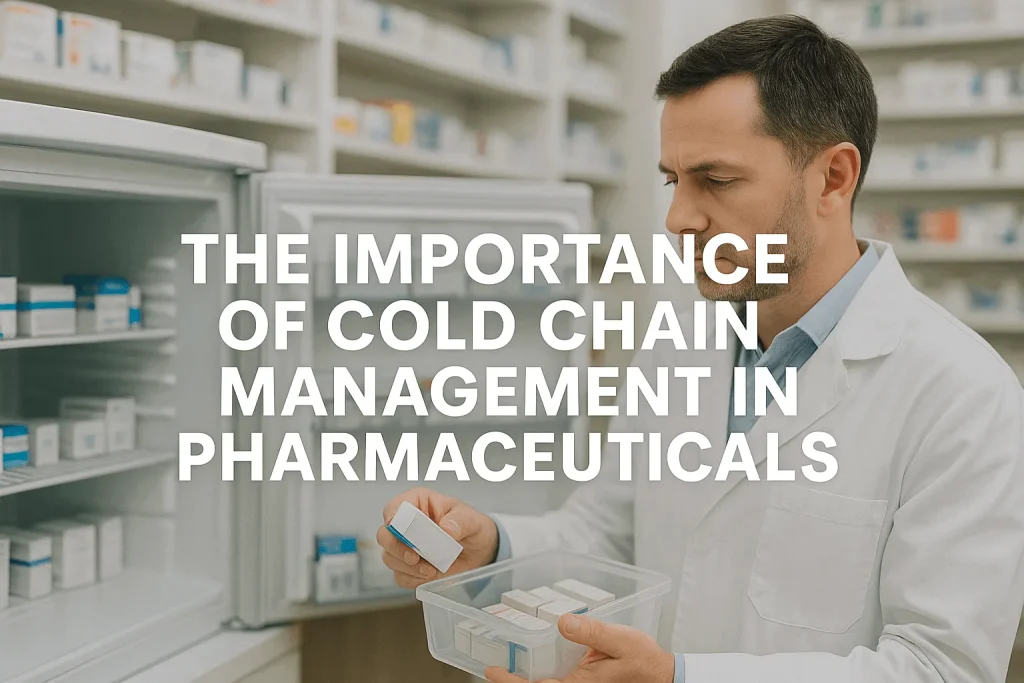
You have frozen products in your cold chain. From life-saving vaccines to temperature-sensitive medication, controlling storage means safety and efficacy, as well as patient trust. It is a critical no no for pharmacies, even a few degrees difference can melt and nullify the ingredients in medication and create risk for patent care.

For facilities in the medical sector, like The Hope Rehab Center, which delivers specialized rehab treatments including ice-based therapies to patients every day, establishing a supply of cold isn’t simply an operational consideration — it’s a duty of care. As the Best rehab center for ice treatment, trusted cold chain ensures that every therapeutic procedure is applied safely and effectively.

This article focuses on the significance of cold chain management in pharmacy, effect on patients’ safety, regulations and how healthcare facilities can ensure best practices.

Comprehend the principles of cold chain management in pharmacy

The management of temperature-sensitive drugs from the production site until the time they are administered to patients, is known as cold chain management.

What Is the Cold Chain?

The “cold chain” includes:

  • Refrigerated storage units
  • Temperature-controlled transport systems
  • Continuous temperature monitoring devices
  • Proper handling protocols

The majority of pharmaceutical cold chain products need to be kept between 2°C and 8°C, however some specialty drugs need the freezing or ultra low temperature.

Why Temperature Control Matters

Most drugs, including biologics, vaccines, and injectable therapies are very temperature sensitive. Too much heat or too cold could:

  • Reduce drug potency
  • Alter chemical structure
  • Cause protein denaturation
  • Make treatment ineffective

Ensuring adequate temperature stability is provided has value to the medication and patient.

The importance of cold chain management to patient safety

Pharmacy is built on safety. If drug products are not stored properly, the efficacy and safety associated with use of such products may be reduced.

Preventing Medication Failure

Certain drugs may be rendered ineffective due to temperature excursions in the absence of any obvious visual damage. This is particularly important for instituting biologics and specialized recovery treatments.

At The Hope Rehab Center we have strict procedures to keep temperature-sensitive supplies for recovery and ice-based therapeutic services from exceeding recommended storage limits. Best drug rehab for ice Best Rehab Center For Ice As the best rehab center for ice you should maintain quality to improve patient’s results.

Ensuring Compliance with Healthcare Standards

Hospitals, for example, are mandated to adhere to rigorous regulations in terms of pharmaceutical storage set by governing bodies. Correct cold chain documentation, tracking logs and emergency backup systems are necessary to meet compliance.

Adhering to such standards help in trust building and enhancing ethical practices of healthcare.

Cold Chain Management and Ice Therapy Applications

Although the term cold chain management is most commonly associated with vaccines and biologics, it performs a critical function in specialized treatment settings.

Ice Treatment and Temperature Integrity

Because ice based treatments need environments with controlled storage to assure:

  • Consistent therapeutic temperature
  • Hygienic handling
  • Safe patient application
  • Prevention of contamination

The Best rehabilitation center for ice treatment know that accuracy in temperature control is crucial to the process of healing.

At The Hope Rehab Treatment Center our cold storage procedures allow us to continue to provide high-quality treatment within the boundaries of healthcare safety.

Elements of a good Management of the Cold Chain

A reliable cold chain needs technology, training and oversight.

1. Temperature Monitoring Systems

Digital thermometers and dataloggers are used for permanent monitoring. These alert staff of any temperature variance, complementing product safety and increasing your peace-of-mind.

2. Proper Storage Equipment

You need medical grade refrigerators and freezers. Households have the temperature spread and should not be used to store medications.

3. Staff Training and Accountability

Issues pharmacists and health care professionals should know about:

  • Correct storage ranges
  • Documentation procedures
  • Emergency response plans
  • Handling practices

The training helps to control and minimize human error, so it brings consistency.

4. Emergency Preparedness

The cold chain can be interrupted by power outages and equipment breakdowns. Backup power and backup plans are key to temperature integrity.

Regulatory Compliance and Ethical Responsibility

The cold chain is not a luxury: it’s mandatory. Healthcare authorities emphasize:

  • Accurate temperature logs
  • Calibration of monitoring devices
  • Standard operating procedures
  • Documentation audits

Ethical practice of healthcare requires a bias for patient safety over convenience. Clear protocols build trust between the service providers and patients.

The Significance of Cold Chain Management in Pharmacy – Optimal Rehab Heritage for Chilly Treatments Requirements

With more and more healthcare organizations integrating the demands of pharmaceutical cold chain within the specialized therapy services, it increases the demand for precision.

To be nominated as the Best rehab center for ice treatment, however, it takes more than just medical knowledge. It includes:

  • Protects temperature sensitive medical supplies
  • Indications for Use Therapy Temperature Equipment Maintenance II.
  • Infection control standards
  • Quality assurance measures

The cold chain principle in The Hope Rehab Center was linked to broader healthcare quality programs. This puts temperature management as part of the holistic patient-centric perspective.

Typical Issues in Cold Chain Management

Despite its significance, the management of cold chain is faced with challenges:

Temperature Fluctuations During Transport

Drugs may change hands a number of times before they end up in health centres. Packaging and insulated transportation facilities is a must.

Equipment Malfunction

Refrigeration failures may cause damage to stocked goods. Routine maintenance reduces this risk.

Human Error

Inadequate storage, late documentation or opening of door might affect the temperature stability. Continuous training is essential.

Drugs Cold-Chain and Temperature Monitoring Technology

Advanced systems that are being increasingly implemented in modern health facilities to ensure cold chain reliability are:

  • Smart temperature sensors
  • Real-time monitoring dashboards
  • Automated alert systems
  • Cloud-based storage logs

This sort of these tools will increase the quality of review and decrease potential errors.

For rehab facilities that offer heat-sensitive treatments, technological integration also optimizes workflow and protects patient experience.

How the Integrity of a Cold Chain Further Enables Sustainable Quality Healthcare L If it ain’t broke, why fix it?

Cold chain management contributes to:

  • Improved treatment effectiveness
  • Reduced medication waste
  • Stronger patient confidence
  • Regulatory compliance
  • Operational reliability

Cold chain is becoming a safety and best practice focused medication delivery offering, with pharmaceutical companies’ engaging healthcare organizations that make cold chain integrity a priority.

At The Hope Rehab Center such attention to detail of having ice therapy procedures is replicated in everything that we do. Through pharmacy best practices, the center backs safe and managed pathways back to recovery.

Best Practices for Healthcare Facilities

To further improve the effectiveness of the cold chain, health care workers should:

  • Conduct regular temperature audits
  • Implement digital monitoring tools
  • Maintain detailed documentation
  • Provide ongoing staff training
  • Establish emergency backup systems

These measures drive continuous quality improvement and risk reduction.

Frequently Asked Questions (FAQs)

1. What is cold chain management in the pharmacy?

Cold chain management is a system of handling and transporting vaccines agents thermosensitive pharmaceuticals in a way that ensures products are kept at the appropriate temperature to protect people from vaccine-preventable disease.

2. Rehabilitation centers and why is cold chain management crucial for it?

Rehabilitation clinics that use temperature-sensitive supplies or employ ice must have a continuity of care with a reliable storage system to ensure the public’s safety in receiving the appropriate level of treatment.

3. How does temperature affect the power of drugs?

Medications’ chemical composition may change when exposed to extreme heat or freezing, becoming less effective or unsafe.

4. What are the usual ranges required for pharmacy storage?

The storage condition of most refrigerated medications is 2 to 8°C, but individual products may have specific requirements.

5. So then how does The Hope Rehab Center keep its cold chain in place?

Hope Rehab Center has Temperature Control Guidelines, Quality Management System and Standard Storage to handle temperature sensitive materials in safe manner.

Conclusion

Pharmacy Application The management of the cold chain is essential to contemporary pharmacy practice. It preserves the integrity of medications, helps to protect patient safety, and promotes regulatory compliance. When handling vaccines, biologics and other thermosensitive therapeutic products; without proper storage conditions, it is vital.

Cold chain quality of healthcare facilities is considered as a professionalism and ethical responsibility. The Hope Rehab Center, With the Best drug rehab for ice treatment, incorporates temperature management within its wider approach to patient focussed care.

Through the implementation of structured cold storage systems, staff training and quality control, providers have the tools to ensure that every treatment they provide is delivered up to standard.

Overcoming Alcohol Addiction Starts With Hope
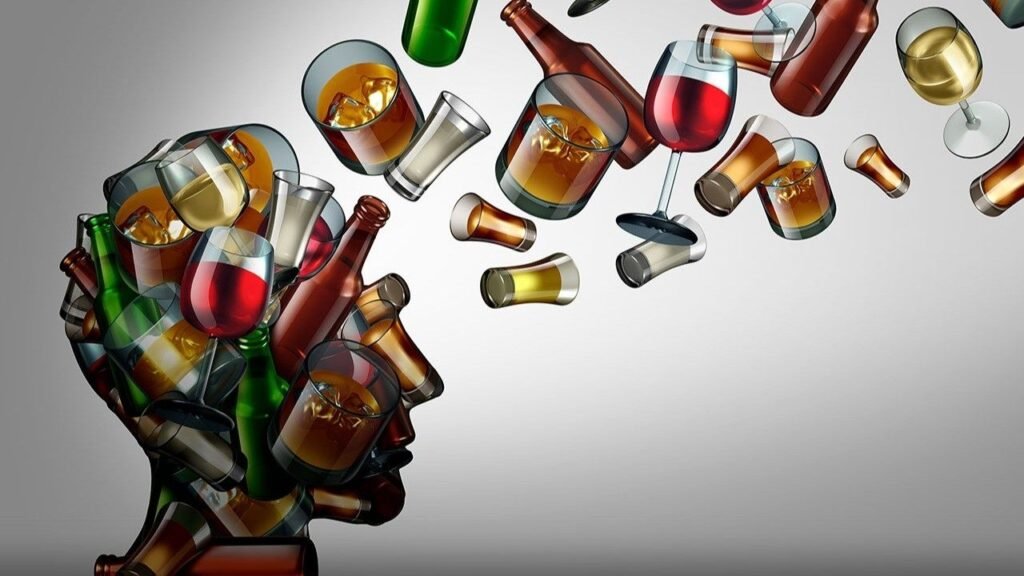
Introduction: Why “Hope” Is More Than a Word

Alcohol Use Disorder (AUD) affects millions worldwide, but in Pakistan it is often hidden behind stigma and silence. Whether you typed “alcohol rehab near me”, “alcohol detox program Islamabad”, or simply “help quitting drinking,” every search query reflects a first, courageous spark of hope. At The Hope Rehab Center Islamabad, we nurture that spark into lasting recovery through evidence‑based care, holistic healing, and an unshakeable belief that change is always possible. demo.thehoperehab.pk/

Understanding Alcohol Addiction in Pakistan

Alcohol addiction is a chronic brain diseasenot a moral failure. Long‑term drinking rewires reward pathways, reduces impulse control, and often co‑occurs with anxiety, depression, or trauma. In Pakistan’s rapidly urbanizing society, easy access to alcohol, rising workplace stress, and limited mental‑health literacy have pushed more adults (and increasingly, young professionals) toward hazardous drinking patterns. Recognizing AUD as a treatable medical condition is the first step toward freedom.

The Hope Model: Evidence‑Based, Person‑Centered Care

1. Medical Detoxification (7–10 days)
Our onsite physicians manage withdrawal safely with medication‑assisted treatment (MAT) and round‑the‑clock monitoring. Keywords: alcohol detox Islamabad, medically supervised withdrawal.

2. Comprehensive Assessment
We screen for co‑occurring psychiatric conditions (depression, PTSD, bipolar disorder) because treating the mind and body together—dual diagnosis treatment Islamabad—dramatically lowers relapse risk.

3. Individualized Treatment Plan
No two stories are alike. We combine Cognitive Behavioral Therapy (CBT), Motivational Interviewing (MI), and 12‑Step facilitation with culturally attuned spiritual counseling.

4. Aftercare & Relapse‑Prevention
Graduates receive six months of free follow‑up groups, tele‑therapy, and alumni mentorship—crucial for sustaining sobriety after leaving our residential rehab program. demo.thehoperehab.pk/

Holistic Therapies: Healing Mind, Body & Spirit

Clinical evidence shows that whole‑person approaches amplify treatment retention and quality of life. Our holistic addiction therapy Islamabad track offers:

Therapy How It Helps Sobriety
Yoga & Breath‑work Lowers cortisol, curbs cravings
Mindfulness‑Based Relapse Prevention (MBRP) Builds awareness of triggers
Art & Music Therapy Provides non‑verbal emotional release
Nutritional Counseling Repairs liver health, boosts energy
Fitness & Physiotherapy Restores dopamine balance

These modalities complement—never replace—core psychiatric and medical care.

Family & Community: The Hidden Superpower

Relapse rates drop up to 30 percent when loved ones engage in therapy. We host weekly family counseling sessions, psycho‑education workshops (“Understanding Addiction 101”), and guided communication exercises that rebuild trust strained by years of conflict. Local community groups, such as Islamabad Sober Meet‑Ups and online alumni forums, give clients a support network near me long after discharge.

Success Stories: Real Lives Transformed

  • Ahmed, 29 – From daily vodka to 18 months sober. Today he mentors new arrivals and recently restarted night classes in software engineering.

  • Sara, 42 – Battled prescription‑pill misuse plus wine. Dual‑diagnosis care treated her underlying PTSD; she now leads our women’s relapse‑prevention circle.

  • Imran, 51 – Chronic relapser turned triathlon finisher; credits the center’s holistic recovery program for “teaching me to love movement again.”

(Stories anonymized for privacy but drawn from actual outcomes.)

Frequently Asked Questions (FAQs)

Q1: How long is inpatient treatment?
Typical stays range from 30–90 days, depending on severity and co‑morbidities.

Q2: Is detox painful?
With MAT and 24/7 monitoring, most clients experience manageable discomfort and receive medications for nausea, tremors, and insomnia.

Q3: Can I keep my job?
Pakistan’s labor laws permit medical leave for inpatient treatment; we provide confidential documentation for employers.

Ready to Reclaim Your Life?

Every sobriety journey begins with a single action. Call +92 327 5049244 or visit www.thehoperehab.pk to book your confidential assessment today. We offer free phone consultations, same‑day admissions, and secure airport pickups for overseas Pakistanis.

Conclusion
Overcoming alcohol addiction isn’t a solo battle—it’s a guided transformation. By choosing The Hope Rehab Center Islamabad, you embrace medically sound detox, cutting‑edge therapies, holistic wellness, and a compassionate community devoted to one outcome: lasting sobriety. Your future is calling, and it starts with Hope.

Relapse Prevention

Relapse Prevention and Awareness Program Held in Islamabad

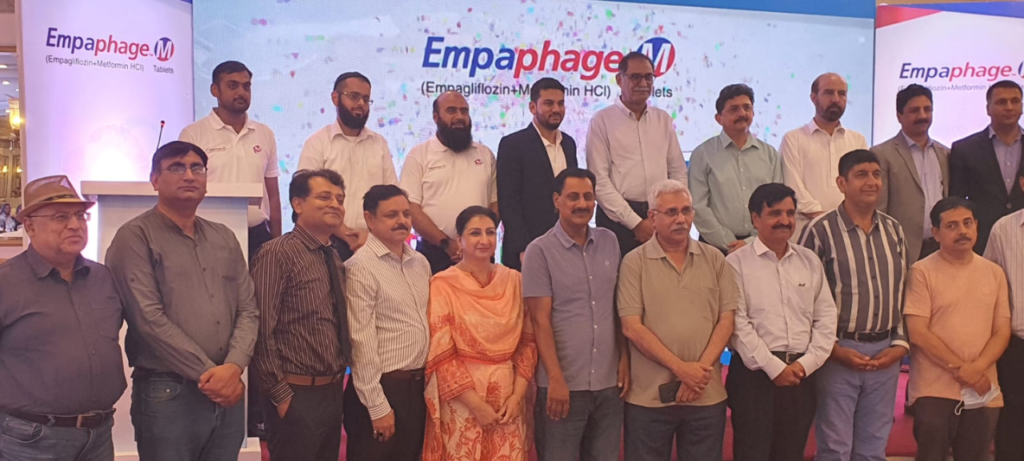
Islamabad – The Hope Rehab held a seminar on the awareness of drug rehab and its prevention on 24 November 2021. Psychologists, Psychiatrists and students studying drug rehab were invited to this seminar to get educated and share their views.

Speeches were held by consultant psychiatrists, clinical psychologists and other professionals on the importance of drug addiction prevention in Pakistan.

In his speech, Dr. Prof. Sajad Naqvi said that increase in drug addiction in our country is a disease that should be managed at any cost. He added that all the authorities and institutions should play their rule and make efforts to eradicate drug addiction and related problems from our society.


Dr. Saima Kulsoom who is working at National Defense University said in her remarks that management of the increased drug addiction in our society is a challenging task. This cannot be done by the work of only one person or institution, rather it demands the consistent and rigorous efforts of all the institutions working in this field. We cannot leave these patients on the mercy of their situation without any help.

Dr Shams Haider CEO of The Hope Rehab Center in Islamabad said in his speech that we have treated 670 patients at our rehab center. We have integrated these people into societies again with respect and dignity and also with the tools needed to stay away from drugs in future. He said that doctors and psychology professionals have a central role in defeating drug addiction.

Lecturar and Spiritual Healer Ms. Erum Bibi shed light on the importance of spiritual healing and religious teaching in the management of drug addiction treatment. She said that we should have a full understanding of procedures and education in this regard.

In the end of seminar the students were given certificates and all the professionals talked to each other about some important issues.These kinds of events and seminars should be held more often to create awareness in people of our society.