The Hope Rehab Center

Ecstasy Addiction | Drug Addict Rehab Center in Islamabad, Pakistan

Ecstasy Addiction | Drug Addict Rehab Center in Islamabad, Pakistan

Ecstasy, or MDMA, is a man-made substance that alters mood, energy levels and perception. Although often associated with such environments as parties or social gathering, repeated use can lead to dependency and severe health issues. Eventually, people may come to depend on the drug for their energy, self-assurance, or emotional connection, and that dependence can lead to addiction.

It is also essential to identify the signs of ecstasy addiction and get professional help. One of the best Addiction Treatment Center in Islamabad, Pakistan provides a safe and controlled environment where you can receive structured care. Treatment programs at The Hope Rehabilitation Center Islamabad Pakistan focuses on psycho-behavioral aspects of addiction and also helps you to recover for long-term.

Awareness of the dangers associated with ecstasy and treatment options can lead users and their families to make informed decisions towards a better life.

Understanding Ecstasy Addiction

How does Ecstasy work? Ecstasy promotes the release of several chemicals in the brain, most notably serotonin and dopamine. These chemicals affect mood, enjoyment and emotional bonding. Although the initial outcome may provide more energy levels and happiness, chronic usage can de-regulate the brain’s natural state.

As time goes on, people may seek larger doses to experience the same effects. Over time, this behavior can escalate into dependence which is when the body and mind start to crave the substance.

Ecstasy Addiction | Drug Addict Rehab Center in Islamabad, Pakistan

A seasoned Addiction Treatment Center in Islamabad, Pakistan carries out medical and psychological evaluations to assess the degree of addiction and suggest possible treatment approaches.

Symptoms and Signs of Ecstasy Addiction

People can learn to identify the early signs of ecstasy addiction and seek help sooner. Symptoms can range from person to person, but some common signs include:

  • Frequent cravings for the drug
  • Increased tolerance, requiring higher doses
  • Mood swings or emotional instability
  • Sleep disturbances or fatigue
  • Reduced concentration or memory difficulties
  • Isolation from family or community activities

If these symptoms become disruptive to daily life, they may require professional help from Addiction Treatment Center Islamabad Pakistan.

What Are the Health Effects of Long-Term Ecstasy Use?

While ecstasy is viewed by some as a party drug with relatively few dangers, it can have long-term effects on both mental and physical health.

Possible effects may include:

  • Anxiety and depression
  • Difficulty with memory and learning
  • Emotional instability
  • Sleep problems and fatigue
  • Higher stress on the body and brain

For instance, The Hope Rehabilitation Center Islamabad Pakistan, assesses the physical and psychological aspects of substance use at the time of treatment planning.

A Professional Addiction Treatment Center: Islamabad, Pakistan works to cure health problems he faces and helps him restore his emotional balance.

Treatment Approaches for Ecstasy Addiction

Treatment involves a combination of medical assistance, therapy, and emotional support. These programs are meant to get them to recognize the patterns of their behavior and teach an alternative way of coping.

Medical Evaluation and Detox Support

Treatment typically begins with a thorough assessment of the person’s physical and mental health. This evaluation determines the best way to address withdrawal symptoms and initiate recovery as safely as possible.

During detox, patients are susceptible to medical complications and require clinical supervision – offered at The Hope Rehabilitation Center Islamabad, Pakistan – to safeguard safety throughout the first stages of treatment.

Behavioral Therapy

Psychotherapeutic techniques are, for instance, of CBT (Cognitive Behavioral Therapy) which is popularly used technique in recovery from addiction. Such therapies assist both individuals in taking notice of destructive habitual thought patterns, as well as forming more functional responses to emotional triggers or stress.

In a specialized Addiction Treatment Center in Islamabad, Pakistan, behavioral therapy is included to ensure that recovery period becomes permanent along with addiction prevention.

Individual and Group Counseling

Counseling sessions create a safe environment for individuals to speak openly about their personal experiences and struggles with substance use. Group therapy also enables patients to interact with people undergoing similar experiences, fostering a sense of camaraderie.

Counseling Programs at The Hope Rehabilitation Center Islamabad, Pakistan

Why You Want a Recovery Environment That Works in Your Favor

This humility and accountability become an addiction recovery ally when paired with a stable environment. The routines provided by rehabilitation centers are often structured and involve therapy sessions, educational discussions, and wellness activities.

A professional Addiction Treatment Center in Islamabad, Pakistan allows you to concentrate on your recovery away from the stressors or triggers of everyday life.

Treatment programs at The Hope Rehabilitation Center Islamabad Pakistan promote healthier habits among patients, enhance emotional awareness, and build on coping skills.

Long-Term Recovery and Relapse Prevention

For many, defeating addiction ultimately requires lifelong commitment and vigilance beyond the initial treatment period. Long-term success typically requires continued support and relapse prevention efforts.

Rehabilitation programs generally provide people with real-life skills like:

  • Stress management and emotional regulation
  • Developing positive daily routines
  • Avoiding high-risk situations and identifying triggers
  • Continuing counseling and follow-up care

an exclusive Addiction Treatment Center in Islamabad, Pakistan is committed to helping individuals achieve stability and establish healthy lifestyles following their treatment.

Frequently Asked Questions (FAQs)

1.     What is ecstasy addiction?

MDMA addiction, in fact, occurs when someone develops a dependency on ecstasy and continues to take it despite negative effects on their life or health.

2.     16 common signs of ecstasy addiction include:

Characteristic symptoms include cravings, mood swings, sleep disturbances, increased tolerance and withdrawal from everyday activities.

3.     Can ecstasy affect mental health?

Yes. Long-term use can lead to anxiety, depression, trouble with memory and emotional instability.

4.     How is ecstasy addiction treated?

Treatment typically includes medical assessment, as well as counseling and behavioral therapies with continuing support to assist individuals in stopping destructive behaviors.

5.     Why do you need rehabilitation center help?

The professionalism of an Addiction Treatment Center in Islamabad, Pakistan brings structure, therapeutic support, and guidance that can help someone safely be on the road to recovery.

Conclusion

The effects of ecstasy addiction include serious implications for mental and physical well-being. While the drug is able to create temporary feelings of pleasure or energy — it still leads to a dependence and instability in emotions when used over time.

Another option is to seek professional support, such as working with an Addiction Treatment Center in Islamabad Pakistan. With counseling, behavioral therapy, and supportive care, individuals can learn healthier coping strategies and work toward better emotional balance.
At The Hope Rehabilitation Center Islamabad, Pakistan treatment programs at the rehabilitation center emphasize ethical care, professional guidance, and recovery patient-centered. The center provides a supportive and structured environment to help individuals embark on their journey to lasting recovery and a healthier life.

Marijuana Addiction | Drug Addiction Treatment Center in Islamabad

Addiction Treatment Center in Islamabad

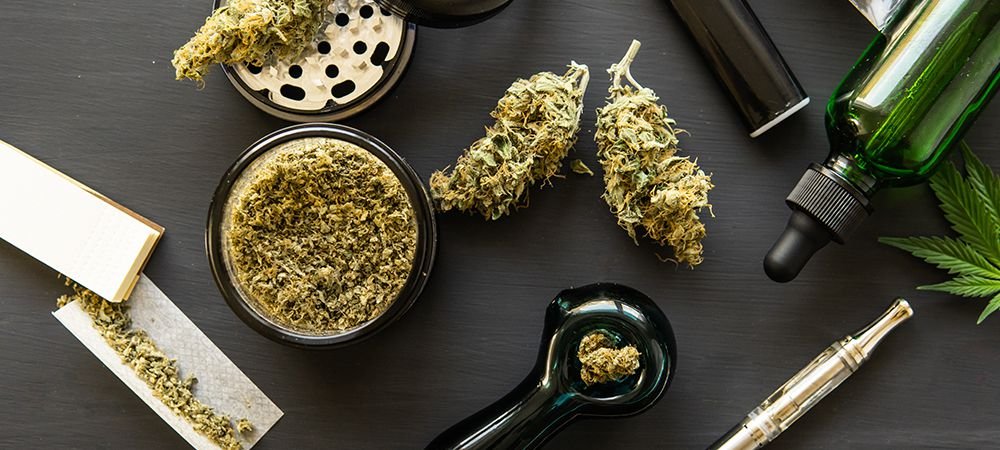
Cannabis is the world’s most popular psychoactive substance. Although many people consider it harmless, regular and long-term use can result in habituation, as well as behavioral changes that have negative impacts on mental health, daily functioning, and social relationships. People suffering from marijuana addiction may benefit from guided professional attention and organized care.

A good Addiction Treatment Center in Islamabad provides a supporting environment to over come physical and psychological aspects of substance use. Programs offered at The Hope Rehabilitation Center Islamabad, Pakistan are directed towards treating addiction ethically and professionally through assessment and long-term recovery planning that helps individuals return to form in both personal lives and well-being.

Learning about marijuana addiction and the signs of marijuana use can help bring attention to when professional assistance might be beneficial.

Understanding Marijuana Addiction

Marijuana addiction, referred to as cannabis use disorder , is when a person develops a dependence on cannabis and struggles to stop using the drug in spite of harmful effects. The mind may eventually become dependent on the psychoactive effects of marijuana, resulting in cravings and regular use over time.

Marijuana Addiction: Individuals who are experiencing marijuana addiction will display obvious changes in both their behavior and physical social life. In some cases it may also impact emotional balance and mental health when used heavily.

Addiction Treatment Center in Islamabad

A leading Addiction Treatment Center in Islamabad provides full assessment services to properly evaluate the levels of cannabis dependency and develop an adequate treatment plan.

Symptoms and Signs of Cannabis Dependence

Being aware of early signs of marijuana addiction will enable the individuals to look for help before the condition becomes even harder. Some common indicators may include:

  • Frequent cravings for marijuana
  • Difficulty controlling or reducing use
  • Deterioration of work or academic performance
  • Memory or concentration problems
  • Episodes of mood changes, irritability or anxiety

However, there are healthy groups of people today that can offer guidance and lead for effective treatment options such as Addiction Treatment Center in Islamabad when these symptoms are starting to override daily life.

Is Marijuana Addiction Hazardous To Your Mental Health?

The use of marijuana can have an impact on brain function, particularly when used regularly and over a long period of time. Some people might feel more anxious, moody and less motivated.

And there is some evidence that heavy cannabis use can exacerbate some mental health conditions, such as depression or anxiety disorders. In the young, frequent use can have effects on cognitive development and control of emotions.

At The Hope Rehabilitation Center Islamabad, Pakistan mental health professionals assess substance use and psychological well-being to ensure comprehensive approach treatment that addresses all aspects of a patient’s health.

The best Addiction Treatment Center in Islamabad know well that all the substance-related disorders occur along with psychiatric issues, hence integrated care are must in recovery process.

Treatment Approaches for Marijuana Addiction

Marijuana addiction treatment is directed at lowering dependent use, clarifying behavior triggers and establishing new habits to counteract or combat the behavioral triggers. Most rehabilitation programs offer a combination of therapeutic methods and emotional and psychological support.

Behavioral Therapy

Behavioral therapy assists patients in recognizing triggers that lead to substance use. In guided sessions, patients learn strategies for managing cravings and dealing with stress in healthier ways.

Individual Counseling

Individual counseling sessions offer a safe, private atmosphere where clients can talk through issues related to addiction on a personal level. Therapists partner with patients to help them recognize triggers and establish actionable recovery plans.

Group Therapy

Group therapy can provide the opportunity to discuss experiences with others who are experiencing similar struggles. Such therapy often grants emotional support and helps patients to not feel as alone in healing.

These therapeutic approaches are integrated into a professional Addiction Treatment Center in Islamabad that supports long-term recovery.

Creating a Supportive Recovery Environment

Addiction to marijuana can often be difficult to recover from without the right environment. Rehabilitation is where individuals have a set routine that they must follow.

Patients receiving treatment are encouraged to participate in group therapy sessions, practical education discussions, and wellness activities aimed at a healthier standard of living.

An Addiction Treatment Center in Islamabad provides a structured program where you can distance yourself from outside influences as well as work to build new habits that support recovery.

Preventing Relapse and Maintaining Progress

One of the keys in addiction treatment is relapse prevention. The skills individuals learn to identify their triggers and cope with stress can help them continue in recovery from a rehabilitation program.

Rehabilitation centers frequently teach practical strategies, such as:

  • Stress management techniques
  • Healthy daily routines
  • Emotional regulation skills
  • Continued counseling and support programs

In Pakistan, rehabilitation centers such as The Hope Rehabilitation Center Islamabad include relapse prevention planning strategies in their programs to support individuals striving towards stability and a lengthier recovery progress.

Family Support: How It Can Help You Recover

Family support has a major impact on recovery. If family members have an understanding of addiction itself and the obstacles therein, they may offer meaningful encouragement and emotional support.

Many rehabilitation programs support family involvement over counseling sessions or educational discussions. These programs teach relatives ways that they can support recovery while also taking care of themselves.

A renowned Addiction Treatment Center in Islamabad understands that recovery is always stronger when individuals feel supported by both professionals and people they love.

Frequently Asked Questions (FAQs)

1.     What is marijuana addiction?

Drug addiction Marijuana addiction, also known as cannabis use disorder, is chronic and characterized by compulsive behaviors to seek out this substance despite adverse consequences on daily life.

2.     How does marijuana addiction affect mental health?

Yes. Dispensary marijuana also may trigger anxiety or changes in mood — and, over time, problems with concentration or motivation.

3.     How is marijuana addiction treated?

Drug use disorder is generally treated with counseling, behavior therapy and support programs that can help people learn about their substance use and how to manage it.

4.     Setting challenges

Professional treatment exposes individuals to a structured environment that encourages psycho-behavioral change in the long-run.

5.     What happens after completing treatment?

This is also known as aftercare, and it involves ongoing counseling, follow-up treatment, or relapse prevention strategies to keep individuals upon the road of recovery.

Conclusion

Marijuana addiction can impact multiple areas of a person’s life such as mental health, relationships and general well-being. Identifying the symptoms of dependency and contacting a clinician are significant actions in the direction of rehabilitation.

A certified Addiction Treatment Center in Islamabad offers structured treatment programs that assist not just substance usage but emotional health, too. Counselling, therapy and supportive care help individuals start developing better habits and start feeling regulated again.

Despite availability of numerous treatment options, very few centers practice ethical, compassionate and patient-centered care; at The Hope Rehabilitation Center Islamabad Pakistan, we design the treatment programs keeping in perspective above mentioned standards. The center addresses long-term recovery and emotional support to move individuals toward a healthier, more balanced future.

Ecstasy Abuse Among Teenagers and Young Adults: Causes and Prevention Tips – International Rehabilitation Center in Islamabad
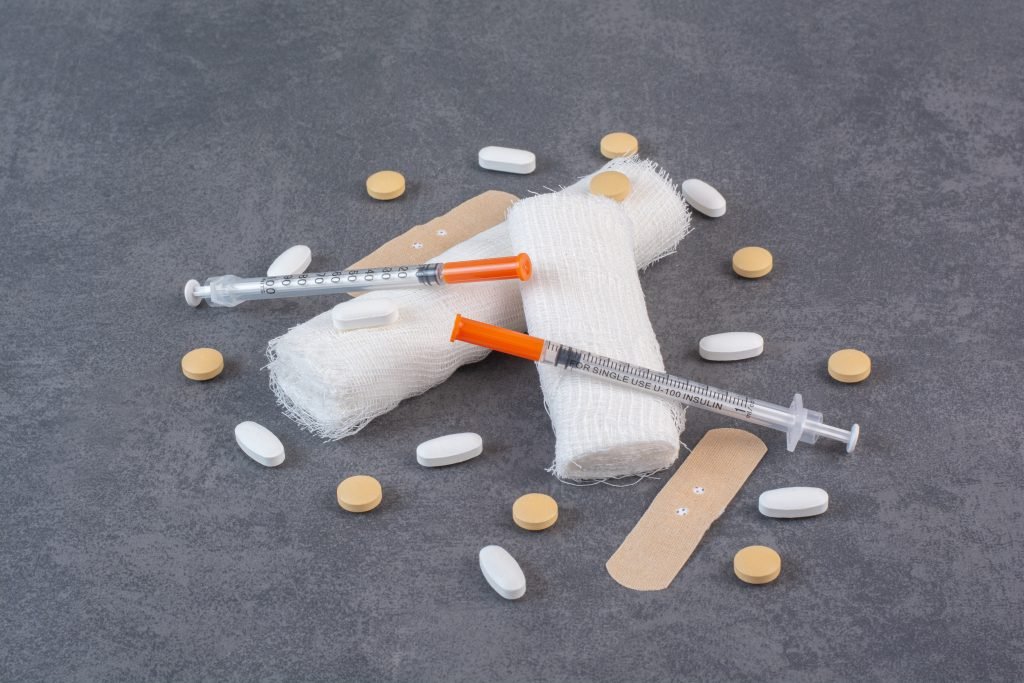
Ecstasy, also known as MDMA or “Molly,” has become a significant concern among teenagers and young adults. Its popularity in party scenes, nightclubs, and music festivals makes it particularly appealing to the youth. However, the consequences of ecstasy abuse are severe, ranging from physical health risks to mental health issues. Understanding the causes, warning signs, and preventive measures is crucial for parents, educators, and the youth themselves. As the leading International rehabilitation center in Islamabad, The Hope Rehab Centre is dedicated to raising awareness, providing treatment, and guiding families toward recovery.

Understanding Ecstasy and Its Effects

Ecstasy is a synthetic psychoactive drug that produces both stimulant and hallucinogenic effects. Users often experience heightened emotions, increased energy, and feelings of euphoria. While these effects may seem harmless in the short term, repeated use can lead to severe physical and psychological consequences.

Common effects of ecstasy include:

  • Increased heart rate and blood pressure

  • Dehydration and overheating

  • Anxiety, paranoia, and panic attacks

  • Memory impairment and cognitive issues

  • Long-term depression and emotional instability

For teenagers and young adults, whose brains are still developing, the risks are particularly high. Early exposure to ecstasy can affect brain chemistry and lead to long-lasting cognitive deficits.

Why Teenagers and Young Adults Are at Risk

Several factors contribute to ecstasy abuse among young people:

  1. Peer Pressure: The desire to fit in and gain social acceptance often leads teens to experiment with drugs at parties or social gatherings.

  2. Curiosity and Risk-Taking Behavior: Adolescents naturally engage in experimentation as they test boundaries, which can include drug use.

  3. Mental Health Issues: Young individuals struggling with anxiety, depression, or low self-esteem may turn to ecstasy as a way to cope temporarily.

  4. Influence of Media and Pop Culture: Movies, music, and social media often glamorize drug use, making it appear exciting and risk-free.

  5. Accessibility: Ecstasy is relatively easy to obtain at social events, which increases the likelihood of use among teenagers and young adults.

By understanding these contributing factors, parents and caregivers can take proactive steps to prevent ecstasy abuse.

Warning Signs of Ecstasy Abuse

Early detection of ecstasy abuse can prevent long-term damage. Some warning signs to watch for include:

  • Sudden changes in behavior, mood swings, or irritability

  • Withdrawal from family and long-term friends

  • Declining academic performance or skipping school

  • Unexplained fatigue, sleep disturbances, or irregular eating patterns

  • Frequent attendance at parties or clubs

  • Physical symptoms like dilated pupils, rapid heartbeat, or excessive sweating

Recognizing these signs early allows for timely intervention, which can significantly improve recovery outcomes.

Prevention Tips for Ecstasy Abuse

Preventing ecstasy abuse requires a combination of education, communication, and support. Here are effective strategies:

1. Open Communication

Parents and guardians should maintain open, non-judgmental dialogue with teenagers about the dangers of drug use. Encouraging honest conversations about peer pressure, mental health, and personal struggles can reduce the likelihood of experimentation.

2. Educate About Risks

Awareness is a powerful tool. Schools, community programs, and families can provide accurate information about the short-term and long-term consequences of ecstasy use. This includes physical health risks, legal consequences, and potential impacts on academic and career goals.

3. Encourage Healthy Activities

Promoting extracurricular activities such as sports, arts, and volunteering can help teenagers find purpose, build confidence, and reduce the desire to experiment with drugs. Staying engaged in positive hobbies lowers the appeal of risky behaviors.

4. Build Strong Support Networks

A supportive social environment is crucial. Teenagers with strong family bonds and positive peer groups are less likely to succumb to drug use. Encouraging friendships with peers who make healthy choices reinforces positive behavior.

5. Monitor Behavior and Environment

Parents and caregivers should be vigilant about sudden changes in behavior or social circles. Awareness of events, parties, and potential exposure to drugs helps prevent experimentation. However, monitoring should be balanced with trust to avoid pushing teenagers away.

6. Seek Professional Guidance

If there are concerns about drug use or mental health, seeking professional help early is vital. Consulting with counselors, psychologists, or addiction specialists can provide personalized strategies for prevention and intervention.

Treatment and Recovery at an International Rehabilitation Center in Islamabad

Despite prevention efforts, some teenagers and young adults may still struggle with ecstasy abuse. Early intervention and professional treatment can make a significant difference. The Hope Rehab Centre, as a leading International rehabilitation center in Islamabad, offers specialized programs tailored to young individuals.

Treatment approaches typically include:

  • Detoxification: Medical supervision to safely manage withdrawal symptoms.

  • Behavioral Therapy: Cognitive Behavioral Therapy (CBT) helps patients understand triggers and develop healthier coping mechanisms.

  • Family Counseling: Involving family members in the recovery process strengthens support systems and improves outcomes.

  • Relapse Prevention Programs: Teaching strategies to avoid triggers and maintain long-term sobriety.

  • Educational Support: Helping teenagers reintegrate into academic or vocational settings after treatment.

The goal of rehabilitation is not only to stop drug use but also to empower young individuals to lead fulfilling, healthy lives.

FAQs – Ecstasy Abuse Among Teenagers and Young Adults: Causes and Prevention Tips – International Rehabilitation Center in Islamabad

1. What is ecstasy and why is it dangerous for teenagers?
Ecstasy, also known as MDMA or Molly, is a synthetic drug that produces stimulant and hallucinogenic effects. It is particularly dangerous for teenagers because their brains are still developing, making them more vulnerable to long-term cognitive and emotional damage.

2. What causes teenagers and young adults to abuse ecstasy?
Common causes include peer pressure, curiosity, mental health challenges such as anxiety or depression, influence from media and pop culture, and easy accessibility at parties or clubs.

3. What are the warning signs of ecstasy abuse?
Warning signs include mood swings, withdrawal from family or friends, declining academic performance, attending frequent parties, irregular sleep patterns, and physical symptoms like rapid heartbeat or excessive sweating.

4. How can parents and caregivers prevent ecstasy abuse?
Prevention strategies include maintaining open communication, educating teens about drug risks, encouraging healthy hobbies, building strong support networks, monitoring behavior and environment, and seeking professional guidance if necessary.

5. How can an international rehabilitation center in Islamabad help with ecstasy abuse?
Centers like The Hope Rehab Centre provide comprehensive treatment, including detoxification, behavioral therapy, family counseling, relapse prevention programs, and educational support, helping teenagers and young adults recover safely and rebuild their lives.

Raising Awareness and Building a Drug-Free Future

Preventing ecstasy abuse among teenagers and young adults requires a combined effort from families, schools, communities, and healthcare providers. Open communication, education, and early intervention are key to reducing the prevalence of drug use.

At The Hope Rehab Centre, we are committed to fostering a supportive environment where young people can overcome addiction and achieve lasting recovery. As a trusted International rehabilitation center in Islamabad, our holistic approach addresses both the physical and psychological aspects of ecstasy abuse, ensuring comprehensive care for our patients.

By spreading awareness, recognizing warning signs, and encouraging healthy lifestyles, we can work together to protect the youth from the dangers of ecstasy. Prevention, education, and timely professional support are the pillars of a drug-free future, enabling teenagers and young adults to thrive safely and responsibly.

Preventing Ecstasy Addiction: Powerful Tips for Teens and Young Adults | Women Rehab Centre Lahore, Pakistan

Introduction

The inspiration of synthetic drugs like ecstasy (technically MDMA, also sometimes referred to as Molly) growing in families, schools, and communities all over the world is increasing. Teenagers and young adults easily fall victims to peer pressure, their curiosity, and misinformation; they try the drugs on.

Hope Rehab Center is known as the best Women Rehab centre in Lahore, Pakistan. It realizes what risks ecstasy might bring to mental health, emotional well-being, or long-term success in life. The first line of defense is prevention. With proper guidance, teenagers can avoid getting into the dangerous trap of addiction.

This article discusses practical strategies against ecstasy addiction, its harmful effects, and resources where families can reach out for professional help.

What is Ecstasy? Why is it Dangerous?

Ecstasy is scientifically referred to as MDMA. It is a psychoactive drug capable of swinging mood and perception while instilling artificial energy. It has been glorified in parties, concerts, and social gatherings; thus, youth find an interest in consuming it.

Most people do not know that ecstasy is impure. In fact, it contains dangerous chemicals. Therefore, the effects cannot be determined and may become fatal.

Short-Term Risks of Ecstasy Use

  • Increased heart rate and blood pressure
  • Severe dehydration and overheating
  • Confusion͏ blurred judgment
  • Panic attacks͏ paranoia

Long-Term Consequences

  • Memory loss, cognitive decline
  • Anxiety, depression, mood disorders
  • Dependence͏ addiction
  • Potential damage to the brain’s serotonin system

To know these risks would be important for teens and young adults so that they can make decisions and avoid the slippery slope toward addiction.

Top Tips to Prevent Ecstasy Addiction for Teens and Young Adults

1. Awareness, Education

Knowledge is the most powerful shield against drug abuse.Teens must be educated about the real dangers of ecstasy and not just its misinformed dangers by schools, parents, and communities.Workshops, open discussions, and awareness campaigns are some of the efforts that can matter.

2. Build Strong Emotional Support Systems

An individual may fall into temptation as a result of seclusion, misinterpretation, or under duress. A friendly home environment, good relationship bonds, and mentoring ears hinders the urge to practice negative energy on harmful substances.

3. Learn to Resist Peer Pressure

Peer pressure has great effects on the decisions made by teenagers. Teens should be empowered with assertive skills on how to say “no” firmly, confident that they will not be judged. Role plays at school and in counseling sessions will work magic.

4. Engage in Healthy Activities

Extracurricular activities like sports, yoga, arts, and volunteering give teens a sense of purpose, belonging, and joy—making them less likely to seek thrill through drugs.

At The Hope Rehab Center, holistic activities are encouraged as part of recovery and prevention.

5. Monitor Mental Health

Most youths take ecstasy in a bid to “escape reality.” Treating initial stress, anxiety, or depression through counseling and therapy can restrain the urge of taking drugs. Asking for help early is not a sign of weakness but strength.

6. Seek Professional Guidance When Needed

If parents see odd signs like secrecy, sudden mood changes, or physical changes, it might be the right time to seek help from experts. The trained team at the Women rehab center Lahore, Pakistan offers private counseling as well as detox support and rehab plans made for young women.

The Role of Families in Preventing Ecstasy Addiction

Talk freely about drugs and their effects. Show good practices by not using substances wrongly at home. Keep rules clear while keeping trust and love. Be part of your teen’s social and school life.

Family support is mostly the best help that stops young people from falling into bad ways.

Why Pick The Hope Rehab Center?

When it comes to treating and stopping drug addiction, special care changes everything.

Hope Rehab Center is reputed to be the most trusted Women Rehab center Lahore, Pakistan. In this respect, it offers:

  • Personalized treatment plans for females belonging to any age group.
  • Professional counseling and therapy sessions for teens and young adults.
  • Safe environment care that allows recovery with no judgment made.
  • Holistic healing programs with meditation, group therapy, and family counseling sessions included.

The mission of output goes beyond treating addiction; rather it is about empowering women to lead fulfilling lives without drugs.

FAQs About Ecstasy Prevention and Recovery

1. Can occasional use lead to addiction?
Yes. Psychological cravings can set in even with occasional use making teens easily fall into dependence.

2. How would parents know if their child is on ecstasy?
Sudden mood swings, sleeplessness, too much sweating, or dilated pupils can be noticed. They may become secretive about their activities.

3. Is ecstasy more dangerous for women?
Yes. Women get more strongly hormonal and emotional effects͏͏͏͏͏͏͏.

4. What should a teen do if offered ecstasy at a party?
They should say “No” firmly and walk away from the person pressuring them to take it and find another friend or supportive adult to stay with them so they won’t be pressured.

5. Can counseling alone prevent ecstasy addiction?
Counseling is very effective but even more effective when combined with family support, healthy activities, and community involvement.

6. How can The Hope Rehab Center help teens before addiction begins?
Preventive training, sensitization talks, and early intervention counseling for teenagers at the initial stage of manifestation of risk behaviors are offered.

Conclusion

Families, schools, and rehab professionals would have to work hand in hand to prevent teens and young adults from getting addicted to ecstasy. Through education and support of their feelings as well as good healthy habits, teenagers can maintain the right safe track.

At The Hope Rehab Center, the best Women Rehab centre Lahore, Pakistan, we commit ourselves to taking people on a journey towards a brighter future free from addictions. Be it prevention, recovery, or long-term care, we shall ever be ready to extend our services to those who are in pursuit of hope and healing.

The Role of Family and Community in Aftercare Support
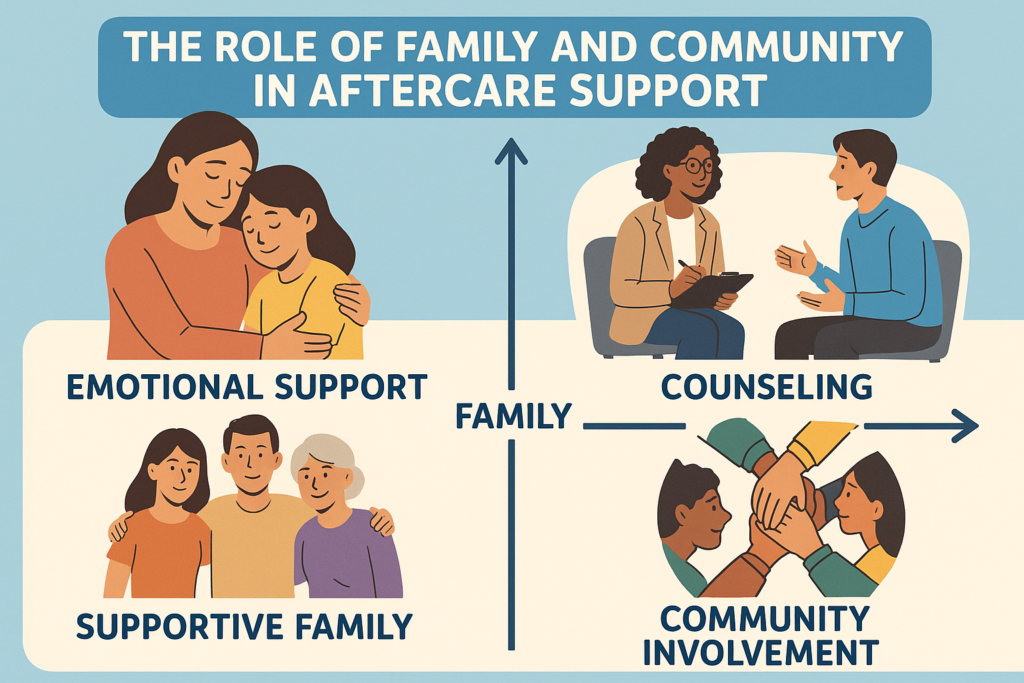
Recovering from addiction is a lifelong journey that doesn’t end with detox or rehabilitation. Aftercare is a critical phase where individuals transition from structured treatment back into daily life. During this phase, family and community support play an essential role in maintaining long-term sobriety. At The Hope Rehab Center, we believe that healing isn’t just individual—it’s collective. Here’s how families and communities become pillars of strength in the aftercare process.

Why Aftercare Support Matters

Aftercare is the continued support and services provided after formal addiction treatment has ended. It may include outpatient therapy, support groups, sober living environments, relapse prevention strategies, and more. Studies show that individuals engaged in a structured aftercare program are significantly more likely to maintain long-term sobriety.

The Family’s Role in Aftercare: A Foundation for Recovery

1. Emotional Support and Stability

Family members are often the first line of defense in preventing relapse. Their emotional presence provides a safe, understanding environment that promotes trust and recovery. When families offer empathy, patience, and non-judgmental communication, recovering individuals are more likely to feel empowered and accountable.

2. Involvement in Family Therapy

At The Hope Rehab Center, we emphasize family therapy as a crucial component of aftercare. Therapy sessions help rebuild damaged relationships, improve communication, and resolve longstanding emotional conflicts. When families are involved, recovery feels less isolating and more inclusive.

3. Education and Awareness

Many family members do not initially understand addiction as a chronic brain disease. By educating themselves about triggers, relapse signs, and coping mechanisms, families can better support their loved ones without enabling destructive behaviors.

Community Support: The Power of Belonging

1. Community-Based Recovery Programs

One of the strongest elements in sustaining recovery is community support. Programs like Alcoholics Anonymous (AA), Narcotics Anonymous (NA), and other peer-led groups provide a sense of belonging and accountability. These meetings offer opportunities for individuals to connect with others on a similar path.

2. Sober Living Communities

Sober living homes provide structured, substance-free environments that ease the transition back to normal life. These communities encourage responsibility, mutual support, and healthy routines. Living with others who are also committed to sobriety can be both motivating and healing.

3. Local Outreach and Volunteer Opportunities

Engaging in volunteer work and community outreach gives recovering individuals a renewed sense of purpose. It reinforces the value of giving back and helps them stay focused on positive activities, reducing the risk of relapse.

How Family and Community Prevent Relapse

Recovery is not linear. Triggers, stress, and emotional pain can cause setbacks. Here’s how family and community can help prevent relapse:

– Recognizing Early Warning Signs

Loved ones who are informed can identify changes in behavior, mood swings, or withdrawal that may indicate a relapse is near. Early intervention is key to getting back on track.

– Creating a Safe Environment

Removing substances, limiting contact with toxic influences, and encouraging healthy habits can foster an environment where recovery can thrive.

– Offering Accountability and Routine

When recovering individuals feel supported and held accountable through structured schedules and check-ins, they are less likely to return to old habits.

The Hope Rehab Center’s Aftercare Approach

At The Hope Rehab Center, we integrate both family and community involvement in our aftercare programs. Here’s what we offer:

  • Family Counseling and Education Programs
    We help families understand addiction and build healthier relationships through therapy and workshops.

  • Community Integration Support
    We assist in connecting individuals with support groups, job placements, and sober living opportunities.

  • Relapse Prevention Planning
    Our specialists work with each client to develop a customized, practical relapse prevention plan.

  • 24/7 Aftercare Helpline
    We provide continuous support to clients and their families, ensuring that help is always available.

Real-Life Success Stories: Healing Through Connection

One of our clients, Ahmed, battled alcohol addiction for over a decade. After completing his rehab program at The Hope Rehab Center, it was the unwavering support from his sister and his participation in a local AA group that solidified his recovery. Today, Ahmed leads a support group in his neighborhood and serves as a mentor to others on their journey.

Stories like Ahmed’s showcase the transformative power of love, unity, and community in healing.

Tips for Families and Communities Supporting Recovery

  • Stay Educated: Attend workshops and read about addiction recovery.

  • Practice Patience: Healing takes time—avoid setting unrealistic expectations.

  • Encourage Openness: Create an atmosphere where honest communication is welcomed.

  • Celebrate Milestones: Acknowledge every step forward, no matter how small.

  • Seek Professional Guidance: Don’t hesitate to consult with counselors or therapists.

Final Thoughts

Recovery is more than an individual journey—it’s a collective effort. When families and communities come together to provide consistent, loving support, individuals are far more likely to remain sober and lead fulfilling lives.

At The Hope Rehab Center, we’re committed to empowering our clients through personalized aftercare programs that involve not just the individual, but also their loved ones and local support systems. Together, we can build a stronger, healthier future.

Need Help Supporting a Loved One in Recovery?
Contact The Hope Rehab Center today for more information about our family-inclusive aftercare programs. Your support could make all the difference.