The Hope Rehab Center

Marijuana Addiction | Drug Addiction Treatment Center in Islamabad

Addiction Treatment Center in Islamabad

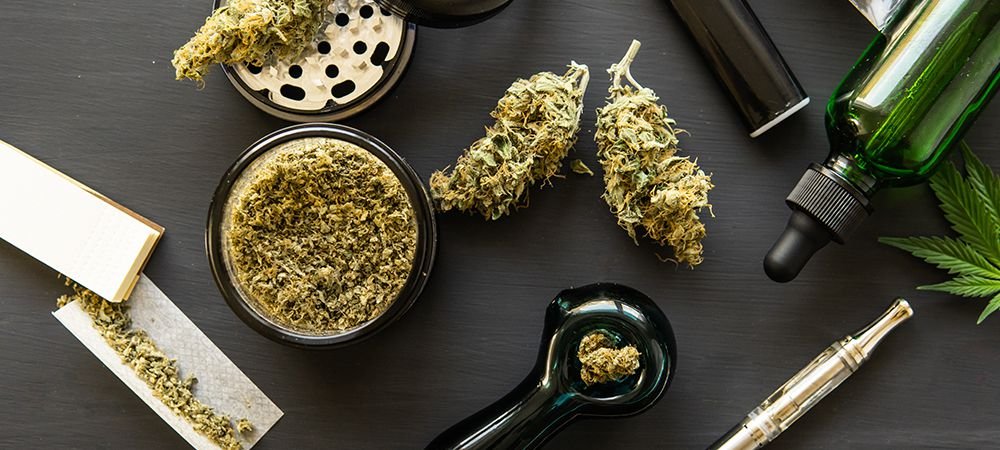
Cannabis is the world’s most popular psychoactive substance. Although many people consider it harmless, regular and long-term use can result in habituation, as well as behavioral changes that have negative impacts on mental health, daily functioning, and social relationships. People suffering from marijuana addiction may benefit from guided professional attention and organized care.

A good Addiction Treatment Center in Islamabad provides a supporting environment to over come physical and psychological aspects of substance use. Programs offered at The Hope Rehabilitation Center Islamabad, Pakistan are directed towards treating addiction ethically and professionally through assessment and long-term recovery planning that helps individuals return to form in both personal lives and well-being.

Learning about marijuana addiction and the signs of marijuana use can help bring attention to when professional assistance might be beneficial.

Understanding Marijuana Addiction

Marijuana addiction, referred to as cannabis use disorder , is when a person develops a dependence on cannabis and struggles to stop using the drug in spite of harmful effects. The mind may eventually become dependent on the psychoactive effects of marijuana, resulting in cravings and regular use over time.

Marijuana Addiction: Individuals who are experiencing marijuana addiction will display obvious changes in both their behavior and physical social life. In some cases it may also impact emotional balance and mental health when used heavily.
Addiction Treatment Center in Islamabad

A leading Addiction Treatment Center in Islamabad provides full assessment services to properly evaluate the levels of cannabis dependency and develop an adequate treatment plan.

Symptoms and Signs of Cannabis Dependence

Being aware of early signs of marijuana addiction will enable the individuals to look for help before the condition becomes even harder. Some common indicators may include:

  • Frequent cravings for marijuana
  • Difficulty controlling or reducing use
  • Deterioration of work or academic performance
  • Memory or concentration problems
  • Episodes of mood changes, irritability or anxiety

However, there are healthy groups of people today that can offer guidance and lead for effective treatment options such as Addiction Treatment Center in Islamabad when these symptoms are starting to override daily life.

Is Marijuana Addiction Hazardous To Your Mental Health?

The use of marijuana can have an impact on brain function, particularly when used regularly and over a long period of time. Some people might feel more anxious, moody and less motivated.

And there is some evidence that heavy cannabis use can exacerbate some mental health conditions, such as depression or anxiety disorders. In the young, frequent use can have effects on cognitive development and control of emotions.

At The Hope Rehabilitation Center Islamabad, Pakistan mental health professionals assess substance use and psychological well-being to ensure comprehensive approach treatment that addresses all aspects of a patient’s health.

The best Addiction Treatment Center in Islamabad know well that all the substance-related disorders occur along with psychiatric issues, hence integrated care are must in recovery process.

Treatment Approaches for Marijuana Addiction

Marijuana addiction treatment is directed at lowering dependent use, clarifying behavior triggers and establishing new habits to counteract or combat the behavioral triggers. Most rehabilitation programs offer a combination of therapeutic methods and emotional and psychological support.

Behavioral Therapy

Behavioral therapy assists patients in recognizing triggers that lead to substance use. In guided sessions, patients learn strategies for managing cravings and dealing with stress in healthier ways.

Individual Counseling

Individual counseling sessions offer a safe, private atmosphere where clients can talk through issues related to addiction on a personal level. Therapists partner with patients to help them recognize triggers and establish actionable recovery plans.

Group Therapy

Group therapy can provide the opportunity to discuss experiences with others who are experiencing similar struggles. Such therapy often grants emotional support and helps patients to not feel as alone in healing.

These therapeutic approaches are integrated into a professional Addiction Treatment Center in Islamabad that supports long-term recovery.

Creating a Supportive Recovery Environment

Addiction to marijuana can often be difficult to recover from without the right environment. Rehabilitation is where individuals have a set routine that they must follow.

Patients receiving treatment are encouraged to participate in group therapy sessions, practical education discussions, and wellness activities aimed at a healthier standard of living.

An Addiction Treatment Center in Islamabad provides a structured program where you can distance yourself from outside influences as well as work to build new habits that support recovery.

Preventing Relapse and Maintaining Progress

One of the keys in addiction treatment is relapse prevention. The skills individuals learn to identify their triggers and cope with stress can help them continue in recovery from a rehabilitation program.

Rehabilitation centers frequently teach practical strategies, such as:

  • Stress management techniques
  • Healthy daily routines
  • Emotional regulation skills
  • Continued counseling and support programs

In Pakistan, rehabilitation centers such as The Hope Rehabilitation Center Islamabad include relapse prevention planning strategies in their programs to support individuals striving towards stability and a lengthier recovery progress.

Family Support: How It Can Help You Recover

Family support has a major impact on recovery. If family members have an understanding of addiction itself and the obstacles therein, they may offer meaningful encouragement and emotional support.

Many rehabilitation programs support family involvement over counseling sessions or educational discussions. These programs teach relatives ways that they can support recovery while also taking care of themselves.

A renowned Addiction Treatment Center in Islamabad understands that recovery is always stronger when individuals feel supported by both professionals and people they love.

Frequently Asked Questions (FAQs)

1.     What is marijuana addiction?

Drug addiction Marijuana addiction, also known as cannabis use disorder, is chronic and characterized by compulsive behaviors to seek out this substance despite adverse consequences on daily life.

2.     How does marijuana addiction affect mental health?

Yes. Dispensary marijuana also may trigger anxiety or changes in mood — and, over time, problems with concentration or motivation.

3.     How is marijuana addiction treated?

Drug use disorder is generally treated with counseling, behavior therapy and support programs that can help people learn about their substance use and how to manage it.

4.     Setting challenges

Professional treatment exposes individuals to a structured environment that encourages psycho-behavioral change in the long-run.

5.     What happens after completing treatment?

This is also known as aftercare, and it involves ongoing counseling, follow-up treatment, or relapse prevention strategies to keep individuals upon the road of recovery.

Conclusion

Marijuana addiction can impact multiple areas of a person’s life such as mental health, relationships and general well-being. Identifying the symptoms of dependency and contacting a clinician are significant actions in the direction of rehabilitation.

A certified Addiction Treatment Center in Islamabad offers structured treatment programs that assist not just substance usage but emotional health, too. Counselling, therapy and supportive care help individuals start developing better habits and start feeling regulated again.

Despite availability of numerous treatment options, very few centers practice ethical, compassionate and patient-centered care; at The Hope Rehabilitation Center Islamabad Pakistan, we design the treatment programs keeping in perspective above mentioned standards. The center addresses long-term recovery and emotional support to move individuals toward a healthier, more balanced future.
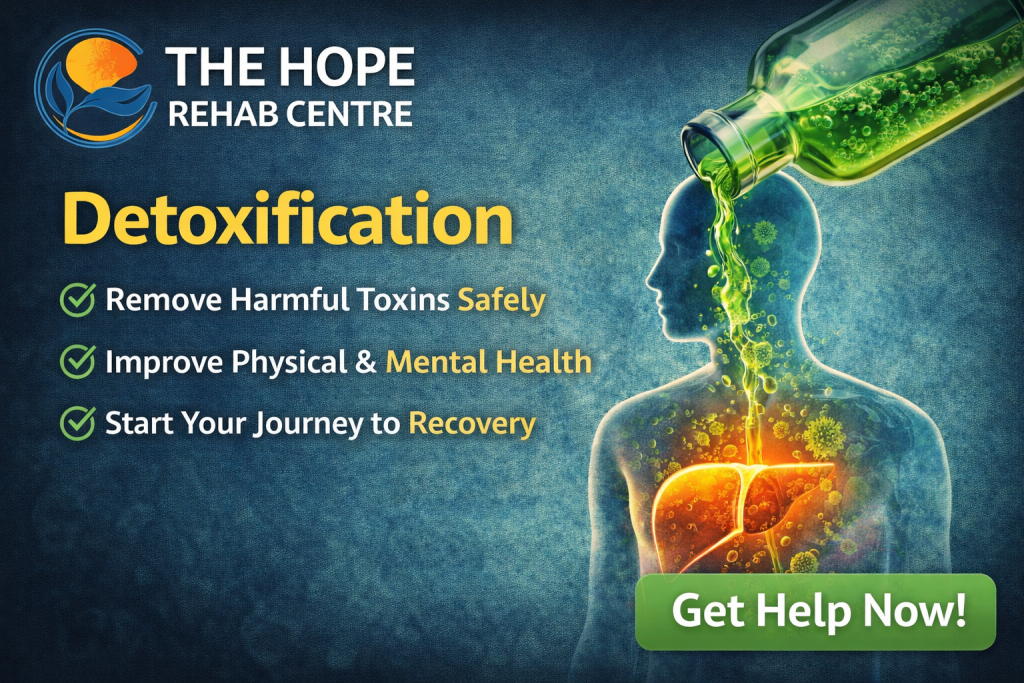
Detoxification | Addiction Treatment Centre Islamabad

Detoxification | Addiction Treatment Centre Islamabad

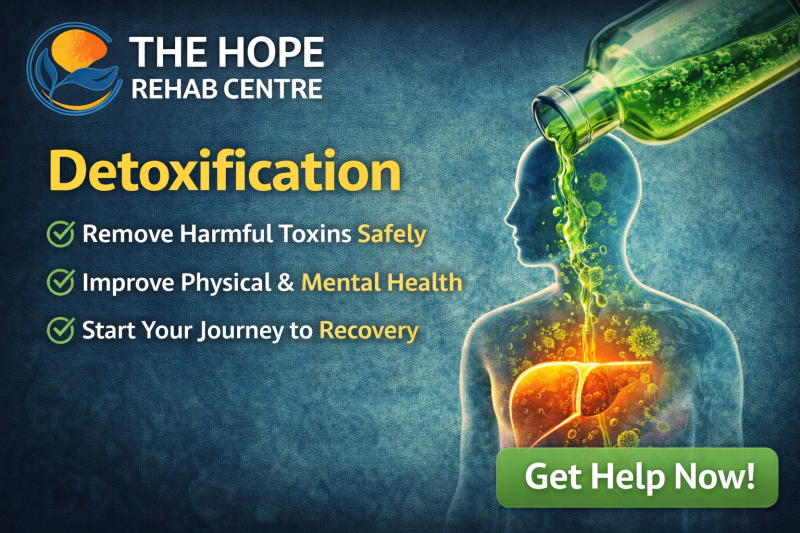
Detoxification is usually the first phase, and arguably the most important one, on the road to recovery from substance dependence. As someone lets go of drugs or alcohol after long-term use, the body takes time to reacquaint itself with a life without using these substances. This is when withdrawal symptoms may emerge, which can be both physically and emotionally difficult to endure.

An Addiction Treatment Centre in Islamabad is a professional facility that offers a systematic environment for the detoxification process under medical care. And it protects their health and wellbeing by helping them manage Silkworm withdrawal symptoms. To accomplish this, detoxification programs at The Hope Rehabilitation Center Islamabad Pakistan offer patients a similar level of support involving compassionate care, professional monitoring, and individualized treatment planning.

We will also discuss what detoxification entails and why it is an important step along this recovery journey so that individuals and families can make informed decisions about treatment.

What Is Detoxification in Addiction Recovery?

Detoxification is also the body’s way of ridding itself of harmful substances. Medication or drinking drugs or alcohol can also create dependency in a human, which causes the body to adjust itself to these substances. Once use stops, the body has to readjust so this can bring about withdrawal symptoms.

Medically supervised detox is performed in a professional Addiction Treatment Centre in Islamabad. Healthcare providers observe patients meticulously to handle issues, render supportive care, and keep sure of safety over the period.

Detoxification | Addiction Treatment Centre Islamabad

Detox does not in itself cure someone of addiction. Rather, it equips people for the next steps in treatment, which are frequently therapy or counseling and long-term recovery support.

Why Medical Detox Is Important

Withdrawal symptoms vary based on the type of substance used, how long it has been used, and the individual’s overall health. Some may have mild symptoms and some more severe requiring medical care.

Hence, a medically supervised detox program offered by an Addiction Treatment Centre in Islamabad would help patients get the necessary requirements during this important stage. Health care providers track vital signs, administer supportive medicines as needed and act promptly if complications develop.

Detox facilities at The Hope Rehabilitation Center Islamabad, Pakistan prioritize patient safety and emotional support, as well as gradual stabilization. Such an environment enables people to make a head start on recovery with professional support and comfort.

Common Withdrawal Symptoms During Detox

This is a natural reaction of the body as it learns to operate without a substance on which it has become dependent. Although the severity of symptoms can vary, a few things you may experience during detox are:

  • Anxiety or restlessness
  • Sleep disturbances
  • Mood changes or irritability
  • Physical fatigue or discomfort
  • Cravings for substances

Qualified Addiction Treatment Centre in Islamabad gives proper medical supervision to cope with these symptoms and avoid the patient feeling unwell, ensuring that they are comfortable and stable throughout detoxification.

The Detoxification Process

Detoxification is usually done in phases, each step meant to nurture the patient’s physical and emotional health.

Assessment and Evaluation

Before detox starts, a medical professional conducts an intake assessment. This involves examining the patient’s medical history, substance use patterns and mental health condition.

With this evaluation the professionals at The Hope Rehabilitation Center Islamabad, Pakistan just prepare a tailor-fit detox plan according to the need of the patient.

Stabilization

The body is gradually adapting to the absence of substances during this period. Medical staff watch for symptoms, offer supportive care and help patients be as comfortable as possible.

During this phase, continuous monitoring is required to be provided at the professional Addiction treatment Centre in Islamabad to maintain safety and avoid complications.

Preparation for Ongoing Treatment

After detox ends, patients are encouraged to stay engaged in additional rehabilitation services. Such programs may include therapy, counseling and mental Health support

Detox is the beginning, but it’s only the beginning: addiction is inherently biological, psychological, and societal. Detox is best as part of a structured treatment program that addresses the other aspects of addiction as well.

Addressing Mental Health During Detox

The idea with such treatments is that many people who are addicted also suffer from mental health issues, like anxiety and depression or trauma-related disorders. Untreated underlying issues can make recovery hard to maintain.

A holistic approach such as Addiction Treatment Centre in Islamabad offers a combination of mental health services and detoxification program. Therapy, evaluations, and psychological assessments help the patients to identify the emotional connections with substance use.

A mental health professional works alongside the medical staff at The Hope Rehabilitation Center Islamabad, Pakistan to make sure that both physical and emotional needs are being met during the detoxing process.

Creating a Supportive Healing Environment

The setting of detox can have a major impact on the recovery process. Providing a calm and structured setting allows the individual to concentrate on healing without non healing stress or triggers.

Patients at Hope Rehabilitation Center Islamabad, Pakistan are cared for in a setting focused on comfort, dignity and confidentiality. A conducive environment helps patients to stay engaged in treatment and develops the confidence they need for long-term recovery.

A specialized Addiction Treatment Centre in Islamabad also provides an insight into forming a consistent lifestyle routine that aids health — sleep hygiene, nutritional balance, therapy presence and much more.

Long-Term Recovery After Detox

Finishing detox is an important first step, but it is just the start of your recovery. Staying in treatment and support is often key to long-term success.

Rehabilitation programs may feature individual therapy, group counseling, relapse prevention strategies and lifestyle adjustments supporting healthy habits. Such programs teach individuals the skills to handle stress, ward off triggers and stay sober.

Treatment plans are based on the patient’s medical needs and tailored to guide them beyond detoxification towards lasting recovery with professional care, ongoing support at The Hope Rehabilitation Center in Islamabad, Pakistan.

Frequently Asked Questions (FAQs)

1.     Detoxification – What Is It in Addiction Treatment?

Detox is the removal of toxic substances from the body and control of withdrawal symptoms in a medically supervised facility.

2.     How long does detox typically last?

How long detox lasts depends on the substance involved, how long it has been in use, and an individual’s overall health condition.

3.     Do you require medical supervision during detox?

Medical supervision is highly recommended, as withdrawal symptoms can occasionally be severe and need the help of a professional.

4.     Does detox alone treat addiction?

No. Detox is the first part of recovery. Therapies, counseling sessions, and rehabilitation programs are very important for long recovery.

5.     What comes after detox is done?

Usually, after detox individuals are continuing their treatment with counselling therapy and relapse prevention programs at an addiction treatment Centre in Islamabad.

Conclusion

For those seeking recovery from substance dependence, detoxification is an essential first step. Detox lays the groundwork for future recovery and rehabilitation by safely helping the body to adjust to the absence of drugs or alcohol.

That’s why a professional Addiction Treatment Centre in Islamabad can be the medical supervision, emotional support and structure you need to break through. Detox, therapy and long-term recovery planning is a balanced three-pronged approach to treatment.

Detoxification at The Hope Rehabilitation Center Islamabad, Pakistan is performed in an environment of safety, empathy and tailored assistance. Under the guise of professional help and continued rehabilitative services, recovering individuals can work toward healthier and more stable lifestyles.

Benzodiazepines Addiction | Benzodiazepines Addiction center in Islamabad Pakistan

Benzodiazepines Addiction center in Islamabad Pakistan

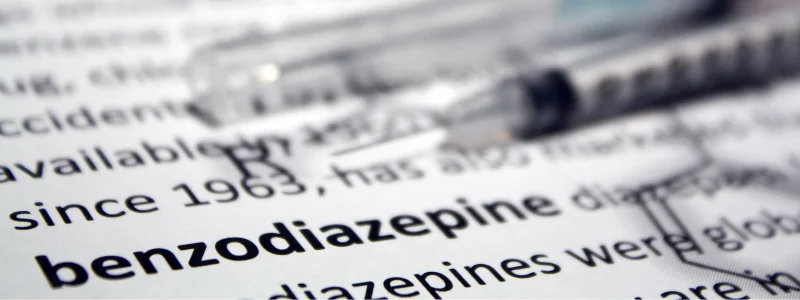
Benzodiazepines are prescription medications commonly used to treat anxiety, insomnia, and certain seizure disorders. While effective when used under medical supervision, these drugs carry a high risk of dependency and misuse. Long-term or unsupervised use can lead to physical dependence, tolerance, and withdrawal symptoms, making professional treatment essential. For individuals struggling with prolonged use, seeking help from a Benzodiazepines Addiction center in Islamabad Pakistan ensures safe, structured, and ethical recovery.

At The Hope Rehabilitation Center Islamabad, Pakistan, patients receive evidence-based interventions, including medically supervised detox, counseling, and long-term relapse prevention planning. The goal is to provide holistic care that addresses both the physical and psychological aspects of addiction while maintaining patient dignity and confidentiality.


Understanding Benzodiazepines Addiction

Benzodiazepines, such as diazepam, lorazepam, and alprazolam, work by depressing the central nervous system to reduce anxiety or induce sleep. While therapeutic use is effective for short-term management, repeated use can lead to:

  • Increased tolerance, requiring higher doses to achieve the same effect
  • Physical dependence, making cessation difficult without medical supervision
  • Withdrawal symptoms including anxiety, insomnia, irritability, and, in severe cases, seizures
  • Psychological dependence and compulsive use

Recognizing early signs of benzodiazepine dependence is critical. Individuals may notice a need to use the medication more frequently, experience cravings, or continue usage despite negative personal or professional consequences.


Benzodiazepines Addiction center in Islamabad Pakistan

The Role of a Benzodiazepines Addiction Center

A specialized Benzodiazepines Addiction center in Islamabad Pakistan provides a structured environment for recovery. The services typically include:

  • Medical Detoxification: Gradual tapering under supervision to safely manage withdrawal symptoms.
  • Psychiatric Evaluation: Assessing co-occurring mental health conditions, such as anxiety or depression.
  • Individual and Group Counseling: Addressing behavioral triggers, emotional challenges, and coping strategies.
  • Relapse Prevention Programs: Long-term planning to maintain sobriety and prevent setbacks.

At The Hope Rehabilitation Center Islamabad, Pakistan, addiction care is patient-focused, ethical, and evidence-based, ensuring that recovery is safe and sustainable.


Medically Supervised Detox

Detoxification is the first step in benzodiazepine addiction treatment. Abrupt discontinuation can cause severe withdrawal symptoms, including tremors, seizures, and extreme anxiety. Therefore, detox must always be conducted under professional supervision.

During detox, clinicians at The Hope Rehabilitation Center Islamabad, Pakistan monitor patients closely, adjusting tapering schedules and providing supportive medications as needed. This ensures the safety and comfort of patients while reducing the risk of relapse.


Psychological and Behavioral Therapy

Addiction is not only a physical dependence but also a behavioral and psychological condition. Therapy addresses underlying triggers, emotional struggles, and habits that reinforce drug use.

Cognitive Behavioral Therapy (CBT)

CBT helps individuals identify and challenge distorted thinking patterns, develop coping strategies, and reduce anxiety without relying on medication.

Individual Counseling

One-on-one sessions provide a safe space to explore personal stressors, emotional trauma, or compulsive patterns related to benzodiazepine use.

Group Therapy

Group sessions allow patients to share experiences, gain support, and develop accountability while learning from peers facing similar challenges.

By integrating these therapies, Benzodiazepines Addiction center in Islamabad Pakistan programs address both the psychological and behavioral aspects of dependency.


Managing Co-Occurring Mental Health Conditions

Many individuals struggling with benzodiazepine addiction also experience underlying mental health issues, such as:

  • Anxiety disorders
  • Depression
  • PTSD
  • Sleep disorders

Integrated care ensures that both addiction and mental health conditions are treated simultaneously. Psychiatric support, therapy, and careful medication management help patients achieve stability and reduce the likelihood of relapse.

At The Hope Rehabilitation Center Islamabad, Pakistan, dual-diagnosis treatment is a cornerstone of comprehensive care.


Long-Term Recovery and Relapse Prevention

Recovery from benzodiazepine addiction is a gradual process. Sustained support and structured aftercare programs are crucial to maintaining sobriety. Key elements of long-term recovery include:

  • Continued counseling sessions to manage triggers and stress
  • Peer support programs to reduce isolation and encourage accountability
  • Lifestyle guidance, including stress management and healthy routines
  • Regular psychiatric follow-ups for ongoing mental health support

A comprehensive relapse prevention plan equips patients with strategies to navigate challenges safely, supporting sustained recovery.


Family Involvement in Recovery

Family engagement is a vital component of successful addiction treatment. Educating family members about benzodiazepine dependence and involving them in counseling sessions strengthens support networks and reduces potential conflict.

Family programs at The Hope Rehabilitation Center Islamabad, Pakistan focus on:

  • Understanding addiction and withdrawal
  • Supporting healthy coping strategies
  • Improving communication and reducing enabling behaviors
  • Encouraging adherence to therapy and follow-ups

Family support not only enhances recovery outcomes but also promotes a healthier and more stable home environment.


Ethical and Confidential Care

Providing care for addiction requires strict adherence to ethical and professional standards. Benzodiazepines Addiction center in Islamabad Pakistan programs prioritize patient safety, confidentiality, and informed consent.

At The Hope Rehabilitation Center Islamabad, Pakistan, all interventions are:

  • Evidence-based and clinically supervised
  • Delivered with respect and compassion
  • Confidential and privacy-focused
  • Tailored to the individual’s unique clinical needs

Maintaining ethical care builds trust, encourages treatment adherence, and improves recovery outcomes.


Frequently Asked Questions (FAQs)

1. What is benzodiazepine addiction?

Benzodiazepine addiction occurs when an individual develops physical or psychological dependence on drugs like diazepam, lorazepam, or alprazolam, often requiring professional intervention.

2. Can benzodiazepine withdrawal be dangerous?

Yes. Abrupt discontinuation can cause severe symptoms, including anxiety, tremors, and seizures, which is why medically supervised detox is essential.

3. How long does treatment typically take?

Treatment duration varies based on severity, co-occurring conditions, and individual progress. A comprehensive program includes detox, therapy, and aftercare support.

4. Are therapy sessions necessary after detox?

Yes. Behavioral and psychological therapy addresses underlying triggers and coping strategies, which are crucial for long-term recovery.

5. Is family involvement required in recovery?

Family involvement is highly recommended, with patient consent, as it strengthens support systems and helps maintain accountability.


Conclusion

Benzodiazepine addiction is a serious condition that requires professional, structured, and compassionate care. A specialized Benzodiazepines Addiction center in Islamabad Pakistan provides medically supervised detox, behavioral therapy, psychiatric support, and long-term relapse prevention strategies.

At The Hope Rehabilitation Center Islamabad, Pakistan, patients receive individualized care that addresses both physical dependence and underlying psychological factors. Through ethical, evidence-based treatment and comprehensive support, individuals struggling with benzodiazepine addiction can rebuild stability, regain control over their lives, and work toward sustained recovery.

By combining professional expertise, structured therapy, and family involvement, The Hope Rehabilitation Center remains a trusted destination for addiction treatment and mental health support in Islamabad, Pakistan.

The Importance of Aftercare in Rehab Centre Services | aftercare rehab centre services in Islamabad,Pakistan

aftercare rehab centre services in Islamabad,Pakistan,

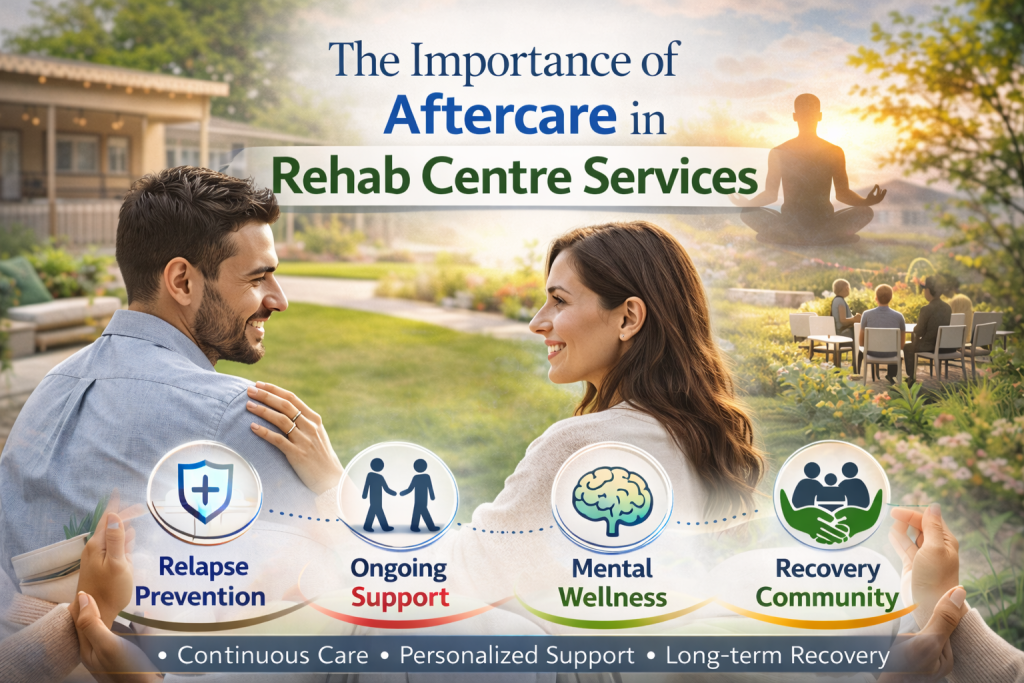
Recovery from addiction and mental health disorders does not end when a patient completes an inpatient or outpatient rehabilitation program. In many cases, the period following discharge is one of the most vulnerable stages in the recovery journey. This is where structured aftercare becomes essential. Within the framework of aftercare rehab centre services in Islamabad,Pakistan, continued support plays a critical role in preventing relapse, strengthening coping strategies, and maintaining long-term stability.

At The Hope Rehabilitation Center Islamabad, Pakistan, aftercare planning is considered a core component of responsible rehabilitation. The focus remains on ethical, patient-centered care that supports individuals beyond the primary treatment phase while respecting confidentiality and professional standards.


aftercare rehab centre services in Islamabad,Pakistan,

Understanding Aftercare in Rehabilitation

Aftercare refers to the structured support services provided to individuals after they complete a formal rehabilitation program. These services are designed to help individuals transition back into daily life while maintaining recovery goals.

Addiction recovery and mental health treatment often require long-term management. Without follow-up support, individuals may struggle with stress, triggers, or emotional challenges that increase the risk of relapse. Comprehensive aftercare rehab centre services in Islamabad,Pakistan ensure continuity of care and reduce this risk.

Aftercare is not a single service but a combination of therapeutic, social, and practical support systems tailored to each patient’s needs.


Why Aftercare Is Essential for Long-Term Recovery

Recovery is a gradual process. While inpatient rehabilitation provides structured treatment and supervision, daily life outside the facility presents real-world challenges. Returning to work, reconnecting with social circles, or facing unresolved stressors can test a person’s coping abilities.

Aftercare programs support individuals by:

  • Reinforcing coping skills learned during treatment
  • Monitoring mental health stability
  • Providing accountability and professional guidance
  • Offering emotional support during difficult transitions

In structured aftercare rehab centre services in Islamabad,Pakistan, these measures significantly strengthen long-term recovery outcomes.


Key Components of Effective Aftercare Programs

1. Ongoing Individual Counseling

Continued therapy sessions help individuals address ongoing emotional concerns and adapt coping strategies as new challenges arise. Regular counseling provides a safe and confidential space for reflection and problem-solving.

At The Hope Rehabilitation Center Islamabad, Pakistan, aftercare counseling sessions are personalized to align with each patient’s recovery plan.


2. Group Therapy and Peer Support

Peer support groups create opportunities for individuals to share experiences, discuss setbacks, and celebrate progress. Hearing from others facing similar challenges reduces isolation and encourages accountability.

Group therapy often focuses on:

  • Relapse prevention strategies
  • Stress management techniques
  • Emotional regulation skills
  • Healthy lifestyle development

These elements form a strong foundation in aftercare rehab centre services in Islamabad,Pakistan.


3. Relapse Prevention Planning

Relapse prevention is a critical focus of aftercare. Patients work with therapists to identify personal triggers, high-risk situations, and early warning signs of relapse.

Structured relapse prevention plans may include:

  • Emergency coping strategies
  • Support contact lists
  • Lifestyle modifications
  • Scheduled follow-up appointments

Rather than offering guarantees, ethical aftercare programs focus on preparation and proactive management.


4. Family Involvement and Education

Family members often play a key role in long-term recovery. Aftercare services may include family counseling sessions or educational workshops to help loved ones understand relapse risks and communication strategies.

Family participation in aftercare rehab centre services in Islamabad,Pakistan helps create a stable and supportive home environment that promotes accountability and trust.


Addressing Co-Occurring Mental Health Conditions

Many individuals recovering from substance use disorders also face underlying mental health challenges such as depression, anxiety, or trauma-related disorders. Aftercare ensures continued monitoring and management of these conditions.

Integrated care may include:

  • Psychiatric follow-up appointments
  • Medication management
  • Ongoing psychotherapy
  • Behavioral therapy adjustments

At The Hope Rehabilitation Center Islamabad, Pakistan, coordinated care supports both addiction recovery and mental health stabilization.


Reintegration into Daily Life

One of the most significant goals of aftercare is helping individuals reintegrate into society in a healthy and sustainable way. This includes returning to employment, rebuilding relationships, and developing structured daily routines.

Rehabilitation centers offering comprehensive aftercare rehab centre services in Islamabad,Pakistan may provide guidance in:

  • Time management and routine building
  • Stress reduction techniques
  • Healthy social engagement
  • Career or vocational support referrals

These practical supports reduce feelings of overwhelm and improve confidence during reintegration.


The Ethical Foundation of Aftercare Services

Healthcare services must operate within ethical guidelines that prioritize patient safety, dignity, and confidentiality. Aftercare programs are no exception.

Ethical aftercare practices include:

  • Voluntary participation
  • Confidential therapy sessions
  • Respect for patient autonomy
  • Evidence-based treatment approaches

At The Hope Rehabilitation Center Islamabad, Pakistan, aftercare services are designed to align with professional healthcare standards and responsible treatment practices.


Benefits of Structured Aftercare Support

When aftercare is properly implemented, individuals often experience:

  • Increased emotional resilience
  • Reduced risk of relapse
  • Improved coping mechanisms
  • Stronger personal accountability
  • Enhanced quality of life

It is important to note that recovery is a personal journey, and outcomes vary. However, structured follow-up care provides a reliable support system that improves stability and long-term well-being.


Frequently Asked Questions (FAQs)

1. How long does aftercare typically last?

The duration of aftercare varies depending on individual needs. Some individuals benefit from several months of follow-up support, while others may require longer-term monitoring.

2. Is aftercare mandatory after completing rehab?

Aftercare is usually recommended but voluntary. Participation often improves recovery outcomes by providing continued guidance and accountability.

3. Can aftercare help prevent relapse?

While no program can guarantee prevention, structured aftercare significantly reduces relapse risk by reinforcing coping skills and providing early intervention support.

4. Does aftercare include mental health treatment?

Yes. For individuals with co-occurring disorders, aftercare may include ongoing psychiatric care, medication management, and therapy sessions.

5. Are aftercare services confidential?

Yes. Professional rehab centres maintain strict confidentiality standards to protect patient privacy and uphold ethical healthcare practices.


Conclusion

The journey toward recovery extends beyond the walls of a rehabilitation facility. Aftercare plays a vital role in sustaining progress, strengthening coping strategies, and promoting long-term emotional stability. By offering continued counseling, relapse prevention planning, peer support, and family involvement, structured aftercare programs provide essential guidance during the transition back to everyday life.

Within the framework of aftercare rehab centre services in Islamabad,Pakistan, The Hope Rehabilitation Center Islamabad, Pakistan emphasizes ethical, patient-centered follow-up care designed to support lasting recovery. Through compassionate and structured aftercare services, individuals are better equipped to navigate life’s challenges while maintaining their commitment to health and well-being.

Medicines for Elderly Patients: Precautions and Care – Mental rehabilitation center in Islamabad Pakistan

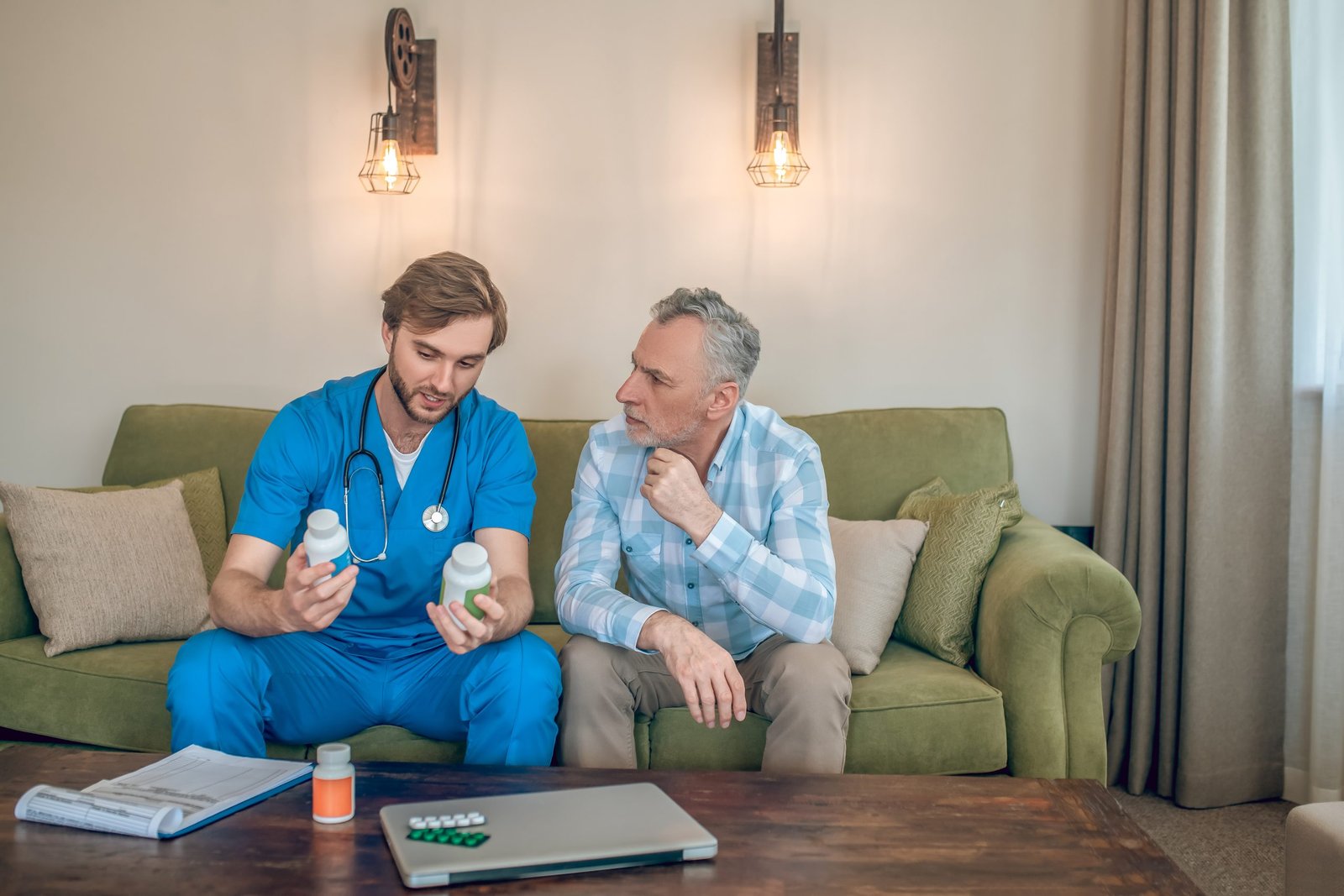
Tending to elderly patients is more than checking in and being there for them emotionally. One of the key components towards elderly care is providing medication in a secure and efficient manner. There are unique medication challenges for many older adults, including polypharmacy, age-related physiologic changes that alter metabolism of drugs and increasing susceptibility to side effects. Medications are also of paramount importance when we talk about geriatric patients So come and join us at Hope rehab Center the best mental Rehabilitation center in Islamabad Pakistan, where medications are closely watched under observation then given very cautiously and patient centered as well.

Recognizing Patients’ Special Requirements According to Age

Older patients are at greater risk of having chronic conditions like diabetes, hypertension or arthritis and taking five to 10 prescriptions. This drug combination can lead to greater risk of drug-drug interactions and toxicities. Physiological changes that come with old age, like decreased kidney and liver function, a slower metabolism and different body fat composition can influence how the body processes drugs during absorption, distribution, metabolism and excretion.

These all factors emphasize the significance of specialized care at a mental rehabilitation center Islamabad Pakistan, where health experts can customize treatment protocols to suit the personal needs of old patients.

Age-Related Changes Affecting Medication

1. Kidney Disease – Medications may be cleared more slowly in the body which can lead to higher levels of a drug and potential for toxicity.

2. Liver Metabolism – The liver’s ability to metabolize some medications changes with age, as enzyme activity decreases.

3. Unconventional Drug Reaction – The elderly may or may not show typical drug reactions and dose need to be altered.

4. Polypharmacy Dangers – The more medications you take at once, the likelier it is for side effects and reactions to occur.

By recognizing these age-related changes, The Hope Rehab Center physicians are able to make medications safe, effective and individualized for each patient.

Precautions When Administering Medicines

Administering medication to elderly patients requires vigilance, knowledge, and a systematic approach. Here are the key precautions recommended by healthcare experts:

1. Comprehensive Medication Review

Healthcare professionals review all prescription and over-the-counter medicines before they are taken or if there is a change in the quantity, method, or type of medication. This can help to flag potential interactions, duplicate therapies and give a repetition of medication.

2. Clear Instructions and Education

Older patients may have memory loss or cognitive impairment, putting them at risk for missing a dose of their medication or taking an extra one. Clear written instructions and an oral explanation help patients and caregivers to know how much medication they need to give.

3. Monitoring for Side Effects

In geriatric patients, adverse reactions such as confusion, dizziness, gastrointestinal symptoms and falls are frequently experienced. Ongoing checks mean doctors can adapt medication soon enough to avoid complications down the track.

4. Simplifying Medication Regimens

Scheduling regimens with lesser number of daily doses or amalgamating medications, if safe, can enhance compliance and reduce the chance of error. As a reliable mental rehabilitation center in Islamabad Pakistan, the Hope Rehab Center often collaborates with pharmacies in order to best understand medication profiles of senior citizens.

5. Involving Caregivers

Caregivers are critical in managing the medications. It is superior results and lowers risk to teach them the value of adherence, importance of monitoring for side effects, and willingness to express concerns.

Typical Medical Categories of Elderly Subjects

As elderly may have more than one medical condition the drugs will be given should belong to different categories and their specific precautions are as follows:

1. Medications affecting the cardiovascular system – antihypertensive and anticoagulants need titration in doses to avoid hypotension and bleeding.

2. Analgesia – Use of NSAIDs and opioid medications warrants close surveillance to prevent renal impairment or addiction.

3. Psychoactive Drugs – Medications for depression, anxiety or dementia need to be dosed judiciously so as to not render the individual too sedated or unable to think clearly.

4. Diabetes Medications – Hypoglycaemia should be avoided when using blood sugar lowering medications.

There needs to be good testing, observation and fine tuning with medication use (which we do have at The Hope Rehab Center) It’s an essential part for safe taking tablets.

Advice for older patients and their caregivers

  • Keep a list of medications and dosages, schedules and doctors prescribing them.
  • A pill organizers or reminders should be employed to minimize missed doses.
  • Tell healthcare providers right away about any new symptoms.
  • Don’t self-medicate, and speak to experts before you stock up on supplements or over-the-counter medications.
  • Make an appointment for medication review with health professionals to evaluate the necessity of each medicine.

Use of Mental Reeducation in the Treatment with Medicaments

Cognitive impairment, memory loss, and mental health issues can influence elderly patients in the way they take medication. A specialized programme at The Hope Rehab Centre relies on the following mental and wellness centre in Islamabad Pakistan.

  • Evaluate cognitive performance and its influence on medication compliance.
  • Teach patients and families safe medication use.
  • Structured regimens If you put drama in to this, taking doses is better!
  • Observe for behavioural disorders which may be an adverse effect or related to drug interaction.

Combining mental rehabilitation with medication management provides comprehensive care for the mending of mind and body.

Preventing Adverse Drug Events

The issue of adverse drug events) in geriatric care is prevalent. Lessening of these hazards are the further strategies:

  • Ensuring comprehensive medication reconciliation while the patient is in hospital.
  • Educating patients to have a list of medication on hand.
  • Dosing adjustments according to renal and hepatic function tests.
  • ommiting potentially inappropriate drugs, when not absolutely necessary.

These practices are part of the normal procedure in use at The Hope Rehab Center and enable a safer treatment for elderly patients.

Answers to Common Questions About Medications for the Elderly

1. Why do older people react more to drugs?

There are metabolic, renal and hepatic changes related to aging that result in changes in drug absorption as well as increased susceptibility to the side effects of drugs.

2. HEALTH How can caregivers make sure elderly people take their medications safely?

Caregivers should record a medication list, use pill organizers, give reminders and monitor for adverse events.

3. Are O.T.C. drugs safe for older people?

Not always. A few OTC medicines may interact with other drugs that are prescribed or exacerbate an underlying condition. It is important to seek medical advice.

4. What is polypharmacy and why is it a concern?

Polypharmacy Polypharmacy is an actual intake of multiple medications at the same time. This raises the chance of drug-to-drug interactions, adverse effects and medication error.

5. How is a psychiatric recovery facility useful regarding medication management?

Centers such as The Hope Rehab Center offer cognitive testing, patient education, schedules and supervision to help people stay on rehab medications safely and effectively.

Conclusion

The treatment of drugs in the elderly should be given close attention, personal care and continuous observation. Healthcare practitioners can mitigate risks, avoid complications, and enhance quality of life through an appreciation for the special physiological and cognitive requirements of older adults. The Hope Rehab Center, a specialized mental hospital Pakistan is focused on the safe, ethical and patient-centric medication management to ensure physical and mental health care elderly receive along.

Detected through appropriate precaution and caregiver intervention, as well as one or more of the following (monitoring), safe drug use enables older adults to live a healthier, less-dependent life.

Natural vs. Synthetic Medicine: Which One Works Better for You? – Rehab near me

Introduction – Understanding the Healing Journey at The Hope Rehab Centre

An inquiry that is often raised by the road to wellness is which medicine is better: natural or synthetic?
When someone looks up “Rehab near me,” they’re not just searching for a place. They’re looking for hope, recovery, and personalized healing. At The Hope Rehab Centre, we know the way to wellness often raises an important question: natural or synthetic medicine?

Each course of treatment has its advantages and disadvantages. Whether it is the herbal medications, yoga, and hypnotherapy approach or the controlled drugs, each has its part in the recovery route. Knowing these distinctions helps the patient choose what may suit their overall physical, emotional, and mental health the best.

What Is Herbal Medicine?

Natural medicine is using plant, mineral, or other natural sources of treatment. That’s why “natural medicine” includes herbal therapy, nutritional support, aromatherapy, or acupuncture—all founded on supporting the human body’s self-healing capacity.
With addiction treatment, these kinds of therapies often help in re-establishing internal balance, lowering the severity of withdrawal symptoms, and reinstating mental strength. This is how these therapies are used at The Hope Rehab Centre alongside mainstream care as they pertain to facilitating total health.

Natural Medicine for Addiction Recovery

Natural medications draw the attention of those who desire gentle, side effect-free healing; here are their advantages:

1.Fewer side effects than potent pharmaceutical drugs.

2.Relaxation and mindfulness to enhance mental calmness.

3. Better immunity, detoxification, and natural recovery by the body from the disease

4.sustainability mostly come from renewable resources.

Meanwhile, this means the remedies can be a nurturing path toward stability for individuals with mild withdrawal symptoms or long-term recovery goals.

Limitations of Natural Medicine

Natural medicine is not a panacea: the action is usually slow, and some herbal preparations can be antagonistic to prescription drugs. Dosages are not necessarily standardized; thus, medical supervision is essential.

What Are Synthetic Medicines?

Synthetic medicines are artificially prepared drugs made in laboratories to simulate or boost the effects of the body’s natural chemicals. They play a vital role in contemporary recovery programs by conveniently controlling withdrawal, anxiety, and even cravings.

Benefits of Synthetic Medicine in Treatment

  • Fast relief of symptoms, especially during the initial detox phase.
  • Precise dosages for safety and reproducible results.
  • Controlled testing and approval-that inspire confidence in use
  • As far as proof is concerned in managing acute withdrawal symptoms.

Drawbacks of Synthetic Medicine

In as much as they have these benefits, sometimes they could lead to dependency or other complications which are not good. Particularly when overused without proper monitoring, they could be a burden to the liver or kidneys. This is why they must be administered responsibly under the careful watch of an expert.

Comparative aspects of the Natural vs. the Synthetic in Rehab Programs

Criteria Natural Synthetic
Effectiveness Slow yet permanent healing Quick symptom management
Side Effects Almost nil Probable dependency or reaction
Regulation Varies It depends Strictly
Accessibility Over the counter Prescription
Proper Use Long-Term Solution Acute Episode Management

Integrative Healing – The Future

We at The Hope Rehab Centre believe in integrative healing natural and synthetic approaches for optimal outcomes. Our programs blend medically supervised detoxification is completed with holistic therapies such as yoga, meditation, and nutrition counseling. It’s this balanced approach that doesn’t just focus on physical recovery but on emotional resilience and clarity of the mind.

Why Choose The Hope Rehab Centre When Looking for “Rehab Near Me”?

It’s not just location, it’s the right rehab that will understand you. Hope Rehab Centre excels in:

  • Customized treatment plans as per individual requirements.
  • Natural and evidence-based therapies for complete recovery.
  • Professional medical supervision for the safety and effectiveness of the services offered.
  • Warming, compassionate care treating patients like family

When you type “Rehab near me” into your search bar, you don’t just warrant a facility but The Hope Rehab Centre, where science is confluently met with compassion.

Natural vs. Synthetic Medicine: Frequently Asked Questions

1. Natural vs. Synthetic Medicine – Which is better for Addiction Recovery?
It depends on your condition. Natural medicine is great support for long-term wellness, while synthetic drugs offer much faster relief during acute phases.

2. Can Natural Remedies Be Used Alongside Prescription Medications?
Always consult your physician as some herbs interact with pharmaceuticals.

3. Can one recover from addiction using only natural methods?
Yes, but under professional supervision to ensure safety and the right dosage.

4. Whether synthetic medicines cause dependency?
Some can, but it is much reduced by responsible management at The Hope Rehab Centre.

5. Which is more efficient in terms of giving relief?
Synthetic usually is fast in relief Natural take a longer period for curing but sustains the healing over time

No we combine both in a balanced and personalized treatment plan.

Conclusion – Finding Balance and Hope

Healing isn’t about choosing between natural or synthetic—it’s about finding what works best for you. At The Hope Rehab Centre, we merge modern science with natural wellness to create sustainable recovery paths.

Next time you Google “Rehab near me,” remember: real healing starts where hope exists…at The Hope Rehab Centre.

Overcoming Alcohol Addiction Starts With Hope

Introduction: Why “Hope” Is More Than a Word

Alcohol Use Disorder (AUD) affects millions worldwide, but in Pakistan it is often hidden behind stigma and silence. Whether you typed “alcohol rehab near me”, “alcohol detox program Islamabad”, or simply “help quitting drinking,” every search query reflects a first, courageous spark of hope. At The Hope Rehab Center Islamabad, we nurture that spark into lasting recovery through evidence‑based care, holistic healing, and an unshakeable belief that change is always possible. demo.thehoperehab.pk/

Understanding Alcohol Addiction in Pakistan

Alcohol addiction is a chronic brain diseasenot a moral failure. Long‑term drinking rewires reward pathways, reduces impulse control, and often co‑occurs with anxiety, depression, or trauma. In Pakistan’s rapidly urbanizing society, easy access to alcohol, rising workplace stress, and limited mental‑health literacy have pushed more adults (and increasingly, young professionals) toward hazardous drinking patterns. Recognizing AUD as a treatable medical condition is the first step toward freedom.

The Hope Model: Evidence‑Based, Person‑Centered Care

1. Medical Detoxification (7–10 days)
Our onsite physicians manage withdrawal safely with medication‑assisted treatment (MAT) and round‑the‑clock monitoring. Keywords: alcohol detox Islamabad, medically supervised withdrawal.

2. Comprehensive Assessment
We screen for co‑occurring psychiatric conditions (depression, PTSD, bipolar disorder) because treating the mind and body together—dual diagnosis treatment Islamabad—dramatically lowers relapse risk.

3. Individualized Treatment Plan
No two stories are alike. We combine Cognitive Behavioral Therapy (CBT), Motivational Interviewing (MI), and 12‑Step facilitation with culturally attuned spiritual counseling.

4. Aftercare & Relapse‑Prevention
Graduates receive six months of free follow‑up groups, tele‑therapy, and alumni mentorship—crucial for sustaining sobriety after leaving our residential rehab program. demo.thehoperehab.pk/

Holistic Therapies: Healing Mind, Body & Spirit

Clinical evidence shows that whole‑person approaches amplify treatment retention and quality of life. Our holistic addiction therapy Islamabad track offers:

Therapy How It Helps Sobriety
Yoga & Breath‑work Lowers cortisol, curbs cravings
Mindfulness‑Based Relapse Prevention (MBRP) Builds awareness of triggers
Art & Music Therapy Provides non‑verbal emotional release
Nutritional Counseling Repairs liver health, boosts energy
Fitness & Physiotherapy Restores dopamine balance

These modalities complement—never replace—core psychiatric and medical care.

Family & Community: The Hidden Superpower

Relapse rates drop up to 30 percent when loved ones engage in therapy. We host weekly family counseling sessions, psycho‑education workshops (“Understanding Addiction 101”), and guided communication exercises that rebuild trust strained by years of conflict. Local community groups, such as Islamabad Sober Meet‑Ups and online alumni forums, give clients a support network near me long after discharge.

Success Stories: Real Lives Transformed

  • Ahmed, 29 – From daily vodka to 18 months sober. Today he mentors new arrivals and recently restarted night classes in software engineering.

  • Sara, 42 – Battled prescription‑pill misuse plus wine. Dual‑diagnosis care treated her underlying PTSD; she now leads our women’s relapse‑prevention circle.

  • Imran, 51 – Chronic relapser turned triathlon finisher; credits the center’s holistic recovery program for “teaching me to love movement again.”

(Stories anonymized for privacy but drawn from actual outcomes.)

Frequently Asked Questions (FAQs)

Q1: How long is inpatient treatment?
Typical stays range from 30–90 days, depending on severity and co‑morbidities.

Q2: Is detox painful?
With MAT and 24/7 monitoring, most clients experience manageable discomfort and receive medications for nausea, tremors, and insomnia.

Q3: Can I keep my job?
Pakistan’s labor laws permit medical leave for inpatient treatment; we provide confidential documentation for employers.

Ready to Reclaim Your Life?

Every sobriety journey begins with a single action. Call +92 327 5049244 or visit www.thehoperehab.pk to book your confidential assessment today. We offer free phone consultations, same‑day admissions, and secure airport pickups for overseas Pakistanis.

Conclusion
Overcoming alcohol addiction isn’t a solo battle—it’s a guided transformation. By choosing The Hope Rehab Center Islamabad, you embrace medically sound detox, cutting‑edge therapies, holistic wellness, and a compassionate community devoted to one outcome: lasting sobriety. Your future is calling, and it starts with Hope.