The Hope Rehab Center

Category Mindfulness Therapy

Best Rehabilitation Center in Islamabad, Pakistan | Best Rehabilitation Center in Islamabad, Pakistan
Best Rehabilitation Center in Islamabad, Pakistan | Best Rehabilitation Center in Islamabad, Pakistan

Finding the right support for addiction and mental health challenges is an important step toward recovery. With increasing awareness about substance use disorders and psychological well-being, many individuals and families are seeking professional care that is safe, ethical, and effective. Choosing the Best Rehabilitation Center in Islamabad, Pakistan involves understanding the quality of services, treatment approaches, and the overall environment provided by the facility.

At The Hope Rehabilitation Center Islamabad, Pakistan, care is designed to support individuals through every stage of recovery. The focus remains on patient well-being, structured treatment, and long-term stability without making unrealistic promises. A balanced and professional approach ensures that individuals receive the guidance they need to rebuild their lives.


Understanding the Role of a Rehabilitation Center

A rehabilitation center provides structured treatment for individuals facing substance use disorders or mental health challenges. These centers aim to address both physical dependence and emotional factors that contribute to addiction.

The Best Rehabilitation Center in Islamabad, Pakistan offers a combination of medical care, therapy, and lifestyle support. Treatment is not limited to stopping substance use; it also focuses on helping individuals develop healthier coping mechanisms and routines.

At The Hope Rehabilitation Center Islamabad, Pakistan, programs are tailored to meet individual needs, ensuring that each patient receives personalized attention and care.


Key Features of the Best Rehabilitation Center

Best Rehabilitation Center in Islamabad, Pakistan | Best Rehabilitation Center in Islamabad, Pakistan

Choosing a rehabilitation center requires careful consideration of several important factors. The quality of care depends on how well the center addresses different aspects of recovery.

Comprehensive Assessment and Personalized Care

Every individual’s experience with addiction is different. A professional rehabilitation center begins with a detailed assessment to understand the patient’s condition, history, and specific needs.

The Best Rehabilitation Center in Islamabad, Pakistan ensures that treatment plans are personalized rather than generalized, allowing for more effective recovery outcomes.

At The Hope Rehabilitation Center Islamabad, Pakistan, assessments are conducted with care and confidentiality, forming the foundation of a structured treatment plan.


Medical Detox and Safe Withdrawal Management

Detoxification is often the first step in the recovery process. It involves removing harmful substances from the body while managing withdrawal symptoms.

A reliable Best Rehabilitation Center in Islamabad, Pakistan provides medical supervision during detox to ensure safety and comfort. This stage is handled carefully to reduce potential risks.

At The Hope Rehabilitation Center Islamabad, Pakistan, detox services are offered in a controlled environment where patients receive professional monitoring and support.


Therapy and Counseling Services

Therapy plays a crucial role in addressing the psychological aspects of addiction. Behavioral therapies, such as Cognitive Behavioral Therapy (CBT), help individuals identify harmful thought patterns and develop healthier responses.

Counseling sessions provide a safe space for patients to discuss their experiences, emotions, and recovery goals.

The Best Rehabilitation Center in Islamabad, Pakistan integrates therapy into every stage of treatment, supporting emotional healing and long-term recovery.


Importance of a Supportive Environment

A calm and structured environment is essential for effective rehabilitation. Being in a supportive setting allows individuals to focus entirely on recovery without external distractions or triggers.

The Best Rehabilitation Center in Islamabad, Pakistan provides routines that include therapy sessions, wellness activities, and educational programs. These routines help individuals build discipline and stability.

At The Hope Rehabilitation Center Islamabad, Pakistan, the environment is designed to promote respect, privacy, and emotional comfort, creating a space where patients feel safe throughout their recovery journey.


Building Skills for Long-Term Recovery

Recovery is not just about completing treatment; it is about maintaining progress over time. Rehabilitation centers focus on equipping individuals with the skills needed for long-term stability.

These skills may include:

  • Stress management techniques
  • Emotional regulation strategies
  • Healthy lifestyle habits
  • Relapse prevention planning

The Best Rehabilitation Center in Islamabad, Pakistan emphasizes the importance of these skills to help individuals navigate life after treatment.

At The Hope Rehabilitation Center Islamabad, Pakistan, patients are guided through the process of building sustainable routines that support their overall well-being.


Role of Family in the Recovery Process

Family support can have a meaningful impact on recovery. When family members understand addiction and its challenges, they can provide encouragement and emotional stability.

Many rehabilitation programs include family counseling sessions to improve communication and strengthen relationships.

A trusted Best Rehabilitation Center in Islamabad, Pakistan recognizes the importance of involving loved ones in the recovery process.

At The Hope Rehabilitation Center Islamabad, Pakistan, family support is integrated into treatment planning, helping individuals feel connected and supported.


Focus on Relapse Prevention

Relapse prevention is a key component of rehabilitation. Individuals are taught to recognize triggers and develop strategies to manage them effectively.

Common relapse prevention strategies include:

  • Identifying high-risk situations
  • Practicing coping mechanisms
  • Continuing therapy or follow-up care
  • Building a strong support system

The Best Rehabilitation Center in Islamabad, Pakistan focuses on preparing individuals for life after treatment by promoting long-term stability.


Frequently Asked Questions (FAQs)

1. What makes a rehabilitation center the best?

The best rehabilitation center provides personalized care, professional supervision, therapy, and a supportive environment for recovery.

2. How long does rehabilitation treatment take?

The duration varies depending on the individual’s condition and response to treatment.

3. Is detox necessary before starting therapy?

Detox is often the first step for individuals with physical dependence, but treatment plans are customized based on individual needs.

4. Can recovery be maintained after treatment?

With proper support, therapy, and lifestyle changes, individuals can work toward maintaining long-term recovery.

5. Why choose a professional rehabilitation center?

A professional Best Rehabilitation Center in Islamabad, Pakistan offers structured care, medical supervision, and emotional support that help individuals focus on recovery.


Conclusion

Choosing the Best Rehabilitation Center in Islamabad, Pakistan is an important decision that can shape the path to recovery. A well-structured program provides the medical care, therapy, and support needed to address both physical and emotional aspects of addiction.

Recovery is a gradual process that requires commitment, patience, and professional guidance. With the right environment and support, individuals can develop healthier habits and regain control over their lives.

At The Hope Rehabilitation Center Islamabad, Pakistan, treatment programs are designed to prioritize patient well-being, ethical care, and long-term recovery. By offering a supportive and structured approach, the center helps individuals move toward a more stable and healthier future.

Relapse Control Program| Relapse Control Program in Islamabad Pakistan.
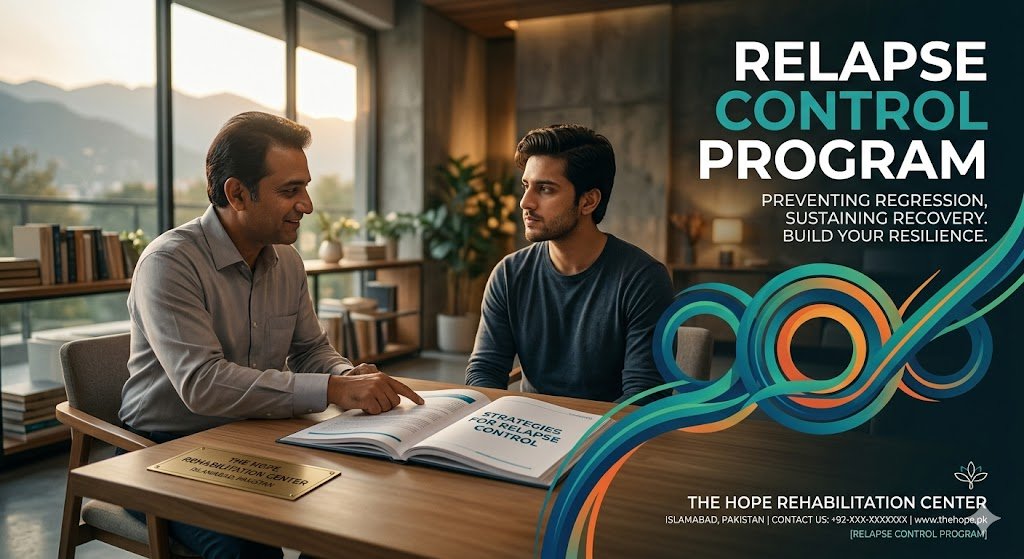
Relapse Control Program

The process of addiction or mental health recovery is a lifelong process that does not end after the initial treatment. Although a rehabilitation program is an important step, long-term stability needs support, awareness, and practical plans. It is here that the relapse control program comes in with structure.

The Relapse Control Program designed in Islamabad Pakistan aims at assisting the individuals to identify the early warning signs, control triggers, and practice healthy routines. In The Hope Rehabilitation Center Islamabad, Pakistan, relapse prevention is regarded as an essential component of the recovery process, which provides patients with the instruments and advice to continue the progress in the long term.

The knowledge of the relapse control programs functionality can assist individuals and families to remain ready and dedicated to the long-term recovery.

Relapse and the Problems of Relapse.

Relapse has been misinterpreted as a failure yet in fact, it may be an element of the recovery process to some individuals. It is a relapse to substance use or other unhealthy behaviors after some improvement.

Relapse can be caused by several factors such as stress, emotional difficulties, environmental stimuli, or absence of constant support. The identification of these factors is a significant move towards prevention.

One of the professional Relapse Control Programs in Islamabad Pakistan is aimed at early identification of these challenges and assisting individuals to devise strategies to deal with them.

The main elements of a Relapse Control Program.

Relapse prevention programs are structured to offer continuous support and practical aids that assist people to remain stable in their daily lives.

Trigger Identification

Relapse Control Program

Trigger identification is one of the most significant elements of relapse prevention. The triggers can be emotional stress, some environments or social situations which enhance the risk of relapsing.

In The Hope Rehabilitation Center Islamabad, Pakistan, patients are instructed to identify their own triggers and how they affect behavior.

A structured Relapse Control Program in Islamabad Pakistan, assists people in building awareness, which is crucial in prevention of relapse.

Coping Strategies and Skill Development.

One of the most important aspects of relapse prevention is learning to deal with stress and emotional difficulties. Practical coping skills are taught to patients to be applied in real life.

These policies can involve:

  • Stress management techniques
  • Meditative and restorative activities.
  • Problem-solving skills
  • Emotional regulation methods

The Relapse Control Program of Islamabad Pakistan is a reliable program that aims at developing these skills in order to enable people to cope with the challenges without resorting to substance use.

Continuous Counseling and Support.

Follow-up counseling is significant in sustaining recovery. Constant therapy sessions allow individuals a secure environment to talk about their progress, difficulties, and concerns.

The Hope Rehabilitation Center Islamabad, Pakistan, is a facility where follow-up counseling sessions will be conducted to help the patients integrate into their normal lives.

In Islamabad Pakistan, a professional Relapse Control Program will see to it that the individuals do not lose touch with the support systems even after they have undergone initial treatment.

The importance of Routine and Lifestyle Changes.

Making a healthy routine is a significant component of relapse prevention. Daily routines can assist people to be attentive and minimize the risk of triggers.

The positive lifestyle changes could be:

  • Having a regular sleep schedule.
  • Physical exercise.
  • Practicing healthy eating habits
  • Staying involved in productive activities

The Hope Rehabilitation Center Islamabad, Pakistan, encourages patients to implement practices that can promote physical and emotional health.

The Relapse Control Program in Islamabad Pakistan is well planned and focused on the significance of stability and balance in daily life.

The Significance of Family and Social Support.

Family and friends can play a great role in the recovery process. Loved ones can also offer encouragement and make people remain motivated when they have knowledge about the recovery process.

Family intervention can involve attending counseling sessions or finding out how to contribute to recovery positively. Communication and understanding can be open and foster relationships and decrease stress.

A reputable Relapse Control Program in Islamabad Pakistan understands the importance of a good support system and promotes the involvement of the family where necessary.

Family support is a part of recovery planning at The Hope Rehabilitation Center Islamabad, Pakistan, to facilitate long-term success.

Long-term Relapse Prevention Program Benefits.

Relapse prevention programs have long-term advantages beyond substance use avoidance. They assist people to gain confidence, enhance emotional stability, and feel stable.

Among the major advantages, there are:

  • Increased self-awareness
  • Better stress management
  • Stronger relationships
  • Improved decision-making skills

There is a Relapse Control Program in Islamabad Pakistan that is comprehensive and aims at assisting individuals to live balanced and fulfilling lives following treatment.

In The Hope Rehabilitation Center Islamabad, Pakistan, relapse prevention is considered as a continuous process that helps in the constant growth and self-development.

Frequently Asked Questions (FAQs)

1. What is a relapse control program?

Relapse control program is an organized plan that assists people to sustain recovery by recognizing triggers, devising coping skills and continuous support.

2. What is the significance of relapse prevention?

Relapse prevention assists a person to cope with the difficulties, minimize the possibility of relapsing to substance use, and sustain long-term recovery.

3. What are common triggers for relapse?

Examples of common triggers are stress, emotional problems, particular settings, or social circumstances related to past substance use.

4. Is it possible to prevent relapse?

Although relapse is not always fully avoidable, structured programs can greatly lower the risk of relapse by equipping individuals to manage the challenges effectively.

5. How much time is required to be spent in a relapse prevention program?

The time will be different according to personal needs, yet constant assistance can be helpful in the long-term recovery.

Conclusion

The process of recovery is a lifelong process that involves constant effort, consciousness and encouragement. The Relapse Control Program in Islamabad Pakistan is a structured program that is very important in assisting people to stay on track and overcome difficulties.

Relapse prevention programs offer a solid base of permanent recovery by emphasizing trigger identification, coping mechanisms, counseling, and lifestyle modifications. This process is further reinforced by the support of the family and professionals who help individuals develop confidence and resilience.

Relapse control initiatives in The Hope Rehabilitation Center Islamabad, Pakistan, are based on ethical care, patient well-being, and long-term success. With consistent counseling and systematic support, people will be able to sustain the process of recovery and have a brighter future of being healthier.

Mental Health Rehab Center | Mental Health Rehab Center in Islamabad Pakistan
Mental Health Rehab Center | Mental Health Rehab Center in Islamabad Pakistan

Mental health, an integral component of well-being, is often neglected or misunderstood. Conditions like anxiety, depression, trauma-related disorders and substance use problems can have a profound impact on an individual’s well-being. You can have a big impact on managing these challenges by seeking the professional support of a structured rehabilitation facility.

A Mental Health Rehab Centre in Islamabad Pakistan can offer comprehensive care including psychiatric evaluation, therapy, and supportive services in a structured environment. With no understood recovery in the treatment of dysfunctional behaviors, they should strive for highly moral, patient-centered environments where effective mental health treatments are made available to help enforce sustainable wellbeing long after a person has left The Hope Rehabilitation Center Islamabad, Pakistan.

In this article, we are going to discuss what a mental health rehab center is, what they do and why they are imperative to improving our mental health outcomes.

What Is a Mental Health Rehab Center?

A mental health rehabilitation center is a treatment facility that offers structured care to those with mental health conditions. These centers provide medical, psychological and emotional care by trained professionals.

Services typically include:

  • Psychiatric evaluation and diagnosis
  • Medication management
  • Individual and group therapy
  • Behavioral therapy programs
  • Crisis intervention
  • Rehabilitation for co-occurring disorders

Well known Mental Health Rehab Center in Islamabad Pakistan offer effective treatment plans tailored specifically for each patient.

Why Mental Health Rehabilitation Is Important

Mental health conditions can affect all aspects of life, from relationships to work performance to physical health. Left untreated, symptoms can progress over time.

Early Intervention and Treatment

Mental Health Rehab Center | Mental Health Rehab Center in Islamabad Pakistan

Getting help early can stop the progression of mental health conditions. Rehabilitation centers offer a structured environment for early identification and treatment.

Safe and Supportive Environment

Rehabilitation centers provide a setting free from distractions where one can focus purely on recovery.

Comprehensive Care Approach

We believe that as mental health rehab centers can provide a combined effect of medical treatment and therapy along with counseling.

The Hope Rehabilitation Center Islamabad, Pakistan provides comprehensive care to patients by addressing their psychological and emotional needs simultaneously.

What Conditions Are Commonly Treated at a Mental Health Rehab Center?

A Mental Health Rehab Center in Islamabad Pakistan treats various mental health disorders, including:

  • Depression
  • Anxiety disorders
  • Bipolar disorder
  • Post-traumatic stress disorder (PTSD)
  • Obsessive-compulsive disorder (OCD)
  • Substance use disorders
  • Stress-related conditions

The treatment regimen is specific for each condition based on clinical assessment and individual needs.

Types of Treatment Programs Available

Inpatient Rehabilitation Programs

Inpatient programs require individuals to spend a period of time at the facility. This type of care provides:

  • 24/7 medical supervision
  • Structured daily routines
  • Intensive therapy sessions
  • Reduced exposure to stressors

Inpatient management is reserved for moderate to severe symptoms or anyone who needs close monitoring.

Outpatient Rehabilitation Programs

Outpatient programs let people stay at home but go to scheduled sessions for therapy. This alternative option works best for patients who have stable health conditions and a well-equipped home environment.

Outpatient services include:

  • Counseling sessions
  • Psychiatric consultations
  • Medication management
  • Behavioral therapy

A professional Mental Health Rehab Center in Islamabad Pakistan assesses the needs of each patient to ensure specialist treatment with a suitable level of care.

Psychiatric Care in Rehabilitation

There is a psychiatric care fundamental to mental health rehabilitation. Psychiatrists evaluate symptoms, make diagnosis and prescribe medications when appropriate.

Medication management helps:

  • Stabilize mood
  • Reduce anxiety
  • Improve sleep patterns
  • Manage severe symptoms

Psychiatric care is integrated with therapy at The Hope Rehabilitation Center Islamabad, Pakistan for balanced and powerful treatment.

Why Therapy and Counseling Are so Important

Therapy facilitates self-discovery in understanding thoughts, feelings and behaviors.

Cognitive Behavioral Therapy (CBT)

CBT aims to help patients recognize negative thinking patterns and moderate their thoughts with healthier outlooks.

Group Therapy

In group sessions, individuals can benefit from peer interaction, as hearing from others can help validate their experiences and provide lessons.

Family Counseling

Family support is beneficial as it fosters improved communication, strengthens support systems, and enhances the recovery process.

Mental Health Rehab Center in Islamabad Pakistan and structured approach to therapy affords long-term emotional stability.

Dual Diagnosis Treatment

People between mental health disorders and substance-use issues are cofactors. This is referred to as dual diagnosis.

Integrated treatment addresses both conditions concurrently, ensuring that:

  • Better symptom management
  • Reduced risk of relapse
  • Improved long-term recovery outcomes

Dual diagnosis treatment is a crucial component of rehabilitation services at The Hope Rehabilitation Center Islamabad, Pakistan

Advantages of Mental Health Rehabilitation Centers

Advantages of a Structured Rehabilitation Facility

  1. The availability of qualified mental health professionals
  2. Safe and supportive environment
  3. Individualized treatment plans
  4. Continuous monitoring and care
  5. Long-term recovery support

Mental Health Rehab Center in Pakistan makes sure that the patients get full care of what they need.

How Aftercare Plays an Important Role in Mental Health Recovery

The journey to recovery does not end after going through a rehabilitation program. Continuing support is vital to sustain progress and avoid relapse.

Aftercare services may include:

  • Follow-up psychiatric consultations
  • Continued therapy sessions
  • Support groups
  • Stress management strategies
  • Lifestyle counseling

The Hope Rehabilitation Center Islamabad, Pakistan making after care planning an integral part of treatment.

Stigma of seeking mental health treatment

For some people, stigma around mental health leads them not to get treatment. Keep in mind that mental health conditions are medical issues and should be treated as such.

When reaching out for treatment at a Mental Health Rehab Center in Islamabad Pakistan, is one of the best and responsible things you can do. Education and open discussion can de-stigmatize people with mental health issues, allowing for earlier intervention.

Frequently Asked Questions (FAQs)

1.     When to Seek the Help of a Mental Health Rehab Center?

When these mental health symptoms begin to create dysfunction in one’s life, relationships or sense of well-being it may be time for a rehab center.

2.     What is the duration of rehabilitation treatment?

The time needed varies based on the condition and progress. Programs can be anywhere from a few weeks to several months in length.

3.     Is inpatient treatment always necessary?

Not always. Inpatient versus outpatient — this is typically based on the severity of symptoms and each individual’s needs.

4.     Can mental health conditions be completely cured?

With proper treatment, therapy and continued support many of the issues can be effectively managed.

5.     What comes next when you finish rehab?

Therapy, counseling, and follow-up consultations are all kinds of aftercare services that help keep you sober and reduce the risk of relapse.

Conclusion

Mental health rehab center in Islamabad Pakistan a Mental Health Rehab Center in Islamabad Pakistan provides essential support and care for individuals struggling with mental health challenges. These places inspire and motivate you through structured programs, psychiatric care, and therapy that equip you with the tools needed for recovery and emotional stability.

The Hope Rehabilitation Center Islamabad, Pakistan: This center focuses on ethical, patient-centered care that promotes long-term well-being. Rehabilitation programs play a crucial role in helping individuals regain control of their lives through the combination of clinical expertise, support and compassion.

Drug Addictions — Drug Addictions facility in Islamabad, Pakistan
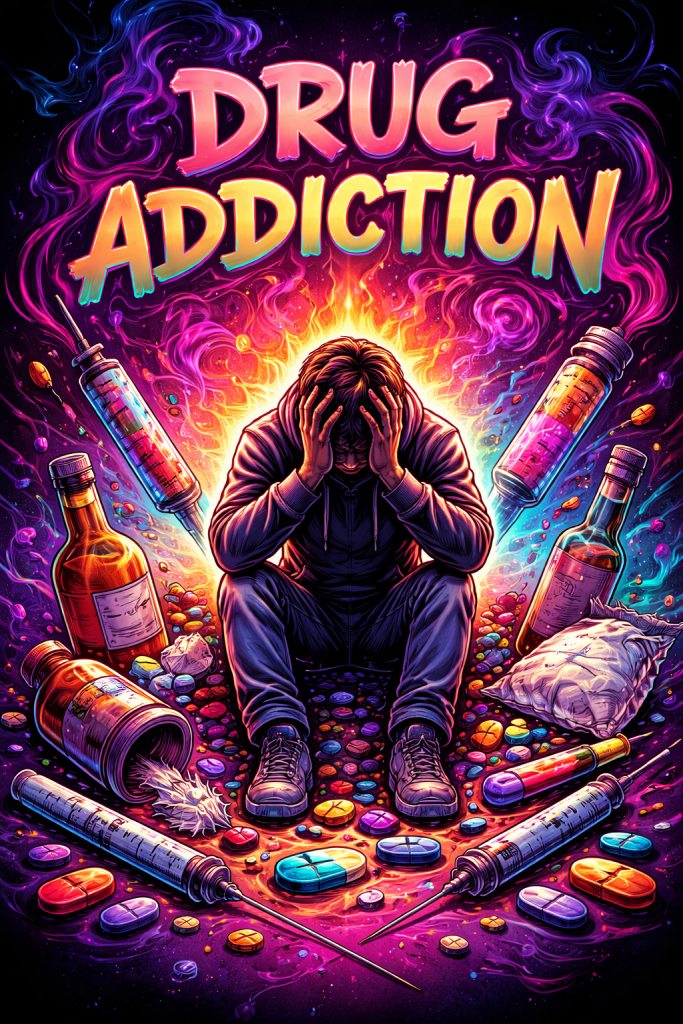
Drug Addictions — Drug Addictions facility in Islamabad, Pakistan

Drug addiction is a complex and serious health issue for individuals, families and communities. It is excessive, repeated use of manipulative people, places and things with harmful consequences that can lead to physical dependence and emotional trauma. Addiction can eventually take a toll on everyday life, relationships, and well-being.

Getting help is an essential step in the road to recovery. It is common for some individuals to seek for a trusted Drug Addictions center in Islamabad, Pakistan that deals with them through structured care and support. At The Hope Rehabilitation Center Islamabad, Pakistan we offer treatment that emphasizes safety, dignity, and long-term recovery. In this article, we will discuss drug addiction, its causes, and how professional rehabilitation can help people take control of their lives once again.

Understanding Drug Addiction

Drug addiction, called substance use disorder, is a disease that affects the brain and behavior. Drugs like opioids, stimulants, cannabis and prescription medications change the reward system of the brain, making it hard to stop using them without help.

Individuals may develop tolerance, which means that higher doses are needed to achieve the same effect. Dependency followed with more health risks can occur. Most Drug Addictions center in Islamabad Pakistan find a professional person who understands the purpose of addiction and provide them with medical as well as psychological care to leave addiction behind safely.

The Hope Rehabilitation Center Islamabad, Pakistan take an integrated approach to treat addiction We combine treatment of the mind with a spiritually charged and emotional approach.

What Causes Drug Addiction?

There is not one single cause of drug addiction. It is shaped by a mix of individual, environmental and biological factors.

Drug Addictions — Drug Addictions facility in Islamabad, Pakistan

Psychological Factors

Because stress, anxiety, depression or trauma may push people to use drugs as a self-medication.

Social and Environmental Influences

Exposure to drug use, peer pressure, and the easy availability of substances contribute to an increased risk of addiction.

Genetic and Biological Factors

Others are at higher risk because of family history or differences in brain chemistry.

An extensive evaluation at a Drug Addictions facility in Islamabad, Pakistan, is the first step toward discovering these factors and developing individualized treatment programs.

Symptoms and Signs of Drug Addiction

It is important to identify the symptoms of addiction early on.

Behavioral Symptoms

  • Frequent drug use or cravings
  • Neglecting responsibilities
  • Risk-taking behavior
  • Social withdrawal

Psychological Symptoms

  • Mood swings
  • Anxiety or depression
  • Difficulty concentrating
  • Irritability

Physical Symptoms

  • Loss of appetite or trouble sleeping
  • Fatigue or low energy
  • Longer periods without taking drugs withdrawal symptoms

Seek Help Always make sure if this sign is or not Past these signs seek Drug Addictions center in Islamabad, Pakistan to help you with and care.

Effects of Drug Addiction on the Health and Life

Physical health, mental well-being, and social relationships all suffer from drug addiction.

Physical Health Effects

Persistent drug use affects major organs, reduces immune function, and causes a higher risk of chronic conditions.

Mental Health Challenges

The adolescence of this group is characterized by increased emotional fragility, which are well-known correlates of anxiety, depression and addiction—making recovery all the more difficult.

Social and Lifestyle Impact

Even basic functions in life such as relationships, jobs or structure can become very challenging.

This being said, treatment programs at The Hope Rehabilitation Center Islamabad, Pakistan are tailored to overcome these challenges in all aspects.

Name of Drug Addictions Center Treatment Approaches

Now let us go into the details of how each step is involved in recovery from drug addiction.

1.     Medical Assessment and Detoxification

The first step is an in-depth assessment of the person’s health and history of substance use. In some cases, detoxification is a necessary step to safely process withdrawal symptoms.

A professional Drug Addictions center in Islamabad, Pakistan makes sure that detox is done by a doctor.

2.     Counseling and Behavioral Therapy

Therapeutic Approaches Addiction is complex, and often there are deeper feelings behind addiction that need to be seen.

Common therapy methods include:

  • Cognitive Behavioral Therapy (CBT)
  • Individual counseling
  • Motivational therapy

Therapy sessions at The Hope Rehabilitation Center Islamabad, Pakistan are designed to promote emotional healing and personal development.

3.     Group Therapy and Peer Support

Group therapy can be beneficial as it provides a support system for individuals to share experiences with and learn from others. This means less feeling isolated and more motivation in recovery.

4.     Relapse Prevention and Aftercare

Relapse prevention strategies aid in identifying triggers and controlling cravings. Counseling and guidance assistance are offered through aftercare programs.

The Drug Addictions treatment center Islamabad Pakistan in this structured plan will help you own up towards the long-term recovery.

Lifestyle Changes for Long-Term Recovery

You can only have a sustainable recovery with healthy changes in your lifestyle that are good for the overall well-being.

Key changes include:

  • Establishing a healthy daily routine
  • Practicing stress management techniques
  • Engaging in regular physical activity
  • Building supportive relationships
  • Setting realistic goals

The Hope Rehabilitation Center Islamabad, Pakistan guides individuals through the process of developing these habits as part of their recovery journey.

Family Support in the Recovery Process

Parents who support families because they contribute greatly to recovery. It will be easier for individuals to stay motivated if they have friends or family supporting them.

Family therapy sessions help improve communication and restore trust. As a part of holistic treatment, most programs at a Drug Addictions center in Islamabad, Pakistan involve family as well.

Frequently Asked Questions (FAQs)

1.     What is drug addiction?

Overview Drug abuse is when a person is dependent on drugs and cannot control the use of it.

2.     Tells of Drug Addiction: When is It Beginning?

Signs of this include which are increased cravings, changes in behavior and trouble managing day to day situations.

3.     Do I Need Detox in Order to Get Treat for My Drug Addiction?

Detox may be suggested so withdrawal symptoms can be managed safely prior to starting therapy.

4.     How long does addiction treatment take?

It is different for everyone; it depends on each person and the level of addiction.

5.     Is there an effective treatment for drug addiction?

A commitment to specialized treatment, therapy, and support can lead to a long-term recovery and an enhanced quality of life.

Conclusion

Substance use disorder is a severe disease that needs expert attention and an organized way of working towards sobriety. The simple fact is, if you don’t face these illnesses properly, it can impact every part of your life. However, with early intervention and appropriate treatment plan in place recovery is possible.

The The Hope Rehabilitation Center Islamabad, Pakistan privacy policy reflects the center’s sensitivity to caring for its users. Drug Addictions center in Islamabad, Pakistan uses a multi-stage method that focuses on medical healing, psychological health and continuing healing arranging.

Rapid Detox Treatment – Rapid Detox Center in Islamabad, Pakistan
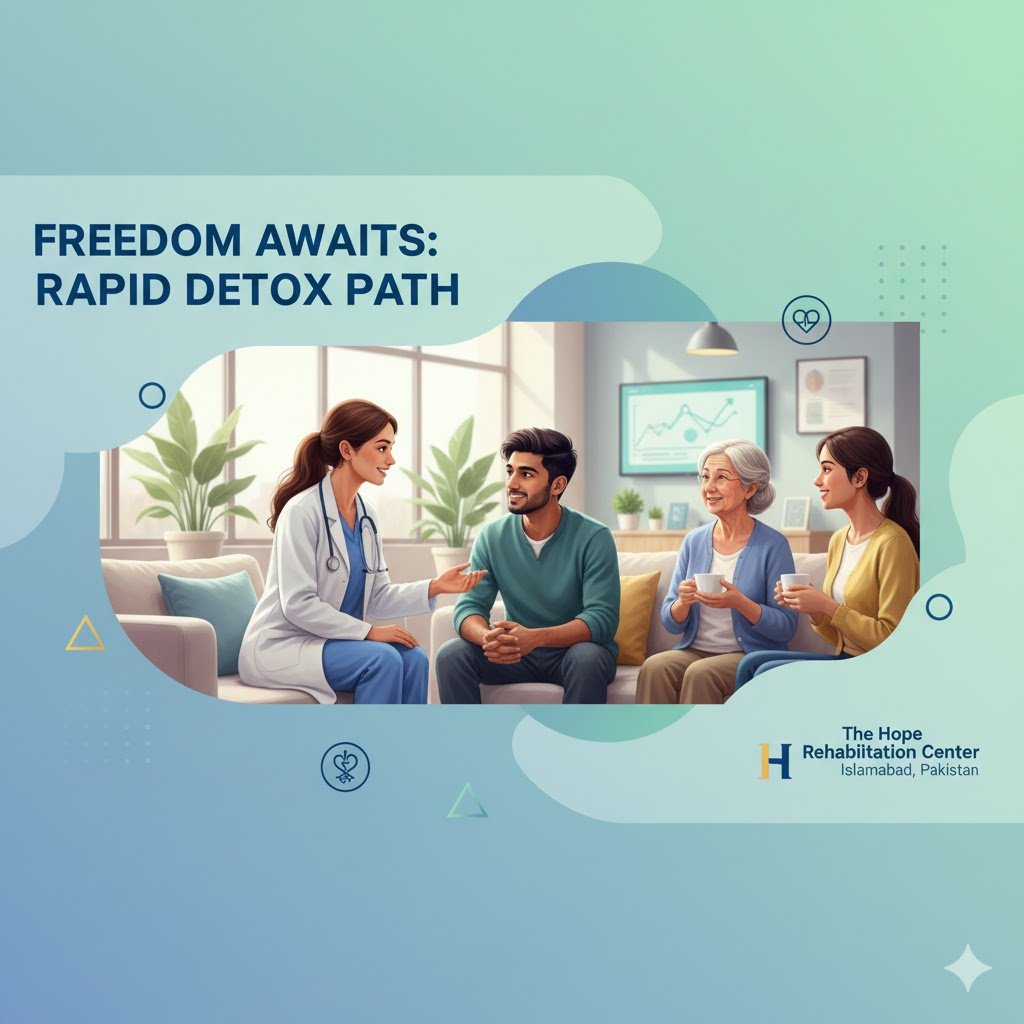
Rapid Detox Treatment

Rapid detox treatment is an innovative medical solution to help address withdrawal from substance use in the early stages of addiction recovery. It is often prescribed to those suffering from opioid or substance dependence and in need of close medical management while detoxing. Though detox is just the first step of recovery, it’s a crucial one to make someone ready for long-term rehabilitation.

The Hope Rehabilitation Center Islamabad, Pakistan,is for such people who need a place with clinical treatment and sympathy, so they can start their journey toward recovery. Most people seek and trust Rapid Detox Centre in Islamabad, Pakistan to get best from the detox process. In this article, we will discuss what rapid detox is, its advantages, and how it fits into a complete addiction treatment plan.

What Is Rapid Detox Treatment?

Rapid detox treatment is a medical supervised process that seeks to hasten the body’s journey through withdrawal. It is usually performed with rigorous clinical oversight of the patient to maintain safety. The aim is to alleviate the severity and duration of withdrawal symptoms, alongside supportive care.

Traditional detox methods may be slow and lengthy, whereas rapid detox aims to address withdrawal in a clinical environment. However, it must be clarified that detox is not itself an addiction treatment; it is the starting point for rehabilitation.

A professional Rapid Detox Centre in Islamabad, Pakistan ensures appropriate medical evaluation and monitoring for the entire period of detox.

Follow Us Why Medical Supervision Is Necessary for Rapid Detox

Rapid Detox Treatment

Detoxing is no easy feat, and for those who have used substances long-term, this process may also be physically or emotionally daunting. Rapid detox requires medical interventions and close monitoring by trained clinicians.

Managing Withdrawal Symptoms

Fighting the urge to use drugs can lead to withdrawal symptoms such as anxiety, nausea, restlessness and general discomfort. These symptoms are managed in a medical setting.

Ensuring Patient Safety

Some substances produce severe withdrawal responses. A controlled environment helps to minimize health risks and ensures immediate medical attention if required.

Stabilizing Physical Health

Rapid detox stabilizes the body so that people can progress into therapy and rehabilitation.

Detoxification at The Hope Rehabilitation Center Islamabad, Pakistan,Focuses on Safety and Patient Wellbeing

Who We Treat with Rapid Detox Treatment?

Rapid detox treatment can benefit individuals who:

  • Have become dependent on opioids or some specific prescription medications
  • Require medically supervised withdrawal
  • Have had struggles on past detox attempts
  • Requires structure Early recovery need structured environment

An extensive evaluation at a Rapid Detox Centre in Islamabad, Pakistan determines whether this method is suitable for the individual.

Basics of Rapid Detox Treatment

The rapid detox procedure itself consists of multiple stages and is performed in a safe, clinical environment.

1.     Medical Evaluation

The first step is a full evaluation of the person’s health; substance use history and current condition. This assessment can help health care professionals develop an appropriate detox regimen.

2.     Supervised Detox Process

During detox, the body starts to remove substances as medical professionals observe vital signs and treat withdrawal symptoms. The duration and intensity of detox differ depending on each individual.

This stage needs to be carefully handled for minimizing risks & discomfort and a Rapid Detox Centre in Islamabad, Pakistan does just that.

3.     Supportive Care and Monitoring

Continuous monitoring is necessary to consider the progress and respond to any complications. Supportive care can also involve hydration, nutritional support and symptom management.

4.     Transition to Rehabilitation

Rehabilitation programs which focus on psychological aspects of addiction are recommended after detox. Detoxification alone is not enough for a recovery to last.

At The Hope Rehabilitation Center Islamabad, Pakistan,patients are directed towards therapy and counselling to enable a long-lasting recovery.

Importance of Therapy After Detox

Detox takes care of the physical part of addiction, and yet psychological and behavioral factors have a big part to play too. So, it is critical to continue treatment after detox in order to achieve success long-term.

Behavioral Therapy

Individuals learn about their triggers, and how to cope with them in a healthier manner through therapy.

Counseling Sessions

Individual counseling is helpful in terms of providing emotional support and identifying underlying issues relating to substance use.

Group Support

But peer support groups provide community and create accountability during all stages of recovery.

Many treatment protocols at a Rapid Detox Centre in Islamabad, Pakistan may feature one or more of these components.

Advantages of Selecting a Professional Rapid Detox Facility

Why this is better than going to a regular therapist/specialist.

Safe and Controlled Environment

A preventive environment provides a continuum of care.

Medical Expertise

DTG providers like The Cabin are trained healthcare professionals who ensure detox is completed safely and efficiently.

Personalized Care Plans

Everyone gets a treatment plan specific to their needs and health status.

Support for Long-Term Recovery

Detox progresses into therapy and aftercare for continued support.

Care is given with safety, dignity, and ongoing well-being at The Hope Rehabilitation Center Islamabad, Pakistan,

Lifestyle Changes After Rapid Detox

Detox does not, in and of itself, constitute recovery. While you may already have some healthy habits in place, it is key to be consistent with them and do your best to replace unhealthy ones.

Important lifestyle changes include:

  • Establishing a daily routine
  • Practicing stress management techniques
  • Engaging in physical activity
  • Building supportive relationships
  • Avoiding triggers and high-risk environments

These shifts allow people to restore balance and minimize the chances of regression.

Once you have completed a drug addiction forensics training program, there is much to be gained from integrating with your family.

Role of Family Support in Addiction Recovery

The Role of Family Support in Addiction Recovery Motivating factors include words from friends and family.

Family counseling sessions help with communication and relationships. Family involvement tends to be a part of most programs at a Rapid Detox Centre in Islamabad, Pakistan, helping individuals stay committed to long-term healing.

Frequently Asked Questions (FAQs)

1.     What is rapid detox treatment?

Rapid detox is a medically supervised process that uses medication to ease withdrawal symptoms in a controlled, accelerated setting.

2.     Is rapid detox safe?

When done in a professional facility with experienced medical staff, rapid detox can be safe.

3.     How long does rapid detoxification take?

The length of time varies as it depends on the person’s condition, and what substance they used.

4.     Does rapid detox cure addiction?

No, detox is the first step. Then long-term recovery takes therapy, counseling and lifestyle changes.

5.     Who might be a good candidate for quick detox treatment?

This is beneficial for patients with substance dependence and who need withdrawal in a medically supervised setting after an evaluation.

Conclusion

Substance dependency treatment begins with a rapid detox procedure. This allows you to prepare for continued rehabilitation and sobriety long term while managing withdrawal symptoms in a controlled environment.

Rehabilitation centers like The Hope Rehabilitation Center Islamabad, Pakistan,offer supervised and empathy-driven treatment catering to individual requirements. Rapid Detox Centre Programs in Islamabad, Pakistan are done under medical supervision with emotional support and continued rehabilitation.

Alcohol Addiction – Islamabad, Pakistan’s Alcohol Addiction Treatment Center

Alcohol Addiction – Islamabad, Pakistan's Alcohol Addiction Treatment Center

Alcohol use disorder, or alcohol addiction, is a serious health problem that affects both your body and mind. Alcohol is okay in a lot of social situations, but using it too much and for too long can make you dependent on it, which can hurt your relationships, work performance, and overall quality of life. Recognizing the signs of alcohol addiction and getting help as soon as possible is a big step toward getting better.

 The Hope Rehabilitation Center Islamabad, Pakistan are two places that offer structured and caring care for people who have substance use disorders. A lot of people and families look for a trustworthy alcohol addiction treatment center in Islamabad, Pakistan, where they can get professional help in a safe and supportive setting.

This article explains alcohol addiction clearly, including its causes, symptoms, effects, and the importance of getting professional help to stay sober for a long time.

Understanding Alcoholism

An alcoholic is someone who is dependent on alcohol and can’t stop drinking even when it hurts them. The body and brain get used to alcohol over time, which makes them tolerant and causes withdrawal symptoms when drinking is cut back or stopped.

People who are addicted to alcohol may feel like they have to drink, even if it hurts their health, relationships, or responsibilities. Getting help from an alcohol addiction treatment center in Islamabad, Pakistan can give you the structure and direction you need to deal with this problem well.

Alcohol Addiction – Islamabad, Pakistan's Alcohol Addiction Treatment Center

What Makes People Addicted to Alcohol and What Makes Them More Likely to Do It

There isn’t just one reason why people become addicted to alcohol. A mix of personal, social, and mental factors often leads to it.

Stress that affects your emotions and mind

A lot of people drink alcohol to deal with stress, anxiety, or emotional problems. This way of dealing with things can make you

dependent over time.

The environment around you

Peer pressure, cultural norms, and easy access to alcohol can all make it more likely that someone will use drugs regularly and become addicted.

Genetic and Biological Factors

Some people may be more likely to become dependent on alcohol because of their genes or differences in the chemistry of their brains.

At  The Hope Rehabilitation Center Islamabad, Pakistan, treatment plans are made to deal with these underlying issues so that real recovery can happen.

What to Look for if You Think You Have an Alcohol Problem

It’s important to know the signs of alcohol addiction so you can help someone early on.

1.     Signs of Behavioral Problems

  • Drinking too much or too often
  • Hard to control drinking habits
  • Not taking care of personal or work duties
  • Drinking even though it has bad effects

2.     Mental Health Symptoms

  • Mood swings or irritability
  • Feeling anxious or sad
  • Strong desire for alcohol
  • Struggling to concentrate or make choices

3.     Symptoms in the body

  • Problems with sleep
  • Changes in how hungry you are
  • Being tired or having low energy
  • Symptoms of withdrawal include sweating or feeling restless.

    People who have these symptoms should go to an alcohol addiction treatment center in Islamabad, Pakistan, where they can get the right care and advice.

Long-Term Alcohol Use and Its Effects on Health

Long-term drinking can have negative effects on many areas of health.

Effects on Mental Health

Drinking can make you anxious, depressed, and emotionally unstable. It could also make mental health problems that are already there worse.

Risks to Physical Health

Long-term drinking can harm the liver, heart, and immune system. It could also cause a lack of nutrients and make your health worse overall.

Effects on social and lifestyle

Addiction to alcohol can hurt relationships, make you less productive, and make it hard to do everyday things.

The treatment programs at  The Hope Rehabilitation Center Islamabad, Pakistan focus on both the physical and mental effects of drinking.

Ways to Treat Alcohol Addiction

A structured and thorough approach is usually needed to get over an alcohol addiction.

1.     Medical Evaluation and Detoxification Assistance

The first step is often a thorough look at the person’s health and how much alcohol they drink. Detoxification may be suggested to safely deal with withdrawal symptoms while under medical supervision.

2.     Counseling for mental health

Therapy sessions help people figure out why they drink and come up with better ways to deal with stress.

Some common methods are:

  • Cognitive Behavioral Therapy (CBT)
  • Counseling for motivation
  • Therapy for behavior

These treatments help people change their behavior for a long time.

3.     Group therapy and support from peers

People can share their experiences and learn from others who are going through the same things in group sessions.

Peer support is a common part of programs at  The Hope Rehabilitation Center Islamabad, Pakistan. It helps people stay motivated and responsible.

4.     Ways to Prevent Relapse

To stay sober, you need to learn how to deal with triggers and cravings. Rehabilitation programs give you useful tools for dealing with dangerous situations.

A structured plan from an alcohol addiction treatment center in Islamabad, Pakistan can help people stay sober for a long time.

Changes in lifestyle for long-term recovery

Getting better isn’t just about quitting drinking; it’s also about making your life healthier.

Changes that are helpful are:

  • Setting up daily routines
  • Using stress management techniques
  • Doing things that require physical activity
  • Making connections that help
  • Making personal goals that are possible

    People at  The Hope Rehabilitation Center Islamabad, Pakistan are helped to make healthy changes to their lives that will help them get better.

How Family Support Helps with Recovery

Family support can help you feel better and keep things stable while you recover. Addiction can hurt relationships, and rebuilding trust is an important part of getting better.

Family counseling sessions help people talk to each other better and make the home a safe place for long-term recovery. Family support is a big part of many programs at an alcohol addiction treatment center in Islamabad, Pakistan.

Questions That Are Often Asked (FAQs)
1. What does it mean to be addicted to alcohol?

Alcohol addiction is when a person becomes dependent on alcohol and has trouble controlling how much they drink.

2. What are the first signs that someone is addicted to alcohol?

Some early signs are needing more alcohol, drinking a lot, wanting to drink, and having trouble keeping up with responsibilities.

3. Is detox a necessary part of treating alcohol addiction?

Detox may be suggested to help people who are going through withdrawal symptoms, especially if they have been drinking heavily or for a long time.

4. What do you do to help someone who is addicted to alcohol?

Most of the time, treatment includes medical help, counseling, therapy sessions, and ways to keep from relapsing.

5. Can family help people get better faster?

Yes, having a supportive family can help people stay motivated and stay sober for a long time.

In conclusion

Alcohol addiction is a complicated disease that can affect every part of a person’s life. It might start out as occasional or social use, but over time it can turn into a dependence that causes problems in your body, mind, and social life.

 The Hope Rehabilitation Center Islamabad, Pakistan and other places like it offer structured care for people who want to get better. An alcohol addiction treatment center in Islamabad, Pakistan offers programs that focus on medical help, counseling, and planning for long-term recovery.

Methadone Addiction Treatment | Methadone addiction treatment in Islamabad Pakistan
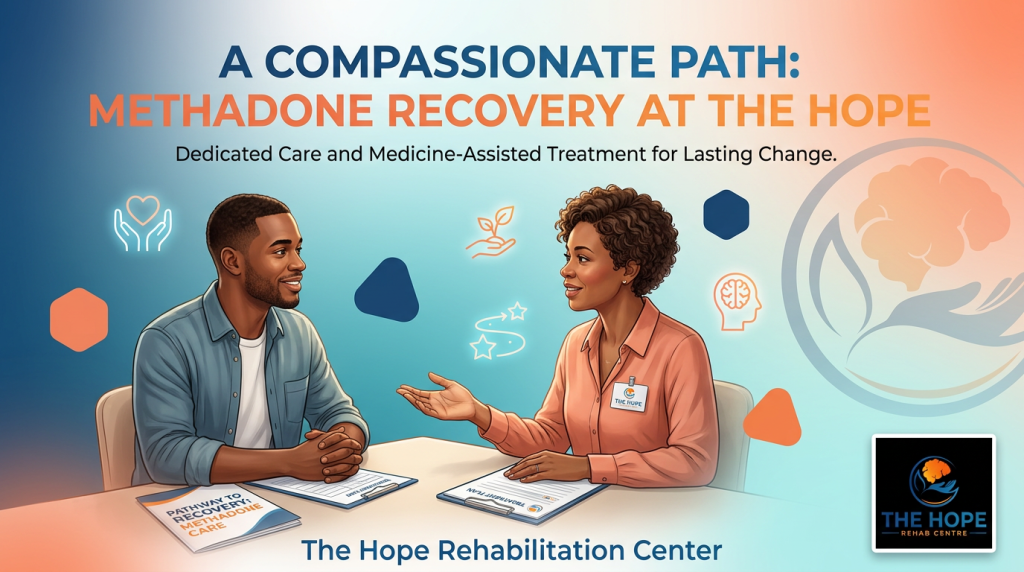
Methadone addiction Treatment

Prolonged use of the medication methadone for maintaining opioid dependency; using plenty of methadone sufficient to orbit in limbs to hinder the convection within it. Although it can be useful in a supervised, clinical setting, long-term or unsupervised use carries the risk of dependence. People who are dependent on methadone can experience physical, emotional and behavioral issues that inhibit their lifestyle.

In Recovery and Getting Help Seeking help from a professional is an important step in the recovery process. A systematic method of Methadone addiction Treatment in Islamabad Pakistan considers safe detox, psychosocial assistance and long-term rehabilitative schemes. Treatment programs at The Hope Rehabilitation Center Islamabad Pakistan encompass ethical care and clinical supervision, guiding patients through their journeys of recovery.

Learning more about methadone addiction and treatment options may help individuals and families make informed choices regarding care.

Understanding Methadone Dependence

Methadone acts on the same receptors in the brain that other opioids do, thereby reducing cravings and withdrawal symptoms. But if the drug is misused or taken long-term without medical supervision, it can create physical dependence.

Methadone addiction Treatment

People who are dependent on methadone might find it difficult to function properly without the drug. Your body gets used to it, and after some time, you find it very hard to give up without having withdrawal symptoms.

Getting professional Methadone addiction treatment in Islamabad Pakistan starts with a thorough assessment to see the individual’s medical history, patterns of consumption and general health condition.

Methadone Addiction: Signs and Symptoms

Symptoms of Methadone Addiction and Understanding the Condition Symptoms depend on how long and how much someone has been using but typically include:

  • Persistent cravings for methadone
  • Difficulty reducing or stopping use
  • Drowsiness or fatigue
  • Changes in mood, including irritability or depression
  • Reduced motivation or social withdrawal

Methadone addiction treatment in Islamabad Pakistan ensures that once such symptoms start affecting daily life — professionals can help break those cycles.

Health Risks Associated with Methadone Misuse

While methadone is used in medical settings, its misuse can be associated with various health issues. Extended or unmonitored use can impact physical and mental health.

Possible health risks include:

  • Respiratory issues or slowed breathing
  • Cognitive issues like poor concentration
  • Emotional instability
  • Greater likelihood of developing a dependency on other drugs

These risks are carefully evaluated by health professionals at The Hope Rehabilitation Center Islamabad, Pakistan, and personalized treatment modules which cover the physical and psychological facets of addiction are designed.

In Islamabad Pakistan Balanced Methadone addiction treatment, the whole health is being totally restored (both physical and psychological) while preventing anyone from experiencing withdrawal symptoms.

Treatment Approaches for Methadone Addiction

A good methadone use therapy plan also should include medical assistance, psychotherapy and affective help. The treatment plan for each patient is customized to meet their needs.

Medical Detox and Monitoring

The first stage of treatment is detoxification (detox). At this point, the individual gradually adapts to operating without methadone. Withdrawal can happen, which is where medical supervision comes into play.

The Hope Rehabilitation Center Islamabad Pakistan provides detox programs for patients in a controlled setting, combines professional monitoring and supportive care.

The leading Methadone addiction treatment in Islamabad Pakistan approach involves detox in a structured environment, which helps ensure the substance withdrawal process is safe and as comfortable as possible.

Behavioral Therapy

At the heart of addiction treatment are behavioral therapies directed at addressing and treating the underlying causes. For example, Cognitive Behavioral Therapy (CBT) encourages people to recognize toxic thought patterns and build better coping strategies.

The therapy sessions are also aimed at managing stress, regulating emotions and building resilience.

Professional Methadone addiction treatment in Islamabad Pakistan treatment program involves behavioral therapy along with medications in order to help you achieve long-term recovery.

Individual and Group Counseling

Counseling sessions create a safe environment for discussing personal issues and emotional triggers surrounding substance use. Group therapy also provides peer support and can help with feelings of isolation.

Counseling programs at The Hope Rehabilitation Center Islamabad, Pakistan, are structured to foster open communication and emotional healing while maintaining client confidentiality.

Creating a Recovery Atmosphere Within Your Home

Here are some reasons why this is so: Recovery Oriented Development Individual recovery is most productive when the re-entering members can be stabilized in a conducive environment. This can make it very difficult to know what is real, people in a loved one may be involved in causing that pain and at the same time still seeking help.

At The Hope Rehabilitation Center in Islamabad, Pakistan patients are asked to take part in therapy sessions, wellness activities and educational programs that aid the journey of recovery.

The Methadone addiction treatment in Islamabad Pakistan program has a dedicated group of professionals who specialize in this area and are committed to providing you with the support needed to conquer your addiction.

Long-Term Recovery and Relapse Prevention

While finishing treatment is a significant step, repercussions carry on past the fading of the final rounding up — and long-haul recuperation expects extra exertion and support. Relapse prevention approaches assist people pay attention to their development and not slip back into a substance use.

These strategies may include:

  • Identifying and managing triggers
  • Developing healthy daily routines
  • Continuing therapy and follow-up care
  • Engaging family and social support systems

At The Hope Rehabilitation Centre Islamabad Pakistan, long-term recovery planning is an integral component of the treatment. Patients are encouraged to develop long term habits conducive to a healthier life style.

The main focus of a complete program for Methadone addiction treatment in Islamabad Pakistan is to ensure that individuals remain stable and self-assured on their road to recovery.

Frequently Asked Questions (FAQs)

1.     What is methadone addiction?

Methadone addiction is when a person is dependent on the medication and finds it challenging to stop using the same despite harmful effects.

2.     Is methadone safe when used for medical purposes?

Methadone is a drug that can be relatively safe if used with appropriate medical oversight. But its misuse or prolonged unsupervised use can lead to dependence.”

3.     How is methadone addiction treated?

This may include medical detox, behavioral therapy, counseling, and longer-term recovery support.

4.     How Long Does Methadone Treatment Last?

The length of time varies, as it depends on the person’s state, history of drug use and response to treatment.

5.     Is full recovery from methadone addiction possible for people?

Rehabilitation takes time, and with proper treatment and support, you can pave the way for a more stable and fulfilling life.

Conclusion

These include both physical and emotional challenges that methadone addiction can bring. Methadone is used for medical purposes but can lead to dependence if not taken properly.

Methadone addiction treatment in Islamabad Pakistan offers professional care and structure to those reaching out for their first efforts toward recovery. Patients are guided through their addiction, allowing them to tackle the physical and psychological challenges that can arise during recovery with medical supervision, therapy and counselling.

Treatment programs at The Hope Rehabilitation Center Islamabad, Pakistan are developed from an ethical perspective emphasizing patient welfare, safety and long-term recovery. The center takes a compassionate approach, providing individuals with the tools they need to pursue a more promising future

Family Support Program | Best rehab center in Islamabad Pakistan

Family Support Program | Best rehab center in Islamabad Pakistan

Addiction and mental health issues very rarely affect just one person. They can have a pervasive impact on the whole family, generating emotional traumas, causing confusion and uncertainty for others. An organized family support program can be crucial in assisting families to comprehend the recovery journey and facilitate their loved one in it.

A reputable rehabilitation facility understands the healing process incorporates more than just taking care of the individual. Seems unlikely coming from a best rehabilitation center in Islamabad Pakistan that a trusted best rehabilitation center should promote family involvement, education, and emotional support programs. These programs teach family members how to better communicate with people in treatment, manage their stressful feelings and aid a successful recovery process.

Family Support Programs at The Hope Rehabilitation Center Islamabad, Pakistan support and strengthen relationships, raise awareness on addiction and mental health issues, and foster a supportive environment conducive to long-term recovery.

The Role of Family Support in Recovery: Why It Matters

When someone suffers from addiction or mental health problems, family members are often directly affected. They might feel emotional pain, frustration, or confusion about how to help.

Family Support Program | Best rehab center in Islamabad Pakistan

An organized family support program can educate and guide families to give them a better perspective of what their loved ones go through. Best rehabilitation center in Islamabad Pakistan will help you involve your family members and support them to avoid revealing information that should be kept confidential.

A deeper understanding of addiction and recovery among families leads to supportive guidance instead of inadvertent stress or conflict.

Essential Elements of a Family Support Program

Family support typically focuses on helping loved ones understand the disease of addiction and gives them practical tools to support recovery in a healthy manner.

Family Education Sessions

Education is key in family support. During these meetings, families receive education about addiction and mental health disorders, treatment approaches and what to expect in recovery.

At The Hope Rehabilitation Center Islamabad Pakistan, family members are educated on how substance use impacts both the mind and behavior. So, learning about these topics can help replace misconceptions with knowledge and empathy.

A professional rehabilitation center in Islamabad Pakistan employs educational programs to enable families to become informed and productive members of the recovery process.

Family Counseling

Family counseling offers a safe and structured environment for relatives and their ill family members to communicate anxieties and restore trust. This can create anxiety, communication barriers or emotional distance within family members.

Guided counseling sessions teach families healthier ways to resolve conflict, express their feelings and communicate.

Family therapy in the best rehabilitation center in Islamabad Pakistan is dedicated to healing and rediscovering emotional bonds.

Emotional Support for Family Members

Families themselves can bear the emotional burden of supporting a loved one through recovery. During this time, there are numerous feelings of stress, panic and helplessness.

Programs where family (relatives) get an opportunity to share their story with trained professionals and are able to gain insight from prospects. Here at The Hope Rehabilitation Center Islamabad, Pakistan, we provide emotional support to assist families in overcoming difficulties and preserving their strength.

By providing support to the family unit, it creates a more controlled environment for the patient in recovery.

Improving Communication Within Families

This kind of communication is central to long-term recovery. When families practice healthy communication, it lessens the chances of conflict when navigating challenges.

Rehabilitation specialists frequently explain communication methods like:

  • Active listening and empathy
  • Setting healthy emotional boundaries
  • Encouraging honest conversations
  • Addressing problems calmly and constructively

A well-organized Best rehabilitation center in Islamabad Pakistan, already has this communication strategies included in their family programs to build better supportive connections.

At The Hope Rehabilitation Center Islamabad, Pakistan therapists will guide entire families towards building trust and understanding while always respecting each member’s emotional needs.

Supporting Long-Term Recovery

Support Extended for the Treatment Completed Family Persistent support and empathy can allow a person to cope with their progress or prevent them from reverting back.

Those who participate in support programs often learn to detect early indicators of maladaptive behavior or substance use. They also learn practical ways to promote healthy routines and keep the lines of communication open.

A good rehabilitation center in Islamabad Pakistan allows for and indeed promotes continuing family involvement, as stable relationships can be critical to all aspects of long-term recovery.

The Hope Rehabilitation Center Islamabad, Pakistan provides education sessions for families to stay involved in recovery process through continued counseling and guidance.

Creating a Positive Home Environment

Having a positive home environment can have a major impact on recovery outcomes… Patients who understand addiction and mental health challenges have families that can offer encouragement and stability.

Promoting positive lifestyle practices like maintaining schedules, engaging in healthy hobbies and encouraging open exchanges on feelings may help people remain focused on their road to recovery.

Building healthy relationships is critical to the healing process, which is why family support programs are so important at The Hope Rehabilitation Center Islamabad, Pakistan.

First-rate Best rehabilitation center in Islamabad Pakistan understands recovery is best when family participants offer their assistance and aid you to form connection bonds if integral.

Frequently Asked Questions (FAQs)

1.     What is a family support program in rehab?

A family support program is a type of fine-tuning strategy for families, designed to educate and lead members of the family so they can gain insight into addiction, mental health conditions, and recovery.

2.     Why is it important to be involved for family in recovery?

The impact of family involvement can include motivation for sobriety, emotional and psychological support, better communication, and a stable living environment that fosters long-term recovery.

3.     Do family members get to be a part of counseling session?

Yes. A close relative can also encourage them to attend counseling at a rehab center where they can help patients and families discuss their issues, restore trust in each other with expert guidance from professionals.

4.     How does family program prevent relapses?

Family programs teach relatives to spot early warning signs and foster healthy routines that can help foster stability during recovery.

5.     Are family support programs confidential?

Yes. International institutes preserve strict confidentiality, ensuring all therapies and sessions honor the patient’s identity.

Conclusion

Programs for families are vital to the recovery process for those struggling with substance or mental health issues. These programs create long-term healing through education, communication, and emotional support of the family.

Trusted Best rehabilitation in Islamabad Pakistan understands that few things are going to be less than the beginning of treatment, which means repeat your relationships (with family and friends) around you.

Family support programs at The Hope Rehabilitation Center Islamabad, Pakistan are delivered with compassion, professionalism, and respect. In education and counseling with continued support, families and patients can strive toward better relationships and workable recovery.

Online Treatment Sessions | Rehabilitation Center in Islamabad

Online Treatment Sessions | Rehabilitation Center in Islamabad

Local mental health and addiction treatment availability has changed considerably in the last couple years. Online therapy sessions are one of the most significant advancements in healthcare services. These sessions enable people to obtain guidance, counseling, and emotional support from qualified specialists in the comfort of their own homes without needing to go into a treatment facility.

For people with mental health or substance abuse problems, remote care can be a convenient and private way to begin the road back. Flexible treatment options in a trusted Rehabilitation Center in Islamabad give patients hope, especially when things go against them. Online treatment sessions at The Hope Rehabilitation Center Islamabad Pakistan are structured so as to maintain the best professional standard of care whilst maintaining patient confidentiality.

Online treatment programs make it easier for individuals to access the support they need by integrating modern technology with evidence-based therapeutic techniques, which can help them continue their daily responsibilities.

Understanding Online Treatment Sessions

Online treatment sessions, also known as teletherapy or virtual counseling, where patients chat with healthcare professionals on secure digital platforms. In these sessions therapists, psychologists, and Counselors administer guidance, therapy and follow up may be remote.

While a professional Rehabilitation Center in Islamabad could provide online sessions as part of it. This makes it easier with people who can not attend in person either due to distance, health or scheduling concerns.

Online sessions often consist of structured therapy conversations, mental health assessments and regular progress evaluations. Now the format is virtual, but the clinical principles are identical to what would have been used in traditional counseling environments.

Advantages of Web Based Therapy for Psychological Wellness and Addiction

Online treatment has played a key role for people needing help with addiction recovery and mental health disorders. It has a number of practical benefits that make treatment more accessible.

Increased Accessibility

Many people may be living far away from the treatment facilities, or might have mobility limitations. These barriers are eliminated in online treatment sessions, as patients can communicate with healthcare professionals from the comforts of their home.

A Rehabilitation Center in Islamabad that offers online helps individuals from different provinces to get professional mental health support.

Greater Privacy and Comfort

Some prefer to discuss sensitive job-related issues in an environment with which they are familiar. Remote therapy adjustments enable patients to communicate freely with therapists while preserving privacy.

Confidentiality and ethical treatment practices remains at the core of Islamabad Pakistan The Hope Rehabilitation Center’s in-person and online programs.

Flexible Scheduling

Therapy online can also entail greater flexibility in booking sessions. This can be especially beneficial for those who are juggling work, education and/or family commitments.

A trustworthy Rehabilitation Center in Islamabad designs the treatment process in a way that patients do not have to risk their day-to-day practices.

Types of Online Therapy Services

Teletherapy sessions can take multiple forms of therapeutic support, which will depend on the patient’s individual needs and treatment aims.

Individual Counseling

In individualized counseling, patients can speak to a counselor about personal struggles, emotional issues or objectives related to their treatment. These sessions frequently center on recognizing triggering situations, coping with stress and developing strategies to cope.

Behavioral Therapy

One approach used in many online treatment programs is known as behavioral therapy (for example, Cognitive Behavioral Therapy, or CBT). These approaches can support people to understand the patterns of thought that lead to behaviors and develop more constructive responses to stress or emotional triggers.

Addiction Recovery Counseling

Online therapy sessions for addiction counseling can help someone who is just starting their recovery or in active treatment as a supplement to their inpatient treatment.

In these therapies, a professional Rehabilitation Center in Islamabad integrates to help achieving not only mental health stability but also substance recovery.

The Role of Online Sessions in a Holistic Treatment Approach

Rehabilitation services tend to be balanced with online treatment sessions. Virtual therapy could be a stepping stone for some toward getting in-person treatment later, if necessary.

The Hope Rehabilitation Center Islamabad, Pakistan also offers online programs to enhance conventional rehabilitation services. Patients can access counseling, advice and follow-up care also through internet sessions while continuing other elements of their treatment plan.

A Leading Comprehensive Rehabilitation Center in Islamabad that guarantees patients proper guidance and help for the whole duration of recovery, whether the sessions happen online or on-ground.

Maintaining a Professional Standard of Care Online

Professionalism, secure communication systems and ethical practices are essential to effective treatment online. It’s vital for healthcare providers to make sure patients are not only comfortable but feel respected and supported the entire way through.

Online treatment sessions at THE Hope Rehabilitation Center Islamabad, Pakistan, abide by strict confidentiality rules and professional norms. Therapists also creates an environment that is structured, patient and open to discussion in each session.

A reputable Rehabilitation Center in Islamabad realizes that digital care ought to be as proficient and patient-centered as ordinary treatment settings.

Gradual Recovery by Online Follow-Up

Online treatment sessions can also be an important aspect of long-term recovery and aftercare. Since long-term, heavy substance abusers may complete intensive treatment programs and find ongoing counseling beneficial for maintaining emotional stability and not returning to addictive behaviors.

Virtual follow-up sessions keep patients connected with therapists and counselors who understand their recovery process. These types of continued dialogue can also help with stress management, adjusting to life changes and keeping healthy coping mechanisms.

Online follow up is commonly used to bridge the gap between structured rehabilitation and independent living at The Hope Rehabilitation Center Islamabad, Pakistan.

Frequently Asked Questions (FAQs)

1.     What are online treatment sessions?

Online treatment sessions refer to counseling or therapy appointments that take place virtually over secure online platforms, enabling patients to access mental health professionals from the comfort of their homes.

2.     Do online therapy sessions help with addiction recovery?

Session help online, can act as a really vital support in addiction restoration through counselling, guidance or other recovery plans.

3.     Who is online treatment sessions good for?

Online counseling and therapy services can be useful for people who are struggling with mental health issues, emotional distress, or problems with addiction.

4.     Are online therapy sessions confidential?

Yes. A professional Rehabilitation Center in Islamabad also always makes sure to keep strict confidentiality guidelines for online sessions and protect patient privacy.

5.     Is it possible to substitue in-person rehabilitation programs with online therapy?

Online therapy may supplement conventional treatment programs, but depending on the individual in terms of severity and care may need to be delivered face-to-face.

Conclusion

Now, online treatment sessions are an invaluable tool in the modern care of mental health and addiction. But, by offering virtual access to qualified counseling and therapeutic support, treatment options can remove hurdles to getting professional help and allow the journey of recovery to commence in one’s own time in a supportive environment.

A well-reputed Rehabilitation Center in Islamabad understands the importance of merging technology with sympathy to approach people who might not have approached for help otherwise. Internet sessions also make it easier for patients to continue seeing therapists, keeping progress going and having ongoing guidance.

Online treatment programs at The Hope Rehabilitation Center Islamabad, Pakistan are organized to deliver ethical, patient-centered support while inspiring professional standards of care. By utilizing a combination of both types of services, individuals have access to the support they need to pursue mental health and wellness.

Mindfulness Therapy for Pain and Illness Management | Mental rehabilitation center in Islamabad Pakistan

The pain and disability of chronic disease can interfere with the quality of life, including physical and emotional or behavioral health. The role of Mindfulness therapy in addressing the psychosocial aspects of stress, and consequently improving health outcomes beyond traditional medical management of pathology, is being increasingly acknowledged. At The Hope Rehab Centre -one of the best mental rehabilitation center in Islamabad Pakistan -, mindfulness therapy is incorporated into patient care regimens to help them cope up with pain, illness and related emotional challenges.

What is Mindfulness Therapy?

Mindfulness-based therapy is a type of psychological intervention that focuses on being present in the moment without judgment. Mindfulness derives from early meditation, and has been used in contemporary therapy to treat various psychiatric and health problems.

Mindfulness therapy, using methods such as guided meditation, body scanning and breathing exercises, can assist people to:

  • Increase awareness of bodily sensations
  • Reduce emotional reactivity to pain
  • Accept ongoing health challenges GOOP Be OK with it happening.
  • Provide means of coping with chronic illness

Through concentrating attention on current experience attentiveness to thoughts related to the pain, and sensations associated with a predisposition toward reactance against the perception of individual sensations.

Mindfulness in Pain Management

Chronic pain is a multi-dimensional process involving physical as well as emotional variables. Studies indicate that mindfulness therapy may get patients to stop fighting their pain so much and accept it instead, which can have a profound effect on the way they perceive pain.

Key mechanisms include:

  • Decreased Pain Catastrophizing – Meditation helps patients become a objective observer of pain, and not attach or allow negative thoughts to escalate.
  • Better Emotional Regulation – Mindfulness fosters a sense of peace and prevents anxiety or depression from making pain worse.
  • Facilitating Neuroplasticity – Patients can use mindfulness to impact brain pathways in such a way they have better pain responding behaviors.

More about our Programme At The Hope Rehab Centre, clients are supported to practice structured mindfulness programs to suit their specific level of pain in order to use them safely and effectively alongside other rehab approaches.

Mindfulness Therapy for Chronic Illness

In addition to pain, mindfulness-based therapy has been found to be helpful for a number of chronic conditions like diabetes, heart disease and autoimmune disorders. Chronic disease can exacerbate emotional stress, fatigue, and sleep disturbance—all of which can exacerbate physical symptoms.

Mindfulness helps patients:

  • Lower stress hormone levels
  • Improve sleep quality
  • Increase adherence to medical regimens
  • Foster resilience to cope with chronic health issues

Introducing exercise science with mindfulness in the treatment at The Hope Rehab Centre, one of the leading mental rehabilitation centre in Islamabad Pakistan is helpful for patients to recover actively and improve well-being.

Techniques Used in Mindfulness Therapy

Mindfulness-based therapy is an umbrella term for a number of techniques that aim to enhance mental focus, emotional resilience and physical awareness. Common techniques include:

  • Guided meditation: Patients follow auditory instructions to concentrate on breathing or visualisation.
  • Body Scan: Focus is progressively shifted to specific regions of the body, with attention focused on bodily experiences without judgment.
  • Conscious Breathing: Deep, slow breathing creates a feeling of calm that counters stress and tightness.
  • Mindful Movement: Delicate exercises like yoga or stretching increase awareness of the body and relax muscles.
  • Cognitive awareness exercises: Noticing thoughts and feelings without identification to decrease harmful mental process.

These methods are tailored to the patient, so that mindfulness therapy is a flexible and individually focussed treatment.

Advantages of Mindfulness Therapy for Recovery

Mindfulness therapy is an important part of any recovery, more so for long-term illness or chronic pain. Key advantages include:

  • Reduced anxiety and depression
  • Improved pain tolerance and comfort
  • Improved ability to deal with emotions and stress
  • Better sleep and energy regulation
  • Increased participation in physical therapy and recovery exercises

Mindfulness therapy offers an alternate solution to traditional medical intervention that allows patients accessible, hands-on ways of managing stress and pain through a focus on body awareness, thought, and emotion – thus aiding in bringing forward holistic practices in health.

How Mindfulness Therapy Is Done At Hope Rehab Centre

Mindfulness treatment is fully integrated with all other components of the patient’s care plan at The Hope Rehab Centre, so a range of medical and psychological support can be offered. The process typically involves:

1. Differential Diagnosis: Review the patient’s past and present medical history, pain severity and emotional status.

2. Personalized Mindfulness Plan: Having access to a variety of practices depending on what user wants and when the user needs it.

3. Guided Practices: A trained therapist directs patients in formal mindfulness practices.

4. Quantitative Measurement: (Assessment of) changes in pain perception, stress and well being.

5. Mind and Body Approach: Mindfulness can be integrated with physical therapy, counseling and lifestyle instruction to provide the whole body rehabilitation.

This regimented method has guaranteed that mindfulness therapy is a safe and powerful tool in helping sufferers to reclaim their physical and emotional wellbeing.

Common Misconceptions About Mindfulness Therapy

Mindfulness therapy is increasingly popular, but when it comes to treating depression, there’s still a lot of confusion about what it actually involves. Common myths include:

  • “Mindfulness eliminates pain.” Mindfulness does not eliminate pain, but changes the way patients experience and react to it.
  • It requires long meditation sessions.” Yes, even short, daily practices can provide measurable results.
  • “Mindfulness is just for mental health.” It is beneficial for the mind and body.
  • “It’s a substitute for medical care”. They do not replace conventional treatments, but complement them.

Hitting on these misapprehensions allows patients to come into mindfulness therapy with clear eyes and thus achieve the greatest benefits.

FAQs About Mindfulness Therapy at The Hope Rehab Centre

1. How long does it take to notice MBSR/Mindfulness therapy effects?

Outcomes differ depending on the client and presenting issue, but most people experience some degree of reduction in stress levels and emotional regulation in a matter of weeks with consistent practice.

2. Can mindfulness therapy help people with severe chronic pain?

Yes, it can help with coping strategies, lower emotional distress and improve quality of life, but it works best as an adjunct to medical pain management.

3. Is mindfulness for all ages?

Yes to all as techniques are applied for pediatric, adult and Geriatric population so it is a useful tool in rehabilitation.

4. Do I need to know meditation before doing mindfulness therapy?

No, treatment is provided under the guidance of trained professionals and accommodates the patient’s level of familiarity and comfort.

5. How frequently should mindfulness be practised?

Sessions are generally held several times a week, and practice on daily basis is recommended for achievement of optimal results.

Conclusion

Mindfulness therapy is an evidence-based holistic approach to pain and chronic illness. As an adjunct to medical care, it helps patients shift their focus away from the past and future and toward the present moment—providing ways to mitigate high stress levels, strengthen emotion regulation, develop resilience against common chronic diseases and other life challenges. At The Hope Rehab Centre Islamabad Pakistan one of the leading mental rehabilitation centers, mindfulness therapy is an integral part of customized rehabilitation plans, helping patients to manage health issues with more confidence and control.

When practiced on a daily basis, mindfulness can change the experience of illness while aiding physical recovery and emotional balance—a leap forward in holistic patient care that places the patient’s whole being at its center who practice it on a daily basis.

How Mindfulness Therapy Improves Focus, Productivity, and Mental Clarity – drug rehabilitation center in pakistan

Mindfulness Therapy and Rehabilitation

Mindfulness therapy, at the world famous drug rehab center in Pakistan, The Hope Rehab Center, is far more than just a knightly treatment. Killing off addiction is not enough without hope; healing the mind is necessary to restoration–re-finding clear daylight, a reason for living and inner peace. Mindfulness provides this bridge.

How Mindfulness Therapy Works

What is Mindfulness?

Mindfulness is the art of living in the present moment so completely that your mind is not on or in a is something else. It practiced without judging or resisting what has just happened yet also identifying old more self-defeating habits; but in doing so discovering new avenues for growth that can bring about change.

Mindfulness Therapy and the Brain: The Scientific Foundation

Neuroscience shows that mindfulness produces more gray matter in those parts of the brain associated with focus, decision-making and impulse control. This means that for Hope patients this is better thinking ability–less impulsivity or need to react instantly or solve difficult problems; they have an increased capability to think and act at peaceleans on direction from within oneself.

Why The Hope Rehab Center Stresses Mindfulness

A Holistic Approach to Addiction Treatment

our drug rehab center in Pakistan takes a holistic approach that makes sure each patient reaps the full benefit of our staff’s dedication to your recovery. Through our detox programmes, individual counselling sessions and methods like mindfulness training which are appropriate at every stage of treatment (mindful eating for example), we strive to cure addiction both from physical illness as well as an emotional or mental disorder.

Mindfulness Therapy and Our Certified Facilitators

Our certified mindfulness coaches or psychologists for example accompany clients in meditation,breath exercises and reflective practice to agive them an insight into how they operate. Using these individual meetings intensive attention paid here towardsspiritual or inner healing rather than medical treatment.

Enhancing Focus Through Mindfulness Practice

Rewiring the Brain for Attention and Awareness

Addiction often clouds judgment and focus. Through mindfulness exercises like focused breathing and guided meditation, clients retrain their brains to stay attentive and centered, improving concentration both during and after recovery.

Mindful Breathing and Concentration Techniques

Calming the nervous system the Hope Rehab Centre teaches deep – breathing practices Clients will be taught to perform focus-enhancing semifull breathing exercises designed calm mind and body think more rationally about their problems keep productive throughout the day.

Boosting Productivity During Recovery

Development of Discipline and Consistency

Mindfulness encourages self-discipline—essential for rebuilding routines and maintaining sobriety. Daily mindfulness sessions encourage clients to stay motivated and consistent in their efforts toward recovery.

Reducing Mental Tension and Procrastinating

A cluttered mind leads to procrastination. Well-meditated mindfulness clears the fog of war away from people’s heads, resulting in quicker mental responses and better memory. Even the most obdurate tardiness breeds suitably lively ardor for daily living tasks with refreshed energy and purpose once this rough parody has been polished some more.

Improving Mental Clarity and Emotional Balance

Managing Anxiety and Depression Through Mindfulness

We find anxious and unhappy individuals in recovery from addiction. Mindfulness helps the reformed addict understand emotional triggers and change them into healthier responses. He gains a feeling of calm mastery over life, not slavery to his appetites.

Recovering Cognitive Function in Recovery

Daily mindfulness practice restores cognitive skills that may have been lost during substance use. Clients come back with a keener memory, faster decision-making speed and greater emotional control.

Mindfulness Techniques Practiced at The Hope Rehab Centre

  1. Meditation Sessions — These daily guided meditation sessions help calm and focus clients.
  2. Guided Visualization — Help clients imagine positive outcomes and encourage a self-reinforcing belief in their own abilities.
  3. Mindful Journaling and Reflection — Helps clients track their feelings and progress; promotes greater mindfulness of the self and how they are doing.

All of these techniques are individually tailored to the client’s journey, producing effective and sustainable recovery.

Mindfulness and Other Therapies

Integration with Blue Light Therapy

Patients learn to identify automatic thoughts and respond rationally rather than emotionally and mindfully enhance their CBT therapy. Together, they make an unbeatable combination for continued recovery.

Group/ Family Therapy Mindfully Practiced

Practicing mindfulness in group settings helps promote empathy and better communication. It rebuilds trust and fires up family relations.

The Long-Term Benefits of Mindfulness in Addiction Recovery

Withdrawal Prevention

Why Does Mindfulness Help in Addiction Recovery? Because, by minimizing impulsive decisions, it helps individuals manage their cravings more successfully. When people live more in tune with their feelings, they are less likely to return to old self-destructive patterns.

Building Emotional Resilience

With continued training, the habit of emotional resilience grows and takes root in clients. Resilience means being able to handle stress and disappointment, as well as all of life’s challenges, without resorting to drink or drugs.

The Hope Rehab Centre – An Island of Tranquility in Pakistan

Why Choose Our Drug Rehabilitation Center in Pakistan

At the Hope Rehab Centre, we use both scientifically proven methods and a mindfulness-based approach for total recovery. This means lasting change, not just stopgap relief.

Our Mission: To Revive Hope and Insight

This agency is working to re-open the future to everyone. Our mission is to help people rediscover joy, rebuild relationships and regain the confidence and insight in their lives that they have lost.

Frequently Asked Questions (FAQs)

1. What sets The Hope Rehab Centre apart from other drug abuse clinics in Pakistan?

We focus on comprehensive recovery through mindfulness and evidence-based methods.

2. How does mindfulness help recover from addiction?

It brings insight, self-restraint, and a reduction in the impulses that lead to craving.

3. Can mindfulness therapy prevent relapse?

Yes, an increase in one’s comfort with emotions helps protect against relapse.

4. Is mindfulness therapy suitable for all types of addiction?

Absolutely. It is helpful in both substance and behavioral addictions.

5. How fast can I expect to see results from training in mindfulness?

Most clients notice better concentration and a calmer demeanor within three weeks of practice.

6. Can mindfulness practice also increase the productivity of everyday life?

It sure does. Heightened alertness, emotional regulation and motivation are good conditions for productivity.

Conclusion: Mindfulness Practice as a Key to Life in Balance

We do mindfulness at the Hope Rehab Centre, a practice quite different from conventional therapy. It is extension, meaning you will approach focus, productivity and having clear thoughts as your everyday life. As the leading drug rehabilitation center in Pakistan, we will embrace all clients for only a full recovery alongside peace and purpose in life.

Mindfulness Therapy for Addiction Recovery: A Path to Inner Peace
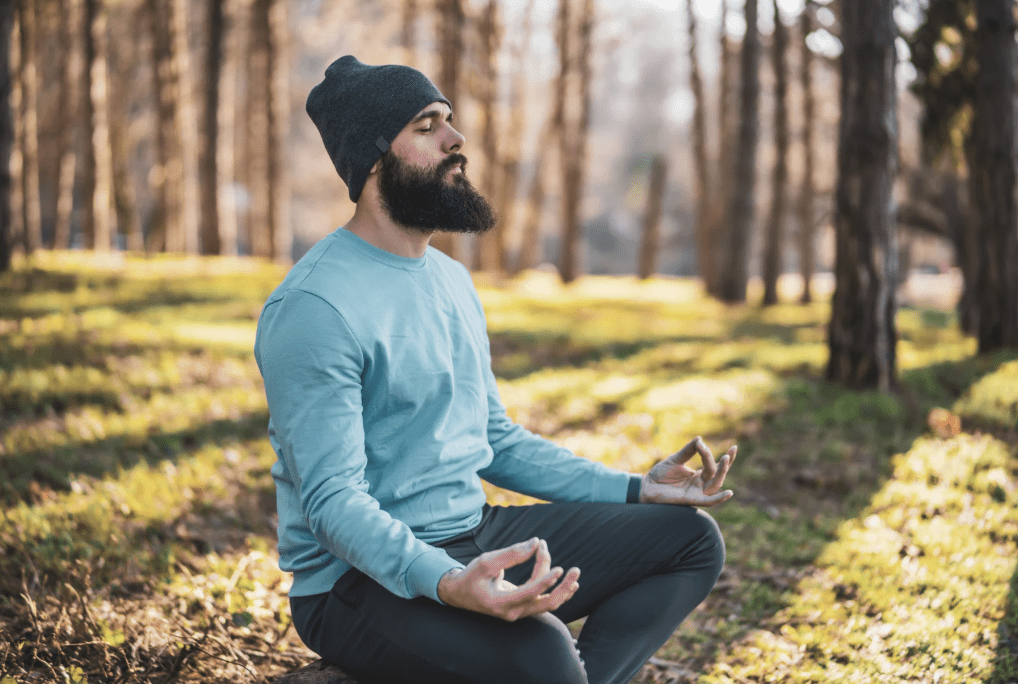
Addiction is not just a physical dependency—it’s a complex struggle involving emotional pain, mental health challenges, and spiritual emptiness. At The Hope Rehab Center, we believe in addressing the root cause of substance abuse through a holistic approach. One of the most effective tools we use is mindfulness therapy, which has shown remarkable results in addiction recovery. It not only helps individuals manage cravings and avoid relapse but also leads them to a life of balance, self-awareness, and inner peace.

What is Mindfulness Therapy?

Mindfulness therapy is a form of cognitive therapy that emphasizes awareness and acceptance of the present moment. Rooted in ancient meditation practices, it has gained popularity in modern psychology as a powerful tool for mental health treatment and substance abuse recovery.

Mindfulness involves paying attention to your thoughts, emotions, and bodily sensations without judgment. This simple yet profound practice can dramatically reduce stress, anxiety, and depression—factors often linked to addiction and relapse.

Why Mindfulness Matters in Addiction Recovery

Recovery from addiction is not just about abstaining from drugs or alcohol; it’s about transforming the mind and soul. Mindfulness therapy supports recovery by:

  • Reducing cravings and triggers: By developing present-moment awareness, individuals learn to observe cravings without acting on them.

  • Enhancing emotional regulation: Mindfulness helps individuals respond to stress and emotional discomfort in healthier ways.

  • Preventing relapse: Mindful awareness strengthens the ability to recognize early warning signs of relapse.

  • Promoting mental clarity and focus: A calm, focused mind is better equipped to make positive decisions.

  • Building resilience: Mindfulness cultivates self-compassion and inner strength needed for long-term recovery.

Scientific Evidence Behind Mindfulness and Addiction Recovery

Numerous studies confirm the effectiveness of mindfulness-based interventions in treating addiction. Programs like Mindfulness-Based Relapse Prevention (MBRP) and Mindfulness-Based Cognitive Therapy (MBCT) are widely used in top rehab centers worldwide.

Research published in the Journal of Substance Abuse Treatment found that participants who received mindfulness therapy had significantly lower relapse rates compared to those in traditional treatment programs. Additionally, mindfulness practices have been shown to reduce stress hormones, improve sleep quality, and boost emotional well-being—all of which support sustainable recovery.

How The Hope Rehab Center Incorporates Mindfulness Therapy

At The Hope Rehab Center, we offer a structured mindfulness therapy program as part of our comprehensive addiction treatment plan. Our licensed therapists and mindfulness coaches work closely with clients to develop personalized mindfulness routines that integrate with their daily recovery goals.

Key Components of Our Mindfulness Therapy:

  1. Mindfulness Meditation Sessions
    Clients participate in guided meditation practices that help quiet the mind, reduce anxiety, and build self-awareness.

  2. Breathwork Techniques
    Breathing exercises enhance relaxation, control impulsive behaviors, and manage cravings in real time.

  3. Body Scan Exercises
    These sessions help clients reconnect with their physical sensations and develop a deeper awareness of how emotions manifest in the body.

  4. Mindful Movement (Yoga and Tai Chi)
    Movement-based practices promote physical healing, flexibility, and mental discipline.

  5. Journaling and Reflection
    Mindfulness journaling helps clients express their thoughts, track progress, and recognize behavioral patterns.

  6. Group Therapy with a Mindfulness Focus
    Group discussions emphasize shared experiences and offer mutual support while encouraging mindful listening and empathy.

Benefits of Mindfulness Therapy in Recovery

Mindfulness therapy is not a quick fix, but its effects are long-lasting. Here’s how it transforms lives:

1. Improved Self-Awareness

Mindfulness fosters a deeper connection with one’s thoughts and actions, helping clients recognize unhealthy patterns and make conscious choices.

2. Reduced Anxiety and Depression

By staying present, individuals learn to let go of regrets about the past and fears about the future—two common triggers for addiction.

3. Better Stress Management

Stress is one of the leading causes of relapse. Mindfulness equips individuals with tools to respond calmly to stressful situations.

4. Increased Emotional Intelligence

Clients become more attuned to their emotions and develop empathy, patience, and understanding for themselves and others.

5. Spiritual Growth

Mindfulness encourages spiritual reflection, allowing individuals to find purpose, meaning, and inner peace during recovery.

Mindfulness as a Relapse Prevention Strategy

One of the greatest challenges in addiction treatment is relapse prevention. Mindfulness offers a proactive approach to preventing relapse by training the brain to respond instead of react. Clients learn to observe cravings and urges like passing clouds—acknowledging them, but not acting on them.

At The Hope Rehab Center, we teach clients to create a mindfulness relapse prevention plan, which includes:

  • Recognizing personal triggers

  • Practicing grounding techniques during high-risk moments

  • Using mindful breathing to manage overwhelming emotions

  • Establishing a daily mindfulness routine to maintain stability

Who Can Benefit from Mindfulness Therapy?

Mindfulness therapy is effective for individuals recovering from a wide range of addictions, including:

  • Alcohol addiction

  • Drug addiction (opioids, meth, heroin, etc.)

  • Prescription medication misuse

  • Behavioral addictions (e.g., gambling, gaming)

It is especially beneficial for clients dealing with co-occurring mental health disorders such as anxiety, PTSD, and depression.

Start Your Journey to Inner Peace Today

Healing from addiction is a journey—one that requires patience, support, and inner transformation. If you or a loved one is seeking a holistic recovery program that nurtures the mind, body, and spirit, consider mindfulness therapy at The Hope Rehab Center.

Our compassionate team of mental health professionals, recovery coaches, and mindfulness experts are here to guide you every step of the way. With the right tools and mindset, lasting recovery is not just possible—it’s within reach.

Contact The Hope Rehab Center Today
📍 Location: House # 9-A Street 130, Block A Jinnah Garden, Islamabad, 44000
📞 Phone: +92 327 5049244
🌐 Website: https://thehoperehab.pk/
💬 Get a Free Consultation Now!