The Hope Rehab Center

Alcohol Addiction – Islamabad, Pakistan’s Alcohol Addiction Treatment Center

Alcohol Addiction – Islamabad, Pakistan's Alcohol Addiction Treatment Center

Alcohol use disorder, or alcohol addiction, is a serious health problem that affects both your body and mind. Alcohol is okay in a lot of social situations, but using it too much and for too long can make you dependent on it, which can hurt your relationships, work performance, and overall quality of life. Recognizing the signs of alcohol addiction and getting help as soon as possible is a big step toward getting better.

 The Hope Rehabilitation Center Islamabad, Pakistan are two places that offer structured and caring care for people who have substance use disorders. A lot of people and families look for a trustworthy alcohol addiction treatment center in Islamabad, Pakistan, where they can get professional help in a safe and supportive setting.

This article explains alcohol addiction clearly, including its causes, symptoms, effects, and the importance of getting professional help to stay sober for a long time.

Understanding Alcoholism

An alcoholic is someone who is dependent on alcohol and can’t stop drinking even when it hurts them. The body and brain get used to alcohol over time, which makes them tolerant and causes withdrawal symptoms when drinking is cut back or stopped.

People who are addicted to alcohol may feel like they have to drink, even if it hurts their health, relationships, or responsibilities. Getting help from an alcohol addiction treatment center in Islamabad, Pakistan can give you the structure and direction you need to deal with this problem well.

Alcohol Addiction – Islamabad, Pakistan's Alcohol Addiction Treatment Center

What Makes People Addicted to Alcohol and What Makes Them More Likely to Do It

There isn’t just one reason why people become addicted to alcohol. A mix of personal, social, and mental factors often leads to it.

Stress that affects your emotions and mind

A lot of people drink alcohol to deal with stress, anxiety, or emotional problems. This way of dealing with things can make you

dependent over time.

The environment around you

Peer pressure, cultural norms, and easy access to alcohol can all make it more likely that someone will use drugs regularly and become addicted.

Genetic and Biological Factors

Some people may be more likely to become dependent on alcohol because of their genes or differences in the chemistry of their brains.

At  The Hope Rehabilitation Center Islamabad, Pakistan, treatment plans are made to deal with these underlying issues so that real recovery can happen.

What to Look for if You Think You Have an Alcohol Problem

It’s important to know the signs of alcohol addiction so you can help someone early on.

1.     Signs of Behavioral Problems

  • Drinking too much or too often
  • Hard to control drinking habits
  • Not taking care of personal or work duties
  • Drinking even though it has bad effects

2.     Mental Health Symptoms

  • Mood swings or irritability
  • Feeling anxious or sad
  • Strong desire for alcohol
  • Struggling to concentrate or make choices

3.     Symptoms in the body

  • Problems with sleep
  • Changes in how hungry you are
  • Being tired or having low energy
  • Symptoms of withdrawal include sweating or feeling restless.

    People who have these symptoms should go to an alcohol addiction treatment center in Islamabad, Pakistan, where they can get the right care and advice.

Long-Term Alcohol Use and Its Effects on Health

Long-term drinking can have negative effects on many areas of health.

Effects on Mental Health

Drinking can make you anxious, depressed, and emotionally unstable. It could also make mental health problems that are already there worse.

Risks to Physical Health

Long-term drinking can harm the liver, heart, and immune system. It could also cause a lack of nutrients and make your health worse overall.

Effects on social and lifestyle

Addiction to alcohol can hurt relationships, make you less productive, and make it hard to do everyday things.

The treatment programs at  The Hope Rehabilitation Center Islamabad, Pakistan focus on both the physical and mental effects of drinking.

Ways to Treat Alcohol Addiction

A structured and thorough approach is usually needed to get over an alcohol addiction.

1.     Medical Evaluation and Detoxification Assistance

The first step is often a thorough look at the person’s health and how much alcohol they drink. Detoxification may be suggested to safely deal with withdrawal symptoms while under medical supervision.

2.     Counseling for mental health

Therapy sessions help people figure out why they drink and come up with better ways to deal with stress.

Some common methods are:

  • Cognitive Behavioral Therapy (CBT)
  • Counseling for motivation
  • Therapy for behavior

These treatments help people change their behavior for a long time.

3.     Group therapy and support from peers

People can share their experiences and learn from others who are going through the same things in group sessions.

Peer support is a common part of programs at  The Hope Rehabilitation Center Islamabad, Pakistan. It helps people stay motivated and responsible.

4.     Ways to Prevent Relapse

To stay sober, you need to learn how to deal with triggers and cravings. Rehabilitation programs give you useful tools for dealing with dangerous situations.

A structured plan from an alcohol addiction treatment center in Islamabad, Pakistan can help people stay sober for a long time.

Changes in lifestyle for long-term recovery

Getting better isn’t just about quitting drinking; it’s also about making your life healthier.

Changes that are helpful are:

  • Setting up daily routines
  • Using stress management techniques
  • Doing things that require physical activity
  • Making connections that help
  • Making personal goals that are possible

    People at  The Hope Rehabilitation Center Islamabad, Pakistan are helped to make healthy changes to their lives that will help them get better.

How Family Support Helps with Recovery

Family support can help you feel better and keep things stable while you recover. Addiction can hurt relationships, and rebuilding trust is an important part of getting better.

Family counseling sessions help people talk to each other better and make the home a safe place for long-term recovery. Family support is a big part of many programs at an alcohol addiction treatment center in Islamabad, Pakistan.

Questions That Are Often Asked (FAQs)
1. What does it mean to be addicted to alcohol?

Alcohol addiction is when a person becomes dependent on alcohol and has trouble controlling how much they drink.

2. What are the first signs that someone is addicted to alcohol?

Some early signs are needing more alcohol, drinking a lot, wanting to drink, and having trouble keeping up with responsibilities.

3. Is detox a necessary part of treating alcohol addiction?

Detox may be suggested to help people who are going through withdrawal symptoms, especially if they have been drinking heavily or for a long time.

4. What do you do to help someone who is addicted to alcohol?

Most of the time, treatment includes medical help, counseling, therapy sessions, and ways to keep from relapsing.

5. Can family help people get better faster?

Yes, having a supportive family can help people stay motivated and stay sober for a long time.

In conclusion

Alcohol addiction is a complicated disease that can affect every part of a person’s life. It might start out as occasional or social use, but over time it can turn into a dependence that causes problems in your body, mind, and social life.

 The Hope Rehabilitation Center Islamabad, Pakistan and other places like it offer structured care for people who want to get better. An alcohol addiction treatment center in Islamabad, Pakistan offers programs that focus on medical help, counseling, and planning for long-term recovery.

Ecstasy Addiction | Drug Addict Rehab Center in Islamabad, Pakistan
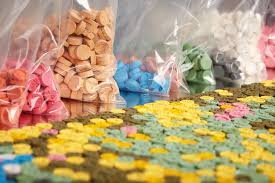
Ecstasy Addiction | Drug Addict Rehab Center in Islamabad, Pakistan

Ecstasy, or MDMA, is a man-made substance that alters mood, energy levels and perception. Although often associated with such environments as parties or social gathering, repeated use can lead to dependency and severe health issues. Eventually, people may come to depend on the drug for their energy, self-assurance, or emotional connection, and that dependence can lead to addiction.

It is also essential to identify the signs of ecstasy addiction and get professional help. One of the best Addiction Treatment Center in Islamabad, Pakistan provides a safe and controlled environment where you can receive structured care. Treatment programs at The Hope Rehabilitation Center Islamabad Pakistan focuses on psycho-behavioral aspects of addiction and also helps you to recover for long-term.

Awareness of the dangers associated with ecstasy and treatment options can lead users and their families to make informed decisions towards a better life.

Understanding Ecstasy Addiction

How does Ecstasy work? Ecstasy promotes the release of several chemicals in the brain, most notably serotonin and dopamine. These chemicals affect mood, enjoyment and emotional bonding. Although the initial outcome may provide more energy levels and happiness, chronic usage can de-regulate the brain’s natural state.

As time goes on, people may seek larger doses to experience the same effects. Over time, this behavior can escalate into dependence which is when the body and mind start to crave the substance.

Ecstasy Addiction | Drug Addict Rehab Center in Islamabad, Pakistan

A seasoned Addiction Treatment Center in Islamabad, Pakistan carries out medical and psychological evaluations to assess the degree of addiction and suggest possible treatment approaches.

Symptoms and Signs of Ecstasy Addiction

People can learn to identify the early signs of ecstasy addiction and seek help sooner. Symptoms can range from person to person, but some common signs include:

  • Frequent cravings for the drug
  • Increased tolerance, requiring higher doses
  • Mood swings or emotional instability
  • Sleep disturbances or fatigue
  • Reduced concentration or memory difficulties
  • Isolation from family or community activities

If these symptoms become disruptive to daily life, they may require professional help from Addiction Treatment Center Islamabad Pakistan.

What Are the Health Effects of Long-Term Ecstasy Use?

While ecstasy is viewed by some as a party drug with relatively few dangers, it can have long-term effects on both mental and physical health.

Possible effects may include:

  • Anxiety and depression
  • Difficulty with memory and learning
  • Emotional instability
  • Sleep problems and fatigue
  • Higher stress on the body and brain

For instance, The Hope Rehabilitation Center Islamabad Pakistan, assesses the physical and psychological aspects of substance use at the time of treatment planning.

A Professional Addiction Treatment Center: Islamabad, Pakistan works to cure health problems he faces and helps him restore his emotional balance.

Treatment Approaches for Ecstasy Addiction

Treatment involves a combination of medical assistance, therapy, and emotional support. These programs are meant to get them to recognize the patterns of their behavior and teach an alternative way of coping.

Medical Evaluation and Detox Support

Treatment typically begins with a thorough assessment of the person’s physical and mental health. This evaluation determines the best way to address withdrawal symptoms and initiate recovery as safely as possible.

During detox, patients are susceptible to medical complications and require clinical supervision – offered at The Hope Rehabilitation Center Islamabad, Pakistan – to safeguard safety throughout the first stages of treatment.

Behavioral Therapy

Psychotherapeutic techniques are, for instance, of CBT (Cognitive Behavioral Therapy) which is popularly used technique in recovery from addiction. Such therapies assist both individuals in taking notice of destructive habitual thought patterns, as well as forming more functional responses to emotional triggers or stress.

In a specialized Addiction Treatment Center in Islamabad, Pakistan, behavioral therapy is included to ensure that recovery period becomes permanent along with addiction prevention.

Individual and Group Counseling

Counseling sessions create a safe environment for individuals to speak openly about their personal experiences and struggles with substance use. Group therapy also enables patients to interact with people undergoing similar experiences, fostering a sense of camaraderie.

Counseling Programs at The Hope Rehabilitation Center Islamabad, Pakistan

Why You Want a Recovery Environment That Works in Your Favor

This humility and accountability become an addiction recovery ally when paired with a stable environment. The routines provided by rehabilitation centers are often structured and involve therapy sessions, educational discussions, and wellness activities.

A professional Addiction Treatment Center in Islamabad, Pakistan allows you to concentrate on your recovery away from the stressors or triggers of everyday life.

Treatment programs at The Hope Rehabilitation Center Islamabad Pakistan promote healthier habits among patients, enhance emotional awareness, and build on coping skills.

Long-Term Recovery and Relapse Prevention

For many, defeating addiction ultimately requires lifelong commitment and vigilance beyond the initial treatment period. Long-term success typically requires continued support and relapse prevention efforts.

Rehabilitation programs generally provide people with real-life skills like:

  • Stress management and emotional regulation
  • Developing positive daily routines
  • Avoiding high-risk situations and identifying triggers
  • Continuing counseling and follow-up care

an exclusive Addiction Treatment Center in Islamabad, Pakistan is committed to helping individuals achieve stability and establish healthy lifestyles following their treatment.

Frequently Asked Questions (FAQs)

1.     What is ecstasy addiction?

MDMA addiction, in fact, occurs when someone develops a dependency on ecstasy and continues to take it despite negative effects on their life or health.

2.     16 common signs of ecstasy addiction include:

Characteristic symptoms include cravings, mood swings, sleep disturbances, increased tolerance and withdrawal from everyday activities.

3.     Can ecstasy affect mental health?

Yes. Long-term use can lead to anxiety, depression, trouble with memory and emotional instability.

4.     How is ecstasy addiction treated?

Treatment typically includes medical assessment, as well as counseling and behavioral therapies with continuing support to assist individuals in stopping destructive behaviors.

5.     Why do you need rehabilitation center help?

The professionalism of an Addiction Treatment Center in Islamabad, Pakistan brings structure, therapeutic support, and guidance that can help someone safely be on the road to recovery.

Conclusion

The effects of ecstasy addiction include serious implications for mental and physical well-being. While the drug is able to create temporary feelings of pleasure or energy — it still leads to a dependence and instability in emotions when used over time.

Another option is to seek professional support, such as working with an Addiction Treatment Center in Islamabad Pakistan. With counseling, behavioral therapy, and supportive care, individuals can learn healthier coping strategies and work toward better emotional balance.

At The Hope Rehabilitation Center Islamabad, Pakistan treatment programs at the rehabilitation center emphasize ethical care, professional guidance, and recovery patient-centered. The center provides a supportive and structured environment to help individuals embark on their journey to lasting recovery and a healthier life.

ICE METH Treatment Center Islamabad / Ice Treatment Center Islamabad
ICE | METH Treatment Center in Islamabad – Best Drug Addiction Treatment center in Islamabad

The abuse of methamphetamine, popularly known as “ICE,” has spiraled into a big concern across the globe. ICE is a strong stimulant and chronic use can lead to potentially harmful effects on physical health, psychological wellbeing or social functioning. The dangers of meth | Meth use in the US | Crystal meth: a history What is methamphetamine dependence?

Getting professional help is a significant step toward healing. ICE Treatment Center Islamabad is an appropriate substance rehab facility offering organized medical and therapeutic treatment for ICE or meth addiction. Positioned as a premier addiction treatment facility, we offer our patients specialized, genuine and caring services while ensuring their safety from harm and for supporting mental health during recovery into active high-quality planning of sustainable long-term recovery.

By understanding the process of ICE addiction and treatment options available an individual or family can make informed decisions on the road to recovery.

Understanding ICE (Methamphetamine) Addiction

ICE, which is crystal meth or methamphetamine, is a powerful addictive stimulant that affects the central nervous system. It creates overwhelming feelings of energy and vigilance, but those effects are fleeting and generally followed by devastating physical and emotional crashes.

ICE | METH Treatment Center in Islamabad – Best Drug Addiction Treatment center in Islamabad

Methamphetamine can be addicting when individuals feel a strong urge to continue using it despite negative consequences. Long-term use of ICE can have effects on brain, emotional state and decision making.

More information about the level of addiction and the measures to be taken can be gathered through a proper assessment, which is what a professional Ice Treatment Center Islamabad does.

Methamphetamine Dependence Signs and Symptoms

Understanding the signs and symptoms of ICE addiction can be a first step in getting help sooner rather than later.

Common symptoms may include:

  • Increased restlessness or hyperactivity
  • Difficulty sleeping or severe insomnia
  • Any unexplained weight loss or lack of appetite
  • Mood swings, irritability, or aggression
  • Social withdrawal or behavioral changes

But when these symptoms interfere with day-to-day living, professional treatment at an Ice Treatment Center Islamabad can offer a structured support system and medical guidance.

Health producers related to ICE use

There are many physical and mental health consequences of using methamphetamine. Long-term use may impair the brain’s capacity to manage emotions and can also lead to anxiety, paranoia or depression.

Other potential health concerns include:

  • Cardiovascular strain
  • Cognitive impairment, like memory issues
  • Increased stress and emotional instability
  • Sleep disruption and fatigue

Physical and psychological health conditions are assessed by healthcare professionals while providing treatment at The Hope Rehabilitation Center Islamabad, Pakistan. A simultaneous focus on these issues is crucial for sustainable recovery.

As an experienced Ice Treatment Center Islamabad knows how to offer balanced care that fosters medical stability while also promoting emotional health.

Treatment Approaches for ICE Addiction

This multi-modal treatment strategy targets the underlying behavioral addiction issues, as well as the emotional component of these maladaptive behaviors.

Medical Assessment and Detox Support

Before the treatment process starts, professionals evaluate the individuals’ medical history and drug usage patterns. This assessment examines the best method to treat withdrawal symptoms and to discharge safely.

Detox – At The Hope Rehabilitation Center Islamabad, Pakistan detox support is carried out under medical supervision to ensure the safety of patients throughout the early weeks of recovery.

Behavioral Therapy

ICE Addiction Treatment Behavioral Therapies Cognitive Behavioral therapy (CBT) is the most common tool used to achieve this goal, supporting humans as they learn to identify harmful thought patterns and develop positive coping mechanisms.

Therapy sessions also help patients get an idea of the triggers that affect substance use.

Counseling and Emotional Support

One-on-one therapy lets patients explore personal history, stress factors and emotional issues that may have fueled addiction.

However, a professional Ice Treatment Centre Islamabad is a familiar environment where you can explore all these questions and changes in your behavior.

Structured rehabilitation environment and its significance

Drug or alcohol intensive treatment patients often require supportive sober living environments in recovery. The daily regiment provided at rehabilitation centers protect against finding oneself in these dangerous situations during a critical time of healing.

The Hope Rehabilitation Center Islamabad, Pakistan has treatment programs ranging from therapy sessions to educational discussions and wellness activities that work towards overall recovery.

The environment in an Ice Treatment Center Islamabad is structured which helps you walk away from the negative influences and focus on creating a better lifestyle.

Long-Term Recovery and Relapse Prevention

Recovery from all of the above is a lifelong commitment and it is important to remember that recovery doesn’t end when formal treatment ends. And it trains them to avoid common triggers, teaching the skills to cope when things get tough.

Patients can gain useful skills like:

  • Stress management and emotional regulation
  • Developing healthy daily routines
  • Continued counseling and follow-up sessions
  • Building supportive relationships

At The Hope Rehabilitation Centre Islamabad, Pakistan we have made it a point that treatment plans are structured in such a way that they facilitate longer-term stability and personal growth beyond the early stages of recovery.

One specific Ice Treatment Center Islamabad focuses on empowering individuals as they re-integrate into regular living and practice healthy mental patterns.

Frequently Asked Questions (FAQs)

1.     What is ICE or methamphetamine?

Crystal meth or ICE is a potent central nervous system stimulant that can result in significant psychological as well as physical dependence.

2.     How is ICE addiction treated?

As rehabilitation progresses, it often involves both physical and psychological treatment, such as medical assessment, detox support, behavior therapy and counseling.

3.     Why Get Professional Treatment for Methamphetamine Addiction?

Treatment professionals can provide medical supervision, structure and emotional support that helps you manage withdrawal safely and start recovery.

4.     What is the duration for ICE addiction treatment?

How long a treatment program lasts is determined by each person’s health, history of addiction, and process in recovery.

5.     What post-treatment support will be offered?

Aftercare programs may involve counseling, follow-up therapy appointments, and relapse prevention techniques to hold on to recovery.

Conclusion

ICE or meth addiction can impact physical health, mental wellness, and life in general. At this point, one must learn to recognize the signs of dependency and reach out for professional help in order to begin the road toward recovery.

Enter Ice treatment center Islamabad, a therapeutic environment between the chaos of addiction and abstinence, offering structure, emotional support and closely monitored environments that may be able to help you along your recovery journey. Counseling, behavioral therapy or supportive care can help individuals to begin getting back on track with healthier routines and emotional stability.

Staff at The Hope Rehabilitation Center Islamabad, Pakistan are there to guide you on both your immediate recovery and long-term psychological well-being through individual treatment programs designed for each patient. All those with meth addiction in their life have a shot at a more productive, stable future under the right professional treatment and care.

Marijuana Addiction | Drug Addiction Treatment Center in Islamabad
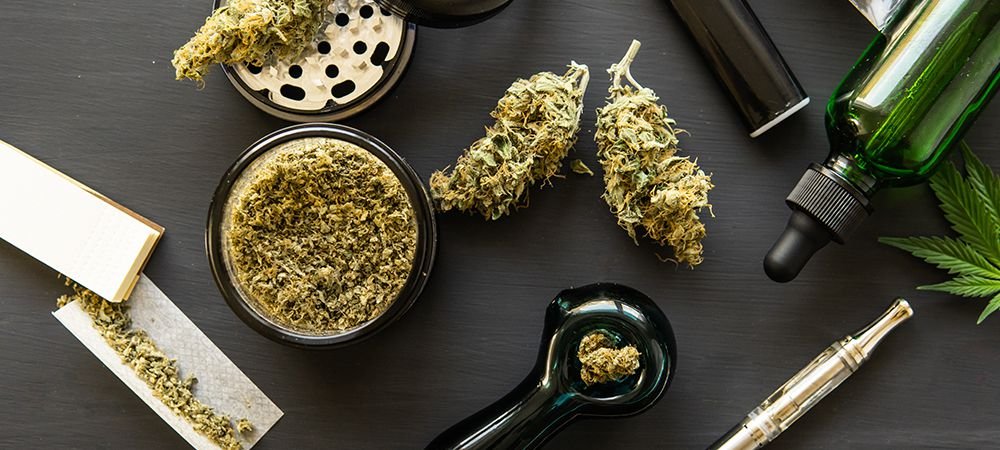
Addiction Treatment Center in Islamabad

Cannabis is the world’s most popular psychoactive substance. Although many people consider it harmless, regular and long-term use can result in habituation, as well as behavioral changes that have negative impacts on mental health, daily functioning, and social relationships. People suffering from marijuana addiction may benefit from guided professional attention and organized care.

A good Addiction Treatment Center in Islamabad provides a supporting environment to over come physical and psychological aspects of substance use. Programs offered at The Hope Rehabilitation Center Islamabad, Pakistan are directed towards treating addiction ethically and professionally through assessment and long-term recovery planning that helps individuals return to form in both personal lives and well-being.

Learning about marijuana addiction and the signs of marijuana use can help bring attention to when professional assistance might be beneficial.

Understanding Marijuana Addiction

Marijuana addiction, referred to as cannabis use disorder , is when a person develops a dependence on cannabis and struggles to stop using the drug in spite of harmful effects. The mind may eventually become dependent on the psychoactive effects of marijuana, resulting in cravings and regular use over time.

Marijuana Addiction: Individuals who are experiencing marijuana addiction will display obvious changes in both their behavior and physical social life. In some cases it may also impact emotional balance and mental health when used heavily.

Addiction Treatment Center in Islamabad

A leading Addiction Treatment Center in Islamabad provides full assessment services to properly evaluate the levels of cannabis dependency and develop an adequate treatment plan.

Symptoms and Signs of Cannabis Dependence

Being aware of early signs of marijuana addiction will enable the individuals to look for help before the condition becomes even harder. Some common indicators may include:

  • Frequent cravings for marijuana
  • Difficulty controlling or reducing use
  • Deterioration of work or academic performance
  • Memory or concentration problems
  • Episodes of mood changes, irritability or anxiety

However, there are healthy groups of people today that can offer guidance and lead for effective treatment options such as Addiction Treatment Center in Islamabad when these symptoms are starting to override daily life.

Is Marijuana Addiction Hazardous To Your Mental Health?

The use of marijuana can have an impact on brain function, particularly when used regularly and over a long period of time. Some people might feel more anxious, moody and less motivated.

And there is some evidence that heavy cannabis use can exacerbate some mental health conditions, such as depression or anxiety disorders. In the young, frequent use can have effects on cognitive development and control of emotions.

At The Hope Rehabilitation Center Islamabad, Pakistan mental health professionals assess substance use and psychological well-being to ensure comprehensive approach treatment that addresses all aspects of a patient’s health.

The best Addiction Treatment Center in Islamabad know well that all the substance-related disorders occur along with psychiatric issues, hence integrated care are must in recovery process.

Treatment Approaches for Marijuana Addiction

Marijuana addiction treatment is directed at lowering dependent use, clarifying behavior triggers and establishing new habits to counteract or combat the behavioral triggers. Most rehabilitation programs offer a combination of therapeutic methods and emotional and psychological support.

Behavioral Therapy

Behavioral therapy assists patients in recognizing triggers that lead to substance use. In guided sessions, patients learn strategies for managing cravings and dealing with stress in healthier ways.

Individual Counseling

Individual counseling sessions offer a safe, private atmosphere where clients can talk through issues related to addiction on a personal level. Therapists partner with patients to help them recognize triggers and establish actionable recovery plans.

Group Therapy

Group therapy can provide the opportunity to discuss experiences with others who are experiencing similar struggles. Such therapy often grants emotional support and helps patients to not feel as alone in healing.

These therapeutic approaches are integrated into a professional Addiction Treatment Center in Islamabad that supports long-term recovery.

Creating a Supportive Recovery Environment

Addiction to marijuana can often be difficult to recover from without the right environment. Rehabilitation is where individuals have a set routine that they must follow.

Patients receiving treatment are encouraged to participate in group therapy sessions, practical education discussions, and wellness activities aimed at a healthier standard of living.

An Addiction Treatment Center in Islamabad provides a structured program where you can distance yourself from outside influences as well as work to build new habits that support recovery.

Preventing Relapse and Maintaining Progress

One of the keys in addiction treatment is relapse prevention. The skills individuals learn to identify their triggers and cope with stress can help them continue in recovery from a rehabilitation program.

Rehabilitation centers frequently teach practical strategies, such as:

  • Stress management techniques
  • Healthy daily routines
  • Emotional regulation skills
  • Continued counseling and support programs

In Pakistan, rehabilitation centers such as The Hope Rehabilitation Center Islamabad include relapse prevention planning strategies in their programs to support individuals striving towards stability and a lengthier recovery progress.

Family Support: How It Can Help You Recover

Family support has a major impact on recovery. If family members have an understanding of addiction itself and the obstacles therein, they may offer meaningful encouragement and emotional support.

Many rehabilitation programs support family involvement over counseling sessions or educational discussions. These programs teach relatives ways that they can support recovery while also taking care of themselves.

A renowned Addiction Treatment Center in Islamabad understands that recovery is always stronger when individuals feel supported by both professionals and people they love.

Frequently Asked Questions (FAQs)

1.     What is marijuana addiction?

Drug addiction Marijuana addiction, also known as cannabis use disorder, is chronic and characterized by compulsive behaviors to seek out this substance despite adverse consequences on daily life.

2.     How does marijuana addiction affect mental health?

Yes. Dispensary marijuana also may trigger anxiety or changes in mood — and, over time, problems with concentration or motivation.

3.     How is marijuana addiction treated?

Drug use disorder is generally treated with counseling, behavior therapy and support programs that can help people learn about their substance use and how to manage it.

4.     Setting challenges

Professional treatment exposes individuals to a structured environment that encourages psycho-behavioral change in the long-run.

5.     What happens after completing treatment?

This is also known as aftercare, and it involves ongoing counseling, follow-up treatment, or relapse prevention strategies to keep individuals upon the road of recovery.

Conclusion

Marijuana addiction can impact multiple areas of a person’s life such as mental health, relationships and general well-being. Identifying the symptoms of dependency and contacting a clinician are significant actions in the direction of rehabilitation.

A certified Addiction Treatment Center in Islamabad offers structured treatment programs that assist not just substance usage but emotional health, too. Counselling, therapy and supportive care help individuals start developing better habits and start feeling regulated again.

Despite availability of numerous treatment options, very few centers practice ethical, compassionate and patient-centered care; at The Hope Rehabilitation Center Islamabad Pakistan, we design the treatment programs keeping in perspective above mentioned standards. The center addresses long-term recovery and emotional support to move individuals toward a healthier, more balanced future.

Short-Term and Long-Term Risks of Opioid Use | Addiction rehabilitation center in Islamabad, Pakistan
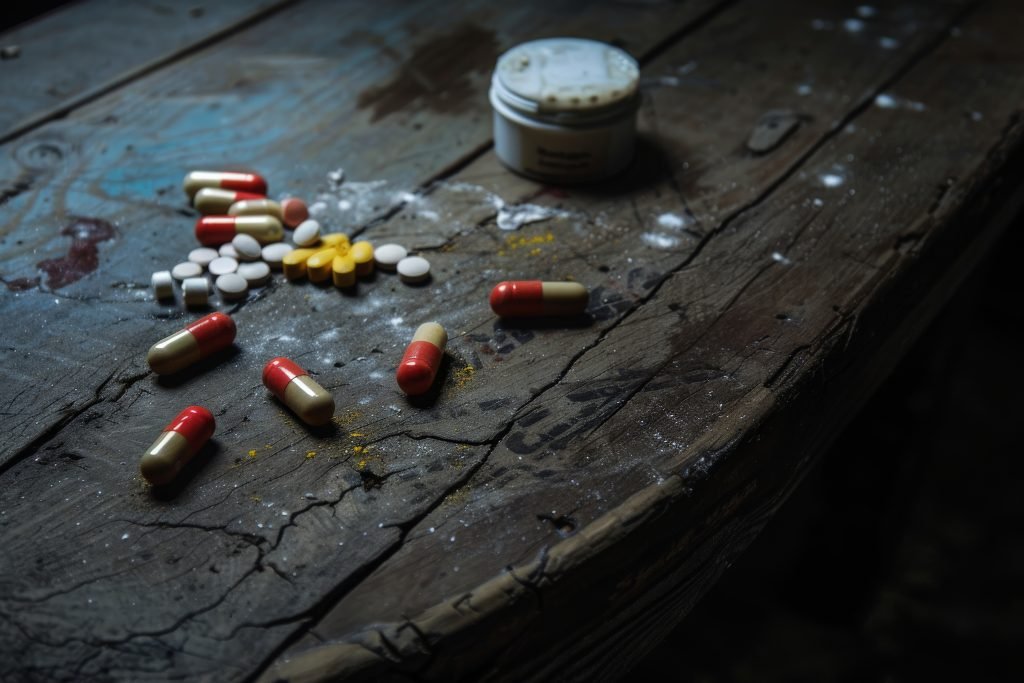
Opioid drug abuse is a major public heath problem that affects millions of people and their families. Although prescription opioids are sometimes needed to treat severe pain, misuse of them can result in serious health problems. The risks associated to the use of opioids in both short- and long-term are crucial for prevention, early detection or successful therapy. People sometimes struggle with dependency, and specialized care from a professional institution like an addiction rehab in Islamabad Pakistan may be able to help lead them towards a brighter future.

At The Hope Rehab Center we believe people should be able to recover without harm and that involves supportive evidence-based care. In the following commentary, the associated risks associated with opioid use are discussed and the reasons to be alerted early on highlighted.

What Are Opioids?

Opioids are a group of drugs that include prescription medications like morphine, oxycodone and hydrocodone as well as illicit drugs like heroin. They are intended for pain relief and have a high potential for abuse. Opioids bind to receptors in the brain, dulling perception of pain and producing a sense of euphoria — which also creates addiction.

Though they have medical uses, if opioids are misused — such as taking more than the labeled dosage or a prescribed dose for another person; combining an opioid with alcohol or other drugs; and using someone else’s prescription — it doesn’t take long until the increased need to seek a high becomes deadly health issues.

Short-Term Risks of Opioid Use

Immediate risks include the health outcomes after using opioid (whether legally or illegally) for a short amount of time. Recognizing the risk factors can help people identify signs and seek appropriate assistance.

1. Physical Effects

Even the use of opioids for just a short time can have an impact on bodily systems. Common physical effects include:

  • Drowsiness or sedation
  • Nausea and vomiting
  • Constipation and gastrointestinal discomfort
  • Life-threatening respiratory depression with high doses

At The Hope Rehab Centre, these symptoms are managed closely during treatment by our medical staff to avoid any severe complications.

2. Cognitive and Emotional Changes

What Opioids Do To The Brain Opioids act in the central nervous system, or brain, to produce their effects, including changes in pain perception:

  • Impaired decision-making and judgment
  • Reduced focus and attention
  • Anxiety, irritability, or mood swings

These effects can disrupt the daily life of individuals and their relationships, which underscores the need for an early intervention.

3. Risk of Overdose

Overdosing is a danger faced even by those who only take the drugs for a short time, especially if they mix opioids with alcohol or other drugs. Signs of an opioid overdose:

  • Slow or irregular breathing
  • Extreme drowsiness or unconsciousness
  • Pinpoint pupils and pale skin

Emergency medical treatment is necessary, since overdoses can be deadly.

Long-Term Risks of Opioid Use

The chronic use of opioids may lead to profound and persistent effects on physical, social and mental health. The risks build over time, and are generally more irrevocable.

1. Physical Health Complications

Opioid use for an extended period can cause chronic health conditions, including:

  • Sensitization and desensitization to due to Reverse tolerance and Negative symptoms opposites of the same signalling system have not yet been tested for.
  • Liver injury, particularly when opioids are mixed with other drugs
  • Endocrine disease and disorders that disrupt the reproductive and metabolic processes
  • Lowered resistance to infections from immune system suppression

This polytrauma nature of injury makes professional observation and rehabilitation necessary.

2. Mental Health Implications

Long-term opioid use is associated with mental illness. Common long-term psychological effects include:

  • Depression and persistent anxiety
  • Cognitive deficits and memory loss
  • Greater likelihood of suicidal ideation and behavior

Mental health support is a cornerstone of treatment at every Islamabad, Pakistan rehab center (including The Hope Rehab Centre).

3. Social and Lifestyle Consequences

Opioid dependence can interfere with your work and home life. Individuals may experience:

  • Relationship conflicts and social isolation
  • Employment difficulties and financial strain
  • “Drug charges”, A summary Possession of or use of controlled substances.

Rehabilitation efforts target these areas and aid to restore stability as people rebuild their lives.

4. Risk of Addiction

The most important long-term risk is probably opioid addiction. Tolerance develops when the brain adjusts to opioids being constantly present, which leads to cravings and tendencies toward compulsive use. The addiction disease can last after detox is completed, so good treatment is important.

Recognizing Signs of Opioid Misuse

Identification of opioid abuse in the beginning increases the probability for successful intervention. Signs may include:

  • Frequent mood swings or irritability
  • Failure to fulfill duties at work or at home
  • Secretive behavior or social withdrawal
  • Physical signs of intoxication, like slurred speech, being drowsy or having pinprick pupils

These warning signs are often recognized by friends and family that can help you receive professional treatment.

Why Professional Rehabilitation Is Crucial

Trying to quit opioid use on your own can be perilous, both because of withdrawal symptoms and the likelihood of relapse. What is included in this addiction treatment program?

  • There needs to be medically monitored detox to safely handle withdrawals
  • Individualized treatment and counseling for behavior and emotions
  • Counseling on prevention of relapse and coping mechanisms
  • Comprehensive methods such as mobile care, psycho-education and skill to lifeportunaty programs

At The Hope Rehab Thailand, rehab will never be the same again thanks to our personalized treatment programs designed with you in mind that reflect safety and respect from day one.

FAQs About Opioid Use and Rehabilitation

1. What are some early symptoms of opioid addiction?

Early symptoms may include increased tolerance, cravings, changes in mood or behavior and physical signs of drowsiness or nausea.

2. Can short-term use of opioids lead to addiction?

Opioids Can yes and even short term use can build dependency especially if so in vulnerable people also opiodes are abused or taken not under a doctors care can be taking for pain.

3. How does a rehab center treat opioid withdrawal?

At a rehab center, medical detox, therapy and supportive community are available to help you get through withdrawal safely and to decrease the likelihood of relapse.

4. Do you offer mental health treatment in addition to addiction rehab?

“Yes, there are trauma programs that also treat co-occurring mental health disorders like depression, anxiety, and PTSD to aid in recovery.

5. What can we do to help family members who have trouble using opioids?

Family support requires being able to identify warning signs, facilitating the seeking of professional assistance, engaging in counseling as necessary and offering a non-judgmental space.

Conclusion

Opioids have serious short and long-term health, cognitive and social consequences. Such knowledge is important for prevention, early intervention and rehabilitation. In order to overcome addiction, people in need of help need to get the support of professional caregivers from an addiction treatment center in Islamabad and other cities like The Hope Rehab Centre that helps with detoxification under medical care, proper counseling, and rehab plans can be beneficial for a healthier lifestyle.

Opioid addiction can be overcome safely and successfully with awareness, support and treatment.

The Future of Opioid Addiction Treatment: Innovations in Recovery Care – Drug rehab lahore, Pakistan

Introduction to Opioid Addiction in Modern Society

Globally, millions of lives straightened by opioid dependence have made it one among the key health predicaments of this era. As easy access and use of prescription painkillers alongside illegal opioids augment, more pressure forms an urgent need for a solution in Pakistan, particularly so in its urban centers such as Lahore where statistics describe alarming predilections toward these habits.

Understanding the Opioid Crisis in Pakistan

Prescription opioids are easily available in Pakistan. The country faces a growing opioid crisis with limited awareness about addiction until now. Due to social pressures, people avoid getting treatment. Being one of the largest metropolitan cities, Lahore shares a major chunk of this burden with the country. Apart from health deterioration, most of the victims face social stigma and isolation.

At The Hope Rehab Centre, a leading drug rehab Lahore, Pakistan, the treatment approaches go beyond detoxification to offer holistic healing. It aims at helping its patient reclaim their lives through offering dignity and support accompanied by the modern method of recovery.

Role of The Hope Rehab Centre in Transforming Recovery

The Hope Rehab Centre is a pillar of transformation for lives that want to break free from the chains of substance dependence. Evidence-based medicine mingles with compassion-driven care to provide total rehabilitation at this great facility. All patients receive individualized recovery plans according to the state of their mental, emotional, and physical health.

Why Lahore Needs Advanced Drug Rehab Solutions

As the population increases, so do addiction challenges and related pressures. The standard way of treating the rehab process does not consider psychological and neurological dependency factors. Among a few is Modern Centers like The Hope Rehab Centre come up with some innovative methods through which recovery can be made sustainable rather than just getting temporary relief.

Latest Innovations in Opioid Addiction Treatment

Innovation does not necessarily refer to a new treatment plan but rather a new way of delivery. Recovery homes today mix and match science, technology, and love from Human hearts to customize plans that guarantee positive results.

Medication-Assisted Treatment (MAT) and Its Evolution

MAT is the provision of medicines approved by the FDA combined with behavioral therapies in the treatment of withdrawal symptoms as well as relapse conditions. New developments include the use of non-opioid alternatives and precision dosing based on genetic factors. This customized plan increases the probability of success beyond doubt in the long run.

Behavioral Therapies and Neurofeedback

Neurofeedback will allow clinicians to observe the brainwaves and retrain the way themind responds to cravings and triggers. At The Hope Rehab Centre, this is merged with cognitive behavioral therapy (CBT) for techniques patient use to improve self-awareness and increase the strength of their emotional resilience.

Holistic and Integrative Recovery Models

Healing is not about medication only. Treatments include Mindfulness training, Yoga, Art therapy, and Nutritional counseling. Holistic treatments bring back into sync the mind and body, giving strength to patients to keep recovery going outside the center.

Recovery Care Driven by Technology

Technology drives the future of rehab. Through digital platforms, the patient can access continuous care support after being discharged from any place, beating geographical and emotional barriers.

Virtual Rehab Programs and Mobile Apps

Tele-rehabilitation and mobile recovery applications can provide continuous motivation, distance counseling support, and relapse prevention support. In this regard, it should be noted that the innovation enables the individuals belonging to far-flung areas of Pakistan to access recovery.

AI and Data Analytics in Personalized Treatment

AI algorithms can now predict relapse risks by analyzing behavioral patterns and treatment progress. Data-driven care allows drug rehab Lahore, Pakistan facilities like The Hope Rehab Centre to fine-tune programs for each individual, ensuring a truly customized healing journey.

Community and Family Support Systems

Family participation is very important in the treatment of addiction. The Hope Rehab Centre offers family therapy sessions, workshops, and support groups so that families can regain trust and understanding.

Education and AwarenessCampaigns in Lahore

Public awareness is always at the heart of change. Through outreach programs and community seminars, The Hope Rehab Centre propagates the right understanding of addiction as a treatable medical condition which helps reduce the stigma that prevents many from seeking help.

Future Vision — The Hope Rehab Centre Leading the Way

At the Hope Rehab Centre, a future where everyone struggling with addiction finds hope, healing, and recovery is envisioned. It is redefining recovery through innovation, compassion, and science. An outcome of research, digital tools, and comprehensive care are what set standards for modern drug rehab Lahore Pakistan.

Frequently Asked Questions (FAQs)

1. What is the difference between The Hope Rehab Centre and other drug rehabs in Lahore?

It merges evidence-based treatment with holistic therapies and individualized care plans for sustainable recovery.

2. Does The Hope Rehab Centre provide treatment specifically for opioid addiction?

Yes, it focuses on opioid and prescription drug addiction recovery through modern therapies and medication-assisted programs.

3. Can patients outside Lahore access virtual consultations?

Certainly, the Hope Rehab Centre does offer online counseling and telehealth support to patients anywhere in Pakistan.

4. What role does family play in recovery?

Very much indeed. Family therapy and support sessions are included to help rebuild emotional bonds.

5. How long is the treatment process?

Treatment duration depends on individual needs, ranging from 30 to 90 days, followed by outpatient care.

6. Is the treatment confidential?

Yeah. All patient records and sessions are totally confidential, respecting privacy and dignity.

A New Dawn for Addiction Recovery in Pakistan

The journey toward recovery is challenging but achievable. With the emergence of innovative therapies, digital health tools, and compassionate centers like The Hope Rehab Centre, the future of opioid addiction treatment in Pakistan looks brighter than ever. As the best drug rehab Lahore, Pakistan, The Hope Rehab Centre continues to offer hope, healing, and a path to a healthier tomorrow.

Family Support in the Healing Journey of Opioid Addicts – Best Drug Addiction Treatment Center in Islamabad
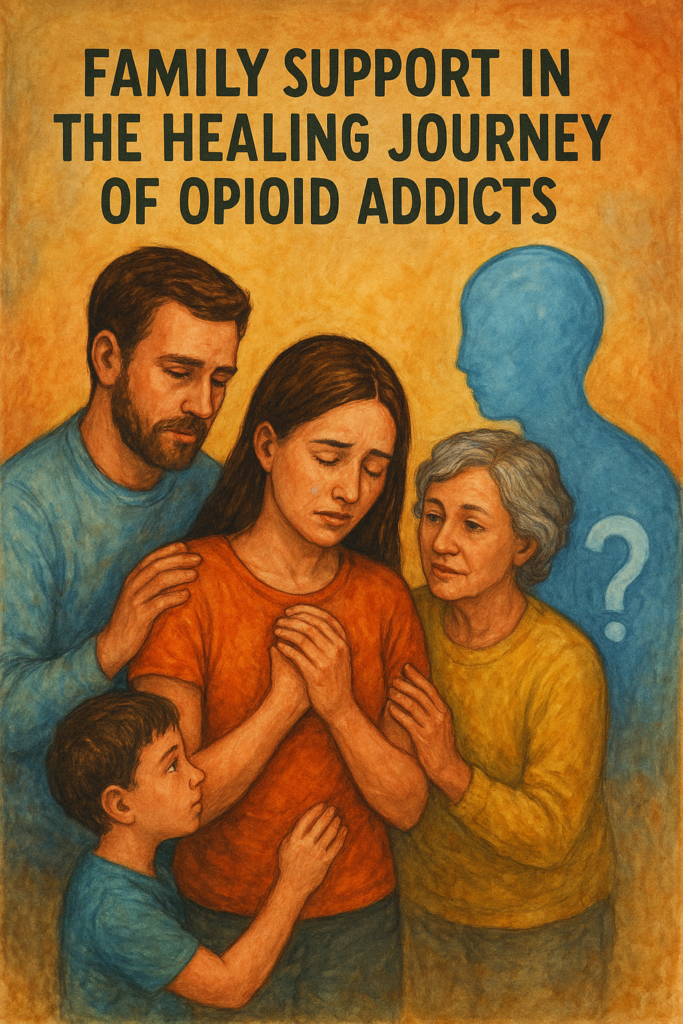
Introduction: The Role of Family in Addiction Recovery

Recovering from opioid addiction is not a journey that an individual takes alone. Families play a critical role in providing emotional strength, encouragement, and practical guidance. At The Hope Rehab Center, known as the Best Drug Addiction Treatment center in Islamabad, we believe healing is most effective when loved ones are directly involved.

Family members often become the foundation of an addict’s recovery—helping to rebuild trust, nurture resilience, and encourage accountability. Without a strong family support system, even the best clinical treatments can feel incomplete.

Understanding Opioid Addiction and Its Impact on Families

Emotional Toll on Parents and Siblings

Opioid addiction doesn’t just affect the person using the drug—it ripples through the entire household. Parents struggle with fear, anxiety, and helplessness. Siblings often feel neglected or misunderstood, creating tension at home. This emotional imbalance can delay recovery if not addressed.

Financial and Social Challenges Faced by Families

Beyond emotional pain, families also face financial strain due to treatment costs, lost income, or legal issues related to addiction. Socially, families may experience isolation and stigma, making it difficult to reach out for help. That’s why a compassionate rehab center is vital for guiding both patients and families.

Why Family Support is Crucial in Healing

The Psychological Power of a Strong Support System

Studies show that people recovering from opioid addiction have a higher success rate when they feel supported by their families. Love, empathy, and encouragement provide the emotional strength needed to resist relapse.

Encouragement and Accountability for Recovery

When families are involved, patients feel more accountable. Supportive families remind addicts of their progress, celebrate small victories, and motivate them to keep pushing forward.

Family Involvement in Treatment Programs

Counseling Sessions for Families

At The Hope Rehab Center, family counseling sessions help relatives understand the science of addiction. Families learn how to set healthy boundaries while offering unconditional support.

Family Therapy as a Healing Tool

Therapy sessions are designed to mend broken relationships, improve communication, and rebuild trust. This structured involvement ensures recovery becomes a shared journey.

How The Hope Rehab Center Supports Families in Islamabad

Specialized Family-Centered Programs

As the Best Drug Addiction Treatment center in Islamabad, we provide holistic treatment approaches that focus on both patients and families. Our programs emphasize collaboration between counselors, patients, and loved ones.

Creating a Safe Environment for Recovery

We create a nurturing environment where families and patients can heal together—free from judgment and stigma. This approach ensures long-term recovery and strengthens family bonds.

Building Healthy Family Communication

Breaking the Stigma Around Addiction

One of the biggest barriers to recovery is stigma. Families often avoid discussing addiction due to shame. At The Hope Rehab Center, we encourage open dialogue to eliminate guilt and judgment.

Encouraging Open and Honest Dialogue

By fostering honesty, families learn to communicate their fears, concerns, and love in healthier ways. This transparency builds trust and motivates the addict to stay committed to recovery.

Practical Ways Families Can Help Loved Ones Heal

Providing Emotional Encouragement

Simple acts of love—like words of affirmation, attending therapy sessions, or celebrating milestones—make a huge difference in recovery.

Helping with Daily Structure and Routines

Families can support patients by encouraging healthy habits such as regular sleep, balanced diets, and structured daily activities that prevent relapse triggers.

Success Stories: Families Who Transformed Together

Many families in Islamabad have found hope and healing at our center. By working together, families not only support their loved one’s recovery but also rebuild trust, love, and unity in their homes. These success stories show that recovery is not just possible—it’s sustainable with family involvement.

FAQs on Family Support in Opioid Addiction Recovery

Q1: Why is family support important in opioid addiction recovery?
Family support provides emotional strength, accountability, and stability, which increase the chances of successful recovery.

Q2: How does The Hope Rehab Center involve families in treatment?
We offer counseling, therapy sessions, and structured family programs designed to educate and heal families together.

Q3: Can family therapy improve long-term recovery?
Yes, family therapy improves communication, rebuilds trust, and addresses deep-rooted issues that can hinder healing.

Q4: What should families avoid during recovery?
Families should avoid judgment, blame, or enabling addictive behaviors. Instead, they should encourage progress and set healthy boundaries.

Q5: How can families reduce the stigma of addiction?
By speaking openly about addiction, seeking therapy, and treating it as a medical condition rather than a moral failure.

Q6: Is The Hope Rehab Center only for patients, or do families also receive support?
Our center provides full family support programs, ensuring that recovery becomes a shared process.

Conclusion: A Family’s Role in Lifelong Recovery

The journey to overcoming opioid addiction is challenging, but with the right family support, recovery becomes not just possible, but powerful. At The Hope Rehab Center, the Best Drug Addiction Treatment center in Islamabad, we believe healing is a collective effort. By involving families in the recovery process, we strengthen both the patient’s resilience and the family’s unity.

Together, we heal. Together, we hope.