The Hope Rehab Center

Category Rehabilitation Center

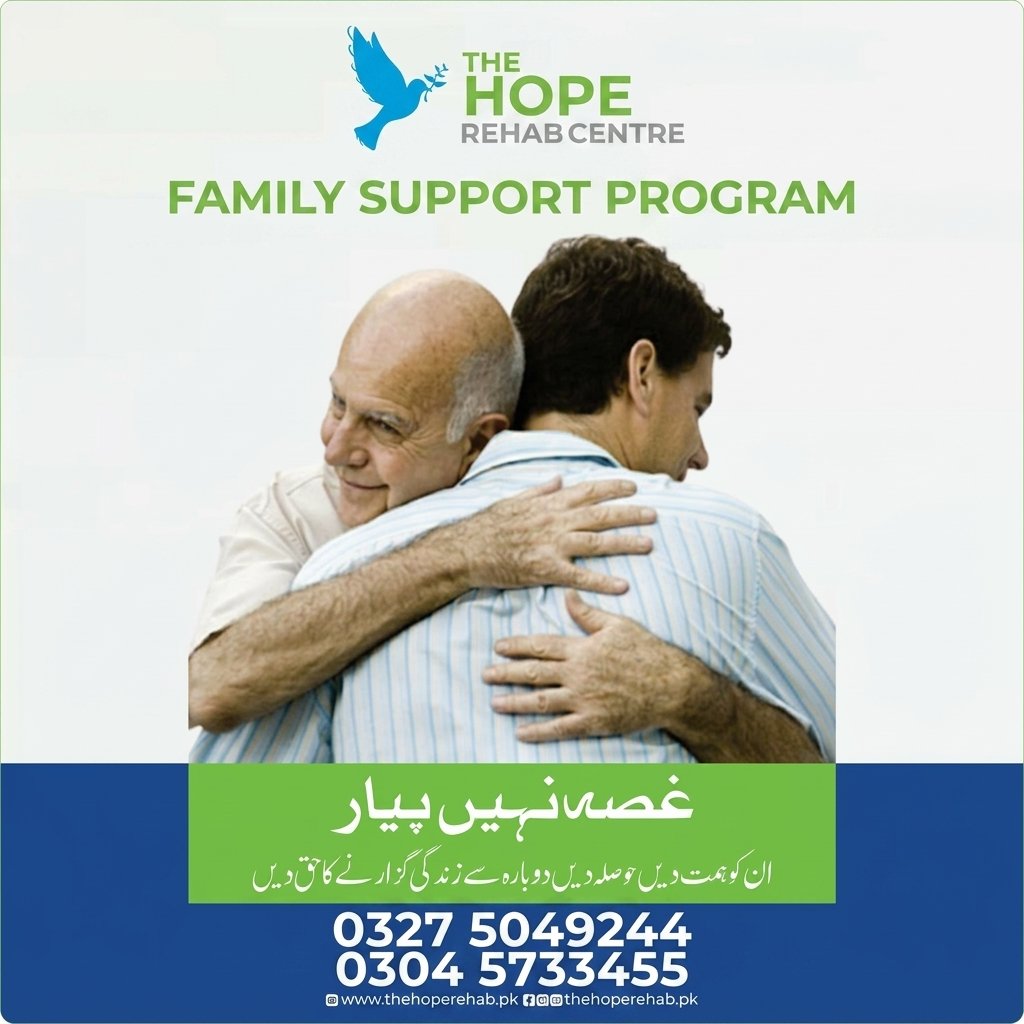
Family Support Program | Strengthening Recovery Through Care and Connection

Family Support Program | Building Stronger Families for Lasting Recovery

Recovery from addiction or mental health challenges is rarely a journey taken alone. Family plays a powerful role in helping individuals heal, rebuild trust, and maintain long-term stability. A Family Support Program is designed to involve loved ones in the treatment process, offering education, emotional guidance, and structured support.

When a person struggles with addiction, depression, trauma, or behavioral health issues, the entire family can be affected. Emotional stress, communication breakdown, and uncertainty often become part of daily life. A strong family support system can make recovery more stable and meaningful.

At The Hope Rehabilitation Center Islamabad, Pakistan, family support programs are an important part of treatment, helping both individuals and their families move toward healthier relationships and long-term healing.

What Is a Family Support Program?

A Family Support Program is a structured approach that helps family members understand addiction, mental health conditions, and the recovery process. It creates a safe space where families can learn how to support their loved one while also taking care of their own emotional well-being.

These programs may include:

  • Family counseling sessions
  • Emotional support meetings
  • Educational workshops
  • Conflict resolution guidance
  • Communication skill building

The goal is to strengthen family relationships and improve recovery outcomes.

Why Family Support Matters in Recovery

Addiction and mental health challenges can affect trust, communication, and emotional stability within a family. Without proper understanding, families may feel helpless or overwhelmed.

A family support program can help by:

  • Improving understanding of addiction and mental health
  • Reducing blame and confusion
  • Encouraging healthy communication
  • Building emotional resilience
  • Supporting long-term recovery goals

At The Hope Rehabilitation Center Islamabad, Pakistan, family involvement is encouraged when it can positively support the recovery journey.

How Addiction Affects Families

Substance use disorders often create challenges beyond the individual. Family members may experience:

Emotional Stress

Watching a loved one struggle can lead to anxiety, sadness, and emotional exhaustion.

Trust Issues

Repeated relapse, dishonesty, or unpredictable behavior can damage trust within the home.

Financial Strain

Addiction may create financial difficulties that affect the entire family.

Communication Problems

Families often struggle to talk openly about addiction, leading to conflict or silence.

A structured Family Support Program helps families address these issues in a healthy and productive way.

Key Elements of a Family Support Program

Family Support Program | Strengthening Recovery Through Care and Connection

Family Counseling Sessions

Counseling creates an environment where family members can express feelings, ask questions, and work through emotional challenges together.

At The Hope Rehabilitation Center Islamabad, Pakistan, these sessions are guided by trained professionals who focus on healing relationships and improving understanding.

Education About Addiction and Mental Health

Learning about addiction, relapse, withdrawal, and emotional triggers can help families respond with more patience and awareness.

Education can reduce misunderstandings and improve support at home.

Communication Skills Training

Healthy communication is essential during recovery. Families may learn:

  • Active listening
  • Setting boundaries
  • Managing conflict calmly
  • Expressing emotions clearly

These skills help reduce tension and build stronger relationships.

Relapse Prevention Support

Families can learn how to recognize warning signs of relapse and how to respond appropriately without panic or blame.

This can improve long-term recovery planning.

Benefits of Family Involvement in Recovery

Family support can improve treatment outcomes in many ways.

Emotional Encouragement

Support from loved ones can motivate individuals to stay committed to treatment.

Improved Accountability

Family involvement can help individuals stay focused on their recovery goals.

Better Home Environment

A healthy and supportive home can reduce stress and improve emotional stability.

Stronger Relationships

Recovery can create opportunities to rebuild trust and strengthen family bonds.

At The Hope Rehabilitation Center Islamabad, Pakistan, the goal is to help both individuals and families heal together.

Family Healing Is Important Too

Family members also need support. Living with addiction or mental health struggles can be emotionally draining. Family support programs remind loved ones that their well-being matters too.

Support may help family members:

  • Manage stress
  • Set healthy boundaries
  • Understand their own emotions
  • Develop better coping strategies

Healing as a family can create a stronger foundation for lasting recovery.

Frequently Asked Questions (FAQs)

1. What is a Family Support Program?

A Family Support Program helps families understand addiction and mental health while providing emotional support and guidance during recovery.

2. Why is family support important in addiction recovery?

Family support can improve motivation, emotional stability, and long-term recovery success.

3. Can family counseling help rebuild trust?

Yes. Counseling can improve communication and help repair damaged relationships over time.

4. Do family members need support too?

Yes. Addiction affects the whole family, and emotional support for loved ones is often important.

5. Can family support reduce relapse risk?

A supportive and informed family environment can help individuals stay focused on recovery and recognize challenges early.

Conclusion

A Family Support Program is an important part of recovery because it recognizes that healing often involves more than one person. Addiction and mental health challenges can affect the entire family, but with education, counseling, and emotional support, families can become a strong source of encouragement and stability.

At The Hope Rehabilitation Center Islamabad, Pakistan, family support programs are designed to strengthen relationships, improve communication, and support lasting recovery. Through shared understanding and professional guidance, families can move forward together with greater hope, trust, and emotional balance.

Drugs Addiction – Drug Addiction Treatment in Islamabad, Pakistan
Drugs Addiction – Drug Addiction Treatment in Islamabad, Pakistan
Drug dependency is a brain disorder characterized by compulsive engagement in rewarding stimuli, despite adverse consequences. It occurs when an individual becomes reliant on harmful substances, but struggles to stop using them despite the negative effects. Ans – It can destroy your physical health, emotional stability, relationships and day to day life everything. If left unaddressed, however, it can ultimately result in significant health risks.

However, for people who are looking every route to get Drug Addiction Treatment in Islamabad Pakistan, it is important that they know about the causes, symptoms & rehabilitation procedure. The Hope Rehabilitation Center Islamabad, Pakistan provide professional, ethical treatment programs in conjunction with ongoing care to ensure patients always have loving support during their long-lasting recovery.

What Is Drug Addiction?

Drug addiction is a prolonged disorder characterized by compulsive drug seeking and use that is mostly uncontrollable, despite harmful consequences. Drugs act on brain neurochemicals that govern pleasure and reward, lending themselves as reinforcing agents which makes it more difficult to stop taking the substance.

Common addictive substances include:

  • Heroin
  • Cocaine
  • Crystal meth (ICE)
  • Cannabis (marijuana)
  • Prescription painkillers
  • Opioids
  • Sleeping pills

However, each has a different mode of action on the body and each can result in dependency.

The Clinical Features of Drug or/and Drug Addiction

Identifying the early warning signs of addiction – as it is coming – can really help.

Common symptoms include:

  • Strong cravings for drugs
  • Loss of control over usage
  • Increased tolerance
  • Withdrawal symptoms
  • Mood swings
  • Anxiety or depression
  • Isolation from family and friends
  • Financial problems
  • Neglecting responsibilities
  • Changes in sleeping or eating habits

These symptoms can also each worsen over time.

Causes of Drug Addiction

There are many physical, emotional and social factors that contribute to the development of drug addiction.

Emotional Stress

For many people, drugs are a way to alleviate stress, pain or emotional issues.

Trauma

A history of trauma makes you susceptible to drug use.

Mental Health Disorders

Mental illnesses such as anxiety, depression, and PTSD can also cause one to abuse.

Peer Pressure

Drugs Addiction – Drug Addiction Treatment in Islamabad, Pakistan

Social influences can also drive a person to experimenting with drugs.

Family History

You may be destined to become an addict, being an identified genetic predisposition.

Knowing the underlying cause, it assists in making a better treatment plan.

Health Risks of Drug Addiction

Drugs ruin the body and mind.

Physical Health Risks

  • Heart problems
  • Liver damage
  • Kidney issues
  • Weakened immune system
  • Weight loss
  • Sleep disturbances
  • Risk of overdose

Mental Health Risks

  • Depression
  • Anxiety
  • Paranoia
  • Hallucinations
  • Mood disorders
  • Suicidal thoughts

Most people with sort of addiction often require a psychological assist within the course of treatment.

The Importance of Getting Help with Your Drug Addiction

Simply quitting drugs is very difficult for someone with physical dependence and emotional triggers. Professional treatment is the process of receiving care in a structured environment.

Drug Addiction Treatment Islamabad Pakistan aids persons with;

  • Manage withdrawal symptoms safely
  • Understand addiction triggers
  • Improve mental health
  • Learn healthier coping strategies
  • Prevent relapse
  • Rebuild daily life routines

The Hope Rehabilitation Center Islamabad, Pakistan tailors’ treatment to the needs of the person.

Treatment Approaches for Drug Addiction

Detoxification

Detox is often the first step in recovery. It gets rid of all the toxic materials from the body and at the same time controls withdrawal symptoms.

Individual Counseling

Through personal counseling, they can identify emotional pain, stress and triggers of addiction.

Cognitive Behavioral Therapy (CBT)

CBT helps identify these distorted thought patterns and replace them with healthy behaviors.

Group Therapy

Group sessions offer emotional support, motivation and group learning.

Family Support Programs

With the assistance of family counseling, it becomes easy to build trust and improve communication skills and emotional support.

Relapse Prevention in Recovery

Addiction is a chronic disease, and treatment for drug addiction, as well as wilderness therapy, lasts long term. And preventing relapse is a part of being healthy.

Relapse prevention strategies include:

  • Identifying personal triggers
  • Avoiding harmful environments
  • Managing stress
  • Regular therapy sessions
  • Healthy routines
  • Strong family support

Relapse Prevention, as part of the recovery journey at The Hope Rehabilitation Center Islamabad, Pakistan

Mental Health and Drug Addiction Connection

Drug addiction is often accompanied by mental health issues such as:

  • Depression
  • Anxiety
  • Trauma disorders
  • Stress-related conditions

This is known as dual-diagnosis. Recovery rates are better when they address addiction and mental health simultaneously.

Frequently Asked Questions (FAQs)

1.     What is drug addiction?

This can manifest in a few different ways, but traditionally drug addiction is when an individual struggles to control their need for involuntary or emotionally-driven use of drugs that hurt them both physically and mentally.

2.     Is drug addiction treatable?

Yes. Detox, therapy, and structured treatment are professional aids to recovery.

3.     Time Frame for Drug Addiction Treatment

The period can vary based upon chemical, severity and personal success.

4.     Can addiction affect mental health?

Yes. Drug addiction can lead to increased anxiety, depression and emotional imbalance.

5.     How will family support affect recovery?

Yes. Motivation is strengthened by Family support, which leads to better long-term recovery outcomes.

Conclusion

This article may be found to use easy enough language for normal person addictions which are a serious inefficiency of your wellbeing, romantic relationships and emotions but can be taken care of with treatment if you happen to make adequate steps in heading forward along these lines. Drug Addiction Treatment in Islamabad, Pakistan can offer individuals the support, direction and environment necessary to get out of substance addiction.

The Hope Rehabilitation Center Islamabad, Pakistan offer a comprehensive treatment program that addresses safe detoxification, therapy, family support, and relapse prevention. Dealing with a co-occurring disorder requires professional care and commitment, but the combination of emotional healing and coping tools can allow individuals to move toward a healthier future.

Rapid Detox Treatment – Rapid Detox Treatment in Islamabad, Pakistan

Rapid Detox Treatment – Rapid Detox Treatment in Islamabad, Pakistan

Rapid detox treatment is a specific type of detox used in addiction recovery that helps individuals to safely get rid of harmful substances from their systems quicker than normal. It is commonly recommended for individuals with a history of opioid, heroin, alcohol, or drug dependency who want to start their recovery journey in a medically supervised environment. One of the most important preliminary steps in addiction treatment is detoxification, which stabilizes the body prior to therapy and rehabilitation.

For an individual searching for rapid detox treatment in Islamabad, Pakistan, it is important to know how the procedure works and its benefits and risks. Rapid detox treatment at The Hope Rehabilitation Center Islamabad, Pakistan is approached with medical care, professional monitoring, ethical support so that a patient can get to the point of long-term recovery.

What Is Rapid Detox Treatment?

You are collecting rapid detox treatment, a supervised process with function on elimination of some addictive substances through the body faster than the normal detox. The aim is to assist reduce withdrawal discomfort and speed up the detox schedule.

Rapid detox may be used for:

  • Opioid addiction
  • Heroin addiction
  • Prescription drug dependence
  • Alcohol addiction
  • Other substance uses disorders

Because withdrawal symptoms are often severe, this process is usually carried out under medical supervision.

Why Detoxification Is Important

The body has a natural process to clear harmful substances; it is called detoxification. This step is one of the hardest physically and emotionally for addiction victims.

Detox is important because it:

  • Detoxifies the body from poisons
  • Helps stabilize physical health
  • Prepares individuals for therapy
  • Reduces immediate health risks
  • Supports the beginning of recovery

Detox can be a more challenging to start, plus long-term treatment without detox is not recommended.

How Rapid Detox Treatment Works

Rapid detox treatment usually requires careful supervision and medical assistance to assist with the withdrawal effects.

The process may include:

Medical Assessment

This is done as a full health evaluation of the person and his/her addiction history, making it easier to understand how detox needs to begin.

Detoxification Phase

At this stage, the body eliminates the substance while symptoms are managed closely.

Withdrawal Monitoring

The doctors watch the vital signs, hydration, sleep and stability of emotion.

Recovery Planning

Therapy and rehabilitation follow detox when it comes to understanding the psychological side of addiction.

Detox for most patients in The Hope Rehabilitation Center Islamabad, Pakistan will lead into counseling and relapse prevention programs.

Benefits of Rapid Detox Treatment

When done under the right supervision, rapid detox offers numerous advantages.

Faster Physical Stabilization

You can complete your detox naturally in even much less time than you would using regular techniques.

Controlled Withdrawal Support

Having a medical professional monitor the process can ease discomfort and help catch complications.

Rapid Detox Treatment – Rapid Detox Treatment in Islamabad, Pakistan

Early Start to Therapy

Detox provides a safe, stable environment for patients to complete any withdrawal symptoms before beginning counseling and behavioral treatment.

Reduced Risk of Immediate Relapse

A drug detox program can help begin the rehabilitation process with less strain on your body.

Who May Need Rapid Detox?

Who is Rapid Detox for:

  • Have severe opioid dependence
  • Struggle with heroin addiction
  • Have repeated relapse history
  • Need structured medical detox
  • Experience intense withdrawal symptoms

Only a small percentage of people qualify for accelerated detox. Professional assessment is necessary.

Withdrawal Symptoms During Detox

Whether you experience withdrawal symptoms depends on the type of the substance and how long you’ve been using it.

Common symptoms include:

  • Anxiety
  • Sweating
  • Body pain
  • Nausea
  • Insomnia
  • Restlessness
  • Mood swings
  • Strong cravings
  • Fatigue

They range from mild to severe—from these you require the supervision of a doctor.

Detox Is Only the First Step

You should note however, that simply detoxing is not a complete addiction treatment. Detox gets the substance out of you but therapy is needed for your emotions and behaviors that drive your addiction.

In the case of rapid detox, the treatment may consist of:

  • Individual counseling
  • Cognitive Behavioral Therapy (CBT)
  • Group therapy
  • Family support programs
  • Relapse prevention planning

The Hope Rehabilitation Center Islamabad, Pakistan recovery programs take care of the physical as well as emotional aspects of healing.

Importance of Family Support in the Recovery

After detoxification, the role of family support can be huge. Loved ones can help by:

  • Providing emotional encouragement
  • Supporting treatment goals
  • Helping reduce stress
  • Creating a stable environment
  • Recognizing relapse warning signs

A caring family environment can improve outcomes of recovery.

Frequently Asked Questions (FAQs)

1.     What is rapid detox treatment?

Rapid detox treatment is a medical procedure that eliminates addictive chemicals from the body more quickly.

2.     Is rapid detox safe?

Rapid detox is only completed in a medical facility with the ability to monitor and mitigate withdrawal risks as needed.

3.     Can rapid detox cure addiction?

No. Detox is just the tip of the iceberg. It takes therapy and rehabilitation for a long-term recovery.

4.     The duration of a rapid detox program

The length of detox depending on the individual, illness and amount of substance used but is typically shorter than standard detox.

5.     Detox brings so many changes — it is very important there be family support afterwards.

Yes. Increased stability and lowered risk of relapse when family support is involved

Conclusion

Rapid detox is a necessary first step when dealing with substance dependence. It aids in the elimination of toxins from the system and is vital to give people a powerful start on their way to recovery. opt for Rapid Detox Treatment in Islamabad, Pakistan as it offers so many benefits and is a safe approach to providing assistance during this essential phase.

This full day treatment program with appropriate medications is done under professional monitoring at The Hope Rehabilitation Center Islamabad, Pakistan center to create a success path for rapid detox, counseling and long-term recovery planning. However, given adequate care, therapy and assistance people can recover towards a healthier, more steady life that is free of drugs.

Heroin Addiction | Understanding Dependency and Recovery Support
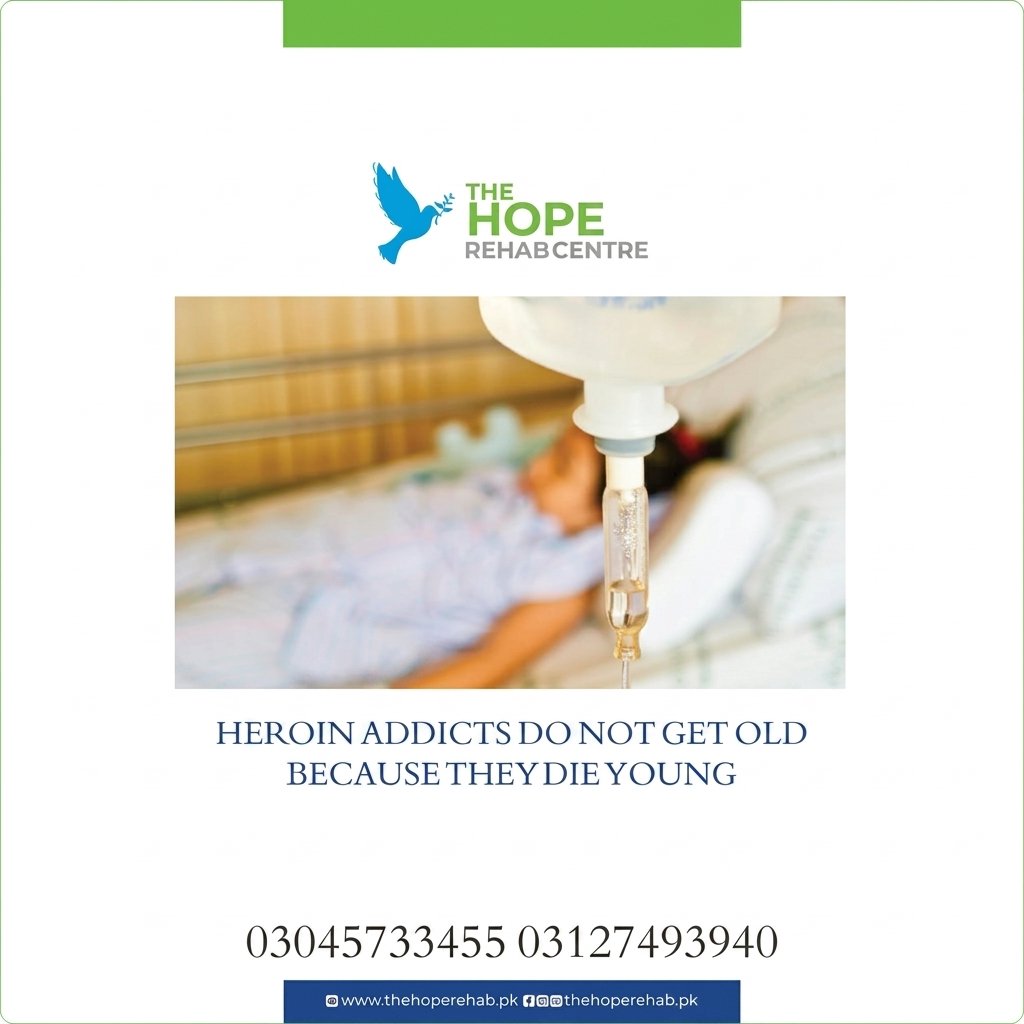
Heroin Addiction | Understanding Dependency and Recovery Support

Heroin addiction is one of the most serious and complex substance use disorders. It affects both the body and mind, often leading to severe physical dependence, emotional instability, and major disruptions in daily life. Many individuals who struggle with heroin addiction may feel trapped in a cycle of cravings, withdrawal symptoms, and repeated use.

Heroin is an opioid drug that can quickly create dependency, even after short-term use. Without proper treatment, heroin addiction can affect relationships, work, health, and mental well-being.

At The Hope Rehabilitation Center Islamabad, Pakistan, treatment for heroin addiction focuses on compassionate care, structured detoxification, therapy, and long-term recovery planning to support individuals in rebuilding their lives.

What Is Heroin Addiction?

Heroin addiction develops when a person becomes physically and psychologically dependent on heroin. The drug affects the brain’s reward system, creating feelings of relaxation or temporary relief, which can lead to repeated use.

Over time, the body adjusts to the drug, requiring larger amounts to achieve the same effects. This can increase both dependence and health risks.

Heroin may be used in different ways, including:

  • Injecting
  • Smoking
  • Snorting

Each method carries serious health risks.

Signs and Symptoms of Heroin Addiction

Recognizing the signs of heroin addiction can help individuals and families seek support earlier.

Physical Symptoms

  • Extreme drowsiness
  • Constricted pupils
  • Weight loss
  • Poor hygiene
  • Slow breathing
  • Frequent flu-like symptoms

Behavioral Symptoms

  • Secretive behavior
  • Loss of interest in responsibilities
  • Financial problems
  • Social withdrawal
  • Risk-taking behavior

Emotional Symptoms

  • Mood swings
  • Depression
  • Anxiety
  • Irritability
  • Lack of motivation

At The Hope Rehabilitation Center Islamabad, Pakistan, these symptoms are carefully assessed to build personalized treatment plans.

Health Risks of Heroin Addiction

Heroin addiction can lead to serious short-term and long-term health complications.

Physical Risks

Long-term heroin use may contribute to:

  • Respiratory problems
  • Liver complications
  • Heart infections
  • Collapsed veins
  • Digestive issues
  • Weakened immune system
Heroin Addiction | Understanding Dependency and Recovery Support

Mental Health Risks

Heroin addiction is often linked with:

  • Depression
  • Anxiety disorders
  • Emotional instability
  • Cognitive difficulties
  • Trauma-related conditions

Treating both addiction and mental health together is often an important part of recovery.

Heroin Withdrawal Symptoms

One of the biggest challenges in heroin addiction is withdrawal. When heroin use stops, the body reacts strongly because of physical dependence.

Common withdrawal symptoms include:

  • Severe cravings
  • Sweating
  • Body pain
  • Restlessness
  • Nausea and vomiting
  • Difficulty sleeping
  • Anxiety and agitation

Withdrawal can be physically and emotionally intense, which is why professional supervision is important.

Treatment Options for Heroin Addiction

Recovery from heroin addiction usually requires a structured and multi-step treatment approach.

Medical Detoxification

Detox is often the first step in heroin addiction treatment. During detox, the body clears heroin while healthcare professionals monitor withdrawal symptoms and overall safety.

At The Hope Rehabilitation Center Islamabad, Pakistan, detox programs are designed to provide supportive care during this difficult stage.

Therapy and Counseling

Therapy helps individuals understand the emotional and behavioral patterns behind addiction.

Common therapies include:

  • Cognitive Behavioral Therapy (CBT)
  • Individual counseling
  • Group therapy
  • Emotional regulation therapy

These approaches help individuals identify triggers and build healthier coping strategies.

Relapse Prevention Planning

Long-term recovery requires preparation for life after treatment. Relapse prevention focuses on:

  • Trigger awareness
  • Stress management
  • Healthy routine building
  • Ongoing counseling support

This helps individuals maintain progress after completing treatment.

Importance of Family Support in Recovery

Heroin addiction often affects entire families. Family support can play a key role in emotional healing and long-term stability.

Family counseling may help:

  • Improve communication
  • Rebuild trust
  • Strengthen emotional support
  • Create healthier boundaries

At The Hope Rehabilitation Center Islamabad, Pakistan, family involvement may be included in treatment when beneficial.

Recovery Is a Long-Term Process

Recovery from heroin addiction is not always quick or easy. It often requires patience, commitment, and ongoing support. Some individuals may need extended therapy or follow-up care to maintain stability.

A structured recovery plan can help individuals rebuild:

  • Physical health
  • Emotional balance
  • Relationships
  • Daily routines
  • Personal goals

Each step forward can contribute to long-term improvement.

Frequently Asked Questions (FAQs)

1. Why is heroin so addictive?

Heroin affects the brain’s reward system quickly, creating strong cravings and physical dependence.

2. What are the first signs of heroin addiction?

Common early signs include drowsiness, secretive behavior, mood changes, and increased isolation.

3. Is heroin withdrawal dangerous?

Withdrawal can be intense and uncomfortable. Professional supervision can help manage symptoms safely.

4. Can heroin addiction affect mental health?

Yes. Heroin addiction is often linked with depression, anxiety, and emotional instability.

5. How long does heroin addiction treatment take?

Treatment length varies depending on the individual’s condition, history of use, and recovery needs.

Conclusion

Heroin addiction is a serious condition that can affect every area of life, but recovery is possible with the right treatment and support. Understanding the signs, risks, and treatment options can help individuals and families take the first step toward healing.

At The Hope Rehabilitation Center Islamabad, Pakistan, heroin addiction treatment focuses on safe detoxification, therapy, emotional support, and long-term recovery planning. Through compassionate care and structured guidance, individuals can begin rebuilding their health, stability, and future.

Online Treatment Sessions | Accessible Mental Health and Recovery Support from Home
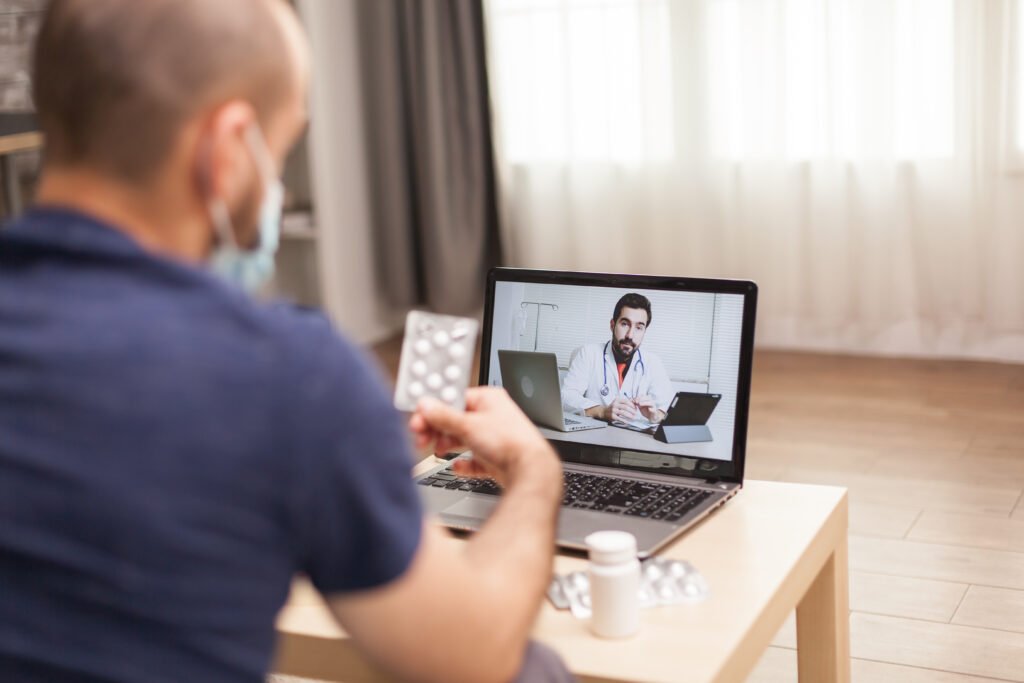
Online Treatment Sessions | Accessible Mental Health and Recovery Support from Home

Online treatment sessions have become an important part of modern healthcare, especially in mental health and addiction recovery. They provide individuals with access to professional support without the need to travel or leave their homes. For many people, online therapy and counseling create a practical and comfortable way to begin treatment.

Whether someone is dealing with depression, anxiety, trauma, or substance use challenges, online sessions can offer structured guidance and emotional support. At The Hope Rehabilitation Center Islamabad, Pakistan, online treatment sessions are designed to provide flexible and confidential care while maintaining the same professional standards as in-person treatment.

This approach makes mental health and addiction care more accessible for individuals and families across Pakistan.

What Are Online Treatment Sessions?

Online treatment sessions are professional counseling, therapy, or recovery support services delivered through video calls, phone calls, or secure digital platforms. These sessions allow individuals to connect with qualified mental health professionals from any location.

Online care can include:

  • Individual therapy
  • Family counseling
  • Addiction recovery support
  • Psychiatric consultation
  • Emotional wellness coaching

For people who face travel difficulties, busy schedules, or privacy concerns, online treatment can be an effective option.

Benefits of Online Treatment Sessions

Online care offers several practical and emotional benefits for individuals seeking support.

Easy Access to Professional Help

One of the biggest advantages of online treatment is accessibility. People living in remote areas or outside major cities can connect with mental health professionals more easily.

At The Hope Rehabilitation Center Islamabad, Pakistan, online treatment sessions help bridge this gap by making care available beyond physical clinic visits.

Privacy and Comfort

Some individuals feel more comfortable opening up about personal issues from their own home. Familiar surroundings can reduce anxiety and make communication easier.

Flexible Scheduling

Online sessions can be easier to fit into daily routines, especially for working individuals, students, or family caregivers.

Continued Support During Recovery

Recovery often requires consistency. Online sessions help individuals maintain regular contact with therapists, even during travel or busy life periods.

Conditions That Can Be Treated Online

Many mental health and behavioral conditions can be effectively addressed through online treatment.

Depression

Online counseling can help individuals manage sadness, hopelessness, and emotional stress.

Anxiety Disorders

Therapists can guide patients through coping strategies for excessive worry, panic, and stress.

Addiction Recovery Support

Online sessions can support relapse prevention, emotional management, and recovery planning.

Trauma and Emotional Distress

People dealing with past trauma can receive structured therapy and emotional guidance through virtual sessions.

At The Hope Rehabilitation Center Islamabad, Pakistan, online treatment plans are adjusted according to each individual’s emotional and psychological needs.

Online Addiction Treatment and Counseling

Addiction recovery does not always stop after detox or inpatient care. Many individuals benefit from continued counseling and support.

Online addiction treatment sessions may include:

Online Treatment Sessions | Accessible Mental Health and Recovery Support from Home
  • Craving management strategies
  • Emotional regulation support
  • Relapse prevention planning
  • Family support sessions
  • Recovery progress monitoring

These sessions help individuals stay connected to their recovery goals while managing everyday life.

The Role of Family in Online Treatment

Family involvement can be valuable in both mental health care and addiction recovery. Online family counseling sessions make it easier for loved ones to participate, even if they are in different locations.

Family support can help:

  • Improve communication
  • Build trust
  • Strengthen emotional understanding
  • Support healthy recovery habits

At The Hope Rehabilitation Center Islamabad, Pakistan, family-centered support can be included when needed.

Is Online Treatment Effective?

Research and clinical experience show that online treatment can be effective for many individuals, especially when sessions are regular and professionally guided.

Success often depends on:

  • Honest communication
  • Consistent attendance
  • A stable internet connection
  • Commitment to treatment goals

For some severe cases, in-person or inpatient treatment may still be necessary. However, online care remains a valuable option for ongoing support.

Who Can Benefit from Online Treatment?

Online sessions may be suitable for:

  • Individuals with mild to moderate depression or anxiety
  • People in recovery from addiction
  • Those needing follow-up counseling
  • Families seeking emotional guidance
  • Individuals unable to travel

At The Hope Rehabilitation Center Islamabad, Pakistan, online treatment sessions are designed to meet the needs of different individuals while maintaining confidentiality and professional care.

Frequently Asked Questions (FAQs)

1. What are online treatment sessions?

Online treatment sessions are therapy, counseling, or recovery support provided through video calls, phone calls, or digital platforms.

2. Are online therapy sessions confidential?

Yes. Professional online sessions are designed to protect privacy and maintain confidentiality.

3. Can addiction recovery be supported online?

Yes. Online counseling can help with emotional support, relapse prevention, and ongoing recovery planning.

4. Are online sessions as effective as in-person sessions?

For many individuals, online treatment can be highly effective, depending on their condition and consistency.

5. Who should choose online treatment?

People with travel limitations, busy schedules, privacy concerns, or ongoing recovery needs may benefit from online care.

Conclusion

Online treatment sessions have made mental health and addiction support more accessible, flexible, and practical for many individuals. They provide a valuable option for those seeking professional care while managing daily responsibilities or living in different locations.

At The Hope Rehabilitation Center Islamabad, Pakistan, online treatment sessions are offered with compassion, confidentiality, and personalized care. Through virtual counseling, emotional support, and recovery guidance, individuals can continue their healing journey from the comfort and safety of their own environment.

Mental Health Treatment – Mental Health Treatment in Islamabad, Pakistan
Mental Health Treatment – Mental Health Treatment in Islamabad, Pakistan

It also impacts people’s thoughts, emotions and behaviors in day-to-day situations. It affects relationships, work performance, emotional well-being and physical health negatively when mental health is disturbed. Anxiety, depression, trauma and stress-related disorders are increasingly being diagnosed across all age groups.

If you are suffering from emotional or psychological challenges, then you should go for seeking mental health treatment in Islamabad, Pakistan. The Hope Rehabilitation Center Islamabad, Pakistan offer comprehensive mental health treatment in a safe environment with skilled professionals to provide care, compassion and evidence-based treatments for long-lasting recovery and emotional balance.

Understanding Mental Health Treatment

Mental health treatment is geared towards equipping individuals with tools and support that can help them to cope with emotional challenges and bring balance back into life. Treatment plans are created based on the persons disorder, symptoms, and personal needs.

Treatment for mental health can aid in:

  • Anxiety disorders
  • Depression
  • Stress-related disorders
  • Trauma and PTSD
  • Mood disorders
  • Panic attacks
  • Dual-diagnosis conditions
  • Substance-induced mental health problems

Early intervention frequently enhances recovery and mental well-being.

All the signs that may point to you needing mental health treatment

It is crucial to identify mental health challenges and seek assistance at the right time.

Common symptoms include:

  • Persistent sadness
  • Excessive worry or fear
  • Mood swings
  • Disinterest in activities of daily living
  • Difficulty sleeping
  • Low energy
  • Social withdrawal
  • Difficulty concentrating
  • Irritability
  • Feelings of hopelessness

When there are long periods of these symptoms, seeking professional help might be a good idea.

Causes of Mental Health Challenges

The roots of mental health conditions can be complex.

Stressful Life Events

Life changes, money issues, or the loss of a loved one can led to this kind of feeling.

Trauma

Mental stability may also be affected by past abuse or accident, or some type of emotional pain.

Addiction

Substance abuse is common with many depressed people, and it plays a key part in poor emotional well-being.

Family History

A genetic link may also exist for some mental health conditions.

Lifestyle Factors

Poor sleep, poor lifestyle choices, or lack of support can exacerbate emotional stress.

Working to identify the causes of these behavioral shifts can help inform your treatment plans.

Why You Should Go Through Professional Mental Health Treatment?

Mental Health Treatment – Mental Health Treatment in Islamabad, Pakistan

Without treatment, mental health challenges can interfere with life in a fairly substantial way. It offers structured support and practical tools for healing.

If this is the case, then looking for Mental Health Treatment in Islamabad, Pakistan can be advantageous.

  • Improve emotional balance
  • Manage anxiety and stress
  • Build healthy coping skills
  • Improve relationships
  • Increase self-awareness
  • Restore confidence
  • Support long-term recovery

The Hope Rehabilitation Center Islamabad, Pakistan provide customized treatment programs according to the individual acquiescence of each patient.

Treatment Approaches for Mental Health

Individual Counseling

One-on-one counseling gives you a safe space to talk about your feelings, thoughts, and life struggles.

Cognitive Behavioral Therapy (CBT)

CBT is one of the best therapies for dealing with anxiety, depression, and stress. It assists with changing negative views of the world.

Stress Management Therapy

The treatment emphasizes relaxation techniques, emotional regulation, and coping strategies.

Group Therapy

Being in submission to a group brings people together; apart from sharing their experiences with each other, they disperse the feelings of isolation.

Family Counseling

Family support can strengthen emotional recovery, and improve communication at home.

Mental Health and Addiction

Co-occurring is a mental health & addiction. The patients also have depression, anxiety, trauma, or stress along with addiction.

This is called dual-diagnosis.

It is essential to address both conditions at the same time for improved outcomes. Integrated treatment plans meet addiction and mental work needs at the The Hope Rehabilitation Center Islamabad, Pakistan.

Building Better Mental Health

It requires time, commitment, and healthy daily habits to improve mental health.

Helpful steps include:

  • Getting enough sleep
  • Eating a balanced diet
  • Staying physically active
  • Avoiding harmful substances
  • Practicing relaxation techniques
  • Talking openly about emotions
  • Seeking professional help when needed

These practices can enhance emotional resilience and sustain mental health over time.

Frequently Asked Questions (FAQs)

1.     What is mental health treatment?

Treatment for mental health includes therapy, counseling, and organized help to handle emotional and psychological difficulties.

2.     At what point should someone reach out for mental health assistance?

Seek treatment if the emotional barriers are disrupting daily life, work or relationships.

3.     Article Rewrites Why is therapy useful for anxiety, depression?

Yes. Individuals using CBT are commonly seeking therapy for anxiety, depression and stress.

4.     Can addiction affect mental health?

Yes. Some contexts may exacerbate the mental state or lay the ground to manifestation of an emotional instability.

5.     Is it possible that the assistance of family members could help a person recover from mental health issues?

Yes. Having family involved can help provide emotional support and promote healing.

Conclusion

Mental health can disrupt every facet of life, though with the right treatment recovery and stability are absolutely achievable. The Mental Health treatment in Islamabad, Pakistan empowers people feeling blue or struggling to live life fully.

In Islamabad, the The Hope Rehabilitation Center Islamabad, Pakistan has followed ethical care, emotional healing & sympathy for mental health treatment. Therapy, counseling, stress management and family involvement are all viable ways to make progress toward balance for a stronger mind, better relationships and an active future.

Crystal Meth Addiction – Crystal Meth Addiction Treatment in Islamabad, Pakistan
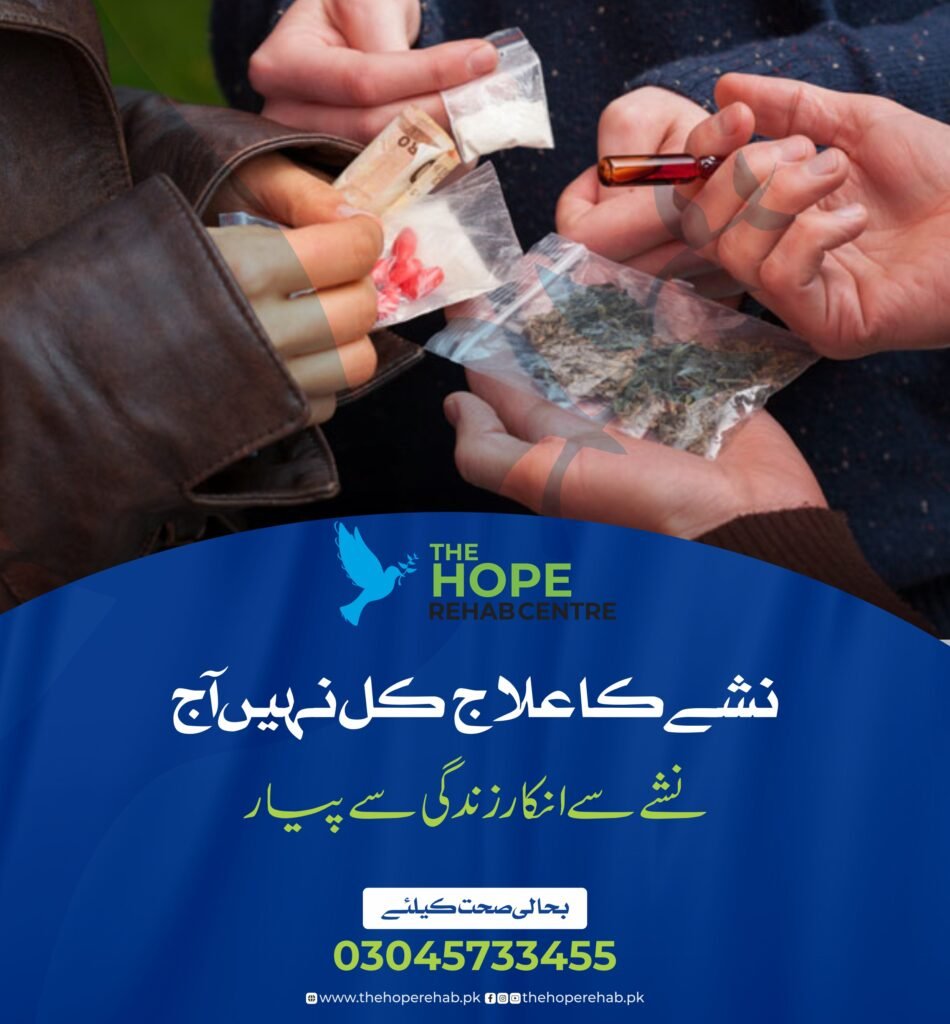
Crystal Meth Addiction – Crystal Meth Addiction Treatment in Islamabad, Pakistan

Crystal meth plays center phase in the list concerning most hostile types of dependency issues. Crystal meth, also known as methamphetamine or ‘ICE,’ is a potent central nervous system stimulant. It produces very strong feelings of energy, awareness, and euphoria; however habitual use generally results in permanent harm physically, emotionally, or psychologically.

Knowing the dangers of meth use and what the recovery process looks like would be beneficial for anyone looking into Crystal Meth Addiction Treatment in Islamabad, Pakistan. The Hope Rehabilitation Center Islamabad, Pakistan offer treatment programs to help people with crystal meth addiction safely, professionally, and with compassion.

What Is Crystal Meth?

Crystal meth is an artificial stimulant that acts throughout the body but particularly on chemicals in the brain, including dopamine. That produces high-intensity short-term pleasure but damages the brain reward system with time.

Types of crystal meth inset: Morning even, gemstone replacement will concern.

  • Smoking
  • Snorting
  • Injecting
  • Swallowing

Dependence is a particular problem because it can occur very quickly, due to the drug’s high potential for addiction.

Signs of Crystal Meth Addiction

Being able to identify the early warning signs can help with making amends.

Common signs include:

  • Extreme energy or hyperactivity
  • Rapid weight loss
  • Insomnia
  • Aggressive behavior
  • Mood swings
  • Anxiety
  • Paranoia
  • Hallucinations
  • Poor personal hygiene
  • Skin sores from scratching
  • Isolation from family and friends

Long-term usage leads symptom-severity to get worse.

The negative influence of Crystal Meth crystal meth

Crystal the sluice addiction concerns help to performance the physical and psychological.

Physical Effects

  • Increased heart rate
  • High blood pressure
  • Severe weight loss
  • Tooth decay (“meth mouth”)
  • Skin damage
  • Weak immune system
  • Sleep problems

Psychological Effects

  • Anxiety
  • Depression
  • Paranoia
  • Panic attacks
  • Aggression
  • Hallucinations
  • Memory problems

Sustained use could cause permanent changes in how emotions are processed and thought patterns.

The Addictiveness of Crystal Meth

How Crystal Meth Works === Crystals releasing dopamine are being purged rapidly == The brain becomes reliant on the drug over time for normalcy.

This often leads to:

  • Strong cravings
  • Increased tolerance
  • Frequent use
  • Difficulty stopping
  • Emotional dependence

This cycle will perpetuate and worsen without treatment.

Crystal Meth Addiction – Crystal Meth Addiction Treatment in Islamabad, Pakistan

The Importance of Professional Treatment

The withdrawal symptoms associated with quitting crystal meth can be severe, making it very difficult to quit cold turkey without support.

Crystal Meth Addiction Treatment in Islamabad, Pakistan | How is treat crystal-Meth?

  • Manage withdrawal safely
  • Reduce cravings
  • Improve mental health
  • Address emotional triggers
  • Build healthier habits
  • Lower relapse risks

The Hope Rehabilitation Center Islamabad, Pakistan offers treatment plans that help you to recover from both physically as well as emotionally.

How Is Crystal Meth Addiction Treated?

Detoxification

Detox is usually first. Step. It assists the body in flushing out meth while allowing a patient to detox with limited withdrawal symptoms and in an environment that is safe.

Individual Therapy

One-on-one counseling allows those finding ways to understand the roots of addiction and emotional complexities related to meth.

Cognitive Behavioral Therapy (CBT)

One of the most effective treatments available for crystal meth is CBT. It works to replace negative thoughts and behaviors.

Group Therapy

You are learnt on the information these support groups permit those to communicate experiences, therefore lowering isolation and generating motivation.

Family Support Programs

Studies show how family involvement enhances communication, restores trust and reinvigorates recovery.

Crystal Meth Withdrawal Symptoms

Though crystal meth withdrawal can have emotional & physical symptoms.

Common symptoms include:

  • Fatigue
  • Depression
  • Anxiety
  • Strong cravings
  • Sleep disturbances
  • Mood swings
  • Irritability
  • Difficulty concentrating

Having professional help during withdrawal can increase comfort and safety.

Relapse Prevention After Treatment

Preventing relapse is an integral part of long-term recovery.

Important strategies include:

  • Identifying personal triggers
  • Managing stress
  • Attending regular therapy
  • Building healthy routines
  • Avoiding risky environments
  • Strengthening family support

Relapse prevention plays an integral role in long-term treatment planning at The Hope Rehabilitation Center Islamabad, Pakistan.

Frequently Asked Questions (FAQs)

1.     What is crystal meth?

Crystal Meth is a very potent stimulant drug that has an instant effect on the brain and leads to addiction very quickly.

2.     Is crystal meth addiction treatable?

Yes. Recovering is possible with professional treatment, therapy, and some structure.

3.     The length of time until crystal meth withdrawal begins all simply depends on the user’s individual abuse with this drug.

The symptoms of withdrawal differ, but a few emotional signs can last for varying periods of time — think days to weeks depending on how long and heavy the user was.

4.     Can crystal meth make us sick?

Yes. Repeat use can increase over time to anxiety, depression, paranoia and nervousness or emotionality.

5.     Can family support improve recovery?

Yes. Family follow-up can reinforce emotional recuperation and amend relapse risks.

Conclusion

Crystal meth abuse is an illness can impact all areas of a person’s life, including their physical well-being, mental health and social relationships. It might take time to recover but with the right surrounding and professional assistance, it is possible. One should consider Crystal Meth Addiction Treatment in Islamabad, Pakistan to help recover individuals from dependency and to start the healing process.

The Hope Rehabilitation Center Islamabad, Pakistan programs include safe detoxification (for various drugs like opiates, alcohol, stimulants), therapy such as cognitive-behavioral therapy (CBT), family support to help affected families discuss the problems of addiction without blame, and relapse prevention. Through structure and dedication, those seeking to recover can find their way back to emotional balance and a brighter tomorrow.

Mental Health | Understanding the Foundation of Emotional Well-Being

Mental Health | Understanding the Foundation of Emotional Well-Being

Mental health is an essential part of overall health and well-being. It affects how people think, feel, behave, and respond to life’s challenges. Just as physical health requires care and attention, mental health also needs support, balance, and awareness.

Good mental health allows individuals to manage stress, build healthy relationships, make decisions, and cope with daily responsibilities. When mental health is neglected, it can affect every part of life, including emotional stability, physical health, work, family life, and personal growth.

At The Hope Rehabilitation Center Islamabad, Pakistan, mental health support is treated as a vital part of recovery and long-term wellness, offering structured care for individuals facing emotional and psychological challenges.

What Is Mental Health?

Mental health refers to a person’s emotional, psychological, and social well-being. It influences how people handle stress, relate to others, and make choices.

Mental health is not just the absence of illness. It also includes:

  • Emotional balance
  • Healthy coping skills
  • Positive relationships
  • Self-awareness
  • The ability to manage life’s challenges

Strong mental health supports a person’s ability to live a stable and productive life.

Common Mental Health Challenges

Mental health conditions can affect anyone, regardless of age, gender, or background. Some common challenges include:

Depression

A condition marked by persistent sadness, loss of interest, low energy, and emotional distress.

Anxiety Disorders

Excessive worry, fear, or nervousness that can affect daily life.

Stress-Related Conditions

Long-term stress can affect both emotional and physical health.

Trauma and PTSD

Past traumatic experiences can continue to impact emotional stability and behavior.

Substance Use Disorders

Addiction often has a strong connection with mental health, making dual treatment important.

At The Hope Rehabilitation Center Islamabad, Pakistan, mental health programs focus on addressing these conditions through therapy, counseling, and emotional support.

Signs That Mental Health May Need Attention

Recognizing emotional struggles early can help prevent more serious problems later. Some warning signs include:

  • Persistent sadness or irritability
  • Difficulty concentrating
  • Sleep disturbances
  • Social withdrawal
  • Sudden mood changes
  • Feeling overwhelmed or hopeless
  • Loss of interest in daily activities

If these symptoms continue over time, professional support may be helpful.

Factors That Affect Mental Health

Mental Health | Understanding the Foundation of Emotional Well-Being

Mental health can be influenced by many factors, including:

  • Family history
  • Emotional trauma
  • Financial stress
  • Relationship problems
  • Chronic illness
  • Substance abuse
  • Social isolation

Understanding these factors can help individuals take preventive steps and seek support when needed.

Importance of Mental Health Treatment

Seeking support for mental health is a sign of strength, not weakness. Professional care can help individuals better understand their emotions and develop healthier ways to cope with life’s difficulties.

Treatment options may include:

Therapy and Counseling

Talking to a mental health professional can provide emotional relief, guidance, and practical coping strategies.

Behavioral Therapy

Approaches like Cognitive Behavioral Therapy (CBT) help individuals change harmful thought patterns.

Stress Management

Learning relaxation techniques and healthy routines can improve emotional resilience.

At The Hope Rehabilitation Center Islamabad, Pakistan, mental health treatment is personalized to each individual’s needs, focusing on long-term emotional stability.

Ways to Improve Mental Health

Mental health can be strengthened through simple but consistent habits:

  • Get enough sleep
  • Stay physically active
  • Maintain healthy eating habits
  • Build strong social connections
  • Practice mindfulness or meditation
  • Limit substance use
  • Seek help when needed

These habits can improve emotional balance and support overall well-being.

The Connection Between Mental Health and Addiction

Mental health and addiction often go hand in hand. Many individuals struggling with substance use may also experience depression, anxiety, or trauma.

This is why integrated treatment is important.

At The Hope Rehabilitation Center Islamabad, Pakistan, treatment programs address both addiction and mental health together, helping individuals achieve more balanced recovery.

Frequently Asked Questions (FAQs)

1. Why is mental health important?

Mental health affects thoughts, emotions, behavior, relationships, and the ability to cope with life.

2. Can mental health affect physical health?

Yes. Poor mental health can contribute to fatigue, sleep issues, headaches, and other physical symptoms.

3. Is stress a mental health issue?

Stress itself is normal, but long-term unmanaged stress can lead to mental health challenges.

4. Can therapy help improve mental health?

Therapy can help individuals understand emotions, manage stress, and develop healthier coping strategies.

5. When should someone seek mental health support?

Support should be considered when emotional struggles begin affecting daily life, relationships, or personal well-being.

Conclusion

Mental health is a vital part of living a balanced and healthy life. It shapes how individuals think, feel, and respond to challenges. Understanding mental health and recognizing when support is needed can make a significant difference in long-term well-being.

At The Hope Rehabilitation Center Islamabad, Pakistan, mental health care focuses on compassion, structure, and individualized support. Through therapy, counseling, and emotional guidance, individuals can work toward greater stability, resilience, and a healthier future.

Addiction Treatment – Addiction Treatment in Islamabad, Pakistan

Addiction Treatment – Addiction Treatment in Islamabad, Pakistan

Addiction is a complex health disorder that involves an individual’s mind, body, and behavior. This can be through drugs, alcohol, nicotine or some other untouched addiction and compulsions that make control impossible. Addiction slowly destroys relationships, mental health and overall quality of life. Fortunately, with effective therapy and additional support, recovery is achievable.

Introduction — Those looking to get Addiction Treatment in Islamabad, Pakistan for themselves or someone they know come across information that can change their lives forever; this guide is the first step on that journey. The Hope Rehabilitation Center Islamabad, Pakistan is working on building lives back with compassion, professional care and evidence-based addiction recovery methods.

What Is Addiction?

Addiction is a state in which one loses control of a substance or behavior and actively continues to use the substance despite having consequences. It alters the brain, rendering it difficult to stop using without assistance.

Common types of addiction include:

  • Drug addiction
  • Alcohol addiction
  • Nicotine addiction
  • ICE and crystal meth addiction
  • Opioid addiction
  • Cannabis addiction
  • Prescription medication misuse

Addiction is a terrible disease that impacts the lives of people from the very young to the old; all walks of life.

Signs and Symptoms of Addiction

Early detection of addiction can prevent dire health and emotional ramifications.

Common signs include:

  • Strong cravings for substances
  • Loss of control over usage
  • Increased tolerance
  • Withdrawal symptoms
  • Mood swings
  • Social isolation
  • Neglecting responsibilities
  • Financial problems
  • Sleep disturbances
  • Anxiety or depression

Without treatment, these symptoms may become more severe with time.

Why Professional Addiction Treatment Matters

This is why many people attempt to quit on their own but relapse, because addiction usually contains two components (the physical and the psychological).

Here are some of the Addiction Treatment in Islamabad, when you import addiction treatment in Islamabad?

  • Safe detoxification support
  • Professional counseling
  • Emotional healing
  • Relapse prevention strategies
  • Family guidance
  • Mental health care

Through professional treatment, the odds of life recovered jumping up.

The treatment programs at The Hope Rehabilitation Center Islamabad, Pakistan focus on the physical and psychological elements of addiction.

The Addiction Treatment Process

Comprehensive Assessment

The first step for recovery is to perform a complete evaluation about the individual substance abuse history, and his/her mental health illness and treatment needs.

Detoxification

In patients with physical dependence, detoxification is often the first step. It is effective in the elimination of neuromuscular toxins, managing craving and withdrawal symptoms safely.

Therapy and Counseling

Therapy targets being able to understanding of the addiction in those individuals and explains better coping skill sets.

Cognitive Behavioral Therapy (CBT)

Addiction Treatment – Addiction Treatment in Islamabad, Pakistan

Cognitive Behavioral Therapy is often used to determine negative thoughts and behaviors surrounding addiction.

Group Therapy

Group sessions provide an opportunity to connect with others, share struggles, and receive emotional support.

Family Support Programs

Conclusion: Working together as a family can enhance the level of communication and trust, which generally improves long-term recovery.

Common Causes of Addiction

For many reasons addiction can take hold including:

Emotional Stress

Some will turn to substance use in an effort to cope with stress or trauma, emotional pain.

Mental Health Disorders

A lot of conditions like depression, anxiety, or PTSD can lead to addiction.

Peer Pressure

Social environment: Social environments can impact alcohol and drug use behaviors, especially among young adults.

Genetic Factors

Note that sometimes, family history does correlate with susceptibility to addiction.

And so, the better we can get to know what makes these factors increased risk for developing difficulties allows us to develop treatment plans that are more tailored.

Mental Health and Addiction

Either mental health or addiction frequently go hand in hand. Those that are battling substance abuse also go through:

  • Depression
  • Anxiety
  • Panic disorders
  • Trauma
  • Mood disorders

Integrated treatment for co-occurring disorder can bolster outcomes in recovery. This is commonly referred to as dual-diagnosis treatment.

The Hope Rehabilitation Center Islamabad, Pakistan provide an integrated form of care that can treat emotional challenges as well as substance-related challenges.

Relapse Prevention in Recovery

Treatment does not equate to recovery. Long-term healing includes relapse prevention – another reason to seek help.

Effective relapse prevention includes:

  • Identifying triggers
  • Managing stress
  • Regular counseling
  • Healthy daily routines
  • Family support
  • Ongoing therapy sessions

These strategies act to keep them engaged in recovery.

The Importance of Family Support

Family support is great to recover. Loved ones can help by:

  • Offering emotional encouragement
  • Supporting treatment goals
  • Improving communication
  • Helping reduce stress
  • Recognizing early warning signs

Motivation can also improve by supportive family members, which further helps us in overcoming relapse problems.

Frequently Asked Questions (FAQs)

1.     What is addiction treatment?

Addiction treatment is a formal procedure that assists individuals stop using substances and the psychological and behavioral causes of their addiction.

2.     How Long is Addiction Treatment?

The duration of treatment is based on the type and severity of addiction along with individual progress.

3.     Do you need to detox for every addiction?

Not always. It depends on the substance and the severity of the physical dependence.

4.     Does addiction treatment address mental health issues?

Yes. In fact, a lot of treatment programs combine the treatment for both addictions and mental illness.

5.     Can family involvement improve recovery?

Yes. A family can enhance emotional recovery and provide support for a long time.

Conclusion

The impact of addiction may be deep and THT care, recovery is possible. Addiction Rehabilitation in Islamabad, Pakistan can help individuals regain control of their lives by providing the stability, therapy and support needed to manage substance dependence again.

The Hope Rehabilitation Center Islamabad, Pakistan provide a comprehensive addiction treatment that is grounded in ethical care supported by professional guidance permeated with long-term recovery planning. Detox, therapy, mental health care and family-involved treatment help people on their path to recovery with its clean paintbrush strokes — beginning anew in a healthier environment.

Dual-Diagnosis – Dual-Diagnosis Treatment in Islamabad, Pakistan

Dual-Diagnosis – Dual-Diagnosis Treatment in Islamabad, Pakistan

Dual-diagnosis refers to an individual with both a mental health disorder and substance use disorder at the same point in time. This can complicate treatment, as the two conditions will often interact. Someone with depression might drink alcohol or take drugs to cope, while substance abuse may contribute to feelings of anxiety, stress or other mental health issues.

For all the people looking for Dual-Diagnosis Treatment in Islamabad, Pakistan understanding their addiction and mental health boom is really need to know. Dual-diagnosis treatment, as provided by The Hope Rehabilitation Center Islamabad, Pakistan combines the two problems to be treated under one roof with professional care and planning for recovery.

What Is Dual-Diagnosis?

Dual-diagnosis (or co-occurring disorders) occurs when mental illness and addiction coexist.

Mental health problems associated with dual-diagnosis include:

  • Depression
  • Anxiety disorders
  • Bipolar disorder
  • PTSD (Post-Traumatic Stress Disorder)
  • Stress-related disorders
  • Personality disorders

If these conditions coexist, treatment of only one issue may be insufficient for effective recovery. Both need proper attention.

The Link Between Mental Health and Addiction

Mental health issues are often intertwined with addiction.

Self-Medication

Others resort to drugs or alcohol to cope with emotional anguish, stress, or mental illness symptoms.

Substance-Induced Mental Health Problems

Recurrent drug years or alcohol use problems can cause or hit off disorders such as depression, paranoia, or anxiety.

Shared Risk Factors

Both mental health disorders and addiction are seen as a combination of the increased risk due to trauma, genetics, stress, and environmental influences.

The understanding of this relationship allows to develop more efficient treatment strategies.

Signs of Dual-Diagnosis

The problem with identifying dual-diagnosis is that symptoms are similar.

Common signs include:

  • Mood swings
  • Anxiety or panic attacks
  • Social withdrawal
  • Substance cravings
  • Difficulty sleeping
  • Emotional instability
  • Lack of focus
  • Feelings of hopelessness
  • Increased stress
  • Losing interest in activities they used to enjoy

A dual-diagnosis treatment will work when both addiction and emotional struggles exist.

Why Dual-Diagnosis Treatment Is Important

Dual-Diagnosis – Dual-Diagnosis Treatment in Islamabad, Pakistan

If mental health issues are left untreated, the chances of a relapse may occur even after addiction treatment. Progress on mental health can also be stymied because of the parallel treatment with substance use.

Dual-Diagnosis Treatment in Islamabad, Pakistan can assist with:

  • Learn what causes addiction
  • Stabilize mental health symptoms
  • Build healthier coping skills
  • Reduce relapse risks
  • Improve emotional well-being
  • Strengthen recovery outcomes

Integrated treatment may enhance stability over the long term.

Treatment Approaches for Dual-Diagnosis

Comprehensive Assessment

The first step in treatment is a thorough assessment of the mental health problem and history of substance use.

Detoxification

Detoxification is the managing of withdrawal, and this usually happens first when people are physically dependent on substance.

Individual Therapy

Counseling One on one counseling assists people to explore emotional pain, trauma and personal triggers.

Cognitive Behavioral Therapy (CBT)

CBT is often included in dual-diagnosis treatment where the goal is to recognize negative ways of thinking and replace them with more healthy behavior.

Medication Management

Medication may also be used to stabilize mental health under professional guidance in certain situations.

Group Therapy

Peer support helps ease isolation and is great for encouragement when recovering.

The Hope Rehabilitation Center Islamabad, Pakistan have personalized treatment plans focused on everyone different emotional and physical needs.

Challenges of Dual-Diagnosis Recovery

It is a long process, expect that it could take time to be treated for dual-diagnosis. Some challenges include:

  • Managing emotional triggers
  • Balancing mental health symptoms
  • Preventing relapse
  • Rebuilding confidence
  • Improving relationships

Having a structured treatment plan allows some people to work their way through these difficulties in a more thoughtful manner.

Family Support in Dual-Diagnosis Treatment

Recovery is often built on a pillar of family support. Families can:

  • Study mental health and addiction
  • Improve communication
  • Offer emotional support
  • Help identify warning signs
  • Encourage treatment consistency

Family counseling programs are created to make the recovery process more solid and better at The Hope Rehabilitation Center Islamabad, Pakistan.

Frequently Asked Questions (FAQs)

1.     What does dual-diagnosis mean?

Dual diagnosis means that you have both of a mental health disorder and a substance use disorder at the same time.

2.     Can dual-diagnosis be treated?

Yes. But it is treatable with integrated treatment for both conditions.

3.     Why is dual-diagnosis treatment different?

Instead of treating addiction and mental health separately, it looks at them together.

4.     Is relapse common in dual-diagnosis?

If one condition remains untreated, relapse can happen. The continued support mitigates against this risk.

5.     Can family support improve recovery?

Yes. Emotional stability, encouragement and better communication throughout treatment are also facilitated by family support.

Conclusion

Dual-diagnosis is a nuanced diagnosis that needs slow/careful, up-stream care. As both mental illness and drug addiction take place together, they must also be treated together in order to promote long-term recovery. Getting Dual-Diagnosis Treatment in Islamabad, Pakistan can offer the organized assistance you’re looking for with emotional health and drug dependence at once.

Dual-diagnosis treatment is aimed towards restoration of both the physical and mental and emotional health of individuals at The Hope Rehabilitation Center Islamabad, Pakistan. With family support, therapy and personalized care, the road to stability, recovery, and a better future can be become a reality for individuals.

Hopelessness Is a Sin: Understanding the Spiritual and Emotional Weight of Despair

Hopelessness Is a Sin: Understanding the Spiritual and Emotional Weight of Despair

Hopelessness is a heavy emotional state that can make a person feel lost, empty, and disconnected from life. It often appears during difficult times—when pain feels endless, when prayers seem unanswered, or when life becomes overwhelming. Many people ask whether hopelessness is simply a feeling or something deeper.

From a spiritual perspective, hopelessness is often seen as dangerous because it can distance a person from faith, purpose, and trust in God. In many religious teachings, despair is discouraged because it can weaken the belief that healing, mercy, and change are still possible.

However, it is important to understand the difference between feeling hopeless and choosing to live in hopelessness.

Hopelessness as a Human Emotion

Every person experiences moments of sadness, pain, and uncertainty. Feeling hopeless during hardship does not make someone weak or sinful. It is part of being human. Loss, trauma, addiction, depression, and emotional pain can create intense feelings of despair.

What matters is how a person responds to those feelings.

When hopelessness becomes permanent in the mind, it can lead to isolation, depression, and harmful decisions. That is why emotional support, faith, and professional help are so important.

Spiritual Meaning of Hopelessness

Many faith traditions teach that God’s mercy, guidance, and help are always present—even when unseen. Losing all hope can sometimes reflect losing trust in that mercy.

In Islamic teachings, despairing completely of Allah’s mercy is strongly discouraged. The Qur’an repeatedly reminds believers that hardship is temporary and that relief can come after struggle.

Hopelessness becomes spiritually harmful when a person believes:

  • Things can never improve
  • Forgiveness is impossible
  • Recovery is out of reach
  • Their life has no value

These thoughts can trap a person in darkness.

The Connection Between Hopelessness and Mental Health

Hopelessness Is a Sin: Understanding the Spiritual and Emotional Weight of Despair

Hopelessness is also closely connected to mental health conditions like depression, anxiety, trauma, and addiction. Sometimes people do not feel hopeless because of weak faith—they feel hopeless because they are emotionally exhausted.

This is why mental health support matters.

At The Hope Rehabilitation Center Islamabad, Pakistan, individuals struggling with depression, addiction, and emotional trauma receive structured care designed to help them rebuild emotional strength and regain hope.

Professional treatment can help people understand that hopelessness is often a symptom, not a permanent truth.

How to Fight Hopelessness

Overcoming hopelessness often takes both spiritual and practical steps:

1. Speak to Someone

Keeping pain inside can make hopelessness stronger. Talking to a trusted person, therapist, or counselor can provide relief.

2. Reconnect with Faith

Prayer, reflection, and spiritual connection can help restore inner peace and perspective.

3. Focus on Small Steps

Recovery and healing do not happen overnight. Small progress still matters.

4. Seek Professional Help

If hopelessness is linked with depression, addiction, or trauma, professional support may be necessary.

At The Hope Rehabilitation Center Islamabad, Pakistan, mental health and addiction recovery programs help individuals rebuild confidence, emotional balance, and hope.

Final Thoughts

Hopelessness is not something to ignore. While it can be a painful emotional experience, living in complete despair can damage both mental health and spiritual well-being. The key is to remember that no hardship lasts forever.

Healing is possible. Forgiveness is possible. Recovery is possible.

Even in the darkest moments, hope remains one of the strongest forces a person can hold onto. Sometimes the first step toward healing is simply believing that a better day can still come.

Opioids Addiction – Opioids Addiction Cure in Islamabad, Pakistan

Opioids Addiction – Opioids Addiction Cure in Islamabad, Pakistan

Opioid addiction is now an epidemic public health problem that affects millions of people across the world. Opioids, which include prescription painkillers and illicit drugs such as heroin, constitute both powerful physical and psychological dependence. Pain management or a casual recreational habit quickly morphs into addiction affecting health, relationships and everyday living.

To those who are looking for Opioids Addiction Treatment in Islamabad Pakistan, here is a guide to understanding opioid dependence and treatment. The treatment at The Hope Rehabilitation Center Islamabad, Pakistan are centered around ethical care, professional intervention along with tailored recovery plans for each patient allowing them to take control over their life.

Understanding Opioids Addiction

Opioids are drugs that help reduce pain and create relaxation or euphoria by acting on the nervous system. Common opioids include:

  • Heroin
  • Morphine
  • Codeine
  • Oxycodone
  • Tramadol
  • Fentanyl
  • Prescription pain medications

Opioids do work for medical pain relief but chronic use or misuse can lead to dependence. Over time, the brain becomes accustomed to the drug and all but fails to operate normally without assistance.

This leads to drug-seeking behavior that become compulsive, in spite of harmful consequences.

Common Signs of Opioid Addiction

Early identification of opioid addiction can help with treatment.

  • Common signs may include:
  • Strong cravings for opioids
  • Increased tolerance
  • Withdrawal symptoms when not using
  • Drowsiness or extreme fatigue
  • Mood swings
  • Poor concentration
  • Social isolation
  • Financial problems
  • Neglecting work or family responsibilities
  • Physical discomfort when stopping use

If not treated, these symptoms can get worse over time.

Causes and Risk Factors

Multiple factors can contribute to opioid addiction.

Prescription Misuse

People can become dependent on pain medication after taking it for longer than what the doctor prescribes.

Chronic Pain Conditions

People with chronic pain might end up taking a lot of opioids, which increases risk of addiction.

Emotional and Mental Health Challenges

Some people also begin abusing opioids to deal with their stress, depression, anxiety and trauma.

Genetic and Family History

If there is a history of addiction in your family, it can predispose one to have substance dependence.

Health Effects of Opioid Dependence

Opioids Addiction – Opioids Addiction Cure in Islamabad, Pakistan

Using opioids for a prolonged period of time can affect both physical and mental health.

Physical Effects

  • Slowed breathing
  • Digestive problems
  • Fatigue
  • Weakened immune system
  • Weight changes
  • Sleep disturbances

Psychological Effects

  • Depression
  • Anxiety
  • Emotional instability
  • Memory problems
  • Reduced motivation

Misuse of opioids can lead to overdose, which in turn can be life-threatening in severe cases.

The Importance of Professional Treatment

With such intense and uncomfortable withdrawal symptoms, it is almost impossible to overcome an opioid addiction without professional support.

Opioids Addiction Treatment Islamabad, Pakistan can give you organized care and more secure withdrawal administration.

Professional treatment helps individuals:

  • Manage withdrawal symptoms safely
  • Address emotional triggers
  • Develop healthier coping strategies
  • Improve mental health
  • Reduce relapse risks
  • Build long-term recovery skills

We formulate recovery plans based on an individually customized Plan to Recover for each client, at The Hope Rehabilitation Center Islamabad, Pakistan.

Treatment Approaches for Opioids Addiction

Comprehensive Assessment

A thorough assessment of substance abuse history, medical status, and individual treatment objectives.

Detoxification

One of the First Steps in Treatment for Opioid Addiction Is Detoxification This nsw leads to removal of opioids at controlled levels under supervision and while dealing with resulting withdrawal symptoms.

Individual Therapy

Individual counseling sessions help people discover the reasons for addiction and learn healthier practices.

Cognitive Behavioral Therapy (CBT)

CBT teaches them to identify their negative thought processes and replace them with much healthier coping strategies.

Group Therapy

Group sessions aid in peer support, shared experiences and encouragement through recovery.

Family Support Programs

Better communication and strengthened emotional support systems due to family education and counselling.

Involvement of Family in the Recovery: At the The Hope Rehabilitation Center Islamabad, Pakistan, involving family members is an important part of recovery.

Opioid Withdrawal Symptoms

Withdrawal symptoms can start hours after a person stops taking the drug and range from mild to serious.

Common symptoms include:

  • Muscle pain
  • Sweating
  • Nausea
  • Vomiting
  • Restlessness
  • Anxiety
  • Insomnia
  • Strong cravings
  • Chills

Detox can be uncomfortable and dangerous, which is why professional support during this phase of treatment is recommended.

Relapse Prevention in Opioid Recovery

The fact that recovery is more than just treatment. Relapse prevention planning is often crucial to long term success.

Important relapse prevention strategies include:

  • Identifying triggers
  • Managing stress
  • Attending therapy sessions
  • Building healthy routines
  • Maintaining family support
  • Joining recovery groups

Following these steps may enhance recovery and decrease the chance of relapse.

Frequently Asked Questions (FAQs)

1.     What are opioids?

Opioids are drugs that relieve pain and act mainly on the nervous system These cover both prescription medications and illicit substances such as heroin.

2.     Can opioid addiction be treated?

Yes. The good news is that, with professional help, therapy plans and a supportive environment, many people recover.

3.     Is opioid withdrawal dangerous?

It can be physically and emotionally difficult to withdraw. Best done under professional supervision and not for the faint hearted.

4.     How long is the duration of opioid therapy?

One of the factors that influence the treatment time is the severity of addiction, health condition, and needs for recovery.

5.     Should you lean on family during this recovery?

Yes. Family support usually enhances motivation, emotional stability and long-term recovery outcomes.

Conclusion

Opioid addiction is one of the most serious diseases, affecting all aspects of their life, but fortunately preventable if a person reaches out for help. Opioids Addiction Treatments in Islamabad’s, Pakistan offers professional care to help with safe detox, counseling and long-term recovery plans.

The Hope Rehabilitation Center Islamabad, Pakistan is focused on providing caring, ethical treatment to those suffering from opioid addiction through evidence-based practices. With the help of therapy, strong support from family, and implementing relapse prevention strategies; it is possible for one to make gradual strides towards healing, stability and a brighter future.