Heroin addiction is one of the most serious and complex substance use disorders. It affects both the body and mind, often leading to severe physical dependence, emotional instability, and major disruptions in daily life. Many individuals who struggle with heroin addiction may feel trapped in a cycle of cravings, withdrawal symptoms, and repeated use.
Heroin is an opioid drug that can quickly create dependency, even after short-term use. Without proper treatment, heroin addiction can affect relationships, work, health, and mental well-being.
At The Hope Rehabilitation Center Islamabad, Pakistan, treatment for heroin addiction focuses on compassionate care, structured detoxification, therapy, and long-term recovery planning to support individuals in rebuilding their lives.
What Is Heroin Addiction?
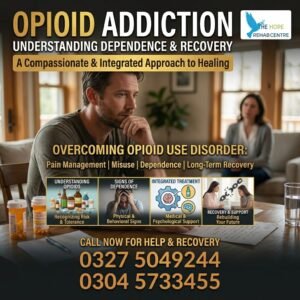
Heroin addiction develops when a person becomes physically and psychologically dependent on heroin. The drug affects the brain’s reward system, creating feelings of relaxation or temporary relief, which can lead to repeated use.
Over time, the body adjusts to the drug, requiring larger amounts to achieve the same effects. This can increase both dependence and health risks.
Heroin may be used in different ways, including:
- Injecting
- Smoking
- Snorting
Each method carries serious health risks.
Signs and Symptoms of Heroin Addiction
Recognizing the signs of heroin addiction can help individuals and families seek support earlier.
Physical Symptoms
- Extreme drowsiness
- Constricted pupils
- Weight loss
- Poor hygiene
- Slow breathing
- Frequent flu-like symptoms
Behavioral Symptoms
- Secretive behavior
- Loss of interest in responsibilities
- Financial problems
- Social withdrawal
- Risk-taking behavior
Emotional Symptoms
- Mood swings
- Depression
- Anxiety
- Irritability
- Lack of motivation
At The Hope Rehabilitation Center Islamabad, Pakistan, these symptoms are carefully assessed to build personalized treatment plans.
Health Risks of Heroin Addiction
Heroin addiction can lead to serious short-term and long-term health complications.
Physical Risks
Long-term heroin use may contribute to:
- Respiratory problems
- Liver complications
- Heart infections
- Collapsed veins
- Digestive issues
- Weakened immune system
Mental Health Risks
Heroin addiction is often linked with:
- Depression
- Anxiety disorders
- Emotional instability
- Cognitive difficulties
- Trauma-related conditions
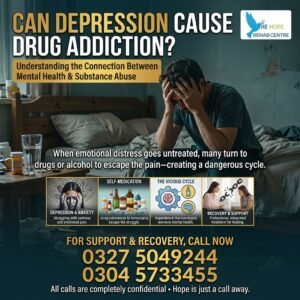
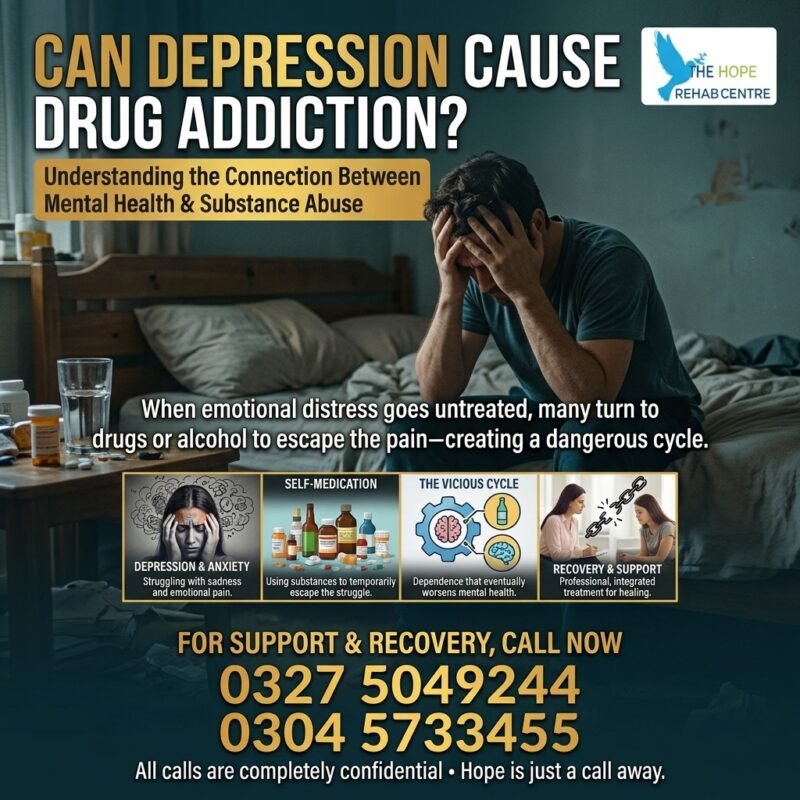
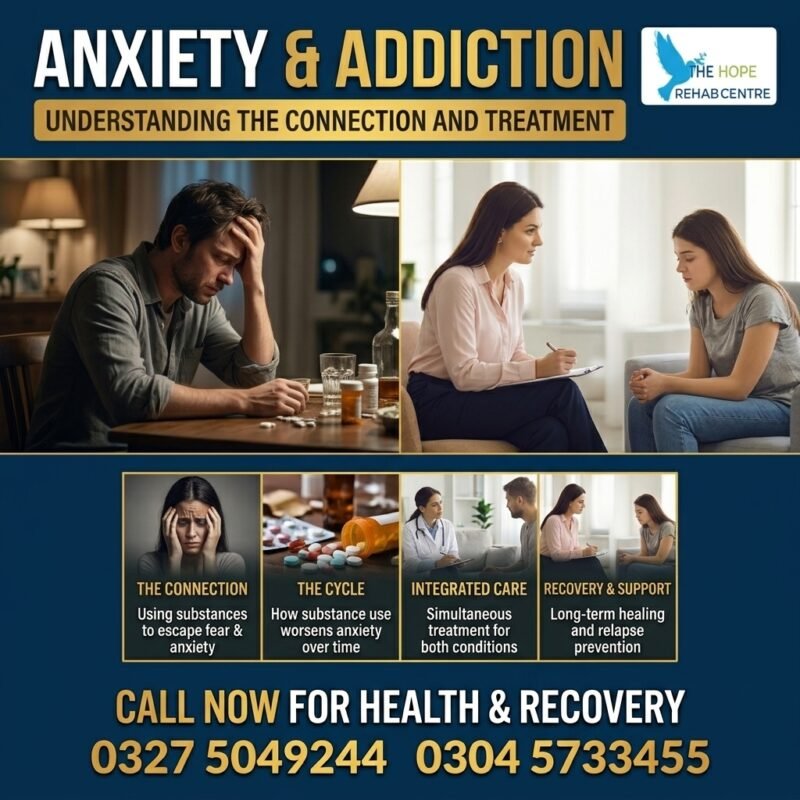
Treating both addiction and mental health together is often an important part of recovery.
Heroin Withdrawal Symptoms
One of the biggest challenges in heroin addiction is withdrawal. When heroin use stops, the body reacts strongly because of physical dependence.
Common withdrawal symptoms include:
- Severe cravings
- Sweating
- Body pain
- Restlessness
- Nausea and vomiting
- Difficulty sleeping
- Anxiety and agitation
Withdrawal can be physically and emotionally intense, which is why professional supervision is important.
Treatment Options for Heroin Addiction
Recovery from heroin addiction usually requires a structured and multi-step treatment approach.
Medical Detoxification
Detox is often the first step in heroin addiction treatment. During detox, the body clears heroin while healthcare professionals monitor withdrawal symptoms and overall safety.
At The Hope Rehabilitation Center Islamabad, Pakistan, detox programs are designed to provide supportive care during this difficult stage.
Therapy and Counseling
Therapy helps individuals understand the emotional and behavioral patterns behind addiction.
Common therapies include:
- Cognitive Behavioral Therapy (CBT)
- Individual counseling
- Group therapy
- Emotional regulation therapy
These approaches help individuals identify triggers and build healthier coping strategies.
Relapse Prevention Planning
Long-term recovery requires preparation for life after treatment. Relapse prevention focuses on:
- Trigger awareness
- Stress management
- Healthy routine building
- Ongoing counseling support
This helps individuals maintain progress after completing treatment.
Importance of Family Support in Recovery
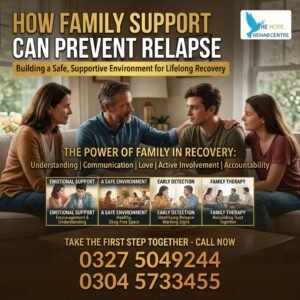
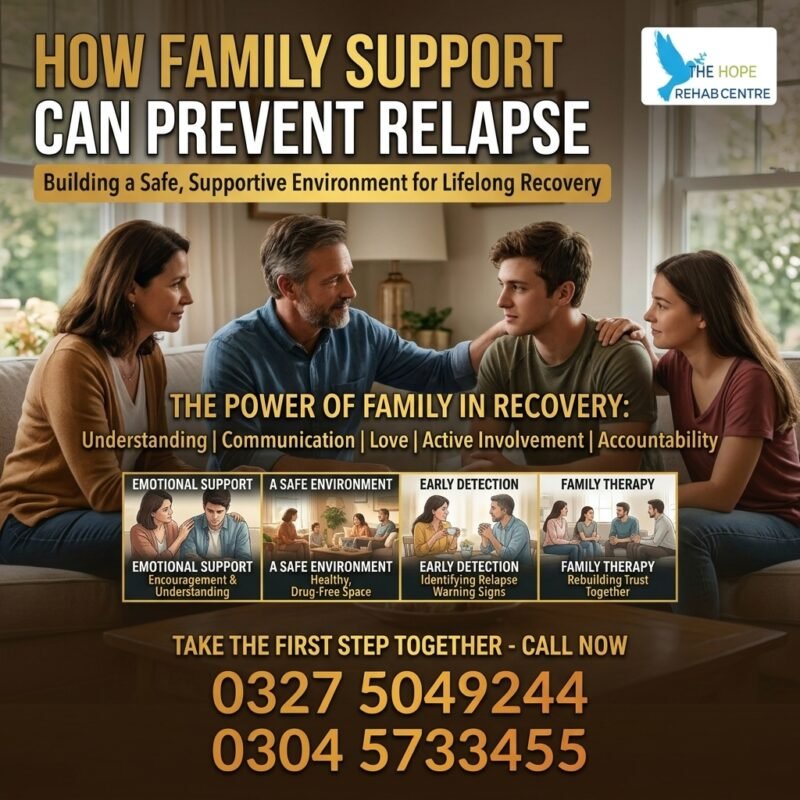
Heroin addiction often affects entire families. Family support can play a key role in emotional healing and long-term stability.
Family counseling may help:
- Improve communication
- Rebuild trust
- Strengthen emotional support
- Create healthier boundaries
At The Hope Rehabilitation Center Islamabad, Pakistan, family involvement may be included in treatment when beneficial.
Recovery Is a Long-Term Process
Recovery from heroin addiction is not always quick or easy. It often requires patience, commitment, and ongoing support. Some individuals may need extended therapy or follow-up care to maintain stability.
A structured recovery plan can help individuals rebuild:
- Physical health
- Emotional balance
- Relationships
- Daily routines
- Personal goals
Each step forward can contribute to long-term improvement.
Frequently Asked Questions (FAQs)
1. Why is heroin so addictive?
Heroin affects the brain’s reward system quickly, creating strong cravings and physical dependence.
2. What are the first signs of heroin addiction?
Common early signs include drowsiness, secretive behavior, mood changes, and increased isolation.
3. Is heroin withdrawal dangerous?
Withdrawal can be intense and uncomfortable. Professional supervision can help manage symptoms safely.
4. Can heroin addiction affect mental health?
Yes. Heroin addiction is often linked with depression, anxiety, and emotional instability.
5. How long does heroin addiction treatment take?
Treatment length varies depending on the individual’s condition, history of use, and recovery needs.
Conclusion
Heroin addiction is a serious condition that can affect every area of life, but recovery is possible with the right treatment and support. Understanding the signs, risks, and treatment options can help individuals and families take the first step toward healing.
At The Hope Rehabilitation Center Islamabad, Pakistan, heroin addiction treatment focuses on safe detoxification, therapy, emotional support, and long-term recovery planning. Through compassionate care and structured guidance, individuals can begin rebuilding their health, stability, and future.