Ecstasy, commonly known as MDMA, is a synthetic psychoactive drug that affects mood, energy levels, and perception. While it is often associated with parties and social events, repeated use can lead to psychological dependence, emotional difficulties, and significant health concerns. Although some people believe ecstasy is a “safe” recreational drug, regular or excessive use can have lasting effects on both mental and physical well-being.
Recognizing the signs of ecstasy addiction and seeking timely support are important steps toward recovery. At The Hope Rehabilitation Center Islamabad, Pakistan, treatment programs focus on compassionate, evidence-informed care that helps individuals address substance use while supporting their emotional and psychological health.
What Is Ecstasy Addiction?
Ecstasy addiction refers to a pattern of repeated MDMA use despite negative consequences. Although ecstasy may not always produce the same level of physical dependence as some other substances, it can create strong psychological cravings. Over time, individuals may rely on the drug to experience pleasure, confidence, or emotional relief.
Repeated use can affect the brain’s natural balance of chemicals such as serotonin, influencing mood, memory, and emotional regulation.
How Ecstasy Affects the Brain and Body
Ecstasy increases the release of certain brain chemicals that temporarily create feelings of happiness, energy, and emotional closeness. However, after these effects wear off, many people experience fatigue, low mood, or irritability.
Short-term effects may include:
- Increased energy
- Elevated mood
- Increased heart rate
- Sweating
- Jaw clenching
- Dehydration
With repeated use, the brain may become less able to regulate mood naturally, increasing emotional challenges over time.
Signs and Symptoms of Ecstasy Addiction
Recognizing early warning signs can encourage timely intervention.
Physical Signs
- Changes in sleep patterns
- Loss of appetite
- Weight changes
- Frequent fatigue after drug use
- Headaches or muscle tension
Behavioral Signs
- Repeated use despite negative consequences
- Increased social withdrawal outside of drug-related settings
- Neglecting work, education, or family responsibilities
- Financial difficulties related to substance use
- Risk-taking behaviors
Emotional Signs
- Anxiety
- Depression
- Mood swings
- Irritability
- Difficulty concentrating
At The Hope Rehabilitation Center Islamabad, Pakistan, treatment begins with a comprehensive assessment to better understand each individual’s physical, emotional, and behavioral needs.
Risks Associated with Long-Term Ecstasy Use
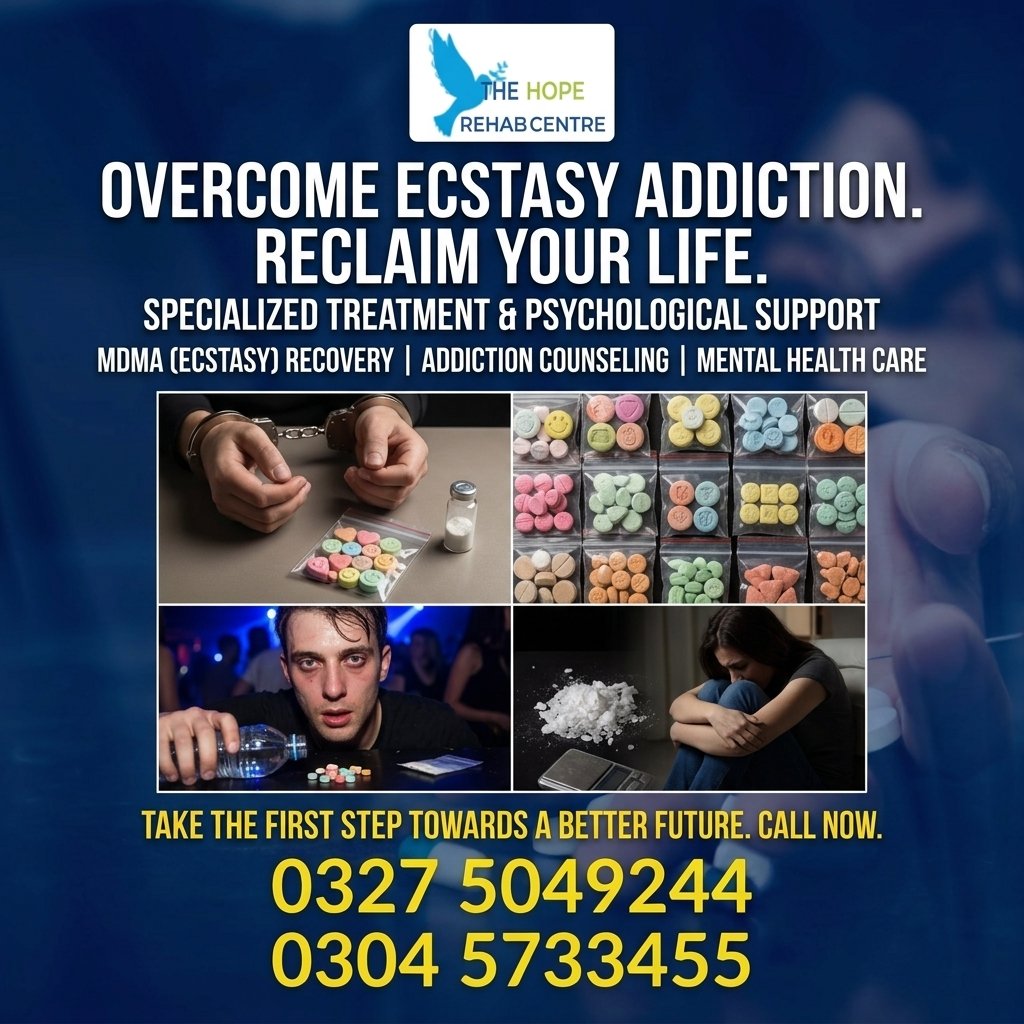
Regular ecstasy use may contribute to several health concerns, including:
- Memory and concentration difficulties
- Anxiety disorders
- Depression
- Sleep disturbances
- Emotional instability
- Cardiovascular strain
- Increased risk of dehydration during use
Some individuals may also use multiple substances together, increasing the potential for additional health risks.
Treatment Options for Ecstasy Addiction
Recovery from ecstasy addiction often involves a combination of psychological support, behavioral therapy, and ongoing recovery planning.
Comprehensive Assessment
Treatment begins with an evaluation of the individual’s substance use history, mental health, and personal recovery goals.
Individual Counseling
Counseling provides a supportive environment where individuals can explore emotional triggers, develop coping skills, and work toward sustainable recovery.
Cognitive Behavioral Therapy (CBT)
CBT helps individuals recognize unhealthy thought patterns, identify triggers, and develop healthier responses to stress and cravings.
Group Therapy
Group sessions encourage peer support, shared experiences, and the development of practical recovery skills.
At The Hope Rehabilitation Center Islamabad, Pakistan, treatment plans are tailored to each individual’s circumstances while promoting emotional stability and long-term well-being.
Preventing Relapse
Recovery continues beyond formal treatment. Relapse prevention strategies help individuals maintain progress by learning how to manage everyday challenges.
Effective relapse prevention may include:
- Identifying personal triggers
- Developing healthy routines
- Practicing stress management
- Continuing counseling sessions
- Building positive social support networks
These strategies can strengthen confidence and support lasting recovery.
The Role of Family in Recovery
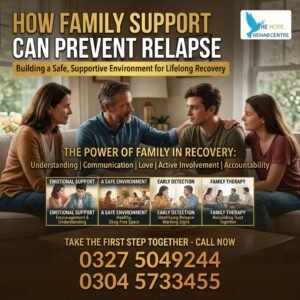
Family support can make a meaningful difference during the recovery process. Education and counseling help family members better understand addiction while improving communication and emotional support.
A supportive home environment can encourage individuals to remain engaged in treatment and recovery goals.
At The Hope Rehabilitation Center Islamabad, Pakistan, family participation may be included when appropriate as part of a comprehensive care plan.
Frequently Asked Questions (FAQs)
1. What is ecstasy addiction?
Ecstasy addiction involves repeated MDMA use despite harmful effects on health, relationships, or daily responsibilities.
2. Can ecstasy affect mental health?
Yes. Repeated ecstasy use may contribute to anxiety, depression, mood changes, and difficulties with memory or concentration.
3. Is treatment available for ecstasy addiction?
Yes. Professional treatment may include counseling, behavioral therapy, and personalized recovery planning.
4. Can family support improve recovery?
Supportive family involvement can strengthen motivation, improve communication, and contribute positively to long-term recovery.
5. How long does treatment take?
Treatment duration varies depending on the individual’s needs, substance use history, and personal recovery goals.
Conclusion
Ecstasy addiction can affect emotional well-being, physical health, and overall quality of life. While recovery may present challenges, professional care and ongoing support can help individuals develop healthier coping strategies and regain stability.
At The Hope Rehabilitation Center Islamabad, Pakistan, treatment programs emphasize compassionate care, individualized planning, and long-term recovery support. Through counseling, behavioral therapy, family involvement, and relapse prevention, individuals are guided toward improved health, emotional resilience, and a healthier future.