The Hope Rehab Center

Category Rehabilitation Center

Family Support Program | Best rehab center in Islamabad Pakistan

Family Support Program | Best rehab center in Islamabad Pakistan

Addiction and mental health issues very rarely affect just one person. They can have a pervasive impact on the whole family, generating emotional traumas, causing confusion and uncertainty for others. An organized family support program can be crucial in assisting families to comprehend the recovery journey and facilitate their loved one in it.

A reputable rehabilitation facility understands the healing process incorporates more than just taking care of the individual. Seems unlikely coming from a best rehabilitation center in Islamabad Pakistan that a trusted best rehabilitation center should promote family involvement, education, and emotional support programs. These programs teach family members how to better communicate with people in treatment, manage their stressful feelings and aid a successful recovery process.

Family Support Programs at The Hope Rehabilitation Center Islamabad, Pakistan support and strengthen relationships, raise awareness on addiction and mental health issues, and foster a supportive environment conducive to long-term recovery.

The Role of Family Support in Recovery: Why It Matters

When someone suffers from addiction or mental health problems, family members are often directly affected. They might feel emotional pain, frustration, or confusion about how to help.

Family Support Program | Best rehab center in Islamabad Pakistan

An organized family support program can educate and guide families to give them a better perspective of what their loved ones go through. Best rehabilitation center in Islamabad Pakistan will help you involve your family members and support them to avoid revealing information that should be kept confidential.

A deeper understanding of addiction and recovery among families leads to supportive guidance instead of inadvertent stress or conflict.

Essential Elements of a Family Support Program

Family support typically focuses on helping loved ones understand the disease of addiction and gives them practical tools to support recovery in a healthy manner.

Family Education Sessions

Education is key in family support. During these meetings, families receive education about addiction and mental health disorders, treatment approaches and what to expect in recovery.

At The Hope Rehabilitation Center Islamabad Pakistan, family members are educated on how substance use impacts both the mind and behavior. So, learning about these topics can help replace misconceptions with knowledge and empathy.

A professional rehabilitation center in Islamabad Pakistan employs educational programs to enable families to become informed and productive members of the recovery process.

Family Counseling

Family counseling offers a safe and structured environment for relatives and their ill family members to communicate anxieties and restore trust. This can create anxiety, communication barriers or emotional distance within family members.

Guided counseling sessions teach families healthier ways to resolve conflict, express their feelings and communicate.

Family therapy in the best rehabilitation center in Islamabad Pakistan is dedicated to healing and rediscovering emotional bonds.

Emotional Support for Family Members

Families themselves can bear the emotional burden of supporting a loved one through recovery. During this time, there are numerous feelings of stress, panic and helplessness.

Programs where family (relatives) get an opportunity to share their story with trained professionals and are able to gain insight from prospects. Here at The Hope Rehabilitation Center Islamabad, Pakistan, we provide emotional support to assist families in overcoming difficulties and preserving their strength.

By providing support to the family unit, it creates a more controlled environment for the patient in recovery.

Improving Communication Within Families

This kind of communication is central to long-term recovery. When families practice healthy communication, it lessens the chances of conflict when navigating challenges.

Rehabilitation specialists frequently explain communication methods like:

  • Active listening and empathy
  • Setting healthy emotional boundaries
  • Encouraging honest conversations
  • Addressing problems calmly and constructively

A well-organized Best rehabilitation center in Islamabad Pakistan, already has this communication strategies included in their family programs to build better supportive connections.

At The Hope Rehabilitation Center Islamabad, Pakistan therapists will guide entire families towards building trust and understanding while always respecting each member’s emotional needs.

Supporting Long-Term Recovery

Support Extended for the Treatment Completed Family Persistent support and empathy can allow a person to cope with their progress or prevent them from reverting back.

Those who participate in support programs often learn to detect early indicators of maladaptive behavior or substance use. They also learn practical ways to promote healthy routines and keep the lines of communication open.

A good rehabilitation center in Islamabad Pakistan allows for and indeed promotes continuing family involvement, as stable relationships can be critical to all aspects of long-term recovery.

The Hope Rehabilitation Center Islamabad, Pakistan provides education sessions for families to stay involved in recovery process through continued counseling and guidance.

Creating a Positive Home Environment

Having a positive home environment can have a major impact on recovery outcomes… Patients who understand addiction and mental health challenges have families that can offer encouragement and stability.

Promoting positive lifestyle practices like maintaining schedules, engaging in healthy hobbies and encouraging open exchanges on feelings may help people remain focused on their road to recovery.

Building healthy relationships is critical to the healing process, which is why family support programs are so important at The Hope Rehabilitation Center Islamabad, Pakistan.

First-rate Best rehabilitation center in Islamabad Pakistan understands recovery is best when family participants offer their assistance and aid you to form connection bonds if integral.

Frequently Asked Questions (FAQs)

1.     What is a family support program in rehab?

A family support program is a type of fine-tuning strategy for families, designed to educate and lead members of the family so they can gain insight into addiction, mental health conditions, and recovery.

2.     Why is it important to be involved for family in recovery?

The impact of family involvement can include motivation for sobriety, emotional and psychological support, better communication, and a stable living environment that fosters long-term recovery.

3.     Do family members get to be a part of counseling session?

Yes. A close relative can also encourage them to attend counseling at a rehab center where they can help patients and families discuss their issues, restore trust in each other with expert guidance from professionals.

4.     How does family program prevent relapses?

Family programs teach relatives to spot early warning signs and foster healthy routines that can help foster stability during recovery.

5.     Are family support programs confidential?

Yes. International institutes preserve strict confidentiality, ensuring all therapies and sessions honor the patient’s identity.

Conclusion

Programs for families are vital to the recovery process for those struggling with substance or mental health issues. These programs create long-term healing through education, communication, and emotional support of the family.

Trusted Best rehabilitation in Islamabad Pakistan understands that few things are going to be less than the beginning of treatment, which means repeat your relationships (with family and friends) around you.

Family support programs at The Hope Rehabilitation Center Islamabad, Pakistan are delivered with compassion, professionalism, and respect. In education and counseling with continued support, families and patients can strive toward better relationships and workable recovery.

ICE METH Treatment Center Islamabad / Ice Treatment Center Islamabad
ICE | METH Treatment Center in Islamabad – Best Drug Addiction Treatment center in Islamabad

The abuse of methamphetamine, popularly known as “ICE,” has spiraled into a big concern across the globe. ICE is a strong stimulant and chronic use can lead to potentially harmful effects on physical health, psychological wellbeing or social functioning. The dangers of meth | Meth use in the US | Crystal meth: a history What is methamphetamine dependence?

Getting professional help is a significant step toward healing. ICE Treatment Center Islamabad is an appropriate substance rehab facility offering organized medical and therapeutic treatment for ICE or meth addiction. Positioned as a premier addiction treatment facility, we offer our patients specialized, genuine and caring services while ensuring their safety from harm and for supporting mental health during recovery into active high-quality planning of sustainable long-term recovery.

By understanding the process of ICE addiction and treatment options available an individual or family can make informed decisions on the road to recovery.

Understanding ICE (Methamphetamine) Addiction

ICE, which is crystal meth or methamphetamine, is a powerful addictive stimulant that affects the central nervous system. It creates overwhelming feelings of energy and vigilance, but those effects are fleeting and generally followed by devastating physical and emotional crashes.

ICE | METH Treatment Center in Islamabad – Best Drug Addiction Treatment center in Islamabad

Methamphetamine can be addicting when individuals feel a strong urge to continue using it despite negative consequences. Long-term use of ICE can have effects on brain, emotional state and decision making.

More information about the level of addiction and the measures to be taken can be gathered through a proper assessment, which is what a professional Ice Treatment Center Islamabad does.

Methamphetamine Dependence Signs and Symptoms

Understanding the signs and symptoms of ICE addiction can be a first step in getting help sooner rather than later.

Common symptoms may include:

  • Increased restlessness or hyperactivity
  • Difficulty sleeping or severe insomnia
  • Any unexplained weight loss or lack of appetite
  • Mood swings, irritability, or aggression
  • Social withdrawal or behavioral changes

But when these symptoms interfere with day-to-day living, professional treatment at an Ice Treatment Center Islamabad can offer a structured support system and medical guidance.

Health producers related to ICE use

There are many physical and mental health consequences of using methamphetamine. Long-term use may impair the brain’s capacity to manage emotions and can also lead to anxiety, paranoia or depression.

Other potential health concerns include:

  • Cardiovascular strain
  • Cognitive impairment, like memory issues
  • Increased stress and emotional instability
  • Sleep disruption and fatigue

Physical and psychological health conditions are assessed by healthcare professionals while providing treatment at The Hope Rehabilitation Center Islamabad, Pakistan. A simultaneous focus on these issues is crucial for sustainable recovery.

As an experienced Ice Treatment Center Islamabad knows how to offer balanced care that fosters medical stability while also promoting emotional health.

Treatment Approaches for ICE Addiction

This multi-modal treatment strategy targets the underlying behavioral addiction issues, as well as the emotional component of these maladaptive behaviors.

Medical Assessment and Detox Support

Before the treatment process starts, professionals evaluate the individuals’ medical history and drug usage patterns. This assessment examines the best method to treat withdrawal symptoms and to discharge safely.

Detox – At The Hope Rehabilitation Center Islamabad, Pakistan detox support is carried out under medical supervision to ensure the safety of patients throughout the early weeks of recovery.

Behavioral Therapy

ICE Addiction Treatment Behavioral Therapies Cognitive Behavioral therapy (CBT) is the most common tool used to achieve this goal, supporting humans as they learn to identify harmful thought patterns and develop positive coping mechanisms.

Therapy sessions also help patients get an idea of the triggers that affect substance use.

Counseling and Emotional Support

One-on-one therapy lets patients explore personal history, stress factors and emotional issues that may have fueled addiction.

However, a professional Ice Treatment Centre Islamabad is a familiar environment where you can explore all these questions and changes in your behavior.

Structured rehabilitation environment and its significance

Drug or alcohol intensive treatment patients often require supportive sober living environments in recovery. The daily regiment provided at rehabilitation centers protect against finding oneself in these dangerous situations during a critical time of healing.

The Hope Rehabilitation Center Islamabad, Pakistan has treatment programs ranging from therapy sessions to educational discussions and wellness activities that work towards overall recovery.

The environment in an Ice Treatment Center Islamabad is structured which helps you walk away from the negative influences and focus on creating a better lifestyle.

Long-Term Recovery and Relapse Prevention

Recovery from all of the above is a lifelong commitment and it is important to remember that recovery doesn’t end when formal treatment ends. And it trains them to avoid common triggers, teaching the skills to cope when things get tough.

Patients can gain useful skills like:

  • Stress management and emotional regulation
  • Developing healthy daily routines
  • Continued counseling and follow-up sessions
  • Building supportive relationships

At The Hope Rehabilitation Centre Islamabad, Pakistan we have made it a point that treatment plans are structured in such a way that they facilitate longer-term stability and personal growth beyond the early stages of recovery.

One specific Ice Treatment Center Islamabad focuses on empowering individuals as they re-integrate into regular living and practice healthy mental patterns.

Frequently Asked Questions (FAQs)

1.     What is ICE or methamphetamine?

Crystal meth or ICE is a potent central nervous system stimulant that can result in significant psychological as well as physical dependence.

2.     How is ICE addiction treated?

As rehabilitation progresses, it often involves both physical and psychological treatment, such as medical assessment, detox support, behavior therapy and counseling.

3.     Why Get Professional Treatment for Methamphetamine Addiction?

Treatment professionals can provide medical supervision, structure and emotional support that helps you manage withdrawal safely and start recovery.

4.     What is the duration for ICE addiction treatment?

How long a treatment program lasts is determined by each person’s health, history of addiction, and process in recovery.

5.     What post-treatment support will be offered?

Aftercare programs may involve counseling, follow-up therapy appointments, and relapse prevention techniques to hold on to recovery.

Conclusion

ICE or meth addiction can impact physical health, mental wellness, and life in general. At this point, one must learn to recognize the signs of dependency and reach out for professional help in order to begin the road toward recovery.

Enter Ice treatment center Islamabad, a therapeutic environment between the chaos of addiction and abstinence, offering structure, emotional support and closely monitored environments that may be able to help you along your recovery journey. Counseling, behavioral therapy or supportive care can help individuals to begin getting back on track with healthier routines and emotional stability.

Staff at The Hope Rehabilitation Center Islamabad, Pakistan are there to guide you on both your immediate recovery and long-term psychological well-being through individual treatment programs designed for each patient. All those with meth addiction in their life have a shot at a more productive, stable future under the right professional treatment and care.

Online Treatment Sessions | Rehabilitation Center in Islamabad

Online Treatment Sessions | Rehabilitation Center in Islamabad

Local mental health and addiction treatment availability has changed considerably in the last couple years. Online therapy sessions are one of the most significant advancements in healthcare services. These sessions enable people to obtain guidance, counseling, and emotional support from qualified specialists in the comfort of their own homes without needing to go into a treatment facility.

For people with mental health or substance abuse problems, remote care can be a convenient and private way to begin the road back. Flexible treatment options in a trusted Rehabilitation Center in Islamabad give patients hope, especially when things go against them. Online treatment sessions at The Hope Rehabilitation Center Islamabad Pakistan are structured so as to maintain the best professional standard of care whilst maintaining patient confidentiality.

Online treatment programs make it easier for individuals to access the support they need by integrating modern technology with evidence-based therapeutic techniques, which can help them continue their daily responsibilities.

Understanding Online Treatment Sessions

Online treatment sessions, also known as teletherapy or virtual counseling, where patients chat with healthcare professionals on secure digital platforms. In these sessions therapists, psychologists, and Counselors administer guidance, therapy and follow up may be remote.

While a professional Rehabilitation Center in Islamabad could provide online sessions as part of it. This makes it easier with people who can not attend in person either due to distance, health or scheduling concerns.

Online sessions often consist of structured therapy conversations, mental health assessments and regular progress evaluations. Now the format is virtual, but the clinical principles are identical to what would have been used in traditional counseling environments.

Advantages of Web Based Therapy for Psychological Wellness and Addiction

Online treatment has played a key role for people needing help with addiction recovery and mental health disorders. It has a number of practical benefits that make treatment more accessible.

Increased Accessibility

Many people may be living far away from the treatment facilities, or might have mobility limitations. These barriers are eliminated in online treatment sessions, as patients can communicate with healthcare professionals from the comforts of their home.

A Rehabilitation Center in Islamabad that offers online helps individuals from different provinces to get professional mental health support.

Greater Privacy and Comfort

Some prefer to discuss sensitive job-related issues in an environment with which they are familiar. Remote therapy adjustments enable patients to communicate freely with therapists while preserving privacy.

Confidentiality and ethical treatment practices remains at the core of Islamabad Pakistan The Hope Rehabilitation Center’s in-person and online programs.

Flexible Scheduling

Therapy online can also entail greater flexibility in booking sessions. This can be especially beneficial for those who are juggling work, education and/or family commitments.

A trustworthy Rehabilitation Center in Islamabad designs the treatment process in a way that patients do not have to risk their day-to-day practices.

Types of Online Therapy Services

Teletherapy sessions can take multiple forms of therapeutic support, which will depend on the patient’s individual needs and treatment aims.

Individual Counseling

In individualized counseling, patients can speak to a counselor about personal struggles, emotional issues or objectives related to their treatment. These sessions frequently center on recognizing triggering situations, coping with stress and developing strategies to cope.

Behavioral Therapy

One approach used in many online treatment programs is known as behavioral therapy (for example, Cognitive Behavioral Therapy, or CBT). These approaches can support people to understand the patterns of thought that lead to behaviors and develop more constructive responses to stress or emotional triggers.

Addiction Recovery Counseling

Online therapy sessions for addiction counseling can help someone who is just starting their recovery or in active treatment as a supplement to their inpatient treatment.

In these therapies, a professional Rehabilitation Center in Islamabad integrates to help achieving not only mental health stability but also substance recovery.

The Role of Online Sessions in a Holistic Treatment Approach

Rehabilitation services tend to be balanced with online treatment sessions. Virtual therapy could be a stepping stone for some toward getting in-person treatment later, if necessary.

The Hope Rehabilitation Center Islamabad, Pakistan also offers online programs to enhance conventional rehabilitation services. Patients can access counseling, advice and follow-up care also through internet sessions while continuing other elements of their treatment plan.

A Leading Comprehensive Rehabilitation Center in Islamabad that guarantees patients proper guidance and help for the whole duration of recovery, whether the sessions happen online or on-ground.

Maintaining a Professional Standard of Care Online

Professionalism, secure communication systems and ethical practices are essential to effective treatment online. It’s vital for healthcare providers to make sure patients are not only comfortable but feel respected and supported the entire way through.

Online treatment sessions at THE Hope Rehabilitation Center Islamabad, Pakistan, abide by strict confidentiality rules and professional norms. Therapists also creates an environment that is structured, patient and open to discussion in each session.

A reputable Rehabilitation Center in Islamabad realizes that digital care ought to be as proficient and patient-centered as ordinary treatment settings.

Gradual Recovery by Online Follow-Up

Online treatment sessions can also be an important aspect of long-term recovery and aftercare. Since long-term, heavy substance abusers may complete intensive treatment programs and find ongoing counseling beneficial for maintaining emotional stability and not returning to addictive behaviors.

Virtual follow-up sessions keep patients connected with therapists and counselors who understand their recovery process. These types of continued dialogue can also help with stress management, adjusting to life changes and keeping healthy coping mechanisms.

Online follow up is commonly used to bridge the gap between structured rehabilitation and independent living at The Hope Rehabilitation Center Islamabad, Pakistan.

Frequently Asked Questions (FAQs)

1.     What are online treatment sessions?

Online treatment sessions refer to counseling or therapy appointments that take place virtually over secure online platforms, enabling patients to access mental health professionals from the comfort of their homes.

2.     Do online therapy sessions help with addiction recovery?

Session help online, can act as a really vital support in addiction restoration through counselling, guidance or other recovery plans.

3.     Who is online treatment sessions good for?

Online counseling and therapy services can be useful for people who are struggling with mental health issues, emotional distress, or problems with addiction.

4.     Are online therapy sessions confidential?

Yes. A professional Rehabilitation Center in Islamabad also always makes sure to keep strict confidentiality guidelines for online sessions and protect patient privacy.

5.     Is it possible to substitue in-person rehabilitation programs with online therapy?

Online therapy may supplement conventional treatment programs, but depending on the individual in terms of severity and care may need to be delivered face-to-face.

Conclusion

Now, online treatment sessions are an invaluable tool in the modern care of mental health and addiction. But, by offering virtual access to qualified counseling and therapeutic support, treatment options can remove hurdles to getting professional help and allow the journey of recovery to commence in one’s own time in a supportive environment.

A well-reputed Rehabilitation Center in Islamabad understands the importance of merging technology with sympathy to approach people who might not have approached for help otherwise. Internet sessions also make it easier for patients to continue seeing therapists, keeping progress going and having ongoing guidance.

Online treatment programs at The Hope Rehabilitation Center Islamabad, Pakistan are organized to deliver ethical, patient-centered support while inspiring professional standards of care. By utilizing a combination of both types of services, individuals have access to the support they need to pursue mental health and wellness.

Detoxification | Addiction Treatment Centre Islamabad
Detoxification | Addiction Treatment Centre Islamabad

Detoxification is usually the first phase, and arguably the most important one, on the road to recovery from substance dependence. As someone lets go of drugs or alcohol after long-term use, the body takes time to reacquaint itself with a life without using these substances. This is when withdrawal symptoms may emerge, which can be both physically and emotionally difficult to endure.

An Addiction Treatment Centre in Islamabad is a professional facility that offers a systematic environment for the detoxification process under medical care. And it protects their health and wellbeing by helping them manage Silkworm withdrawal symptoms. To accomplish this, detoxification programs at The Hope Rehabilitation Center Islamabad Pakistan offer patients a similar level of support involving compassionate care, professional monitoring, and individualized treatment planning.

We will also discuss what detoxification entails and why it is an important step along this recovery journey so that individuals and families can make informed decisions about treatment.

What Is Detoxification in Addiction Recovery?

Detoxification is also the body’s way of ridding itself of harmful substances. Medication or drinking drugs or alcohol can also create dependency in a human, which causes the body to adjust itself to these substances. Once use stops, the body has to readjust so this can bring about withdrawal symptoms.

Medically supervised detox is performed in a professional Addiction Treatment Centre in Islamabad. Healthcare providers observe patients meticulously to handle issues, render supportive care, and keep sure of safety over the period.

Detoxification | Addiction Treatment Centre Islamabad

Detox does not in itself cure someone of addiction. Rather, it equips people for the next steps in treatment, which are frequently therapy or counseling and long-term recovery support.

Why Medical Detox Is Important

Withdrawal symptoms vary based on the type of substance used, how long it has been used, and the individual’s overall health. Some may have mild symptoms and some more severe requiring medical care.

Hence, a medically supervised detox program offered by an Addiction Treatment Centre in Islamabad would help patients get the necessary requirements during this important stage. Health care providers track vital signs, administer supportive medicines as needed and act promptly if complications develop.

Detox facilities at The Hope Rehabilitation Center Islamabad, Pakistan prioritize patient safety and emotional support, as well as gradual stabilization. Such an environment enables people to make a head start on recovery with professional support and comfort.

Common Withdrawal Symptoms During Detox

This is a natural reaction of the body as it learns to operate without a substance on which it has become dependent. Although the severity of symptoms can vary, a few things you may experience during detox are:

  • Anxiety or restlessness
  • Sleep disturbances
  • Mood changes or irritability
  • Physical fatigue or discomfort
  • Cravings for substances

Qualified Addiction Treatment Centre in Islamabad gives proper medical supervision to cope with these symptoms and avoid the patient feeling unwell, ensuring that they are comfortable and stable throughout detoxification.

The Detoxification Process

Detoxification is usually done in phases, each step meant to nurture the patient’s physical and emotional health.

Assessment and Evaluation

Before detox starts, a medical professional conducts an intake assessment. This involves examining the patient’s medical history, substance use patterns and mental health condition.

With this evaluation the professionals at The Hope Rehabilitation Center Islamabad, Pakistan just prepare a tailor-fit detox plan according to the need of the patient.

Stabilization

The body is gradually adapting to the absence of substances during this period. Medical staff watch for symptoms, offer supportive care and help patients be as comfortable as possible.

During this phase, continuous monitoring is required to be provided at the professional Addiction treatment Centre in Islamabad to maintain safety and avoid complications.

Preparation for Ongoing Treatment

After detox ends, patients are encouraged to stay engaged in additional rehabilitation services. Such programs may include therapy, counseling and mental Health support

Detox is the beginning, but it’s only the beginning: addiction is inherently biological, psychological, and societal. Detox is best as part of a structured treatment program that addresses the other aspects of addiction as well.

Addressing Mental Health During Detox

The idea with such treatments is that many people who are addicted also suffer from mental health issues, like anxiety and depression or trauma-related disorders. Untreated underlying issues can make recovery hard to maintain.

A holistic approach such as Addiction Treatment Centre in Islamabad offers a combination of mental health services and detoxification program. Therapy, evaluations, and psychological assessments help the patients to identify the emotional connections with substance use.

A mental health professional works alongside the medical staff at The Hope Rehabilitation Center Islamabad, Pakistan to make sure that both physical and emotional needs are being met during the detoxing process.

Creating a Supportive Healing Environment

The setting of detox can have a major impact on the recovery process. Providing a calm and structured setting allows the individual to concentrate on healing without non healing stress or triggers.

Patients at Hope Rehabilitation Center Islamabad, Pakistan are cared for in a setting focused on comfort, dignity and confidentiality. A conducive environment helps patients to stay engaged in treatment and develops the confidence they need for long-term recovery.

A specialized Addiction Treatment Centre in Islamabad also provides an insight into forming a consistent lifestyle routine that aids health — sleep hygiene, nutritional balance, therapy presence and much more.

Long-Term Recovery After Detox

Finishing detox is an important first step, but it is just the start of your recovery. Staying in treatment and support is often key to long-term success.

Rehabilitation programs may feature individual therapy, group counseling, relapse prevention strategies and lifestyle adjustments supporting healthy habits. Such programs teach individuals the skills to handle stress, ward off triggers and stay sober.

Treatment plans are based on the patient’s medical needs and tailored to guide them beyond detoxification towards lasting recovery with professional care, ongoing support at The Hope Rehabilitation Center in Islamabad, Pakistan.

Frequently Asked Questions (FAQs)

1.     Detoxification – What Is It in Addiction Treatment?

Detox is the removal of toxic substances from the body and control of withdrawal symptoms in a medically supervised facility.

2.     How long does detox typically last?

How long detox lasts depends on the substance involved, how long it has been in use, and an individual’s overall health condition.

3.     Do you require medical supervision during detox?

Medical supervision is highly recommended, as withdrawal symptoms can occasionally be severe and need the help of a professional.

4.     Does detox alone treat addiction?

No. Detox is the first part of recovery. Therapies, counseling sessions, and rehabilitation programs are very important for long recovery.

5.     What comes after detox is done?

Usually, after detox individuals are continuing their treatment with counselling therapy and relapse prevention programs at an addiction treatment Centre in Islamabad.

Conclusion

For those seeking recovery from substance dependence, detoxification is an essential first step. Detox lays the groundwork for future recovery and rehabilitation by safely helping the body to adjust to the absence of drugs or alcohol.

That’s why a professional Addiction Treatment Centre in Islamabad can be the medical supervision, emotional support and structure you need to break through. Detox, therapy and long-term recovery planning is a balanced three-pronged approach to treatment.

Detoxification at The Hope Rehabilitation Center Islamabad, Pakistan is performed in an environment of safety, empathy and tailored assistance. Under the guise of professional help and continued rehabilitative services, recovering individuals can work toward healthier and more stable lifestyles.

Family Support Program | Top rehab center in Islamabad, Pakistan
https://thehoperehab.pk/family-support-program/

Addiction and mental health disorders touch the family, friends and loved ones of every person who experiences them. Family members frequently endure emotional pain, confusion and uncertainty as they seek to support a loved one in recovery. Family support has a role as family-centered treatment to fit the patient and family for managing the treatment process, facilitating to ameliorate dysfunctional relationships between them.

A professional rehabilitation facility will treat family involvement as a major part of the recovery plan. Family involvement programs can help build communication skills, emotional literacy and a safe space for the healing to take root long after the experience. One of the most trusted Best rehabilitation center in Islamabad, Pakistan understands that recovery is more effective when family members are informed, involved and supported.

Family Support Programs at The Hope Rehabilitation Center Islamabad Pakistan are Not only to educate, and support the family members, it is ensured that the whole process should be done in confidence with maintaining the patient confidentiality and ethical care principles.

The Role of Family in Substance Abuse Recovery

Recovery from substance use disorders and mental health challenges is almost never a solitary endeavor. Family provides guidance, stability and motivation for individuals during treatment. But family members themselves may not understand addiction or mental health conditions.

A systematic family support program can help scaffold the process as it educates families on things like addiction, treatment options and recovery roadmaps. This is an ideal facility that also provides families the ability to better understand what their loved one is going through.

Family education is a tool for reducing persistent misunderstandings and replacing blame, shock or frustration with empathy and constructive support.

Top Components of a Family Support Program

https://thehoperehab.pk/family-support-program/

Most family support programs consist of multiple components that help the household build communication and emotional resilience.

Educational Sessions

The goal of educational sessions is to inform clearly about addiction, mental health disorders, and the recovery process. Families learn about frequent symptoms, triggers and coping strategies that might support their loved one’s progress.

At The Hope Rehabilitation Center Islamabad, Pakistan, these sessions are designed to help families understand the way treatment works and the need for professional care during recovery.

Family Counseling

Family counseling enables family members to share concerns and emotions and rebuild trust in a safe space. A trained therapist facilitates these dialogues, supporting families as they work through conflicts and establish healthier patterns of communication.

Improving understanding of each other is often at the focus of family counseling sessions at a Best rehabilitation center in Islamabad, Pakistan

Emotional Support for Families

Families can also experience their own stress, anxiety or guilt about helping someone in recovery. Support programs create a safe space for relatives to talk about their experience and learn how to cope with these feelings.

Families are encouraged to stay strong and be positive through the recovery process.

Improving Communication Within the Family

Nothing can be better than a healthy communication and that is what a family support program helps in ensuring for the longest of times. Addiction issues and mental health can cause some misunderstandings or strained relationship.

Guidelines that promote clear and respectful communication are regularly taught to families in rehabilitation centers. These techniques may include:

  • Active listening
  • Setting healthy boundaries
  • Expressing concerns calmly and constructively
  • Encouraging positive behaviors

When families master these skills, they are able to establish an environment that fosters recovery rather than inadvertently amplifying stress.

At The Hope Rehabilitation Center Islamabad, Pakistan therapists work closely with family to help them restore trust in their relationships and use healthier ways of relating.

Families Can Help — and Have a Role in Preventing Relapse

Preventing a relapse is a key aspect of lifelong recovery. Families who recognize the warning signs of relapse can help promote early intervention should challenges arise.

In fact, a Best rehabilitation center in Islamabad, Pakistan usually advice the person to overcome potential triggers like emotional stress, time pressure or environmental influences.

Families might also learn practical ways to support recovery at home, like encouraging healthy routines and maintaining open communication and regular follow-up therapy sessions.

Patients feel more supported and are often more motivated to continue making progress when their families are involved in the recovery process.

Creating a Supportive Home Environment

A stable and supportive home environment can play a huge role in successful recovery. Social supports from people who understand the struggles with addiction/mental health conditions are better able to give encouragement and patience.

Thus at The Hope Rehabilitation Center Islamabad Pakistan family programs strengthens positive lifestyle change among patients and their families. These can include enforcing daily routines at home, encouraging healthy behaviors, and maintaining a calm and respectful environment in the home.

By creating a nurturing environment, recovering people can concentrate on self-improvement while feeling safe within the family structure.

Understanding the Long-Term Benefits of Family Support Programs

Family System VS Substance habit Family support program not only helps while treatment but also helps the long term recovery. Having a strong family can contribute by providing emotional stability that can help in reducing further relapses.

Ongoing family involvement, up at a Best rehabilitation center in Islamabad Pakistan significantly reinforces the progressive developments made in rehabilitation. Open dialogue and addressing these shifts can help families lay a better foundation for long-term recovery.

In turn, all these also often result in healthier relationships with others, better emotional conditions of family members as well as overall stability of the home environment.

Frequently Asked Questions (FAQs)

1.     Family Support Program At REHAB, What is a family support program in rehabilitation?

A family support program teaches and guides loved ones so that they can gain insight into addiction, mental illness, and the recovery process.

2.     Why is family involvement important in recovery?

Family involvement aids emotionally, enhances communication, and fosters an environment conducive to progress especially during treatment.

3.     Would family members be able to join in on counseling sessions?

Yes. Numerous rehabilitation centers provide family therapy sessions in which relatives and patients can discuss their issues to restore trust with a professional’s help.

4.     How do family programs prevent them from relapsing?

Family programs educate relatives on recognizing warning signs, managing stress in the home and promoting healthy routines that underpin long-term recovery.

5.     Are family support programs confidential?

Yes. Professional rehabilitation centers follow confidentiality policy strictly, and guarantee that everything discussed is kept private and respectful within therapy sessions.

Conclusion

The Importance of Family Support Programs in Recovery Family support programs are… These programs provide a solid groundwork for continuing healing through the education of loved ones, enhanced interaction and added emotional bonding.

Best rehabilitation center in Islamabad, Pakistan Our trusted professionals know that recovery is more than personal treatment; When families are informed and engaged, they can help support a stable environment that fosters progress and resilience.

Family support programs at The Hope Rehabilitation Center in Islamabad Pakistan demonstrates compassion professionalism and respect for each patient’s unique journey By educating families and individuals, counseling them together, and providing support over time, lasting recovery is possible with healthier relationships.

Benzodiazepines Addiction | Benzodiazepines Addiction center in Islamabad Pakistan

Benzodiazepines Addiction center in Islamabad Pakistan

Benzodiazepines are prescription medications commonly used to treat anxiety, insomnia, and certain seizure disorders. While effective when used under medical supervision, these drugs carry a high risk of dependency and misuse. Long-term or unsupervised use can lead to physical dependence, tolerance, and withdrawal symptoms, making professional treatment essential. For individuals struggling with prolonged use, seeking help from a Benzodiazepines Addiction center in Islamabad Pakistan ensures safe, structured, and ethical recovery.

At The Hope Rehabilitation Center Islamabad, Pakistan, patients receive evidence-based interventions, including medically supervised detox, counseling, and long-term relapse prevention planning. The goal is to provide holistic care that addresses both the physical and psychological aspects of addiction while maintaining patient dignity and confidentiality.


Understanding Benzodiazepines Addiction

Benzodiazepines, such as diazepam, lorazepam, and alprazolam, work by depressing the central nervous system to reduce anxiety or induce sleep. While therapeutic use is effective for short-term management, repeated use can lead to:

  • Increased tolerance, requiring higher doses to achieve the same effect
  • Physical dependence, making cessation difficult without medical supervision
  • Withdrawal symptoms including anxiety, insomnia, irritability, and, in severe cases, seizures
  • Psychological dependence and compulsive use

Recognizing early signs of benzodiazepine dependence is critical. Individuals may notice a need to use the medication more frequently, experience cravings, or continue usage despite negative personal or professional consequences.


Benzodiazepines Addiction center in Islamabad Pakistan

The Role of a Benzodiazepines Addiction Center

A specialized Benzodiazepines Addiction center in Islamabad Pakistan provides a structured environment for recovery. The services typically include:

  • Medical Detoxification: Gradual tapering under supervision to safely manage withdrawal symptoms.
  • Psychiatric Evaluation: Assessing co-occurring mental health conditions, such as anxiety or depression.
  • Individual and Group Counseling: Addressing behavioral triggers, emotional challenges, and coping strategies.
  • Relapse Prevention Programs: Long-term planning to maintain sobriety and prevent setbacks.

At The Hope Rehabilitation Center Islamabad, Pakistan, addiction care is patient-focused, ethical, and evidence-based, ensuring that recovery is safe and sustainable.


Medically Supervised Detox

Detoxification is the first step in benzodiazepine addiction treatment. Abrupt discontinuation can cause severe withdrawal symptoms, including tremors, seizures, and extreme anxiety. Therefore, detox must always be conducted under professional supervision.

During detox, clinicians at The Hope Rehabilitation Center Islamabad, Pakistan monitor patients closely, adjusting tapering schedules and providing supportive medications as needed. This ensures the safety and comfort of patients while reducing the risk of relapse.


Psychological and Behavioral Therapy

Addiction is not only a physical dependence but also a behavioral and psychological condition. Therapy addresses underlying triggers, emotional struggles, and habits that reinforce drug use.

Cognitive Behavioral Therapy (CBT)

CBT helps individuals identify and challenge distorted thinking patterns, develop coping strategies, and reduce anxiety without relying on medication.

Individual Counseling

One-on-one sessions provide a safe space to explore personal stressors, emotional trauma, or compulsive patterns related to benzodiazepine use.

Group Therapy

Group sessions allow patients to share experiences, gain support, and develop accountability while learning from peers facing similar challenges.

By integrating these therapies, Benzodiazepines Addiction center in Islamabad Pakistan programs address both the psychological and behavioral aspects of dependency.


Managing Co-Occurring Mental Health Conditions

Many individuals struggling with benzodiazepine addiction also experience underlying mental health issues, such as:

  • Anxiety disorders
  • Depression
  • PTSD
  • Sleep disorders

Integrated care ensures that both addiction and mental health conditions are treated simultaneously. Psychiatric support, therapy, and careful medication management help patients achieve stability and reduce the likelihood of relapse.

At The Hope Rehabilitation Center Islamabad, Pakistan, dual-diagnosis treatment is a cornerstone of comprehensive care.


Long-Term Recovery and Relapse Prevention

Recovery from benzodiazepine addiction is a gradual process. Sustained support and structured aftercare programs are crucial to maintaining sobriety. Key elements of long-term recovery include:

  • Continued counseling sessions to manage triggers and stress
  • Peer support programs to reduce isolation and encourage accountability
  • Lifestyle guidance, including stress management and healthy routines
  • Regular psychiatric follow-ups for ongoing mental health support

A comprehensive relapse prevention plan equips patients with strategies to navigate challenges safely, supporting sustained recovery.


Family Involvement in Recovery

Family engagement is a vital component of successful addiction treatment. Educating family members about benzodiazepine dependence and involving them in counseling sessions strengthens support networks and reduces potential conflict.

Family programs at The Hope Rehabilitation Center Islamabad, Pakistan focus on:

  • Understanding addiction and withdrawal
  • Supporting healthy coping strategies
  • Improving communication and reducing enabling behaviors
  • Encouraging adherence to therapy and follow-ups

Family support not only enhances recovery outcomes but also promotes a healthier and more stable home environment.


Ethical and Confidential Care

Providing care for addiction requires strict adherence to ethical and professional standards. Benzodiazepines Addiction center in Islamabad Pakistan programs prioritize patient safety, confidentiality, and informed consent.

At The Hope Rehabilitation Center Islamabad, Pakistan, all interventions are:

  • Evidence-based and clinically supervised
  • Delivered with respect and compassion
  • Confidential and privacy-focused
  • Tailored to the individual’s unique clinical needs

Maintaining ethical care builds trust, encourages treatment adherence, and improves recovery outcomes.


Frequently Asked Questions (FAQs)

1. What is benzodiazepine addiction?

Benzodiazepine addiction occurs when an individual develops physical or psychological dependence on drugs like diazepam, lorazepam, or alprazolam, often requiring professional intervention.

2. Can benzodiazepine withdrawal be dangerous?

Yes. Abrupt discontinuation can cause severe symptoms, including anxiety, tremors, and seizures, which is why medically supervised detox is essential.

3. How long does treatment typically take?

Treatment duration varies based on severity, co-occurring conditions, and individual progress. A comprehensive program includes detox, therapy, and aftercare support.

4. Are therapy sessions necessary after detox?

Yes. Behavioral and psychological therapy addresses underlying triggers and coping strategies, which are crucial for long-term recovery.

5. Is family involvement required in recovery?

Family involvement is highly recommended, with patient consent, as it strengthens support systems and helps maintain accountability.


Conclusion

Benzodiazepine addiction is a serious condition that requires professional, structured, and compassionate care. A specialized Benzodiazepines Addiction center in Islamabad Pakistan provides medically supervised detox, behavioral therapy, psychiatric support, and long-term relapse prevention strategies.

At The Hope Rehabilitation Center Islamabad, Pakistan, patients receive individualized care that addresses both physical dependence and underlying psychological factors. Through ethical, evidence-based treatment and comprehensive support, individuals struggling with benzodiazepine addiction can rebuild stability, regain control over their lives, and work toward sustained recovery.

By combining professional expertise, structured therapy, and family involvement, The Hope Rehabilitation Center remains a trusted destination for addiction treatment and mental health support in Islamabad, Pakistan.

Nalbin Injection Addiction Treatment Centre | Nalbin injection addiction treatment.
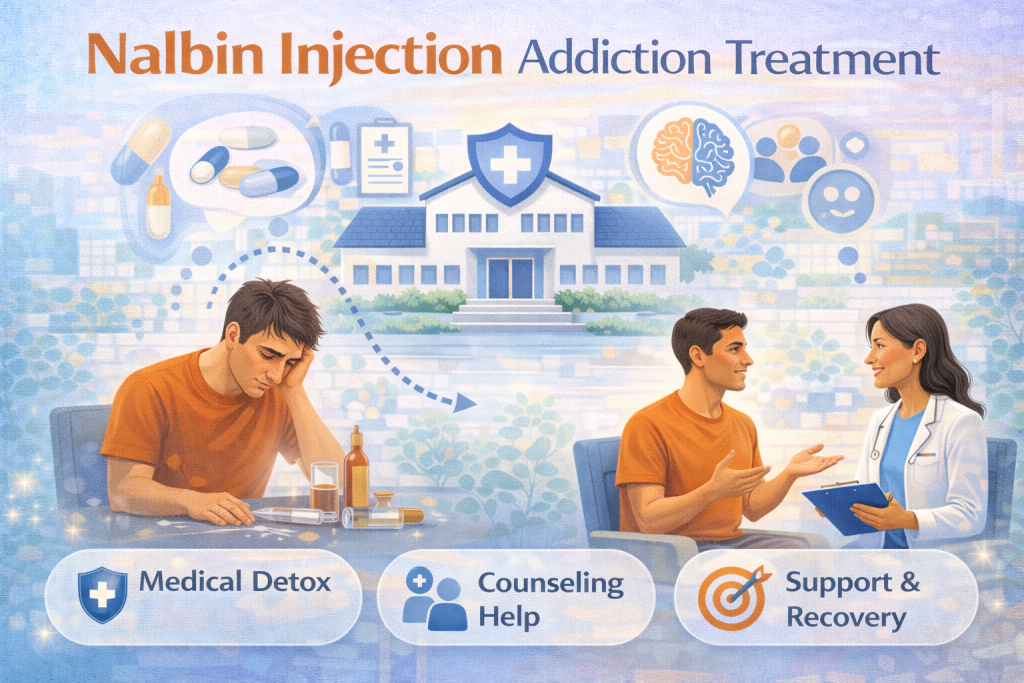
Nalbin Injection Addiction Treatment

The misuse of Nalbin by injection has been a growing problem in many communities. Nalbin (nalbuphine), commonly used for pain relief, is an opioid that can be addictive if misused or taken without a prescription. Physical dependence, psychological cravings and serious health risks may vex those who give in to repeated use. The best way to stop Nalbin injection addiction is a well-structured and medically supervised Nalbin Injection Addiction Treatment Program.

The Hope Rehabilitation Centre Islamabad, Pakistan provides professional and confidential care to its patients in an ethical manner and by providing various addiction treatment services. Our aim is to offer evidence-based medical assistance and psychological care whilst maintaining the dignity of our patients. By knowing about the development of Nalbin addiction and how rehabilitation centres deal with it, people and families can make knowledgeable decisions concerning their medical care.

Understanding Nalbin Injection Addiction

Nalbin (nalbuphine) is a prescription-only opioid analgesic for moderate to severe pain. Effective under medical supervision, but prone to opiate dependence. Over time, repeated use may change the way the brain is wired, leading to tolerance and withdrawal symptoms when use of the drug stops.

Nalbin Injection Addiction Treatment

Nalbin abuse is usually seen through certain signs, such as:

  • Increased dosage without medical advice
  • Intense desire or urge to use
  • Symptoms of withdrawal such as anxiety, sweating, nausea or body aches
  • Disregard for personal, work, or social obligations
  • Continued use despite harmful consequences

Nalbin injection dependency requires the assistance of Nalbin injection addiction recovery professionals to address the physical and psychological aspects of overcoming chemical dependence.

The Importance of Professional Treatment

Nalbin abuse, from opioid dependence treatment, lends itself to a highly structured medical intervention. If you try to stop suddenly without help, you can face intense withdrawal symptoms and health risks.

A comprehensive treatment program generally involves:

  • Medical detoxification
  • Psychiatric assessment
  • Individual and group therapy
  • Relapse prevention planning
  • Aftercare support

The Hope Rehabilitation Center in Islamabad, Pakistan offers dedicated attention from addiction specialists with a focus on the detox period and long term recovery plans instead of short-term solutions.

Medically Supervised Detoxification

The first step in treating Nalbin injection addiction is often detoxification. In this process, the drug is slowly flushed out of the body under medical supervision. As Nalbin is an opioid, withdrawal symptoms might be painful and even severe.

Symptoms may include:

  • Muscle pain
  • Insomnia
  • Restlessness
  • Mood swings
  • Gastrointestinal discomfort

Medical supervision confirms that withdrawal is safely controlled and supportive medications are provided when clinically warranted. Keeping track of vital parameters also ensures the patients have better comfort & increased stable condition leading to lesser health risks.

Psychological and Behavioral Therapy

Addiction is not just a physical disease; there are behavioral patterns and emotional triggers involved, too. To properly rehabilitate these people you need to treat this underlying cause.

Cognitive Behavioral Therapy (CBT)

CBT assists individuals to recognize the harmful thought patterns that lead to drug use. By learning to question negative beliefs and explore more adaptive coping mechanisms, patients lower their risk for relapse.

Individual Counseling

Therapeutic sessions can be one-on-one format with a therapist to address personal stressors in addition to trauma or emotional challenges that may have led to Nalbin abuse.

Group Therapy

Group therapy encourages peer support and mutual experience. Patients gain knowledge from others with similar struggles, which can alleviate feelings of isolation and inspire accountability.

Addressing Co-Occurring Mental Health Conditions

Most patients with opioid use disorder have co-occurring mental health disorders like depression, anxiety, or trauma-related conditions. Integrated treatment focuses on treating both the addiction and the mental health concerns at the same time.

Dual diagnosis care may involve:

  • Psychiatric evaluation
  • Medication management
  • Ongoing mental health counseling
  • Behavioral therapy adjustments

Therapists at The Hope Rehabilitation Center Islamabad, Pakistan provide full and individualised assessment of each patient.

Relapse Prevention Strategies

In all addiction recovery plan, relapse prevention can be regarded as one of the most essential elements. Recovery is an incremental process that can only happen using structured planning, which makes it easier for individuals to lead a sober life.

Relapse prevention strategies often include:

  • Identifying personal triggers
  • Developing stress management techniques
  • Creating emergency coping plans
  • Building supportive social networks
  • Continuing follow-up therapy sessions

A Nalbin injection addiction treatment program that is effective encourages patients to manage real-world hurdles once they finish a course of inpatient or outpatient care.

The Role of Family Support

Addiction impacts families, too — not just individuals. Family education and counseling sessions also can promote recovery outcomes by enhancing communication and mitigating misunderstandings.

Programs which provide family support may include:

  • Understanding opioid addiction
  • Learning healthy boundaries
  • Encouraging accountability
  • Supporting relapse prevention efforts

At The Hope Rehabilitation Center Islamabad, Pakistan, family involvement is encouraged with patient consent and based on confidentiality standards.

Ethical and Confidential Care

Healthcare Providers Must Treat Addiction According to Ethical Guidelines Victim or patient privacy, informed consent, and evidence-based care are important elements of responsible rehabilitation services.

These factors are ensured at a professional Nalbin injection addiction treatment centre:

  • Confidential medical records
  • Non-judgmental support
  • Safe prescribing practices
  • Individualized care plans

This attitude is ethically sound and facilitates trust and long-term therapeutic relationships.

Long-Term Recovery and Aftercare

The end of detox or first rounds of therapy do not mean recovery. Aftercare services provide a consistent and zero-pressure environment for recovering addicts.

Aftercare may include:

  • Regular counseling sessions
  • Peer support groups
  • Psychiatric follow-up appointments
  • Lifestyle and wellness guidance

Structured support creates an environment that can give participants a better shot at long-term recovery and quality of life.

Frequently Asked Questions (FAQs)

1.     What is Nalbin injection addiction?

Nalbin injection addiction is when repeated abuse of nalbuphine results in physical dependence and psychological craving, needing medical intervention.

2.     Does Nalbin addiction require detoxification?

In many instances, individuals benefit from medically supervised detox to safely address withdrawal symptoms and minimize health risks.

3.     How long will the treatment for Nalbin injection addiction take?

The length of the program is based on the needs, the level of addiction, and how well an individual responds to treatment. Treatment plans are personalized.

4.     Can you become addicted to Nalbin with a prescription?

Yes. Abuse outside the directive of prescription or through untreated extended use can cause dependence.

5.     Is treatment confidential?

Yes. Professional treatment facilities adhere to corporate lines and medical ethics, ensuring that patient privacy is retained throughout the process.

Conclusion

Nalbin injection abuse is a significant health issue that calls for organised treatment. Nalbin Injection Addiction Treatment with a Comprehensive, Painkiller-free Solution

Treatment services at The Hope Rehabilitation Center Islamabad, Pakistan are provided with compassion, clinical expertise and stringent ethical standards. Thanks to the combination of medically supervised detox, behavioral therapy exercises, family involvement in rebuilding a stable home environment and continued aftercare follow-ups, individuals are now set up to pursue healthier lives once they leave sealed doors.

Rehab Centre Services for Behavioral Therapy and Counseling | Behavioral Therapy and Counseling Islamabad Pakistan

Behavioral Therapy and Counseling Islamabad Pakistan,

Mental health challenges can affect individuals at any stage of life. Emotional distress, behavioral difficulties, addiction-related concerns, and unresolved trauma often require structured therapeutic support. Professional rehabilitation centres provide a safe and clinically guided environment where individuals can receive personalized care. In the context of Behavioral Therapy and Counseling Islamabad Pakistan, rehab centre services play a vital role in promoting emotional stability, positive behavioral change, and long-term mental wellness.

At The Hope rehab best Rehabilitation Center Islamabad, Pakistan, behavioral therapy and counseling services are delivered with compassion, confidentiality, and adherence to ethical healthcare standards. The focus remains on evidence-based treatment, patient dignity, and long-term recovery rather than short-term or exaggerated claims.


Behavioral Therapy and Counseling Islamabad Pakistan,

Understanding Behavioral Therapy and Counseling

Behavioral therapy and counseling are structured therapeutic approaches designed to help individuals identify harmful patterns of thinking and behavior and replace them with healthier coping strategies. These therapies are commonly used to address:

  • Anxiety disorders
  • Depression and mood disorders
  • Substance use disorders
  • Trauma and stress-related conditions
  • Anger management issues
  • Relationship and family conflicts

In Behavioral Therapy and Counseling Islamabad Pakistan, modern therapeutic methods integrate psychological science with compassionate care to address both symptoms and underlying causes.


The Role of Rehab Centres in Behavioral Treatment

Rehabilitation centres offer more than occasional therapy sessions. They provide a structured setting where individuals receive comprehensive support tailored to their needs.

1. Comprehensive Psychological Assessment

Effective therapy begins with a detailed assessment. Mental health professionals evaluate emotional symptoms, behavioral patterns, medical history, and environmental stressors. This allows for accurate diagnosis and personalized treatment planning.

At The Hope rehab best Rehabilitation Center Islamabad, Pakistan, each patient undergoes a thorough evaluation to ensure therapy aligns with their unique circumstances and goals.


2. Individualized Treatment Plans

No two individuals experience mental health challenges in the same way. Rehab centre services focus on developing customized treatment plans that may include:

  • Individual psychotherapy
  • Group therapy sessions
  • Family counseling
  • Stress management programs
  • Life skills training

In responsible Behavioral Therapy and Counseling Islamabad Pakistan, treatment plans are flexible and adjusted based on patient progress and feedback.


Evidence-Based Therapeutic Approaches

Modern behavioral therapy relies on scientifically supported methods that help individuals achieve measurable improvements in emotional regulation and behavior.

Cognitive Behavioral Therapy (CBT)

CBT is one of the most widely used therapeutic approaches. It focuses on identifying negative thought patterns and replacing them with realistic, constructive beliefs. CBT is particularly effective for anxiety disorders, depression, and addiction recovery.

Dialectical Behavior Therapy (DBT)

DBT emphasizes emotional regulation, distress tolerance, and interpersonal effectiveness. It is often beneficial for individuals struggling with intense emotional responses or self-destructive behaviors.

Trauma-Informed Counseling

For individuals affected by past trauma, therapy is conducted with sensitivity to emotional triggers. Trauma-informed care ensures patients feel safe and supported throughout the healing process.

These structured interventions are key components of effective Behavioral Therapy and Counseling Islamabad Pakistan, providing individuals with practical tools to manage daily challenges.


Addressing Co-Occurring Disorders

Many individuals seeking behavioral therapy also experience co-occurring mental health conditions or substance use disorders. Integrated treatment ensures both issues are addressed simultaneously.

For example:

  • Depression combined with addiction
  • Anxiety disorders linked to trauma
  • Behavioral issues associated with chronic stress

At The Hope rehab best Rehabilitation Center Islamabad, Pakistan, mental health professionals collaborate to provide comprehensive care that considers the full clinical picture.


The Importance of a Structured and Supportive Environment

Healing often requires a stable and distraction-free setting. Rehab centres provide a structured daily routine that promotes consistency and emotional safety. This includes:

  • Scheduled therapy sessions
  • Wellness activities
  • Peer support groups
  • Supervised care when necessary

Such structure supports behavioral change by reducing exposure to triggers and encouraging accountability.

In Behavioral Therapy and Counseling Islamabad Pakistan, structured rehabilitation settings help individuals focus entirely on recovery and personal growth.


Family Involvement and Counseling

Behavioral challenges can affect family relationships and communication patterns. Involving family members in therapy sessions, when appropriate, strengthens support systems and improves long-term outcomes.

Family counseling may include:

  • Education about mental health conditions
  • Communication skill-building
  • Conflict resolution strategies
  • Emotional support guidance

At The Hope rehab best Rehabilitation Center Islamabad, Pakistan, family participation is encouraged while maintaining strict patient confidentiality and consent.


Long-Term Benefits of Behavioral Therapy

Behavioral therapy and counseling provide tools that extend beyond immediate symptom relief. Long-term benefits include:

  • Improved emotional regulation
  • Healthier coping mechanisms
  • Better stress management
  • Enhanced communication skills
  • Reduced risk of relapse in addiction recovery

Rather than offering quick fixes, professional therapy supports sustainable personal development and resilience.


Reducing Stigma and Promoting Mental Health Awareness

Stigma remains a significant barrier to seeking help. Many individuals hesitate to access therapy due to fear of judgment or misunderstanding.

Ethical rehab centres prioritize:

  • Confidential care
  • Non-judgmental communication
  • Respect for patient autonomy
  • Cultural sensitivity

In Behavioral Therapy and Counseling Islamabad Pakistan, promoting awareness and reducing stigma are essential steps toward encouraging more individuals to seek professional help.


Frequently Asked Questions (FAQs)

1. What conditions can behavioral therapy treat?

Behavioral therapy can address anxiety, depression, trauma-related disorders, substance use disorders, anger management issues, and various behavioral challenges.

2. How long does behavioral therapy typically last?

The duration varies depending on individual needs, treatment goals, and progress. Some individuals benefit from short-term therapy, while others may require extended support.

3. Is behavioral therapy confidential?

Yes. Professional rehab centres follow strict confidentiality standards to protect patient privacy and maintain trust.

4. Can family members participate in counseling?

Yes, family involvement is often recommended when appropriate and with the patient’s consent to strengthen support systems.

5. Is medication required along with behavioral therapy?

Not always. Some individuals benefit from therapy alone, while others may require combined treatment depending on their diagnosis and clinical evaluation.


Conclusion

Behavioral therapy and counseling are essential components of modern mental health care. Through structured assessments, individualized treatment plans, evidence-based interventions, and compassionate support, rehab centres help individuals develop healthier coping mechanisms and emotional stability.

In the framework of Behavioral Therapy and Counseling Islamabad Pakistan, facilities such as The Hope rehab best Rehabilitation Center Islamabad, Pakistan provide ethical, patient-centered services designed to promote sustainable recovery. By combining professional expertise with empathy and structured care, behavioral therapy continues to serve as a foundation for improved mental well-being and personal growth.

The Role of Rehab Centre Services in Alcohol Addiction Recovery | Alcohol Addiction Islamabad Pakistan

Alcohol Addiction Recovery

Alcohol addiction is a serious and complex health condition that affects individuals, families, and communities. Recovery requires more than willpower—it demands structured medical care, psychological support, and long-term rehabilitation strategies. In the context of Alcohol Addiction Islamabad Pakistan, professional rehab centre services play a vital role in helping individuals regain stability, rebuild their lives, and reduce the risk of relapse.

Alcohol Addiction Recovery

At The Hope rehab best Rehabilitation Center Islamabad, Pakistan, alcohol addiction treatment is approached with compassion, confidentiality, and clinical responsibility. The focus remains on patient safety, dignity, and evidence-based care rather than unrealistic promises. Understanding how rehabilitation services support alcohol recovery can help families make informed and confident decisions.


Understanding Alcohol Addiction as a Medical Condition

Alcohol addiction, also known as alcohol use disorder (AUD), is not simply a habit. It is a chronic condition that affects brain chemistry, behavior, and decision-making abilities. Individuals struggling with alcohol dependence may experience:

  • Strong cravings and loss of control
  • Increased tolerance and withdrawal symptoms
  • Neglect of responsibilities
  • Social and relationship difficulties
  • Physical health complications

In Alcohol Addiction Islamabad Pakistan, awareness is gradually increasing that alcohol dependency requires medical and psychological intervention rather than judgment or stigma. Early diagnosis and structured rehabilitation significantly improve long-term outcomes.


The Importance of Professional Rehab Centre Services

Rehabilitation centres provide a safe, structured, and supportive environment for individuals seeking recovery. Unlike informal attempts to quit, professional rehab services address both the physical and psychological aspects of addiction.

1. Medically Supervised Detoxification

Detoxification is often the first step in alcohol addiction recovery. Sudden withdrawal from alcohol can cause symptoms such as anxiety, tremors, nausea, insomnia, and in severe cases, seizures.

Medically supervised detox ensures:

  • Continuous monitoring of vital signs
  • Safe management of withdrawal symptoms
  • Reduced medical risks
  • Emotional support during early recovery

In responsible Alcohol Addiction Islamabad Pakistan treatment settings, detox is conducted carefully to prioritize patient safety and comfort.


2. Comprehensive Psychological Assessment

Addiction rarely exists in isolation. Many individuals experience underlying mental health conditions such as depression, anxiety, trauma-related disorders, or stress-related challenges.

Rehab centre services include:

  • Psychological evaluation
  • Dual diagnosis assessment
  • Personalized treatment planning

At The Hope rehab best Rehabilitation Center Islamabad, Pakistan, mental health professionals work to identify contributing factors and create individualized care plans tailored to each patient’s needs.


Therapeutic Interventions in Alcohol Recovery

Therapy is a cornerstone of alcohol addiction treatment. It helps individuals understand triggers, modify harmful behaviors, and build healthier coping strategies.

Cognitive Behavioral Therapy (CBT)

CBT is widely used in alcohol addiction recovery. It focuses on identifying negative thought patterns that contribute to substance use and replacing them with constructive behaviors.

Individual Counseling

One-on-one therapy sessions provide a confidential space for individuals to explore emotional struggles, trauma, or stress that may have contributed to alcohol misuse.

Group Therapy

Group therapy encourages peer support and shared learning. Patients benefit from hearing similar experiences, reducing feelings of isolation and shame.

In Alcohol Addiction Islamabad Pakistan, combining medical treatment with evidence-based psychotherapy increases the chances of sustainable recovery.


The Role of Family Support in Rehabilitation

Alcohol addiction affects the entire family system. Misunderstanding, frustration, and emotional strain are common among loved ones.

Rehabilitation centres often include:

  • Family counseling sessions
  • Education about addiction as a disease
  • Guidance on setting healthy boundaries
  • Relapse prevention awareness

At The Hope rehab best Rehabilitation Center Islamabad, Pakistan, family involvement is encouraged when appropriate and with patient consent. A supportive home environment plays a critical role in maintaining recovery progress.


Relapse Prevention and Aftercare Planning

Recovery does not end after completing an inpatient or outpatient program. Long-term sobriety requires continuous effort and structured support.

Effective relapse prevention strategies include:

  • Identifying high-risk triggers
  • Developing stress management techniques
  • Building healthy daily routines
  • Attending follow-up counseling sessions
  • Strengthening social support systems

In the context of Alcohol Addiction Islamabad Pakistan, aftercare services are essential in helping individuals transition back into daily life while maintaining sobriety.


Addressing Stigma and Promoting Confidential Care

Stigma remains a barrier to seeking treatment for alcohol addiction. Many individuals hesitate to ask for help due to fear of social judgment.

Ethical rehabilitation services emphasize:

  • Confidentiality and privacy
  • Non-judgmental communication
  • Respect for patient autonomy
  • Culturally sensitive care

At The Hope rehab best Rehabilitation Center Islamabad, Pakistan, the goal is to create a safe and respectful environment where individuals feel understood rather than criticized.


Holistic Rehabilitation Approach

Modern rehab centre services recognize that alcohol addiction impacts physical, emotional, and social well-being. A holistic approach may include:

  • Nutritional guidance
  • Physical wellness activities
  • Stress reduction techniques
  • Structured daily routines
  • Life skills training

This comprehensive strategy ensures recovery focuses not only on stopping alcohol use but also on rebuilding a balanced and meaningful life.


Benefits of Seeking Professional Help for Alcohol Addiction

Choosing professional rehabilitation offers several advantages:

  • Medical supervision during withdrawal
  • Structured therapeutic programs
  • Reduced risk of complications
  • Supportive recovery environment
  • Access to trained addiction specialists

While no treatment can guarantee permanent results, evidence-based rehabilitation significantly improves the likelihood of sustained recovery.


Frequently Asked Questions (FAQs)

1. What are the signs that someone needs rehab for alcohol addiction?

Common signs include inability to control drinking, withdrawal symptoms, neglecting responsibilities, relationship problems, and repeated unsuccessful attempts to quit.

2. Is detox always required before starting therapy?

Not always, but for individuals with physical dependence, medically supervised detox is often recommended to ensure safety during withdrawal.

3. How long does alcohol rehabilitation typically last?

The duration varies depending on individual needs, severity of addiction, and treatment response. Programs may range from a few weeks to several months.

4. Can alcohol addiction be treated alongside mental health conditions?

Yes. Many rehab centres provide dual diagnosis treatment to address both addiction and underlying mental health disorders simultaneously.

5. Is treatment confidential?

Professional rehabilitation centres follow strict confidentiality standards to protect patient privacy and maintain trust.


Conclusion

Alcohol addiction is a complex condition that requires structured medical and psychological care. Rehab centre services play a central role in guiding individuals through detox, therapy, relapse prevention, and long-term recovery planning.

In Alcohol Addiction Islamabad Pakistan, facilities such as The Hope rehab best Rehabilitation Center Islamabad, Pakistan provide compassionate, evidence-based care designed to support individuals and families through every stage of recovery. By focusing on patient safety, ethical treatment, and holistic healing, rehabilitation services continue to be an essential pillar in the fight against alcohol dependency

How Nutrition Counseling and Support Groups Aid Food Addiction Treatment

Food addiction is a serious condition that affects both mental and physical health. It often involves an uncontrollable urge to consume certain foods—particularly those high in sugar, fat, or salt—despite knowing their negative health impacts. At The Hope Rehab Center, we understand that recovery from food addiction is a complex journey that requires a comprehensive approach. Two key components that greatly enhance recovery success are nutrition counseling and support groups. This blog explores how these vital services work together to support long-term healing and sustainable lifestyle changes.

Understanding Food Addiction: A Growing Health Crisis

Food addiction, similar to substance addiction, involves the brain’s reward system. Individuals with food addiction often struggle with binge eating, emotional eating, and compulsive overeating. The cravings and withdrawal symptoms can lead to obesity, type 2 diabetes, heart disease, and mental health issues like depression and anxiety. Identifying the root causes and addressing both the physical and emotional aspects of this addiction is critical for recovery.

Why Nutrition Counseling is Essential in Food Addiction Treatment

1. Personalized Nutritional Guidance

Every individual’s body is different, and nutrition counseling provides a personalized approach to managing eating behaviors. Licensed nutritionists and dietitians at The Hope Rehab Center create customized meal plans that help regulate blood sugar levels, control cravings, and restore nutritional balance. Personalized plans consider an individual’s medical history, food preferences, and lifestyle, ensuring that the changes are realistic and sustainable.

2. Education About Healthy Eating Habits

Many people struggling with food addiction lack accurate knowledge about nutritional values and healthy food choices. Through educational sessions, clients learn about macronutrients, portion control, and mindful eating practices. Understanding how food impacts both physical and mental health empowers individuals to make informed decisions and build a positive relationship with food.

3. Addressing Nutritional Deficiencies

Food addiction often results in vitamin and mineral deficiencies due to poor dietary habits. Nutrition counseling identifies these deficiencies and provides strategies to correct them through balanced diets and, if necessary, nutritional supplements. Restoring the body’s health can improve energy levels, mood stability, and overall well-being—key factors in successful recovery.

4. Managing Triggers and Emotional Eating

Nutrition counseling also focuses on identifying triggers that lead to emotional eating. Triggers can include stress, anxiety, depression, or even specific social situations. With professional support, individuals learn how to manage these triggers without turning to food for comfort, using healthy coping mechanisms instead.

The Role of Support Groups in Food Addiction Recovery

1. Building a Community of Shared Experiences

Support groups provide a safe, non-judgmental environment where individuals can share their struggles, victories, and challenges. Knowing that others have faced similar issues fosters a sense of belonging and encouragement, reducing feelings of isolation and shame.

2. Peer Accountability and Motivation

In support groups, members often set personal recovery goals and hold each other accountable. This peer support creates motivation to stay committed to recovery plans and avoid relapse. Group members offer encouragement during setbacks and celebrate progress, reinforcing positive behaviors.

3. Learning from Others’ Strategies

Hearing how others manage cravings, cope with stress, or deal with relapse can provide valuable insights. Participants learn practical strategies and gain emotional support from people who truly understand the complexities of food addiction. These shared experiences enhance coping skills and resilience.

4. Access to Professional Facilitation

Many support groups at The Hope Rehab Center are led by trained therapists or counselors. These facilitators guide discussions, provide resources, and ensure the group remains focused on recovery and growth. Professional facilitation also helps address mental health issues that may co-occur with food addiction, such as anxiety disorders or depression.

Integrated Treatment: The Power of Combining Nutrition Counseling and Support Groups

Combining nutrition counseling with support group participation offers a holistic treatment approach. While nutrition counseling addresses the physical and dietary aspects of food addiction, support groups provide emotional and social support. Together, they form a strong foundation for long-term recovery.

At The Hope Rehab Center, clients receive individualized treatment plans that include both services, along with additional therapies such as cognitive behavioral therapy (CBT), mindfulness training, and physical fitness programs. This integrated approach ensures that clients are supported in all areas of their recovery journey.

Benefits of Comprehensive Food Addiction Treatment at The Hope Rehab Center

  • Improved physical health through balanced nutrition

  • Enhanced mental clarity and emotional stability

  • Reduced cravings and better impulse control

  • Supportive community connections

  • Increased confidence in maintaining healthy habits

  • Lower risk of relapse with ongoing support

  • Customized, client-centered recovery plans

Start Your Journey to Recovery Today

If you or someone you care about is struggling with food addiction, The Hope Rehab Center is here to help. Our compassionate team of nutritionists, therapists, and recovery specialists is dedicated to providing effective, evidence-based treatment tailored to your unique needs. Don’t let food addiction control your life—reclaim your health and well-being today.

Contact us to learn more about our nutrition counseling services and support groups for food addiction treatment.

Home Care vs Hospitalization: Why Home-Based Treatment Is Gaining Popularity

In recent years, home-based treatment has emerged as a preferred alternative to traditional hospitalization for many individuals seeking medical or mental health care. The shift toward home care services is driven by increased patient comfort, cost-effectiveness, and the availability of professional support outside the hospital setting. As more people prioritize personalized care and wellness, home care vs hospitalization has become a key topic in the healthcare conversation.

At The Hope Rehab Center, we recognize the growing demand for home-based rehabilitation services, and we’re here to explore why more individuals and families are choosing care at home over hospital stays.

What Is Home-Based Treatment?

Home-based treatment refers to medical, therapeutic, or psychological care provided in the comfort of a patient’s home. This model of care can include:

  • Home nursing care

  • Psychiatric home visits

  • Physical therapy at home

  • Addiction recovery programs at home

  • Post-surgical care and chronic illness management

With advancements in healthcare technology and remote monitoring, home health care services now rival the quality of traditional inpatient care.

Hospitalization: The Traditional Route

While hospitals offer immediate access to intensive care, emergency response, and specialized medical teams, hospitalization also has its drawbacks. Some common issues include:

  • High medical costs

  • Increased risk of hospital-acquired infections

  • Mental stress from unfamiliar environments

  • Limited family interaction

  • Rigid schedules and institutional settings

For patients with chronic illnesses, mental health challenges, or long-term recovery needs, prolonged hospital stays can hinder emotional well-being and slow down overall progress.

1. Personalized and Comfortable Healing Environment

One of the top reasons people choose home care over hospitalization is the personalized nature of treatment. At home, patients can follow a routine they’re comfortable with, sleep in their own bed, and eat their preferred meals.

Studies have shown that patients recover faster at home due to reduced stress and a stronger support system. When individuals are surrounded by loved ones in a familiar setting, their mental health and emotional resilience often improve significantly.

2. Reduced Healthcare Costs

Affordability of home care is another major factor driving its popularity. Hospital stays often involve high expenses, including room charges, equipment fees, and additional service costs. In contrast, home-based rehabilitation eliminates many of these overheads.

With customizable care plans, patients can receive exactly the level of service they need without overpaying. At The Hope Rehab Center, our home-based programs are designed to offer premium-quality care while being budget-conscious.

3. Lower Risk of Infections

Hospitals, despite strict hygiene protocols, are hotspots for hospital-acquired infections (HAIs) like pneumonia, MRSA, and urinary tract infections. Immunocompromised patients, seniors, and those recovering from surgery are especially vulnerable.

By receiving treatment at home, patients can significantly reduce the risk of infections and complications, making home health care a safer option in many cases.

4. Ideal for Mental Health and Addiction Recovery

For individuals recovering from substance abuse, depression, anxiety, or other mental health conditions, being hospitalized can sometimes feel isolating or restrictive.

Home-based mental health care allows therapists, psychiatrists, and addiction counselors to provide one-on-one support in a relaxed and non-threatening environment. Personalized sessions lead to better patient engagement, greater privacy, and long-term recovery success.

At The Hope Rehab Center, we offer tailored in-home therapy and addiction counseling services that fit the patient’s lifestyle and recovery goals.

5. Enhanced Family Involvement and Support

Family involvement is a powerful component of the healing process. In a home setting, caregivers and loved ones can actively participate in treatment routines, emotional support, and daily decision-making.

Unlike hospital environments where visiting hours are limited, home-based care encourages 24/7 access to emotional support. This not only strengthens the patient’s recovery journey but also helps educate families on how to provide better care.

6. Flexibility and Continuity of Care

With telehealth consultations, mobile medical devices, and skilled home health providers, patients no longer need to compromise on quality when choosing home care. They can schedule appointments at their convenience and receive uninterrupted treatment with the same specialists throughout their recovery.

This continuity of care improves trust, consistency, and long-term outcomes, especially for patients dealing with chronic conditions or rehabilitation after surgery.

7. A Growing Trend in the Healthcare Industry

According to recent healthcare statistics, the global home healthcare market is expected to grow rapidly in the coming years. This trend is fueled by an aging population, rising healthcare costs, and increased demand for patient-centered care.

Additionally, during and after the COVID-19 pandemic, people became more aware of the benefits of home-based medical services, which led to a sharp increase in telemedicine and remote therapy.

When Is Hospitalization Still Necessary?

While home care has many advantages, hospitalization is still essential in certain situations, such as:

  • Medical emergencies or trauma

  • Major surgeries

  • Intensive monitoring and life support

  • Complex diagnostic testing

  • Unstable psychiatric episodes

The key is to balance the need for acute hospital care with the benefits of recovery at home whenever possible.

How The Hope Rehab Center Supports Home-Based Treatment

At The Hope Rehab Center, we are committed to transforming lives through flexible, personalized, and effective care solutions. Our home-based programs include:

  • In-home psychiatric evaluation and therapy

  • Personalized addiction recovery plans

  • Home detox programs (under medical supervision)

  • Family counseling and support services

  • Follow-up care and virtual check-ins

Whether you’re recovering from mental health challenges, substance use, or trauma, our team brings expert care right to your doorstep.

Final Thoughts

The debate of home care vs hospitalization is not about which is better overall, but rather which is more suitable for a specific situation. For many patients, especially those with ongoing mental health or rehabilitation needs, home-based treatment offers unmatched comfort, cost savings, and emotional support.

As this modern care model continues to gain momentum, The Hope Rehab Center remains at the forefront of delivering quality, compassionate care — both in clinics and in homes.

Ready to explore home-based treatment for yourself or a loved one?
Contact The Hope Rehab Center today to speak with our specialists and discover a care plan tailored just for you.

Mindfulness Therapy for Addiction Recovery: A Path to Inner Peace

Addiction is not just a physical dependency—it’s a complex struggle involving emotional pain, mental health challenges, and spiritual emptiness. At The Hope Rehab Center, we believe in addressing the root cause of substance abuse through a holistic approach. One of the most effective tools we use is mindfulness therapy, which has shown remarkable results in addiction recovery. It not only helps individuals manage cravings and avoid relapse but also leads them to a life of balance, self-awareness, and inner peace.

What is Mindfulness Therapy?

Mindfulness therapy is a form of cognitive therapy that emphasizes awareness and acceptance of the present moment. Rooted in ancient meditation practices, it has gained popularity in modern psychology as a powerful tool for mental health treatment and substance abuse recovery.

Mindfulness involves paying attention to your thoughts, emotions, and bodily sensations without judgment. This simple yet profound practice can dramatically reduce stress, anxiety, and depression—factors often linked to addiction and relapse.

Why Mindfulness Matters in Addiction Recovery

Recovery from addiction is not just about abstaining from drugs or alcohol; it’s about transforming the mind and soul. Mindfulness therapy supports recovery by:

  • Reducing cravings and triggers: By developing present-moment awareness, individuals learn to observe cravings without acting on them.

  • Enhancing emotional regulation: Mindfulness helps individuals respond to stress and emotional discomfort in healthier ways.

  • Preventing relapse: Mindful awareness strengthens the ability to recognize early warning signs of relapse.

  • Promoting mental clarity and focus: A calm, focused mind is better equipped to make positive decisions.

  • Building resilience: Mindfulness cultivates self-compassion and inner strength needed for long-term recovery.

Scientific Evidence Behind Mindfulness and Addiction Recovery

Numerous studies confirm the effectiveness of mindfulness-based interventions in treating addiction. Programs like Mindfulness-Based Relapse Prevention (MBRP) and Mindfulness-Based Cognitive Therapy (MBCT) are widely used in top rehab centers worldwide.

Research published in the Journal of Substance Abuse Treatment found that participants who received mindfulness therapy had significantly lower relapse rates compared to those in traditional treatment programs. Additionally, mindfulness practices have been shown to reduce stress hormones, improve sleep quality, and boost emotional well-being—all of which support sustainable recovery.

How The Hope Rehab Center Incorporates Mindfulness Therapy

At The Hope Rehab Center, we offer a structured mindfulness therapy program as part of our comprehensive addiction treatment plan. Our licensed therapists and mindfulness coaches work closely with clients to develop personalized mindfulness routines that integrate with their daily recovery goals.

Key Components of Our Mindfulness Therapy:

  1. Mindfulness Meditation Sessions
    Clients participate in guided meditation practices that help quiet the mind, reduce anxiety, and build self-awareness.

  2. Breathwork Techniques
    Breathing exercises enhance relaxation, control impulsive behaviors, and manage cravings in real time.

  3. Body Scan Exercises
    These sessions help clients reconnect with their physical sensations and develop a deeper awareness of how emotions manifest in the body.

  4. Mindful Movement (Yoga and Tai Chi)
    Movement-based practices promote physical healing, flexibility, and mental discipline.

  5. Journaling and Reflection
    Mindfulness journaling helps clients express their thoughts, track progress, and recognize behavioral patterns.

  6. Group Therapy with a Mindfulness Focus
    Group discussions emphasize shared experiences and offer mutual support while encouraging mindful listening and empathy.

Benefits of Mindfulness Therapy in Recovery

Mindfulness therapy is not a quick fix, but its effects are long-lasting. Here’s how it transforms lives:

1. Improved Self-Awareness

Mindfulness fosters a deeper connection with one’s thoughts and actions, helping clients recognize unhealthy patterns and make conscious choices.

2. Reduced Anxiety and Depression

By staying present, individuals learn to let go of regrets about the past and fears about the future—two common triggers for addiction.

3. Better Stress Management

Stress is one of the leading causes of relapse. Mindfulness equips individuals with tools to respond calmly to stressful situations.

4. Increased Emotional Intelligence

Clients become more attuned to their emotions and develop empathy, patience, and understanding for themselves and others.

5. Spiritual Growth

Mindfulness encourages spiritual reflection, allowing individuals to find purpose, meaning, and inner peace during recovery.

Mindfulness as a Relapse Prevention Strategy

One of the greatest challenges in addiction treatment is relapse prevention. Mindfulness offers a proactive approach to preventing relapse by training the brain to respond instead of react. Clients learn to observe cravings and urges like passing clouds—acknowledging them, but not acting on them.

At The Hope Rehab Center, we teach clients to create a mindfulness relapse prevention plan, which includes:

  • Recognizing personal triggers

  • Practicing grounding techniques during high-risk moments

  • Using mindful breathing to manage overwhelming emotions

  • Establishing a daily mindfulness routine to maintain stability

Who Can Benefit from Mindfulness Therapy?

Mindfulness therapy is effective for individuals recovering from a wide range of addictions, including:

  • Alcohol addiction

  • Drug addiction (opioids, meth, heroin, etc.)

  • Prescription medication misuse

  • Behavioral addictions (e.g., gambling, gaming)

It is especially beneficial for clients dealing with co-occurring mental health disorders such as anxiety, PTSD, and depression.

Start Your Journey to Inner Peace Today

Healing from addiction is a journey—one that requires patience, support, and inner transformation. If you or a loved one is seeking a holistic recovery program that nurtures the mind, body, and spirit, consider mindfulness therapy at The Hope Rehab Center.

Our compassionate team of mental health professionals, recovery coaches, and mindfulness experts are here to guide you every step of the way. With the right tools and mindset, lasting recovery is not just possible—it’s within reach.

Contact The Hope Rehab Center Today
📍 Location: House # 9-A Street 130, Block A Jinnah Garden, Islamabad, 44000
📞 Phone: +92 327 5049244
🌐 Website: https://thehoperehab.pk/
💬 Get a Free Consultation Now!