The Hope Rehab Center

Rapid Detox – Rapid Detox Treatment Center in Islamabad, Pakistan

Rapid Detox – Rapid Detox Treatment Center in Islamabad, Pakistan

Rapid detoxification, or rapid detox is a medically supervised process that helps ease withdrawal symptoms in the early recovery stages. Drug or alcohol withdrawal can lead to physical pain, stress at the emotional level, mental health problems or lose of health. In fact, undergoing a structured detoxification process can minimize health risks and support a safer transition into long-term treatment and recovery.

Recovery at The Hope Rehabilitation Center Islamabad, Pakistan is based on ethical care, emotional support, and evidence-based therapeutic techniques. Rapid detox is usually done in conjunction with the other phases of addiction recovery including counseling, behavioral therapy and relapse prevention support.

What Is Rapid Detox?

Rapid detox is a medically-supervised treatment method designed to expedite the elimination of addictive substances from the body. It is widely used for people with opioid addiction, prescription drugs use disorder, alcohol use disorder and other substance use disorders.

Rapid Detox focuses on treating the withdrawal symptoms in a clinically safe environment, and preparing you for continued recovery care.

This process may involve:

  • Medical monitoring
  • Medication-assisted support
  • Hydration and nutritional care
  • Emotional and psychological support
  • Post-detox rehabilitation planning

Rapid detox by itself is not a comprehensive addiction treatment. Therapy, counseling and lifestyle changes are often necessary for long-term recovery.

The Importance of Detoxification in Addiction Recovery

When a person is physically dependent on drugs or alcohol, his or her body adjusts to the substance. Suddenly ceasing use can result in withdrawal symptoms from slight transient discomfort to life-threatening medical issues.

Detoxification assists patients in safely dealing with uncomfortable symptoms such as:

  • Nausea and vomiting
  • Muscle pain
  • Anxiety and depression
  • Insomnia
  • Sweating
  • Irritability
  • Cravings
  • Fatigue
  • Restlessness

A medically supervised detox can minimize health risks and make the withdrawal process more comfortable.

The poor genes may be targeting in a rapid detox treatment?

This is another area where rapid detox might be recommended, particularly in cases of severe dependency and when withdrawal symptoms may be difficult to control without assistance.

Some of the most common addictions that require detox treatment are:

Opioid Addiction

Addiction to heroin, fentanyl, morphine and prescription painkillers needs detox professional help.

Alcohol Addiction

Severe alcohol withdrawal can present life-threatening symptoms that call for closely monitored care.

Methamphetamine and ICE Addiction

Withdrawal from stimulants can lead to emotional instability, anxiety, and depression.

Prescription Drug Dependency

Detoxing slowly may be required for lengthy use of sedatives or benzodiazepines.

Each from one person is different that also, assessment and treatment planning needs to be assessed in personalized manner.

The Process of Rapid Detox

Rapid detox starts with a medical evaluation to assess physical health, history of addiction, mental health and hazards involved.

Initial Assessment

Healthcare professionals evaluate:

Rapid Detox – Rapid Detox Treatment Center in Islamabad, Pakistan
  • Substance use patterns
  • Physical condition
  • Mental health concerns
  • Existing medical conditions
  • Withdrawal risks

Medical Supervision

Detox Must Be Monitored: Many patients require the use of supportive medications along with careful monitoring in order to safely relieve withdrawal side effects during detox.

Stabilization Phase

The body slowly learns to function without the addictive agent. It pays attention to physical and emotional symptoms.

Transition Into Rehabilitation

Detox is only the start; it should be followed by treatment, including therapy, counselling and rehab.

Addressing physical addiction and mental health problems is often an essential factor for long-term recovery.

Mental Health Support During Detox

Psychological health or emotional health are most often affected by addiction. Substance dependence also comes along with a major underlying issue for many people who have anxiety, depression, trauma or stress.

Mental health support at The Hope Rehabilitation Center Islamabad, Pakistan might include:

  • Individual counseling
  • Behavioral therapy
  • Emotional support sessions
  • Stress management techniques
  • Relapse prevention education

By treating psychiatric issues, you can restore emotional health and potentially enhance recovery from MTSS.

Advantages of Professional Rapid Detox Programs

In a professionally supervised detox environment, there are several key advantages that added benefit:

Safer Withdrawal Management

Medical monitoring may reduce withdrawal complications.

Emotional Support

Psychological and counseling service can relieve stress and anxiety.

Structured Recovery Planning

You can guide patients for long-term rehab and deter relapse.

Improved Comfort

Supportive care may assist with discomfort throughout the detox process.

Health Monitoring

Physicians are able to monitor vital statistics and react promptly to counter health issues.

A professional is also likely to provide for a more consistent and nurturing climate of healing.

Challenges During the Detox Process

Detox is a critical step in the recovery process, but it can also be physically and emotionally difficult.

Common challenges include:

  • Drug cravings
  • Mood swings
  • Sleep difficulties
  • Emotional stress
  • Fear of relapse
  • Physical discomfort

Such hardships also emphasize the significance of compassion and how vital continued rehabilitation engagement is even after a recovery program.

Relapse Prevention After Detox

Detoxification is merely the first step of a recovery journey. Sticking to the treatment and making lifestyle changes is often crucial for long-term success.

Helpful relapse prevention strategies include:

  • Ongoing counseling
  • Family support programs
  • Healthy daily routines
  • Stress management techniques
  • Avoiding high-risk environments
  • Peer support groups
  • Mental health care

Generally, the road to recovery is a slow one that takes time, dedication with yourself, and may even involve some assistance from others.

Family And Recovery: The Role It Plays

Having a family involved during medical detox treatment and thereafter can have a positive impact. Empathy, emotional support, and well-meaning encouragement may be able to help the recovering individuals feel a little bit more stoked about their recovery.

Families can support recovery by:

  • Encouraging healthy communication
  • Learning about addiction and withdrawal
  • Supporting therapy participation
  • Promoting positive lifestyle changes
  • Recognizing emotional warning signs

Healing Context can solidify emotional resilience and create a sense of belonging.

FAQs

1.     What is rapid detox treatment?

Rapid detox is a medically supervised process that manages withdrawal symptoms in early addiction recovery.

2.     Is rapid detox safe?

A detox program is typically safer than going through withdrawal without medical supervision.

3.     What Addictions Can Detox Treatment Help With?

If someone struggles with an addiction to opioids, a dependency on alcohol, or prescription drug and/or stimulant abuse, detox support may be needed.

4.     Does detox cure addiction completely?

Detox is only the first step of recovery, no. Generally, recovery studies require long periods of rehabilitation and counselling.

5.     Detox is on the list of things that should be weaning off gradually, with professional supervision.

When they routinely help with withdrawal symptoms, health conditions and monitoring, emotions surrounding the recovery process.

Conclusion

In the first days of rehabilitation, speedy detox is essential as it will help a person healing phase early for controlling the initial signs. Since addiction is complex and impacts both physical and emotional health, long-term recovery often requires — 2) ongoing support & care.

At The Hope Rehabilitation Center Islamabad, Pakistan (NHRCC), we deliver patient-centered addiction treatment to guide those struggling with the addiction detox process, emotional healing and rehabilitation in a safe, supportive environment.

Depression Treatment in Islamabad, Pakistan | Depression Treatment in Islamabad, Pakistan
Depression Treatment in Islamabad, Pakistan | Depression Treatment in Islamabad, Pakistan

Mental health is an important part of overall well-being, yet many individuals silently struggle with emotional challenges every day. Depression is one of the most common mental health conditions affecting people of different ages and backgrounds. It can influence thoughts, emotions, relationships, and daily routines, making it difficult to maintain balance in life.

Seeking professional Depression Treatment in Islamabad, Pakistan can help individuals better understand their condition and receive structured support in a safe and caring environment. At The Hope Rehabilitation Center Islamabad, Pakistan, mental health services are designed to provide compassionate care, emotional guidance, and personalized treatment approaches that support long-term well-being.

Understanding the symptoms, causes, and available treatment options for depression can encourage individuals and families to seek timely help.


Understanding Depression

Depression is more than occasional sadness or emotional stress. It is a mental health condition that can affect how a person thinks, feels, and functions in daily life. Individuals experiencing depression may struggle with motivation, concentration, emotional stability, and social interaction.

Professional Depression Treatment in Islamabad, Pakistan focuses on identifying the emotional, psychological, and environmental factors contributing to the condition.

At The Hope Rehabilitation Center Islamabad, Pakistan, mental health professionals work closely with individuals to create supportive treatment plans that address both emotional and behavioral challenges.


Common Symptoms of Depression

Depression can affect each person differently, but some common symptoms include:

  • Persistent sadness or hopelessness
  • Loss of interest in daily activities
  • Fatigue or low energy
  • Difficulty concentrating
  • Changes in appetite or sleep patterns
  • Increased irritability or emotional sensitivity

Some individuals may also withdraw from social situations or experience difficulty managing responsibilities at work or home.

Recognizing these symptoms early can make it easier to seek appropriate Depression Treatment in Islamabad, Pakistan before the condition becomes more severe.


Causes and Risk Factors

Depression may result from a combination of biological, emotional, and environmental factors. Common risk factors include:

  • Long-term stress or anxiety
  • Emotional trauma or grief
  • Family history of mental health conditions
  • Social isolation
  • Substance use disorders
  • Chronic medical conditions

A professional approach to Depression Treatment in Islamabad, Pakistan considers these underlying causes while developing individualized care plans.

At The Hope Rehabilitation Center Islamabad, Pakistan, treatment focuses on understanding each patient’s personal experiences and emotional needs.


Importance of Professional Treatment

Many individuals hesitate to seek help because they believe depression will improve on its own. However, untreated depression can affect physical health, relationships, and quality of life.

Professional Depression Treatment in Islamabad, Pakistan provides structured support that helps individuals manage emotional distress and improve daily functioning.

Treatment often includes:

Depression Treatment in Islamabad, Pakistan | Depression Treatment in Islamabad, Pakistan
  • Psychological counseling
  • Behavioral therapy
  • Emotional wellness support
  • Stress management techniques

At The Hope Rehabilitation Center Islamabad, Pakistan, care is provided in a respectful and supportive environment where individuals can focus on emotional healing.


Therapy and Counseling for Depression

Therapy is one of the most effective methods for managing depression. It provides a safe space where individuals can discuss their emotions, challenges, and personal experiences.

Cognitive Behavioral Therapy (CBT)

CBT helps individuals identify negative thought patterns and replace them with healthier ways of thinking and responding.

A structured Depression Treatment in Islamabad, Pakistan program may include CBT sessions that focus on emotional regulation and coping strategies.


Individual Counseling Sessions

One-on-one counseling allows individuals to express their feelings openly and receive personalized guidance.

At The Hope Rehabilitation Center Islamabad, Pakistan, counseling sessions are tailored to support emotional recovery while promoting self-awareness and confidence.


Stress and Emotional Management

Managing stress is an important part of depression treatment. Mental health professionals may guide individuals through relaxation techniques, mindfulness exercises, and healthy coping methods.

These practices help individuals build emotional resilience and maintain long-term stability.


Lifestyle Habits That Support Recovery

Healthy lifestyle habits can complement professional treatment and improve emotional well-being. Individuals receiving Depression Treatment in Islamabad, Pakistan are often encouraged to:

  • Maintain regular sleep routines
  • Engage in physical activity
  • Eat balanced and nutritious meals
  • Practice mindfulness and relaxation techniques
  • Build supportive social connections

Small lifestyle changes can positively influence mood, energy levels, and emotional balance over time.


Role of Family and Social Support

Support from family and close friends can make a significant difference in the recovery process. Understanding, patience, and open communication often help individuals feel less isolated.

At The Hope Rehabilitation Center Islamabad, Pakistan, family involvement may be encouraged as part of treatment planning to improve emotional support and relationship stability.

A supportive environment can help individuals stay motivated and focused on their mental health goals.


Long-Term Mental Wellness and Recovery

Managing depression is often a gradual process that requires consistency and ongoing support. Long-term recovery involves learning healthy coping mechanisms and maintaining emotional balance.

A comprehensive approach to Depression Treatment in Islamabad, Pakistan focuses not only on symptom management but also on improving overall quality of life.

At The Hope Rehabilitation Center Islamabad, Pakistan, individuals are guided toward building sustainable routines that support emotional wellness and personal growth.


Frequently Asked Questions (FAQs)

1. What is depression?

Depression is a mental health condition that affects mood, emotions, behavior, and daily functioning.

2. Can depression affect physical health?

Yes. Depression may contribute to fatigue, sleep disturbances, appetite changes, and reduced energy levels.

3. Is therapy effective for depression?

Therapy can help individuals understand emotional patterns, manage stress, and develop healthier coping strategies.

4. How long does depression treatment take?

The duration varies depending on the individual’s condition and response to treatment.

5. Why is professional treatment important?

Professional Depression Treatment in Islamabad, Pakistan provides structured emotional support, therapy, and guidance that can improve mental well-being and daily functioning.


Conclusion

Depression is a serious mental health condition that can affect many aspects of life, but professional support and emotional care can help individuals regain balance and stability. Understanding symptoms, seeking timely help, and developing healthy coping strategies are important steps toward recovery.

A structured approach to Depression Treatment in Islamabad, Pakistan provides individuals with the guidance and emotional support needed to improve their well-being and quality of life.

At The Hope Rehabilitation Center Islamabad, Pakistan, mental health services are designed with compassion, professionalism, and patient-centered care. Through therapy, counseling, and emotional wellness support, individuals can move toward a healthier and more hopeful future.

Nicotine Addiction – Nicotine Addiction Treatment in Islamabad, Pakistan
Nicotine Addiction – Nicotine Addiction Treatment in Islamabad, Pakistan

Nicotine is one of the most abused drugs in the world. Most people start smoking or using tobacco casually, but finally nicotine will have left the person with a strong physical and psychological dependence. Once it starts as a social habit or a stress-relief method, it can go on to affect physical health, emotional balance and even day-to-day life.

At The Hope Rehabilitation Center Islamabad, Pakistan we offer loving care and a full programmed of support that promotes healthy living while addressing nicotine dependence. The Nicotine Addiction Treatment in Islamabad, Pakistan is highlighted as this article deals with its causes, symptoms and risks followed by treatment approaches.

Understanding Nicotine Addiction

Nicotine, a highly addictive chemical component of cigarettes, tobacco products, vaping products and smokeless tobacco. By discharging chemicals in the brain temporarily inducing sensations of relaxation or pleasure.

With the repetition of this, brain gets used to nicotine for getting these feelings. When tolerance rises, people can find their daily nicotine intake increasing and it’s harder to quite unaided.

Treating Nicotine Addiction, Islamabad Pakistan also needs people who give emotional guidance along with behavioral treatment.

Common Causes of Nicotine Addiction

It is associated with various physical, emotional, social and behavioral causes of nicotine dependence.

Stress and Emotional Pressure

While a lot of people use nicotine to battle anxiety, stress, sadness or emotional tension.

Social Influence

Peer influence and environment can increase the risk of smoking or chewing tobacco ad among teenagers and young adults.

Habit Formation

You can associate smoking with daily activities like tea breaks, stress at work or driving a car (alcohol always wins here though) or speaking to friends.

Mental Health Challenges

Nicotine is used by those struggling with depression, anxiety, or emotional trauma to temporarily alleviate their emotional pain.

At The Hope Rehabilitation Center Islamabad, Pakistan our treatment programs emphasize the importance of identifying and addressing these underlying factors in order to facilitate lasting change.

FEELING OF NICOTINE ADDICTION

By doing so, a person can seek treatment promptly or in an early manner when the health complications are not serious.

Physical Symptoms

  • Strong nicotine cravings
  • Increased smoking frequency
  • Headaches during withdrawal
  • Restlessness without smoking
  • Persistent cough
  • Breathing difficulties

Behavioral Symptoms

  • Smoking immediately after waking up
  • Difficulty refraining from smoking cigarettes in restricted areas
  • Repeated failed attempts to quit
  • Smoking during stressful situations

Emotional Symptoms

  • Irritability
  • Anxiety
  • Mood swings
  • Difficulty concentrating without nicotine

Such people can look for specialist Nicotine Addiction Treatment in Islamabad, Pakistan.

Health Econometric Model to Evaluate Nicotine Addiction

Nicotine Addiction – Nicotine Addiction Treatment in Islamabad, Pakistan

Chronic consumption of nicotine can harm health and make numerous diseases develop.

Respiratory Problems

Smoking harms the lungs and airways, which can lower lung capacity but increase stamina.

Heart and Blood Pressure Issues

Nicotine can raise blood pressure, causing a strophic effect on the cardiovascular system.

Mental and Emotional Impact

Being dependent on nicotine may even be a source of stress, irritability, anxiety and emotional instability.

Reduced Quality of Life

Smoking addiction is a problem lying not just on the health front, but also affecting the daily routine in terms of sleep, energy levels, appearance and other things.

That’s why Nicotine Addiction Treatment in Islamabad; Pakistan is encouraged before your infection worsens to prevent the long-term disposal of clinical problems.

Why Professional Treatment Is Important

Nicotine is a very addicted source, so you will get both physical and psychological habit by quitting nicotine. Many people make multiple attempts to quit before they are able to succeed long-term.

Professional treatment programs provide:

  • Behavioral counseling
  • Emotional support
  • Withdrawal management
  • Relapse prevention strategies
  • Healthy coping techniques

The Hope Rehabilitation Center Islamabad, Pakistan provide everyone with personalized assistance along the road to recovery.

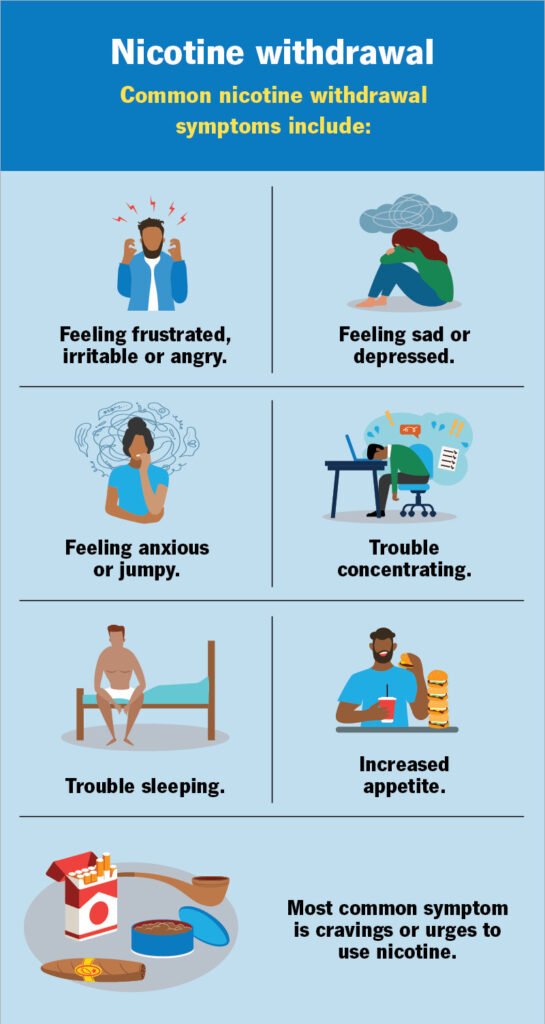
Nicotine Withdrawal Symptoms

As the body adjusts to life without nicotine, some withdrawal symptoms may occur.

Common withdrawal symptoms include:

  • Strong cravings
  • Anxiety and nervousness
  • Difficulty sleeping
  • Irritability
  • Restlessness
  • Mood changes
  • Trouble concentrating

At this point, professional support can ensure that the affected individual copes with these symptoms more comfortably and stays in line with recovery targets.

Behavioral Therapy and Counseling

Therapy is vital for the recovery of nicotine addiction. Therapy teaches people the triggers that cause them to seek out drugs and then helps them replace those bad habits with positive coping mechanisms.

Individual Counseling

Patients can talk about emotional stress, addiction triggers, and personal struggles as private counseling sessions give a good outlet for everything best

Cognitive Behavioral Therapy (CBT)

Cognitive-Behavioral Therapy (CBT) is another facet of behavior psychotherapy that can allow individuals to identify the negative thinking patterns associated with smoking and find more productive alternatives.

Motivational Therapy

Treatment that focuses on motivation helps to inspire self-belief and dedication at every stage of recovery.

The professional advice that enhances the following recovery results of nicotine addiction treatment when looking for nicotine addiction treatment in Islamabad, Pakistan.

Healthy Lifestyle Changes During Recovery

Making some lifestyle improvements can not only help you recover from nicotine but also mentally feel a lot better.

Helpful habits include:

  • Regular exercise
  • Balanced nutrition
  • Stress management practices
  • Healthy sleep routines
  • Avoiding smoking triggers
  • Building positive social support

Many patients at The Hope Rehabilitation Center Islamabad, Pakistan are taught to establish positive lifestyle habits.

Family Support and Emotional Encouragement

Family assistance can be an essential factor in overcoming nicotine addiction. This can be useful to stay motivated and emotionally stable during treatment, perhaps friends or family encouraging.

Supportive family involvement may help:

  • Improve communication
  • Reduce emotional stress
  • Strengthen accountability
  • Create a healthier home environment

General recovery is often aided by positive support systems that improve your chance of long-term success.

FAQs About Nicotine Addiction

1.     What causes nicotine addiction?

The addiction to nicotine occurs as the brain builds a reliance on the nicotine in cigarettes and similar products.

2.     Nicotine withdrawal can include a variety of psychological symptoms

Yes, withdrawal can include anxiety, irritability, mood changes and trouble focusing.

3.     Does professional treatment work for nicotine addiction?

Professional counseling and structured support improve recovery outcomes—more prevention from relapse.

4.     How long to recover from nicotine?

How long recovery last? Recovery is different for everyone and depends upon smoking habits, emotional issues, and commitment to treatment.

5.     Do changes in lifestyle assist the workaround?

Exercise, good nutrition, stress reduction and supportive relationships can make recovery more effective.

Conclusion

Nicotine dependency is an intense concern considering it can impair physical wellness, emotional security and operational from day today. Although it may seem hard to stop smoking, professional treatment and supportive care can give back control over your life again.

The Hope Rehabilitation Center Islamabad, Pakistan are 100 % best-trained rehabilitation center for Nicotine Addiction Treatment in Islamabad, Pakistan Providing Emotional Healing, Healthy Living and Functional Rehabilitation treatment sessions. With right direction and steady support, you can achieve a healthier and smoke-free future.

Dual Diagnosis Treatment — Dual diagnosis treatment in Islamabad Pakistan
Dual Diagnosis Treatment — Dual diagnosis treatment in Islamabad Pakistan

A dual diagnosis occurs when a person suffers from both a mental health disorder as well as substance addiction simultaneously. This confounding factor complicates recovery because one condition often exacerbates the symptoms of the other. Drug and alcohol use may be a response to the pressure of mental health issues, since people with anxiety, depression, trauma or emotional stress sometimes self-medicate with substance abuse — but drug use can aggravate anxious feelings.

The Hope Rehabilitation Center Islamabad, Pakistan provides peaceful, compassionate and structured care for people suffering from emotional and addiction problems designed to help them heal in the long term. In Islamabad, Pakistan this article explains the significance of Dual diagnosis Treatment, its effective ways, and recovery assistance.

Understanding Dual Diagnosis

Dual diagnosis is when someone has both a mental health condition and an addiction. When both are present, both must be treated professionally because if only one go, the individual may never recover.

Some common mental health disorders associated with addiction include:

  • Depression
  • Anxiety disorders
  • Post-traumatic stress disorder (PTSD)
  • Bipolar disorder
  • Panic disorders
  • Emotional trauma

Often with dual diagnosis have trouble balancing their emotions, suffer from drug or alcohol cravings, grasp unhealthy relationships and deal with the stress of each day.

Dual Diagnosis Treatment in Islamabad, Pakistan Professional Dual Diagnosis Treatments a process of combining treatment for a substance abuse disorder and mental illnesses by providing an integrated service to patients.

Common Causes of Dual Diagnosis

The most common ones are a dual diagnosis condition, and there are several factors that can be responsible for it.

Mental Health Struggles

People suffering from anxiety, depression or trauma may use drugs or alcohol in the short-term to alleviate their emotional pain.

Substance-Induced Mental Health Symptoms

Chronic using can modify the mind chemistry and convey upon mental disorders.

Genetic and Family History

Having a family history of addiction or mental illness can be an added risk factor.

Stressful Life Events

Addiction and emotional instability can be caused by financial problems, the loss of a loved one or a partner, conflicts in relationships with relatives and friend’s chronic stress.

At The Hope Rehabilitation Center Islamabad, Pakistan, our treatment programs aim to pinpoint these underlying causes and provide the support needed to create more successful recovery outcomes.

Indicators and Signs of Dual Diagnosis

The signs & symptoms differ depending on the kind of substance use and psychological health issue involved.

Behavioral Symptoms

  • Isolation from family and friends
  • Loss of motivation
  • Sudden mood changes
  • Poor decision-making
  • Neglect of responsibilities

Emotional Symptoms

  • Anxiety and panic
  • Persistent sadness
  • Irritability
  • Emotional instability
  • Difficulty managing stress

Substance Abuse Symptoms

  • Higher tolerance toward drugs or alcohol
  • Withdrawal symptoms
  • Strong cravings
  • Repeated failed attempts to quit

If you can notice these warning signs early enough, it could lead to proper Dual Diagnosis Treatment in Islamabad, Pakistan before it’s getting worse.

Why Integrated Treatment Is Important

If you successfully treat addiction but ignore mental health issues, the risk of relapse is heightened. Likewise, managing only mental health symptoms without addressing substance dependence may also interfere with emotional stability.

Dual Diagnosis Treatment — Dual diagnosis treatment in Islamabad Pakistan

Integrated treatment helps individuals:

  • Improve emotional wellness
  • Understand addiction triggers
  • Build healthier coping skills
  • Reduce relapse risk
  • Improve daily functioning

This indicates the added importance of professional rehabilitation programs that deal with both conditions simultaneously.

Detoxification and Medical Support

For those deeply addicted to any controlled substance, detoxification may be the first step in treatment. Detox allows the body to rid itself of dangerous drugs while staff monitor any withdrawal symptoms in safety.

Withdrawal symptoms may include:

  • Anxiety
  • Restlessness
  • Sweating
  • Sleep disturbances
  • Mood swings
  • Fatigue

Monitoring from a medical professional can also enhance safety and comfort when you are this far in your recovery.

Counseling and Behavioral Therapy

Therapy is by far the most critical components of dual diagnosis recovery. Counseling for understanding those emotions because that awakens the mental status of a patient where they feel relieved from stress and understand their symptoms.

Individual Counseling

Patients can talk about trauma, emotional pain, and personal conflicts in a safe environment with private therapy.

Cognitive Behavioral Therapy (CBT)

CBT assists individuals in recognizing automatic negative thought patterns related to their addiction and mental health struggles.

Group Therapy

Support groups offer encouragement and collective experience that lessen feelings of isolation.

Therapy programs are designed according to the needs of the individual at The Hope Rehabilitation Center Islamabad, Pakistan so they can heal emotionally and be in recovery permanently.

The Role of Family Support

Dual Diagnosis Do you realize that Dual diagnosis not only affects the individual but it also affects each of family members and loved ones? Family support and family involvement with the recovery process can be important in overcoming emotional issues, as well as promoting lifestyle changes that can lead to a miracle.

Family counseling may help:

  • Improve communication
  • Reduce emotional stress
  • Learn about addiction and mental health
  • Create a supportive home environment

The involvement of a healthy family increases favorable outcomes for recovery from Dual Diagnosis Treatment in Islamabad, Pakistan.

Relapse Prevention and Long-Term Recovery

This time is needed so that full recovery can occur from the dual diagnosis through ongoing care and a switch to more healthy daily living. Relapse Prevention One of the most effective tools offered by treatment centers is relapse prevention programs where patients learn to become emotionally balanced so that they can be sober once released from the facility.

Helpful strategies include:

  • Stress management techniques
  • Healthy sleep routines
  • Regular counseling sessions
  • Physical activity and exercise
  • Emotional support systems
  • Avoiding harmful environments

It is essential to remember that you will not be able to recover overnight as recovery takes time, consistency and professionalism.

Benefits of Early Intervention

Early professional help reduces the emotional, physical and psychological effects of comorbidity. If treated on time, quality of life can be maximized and emotional stability maintained.

Early intervention can help individuals:

  • Manage mental health symptoms
  • Reduce substance dependency
  • Improve family relationships
  • Restore daily functioning
  • Strengthen emotional resilience

FAQs About Dual Diagnosis Treatment

1.     What is dual diagnosis?

Dual diagnosis means that you have both an addiction and a mental health disorder at the same time.

2.     Are mental health disorders a risk factor for addiction?

Yes, anxiety, depression and trauma can all lead to a greater chance of abusing drugs.

3.     Why is integrated treatment important?

Integrated treatment combines therapy for both addiction and mental health issues together, leading to better recovery.

4.     Do I need therapy to recover from a dual diagnosis?

Counseling and behavioral therapy address how a person deals with emotional triggers to develop healthier coping mechanisms.

5.     Can family support improve recovery?

Caring family support has usually assisted in various improvement facets such as emotional stability, communication, and success with long-term recovery.

Conclusion

This complex condition often needs supportive care to help you process, heal, and recover. Addiction and mental health issues often co-occur, but treating them from the start simultaneously leads to better recovery and quality of life.

The Hope Rehabilitation Center Islamabad, Pakistan offers structured emotional core care for individuals seeking Dual Diagnosis Treatment in Islamabad, Pakistan. With the appropriate support and guidance, one can make progress toward a better and more balanced life.

Smoking Addiction – Smoking Addiction Treatment in Islamabad, Pakistan
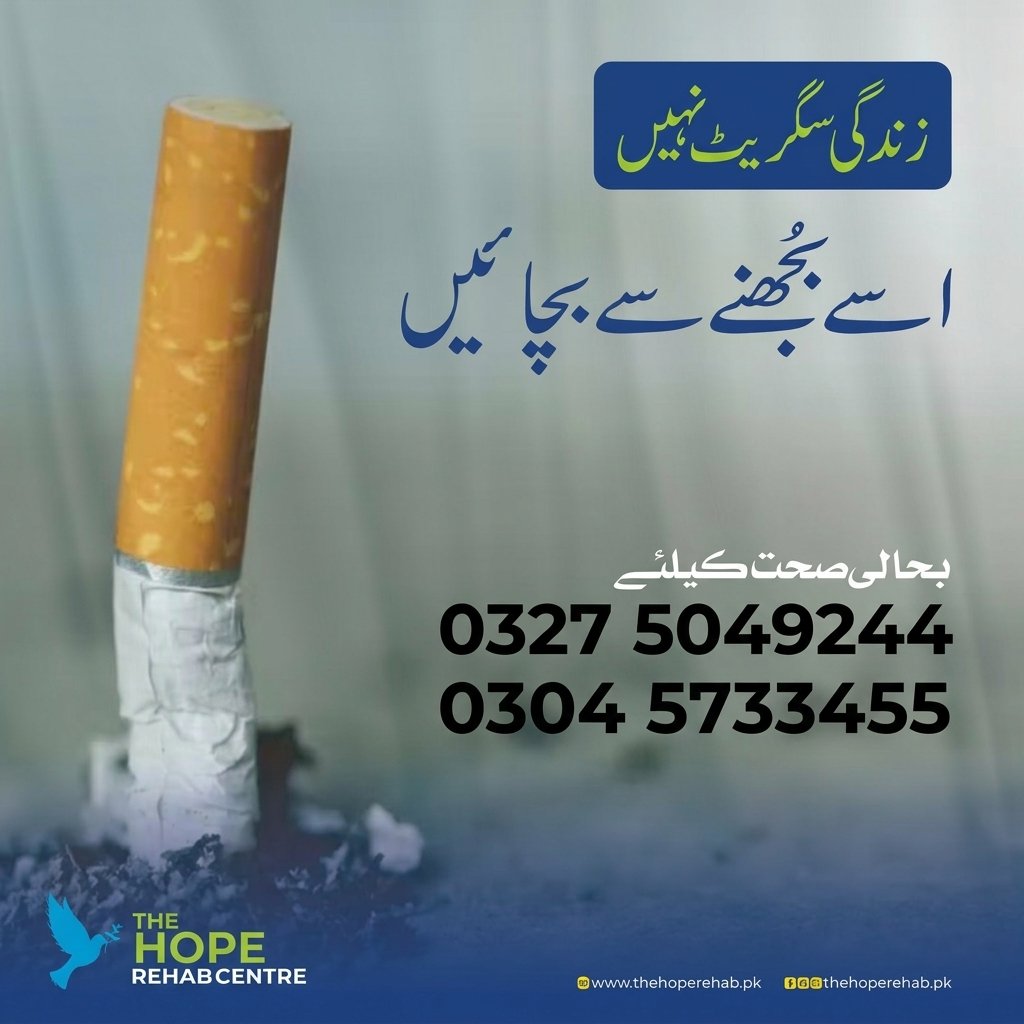
Smoking Addiction – Smoking Addiction Treatment in Islamabad, Pakistan

Smoking addiction is one of the most common forms of substance dependency affecting people of all ages. Many individuals begin smoking due to stress, social influence, curiosity, or habit, but over time, nicotine dependence can become difficult to control. Smoking not only harms physical health but also affects emotional well-being, family life, and overall quality of life.

At The Hope Rehabilitation Center Islamabad, Pakistan, individuals struggling with nicotine dependency can receive compassionate care and professional support in a structured environment. This article explains the causes, symptoms, health risks, and recovery options related to Smoking Addiction Treatment in Islamabad, Pakistan while emphasizing the importance of long-term wellness and healthier living.

Understanding Smoking Addiction

Smoking addiction develops when the body and brain become dependent on nicotine, a highly addictive substance found in cigarettes and tobacco products. Nicotine stimulates the brain’s reward system, creating temporary feelings of relaxation or pleasure. Over time, the body begins craving nicotine regularly, making it difficult to stop smoking without support.

People dealing with nicotine dependence may continue smoking despite understanding the harmful effects on their health. Professional Smoking Addiction Treatment in Islamabad, Pakistan can help individuals break this cycle safely and effectively.

Common Causes of Smoking Addiction

Smoking addiction can develop due to several emotional, social, and psychological factors.

Stress and Emotional Pressure

Many people use smoking as a coping mechanism during periods of stress, anxiety, or emotional tension.

Peer Influence

Social environments and peer pressure often play a role in starting smoking habits, especially among young adults.

Habitual Behavior

Smoking can become connected to daily routines such as drinking tea, social gatherings, or work breaks, making the habit harder to quit.

Mental Health Conditions

Depression, anxiety, and emotional trauma may increase the likelihood of nicotine dependency.

At The Hope Rehabilitation Center Islamabad, Pakistan, treatment plans focus on understanding these root causes to support long-term recovery.

Signs and Symptoms of Smoking Addiction

Recognizing nicotine dependency early can help individuals seek support before serious health complications develop.

Physical Symptoms

  • Frequent cigarette cravings
  • Increased tolerance to nicotine
  • Restlessness when unable to smoke
  • Headaches or irritability during withdrawal
  • Persistent cough
  • Fatigue and breathing difficulties

Behavioral Symptoms

  • Smoking immediately after waking up
  • Difficulty avoiding smoking in public places
  • Repeated failed attempts to quit
  • Increased smoking during stress

Emotional Symptoms

  • Anxiety without nicotine
  • Mood swings
  • Irritability
  • Difficulty concentrating

People experiencing these symptoms may benefit from professional Smoking Addiction Treatment in Islamabad, Pakistan.

Health Risks Linked to Smoking Addiction

Smoking affects nearly every organ in the body. Long-term tobacco use increases the risk of several serious health conditions.

Respiratory Problems

Smoking damages the lungs and airways, leading to breathing issues, chronic cough, and reduced lung function.

Heart Disease

Smoking Addiction – Smoking Addiction Treatment in Islamabad, Pakistan

Nicotine and harmful chemicals in tobacco can increase blood pressure and strain the cardiovascular system.

Mental and Emotional Impact

Smoking addiction can contribute to stress, anxiety, emotional instability, and dependency-related frustration.

Reduced Quality of Life

Smoking may negatively affect physical stamina, sleep quality, appearance, and daily productivity.

Seeking early Smoking Addiction Treatment in Islamabad, Pakistan can help reduce these risks and improve overall health.

Why Professional Smoking Addiction Treatment Matters

Quitting smoking is challenging because nicotine creates both physical and psychological dependence. Many individuals attempt to quit multiple times before achieving long-term success.

Professional rehabilitation programs provide structured care that may include:

  • Behavioral counseling
  • Withdrawal management
  • Emotional support
  • Stress management techniques
  • Relapse prevention strategies

At The Hope Rehabilitation Center Islamabad, Pakistan, treatment programs are designed to help individuals recover in a respectful and supportive environment.

Nicotine Withdrawal and Detox Support

When a person stops smoking, the body begins adjusting to the absence of nicotine. This process can cause temporary withdrawal symptoms.

Common withdrawal symptoms include:

  • Irritability
  • Anxiety
  • Restlessness
  • Trouble sleeping
  • Mood changes
  • Strong cravings
  • Difficulty concentrating

Professional support during nicotine withdrawal can improve comfort and help individuals remain focused on recovery goals.

Behavioral Therapy and Counseling

Counseling plays a major role in helping people understand why they smoke and how to replace unhealthy habits with healthier routines.

Individual Counseling

One-on-one therapy sessions help patients discuss emotional triggers, stress factors, and personal challenges.

Cognitive Behavioral Therapy (CBT)

CBT helps individuals identify negative thought patterns connected to smoking and develop healthier coping mechanisms.

Motivational Support

Motivational counseling can improve confidence and encourage positive lifestyle changes during recovery.

Professional therapy strengthens long-term recovery outcomes for individuals seeking Smoking Addiction Treatment in Islamabad, Pakistan.

Lifestyle Changes That Support Recovery

Long-term recovery often requires adjustments in daily habits and routines. Healthy lifestyle choices can reduce cravings and improve emotional balance.

Helpful recovery strategies include:

  • Regular physical activity
  • Healthy eating habits
  • Stress management techniques
  • Better sleep routines
  • Avoiding smoking triggers
  • Building supportive social connections

At The Hope Rehabilitation Center Islamabad, Pakistan, patients are encouraged to adopt positive habits that support healthier living.

The Importance of Family Support

Family encouragement can make a significant difference during smoking recovery. Emotional support from loved ones may help individuals stay motivated and committed to treatment.

Family involvement can help:

  • Improve emotional stability
  • Reduce stress during recovery
  • Encourage accountability
  • Create a healthier home environment

Supportive communication often strengthens long-term recovery success.

FAQs About Smoking Addiction

1. What causes smoking addiction?

Smoking addiction is mainly caused by nicotine dependence, emotional stress, social influence, and habitual behavior.

2. Can nicotine withdrawal be difficult?

Yes, withdrawal symptoms such as cravings, anxiety, irritability, and sleep problems can occur when quitting smoking.

3. How long does smoking recovery take?

Recovery varies from person to person. Some individuals improve within weeks, while others may require longer-term support.

4. Is counseling important for smoking addiction treatment?

Yes, counseling helps individuals understand emotional triggers and develop healthier coping strategies.

5. Can family support help during smoking recovery?

Supportive family involvement often improves motivation, emotional stability, and recovery outcomes.

Conclusion

Smoking addiction is a serious health concern that can affect physical wellness, emotional balance, and daily life. Although quitting smoking may feel difficult, professional care and supportive treatment can help individuals move toward healthier living.

At The Hope Rehabilitation Center Islamabad, Pakistan, individuals seeking Smoking Addiction Treatment in Islamabad, Pakistan can access compassionate care, structured counseling, and recovery-focused support tailored to their personal needs. With the right guidance and commitment, recovery from smoking addiction is possible, leading to improved health and a better quality of life.