Smoking addiction is one of the most common forms of substance dependency affecting people of all ages. Many individuals begin smoking due to stress, social influence, curiosity, or habit, but over time, nicotine dependence can become difficult to control. Smoking not only harms physical health but also affects emotional well-being, family life, and overall quality of life.
At The Hope Rehabilitation Center Islamabad, Pakistan, individuals struggling with nicotine dependency can receive compassionate care and professional support in a structured environment. This article explains the causes, symptoms, health risks, and recovery options related to Smoking Addiction Treatment in Islamabad, Pakistan while emphasizing the importance of long-term wellness and healthier living.
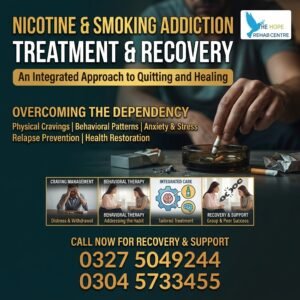
Understanding Smoking Addiction
Smoking addiction develops when the body and brain become dependent on nicotine, a highly addictive substance found in cigarettes and tobacco products. Nicotine stimulates the brain’s reward system, creating temporary feelings of relaxation or pleasure. Over time, the body begins craving nicotine regularly, making it difficult to stop smoking without support.
People dealing with nicotine dependence may continue smoking despite understanding the harmful effects on their health. Professional Smoking Addiction Treatment in Islamabad, Pakistan can help individuals break this cycle safely and effectively.
Common Causes of Smoking Addiction
Smoking addiction can develop due to several emotional, social, and psychological factors.
Stress and Emotional Pressure
Many people use smoking as a coping mechanism during periods of stress, anxiety, or emotional tension.
Peer Influence
Social environments and peer pressure often play a role in starting smoking habits, especially among young adults.
Habitual Behavior
Smoking can become connected to daily routines such as drinking tea, social gatherings, or work breaks, making the habit harder to quit.
Mental Health Conditions
Depression, anxiety, and emotional trauma may increase the likelihood of nicotine dependency.
At The Hope Rehabilitation Center Islamabad, Pakistan, treatment plans focus on understanding these root causes to support long-term recovery.
Signs and Symptoms of Smoking Addiction
Recognizing nicotine dependency early can help individuals seek support before serious health complications develop.
Physical Symptoms
- Frequent cigarette cravings
- Increased tolerance to nicotine
- Restlessness when unable to smoke
- Headaches or irritability during withdrawal
- Persistent cough
- Fatigue and breathing difficulties
Behavioral Symptoms
- Smoking immediately after waking up
- Difficulty avoiding smoking in public places
- Repeated failed attempts to quit
- Increased smoking during stress
Emotional Symptoms
- Anxiety without nicotine
- Mood swings
- Irritability
- Difficulty concentrating
People experiencing these symptoms may benefit from professional Smoking Addiction Treatment in Islamabad, Pakistan.
Health Risks Linked to Smoking Addiction
Smoking affects nearly every organ in the body. Long-term tobacco use increases the risk of several serious health conditions.
Respiratory Problems
Smoking damages the lungs and airways, leading to breathing issues, chronic cough, and reduced lung function.
Heart Disease
Nicotine and harmful chemicals in tobacco can increase blood pressure and strain the cardiovascular system.
Mental and Emotional Impact
Smoking addiction can contribute to stress, anxiety, emotional instability, and dependency-related frustration.
Reduced Quality of Life
Smoking may negatively affect physical stamina, sleep quality, appearance, and daily productivity.
Seeking early Smoking Addiction Treatment in Islamabad, Pakistan can help reduce these risks and improve overall health.
Why Professional Smoking Addiction Treatment Matters
Quitting smoking is challenging because nicotine creates both physical and psychological dependence. Many individuals attempt to quit multiple times before achieving long-term success.
Professional rehabilitation programs provide structured care that may include:
- Behavioral counseling
- Withdrawal management
- Emotional support
- Stress management techniques
- Relapse prevention strategies
At The Hope Rehabilitation Center Islamabad, Pakistan, treatment programs are designed to help individuals recover in a respectful and supportive environment.
Nicotine Withdrawal and Detox Support
When a person stops smoking, the body begins adjusting to the absence of nicotine. This process can cause temporary withdrawal symptoms.
Common withdrawal symptoms include:
- Irritability
- Anxiety
- Restlessness
- Trouble sleeping
- Mood changes
- Strong cravings
- Difficulty concentrating
Professional support during nicotine withdrawal can improve comfort and help individuals remain focused on recovery goals.
Behavioral Therapy and Counseling
Counseling plays a major role in helping people understand why they smoke and how to replace unhealthy habits with healthier routines.
Individual Counseling
One-on-one therapy sessions help patients discuss emotional triggers, stress factors, and personal challenges.
Cognitive Behavioral Therapy (CBT)
CBT helps individuals identify negative thought patterns connected to smoking and develop healthier coping mechanisms.
Motivational Support
Motivational counseling can improve confidence and encourage positive lifestyle changes during recovery.
Professional therapy strengthens long-term recovery outcomes for individuals seeking Smoking Addiction Treatment in Islamabad, Pakistan.
Lifestyle Changes That Support Recovery
Long-term recovery often requires adjustments in daily habits and routines. Healthy lifestyle choices can reduce cravings and improve emotional balance.
Helpful recovery strategies include:
- Regular physical activity
- Healthy eating habits
- Stress management techniques
- Better sleep routines
- Avoiding smoking triggers
- Building supportive social connections
At The Hope Rehabilitation Center Islamabad, Pakistan, patients are encouraged to adopt positive habits that support healthier living.
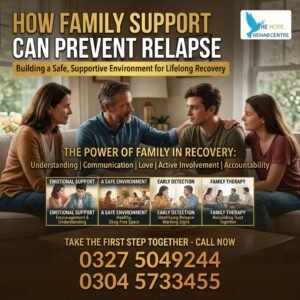
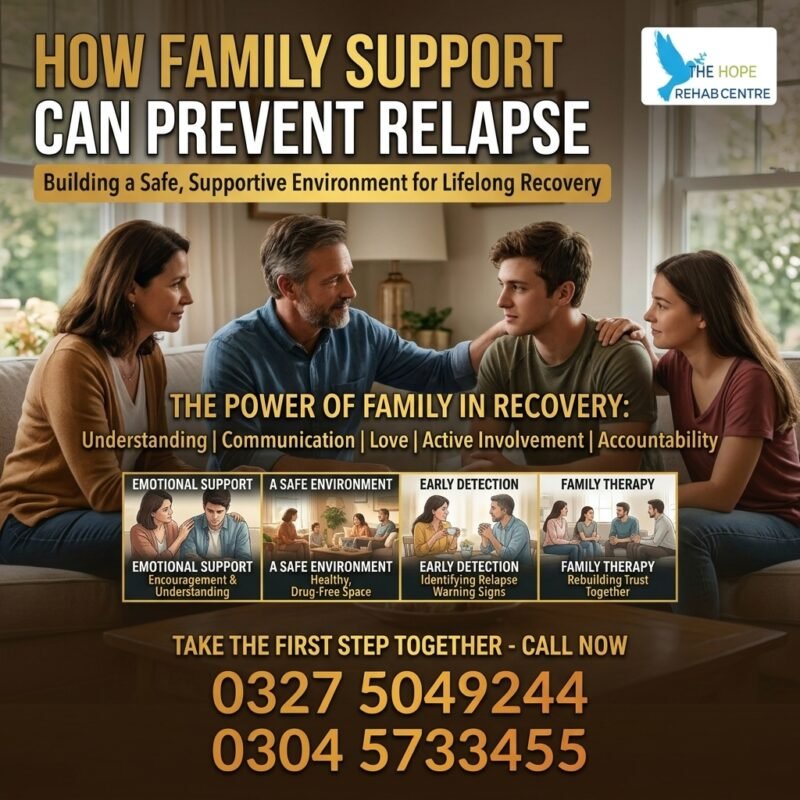
The Importance of Family Support
Family encouragement can make a significant difference during smoking recovery. Emotional support from loved ones may help individuals stay motivated and committed to treatment.
Family involvement can help:
- Improve emotional stability
- Reduce stress during recovery
- Encourage accountability
- Create a healthier home environment
Supportive communication often strengthens long-term recovery success.
FAQs About Smoking Addiction
1. What causes smoking addiction?
Smoking addiction is mainly caused by nicotine dependence, emotional stress, social influence, and habitual behavior.
2. Can nicotine withdrawal be difficult?
Yes, withdrawal symptoms such as cravings, anxiety, irritability, and sleep problems can occur when quitting smoking.
3. How long does smoking recovery take?
Recovery varies from person to person. Some individuals improve within weeks, while others may require longer-term support.
4. Is counseling important for smoking addiction treatment?
Yes, counseling helps individuals understand emotional triggers and develop healthier coping strategies.
5. Can family support help during smoking recovery?
Supportive family involvement often improves motivation, emotional stability, and recovery outcomes.
Conclusion
Smoking addiction is a serious health concern that can affect physical wellness, emotional balance, and daily life. Although quitting smoking may feel difficult, professional care and supportive treatment can help individuals move toward healthier living.
At The Hope Rehabilitation Center Islamabad, Pakistan, individuals seeking Smoking Addiction Treatment in Islamabad, Pakistan can access compassionate care, structured counseling, and recovery-focused support tailored to their personal needs. With the right guidance and commitment, recovery from smoking addiction is possible, leading to improved health and a better quality of life.