The Hope Rehab Center

Hopelessness Is a Sin: Understanding the Spiritual and Emotional Weight of Despair

Hopelessness Is a Sin: Understanding the Spiritual and Emotional Weight of Despair

Hopelessness is a heavy emotional state that can make a person feel lost, empty, and disconnected from life. It often appears during difficult times—when pain feels endless, when prayers seem unanswered, or when life becomes overwhelming. Many people ask whether hopelessness is simply a feeling or something deeper.

From a spiritual perspective, hopelessness is often seen as dangerous because it can distance a person from faith, purpose, and trust in God. In many religious teachings, despair is discouraged because it can weaken the belief that healing, mercy, and change are still possible.

However, it is important to understand the difference between feeling hopeless and choosing to live in hopelessness.

Hopelessness as a Human Emotion

Every person experiences moments of sadness, pain, and uncertainty. Feeling hopeless during hardship does not make someone weak or sinful. It is part of being human. Loss, trauma, addiction, depression, and emotional pain can create intense feelings of despair.

What matters is how a person responds to those feelings.

When hopelessness becomes permanent in the mind, it can lead to isolation, depression, and harmful decisions. That is why emotional support, faith, and professional help are so important.

Spiritual Meaning of Hopelessness

Many faith traditions teach that God’s mercy, guidance, and help are always present—even when unseen. Losing all hope can sometimes reflect losing trust in that mercy.

In Islamic teachings, despairing completely of Allah’s mercy is strongly discouraged. The Qur’an repeatedly reminds believers that hardship is temporary and that relief can come after struggle.

Hopelessness becomes spiritually harmful when a person believes:

  • Things can never improve
  • Forgiveness is impossible
  • Recovery is out of reach
  • Their life has no value

These thoughts can trap a person in darkness.

The Connection Between Hopelessness and Mental Health
Hopelessness Is a Sin: Understanding the Spiritual and Emotional Weight of Despair

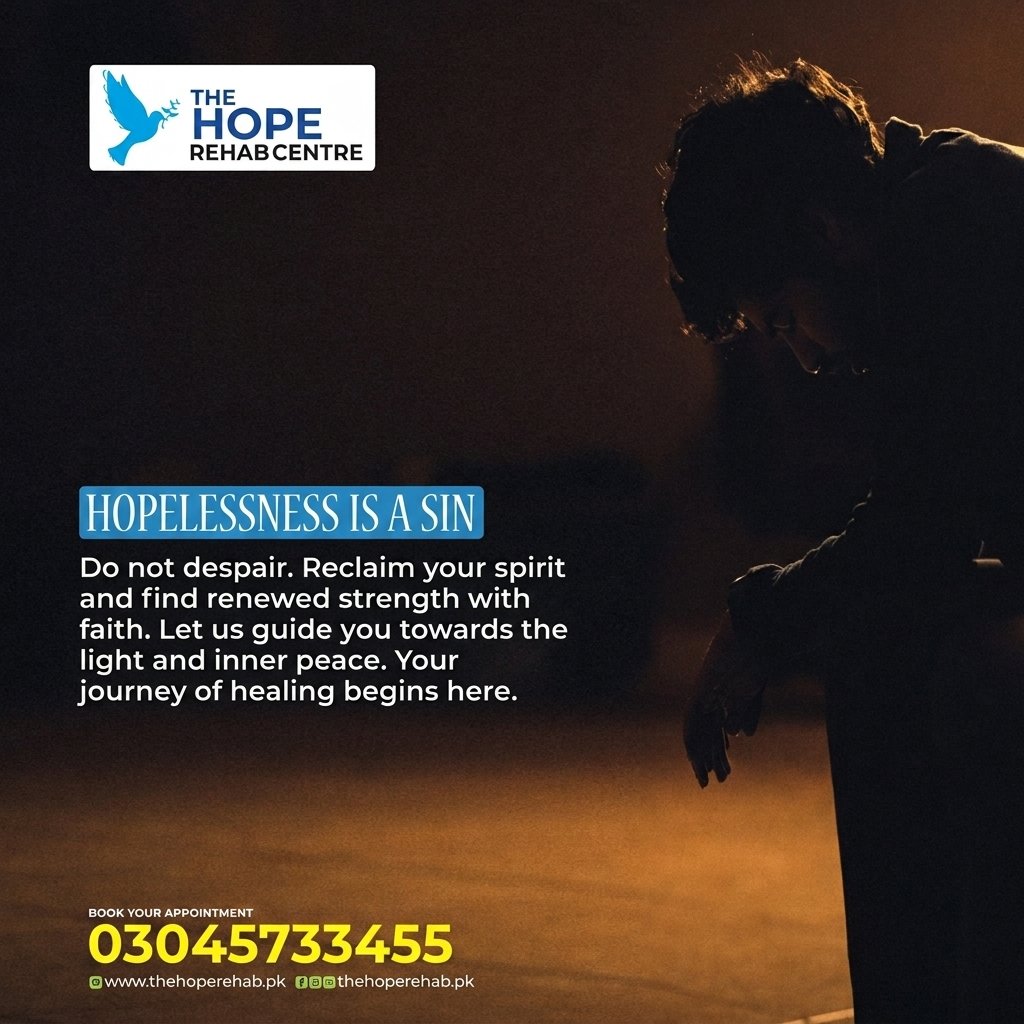
Hopelessness is also closely connected to mental health conditions like depression, anxiety, trauma, and addiction. Sometimes people do not feel hopeless because of weak faith—they feel hopeless because they are emotionally exhausted.

This is why mental health support matters.

At The Hope Rehabilitation Center Islamabad, Pakistan, individuals struggling with depression, addiction, and emotional trauma receive structured care designed to help them rebuild emotional strength and regain hope.

Professional treatment can help people understand that hopelessness is often a symptom, not a permanent truth.

How to Fight Hopelessness

Overcoming hopelessness often takes both spiritual and practical steps:

1. Speak to Someone

Keeping pain inside can make hopelessness stronger. Talking to a trusted person, therapist, or counselor can provide relief.

2. Reconnect with Faith

Prayer, reflection, and spiritual connection can help restore inner peace and perspective.

3. Focus on Small Steps

Recovery and healing do not happen overnight. Small progress still matters.

4. Seek Professional Help

If hopelessness is linked with depression, addiction, or trauma, professional support may be necessary.

At The Hope Rehabilitation Center Islamabad, Pakistan, mental health and addiction recovery programs help individuals rebuild confidence, emotional balance, and hope.

Final Thoughts

Hopelessness is not something to ignore. While it can be a painful emotional experience, living in complete despair can damage both mental health and spiritual well-being. The key is to remember that no hardship lasts forever.

Healing is possible. Forgiveness is possible. Recovery is possible.

Even in the darkest moments, hope remains one of the strongest forces a person can hold onto. Sometimes the first step toward healing is simply believing that a better day can still come.
Mental Health Treatment Center in Islamabad, Pakistan

Mental Health Treatment Center in Islamabad, Pakistan

Mental Health is an important aspect of our overall well-being, but often the least understood. It is not until recent years that people have become increasingly aware of mental health conditions such as depression, anxiety, stress disorders and other emotional challenges. It is important your Professional help as Mental Health treatment Center Islamabad, Pakistan from Mental health professional can play a very crucial part in the management of these disorders. The Hope Rehabilitation Center Islamabad, Pakistan incorporates compassionate, ethics-based & evidence-based care facilities to promote among people in their path to be recovered.

How Mental Health Works and Why it Matters

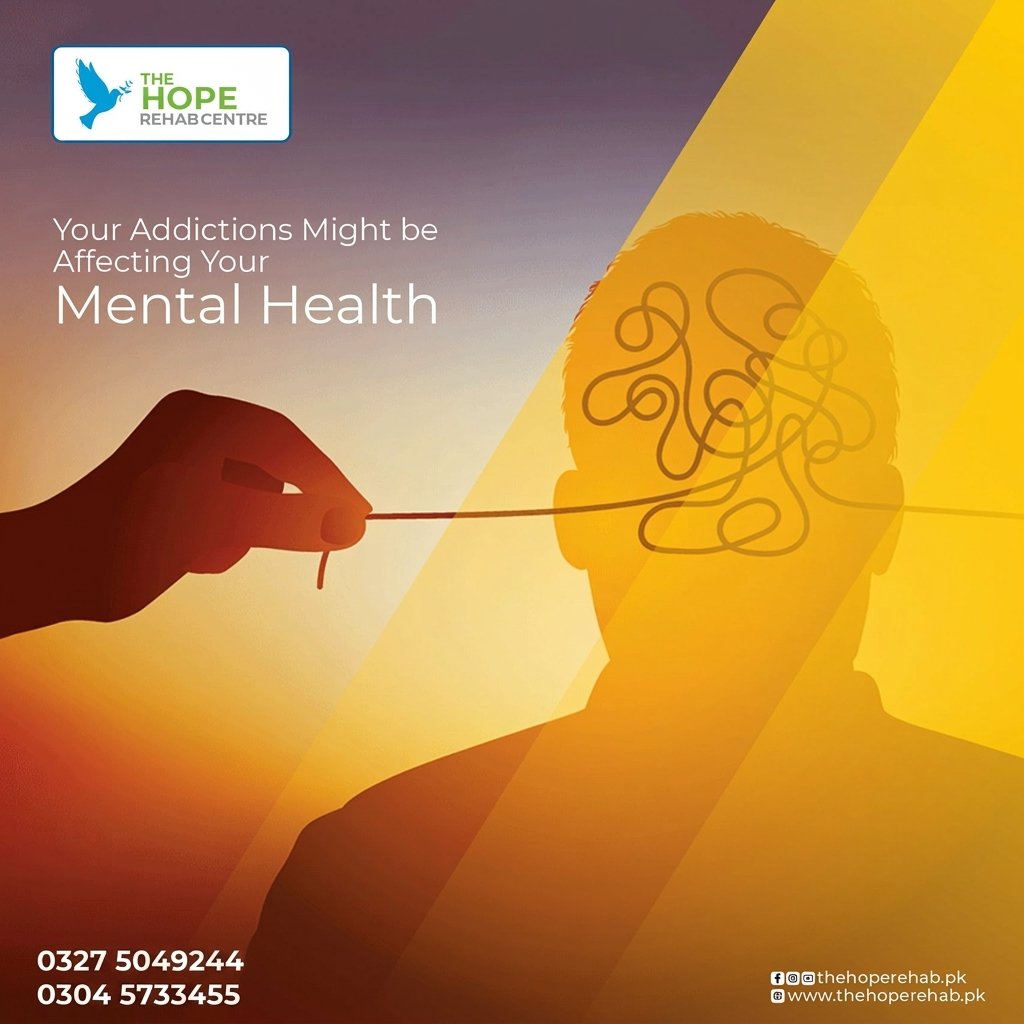
Mental health is the well-being of a person in emotional, psychological and social area of self. It affects how people think, feel and behave each day. Mental health issues impact relationships, workplace performance and physical wellbeing.

Disorders such as anxiety disorders, depression, bipolar disorder, and trauma are an integral part of life. But, with the necessary care from a Qualified Mental Health Treatment Center in Islamabad, Pakistan along with an Intervention can help individuals control and manage their lives once more.

The Role of a Center for Mental Health

This is your schedule in a professional mental health receiving center, which is built to heal dissimilar psychological and emotional states. The diagnosis and long-term management are the focus of these centers.

Key Services Offered

  • Psychological assessments and evaluations
  • Individual counseling and psychotherapy
  • Medication management under supervision
  • Stress and anxiety management programs
  • Behavioral therapy and emotional support

The Hope Rehabilitation Center Islamabad, Pakistan—Here, the goal is to focus on individualized care plans that are designed in order to accommodate each person.

Common Mental Health Disorders Treated

A Mental Health Treatment Center in Islamabad Pakistan that has a comprehensive setup is capable of dealing with various kinds of conditions including:

Depression

marked by ongoing feelings of hopelessness, disinterest, and lethargy.

Anxiety Disorders

With panic attacks as well as social anxiety, excessive worry and fear.

Post-Traumatic Stress Disorder (PTSD)

In response to an event (therapist judgment) — flashbacks, nightmares and general suffering.

Obsessive-Compulsive Disorder (OCD)

Excessive rituals originating from intrusive thoughts and behavior that impede on everyday functioning.

Bipolar Disorder

Extreme mood swings, including emotional lows and highs.

Importance of Early Intervention

Mental health disorders can be avoided from deteriorating with early diagnosis and treatment. Many times, negligence of the symptoms causes irreparable harm such as not functioning properly and health complications.

By contacting a reliable Mental Health Treatment Center in Islamabad, Pakistan you can obtain help at the right time and minimize hazards in the future. By addressing the issue quickly, people can often experience a greater degree of success in managing it.

Therapeutic Approaches Used in Treatment

Today, more modern mental health centers offer a number of evidence-based therapies that support recovery.

Cognitive Behavioral Therapy (CBT)

Assists people to recognize and reframe unhelpful thought patterns

Dialectical Behavior Therapy (DBT)

About emotional regulation, how to bear stress.

Group Therapy

Promote self-disclosure and the development of social support networks;

Family Counseling

There are also covers family members to help in the recovery process for awareness among them and get immediate support.

At New Hope rehab, we incorporate such therapies into a holistic treatment plan as per the individual.

The Advantages of Seeking Professional Mental Health Treatment

Setting for mental health treatment in Islamabad Pakistan professional uses many advantages:

  • Quality access to trained mental health professionals
  • Structured and safe environment
  • Personalized treatment plans
  • Continuous monitoring and support
  • Offered greater emotional strength and coping mechanisms

All of these benefits promote long-term mental destabilization.

Creating a Supportive Environment

Mental Health Treatment Center in Islamabad, Pakistan

You need more than just therapy to heal from mental health problems. Another important thing is supportive surroundings — your healing starts here.

Mental health centers serve as safe places to discuss intimate thoughts without judgment. The Hope Rehabilitation Center Islamabad, Pakistan focuses on dignity, respect, and patient-centered care.

Addressing Stigma Around Mental Health

While awareness of the problem is increasing, stigma still represents one of the biggest hurdles to providing help. Due to the fear of stigma, a lot of people do not go to the Mental Health Treatment Center in Islamabad, Pakistan.

Breaking this stigma comes from educating and making people aware. Mental health disorders are medical situations and need to be dealt with accurately, like any other ailment. Normalizations of such communication will allow more individuals to access the support that they seek.

Mental health support lifestyle changes

Besides professional treatment, some healthy changes in lifestyle may help improve wellness:

  • Maintaining a balanced diet
  • Regular physical activity
  • Adequate sleep
  • Practicing mindfulness and relaxation techniques
  • Building strong social connections

These habits enhance treatment at a mental health center and enable long-term recovery.

The second question here is why The Hope Rehabilitation Center Islamabad, Pakistan.

The Hope Rehabilitation Center Islamabad, Pakistan is committed to evidence-based, patient-centered mental health care. The center prioritizes:

  • Confidential and respectful treatment
  • Experienced mental health professionals
  • Comprehensive care plans
  • Safe and supportive environment

Although there is no treatment that leads to a quick fix, continued care with the help of a professional greatly improves mental health outcomes.

FAQs

1.     What is the Mental Health Treatment Center?

A mental health treatment center is a facility that provides therapy, counseling, medication management, and other support services for people facing mental health issues.

2.     What do I know if I need a practitioner help?

If you find yourself struggling with sadness, anxiety, mood swings or unable to perform day-to-day functions then this could be a good time to get in touch with someone professionally.

3.     Is mental health treatment confidential?

Yes, the best centers like The Hope Rehabilitation Center Islamabad, Pakistan offers strict confidentiality that protect patient privacy.

4.     Mental health treatment: How long does it take?

Depending on the condition and the individual needs, this can be for a variable length of time. While some may need therapy for a short period, others would require long-term assistance.

5.     Is it okay to include family members in treatment?

Yes, most centers use family counseling as a means by which recoveries are supported and communication is improved.

Conclusion

Mental health is an important part of overall health, and seeking support if you find yourself struggling with it can drastically help. A professional Mental Health Treatment Center in Islamabad, Pakistan will offer the resources, direction and setting required for healing. Drugs addicts that are interested in finding emotionally balanced and comfortable life through ideal treatment, they should go for institutions like The Hope Rehabilitation Center Islamabad, Pakistan as they have designed their methods on scientific standards with moderate care to support populace.

Detoxification Treatment Centre in Islamabad, Pakistan

Detoxification Treatment Centre in Islamabad, Pakistan

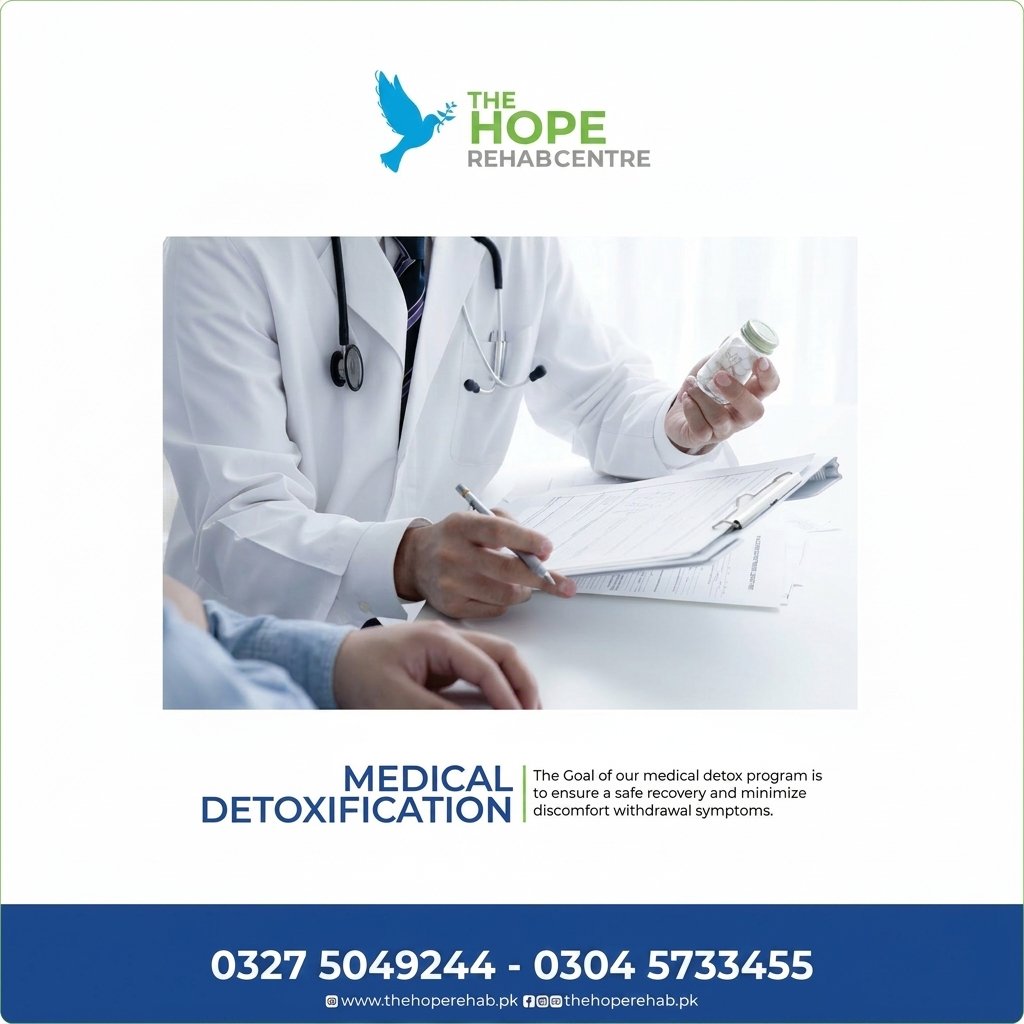
Detox is typically the first and most essential step of recovery from substance use disorders. It’s the process by which you have those harmful substances detoxed from your system while managing withdrawal symptoms in a safe and controlled environment. Providing medical supervision and emotional support, a professional I detoxification Treatment Centre in Islamabad, Pakistan will help to provide you with the firm footing needed for commencing your recovery journey.

Detoxification at The Hope Rehabilitation Center Islamabad, Pakistan is a comprehensive process performed with utmost care, professionalism, and dedication to patient safety. This is done in a safe environment, allowing the user to make positive steps towards recovery.

What is Detoxification?

Detoxification: a natural process of removing toxic substances from the body by either intentional or unintentional means (such as drug withdrawal, alcohol withdrawal). The body has its own detox systems, but entering an addictive withdrawal phase can be difficult without professional help.

Detox is best done in a I detoxification Treatment Centre in Islamabad, Pakistan working under adequate supervision to reduce risks and discomfort.

Why Detoxification is Important

Detox is an essential part because it sets your body and mind up for the next stages of treatment. Detox allows people to engage effectively in therapy or other longer-term recovery programs.

Key Benefits of Detoxification

  • It helps in detoxification from the body
  • Reduces physical dependence
  • Stabilizes the patient for subsequent treatment
  • Ensures a secure beginning of the recovery

The Hope Rehabilitation Center Islamabad, Pakistan consider detoxification as the cornerstone of successful rehabilitation.

Common Withdrawal Symptoms

The withdrawal symptoms are dependent on the substance, length of time it has been used for, and other medical conditions.

Physical Symptoms

  • Nausea and vomiting
  • Sweating and chills
  • Headaches
  • Fatigue

Psychological Symptoms

  • Anxiety and restlessness
  • Irritability
  • Mood swings
  • Sleep disturbances

By maintaining these symptoms at an expert, I detoxification Treatment Centre in Pakistan, even surface safety and comfort are ensured throughout the entire process.

Types of Detoxification Programs

Secondly, each individual requires a different approach to detox based on their condition.

Medical Detox

Medical detox uses healthcare supervision and in some cases medication to help alleviate withdrawal symptoms in a safe manner.

Inpatient Detox

With inpatient detox, patients are always being cared for in a structured environment. 24 hours, seven days a week they are monitored.

Outpatient Detox

Outpatient detox enables people to be treated whilst continuing with their daily life, though it may not advisable for acute ones.

Detox plans at The Hope Rehabilitation Center Islamabad, Pakistan are designed according to the individual.

The Detoxification Process

Having this information about the detox process can give individuals a sense of readiness and assurance.

Assessment and Evaluation

This involves a complete assessment of medical history, drug use pattern and general health.

Stabilization

Detoxification Treatment Centre in Islamabad, Pakistan

This stage provides individuals with medical and emotional support as they go through withdrawal symptoms.

Transition to Further Treatment

Post-detox, however, patients are directed to therapy and rehab programs for lasting recovery.

Each phase is dealt with care and professional conduct from a well-structured I detoxification Treatment Centre, Islamabad Pakistan.

Importance of Professional Supervision

There can be a danger involved with detoxification, especially when withdrawal symptoms are extreme. Supervision by a professional help to ensure any problems are identified immediately.

Benefits of Supervised Detox

  • Safer withdrawal management
  • Reduced risk of complications
  • Emotional and psychological support
  • Smooth transition to rehabilitation

We are one of the famous Top Drug Rehabilitation Center in Islamabad Like The Hope Rehabilitation Center Islamabad, Pakistan is a place where the patient comes first, always.

Role of Family Support

Family support can help during detox both as emotional encouragement and motivation. A recovery-sensitive environment enables an individual to remain dedicated to the process.

Family members can assist by:

  • Offering reassurance and understanding
  • Encouraging treatment adherence
  • Creating a stress-free environment
  • Attending therapy sessions, if suggested.

Most of the times, a I detoxification Treatment Centre in Islamabad Pakistan promotes and allows family support as needful in recovery.

Life After Detox

Detoxification itself is just the first step of healing. Any long-term success relies on ongoing care and lifestyle modification.

Healthy Recovery Practices

  • Maintain a balanced diet
  • Engage in regular physical activity
  • Practice stress management techniques
  • Attend counseling or therapy sessions

The Hope Rehabilitation Center Islamabad, Pakistan work with one goal in mind to educate people continuously so that they recover sustainably.

Frequently Asked Questions (FAQs)

1.     Why detoxify?

Detoxification removes unnatural substances from the body and prepares a person for subsequent treatment.

2.     Is detoxification painful?

While this can be uncomfortable, professional care ensures withdrawal symptoms are managed in a safe and appropriate manner.

3.     How long does detox take?

The length of time will differ based on the substance and general health.

4.     Can detox be done at home?

However, detox is best done under professional supervision for safety—this is especially true in cases of severe addiction.

5.     What happens after detox?

Detox only prepares you for recovery and addicts are still advised to continue therapy and rehab programs.

Conclusion

Drug detox is the essential element of the recovery process before addressing dependency on substances. It lays the groundwork for recovery by assisting a person in appropriately finding control of withdrawal and addressing additional treatment steps ahead.

Being a trusted I detoxification Treatment Centre in Islamabad, Pakistan The Hope Rehabilitation Center Islamabad, Pakistan provides systematic as well as compassionate care. Professional supervision, individual plans and continuing support all steer them down the path to safer and more stable futures.

Ice/Crystal Meth Treatment Centre – Ice/Crystal meth Treatment Centre in Islamabad, Pakistan

Ice/Crystal Meth Treatment Centre – Ice/Crystal meth Treatment Centre in Islamabad, Pakistan

Ice or crystal methamphetamine is a highly addictive stimulant that can have serious effects on both mental and physical health. Over time, its use can lead to severe dependency, behavioral changes, and long-term health complications. Seeking professional help from a trusted Ice/Crystal meth Treatment Centre in Islamabad, Pakistan is an important step toward recovery and improved well-being.

At The Hope Rehabilitation Center Islamabad, Pakistan individuals receive structured, compassionate care designed to address the complex challenges associated with methamphetamine addiction. The focus is on safe recovery, emotional support, and long-term stability.


Understanding Ice/Crystal Meth Addiction

Ice, commonly known as crystal meth, is a powerful drug that affects the central nervous system. It produces intense feelings of energy and euphoria, but these effects are short-lived and often followed by severe crashes.

A professional Ice/Crystal meth Treatment Centre in Islamabad, Pakistan helps individuals understand how addiction develops and how it can be managed effectively.

Common Signs of Ice Addiction

  • Increased energy followed by exhaustion
  • Loss of appetite and weight loss
  • Aggressive or erratic behavior
  • Sleep disturbances
  • Strong cravings and dependency

Recognizing these signs early can help individuals seek timely support and reduce further harm.


Effects of Crystal Meth on Health

Methamphetamine use can have serious consequences on both physical and mental health.

Physical Effects

  • Rapid heart rate and high blood pressure
  • Dental problems and skin issues
  • Weakened immune system
  • Chronic fatigue

Mental and Emotional Effects

  • Anxiety and depression
  • Paranoia or hallucinations
  • Mood swings
  • Difficulty concentrating

At The Hope Rehabilitation Center Islamabad, Pakistan treatment plans are designed to address both physical and psychological aspects of addiction.


Importance of Professional Treatment

Overcoming meth addiction without professional support can be extremely challenging due to its intense psychological effects. A structured approach at an Ice/Crystal meth Treatment Centre in Islamabad, Pakistan provides the necessary tools for recovery.

Comprehensive Assessment

A detailed evaluation helps determine the severity of addiction and any co-occurring mental health conditions.


Safe Detoxification

Detox is often the first step in recovery. Medical supervision ensures that withdrawal symptoms are managed safely and effectively.

Ice/Crystal Meth Treatment Centre – Ice/Crystal meth Treatment Centre in Islamabad, Pakistan

Personalized Treatment Plans

Each individual’s recovery journey is unique. Tailored treatment plans help address specific needs and challenges.


Effective Treatment Approaches

A combination of therapies and supportive care is essential for managing meth addiction.

Behavioral Therapy

Cognitive Behavioral Therapy (CBT) helps individuals identify harmful thought patterns and develop healthier coping strategies.


Individual Counseling

One-on-one sessions provide a safe space to explore personal challenges and emotional triggers.


Group Therapy

Group sessions allow individuals to share experiences and build a sense of community and support.


Relapse Prevention Strategies

Learning how to manage triggers and avoid high-risk situations is a key part of long-term recovery.

At The Hope Rehabilitation Center Islamabad, Pakistan these approaches are integrated to support sustainable progress.


Role of Family in Recovery

Family support can play a significant role in the recovery process. A supportive environment helps individuals stay motivated and committed to treatment.

Family members can help by:

  • Encouraging treatment participation
  • Providing emotional support
  • Understanding addiction as a medical condition
  • Promoting healthy routines

An experienced Ice/Crystal meth Treatment Centre in Islamabad, Pakistan often involves family in the recovery journey.


Benefits of Seeking Professional Help

Choosing professional treatment offers several important benefits:

Improved Physical Health

Recovery helps restore the body and reduce the harmful effects of drug use.

Emotional Stability

Therapeutic support helps manage stress, anxiety, and mood changes.

Better Quality of Life

Individuals can rebuild relationships and regain confidence.

Long-Term Recovery Support

Ongoing care helps reduce the risk of relapse and supports lasting change.


Building a Healthy Lifestyle After Treatment

Recovery is an ongoing process that requires commitment and support.

Healthy Habits for Recovery

  • Maintain a balanced diet
  • Engage in regular physical activity
  • Practice mindfulness and relaxation
  • Establish a consistent daily routine

Continuous Support

Regular counseling and follow-up care help individuals stay on track and address challenges.

At The Hope Rehabilitation Center Islamabad, Pakistan individuals are guided toward building a stable and healthy lifestyle after treatment.


Frequently Asked Questions (FAQs)

1. What is ice or crystal meth addiction?

It is a dependency on methamphetamine, a powerful stimulant that affects the brain and body.


2. How is meth addiction treated?

Treatment typically includes detox, therapy, counseling, and relapse prevention strategies.


3. Is detox necessary for recovery?

Yes, detox is often the first step and should be done under professional supervision.


4. Can family members be involved in treatment?

Yes, family support is encouraged as it helps improve recovery outcomes.


5. How long does treatment take?

The duration varies depending on individual needs and the severity of addiction.


Conclusion

Ice or crystal meth addiction can have serious and long-lasting effects, but recovery is possible with the right support and care. A structured and compassionate approach helps individuals manage symptoms, rebuild their lives, and move toward a healthier future.

The Hope Rehabilitation Center Islamabad, Pakistan provide comprehensive services as a trusted Ice/Crystal meth Treatment Centre in Islamabad, Pakistan. Through personalized treatment plans, therapeutic support, and a focus on long-term recovery, individuals are guided toward improved well-being and stability.

Pakistan No.1 Rehabilitation Center- Pakistan No.1 rehabilitation center, Islamabad, Pakistan.

Pakistan No.1 Rehabilitation Center- Pakistan No.1 rehabilitation center, Islamabad, Pakistan.

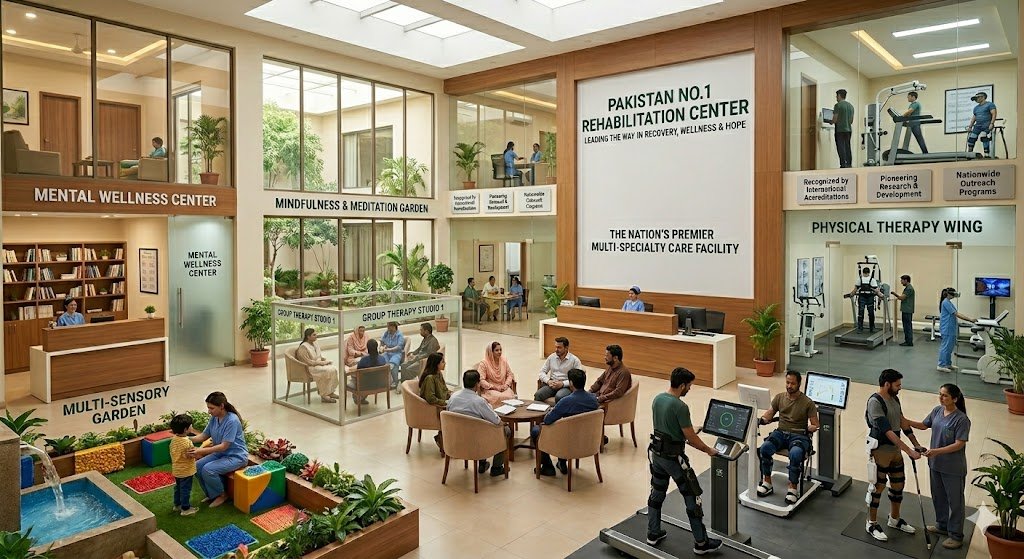
The modern world has turned into a fast-paced environment, which has made addiction and mental health issues even more complicated. Patients with substance use disorders or emotional issues may need organized, humane, and professional treatment to initiate the recovery process. The selection of the appropriate facility is one of the most important processes, and numerous individuals seek a good Pakistan No.1 rehabilitation center in Islamabad, Pakistan to guarantee them of quality treatment and assistance.

The Hope Rehabilitation Center Islamabad, Pakistan, are committed to delivering patient-centered care that is ethically based and aims at long-term recovery and well-being. This paper discusses what makes a good rehabilitation center, services provided, and how professional care can help people to rebuild their lives.

What makes a good rehabilitation center?

Rehabilitation center is crucial in assisting people to overcome addiction and mental illness. An organized center is concerned with physical health and emotional well-being.

The main features of a professional Pakistan No.1 rehabilitation center in Islamabad, Pakistan are:

  • Individualized and holistic care.
  • Professional medical personnel and therapists.
  • Nurturing and healthy atmosphere.
  • Emphasize on relapse prevention and long-term recovery.

In The Hope Rehabilitation Center Islamabad, Pakistan, patient needs are addressed individually, and all patients are treated and supported in their process.

Learning the Addiction and Mental Health Problems.

Addiction is a multifaceted disorder which impacts the brain, behavior and emotional well-being. It usually comes with time as a result of a combination of biological, psychological, and environmental factors.

Pakistan No.1 Rehabilitation Center- Pakistan No.1 rehabilitation center, Islamabad, Pakistan.

Typical Problems that are encountered.

  • Drug or alcohol addiction.
  • Fear, sadness or emotional distress.
  • Problem with daily routines.
  • Poor relationships and social alienation.

These issues are dealt with using a holistic approach and patient-centered approach in a structured program at a Pakistan No.1 rehabilitation center in Islamabad, Pakistan.

Basic Services of a Rehabilitation Center.

Rehabilitation is an effective process that demands a mix of medical attention, therapy, and continuous support.

1. Medical Evaluation and Detoxification.

The initial part of the treatment is a comprehensive assessment of the health and substance use history of the person. Detoxification can be suggested in order to safely cope with withdrawal symptoms.

Pakistan No.1 rehabilitation center is a professional facility in Islamabad, Pakistan that makes sure that detox is performed under the supervision of a medical expert to keep it safe and comfortable.

2. Psychological Therapy and Counseling.

Recovery is inseparable with therapy. It assists people to learn the causes of addiction and how to cope with them in a healthier manner.

Widely used treatment methods are:

  • Cognitive Behavioral Therapy (CBT)
  • Individual counseling
  • Motivational therapy

In The Hope Rehabilitation Center Islamabad, Pakistan, therapy sessions are meant to aid emotional healing and personal development.

3. Group Therapy and Peer Support.

Group therapy offers a favorable environment where people can exchange experiences and get to learn through other people who have undergone the same struggles. This feeling of belonging assists in developing confidence and inspiration.

Peer support is frequently part of programs in a Pakistan No.1 rehabilitation center in Islamabad, Pakistan to enhance recovery outcomes.

4. Dual Diagnosis and Mental Health Care.

Most people who struggle with addiction are also mentally ill like with anxiety or depression. Combined therapy is an assurance that the two problems are handled at the same time.

The care plans at The Hope Rehabilitation Center Islamabad, Pakistan, are meant to offer balanced support to mental health and addiction recovery.

5. Relapse Prevention and Aftercare.

The process of recovery is a long-term process that must be supported and worked on. Relapse prevention techniques are useful in assisting people to realize triggers and deal with cravings.

Aftercare programs offer follow-up advice in form of counseling and support. An organized program in one of the rehabilitation centers (Pakistan No.1) in Islamabad, Pakistan assists in the long-term stability.

Significance of an Enabling Environment.

The serene and organized environment is an important factor in recovery. It enables people to concentrate on healing without distractions and negative factors.

The main Advantages of a Nurturing Environment.

  • Encourages emotional stability
  • Minimizes exposure to triggers.
  • Promotes healthy routines
  • Develops a feeling of security and confidence.

The The Hope Rehabilitation Center Islamabad, Pakistan, are built in such a way that the environment is comfortable, dignified, and conducive to recovery.

Sustainable Recovery Lifestyle Changes.

Recovery is a long-term process that involves the establishment of healthy lifestyles that promote physical and emotional health.

Significant lifestyle modifications are:

  • Having a regular day-to-day routine.
  • Engaging in stress management skills.
  • Physical exercises.
  • Developing good social relationships.
  • Making personal goals attainable.

These transformations assist people to be on track and enhance the general living standards.

Family Support Role in Rehabilitation.

The family involvement is a significant aspect of recovery process. Loved ones can be encouraging and motivational in difficult moments.

Through family counseling, communication is enhanced and trust is restored. Family participation is part of comprehensive care in many programs of a Pakistan No.1 rehabilitation center in Islamabad, Pakistan.

Frequently Asked Questions (FAQs)

1. What are the services offered by a rehabilitation center?

A rehab facility provides health care, detox, treatment, counseling, and relapse prevention services.

2. What is the duration of rehabilitation treatment?

The time taken depends on the needs of the individual, nature of the addiction and the treatment regime.

3. Does it need detoxing prior to therapy?

The detox can be prescribed to help safely deal with the withdrawal symptoms and then proceed with therapy and counseling.

4. Is it possible to treat mental health conditions and addiction?

Yes, there are numerous centers where dual diagnosis treatment is offered to treat addiction and mental health conditions.

5. What is the post-rehabilitation outcome?

Aftercare programs offer continued care in form of counseling and lifestyle education to sustain recovery.

Conclusion

The selection of the appropriate rehabilitation facility is an important step towards recovery. A professional facility offers the framework, treatment and assistance required to tackle the physical and emotional components of addiction.

The Hope Rehabilitation Center Islamabad, Pakistan, provide caring and ethical services to the needs of each person. Pakistan No.1 rehabilitation center is a program in Islamabad, Pakistan that is aimed at medical supervision, therapy and long-term recovery planning.

Relapse Prevention

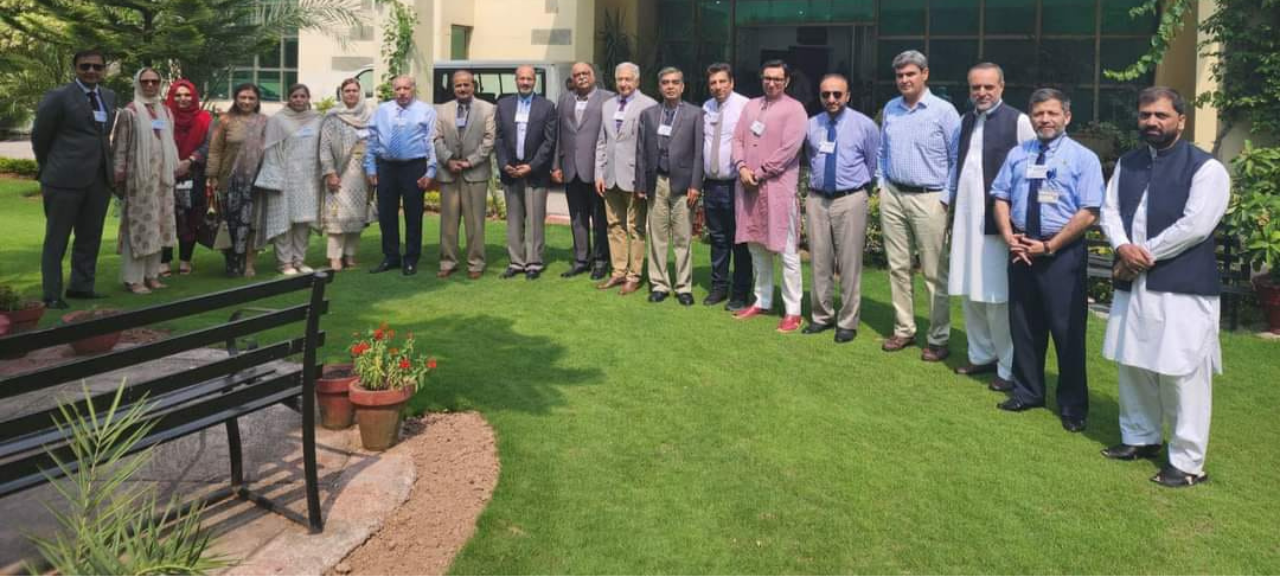
Relapse Prevention and Awareness Program Held in Islamabad

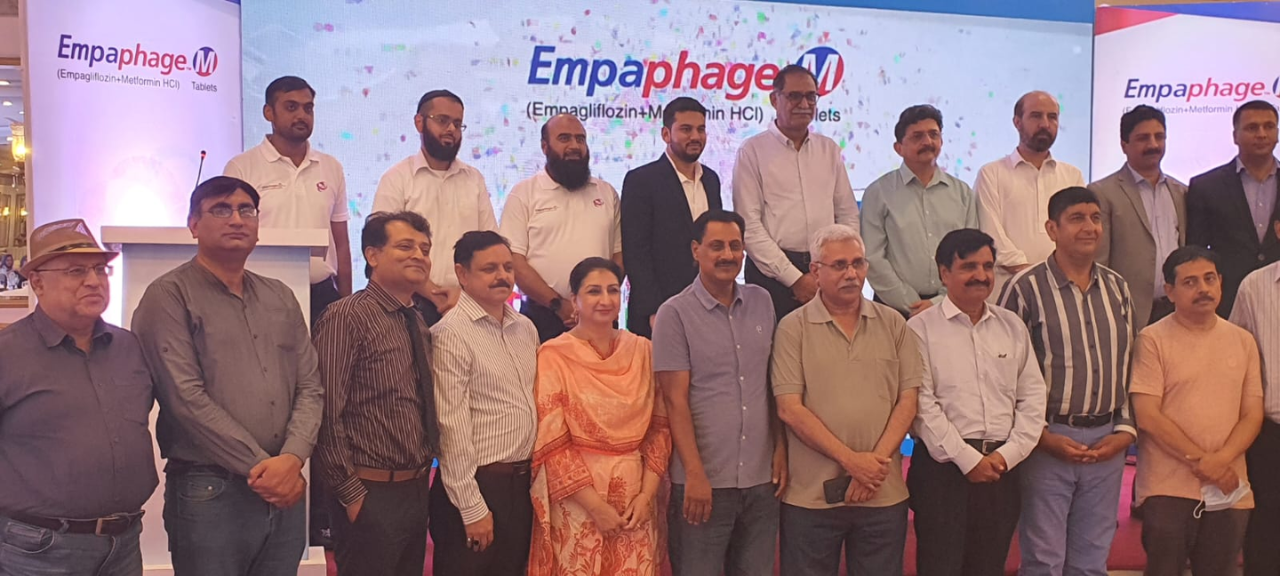
Islamabad – The Hope Rehab held a seminar on the awareness of drug rehab and its prevention on 24 November 2021. Psychologists, Psychiatrists and students studying drug rehab were invited to this seminar to get educated and share their views.

Speeches were held by consultant psychiatrists, clinical psychologists and other professionals on the importance of drug addiction prevention in Pakistan.

In his speech, Dr. Prof. Sajad Naqvi said that increase in drug addiction in our country is a disease that should be managed at any cost. He added that all the authorities and institutions should play their rule and make efforts to eradicate drug addiction and related problems from our society.


Dr. Saima Kulsoom who is working at National Defense University said in her remarks that management of the increased drug addiction in our society is a challenging task. This cannot be done by the work of only one person or institution, rather it demands the consistent and rigorous efforts of all the institutions working in this field. We cannot leave these patients on the mercy of their situation without any help.

Dr Shams Haider CEO of The Hope Rehab Center in Islamabad said in his speech that we have treated 670 patients at our rehab center. We have integrated these people into societies again with respect and dignity and also with the tools needed to stay away from drugs in future. He said that doctors and psychology professionals have a central role in defeating drug addiction.

Lecturar and Spiritual Healer Ms. Erum Bibi shed light on the importance of spiritual healing and religious teaching in the management of drug addiction treatment. She said that we should have a full understanding of procedures and education in this regard.

In the end of seminar the students were given certificates and all the professionals talked to each other about some important issues.These kinds of events and seminars should be held more often to create awareness in people of our society.

What Is A Drug Rehab Center?

Drug rehab centers are facilities specifically dedicated to the treatment of substance abuse.

However, once we hear drug rehab, we assume it is restricted to curbing addictions only; in fact, the rehabilitation process is inclusive of much more, it helps build a healthier approach towards life while encouraging sobriety.

In addition to recovering from addiction it deals with the antecedents, consequences, and underlying causes of substance abuse as well.

These centers offer different modes of treatment which usually include inpatient, outpatient rehab, or partial hospitalization. The mode of treatment depends on a number of factors ranging from severity level of substance abuse, financial concerns, and other commitments to personal preference of the individual.

Often a misconception surrounds drug rehab that substance abusers are forced to seek treatment in an inpatient setting however that is untrue. Treatment works best when it is voluntary, the individual has absolutely free choice to drop out of it or choose whether they want to stay at the in-house facility or only visit on a daily or weekly basis. The rare occurrence when admission to a drug rehab center is a compulsion is when it is court-ordered.

COMMON FEATURES OF A DRUG REHAB CENTRE

The main goal of a drug rehab center is to provide treatment that encourages abstinence from substance abuse by providing therapy to the individual that builds healthier coping skills, encourages self-esteem, and provides adaptive thought patterns.

To achieve this purpose various therapeutic techniques are used by professionals, such as:

  • Cognitive behavioral therapy
  • Rational emotive behavior therapy
  • Contingency management
  • 12-step facilitation
  • Family therapy

No matter what mode of treatment or type of therapy is offered each individual goes through three similar phases while at a drug rehab center which is as follows:

  • Detoxification
  • Addiction Therapy
  • Ongoing recovery

Medical detox is necessary to initially cleanse the body of all harmful substances and rid of any possession of substances as well to avoid further abuse. This process is followed by the most important component that is therapeutic techniques; a psychologist at this point assesses the patient and generates an individual plan according to their personal needs and goals. This plan might include group therapy, family therapy, or wellness activities in addition to individual therapy. This step addresses the underlying causes of addiction and aims to curb those while also providing the patient with a supportive network through therapy. Once the individual has set foot on the path towards recovery, they are then encouraged to fly solo with the techniques learned throughout therapy and the process of ongoing recovery continues.

THREE MODES OF DRUG REHAB CENTRES

Drug rehab centers offer different types of treatments which can vary from facility to facility or due to the characteristics of the patient. The three common types of drug rehab centers are:

Inpatient Rehab

These are live-in drug rehab centers that offer 24-hour care to the recoveree. These programs can last from several weeks to a few months depending upon the progress. Such programs include medical care, individual therapy, support groups, health and wellness activities, and leisure time all under one roof. Inpatient rehab is usually recommended for chronic substance abuse where medical assistance is necessary. Moreover, it is an immediate approach for removing triggers from the individual’s environment while also addressing the sociocultural factors surrounding drug abuse.

Outpatient Rehab

Some drug rehab centers may offer only outpatient rehab or both inpatient or outpatient rehab. This approach is more useful for those who cannot let go of other commitments while seeking therapy such as, family or work. In an outpatient setting, the recoveree is only required to visit the center for a few hours on a weekly or daily basis. Similar to the inpatient setting this also included addiction therapies however there is a lack of intensive care or consistent medical assistance in this kind of approach.

Partial Hospitalization

This approach is usually offered by drug rehab centers that include both inpatient and outpatient settings, as it is a combination of both. Those who decide upon partial hospitalization are required to visit the medical facility on a daily basis while continuing individual therapy in an outpatient setting on a daily or weekly basis. Partial hospitalization offers the medical assistance lacking in outpatient rehab however it cannot be the same as intensive care within an inpatient setting.

In a nutshell, a drug rehab center offers a safe space to the recovering individual where they can take a breather and gain important skills required to get back on top of their behavior. Substance abuse can often force a person into a cycle of dependency but drug rehab centers provide the opportunity to gain back control through immense support from both professionals and other recoveries alike. The individualized nature of these centers can really make the treatment process much more efficient so choose wisely and start your journey towards recovery today!