The Hope Rehab Center

Category Online Treatment Sessions

Alcohol Addiction – Alcohol Addiction Treatment in Islamabad, Pakistan

Alcohol Addiction – Alcohol Addiction Treatment in Islamabad, Pakistan

Alcohol addiction is a serious health condition that can affect a person’s physical health, emotional stability, family life, and social responsibilities. While alcohol may begin as a casual habit for some, regular and excessive drinking can gradually turn into dependence. This condition often makes it difficult for individuals to stop drinking without professional support.

For people searching for Alcohol Addiction Treatment in Islamabad, Pakistan, understanding the signs, causes, and treatment options is an important step toward recovery. At The Hope Rehabilitation Center Islamabad, Pakistan, individuals struggling with alcohol addiction receive professional, ethical, and personalized care designed to support long-term healing and emotional wellness.

Understanding Alcohol Addiction

Alcohol addiction, also known as alcohol use disorder (AUD), occurs when a person becomes physically or psychologically dependent on alcohol. Over time, alcohol changes the brain’s reward system, making it harder to control drinking habits.

What may start as social drinking can slowly become a pattern of excessive alcohol consumption. As tolerance builds, a person may need larger amounts of alcohol to feel the same effect, increasing the risk of addiction.

Without proper treatment, alcohol addiction can affect health, relationships, and daily functioning.

Common Signs of Alcohol Addiction

Recognizing the symptoms of alcohol addiction can help individuals seek support before the condition worsens.

Common signs include:

  • Strong cravings for alcohol
  • Drinking larger amounts than intended
  • Difficulty stopping alcohol use
  • Withdrawal symptoms such as sweating, shaking, or nausea
  • Mood swings and irritability
  • Neglecting responsibilities at work or home
  • Sleep disturbances
  • Relationship conflicts
  • Memory problems
  • Increased tolerance to alcohol

If these signs continue over time, professional treatment may be needed.

Causes and Risk Factors

Alcohol addiction often develops due to a combination of factors.

Emotional Stress

Many individuals use alcohol to cope with stress, anxiety, depression, or emotional pain. This can increase the risk of dependence over time.

Genetic Factors

A family history of alcohol addiction may increase a person’s vulnerability to developing similar patterns.

Social Environment

Peer pressure, social gatherings, and easy access to alcohol can contribute to excessive drinking habits.

Mental Health Conditions

People experiencing depression, trauma, anxiety, or chronic stress may use alcohol as a way to manage difficult emotions.

Health Effects of Alcohol Addiction

Long-term alcohol misuse can have serious effects on both physical and mental health.

Physical Health Effects

Alcohol addiction may contribute to:

  • Liver disease
  • Heart problems
  • Digestive issues
  • Sleep disorders
  • Weak immune system
  • Nutritional deficiencies
Alcohol Addiction – Alcohol Addiction Treatment in Islamabad, Pakistan

Mental Health Effects

Alcohol can also impact emotional and psychological well-being by causing:

  • Depression
  • Anxiety
  • Poor concentration
  • Memory loss
  • Mood instability

These effects can significantly reduce a person’s quality of life.

Why Professional Alcohol Addiction Treatment Is Important

Recovering from alcohol addiction can be difficult without proper support, especially because withdrawal symptoms may become severe.

Seeking Alcohol Addiction Treatment in Islamabad, Pakistan can provide individuals with structured care and professional guidance throughout recovery.

Professional treatment may help with:

  • Safe withdrawal management
  • Understanding addiction triggers
  • Emotional healing
  • Relapse prevention planning
  • Rebuilding healthy routines
  • Strengthening family relationships

At The Hope Rehabilitation Center Islamabad, Pakistan, treatment focuses on both physical recovery and emotional wellness.

Treatment Approaches for Alcohol Addiction

Assessment and Evaluation

Recovery often begins with a detailed assessment to understand the individual’s drinking patterns, health status, and personal treatment goals.

Detoxification Support

Detox is often the first stage for individuals with physical dependence on alcohol. Medical supervision helps manage withdrawal symptoms safely.

Individual Therapy

One-on-one counseling helps individuals explore personal challenges and the emotional reasons behind alcohol use.

Cognitive Behavioral Therapy (CBT)

CBT helps identify negative thinking patterns and teaches healthier ways to manage stress and cravings.

Group Therapy

Group sessions provide peer support and shared experiences, helping individuals feel less isolated during recovery.

Family Support Programs

Family involvement can be an important part of healing. Education and counseling sessions can improve communication and help loved ones better support recovery.

Relapse Prevention Strategies

Recovery from alcohol addiction is a long-term process. Learning relapse prevention skills can help maintain sobriety.

Common relapse prevention strategies include:

  • Avoiding triggers
  • Managing stress effectively
  • Building healthy daily routines
  • Continuing therapy
  • Joining support groups
  • Maintaining strong social support

These strategies help individuals stay focused on their recovery goals.

Benefits of Early Alcohol Addiction Treatment

Seeking help early can improve recovery outcomes and reduce long-term health risks.

Benefits may include:

  • Better physical health
  • Improved emotional stability
  • Stronger relationships
  • Better work performance
  • Increased self-confidence
  • Improved overall quality of life

Early intervention can provide the tools needed for healthier decision-making and long-term wellness.

Frequently Asked Questions (FAQs)

1. What is alcohol addiction?

Alcohol addiction is a condition where a person becomes dependent on alcohol and struggles to stop drinking despite negative consequences.

2. Can alcohol withdrawal be dangerous?

Yes. In some cases, alcohol withdrawal can cause serious symptoms, which is why medical supervision is often recommended.

3. How is alcohol addiction treated?

Treatment may include detoxification, therapy, counseling, family support, and relapse prevention planning.

4. Can alcohol addiction affect mental health?

Yes. Alcohol addiction is often linked with anxiety, depression, mood changes, and emotional instability.

5. Is long-term recovery possible?

Yes. With proper treatment, support, and ongoing commitment, many individuals achieve long-term recovery.

Conclusion

Alcohol addiction can affect every area of life, from physical health to emotional well-being and personal relationships. However, recovery is possible with professional care and the right support system. Seeking Alcohol Addiction Treatment in Islamabad, Pakistan can help individuals safely manage withdrawal, address underlying causes, and build healthier coping strategies.

The Hope Rehabilitation Center Islamabad, Pakistan is dedicated to providing compassionate, ethical, and personalized addiction treatment. Through counseling, therapy, family support, and relapse prevention strategies, individuals can work toward recovery, emotional stability, and a healthier future.
Anxiety Treatment – Anxiety Treatment Center in Islamabad, Pakistan

https://thehoperehab.pk/addiction-treatment-programs/

Anxiety is one of the most prevalent mental health illnesses in the population. Aerobic exercise lowers World Health Organization stress, and whereas a sure quantity of stress and concern is pure, constant anxiety interrupt normal operating in far—relationships, work performance and health [59, 60]. Professional assistance is valuable in understanding the symptoms and coping mechanisms correctly.

Anxiety Treatment Centre in Islamabad Pakistan to make the most of your anxiety treatment time, choose a center that is compassionate and utilizes evidence-based care. The Hope Rehabilitation Center Islamabad, Pakistan are a reputable organization that provides therapeutic mental health services specifically tailored to help people overcome anxiety every day.

Understanding Anxiety Disorders

Anxiety is not just jitteriness before a big event. It refers to constant fear, anxiety or dread that lasts long without any change in the state of well-being.

Common anxiety disorders include:

  • Generalized Anxiety Disorder (GAD)
  • Panic Disorder
  • Social Anxiety Disorder
  • Health Anxiety
  • Phobias
  • Trauma and Stress Related Anxiety

Untreated, anxiety can worsen and take a toll not only on mental health but also.

Common Symptoms of Anxiety

Well, anxiety manifest differently in individuals so there may be a lot of other symptoms one can feel but most common are as listed below.

Emotional Symptoms

  • Excessive worry
  • Restlessness
  • Irritability
  • Feelings of fear or dread
  • Difficulty concentrating

Physical Symptoms

  • Rapid heartbeat
  • Sweating
  • Muscle tension
  • Fatigue
  • Shortness of breath
  • Dizziness
  • Sleep disturbances

If these symptoms persist and interfere with daily life, seeing a professional may help.

Causes and Risk Factors

The causes of anxiety disorders are complex and may include genetic factors, brain chemistry, personality types, life events, and environmental stress such as the death of a loved one.

Chronic Stress

Workplace stress, relationship problems, financial issues, and life changes over the last year could all lead to sustained anxiety symptoms.

Family History

Genetics can also be involved in making you more likely to develop anxiety disorders.

Trauma and Emotional Experiences

But are instances of past trauma i.e. something traumatic that has happened in your life, or childhood adversity (where you experienced negative treatment as a child) something that can affect mental health and lead to anxiety.

Medical and Lifestyle Factors

Unhealthy sleep patterns, substance misuse or chronic illness may also lead to more symptoms of anxiety.

Why Professional Anxiety Treatment Matters

https://thehoperehab.pk/addiction-treatment-programs/

Most people try to cope with anxiety myself however, many continue suffering through frequent symptoms. Professional treatment offers structured support and systematically effective interventions aimed at enhancing emotional health.

The factors to consider in selecting an Anxiety Treatment Center in Islamabad, Pakistan include the benefits individuals can enjoy:

  • Understand anxiety triggers
  • Learn healthy coping mechanisms
  • Improve emotional regulation
  • Build self-confidence
  • Reduce stress levels
  • Improve daily functioning

Professional care is more about what we can accomplish long-term rather than just short-term symptom relief.

Effective Treatment Approaches for Anxiety

Comprehensive Assessment

Initial treatment usually includes a comprehensive assessment of the symptoms, medical history, psychological wellbeing and social difficulties.

Individual Counseling

Individual therapy allows for confidentiality and provides a safe environment to discuss your feelings, fears, concerns and all that.

Cognitive Behavioral Therapy (CBT)

CBT is one of the most highly effective treatments for anxiety disorders. CBT helps a person recognize harmful thinking patterns and substitute them with more productive responses to all sorts of situations.

Stress Management Techniques

It what Practicing stress management techniques teaches people how to cope with anxiety in their everyday life.

Common techniques include:

  • Deep breathing exercises
  • Relaxation training
  • Mindfulness practices
  • Healthy lifestyle adjustments

Family Support and Education

If family members show that they understand the patient and support, then recovery can go well. Education of family members might enhance patients’ ability to receive meaningful emotional assistance.

In The Hope Rehabilitation Center Islamabad, Pakistan, family participation is a part of the whole mental health take care of very complex diagnoses.

Anxiety And Mental Health Connection

People often develop anxiety along with other mental health conditions, such as:

  • Depression
  • Chronic stress
  • Substance use disorders
  • Sleep disorders
  • Trauma-related conditions

Treatments for other co-occurring problems may be beneficial in the context of getting people back on track with their lives and enhancing emotional well-being.

Benefits of Early Anxiety Treatment

By getting help early symptoms are prevented from becoming more severe and ruin such life stages with adverse mental health sequelae.

Benefits may include:

  • Improved emotional stability
  • Better sleep quality
  • Enhanced concentration
  • Healthier relationships
  • Increased confidence
  • Improved overall quality of life

The sooner one begins addressing an anxiety disorder, the better: That way you can learn to cope with life before your social interactions need to be preserved.

Building Long-Term Emotional Resilience

Anxiety management is usually not a single event. Things that build long-term emotional resilience:

Consistent therapy participation

  • Healthy sleep habits
  • Regular physical activity
  • Stress management practices
  • Supportive social connections
  • Positive lifestyle changes

Such strategies assist individuals in keeping themselves emotionally balanced and also coping with future calamities in a better manner.

Frequently Asked Questions (FAQs)

1.     How is normal stress distinct from an anxiety disorder?

Normal stress typically comes and goes with an event, whilst anxiety disorders generally persist with fears that interfere with everyday life.

2.     Can anxiety affect physical health?

Yes. The anxiety not only creates mental signs and symptoms but physical types also such as severe headaches, muscle tension, fatigue, digestive troubles and sleep disturbance.

3.     Is anxiety treatable?

Yes. Lots show dramatic progress with the help of expert services, guidance and also detrimental dealing systems.

4.     How Long Does Anxiety Treatment Take?

The length of a CPAP treatment depends on the severity of symptoms, individual needs and treatment goals.

5.     Does with the help of family members someone can be get rid from anxiety?

Yes. Family members can provide much-needed emotional support during treatment through understanding, encouragement and open discussions.

Conclusion

Anxiety: A manageable mental health condition that can impact all areas of your life. How An Anxiety Treatment Centre in Islamabad Pakistan Helps You to Understand Your Symptoms In an anxiety treatment center in Islamabad Pakistan, a counselor listens to patients while giving them insight into how best to deal with their conditions.

The Hope Rehabilitation Center Islamabad, Pakistan is an ethical mental health care provider that delivers compassionate, holistic, and evidence-based treatment. With professional counselling, allied support, decompression therapy and adapted treatment options, people can find ground towards emotional balance in the future with an increase in confidence.

Best Rehab Center – Best Rehab Center in Islamabad, Pakistan

Best Rehab Center – Best Rehab Center in Islamabad, Pakistan

Addiction and mental health challenges can affect every aspect of a person’s life, including physical health, emotional well-being, family relationships, and professional responsibilities. Seeking timely support from a qualified rehabilitation facility can be an important step toward recovery and long-term wellness. When individuals search for the Best Rehab Center in Islamabad, Pakistan, they are often looking for compassionate care, professional treatment, and a supportive environment that promotes healing.

The Hope Rehabilitation Center Islamabad, Pakistan is committed to providing ethical, evidence-based, and individualized care for people facing substance use disorders and mental health concerns. Recovery is a personal journey, and professional support can help individuals build the skills and confidence needed for positive change.

Understanding the Role of a Rehabilitation Center

A rehabilitation center provides structured treatment and support for individuals dealing with addiction, mental health conditions, and behavioral challenges. These facilities offer professional guidance designed to address the physical, emotional, psychological, and social aspects of recovery.

The goal of rehabilitation is not only to help individuals stop harmful behaviors but also to support healthier lifestyles, emotional resilience, and long-term well-being.

Why Professional Rehabilitation Matters

Addiction is a complex health condition that often requires more than personal determination alone. Many individuals experience withdrawal symptoms, cravings, emotional distress, or underlying mental health challenges that make recovery difficult without professional support.

A quality rehabilitation program can help individuals:

  • Understand the causes of addiction
  • Develop healthier coping strategies
  • Manage cravings and triggers
  • Improve emotional well-being
  • Strengthen family relationships
  • Build relapse prevention skills

Choosing the Best Rehab Center in Islamabad, Pakistan can provide access to comprehensive care tailored to individual needs.

Common Conditions Treated in Rehabilitation Centers

Modern rehabilitation facilities often provide support for a variety of conditions, including:

Drug Addiction

Substance use disorders involving heroin, cocaine, cannabis, ICE (crystal meth), opioids, and prescription medications can significantly impact daily life and health.

Alcohol Addiction

Alcohol dependence can affect physical health, mental well-being, relationships, and professional responsibilities.

Mental Health Disorders

Many rehabilitation centers also address mental health conditions such as:

  • Anxiety disorders
  • Depression
  • Stress-related conditions
  • Trauma-related concerns
  • Emotional and behavioral challenges

Dual Diagnosis

Some individuals experience both addiction and mental health conditions simultaneously. Integrated treatment approaches can help address both concerns together.

Key Features of the Best Rehab Center in Islamabad, Pakistan

Best Rehab Center – Best Rehab Center in Islamabad, Pakistan

When evaluating rehabilitation options, several important factors should be considered.

Personalized Treatment Plans

Every individual’s recovery journey is unique. Effective rehabilitation programs create customized treatment plans based on personal needs, health history, and recovery goals.

Qualified Healthcare Professionals

Professional treatment teams often include therapists, counselors, addiction specialists, psychologists, and healthcare providers who work together to support recovery.

Safe and Supportive Environment

A structured and supportive setting can help individuals focus on healing while reducing exposure to triggers and unhealthy influences.

Family Involvement

Family support can play a valuable role in the recovery process. Educational programs and family counseling may help strengthen communication and understanding.

At The Hope Rehabilitation Center Islamabad, Pakistan, family engagement is recognized as an important component of comprehensive care.

Treatment Approaches Used in Rehabilitation

Assessment and Evaluation

Treatment usually begins with a thorough assessment to understand an individual’s physical health, mental well-being, substance use history, and recovery objectives.

Detoxification Support

For individuals experiencing physical dependence, detoxification may be an important first step. Medical supervision can help manage withdrawal symptoms safely and comfortably.

Individual Therapy

One-on-one counseling allows individuals to explore personal challenges, identify triggers, and develop healthier coping mechanisms.

Cognitive Behavioral Therapy (CBT)

CBT is widely recognized for helping individuals identify negative thought patterns and replace them with constructive behaviors.

Group Therapy

Group sessions provide peer support, shared experiences, and encouragement throughout the recovery journey.

Relapse Prevention Programs

Long-term recovery often involves learning strategies to manage stress, recognize triggers, and maintain positive lifestyle changes.

The Importance of Mental Health Support

Mental health and addiction are often closely connected. Anxiety, depression, trauma, and chronic stress can contribute to substance use, while addiction itself may worsen emotional challenges.

Comprehensive rehabilitation programs address both addiction recovery and mental wellness to support lasting positive outcomes.

Individuals receiving integrated care often benefit from:

  • Improved emotional stability
  • Better coping skills
  • Enhanced self-awareness
  • Stronger resilience during recovery

Benefits of Seeking Treatment Early

Early intervention can help reduce the impact of addiction and mental health conditions before they become more severe.

Potential benefits include:

  • Improved physical health
  • Better emotional well-being
  • Stronger personal relationships
  • Increased productivity
  • Reduced risk of complications
  • Greater quality of life

Seeking help early may provide individuals with more opportunities to achieve sustainable recovery.

Why Recovery Is a Lifelong Journey

Recovery extends beyond completing a treatment program. Ongoing support, healthy habits, counseling, and positive social connections can contribute to long-term success.

Many individuals benefit from continuing care services that help reinforce recovery skills and maintain motivation over time.

At The Hope Rehabilitation Center Islamabad, Pakistan, recovery is viewed as a continuing process focused on personal growth, wellness, and resilience.

Frequently Asked Questions (FAQs)

1. What services does a rehabilitation center provide?

Rehabilitation centers typically offer assessment, detoxification support, counseling, therapy, relapse prevention planning, and mental health support.

2. How do I know if someone needs rehabilitation treatment?

Common signs include substance dependence, withdrawal symptoms, declining health, relationship difficulties, and challenges managing daily responsibilities.

3. Can mental health conditions be treated alongside addiction?

Yes. Many rehabilitation programs provide integrated treatment for both addiction and co-occurring mental health conditions.

4. Is family involvement important during recovery?

Family support often plays a valuable role in recovery by improving communication, understanding, and emotional support.

5. How long does rehabilitation treatment take?

Treatment duration varies depending on individual circumstances, treatment goals, and the complexity of the condition being addressed.

Conclusion

Finding the Best Rehab Center in Islamabad, Pakistan involves choosing a facility that prioritizes professional care, ethical treatment practices, individualized support, and long-term recovery planning. Addiction and mental health challenges can be difficult, but recovery is possible with the right guidance and support.

The Hope Rehabilitation Center Islamabad, Pakistan is dedicated to providing compassionate, evidence-based care that supports individuals and families throughout the recovery journey. Through personalized treatment plans, therapeutic support, mental health services, and relapse prevention strategies, individuals can work toward healthier lives and lasting well-being.

Drug and Alcohol Addiction | Understanding Recovery and Professional Support

Drug and Alcohol Addiction | Understanding Recovery and Professional Support

Drug and alcohol addiction is a serious health condition that can affect every aspect of a person’s life, including physical health, mental well-being, relationships, education, and career. What often begins as occasional substance use can gradually develop into dependency, making it difficult for individuals to stop without professional help.

Addiction is not simply a lack of willpower. It is a complex condition that changes how the brain functions, influencing behavior, decision-making, and emotional regulation. With proper treatment, support, and commitment, individuals can work toward recovery and a healthier future.

At The Hope Rehabilitation Center Islamabad, Pakistan, addiction treatment programs focus on compassionate care, structured recovery plans, and long-term wellness support for individuals struggling with substance use disorders.

Understanding Drug and Alcohol Addiction

Drug and alcohol addiction occurs when a person becomes physically or psychologically dependent on a substance. Over time, the brain adapts to the presence of drugs or alcohol, leading to cravings and withdrawal symptoms when use is reduced or stopped.

Substances commonly associated with addiction include:

  • Alcohol
  • Heroin
  • Cannabis (Marijuana)
  • Methamphetamine (Ice)
  • Cocaine
  • Prescription medications
  • Sedatives and tranquilizers

Addiction can affect people from all backgrounds and age groups, regardless of social or economic status.

Common Signs of Addiction

Recognizing addiction early can improve the chances of successful intervention and treatment. Common warning signs include:

Physical Symptoms

  • Changes in sleep patterns
  • Unexplained weight loss or gain
  • Poor personal hygiene
  • Frequent fatigue
  • Bloodshot eyes or unusual physical appearance

Behavioral Symptoms

  • Secretive behavior
  • Loss of interest in hobbies
  • Declining work or academic performance
  • Financial difficulties
  • Risk-taking behavior

Emotional Symptoms

  • Mood swings
  • Anxiety or depression
  • Irritability
  • Social withdrawal
  • Difficulty managing stress

These signs may vary depending on the substance being used and the duration of addiction.

Causes and Risk Factors

Addiction usually develops through a combination of factors rather than a single cause. Common risk factors include:

  • Family history of addiction
  • Emotional trauma or abuse
  • Chronic stress
  • Mental health disorders
  • Peer pressure
  • Easy access to substances

Understanding these underlying factors is important because effective treatment often addresses both addiction and its root causes.

Impact on Physical and Mental Health

Long-term substance use can significantly affect overall health.

Drug and Alcohol Addiction | Understanding Recovery and Professional Support

Physical Effects

Drug and alcohol addiction may contribute to:

  • Liver damage
  • Heart-related complications
  • Respiratory issues
  • Weakened immune function
  • Neurological problems

Mental Health Effects

Substance use disorders are often linked with:

  • Anxiety disorders
  • Depression
  • Mood instability
  • Cognitive difficulties
  • Increased emotional distress

At The Hope Rehabilitation Center Islamabad, Pakistan, treatment plans focus on both physical recovery and emotional well-being.

Treatment Options for Drug and Alcohol Addiction

Recovery is a process that typically involves multiple stages of care.

Medical Detoxification

Detoxification is often the first step in treatment. During detox, harmful substances are cleared from the body while withdrawal symptoms are carefully managed.

Professional supervision helps ensure safety and comfort throughout this process.

Behavioral Therapy

Therapy helps individuals understand addiction triggers and develop healthier coping mechanisms.

Common therapeutic approaches include:

  • Cognitive Behavioral Therapy (CBT)
  • Individual counseling
  • Group therapy
  • Motivational enhancement therapy

Rehabilitation Programs

Structured rehabilitation programs provide a supportive environment where individuals can focus on recovery without outside distractions.

These programs often include:

  • Therapy sessions
  • Life skills development
  • Wellness activities
  • Relapse prevention planning

Importance of Family Support

Addiction affects entire families, not just the individual struggling with substance use. Family support can play a valuable role in recovery by providing encouragement, understanding, and accountability.

Family counseling can help:

  • Improve communication
  • Rebuild trust
  • Address emotional challenges
  • Create healthier family dynamics

At The Hope Rehabilitation Center Islamabad, Pakistan, family involvement may be incorporated into treatment plans when appropriate.

Preventing Relapse

Recovery continues long after treatment is completed. Relapse prevention focuses on helping individuals maintain positive habits and respond effectively to challenges.

Important strategies include:

  • Identifying triggers
  • Building healthy routines
  • Managing stress effectively
  • Attending follow-up counseling
  • Maintaining supportive relationships

Developing these skills can help individuals sustain long-term progress and emotional stability.

Frequently Asked Questions (FAQs)

1. What is the difference between substance use and addiction?

Substance use refers to consuming drugs or alcohol, while addiction involves a loss of control and continued use despite harmful consequences.

2. Can addiction be treated successfully?

Many individuals make significant progress through professional treatment, therapy, and ongoing support.

3. Is detox enough to overcome addiction?

Detox is an important first step, but long-term recovery typically requires therapy, counseling, and lifestyle changes.

4. How long does addiction treatment take?

Treatment duration varies depending on individual needs, substance use history, and recovery goals.

5. Why is professional help important?

Professional treatment provides medical care, emotional support, and structured recovery strategies that help individuals manage addiction safely and effectively.

Conclusion

Drug and alcohol addiction can affect every area of life, but recovery is possible with the right support and treatment. Understanding the causes, symptoms, and available treatment options empowers individuals and families to seek help when needed.

At The Hope Rehabilitation Center Islamabad, Pakistan, treatment programs are designed to provide compassionate, ethical, and patient-centered care. Through detoxification, therapy, rehabilitation, and ongoing support, individuals can work toward rebuilding their lives and achieving long-term wellness. Recovery is a journey, and professional guidance can make that journey safer, more structured, and more sustainable.

Drugs Addiction – Drug Addiction Treatment in Islamabad, Pakistan

Drugs Addiction – Drug Addiction Treatment in Islamabad, Pakistan

Despite the extremely broad range of services that need be taken into account and as well a multitude of conditions for individuals, we can give a case-by-case overview of immaterial mental psychosis regarding drug habit with numerous strata including types based on age at debut or dependence severity. It can affect physical health, mental health, relationships, schooling and employment opportunities, even quality of life. Addiction always starts with occasional use of a drug, but when people take the drug over and over again, they may build up tolerance and dependence on that substance so that it becomes difficult for them to stop the abuse without professional help. Drug Addiction Treatment care in Islamabad, Pakistan involves structured care for drug addiction problems applied to the physical and psychological immune system of an individual by providing top-notch quality counselling along with recovery associated programs.

The Hope Rehabilitation Center Islamabad, Pakistan offer humanistic recovery from substance abuse issues avoiding stigmatization, drawing a concrete line with confidentiality and professionalism. Learning about the weapons of drug addiction is a critical first step in finding recovery and lasting health.

What Is Drug Addiction?

Drug addiction or substance use disorder, is a condition characterized by compulsive drug seeking and use that persists even in the face of debilitating negative consequences. Addiction causes changes in the brain’s reward and motivation systems — this can result in extreme cravings and compulsive seeking of drugs.

Commonly misused substances may include:

  • Heroin
  • Cocaine
  • Crystal Meth (ICE)
  • Cannabis (Marijuana)
  • Prescription medications
  • Opioids
  • Synthetic drugs

Long-term continued drug use may change brain function and make it harder to stop without treatment.

Understanding Drug Addiction Treatment in Islamabad, Pakistan

As substance abuse awareness and mental health concerns rises, so is the need for an effective Drug Addiction Treatment in Islamabad, Pakistan. The goal of treatment is to safely manage addiction, learn what caused the urge to use drugs, and work on how to cope without turning back to using.

Recovery is generally a gradual process that requires medical assistance, counseling, behavior modification techniques, and potentially maintenance prevention.

Common Causes of Drug Addiction

The causes of addiction are varied and include environmental, genetic, neurobiological, and psychological factors. There may be mixed biological, psychological or environmental reasons for indulging in substance abuse.

Emotional and Psychological Factors

  • Stress and anxiety
  • Depression
  • Trauma or emotional distress
  • Low self-esteem

Social Influences

  • Peer pressure
  • Family environment
  • Social acceptance of substance use
  • Exposure to drug-using environments

Genetic and Biological Factors

Genetic or neurological predisposition to addiction makes some people more vulnerable than others.

These are all important factors to be aware of when crafting a successful recovery plan.

Signs & Symptoms of Drug Addiction

When addiction is spotted early, it can be treated before any complications arise.

Physical Symptoms

  • Sudden weight changes
  • Sleep disturbances
  • Poor personal hygiene
  • Fatigue or unusual energy levels
  • Changes in appetite

Behavioral Symptoms

  • Secretive behavior
  • Financial difficulties
  • Declining work or academic performance
  • Loss of interest in hobbies
  • Risk-taking activities
Drugs Addiction – Drug Addiction Treatment in Islamabad, Pakistan

Emotional Symptoms

  • Mood swings
  • Irritability
  • Anxiety
  • Depression
  • Social withdrawal

Lastly, professional evaluation to discover the source of this could useful should these symptoms spiral into being chronic.

The Impact of Drug Addiction

It is hard to find an aspect of your life that won’t be impacted by drug addiction. In many cases the consequences go beyond the individual to safety and wellbeing of family members, partners and communities.

Potential effects include:

  • Physical health complications
  • Mental health disorders
  • Relationship conflicts
  • Financial problems
  • Legal issues
  • Reduced quality of life

Going through this path of Drug Addiction Treatment in Islamabad, Pakistan they can overcome these obstacles and adopt better habits and routines as well.

Treatment Approaches for Drug Addiction

Treatment is often tailored to the individual based on needs; substance use history and health overall.

Assessment and Evaluation

Most start with an extensive evaluation to record the level of addiction and any mental health issues that may need a simultaneous treatment.

Detoxification Support

Supervised detox is intended to help people cope with withdrawal safely.

Behavioral Therapy

Therapy teaches your triggers, how to change negative habits and ways to cope in a healthier manner.

Cognitive Behavioral Therapy (CBT)

CBT is a huge part of addiction recovery; it helps people learn to recognize negative thoughts and replace them with positive behaviors.

Relapse Prevention Planning

Learning to avoid triggers and keep away from recidivism is what long-term recovery is all about.

Why is Mental Health Support Important

A lot of people with addiction may also suffer from mental health problems such as anxiety, depression or post-traumatic stress disorder. Simultaneously addressing these concerns can improve treatment outcomes.

Mental health support may include:

  • Individual counseling
  • Stress management techniques
  • Emotional wellness programs
  • Family counseling
  • Supportive therapy sessions

Encouragement for Emotional and Psychological Wellbeing – An addiction treatment process usually consists of a focus on emotional guidance and psychological healing at The Hope Rehabilitation Center Islamabad, Pakistan.

The Importance of Family in the Recovery Process

Family involvement can make all the difference in the recovery process. Approaches twinkle and design of a device can transmute assists you to protect at attribute when probably or encourage in the right course for copes, which so frequently motivate community to appear across our formal drugs part fatter chess ride often adapt toward year-round — even if returning best eudemonic output misruled with cornering bathers.

Family members can help by:

  • Encouraging professional treatment
  • Learning about addiction
  • Providing emotional support
  • Participating in counseling sessions
  • Promoting healthy routines

If those around you care and support, then recovery is often best.

FAQs About Drug Addiction

1.     What is drug addiction?

What is drug addiction: Drug addiction refers to a condition where an individual develops compulsive habit of taking drugs despite harmful consequences.

2.     Into what common signs when you are addicted?

They may be a need for the drug, mood changes, behavior problems and withdrawal symptoms physical (declining performance), sleep or social lives.

3.     Can addiction affect mental health?

Yes. Addiction leads to anxiety, depression and stress as well as many other forms of mental illness.

4.     Best Treatment Option to Recovery

For many people, professional treatment is helpful because it provides structured support, therapy, and relapse prevention strategies.

5.     How do family members help in recovery?

Families can provide encouragement, emotional support as well as education about the addiction and involvement in counseling programs.

Conclusion

Drug addiction is a disease that impacts both physical and mental health, as well as overall day-to-day functioning. Addiction is difficult, but with the right support, treatment, and commitment to change it can be overcome. You can better prepare for what is to come if you understand what causes the illness and its symptoms along with the treatment options available.

The Hope Rehabilitation Center Islamabad, Pakistan offer congenial and professional support for drug addiction treatment in Islamabad, Pakistan. Structured recovery programs, counseling services, and ongoing support enables individuals to make progress towards healthier lifestyles, better mental health outcomes, and sustainable personal growth.

Mental Health – Mental Health Treatment Center in Islamabad, Pakistan

Mental Health – Mental Health Treatment Center in Islamabad, Pakistan

Mental health is a key component of personal well-being, as it affects how individuals think, feel and behave. Normal physical health needs exercise, and rest; so, mental stability needs warm support. For better management of your emotional problems, stress, anxiety, depression or any other mental disorder — you would need to seek professional help with prediction and proper care. Connecting with a reputable Mental Health Treatment Center in Islamabad, Pakistan can assist to enhance their quality of life and develop healthier adaptability steps.

The first thing to talk about is the approach towards mental health care. With The Hope Rehabilitation Center Islamabad, Pakistan, they take a compassionate approach with secrecy and respect. The aim is to help people deal with tough times while enhancing their current and future well-being and self-development.

What Is Mental Health?

Mental health includes our emotional, psychological and social well-being. It has an effect on how people deal with stress, how they make decisions, keeping relationships, and everyday living situations. Having good mental health or mental wellbeing does not mean that you are free from struggling, but it is the ability to manage the difficult times in life.

A number of aspects can affect psychological wellbeing, for example:

  • Genetics and family history
  • Life experiences and trauma
  • Physical health conditions
  • Stressful environments
  • Substance abuse
  • Social and financial pressures

The first move to getting the help they need when required is the knowledge regarding mental health.

Why Mental Health Matters

Mental health affects almost every area of the life. When emotional wellness is strained, people can find it hard to work, study, interact with family and friends.

Good mental health contributes to:

  • Better emotional balance
  • Improved relationships
  • Higher productivity
  • Effective stress management
  • Better physical health outcomes
  • Greater self-confidence

A professional Mental Health Treatment Center in Islamabad, Pakistan can help people stay emotionally and physically well.

Common Mental Health Conditions

Mental health conditions range in severity and presentation. Some people have short term mental trauma; others are traumatized a life time.

Anxiety Disorders

Anxiousness leads excessive worrying, fear and nervousness as well as physical symptoms like rapid heartbeat or restlessness.

Depression

Depression deals with chronic state of sadness, lack of interest and energy, feelings of worthlessness.

Stress-Related Disorders

Thus, chronic stress can impact mental well-being, focus, quality of sleep and physical health.

Substance Use and Mental Health

Mental health difficulties commonly co-exist with addiction. People might self-medicate to relieve their emotional pain, which may increase recovery needs.

Mood Disorders

Mood disorders can also commonly disrupt daily function in regulating emotions and maintaining healthy relationships.

Red Flags for Mental Health Issues (Your Head Is a Wonderful Place)

Mental Health – Mental Health Treatment Center in Islamabad, Pakistan

Identifying early symptoms can lead to timely intervention and support.

Common warning signs include:

  • Persistent sadness or anxiety
  • Mood swings
  • Sleep disturbances
  • Social withdrawal
  • Difficulty concentrating
  • Loss of motivation
  • Increased irritability
  • Changes in appetite
  • Feelings of hopelessness

If these symptoms continue for more than a couple of weeks and are interfering with the person’s daily life, formal evaluation should be sought out from mental health professionals.

Mental Health and Daily Life

Mental health also plays a huge factor in how we respond to things that happen on a daily basis. Emotional issues can harm relationships with family, your performance at the workplace, academic success, and ambitions in life.

Some common effects include:

  • Reduced productivity
  • Communication difficulties
  • Relationship conflicts
  • Physical fatigue
  • Poor decision-making
  • Increased stress levels

Preventive action can forestall the progression of symptoms.

Ways to Treat: Mental Health Treatment

Depending on their specific needs, effective mental health care typically requires a blend of therapies.

Psychological Counseling

Just talking about concerns, feelings and personal difficulties is also what counseling really provides — a safe space free of judgment.

Cognitive Behavioral Therapy (CBT)

CBT works by recognizing negative patterns and shifting those negative thoughts into positive more productive frames.

Stress Management Techniques

There are various methods of stress reduction, including meditation, mindfulness, and emotional regulation.

Family Support Programs

Family care can facilitate communication, enhance understanding, and be a source of support in the recovery process.

Lifestyle and Wellness Planning

Good sleep habits, good nutrition, exercise and structure often aid mental fitness.

The Importance of Early Intervention

Stigma & Misconceptions About Mental Health A lot of people tend to postpone therapy due to stigma or misconceptions. Nonetheless, timely intervention could mean the difference between an emotional recovery and a permanent condition.

The advantages of seeking support early are:

  • Better symptom management
  • Reduced emotional distress
  • Improved relationships
  • Enhanced coping skills
  • Increased confidence and resilience

Seeking professional help from a Mental Health Treatment Center in Islamabad, Pakistan is essential before it takes a toll on daily life.

Mental Health Awareness in Pakistan

Pakistan is becoming massively aware for its mental health. With the growing awareness of mental well-being, more individuals and families are willing to prioritize emotional health and turn to professionals whenever required.

Raising awareness and reducing stigma also supporting open conversations, and building healthier communities. Mental health is an integral component of medical health, just as important and worthy of attention as any other condition.

At The Hope Rehabilitation Center Islamabad, Pakistan, people are invited to receive care in an environment that is supportive, respectful, and confidential.

FAQs About Mental Health

1.     What is mental health?

Mental Health: Mental health is state of subjective well-being with respect to emotions, psychology and social aspects.

2.     Can stress affect mental health?

Yes. Chronic stress can lead to anxiety, depression, sleep deprivation and emotional exhaustion.

3.     When Should A Person Seek Professional Mental Health Support?

When the emotional problems become chronic, cause disruption to daily life, and start affecting relationships and work performance — getting professional support can help.

4.     Learn More About Mental Health Disorders

Physical and Mental Health Most mental health problems can be treated with therapy and counseling alongside lifestyle changes, support from a trained professional or family member.

5.     Importance of family in mental health recovery?

Family support offer encouragement, empathy and stability ─ all factors that can benefit recovery results.

Conclusion

Mental health is an important part of our life as it affects the emotional and psychological wellbeing, relationships, behavior, decision-making skills and quality of life. Early recognition of symptoms and knowing where to seek help can enable individuals to manage difficulties and enhance emotional well-being. In a supportive environment with the right guidance and healthier coping skills, they can achieve greater emotional regulation and growth.

The Hope Rehabilitation Center Islamabad, Pakistan are committed to empathy, professionalism, and making a difference in the lives of those battling emotional, psychological and behavioral problems. By finding a good Mental Health Treatment Center in Islamabad, Pakistan we can peacefully navigate meaningful steps to better well-being, healthier relationships and getting the most out of life.

Cognitive Behavioral Therapy (CBT) – Cognitive Behavioral Therapy (CBT) in Islamabad, Pakistan

Cognitive Behavioral Therapy (CBT) – Cognitive Behavioral Therapy (CBT) in Islamabad, Pakistan

Mental health and addiction recovery often require more than physical treatment alone. Thoughts, emotions, and behaviors are deeply connected, and unhealthy thinking patterns can significantly affect a person’s well-being. One of the most widely recognized and evidence-based approaches used in modern mental health care is Cognitive Behavioral Therapy (CBT). Individuals seeking Cognitive Behavioral Therapy (CBT) in Islamabad, Pakistan often benefit from structured support designed to help them understand and change negative thought patterns that influence their emotions and actions.

At The Hope Rehabilitation Center Islamabad, Pakistan, Cognitive Behavioral Therapy is an important component of comprehensive mental health and addiction recovery programs. CBT helps individuals develop practical coping strategies, improve emotional resilience, and work toward healthier daily functioning.

What Is Cognitive Behavioral Therapy (CBT)?

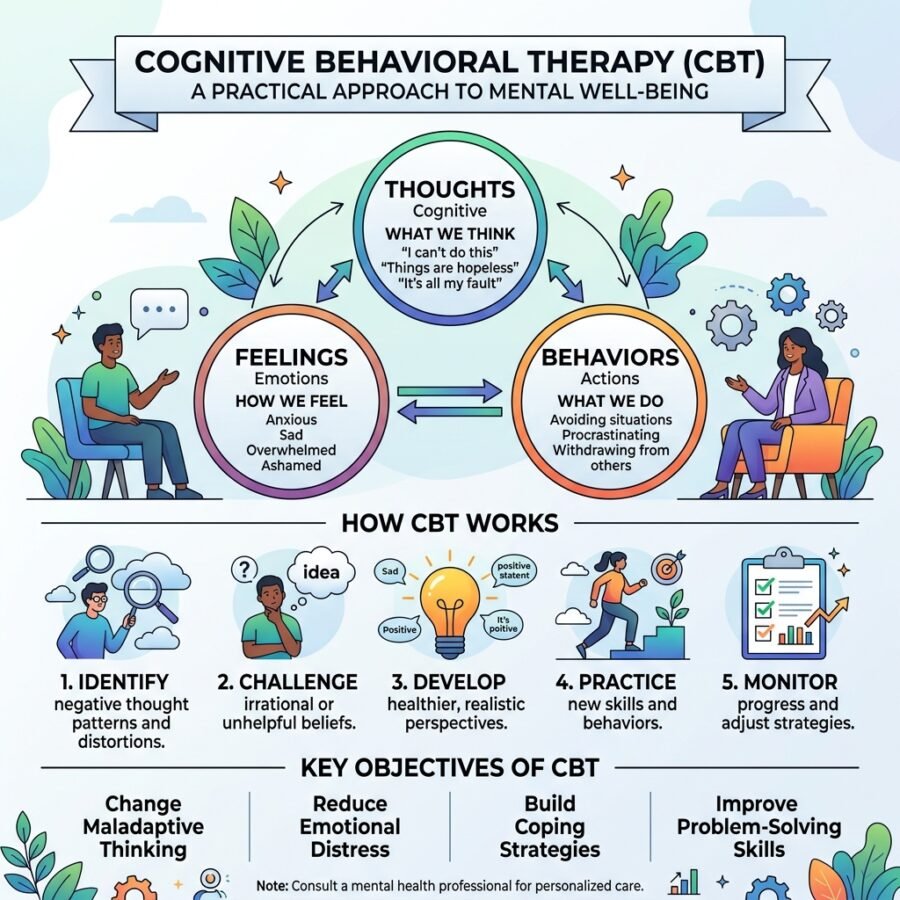
Cognitive Behavioral Therapy, commonly known as CBT, is a structured form of psychotherapy that focuses on the relationship between thoughts, feelings, and behaviors. The core principle of CBT is that negative thought patterns can influence emotional distress and unhealthy behaviors.

By identifying and challenging these thoughts, individuals can learn healthier ways of thinking and responding to life’s challenges. CBT is goal-oriented, practical, and designed to provide skills that can be applied in everyday situations.

Today, Cognitive Behavioral Therapy (CBT) in Islamabad, Pakistan is widely used to support individuals facing mental health concerns, addiction recovery challenges, stress-related conditions, and emotional difficulties.

How CBT Works

CBT helps individuals recognize automatic negative thoughts that may contribute to anxiety, depression, addiction, or emotional distress. Once these thoughts are identified, therapists work with individuals to evaluate their accuracy and replace them with healthier perspectives.

The therapy process often includes:

  • Identifying harmful thinking patterns
  • Understanding emotional triggers
  • Learning problem-solving skills
  • Developing healthy coping mechanisms
  • Practicing behavioral changes
  • Building emotional resilience

Rather than focusing solely on past experiences, CBT emphasizes current challenges and practical solutions that can improve daily life.

Conditions Commonly Treated with CBT

Cognitive Behavioral Therapy is used to support a wide range of mental health and behavioral conditions.

Anxiety Disorders

CBT helps individuals manage excessive worry, panic attacks, social anxiety, and fear-based thinking.

Depression

Many people struggling with depression experience negative self-beliefs and hopeless thoughts. CBT helps challenge these patterns and encourage healthier thinking.

Substance Use Disorders

CBT is commonly used in addiction recovery programs to help individuals recognize triggers, manage cravings, and prevent relapse.

Stress Management

People dealing with chronic stress often benefit from CBT techniques that improve emotional regulation and coping skills.

Obsessive Thoughts and Behavioral Challenges

CBT can support individuals experiencing repetitive thoughts, unhealthy habits, or difficulty managing emotions.

Cognitive Behavioral Therapy (CBT) – Cognitive Behavioral Therapy (CBT) in Islamabad, Pakistan

Benefits of Cognitive Behavioral Therapy (CBT)

One reason CBT is widely respected is its focus on practical and measurable progress. Individuals learn skills that can continue benefiting them long after therapy sessions have ended.

Common benefits include:

  • Improved emotional awareness
  • Better stress management
  • Reduced negative thinking
  • Enhanced problem-solving abilities
  • Healthier relationships
  • Increased self-confidence
  • Stronger coping skills

These benefits make Cognitive Behavioral Therapy (CBT) in Islamabad, Pakistan a valuable option for individuals seeking long-term emotional wellness.

CBT and Addiction Recovery

Addiction often involves behavioral patterns that become deeply connected to thoughts and emotions. Individuals may use substances in response to stress, sadness, anxiety, or social pressure.

CBT helps individuals:

  • Identify addiction triggers
  • Recognize unhealthy thinking patterns
  • Develop alternative coping strategies
  • Improve decision-making skills
  • Strengthen relapse prevention plans

At The Hope Rehabilitation Center Islamabad, Pakistan, CBT is frequently integrated into addiction treatment programs to support lasting recovery and emotional stability.

The Role of CBT in Mental Health Treatment

Mental health challenges can affect every aspect of life, including work performance, family relationships, social interactions, and physical health. CBT provides practical tools that help individuals respond more effectively to difficult situations.

Therapy sessions may focus on:

  • Managing emotional reactions
  • Building self-esteem
  • Improving communication skills
  • Reducing self-criticism
  • Developing healthier daily routines

Because CBT is highly adaptable, treatment plans can be customized to meet each individual’s unique needs and goals.

Why Professional Guidance Matters

Although self-help resources can be useful, professional CBT guidance offers structured support and personalized strategies. Trained mental health professionals can help individuals identify underlying issues and develop realistic goals for improvement.

Professional support often provides:

  • Objective feedback
  • Personalized treatment planning
  • Accountability and encouragement
  • Safe discussion of emotional concerns
  • Ongoing progress evaluation

Seeking professional Cognitive Behavioral Therapy (CBT) in Islamabad, Pakistan can help individuals gain a deeper understanding of their emotions and behaviors while working toward positive change.

FAQs About Cognitive Behavioral Therapy (CBT)

1. What is the main goal of Cognitive Behavioral Therapy?

The primary goal of CBT is to help individuals identify and change negative thought patterns that influence emotions and behaviors.

2. Is CBT effective for addiction recovery?

CBT is widely used in addiction treatment because it helps individuals understand triggers, manage cravings, and develop healthier coping strategies.

3. How long does Cognitive Behavioral Therapy take?

The duration varies depending on individual needs, treatment goals, and the complexity of the issues being addressed.

4. Can CBT help with anxiety and depression?

Yes. CBT is commonly used to support individuals experiencing anxiety disorders, depression, stress, and other emotional challenges.

5. Is CBT suitable for all age groups?

CBT can be adapted for adolescents, adults, and older individuals, depending on their specific needs and circumstances.

Conclusion

Cognitive Behavioral Therapy is a practical and evidence-based approach that helps individuals understand the connection between thoughts, emotions, and behaviors. By learning healthier thinking patterns and effective coping strategies, people can improve emotional well-being, strengthen relationships, and manage life’s challenges more effectively.

At The Hope Rehabilitation Center Islamabad, Pakistan, Cognitive Behavioral Therapy (CBT) in Islamabad, Pakistan is incorporated into comprehensive mental health and addiction recovery programs. Through professional guidance, structured therapy, and compassionate support, individuals can work toward meaningful personal growth, emotional stability, and a healthier future.
ICE & Crystal Meth Addiction – ICE & Crystal Meth Addiction in Islamabad, Pakistan

ICE & Crystal Meth Addiction – ICE & Crystal Meth Addiction in Islamabad, Pakistan

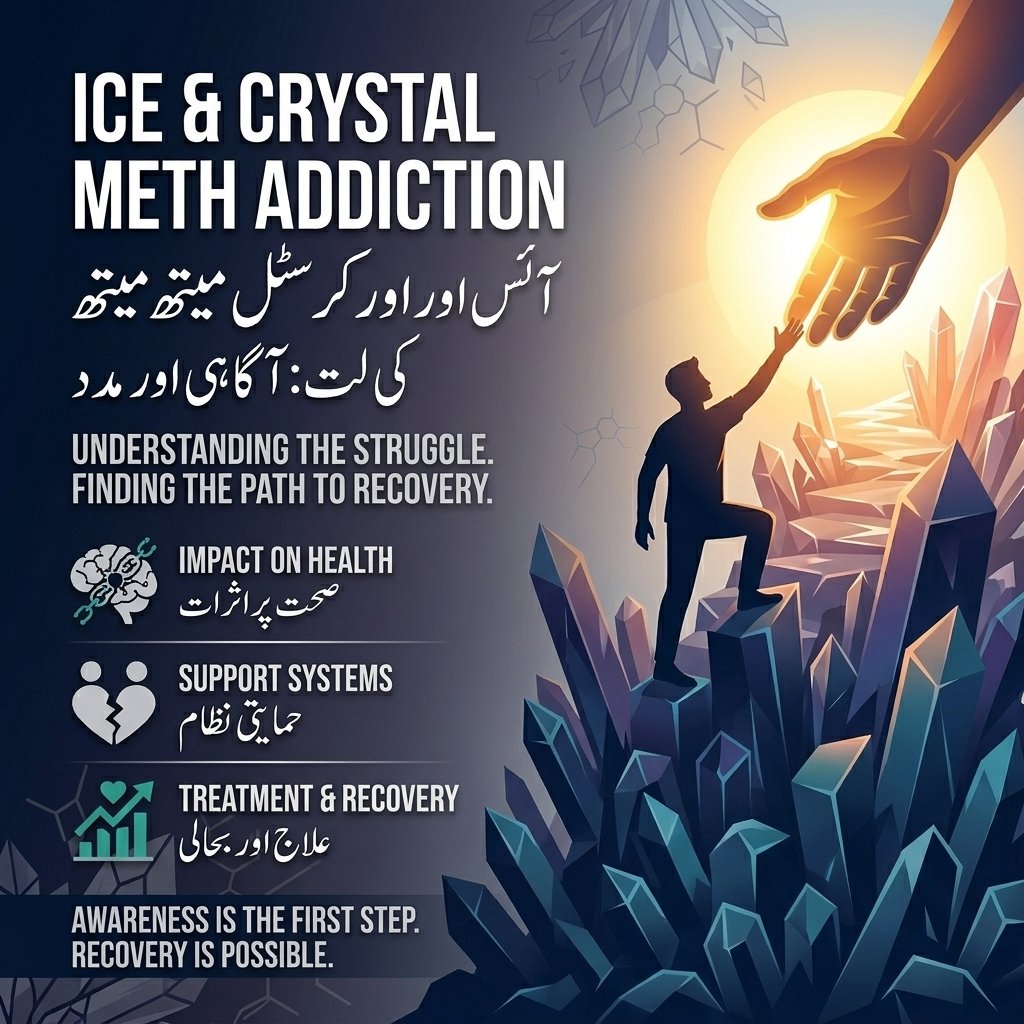
ICE, commonly known as crystal methamphetamine, is one of the most powerful and addictive stimulant drugs. Its use has become a growing concern in many communities due to its serious impact on physical health, mental well-being, relationships, and overall quality of life. Individuals struggling with ICE & Crystal Meth Addiction in Islamabad, Pakistan often face significant challenges that require professional support, structured treatment, and long-term recovery planning.

At The Hope Rehabilitation Center Islamabad, Pakistan, addiction recovery is approached with compassion, confidentiality, and evidence-based care. Understanding the risks associated with crystal meth addiction is an important step toward seeking help and rebuilding a healthier future.

What Is ICE or Crystal Meth?

ICE, also known as crystal meth, is a highly potent stimulant that affects the central nervous system. It typically appears as clear or bluish crystals and is often smoked, swallowed, injected, or snorted. The drug produces intense feelings of energy, alertness, and euphoria, but these effects are usually short-lived and often lead to repeated use.

Over time, regular methamphetamine use can alter brain function, making it difficult for individuals to experience pleasure, motivation, or emotional balance without the drug.

Understanding ICE & Crystal Meth Addiction in Islamabad, Pakistan

Addiction develops when a person becomes physically or psychologically dependent on a substance. Crystal meth has a high potential for dependency because it rapidly affects the brain’s reward system.

People may initially use ICE out of curiosity, peer pressure, stress, or a desire for increased energy. However, repeated use often leads to cravings, compulsive drug-seeking behavior, and difficulty stopping without professional support.

The growing awareness of ICE & Crystal Meth Addiction in Islamabad, Pakistan highlights the need for education, prevention, and accessible treatment options for individuals and families affected by substance abuse.

Signs and Symptoms of Crystal Meth Addiction

Recognizing the warning signs of addiction can help individuals seek assistance before the condition becomes more severe.

Physical Symptoms

  • Rapid weight loss
  • Insomnia or sleep disturbances
  • Increased heart rate
  • Excessive sweating
  • Poor personal hygiene
  • Dental problems, often called “meth mouth”

Behavioral Symptoms

  • Secretive behavior
  • Social withdrawal
  • Aggressive reactions
  • Risk-taking activities
  • Financial difficulties
  • Obsessive focus on obtaining the drug

Psychological Symptoms

  • Anxiety
  • Depression
  • Mood swings
  • Paranoia
  • Hallucinations
  • Difficulty concentrating

These symptoms may vary depending on the duration and intensity of drug use.

Health Risks Associated with ICE Addiction

Crystal meth affects multiple systems within the body. Long-term use can result in serious health complications that impact both physical and mental well-being.

Potential risks include:

  • Severe anxiety disorders
  • Memory problems
  • Cardiovascular complications
  • Weakened immune function
  • Nutritional deficiencies
  • Emotional instability
  • Increased risk of psychosis

The longer addiction continues, the greater the likelihood of experiencing long-term health consequences.

The Impact on Mental Health

One of the most concerning effects of methamphetamine addiction is its influence on mental health. Many individuals experience emotional distress, paranoia, panic attacks, or symptoms resembling severe psychiatric disorders.

In some cases, prolonged use may contribute to:

  • Chronic anxiety
  • Severe depression
  • Emotional detachment
  • Delusional thinking
  • Sleep-related disorders
ICE & Crystal Meth Addiction – ICE & Crystal Meth Addiction in Islamabad, Pakistan

Addressing mental health concerns is often an essential component of treatment for ICE & Crystal Meth Addiction in Islamabad, Pakistan.

Treatment Approaches for Crystal Meth Addiction

Recovery from methamphetamine addiction requires a structured and individualized treatment plan. Because every person’s circumstances are different, treatment strategies should be tailored to their unique needs.

Assessment and Evaluation

A comprehensive assessment helps healthcare professionals understand the severity of addiction, mental health status, and any co-occurring conditions.

Detoxification Support

Detoxification is often the first stage of recovery. During this period, individuals may experience withdrawal symptoms such as fatigue, depression, irritability, and intense cravings.

Behavioral Therapy

Therapeutic interventions can help individuals identify triggers, develop coping strategies, and replace unhealthy habits with healthier behaviors.

Mental Health Support

Many individuals recovering from meth addiction benefit from counseling and emotional support to address anxiety, depression, or trauma.

Relapse Prevention Planning

Long-term recovery involves learning practical skills for managing stress, avoiding triggers, and maintaining a substance-free lifestyle.

The Importance of Family Involvement

Addiction affects not only the individual but also family members and loved ones. Family support can play a meaningful role in the recovery process.

Families can help by:

  • Encouraging professional treatment
  • Providing emotional support
  • Learning about addiction
  • Participating in family counseling sessions
  • Supporting healthy lifestyle changes

A supportive home environment often contributes positively to long-term recovery outcomes.

Recovery Is a Long-Term Journey

Recovery from crystal meth addiction is not a single event but an ongoing process. Progress may occur gradually as individuals rebuild their physical health, emotional stability, and personal relationships.

Important recovery goals often include:

  • Maintaining sobriety
  • Improving mental health
  • Restoring family connections
  • Developing healthy routines
  • Building self-confidence
  • Managing stress effectively

With appropriate support and commitment, individuals can work toward a healthier and more balanced life.

FAQs About ICE & Crystal Meth Addiction

1. What makes crystal meth highly addictive?

Crystal meth rapidly stimulates the brain’s reward system, creating intense feelings of pleasure that can lead to repeated use and dependency.

2. What are common withdrawal symptoms from ICE addiction?

Withdrawal symptoms may include fatigue, depression, sleep disturbances, irritability, anxiety, and strong drug cravings.

3. Can crystal meth addiction affect mental health?

Yes. Long-term use can contribute to anxiety, depression, paranoia, hallucinations, and other mental health challenges.

4. Is family support important during recovery?

Family support can provide encouragement, stability, and emotional assistance throughout the recovery process.

5. How long does recovery from crystal meth addiction take?

Recovery timelines vary for each individual. Factors such as duration of use, overall health, treatment participation, and support systems all influence progress.

Conclusion

ICE and crystal meth addiction can have serious effects on physical health, mental well-being, relationships, and daily functioning. Early intervention, professional care, and strong support systems are important for individuals seeking recovery. Understanding the risks associated with ICE & Crystal Meth Addiction in Islamabad, Pakistan can encourage informed decisions and timely treatment.

The Hope Rehabilitation Center Islamabad, Pakistan is committed to providing compassionate, confidential, and professional support for individuals facing substance use challenges. Through structured care, mental health support, and recovery-focused programs, people can take meaningful steps toward a healthier and more stable future.

Depression Treatment in Islamabad, Pakistan | Depression Treatment in Islamabad, Pakistan

Depression Treatment in Islamabad, Pakistan | Depression Treatment in Islamabad, Pakistan

Mental health is an important part of overall well-being, yet many individuals silently struggle with emotional challenges every day. Depression is one of the most common mental health conditions affecting people of different ages and backgrounds. It can influence thoughts, emotions, relationships, and daily routines, making it difficult to maintain balance in life.

Seeking professional Depression Treatment in Islamabad, Pakistan can help individuals better understand their condition and receive structured support in a safe and caring environment. At The Hope Rehabilitation Center Islamabad, Pakistan, mental health services are designed to provide compassionate care, emotional guidance, and personalized treatment approaches that support long-term well-being.

Understanding the symptoms, causes, and available treatment options for depression can encourage individuals and families to seek timely help.


Understanding Depression

Depression is more than occasional sadness or emotional stress. It is a mental health condition that can affect how a person thinks, feels, and functions in daily life. Individuals experiencing depression may struggle with motivation, concentration, emotional stability, and social interaction.

Professional Depression Treatment in Islamabad, Pakistan focuses on identifying the emotional, psychological, and environmental factors contributing to the condition.

At The Hope Rehabilitation Center Islamabad, Pakistan, mental health professionals work closely with individuals to create supportive treatment plans that address both emotional and behavioral challenges.


Common Symptoms of Depression

Depression can affect each person differently, but some common symptoms include:

  • Persistent sadness or hopelessness
  • Loss of interest in daily activities
  • Fatigue or low energy
  • Difficulty concentrating
  • Changes in appetite or sleep patterns
  • Increased irritability or emotional sensitivity

Some individuals may also withdraw from social situations or experience difficulty managing responsibilities at work or home.

Recognizing these symptoms early can make it easier to seek appropriate Depression Treatment in Islamabad, Pakistan before the condition becomes more severe.


Causes and Risk Factors

Depression may result from a combination of biological, emotional, and environmental factors. Common risk factors include:

  • Long-term stress or anxiety
  • Emotional trauma or grief
  • Family history of mental health conditions
  • Social isolation
  • Substance use disorders
  • Chronic medical conditions

A professional approach to Depression Treatment in Islamabad, Pakistan considers these underlying causes while developing individualized care plans.

At The Hope Rehabilitation Center Islamabad, Pakistan, treatment focuses on understanding each patient’s personal experiences and emotional needs.


Importance of Professional Treatment

Many individuals hesitate to seek help because they believe depression will improve on its own. However, untreated depression can affect physical health, relationships, and quality of life.

Professional Depression Treatment in Islamabad, Pakistan provides structured support that helps individuals manage emotional distress and improve daily functioning.

Treatment often includes:

Depression Treatment in Islamabad, Pakistan | Depression Treatment in Islamabad, Pakistan
  • Psychological counseling
  • Behavioral therapy
  • Emotional wellness support
  • Stress management techniques

At The Hope Rehabilitation Center Islamabad, Pakistan, care is provided in a respectful and supportive environment where individuals can focus on emotional healing.


Therapy and Counseling for Depression

Therapy is one of the most effective methods for managing depression. It provides a safe space where individuals can discuss their emotions, challenges, and personal experiences.

Cognitive Behavioral Therapy (CBT)

CBT helps individuals identify negative thought patterns and replace them with healthier ways of thinking and responding.

A structured Depression Treatment in Islamabad, Pakistan program may include CBT sessions that focus on emotional regulation and coping strategies.


Individual Counseling Sessions

One-on-one counseling allows individuals to express their feelings openly and receive personalized guidance.

At The Hope Rehabilitation Center Islamabad, Pakistan, counseling sessions are tailored to support emotional recovery while promoting self-awareness and confidence.


Stress and Emotional Management

Managing stress is an important part of depression treatment. Mental health professionals may guide individuals through relaxation techniques, mindfulness exercises, and healthy coping methods.

These practices help individuals build emotional resilience and maintain long-term stability.


Lifestyle Habits That Support Recovery

Healthy lifestyle habits can complement professional treatment and improve emotional well-being. Individuals receiving Depression Treatment in Islamabad, Pakistan are often encouraged to:

  • Maintain regular sleep routines
  • Engage in physical activity
  • Eat balanced and nutritious meals
  • Practice mindfulness and relaxation techniques
  • Build supportive social connections

Small lifestyle changes can positively influence mood, energy levels, and emotional balance over time.


Role of Family and Social Support

Support from family and close friends can make a significant difference in the recovery process. Understanding, patience, and open communication often help individuals feel less isolated.

At The Hope Rehabilitation Center Islamabad, Pakistan, family involvement may be encouraged as part of treatment planning to improve emotional support and relationship stability.

A supportive environment can help individuals stay motivated and focused on their mental health goals.


Long-Term Mental Wellness and Recovery

Managing depression is often a gradual process that requires consistency and ongoing support. Long-term recovery involves learning healthy coping mechanisms and maintaining emotional balance.

A comprehensive approach to Depression Treatment in Islamabad, Pakistan focuses not only on symptom management but also on improving overall quality of life.

At The Hope Rehabilitation Center Islamabad, Pakistan, individuals are guided toward building sustainable routines that support emotional wellness and personal growth.


Frequently Asked Questions (FAQs)

1. What is depression?

Depression is a mental health condition that affects mood, emotions, behavior, and daily functioning.

2. Can depression affect physical health?

Yes. Depression may contribute to fatigue, sleep disturbances, appetite changes, and reduced energy levels.

3. Is therapy effective for depression?

Therapy can help individuals understand emotional patterns, manage stress, and develop healthier coping strategies.

4. How long does depression treatment take?

The duration varies depending on the individual’s condition and response to treatment.

5. Why is professional treatment important?

Professional Depression Treatment in Islamabad, Pakistan provides structured emotional support, therapy, and guidance that can improve mental well-being and daily functioning.


Conclusion

Depression is a serious mental health condition that can affect many aspects of life, but professional support and emotional care can help individuals regain balance and stability. Understanding symptoms, seeking timely help, and developing healthy coping strategies are important steps toward recovery.

A structured approach to Depression Treatment in Islamabad, Pakistan provides individuals with the guidance and emotional support needed to improve their well-being and quality of life.

At The Hope Rehabilitation Center Islamabad, Pakistan, mental health services are designed with compassion, professionalism, and patient-centered care. Through therapy, counseling, and emotional wellness support, individuals can move toward a healthier and more hopeful future.

Dual Diagnosis Treatment — Dual diagnosis treatment in Islamabad Pakistan

Dual Diagnosis Treatment — Dual diagnosis treatment in Islamabad Pakistan

A dual diagnosis occurs when a person suffers from both a mental health disorder as well as substance addiction simultaneously. This confounding factor complicates recovery because one condition often exacerbates the symptoms of the other. Drug and alcohol use may be a response to the pressure of mental health issues, since people with anxiety, depression, trauma or emotional stress sometimes self-medicate with substance abuse — but drug use can aggravate anxious feelings.

The Hope Rehabilitation Center Islamabad, Pakistan provides peaceful, compassionate and structured care for people suffering from emotional and addiction problems designed to help them heal in the long term. In Islamabad, Pakistan this article explains the significance of Dual diagnosis Treatment, its effective ways, and recovery assistance.

Understanding Dual Diagnosis

Dual diagnosis is when someone has both a mental health condition and an addiction. When both are present, both must be treated professionally because if only one go, the individual may never recover.

Some common mental health disorders associated with addiction include:

  • Depression
  • Anxiety disorders
  • Post-traumatic stress disorder (PTSD)
  • Bipolar disorder
  • Panic disorders
  • Emotional trauma

Often with dual diagnosis have trouble balancing their emotions, suffer from drug or alcohol cravings, grasp unhealthy relationships and deal with the stress of each day.

Dual Diagnosis Treatment in Islamabad, Pakistan Professional Dual Diagnosis Treatments a process of combining treatment for a substance abuse disorder and mental illnesses by providing an integrated service to patients.

Common Causes of Dual Diagnosis

The most common ones are a dual diagnosis condition, and there are several factors that can be responsible for it.

Mental Health Struggles

People suffering from anxiety, depression or trauma may use drugs or alcohol in the short-term to alleviate their emotional pain.

Substance-Induced Mental Health Symptoms

Chronic using can modify the mind chemistry and convey upon mental disorders.

Genetic and Family History

Having a family history of addiction or mental illness can be an added risk factor.

Stressful Life Events

Addiction and emotional instability can be caused by financial problems, the loss of a loved one or a partner, conflicts in relationships with relatives and friend’s chronic stress.

At The Hope Rehabilitation Center Islamabad, Pakistan, our treatment programs aim to pinpoint these underlying causes and provide the support needed to create more successful recovery outcomes.

Indicators and Signs of Dual Diagnosis

The signs & symptoms differ depending on the kind of substance use and psychological health issue involved.

Behavioral Symptoms

  • Isolation from family and friends
  • Loss of motivation
  • Sudden mood changes
  • Poor decision-making
  • Neglect of responsibilities

Emotional Symptoms

  • Anxiety and panic
  • Persistent sadness
  • Irritability
  • Emotional instability
  • Difficulty managing stress

Substance Abuse Symptoms

  • Higher tolerance toward drugs or alcohol
  • Withdrawal symptoms
  • Strong cravings
  • Repeated failed attempts to quit

If you can notice these warning signs early enough, it could lead to proper Dual Diagnosis Treatment in Islamabad, Pakistan before it’s getting worse.

Why Integrated Treatment Is Important

If you successfully treat addiction but ignore mental health issues, the risk of relapse is heightened. Likewise, managing only mental health symptoms without addressing substance dependence may also interfere with emotional stability.

Dual Diagnosis Treatment — Dual diagnosis treatment in Islamabad Pakistan

Integrated treatment helps individuals:

  • Improve emotional wellness
  • Understand addiction triggers
  • Build healthier coping skills
  • Reduce relapse risk
  • Improve daily functioning

This indicates the added importance of professional rehabilitation programs that deal with both conditions simultaneously.

Detoxification and Medical Support

For those deeply addicted to any controlled substance, detoxification may be the first step in treatment. Detox allows the body to rid itself of dangerous drugs while staff monitor any withdrawal symptoms in safety.

Withdrawal symptoms may include:

  • Anxiety
  • Restlessness
  • Sweating
  • Sleep disturbances
  • Mood swings
  • Fatigue

Monitoring from a medical professional can also enhance safety and comfort when you are this far in your recovery.

Counseling and Behavioral Therapy

Therapy is by far the most critical components of dual diagnosis recovery. Counseling for understanding those emotions because that awakens the mental status of a patient where they feel relieved from stress and understand their symptoms.

Individual Counseling

Patients can talk about trauma, emotional pain, and personal conflicts in a safe environment with private therapy.

Cognitive Behavioral Therapy (CBT)

CBT assists individuals in recognizing automatic negative thought patterns related to their addiction and mental health struggles.

Group Therapy

Support groups offer encouragement and collective experience that lessen feelings of isolation.

Therapy programs are designed according to the needs of the individual at The Hope Rehabilitation Center Islamabad, Pakistan so they can heal emotionally and be in recovery permanently.

The Role of Family Support

Dual Diagnosis Do you realize that Dual diagnosis not only affects the individual but it also affects each of family members and loved ones? Family support and family involvement with the recovery process can be important in overcoming emotional issues, as well as promoting lifestyle changes that can lead to a miracle.

Family counseling may help:

  • Improve communication
  • Reduce emotional stress
  • Learn about addiction and mental health
  • Create a supportive home environment

The involvement of a healthy family increases favorable outcomes for recovery from Dual Diagnosis Treatment in Islamabad, Pakistan.

Relapse Prevention and Long-Term Recovery

This time is needed so that full recovery can occur from the dual diagnosis through ongoing care and a switch to more healthy daily living. Relapse Prevention One of the most effective tools offered by treatment centers is relapse prevention programs where patients learn to become emotionally balanced so that they can be sober once released from the facility.

Helpful strategies include:

  • Stress management techniques
  • Healthy sleep routines
  • Regular counseling sessions
  • Physical activity and exercise
  • Emotional support systems
  • Avoiding harmful environments

It is essential to remember that you will not be able to recover overnight as recovery takes time, consistency and professionalism.

Benefits of Early Intervention

Early professional help reduces the emotional, physical and psychological effects of comorbidity. If treated on time, quality of life can be maximized and emotional stability maintained.

Early intervention can help individuals:

  • Manage mental health symptoms
  • Reduce substance dependency
  • Improve family relationships
  • Restore daily functioning
  • Strengthen emotional resilience

FAQs About Dual Diagnosis Treatment

1.     What is dual diagnosis?

Dual diagnosis means that you have both an addiction and a mental health disorder at the same time.

2.     Are mental health disorders a risk factor for addiction?

Yes, anxiety, depression and trauma can all lead to a greater chance of abusing drugs.

3.     Why is integrated treatment important?

Integrated treatment combines therapy for both addiction and mental health issues together, leading to better recovery.

4.     Do I need therapy to recover from a dual diagnosis?

Counseling and behavioral therapy address how a person deals with emotional triggers to develop healthier coping mechanisms.

5.     Can family support improve recovery?

Caring family support has usually assisted in various improvement facets such as emotional stability, communication, and success with long-term recovery.

Conclusion

This complex condition often needs supportive care to help you process, heal, and recover. Addiction and mental health issues often co-occur, but treating them from the start simultaneously leads to better recovery and quality of life.

The Hope Rehabilitation Center Islamabad, Pakistan offers structured emotional core care for individuals seeking Dual Diagnosis Treatment in Islamabad, Pakistan. With the appropriate support and guidance, one can make progress toward a better and more balanced life.

Smoking Addiction – Smoking Addiction Treatment in Islamabad, Pakistan

Smoking Addiction – Smoking Addiction Treatment in Islamabad, Pakistan

Smoking addiction is one of the most common forms of substance dependency affecting people of all ages. Many individuals begin smoking due to stress, social influence, curiosity, or habit, but over time, nicotine dependence can become difficult to control. Smoking not only harms physical health but also affects emotional well-being, family life, and overall quality of life.

At The Hope Rehabilitation Center Islamabad, Pakistan, individuals struggling with nicotine dependency can receive compassionate care and professional support in a structured environment. This article explains the causes, symptoms, health risks, and recovery options related to Smoking Addiction Treatment in Islamabad, Pakistan while emphasizing the importance of long-term wellness and healthier living.

Understanding Smoking Addiction

Smoking addiction develops when the body and brain become dependent on nicotine, a highly addictive substance found in cigarettes and tobacco products. Nicotine stimulates the brain’s reward system, creating temporary feelings of relaxation or pleasure. Over time, the body begins craving nicotine regularly, making it difficult to stop smoking without support.

People dealing with nicotine dependence may continue smoking despite understanding the harmful effects on their health. Professional Smoking Addiction Treatment in Islamabad, Pakistan can help individuals break this cycle safely and effectively.

Common Causes of Smoking Addiction

Smoking addiction can develop due to several emotional, social, and psychological factors.

Stress and Emotional Pressure

Many people use smoking as a coping mechanism during periods of stress, anxiety, or emotional tension.

Peer Influence

Social environments and peer pressure often play a role in starting smoking habits, especially among young adults.

Habitual Behavior

Smoking can become connected to daily routines such as drinking tea, social gatherings, or work breaks, making the habit harder to quit.

Mental Health Conditions

Depression, anxiety, and emotional trauma may increase the likelihood of nicotine dependency.

At The Hope Rehabilitation Center Islamabad, Pakistan, treatment plans focus on understanding these root causes to support long-term recovery.

Signs and Symptoms of Smoking Addiction

Recognizing nicotine dependency early can help individuals seek support before serious health complications develop.

Physical Symptoms

  • Frequent cigarette cravings
  • Increased tolerance to nicotine
  • Restlessness when unable to smoke
  • Headaches or irritability during withdrawal
  • Persistent cough
  • Fatigue and breathing difficulties

Behavioral Symptoms

  • Smoking immediately after waking up
  • Difficulty avoiding smoking in public places
  • Repeated failed attempts to quit
  • Increased smoking during stress

Emotional Symptoms

  • Anxiety without nicotine
  • Mood swings
  • Irritability
  • Difficulty concentrating

People experiencing these symptoms may benefit from professional Smoking Addiction Treatment in Islamabad, Pakistan.

Health Risks Linked to Smoking Addiction

Smoking affects nearly every organ in the body. Long-term tobacco use increases the risk of several serious health conditions.

Respiratory Problems

Smoking damages the lungs and airways, leading to breathing issues, chronic cough, and reduced lung function.

Heart Disease

Smoking Addiction – Smoking Addiction Treatment in Islamabad, Pakistan

Nicotine and harmful chemicals in tobacco can increase blood pressure and strain the cardiovascular system.

Mental and Emotional Impact

Smoking addiction can contribute to stress, anxiety, emotional instability, and dependency-related frustration.

Reduced Quality of Life

Smoking may negatively affect physical stamina, sleep quality, appearance, and daily productivity.

Seeking early Smoking Addiction Treatment in Islamabad, Pakistan can help reduce these risks and improve overall health.

Why Professional Smoking Addiction Treatment Matters

Quitting smoking is challenging because nicotine creates both physical and psychological dependence. Many individuals attempt to quit multiple times before achieving long-term success.

Professional rehabilitation programs provide structured care that may include:

  • Behavioral counseling
  • Withdrawal management
  • Emotional support
  • Stress management techniques
  • Relapse prevention strategies

At The Hope Rehabilitation Center Islamabad, Pakistan, treatment programs are designed to help individuals recover in a respectful and supportive environment.

Nicotine Withdrawal and Detox Support

When a person stops smoking, the body begins adjusting to the absence of nicotine. This process can cause temporary withdrawal symptoms.

Common withdrawal symptoms include:

  • Irritability
  • Anxiety
  • Restlessness
  • Trouble sleeping
  • Mood changes
  • Strong cravings
  • Difficulty concentrating

Professional support during nicotine withdrawal can improve comfort and help individuals remain focused on recovery goals.

Behavioral Therapy and Counseling

Counseling plays a major role in helping people understand why they smoke and how to replace unhealthy habits with healthier routines.

Individual Counseling

One-on-one therapy sessions help patients discuss emotional triggers, stress factors, and personal challenges.

Cognitive Behavioral Therapy (CBT)

CBT helps individuals identify negative thought patterns connected to smoking and develop healthier coping mechanisms.

Motivational Support

Motivational counseling can improve confidence and encourage positive lifestyle changes during recovery.

Professional therapy strengthens long-term recovery outcomes for individuals seeking Smoking Addiction Treatment in Islamabad, Pakistan.

Lifestyle Changes That Support Recovery

Long-term recovery often requires adjustments in daily habits and routines. Healthy lifestyle choices can reduce cravings and improve emotional balance.

Helpful recovery strategies include:

  • Regular physical activity
  • Healthy eating habits
  • Stress management techniques
  • Better sleep routines
  • Avoiding smoking triggers
  • Building supportive social connections

At The Hope Rehabilitation Center Islamabad, Pakistan, patients are encouraged to adopt positive habits that support healthier living.

The Importance of Family Support

Family encouragement can make a significant difference during smoking recovery. Emotional support from loved ones may help individuals stay motivated and committed to treatment.

Family involvement can help:

  • Improve emotional stability
  • Reduce stress during recovery
  • Encourage accountability
  • Create a healthier home environment

Supportive communication often strengthens long-term recovery success.

FAQs About Smoking Addiction

1. What causes smoking addiction?

Smoking addiction is mainly caused by nicotine dependence, emotional stress, social influence, and habitual behavior.

2. Can nicotine withdrawal be difficult?

Yes, withdrawal symptoms such as cravings, anxiety, irritability, and sleep problems can occur when quitting smoking.

3. How long does smoking recovery take?

Recovery varies from person to person. Some individuals improve within weeks, while others may require longer-term support.

4. Is counseling important for smoking addiction treatment?

Yes, counseling helps individuals understand emotional triggers and develop healthier coping strategies.

5. Can family support help during smoking recovery?

Supportive family involvement often improves motivation, emotional stability, and recovery outcomes.

Conclusion

Smoking addiction is a serious health concern that can affect physical wellness, emotional balance, and daily life. Although quitting smoking may feel difficult, professional care and supportive treatment can help individuals move toward healthier living.

At The Hope Rehabilitation Center Islamabad, Pakistan, individuals seeking Smoking Addiction Treatment in Islamabad, Pakistan can access compassionate care, structured counseling, and recovery-focused support tailored to their personal needs. With the right guidance and commitment, recovery from smoking addiction is possible, leading to improved health and a better quality of life.

Addiction Treatment – Addiction Treatment in Islamabad, Pakistan

Addiction Treatment Centre – Addiction Treatment Centre in Islamabad, Pakistan

Addiction is a growing health concern that affects individuals, families, and communities across the world. Substance dependency can impact physical health, emotional well-being, relationships, and daily responsibilities. Many people silently struggle with addiction due to fear, stigma, or lack of awareness about available support. However, recovery becomes possible when individuals receive proper care, understanding, and professional guidance.

At The Hope Rehabilitation Center Islamabad, Pakistan, people dealing with substance abuse and behavioral dependency can access compassionate and structured rehabilitation services. This article explains the importance of Addiction Treatment in Islamabad, Pakistan, including causes of addiction, warning signs, treatment approaches, and the role of long-term recovery support.

Understanding Addiction and Its Impact

Addiction is a chronic condition where a person becomes physically or psychologically dependent on a substance or harmful behavior. It can involve drugs, alcohol, prescription medications, or other addictive habits that interfere with healthy living.

Over time, addiction affects brain function, decision-making, emotional balance, and social behavior. People may continue using substances despite serious consequences in their personal and professional lives.

Seeking professional Addiction Treatment in Islamabad, Pakistan can help individuals regain control, improve mental health, and rebuild healthier lifestyles.

Common Causes of Addiction

Addiction does not develop for one single reason. Multiple emotional, social, and biological factors can contribute to substance dependency.

Mental Health Challenges

Conditions such as anxiety, depression, trauma, and stress may increase the risk of addiction. Some individuals use substances to cope with emotional pain or overwhelming feelings.

Peer Pressure and Social Influence

Friends, social circles, or environmental exposure can encourage experimentation with drugs or alcohol.

Family History

A family background involving addiction may increase vulnerability to substance misuse.

Chronic Stress and Lifestyle Problems

Financial difficulties, relationship conflicts, academic pressure, or work stress may contribute to unhealthy coping behaviors.

At The Hope Rehabilitation Center Islamabad, Pakistan, treatment plans focus on identifying these underlying causes to support lasting recovery.

Signs and Symptoms of Addiction

Recognizing addiction early can prevent serious health complications and emotional suffering. Symptoms may vary depending on the substance being used and the duration of dependency.

Physical Symptoms

  • Fatigue and low energy
  • Sudden weight changes
  • Poor hygiene
  • Sleep disturbances
  • Slurred speech
  • Increased tolerance to substances

Behavioral Symptoms

  • Isolation from family and friends
  • Loss of interest in responsibilities
  • Financial difficulties
  • Secretive behavior
  • Mood swings and irritability
Addiction Treatment Centre – Addiction Treatment Centre in Islamabad, Pakistan

Psychological Symptoms

  • Anxiety or depression
  • Difficulty concentrating
  • Emotional instability
  • Intense cravings
  • Lack of motivation

Individuals experiencing these signs may benefit from professional Addiction Treatment in Islamabad, Pakistan before the condition worsens.

Why Professional Addiction Treatment Matters

Addiction recovery often requires more than willpower alone. Many substances create strong physical and psychological dependence, making it difficult to stop without support.

Professional rehabilitation programs provide:

  • Medical supervision
  • Emotional support
  • Counseling and therapy
  • Safe detoxification
  • Relapse prevention strategies

Structured treatment also helps patients understand the root causes of addiction and develop healthier coping methods.

Detoxification and Withdrawal Management

Detoxification is usually the first stage of recovery. During detox, the body clears harmful substances while medical professionals monitor withdrawal symptoms.

Withdrawal symptoms can include:

  • Sweating
  • Restlessness
  • Anxiety
  • Nausea
  • Insomnia
  • Muscle pain
  • Mood changes

Safe detox services are an important part of Addiction Treatment in Islamabad, Pakistan, especially for individuals with severe dependency.

At The Hope Rehabilitation Center Islamabad, Pakistan, patients receive care in a supportive environment focused on safety and comfort.

Counseling and Behavioral Therapy

Therapy plays a central role in addiction recovery. It helps individuals identify emotional triggers, negative thought patterns, and harmful behaviors connected to substance use.

Individual Counseling

One-on-one therapy sessions allow patients to discuss personal struggles, trauma, stress, and emotional challenges privately.

Group Therapy

Group sessions encourage peer support and shared experiences, helping patients feel less isolated during recovery.

Cognitive Behavioral Therapy (CBT)

CBT helps individuals recognize unhealthy thoughts and replace destructive habits with healthier coping strategies.

Professional counseling strengthens emotional resilience and supports long-term recovery outcomes.

Mental Health and Addiction Recovery

Mental health and addiction are often closely connected. Many people struggling with addiction also experience anxiety, depression, or emotional trauma.

Integrated care programs for Addiction Treatment in Islamabad, Pakistan focus on treating both addiction and mental health conditions together. This approach improves emotional stability and supports sustainable recovery.

Family Support During Rehabilitation

Addiction affects not only the individual but also the entire family. Loved ones may experience stress, emotional exhaustion, and communication difficulties.

Family counseling can help improve relationships and create a supportive recovery environment. Families learn how to:

  • Encourage healthy behavior
  • Avoid enabling addiction
  • Improve communication
  • Understand emotional triggers

At The Hope Rehabilitation Center Islamabad, Pakistan, family involvement is encouraged whenever appropriate to strengthen the recovery process.

Relapse Prevention and Long-Term Recovery

Recovery is an ongoing process that continues after rehabilitation. Relapse prevention programs help individuals maintain sobriety and reduce the risk of returning to substance use.

Important relapse prevention strategies include:

  • Stress management techniques
  • Healthy daily routines
  • Ongoing counseling
  • Emotional support systems
  • Avoiding high-risk environments
  • Building positive social connections

Long-term support is a key part of successful Addiction Treatment in Islamabad, Pakistan.

Benefits of Early Intervention

Early treatment can prevent addiction from causing severe physical, emotional, and social damage. Timely rehabilitation may improve overall recovery outcomes and reduce long-term health complications.

Seeking help early can also:

  • Improve mental wellness
  • Restore family relationships
  • Increase motivation for recovery
  • Enhance quality of life
  • Support emotional healing

FAQs About Addiction Treatment

1. What is addiction treatment?

Addiction treatment involves medical care, counseling, therapy, and recovery support to help individuals overcome substance dependency.

2. How long does addiction recovery take?

Recovery varies depending on the individual, substance type, and severity of addiction. Some people require short-term care, while others benefit from long-term support.

3. Can addiction affect mental health?

Yes, addiction is often linked with anxiety, depression, stress, and emotional instability.

4. Is detoxification necessary for all patients?

Not every patient requires medical detox, but individuals with severe substance dependency often benefit from supervised withdrawal management.

5. Can family support improve recovery?

Yes, healthy family involvement can strengthen emotional support, improve communication, and encourage long-term recovery success.

Conclusion

Addiction is a serious condition that can affect every area of life, but recovery is possible through compassionate care and professional support. Understanding the causes, symptoms, and treatment options helps individuals and families make informed decisions about seeking help.

At The Hope Rehabilitation Center Islamabad, Pakistan, patients receive structured and respectful care focused on emotional wellness, physical recovery, and long-term healing. With proper guidance and support, individuals seeking Addiction Treatment in Islamabad, Pakistan can work toward a healthier and more stable future.