ICE, commonly known as crystal methamphetamine, is one of the most powerful and addictive stimulant drugs. Its use has become a growing concern in many communities due to its serious impact on physical health, mental well-being, relationships, and overall quality of life. Individuals struggling with ICE & Crystal Meth Addiction in Islamabad, Pakistan often face significant challenges that require professional support, structured treatment, and long-term recovery planning.
At The Hope Rehabilitation Center Islamabad, Pakistan, addiction recovery is approached with compassion, confidentiality, and evidence-based care. Understanding the risks associated with crystal meth addiction is an important step toward seeking help and rebuilding a healthier future.
What Is ICE or Crystal Meth?
ICE, also known as crystal meth, is a highly potent stimulant that affects the central nervous system. It typically appears as clear or bluish crystals and is often smoked, swallowed, injected, or snorted. The drug produces intense feelings of energy, alertness, and euphoria, but these effects are usually short-lived and often lead to repeated use.
Over time, regular methamphetamine use can alter brain function, making it difficult for individuals to experience pleasure, motivation, or emotional balance without the drug.
Understanding ICE & Crystal Meth Addiction in Islamabad, Pakistan
Addiction develops when a person becomes physically or psychologically dependent on a substance. Crystal meth has a high potential for dependency because it rapidly affects the brain’s reward system.
People may initially use ICE out of curiosity, peer pressure, stress, or a desire for increased energy. However, repeated use often leads to cravings, compulsive drug-seeking behavior, and difficulty stopping without professional support.
The growing awareness of ICE & Crystal Meth Addiction in Islamabad, Pakistan highlights the need for education, prevention, and accessible treatment options for individuals and families affected by substance abuse.
Signs and Symptoms of Crystal Meth Addiction
Recognizing the warning signs of addiction can help individuals seek assistance before the condition becomes more severe.
Physical Symptoms
- Rapid weight loss
- Insomnia or sleep disturbances
- Increased heart rate
- Excessive sweating
- Poor personal hygiene
- Dental problems, often called “meth mouth”
Behavioral Symptoms
- Secretive behavior
- Social withdrawal
- Aggressive reactions
- Risk-taking activities
- Financial difficulties
- Obsessive focus on obtaining the drug
Psychological Symptoms
- Anxiety
- Depression
- Mood swings
- Paranoia
- Hallucinations
- Difficulty concentrating
These symptoms may vary depending on the duration and intensity of drug use.
Health Risks Associated with ICE Addiction
Crystal meth affects multiple systems within the body. Long-term use can result in serious health complications that impact both physical and mental well-being.
Potential risks include:
- Severe anxiety disorders
- Memory problems
- Cardiovascular complications
- Weakened immune function
- Nutritional deficiencies
- Emotional instability
- Increased risk of psychosis
The longer addiction continues, the greater the likelihood of experiencing long-term health consequences.
The Impact on Mental Health
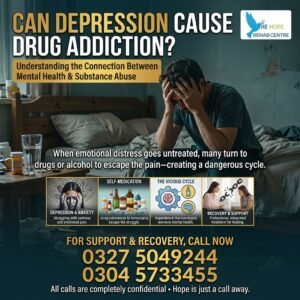
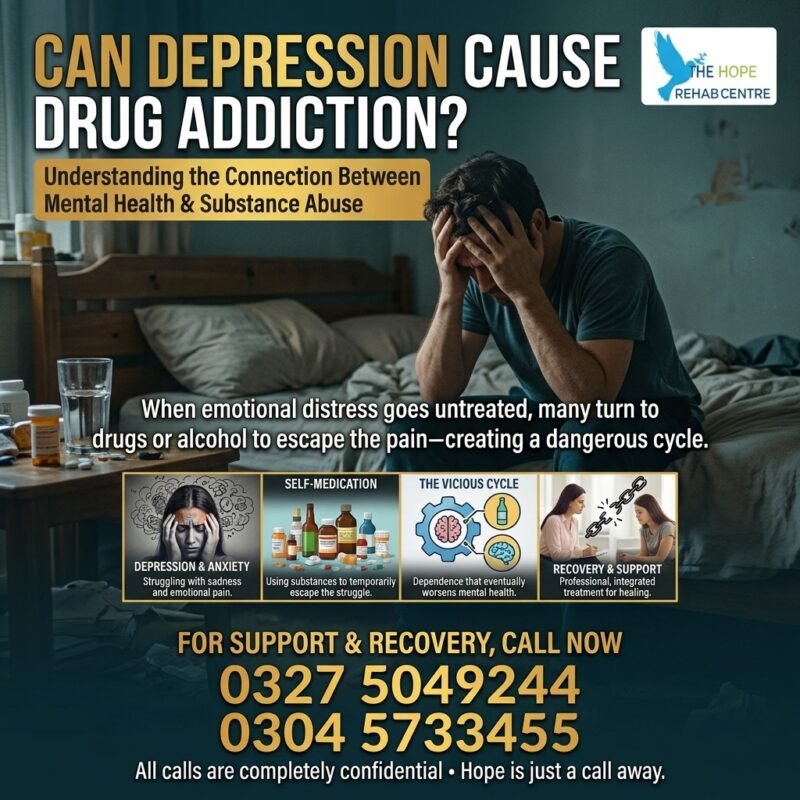
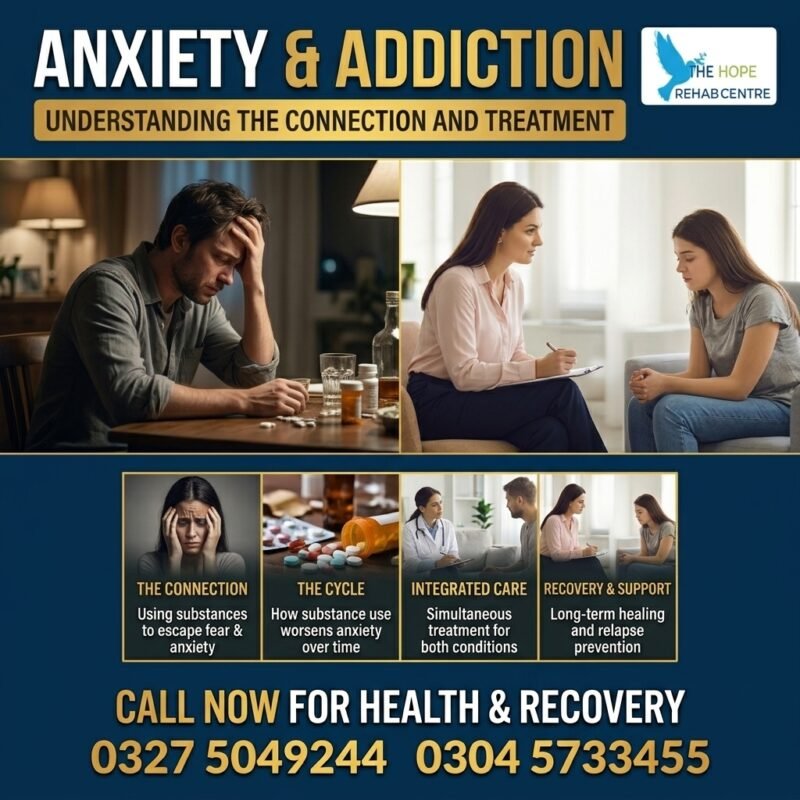
One of the most concerning effects of methamphetamine addiction is its influence on mental health. Many individuals experience emotional distress, paranoia, panic attacks, or symptoms resembling severe psychiatric disorders.
In some cases, prolonged use may contribute to:
- Chronic anxiety
- Severe depression
- Emotional detachment
- Delusional thinking
- Sleep-related disorders
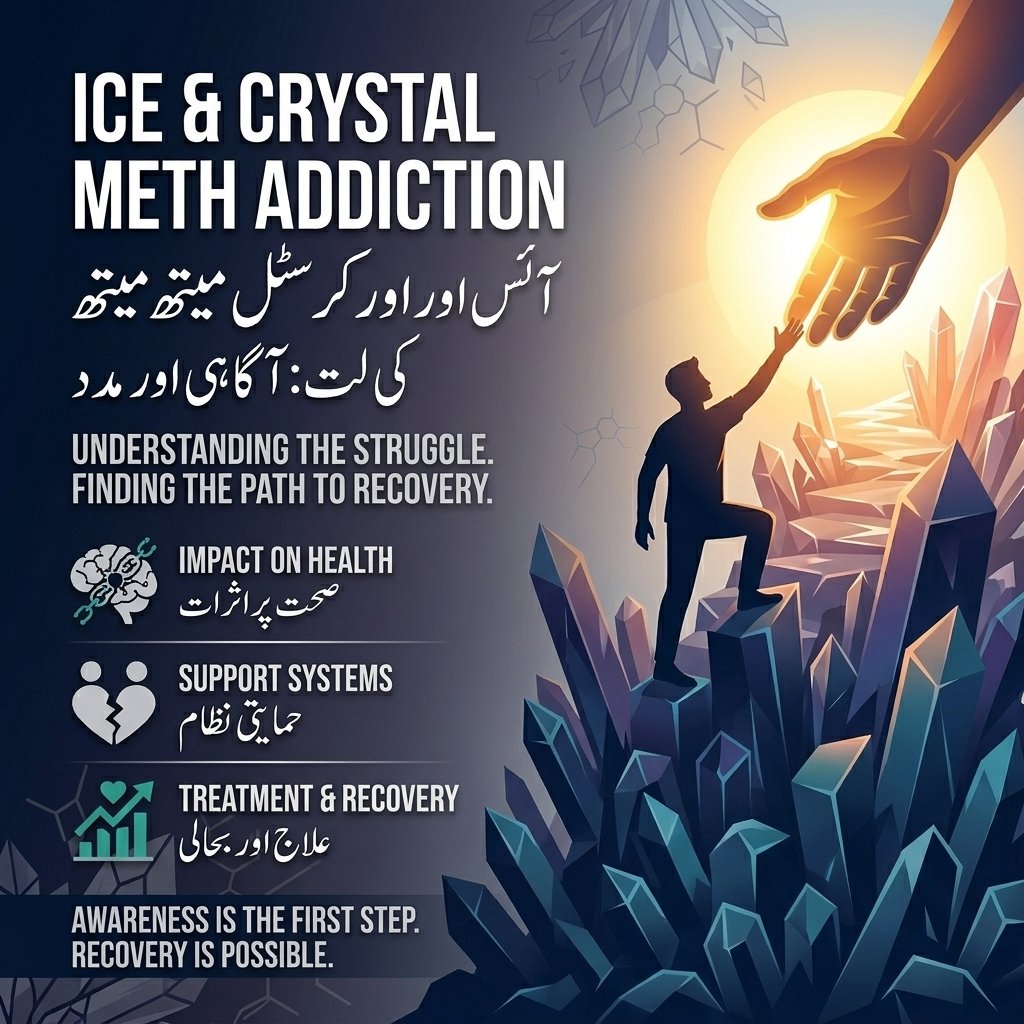
Addressing mental health concerns is often an essential component of treatment for ICE & Crystal Meth Addiction in Islamabad, Pakistan.
Treatment Approaches for Crystal Meth Addiction
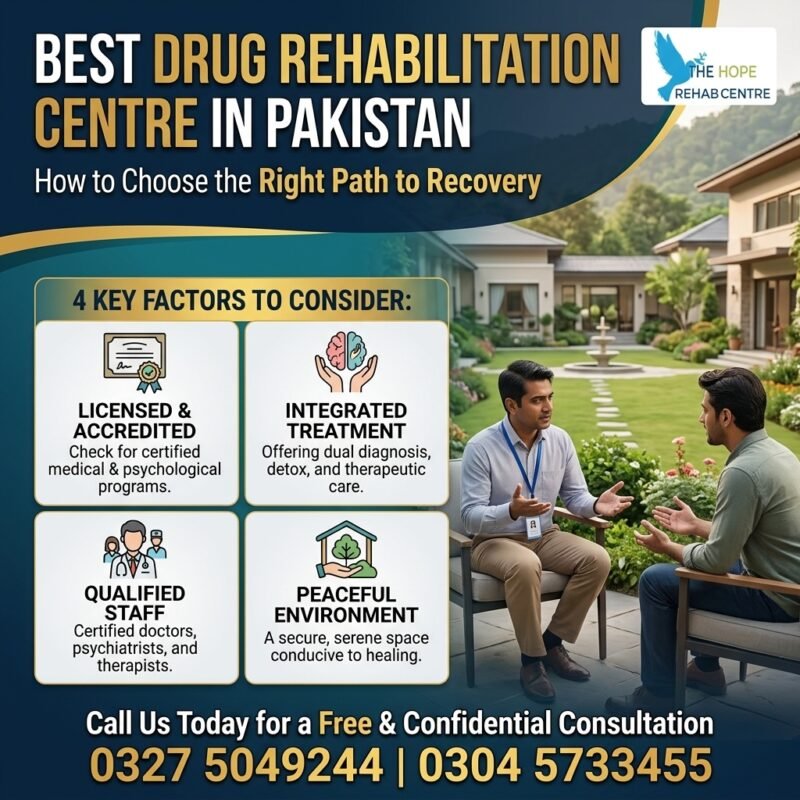
Recovery from methamphetamine addiction requires a structured and individualized treatment plan. Because every person’s circumstances are different, treatment strategies should be tailored to their unique needs.
Assessment and Evaluation
A comprehensive assessment helps healthcare professionals understand the severity of addiction, mental health status, and any co-occurring conditions.
Detoxification Support
Detoxification is often the first stage of recovery. During this period, individuals may experience withdrawal symptoms such as fatigue, depression, irritability, and intense cravings.
Behavioral Therapy
Therapeutic interventions can help individuals identify triggers, develop coping strategies, and replace unhealthy habits with healthier behaviors.
Mental Health Support
Many individuals recovering from meth addiction benefit from counseling and emotional support to address anxiety, depression, or trauma.
Relapse Prevention Planning
Long-term recovery involves learning practical skills for managing stress, avoiding triggers, and maintaining a substance-free lifestyle.
The Importance of Family Involvement
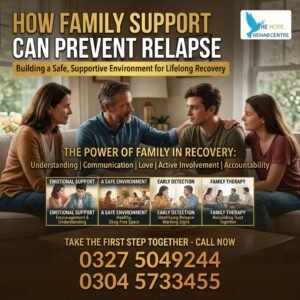
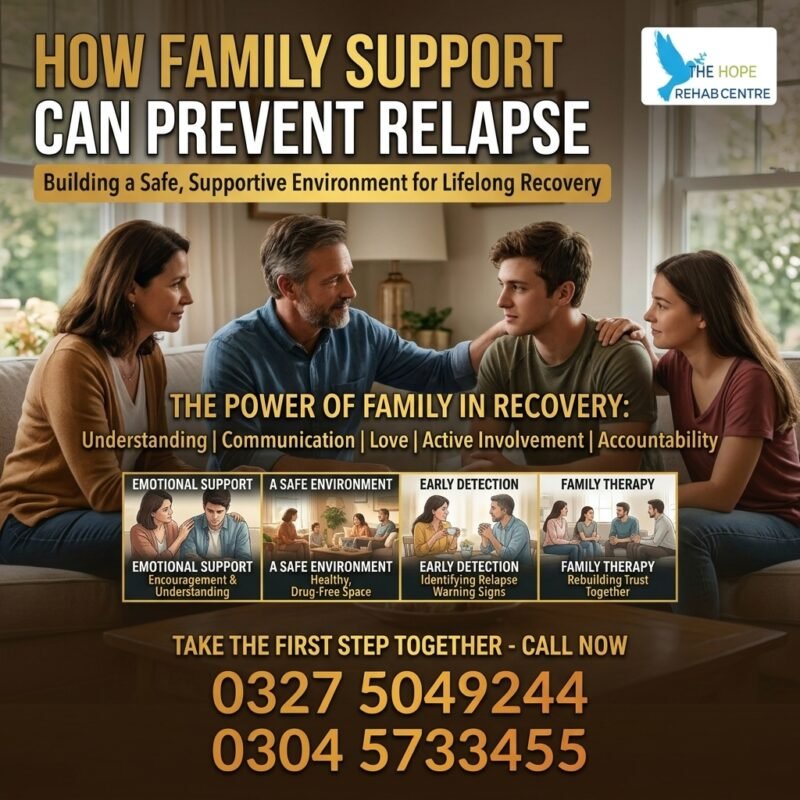
Addiction affects not only the individual but also family members and loved ones. Family support can play a meaningful role in the recovery process.
Families can help by:
- Encouraging professional treatment
- Providing emotional support
- Learning about addiction
- Participating in family counseling sessions
- Supporting healthy lifestyle changes
A supportive home environment often contributes positively to long-term recovery outcomes.
Recovery Is a Long-Term Journey
Recovery from crystal meth addiction is not a single event but an ongoing process. Progress may occur gradually as individuals rebuild their physical health, emotional stability, and personal relationships.
Important recovery goals often include:
- Maintaining sobriety
- Improving mental health
- Restoring family connections
- Developing healthy routines
- Building self-confidence
- Managing stress effectively
With appropriate support and commitment, individuals can work toward a healthier and more balanced life.
FAQs About ICE & Crystal Meth Addiction
1. What makes crystal meth highly addictive?
Crystal meth rapidly stimulates the brain’s reward system, creating intense feelings of pleasure that can lead to repeated use and dependency.
2. What are common withdrawal symptoms from ICE addiction?
Withdrawal symptoms may include fatigue, depression, sleep disturbances, irritability, anxiety, and strong drug cravings.
3. Can crystal meth addiction affect mental health?
Yes. Long-term use can contribute to anxiety, depression, paranoia, hallucinations, and other mental health challenges.
4. Is family support important during recovery?
Family support can provide encouragement, stability, and emotional assistance throughout the recovery process.
5. How long does recovery from crystal meth addiction take?
Recovery timelines vary for each individual. Factors such as duration of use, overall health, treatment participation, and support systems all influence progress.
Conclusion
ICE and crystal meth addiction can have serious effects on physical health, mental well-being, relationships, and daily functioning. Early intervention, professional care, and strong support systems are important for individuals seeking recovery. Understanding the risks associated with ICE & Crystal Meth Addiction in Islamabad, Pakistan can encourage informed decisions and timely treatment.
The Hope Rehabilitation Center Islamabad, Pakistan is committed to providing compassionate, confidential, and professional support for individuals facing substance use challenges. Through structured care, mental health support, and recovery-focused programs, people can take meaningful steps toward a healthier and more stable future.