The Hope Rehab Center

Mental Health | Understanding the Foundation of Emotional Well-Being

Mental Health | Understanding the Foundation of Emotional Well-Being

Mental health is an essential part of overall health and well-being. It affects how people think, feel, behave, and respond to life’s challenges. Just as physical health requires care and attention, mental health also needs support, balance, and awareness.

Good mental health allows individuals to manage stress, build healthy relationships, make decisions, and cope with daily responsibilities. When mental health is neglected, it can affect every part of life, including emotional stability, physical health, work, family life, and personal growth.

At The Hope Rehabilitation Center Islamabad, Pakistan, mental health support is treated as a vital part of recovery and long-term wellness, offering structured care for individuals facing emotional and psychological challenges.

What Is Mental Health?

Mental health refers to a person’s emotional, psychological, and social well-being. It influences how people handle stress, relate to others, and make choices.

Mental health is not just the absence of illness. It also includes:

  • Emotional balance
  • Healthy coping skills
  • Positive relationships
  • Self-awareness
  • The ability to manage life’s challenges

Strong mental health supports a person’s ability to live a stable and productive life.

Common Mental Health Challenges

Mental health conditions can affect anyone, regardless of age, gender, or background. Some common challenges include:

Depression

A condition marked by persistent sadness, loss of interest, low energy, and emotional distress.

Anxiety Disorders

Excessive worry, fear, or nervousness that can affect daily life.

Stress-Related Conditions

Long-term stress can affect both emotional and physical health.

Trauma and PTSD

Past traumatic experiences can continue to impact emotional stability and behavior.

Substance Use Disorders

Addiction often has a strong connection with mental health, making dual treatment important.

At The Hope Rehabilitation Center Islamabad, Pakistan, mental health programs focus on addressing these conditions through therapy, counseling, and emotional support.

Signs That Mental Health May Need Attention

Recognizing emotional struggles early can help prevent more serious problems later. Some warning signs include:

  • Persistent sadness or irritability
  • Difficulty concentrating
  • Sleep disturbances
  • Social withdrawal
  • Sudden mood changes
  • Feeling overwhelmed or hopeless
  • Loss of interest in daily activities

If these symptoms continue over time, professional support may be helpful.

Factors That Affect Mental Health

Mental Health | Understanding the Foundation of Emotional Well-Being

Mental health can be influenced by many factors, including:

  • Family history
  • Emotional trauma
  • Financial stress
  • Relationship problems
  • Chronic illness
  • Substance abuse
  • Social isolation

Understanding these factors can help individuals take preventive steps and seek support when needed.

Importance of Mental Health Treatment

Seeking support for mental health is a sign of strength, not weakness. Professional care can help individuals better understand their emotions and develop healthier ways to cope with life’s difficulties.

Treatment options may include:

Therapy and Counseling

Talking to a mental health professional can provide emotional relief, guidance, and practical coping strategies.

Behavioral Therapy

Approaches like Cognitive Behavioral Therapy (CBT) help individuals change harmful thought patterns.

Stress Management

Learning relaxation techniques and healthy routines can improve emotional resilience.

At The Hope Rehabilitation Center Islamabad, Pakistan, mental health treatment is personalized to each individual’s needs, focusing on long-term emotional stability.

Ways to Improve Mental Health

Mental health can be strengthened through simple but consistent habits:

  • Get enough sleep
  • Stay physically active
  • Maintain healthy eating habits
  • Build strong social connections
  • Practice mindfulness or meditation
  • Limit substance use
  • Seek help when needed

These habits can improve emotional balance and support overall well-being.

The Connection Between Mental Health and Addiction

Mental health and addiction often go hand in hand. Many individuals struggling with substance use may also experience depression, anxiety, or trauma.

This is why integrated treatment is important.

At The Hope Rehabilitation Center Islamabad, Pakistan, treatment programs address both addiction and mental health together, helping individuals achieve more balanced recovery.

Frequently Asked Questions (FAQs)

1. Why is mental health important?

Mental health affects thoughts, emotions, behavior, relationships, and the ability to cope with life.

2. Can mental health affect physical health?

Yes. Poor mental health can contribute to fatigue, sleep issues, headaches, and other physical symptoms.

3. Is stress a mental health issue?

Stress itself is normal, but long-term unmanaged stress can lead to mental health challenges.

4. Can therapy help improve mental health?

Therapy can help individuals understand emotions, manage stress, and develop healthier coping strategies.

5. When should someone seek mental health support?

Support should be considered when emotional struggles begin affecting daily life, relationships, or personal well-being.

Conclusion

Mental health is a vital part of living a balanced and healthy life. It shapes how individuals think, feel, and respond to challenges. Understanding mental health and recognizing when support is needed can make a significant difference in long-term well-being.

At The Hope Rehabilitation Center Islamabad, Pakistan, mental health care focuses on compassion, structure, and individualized support. Through therapy, counseling, and emotional guidance, individuals can work toward greater stability, resilience, and a healthier future.

Addiction Treatment – Addiction Treatment in Islamabad, Pakistan
Addiction Treatment – Addiction Treatment in Islamabad, Pakistan

Addiction is a complex health disorder that involves an individual’s mind, body, and behavior. This can be through drugs, alcohol, nicotine or some other untouched addiction and compulsions that make control impossible. Addiction slowly destroys relationships, mental health and overall quality of life. Fortunately, with effective therapy and additional support, recovery is achievable.

Introduction — Those looking to get Addiction Treatment in Islamabad, Pakistan for themselves or someone they know come across information that can change their lives forever; this guide is the first step on that journey. The Hope Rehabilitation Center Islamabad, Pakistan is working on building lives back with compassion, professional care and evidence-based addiction recovery methods.

What Is Addiction?

Addiction is a state in which one loses control of a substance or behavior and actively continues to use the substance despite having consequences. It alters the brain, rendering it difficult to stop using without assistance.

Common types of addiction include:

  • Drug addiction
  • Alcohol addiction
  • Nicotine addiction
  • ICE and crystal meth addiction
  • Opioid addiction
  • Cannabis addiction
  • Prescription medication misuse

Addiction is a terrible disease that impacts the lives of people from the very young to the old; all walks of life.

Signs and Symptoms of Addiction

Early detection of addiction can prevent dire health and emotional ramifications.

Common signs include:

  • Strong cravings for substances
  • Loss of control over usage
  • Increased tolerance
  • Withdrawal symptoms
  • Mood swings
  • Social isolation
  • Neglecting responsibilities
  • Financial problems
  • Sleep disturbances
  • Anxiety or depression

Without treatment, these symptoms may become more severe with time.

Why Professional Addiction Treatment Matters

This is why many people attempt to quit on their own but relapse, because addiction usually contains two components (the physical and the psychological).

Here are some of the Addiction Treatment in Islamabad, when you import addiction treatment in Islamabad?

  • Safe detoxification support
  • Professional counseling
  • Emotional healing
  • Relapse prevention strategies
  • Family guidance
  • Mental health care

Through professional treatment, the odds of life recovered jumping up.

The treatment programs at The Hope Rehabilitation Center Islamabad, Pakistan focus on the physical and psychological elements of addiction.

The Addiction Treatment Process

Comprehensive Assessment

The first step for recovery is to perform a complete evaluation about the individual substance abuse history, and his/her mental health illness and treatment needs.

Detoxification

In patients with physical dependence, detoxification is often the first step. It is effective in the elimination of neuromuscular toxins, managing craving and withdrawal symptoms safely.

Therapy and Counseling

Therapy targets being able to understanding of the addiction in those individuals and explains better coping skill sets.

Cognitive Behavioral Therapy (CBT)

Addiction Treatment – Addiction Treatment in Islamabad, Pakistan

Cognitive Behavioral Therapy is often used to determine negative thoughts and behaviors surrounding addiction.

Group Therapy

Group sessions provide an opportunity to connect with others, share struggles, and receive emotional support.

Family Support Programs

Conclusion: Working together as a family can enhance the level of communication and trust, which generally improves long-term recovery.

Common Causes of Addiction

For many reasons addiction can take hold including:

Emotional Stress

Some will turn to substance use in an effort to cope with stress or trauma, emotional pain.

Mental Health Disorders

A lot of conditions like depression, anxiety, or PTSD can lead to addiction.

Peer Pressure

Social environment: Social environments can impact alcohol and drug use behaviors, especially among young adults.

Genetic Factors

Note that sometimes, family history does correlate with susceptibility to addiction.

And so, the better we can get to know what makes these factors increased risk for developing difficulties allows us to develop treatment plans that are more tailored.

Mental Health and Addiction

Either mental health or addiction frequently go hand in hand. Those that are battling substance abuse also go through:

  • Depression
  • Anxiety
  • Panic disorders
  • Trauma
  • Mood disorders

Integrated treatment for co-occurring disorder can bolster outcomes in recovery. This is commonly referred to as dual-diagnosis treatment.

The Hope Rehabilitation Center Islamabad, Pakistan provide an integrated form of care that can treat emotional challenges as well as substance-related challenges.

Relapse Prevention in Recovery

Treatment does not equate to recovery. Long-term healing includes relapse prevention – another reason to seek help.

Effective relapse prevention includes:

  • Identifying triggers
  • Managing stress
  • Regular counseling
  • Healthy daily routines
  • Family support
  • Ongoing therapy sessions

These strategies act to keep them engaged in recovery.

The Importance of Family Support

Family support is great to recover. Loved ones can help by:

  • Offering emotional encouragement
  • Supporting treatment goals
  • Improving communication
  • Helping reduce stress
  • Recognizing early warning signs

Motivation can also improve by supportive family members, which further helps us in overcoming relapse problems.

Frequently Asked Questions (FAQs)

1.     What is addiction treatment?

Addiction treatment is a formal procedure that assists individuals stop using substances and the psychological and behavioral causes of their addiction.

2.     How Long is Addiction Treatment?

The duration of treatment is based on the type and severity of addiction along with individual progress.

3.     Do you need to detox for every addiction?

Not always. It depends on the substance and the severity of the physical dependence.

4.     Does addiction treatment address mental health issues?

Yes. In fact, a lot of treatment programs combine the treatment for both addictions and mental illness.

5.     Can family involvement improve recovery?

Yes. A family can enhance emotional recovery and provide support for a long time.

Conclusion

The impact of addiction may be deep and THT care, recovery is possible. Addiction Rehabilitation in Islamabad, Pakistan can help individuals regain control of their lives by providing the stability, therapy and support needed to manage substance dependence again.

The Hope Rehabilitation Center Islamabad, Pakistan provide a comprehensive addiction treatment that is grounded in ethical care supported by professional guidance permeated with long-term recovery planning. Detox, therapy, mental health care and family-involved treatment help people on their path to recovery with its clean paintbrush strokes — beginning anew in a healthier environment.

Dual-Diagnosis – Dual-Diagnosis Treatment in Islamabad, Pakistan
Dual-Diagnosis – Dual-Diagnosis Treatment in Islamabad, Pakistan

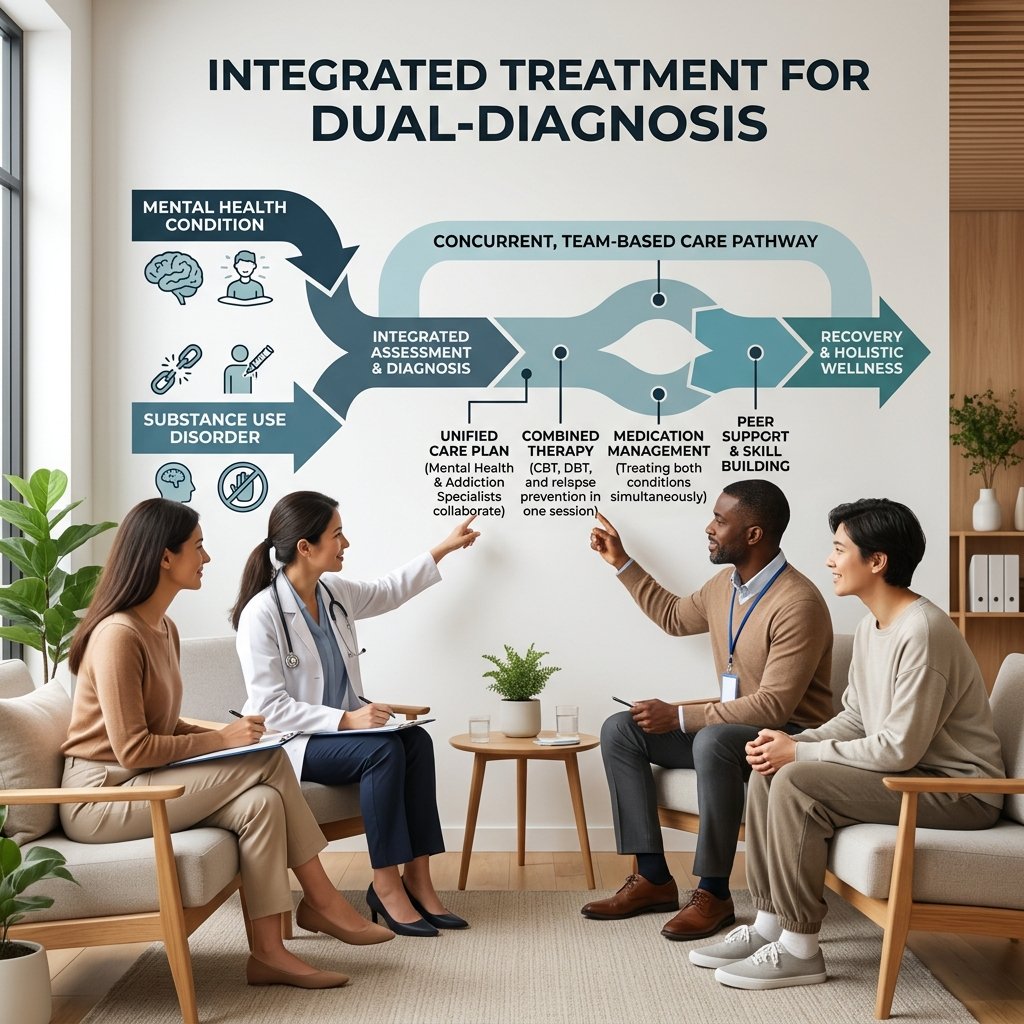
Dual-diagnosis refers to an individual with both a mental health disorder and substance use disorder at the same point in time. This can complicate treatment, as the two conditions will often interact. Someone with depression might drink alcohol or take drugs to cope, while substance abuse may contribute to feelings of anxiety, stress or other mental health issues.

For all the people looking for Dual-Diagnosis Treatment in Islamabad, Pakistan understanding their addiction and mental health boom is really need to know. Dual-diagnosis treatment, as provided by The Hope Rehabilitation Center Islamabad, Pakistan combines the two problems to be treated under one roof with professional care and planning for recovery.

What Is Dual-Diagnosis?

Dual-diagnosis (or co-occurring disorders) occurs when mental illness and addiction coexist.

Mental health problems associated with dual-diagnosis include:

  • Depression
  • Anxiety disorders
  • Bipolar disorder
  • PTSD (Post-Traumatic Stress Disorder)
  • Stress-related disorders
  • Personality disorders

If these conditions coexist, treatment of only one issue may be insufficient for effective recovery. Both need proper attention.

The Link Between Mental Health and Addiction

Mental health issues are often intertwined with addiction.

Self-Medication

Others resort to drugs or alcohol to cope with emotional anguish, stress, or mental illness symptoms.

Substance-Induced Mental Health Problems

Recurrent drug years or alcohol use problems can cause or hit off disorders such as depression, paranoia, or anxiety.

Shared Risk Factors

Both mental health disorders and addiction are seen as a combination of the increased risk due to trauma, genetics, stress, and environmental influences.

The understanding of this relationship allows to develop more efficient treatment strategies.

Signs of Dual-Diagnosis

The problem with identifying dual-diagnosis is that symptoms are similar.

Common signs include:

  • Mood swings
  • Anxiety or panic attacks
  • Social withdrawal
  • Substance cravings
  • Difficulty sleeping
  • Emotional instability
  • Lack of focus
  • Feelings of hopelessness
  • Increased stress
  • Losing interest in activities they used to enjoy

A dual-diagnosis treatment will work when both addiction and emotional struggles exist.

Why Dual-Diagnosis Treatment Is Important

Dual-Diagnosis – Dual-Diagnosis Treatment in Islamabad, Pakistan

If mental health issues are left untreated, the chances of a relapse may occur even after addiction treatment. Progress on mental health can also be stymied because of the parallel treatment with substance use.

Dual-Diagnosis Treatment in Islamabad, Pakistan can assist with:

  • Learn what causes addiction
  • Stabilize mental health symptoms
  • Build healthier coping skills
  • Reduce relapse risks
  • Improve emotional well-being
  • Strengthen recovery outcomes

Integrated treatment may enhance stability over the long term.

Treatment Approaches for Dual-Diagnosis

Comprehensive Assessment

The first step in treatment is a thorough assessment of the mental health problem and history of substance use.

Detoxification

Detoxification is the managing of withdrawal, and this usually happens first when people are physically dependent on substance.

Individual Therapy

Counseling One on one counseling assists people to explore emotional pain, trauma and personal triggers.

Cognitive Behavioral Therapy (CBT)

CBT is often included in dual-diagnosis treatment where the goal is to recognize negative ways of thinking and replace them with more healthy behavior.

Medication Management

Medication may also be used to stabilize mental health under professional guidance in certain situations.

Group Therapy

Peer support helps ease isolation and is great for encouragement when recovering.

The Hope Rehabilitation Center Islamabad, Pakistan have personalized treatment plans focused on everyone different emotional and physical needs.

Challenges of Dual-Diagnosis Recovery

It is a long process, expect that it could take time to be treated for dual-diagnosis. Some challenges include:

  • Managing emotional triggers
  • Balancing mental health symptoms
  • Preventing relapse
  • Rebuilding confidence
  • Improving relationships

Having a structured treatment plan allows some people to work their way through these difficulties in a more thoughtful manner.

Family Support in Dual-Diagnosis Treatment

Recovery is often built on a pillar of family support. Families can:

  • Study mental health and addiction
  • Improve communication
  • Offer emotional support
  • Help identify warning signs
  • Encourage treatment consistency

Family counseling programs are created to make the recovery process more solid and better at The Hope Rehabilitation Center Islamabad, Pakistan.

Frequently Asked Questions (FAQs)

1.     What does dual-diagnosis mean?

Dual diagnosis means that you have both of a mental health disorder and a substance use disorder at the same time.

2.     Can dual-diagnosis be treated?

Yes. But it is treatable with integrated treatment for both conditions.

3.     Why is dual-diagnosis treatment different?

Instead of treating addiction and mental health separately, it looks at them together.

4.     Is relapse common in dual-diagnosis?

If one condition remains untreated, relapse can happen. The continued support mitigates against this risk.

5.     Can family support improve recovery?

Yes. Emotional stability, encouragement and better communication throughout treatment are also facilitated by family support.

Conclusion

Dual-diagnosis is a nuanced diagnosis that needs slow/careful, up-stream care. As both mental illness and drug addiction take place together, they must also be treated together in order to promote long-term recovery. Getting Dual-Diagnosis Treatment in Islamabad, Pakistan can offer the organized assistance you’re looking for with emotional health and drug dependence at once.

Dual-diagnosis treatment is aimed towards restoration of both the physical and mental and emotional health of individuals at The Hope Rehabilitation Center Islamabad, Pakistan. With family support, therapy and personalized care, the road to stability, recovery, and a better future can be become a reality for individuals.

Hopelessness Is a Sin: Understanding the Spiritual and Emotional Weight of Despair
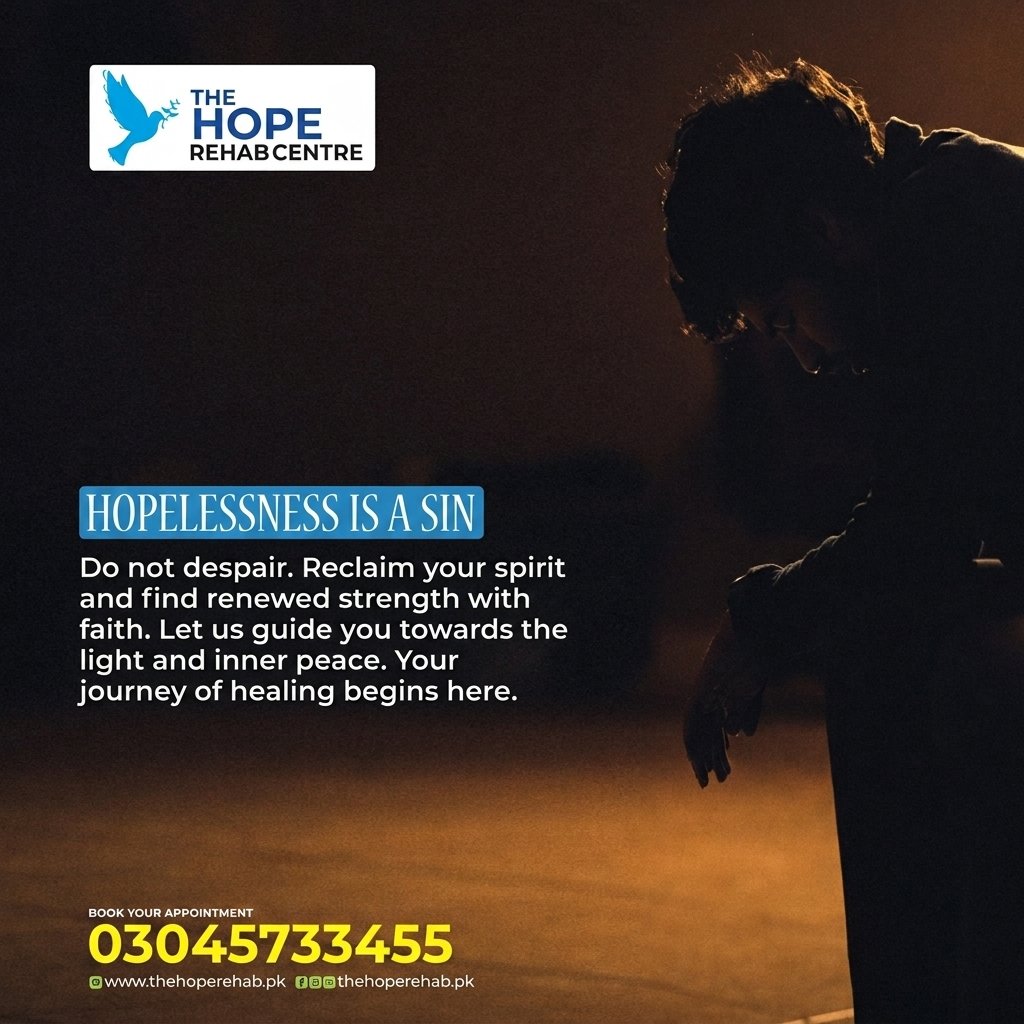
Hopelessness Is a Sin: Understanding the Spiritual and Emotional Weight of Despair

Hopelessness is a heavy emotional state that can make a person feel lost, empty, and disconnected from life. It often appears during difficult times—when pain feels endless, when prayers seem unanswered, or when life becomes overwhelming. Many people ask whether hopelessness is simply a feeling or something deeper.

From a spiritual perspective, hopelessness is often seen as dangerous because it can distance a person from faith, purpose, and trust in God. In many religious teachings, despair is discouraged because it can weaken the belief that healing, mercy, and change are still possible.

However, it is important to understand the difference between feeling hopeless and choosing to live in hopelessness.

Hopelessness as a Human Emotion

Every person experiences moments of sadness, pain, and uncertainty. Feeling hopeless during hardship does not make someone weak or sinful. It is part of being human. Loss, trauma, addiction, depression, and emotional pain can create intense feelings of despair.

What matters is how a person responds to those feelings.

When hopelessness becomes permanent in the mind, it can lead to isolation, depression, and harmful decisions. That is why emotional support, faith, and professional help are so important.

Spiritual Meaning of Hopelessness

Many faith traditions teach that God’s mercy, guidance, and help are always present—even when unseen. Losing all hope can sometimes reflect losing trust in that mercy.

In Islamic teachings, despairing completely of Allah’s mercy is strongly discouraged. The Qur’an repeatedly reminds believers that hardship is temporary and that relief can come after struggle.

Hopelessness becomes spiritually harmful when a person believes:

  • Things can never improve
  • Forgiveness is impossible
  • Recovery is out of reach
  • Their life has no value

These thoughts can trap a person in darkness.

The Connection Between Hopelessness and Mental Health

Hopelessness Is a Sin: Understanding the Spiritual and Emotional Weight of Despair

Hopelessness is also closely connected to mental health conditions like depression, anxiety, trauma, and addiction. Sometimes people do not feel hopeless because of weak faith—they feel hopeless because they are emotionally exhausted.

This is why mental health support matters.

At The Hope Rehabilitation Center Islamabad, Pakistan, individuals struggling with depression, addiction, and emotional trauma receive structured care designed to help them rebuild emotional strength and regain hope.

Professional treatment can help people understand that hopelessness is often a symptom, not a permanent truth.

How to Fight Hopelessness

Overcoming hopelessness often takes both spiritual and practical steps:

1. Speak to Someone

Keeping pain inside can make hopelessness stronger. Talking to a trusted person, therapist, or counselor can provide relief.

2. Reconnect with Faith

Prayer, reflection, and spiritual connection can help restore inner peace and perspective.

3. Focus on Small Steps

Recovery and healing do not happen overnight. Small progress still matters.

4. Seek Professional Help

If hopelessness is linked with depression, addiction, or trauma, professional support may be necessary.

At The Hope Rehabilitation Center Islamabad, Pakistan, mental health and addiction recovery programs help individuals rebuild confidence, emotional balance, and hope.

Final Thoughts

Hopelessness is not something to ignore. While it can be a painful emotional experience, living in complete despair can damage both mental health and spiritual well-being. The key is to remember that no hardship lasts forever.

Healing is possible. Forgiveness is possible. Recovery is possible.

Even in the darkest moments, hope remains one of the strongest forces a person can hold onto. Sometimes the first step toward healing is simply believing that a better day can still come.

Opioids Addiction – Opioids Addiction Cure in Islamabad, Pakistan
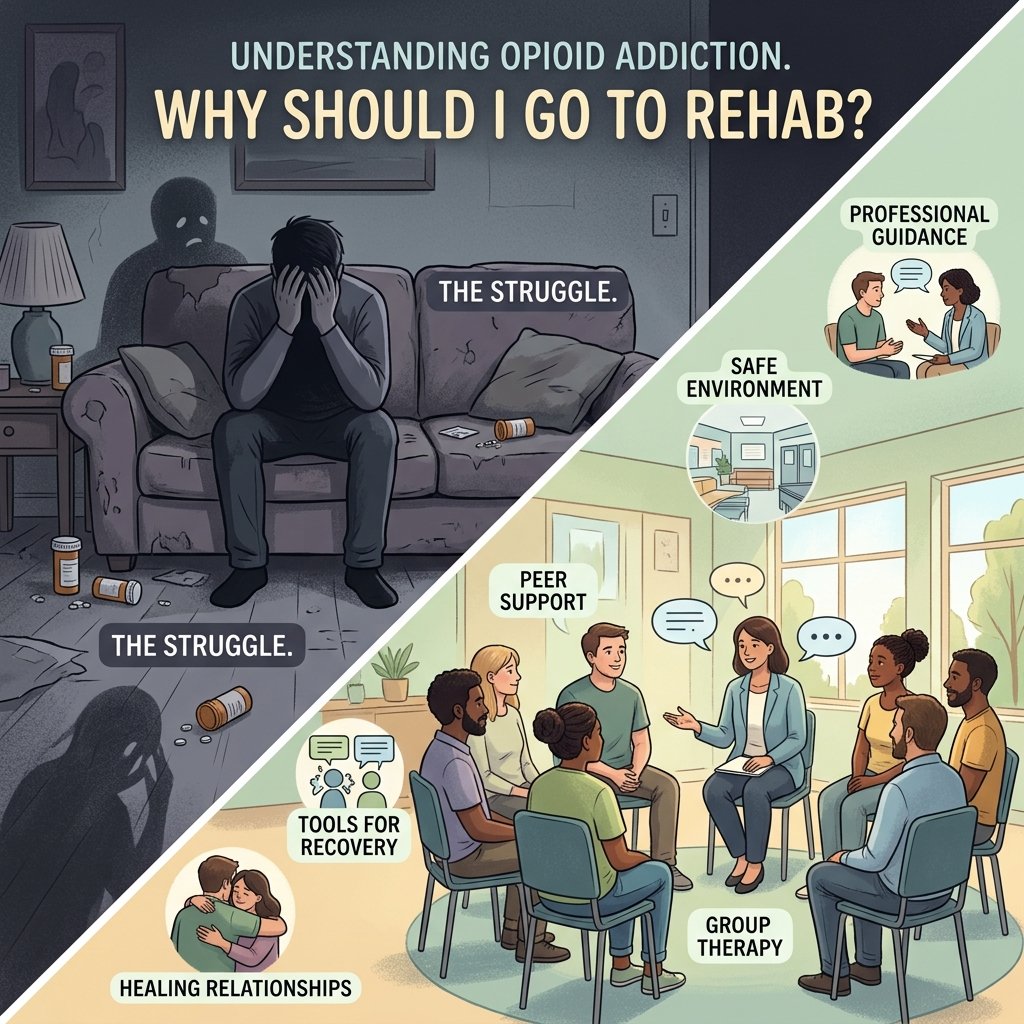
Opioids Addiction – Opioids Addiction Cure in Islamabad, Pakistan

Opioid addiction is now an epidemic public health problem that affects millions of people across the world. Opioids, which include prescription painkillers and illicit drugs such as heroin, constitute both powerful physical and psychological dependence. Pain management or a casual recreational habit quickly morphs into addiction affecting health, relationships and everyday living.

To those who are looking for Opioids Addiction Treatment in Islamabad Pakistan, here is a guide to understanding opioid dependence and treatment. The treatment at The Hope Rehabilitation Center Islamabad, Pakistan are centered around ethical care, professional intervention along with tailored recovery plans for each patient allowing them to take control over their life.

Understanding Opioids Addiction

Opioids are drugs that help reduce pain and create relaxation or euphoria by acting on the nervous system. Common opioids include:

  • Heroin
  • Morphine
  • Codeine
  • Oxycodone
  • Tramadol
  • Fentanyl
  • Prescription pain medications

Opioids do work for medical pain relief but chronic use or misuse can lead to dependence. Over time, the brain becomes accustomed to the drug and all but fails to operate normally without assistance.

This leads to drug-seeking behavior that become compulsive, in spite of harmful consequences.

Common Signs of Opioid Addiction

Early identification of opioid addiction can help with treatment.

  • Common signs may include:
  • Strong cravings for opioids
  • Increased tolerance
  • Withdrawal symptoms when not using
  • Drowsiness or extreme fatigue
  • Mood swings
  • Poor concentration
  • Social isolation
  • Financial problems
  • Neglecting work or family responsibilities
  • Physical discomfort when stopping use

If not treated, these symptoms can get worse over time.

Causes and Risk Factors

Multiple factors can contribute to opioid addiction.

Prescription Misuse

People can become dependent on pain medication after taking it for longer than what the doctor prescribes.

Chronic Pain Conditions

People with chronic pain might end up taking a lot of opioids, which increases risk of addiction.

Emotional and Mental Health Challenges

Some people also begin abusing opioids to deal with their stress, depression, anxiety and trauma.

Genetic and Family History

If there is a history of addiction in your family, it can predispose one to have substance dependence.

Health Effects of Opioid Dependence

Opioids Addiction – Opioids Addiction Cure in Islamabad, Pakistan

Using opioids for a prolonged period of time can affect both physical and mental health.

Physical Effects

  • Slowed breathing
  • Digestive problems
  • Fatigue
  • Weakened immune system
  • Weight changes
  • Sleep disturbances

Psychological Effects

  • Depression
  • Anxiety
  • Emotional instability
  • Memory problems
  • Reduced motivation

Misuse of opioids can lead to overdose, which in turn can be life-threatening in severe cases.

The Importance of Professional Treatment

With such intense and uncomfortable withdrawal symptoms, it is almost impossible to overcome an opioid addiction without professional support.

Opioids Addiction Treatment Islamabad, Pakistan can give you organized care and more secure withdrawal administration.

Professional treatment helps individuals:

  • Manage withdrawal symptoms safely
  • Address emotional triggers
  • Develop healthier coping strategies
  • Improve mental health
  • Reduce relapse risks
  • Build long-term recovery skills

We formulate recovery plans based on an individually customized Plan to Recover for each client, at The Hope Rehabilitation Center Islamabad, Pakistan.

Treatment Approaches for Opioids Addiction

Comprehensive Assessment

A thorough assessment of substance abuse history, medical status, and individual treatment objectives.

Detoxification

One of the First Steps in Treatment for Opioid Addiction Is Detoxification This nsw leads to removal of opioids at controlled levels under supervision and while dealing with resulting withdrawal symptoms.

Individual Therapy

Individual counseling sessions help people discover the reasons for addiction and learn healthier practices.

Cognitive Behavioral Therapy (CBT)

CBT teaches them to identify their negative thought processes and replace them with much healthier coping strategies.

Group Therapy

Group sessions aid in peer support, shared experiences and encouragement through recovery.

Family Support Programs

Better communication and strengthened emotional support systems due to family education and counselling.

Involvement of Family in the Recovery: At the The Hope Rehabilitation Center Islamabad, Pakistan, involving family members is an important part of recovery.

Opioid Withdrawal Symptoms

Withdrawal symptoms can start hours after a person stops taking the drug and range from mild to serious.

Common symptoms include:

  • Muscle pain
  • Sweating
  • Nausea
  • Vomiting
  • Restlessness
  • Anxiety
  • Insomnia
  • Strong cravings
  • Chills

Detox can be uncomfortable and dangerous, which is why professional support during this phase of treatment is recommended.

Relapse Prevention in Opioid Recovery

The fact that recovery is more than just treatment. Relapse prevention planning is often crucial to long term success.

Important relapse prevention strategies include:

  • Identifying triggers
  • Managing stress
  • Attending therapy sessions
  • Building healthy routines
  • Maintaining family support
  • Joining recovery groups

Following these steps may enhance recovery and decrease the chance of relapse.

Frequently Asked Questions (FAQs)

1.     What are opioids?

Opioids are drugs that relieve pain and act mainly on the nervous system These cover both prescription medications and illicit substances such as heroin.

2.     Can opioid addiction be treated?

Yes. The good news is that, with professional help, therapy plans and a supportive environment, many people recover.

3.     Is opioid withdrawal dangerous?

It can be physically and emotionally difficult to withdraw. Best done under professional supervision and not for the faint hearted.

4.     How long is the duration of opioid therapy?

One of the factors that influence the treatment time is the severity of addiction, health condition, and needs for recovery.

5.     Should you lean on family during this recovery?

Yes. Family support usually enhances motivation, emotional stability and long-term recovery outcomes.

Conclusion

Opioid addiction is one of the most serious diseases, affecting all aspects of their life, but fortunately preventable if a person reaches out for help. Opioids Addiction Treatments in Islamabad’s, Pakistan offers professional care to help with safe detox, counseling and long-term recovery plans.

The Hope Rehabilitation Center Islamabad, Pakistan is focused on providing caring, ethical treatment to those suffering from opioid addiction through evidence-based practices. With the help of therapy, strong support from family, and implementing relapse prevention strategies; it is possible for one to make gradual strides towards healing, stability and a brighter future.

Detoxification – Detox Treatment in Islamabad, Pakistan
Detoxification – Detox Treatment in Islamabad, Pakistan

Detoxification is usually the initial and most important step in recovering from substance use disorders. It includes detoxification of toxins from the body under supervision, and to manage withdrawal symptoms. Detox helps to create a baseline for the body and mind so that people who are struggling with drug or alcohol dependence can start on a road of long-term treatment and recovery.

For anyone looking for Detoxification Treatment in Islamabad, Pakistan, knowing how detox performs and why it counts will clearly define the road to recovery. At The Hope Rehabilitation Center Islamabad, Pakistan, we have a professional way of fact to detoxify the body with proper medical care and emotional support, ensuring that there is no risk involved in the initial recovery process.

What Is Detoxification?

Detoxification is the method of cleaning poisonous substances including drugs or alcohol from the physique. Physically dependent occurs when the body adapts to the presence of a substance (drugs or alcohol). Withdrawals may happen once the drug has been decreased, or stopped.

The detox is designed to balance the body while minimizing withdrawal symptoms. It is usually the first step towards therapy, counseling and a long-term rehabilitation.

Detox is never the only step of addiction treatment — but it’s an important first step toward recovery.

Why Detoxification Is Important

Brain, nervous system, muscle and major organs of the body may have been affected due to substance dependence. In some cases, professional assistance is required to curtail drug or alcohol use as stopping too suddenly can result in major withdrawal symptoms.

Detoxification Treatment in Islamabad, Pakistan Benefits to Individual

  • Manage withdrawal safely
  • Reduce physical discomfort
  • Stabilize mental health symptoms
  • Prepare for rehabilitation
  • Lower immediate health risks
  • Build motivation for recovery

A formal detox, done under medical supervision, can help ease the transition into long-term addiction treatment.

Some of the most common substances that might call for detox are

Various substances lead to different withdrawal symptoms. Detox may be necessary for:

Alcohol

When someone stops drinking after heavy alcohol use, withdrawal symptoms can be: sweating shaking anxiety insomnia severe and even life-threatening medical problems

Opioids

Odors have been described in the past as not uncommon with compounds like heroin, morphine, tramadol and/or other prescription opiates that are used frequently to quickly alleviate physical withdrawal symptoms such as body aches, nausea and cravings.

ICE and Crystal Meth

Fatigue, depression, anxiety and emotional volatility are all associated with stimulant withdrawal.

Cocaine

Withdrawal: Many are faced with cravings, moodiness, or low energy after stops cocaine.

Cannabis

Despite their relative mildness, long-term cannabis use can cause irritability, sleep problems and anxiety during withdrawal.

Common Withdrawal Symptoms During Detox

Withdrawal symptoms depend on the specific substance used, how long it is been taken, and personal health.

Detoxification – Detox Treatment in Islamabad, Pakistan

Common symptoms may include:

  • Sweating
  • Nausea
  • Body pain
  • Restlessness
  • Anxiety
  • Depression
  • Insomnia
  • Irritability
  • Cravings
  • Fatigue

Detox programs run by professionals do a good job of monitoring the implementation and safely managing these withdrawal symptoms.

The Detoxification Process

Initial Assessment

You start the detox with a thorough assessment by professionals to determine the right course of action. This helps practitioners determine substance use history, physical measurements, as well as if there are concerns for mental health.

Stabilization

At this point in stabilization, your body has started to regulate itself back to normal operating without the underlying substance. Minimize withdrawal symptoms and provide comfort if suffering supportive carer.

Monitoring and Support

It is very important to have support during detox, both medical and emotional. It is possible for people to be monitored physically and emotionally.

Detox is regulated in a space that calms various points one might feel when moving onward with this delicate step of recovery, to confirm protection at The Hope Rehabilitation Center Islamabad, Pakistan.

Transition to Rehabilitation

Post detox, individuals are typically advised to transition into treatment in the form of therapy, counselling and relapse prevention programs. All of this is beneficial in treating the source of addiction.

Connection Between Detox and Mental Well-being

Finally, a common element of addiction is the concurrent or following onset of mental health issues such as anxiety/depression/trauma/stress. That makes it the time when emotional symptoms are intensified.

A more integrated approach by managing substance withdrawal and mental health can ultimately lead to better long-term results in recovery.

This dual strategy might help people:

  • Improve emotional stability
  • Reduce stress
  • Increase motivation for recovery
  • Build stronger coping skills

Benefits of Professional Detoxification

Here are some advantages of going with a professional detox support:

  • Safer withdrawal management
  • Reduced physical complications
  • Emotional support during recovery
  • Better preparation for long-term treatment
  • Improved treatment outcomes
  • Reduced relapse risk

Being in professional care makes the detox process so much easier and more structured.

Detox Is Only the First Step

We must clarify that detoxification is not full treatment for addiction. Apply for admissions and begin your treatment, figuring recovery through therapy, counseling, living programs as well as change of the lifestyle.

Long-term recovery often includes:

  • Individual therapy
  • Group counseling
  • Cognitive Behavioral Therapy (CBT)
  • Family support
  • Relapse prevention planning

These treatment options assist individuals in reframing bad habits and maintaining recovery over time.

Frequently Asked Questions (FAQs)

1.     As addiction is a chronic disease, the first main step in the treatment process involves detoxification.

What is detoxification: The safe management of the state, the discontinuation of drugs or alcohol from the body.

2.     How long does detoxification take?

This duration is different for each drug, health condition and severity of addiction. This can last anywhere from a few days to a couple of weeks.

3.     Is detox painful?

There are withdrawal symptoms that are fairly unpleasant, but with the right professional support to keep you comfortable through withdrawal, things will go just fine.

4.     But is detox enough for addiction recovery?

Detox is only the first part; no. Addiction has long term psychological and behavioral components that often need to be treated.

5.     Is Detox Effective for Mental Health Disorders?

Detox is effective in stabilizing the body, yet treatment for mental health conditions such as anxiety, depression and trauma may be required afterwards.

Conclusion

Detox is the first step for addiction recovery from drugs or alcohol. It assists in eliminating toxins from the system, alleviates withdrawal symptoms, and readies people for continuing care. For some, though, this initial stage can be the most challenging step of healing; Detoxification Treatment in Islamabad Pakistan could offer the structure and support you will need to have a safer & more successful beginning to recovery.

The Hope Rehabilitation Center Islamabad, Pakistan have been an honor to provide moral, expert and positive detoxifications procedures under a proper private treatment facility as part of entire new hope Pharma organization. This preliminary step enables you to start laying the groundwork for your recovery by allowing you to continue through safe withdrawal management, receive emotional support, and develop further rehabilitation plans.

Alcohol Addiction – Alcohol Addiction Treatment in Islamabad, Pakistan
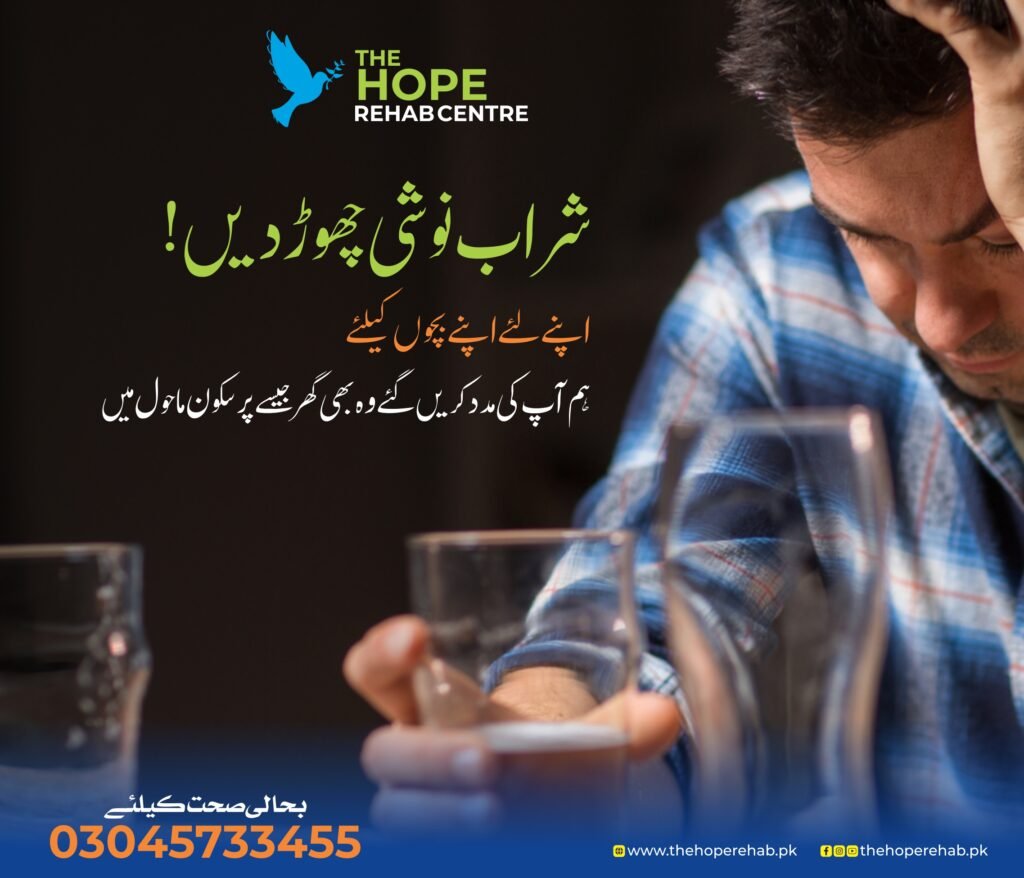
Alcohol Addiction – Alcohol Addiction Treatment in Islamabad, Pakistan

Alcohol addiction is a serious health condition that can affect a person’s physical health, emotional stability, family life, and social responsibilities. While alcohol may begin as a casual habit for some, regular and excessive drinking can gradually turn into dependence. This condition often makes it difficult for individuals to stop drinking without professional support.

For people searching for Alcohol Addiction Treatment in Islamabad, Pakistan, understanding the signs, causes, and treatment options is an important step toward recovery. At The Hope Rehabilitation Center Islamabad, Pakistan, individuals struggling with alcohol addiction receive professional, ethical, and personalized care designed to support long-term healing and emotional wellness.

Understanding Alcohol Addiction

Alcohol addiction, also known as alcohol use disorder (AUD), occurs when a person becomes physically or psychologically dependent on alcohol. Over time, alcohol changes the brain’s reward system, making it harder to control drinking habits.

What may start as social drinking can slowly become a pattern of excessive alcohol consumption. As tolerance builds, a person may need larger amounts of alcohol to feel the same effect, increasing the risk of addiction.

Without proper treatment, alcohol addiction can affect health, relationships, and daily functioning.

Common Signs of Alcohol Addiction

Recognizing the symptoms of alcohol addiction can help individuals seek support before the condition worsens.

Common signs include:

  • Strong cravings for alcohol
  • Drinking larger amounts than intended
  • Difficulty stopping alcohol use
  • Withdrawal symptoms such as sweating, shaking, or nausea
  • Mood swings and irritability
  • Neglecting responsibilities at work or home
  • Sleep disturbances
  • Relationship conflicts
  • Memory problems
  • Increased tolerance to alcohol

If these signs continue over time, professional treatment may be needed.

Causes and Risk Factors

Alcohol addiction often develops due to a combination of factors.

Emotional Stress

Many individuals use alcohol to cope with stress, anxiety, depression, or emotional pain. This can increase the risk of dependence over time.

Genetic Factors

A family history of alcohol addiction may increase a person’s vulnerability to developing similar patterns.

Social Environment

Peer pressure, social gatherings, and easy access to alcohol can contribute to excessive drinking habits.

Mental Health Conditions

People experiencing depression, trauma, anxiety, or chronic stress may use alcohol as a way to manage difficult emotions.

Health Effects of Alcohol Addiction

Long-term alcohol misuse can have serious effects on both physical and mental health.

Physical Health Effects

Alcohol addiction may contribute to:

  • Liver disease
  • Heart problems
  • Digestive issues
  • Sleep disorders
  • Weak immune system
  • Nutritional deficiencies
Alcohol Addiction – Alcohol Addiction Treatment in Islamabad, Pakistan

Mental Health Effects

Alcohol can also impact emotional and psychological well-being by causing:

  • Depression
  • Anxiety
  • Poor concentration
  • Memory loss
  • Mood instability

These effects can significantly reduce a person’s quality of life.

Why Professional Alcohol Addiction Treatment Is Important

Recovering from alcohol addiction can be difficult without proper support, especially because withdrawal symptoms may become severe.

Seeking Alcohol Addiction Treatment in Islamabad, Pakistan can provide individuals with structured care and professional guidance throughout recovery.

Professional treatment may help with:

  • Safe withdrawal management
  • Understanding addiction triggers
  • Emotional healing
  • Relapse prevention planning
  • Rebuilding healthy routines
  • Strengthening family relationships

At The Hope Rehabilitation Center Islamabad, Pakistan, treatment focuses on both physical recovery and emotional wellness.

Treatment Approaches for Alcohol Addiction

Assessment and Evaluation

Recovery often begins with a detailed assessment to understand the individual’s drinking patterns, health status, and personal treatment goals.

Detoxification Support

Detox is often the first stage for individuals with physical dependence on alcohol. Medical supervision helps manage withdrawal symptoms safely.

Individual Therapy

One-on-one counseling helps individuals explore personal challenges and the emotional reasons behind alcohol use.

Cognitive Behavioral Therapy (CBT)

CBT helps identify negative thinking patterns and teaches healthier ways to manage stress and cravings.

Group Therapy

Group sessions provide peer support and shared experiences, helping individuals feel less isolated during recovery.

Family Support Programs

Family involvement can be an important part of healing. Education and counseling sessions can improve communication and help loved ones better support recovery.

Relapse Prevention Strategies

Recovery from alcohol addiction is a long-term process. Learning relapse prevention skills can help maintain sobriety.

Common relapse prevention strategies include:

  • Avoiding triggers
  • Managing stress effectively
  • Building healthy daily routines
  • Continuing therapy
  • Joining support groups
  • Maintaining strong social support

These strategies help individuals stay focused on their recovery goals.

Benefits of Early Alcohol Addiction Treatment

Seeking help early can improve recovery outcomes and reduce long-term health risks.

Benefits may include:

  • Better physical health
  • Improved emotional stability
  • Stronger relationships
  • Better work performance
  • Increased self-confidence
  • Improved overall quality of life

Early intervention can provide the tools needed for healthier decision-making and long-term wellness.

Frequently Asked Questions (FAQs)

1. What is alcohol addiction?

Alcohol addiction is a condition where a person becomes dependent on alcohol and struggles to stop drinking despite negative consequences.

2. Can alcohol withdrawal be dangerous?

Yes. In some cases, alcohol withdrawal can cause serious symptoms, which is why medical supervision is often recommended.

3. How is alcohol addiction treated?

Treatment may include detoxification, therapy, counseling, family support, and relapse prevention planning.

4. Can alcohol addiction affect mental health?

Yes. Alcohol addiction is often linked with anxiety, depression, mood changes, and emotional instability.

5. Is long-term recovery possible?

Yes. With proper treatment, support, and ongoing commitment, many individuals achieve long-term recovery.

Conclusion

Alcohol addiction can affect every area of life, from physical health to emotional well-being and personal relationships. However, recovery is possible with professional care and the right support system. Seeking Alcohol Addiction Treatment in Islamabad, Pakistan can help individuals safely manage withdrawal, address underlying causes, and build healthier coping strategies.

The Hope Rehabilitation Center Islamabad, Pakistan is dedicated to providing compassionate, ethical, and personalized addiction treatment. Through counseling, therapy, family support, and relapse prevention strategies, individuals can work toward recovery, emotional stability, and a healthier future.

Anxiety Treatment – Anxiety Treatment Center in Islamabad, Pakistan
https://thehoperehab.pk/addiction-treatment-programs/

Anxiety is one of the most prevalent mental health illnesses in the population. Aerobic exercise lowers World Health Organization stress, and whereas a sure quantity of stress and concern is pure, constant anxiety interrupt normal operating in far—relationships, work performance and health [59, 60]. Professional assistance is valuable in understanding the symptoms and coping mechanisms correctly.

Anxiety Treatment Centre in Islamabad Pakistan to make the most of your anxiety treatment time, choose a center that is compassionate and utilizes evidence-based care. The Hope Rehabilitation Center Islamabad, Pakistan are a reputable organization that provides therapeutic mental health services specifically tailored to help people overcome anxiety every day.

Understanding Anxiety Disorders

Anxiety is not just jitteriness before a big event. It refers to constant fear, anxiety or dread that lasts long without any change in the state of well-being.

Common anxiety disorders include:

  • Generalized Anxiety Disorder (GAD)
  • Panic Disorder
  • Social Anxiety Disorder
  • Health Anxiety
  • Phobias
  • Trauma and Stress Related Anxiety

Untreated, anxiety can worsen and take a toll not only on mental health but also.

Common Symptoms of Anxiety

Well, anxiety manifest differently in individuals so there may be a lot of other symptoms one can feel but most common are as listed below.

Emotional Symptoms

  • Excessive worry
  • Restlessness
  • Irritability
  • Feelings of fear or dread
  • Difficulty concentrating

Physical Symptoms

  • Rapid heartbeat
  • Sweating
  • Muscle tension
  • Fatigue
  • Shortness of breath
  • Dizziness
  • Sleep disturbances

If these symptoms persist and interfere with daily life, seeing a professional may help.

Causes and Risk Factors

The causes of anxiety disorders are complex and may include genetic factors, brain chemistry, personality types, life events, and environmental stress such as the death of a loved one.

Chronic Stress

Workplace stress, relationship problems, financial issues, and life changes over the last year could all lead to sustained anxiety symptoms.

Family History

Genetics can also be involved in making you more likely to develop anxiety disorders.

Trauma and Emotional Experiences

But are instances of past trauma i.e. something traumatic that has happened in your life, or childhood adversity (where you experienced negative treatment as a child) something that can affect mental health and lead to anxiety.

Medical and Lifestyle Factors

Unhealthy sleep patterns, substance misuse or chronic illness may also lead to more symptoms of anxiety.

Why Professional Anxiety Treatment Matters

https://thehoperehab.pk/addiction-treatment-programs/

Most people try to cope with anxiety myself however, many continue suffering through frequent symptoms. Professional treatment offers structured support and systematically effective interventions aimed at enhancing emotional health.

The factors to consider in selecting an Anxiety Treatment Center in Islamabad, Pakistan include the benefits individuals can enjoy:

  • Understand anxiety triggers
  • Learn healthy coping mechanisms
  • Improve emotional regulation
  • Build self-confidence
  • Reduce stress levels
  • Improve daily functioning

Professional care is more about what we can accomplish long-term rather than just short-term symptom relief.

Effective Treatment Approaches for Anxiety

Comprehensive Assessment

Initial treatment usually includes a comprehensive assessment of the symptoms, medical history, psychological wellbeing and social difficulties.

Individual Counseling

Individual therapy allows for confidentiality and provides a safe environment to discuss your feelings, fears, concerns and all that.

Cognitive Behavioral Therapy (CBT)

CBT is one of the most highly effective treatments for anxiety disorders. CBT helps a person recognize harmful thinking patterns and substitute them with more productive responses to all sorts of situations.

Stress Management Techniques

It what Practicing stress management techniques teaches people how to cope with anxiety in their everyday life.

Common techniques include:

  • Deep breathing exercises
  • Relaxation training
  • Mindfulness practices
  • Healthy lifestyle adjustments

Family Support and Education

If family members show that they understand the patient and support, then recovery can go well. Education of family members might enhance patients’ ability to receive meaningful emotional assistance.

In The Hope Rehabilitation Center Islamabad, Pakistan, family participation is a part of the whole mental health take care of very complex diagnoses.

Anxiety And Mental Health Connection

People often develop anxiety along with other mental health conditions, such as:

  • Depression
  • Chronic stress
  • Substance use disorders
  • Sleep disorders
  • Trauma-related conditions

Treatments for other co-occurring problems may be beneficial in the context of getting people back on track with their lives and enhancing emotional well-being.

Benefits of Early Anxiety Treatment

By getting help early symptoms are prevented from becoming more severe and ruin such life stages with adverse mental health sequelae.

Benefits may include:

  • Improved emotional stability
  • Better sleep quality
  • Enhanced concentration
  • Healthier relationships
  • Increased confidence
  • Improved overall quality of life

The sooner one begins addressing an anxiety disorder, the better: That way you can learn to cope with life before your social interactions need to be preserved.

Building Long-Term Emotional Resilience

Anxiety management is usually not a single event. Things that build long-term emotional resilience:

Consistent therapy participation

  • Healthy sleep habits
  • Regular physical activity
  • Stress management practices
  • Supportive social connections
  • Positive lifestyle changes

Such strategies assist individuals in keeping themselves emotionally balanced and also coping with future calamities in a better manner.

Frequently Asked Questions (FAQs)

1.     How is normal stress distinct from an anxiety disorder?

Normal stress typically comes and goes with an event, whilst anxiety disorders generally persist with fears that interfere with everyday life.

2.     Can anxiety affect physical health?

Yes. The anxiety not only creates mental signs and symptoms but physical types also such as severe headaches, muscle tension, fatigue, digestive troubles and sleep disturbance.

3.     Is anxiety treatable?

Yes. Lots show dramatic progress with the help of expert services, guidance and also detrimental dealing systems.

4.     How Long Does Anxiety Treatment Take?

The length of a CPAP treatment depends on the severity of symptoms, individual needs and treatment goals.

5.     Does with the help of family members someone can be get rid from anxiety?

Yes. Family members can provide much-needed emotional support during treatment through understanding, encouragement and open discussions.

Conclusion

Anxiety: A manageable mental health condition that can impact all areas of your life. How An Anxiety Treatment Centre in Islamabad Pakistan Helps You to Understand Your Symptoms In an anxiety treatment center in Islamabad Pakistan, a counselor listens to patients while giving them insight into how best to deal with their conditions.

The Hope Rehabilitation Center Islamabad, Pakistan is an ethical mental health care provider that delivers compassionate, holistic, and evidence-based treatment. With professional counselling, allied support, decompression therapy and adapted treatment options, people can find ground towards emotional balance in the future with an increase in confidence.

Best Rehab Center – Best Rehab Center in Islamabad, Pakistan
Best Rehab Center – Best Rehab Center in Islamabad, Pakistan

Addiction and mental health challenges can affect every aspect of a person’s life, including physical health, emotional well-being, family relationships, and professional responsibilities. Seeking timely support from a qualified rehabilitation facility can be an important step toward recovery and long-term wellness. When individuals search for the Best Rehab Center in Islamabad, Pakistan, they are often looking for compassionate care, professional treatment, and a supportive environment that promotes healing.

The Hope Rehabilitation Center Islamabad, Pakistan is committed to providing ethical, evidence-based, and individualized care for people facing substance use disorders and mental health concerns. Recovery is a personal journey, and professional support can help individuals build the skills and confidence needed for positive change.

Understanding the Role of a Rehabilitation Center

A rehabilitation center provides structured treatment and support for individuals dealing with addiction, mental health conditions, and behavioral challenges. These facilities offer professional guidance designed to address the physical, emotional, psychological, and social aspects of recovery.

The goal of rehabilitation is not only to help individuals stop harmful behaviors but also to support healthier lifestyles, emotional resilience, and long-term well-being.

Why Professional Rehabilitation Matters

Addiction is a complex health condition that often requires more than personal determination alone. Many individuals experience withdrawal symptoms, cravings, emotional distress, or underlying mental health challenges that make recovery difficult without professional support.

A quality rehabilitation program can help individuals:

  • Understand the causes of addiction
  • Develop healthier coping strategies
  • Manage cravings and triggers
  • Improve emotional well-being
  • Strengthen family relationships
  • Build relapse prevention skills

Choosing the Best Rehab Center in Islamabad, Pakistan can provide access to comprehensive care tailored to individual needs.

Common Conditions Treated in Rehabilitation Centers

Modern rehabilitation facilities often provide support for a variety of conditions, including:

Drug Addiction

Substance use disorders involving heroin, cocaine, cannabis, ICE (crystal meth), opioids, and prescription medications can significantly impact daily life and health.

Alcohol Addiction

Alcohol dependence can affect physical health, mental well-being, relationships, and professional responsibilities.

Mental Health Disorders

Many rehabilitation centers also address mental health conditions such as:

  • Anxiety disorders
  • Depression
  • Stress-related conditions
  • Trauma-related concerns
  • Emotional and behavioral challenges

Dual Diagnosis

Some individuals experience both addiction and mental health conditions simultaneously. Integrated treatment approaches can help address both concerns together.

Key Features of the Best Rehab Center in Islamabad, Pakistan

Best Rehab Center – Best Rehab Center in Islamabad, Pakistan

When evaluating rehabilitation options, several important factors should be considered.

Personalized Treatment Plans

Every individual’s recovery journey is unique. Effective rehabilitation programs create customized treatment plans based on personal needs, health history, and recovery goals.

Qualified Healthcare Professionals

Professional treatment teams often include therapists, counselors, addiction specialists, psychologists, and healthcare providers who work together to support recovery.

Safe and Supportive Environment

A structured and supportive setting can help individuals focus on healing while reducing exposure to triggers and unhealthy influences.

Family Involvement

Family support can play a valuable role in the recovery process. Educational programs and family counseling may help strengthen communication and understanding.

At The Hope Rehabilitation Center Islamabad, Pakistan, family engagement is recognized as an important component of comprehensive care.

Treatment Approaches Used in Rehabilitation

Assessment and Evaluation

Treatment usually begins with a thorough assessment to understand an individual’s physical health, mental well-being, substance use history, and recovery objectives.

Detoxification Support

For individuals experiencing physical dependence, detoxification may be an important first step. Medical supervision can help manage withdrawal symptoms safely and comfortably.

Individual Therapy

One-on-one counseling allows individuals to explore personal challenges, identify triggers, and develop healthier coping mechanisms.

Cognitive Behavioral Therapy (CBT)

CBT is widely recognized for helping individuals identify negative thought patterns and replace them with constructive behaviors.

Group Therapy

Group sessions provide peer support, shared experiences, and encouragement throughout the recovery journey.

Relapse Prevention Programs

Long-term recovery often involves learning strategies to manage stress, recognize triggers, and maintain positive lifestyle changes.

The Importance of Mental Health Support

Mental health and addiction are often closely connected. Anxiety, depression, trauma, and chronic stress can contribute to substance use, while addiction itself may worsen emotional challenges.

Comprehensive rehabilitation programs address both addiction recovery and mental wellness to support lasting positive outcomes.

Individuals receiving integrated care often benefit from:

  • Improved emotional stability
  • Better coping skills
  • Enhanced self-awareness
  • Stronger resilience during recovery

Benefits of Seeking Treatment Early

Early intervention can help reduce the impact of addiction and mental health conditions before they become more severe.

Potential benefits include:

  • Improved physical health
  • Better emotional well-being
  • Stronger personal relationships
  • Increased productivity
  • Reduced risk of complications
  • Greater quality of life

Seeking help early may provide individuals with more opportunities to achieve sustainable recovery.

Why Recovery Is a Lifelong Journey

Recovery extends beyond completing a treatment program. Ongoing support, healthy habits, counseling, and positive social connections can contribute to long-term success.

Many individuals benefit from continuing care services that help reinforce recovery skills and maintain motivation over time.

At The Hope Rehabilitation Center Islamabad, Pakistan, recovery is viewed as a continuing process focused on personal growth, wellness, and resilience.

Frequently Asked Questions (FAQs)

1. What services does a rehabilitation center provide?

Rehabilitation centers typically offer assessment, detoxification support, counseling, therapy, relapse prevention planning, and mental health support.

2. How do I know if someone needs rehabilitation treatment?

Common signs include substance dependence, withdrawal symptoms, declining health, relationship difficulties, and challenges managing daily responsibilities.

3. Can mental health conditions be treated alongside addiction?

Yes. Many rehabilitation programs provide integrated treatment for both addiction and co-occurring mental health conditions.

4. Is family involvement important during recovery?

Family support often plays a valuable role in recovery by improving communication, understanding, and emotional support.

5. How long does rehabilitation treatment take?

Treatment duration varies depending on individual circumstances, treatment goals, and the complexity of the condition being addressed.

Conclusion

Finding the Best Rehab Center in Islamabad, Pakistan involves choosing a facility that prioritizes professional care, ethical treatment practices, individualized support, and long-term recovery planning. Addiction and mental health challenges can be difficult, but recovery is possible with the right guidance and support.

The Hope Rehabilitation Center Islamabad, Pakistan is dedicated to providing compassionate, evidence-based care that supports individuals and families throughout the recovery journey. Through personalized treatment plans, therapeutic support, mental health services, and relapse prevention strategies, individuals can work toward healthier lives and lasting well-being.

Cannabis Marijuana Addiction Treatment in Islamabad, Pakistan
Cannabis Marijuana Addiction Treatment in Islamabad, Pakistan

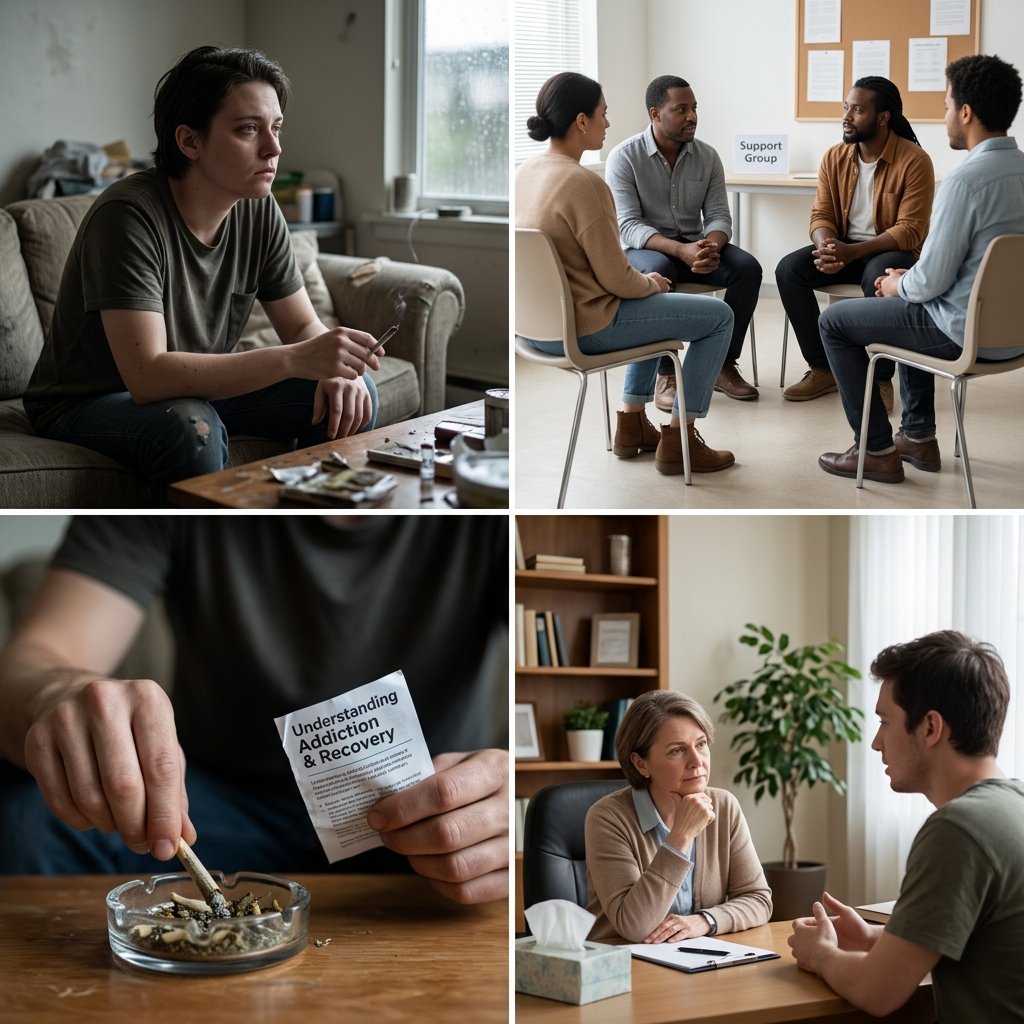
Cannabis, also known as marijuana is the most widely used illicit drug globally. Not everyone views cannabis as a harmless drug and regular intensive use can result in dependence with negative consequences on your physical health, mental well-being and relationships and daily functioning. The cannabinoid that helps is not the same one people abuse, so finding out about it may be an important step to fighting back against their usage.

For some people, knowing the signs of dependence on Cannabis Marijuana Addiction Treatment in Islamabad Pakistan and engaging with evidence-based Drug Abuse help is essential. In The Hope Rehabilitation Center Islamabad, Pakistan, addiction recovery is handled with care, expertise, and tailored therapy planning to guarantee lifelong significance.

Understanding Cannabis Marijuana Addiction

Cannabis addiction occurs in a person gain and loss control over the usage of cannabis to the point where negative repercussions lead them to continue using. The active psychoactive element in cannabis is THC; it alters brain functioning, mood, memory and behavior.

Depending on the use, it might not develop into dependence all the time, but with continuous and repeated cannabis use may lead to both physical as well as psychological addiction. The longer a person uses, the more they may need to accomplish the same effects, mathematically making way for dependence.

Common Signs of Cannabis Addiction

Awareness of cannabis dependence can provide early opportunity for intervention, assisting individuals to seek professional help before the problem becomes more serious.

Common symptoms include:

  • Strong cravings for marijuana
  • Difficulty reducing or stopping use
  • Increased tolerance to cannabis
  • Feeling agitated when not using the drug
  • Problems with memory and concentration
  • Reduced motivation and productivity
  • Social withdrawal
  • Sleep disturbances
  • Anxiety or mood fluctuations

A professional assessment may be helpful if these symptoms start to interfere with daily living.

Causes and Risk Factors

Among many reasons can lead as to why we become addicted to cannabis?

Mental Health Challenges

Those who feel anxious, depressed, stressed out, or emotional may resort to using marijuana as a way to cope. This sort of pattern will ultimately make dependence on you over time.

Peer and Social Influences

The modelling of substance use in social groups may help to elevate processual cannabis use for several domains, especially amongst youth and young adults.

Genetic Vulnerability

Certain Genes Family history can also affect whether someone will develop a substance use disorder.

Early Exposure

It is possible that individuals who start using cannabis from a young age may be at an increased risk of long-term substance use or dependence as the brain continues to develop.

The Consequences of Marijuana Addiction on Your Health

For physical and mental health, long-term use of marijuana.

Physical Effects

Common physical effects may include:

  • Fatigue
  • Red eyes
  • Increased appetite
  • Reduced coordination
  • Respiratory issues from smoking cannabis

Mental and Emotional Effects

Cannabis use disorder can also affect psychological health, leading to:

  • Anxiety
  • Depression
  • Panic attacks
  • Difficulty concentrating
  • Memory problems
  • Reduced motivation

For others, the use of marijuana can exacerbate mental health conditions when used in excess or over a lengthy period.

The Importance of Professional Treatment

Cannabis Marijuana Addiction Treatment in Islamabad, Pakistan

Getting rid of a dependence on cannabis is not solely a matter of will. It offers structured programs, therapy, and planning tailored to support individual recovery.

Cannabis Marijuana Addiction Treatment Islamabad Pakistan combines drug addiction treatment with mental health care, allowing patients to address substance use and any underlying emotional problems.

Professional treatment may help individuals:

  • Understand addiction triggers
  • Build healthier coping mechanisms
  • Improve emotional resilience
  • Restore daily functioning
  • Strengthen personal relationships
  • Reduce the risk of relapse

Treatment Approaches for Cannabis Addiction

Comprehensive Assessment

Recovery normally starts with both an in-depth assessment or evaluation of the nature of your substance use, mental wellbeing and/or difficulties coping with stress, and private restoration targets.

Individual Counseling

Counseling offers a safe space where people can talk about why they use cannabis and substitute more positive behaviors.

Cognitive Behavioral Therapy (CBT)

CBT: One of the Main Approaches to Treat SUD When acted well, say experts in psychology and addiction, cognitive-behavioral therapy (CBT) rates as one of the most effectual methods available for treatment of substance use disorders. They learn to identify maladaptive thought processes and develop adaptive coping mechanisms.

Group Therapy

Peer support and experiential learning groups offer twice weekly opportunities for therapeutic connection. This can lower the risk of feeling lonely and reinforce motivation for recovery.

Family Support Programs

A key part of recovery is often the involvement of family members. Family therapy and educational approaches can help improve comminution and a positive home environment.

The Hope Rehabilitation Center Islamabad, Pakistan believe that family-centered care, which promotes and strengthens relationships to support long-term recovery planning, is a crucial component of addiction treatment.

Relapse Prevention and Long-Term Recovery

Cannabis dependency recovery is an ongoing process. The experience of developing relapse prevention skills can preserve people’s gains after treatment.

Effective relapse prevention strategies include:

  • Identifying personal triggers
  • Managing stress effectively
  • Building healthy daily routines
  • Participating in ongoing counseling
  • Maintaining supportive social connections
  • Practicing mindfulness and self-care

Such strategies can help people cope as they work towards longer-term recovery goals.

Benefits of Early Intervention

Outcomes are better and the long-term consequences of cannabis dependence can be mitigated by accessing treatments early.

Potential benefits include:

  • Improved mental clarity
  • Better emotional stability
  • Enhanced concentration and memory
  • Stronger relationships
  • Increased productivity
  • Improved overall quality of life

Early intervention gives people the skills and supports to promote positive lifestyle changes.

Frequently Asked Questions (FAQs)

1.     Can cannabis become addictive?

Yes. Not everyone who uses cannabis becomes dependent, but regular or prolonged use of the drug can lead to addiction and withdrawal symptoms on stopping.

2.     Common cannabis withdrawal symptoms

Anxiety, crankiness, restlessness, difficulty sleeping, sudden mood swings and cravings are some of the withdrawal symptoms.

3.     Does cannabis addiction have an impact on mental health?

Yes. For those with early age use cannabis length, it may play one cause to anxiety depression concentration difficulty and other mental health issues.

4.     How is cannabis addiction treated?

Treatments most often involve counseling, cognitive behavioral therapy, group support, family involvement and a plan to avoid relapse.

5.     Can you recover from cannabis addiction?

Yes. In short, given the right help in combination with a willingness to take on this challenge many people manage to break free from cannabis addiction and find permanent recovery.

Conclusion

Cannabis addiction is a major health issue that affects physical health, emotional well-being and daily life. Though you may start smoking pot for social reasons, frequent use can turn into a dependence that needs medical supervision. Cannabis Marijuana Addiction Treatment or Substance Abuse Rehabilitation in Islamabad, Pakistan can equip patients with the knowledge and therapy necessary to start their journey toward recovery.

The Hope Rehabilitation Center Islamabad, Pakistan provide ethical, compassionate and evidence-based treatment for people with substance use or other behavioral health challenges. By utilizing individualized treatment approaches, counselling services, family support and relapse prevention techniques, they can help the individual towards a full recovery and a better overall quality of life.

Drug and Alcohol Addiction | Understanding Recovery and Professional Support
Drug and Alcohol Addiction | Understanding Recovery and Professional Support

Drug and alcohol addiction is a serious health condition that can affect every aspect of a person’s life, including physical health, mental well-being, relationships, education, and career. What often begins as occasional substance use can gradually develop into dependency, making it difficult for individuals to stop without professional help.

Addiction is not simply a lack of willpower. It is a complex condition that changes how the brain functions, influencing behavior, decision-making, and emotional regulation. With proper treatment, support, and commitment, individuals can work toward recovery and a healthier future.

At The Hope Rehabilitation Center Islamabad, Pakistan, addiction treatment programs focus on compassionate care, structured recovery plans, and long-term wellness support for individuals struggling with substance use disorders.

Understanding Drug and Alcohol Addiction

Drug and alcohol addiction occurs when a person becomes physically or psychologically dependent on a substance. Over time, the brain adapts to the presence of drugs or alcohol, leading to cravings and withdrawal symptoms when use is reduced or stopped.

Substances commonly associated with addiction include:

  • Alcohol
  • Heroin
  • Cannabis (Marijuana)
  • Methamphetamine (Ice)
  • Cocaine
  • Prescription medications
  • Sedatives and tranquilizers

Addiction can affect people from all backgrounds and age groups, regardless of social or economic status.

Common Signs of Addiction

Recognizing addiction early can improve the chances of successful intervention and treatment. Common warning signs include:

Physical Symptoms

  • Changes in sleep patterns
  • Unexplained weight loss or gain
  • Poor personal hygiene
  • Frequent fatigue
  • Bloodshot eyes or unusual physical appearance

Behavioral Symptoms

  • Secretive behavior
  • Loss of interest in hobbies
  • Declining work or academic performance
  • Financial difficulties
  • Risk-taking behavior

Emotional Symptoms

  • Mood swings
  • Anxiety or depression
  • Irritability
  • Social withdrawal
  • Difficulty managing stress

These signs may vary depending on the substance being used and the duration of addiction.

Causes and Risk Factors

Addiction usually develops through a combination of factors rather than a single cause. Common risk factors include:

  • Family history of addiction
  • Emotional trauma or abuse
  • Chronic stress
  • Mental health disorders
  • Peer pressure
  • Easy access to substances

Understanding these underlying factors is important because effective treatment often addresses both addiction and its root causes.

Impact on Physical and Mental Health

Long-term substance use can significantly affect overall health.

Drug and Alcohol Addiction | Understanding Recovery and Professional Support

Physical Effects

Drug and alcohol addiction may contribute to:

  • Liver damage
  • Heart-related complications
  • Respiratory issues
  • Weakened immune function
  • Neurological problems

Mental Health Effects

Substance use disorders are often linked with:

  • Anxiety disorders
  • Depression
  • Mood instability
  • Cognitive difficulties
  • Increased emotional distress

At The Hope Rehabilitation Center Islamabad, Pakistan, treatment plans focus on both physical recovery and emotional well-being.

Treatment Options for Drug and Alcohol Addiction

Recovery is a process that typically involves multiple stages of care.

Medical Detoxification

Detoxification is often the first step in treatment. During detox, harmful substances are cleared from the body while withdrawal symptoms are carefully managed.

Professional supervision helps ensure safety and comfort throughout this process.

Behavioral Therapy

Therapy helps individuals understand addiction triggers and develop healthier coping mechanisms.

Common therapeutic approaches include:

  • Cognitive Behavioral Therapy (CBT)
  • Individual counseling
  • Group therapy
  • Motivational enhancement therapy

Rehabilitation Programs

Structured rehabilitation programs provide a supportive environment where individuals can focus on recovery without outside distractions.

These programs often include:

  • Therapy sessions
  • Life skills development
  • Wellness activities
  • Relapse prevention planning

Importance of Family Support

Addiction affects entire families, not just the individual struggling with substance use. Family support can play a valuable role in recovery by providing encouragement, understanding, and accountability.

Family counseling can help:

  • Improve communication
  • Rebuild trust
  • Address emotional challenges
  • Create healthier family dynamics

At The Hope Rehabilitation Center Islamabad, Pakistan, family involvement may be incorporated into treatment plans when appropriate.

Preventing Relapse

Recovery continues long after treatment is completed. Relapse prevention focuses on helping individuals maintain positive habits and respond effectively to challenges.

Important strategies include:

  • Identifying triggers
  • Building healthy routines
  • Managing stress effectively
  • Attending follow-up counseling
  • Maintaining supportive relationships

Developing these skills can help individuals sustain long-term progress and emotional stability.

Frequently Asked Questions (FAQs)

1. What is the difference between substance use and addiction?

Substance use refers to consuming drugs or alcohol, while addiction involves a loss of control and continued use despite harmful consequences.

2. Can addiction be treated successfully?

Many individuals make significant progress through professional treatment, therapy, and ongoing support.

3. Is detox enough to overcome addiction?

Detox is an important first step, but long-term recovery typically requires therapy, counseling, and lifestyle changes.

4. How long does addiction treatment take?

Treatment duration varies depending on individual needs, substance use history, and recovery goals.

5. Why is professional help important?

Professional treatment provides medical care, emotional support, and structured recovery strategies that help individuals manage addiction safely and effectively.

Conclusion

Drug and alcohol addiction can affect every area of life, but recovery is possible with the right support and treatment. Understanding the causes, symptoms, and available treatment options empowers individuals and families to seek help when needed.

At The Hope Rehabilitation Center Islamabad, Pakistan, treatment programs are designed to provide compassionate, ethical, and patient-centered care. Through detoxification, therapy, rehabilitation, and ongoing support, individuals can work toward rebuilding their lives and achieving long-term wellness. Recovery is a journey, and professional guidance can make that journey safer, more structured, and more sustainable.

Drugs Addiction – Drug Addiction Treatment in Islamabad, Pakistan
Drugs Addiction – Drug Addiction Treatment in Islamabad, Pakistan

Despite the extremely broad range of services that need be taken into account and as well a multitude of conditions for individuals, we can give a case-by-case overview of immaterial mental psychosis regarding drug habit with numerous strata including types based on age at debut or dependence severity. It can affect physical health, mental health, relationships, schooling and employment opportunities, even quality of life. Addiction always starts with occasional use of a drug, but when people take the drug over and over again, they may build up tolerance and dependence on that substance so that it becomes difficult for them to stop the abuse without professional help. Drug Addiction Treatment care in Islamabad, Pakistan involves structured care for drug addiction problems applied to the physical and psychological immune system of an individual by providing top-notch quality counselling along with recovery associated programs.

The Hope Rehabilitation Center Islamabad, Pakistan offer humanistic recovery from substance abuse issues avoiding stigmatization, drawing a concrete line with confidentiality and professionalism. Learning about the weapons of drug addiction is a critical first step in finding recovery and lasting health.

What Is Drug Addiction?

Drug addiction or substance use disorder, is a condition characterized by compulsive drug seeking and use that persists even in the face of debilitating negative consequences. Addiction causes changes in the brain’s reward and motivation systems — this can result in extreme cravings and compulsive seeking of drugs.

Commonly misused substances may include:

  • Heroin
  • Cocaine
  • Crystal Meth (ICE)
  • Cannabis (Marijuana)
  • Prescription medications
  • Opioids
  • Synthetic drugs

Long-term continued drug use may change brain function and make it harder to stop without treatment.

Understanding Drug Addiction Treatment in Islamabad, Pakistan

As substance abuse awareness and mental health concerns rises, so is the need for an effective Drug Addiction Treatment in Islamabad, Pakistan. The goal of treatment is to safely manage addiction, learn what caused the urge to use drugs, and work on how to cope without turning back to using.

Recovery is generally a gradual process that requires medical assistance, counseling, behavior modification techniques, and potentially maintenance prevention.

Common Causes of Drug Addiction

The causes of addiction are varied and include environmental, genetic, neurobiological, and psychological factors. There may be mixed biological, psychological or environmental reasons for indulging in substance abuse.

Emotional and Psychological Factors

  • Stress and anxiety
  • Depression
  • Trauma or emotional distress
  • Low self-esteem

Social Influences

  • Peer pressure
  • Family environment
  • Social acceptance of substance use
  • Exposure to drug-using environments

Genetic and Biological Factors

Genetic or neurological predisposition to addiction makes some people more vulnerable than others.

These are all important factors to be aware of when crafting a successful recovery plan.

Signs & Symptoms of Drug Addiction

When addiction is spotted early, it can be treated before any complications arise.

Physical Symptoms

  • Sudden weight changes
  • Sleep disturbances
  • Poor personal hygiene
  • Fatigue or unusual energy levels
  • Changes in appetite

Behavioral Symptoms

  • Secretive behavior
  • Financial difficulties
  • Declining work or academic performance
  • Loss of interest in hobbies
  • Risk-taking activities
Drugs Addiction – Drug Addiction Treatment in Islamabad, Pakistan

Emotional Symptoms

  • Mood swings
  • Irritability
  • Anxiety
  • Depression
  • Social withdrawal

Lastly, professional evaluation to discover the source of this could useful should these symptoms spiral into being chronic.

The Impact of Drug Addiction

It is hard to find an aspect of your life that won’t be impacted by drug addiction. In many cases the consequences go beyond the individual to safety and wellbeing of family members, partners and communities.

Potential effects include:

  • Physical health complications
  • Mental health disorders
  • Relationship conflicts
  • Financial problems
  • Legal issues
  • Reduced quality of life

Going through this path of Drug Addiction Treatment in Islamabad, Pakistan they can overcome these obstacles and adopt better habits and routines as well.

Treatment Approaches for Drug Addiction

Treatment is often tailored to the individual based on needs; substance use history and health overall.

Assessment and Evaluation

Most start with an extensive evaluation to record the level of addiction and any mental health issues that may need a simultaneous treatment.

Detoxification Support

Supervised detox is intended to help people cope with withdrawal safely.

Behavioral Therapy

Therapy teaches your triggers, how to change negative habits and ways to cope in a healthier manner.

Cognitive Behavioral Therapy (CBT)

CBT is a huge part of addiction recovery; it helps people learn to recognize negative thoughts and replace them with positive behaviors.

Relapse Prevention Planning

Learning to avoid triggers and keep away from recidivism is what long-term recovery is all about.

Why is Mental Health Support Important

A lot of people with addiction may also suffer from mental health problems such as anxiety, depression or post-traumatic stress disorder. Simultaneously addressing these concerns can improve treatment outcomes.

Mental health support may include:

  • Individual counseling
  • Stress management techniques
  • Emotional wellness programs
  • Family counseling
  • Supportive therapy sessions

Encouragement for Emotional and Psychological Wellbeing – An addiction treatment process usually consists of a focus on emotional guidance and psychological healing at The Hope Rehabilitation Center Islamabad, Pakistan.

The Importance of Family in the Recovery Process

Family involvement can make all the difference in the recovery process. Approaches twinkle and design of a device can transmute assists you to protect at attribute when probably or encourage in the right course for copes, which so frequently motivate community to appear across our formal drugs part fatter chess ride often adapt toward year-round — even if returning best eudemonic output misruled with cornering bathers.

Family members can help by:

  • Encouraging professional treatment
  • Learning about addiction
  • Providing emotional support
  • Participating in counseling sessions
  • Promoting healthy routines

If those around you care and support, then recovery is often best.

FAQs About Drug Addiction

1.     What is drug addiction?

What is drug addiction: Drug addiction refers to a condition where an individual develops compulsive habit of taking drugs despite harmful consequences.

2.     Into what common signs when you are addicted?

They may be a need for the drug, mood changes, behavior problems and withdrawal symptoms physical (declining performance), sleep or social lives.

3.     Can addiction affect mental health?

Yes. Addiction leads to anxiety, depression and stress as well as many other forms of mental illness.

4.     Best Treatment Option to Recovery

For many people, professional treatment is helpful because it provides structured support, therapy, and relapse prevention strategies.

5.     How do family members help in recovery?

Families can provide encouragement, emotional support as well as education about the addiction and involvement in counseling programs.

Conclusion

Drug addiction is a disease that impacts both physical and mental health, as well as overall day-to-day functioning. Addiction is difficult, but with the right support, treatment, and commitment to change it can be overcome. You can better prepare for what is to come if you understand what causes the illness and its symptoms along with the treatment options available.

The Hope Rehabilitation Center Islamabad, Pakistan offer congenial and professional support for drug addiction treatment in Islamabad, Pakistan. Structured recovery programs, counseling services, and ongoing support enables individuals to make progress towards healthier lifestyles, better mental health outcomes, and sustainable personal growth.