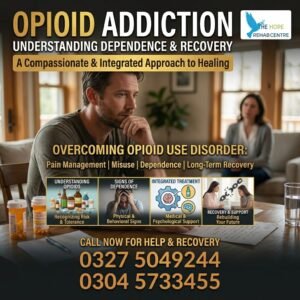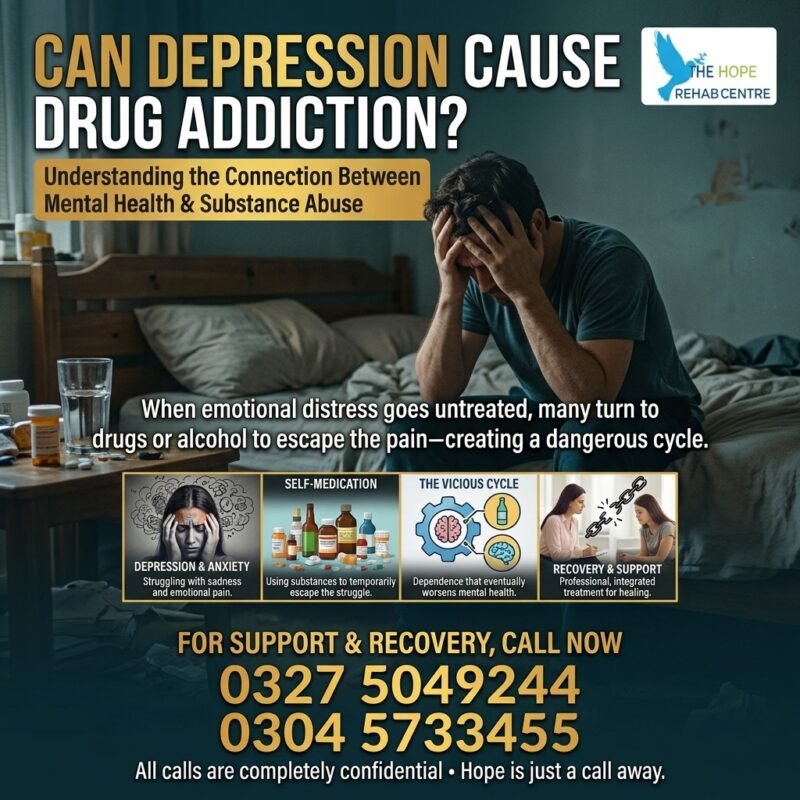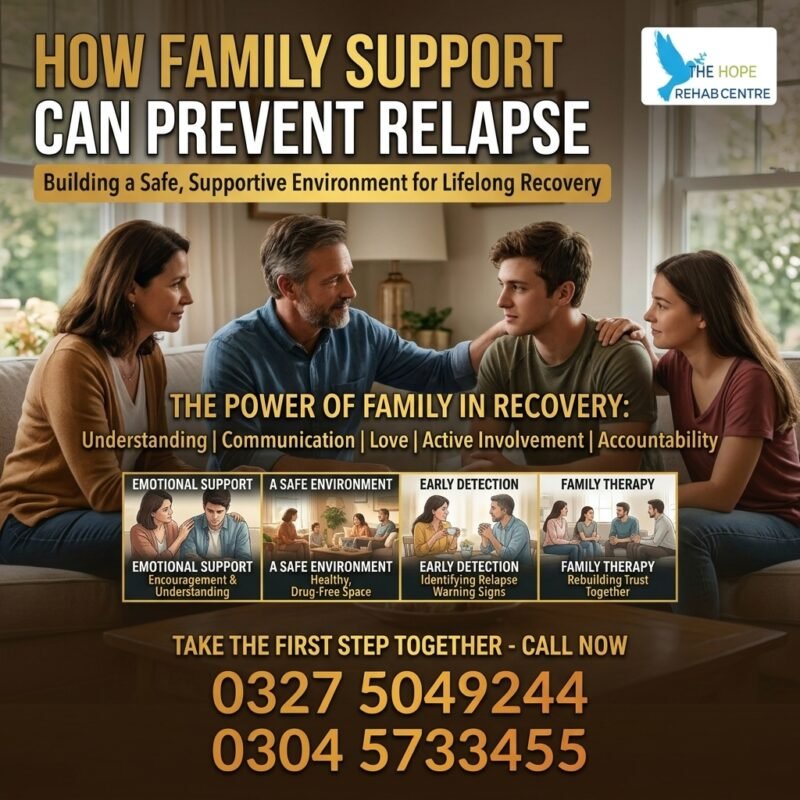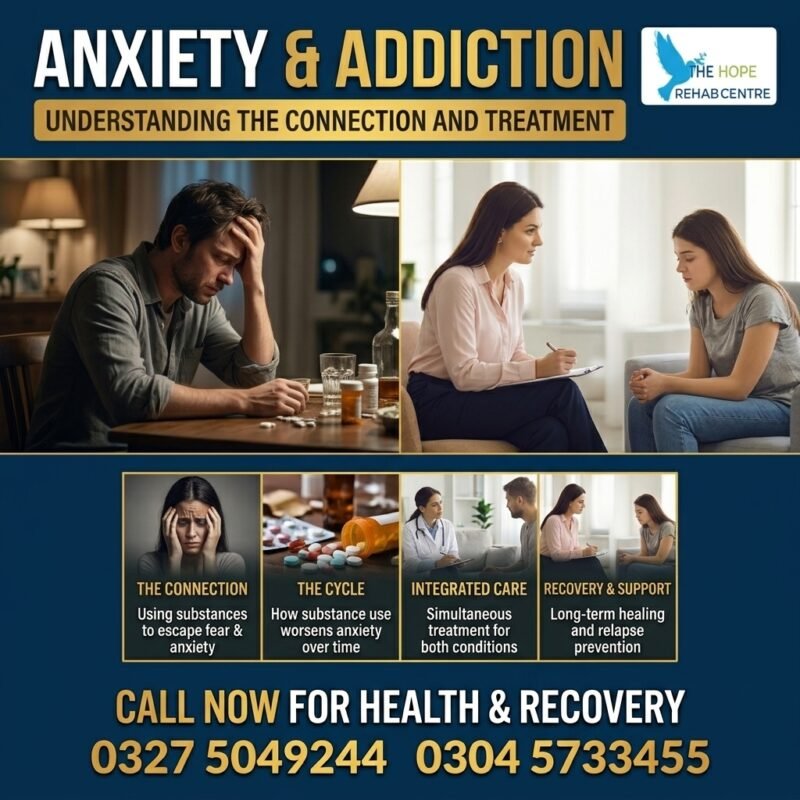
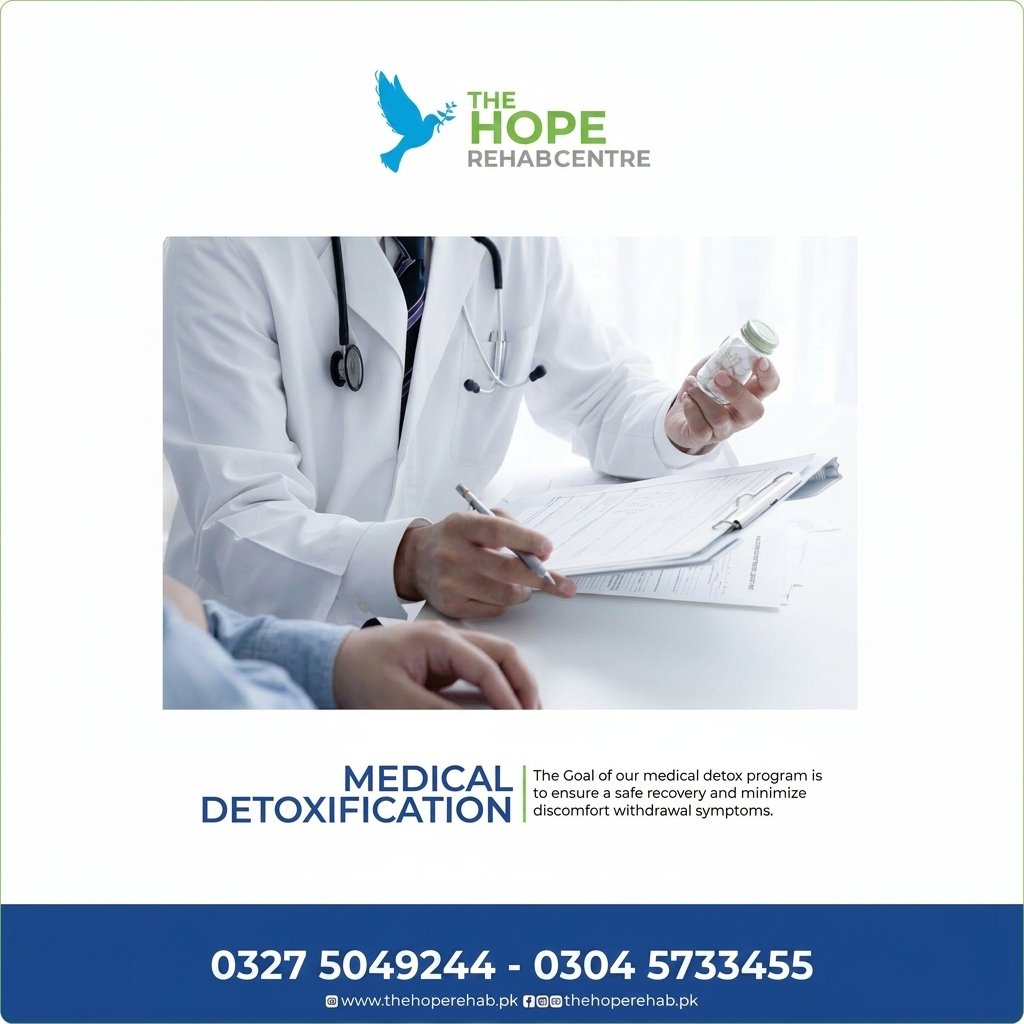
Detoxification is usually the initial and most important step in recovering from substance use disorders. It includes detoxification of toxins from the body under supervision, and to manage withdrawal symptoms. Detox helps to create a baseline for the body and mind so that people who are struggling with drug or alcohol dependence can start on a road of long-term treatment and recovery.
For anyone looking for Detoxification Treatment in Islamabad, Pakistan, knowing how detox performs and why it counts will clearly define the road to recovery. At The Hope Rehabilitation Center Islamabad, Pakistan, we have a professional way of fact to detoxify the body with proper medical care and emotional support, ensuring that there is no risk involved in the initial recovery process.
What Is Detoxification?
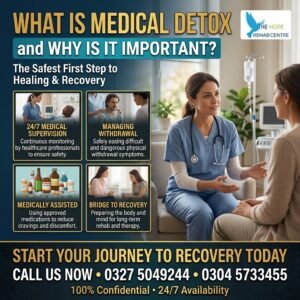
Detoxification is the method of cleaning poisonous substances including drugs or alcohol from the physique. Physically dependent occurs when the body adapts to the presence of a substance (drugs or alcohol). Withdrawals may happen once the drug has been decreased, or stopped.
The detox is designed to balance the body while minimizing withdrawal symptoms. It is usually the first step towards therapy, counseling and a long-term rehabilitation.
Detox is never the only step of addiction treatment — but it’s an important first step toward recovery.
Why Detoxification Is Important
Brain, nervous system, muscle and major organs of the body may have been affected due to substance dependence. In some cases, professional assistance is required to curtail drug or alcohol use as stopping too suddenly can result in major withdrawal symptoms.
Detoxification Treatment in Islamabad, Pakistan Benefits to Individual
- Manage withdrawal safely
- Reduce physical discomfort
- Stabilize mental health symptoms
- Prepare for rehabilitation
- Lower immediate health risks
- Build motivation for recovery
A formal detox, done under medical supervision, can help ease the transition into long-term addiction treatment.
Some of the most common substances that might call for detox are
Various substances lead to different withdrawal symptoms. Detox may be necessary for:
Alcohol
When someone stops drinking after heavy alcohol use, withdrawal symptoms can be: sweating shaking anxiety insomnia severe and even life-threatening medical problems
Opioids
Odors have been described in the past as not uncommon with compounds like heroin, morphine, tramadol and/or other prescription opiates that are used frequently to quickly alleviate physical withdrawal symptoms such as body aches, nausea and cravings.
ICE and Crystal Meth
Fatigue, depression, anxiety and emotional volatility are all associated with stimulant withdrawal.
Cocaine
Withdrawal: Many are faced with cravings, moodiness, or low energy after stops cocaine.
Cannabis
Despite their relative mildness, long-term cannabis use can cause irritability, sleep problems and anxiety during withdrawal.
Common Withdrawal Symptoms During Detox
Withdrawal symptoms depend on the specific substance used, how long it is been taken, and personal health.
Common symptoms may include:
- Sweating
- Nausea
- Body pain
- Restlessness
- Anxiety
- Depression
- Insomnia
- Irritability
- Cravings
- Fatigue
Detox programs run by professionals do a good job of monitoring the implementation and safely managing these withdrawal symptoms.
The Detoxification Process
Initial Assessment
You start the detox with a thorough assessment by professionals to determine the right course of action. This helps practitioners determine substance use history, physical measurements, as well as if there are concerns for mental health.
Stabilization
At this point in stabilization, your body has started to regulate itself back to normal operating without the underlying substance. Minimize withdrawal symptoms and provide comfort if suffering supportive carer.
Monitoring and Support
It is very important to have support during detox, both medical and emotional. It is possible for people to be monitored physically and emotionally.
Detox is regulated in a space that calms various points one might feel when moving onward with this delicate step of recovery, to confirm protection at The Hope Rehabilitation Center Islamabad, Pakistan.
Transition to Rehabilitation
Post detox, individuals are typically advised to transition into treatment in the form of therapy, counselling and relapse prevention programs. All of this is beneficial in treating the source of addiction.
Connection Between Detox and Mental Well-being
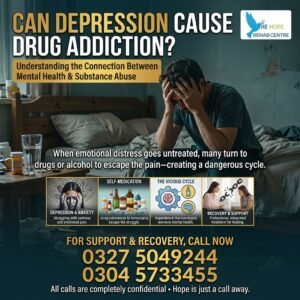
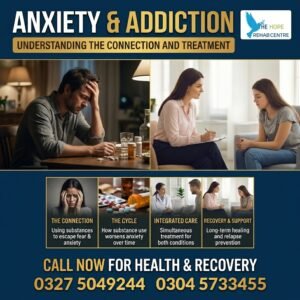
Finally, a common element of addiction is the concurrent or following onset of mental health issues such as anxiety/depression/trauma/stress. That makes it the time when emotional symptoms are intensified.
A more integrated approach by managing substance withdrawal and mental health can ultimately lead to better long-term results in recovery.
This dual strategy might help people:
- Improve emotional stability
- Reduce stress
- Increase motivation for recovery
- Build stronger coping skills
Benefits of Professional Detoxification
Here are some advantages of going with a professional detox support:
- Safer withdrawal management
- Reduced physical complications
- Emotional support during recovery
- Better preparation for long-term treatment
- Improved treatment outcomes
- Reduced relapse risk
Being in professional care makes the detox process so much easier and more structured.
Detox Is Only the First Step
We must clarify that detoxification is not full treatment for addiction. Apply for admissions and begin your treatment, figuring recovery through therapy, counseling, living programs as well as change of the lifestyle.
Long-term recovery often includes:
- Individual therapy
- Group counseling
- Cognitive Behavioral Therapy (CBT)
- Family support
- Relapse prevention planning
These treatment options assist individuals in reframing bad habits and maintaining recovery over time.
Frequently Asked Questions (FAQs)
1. As addiction is a chronic disease, the first main step in the treatment process involves detoxification.
What is detoxification: The safe management of the state, the discontinuation of drugs or alcohol from the body.
2. How long does detoxification take?
This duration is different for each drug, health condition and severity of addiction. This can last anywhere from a few days to a couple of weeks.
3. Is detox painful?
There are withdrawal symptoms that are fairly unpleasant, but with the right professional support to keep you comfortable through withdrawal, things will go just fine.
4. But is detox enough for addiction recovery?
Detox is only the first part; no. Addiction has long term psychological and behavioral components that often need to be treated.
5. Is Detox Effective for Mental Health Disorders?
Detox is effective in stabilizing the body, yet treatment for mental health conditions such as anxiety, depression and trauma may be required afterwards.
Conclusion
Detox is the first step for addiction recovery from drugs or alcohol. It assists in eliminating toxins from the system, alleviates withdrawal symptoms, and readies people for continuing care. For some, though, this initial stage can be the most challenging step of healing; Detoxification Treatment in Islamabad Pakistan could offer the structure and support you will need to have a safer & more successful beginning to recovery.
The Hope Rehabilitation Center Islamabad, Pakistan have been an honor to provide moral, expert and positive detoxifications procedures under a proper private treatment facility as part of entire new hope Pharma organization. This preliminary step enables you to start laying the groundwork for your recovery by allowing you to continue through safe withdrawal management, receive emotional support, and develop further rehabilitation plans.