The Hope Rehab Center

Relapse Control Program – Relapse Control Program in Islamabad, Pakistan
Relapse Control Program – Relapse Control Program in Islamabad, Pakistan

Addiction recovery is an ongoing process that stretches well beyond detox and IOP. Completion of treatment is a major step in recovery; however, sobriety does not end there — it still requires continued support, coping strategies and relapse prevention. Individuals are trained to identify warning signs, cope with triggers and develop the skills necessary for long-term recovery in structured relapse control programs.

If you or someone you know is searching for a Relapse Control Program in Islamabad, Pakistan — reach out to professionals today and take the first step towards preventing lapses in orders to live a longer, healthier life. One of the most crucial components of any well-rounded addiction treatment is relapse prevention at The Hope Rehabilitation Center Islamabad, Pakistan, which ensures that each person leaves an addiction program armed with the tools needed to stay sober.

What Is a relapse control program?

Relapse prevention program is a systematic aftercare plan that minimizes the likelihood of going back to using substances after treatment. It offers real-life resources, emotional sustenance and coping skills that allow individuals to navigate everyday difficulties without turning to alcohol or drugs for relief.

Elements of a comprehensive relapse control program may include:

  • Individual counseling
  • Cognitive Behavioral Therapy (CBT)
  • Group therapy
  • Family counseling
  • Stress management techniques
  • Lifestyle improvement plans
  • Ongoing recovery monitoring

To help individuals maintain recovery in the long-term and have a better quality of life.

Understanding Relapse

Relapse does not happen suddenly. It usually emerges gradually through emotional, mental and behavioral changes prior to the substance use.

Common stages of relapse include:

Emotional Relapse

Individuals may go through the following at this stage:

  • Increased stress
  • Mood swings
  • Anxiety
  • Isolation
  • Poor self-care

While we have not gone back to using, there are emotional issues which can trigger the process.

Mental Relapse

This is when one may start thinking about your substance use, or you are caught between wanting to recover and having the will to use.

Signs include:

  • Cravings
  • The glorification of former substance uses and excessive drinking
  • Minimizing the risks of addiction
  • Considering high-risk situations

Physical Relapse

A physical relapse refers to the third stage of a drug or alcohol return following abstinence.

Recognizing emotional and mental red flags early on can prevent a physical relapse.

Common Triggers for Relapse

This is the main thing you need to know about relapsing: personal triggers.

Common triggers include:

  • Emotional stress
  • Anxiety or depression
  • Family conflicts
  • Social pressure
  • Financial difficulties
  • Loneliness
  • Exposure to substances
  • Unhealthy relationships

By recognizing these triggers, we are able to find more constructive coping strategies.

Creating an effective Relapse Control Program

Relapse Control Program – Relapse Control Program in Islamabad, Pakistan

Individual Counseling

One-on-one counseling allows individuals to identify personal triggers, learn how to manage emotions positively, and reinforce recovery goals.

Cognitive Behavioral Therapy (CBT)

CBT trains people on how to substitute unhealthy thoughts with healing behaviors that promote sustained recovery.

Group Therapy

Peer support groups offer encouragement, accountability, and a sense of shared experience that can decrease feelings of isolation.

Family Support Programs

The family involvement enhances communication, the strength of relationship and a conducive home environment.

Stress Management

Stress can be managed effectively by combating the urge to use drugs through processes like relaxation, exercise and mindfulness which teach healthy habits thus reducing relapse risk.

Relapse prevention plans in The Hope Rehabilitation Center Islamabad, Pakistan are custom-tailored to each person’s recovery process.

The Importance of Aftercare

Rehabilitation is not the end of recovery. The focus of continuing care is to keep people engaged in their recovery efforts.

Aftercare services may include:

  • Regular counseling sessions
  • Recovery support groups
  • Mental health follow-up
  • Lifestyle coaching
  • Family counseling
  • Ongoing relapse prevention planning

Ongoing support can lead to better long-term recovery outcomes.

Long Term Recovery, Developing Healthy Habits

Preventing relapse depends largely on the establishment of healthy daily routines.

Positive habits include:

  • Maintaining regular sleep patterns
  • Eating a balanced diet
  • Exercising regularly
  • Managing stress effectively
  • Building supportive relationships
  • Setting realistic goals
  • Participating in productive activities

These habits help with physical and mental well-being.

The Importance of Family in Preventing a Relapse

Family members can sometimes tease compassionate words during recovery.

Supportive families can help by:

  • Encouraging healthy routines
  • Attending family counseling sessions
  • Recognizing early warning signs
  • Promoting open communication
  • Offering emotional support without judgment

To boost long-lasting recuperation, family members are included right into the The Hope Rehabilitation Center Islamabad, Pakistan is a drug treatment center in Islamabad flexible boys’ recovery plan.

Frequently Asked Questions (FAQs)

1.     What Is A Relapse Control Program?

A relapsing control program is designed to avoid going back to the dependent use of material for individuals who have completed a treatment plan.

2.     Can relapse be prevented?

There is no programmed that can prevent suicide but properly directed support and counselling can go a long way towards minimizing risk.

3.     What are common relapse triggers?

Stress and anxiety, cases of depression, conflicts in family or inappropriate social influences and availability to addictive substances are common cases which lead to relapsing.

4.     Why is aftercare important?

Aftercare includes ongoing counseling, help, and support that helps graduates from treatment stay sober.

5.     How family members can help in relapse prevention

Family is able to offer emotional support, provide advice on healthy behaviors, be willing to attend counseling and spot early warning signs.

Conclusion

Addiction recovery is a lifelong journey that involves dedication, social support, and effective relapse prevention strategies. In Islamabad, Pakistan — A structured Relapse Control Programmed helps trained professionals with long-term sobriety by instilling new coping skills and recognizing triggers

Relapse prevention is a key component of complete addiction treatment at The Hope Rehabilitation Center Islamabad, Pakistan. Individualized attention in counseling, specific behavioral therapies, and involvement from family, alongside aftercare further enhances the likelihood of sustained recovery and getting back to a better quality of life.

Online Treatment Sessions | Accessible Mental Health and Recovery Support from Home
Online Treatment Sessions | Accessible Mental Health and Recovery Support from Home

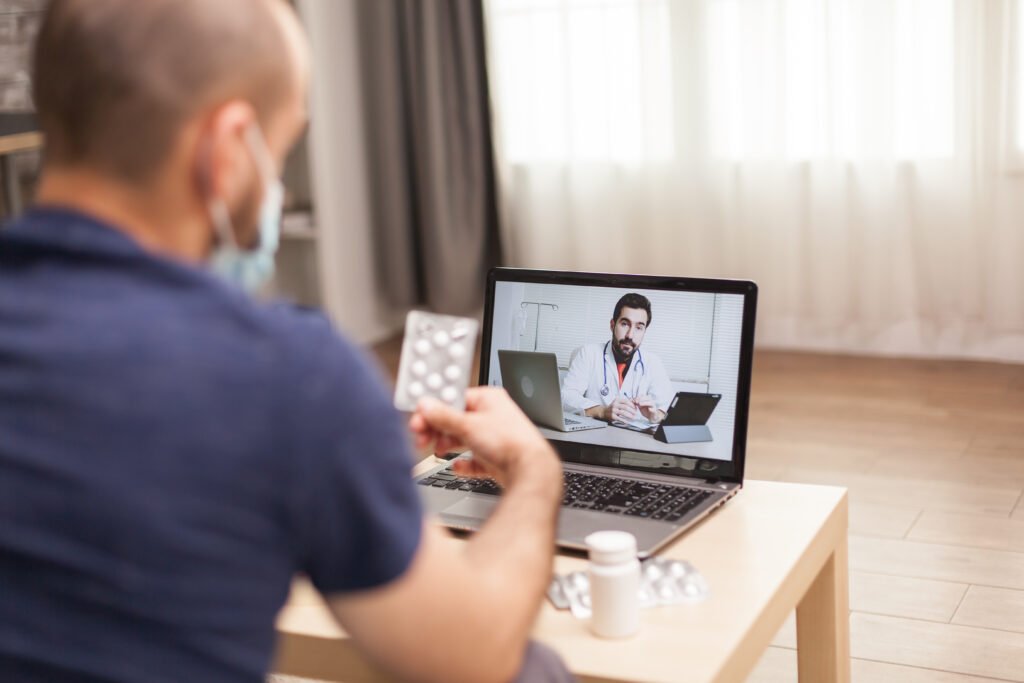
Online treatment sessions have become an important part of modern healthcare, especially in mental health and addiction recovery. They provide individuals with access to professional support without the need to travel or leave their homes. For many people, online therapy and counseling create a practical and comfortable way to begin treatment.

Whether someone is dealing with depression, anxiety, trauma, or substance use challenges, online sessions can offer structured guidance and emotional support. At The Hope Rehabilitation Center Islamabad, Pakistan, online treatment sessions are designed to provide flexible and confidential care while maintaining the same professional standards as in-person treatment.

This approach makes mental health and addiction care more accessible for individuals and families across Pakistan.

What Are Online Treatment Sessions?

Online treatment sessions are professional counseling, therapy, or recovery support services delivered through video calls, phone calls, or secure digital platforms. These sessions allow individuals to connect with qualified mental health professionals from any location.

Online care can include:

  • Individual therapy
  • Family counseling
  • Addiction recovery support
  • Psychiatric consultation
  • Emotional wellness coaching

For people who face travel difficulties, busy schedules, or privacy concerns, online treatment can be an effective option.

Benefits of Online Treatment Sessions

Online care offers several practical and emotional benefits for individuals seeking support.

Easy Access to Professional Help

One of the biggest advantages of online treatment is accessibility. People living in remote areas or outside major cities can connect with mental health professionals more easily.

At The Hope Rehabilitation Center Islamabad, Pakistan, online treatment sessions help bridge this gap by making care available beyond physical clinic visits.

Privacy and Comfort

Some individuals feel more comfortable opening up about personal issues from their own home. Familiar surroundings can reduce anxiety and make communication easier.

Flexible Scheduling

Online sessions can be easier to fit into daily routines, especially for working individuals, students, or family caregivers.

Continued Support During Recovery

Recovery often requires consistency. Online sessions help individuals maintain regular contact with therapists, even during travel or busy life periods.

Conditions That Can Be Treated Online

Many mental health and behavioral conditions can be effectively addressed through online treatment.

Depression

Online counseling can help individuals manage sadness, hopelessness, and emotional stress.

Anxiety Disorders

Therapists can guide patients through coping strategies for excessive worry, panic, and stress.

Addiction Recovery Support

Online sessions can support relapse prevention, emotional management, and recovery planning.

Trauma and Emotional Distress

People dealing with past trauma can receive structured therapy and emotional guidance through virtual sessions.

At The Hope Rehabilitation Center Islamabad, Pakistan, online treatment plans are adjusted according to each individual’s emotional and psychological needs.

Online Addiction Treatment and Counseling

Addiction recovery does not always stop after detox or inpatient care. Many individuals benefit from continued counseling and support.

Online addiction treatment sessions may include:

Online Treatment Sessions | Accessible Mental Health and Recovery Support from Home
  • Craving management strategies
  • Emotional regulation support
  • Relapse prevention planning
  • Family support sessions
  • Recovery progress monitoring

These sessions help individuals stay connected to their recovery goals while managing everyday life.

The Role of Family in Online Treatment

Family involvement can be valuable in both mental health care and addiction recovery. Online family counseling sessions make it easier for loved ones to participate, even if they are in different locations.

Family support can help:

  • Improve communication
  • Build trust
  • Strengthen emotional understanding
  • Support healthy recovery habits

At The Hope Rehabilitation Center Islamabad, Pakistan, family-centered support can be included when needed.

Is Online Treatment Effective?

Research and clinical experience show that online treatment can be effective for many individuals, especially when sessions are regular and professionally guided.

Success often depends on:

  • Honest communication
  • Consistent attendance
  • A stable internet connection
  • Commitment to treatment goals

For some severe cases, in-person or inpatient treatment may still be necessary. However, online care remains a valuable option for ongoing support.

Who Can Benefit from Online Treatment?

Online sessions may be suitable for:

  • Individuals with mild to moderate depression or anxiety
  • People in recovery from addiction
  • Those needing follow-up counseling
  • Families seeking emotional guidance
  • Individuals unable to travel

At The Hope Rehabilitation Center Islamabad, Pakistan, online treatment sessions are designed to meet the needs of different individuals while maintaining confidentiality and professional care.

Frequently Asked Questions (FAQs)

1. What are online treatment sessions?

Online treatment sessions are therapy, counseling, or recovery support provided through video calls, phone calls, or digital platforms.

2. Are online therapy sessions confidential?

Yes. Professional online sessions are designed to protect privacy and maintain confidentiality.

3. Can addiction recovery be supported online?

Yes. Online counseling can help with emotional support, relapse prevention, and ongoing recovery planning.

4. Are online sessions as effective as in-person sessions?

For many individuals, online treatment can be highly effective, depending on their condition and consistency.

5. Who should choose online treatment?

People with travel limitations, busy schedules, privacy concerns, or ongoing recovery needs may benefit from online care.

Conclusion

Online treatment sessions have made mental health and addiction support more accessible, flexible, and practical for many individuals. They provide a valuable option for those seeking professional care while managing daily responsibilities or living in different locations.

At The Hope Rehabilitation Center Islamabad, Pakistan, online treatment sessions are offered with compassion, confidentiality, and personalized care. Through virtual counseling, emotional support, and recovery guidance, individuals can continue their healing journey from the comfort and safety of their own environment.

Addiction Treatment – Addiction Treatment in Islamabad, Pakistan
Addiction Treatment – Addiction Treatment in Islamabad, Pakistan

Addiction is a complex health disorder that involves an individual’s mind, body, and behavior. This can be through drugs, alcohol, nicotine or some other untouched addiction and compulsions that make control impossible. Addiction slowly destroys relationships, mental health and overall quality of life. Fortunately, with effective therapy and additional support, recovery is achievable.

Introduction — Those looking to get Addiction Treatment in Islamabad, Pakistan for themselves or someone they know come across information that can change their lives forever; this guide is the first step on that journey. The Hope Rehabilitation Center Islamabad, Pakistan is working on building lives back with compassion, professional care and evidence-based addiction recovery methods.

What Is Addiction?

Addiction is a state in which one loses control of a substance or behavior and actively continues to use the substance despite having consequences. It alters the brain, rendering it difficult to stop using without assistance.

Common types of addiction include:

  • Drug addiction
  • Alcohol addiction
  • Nicotine addiction
  • ICE and crystal meth addiction
  • Opioid addiction
  • Cannabis addiction
  • Prescription medication misuse

Addiction is a terrible disease that impacts the lives of people from the very young to the old; all walks of life.

Signs and Symptoms of Addiction

Early detection of addiction can prevent dire health and emotional ramifications.

Common signs include:

  • Strong cravings for substances
  • Loss of control over usage
  • Increased tolerance
  • Withdrawal symptoms
  • Mood swings
  • Social isolation
  • Neglecting responsibilities
  • Financial problems
  • Sleep disturbances
  • Anxiety or depression

Without treatment, these symptoms may become more severe with time.

Why Professional Addiction Treatment Matters

This is why many people attempt to quit on their own but relapse, because addiction usually contains two components (the physical and the psychological).

Here are some of the Addiction Treatment in Islamabad, when you import addiction treatment in Islamabad?

  • Safe detoxification support
  • Professional counseling
  • Emotional healing
  • Relapse prevention strategies
  • Family guidance
  • Mental health care

Through professional treatment, the odds of life recovered jumping up.

The treatment programs at The Hope Rehabilitation Center Islamabad, Pakistan focus on the physical and psychological elements of addiction.

The Addiction Treatment Process

Comprehensive Assessment

The first step for recovery is to perform a complete evaluation about the individual substance abuse history, and his/her mental health illness and treatment needs.

Detoxification

In patients with physical dependence, detoxification is often the first step. It is effective in the elimination of neuromuscular toxins, managing craving and withdrawal symptoms safely.

Therapy and Counseling

Therapy targets being able to understanding of the addiction in those individuals and explains better coping skill sets.

Cognitive Behavioral Therapy (CBT)

Addiction Treatment – Addiction Treatment in Islamabad, Pakistan

Cognitive Behavioral Therapy is often used to determine negative thoughts and behaviors surrounding addiction.

Group Therapy

Group sessions provide an opportunity to connect with others, share struggles, and receive emotional support.

Family Support Programs

Conclusion: Working together as a family can enhance the level of communication and trust, which generally improves long-term recovery.

Common Causes of Addiction

For many reasons addiction can take hold including:

Emotional Stress

Some will turn to substance use in an effort to cope with stress or trauma, emotional pain.

Mental Health Disorders

A lot of conditions like depression, anxiety, or PTSD can lead to addiction.

Peer Pressure

Social environment: Social environments can impact alcohol and drug use behaviors, especially among young adults.

Genetic Factors

Note that sometimes, family history does correlate with susceptibility to addiction.

And so, the better we can get to know what makes these factors increased risk for developing difficulties allows us to develop treatment plans that are more tailored.

Mental Health and Addiction

Either mental health or addiction frequently go hand in hand. Those that are battling substance abuse also go through:

  • Depression
  • Anxiety
  • Panic disorders
  • Trauma
  • Mood disorders

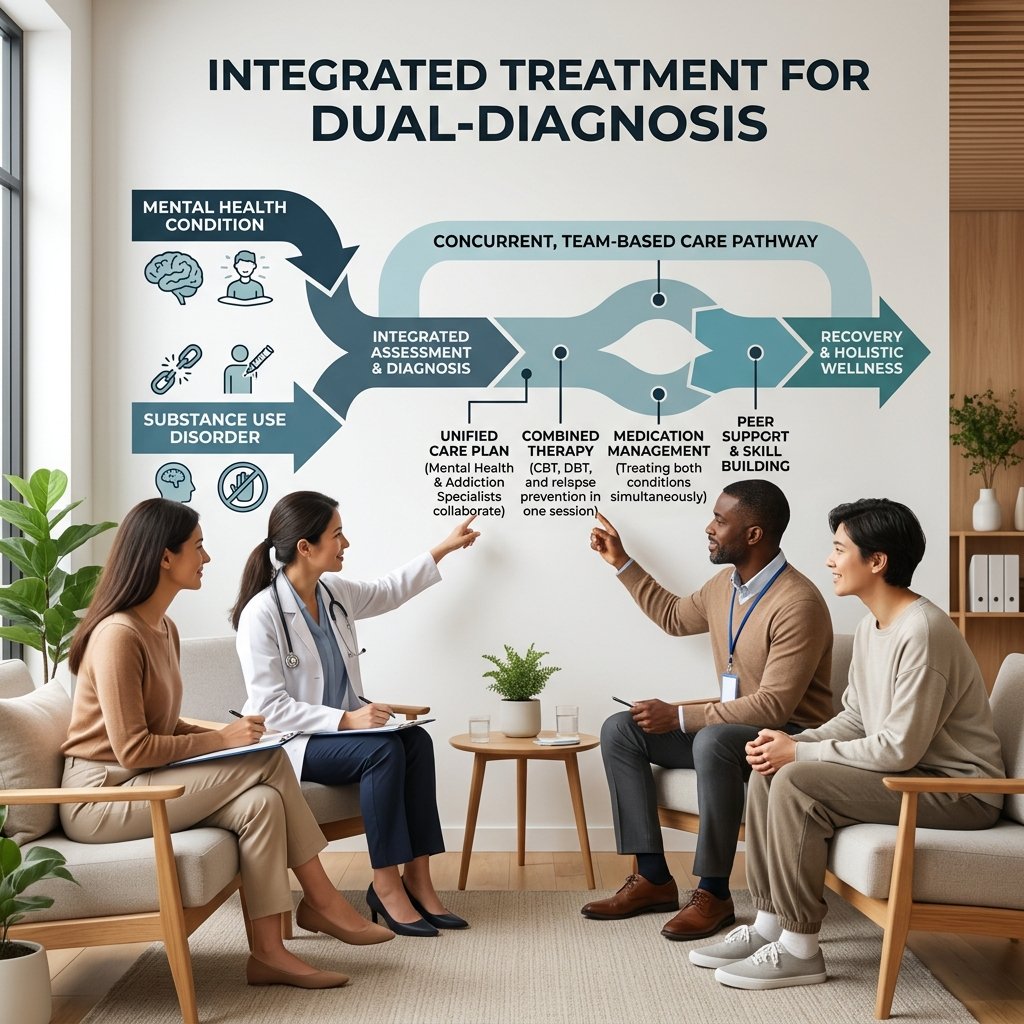
Integrated treatment for co-occurring disorder can bolster outcomes in recovery. This is commonly referred to as dual-diagnosis treatment.

The Hope Rehabilitation Center Islamabad, Pakistan provide an integrated form of care that can treat emotional challenges as well as substance-related challenges.

Relapse Prevention in Recovery

Treatment does not equate to recovery. Long-term healing includes relapse prevention – another reason to seek help.

Effective relapse prevention includes:

  • Identifying triggers
  • Managing stress
  • Regular counseling
  • Healthy daily routines
  • Family support
  • Ongoing therapy sessions

These strategies act to keep them engaged in recovery.

The Importance of Family Support

Family support is great to recover. Loved ones can help by:

  • Offering emotional encouragement
  • Supporting treatment goals
  • Improving communication
  • Helping reduce stress
  • Recognizing early warning signs

Motivation can also improve by supportive family members, which further helps us in overcoming relapse problems.

Frequently Asked Questions (FAQs)

1.     What is addiction treatment?

Addiction treatment is a formal procedure that assists individuals stop using substances and the psychological and behavioral causes of their addiction.

2.     How Long is Addiction Treatment?

The duration of treatment is based on the type and severity of addiction along with individual progress.

3.     Do you need to detox for every addiction?

Not always. It depends on the substance and the severity of the physical dependence.

4.     Does addiction treatment address mental health issues?

Yes. In fact, a lot of treatment programs combine the treatment for both addictions and mental illness.

5.     Can family involvement improve recovery?

Yes. A family can enhance emotional recovery and provide support for a long time.

Conclusion

The impact of addiction may be deep and THT care, recovery is possible. Addiction Rehabilitation in Islamabad, Pakistan can help individuals regain control of their lives by providing the stability, therapy and support needed to manage substance dependence again.

The Hope Rehabilitation Center Islamabad, Pakistan provide a comprehensive addiction treatment that is grounded in ethical care supported by professional guidance permeated with long-term recovery planning. Detox, therapy, mental health care and family-involved treatment help people on their path to recovery with its clean paintbrush strokes — beginning anew in a healthier environment.

Dual-Diagnosis – Dual-Diagnosis Treatment in Islamabad, Pakistan
Dual-Diagnosis – Dual-Diagnosis Treatment in Islamabad, Pakistan

Dual-diagnosis refers to an individual with both a mental health disorder and substance use disorder at the same point in time. This can complicate treatment, as the two conditions will often interact. Someone with depression might drink alcohol or take drugs to cope, while substance abuse may contribute to feelings of anxiety, stress or other mental health issues.

For all the people looking for Dual-Diagnosis Treatment in Islamabad, Pakistan understanding their addiction and mental health boom is really need to know. Dual-diagnosis treatment, as provided by The Hope Rehabilitation Center Islamabad, Pakistan combines the two problems to be treated under one roof with professional care and planning for recovery.

What Is Dual-Diagnosis?

Dual-diagnosis (or co-occurring disorders) occurs when mental illness and addiction coexist.

Mental health problems associated with dual-diagnosis include:

  • Depression
  • Anxiety disorders
  • Bipolar disorder
  • PTSD (Post-Traumatic Stress Disorder)
  • Stress-related disorders
  • Personality disorders

If these conditions coexist, treatment of only one issue may be insufficient for effective recovery. Both need proper attention.

The Link Between Mental Health and Addiction

Mental health issues are often intertwined with addiction.

Self-Medication

Others resort to drugs or alcohol to cope with emotional anguish, stress, or mental illness symptoms.

Substance-Induced Mental Health Problems

Recurrent drug years or alcohol use problems can cause or hit off disorders such as depression, paranoia, or anxiety.

Shared Risk Factors

Both mental health disorders and addiction are seen as a combination of the increased risk due to trauma, genetics, stress, and environmental influences.

The understanding of this relationship allows to develop more efficient treatment strategies.

Signs of Dual-Diagnosis

The problem with identifying dual-diagnosis is that symptoms are similar.

Common signs include:

  • Mood swings
  • Anxiety or panic attacks
  • Social withdrawal
  • Substance cravings
  • Difficulty sleeping
  • Emotional instability
  • Lack of focus
  • Feelings of hopelessness
  • Increased stress
  • Losing interest in activities they used to enjoy

A dual-diagnosis treatment will work when both addiction and emotional struggles exist.

Why Dual-Diagnosis Treatment Is Important

Dual-Diagnosis – Dual-Diagnosis Treatment in Islamabad, Pakistan

If mental health issues are left untreated, the chances of a relapse may occur even after addiction treatment. Progress on mental health can also be stymied because of the parallel treatment with substance use.

Dual-Diagnosis Treatment in Islamabad, Pakistan can assist with:

  • Learn what causes addiction
  • Stabilize mental health symptoms
  • Build healthier coping skills
  • Reduce relapse risks
  • Improve emotional well-being
  • Strengthen recovery outcomes

Integrated treatment may enhance stability over the long term.

Treatment Approaches for Dual-Diagnosis

Comprehensive Assessment

The first step in treatment is a thorough assessment of the mental health problem and history of substance use.

Detoxification

Detoxification is the managing of withdrawal, and this usually happens first when people are physically dependent on substance.

Individual Therapy

Counseling One on one counseling assists people to explore emotional pain, trauma and personal triggers.

Cognitive Behavioral Therapy (CBT)

CBT is often included in dual-diagnosis treatment where the goal is to recognize negative ways of thinking and replace them with more healthy behavior.

Medication Management

Medication may also be used to stabilize mental health under professional guidance in certain situations.

Group Therapy

Peer support helps ease isolation and is great for encouragement when recovering.

The Hope Rehabilitation Center Islamabad, Pakistan have personalized treatment plans focused on everyone different emotional and physical needs.

Challenges of Dual-Diagnosis Recovery

It is a long process, expect that it could take time to be treated for dual-diagnosis. Some challenges include:

  • Managing emotional triggers
  • Balancing mental health symptoms
  • Preventing relapse
  • Rebuilding confidence
  • Improving relationships

Having a structured treatment plan allows some people to work their way through these difficulties in a more thoughtful manner.

Family Support in Dual-Diagnosis Treatment

Recovery is often built on a pillar of family support. Families can:

  • Study mental health and addiction
  • Improve communication
  • Offer emotional support
  • Help identify warning signs
  • Encourage treatment consistency

Family counseling programs are created to make the recovery process more solid and better at The Hope Rehabilitation Center Islamabad, Pakistan.

Frequently Asked Questions (FAQs)

1.     What does dual-diagnosis mean?

Dual diagnosis means that you have both of a mental health disorder and a substance use disorder at the same time.

2.     Can dual-diagnosis be treated?

Yes. But it is treatable with integrated treatment for both conditions.

3.     Why is dual-diagnosis treatment different?

Instead of treating addiction and mental health separately, it looks at them together.

4.     Is relapse common in dual-diagnosis?

If one condition remains untreated, relapse can happen. The continued support mitigates against this risk.

5.     Can family support improve recovery?

Yes. Emotional stability, encouragement and better communication throughout treatment are also facilitated by family support.

Conclusion

Dual-diagnosis is a nuanced diagnosis that needs slow/careful, up-stream care. As both mental illness and drug addiction take place together, they must also be treated together in order to promote long-term recovery. Getting Dual-Diagnosis Treatment in Islamabad, Pakistan can offer the organized assistance you’re looking for with emotional health and drug dependence at once.

Dual-diagnosis treatment is aimed towards restoration of both the physical and mental and emotional health of individuals at The Hope Rehabilitation Center Islamabad, Pakistan. With family support, therapy and personalized care, the road to stability, recovery, and a better future can be become a reality for individuals.

Hopelessness Is a Sin: Understanding the Spiritual and Emotional Weight of Despair
Hopelessness Is a Sin: Understanding the Spiritual and Emotional Weight of Despair

Hopelessness is a heavy emotional state that can make a person feel lost, empty, and disconnected from life. It often appears during difficult times—when pain feels endless, when prayers seem unanswered, or when life becomes overwhelming. Many people ask whether hopelessness is simply a feeling or something deeper.

From a spiritual perspective, hopelessness is often seen as dangerous because it can distance a person from faith, purpose, and trust in God. In many religious teachings, despair is discouraged because it can weaken the belief that healing, mercy, and change are still possible.

However, it is important to understand the difference between feeling hopeless and choosing to live in hopelessness.

Hopelessness as a Human Emotion

Every person experiences moments of sadness, pain, and uncertainty. Feeling hopeless during hardship does not make someone weak or sinful. It is part of being human. Loss, trauma, addiction, depression, and emotional pain can create intense feelings of despair.

What matters is how a person responds to those feelings.

When hopelessness becomes permanent in the mind, it can lead to isolation, depression, and harmful decisions. That is why emotional support, faith, and professional help are so important.

Spiritual Meaning of Hopelessness

Many faith traditions teach that God’s mercy, guidance, and help are always present—even when unseen. Losing all hope can sometimes reflect losing trust in that mercy.

In Islamic teachings, despairing completely of Allah’s mercy is strongly discouraged. The Qur’an repeatedly reminds believers that hardship is temporary and that relief can come after struggle.

Hopelessness becomes spiritually harmful when a person believes:

  • Things can never improve
  • Forgiveness is impossible
  • Recovery is out of reach
  • Their life has no value

These thoughts can trap a person in darkness.

The Connection Between Hopelessness and Mental Health

Hopelessness Is a Sin: Understanding the Spiritual and Emotional Weight of Despair

Hopelessness is also closely connected to mental health conditions like depression, anxiety, trauma, and addiction. Sometimes people do not feel hopeless because of weak faith—they feel hopeless because they are emotionally exhausted.

This is why mental health support matters.

At The Hope Rehabilitation Center Islamabad, Pakistan, individuals struggling with depression, addiction, and emotional trauma receive structured care designed to help them rebuild emotional strength and regain hope.

Professional treatment can help people understand that hopelessness is often a symptom, not a permanent truth.

How to Fight Hopelessness

Overcoming hopelessness often takes both spiritual and practical steps:

1. Speak to Someone

Keeping pain inside can make hopelessness stronger. Talking to a trusted person, therapist, or counselor can provide relief.

2. Reconnect with Faith

Prayer, reflection, and spiritual connection can help restore inner peace and perspective.

3. Focus on Small Steps

Recovery and healing do not happen overnight. Small progress still matters.

4. Seek Professional Help

If hopelessness is linked with depression, addiction, or trauma, professional support may be necessary.

At The Hope Rehabilitation Center Islamabad, Pakistan, mental health and addiction recovery programs help individuals rebuild confidence, emotional balance, and hope.

Final Thoughts

Hopelessness is not something to ignore. While it can be a painful emotional experience, living in complete despair can damage both mental health and spiritual well-being. The key is to remember that no hardship lasts forever.

Healing is possible. Forgiveness is possible. Recovery is possible.

Even in the darkest moments, hope remains one of the strongest forces a person can hold onto. Sometimes the first step toward healing is simply believing that a better day can still come.

Family Support – Family Support Program in Islamabad, Pakistan
Family Support – Family Support Program in Islamabad, Pakistan

In the case of people dealing with addiction, mental health issues or behavioral problems, family support is an important part of their healing process. Addiction is neither the disease of the individual—that would be too easy—and making it an individual problem ignores the fact that addiction affects entire family systems, fragilizing familial bonds through emotional overloads and broken trust in communication with loved ones. Good family support underlies positive treatment outcomes and helps establish the emotional foundation needed for a lifelong recovery.

Understanding the importance of family involvement can help individuals and families looking for a Family Support Program in Islamabad Pakistan. At The Hope Rehabilitation Center Islamabad, Pakistan Family support is an integral part of the recovery process. It helps both, individual as well as their family members to rebuild healthier relationships.

The Importance of Family Support During Recovery

Family involvement is essential for effective recovery. Both addiction and mental health conditions cause emotional pain, confusion, and frustration for everyone involved.

Family support can help by:

  • Providing emotional encouragement
  • Improving communication
  • Reducing feelings of isolation
  • Building trust again
  • Supporting relapse prevention
  • Strengthening motivation for treatment

Familial dynamics are a big part of creating healthy space for a person to heal, and stabilize.

The Family Effects of Addiction

Family members also struggle with the impact of addiction. Loved ones may experience:

Emotional Stress

Loved ones – family members in particular – often experience anxiety, depression, anger or powerlessness when they observe someone who is battling to find the self-discipline needed for recovery from an addiction to drugs.

Financial Pressure

It is important to be aware of the potential negative consequences a la santé de votre âme may create financial hardship when an addiction leads to healthcare expenses, job loss or risky behaviors.

Broken Relationships

Distance is where trust issues, being dishonest and talking after a fight go.

Mental Health Challenges

They were also unable to expand family members who develop stress, depression, or emotional exhaustion as they may struggle or adopt a new normal.

This is why healing your family is just as important as healing yourself.

Family Service Program: Explained

The Family Support Program Islamabad, Pakistan aims to inform, counsel and assist family members in the treatment process of a loved one. It helps families understand addiction, recovery and how they can help with a positive contribution.

Family support programs often include:

  • Family counseling
  • Educational sessions
  • Emotional support groups
  • Communication skill-building
  • Relapse prevention planning
  • Conflict resolution strategies

Fundamental to our drug treatment programs in Islamabad is the nature of family support services and since we advance sound family relations through uniting families, esteem can be a goldmine with regards to accomplishing an effective recovery.

Family Involvement in Treatment Benefits

Family Support – Family Support Program in Islamabad, Pakistan

Better Treatment Outcomes

Family support has been shown to keep people more committed to, and engaged in recovery.

Improved Communication

Individual or family therapy — to improve listening, understanding and emotional expression

Reduced Relapse Risk

Healthy family environments can also aid in recognizing and addressing risk factors early on.

Emotional Healing for Everyone

It is where both the person and family can heal from past pain together and learn to rebuild trust.

Increased Awareness

Education concerning addiction aids families understand better that recovery is not a brief process.

Family Counseling in Recovery

Counseling for families is often an integral part of many treatment programs. It can create a safe environment where family members can:

  • Share concerns openly
  • Discuss emotional pain
  • Understand addiction behaviors
  • Learn healthy boundaries
  • Improve problem-solving skills

This process has the ability to minimize misunderstandings and deepen emotional connections.

Supporting a Recovery at Home: How Families Can Play a Role

Family support only extends until the point where formal treatment ends. Families can help in many important ways, such as:

Encourage Healthy Routines

It encourages good sleep, nutritious diet and positive behavior each day.

Avoid Triggers

Limiting exposure to stressors or triggers may aid recovery.

Offer Emotional Support

Compassion in simpler terms can bring about the season of confidence during trials and tribulations.

Attend Follow-Up Sessions

You can give yourself the best chance of strengthening your recovery by continuing to attend therapy or other support meetings.

Practice Patience

And recovery isn’t a linear path; there will be ups and downs. Patience and understanding are important.

PREVENTION AND RELAPSE Family Role

One of biggest parts of recovery is the prevention from relapsing. Some signs that families can look out for include:

  • Isolation
  • Mood changes
  • Increased stress
  • Avoiding treatment sessions
  • Returning to unhealthy environments

The better the early support and communication, the lower will be the probability of outside relapse.

For example, in The Hope Rehabilitation Center Islamabad, Pakistan, relapse prevention planning incorporates family education to help loved ones support long-term recovery.

Frequently Asked Questions (FAQs)

1.     When someone is suffering from addiction, their recovery will greatly benefit from having a reliable family support system in place.

Emotional strength, encouragement, and stability from supportive family members can enhance the chance of recovery.

2.     Is Family Therapy the antidote to a fractured family?

Family therapy may allow families to improve communication, rebuild trust, and resolve emotional pain.

3.     What if family ties are challenging?

Support programs can teach the families how to communicate better and manage conflicts better.

4.     Does involving family members decrease the risk of relapse?

Yes, a family that is supportive can help them understand where their triggers are and how to be encouraged to use good positive coping skills.

5.     So, I don’t know if family members can also be supported emotionally?

Are family support programs usually including counseling and direction for loved ones too?

Conclusion

Recovery is not just for the individual — frequently it entails soothing the whole domestic system. A Family Support Program in Islamabad, Pakistan that is effective can serve as an emotional guide for families while providing information and practical tools to support their loved one through recovery. Including the family can help foster communication, lower stress levels, and provide a more stable environment for sustainable recovery.

At The Hope Rehabilitation Center Islamabad, Pakistan, the involvement of family is integral within the treatment process to help both the individual and significant others repair damaged relationships, regain trust with one another, and progress towards recovery closer as a family unit.

Rapid Detox – Rapid Detox Treatment Center in Islamabad, Pakistan
Rapid Detox – Rapid Detox Treatment Center in Islamabad, Pakistan

Rapid detoxification, or rapid detox is a medically supervised process that helps ease withdrawal symptoms in the early recovery stages. Drug or alcohol withdrawal can lead to physical pain, stress at the emotional level, mental health problems or lose of health. In fact, undergoing a structured detoxification process can minimize health risks and support a safer transition into long-term treatment and recovery.

Recovery at The Hope Rehabilitation Center Islamabad, Pakistan is based on ethical care, emotional support, and evidence-based therapeutic techniques. Rapid detox is usually done in conjunction with the other phases of addiction recovery including counseling, behavioral therapy and relapse prevention support.

What Is Rapid Detox?

Rapid detox is a medically-supervised treatment method designed to expedite the elimination of addictive substances from the body. It is widely used for people with opioid addiction, prescription drugs use disorder, alcohol use disorder and other substance use disorders.

Rapid Detox focuses on treating the withdrawal symptoms in a clinically safe environment, and preparing you for continued recovery care.

This process may involve:

  • Medical monitoring
  • Medication-assisted support
  • Hydration and nutritional care
  • Emotional and psychological support
  • Post-detox rehabilitation planning

Rapid detox by itself is not a comprehensive addiction treatment. Therapy, counseling and lifestyle changes are often necessary for long-term recovery.

The Importance of Detoxification in Addiction Recovery

When a person is physically dependent on drugs or alcohol, his or her body adjusts to the substance. Suddenly ceasing use can result in withdrawal symptoms from slight transient discomfort to life-threatening medical issues.

Detoxification assists patients in safely dealing with uncomfortable symptoms such as:

  • Nausea and vomiting
  • Muscle pain
  • Anxiety and depression
  • Insomnia
  • Sweating
  • Irritability
  • Cravings
  • Fatigue
  • Restlessness

A medically supervised detox can minimize health risks and make the withdrawal process more comfortable.

The poor genes may be targeting in a rapid detox treatment?

This is another area where rapid detox might be recommended, particularly in cases of severe dependency and when withdrawal symptoms may be difficult to control without assistance.

Some of the most common addictions that require detox treatment are:

Opioid Addiction

Addiction to heroin, fentanyl, morphine and prescription painkillers needs detox professional help.

Alcohol Addiction

Severe alcohol withdrawal can present life-threatening symptoms that call for closely monitored care.

Methamphetamine and ICE Addiction

Withdrawal from stimulants can lead to emotional instability, anxiety, and depression.

Prescription Drug Dependency

Detoxing slowly may be required for lengthy use of sedatives or benzodiazepines.

Each from one person is different that also, assessment and treatment planning needs to be assessed in personalized manner.

The Process of Rapid Detox

Rapid detox starts with a medical evaluation to assess physical health, history of addiction, mental health and hazards involved.

Initial Assessment

Healthcare professionals evaluate:

Rapid Detox – Rapid Detox Treatment Center in Islamabad, Pakistan
  • Substance use patterns
  • Physical condition
  • Mental health concerns
  • Existing medical conditions
  • Withdrawal risks

Medical Supervision

Detox Must Be Monitored: Many patients require the use of supportive medications along with careful monitoring in order to safely relieve withdrawal side effects during detox.

Stabilization Phase

The body slowly learns to function without the addictive agent. It pays attention to physical and emotional symptoms.

Transition Into Rehabilitation

Detox is only the start; it should be followed by treatment, including therapy, counselling and rehab.

Addressing physical addiction and mental health problems is often an essential factor for long-term recovery.

Mental Health Support During Detox

Psychological health or emotional health are most often affected by addiction. Substance dependence also comes along with a major underlying issue for many people who have anxiety, depression, trauma or stress.

Mental health support at The Hope Rehabilitation Center Islamabad, Pakistan might include:

  • Individual counseling
  • Behavioral therapy
  • Emotional support sessions
  • Stress management techniques
  • Relapse prevention education

By treating psychiatric issues, you can restore emotional health and potentially enhance recovery from MTSS.

Advantages of Professional Rapid Detox Programs

In a professionally supervised detox environment, there are several key advantages that added benefit:

Safer Withdrawal Management

Medical monitoring may reduce withdrawal complications.

Emotional Support

Psychological and counseling service can relieve stress and anxiety.

Structured Recovery Planning

You can guide patients for long-term rehab and deter relapse.

Improved Comfort

Supportive care may assist with discomfort throughout the detox process.

Health Monitoring

Physicians are able to monitor vital statistics and react promptly to counter health issues.

A professional is also likely to provide for a more consistent and nurturing climate of healing.

Challenges During the Detox Process

Detox is a critical step in the recovery process, but it can also be physically and emotionally difficult.

Common challenges include:

  • Drug cravings
  • Mood swings
  • Sleep difficulties
  • Emotional stress
  • Fear of relapse
  • Physical discomfort

Such hardships also emphasize the significance of compassion and how vital continued rehabilitation engagement is even after a recovery program.

Relapse Prevention After Detox

Detoxification is merely the first step of a recovery journey. Sticking to the treatment and making lifestyle changes is often crucial for long-term success.

Helpful relapse prevention strategies include:

  • Ongoing counseling
  • Family support programs
  • Healthy daily routines
  • Stress management techniques
  • Avoiding high-risk environments
  • Peer support groups
  • Mental health care

Generally, the road to recovery is a slow one that takes time, dedication with yourself, and may even involve some assistance from others.

Family And Recovery: The Role It Plays

Having a family involved during medical detox treatment and thereafter can have a positive impact. Empathy, emotional support, and well-meaning encouragement may be able to help the recovering individuals feel a little bit more stoked about their recovery.

Families can support recovery by:

  • Encouraging healthy communication
  • Learning about addiction and withdrawal
  • Supporting therapy participation
  • Promoting positive lifestyle changes
  • Recognizing emotional warning signs

Healing Context can solidify emotional resilience and create a sense of belonging.

FAQs

1.     What is rapid detox treatment?

Rapid detox is a medically supervised process that manages withdrawal symptoms in early addiction recovery.

2.     Is rapid detox safe?

A detox program is typically safer than going through withdrawal without medical supervision.

3.     What Addictions Can Detox Treatment Help With?

If someone struggles with an addiction to opioids, a dependency on alcohol, or prescription drug and/or stimulant abuse, detox support may be needed.

4.     Does detox cure addiction completely?

Detox is only the first step of recovery, no. Generally, recovery studies require long periods of rehabilitation and counselling.

5.     Detox is on the list of things that should be weaning off gradually, with professional supervision.

When they routinely help with withdrawal symptoms, health conditions and monitoring, emotions surrounding the recovery process.

Conclusion

In the first days of rehabilitation, speedy detox is essential as it will help a person healing phase early for controlling the initial signs. Since addiction is complex and impacts both physical and emotional health, long-term recovery often requires — 2) ongoing support & care.

At The Hope Rehabilitation Center Islamabad, Pakistan (NHRCC), we deliver patient-centered addiction treatment to guide those struggling with the addiction detox process, emotional healing and rehabilitation in a safe, supportive environment.

A Fresh Start Is a New Life – A fresh start is a new life in Islamabad, Pakistan
A Fresh Start Is a New Life – A fresh start is a new life in Islamabad, Pakistan

But when you face addiction, emotional struggles, mental stress or a tough personal circumstance everything in life can feel so unbearable. Nevertheless, we must agree that everyone has a right to heal, rebuild and have a shot at the road of recovery. A Fresh Start New Life in Islamabad, Pakistan: A new start represents optimism, rehabilitation, and a desire for real change.

With understanding, professional care, and emotional support at The Hope Rehabilitation Center Islamabad, Pakistan recovery is pursued. Be it Fabric Dependence, Obsessions of Insecurities, Emotional Burnout, or other forms of adjustment disorder; the best way is to take that first step from where we can lead you towards a well-founded and content life.

What Fresh Start Means to Me

A new beginning means breaking bad habits, moving away from toxic environments or an unhealthy lifestyle that may cause physical or emotional harm. For some this might be recovery from addiction, for others it may be mental health treatment, or healing from emotional trauma and for still others it will probably involve changing lifestyle issues.

A fresh start may support people to:

  • Restore confidence
  • Improve emotional balance
  • Rebuild damaged relationships
  • Create healthier routines
  • Develop positive coping skills
  • Focus on long-term personal growth

Recovery is not about perfection. Consistency means moving forward on the path of a better life and more fulfilling future.

Why People Need a Fresh Start

It can take a toll on mental, emotional and physical health. The hopelessness or emotional exhaustion created during addiction, stress or trauma due to family conflict and social pressure may lead you into boredom, confusion, rage; all of this can be yours.

the most common reasons why people want a clean slate are as follows:

  • Drug or alcohol addiction
  • Mental health struggles
  • Anxiety and depression
  • Relationship problems
  • Emotional trauma
  • Chronic stress
  • Loss of motivation or direction

Asking for help is often not a weakness at all, but rather a sign of strength. Support offered early on may stop emotional difficulties developing into more severe problems.

Recovery and Mental Health

There is a strong link between mental health and addiction. Most people suffering from substance abuse have also other emotional issues such as panic attack, low self-esteem, anxiety or depression.

A professional recovery setting might have:

  • Emotional support
  • Behavioral therapy
  • Stress management techniques
  • Counseling sessions
  • Mental wellness programs
  • Relapse prevention strategies

The Hope Rehabilitation Center Islamabad, Pakistan based treatment programs that also center on emotional inner peace and long-term recovery assistance.

Healthy habits aid in building a new life

Working on forming healthier habits is a key component in rebuilding your life following addiction or emotional problems. Routines organized positively could manifest better physical health, emotional well-being as well as mental clarity.

Helpful habits include:

Regular Physical Activity

Exercise can help relieve stress, work on your mood, and possibly promote emotional well-being.

A Fresh Start Is a New Life – A fresh start is a new life in Islamabad, Pakistan

Balanced Nutrition

Healthy Eating Will Make You Energetic and Healthy.

Proper Sleep

Those with sound sleep patterns tend to have lower anxiety and emotional fatigue levels.

Mindfulness and Relaxation

Stress Management with breathing exercises and MEDITATION!

Social Support

Strengthening emotional recovery comes with having healthy relationships alongside supportive communities.

Step-by-step behaviors like these can help people sustain order and self-assurance on the way of recovery.

The Importance of Emotional Healing

A recovery is not just physical. Long term wellness also requires emotional healing. So many people bear emotional trauma whether its trauma, addiction, stress or a tough time in their life.

Emotional healing may involve:

  • Individual counseling
  • Group therapy
  • Family support sessions
  • Stress management education
  • Self-awareness development

Through this process of addressing emotional challenges, people can learn to have more awareness around what triggers them and how they need to respond in a healthier way.

Family Support During Recovery

There is a heavy reliance on family support for those who want to change — for good. Encouragement, empathy, and reinforcing open lines of communication with your spouse can have a positive outcome on emotional dependency and drive.

Families can support recovery by:

  • Encouraging treatment participation
  • Avoiding blame or criticism
  • Substance Abuse & Mental Health Training
  • Supporting healthy lifestyle changes
  • Providing emotional encouragement

A stable home can make individuals feel more secure and comfortable when recovering.

But it does mean overcoming challenges with a fresh start

It’s not always easy to start over. Recovery is unique for the individual, and many experience relapses, emotional distress or fear of failure. But conflict can also bring the power of growth and resilience.

Common recovery challenges include:

  • Cravings or relapse triggers
  • Anxiety and emotional stress
  • Social pressure
  • Self-doubt
  • Fear of change

Others suggest that professional support and formalized recovery programs may aid people in recovering from these challenges more effectively.

Building a Positive Future

Because a second chance is how you build a clean-life balanced future. Recovery is usually a slow process, where one must devote time consistently to be able to rely on their emotional resources.

Positive recovery goals may include:

  • Returning to education or work
  • Restoring family relationships
  • Improving mental health
  • Developing healthy routines
  • Building confidence and self-respect

Each small step you take towards healing helps to overall grow and build your emotional wellness.

How Professional Rehabilitation Support Can Help

This is where the role of professional treatment programs may help to set a safe, supportive space for those suffering from addiction or distress.

Recovery services at The Hope Rehabilitation Center Islamabad, Pakistan may include:

  • Medical support
  • Psychological counseling
  • Mental health care
  • Detoxification support
  • Relapse prevention programs
  • Family counseling

Personalized care enables people to be devoting attention to cure whilst studying more healthy approaches to cope.

FAQs

1.     What does Fresh Start is a New Beginning mean?

It’s about progress and making changes for the better by letting go of what is unhealthy, surrounding yourself with a recovering environment that promotes healing and growth.

2.     Benefits of emotional healing during recovery?

Emotional Recovery aids those who are dealing with chronic anxiety, trauma, stress, and other mental health challenges that may act as a contributing factor to potential addiction or psychological distress.

3.     And, does family support help in enhancing recovery?

Yes, supportive family relationships often help individuals feel encouraged, understood, and motivated during recovery.

4.     Other habits that help you stay sober for a long time?

These may well assist in stability and wellness regular physical activity balanced diet have enough sleep managing the concerns productive assistance.

5.     When recovering, why is professional support necessary?

Guiding each AA program are treatment services, emotional care, counseling as well as even more organized recovery that offers long-standing results.

Conclusion

Is the departure of a A fresh start new life in Islamabad Pakistan, Hope, Healing and Positive Change Anyone who is walking the road to recovery from addiction, emotional distress or mental health issues will find that this first step toward change may one day lead them to a better life and more healthy future.

Compassionate care and structured recovery programs at The Hope Rehabilitation Center Islamabad, Pakistan, work together to guide individuals through the entire healing process. However, with emotional support, professional guidance and motivation, a person can start creating a life characterized by stability, purpose and beliefs.

Rapid Detox – Rapid Detox Treatment Center in Islamabad, Pakistan

Rapid Detox – Rapid Detox Treatment Center in Islamabad, Pakistan
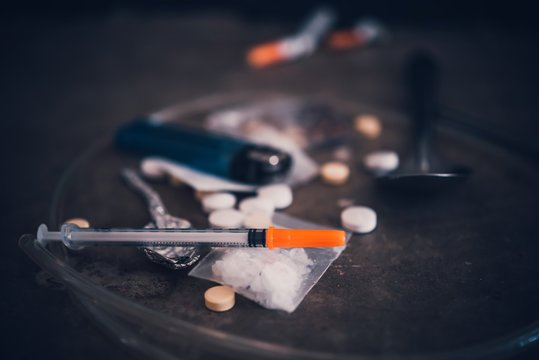
It’s a medically supervised exercise that helps remove withdrawal signals in the early levels of addiction recovery. Individuals who are struggling with substance dependence to drugs or alcohol typically experience physical symptoms, psychological distress and mental health problems when they stop using these drugs and/or alcohol. A gradual detoxification process may decrease the risk of complications and make it easier to move towards the next step of long-term recovery.

The Hope Rehabilitation Center Islamabad, Pakistan type of recovery programs focuses on ethical care, emotional support, and evidence-based treatment approaches. Rapid detox is normally the fast way and an area of addiction treatment plan which involves counseling, behavioral therapy, and relapsing prevention support.

What Is Rapid Detox?

Rapid detox is a medical treatment to remove addiction agents from the body. It is often the choice for those who are suffering from opioid addiction, prescription drug addiction, alcohol abuse or other substance use disorders.

Rapid detox is a method focused on managing withdrawal symptoms in a controlled clinical environment, while transitioning individuals into continuing care and recovery treatment.

This process may involve:

  • Medical monitoring
  • Medication-assisted support
  • Hydration and nutritional care
  • Emotional and psychological support
  • Post-detox rehabilitation planning

Rapid detox by itself is not a comprehensive addiction treatment. Therapy, counselling and lifestyle changes often take time to become more self-sustaining long-term recovery methods.

The Role of Detoxification in Addiction Treatment

Opioid users whom are dependent on a substance will build tolerance in their body to that substance through continued use. Quickly stopping use can present withdrawal symptoms anywhere from mild discomfort to life threatening medical conditions.

Detox is how to safely control those symptoms including:

  • Nausea and vomiting
  • Muscle pain
  • Anxiety and depression
  • Insomnia
  • Sweating
  • Irritability
  • Cravings
  • Fatigue
  • Restlessness

Medically supervised detox can alleviate health risks and make the process more comfortable.

Who is rapid detox treatment appropriate for?

In the case of severe substance dependence, Rapid detox may be indicated whenever support in dealing with withdrawal symptoms cannot take place alone.

So here are some common addictions you could be detoxing from:

Opioid Addiction

Substance dependence on heroin, morphine, fentanyl, or prescription pain relievers usually requires professional detox assistance.

Alcohol Addiction

It could bring on life-threatening symptoms and supervision.

Methamphetamine and ICE Addiction

Stimulant withdrawal may also lead to an unstable mood, depression and anxiety.

Prescription Drug Dependency

It may be necessary to slowly stop long-term use of a sedative or benzodiazepines under careful, monitored conditions.

Since no two patients are alike, assessment and treatment planning is undertaken on an individual basis.

The Process of Rapid Detox

The first step of rapid detox treatment, as with any other type of medical treatment, is a medical evaluation to determine physical health status as well as drug addiction and mental health history.

Initial Assessment

Healthcare professionals evaluate:

Substance use patterns

Physical condition

Mental health concerns

Existing medical conditions

Withdrawal risks

Medical Supervision

Patients during detoxification may be provided with supportive medications and throughout this period monitored for their safety while experiencing various withdrawal symptoms.

Stabilization Phase

The body progressively adapts to operating without bald drugs. Physical and emotional symptoms are maintained.

Transition Into Rehabilitation

Detox is only the first step in treatment, followed by therapy, counseling and rehabilitation programs.

Long-term recovery often hinges on treating both physical addiction and your emotional well-being.

Mental Health Support During Detox

Substance abuse often takes a toll on mental and emotional well-being. Substance dependency often accompanies anxiety, depression, trauma or stress for many people.

Rapid Detox – Rapid Detox Treatment Center in Islamabad, Pakistan

The mental health services at The Hope Rehabilitation Center Islamabad, Pakistan may have:

  • Individual counseling
  • Behavioral therapy
  • Emotional support sessions
  • Stress management techniques
  • Relapse prevention education

Mental health issues can be treated to bring about emotional stability and ultimately a more positive recovery outcome.

Benefits of Professional Rapid Detox Programs

There can be several benefits to detoxing in a professional and supervised environment such as:

Safer Withdrawal Management

Complications during withdrawal may be minimized by medical monitoring.

Emotional Support

Reduce stress and emotional distress through counseling and psychological care.

Structured Recovery Planning

Patients know how to get help for life-time rehabilitation and tendency avoid.

Improved Comfort

This type of care may also provide assistance with the discomfort that occurs during detox.

Health Monitoring

Health care workers can monitor vitals and be alerted of any health concern.

You receive professional care in a more stable environment and supported.

Challenges During the Detox Process

Despite detox being an essential part of recovery, it can also be physically and mentally demanding.

Common challenges include:

  • Drug cravings
  • Mood swings
  • Sleep difficulties
  • Emotional stress
  • Fear of relapse
  • Physical discomfort

These hurdles necessitate a continued supportive care after detox in the form of rehab.

Relapse Prevention After Detox

The first step in recovery is detoxification. Usually, for long-lasting results, you should continue treating and changing your lifestyle according to it.

Helpful relapse prevention strategies include:

  • Ongoing counseling
  • Family support programs
  • Healthy daily routines
  • Stress management techniques
  • Avoiding high-risk environments
  • Peer support groups
  • Mental health care

Restoration is typically a slow-moving procedure that thinks about persistence, uniformity, and also backing.

Family In Recovery: A Thematic Analysis

It can also help to have family when going through the detox treatment as it makes a difference. People could rather be positively encouraged psychologically and emotionally while also being understood in recovery.

Families can support recovery by:

  • Encouraging healthy communication
  • Learning about addiction and withdrawal
  • Supporting therapy participation
  • Promoting positive lifestyle changes
  • Recognizing emotional warning signs

A positive environment can help reinforce mental stability, as well as lessen feelings of isolation.

FAQs

1.     What is rapid detox treatment?

Rapid detox is a medically supervised process of managing withdrawal symptoms in the early stage of recovery from addiction.

2.     Is rapid detox safe?

Detox programs are safer to do under the guidance of medical professionals than trying to go through withdrawal on your own.

3.     Looking for which addiction shall be threatened through detox?

You may need medication-assisted treatment for opioid addiction, alcohol use disorder (AUD), prescription drug abuse, or stimulant addiction.

4.     Does detox cure addiction completely?

What: Detox is actually the first step in recovery. Essentially, long-term rehab and therapy are frequently required for recovery and cleaning.

5.     Why is Matisse or me as a professional key to supporting you while detoxing?

And especially with professional help, a counselor can monitor health problems, withdrawal symptoms, and can help patients feel supported while recovering.

Conclusion

Rapid detox is an important step for those in the early stages of beginning their recovery process as it safeguards against harmful withdrawal symptoms and helps start the healing journey. Ongoing support and comprehensive care are critical to support recovery without relapsing, as this disorder can impact both physical and emotional wellbeing.

Desirable The Hope Rehabilitation Center Islamabad, Pakistan is a safe choice for additivity treatment, helping individuals overcome whatever addictions they suffer from with patient-focused care that encompasses detoxification, emotional healing and rehabilitation.

Flakka or Flaka Addiction – Flakka Addiction Treatment Center in Islamabad, Pakistan

Flakka or Flaka Addiction – Flakka Addiction Treatment Center in Islamabad, Pakistan

Addiction to Flakka or Flaka has emerged a significant risk due to the hazardous bodily and interpretative effects relative with this artificial stimulant treatment. Flakka has gained a reputation for quickly damaging both the mental and physical health of users, causing extreme behavioral changes, paranoia, aggression and hallucinations. However, people who suffer from this addiction need medically- and psychology-based guidance to see recovery effectively.

Addiction recovery programs within The Hope Rehabilitation Center Islamabad, Pakistan are centered on ethical care, emotional support, and evidence-based treatment strategies to assist individuals cope with substance dependency and learn how to live a life without drugs. Raising awareness about the risks of Flakka addiction is a crucial component in preventing future substance abuse, as well as building support for recovery.

What Is Flakka or Flaka?

Flakka (also known as alpha-PVP, a synthetic stimulant drug chemically related to bath salts) It acts on the central nervous and creates feelings of energy, excitement and euphoria. These short-term effects, however, are most often followed by harmful psychological and physical actions.

Flakka may appear as:

  • White or pink crystals
  • Powder form
  • Capsules or tablets
  • Liquid for vaping

It ornery is indeterminate and can result in extreme emotional instability, behavior perils, and considerable dependence.

How Flakka Addiction Develops

Flakka changes the levels of dopamine in your brain, which induces quick sensations of enjoyment and excitement. Abuse can result in dependence rapidly, as the brain learns to rely on the drug for a sense of being versus an average emotional function.

Here are some of the reasons people start using Flakka:

  • Peer pressure
  • Curiosity
  • Emotional stress
  • Mental health struggles
  • Desire for energy or excitement
  • Existing substance abuse issues

As with other drugs, the body eventually develops a tolerance and that is where a larger amount is needed to perceive similar effects. This raises the risk of overdose and developing long-term health complications.

Flakka Addiction Signs and Symptoms

It will enable a person to identify the early warning signs which help him in taking professional assistance before it gets too deep.

Physical Symptoms

  • Increased heart rate
  • Elevated body temperature
  • Excessive sweating
  • Insomnia
  • Weight loss
  • Tremors
  • High blood pressure

Psychological Symptoms

  • Hallucinations
  • Extreme paranoia
  • Aggressive behavior
  • Panic attacks
  • Anxiety
  • Confusion
  • Emotional instability

Behavioral Changes

  • Isolation from family and friends
  • Secretive behavior
  • Financial problems
  • Neglecting responsibilities
  • Risk-taking activities

Similar to other stimulant Flakka Addiction Treatment, those addicted often suffer from co-occurring mental health disorders such as depression and anxiety.

Flakka abuse among users has been linked with mental health problems

The mental health aspect is one of the scariest components of Flakka addiction. Especially in the case of chronic use or at high doses, the drug frequently causes serious psychiatric symptoms.

Common mental health complications include:

Psychosis

It has been known to induce hallucinations, delusions, and paranoid ideation that cause users to go out of touch with reality.

Flakka or Flaka Addiction – Flakka Addiction Treatment Center in Islamabad, Pakistan

Depression

When the stimulation effect of these drugs wears off, users frequently experience depression, doom and gloom.

Anxiety Disorders

Excessive developments such as long-term users face with constant fear, panic attacks and emotional tension.

Violent or Impulsive Behavior

The medication can affect your judgment and increase aggression, putting oneself in jeopardy.

The emotional and psychological challenges are so complicated that the professional mental health help is frequently needed.

Health Concerns Related to Flakka Addiction

Flakka use causes long-term damage to the brain and body. Left untreated, they can lead to long-term health problems.

Possible health risks include:

  • Heart complications
  • Kidney damage
  • Seizures
  • Stroke
  • Respiratory problems
  • Severe dehydration
  • Cognitive impairment
  • Memory problems

In extreme cases, it can be as severe as overdose, particularly when mixed with other features of drugs.

Treatment Options for Flakka Addiction

Long-term emotional support and therapy combined with medical supervision and, in some cases, psychological care is essential for recovery from Flakka addiction.

The Hope Rehabilitation Center Islamabad, Pakistan are offering Treatment programs in a safe environment for recovery.

Medical Detoxification

Detox assists the body in getting through withdrawal while flushing out toxins. This stage is uncomfortable and could be dangerous if not supervised by professionals.

Behavioral Therapy

Therapy Sessions are meant to aid individuals in gaining insight into the addiction trigger and develop better ways of dealing with problems.

Mental Health Counseling

Counseling can provide aid to work through the emotional trauma that may be causing your drug or alcohol abuse, anxiety, depression or stress.

Relapse Prevention Support

Data until October 2023 Engrained false beliefs on sex or drugs can cause some people to relapse and struggle with the long-term recovery, hence structured relapse prevention programs are personally designed for each individual on how to avoid triggers.

Family Support Programs

It appeared that personally participating in each other’s recovery efforts may provide therapeutic support and facilitate open lines of communication between immediate family members.

The Importance of Early Intervention

Early intervention generally results in better treatment outcomes and lower chances of severe physical and psychological complications. Seeking addiction treatment at the earliest signs of substance dependence before it has progressed.

Things to watch out for that mean you should reach for professional support include:

  • Frequent drug cravings
  • Sudden behavioral changes
  • Aggression or paranoia
  • Loss of pleasure and interest in day-to-day living
  • Physical health decline
  • Emotional instability

However, with professional care, people can recover emotional homeostasis which enables them to enjoy a much better quality of life.

Building a Healthy Recovery Lifestyle

Flakka addiction recovery can only be accomplished through positive changes in lifestyle and a stabilized state of mind.

Helpful recovery strategies include:

  • Maintaining a healthy daily routine
  • Participating in counseling sessions
  • Building supportive relationships
  • Managing stress effectively
  • Exercising regularly
  • Practicing mindfulness techniques
  • Avoiding high-risk environments

Recovery is rarely a sprint, although it does benefit from patience, persistence and ongoing help.

FAQs

1.     What is Flakka addiction?

Flakka addiction is a constitutional dependence on a type of synthetic stimulant (alpha-PVP) that targets the brain and cardiovascular system.

2.     Flakka can manifest symptoms of the following:

They can be paranoid, hallucinate, become aggressive, have insomnia and an increased heartbeat as well as emotional swings.

3.     How does Flakka affect each limb?

Yes, Flakka can cause anxiety and depression, psychosis, panic attacks and wild mood swings.

4.     Do you need professional treatment for Flakka addiction?

Since withdrawal symptoms and mental health complications may become serious, professional treatment is usually suggested.

5.     How To Support Family Member/ Friend with Flakka?

Families can encourage emotional, facilitate treatment engagement and provide a supportive context for recovery.

Conclusion

Flakka or Flaka addiction can be a very dangerous illness that involves mental health, emotional health and physical health. Moreover, the erratic effects of this highly efficient synthetic drug heighten needless reference to reckless behavior, mental trauma and lasting health issues. Early recognition and professional treatment are vital for a safe and complete recovery.

Our effective community of addiction treatment facility The Hope Rehabilitation Center Islamabad, Pakistan care focuses on caring, knowledge-based therapies and structured recovery programs that encourage patients to develop healthy and stable lives.

Anxiety treatment – Anxiety treatment Center in Islamabad, Pakistan
Anxiety treatment – Anxiety treatment Center in Islamabad, Pakistan
Anxiety is one of the most common mental health issues that concerns people of all age groups. A bit of stress and worry from time to time is a part of everyday life, but constant anxiety can impact our day-to-day activities, relationships, work performance and how we are feeling emotionally. Getting professional help from an Anxiety treatment Center in Islamabad, Pakistan could assist people with their conditions and make improvements to the quality of their everyday lives.

Mental wellness at The Hope Rehabilitation Center Islamabad, Pakistan is treated in a professional, compassionate, private manner. The Centre is dedicated to provide a supportive environment to assist people in deciphering anxiety, managing emotional stress or building positive coping mechanisms.

Understanding Anxiety and Its Effects

Anxiety is more than just nervousness or fear in the moment. This may mean experiencing chronic anxiety, tenseness or panic, or emotional distress that interferes with day-to-day life. Anxiety can approach slowly or emerge after stressful life events, trauma, emotional distress, or health issues.

Common anxiety-related symptoms include:

  • Constant worry or fear
  • Restlessness
  • Difficulty concentrating
  • Sleep disturbances
  • Irritability
  • Rapid heartbeat
  • Fatigue
  • Muscle tension
  • Panic attacks

But poor emotional support can lead to anxiety and make physical health worse.

Common Causes of Anxiety

Different factors may cause anxiety disorders or long-term emotional stress. Recognizing these triggers is a crucial step in recovery and mental health awareness.

Work and Academic Stress

Even stress about studies, deadlines, job performance and career uncertainty can pile up for too much emotional burden.

Family and Relationship Challenges

Conflicts, emotional misperceptions, or breach of trust may impair the stability in emotions and aggravate symptoms of anxiety.

Trauma and Emotional Experiences

Data on EAT or other types of stressful life events can sustainably impact mental health. Significant personal traumas, grieving periods, and adverse life circumstances have long lasting consequences throughout one’s lifetime.

Health Concerns

Emotional stress and anxiety that may accompany chronic illness or chronic pain, or a physical problem.

Social and Financial Pressure

Human decisions tend to be driven by financial instability and popular will which influence the trajectory of emotional balance or confidence.

This is where a certified Anxiety treatment Center in Islamabad, Pakistan will assist you with figuring out these triggers while bringing to the surface better still ways of dealing with it.

INDICATIONS THAT YOU MAY REQUIRE ANXIETY TREATMENT

People often dismiss symptoms of anxiety until they disrupt day to day life. Reaching out for help early may prevent emotional anguish from getting worse.

Some common warning signs include:

  • Excessive fear or worry
  • Difficulty sleeping
  • Social withdrawal
  • Frequent panic attacks
  • Constant nervousness
  • Emotional exhaustion
  • Trouble focusing on daily tasks
  • Loss of motivation

If these symptoms persist for weeks or even months, seeking support from a mental health professional may be an effective way to regain hope and improve coping.

Treatment Approaches for Anxiety

Anxiety Treatment Programs in The Hope Rehabilitation Center Islamabad, Pakistan sort this out through the amalgam of emotional healing, stress management programs and mental wellness in use. The treatment may differ according to the mental health condition, and emotional needs of that individual.

Mental Health Assessment

Often times the recovery starts with assessing a person emotional struggles, stress levels and mental state. This is utilized to guide the development of a personalized care plan.

Individual Counseling

Private counseling sessions provide a protected area where people can talk openly about their emotional issues, fears, and tension-related tasks. A counselor talks about whether counseling can create increased awareness of emotions and self-confidence.

Anxiety treatment – Anxiety treatment Center in Islamabad, Pakistan

Cognitive Behavioral Therapy (CBT)

CBT is widely used with anxiety treatment by bringing awareness to our unhealthy thought patterns and responding in a healthier way mint.

Stress Management Techniques

These include relaxation, mindfulness, breathing exercises and emotional assistance strategies that help alleviate anxiety symptoms and restore an emotional equilibrium.

Lifestyle and Wellness Support

Establishing healthy patterns in sleep, exercise, nutrition and attachment may contribute to emotional well-being and recovery.

Mental health support services are important

The consequences of anxiety can compromise not only emotional health but physical well-being and social relationships. A lot of people who have anxiety feel repression, low self-esteem or emotional expressiveness.

However, a reliable Anxiety treatment Centre in Islamabad, Pakistan provides them with structured assistance that may allow them to learn about and understand the challenges they face and also practice repetition of healthier ways of coping.

The way mental health care is approached at The Hope Rehabilitation Center Islamabad, Pakistan, is one of empathy, respect, and confidentiality.

Anxiety and Physical Health

Physical Symptoms and Health Issues Long-term anxiety may also result in physical symptoms. Here are several effects emotional stress can have on the body:

  • Sleep disorders
  • Digestive problems
  • Fatigue and low energy
  • Muscle tension
  • Increased heart rate
  • Headaches

Mental and physical health gained from this relationship are interrelated which depicts the significance of emotional care and early intervention.

Benefits of Professional Anxiety Treatment

Professional anxiety treatment may assist people to:

  • Improve emotional resilience
  • Manage stress more effectively
  • Reduce panic and fear
  • Improve focus and concentration
  • Build healthier coping habits
  • Strengthen relationships
  • Improve sleep quality

As recovery is different for everyone, ongoing emotional support may contribute to gradual improvement in mental health.

Creating a Safe Recovery Environment

Creating an atmosphere where someone can feel supported and calm can aide in their healing process. Many people are Enduring Anxiety Benefit from Calming Environments and Supportive professionals who provide care with dignity.

The Hope Rehabilitation Center Islamabad, Pakistan > Treatment programs are based on emotional safety, privacy and long-term mental wellness.

FAQs About Anxiety Treatment

1.     What actually does a Anxiety treatment Center in Islamabad, Pakistan do?

These may provide counseling, therapy, stress management support, mental health assessment and emotional resilience programs.

2.     Can anxiety affect physical health?

Sure, anxiety can cause headaches, sleep problems, fatigue, stomach issues in the gut and muscle tightness too.

3.     Is anxiety treatment confidential?

While professional rehabilitation and mental health are ongoing, as a rule they preserve the protection of patients and privacy during treatment.

4.     Does therapy relieve your anxiety symptoms?

Service oriented bestows knowledge and understanding to the consumer so one can see what they connect with when it comes to things causing stress and how one can mitigate against such things in life.

5.     How long does it typically take to complete anxiety treatment?

Treatment duration varies depending on the individual’s emotional condition, stress level, and personal recovery needs.

Conclusion

Anxiety has impacts on emotional well-being, relationships, physical health, and quality of life. Going to a professional Anxiety treatment Center in Islamabad, Pakistan can help individuals gain a deeper understanding of their feelings and build better coping mechanisms.

To facilitate The Hope Rehabilitation Center Islamabad, Pakistan is offering unique and loving approach mental health care plan with emotional healing, stress relieving tools and self-improvement program. But guided by trained professionals, emotional support and ongoing care—those suffering from anxiety can find a continued pathway to living well.

Mental stress treatment – Mental stress treatment Center in Islamabad, Pakistan

Mental stress treatment – Mental stress treatment Center in Islamabad, Pakistan

Modern life has made Mental Stress one of the most common health issues. The stress of day-to-day life, work pressure, financial struggles; relationship problems; emotional challenges – all these can take their toll on your mental health as time advances. Chronic stress can lead to difficulty managing physical health, mental and emotional equilibrium, sleep regulation, and overall life quality. Mental stress treatment Center in Islamabad, Pakistan all helps individuals learn to cope with their stress reactions better.

The Hope Rehabilitation Center Islamabad, Pakistan are an emotional exhaustion treatment center that provides gentle, supportive care for condition associated with anxiety and stress. Mental health care is approached with competence, dignity and long-term emotional well-being in mind.

Physiological Effects of Mental Stress

Mental stress can be defined as the body’s emotional and physical reactions to pressure or challenging situations. We all experience some level of stress from time to time, but if it is too much or ongoing then the impact can damage mental and physical health.

Chronic stress can make you have:

  • Difficulty concentrating
  • Sleep problems
  • Anxiety and nervousness
  • Mood swings
  • Fatigue and low energy
  • Irritability
  • Social withdrawal
  • Headaches and body pain

Stress that is not moderated can produce anxiety disorders, depression, panic attacks and emotional exhaustion.

Common Causes of Mental Stress

Stress can bring anyone, regardless of age and background. There are various life situations which can cause emotional strain and mental pressure.

Workplace and Academic Pressure

Long work hours, deadlines, exams, and performance pressure example nature not only cause emotional exhaustion but it defeats the purpose of education in all of its form.

Family and Relationship Issues

Trained on data up to, in family member or relations system can leads to emotional agony and loneliness.

Financial Concerns

The need for long-term stress often derives from economic difficulties and financial uncertainty.

Health Problems

This is particularly the case when the individual begins to display symptoms of chronic illness, physical pain or if they are a caregiver who has an emotionally burdening role.

Trauma and Emotional Experiences

These are past traumatic experiences, grief or emotional losses that may lastingly affect mental well-being for years.

A professional Mental stress treatment – Mental stress treatment Center in Islamabad, Pakistan helps you recognize these triggers and learn new ways to cope.

Warning Signs That You Might Need Professional Stress Treatment

Things get concerning when stress begins to interfere with your day-to-day lifestyle, emotional health and relationships.

Some warning signs include:

  • Persistent sadness or anxiety
  • Loss of interest in activities
  • Difficulty sleeping or oversleeping
  • Panic attacks
  • Constant fatigue
  • Emotional numbness
  • Anger or frustration
  • Changes in appetite
  • Poor work or academic performance

But if these signs go on for a prolonged period of time, mental health professionals could help in enhancing emotional well-being.

Treatment Approaches for Mental Stress

Stress management programs at The Hope Rehabilitation Center Islamabad, Pakistan focus on emotionally healing as well as a healthier, more productive lifestyle. Individual needs and emotional conditions will either require different means of treatment.

Psychological Assessment

The initial phase mostly starts with the assessment of their emotional fitness, lifestyle hurdles, and stress triggers. This assists professionals to design a customized care plan.

Mental stress treatment – Mental stress treatment Center in Islamabad, Pakistan

Individual Counseling

One-on-one counseling sessions help people to talk in private about their emotional challenges with a professional. Special counseling will work towards bettering one’s recognition of the emotional aspect and ability to cope with it.

Cognitive Behavioral Therapy (CBT)

CBT is a widely implemented therapy within the mental health field to teach people to recognize positive and negative thinking patterns and expel negative thought processes.

Stress Management Techniques

Users can do relaxation, breathing techniques and even mindfulness practices and emotional regulation, which is basically the ability to regulate your own emotional wellbeing.

Lifestyle and Wellness Support

They include healthy sleep routines, balanced nutrition, physical activity and social support in an emotional wellness or recovery package.

Importance of Mental Health Support

We often do not see how much mental stress someone can have because emotional pain is not physical like an injury. But mental well-being is also very important like physical. Finding Help Early May Prevent Stress from Getting Worse

An Islamabad, Pakistan Mental health treatment Center that focuses on emotional safety, privacy and compassionate care. Proper professional support could help people feel more emotionally balanced, enhance communication, and learn better coping skills.

Creating a Supportive Recovery Environment

A calm & respectful atmosphere can contribute towards the healing process of their emotions. Those who face stress often battle a feeling of being overwhelmed, misunderstood, or emotionally depleted. Having a supportive environment might encourage them to speak about their experiences without needing filters.

The Hope Rehabilitation Center Islamabad, Pakistan focus healing protocols that promote emotional stability, personal development and well-being to ensure the growth mindset of all clients they assist.

Mental Stress and Physical Health

Mental stress can also impact upon physical health probably in several ways. Long-term stress may contribute to:

  • High blood pressure
  • Digestive problems
  • Muscle tension
  • Weak immune function
  • Fatigue
  • Sleep disorders

This association between the mind and body reinforces why it is so important to address both mental health when managing stress and coping emotionally.

Benefits of Professional Stress Treatment

Seeking professional care may provide assistance for individuals:

  • Improve emotional resilience
  • Learn healthier coping skills
  • Reduce anxiety and emotional overwhelm
  • Improve sleep quality
  • Strengthen relationships
  • Build confidence and emotional awareness
  • Develop healthier routines

Each person experiences healing differently, yet regular emotional support may positively impact physical health in the long run.

FAQs About Mental Stress Treatment

1.     What is a Mental stress treatment Center in Islamabad, Pakistan?

Such services may include counseling, stress management programs, mental health assessments, therapy sessions and emotional wellness.

2.     Can stress affect physical health?

And if we talk about physical symptoms mgmt. — 01 point is dose- Will long term stress lead to headaches, sleep problems, digestive issues, fatigue?

3.     When is Stress Treatment required?

If stress is interfering with daily life, emotional health, relationships or work for a long time, help may be required.

4.     Is mental stress treatment confidential?

Professional rehab and mental help near I know you have horrible thoughts for correcting patients through treatment by laying out flooring on this shot.

5.     Therapy can help with emotional stress

Therapy & counseling may help people pinpoint stress-causing elements, deal w. emotional functioning, and gain access to better coping strategies.

Conclusion

Mental stress can impact emotional health, physical health, relationships and quality of life. By seeking assistance from professionals in a Mental stress treatment Center in Islamabad, Pakistan individuals will be able to identify their emotionally distresses and build healthier coping strategies with regards to their trauma.

The Hope Rehabilitation Center Islamabad, Pakistan facilitates with Heart and soul, where the point is to enhance emotional support for the preservation of both mind & body whereas you are either tense or recovering. As long as the person has professional help, understanding and the right tools to manage their stress and their life better, a good life can be achieved.