Addiction to Flakka or Flaka has emerged a significant risk due to the hazardous bodily and interpretative effects relative with this artificial stimulant treatment. Flakka has gained a reputation for quickly damaging both the mental and physical health of users, causing extreme behavioral changes, paranoia, aggression and hallucinations. However, people who suffer from this addiction need medically- and psychology-based guidance to see recovery effectively.
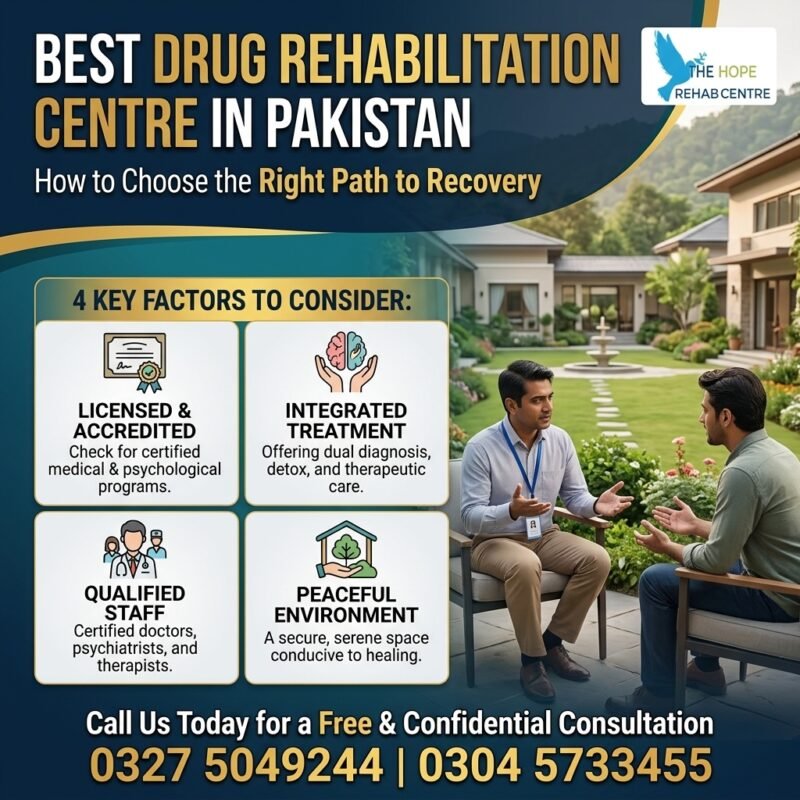
Addiction recovery programs within The Hope Rehabilitation Center Islamabad, Pakistan are centered on ethical care, emotional support, and evidence-based treatment strategies to assist individuals cope with substance dependency and learn how to live a life without drugs. Raising awareness about the risks of Flakka addiction is a crucial component in preventing future substance abuse, as well as building support for recovery.
What Is Flakka or Flaka?
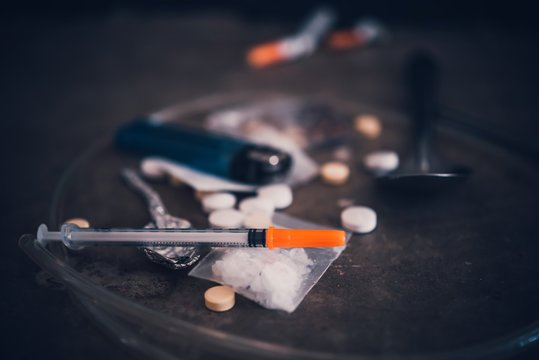
Flakka (also known as alpha-PVP, a synthetic stimulant drug chemically related to bath salts) It acts on the central nervous and creates feelings of energy, excitement and euphoria. These short-term effects, however, are most often followed by harmful psychological and physical actions.
Flakka may appear as:
- White or pink crystals
- Powder form
- Capsules or tablets
- Liquid for vaping
It ornery is indeterminate and can result in extreme emotional instability, behavior perils, and considerable dependence.
How Flakka Addiction Develops
Flakka changes the levels of dopamine in your brain, which induces quick sensations of enjoyment and excitement. Abuse can result in dependence rapidly, as the brain learns to rely on the drug for a sense of being versus an average emotional function.
Here are some of the reasons people start using Flakka:
- Peer pressure
- Curiosity
- Emotional stress
- Mental health struggles
- Desire for energy or excitement
- Existing substance abuse issues
As with other drugs, the body eventually develops a tolerance and that is where a larger amount is needed to perceive similar effects. This raises the risk of overdose and developing long-term health complications.
Flakka Addiction Signs and Symptoms
It will enable a person to identify the early warning signs which help him in taking professional assistance before it gets too deep.
Physical Symptoms
- Increased heart rate
- Elevated body temperature
- Excessive sweating
- Insomnia
- Weight loss
- Tremors
- High blood pressure
Psychological Symptoms
- Hallucinations
- Extreme paranoia
- Aggressive behavior
- Panic attacks
- Anxiety
- Confusion
- Emotional instability
Behavioral Changes
- Isolation from family and friends
- Secretive behavior
- Financial problems
- Neglecting responsibilities
- Risk-taking activities
Similar to other stimulant Flakka Addiction Treatment, those addicted often suffer from co-occurring mental health disorders such as depression and anxiety.
Flakka abuse among users has been linked with mental health problems
The mental health aspect is one of the scariest components of Flakka addiction. Especially in the case of chronic use or at high doses, the drug frequently causes serious psychiatric symptoms.
Common mental health complications include:
Psychosis
It has been known to induce hallucinations, delusions, and paranoid ideation that cause users to go out of touch with reality.
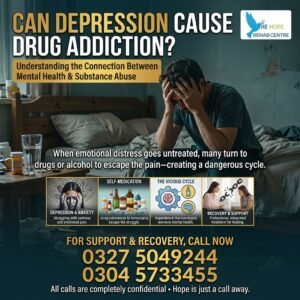
Depression
When the stimulation effect of these drugs wears off, users frequently experience depression, doom and gloom.
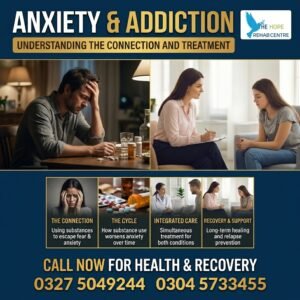
Anxiety Disorders
Excessive developments such as long-term users face with constant fear, panic attacks and emotional tension.
Violent or Impulsive Behavior
The medication can affect your judgment and increase aggression, putting oneself in jeopardy.
The emotional and psychological challenges are so complicated that the professional mental health help is frequently needed.
Health Concerns Related to Flakka Addiction
Flakka use causes long-term damage to the brain and body. Left untreated, they can lead to long-term health problems.
Possible health risks include:
- Heart complications
- Kidney damage
- Seizures
- Stroke
- Respiratory problems
- Severe dehydration
- Cognitive impairment
- Memory problems
In extreme cases, it can be as severe as overdose, particularly when mixed with other features of drugs.
Treatment Options for Flakka Addiction
Long-term emotional support and therapy combined with medical supervision and, in some cases, psychological care is essential for recovery from Flakka addiction.
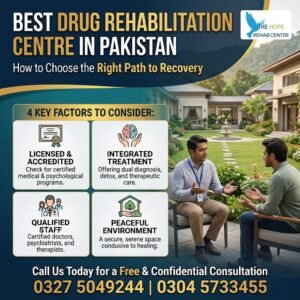
The Hope Rehabilitation Center Islamabad, Pakistan are offering Treatment programs in a safe environment for recovery.
Medical Detoxification
Detox assists the body in getting through withdrawal while flushing out toxins. This stage is uncomfortable and could be dangerous if not supervised by professionals.
Behavioral Therapy
Therapy Sessions are meant to aid individuals in gaining insight into the addiction trigger and develop better ways of dealing with problems.
Mental Health Counseling
Counseling can provide aid to work through the emotional trauma that may be causing your drug or alcohol abuse, anxiety, depression or stress.
Relapse Prevention Support
Data until October 2023 Engrained false beliefs on sex or drugs can cause some people to relapse and struggle with the long-term recovery, hence structured relapse prevention programs are personally designed for each individual on how to avoid triggers.
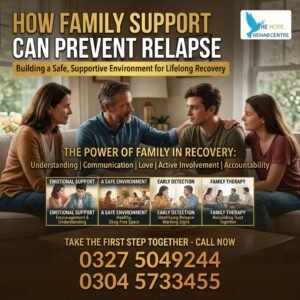
Family Support Programs
It appeared that personally participating in each other’s recovery efforts may provide therapeutic support and facilitate open lines of communication between immediate family members.
The Importance of Early Intervention
Early intervention generally results in better treatment outcomes and lower chances of severe physical and psychological complications. Seeking addiction treatment at the earliest signs of substance dependence before it has progressed.
Things to watch out for that mean you should reach for professional support include:
- Frequent drug cravings
- Sudden behavioral changes
- Aggression or paranoia
- Loss of pleasure and interest in day-to-day living
- Physical health decline
- Emotional instability
However, with professional care, people can recover emotional homeostasis which enables them to enjoy a much better quality of life.
Building a Healthy Recovery Lifestyle
Flakka addiction recovery can only be accomplished through positive changes in lifestyle and a stabilized state of mind.
Helpful recovery strategies include:
- Maintaining a healthy daily routine
- Participating in counseling sessions
- Building supportive relationships
- Managing stress effectively
- Exercising regularly
- Practicing mindfulness techniques
- Avoiding high-risk environments
Recovery is rarely a sprint, although it does benefit from patience, persistence and ongoing help.
FAQs
1. What is Flakka addiction?
Flakka addiction is a constitutional dependence on a type of synthetic stimulant (alpha-PVP) that targets the brain and cardiovascular system.
2. Flakka can manifest symptoms of the following:
They can be paranoid, hallucinate, become aggressive, have insomnia and an increased heartbeat as well as emotional swings.
3. How does Flakka affect each limb?
Yes, Flakka can cause anxiety and depression, psychosis, panic attacks and wild mood swings.
4. Do you need professional treatment for Flakka addiction?
Since withdrawal symptoms and mental health complications may become serious, professional treatment is usually suggested.
5. How To Support Family Member/ Friend with Flakka?
Families can encourage emotional, facilitate treatment engagement and provide a supportive context for recovery.
Conclusion
Flakka or Flaka addiction can be a very dangerous illness that involves mental health, emotional health and physical health. Moreover, the erratic effects of this highly efficient synthetic drug heighten needless reference to reckless behavior, mental trauma and lasting health issues. Early recognition and professional treatment are vital for a safe and complete recovery.
Our effective community of addiction treatment facility The Hope Rehabilitation Center Islamabad, Pakistan care focuses on caring, knowledge-based therapies and structured recovery programs that encourage patients to develop healthy and stable lives.