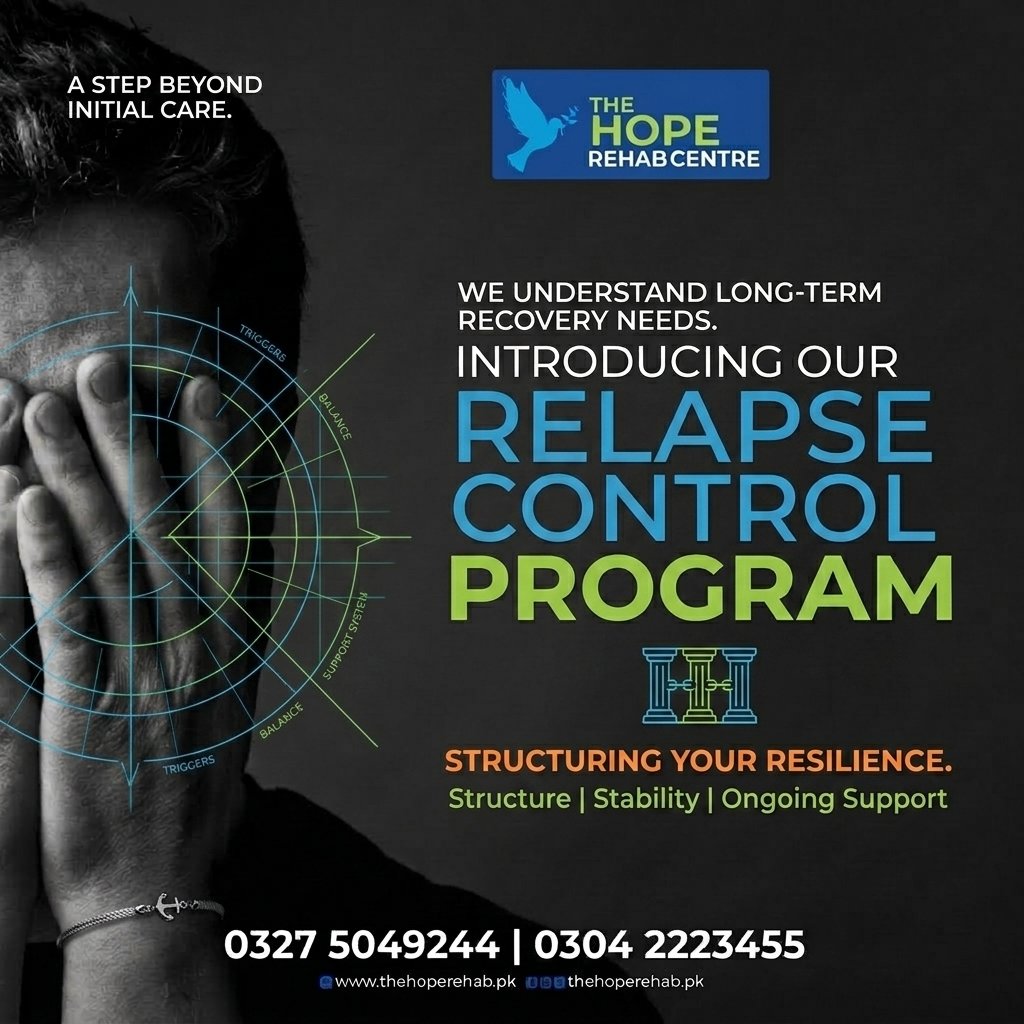
Addiction recovery is an ongoing process that stretches well beyond detox and IOP. Completion of treatment is a major step in recovery; however, sobriety does not end there — it still requires continued support, coping strategies and relapse prevention. Individuals are trained to identify warning signs, cope with triggers and develop the skills necessary for long-term recovery in structured relapse control programs.
If you or someone you know is searching for a Relapse Control Program in Islamabad, Pakistan — reach out to professionals today and take the first step towards preventing lapses in orders to live a longer, healthier life. One of the most crucial components of any well-rounded addiction treatment is relapse prevention at The Hope Rehabilitation Center Islamabad, Pakistan, which ensures that each person leaves an addiction program armed with the tools needed to stay sober.
What Is a relapse control program?
Relapse prevention program is a systematic aftercare plan that minimizes the likelihood of going back to using substances after treatment. It offers real-life resources, emotional sustenance and coping skills that allow individuals to navigate everyday difficulties without turning to alcohol or drugs for relief.
Elements of a comprehensive relapse control program may include:
- Individual counseling
- Cognitive Behavioral Therapy (CBT)
- Group therapy
- Family counseling
- Stress management techniques
- Lifestyle improvement plans
- Ongoing recovery monitoring
To help individuals maintain recovery in the long-term and have a better quality of life.
Understanding Relapse
Relapse does not happen suddenly. It usually emerges gradually through emotional, mental and behavioral changes prior to the substance use.
Common stages of relapse include:
Emotional Relapse
Individuals may go through the following at this stage:
- Increased stress
- Mood swings
- Anxiety
- Isolation
- Poor self-care
While we have not gone back to using, there are emotional issues which can trigger the process.
Mental Relapse
This is when one may start thinking about your substance use, or you are caught between wanting to recover and having the will to use.
Signs include:
- Cravings
- The glorification of former substance uses and excessive drinking
- Minimizing the risks of addiction
- Considering high-risk situations
Physical Relapse
A physical relapse refers to the third stage of a drug or alcohol return following abstinence.
Recognizing emotional and mental red flags early on can prevent a physical relapse.
Common Triggers for Relapse
This is the main thing you need to know about relapsing: personal triggers.
Common triggers include:
- Emotional stress
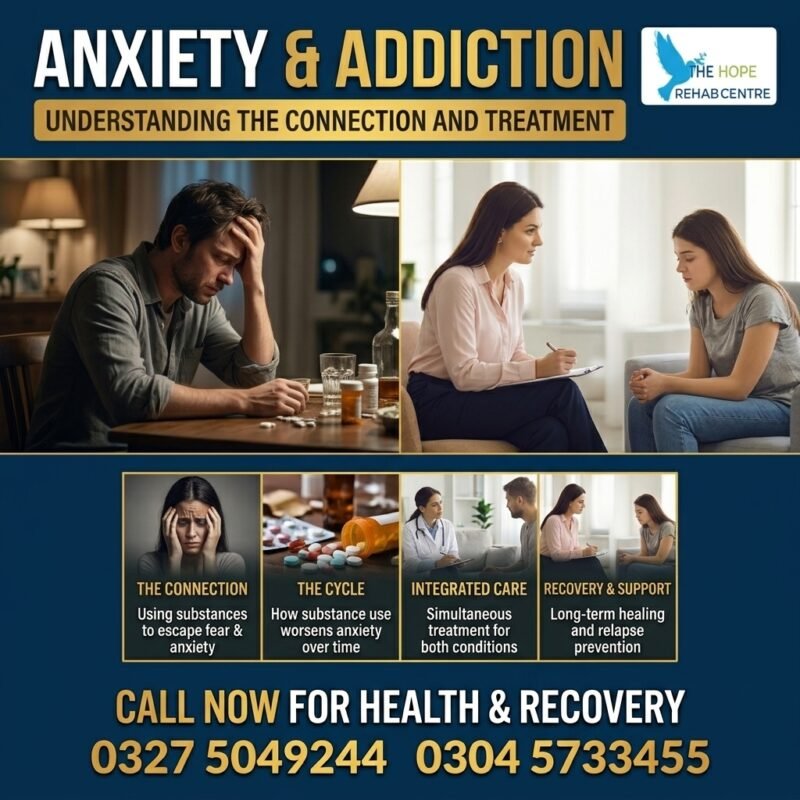
- Anxiety or depression
- Family conflicts
- Social pressure
- Financial difficulties
- Loneliness
- Exposure to substances
- Unhealthy relationships
By recognizing these triggers, we are able to find more constructive coping strategies.
Creating an effective Relapse Control Program
Individual Counseling
One-on-one counseling allows individuals to identify personal triggers, learn how to manage emotions positively, and reinforce recovery goals.
Cognitive Behavioral Therapy (CBT)
CBT trains people on how to substitute unhealthy thoughts with healing behaviors that promote sustained recovery.
Group Therapy
Peer support groups offer encouragement, accountability, and a sense of shared experience that can decrease feelings of isolation.
Family Support Programs
The family involvement enhances communication, the strength of relationship and a conducive home environment.
Stress Management
Stress can be managed effectively by combating the urge to use drugs through processes like relaxation, exercise and mindfulness which teach healthy habits thus reducing relapse risk.
Relapse prevention plans in The Hope Rehabilitation Center Islamabad, Pakistan are custom-tailored to each person’s recovery process.
The Importance of Aftercare
Rehabilitation is not the end of recovery. The focus of continuing care is to keep people engaged in their recovery efforts.
Aftercare services may include:
- Regular counseling sessions
- Recovery support groups
- Mental health follow-up
- Lifestyle coaching
- Family counseling
- Ongoing relapse prevention planning
Ongoing support can lead to better long-term recovery outcomes.
Long Term Recovery, Developing Healthy Habits
Preventing relapse depends largely on the establishment of healthy daily routines.
Positive habits include:
- Maintaining regular sleep patterns
- Eating a balanced diet
- Exercising regularly
- Managing stress effectively
- Building supportive relationships
- Setting realistic goals
- Participating in productive activities
These habits help with physical and mental well-being.
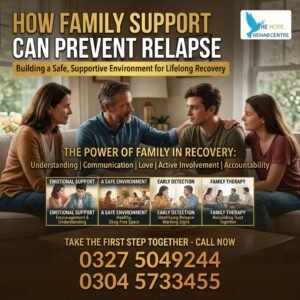
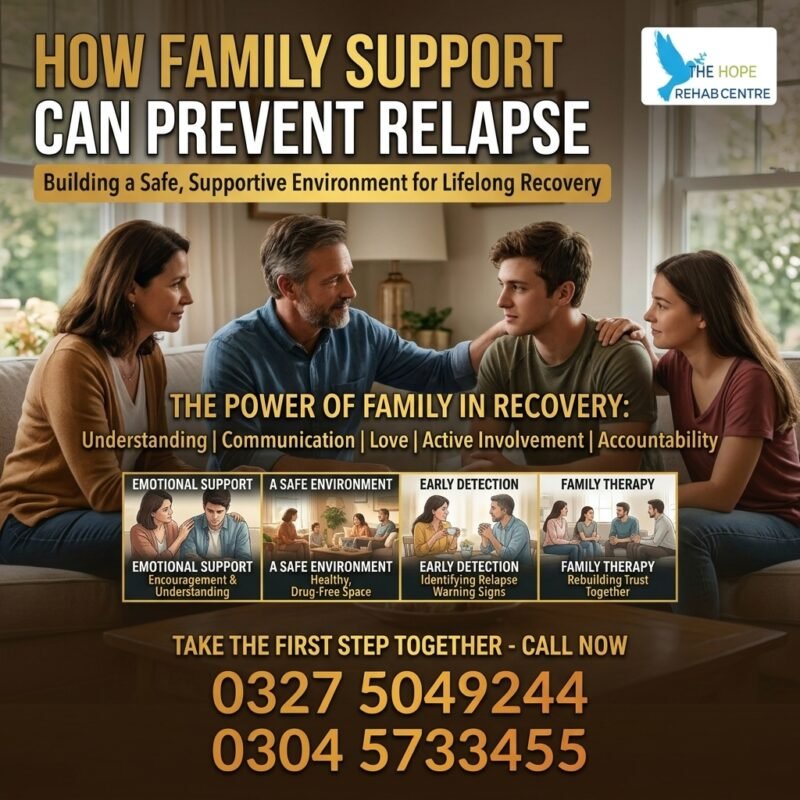
The Importance of Family in Preventing a Relapse
Family members can sometimes tease compassionate words during recovery.
Supportive families can help by:
- Encouraging healthy routines
- Attending family counseling sessions
- Recognizing early warning signs
- Promoting open communication
- Offering emotional support without judgment
To boost long-lasting recuperation, family members are included right into the The Hope Rehabilitation Center Islamabad, Pakistan is a drug treatment center in Islamabad flexible boys’ recovery plan.
Frequently Asked Questions (FAQs)
1. What Is A Relapse Control Program?
A relapsing control program is designed to avoid going back to the dependent use of material for individuals who have completed a treatment plan.
2. Can relapse be prevented?
There is no programmed that can prevent suicide but properly directed support and counselling can go a long way towards minimizing risk.
3. What are common relapse triggers?
Stress and anxiety, cases of depression, conflicts in family or inappropriate social influences and availability to addictive substances are common cases which lead to relapsing.
4. Why is aftercare important?
Aftercare includes ongoing counseling, help, and support that helps graduates from treatment stay sober.
5. How family members can help in relapse prevention
Family is able to offer emotional support, provide advice on healthy behaviors, be willing to attend counseling and spot early warning signs.
Conclusion
Addiction recovery is a lifelong journey that involves dedication, social support, and effective relapse prevention strategies. In Islamabad, Pakistan — A structured Relapse Control Programmed helps trained professionals with long-term sobriety by instilling new coping skills and recognizing triggers
Relapse prevention is a key component of complete addiction treatment at The Hope Rehabilitation Center Islamabad, Pakistan. Individualized attention in counseling, specific behavioral therapies, and involvement from family, alongside aftercare further enhances the likelihood of sustained recovery and getting back to a better quality of life.