Choosing the best drug rehabilitation centre in Pakistan is an important decision for individuals struggling with substance use and families looking for professional help. Addiction can affect physical health, mental well-being, relationships, education, and everyday responsibilities. Finding the right treatment environment can help individuals begin recovery with appropriate medical care, psychological support, and a structured plan.
However, not every rehabilitation centre offers the same level of care. Some focus primarily on withdrawal management, while others may provide a broader approach that includes counselling, mental health treatment, family involvement, and long-term recovery planning.
Before choosing a facility, it is important to understand what effective addiction treatment involves, which services are appropriate, and how to assess the quality and safety of a rehabilitation programme.
Why Choosing the Right Drug Rehabilitation Centre Matters
Drug addiction is a complex health condition that often requires more than simply stopping substance use. Individuals may experience cravings, withdrawal symptoms, emotional difficulties, and challenges returning to everyday life.
A suitable rehabilitation centre should recognize that recovery is different for everyone. Treatment should be based on an individual’s substance use history, physical health, mental health, personal circumstances, and recovery goals.
The right setting can help individuals:
- Receive an appropriate assessment of their health and substance use.
- Access medically supervised withdrawal management when necessary.
- Understand the factors contributing to addiction.
- Develop healthier ways to manage stress and cravings.
- Address related mental health concerns.
- Build a plan for continuing care after rehabilitation.
1. Check Medical Supervision and Safety Standards
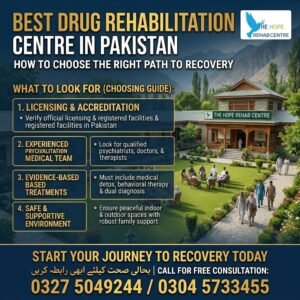
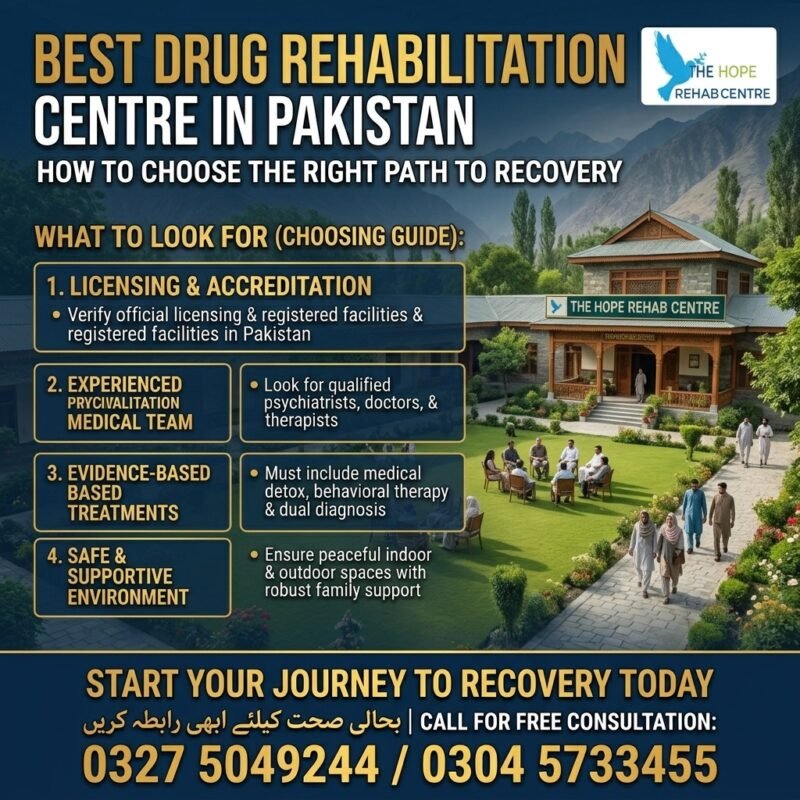
Medical supervision is one of the most important factors when evaluating a drug rehabilitation centre in Pakistan.
Withdrawal can involve serious health risks, depending on the substance and the person’s medical history. Alcohol and benzodiazepine withdrawal, for example, can cause life-threatening complications and may require medically supervised treatment.
Before selecting a facility, ask:
- Is a qualified medical professional involved in patient assessment?
- Is withdrawal management supervised by appropriately trained clinicians?
- Is emergency medical care available or accessible?
- Are medications prescribed and monitored by qualified professionals?
- Does the centre assess physical and mental health before treatment?
A safe facility should be transparent about its medical arrangements and explain how it responds to complications.
2. Look for Individualized Treatment Plans
There is no single treatment programme that works for everyone. People may have different substance use histories, medical conditions, emotional needs, and family circumstances.
A quality rehabilitation programme should begin with an assessment and develop a treatment plan suited to the individual.
Treatment may involve:
- Individual counselling
- Group therapy
- Behavioural therapies
- Relapse-prevention education
- Medical care when indicated
- Family counselling where appropriate
- Aftercare and follow-up planning
Be cautious of facilities that promise guaranteed recovery or offer the same treatment approach to every patient.
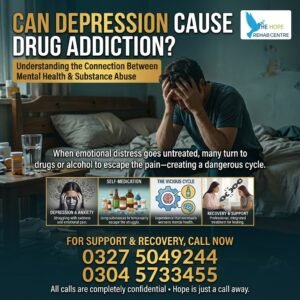
3. Consider Mental Health Treatment
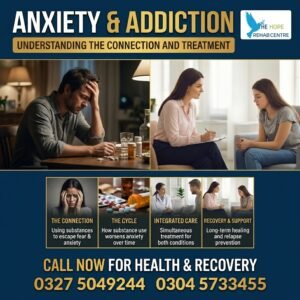
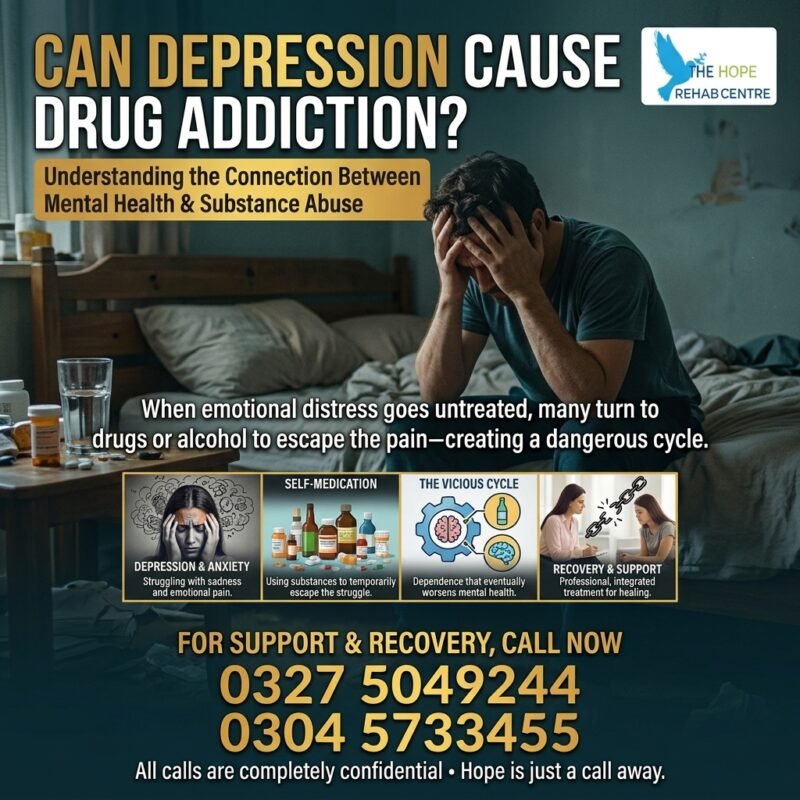
Substance use disorders can occur alongside depression, anxiety, trauma-related conditions, and other mental health concerns. This is sometimes called a dual diagnosis or co-occurring disorder.
If mental health concerns are present, they should be assessed and addressed as part of the treatment plan.
When comparing rehabilitation centres, ask whether the facility can assess co-occurring conditions and coordinate appropriate mental health care. Treating substance use without considering significant psychological difficulties may leave important recovery needs unaddressed.
4. Evaluate the Experience and Qualifications of Staff
The people providing treatment have a major influence on the quality and safety of care.
Ask about the qualifications, training, and responsibilities of the professionals involved. Depending on the programme, the team may include doctors, psychiatrists, psychologists, counsellors, nurses, and other trained healthcare workers.
It is also important to understand who is responsible for clinical decisions, medication management, patient monitoring, and emergency response.
A professional rehabilitation centre should be willing to explain its staffing arrangements clearly.
5. Understand the Rehabilitation Environment
The treatment environment should support dignity, privacy, safety, and emotional well-being.
When visiting or evaluating a facility, consider:
- Cleanliness and hygiene
- Comfortable and appropriate accommodation
- Patient privacy and confidentiality
- Respectful treatment by staff
- Safe and organized facilities
- Clear policies for visitors and family communication
- Protection from violence, harassment, and exploitation
Families should also ask about patient rights, consent procedures, complaint processes, and how personal information is protected.
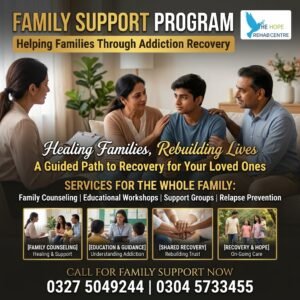
6. Ask About Family Involvement
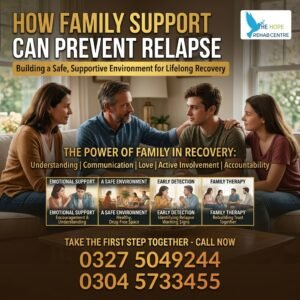
Addiction can affect the entire family. Relatives may experience stress, uncertainty, frustration, and difficulty understanding how to support someone in recovery.
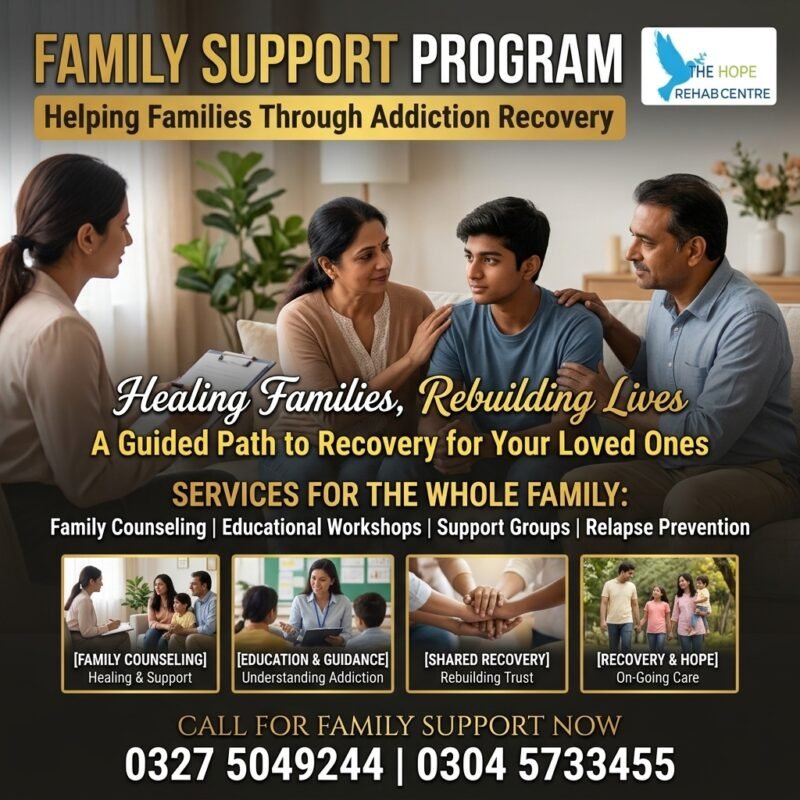
Family education and counselling can help loved ones understand addiction, communicate more effectively, and establish healthy boundaries.
Ask whether the rehabilitation centre provides opportunities for family involvement, subject to the patient’s consent, privacy, and clinical needs.
Families should also be encouraged to seek support for their own emotional well-being when necessary.
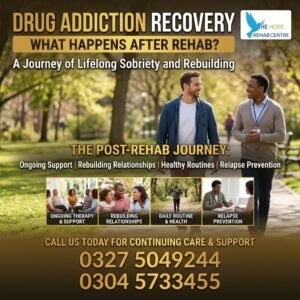
7. Check Relapse Prevention and Aftercare Services
Completing a rehabilitation programme is an important milestone, but recovery does not necessarily end when a person leaves the facility.
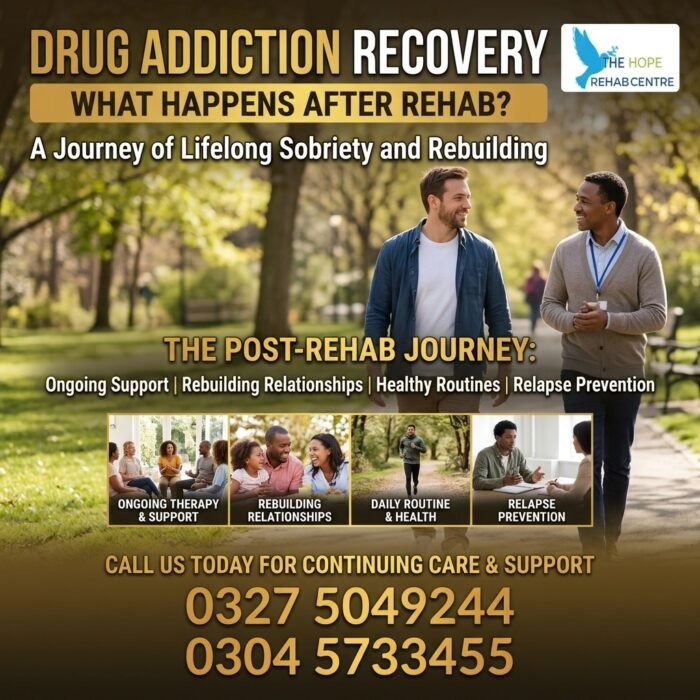
Relapse prevention and continuing care can help individuals manage challenges after treatment. A useful aftercare plan may include:
- Follow-up appointments
- Continued counselling
- Peer support groups
- Strategies for managing cravings
- Identification of personal triggers
- Family support and education
- Referrals to additional healthcare services when needed
Ask how the centre prepares patients for returning to home, work, education, and everyday responsibilities.
8. Understand Costs and Treatment Transparency
Treatment costs can vary depending on the level of care, duration, accommodation, medical services, and other programme features.
Before making a decision, request a clear explanation of:
- Admission and assessment fees
- Accommodation charges
- Medical and medication costs
- Counselling and therapy fees
- Additional or optional services
- Payment arrangements
- Policies regarding treatment duration and discharge
Avoid making a decision based only on the lowest price or the most expensive package. Focus on clinical quality, safety, transparency, and whether the programme meets the individual’s needs.
Questions to Ask Before Choosing a Rehabilitation Centre in Pakistan
A direct conversation with a facility can help families make a more informed decision. Consider asking:
- What types of substance use disorders does the centre assess and treat?
- Who supervises medical care and withdrawal management?
- What qualifications do the treatment professionals have?
- Are mental health conditions assessed alongside addiction?
- Which therapies and treatment approaches are available?
- How are patient privacy and safety protected?
- Can families participate in counselling or education?
- What continuing support is available after discharge?
A trustworthy facility should answer questions clearly without pressuring families into immediate admission.
The Hope Rehabilitation Center Islamabad, Pakistan
Individuals and families researching drug rehabilitation options may consider The Hope Rehabilitation Center Islamabad, Pakistan, as a point of contact when exploring recovery support.
Before choosing any facility, prospective patients and families should discuss their treatment needs, ask about available clinical services, and verify staff qualifications, medical supervision, safety arrangements, and aftercare options.
The most appropriate rehabilitation centre is one that provides care suited to the individual’s circumstances, respects patient dignity, and supports recovery through a responsible treatment plan.
Frequently Asked Questions
1. How do I choose the best drug rehabilitation centre in Pakistan?
Look for qualified professionals, appropriate medical supervision, individualized treatment plans, mental health assessment, safe facilities, transparent costs, and continuing recovery support. Visit or contact the facility and ask detailed questions before making a decision.
2. How long does drug rehabilitation treatment take?
Treatment duration varies according to the substance involved, severity of dependence, physical and mental health, and individual progress. Some people need a short period of intensive care followed by longer-term outpatient support, while others may require a more extended programme.
3. Is medical supervision necessary during drug detox?
It depends on the substance and the individual’s health. Withdrawal from alcohol and benzodiazepines can be dangerous and may require medical supervision. Other substances can also cause significant complications. A healthcare professional should assess the risks before someone stops using.
4. Can family members visit someone during rehabilitation?
Visiting arrangements depend on the facility’s policies, treatment plan, and the patient’s needs. Family involvement can be helpful, but it should respect patient consent, privacy, and clinical recommendations.
5. What happens after completing a rehabilitation programme?
Aftercare may include counselling, follow-up appointments, peer support, relapse-prevention planning, and continued medical or mental health treatment. Ongoing support can help individuals manage challenges as they return to everyday life.
Conclusion
Choosing the best drug rehabilitation centre in Pakistan requires careful research and attention to medical safety, professional qualifications, individualized care, mental health support, family involvement, and aftercare services.
Families should avoid relying only on advertisements, promises of guaranteed recovery, or accommodation features. Instead, they should ask questions, verify clinical arrangements, and select a facility that respects the patient’s dignity and individual treatment needs.
For those exploring rehabilitation options in Islamabad, The Hope Rehabilitation Center Islamabad, Pakistan, can be a starting point for discussing recovery needs and learning about available support. Taking an informed first step can help individuals and families move toward safer, more sustainable recovery.