The Hope Rehab Center

Category Psychiatric Services

Heroin Addiction | Understanding Dependency and Recovery Support
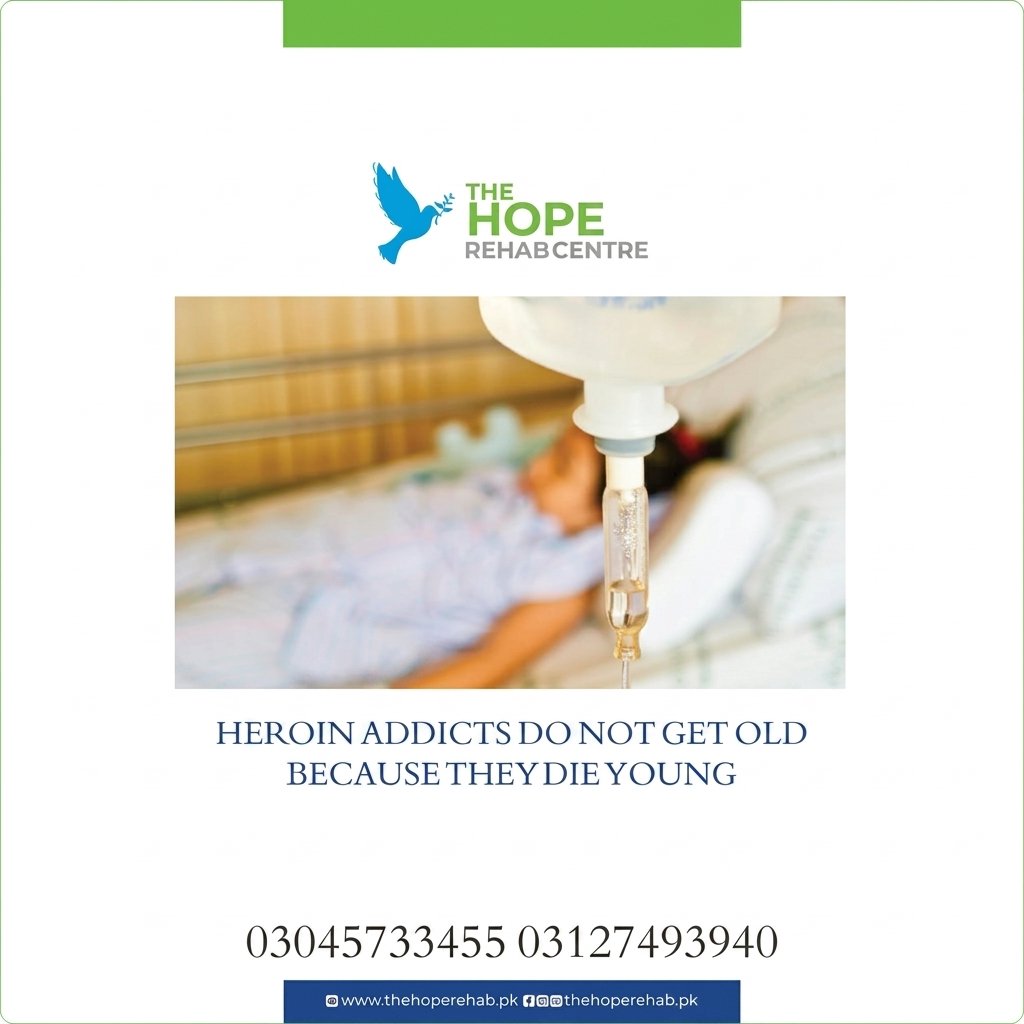
Heroin Addiction | Understanding Dependency and Recovery Support

Heroin addiction is one of the most serious and complex substance use disorders. It affects both the body and mind, often leading to severe physical dependence, emotional instability, and major disruptions in daily life. Many individuals who struggle with heroin addiction may feel trapped in a cycle of cravings, withdrawal symptoms, and repeated use.

Heroin is an opioid drug that can quickly create dependency, even after short-term use. Without proper treatment, heroin addiction can affect relationships, work, health, and mental well-being.

At The Hope Rehabilitation Center Islamabad, Pakistan, treatment for heroin addiction focuses on compassionate care, structured detoxification, therapy, and long-term recovery planning to support individuals in rebuilding their lives.

What Is Heroin Addiction?

Heroin addiction develops when a person becomes physically and psychologically dependent on heroin. The drug affects the brain’s reward system, creating feelings of relaxation or temporary relief, which can lead to repeated use.

Over time, the body adjusts to the drug, requiring larger amounts to achieve the same effects. This can increase both dependence and health risks.

Heroin may be used in different ways, including:

  • Injecting
  • Smoking
  • Snorting

Each method carries serious health risks.

Signs and Symptoms of Heroin Addiction

Recognizing the signs of heroin addiction can help individuals and families seek support earlier.

Physical Symptoms

  • Extreme drowsiness
  • Constricted pupils
  • Weight loss
  • Poor hygiene
  • Slow breathing
  • Frequent flu-like symptoms

Behavioral Symptoms

  • Secretive behavior
  • Loss of interest in responsibilities
  • Financial problems
  • Social withdrawal
  • Risk-taking behavior

Emotional Symptoms

  • Mood swings
  • Depression
  • Anxiety
  • Irritability
  • Lack of motivation

At The Hope Rehabilitation Center Islamabad, Pakistan, these symptoms are carefully assessed to build personalized treatment plans.

Health Risks of Heroin Addiction

Heroin addiction can lead to serious short-term and long-term health complications.

Physical Risks

Long-term heroin use may contribute to:

  • Respiratory problems
  • Liver complications
  • Heart infections
  • Collapsed veins
  • Digestive issues
  • Weakened immune system
Heroin Addiction | Understanding Dependency and Recovery Support

Mental Health Risks

Heroin addiction is often linked with:

  • Depression
  • Anxiety disorders
  • Emotional instability
  • Cognitive difficulties
  • Trauma-related conditions

Treating both addiction and mental health together is often an important part of recovery.

Heroin Withdrawal Symptoms

One of the biggest challenges in heroin addiction is withdrawal. When heroin use stops, the body reacts strongly because of physical dependence.

Common withdrawal symptoms include:

  • Severe cravings
  • Sweating
  • Body pain
  • Restlessness
  • Nausea and vomiting
  • Difficulty sleeping
  • Anxiety and agitation

Withdrawal can be physically and emotionally intense, which is why professional supervision is important.

Treatment Options for Heroin Addiction

Recovery from heroin addiction usually requires a structured and multi-step treatment approach.

Medical Detoxification

Detox is often the first step in heroin addiction treatment. During detox, the body clears heroin while healthcare professionals monitor withdrawal symptoms and overall safety.

At The Hope Rehabilitation Center Islamabad, Pakistan, detox programs are designed to provide supportive care during this difficult stage.

Therapy and Counseling

Therapy helps individuals understand the emotional and behavioral patterns behind addiction.

Common therapies include:

  • Cognitive Behavioral Therapy (CBT)
  • Individual counseling
  • Group therapy
  • Emotional regulation therapy

These approaches help individuals identify triggers and build healthier coping strategies.

Relapse Prevention Planning

Long-term recovery requires preparation for life after treatment. Relapse prevention focuses on:

  • Trigger awareness
  • Stress management
  • Healthy routine building
  • Ongoing counseling support

This helps individuals maintain progress after completing treatment.

Importance of Family Support in Recovery

Heroin addiction often affects entire families. Family support can play a key role in emotional healing and long-term stability.

Family counseling may help:

  • Improve communication
  • Rebuild trust
  • Strengthen emotional support
  • Create healthier boundaries

At The Hope Rehabilitation Center Islamabad, Pakistan, family involvement may be included in treatment when beneficial.

Recovery Is a Long-Term Process

Recovery from heroin addiction is not always quick or easy. It often requires patience, commitment, and ongoing support. Some individuals may need extended therapy or follow-up care to maintain stability.

A structured recovery plan can help individuals rebuild:

  • Physical health
  • Emotional balance
  • Relationships
  • Daily routines
  • Personal goals

Each step forward can contribute to long-term improvement.

Frequently Asked Questions (FAQs)

1. Why is heroin so addictive?

Heroin affects the brain’s reward system quickly, creating strong cravings and physical dependence.

2. What are the first signs of heroin addiction?

Common early signs include drowsiness, secretive behavior, mood changes, and increased isolation.

3. Is heroin withdrawal dangerous?

Withdrawal can be intense and uncomfortable. Professional supervision can help manage symptoms safely.

4. Can heroin addiction affect mental health?

Yes. Heroin addiction is often linked with depression, anxiety, and emotional instability.

5. How long does heroin addiction treatment take?

Treatment length varies depending on the individual’s condition, history of use, and recovery needs.

Conclusion

Heroin addiction is a serious condition that can affect every area of life, but recovery is possible with the right treatment and support. Understanding the signs, risks, and treatment options can help individuals and families take the first step toward healing.

At The Hope Rehabilitation Center Islamabad, Pakistan, heroin addiction treatment focuses on safe detoxification, therapy, emotional support, and long-term recovery planning. Through compassionate care and structured guidance, individuals can begin rebuilding their health, stability, and future.

Online Treatment Sessions | Accessible Mental Health and Recovery Support from Home
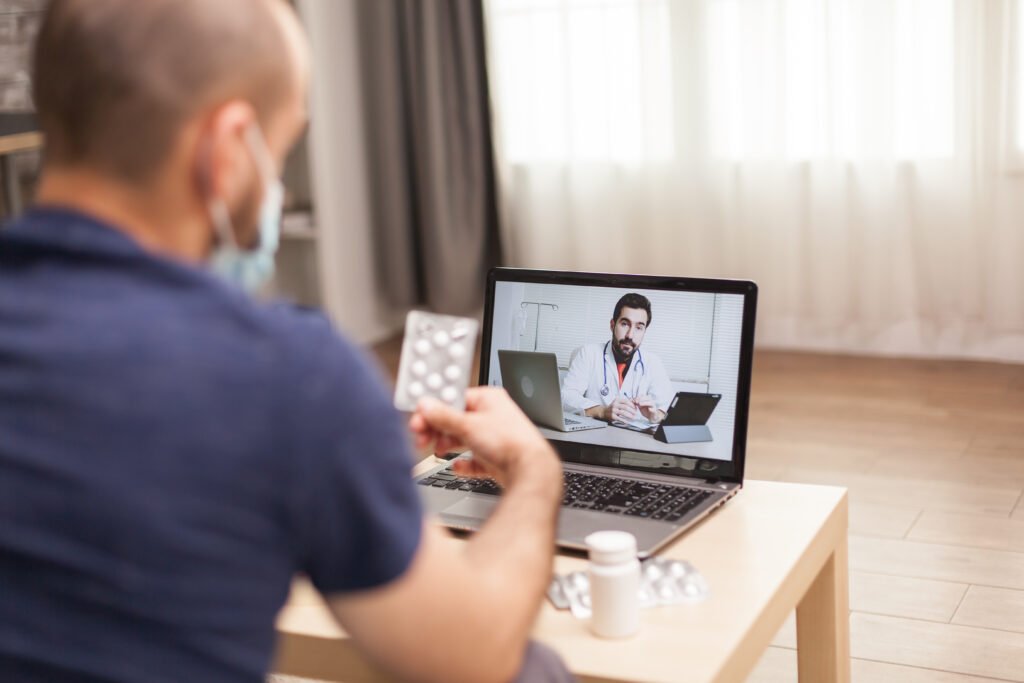
Online Treatment Sessions | Accessible Mental Health and Recovery Support from Home

Online treatment sessions have become an important part of modern healthcare, especially in mental health and addiction recovery. They provide individuals with access to professional support without the need to travel or leave their homes. For many people, online therapy and counseling create a practical and comfortable way to begin treatment.

Whether someone is dealing with depression, anxiety, trauma, or substance use challenges, online sessions can offer structured guidance and emotional support. At The Hope Rehabilitation Center Islamabad, Pakistan, online treatment sessions are designed to provide flexible and confidential care while maintaining the same professional standards as in-person treatment.

This approach makes mental health and addiction care more accessible for individuals and families across Pakistan.

What Are Online Treatment Sessions?

Online treatment sessions are professional counseling, therapy, or recovery support services delivered through video calls, phone calls, or secure digital platforms. These sessions allow individuals to connect with qualified mental health professionals from any location.

Online care can include:

  • Individual therapy
  • Family counseling
  • Addiction recovery support
  • Psychiatric consultation
  • Emotional wellness coaching

For people who face travel difficulties, busy schedules, or privacy concerns, online treatment can be an effective option.

Benefits of Online Treatment Sessions

Online care offers several practical and emotional benefits for individuals seeking support.

Easy Access to Professional Help

One of the biggest advantages of online treatment is accessibility. People living in remote areas or outside major cities can connect with mental health professionals more easily.

At The Hope Rehabilitation Center Islamabad, Pakistan, online treatment sessions help bridge this gap by making care available beyond physical clinic visits.

Privacy and Comfort

Some individuals feel more comfortable opening up about personal issues from their own home. Familiar surroundings can reduce anxiety and make communication easier.

Flexible Scheduling

Online sessions can be easier to fit into daily routines, especially for working individuals, students, or family caregivers.

Continued Support During Recovery

Recovery often requires consistency. Online sessions help individuals maintain regular contact with therapists, even during travel or busy life periods.

Conditions That Can Be Treated Online

Many mental health and behavioral conditions can be effectively addressed through online treatment.

Depression

Online counseling can help individuals manage sadness, hopelessness, and emotional stress.

Anxiety Disorders

Therapists can guide patients through coping strategies for excessive worry, panic, and stress.

Addiction Recovery Support

Online sessions can support relapse prevention, emotional management, and recovery planning.

Trauma and Emotional Distress

People dealing with past trauma can receive structured therapy and emotional guidance through virtual sessions.

At The Hope Rehabilitation Center Islamabad, Pakistan, online treatment plans are adjusted according to each individual’s emotional and psychological needs.

Online Addiction Treatment and Counseling

Addiction recovery does not always stop after detox or inpatient care. Many individuals benefit from continued counseling and support.

Online addiction treatment sessions may include:

Online Treatment Sessions | Accessible Mental Health and Recovery Support from Home
  • Craving management strategies
  • Emotional regulation support
  • Relapse prevention planning
  • Family support sessions
  • Recovery progress monitoring

These sessions help individuals stay connected to their recovery goals while managing everyday life.

The Role of Family in Online Treatment

Family involvement can be valuable in both mental health care and addiction recovery. Online family counseling sessions make it easier for loved ones to participate, even if they are in different locations.

Family support can help:

  • Improve communication
  • Build trust
  • Strengthen emotional understanding
  • Support healthy recovery habits

At The Hope Rehabilitation Center Islamabad, Pakistan, family-centered support can be included when needed.

Is Online Treatment Effective?

Research and clinical experience show that online treatment can be effective for many individuals, especially when sessions are regular and professionally guided.

Success often depends on:

  • Honest communication
  • Consistent attendance
  • A stable internet connection
  • Commitment to treatment goals

For some severe cases, in-person or inpatient treatment may still be necessary. However, online care remains a valuable option for ongoing support.

Who Can Benefit from Online Treatment?

Online sessions may be suitable for:

  • Individuals with mild to moderate depression or anxiety
  • People in recovery from addiction
  • Those needing follow-up counseling
  • Families seeking emotional guidance
  • Individuals unable to travel

At The Hope Rehabilitation Center Islamabad, Pakistan, online treatment sessions are designed to meet the needs of different individuals while maintaining confidentiality and professional care.

Frequently Asked Questions (FAQs)

1. What are online treatment sessions?

Online treatment sessions are therapy, counseling, or recovery support provided through video calls, phone calls, or digital platforms.

2. Are online therapy sessions confidential?

Yes. Professional online sessions are designed to protect privacy and maintain confidentiality.

3. Can addiction recovery be supported online?

Yes. Online counseling can help with emotional support, relapse prevention, and ongoing recovery planning.

4. Are online sessions as effective as in-person sessions?

For many individuals, online treatment can be highly effective, depending on their condition and consistency.

5. Who should choose online treatment?

People with travel limitations, busy schedules, privacy concerns, or ongoing recovery needs may benefit from online care.

Conclusion

Online treatment sessions have made mental health and addiction support more accessible, flexible, and practical for many individuals. They provide a valuable option for those seeking professional care while managing daily responsibilities or living in different locations.

At The Hope Rehabilitation Center Islamabad, Pakistan, online treatment sessions are offered with compassion, confidentiality, and personalized care. Through virtual counseling, emotional support, and recovery guidance, individuals can continue their healing journey from the comfort and safety of their own environment.

Mental Health Treatment – Mental Health Treatment in Islamabad, Pakistan
Mental Health Treatment – Mental Health Treatment in Islamabad, Pakistan

It also impacts people’s thoughts, emotions and behaviors in day-to-day situations. It affects relationships, work performance, emotional well-being and physical health negatively when mental health is disturbed. Anxiety, depression, trauma and stress-related disorders are increasingly being diagnosed across all age groups.

If you are suffering from emotional or psychological challenges, then you should go for seeking mental health treatment in Islamabad, Pakistan. The Hope Rehabilitation Center Islamabad, Pakistan offer comprehensive mental health treatment in a safe environment with skilled professionals to provide care, compassion and evidence-based treatments for long-lasting recovery and emotional balance.

Understanding Mental Health Treatment

Mental health treatment is geared towards equipping individuals with tools and support that can help them to cope with emotional challenges and bring balance back into life. Treatment plans are created based on the persons disorder, symptoms, and personal needs.

Treatment for mental health can aid in:

  • Anxiety disorders
  • Depression
  • Stress-related disorders
  • Trauma and PTSD
  • Mood disorders
  • Panic attacks
  • Dual-diagnosis conditions
  • Substance-induced mental health problems

Early intervention frequently enhances recovery and mental well-being.

All the signs that may point to you needing mental health treatment

It is crucial to identify mental health challenges and seek assistance at the right time.

Common symptoms include:

  • Persistent sadness
  • Excessive worry or fear
  • Mood swings
  • Disinterest in activities of daily living
  • Difficulty sleeping
  • Low energy
  • Social withdrawal
  • Difficulty concentrating
  • Irritability
  • Feelings of hopelessness

When there are long periods of these symptoms, seeking professional help might be a good idea.

Causes of Mental Health Challenges

The roots of mental health conditions can be complex.

Stressful Life Events

Life changes, money issues, or the loss of a loved one can led to this kind of feeling.

Trauma

Mental stability may also be affected by past abuse or accident, or some type of emotional pain.

Addiction

Substance abuse is common with many depressed people, and it plays a key part in poor emotional well-being.

Family History

A genetic link may also exist for some mental health conditions.

Lifestyle Factors

Poor sleep, poor lifestyle choices, or lack of support can exacerbate emotional stress.

Working to identify the causes of these behavioral shifts can help inform your treatment plans.

Why You Should Go Through Professional Mental Health Treatment?

Mental Health Treatment – Mental Health Treatment in Islamabad, Pakistan

Without treatment, mental health challenges can interfere with life in a fairly substantial way. It offers structured support and practical tools for healing.

If this is the case, then looking for Mental Health Treatment in Islamabad, Pakistan can be advantageous.

  • Improve emotional balance
  • Manage anxiety and stress
  • Build healthy coping skills
  • Improve relationships
  • Increase self-awareness
  • Restore confidence
  • Support long-term recovery

The Hope Rehabilitation Center Islamabad, Pakistan provide customized treatment programs according to the individual acquiescence of each patient.

Treatment Approaches for Mental Health

Individual Counseling

One-on-one counseling gives you a safe space to talk about your feelings, thoughts, and life struggles.

Cognitive Behavioral Therapy (CBT)

CBT is one of the best therapies for dealing with anxiety, depression, and stress. It assists with changing negative views of the world.

Stress Management Therapy

The treatment emphasizes relaxation techniques, emotional regulation, and coping strategies.

Group Therapy

Being in submission to a group brings people together; apart from sharing their experiences with each other, they disperse the feelings of isolation.

Family Counseling

Family support can strengthen emotional recovery, and improve communication at home.

Mental Health and Addiction

Co-occurring is a mental health & addiction. The patients also have depression, anxiety, trauma, or stress along with addiction.

This is called dual-diagnosis.

It is essential to address both conditions at the same time for improved outcomes. Integrated treatment plans meet addiction and mental work needs at the The Hope Rehabilitation Center Islamabad, Pakistan.

Building Better Mental Health

It requires time, commitment, and healthy daily habits to improve mental health.

Helpful steps include:

  • Getting enough sleep
  • Eating a balanced diet
  • Staying physically active
  • Avoiding harmful substances
  • Practicing relaxation techniques
  • Talking openly about emotions
  • Seeking professional help when needed

These practices can enhance emotional resilience and sustain mental health over time.

Frequently Asked Questions (FAQs)

1.     What is mental health treatment?

Treatment for mental health includes therapy, counseling, and organized help to handle emotional and psychological difficulties.

2.     At what point should someone reach out for mental health assistance?

Seek treatment if the emotional barriers are disrupting daily life, work or relationships.

3.     Article Rewrites Why is therapy useful for anxiety, depression?

Yes. Individuals using CBT are commonly seeking therapy for anxiety, depression and stress.

4.     Can addiction affect mental health?

Yes. Some contexts may exacerbate the mental state or lay the ground to manifestation of an emotional instability.

5.     Is it possible that the assistance of family members could help a person recover from mental health issues?

Yes. Having family involved can help provide emotional support and promote healing.

Conclusion

Mental health can disrupt every facet of life, though with the right treatment recovery and stability are absolutely achievable. The Mental Health treatment in Islamabad, Pakistan empowers people feeling blue or struggling to live life fully.

In Islamabad, the The Hope Rehabilitation Center Islamabad, Pakistan has followed ethical care, emotional healing & sympathy for mental health treatment. Therapy, counseling, stress management and family involvement are all viable ways to make progress toward balance for a stronger mind, better relationships and an active future.

Crystal Meth Addiction – Crystal Meth Addiction Treatment in Islamabad, Pakistan
Crystal Meth Addiction – Crystal Meth Addiction Treatment in Islamabad, Pakistan

Crystal meth plays center phase in the list concerning most hostile types of dependency issues. Crystal meth, also known as methamphetamine or ‘ICE,’ is a potent central nervous system stimulant. It produces very strong feelings of energy, awareness, and euphoria; however habitual use generally results in permanent harm physically, emotionally, or psychologically.

Knowing the dangers of meth use and what the recovery process looks like would be beneficial for anyone looking into Crystal Meth Addiction Treatment in Islamabad, Pakistan. The Hope Rehabilitation Center Islamabad, Pakistan offer treatment programs to help people with crystal meth addiction safely, professionally, and with compassion.

What Is Crystal Meth?

Crystal meth is an artificial stimulant that acts throughout the body but particularly on chemicals in the brain, including dopamine. That produces high-intensity short-term pleasure but damages the brain reward system with time.

Types of crystal meth inset: Morning even, gemstone replacement will concern.

  • Smoking
  • Snorting
  • Injecting
  • Swallowing

Dependence is a particular problem because it can occur very quickly, due to the drug’s high potential for addiction.

Signs of Crystal Meth Addiction

Being able to identify the early warning signs can help with making amends.

Common signs include:

  • Extreme energy or hyperactivity
  • Rapid weight loss
  • Insomnia
  • Aggressive behavior
  • Mood swings
  • Anxiety
  • Paranoia
  • Hallucinations
  • Poor personal hygiene
  • Skin sores from scratching
  • Isolation from family and friends

Long-term usage leads symptom-severity to get worse.

The negative influence of Crystal Meth crystal meth

Crystal the sluice addiction concerns help to performance the physical and psychological.

Physical Effects

  • Increased heart rate
  • High blood pressure
  • Severe weight loss
  • Tooth decay (“meth mouth”)
  • Skin damage
  • Weak immune system
  • Sleep problems

Psychological Effects

  • Anxiety
  • Depression
  • Paranoia
  • Panic attacks
  • Aggression
  • Hallucinations
  • Memory problems

Sustained use could cause permanent changes in how emotions are processed and thought patterns.

The Addictiveness of Crystal Meth

How Crystal Meth Works === Crystals releasing dopamine are being purged rapidly == The brain becomes reliant on the drug over time for normalcy.

This often leads to:

  • Strong cravings
  • Increased tolerance
  • Frequent use
  • Difficulty stopping
  • Emotional dependence

This cycle will perpetuate and worsen without treatment.

Crystal Meth Addiction – Crystal Meth Addiction Treatment in Islamabad, Pakistan

The Importance of Professional Treatment

The withdrawal symptoms associated with quitting crystal meth can be severe, making it very difficult to quit cold turkey without support.

Crystal Meth Addiction Treatment in Islamabad, Pakistan | How is treat crystal-Meth?

  • Manage withdrawal safely
  • Reduce cravings
  • Improve mental health
  • Address emotional triggers
  • Build healthier habits
  • Lower relapse risks

The Hope Rehabilitation Center Islamabad, Pakistan offers treatment plans that help you to recover from both physically as well as emotionally.

How Is Crystal Meth Addiction Treated?

Detoxification

Detox is usually first. Step. It assists the body in flushing out meth while allowing a patient to detox with limited withdrawal symptoms and in an environment that is safe.

Individual Therapy

One-on-one counseling allows those finding ways to understand the roots of addiction and emotional complexities related to meth.

Cognitive Behavioral Therapy (CBT)

One of the most effective treatments available for crystal meth is CBT. It works to replace negative thoughts and behaviors.

Group Therapy

You are learnt on the information these support groups permit those to communicate experiences, therefore lowering isolation and generating motivation.

Family Support Programs

Studies show how family involvement enhances communication, restores trust and reinvigorates recovery.

Crystal Meth Withdrawal Symptoms

Though crystal meth withdrawal can have emotional & physical symptoms.

Common symptoms include:

  • Fatigue
  • Depression
  • Anxiety
  • Strong cravings
  • Sleep disturbances
  • Mood swings
  • Irritability
  • Difficulty concentrating

Having professional help during withdrawal can increase comfort and safety.

Relapse Prevention After Treatment

Preventing relapse is an integral part of long-term recovery.

Important strategies include:

  • Identifying personal triggers
  • Managing stress
  • Attending regular therapy
  • Building healthy routines
  • Avoiding risky environments
  • Strengthening family support

Relapse prevention plays an integral role in long-term treatment planning at The Hope Rehabilitation Center Islamabad, Pakistan.

Frequently Asked Questions (FAQs)

1.     What is crystal meth?

Crystal Meth is a very potent stimulant drug that has an instant effect on the brain and leads to addiction very quickly.

2.     Is crystal meth addiction treatable?

Yes. Recovering is possible with professional treatment, therapy, and some structure.

3.     The length of time until crystal meth withdrawal begins all simply depends on the user’s individual abuse with this drug.

The symptoms of withdrawal differ, but a few emotional signs can last for varying periods of time — think days to weeks depending on how long and heavy the user was.

4.     Can crystal meth make us sick?

Yes. Repeat use can increase over time to anxiety, depression, paranoia and nervousness or emotionality.

5.     Can family support improve recovery?

Yes. Family follow-up can reinforce emotional recuperation and amend relapse risks.

Conclusion

Crystal meth abuse is an illness can impact all areas of a person’s life, including their physical well-being, mental health and social relationships. It might take time to recover but with the right surrounding and professional assistance, it is possible. One should consider Crystal Meth Addiction Treatment in Islamabad, Pakistan to help recover individuals from dependency and to start the healing process.

The Hope Rehabilitation Center Islamabad, Pakistan programs include safe detoxification (for various drugs like opiates, alcohol, stimulants), therapy such as cognitive-behavioral therapy (CBT), family support to help affected families discuss the problems of addiction without blame, and relapse prevention. Through structure and dedication, those seeking to recover can find their way back to emotional balance and a brighter tomorrow.

Mental Health | Understanding the Foundation of Emotional Well-Being
Mental Health | Understanding the Foundation of Emotional Well-Being

Mental health is an essential part of overall health and well-being. It affects how people think, feel, behave, and respond to life’s challenges. Just as physical health requires care and attention, mental health also needs support, balance, and awareness.

Good mental health allows individuals to manage stress, build healthy relationships, make decisions, and cope with daily responsibilities. When mental health is neglected, it can affect every part of life, including emotional stability, physical health, work, family life, and personal growth.

At The Hope Rehabilitation Center Islamabad, Pakistan, mental health support is treated as a vital part of recovery and long-term wellness, offering structured care for individuals facing emotional and psychological challenges.

What Is Mental Health?

Mental health refers to a person’s emotional, psychological, and social well-being. It influences how people handle stress, relate to others, and make choices.

Mental health is not just the absence of illness. It also includes:

  • Emotional balance
  • Healthy coping skills
  • Positive relationships
  • Self-awareness
  • The ability to manage life’s challenges

Strong mental health supports a person’s ability to live a stable and productive life.

Common Mental Health Challenges

Mental health conditions can affect anyone, regardless of age, gender, or background. Some common challenges include:

Depression

A condition marked by persistent sadness, loss of interest, low energy, and emotional distress.

Anxiety Disorders

Excessive worry, fear, or nervousness that can affect daily life.

Stress-Related Conditions

Long-term stress can affect both emotional and physical health.

Trauma and PTSD

Past traumatic experiences can continue to impact emotional stability and behavior.

Substance Use Disorders

Addiction often has a strong connection with mental health, making dual treatment important.

At The Hope Rehabilitation Center Islamabad, Pakistan, mental health programs focus on addressing these conditions through therapy, counseling, and emotional support.

Signs That Mental Health May Need Attention

Recognizing emotional struggles early can help prevent more serious problems later. Some warning signs include:

  • Persistent sadness or irritability
  • Difficulty concentrating
  • Sleep disturbances
  • Social withdrawal
  • Sudden mood changes
  • Feeling overwhelmed or hopeless
  • Loss of interest in daily activities

If these symptoms continue over time, professional support may be helpful.

Factors That Affect Mental Health

Mental Health | Understanding the Foundation of Emotional Well-Being

Mental health can be influenced by many factors, including:

  • Family history
  • Emotional trauma
  • Financial stress
  • Relationship problems
  • Chronic illness
  • Substance abuse
  • Social isolation

Understanding these factors can help individuals take preventive steps and seek support when needed.

Importance of Mental Health Treatment

Seeking support for mental health is a sign of strength, not weakness. Professional care can help individuals better understand their emotions and develop healthier ways to cope with life’s difficulties.

Treatment options may include:

Therapy and Counseling

Talking to a mental health professional can provide emotional relief, guidance, and practical coping strategies.

Behavioral Therapy

Approaches like Cognitive Behavioral Therapy (CBT) help individuals change harmful thought patterns.

Stress Management

Learning relaxation techniques and healthy routines can improve emotional resilience.

At The Hope Rehabilitation Center Islamabad, Pakistan, mental health treatment is personalized to each individual’s needs, focusing on long-term emotional stability.

Ways to Improve Mental Health

Mental health can be strengthened through simple but consistent habits:

  • Get enough sleep
  • Stay physically active
  • Maintain healthy eating habits
  • Build strong social connections
  • Practice mindfulness or meditation
  • Limit substance use
  • Seek help when needed

These habits can improve emotional balance and support overall well-being.

The Connection Between Mental Health and Addiction

Mental health and addiction often go hand in hand. Many individuals struggling with substance use may also experience depression, anxiety, or trauma.

This is why integrated treatment is important.

At The Hope Rehabilitation Center Islamabad, Pakistan, treatment programs address both addiction and mental health together, helping individuals achieve more balanced recovery.

Frequently Asked Questions (FAQs)

1. Why is mental health important?

Mental health affects thoughts, emotions, behavior, relationships, and the ability to cope with life.

2. Can mental health affect physical health?

Yes. Poor mental health can contribute to fatigue, sleep issues, headaches, and other physical symptoms.

3. Is stress a mental health issue?

Stress itself is normal, but long-term unmanaged stress can lead to mental health challenges.

4. Can therapy help improve mental health?

Therapy can help individuals understand emotions, manage stress, and develop healthier coping strategies.

5. When should someone seek mental health support?

Support should be considered when emotional struggles begin affecting daily life, relationships, or personal well-being.

Conclusion

Mental health is a vital part of living a balanced and healthy life. It shapes how individuals think, feel, and respond to challenges. Understanding mental health and recognizing when support is needed can make a significant difference in long-term well-being.

At The Hope Rehabilitation Center Islamabad, Pakistan, mental health care focuses on compassion, structure, and individualized support. Through therapy, counseling, and emotional guidance, individuals can work toward greater stability, resilience, and a healthier future.

Addiction Treatment – Addiction Treatment in Islamabad, Pakistan
Addiction Treatment – Addiction Treatment in Islamabad, Pakistan

Addiction is a complex health disorder that involves an individual’s mind, body, and behavior. This can be through drugs, alcohol, nicotine or some other untouched addiction and compulsions that make control impossible. Addiction slowly destroys relationships, mental health and overall quality of life. Fortunately, with effective therapy and additional support, recovery is achievable.

Introduction — Those looking to get Addiction Treatment in Islamabad, Pakistan for themselves or someone they know come across information that can change their lives forever; this guide is the first step on that journey. The Hope Rehabilitation Center Islamabad, Pakistan is working on building lives back with compassion, professional care and evidence-based addiction recovery methods.

What Is Addiction?

Addiction is a state in which one loses control of a substance or behavior and actively continues to use the substance despite having consequences. It alters the brain, rendering it difficult to stop using without assistance.

Common types of addiction include:

  • Drug addiction
  • Alcohol addiction
  • Nicotine addiction
  • ICE and crystal meth addiction
  • Opioid addiction
  • Cannabis addiction
  • Prescription medication misuse

Addiction is a terrible disease that impacts the lives of people from the very young to the old; all walks of life.

Signs and Symptoms of Addiction

Early detection of addiction can prevent dire health and emotional ramifications.

Common signs include:

  • Strong cravings for substances
  • Loss of control over usage
  • Increased tolerance
  • Withdrawal symptoms
  • Mood swings
  • Social isolation
  • Neglecting responsibilities
  • Financial problems
  • Sleep disturbances
  • Anxiety or depression

Without treatment, these symptoms may become more severe with time.

Why Professional Addiction Treatment Matters

This is why many people attempt to quit on their own but relapse, because addiction usually contains two components (the physical and the psychological).

Here are some of the Addiction Treatment in Islamabad, when you import addiction treatment in Islamabad?

  • Safe detoxification support
  • Professional counseling
  • Emotional healing
  • Relapse prevention strategies
  • Family guidance
  • Mental health care

Through professional treatment, the odds of life recovered jumping up.

The treatment programs at The Hope Rehabilitation Center Islamabad, Pakistan focus on the physical and psychological elements of addiction.

The Addiction Treatment Process

Comprehensive Assessment

The first step for recovery is to perform a complete evaluation about the individual substance abuse history, and his/her mental health illness and treatment needs.

Detoxification

In patients with physical dependence, detoxification is often the first step. It is effective in the elimination of neuromuscular toxins, managing craving and withdrawal symptoms safely.

Therapy and Counseling

Therapy targets being able to understanding of the addiction in those individuals and explains better coping skill sets.

Cognitive Behavioral Therapy (CBT)

Addiction Treatment – Addiction Treatment in Islamabad, Pakistan

Cognitive Behavioral Therapy is often used to determine negative thoughts and behaviors surrounding addiction.

Group Therapy

Group sessions provide an opportunity to connect with others, share struggles, and receive emotional support.

Family Support Programs

Conclusion: Working together as a family can enhance the level of communication and trust, which generally improves long-term recovery.

Common Causes of Addiction

For many reasons addiction can take hold including:

Emotional Stress

Some will turn to substance use in an effort to cope with stress or trauma, emotional pain.

Mental Health Disorders

A lot of conditions like depression, anxiety, or PTSD can lead to addiction.

Peer Pressure

Social environment: Social environments can impact alcohol and drug use behaviors, especially among young adults.

Genetic Factors

Note that sometimes, family history does correlate with susceptibility to addiction.

And so, the better we can get to know what makes these factors increased risk for developing difficulties allows us to develop treatment plans that are more tailored.

Mental Health and Addiction

Either mental health or addiction frequently go hand in hand. Those that are battling substance abuse also go through:

  • Depression
  • Anxiety
  • Panic disorders
  • Trauma
  • Mood disorders

Integrated treatment for co-occurring disorder can bolster outcomes in recovery. This is commonly referred to as dual-diagnosis treatment.

The Hope Rehabilitation Center Islamabad, Pakistan provide an integrated form of care that can treat emotional challenges as well as substance-related challenges.

Relapse Prevention in Recovery

Treatment does not equate to recovery. Long-term healing includes relapse prevention – another reason to seek help.

Effective relapse prevention includes:

  • Identifying triggers
  • Managing stress
  • Regular counseling
  • Healthy daily routines
  • Family support
  • Ongoing therapy sessions

These strategies act to keep them engaged in recovery.

The Importance of Family Support

Family support is great to recover. Loved ones can help by:

  • Offering emotional encouragement
  • Supporting treatment goals
  • Improving communication
  • Helping reduce stress
  • Recognizing early warning signs

Motivation can also improve by supportive family members, which further helps us in overcoming relapse problems.

Frequently Asked Questions (FAQs)

1.     What is addiction treatment?

Addiction treatment is a formal procedure that assists individuals stop using substances and the psychological and behavioral causes of their addiction.

2.     How Long is Addiction Treatment?

The duration of treatment is based on the type and severity of addiction along with individual progress.

3.     Do you need to detox for every addiction?

Not always. It depends on the substance and the severity of the physical dependence.

4.     Does addiction treatment address mental health issues?

Yes. In fact, a lot of treatment programs combine the treatment for both addictions and mental illness.

5.     Can family involvement improve recovery?

Yes. A family can enhance emotional recovery and provide support for a long time.

Conclusion

The impact of addiction may be deep and THT care, recovery is possible. Addiction Rehabilitation in Islamabad, Pakistan can help individuals regain control of their lives by providing the stability, therapy and support needed to manage substance dependence again.

The Hope Rehabilitation Center Islamabad, Pakistan provide a comprehensive addiction treatment that is grounded in ethical care supported by professional guidance permeated with long-term recovery planning. Detox, therapy, mental health care and family-involved treatment help people on their path to recovery with its clean paintbrush strokes — beginning anew in a healthier environment.

Dual-Diagnosis – Dual-Diagnosis Treatment in Islamabad, Pakistan
Dual-Diagnosis – Dual-Diagnosis Treatment in Islamabad, Pakistan

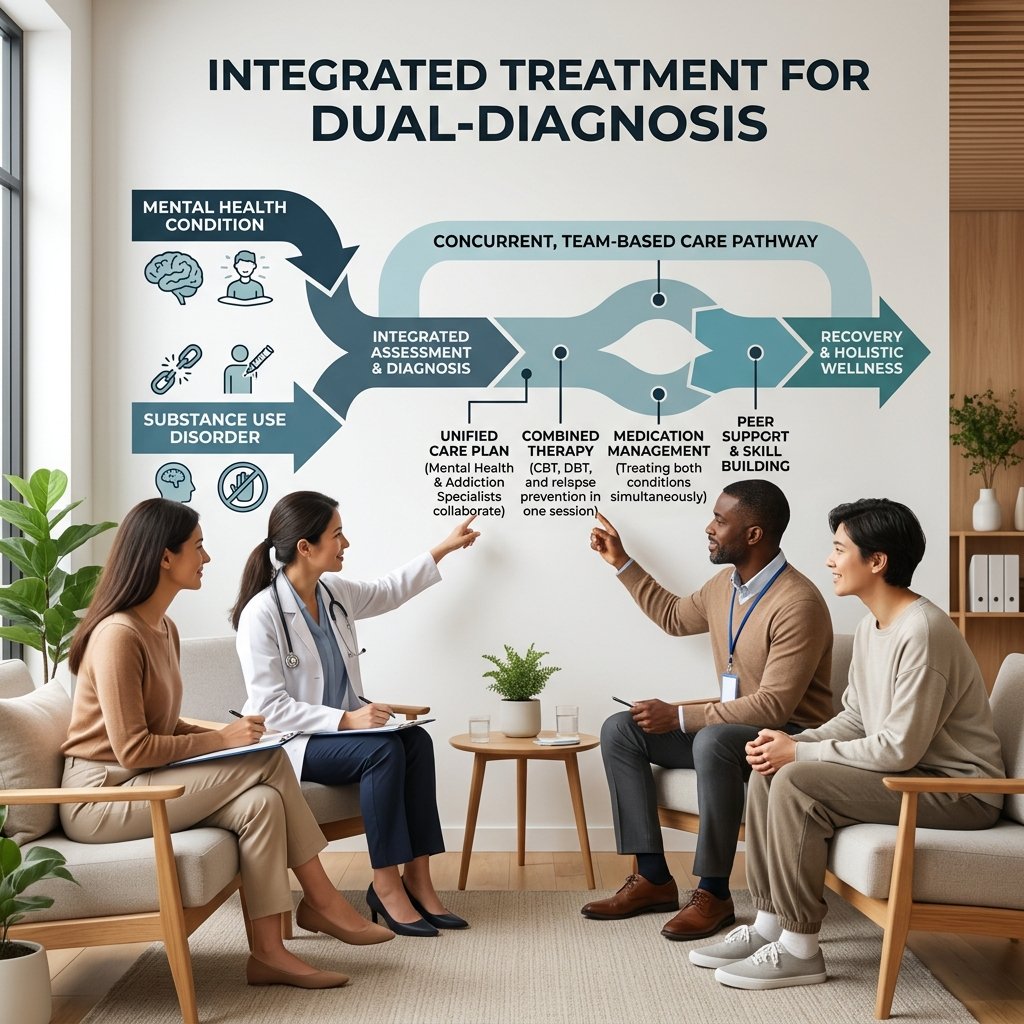
Dual-diagnosis refers to an individual with both a mental health disorder and substance use disorder at the same point in time. This can complicate treatment, as the two conditions will often interact. Someone with depression might drink alcohol or take drugs to cope, while substance abuse may contribute to feelings of anxiety, stress or other mental health issues.

For all the people looking for Dual-Diagnosis Treatment in Islamabad, Pakistan understanding their addiction and mental health boom is really need to know. Dual-diagnosis treatment, as provided by The Hope Rehabilitation Center Islamabad, Pakistan combines the two problems to be treated under one roof with professional care and planning for recovery.

What Is Dual-Diagnosis?

Dual-diagnosis (or co-occurring disorders) occurs when mental illness and addiction coexist.

Mental health problems associated with dual-diagnosis include:

  • Depression
  • Anxiety disorders
  • Bipolar disorder
  • PTSD (Post-Traumatic Stress Disorder)
  • Stress-related disorders
  • Personality disorders

If these conditions coexist, treatment of only one issue may be insufficient for effective recovery. Both need proper attention.

The Link Between Mental Health and Addiction

Mental health issues are often intertwined with addiction.

Self-Medication

Others resort to drugs or alcohol to cope with emotional anguish, stress, or mental illness symptoms.

Substance-Induced Mental Health Problems

Recurrent drug years or alcohol use problems can cause or hit off disorders such as depression, paranoia, or anxiety.

Shared Risk Factors

Both mental health disorders and addiction are seen as a combination of the increased risk due to trauma, genetics, stress, and environmental influences.

The understanding of this relationship allows to develop more efficient treatment strategies.

Signs of Dual-Diagnosis

The problem with identifying dual-diagnosis is that symptoms are similar.

Common signs include:

  • Mood swings
  • Anxiety or panic attacks
  • Social withdrawal
  • Substance cravings
  • Difficulty sleeping
  • Emotional instability
  • Lack of focus
  • Feelings of hopelessness
  • Increased stress
  • Losing interest in activities they used to enjoy

A dual-diagnosis treatment will work when both addiction and emotional struggles exist.

Why Dual-Diagnosis Treatment Is Important

Dual-Diagnosis – Dual-Diagnosis Treatment in Islamabad, Pakistan

If mental health issues are left untreated, the chances of a relapse may occur even after addiction treatment. Progress on mental health can also be stymied because of the parallel treatment with substance use.

Dual-Diagnosis Treatment in Islamabad, Pakistan can assist with:

  • Learn what causes addiction
  • Stabilize mental health symptoms
  • Build healthier coping skills
  • Reduce relapse risks
  • Improve emotional well-being
  • Strengthen recovery outcomes

Integrated treatment may enhance stability over the long term.

Treatment Approaches for Dual-Diagnosis

Comprehensive Assessment

The first step in treatment is a thorough assessment of the mental health problem and history of substance use.

Detoxification

Detoxification is the managing of withdrawal, and this usually happens first when people are physically dependent on substance.

Individual Therapy

Counseling One on one counseling assists people to explore emotional pain, trauma and personal triggers.

Cognitive Behavioral Therapy (CBT)

CBT is often included in dual-diagnosis treatment where the goal is to recognize negative ways of thinking and replace them with more healthy behavior.

Medication Management

Medication may also be used to stabilize mental health under professional guidance in certain situations.

Group Therapy

Peer support helps ease isolation and is great for encouragement when recovering.

The Hope Rehabilitation Center Islamabad, Pakistan have personalized treatment plans focused on everyone different emotional and physical needs.

Challenges of Dual-Diagnosis Recovery

It is a long process, expect that it could take time to be treated for dual-diagnosis. Some challenges include:

  • Managing emotional triggers
  • Balancing mental health symptoms
  • Preventing relapse
  • Rebuilding confidence
  • Improving relationships

Having a structured treatment plan allows some people to work their way through these difficulties in a more thoughtful manner.

Family Support in Dual-Diagnosis Treatment

Recovery is often built on a pillar of family support. Families can:

  • Study mental health and addiction
  • Improve communication
  • Offer emotional support
  • Help identify warning signs
  • Encourage treatment consistency

Family counseling programs are created to make the recovery process more solid and better at The Hope Rehabilitation Center Islamabad, Pakistan.

Frequently Asked Questions (FAQs)

1.     What does dual-diagnosis mean?

Dual diagnosis means that you have both of a mental health disorder and a substance use disorder at the same time.

2.     Can dual-diagnosis be treated?

Yes. But it is treatable with integrated treatment for both conditions.

3.     Why is dual-diagnosis treatment different?

Instead of treating addiction and mental health separately, it looks at them together.

4.     Is relapse common in dual-diagnosis?

If one condition remains untreated, relapse can happen. The continued support mitigates against this risk.

5.     Can family support improve recovery?

Yes. Emotional stability, encouragement and better communication throughout treatment are also facilitated by family support.

Conclusion

Dual-diagnosis is a nuanced diagnosis that needs slow/careful, up-stream care. As both mental illness and drug addiction take place together, they must also be treated together in order to promote long-term recovery. Getting Dual-Diagnosis Treatment in Islamabad, Pakistan can offer the organized assistance you’re looking for with emotional health and drug dependence at once.

Dual-diagnosis treatment is aimed towards restoration of both the physical and mental and emotional health of individuals at The Hope Rehabilitation Center Islamabad, Pakistan. With family support, therapy and personalized care, the road to stability, recovery, and a better future can be become a reality for individuals.

Family Support – Family Support Program in Islamabad, Pakistan
Family Support – Family Support Program in Islamabad, Pakistan

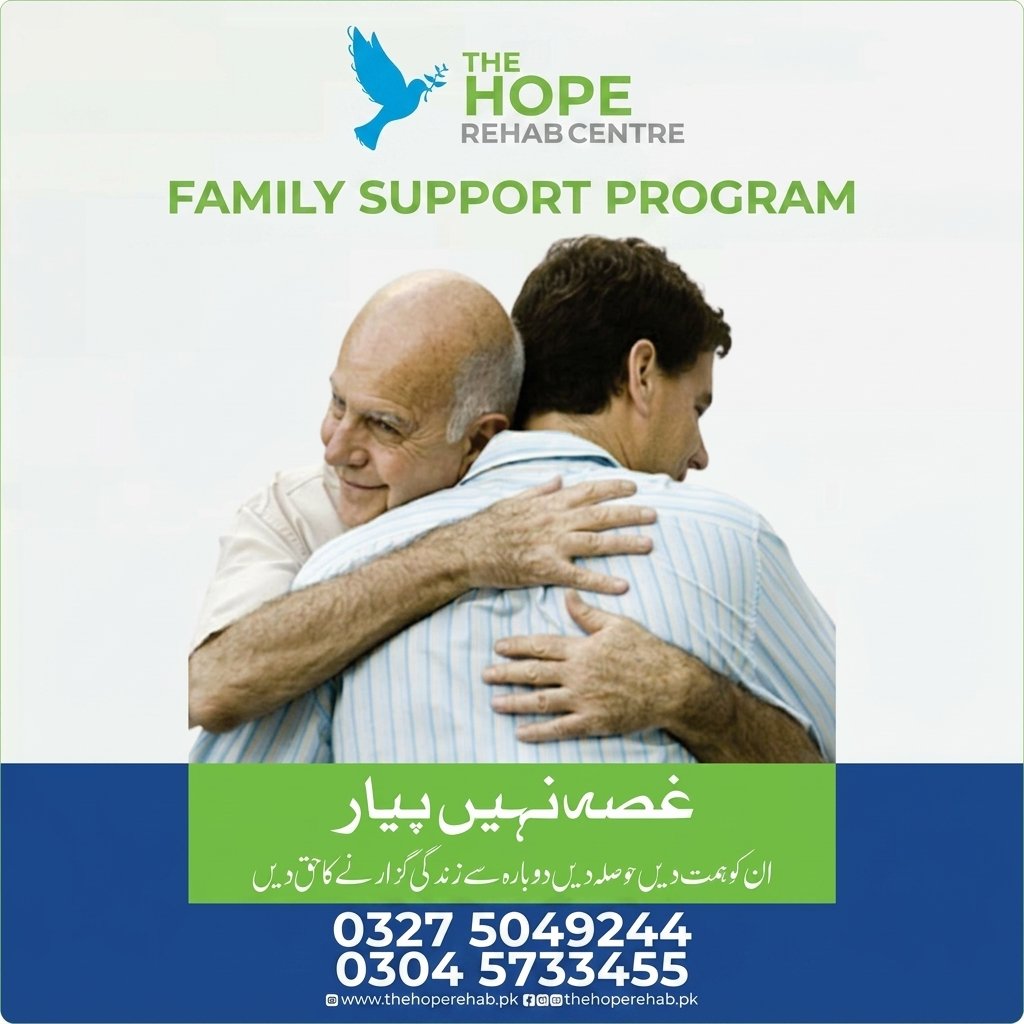
In the case of people dealing with addiction, mental health issues or behavioral problems, family support is an important part of their healing process. Addiction is neither the disease of the individual—that would be too easy—and making it an individual problem ignores the fact that addiction affects entire family systems, fragilizing familial bonds through emotional overloads and broken trust in communication with loved ones. Good family support underlies positive treatment outcomes and helps establish the emotional foundation needed for a lifelong recovery.

Understanding the importance of family involvement can help individuals and families looking for a Family Support Program in Islamabad Pakistan. At The Hope Rehabilitation Center Islamabad, Pakistan Family support is an integral part of the recovery process. It helps both, individual as well as their family members to rebuild healthier relationships.

The Importance of Family Support During Recovery

Family involvement is essential for effective recovery. Both addiction and mental health conditions cause emotional pain, confusion, and frustration for everyone involved.

Family support can help by:

  • Providing emotional encouragement
  • Improving communication
  • Reducing feelings of isolation
  • Building trust again
  • Supporting relapse prevention
  • Strengthening motivation for treatment

Familial dynamics are a big part of creating healthy space for a person to heal, and stabilize.

The Family Effects of Addiction

Family members also struggle with the impact of addiction. Loved ones may experience:

Emotional Stress

Loved ones – family members in particular – often experience anxiety, depression, anger or powerlessness when they observe someone who is battling to find the self-discipline needed for recovery from an addiction to drugs.

Financial Pressure

It is important to be aware of the potential negative consequences a la santé de votre âme may create financial hardship when an addiction leads to healthcare expenses, job loss or risky behaviors.

Broken Relationships

Distance is where trust issues, being dishonest and talking after a fight go.

Mental Health Challenges

They were also unable to expand family members who develop stress, depression, or emotional exhaustion as they may struggle or adopt a new normal.

This is why healing your family is just as important as healing yourself.

Family Service Program: Explained

The Family Support Program Islamabad, Pakistan aims to inform, counsel and assist family members in the treatment process of a loved one. It helps families understand addiction, recovery and how they can help with a positive contribution.

Family support programs often include:

  • Family counseling
  • Educational sessions
  • Emotional support groups
  • Communication skill-building
  • Relapse prevention planning
  • Conflict resolution strategies

Fundamental to our drug treatment programs in Islamabad is the nature of family support services and since we advance sound family relations through uniting families, esteem can be a goldmine with regards to accomplishing an effective recovery.

Family Involvement in Treatment Benefits

Family Support – Family Support Program in Islamabad, Pakistan

Better Treatment Outcomes

Family support has been shown to keep people more committed to, and engaged in recovery.

Improved Communication

Individual or family therapy — to improve listening, understanding and emotional expression

Reduced Relapse Risk

Healthy family environments can also aid in recognizing and addressing risk factors early on.

Emotional Healing for Everyone

It is where both the person and family can heal from past pain together and learn to rebuild trust.

Increased Awareness

Education concerning addiction aids families understand better that recovery is not a brief process.

Family Counseling in Recovery

Counseling for families is often an integral part of many treatment programs. It can create a safe environment where family members can:

  • Share concerns openly
  • Discuss emotional pain
  • Understand addiction behaviors
  • Learn healthy boundaries
  • Improve problem-solving skills

This process has the ability to minimize misunderstandings and deepen emotional connections.

Supporting a Recovery at Home: How Families Can Play a Role

Family support only extends until the point where formal treatment ends. Families can help in many important ways, such as:

Encourage Healthy Routines

It encourages good sleep, nutritious diet and positive behavior each day.

Avoid Triggers

Limiting exposure to stressors or triggers may aid recovery.

Offer Emotional Support

Compassion in simpler terms can bring about the season of confidence during trials and tribulations.

Attend Follow-Up Sessions

You can give yourself the best chance of strengthening your recovery by continuing to attend therapy or other support meetings.

Practice Patience

And recovery isn’t a linear path; there will be ups and downs. Patience and understanding are important.

PREVENTION AND RELAPSE Family Role

One of biggest parts of recovery is the prevention from relapsing. Some signs that families can look out for include:

  • Isolation
  • Mood changes
  • Increased stress
  • Avoiding treatment sessions
  • Returning to unhealthy environments

The better the early support and communication, the lower will be the probability of outside relapse.

For example, in The Hope Rehabilitation Center Islamabad, Pakistan, relapse prevention planning incorporates family education to help loved ones support long-term recovery.

Frequently Asked Questions (FAQs)

1.     When someone is suffering from addiction, their recovery will greatly benefit from having a reliable family support system in place.

Emotional strength, encouragement, and stability from supportive family members can enhance the chance of recovery.

2.     Is Family Therapy the antidote to a fractured family?

Family therapy may allow families to improve communication, rebuild trust, and resolve emotional pain.

3.     What if family ties are challenging?

Support programs can teach the families how to communicate better and manage conflicts better.

4.     Does involving family members decrease the risk of relapse?

Yes, a family that is supportive can help them understand where their triggers are and how to be encouraged to use good positive coping skills.

5.     So, I don’t know if family members can also be supported emotionally?

Are family support programs usually including counseling and direction for loved ones too?

Conclusion

Recovery is not just for the individual — frequently it entails soothing the whole domestic system. A Family Support Program in Islamabad, Pakistan that is effective can serve as an emotional guide for families while providing information and practical tools to support their loved one through recovery. Including the family can help foster communication, lower stress levels, and provide a more stable environment for sustainable recovery.

At The Hope Rehabilitation Center Islamabad, Pakistan, the involvement of family is integral within the treatment process to help both the individual and significant others repair damaged relationships, regain trust with one another, and progress towards recovery closer as a family unit.

Opioids Addiction – Opioids Addiction Cure in Islamabad, Pakistan
Opioids Addiction – Opioids Addiction Cure in Islamabad, Pakistan

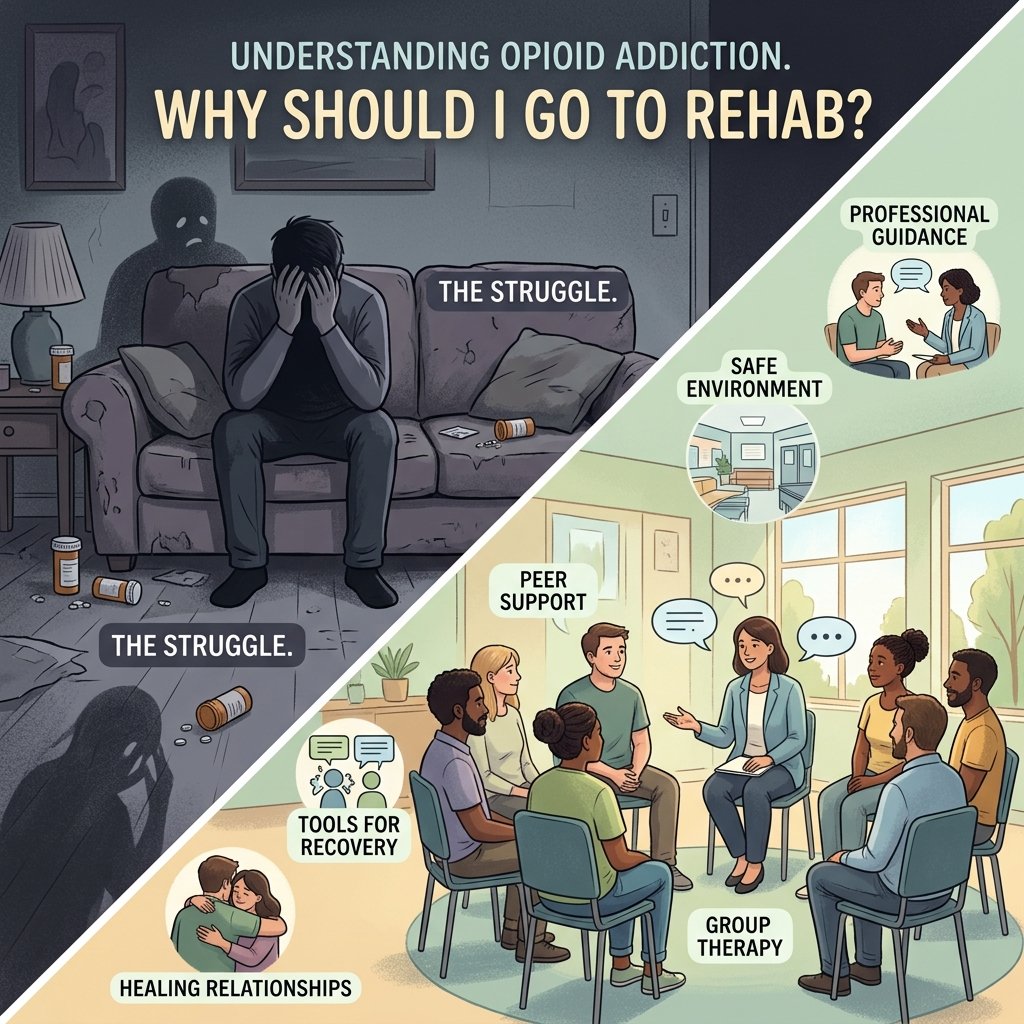
Opioid addiction is now an epidemic public health problem that affects millions of people across the world. Opioids, which include prescription painkillers and illicit drugs such as heroin, constitute both powerful physical and psychological dependence. Pain management or a casual recreational habit quickly morphs into addiction affecting health, relationships and everyday living.

To those who are looking for Opioids Addiction Treatment in Islamabad Pakistan, here is a guide to understanding opioid dependence and treatment. The treatment at The Hope Rehabilitation Center Islamabad, Pakistan are centered around ethical care, professional intervention along with tailored recovery plans for each patient allowing them to take control over their life.

Understanding Opioids Addiction

Opioids are drugs that help reduce pain and create relaxation or euphoria by acting on the nervous system. Common opioids include:

  • Heroin
  • Morphine
  • Codeine
  • Oxycodone
  • Tramadol
  • Fentanyl
  • Prescription pain medications

Opioids do work for medical pain relief but chronic use or misuse can lead to dependence. Over time, the brain becomes accustomed to the drug and all but fails to operate normally without assistance.

This leads to drug-seeking behavior that become compulsive, in spite of harmful consequences.

Common Signs of Opioid Addiction

Early identification of opioid addiction can help with treatment.

  • Common signs may include:
  • Strong cravings for opioids
  • Increased tolerance
  • Withdrawal symptoms when not using
  • Drowsiness or extreme fatigue
  • Mood swings
  • Poor concentration
  • Social isolation
  • Financial problems
  • Neglecting work or family responsibilities
  • Physical discomfort when stopping use

If not treated, these symptoms can get worse over time.

Causes and Risk Factors

Multiple factors can contribute to opioid addiction.

Prescription Misuse

People can become dependent on pain medication after taking it for longer than what the doctor prescribes.

Chronic Pain Conditions

People with chronic pain might end up taking a lot of opioids, which increases risk of addiction.

Emotional and Mental Health Challenges

Some people also begin abusing opioids to deal with their stress, depression, anxiety and trauma.

Genetic and Family History

If there is a history of addiction in your family, it can predispose one to have substance dependence.

Health Effects of Opioid Dependence

Opioids Addiction – Opioids Addiction Cure in Islamabad, Pakistan

Using opioids for a prolonged period of time can affect both physical and mental health.

Physical Effects

  • Slowed breathing
  • Digestive problems
  • Fatigue
  • Weakened immune system
  • Weight changes
  • Sleep disturbances

Psychological Effects

  • Depression
  • Anxiety
  • Emotional instability
  • Memory problems
  • Reduced motivation

Misuse of opioids can lead to overdose, which in turn can be life-threatening in severe cases.

The Importance of Professional Treatment

With such intense and uncomfortable withdrawal symptoms, it is almost impossible to overcome an opioid addiction without professional support.

Opioids Addiction Treatment Islamabad, Pakistan can give you organized care and more secure withdrawal administration.

Professional treatment helps individuals:

  • Manage withdrawal symptoms safely
  • Address emotional triggers
  • Develop healthier coping strategies
  • Improve mental health
  • Reduce relapse risks
  • Build long-term recovery skills

We formulate recovery plans based on an individually customized Plan to Recover for each client, at The Hope Rehabilitation Center Islamabad, Pakistan.

Treatment Approaches for Opioids Addiction

Comprehensive Assessment

A thorough assessment of substance abuse history, medical status, and individual treatment objectives.

Detoxification

One of the First Steps in Treatment for Opioid Addiction Is Detoxification This nsw leads to removal of opioids at controlled levels under supervision and while dealing with resulting withdrawal symptoms.

Individual Therapy

Individual counseling sessions help people discover the reasons for addiction and learn healthier practices.

Cognitive Behavioral Therapy (CBT)

CBT teaches them to identify their negative thought processes and replace them with much healthier coping strategies.

Group Therapy

Group sessions aid in peer support, shared experiences and encouragement through recovery.

Family Support Programs

Better communication and strengthened emotional support systems due to family education and counselling.

Involvement of Family in the Recovery: At the The Hope Rehabilitation Center Islamabad, Pakistan, involving family members is an important part of recovery.

Opioid Withdrawal Symptoms

Withdrawal symptoms can start hours after a person stops taking the drug and range from mild to serious.

Common symptoms include:

  • Muscle pain
  • Sweating
  • Nausea
  • Vomiting
  • Restlessness
  • Anxiety
  • Insomnia
  • Strong cravings
  • Chills

Detox can be uncomfortable and dangerous, which is why professional support during this phase of treatment is recommended.

Relapse Prevention in Opioid Recovery

The fact that recovery is more than just treatment. Relapse prevention planning is often crucial to long term success.

Important relapse prevention strategies include:

  • Identifying triggers
  • Managing stress
  • Attending therapy sessions
  • Building healthy routines
  • Maintaining family support
  • Joining recovery groups

Following these steps may enhance recovery and decrease the chance of relapse.

Frequently Asked Questions (FAQs)

1.     What are opioids?

Opioids are drugs that relieve pain and act mainly on the nervous system These cover both prescription medications and illicit substances such as heroin.

2.     Can opioid addiction be treated?

Yes. The good news is that, with professional help, therapy plans and a supportive environment, many people recover.

3.     Is opioid withdrawal dangerous?

It can be physically and emotionally difficult to withdraw. Best done under professional supervision and not for the faint hearted.

4.     How long is the duration of opioid therapy?

One of the factors that influence the treatment time is the severity of addiction, health condition, and needs for recovery.

5.     Should you lean on family during this recovery?

Yes. Family support usually enhances motivation, emotional stability and long-term recovery outcomes.

Conclusion

Opioid addiction is one of the most serious diseases, affecting all aspects of their life, but fortunately preventable if a person reaches out for help. Opioids Addiction Treatments in Islamabad’s, Pakistan offers professional care to help with safe detox, counseling and long-term recovery plans.

The Hope Rehabilitation Center Islamabad, Pakistan is focused on providing caring, ethical treatment to those suffering from opioid addiction through evidence-based practices. With the help of therapy, strong support from family, and implementing relapse prevention strategies; it is possible for one to make gradual strides towards healing, stability and a brighter future.

Detoxification – Detox Treatment in Islamabad, Pakistan
Detoxification – Detox Treatment in Islamabad, Pakistan

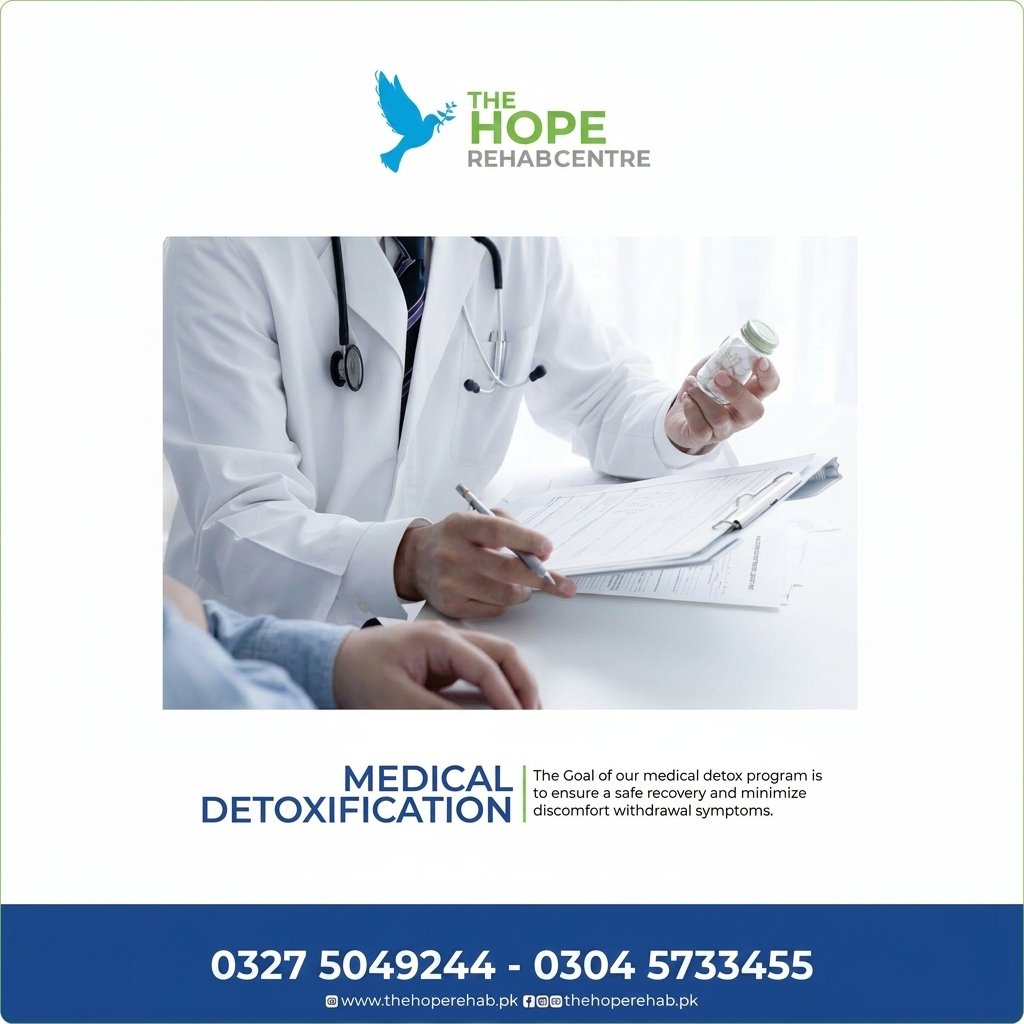
Detoxification is usually the initial and most important step in recovering from substance use disorders. It includes detoxification of toxins from the body under supervision, and to manage withdrawal symptoms. Detox helps to create a baseline for the body and mind so that people who are struggling with drug or alcohol dependence can start on a road of long-term treatment and recovery.

For anyone looking for Detoxification Treatment in Islamabad, Pakistan, knowing how detox performs and why it counts will clearly define the road to recovery. At The Hope Rehabilitation Center Islamabad, Pakistan, we have a professional way of fact to detoxify the body with proper medical care and emotional support, ensuring that there is no risk involved in the initial recovery process.

What Is Detoxification?

Detoxification is the method of cleaning poisonous substances including drugs or alcohol from the physique. Physically dependent occurs when the body adapts to the presence of a substance (drugs or alcohol). Withdrawals may happen once the drug has been decreased, or stopped.

The detox is designed to balance the body while minimizing withdrawal symptoms. It is usually the first step towards therapy, counseling and a long-term rehabilitation.

Detox is never the only step of addiction treatment — but it’s an important first step toward recovery.

Why Detoxification Is Important

Brain, nervous system, muscle and major organs of the body may have been affected due to substance dependence. In some cases, professional assistance is required to curtail drug or alcohol use as stopping too suddenly can result in major withdrawal symptoms.

Detoxification Treatment in Islamabad, Pakistan Benefits to Individual

  • Manage withdrawal safely
  • Reduce physical discomfort
  • Stabilize mental health symptoms
  • Prepare for rehabilitation
  • Lower immediate health risks
  • Build motivation for recovery

A formal detox, done under medical supervision, can help ease the transition into long-term addiction treatment.

Some of the most common substances that might call for detox are

Various substances lead to different withdrawal symptoms. Detox may be necessary for:

Alcohol

When someone stops drinking after heavy alcohol use, withdrawal symptoms can be: sweating shaking anxiety insomnia severe and even life-threatening medical problems

Opioids

Odors have been described in the past as not uncommon with compounds like heroin, morphine, tramadol and/or other prescription opiates that are used frequently to quickly alleviate physical withdrawal symptoms such as body aches, nausea and cravings.

ICE and Crystal Meth

Fatigue, depression, anxiety and emotional volatility are all associated with stimulant withdrawal.

Cocaine

Withdrawal: Many are faced with cravings, moodiness, or low energy after stops cocaine.

Cannabis

Despite their relative mildness, long-term cannabis use can cause irritability, sleep problems and anxiety during withdrawal.

Common Withdrawal Symptoms During Detox

Withdrawal symptoms depend on the specific substance used, how long it is been taken, and personal health.

Detoxification – Detox Treatment in Islamabad, Pakistan

Common symptoms may include:

  • Sweating
  • Nausea
  • Body pain
  • Restlessness
  • Anxiety
  • Depression
  • Insomnia
  • Irritability
  • Cravings
  • Fatigue

Detox programs run by professionals do a good job of monitoring the implementation and safely managing these withdrawal symptoms.

The Detoxification Process

Initial Assessment

You start the detox with a thorough assessment by professionals to determine the right course of action. This helps practitioners determine substance use history, physical measurements, as well as if there are concerns for mental health.

Stabilization

At this point in stabilization, your body has started to regulate itself back to normal operating without the underlying substance. Minimize withdrawal symptoms and provide comfort if suffering supportive carer.

Monitoring and Support

It is very important to have support during detox, both medical and emotional. It is possible for people to be monitored physically and emotionally.

Detox is regulated in a space that calms various points one might feel when moving onward with this delicate step of recovery, to confirm protection at The Hope Rehabilitation Center Islamabad, Pakistan.

Transition to Rehabilitation

Post detox, individuals are typically advised to transition into treatment in the form of therapy, counselling and relapse prevention programs. All of this is beneficial in treating the source of addiction.

Connection Between Detox and Mental Well-being

Finally, a common element of addiction is the concurrent or following onset of mental health issues such as anxiety/depression/trauma/stress. That makes it the time when emotional symptoms are intensified.

A more integrated approach by managing substance withdrawal and mental health can ultimately lead to better long-term results in recovery.

This dual strategy might help people:

  • Improve emotional stability
  • Reduce stress
  • Increase motivation for recovery
  • Build stronger coping skills

Benefits of Professional Detoxification

Here are some advantages of going with a professional detox support:

  • Safer withdrawal management
  • Reduced physical complications
  • Emotional support during recovery
  • Better preparation for long-term treatment
  • Improved treatment outcomes
  • Reduced relapse risk

Being in professional care makes the detox process so much easier and more structured.

Detox Is Only the First Step

We must clarify that detoxification is not full treatment for addiction. Apply for admissions and begin your treatment, figuring recovery through therapy, counseling, living programs as well as change of the lifestyle.

Long-term recovery often includes:

  • Individual therapy
  • Group counseling
  • Cognitive Behavioral Therapy (CBT)
  • Family support
  • Relapse prevention planning

These treatment options assist individuals in reframing bad habits and maintaining recovery over time.

Frequently Asked Questions (FAQs)

1.     As addiction is a chronic disease, the first main step in the treatment process involves detoxification.

What is detoxification: The safe management of the state, the discontinuation of drugs or alcohol from the body.

2.     How long does detoxification take?

This duration is different for each drug, health condition and severity of addiction. This can last anywhere from a few days to a couple of weeks.

3.     Is detox painful?

There are withdrawal symptoms that are fairly unpleasant, but with the right professional support to keep you comfortable through withdrawal, things will go just fine.

4.     But is detox enough for addiction recovery?

Detox is only the first part; no. Addiction has long term psychological and behavioral components that often need to be treated.

5.     Is Detox Effective for Mental Health Disorders?

Detox is effective in stabilizing the body, yet treatment for mental health conditions such as anxiety, depression and trauma may be required afterwards.

Conclusion

Detox is the first step for addiction recovery from drugs or alcohol. It assists in eliminating toxins from the system, alleviates withdrawal symptoms, and readies people for continuing care. For some, though, this initial stage can be the most challenging step of healing; Detoxification Treatment in Islamabad Pakistan could offer the structure and support you will need to have a safer & more successful beginning to recovery.

The Hope Rehabilitation Center Islamabad, Pakistan have been an honor to provide moral, expert and positive detoxifications procedures under a proper private treatment facility as part of entire new hope Pharma organization. This preliminary step enables you to start laying the groundwork for your recovery by allowing you to continue through safe withdrawal management, receive emotional support, and develop further rehabilitation plans.

Alcohol Addiction – Alcohol Addiction Treatment in Islamabad, Pakistan
Alcohol Addiction – Alcohol Addiction Treatment in Islamabad, Pakistan

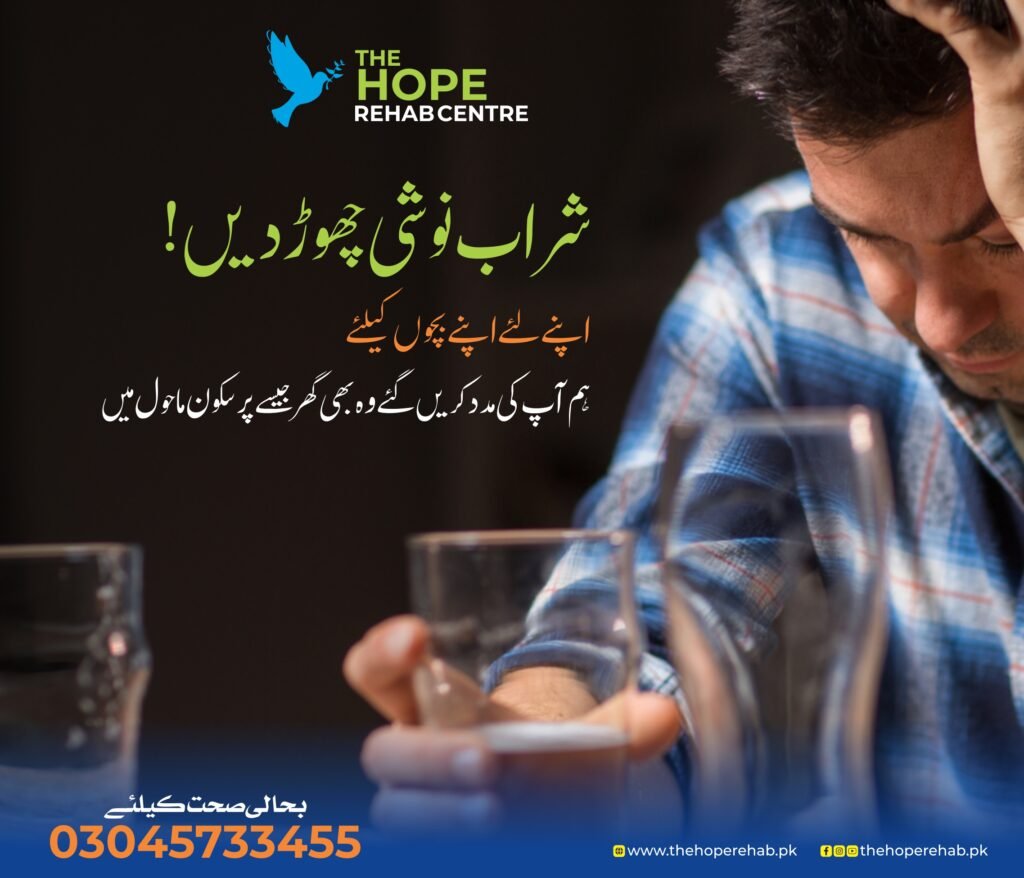
Alcohol addiction is a serious health condition that can affect a person’s physical health, emotional stability, family life, and social responsibilities. While alcohol may begin as a casual habit for some, regular and excessive drinking can gradually turn into dependence. This condition often makes it difficult for individuals to stop drinking without professional support.

For people searching for Alcohol Addiction Treatment in Islamabad, Pakistan, understanding the signs, causes, and treatment options is an important step toward recovery. At The Hope Rehabilitation Center Islamabad, Pakistan, individuals struggling with alcohol addiction receive professional, ethical, and personalized care designed to support long-term healing and emotional wellness.

Understanding Alcohol Addiction

Alcohol addiction, also known as alcohol use disorder (AUD), occurs when a person becomes physically or psychologically dependent on alcohol. Over time, alcohol changes the brain’s reward system, making it harder to control drinking habits.

What may start as social drinking can slowly become a pattern of excessive alcohol consumption. As tolerance builds, a person may need larger amounts of alcohol to feel the same effect, increasing the risk of addiction.

Without proper treatment, alcohol addiction can affect health, relationships, and daily functioning.

Common Signs of Alcohol Addiction

Recognizing the symptoms of alcohol addiction can help individuals seek support before the condition worsens.

Common signs include:

  • Strong cravings for alcohol
  • Drinking larger amounts than intended
  • Difficulty stopping alcohol use
  • Withdrawal symptoms such as sweating, shaking, or nausea
  • Mood swings and irritability
  • Neglecting responsibilities at work or home
  • Sleep disturbances
  • Relationship conflicts
  • Memory problems
  • Increased tolerance to alcohol

If these signs continue over time, professional treatment may be needed.

Causes and Risk Factors

Alcohol addiction often develops due to a combination of factors.

Emotional Stress

Many individuals use alcohol to cope with stress, anxiety, depression, or emotional pain. This can increase the risk of dependence over time.

Genetic Factors

A family history of alcohol addiction may increase a person’s vulnerability to developing similar patterns.

Social Environment

Peer pressure, social gatherings, and easy access to alcohol can contribute to excessive drinking habits.

Mental Health Conditions

People experiencing depression, trauma, anxiety, or chronic stress may use alcohol as a way to manage difficult emotions.

Health Effects of Alcohol Addiction

Long-term alcohol misuse can have serious effects on both physical and mental health.

Physical Health Effects

Alcohol addiction may contribute to:

  • Liver disease
  • Heart problems
  • Digestive issues
  • Sleep disorders
  • Weak immune system
  • Nutritional deficiencies
Alcohol Addiction – Alcohol Addiction Treatment in Islamabad, Pakistan

Mental Health Effects

Alcohol can also impact emotional and psychological well-being by causing:

  • Depression
  • Anxiety
  • Poor concentration
  • Memory loss
  • Mood instability

These effects can significantly reduce a person’s quality of life.

Why Professional Alcohol Addiction Treatment Is Important

Recovering from alcohol addiction can be difficult without proper support, especially because withdrawal symptoms may become severe.

Seeking Alcohol Addiction Treatment in Islamabad, Pakistan can provide individuals with structured care and professional guidance throughout recovery.

Professional treatment may help with:

  • Safe withdrawal management
  • Understanding addiction triggers
  • Emotional healing
  • Relapse prevention planning
  • Rebuilding healthy routines
  • Strengthening family relationships

At The Hope Rehabilitation Center Islamabad, Pakistan, treatment focuses on both physical recovery and emotional wellness.

Treatment Approaches for Alcohol Addiction

Assessment and Evaluation

Recovery often begins with a detailed assessment to understand the individual’s drinking patterns, health status, and personal treatment goals.

Detoxification Support

Detox is often the first stage for individuals with physical dependence on alcohol. Medical supervision helps manage withdrawal symptoms safely.

Individual Therapy

One-on-one counseling helps individuals explore personal challenges and the emotional reasons behind alcohol use.

Cognitive Behavioral Therapy (CBT)

CBT helps identify negative thinking patterns and teaches healthier ways to manage stress and cravings.

Group Therapy

Group sessions provide peer support and shared experiences, helping individuals feel less isolated during recovery.

Family Support Programs

Family involvement can be an important part of healing. Education and counseling sessions can improve communication and help loved ones better support recovery.

Relapse Prevention Strategies

Recovery from alcohol addiction is a long-term process. Learning relapse prevention skills can help maintain sobriety.

Common relapse prevention strategies include:

  • Avoiding triggers
  • Managing stress effectively
  • Building healthy daily routines
  • Continuing therapy
  • Joining support groups
  • Maintaining strong social support

These strategies help individuals stay focused on their recovery goals.

Benefits of Early Alcohol Addiction Treatment

Seeking help early can improve recovery outcomes and reduce long-term health risks.

Benefits may include:

  • Better physical health
  • Improved emotional stability
  • Stronger relationships
  • Better work performance
  • Increased self-confidence
  • Improved overall quality of life

Early intervention can provide the tools needed for healthier decision-making and long-term wellness.

Frequently Asked Questions (FAQs)

1. What is alcohol addiction?

Alcohol addiction is a condition where a person becomes dependent on alcohol and struggles to stop drinking despite negative consequences.

2. Can alcohol withdrawal be dangerous?

Yes. In some cases, alcohol withdrawal can cause serious symptoms, which is why medical supervision is often recommended.

3. How is alcohol addiction treated?

Treatment may include detoxification, therapy, counseling, family support, and relapse prevention planning.

4. Can alcohol addiction affect mental health?

Yes. Alcohol addiction is often linked with anxiety, depression, mood changes, and emotional instability.

5. Is long-term recovery possible?

Yes. With proper treatment, support, and ongoing commitment, many individuals achieve long-term recovery.

Conclusion

Alcohol addiction can affect every area of life, from physical health to emotional well-being and personal relationships. However, recovery is possible with professional care and the right support system. Seeking Alcohol Addiction Treatment in Islamabad, Pakistan can help individuals safely manage withdrawal, address underlying causes, and build healthier coping strategies.

The Hope Rehabilitation Center Islamabad, Pakistan is dedicated to providing compassionate, ethical, and personalized addiction treatment. Through counseling, therapy, family support, and relapse prevention strategies, individuals can work toward recovery, emotional stability, and a healthier future.

Mental Health – Mental Health Treatment Center in Islamabad, Pakistan
Mental Health – Mental Health Treatment Center in Islamabad, Pakistan

Mental health is a key component of personal well-being, as it affects how individuals think, feel and behave. Normal physical health needs exercise, and rest; so, mental stability needs warm support. For better management of your emotional problems, stress, anxiety, depression or any other mental disorder — you would need to seek professional help with prediction and proper care. Connecting with a reputable Mental Health Treatment Center in Islamabad, Pakistan can assist to enhance their quality of life and develop healthier adaptability steps.

The first thing to talk about is the approach towards mental health care. With The Hope Rehabilitation Center Islamabad, Pakistan, they take a compassionate approach with secrecy and respect. The aim is to help people deal with tough times while enhancing their current and future well-being and self-development.

What Is Mental Health?

Mental health includes our emotional, psychological and social well-being. It has an effect on how people deal with stress, how they make decisions, keeping relationships, and everyday living situations. Having good mental health or mental wellbeing does not mean that you are free from struggling, but it is the ability to manage the difficult times in life.

A number of aspects can affect psychological wellbeing, for example:

  • Genetics and family history
  • Life experiences and trauma
  • Physical health conditions
  • Stressful environments
  • Substance abuse
  • Social and financial pressures

The first move to getting the help they need when required is the knowledge regarding mental health.

Why Mental Health Matters

Mental health affects almost every area of the life. When emotional wellness is strained, people can find it hard to work, study, interact with family and friends.

Good mental health contributes to:

  • Better emotional balance
  • Improved relationships
  • Higher productivity
  • Effective stress management
  • Better physical health outcomes
  • Greater self-confidence

A professional Mental Health Treatment Center in Islamabad, Pakistan can help people stay emotionally and physically well.

Common Mental Health Conditions

Mental health conditions range in severity and presentation. Some people have short term mental trauma; others are traumatized a life time.

Anxiety Disorders

Anxiousness leads excessive worrying, fear and nervousness as well as physical symptoms like rapid heartbeat or restlessness.

Depression

Depression deals with chronic state of sadness, lack of interest and energy, feelings of worthlessness.

Stress-Related Disorders

Thus, chronic stress can impact mental well-being, focus, quality of sleep and physical health.

Substance Use and Mental Health

Mental health difficulties commonly co-exist with addiction. People might self-medicate to relieve their emotional pain, which may increase recovery needs.

Mood Disorders

Mood disorders can also commonly disrupt daily function in regulating emotions and maintaining healthy relationships.

Red Flags for Mental Health Issues (Your Head Is a Wonderful Place)

Mental Health – Mental Health Treatment Center in Islamabad, Pakistan

Identifying early symptoms can lead to timely intervention and support.

Common warning signs include:

  • Persistent sadness or anxiety
  • Mood swings
  • Sleep disturbances
  • Social withdrawal
  • Difficulty concentrating
  • Loss of motivation
  • Increased irritability
  • Changes in appetite
  • Feelings of hopelessness

If these symptoms continue for more than a couple of weeks and are interfering with the person’s daily life, formal evaluation should be sought out from mental health professionals.

Mental Health and Daily Life

Mental health also plays a huge factor in how we respond to things that happen on a daily basis. Emotional issues can harm relationships with family, your performance at the workplace, academic success, and ambitions in life.

Some common effects include:

  • Reduced productivity
  • Communication difficulties
  • Relationship conflicts
  • Physical fatigue
  • Poor decision-making
  • Increased stress levels

Preventive action can forestall the progression of symptoms.

Ways to Treat: Mental Health Treatment

Depending on their specific needs, effective mental health care typically requires a blend of therapies.

Psychological Counseling

Just talking about concerns, feelings and personal difficulties is also what counseling really provides — a safe space free of judgment.

Cognitive Behavioral Therapy (CBT)

CBT works by recognizing negative patterns and shifting those negative thoughts into positive more productive frames.

Stress Management Techniques

There are various methods of stress reduction, including meditation, mindfulness, and emotional regulation.

Family Support Programs

Family care can facilitate communication, enhance understanding, and be a source of support in the recovery process.

Lifestyle and Wellness Planning

Good sleep habits, good nutrition, exercise and structure often aid mental fitness.

The Importance of Early Intervention

Stigma & Misconceptions About Mental Health A lot of people tend to postpone therapy due to stigma or misconceptions. Nonetheless, timely intervention could mean the difference between an emotional recovery and a permanent condition.

The advantages of seeking support early are:

  • Better symptom management
  • Reduced emotional distress
  • Improved relationships
  • Enhanced coping skills
  • Increased confidence and resilience

Seeking professional help from a Mental Health Treatment Center in Islamabad, Pakistan is essential before it takes a toll on daily life.

Mental Health Awareness in Pakistan

Pakistan is becoming massively aware for its mental health. With the growing awareness of mental well-being, more individuals and families are willing to prioritize emotional health and turn to professionals whenever required.

Raising awareness and reducing stigma also supporting open conversations, and building healthier communities. Mental health is an integral component of medical health, just as important and worthy of attention as any other condition.

At The Hope Rehabilitation Center Islamabad, Pakistan, people are invited to receive care in an environment that is supportive, respectful, and confidential.

FAQs About Mental Health

1.     What is mental health?

Mental Health: Mental health is state of subjective well-being with respect to emotions, psychology and social aspects.

2.     Can stress affect mental health?

Yes. Chronic stress can lead to anxiety, depression, sleep deprivation and emotional exhaustion.

3.     When Should A Person Seek Professional Mental Health Support?

When the emotional problems become chronic, cause disruption to daily life, and start affecting relationships and work performance — getting professional support can help.

4.     Learn More About Mental Health Disorders

Physical and Mental Health Most mental health problems can be treated with therapy and counseling alongside lifestyle changes, support from a trained professional or family member.

5.     Importance of family in mental health recovery?

Family support offer encouragement, empathy and stability ─ all factors that can benefit recovery results.

Conclusion

Mental health is an important part of our life as it affects the emotional and psychological wellbeing, relationships, behavior, decision-making skills and quality of life. Early recognition of symptoms and knowing where to seek help can enable individuals to manage difficulties and enhance emotional well-being. In a supportive environment with the right guidance and healthier coping skills, they can achieve greater emotional regulation and growth.

The Hope Rehabilitation Center Islamabad, Pakistan are committed to empathy, professionalism, and making a difference in the lives of those battling emotional, psychological and behavioral problems. By finding a good Mental Health Treatment Center in Islamabad, Pakistan we can peacefully navigate meaningful steps to better well-being, healthier relationships and getting the most out of life.