Cannabis, commonly known as marijuana, is often perceived as a mild or recreational substance. However, repeated and prolonged use can lead to dependency, affecting both mental and physical health. While not everyone who uses cannabis develops an addiction, some individuals may struggle to control their usage, leading to disruptions in daily life.
Addressing Cannabis or Marijuana Addiction in Islamabad Pakistan requires a balanced and professional approach that focuses on both behavioral patterns and emotional well-being. At The Hope Rehabilitation Center Islamabad, Pakistan, treatment programs are designed to provide structured care, psychological support, and a safe environment for recovery.
Understanding how cannabis addiction develops and how it can be treated is essential for individuals and families seeking meaningful and lasting change.
Understanding Cannabis or Marijuana Addiction
Cannabis affects the brain by interacting with receptors that influence mood, memory, and perception. While occasional use may not lead to dependency, regular use can alter brain function over time.
Individuals dealing with Cannabis or Marijuana Addiction in Islamabad Pakistan may find it difficult to stop using the substance, even when it begins to impact their work, relationships, or mental health.
Dependency often develops gradually. What may start as occasional use can turn into a routine habit, eventually leading to cravings and psychological reliance. Recognizing this pattern early can make treatment more effective.
Signs and Symptoms of Cannabis Dependence
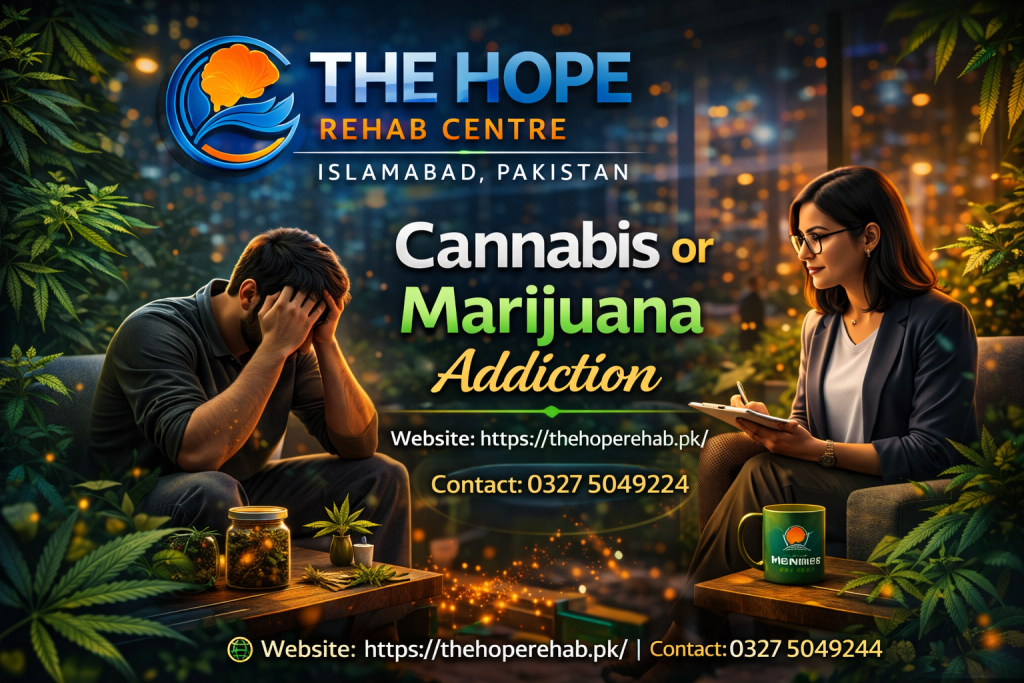
Identifying the signs of cannabis addiction can help individuals seek timely support. Although symptoms vary, some common indicators include:
- Frequent cravings for cannabis
- Difficulty reducing or stopping use
- Reduced motivation or energy levels
- Trouble concentrating or remembering information
- Changes in mood, including irritability or anxiety
When these symptoms begin to affect daily functioning, professional support for Cannabis or Marijuana Addiction in Islamabad Pakistan can provide valuable guidance and care.
Impact on Mental and Physical Health
Long-term cannabis use can affect mental health, especially when used regularly over an extended period. Some individuals may experience increased anxiety, mood instability, or difficulty managing stress.
Cognitive functions such as memory and attention may also be affected. In certain cases, excessive use can lead to reduced productivity and withdrawal from social or professional responsibilities.
At The Hope Rehabilitation Center Islamabad, Pakistan, healthcare professionals assess both physical and psychological health to ensure a comprehensive treatment plan.
A structured approach to Cannabis or Marijuana Addiction in Islamabad Pakistan focuses on improving overall well-being while addressing substance use behaviors.
Treatment Approaches for Cannabis Addiction
Recovery from cannabis addiction involves a combination of therapy, counseling, and lifestyle adjustments. Treatment plans are tailored to meet the specific needs of each individual.
Behavioral Therapy
Behavioral therapy plays a central role in treating cannabis addiction. Techniques such as Cognitive Behavioral Therapy (CBT) help individuals understand the connection between thoughts, emotions, and behaviors.
Through therapy, patients learn to identify triggers, manage cravings, and develop healthier coping mechanisms.
A professional approach to Cannabis or Marijuana Addiction in Islamabad Pakistan integrates these therapeutic methods to support long-term recovery.
Individual Counseling
Individual counseling provides a safe and confidential environment where individuals can discuss their challenges and experiences. Therapists work with patients to address underlying emotional issues that may contribute to substance use.
At The Hope Rehabilitation Center Islamabad, Pakistan, counseling sessions are designed to promote self-awareness and encourage positive behavioral changes.
Group Support and Peer Interaction
Group therapy sessions allow individuals to share experiences with others who are facing similar challenges. This shared understanding can reduce feelings of isolation and provide emotional support.
A structured Cannabis or Marijuana Addiction in Islamabad Pakistan program often includes group sessions to encourage communication and peer learning.
Building Healthy Habits for Recovery
Recovery is not only about stopping substance use but also about building a healthier lifestyle. Establishing positive habits can support long-term stability and well-being.
Some beneficial practices include:
- Maintaining a consistent daily routine
- Engaging in physical activity
- Practicing stress management techniques
- Developing healthy social connections
At The Hope Rehabilitation Center Islamabad, Pakistan, patients are encouraged to adopt lifestyle changes that support both mental and physical health.
A comprehensive approach to Cannabis or Marijuana Addiction in Islamabad Pakistan emphasizes the importance of balance and personal growth.
Preventing Relapse and Maintaining Progress
Relapse prevention is an important aspect of recovery. Learning to recognize triggers and manage stress effectively can help individuals maintain their progress.
Rehabilitation programs often include relapse prevention strategies such as:
- Identifying high-risk situations
- Developing coping skills
- Continuing therapy or follow-up care
- Strengthening support systems
At The Hope Rehabilitation Center Islamabad, Pakistan, patients receive guidance on maintaining recovery beyond the initial treatment phase.
A reliable Cannabis or Marijuana Addiction in Islamabad Pakistan program focuses on long-term success rather than short-term solutions.
Frequently Asked Questions (FAQs)
1. What is cannabis addiction?
Cannabis addiction occurs when an individual becomes dependent on marijuana and finds it difficult to stop using it despite negative effects.
2. Can marijuana affect mental health?
Yes. Long-term use may contribute to anxiety, mood changes, and difficulties with concentration or memory.
3. How is cannabis addiction treated?
Treatment typically includes behavioral therapy, counseling, and support programs designed to help individuals change their habits and manage triggers.
4. Is professional help necessary for cannabis addiction?
Professional support can provide structured guidance and therapy, which can be beneficial for individuals struggling to quit on their own.
5. How long does recovery take?
Recovery time varies for each individual, depending on their condition, level of dependence, and commitment to treatment.
Conclusion
Cannabis or marijuana addiction can impact various aspects of life, including mental health, relationships, and daily functioning. While it may seem manageable at first, long-term use can lead to dependency and behavioral challenges.
Seeking support for Cannabis or Marijuana Addiction in Islamabad Pakistan is an important step toward recovery. Through therapy, counseling, and structured rehabilitation programs, individuals can develop healthier habits and regain control of their lives.
At The Hope Rehabilitation Center Islamabad, Pakistan, treatment programs are designed with a focus on ethical care, patient well-being, and long-term recovery. By providing a supportive environment and professional guidance, the center helps individuals move toward a healthier and more balanced future.