The Hope Rehab Center

Category Addiction Education

Marijuana Addiction | Understanding Recovery from Marijuana Addiction

Marijuana Addiction | Understanding Recovery from Marijuana Addiction

As the use of cannabis increases among various age demographics, marijuana addiction grows concerned. Though many people think marijuana is harmless, its regular use or long-term use can lead to dependence that impacts physical health, mental wellbeing, social life and day-to-day functioning. Those addicted to the drug may find it hard to refrain from using marijuana even when it creates problems in both their personal or professional lives.

The right support, professional help, and scientifically proven forms of treatment can lead to recovery. Comprehensive treatment programs are developed to serve persons with Marijuana addiction at The Hope Rehabilitation Center Islamabad, Pakistan via compassionate care, therapies tailored for individuals and long-term recovery planning.

What Is Marijuana Addiction?

Cannabis Use Disorder or Marijuana Addiction A condition where a person becomes dependent on cannabis and continues to use it despite negative consequences. Marijuana can be addictive, though not every user becomes dependent on it, frequent use can alter brain function and that makes it hard to cut back or quit.

Marijuana addiction, some of the signs might include having cravings to use marijuana as well as losing control over its consumption, while also feeling a sense of withdrawal when trying to quit using it.

The most Common Signs & Symptoms of Marijuana Addiction

Understanding the warning signs of marijuana addiction is an essential first step toward treatment by a professional.

Physical Symptoms

  • Red or bloodshot eyes
  • Increased appetite
  • Fatigue or low energy
  • Poor coordination
  • Sleep disturbances
  • Reduced motivation

Behavioral Symptoms

  • More weed than you planned to use
  • Skimping its work, academic or family duties
  • Not wanting to do things you once enjoyed and avoiding others
  • A great deal of time spent getting or using cannabis
  • Difficulty stopping despite repeated attempts

Emotional and Mental Symptoms

  • Anxiety
  • Irritability
  • Mood swings
  • Difficulty concentrating
  • Memory problems
  • Reduced motivation

With the right experienced professionals, who do a detail examination of the professional to calculate its requirements concerning difficulties every individual face at The Hope Rehabilitation Center Islamabad Pakistan establishes its exclusively tailored treatment plan.

Causes and Risk Factors

The way that marijuana addiction develops is highly individualistic. There are various risk factors which can make an individual more likely to suffer from dependence on cannabis, including:

  • Frequent or long-term cannabis use
  • Early exposure during adolescence
  • A family history of substance uses disorders
  • Anxiety or depression as mental health conditions
  • Chronic stress
  • Social or environmental influences

Being aware of these factors allows healthcare providers to manage the addiction as well as its root cause.

Chronic Health Effects of Cannabis
Marijuana Addiction | Understanding Recovery from Marijuana Addiction

Despite often being perceived down as not harmful because marijuana is not lethal like other areas of substance misuse, chronic or long-term use can impact many humans.

Physical Health

Long-term use of marijuana can results in:

  • Respiratory irritation (when smoked)
  • Reduced physical energy
  • Sleep disturbances
  • Changes in appetite

Mental Health

Regular use of cannabis may also be linked to

  • Anxiety
  • Depression
  • Difficulty with memory and learning
  • Reduced attention and concentration
  • Emotional instability in some individuals

For effective recovery, both substance use problems and mental health must be treated together!

Treatment Options for Marijuana Addiction

The treatment of choice in this case is to treat the person, so they can learn about addictions, develop better coping skills and lead meaningful lives long-lasting recovery.

Comprehensive Assessment

The treatment initiates with a comprehensive assessment of physical health, mental health, substance use history, and personal recovery objectives.

Individual Counseling

Without getting into much detail; One on one counseling enables individuals to diagnose emotional triggers, unhealthy behaviors as well as form practical coping strategies.

Cognitive Behavioral Therapy (CBT)

CBT is standard practice for addressing negative thought patterns, craving management and replacing unhealthy habits with healthier, positive behaviors.

Group Therapy

Group sessions offer a chance to learn from others who are experiencing some of the same challenges you are while instilling support and accountability.

The Hope Rehabilitation Center Islamabad Pakistan, treatment plans are customized for the individual to help achieve recovery in a safe, caring and supportive residential environment.

Preventing Relapse

Recovery does not stop when formal treatment is complete. One way is through their relapse prevention techniques that help prepare them for the trials and tribulations in life while keeping healthy habits going.

Common relapse prevention strategies include:

  • Identifying personal triggers
  • Practicing stress management techniques
  • Building healthy daily routines
  • Continuing counseling when appropriate
  • Developing supportive social relationships

These techniques foster long-lasting recovery and emotional resistance.

The Importance of Family Support

In recovery from marijuana addiction, family support often is very important. Your family can better support you in finding ways to encourage and guide you toward healthy decisions if they know more about addiction and the recovery process.

Family counseling may help:

  • Improve communication
  • Rebuild trust
  • Reduce conflict
  • Strengthen emotional support

Family intervention can be included in programmed once clear to recovery at The Hope Rehabilitation Center Islamabad, Pakistan.

Frequently Asked Questions (FAQs)

1.     What is marijuana addiction?

Marijuana addiction is when a person uses marijuana despite troubles in school, work, and home life.

2.     Can marijuana cause withdrawal symptoms?

Yes. Others feel irritable, lose sleep, feel anxious or get cravings, or have other disturbances when they stop using marijuana.

3.     Is marijuana addiction treatable?

Yes. A combination of counseling, behavioral therapies, structured treatment programs and continuous recovery support can help individuals beat marijuana addiction.

4.     How long does treatment take?

What is needed for treatment may depend on an individual woman/couples particular substance use history, how healthy they are, and what their recovery goals are.

5.     What is the importance of family in recovery?

Loving family dynamics stimulate drive, enhance dialogue and provide patients the support system they need for lifelong rehabilitation.

Conclusion

Marijuana addiction can impact your body, mind, relationships, and life. If diagnosed early, treated appropriately by a qualified healthcare provider and given proper support can get back on track, regain control and create a healthier way of living.

Compassionate, individualized treatment programs at The Hope Rehabilitation Center Islamabad, Pakistan combine counseling with behavioral therapies along with family supports and relapse prevention planning so individuals can move toward lasting recovery. With professional advice and a desire to heal, it is possible to recover from marijuana addiction.
Best Rehab Center – Best Rehab Center in Islamabad, Pakistan

Best Rehab Center – Best Rehab Center in Islamabad, Pakistan

Addiction and mental health challenges can affect every aspect of a person’s life, including physical health, emotional well-being, family relationships, and professional responsibilities. Seeking timely support from a qualified rehabilitation facility can be an important step toward recovery and long-term wellness. When individuals search for the Best Rehab Center in Islamabad, Pakistan, they are often looking for compassionate care, professional treatment, and a supportive environment that promotes healing.

The Hope Rehabilitation Center Islamabad, Pakistan is committed to providing ethical, evidence-based, and individualized care for people facing substance use disorders and mental health concerns. Recovery is a personal journey, and professional support can help individuals build the skills and confidence needed for positive change.

Understanding the Role of a Rehabilitation Center

A rehabilitation center provides structured treatment and support for individuals dealing with addiction, mental health conditions, and behavioral challenges. These facilities offer professional guidance designed to address the physical, emotional, psychological, and social aspects of recovery.

The goal of rehabilitation is not only to help individuals stop harmful behaviors but also to support healthier lifestyles, emotional resilience, and long-term well-being.

Why Professional Rehabilitation Matters

Addiction is a complex health condition that often requires more than personal determination alone. Many individuals experience withdrawal symptoms, cravings, emotional distress, or underlying mental health challenges that make recovery difficult without professional support.

A quality rehabilitation program can help individuals:

  • Understand the causes of addiction
  • Develop healthier coping strategies
  • Manage cravings and triggers
  • Improve emotional well-being
  • Strengthen family relationships
  • Build relapse prevention skills

Choosing the Best Rehab Center in Islamabad, Pakistan can provide access to comprehensive care tailored to individual needs.

Common Conditions Treated in Rehabilitation Centers

Modern rehabilitation facilities often provide support for a variety of conditions, including:

Drug Addiction

Substance use disorders involving heroin, cocaine, cannabis, ICE (crystal meth), opioids, and prescription medications can significantly impact daily life and health.

Alcohol Addiction

Alcohol dependence can affect physical health, mental well-being, relationships, and professional responsibilities.

Mental Health Disorders

Many rehabilitation centers also address mental health conditions such as:

  • Anxiety disorders
  • Depression
  • Stress-related conditions
  • Trauma-related concerns
  • Emotional and behavioral challenges

Dual Diagnosis

Some individuals experience both addiction and mental health conditions simultaneously. Integrated treatment approaches can help address both concerns together.

Key Features of the Best Rehab Center in Islamabad, Pakistan

Best Rehab Center – Best Rehab Center in Islamabad, Pakistan

When evaluating rehabilitation options, several important factors should be considered.

Personalized Treatment Plans

Every individual’s recovery journey is unique. Effective rehabilitation programs create customized treatment plans based on personal needs, health history, and recovery goals.

Qualified Healthcare Professionals

Professional treatment teams often include therapists, counselors, addiction specialists, psychologists, and healthcare providers who work together to support recovery.

Safe and Supportive Environment

A structured and supportive setting can help individuals focus on healing while reducing exposure to triggers and unhealthy influences.

Family Involvement

Family support can play a valuable role in the recovery process. Educational programs and family counseling may help strengthen communication and understanding.

At The Hope Rehabilitation Center Islamabad, Pakistan, family engagement is recognized as an important component of comprehensive care.

Treatment Approaches Used in Rehabilitation

Assessment and Evaluation

Treatment usually begins with a thorough assessment to understand an individual’s physical health, mental well-being, substance use history, and recovery objectives.

Detoxification Support

For individuals experiencing physical dependence, detoxification may be an important first step. Medical supervision can help manage withdrawal symptoms safely and comfortably.

Individual Therapy

One-on-one counseling allows individuals to explore personal challenges, identify triggers, and develop healthier coping mechanisms.

Cognitive Behavioral Therapy (CBT)

CBT is widely recognized for helping individuals identify negative thought patterns and replace them with constructive behaviors.

Group Therapy

Group sessions provide peer support, shared experiences, and encouragement throughout the recovery journey.

Relapse Prevention Programs

Long-term recovery often involves learning strategies to manage stress, recognize triggers, and maintain positive lifestyle changes.

The Importance of Mental Health Support

Mental health and addiction are often closely connected. Anxiety, depression, trauma, and chronic stress can contribute to substance use, while addiction itself may worsen emotional challenges.

Comprehensive rehabilitation programs address both addiction recovery and mental wellness to support lasting positive outcomes.

Individuals receiving integrated care often benefit from:

  • Improved emotional stability
  • Better coping skills
  • Enhanced self-awareness
  • Stronger resilience during recovery

Benefits of Seeking Treatment Early

Early intervention can help reduce the impact of addiction and mental health conditions before they become more severe.

Potential benefits include:

  • Improved physical health
  • Better emotional well-being
  • Stronger personal relationships
  • Increased productivity
  • Reduced risk of complications
  • Greater quality of life

Seeking help early may provide individuals with more opportunities to achieve sustainable recovery.

Why Recovery Is a Lifelong Journey

Recovery extends beyond completing a treatment program. Ongoing support, healthy habits, counseling, and positive social connections can contribute to long-term success.

Many individuals benefit from continuing care services that help reinforce recovery skills and maintain motivation over time.

At The Hope Rehabilitation Center Islamabad, Pakistan, recovery is viewed as a continuing process focused on personal growth, wellness, and resilience.

Frequently Asked Questions (FAQs)

1. What services does a rehabilitation center provide?

Rehabilitation centers typically offer assessment, detoxification support, counseling, therapy, relapse prevention planning, and mental health support.

2. How do I know if someone needs rehabilitation treatment?

Common signs include substance dependence, withdrawal symptoms, declining health, relationship difficulties, and challenges managing daily responsibilities.

3. Can mental health conditions be treated alongside addiction?

Yes. Many rehabilitation programs provide integrated treatment for both addiction and co-occurring mental health conditions.

4. Is family involvement important during recovery?

Family support often plays a valuable role in recovery by improving communication, understanding, and emotional support.

5. How long does rehabilitation treatment take?

Treatment duration varies depending on individual circumstances, treatment goals, and the complexity of the condition being addressed.

Conclusion

Finding the Best Rehab Center in Islamabad, Pakistan involves choosing a facility that prioritizes professional care, ethical treatment practices, individualized support, and long-term recovery planning. Addiction and mental health challenges can be difficult, but recovery is possible with the right guidance and support.

The Hope Rehabilitation Center Islamabad, Pakistan is dedicated to providing compassionate, evidence-based care that supports individuals and families throughout the recovery journey. Through personalized treatment plans, therapeutic support, mental health services, and relapse prevention strategies, individuals can work toward healthier lives and lasting well-being.

Cannabis Marijuana Addiction Treatment in Islamabad, Pakistan

Cannabis Marijuana Addiction Treatment in Islamabad, Pakistan

Cannabis, also known as marijuana is the most widely used illicit drug globally. Not everyone views cannabis as a harmless drug and regular intensive use can result in dependence with negative consequences on your physical health, mental well-being and relationships and daily functioning. The cannabinoid that helps is not the same one people abuse, so finding out about it may be an important step to fighting back against their usage.

For some people, knowing the signs of dependence on Cannabis Marijuana Addiction Treatment in Islamabad Pakistan and engaging with evidence-based Drug Abuse help is essential. In The Hope Rehabilitation Center Islamabad, Pakistan, addiction recovery is handled with care, expertise, and tailored therapy planning to guarantee lifelong significance.

Understanding Cannabis Marijuana Addiction

Cannabis addiction occurs in a person gain and loss control over the usage of cannabis to the point where negative repercussions lead them to continue using. The active psychoactive element in cannabis is THC; it alters brain functioning, mood, memory and behavior.

Depending on the use, it might not develop into dependence all the time, but with continuous and repeated cannabis use may lead to both physical as well as psychological addiction. The longer a person uses, the more they may need to accomplish the same effects, mathematically making way for dependence.

Common Signs of Cannabis Addiction

Awareness of cannabis dependence can provide early opportunity for intervention, assisting individuals to seek professional help before the problem becomes more serious.

Common symptoms include:

  • Strong cravings for marijuana
  • Difficulty reducing or stopping use
  • Increased tolerance to cannabis
  • Feeling agitated when not using the drug
  • Problems with memory and concentration
  • Reduced motivation and productivity
  • Social withdrawal
  • Sleep disturbances
  • Anxiety or mood fluctuations

A professional assessment may be helpful if these symptoms start to interfere with daily living.

Causes and Risk Factors

Among many reasons can lead as to why we become addicted to cannabis?

Mental Health Challenges

Those who feel anxious, depressed, stressed out, or emotional may resort to using marijuana as a way to cope. This sort of pattern will ultimately make dependence on you over time.

Peer and Social Influences

The modelling of substance use in social groups may help to elevate processual cannabis use for several domains, especially amongst youth and young adults.

Genetic Vulnerability

Certain Genes Family history can also affect whether someone will develop a substance use disorder.

Early Exposure

It is possible that individuals who start using cannabis from a young age may be at an increased risk of long-term substance use or dependence as the brain continues to develop.

The Consequences of Marijuana Addiction on Your Health

For physical and mental health, long-term use of marijuana.

Physical Effects

Common physical effects may include:

  • Fatigue
  • Red eyes
  • Increased appetite
  • Reduced coordination
  • Respiratory issues from smoking cannabis

Mental and Emotional Effects

Cannabis use disorder can also affect psychological health, leading to:

  • Anxiety
  • Depression
  • Panic attacks
  • Difficulty concentrating
  • Memory problems
  • Reduced motivation

For others, the use of marijuana can exacerbate mental health conditions when used in excess or over a lengthy period.

The Importance of Professional Treatment

Cannabis Marijuana Addiction Treatment in Islamabad, Pakistan

Getting rid of a dependence on cannabis is not solely a matter of will. It offers structured programs, therapy, and planning tailored to support individual recovery.

Cannabis Marijuana Addiction Treatment Islamabad Pakistan combines drug addiction treatment with mental health care, allowing patients to address substance use and any underlying emotional problems.

Professional treatment may help individuals:

  • Understand addiction triggers
  • Build healthier coping mechanisms
  • Improve emotional resilience
  • Restore daily functioning
  • Strengthen personal relationships
  • Reduce the risk of relapse

Treatment Approaches for Cannabis Addiction

Comprehensive Assessment

Recovery normally starts with both an in-depth assessment or evaluation of the nature of your substance use, mental wellbeing and/or difficulties coping with stress, and private restoration targets.

Individual Counseling

Counseling offers a safe space where people can talk about why they use cannabis and substitute more positive behaviors.

Cognitive Behavioral Therapy (CBT)

CBT: One of the Main Approaches to Treat SUD When acted well, say experts in psychology and addiction, cognitive-behavioral therapy (CBT) rates as one of the most effectual methods available for treatment of substance use disorders. They learn to identify maladaptive thought processes and develop adaptive coping mechanisms.

Group Therapy

Peer support and experiential learning groups offer twice weekly opportunities for therapeutic connection. This can lower the risk of feeling lonely and reinforce motivation for recovery.

Family Support Programs

A key part of recovery is often the involvement of family members. Family therapy and educational approaches can help improve comminution and a positive home environment.

The Hope Rehabilitation Center Islamabad, Pakistan believe that family-centered care, which promotes and strengthens relationships to support long-term recovery planning, is a crucial component of addiction treatment.

Relapse Prevention and Long-Term Recovery

Cannabis dependency recovery is an ongoing process. The experience of developing relapse prevention skills can preserve people’s gains after treatment.

Effective relapse prevention strategies include:

  • Identifying personal triggers
  • Managing stress effectively
  • Building healthy daily routines
  • Participating in ongoing counseling
  • Maintaining supportive social connections
  • Practicing mindfulness and self-care

Such strategies can help people cope as they work towards longer-term recovery goals.

Benefits of Early Intervention

Outcomes are better and the long-term consequences of cannabis dependence can be mitigated by accessing treatments early.

Potential benefits include:

  • Improved mental clarity
  • Better emotional stability
  • Enhanced concentration and memory
  • Stronger relationships
  • Increased productivity
  • Improved overall quality of life

Early intervention gives people the skills and supports to promote positive lifestyle changes.

Frequently Asked Questions (FAQs)

1.     Can cannabis become addictive?

Yes. Not everyone who uses cannabis becomes dependent, but regular or prolonged use of the drug can lead to addiction and withdrawal symptoms on stopping.

2.     Common cannabis withdrawal symptoms

Anxiety, crankiness, restlessness, difficulty sleeping, sudden mood swings and cravings are some of the withdrawal symptoms.

3.     Does cannabis addiction have an impact on mental health?

Yes. For those with early age use cannabis length, it may play one cause to anxiety depression concentration difficulty and other mental health issues.

4.     How is cannabis addiction treated?

Treatments most often involve counseling, cognitive behavioral therapy, group support, family involvement and a plan to avoid relapse.

5.     Can you recover from cannabis addiction?

Yes. In short, given the right help in combination with a willingness to take on this challenge many people manage to break free from cannabis addiction and find permanent recovery.

Conclusion

Cannabis addiction is a major health issue that affects physical health, emotional well-being and daily life. Though you may start smoking pot for social reasons, frequent use can turn into a dependence that needs medical supervision. Cannabis Marijuana Addiction Treatment or Substance Abuse Rehabilitation in Islamabad, Pakistan can equip patients with the knowledge and therapy necessary to start their journey toward recovery.

The Hope Rehabilitation Center Islamabad, Pakistan provide ethical, compassionate and evidence-based treatment for people with substance use or other behavioral health challenges. By utilizing individualized treatment approaches, counselling services, family support and relapse prevention techniques, they can help the individual towards a full recovery and a better overall quality of life.

Drug and Alcohol Addiction | Understanding Recovery and Professional Support

Drug and Alcohol Addiction | Understanding Recovery and Professional Support

Drug and alcohol addiction is a serious health condition that can affect every aspect of a person’s life, including physical health, mental well-being, relationships, education, and career. What often begins as occasional substance use can gradually develop into dependency, making it difficult for individuals to stop without professional help.

Addiction is not simply a lack of willpower. It is a complex condition that changes how the brain functions, influencing behavior, decision-making, and emotional regulation. With proper treatment, support, and commitment, individuals can work toward recovery and a healthier future.

At The Hope Rehabilitation Center Islamabad, Pakistan, addiction treatment programs focus on compassionate care, structured recovery plans, and long-term wellness support for individuals struggling with substance use disorders.

Understanding Drug and Alcohol Addiction

Drug and alcohol addiction occurs when a person becomes physically or psychologically dependent on a substance. Over time, the brain adapts to the presence of drugs or alcohol, leading to cravings and withdrawal symptoms when use is reduced or stopped.

Substances commonly associated with addiction include:

  • Alcohol
  • Heroin
  • Cannabis (Marijuana)
  • Methamphetamine (Ice)
  • Cocaine
  • Prescription medications
  • Sedatives and tranquilizers

Addiction can affect people from all backgrounds and age groups, regardless of social or economic status.

Common Signs of Addiction

Recognizing addiction early can improve the chances of successful intervention and treatment. Common warning signs include:

Physical Symptoms

  • Changes in sleep patterns
  • Unexplained weight loss or gain
  • Poor personal hygiene
  • Frequent fatigue
  • Bloodshot eyes or unusual physical appearance

Behavioral Symptoms

  • Secretive behavior
  • Loss of interest in hobbies
  • Declining work or academic performance
  • Financial difficulties
  • Risk-taking behavior

Emotional Symptoms

  • Mood swings
  • Anxiety or depression
  • Irritability
  • Social withdrawal
  • Difficulty managing stress

These signs may vary depending on the substance being used and the duration of addiction.

Causes and Risk Factors

Addiction usually develops through a combination of factors rather than a single cause. Common risk factors include:

  • Family history of addiction
  • Emotional trauma or abuse
  • Chronic stress
  • Mental health disorders
  • Peer pressure
  • Easy access to substances

Understanding these underlying factors is important because effective treatment often addresses both addiction and its root causes.

Impact on Physical and Mental Health

Long-term substance use can significantly affect overall health.

Drug and Alcohol Addiction | Understanding Recovery and Professional Support

Physical Effects

Drug and alcohol addiction may contribute to:

  • Liver damage
  • Heart-related complications
  • Respiratory issues
  • Weakened immune function
  • Neurological problems

Mental Health Effects

Substance use disorders are often linked with:

  • Anxiety disorders
  • Depression
  • Mood instability
  • Cognitive difficulties
  • Increased emotional distress

At The Hope Rehabilitation Center Islamabad, Pakistan, treatment plans focus on both physical recovery and emotional well-being.

Treatment Options for Drug and Alcohol Addiction

Recovery is a process that typically involves multiple stages of care.

Medical Detoxification

Detoxification is often the first step in treatment. During detox, harmful substances are cleared from the body while withdrawal symptoms are carefully managed.

Professional supervision helps ensure safety and comfort throughout this process.

Behavioral Therapy

Therapy helps individuals understand addiction triggers and develop healthier coping mechanisms.

Common therapeutic approaches include:

  • Cognitive Behavioral Therapy (CBT)
  • Individual counseling
  • Group therapy
  • Motivational enhancement therapy

Rehabilitation Programs

Structured rehabilitation programs provide a supportive environment where individuals can focus on recovery without outside distractions.

These programs often include:

  • Therapy sessions
  • Life skills development
  • Wellness activities
  • Relapse prevention planning

Importance of Family Support

Addiction affects entire families, not just the individual struggling with substance use. Family support can play a valuable role in recovery by providing encouragement, understanding, and accountability.

Family counseling can help:

  • Improve communication
  • Rebuild trust
  • Address emotional challenges
  • Create healthier family dynamics

At The Hope Rehabilitation Center Islamabad, Pakistan, family involvement may be incorporated into treatment plans when appropriate.

Preventing Relapse

Recovery continues long after treatment is completed. Relapse prevention focuses on helping individuals maintain positive habits and respond effectively to challenges.

Important strategies include:

  • Identifying triggers
  • Building healthy routines
  • Managing stress effectively
  • Attending follow-up counseling
  • Maintaining supportive relationships

Developing these skills can help individuals sustain long-term progress and emotional stability.

Frequently Asked Questions (FAQs)

1. What is the difference between substance use and addiction?

Substance use refers to consuming drugs or alcohol, while addiction involves a loss of control and continued use despite harmful consequences.

2. Can addiction be treated successfully?

Many individuals make significant progress through professional treatment, therapy, and ongoing support.

3. Is detox enough to overcome addiction?

Detox is an important first step, but long-term recovery typically requires therapy, counseling, and lifestyle changes.

4. How long does addiction treatment take?

Treatment duration varies depending on individual needs, substance use history, and recovery goals.

5. Why is professional help important?

Professional treatment provides medical care, emotional support, and structured recovery strategies that help individuals manage addiction safely and effectively.

Conclusion

Drug and alcohol addiction can affect every area of life, but recovery is possible with the right support and treatment. Understanding the causes, symptoms, and available treatment options empowers individuals and families to seek help when needed.

At The Hope Rehabilitation Center Islamabad, Pakistan, treatment programs are designed to provide compassionate, ethical, and patient-centered care. Through detoxification, therapy, rehabilitation, and ongoing support, individuals can work toward rebuilding their lives and achieving long-term wellness. Recovery is a journey, and professional guidance can make that journey safer, more structured, and more sustainable.

Cognitive Behavioral Therapy (CBT) – Cognitive Behavioral Therapy (CBT) in Islamabad, Pakistan

Cognitive Behavioral Therapy (CBT) – Cognitive Behavioral Therapy (CBT) in Islamabad, Pakistan

Mental health and addiction recovery often require more than physical treatment alone. Thoughts, emotions, and behaviors are deeply connected, and unhealthy thinking patterns can significantly affect a person’s well-being. One of the most widely recognized and evidence-based approaches used in modern mental health care is Cognitive Behavioral Therapy (CBT). Individuals seeking Cognitive Behavioral Therapy (CBT) in Islamabad, Pakistan often benefit from structured support designed to help them understand and change negative thought patterns that influence their emotions and actions.

At The Hope Rehabilitation Center Islamabad, Pakistan, Cognitive Behavioral Therapy is an important component of comprehensive mental health and addiction recovery programs. CBT helps individuals develop practical coping strategies, improve emotional resilience, and work toward healthier daily functioning.

What Is Cognitive Behavioral Therapy (CBT)?

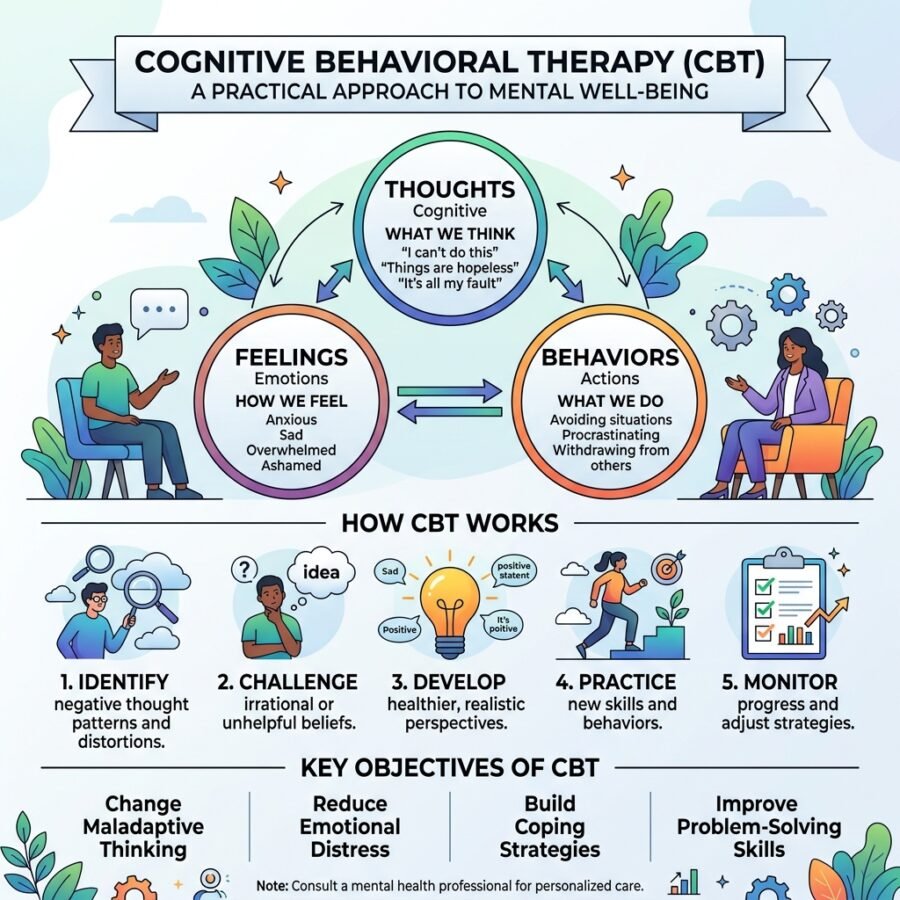
Cognitive Behavioral Therapy, commonly known as CBT, is a structured form of psychotherapy that focuses on the relationship between thoughts, feelings, and behaviors. The core principle of CBT is that negative thought patterns can influence emotional distress and unhealthy behaviors.

By identifying and challenging these thoughts, individuals can learn healthier ways of thinking and responding to life’s challenges. CBT is goal-oriented, practical, and designed to provide skills that can be applied in everyday situations.

Today, Cognitive Behavioral Therapy (CBT) in Islamabad, Pakistan is widely used to support individuals facing mental health concerns, addiction recovery challenges, stress-related conditions, and emotional difficulties.

How CBT Works

CBT helps individuals recognize automatic negative thoughts that may contribute to anxiety, depression, addiction, or emotional distress. Once these thoughts are identified, therapists work with individuals to evaluate their accuracy and replace them with healthier perspectives.

The therapy process often includes:

  • Identifying harmful thinking patterns
  • Understanding emotional triggers
  • Learning problem-solving skills
  • Developing healthy coping mechanisms
  • Practicing behavioral changes
  • Building emotional resilience

Rather than focusing solely on past experiences, CBT emphasizes current challenges and practical solutions that can improve daily life.

Conditions Commonly Treated with CBT

Cognitive Behavioral Therapy is used to support a wide range of mental health and behavioral conditions.

Anxiety Disorders

CBT helps individuals manage excessive worry, panic attacks, social anxiety, and fear-based thinking.

Depression

Many people struggling with depression experience negative self-beliefs and hopeless thoughts. CBT helps challenge these patterns and encourage healthier thinking.

Substance Use Disorders

CBT is commonly used in addiction recovery programs to help individuals recognize triggers, manage cravings, and prevent relapse.

Stress Management

People dealing with chronic stress often benefit from CBT techniques that improve emotional regulation and coping skills.

Obsessive Thoughts and Behavioral Challenges

CBT can support individuals experiencing repetitive thoughts, unhealthy habits, or difficulty managing emotions.

Cognitive Behavioral Therapy (CBT) – Cognitive Behavioral Therapy (CBT) in Islamabad, Pakistan

Benefits of Cognitive Behavioral Therapy (CBT)

One reason CBT is widely respected is its focus on practical and measurable progress. Individuals learn skills that can continue benefiting them long after therapy sessions have ended.

Common benefits include:

  • Improved emotional awareness
  • Better stress management
  • Reduced negative thinking
  • Enhanced problem-solving abilities
  • Healthier relationships
  • Increased self-confidence
  • Stronger coping skills

These benefits make Cognitive Behavioral Therapy (CBT) in Islamabad, Pakistan a valuable option for individuals seeking long-term emotional wellness.

CBT and Addiction Recovery

Addiction often involves behavioral patterns that become deeply connected to thoughts and emotions. Individuals may use substances in response to stress, sadness, anxiety, or social pressure.

CBT helps individuals:

  • Identify addiction triggers
  • Recognize unhealthy thinking patterns
  • Develop alternative coping strategies
  • Improve decision-making skills
  • Strengthen relapse prevention plans

At The Hope Rehabilitation Center Islamabad, Pakistan, CBT is frequently integrated into addiction treatment programs to support lasting recovery and emotional stability.

The Role of CBT in Mental Health Treatment

Mental health challenges can affect every aspect of life, including work performance, family relationships, social interactions, and physical health. CBT provides practical tools that help individuals respond more effectively to difficult situations.

Therapy sessions may focus on:

  • Managing emotional reactions
  • Building self-esteem
  • Improving communication skills
  • Reducing self-criticism
  • Developing healthier daily routines

Because CBT is highly adaptable, treatment plans can be customized to meet each individual’s unique needs and goals.

Why Professional Guidance Matters

Although self-help resources can be useful, professional CBT guidance offers structured support and personalized strategies. Trained mental health professionals can help individuals identify underlying issues and develop realistic goals for improvement.

Professional support often provides:

  • Objective feedback
  • Personalized treatment planning
  • Accountability and encouragement
  • Safe discussion of emotional concerns
  • Ongoing progress evaluation

Seeking professional Cognitive Behavioral Therapy (CBT) in Islamabad, Pakistan can help individuals gain a deeper understanding of their emotions and behaviors while working toward positive change.

FAQs About Cognitive Behavioral Therapy (CBT)

1. What is the main goal of Cognitive Behavioral Therapy?

The primary goal of CBT is to help individuals identify and change negative thought patterns that influence emotions and behaviors.

2. Is CBT effective for addiction recovery?

CBT is widely used in addiction treatment because it helps individuals understand triggers, manage cravings, and develop healthier coping strategies.

3. How long does Cognitive Behavioral Therapy take?

The duration varies depending on individual needs, treatment goals, and the complexity of the issues being addressed.

4. Can CBT help with anxiety and depression?

Yes. CBT is commonly used to support individuals experiencing anxiety disorders, depression, stress, and other emotional challenges.

5. Is CBT suitable for all age groups?

CBT can be adapted for adolescents, adults, and older individuals, depending on their specific needs and circumstances.

Conclusion

Cognitive Behavioral Therapy is a practical and evidence-based approach that helps individuals understand the connection between thoughts, emotions, and behaviors. By learning healthier thinking patterns and effective coping strategies, people can improve emotional well-being, strengthen relationships, and manage life’s challenges more effectively.

At The Hope Rehabilitation Center Islamabad, Pakistan, Cognitive Behavioral Therapy (CBT) in Islamabad, Pakistan is incorporated into comprehensive mental health and addiction recovery programs. Through professional guidance, structured therapy, and compassionate support, individuals can work toward meaningful personal growth, emotional stability, and a healthier future.

Nicotine Addiction – Nicotine Addiction Treatment in Islamabad, Pakistan

Nicotine Addiction – Nicotine Addiction Treatment in Islamabad, Pakistan

Nicotine is one of the most abused drugs in the world. Most people start smoking or using tobacco casually, but finally nicotine will have left the person with a strong physical and psychological dependence. Once it starts as a social habit or a stress-relief method, it can go on to affect physical health, emotional balance and even day-to-day life.

At The Hope Rehabilitation Center Islamabad, Pakistan we offer loving care and a full programmed of support that promotes healthy living while addressing nicotine dependence. The Nicotine Addiction Treatment in Islamabad, Pakistan is highlighted as this article deals with its causes, symptoms and risks followed by treatment approaches.

Understanding Nicotine Addiction

Nicotine, a highly addictive chemical component of cigarettes, tobacco products, vaping products and smokeless tobacco. By discharging chemicals in the brain temporarily inducing sensations of relaxation or pleasure.

With the repetition of this, brain gets used to nicotine for getting these feelings. When tolerance rises, people can find their daily nicotine intake increasing and it’s harder to quite unaided.

Treating Nicotine Addiction, Islamabad Pakistan also needs people who give emotional guidance along with behavioral treatment.

Common Causes of Nicotine Addiction

It is associated with various physical, emotional, social and behavioral causes of nicotine dependence.

Stress and Emotional Pressure

While a lot of people use nicotine to battle anxiety, stress, sadness or emotional tension.

Social Influence

Peer influence and environment can increase the risk of smoking or chewing tobacco ad among teenagers and young adults.

Habit Formation

You can associate smoking with daily activities like tea breaks, stress at work or driving a car (alcohol always wins here though) or speaking to friends.

Mental Health Challenges

Nicotine is used by those struggling with depression, anxiety, or emotional trauma to temporarily alleviate their emotional pain.

At The Hope Rehabilitation Center Islamabad, Pakistan our treatment programs emphasize the importance of identifying and addressing these underlying factors in order to facilitate lasting change.

FEELING OF NICOTINE ADDICTION

By doing so, a person can seek treatment promptly or in an early manner when the health complications are not serious.

Physical Symptoms

  • Strong nicotine cravings
  • Increased smoking frequency
  • Headaches during withdrawal
  • Restlessness without smoking
  • Persistent cough
  • Breathing difficulties

Behavioral Symptoms

  • Smoking immediately after waking up
  • Difficulty refraining from smoking cigarettes in restricted areas
  • Repeated failed attempts to quit
  • Smoking during stressful situations

Emotional Symptoms

  • Irritability
  • Anxiety
  • Mood swings
  • Difficulty concentrating without nicotine

Such people can look for specialist Nicotine Addiction Treatment in Islamabad, Pakistan.

Health Econometric Model to Evaluate Nicotine Addiction

Nicotine Addiction – Nicotine Addiction Treatment in Islamabad, Pakistan

Chronic consumption of nicotine can harm health and make numerous diseases develop.

Respiratory Problems

Smoking harms the lungs and airways, which can lower lung capacity but increase stamina.

Heart and Blood Pressure Issues

Nicotine can raise blood pressure, causing a strophic effect on the cardiovascular system.

Mental and Emotional Impact

Being dependent on nicotine may even be a source of stress, irritability, anxiety and emotional instability.

Reduced Quality of Life

Smoking addiction is a problem lying not just on the health front, but also affecting the daily routine in terms of sleep, energy levels, appearance and other things.

That’s why Nicotine Addiction Treatment in Islamabad; Pakistan is encouraged before your infection worsens to prevent the long-term disposal of clinical problems.

Why Professional Treatment Is Important

Nicotine is a very addicted source, so you will get both physical and psychological habit by quitting nicotine. Many people make multiple attempts to quit before they are able to succeed long-term.

Professional treatment programs provide:

  • Behavioral counseling
  • Emotional support
  • Withdrawal management
  • Relapse prevention strategies
  • Healthy coping techniques

The Hope Rehabilitation Center Islamabad, Pakistan provide everyone with personalized assistance along the road to recovery.

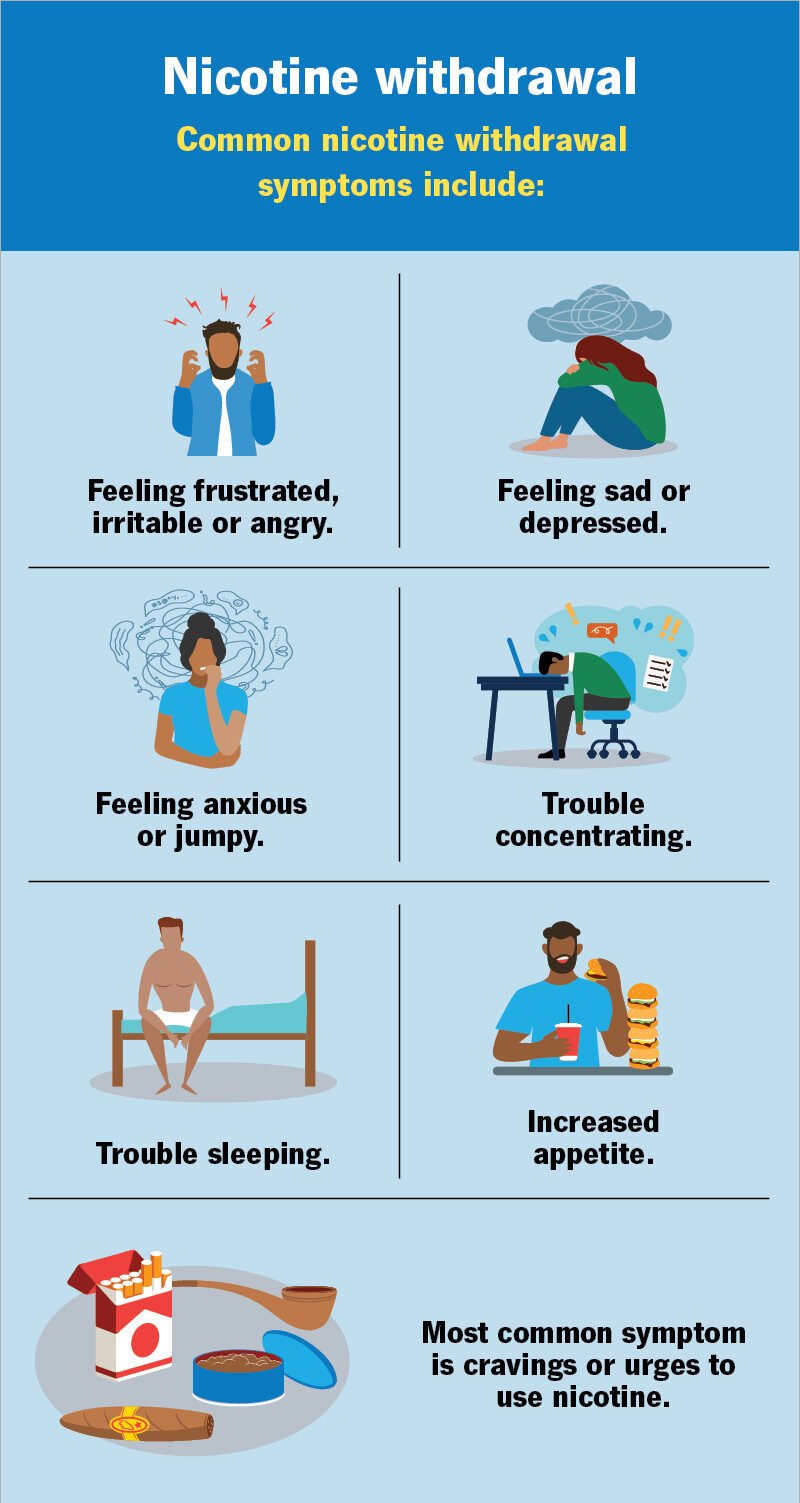
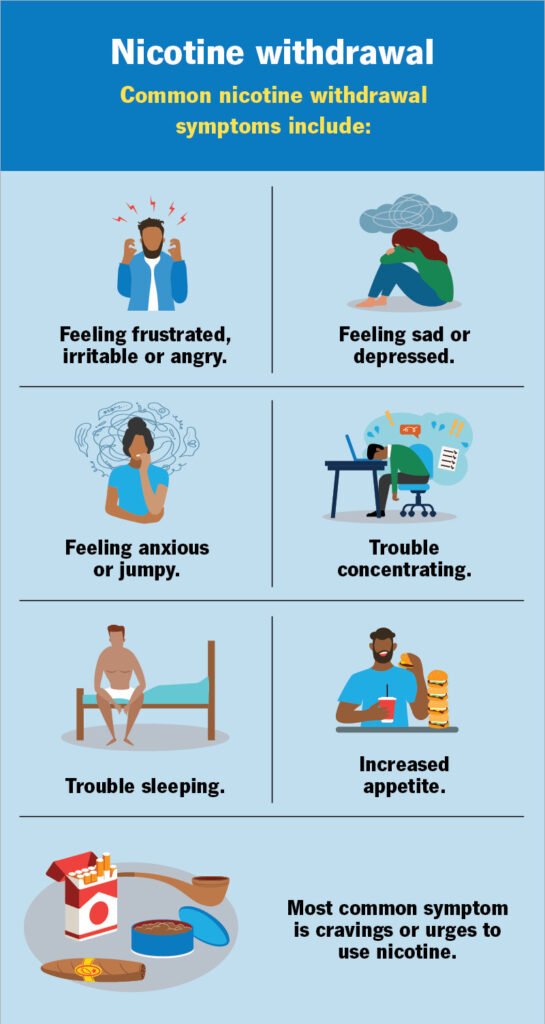
Nicotine Withdrawal Symptoms

As the body adjusts to life without nicotine, some withdrawal symptoms may occur.

Common withdrawal symptoms include:

  • Strong cravings
  • Anxiety and nervousness
  • Difficulty sleeping
  • Irritability
  • Restlessness
  • Mood changes
  • Trouble concentrating

At this point, professional support can ensure that the affected individual copes with these symptoms more comfortably and stays in line with recovery targets.

Behavioral Therapy and Counseling

Therapy is vital for the recovery of nicotine addiction. Therapy teaches people the triggers that cause them to seek out drugs and then helps them replace those bad habits with positive coping mechanisms.

Individual Counseling

Patients can talk about emotional stress, addiction triggers, and personal struggles as private counseling sessions give a good outlet for everything best

Cognitive Behavioral Therapy (CBT)

Cognitive-Behavioral Therapy (CBT) is another facet of behavior psychotherapy that can allow individuals to identify the negative thinking patterns associated with smoking and find more productive alternatives.

Motivational Therapy

Treatment that focuses on motivation helps to inspire self-belief and dedication at every stage of recovery.

The professional advice that enhances the following recovery results of nicotine addiction treatment when looking for nicotine addiction treatment in Islamabad, Pakistan.

Healthy Lifestyle Changes During Recovery

Making some lifestyle improvements can not only help you recover from nicotine but also mentally feel a lot better.

Helpful habits include:

  • Regular exercise
  • Balanced nutrition
  • Stress management practices
  • Healthy sleep routines
  • Avoiding smoking triggers
  • Building positive social support

Many patients at The Hope Rehabilitation Center Islamabad, Pakistan are taught to establish positive lifestyle habits.

Family Support and Emotional Encouragement

Family assistance can be an essential factor in overcoming nicotine addiction. This can be useful to stay motivated and emotionally stable during treatment, perhaps friends or family encouraging.

Supportive family involvement may help:

  • Improve communication
  • Reduce emotional stress
  • Strengthen accountability
  • Create a healthier home environment

General recovery is often aided by positive support systems that improve your chance of long-term success.

FAQs About Nicotine Addiction

1.     What causes nicotine addiction?

The addiction to nicotine occurs as the brain builds a reliance on the nicotine in cigarettes and similar products.

2.     Nicotine withdrawal can include a variety of psychological symptoms

Yes, withdrawal can include anxiety, irritability, mood changes and trouble focusing.

3.     Does professional treatment work for nicotine addiction?

Professional counseling and structured support improve recovery outcomes—more prevention from relapse.

4.     How long to recover from nicotine?

How long recovery last? Recovery is different for everyone and depends upon smoking habits, emotional issues, and commitment to treatment.

5.     Do changes in lifestyle assist the workaround?

Exercise, good nutrition, stress reduction and supportive relationships can make recovery more effective.

Conclusion

Nicotine dependency is an intense concern considering it can impair physical wellness, emotional security and operational from day today. Although it may seem hard to stop smoking, professional treatment and supportive care can give back control over your life again.

The Hope Rehabilitation Center Islamabad, Pakistan are 100 % best-trained rehabilitation center for Nicotine Addiction Treatment in Islamabad, Pakistan Providing Emotional Healing, Healthy Living and Functional Rehabilitation treatment sessions. With right direction and steady support, you can achieve a healthier and smoke-free future.

Dual Diagnosis Treatment — Dual diagnosis treatment in Islamabad Pakistan

Dual Diagnosis Treatment — Dual diagnosis treatment in Islamabad Pakistan

A dual diagnosis occurs when a person suffers from both a mental health disorder as well as substance addiction simultaneously. This confounding factor complicates recovery because one condition often exacerbates the symptoms of the other. Drug and alcohol use may be a response to the pressure of mental health issues, since people with anxiety, depression, trauma or emotional stress sometimes self-medicate with substance abuse — but drug use can aggravate anxious feelings.

The Hope Rehabilitation Center Islamabad, Pakistan provides peaceful, compassionate and structured care for people suffering from emotional and addiction problems designed to help them heal in the long term. In Islamabad, Pakistan this article explains the significance of Dual diagnosis Treatment, its effective ways, and recovery assistance.

Understanding Dual Diagnosis

Dual diagnosis is when someone has both a mental health condition and an addiction. When both are present, both must be treated professionally because if only one go, the individual may never recover.

Some common mental health disorders associated with addiction include:

  • Depression
  • Anxiety disorders
  • Post-traumatic stress disorder (PTSD)
  • Bipolar disorder
  • Panic disorders
  • Emotional trauma

Often with dual diagnosis have trouble balancing their emotions, suffer from drug or alcohol cravings, grasp unhealthy relationships and deal with the stress of each day.

Dual Diagnosis Treatment in Islamabad, Pakistan Professional Dual Diagnosis Treatments a process of combining treatment for a substance abuse disorder and mental illnesses by providing an integrated service to patients.

Common Causes of Dual Diagnosis

The most common ones are a dual diagnosis condition, and there are several factors that can be responsible for it.

Mental Health Struggles

People suffering from anxiety, depression or trauma may use drugs or alcohol in the short-term to alleviate their emotional pain.

Substance-Induced Mental Health Symptoms

Chronic using can modify the mind chemistry and convey upon mental disorders.

Genetic and Family History

Having a family history of addiction or mental illness can be an added risk factor.

Stressful Life Events

Addiction and emotional instability can be caused by financial problems, the loss of a loved one or a partner, conflicts in relationships with relatives and friend’s chronic stress.

At The Hope Rehabilitation Center Islamabad, Pakistan, our treatment programs aim to pinpoint these underlying causes and provide the support needed to create more successful recovery outcomes.

Indicators and Signs of Dual Diagnosis

The signs & symptoms differ depending on the kind of substance use and psychological health issue involved.

Behavioral Symptoms

  • Isolation from family and friends
  • Loss of motivation
  • Sudden mood changes
  • Poor decision-making
  • Neglect of responsibilities

Emotional Symptoms

  • Anxiety and panic
  • Persistent sadness
  • Irritability
  • Emotional instability
  • Difficulty managing stress

Substance Abuse Symptoms

  • Higher tolerance toward drugs or alcohol
  • Withdrawal symptoms
  • Strong cravings
  • Repeated failed attempts to quit

If you can notice these warning signs early enough, it could lead to proper Dual Diagnosis Treatment in Islamabad, Pakistan before it’s getting worse.

Why Integrated Treatment Is Important

If you successfully treat addiction but ignore mental health issues, the risk of relapse is heightened. Likewise, managing only mental health symptoms without addressing substance dependence may also interfere with emotional stability.

Dual Diagnosis Treatment — Dual diagnosis treatment in Islamabad Pakistan

Integrated treatment helps individuals:

  • Improve emotional wellness
  • Understand addiction triggers
  • Build healthier coping skills
  • Reduce relapse risk
  • Improve daily functioning

This indicates the added importance of professional rehabilitation programs that deal with both conditions simultaneously.

Detoxification and Medical Support

For those deeply addicted to any controlled substance, detoxification may be the first step in treatment. Detox allows the body to rid itself of dangerous drugs while staff monitor any withdrawal symptoms in safety.

Withdrawal symptoms may include:

  • Anxiety
  • Restlessness
  • Sweating
  • Sleep disturbances
  • Mood swings
  • Fatigue

Monitoring from a medical professional can also enhance safety and comfort when you are this far in your recovery.

Counseling and Behavioral Therapy

Therapy is by far the most critical components of dual diagnosis recovery. Counseling for understanding those emotions because that awakens the mental status of a patient where they feel relieved from stress and understand their symptoms.

Individual Counseling

Patients can talk about trauma, emotional pain, and personal conflicts in a safe environment with private therapy.

Cognitive Behavioral Therapy (CBT)

CBT assists individuals in recognizing automatic negative thought patterns related to their addiction and mental health struggles.

Group Therapy

Support groups offer encouragement and collective experience that lessen feelings of isolation.

Therapy programs are designed according to the needs of the individual at The Hope Rehabilitation Center Islamabad, Pakistan so they can heal emotionally and be in recovery permanently.

The Role of Family Support

Dual Diagnosis Do you realize that Dual diagnosis not only affects the individual but it also affects each of family members and loved ones? Family support and family involvement with the recovery process can be important in overcoming emotional issues, as well as promoting lifestyle changes that can lead to a miracle.

Family counseling may help:

  • Improve communication
  • Reduce emotional stress
  • Learn about addiction and mental health
  • Create a supportive home environment

The involvement of a healthy family increases favorable outcomes for recovery from Dual Diagnosis Treatment in Islamabad, Pakistan.

Relapse Prevention and Long-Term Recovery

This time is needed so that full recovery can occur from the dual diagnosis through ongoing care and a switch to more healthy daily living. Relapse Prevention One of the most effective tools offered by treatment centers is relapse prevention programs where patients learn to become emotionally balanced so that they can be sober once released from the facility.

Helpful strategies include:

  • Stress management techniques
  • Healthy sleep routines
  • Regular counseling sessions
  • Physical activity and exercise
  • Emotional support systems
  • Avoiding harmful environments

It is essential to remember that you will not be able to recover overnight as recovery takes time, consistency and professionalism.

Benefits of Early Intervention

Early professional help reduces the emotional, physical and psychological effects of comorbidity. If treated on time, quality of life can be maximized and emotional stability maintained.

Early intervention can help individuals:

  • Manage mental health symptoms
  • Reduce substance dependency
  • Improve family relationships
  • Restore daily functioning
  • Strengthen emotional resilience

FAQs About Dual Diagnosis Treatment

1.     What is dual diagnosis?

Dual diagnosis means that you have both an addiction and a mental health disorder at the same time.

2.     Are mental health disorders a risk factor for addiction?

Yes, anxiety, depression and trauma can all lead to a greater chance of abusing drugs.

3.     Why is integrated treatment important?

Integrated treatment combines therapy for both addiction and mental health issues together, leading to better recovery.

4.     Do I need therapy to recover from a dual diagnosis?

Counseling and behavioral therapy address how a person deals with emotional triggers to develop healthier coping mechanisms.

5.     Can family support improve recovery?

Caring family support has usually assisted in various improvement facets such as emotional stability, communication, and success with long-term recovery.

Conclusion

This complex condition often needs supportive care to help you process, heal, and recover. Addiction and mental health issues often co-occur, but treating them from the start simultaneously leads to better recovery and quality of life.

The Hope Rehabilitation Center Islamabad, Pakistan offers structured emotional core care for individuals seeking Dual Diagnosis Treatment in Islamabad, Pakistan. With the appropriate support and guidance, one can make progress toward a better and more balanced life.

Smoking Addiction – Smoking Addiction Treatment in Islamabad, Pakistan

Smoking Addiction – Smoking Addiction Treatment in Islamabad, Pakistan

Smoking addiction is one of the most common forms of substance dependency affecting people of all ages. Many individuals begin smoking due to stress, social influence, curiosity, or habit, but over time, nicotine dependence can become difficult to control. Smoking not only harms physical health but also affects emotional well-being, family life, and overall quality of life.

At The Hope Rehabilitation Center Islamabad, Pakistan, individuals struggling with nicotine dependency can receive compassionate care and professional support in a structured environment. This article explains the causes, symptoms, health risks, and recovery options related to Smoking Addiction Treatment in Islamabad, Pakistan while emphasizing the importance of long-term wellness and healthier living.

Understanding Smoking Addiction

Smoking addiction develops when the body and brain become dependent on nicotine, a highly addictive substance found in cigarettes and tobacco products. Nicotine stimulates the brain’s reward system, creating temporary feelings of relaxation or pleasure. Over time, the body begins craving nicotine regularly, making it difficult to stop smoking without support.

People dealing with nicotine dependence may continue smoking despite understanding the harmful effects on their health. Professional Smoking Addiction Treatment in Islamabad, Pakistan can help individuals break this cycle safely and effectively.

Common Causes of Smoking Addiction

Smoking addiction can develop due to several emotional, social, and psychological factors.

Stress and Emotional Pressure

Many people use smoking as a coping mechanism during periods of stress, anxiety, or emotional tension.

Peer Influence

Social environments and peer pressure often play a role in starting smoking habits, especially among young adults.

Habitual Behavior

Smoking can become connected to daily routines such as drinking tea, social gatherings, or work breaks, making the habit harder to quit.

Mental Health Conditions

Depression, anxiety, and emotional trauma may increase the likelihood of nicotine dependency.

At The Hope Rehabilitation Center Islamabad, Pakistan, treatment plans focus on understanding these root causes to support long-term recovery.

Signs and Symptoms of Smoking Addiction

Recognizing nicotine dependency early can help individuals seek support before serious health complications develop.

Physical Symptoms

  • Frequent cigarette cravings
  • Increased tolerance to nicotine
  • Restlessness when unable to smoke
  • Headaches or irritability during withdrawal
  • Persistent cough
  • Fatigue and breathing difficulties

Behavioral Symptoms

  • Smoking immediately after waking up
  • Difficulty avoiding smoking in public places
  • Repeated failed attempts to quit
  • Increased smoking during stress

Emotional Symptoms

  • Anxiety without nicotine
  • Mood swings
  • Irritability
  • Difficulty concentrating

People experiencing these symptoms may benefit from professional Smoking Addiction Treatment in Islamabad, Pakistan.

Health Risks Linked to Smoking Addiction

Smoking affects nearly every organ in the body. Long-term tobacco use increases the risk of several serious health conditions.

Respiratory Problems

Smoking damages the lungs and airways, leading to breathing issues, chronic cough, and reduced lung function.

Heart Disease

Smoking Addiction – Smoking Addiction Treatment in Islamabad, Pakistan

Nicotine and harmful chemicals in tobacco can increase blood pressure and strain the cardiovascular system.

Mental and Emotional Impact

Smoking addiction can contribute to stress, anxiety, emotional instability, and dependency-related frustration.

Reduced Quality of Life

Smoking may negatively affect physical stamina, sleep quality, appearance, and daily productivity.

Seeking early Smoking Addiction Treatment in Islamabad, Pakistan can help reduce these risks and improve overall health.

Why Professional Smoking Addiction Treatment Matters

Quitting smoking is challenging because nicotine creates both physical and psychological dependence. Many individuals attempt to quit multiple times before achieving long-term success.

Professional rehabilitation programs provide structured care that may include:

  • Behavioral counseling
  • Withdrawal management
  • Emotional support
  • Stress management techniques
  • Relapse prevention strategies

At The Hope Rehabilitation Center Islamabad, Pakistan, treatment programs are designed to help individuals recover in a respectful and supportive environment.

Nicotine Withdrawal and Detox Support

When a person stops smoking, the body begins adjusting to the absence of nicotine. This process can cause temporary withdrawal symptoms.

Common withdrawal symptoms include:

  • Irritability
  • Anxiety
  • Restlessness
  • Trouble sleeping
  • Mood changes
  • Strong cravings
  • Difficulty concentrating

Professional support during nicotine withdrawal can improve comfort and help individuals remain focused on recovery goals.

Behavioral Therapy and Counseling

Counseling plays a major role in helping people understand why they smoke and how to replace unhealthy habits with healthier routines.

Individual Counseling

One-on-one therapy sessions help patients discuss emotional triggers, stress factors, and personal challenges.

Cognitive Behavioral Therapy (CBT)

CBT helps individuals identify negative thought patterns connected to smoking and develop healthier coping mechanisms.

Motivational Support

Motivational counseling can improve confidence and encourage positive lifestyle changes during recovery.

Professional therapy strengthens long-term recovery outcomes for individuals seeking Smoking Addiction Treatment in Islamabad, Pakistan.

Lifestyle Changes That Support Recovery

Long-term recovery often requires adjustments in daily habits and routines. Healthy lifestyle choices can reduce cravings and improve emotional balance.

Helpful recovery strategies include:

  • Regular physical activity
  • Healthy eating habits
  • Stress management techniques
  • Better sleep routines
  • Avoiding smoking triggers
  • Building supportive social connections

At The Hope Rehabilitation Center Islamabad, Pakistan, patients are encouraged to adopt positive habits that support healthier living.

The Importance of Family Support

Family encouragement can make a significant difference during smoking recovery. Emotional support from loved ones may help individuals stay motivated and committed to treatment.

Family involvement can help:

  • Improve emotional stability
  • Reduce stress during recovery
  • Encourage accountability
  • Create a healthier home environment

Supportive communication often strengthens long-term recovery success.

FAQs About Smoking Addiction

1. What causes smoking addiction?

Smoking addiction is mainly caused by nicotine dependence, emotional stress, social influence, and habitual behavior.

2. Can nicotine withdrawal be difficult?

Yes, withdrawal symptoms such as cravings, anxiety, irritability, and sleep problems can occur when quitting smoking.

3. How long does smoking recovery take?

Recovery varies from person to person. Some individuals improve within weeks, while others may require longer-term support.

4. Is counseling important for smoking addiction treatment?

Yes, counseling helps individuals understand emotional triggers and develop healthier coping strategies.

5. Can family support help during smoking recovery?

Supportive family involvement often improves motivation, emotional stability, and recovery outcomes.

Conclusion

Smoking addiction is a serious health concern that can affect physical wellness, emotional balance, and daily life. Although quitting smoking may feel difficult, professional care and supportive treatment can help individuals move toward healthier living.

At The Hope Rehabilitation Center Islamabad, Pakistan, individuals seeking Smoking Addiction Treatment in Islamabad, Pakistan can access compassionate care, structured counseling, and recovery-focused support tailored to their personal needs. With the right guidance and commitment, recovery from smoking addiction is possible, leading to improved health and a better quality of life.

A Fresh Start Is a New Life – A fresh start is a new life in Islamabad, Pakistan

A Fresh Start Is a New Life – A fresh start is a new life in Islamabad, Pakistan

But when you face addiction, emotional struggles, mental stress or a tough personal circumstance everything in life can feel so unbearable. Nevertheless, we must agree that everyone has a right to heal, rebuild and have a shot at the road of recovery. A Fresh Start New Life in Islamabad, Pakistan: A new start represents optimism, rehabilitation, and a desire for real change.

With understanding, professional care, and emotional support at The Hope Rehabilitation Center Islamabad, Pakistan recovery is pursued. Be it Fabric Dependence, Obsessions of Insecurities, Emotional Burnout, or other forms of adjustment disorder; the best way is to take that first step from where we can lead you towards a well-founded and content life.

What Fresh Start Means to Me

A new beginning means breaking bad habits, moving away from toxic environments or an unhealthy lifestyle that may cause physical or emotional harm. For some this might be recovery from addiction, for others it may be mental health treatment, or healing from emotional trauma and for still others it will probably involve changing lifestyle issues.

A fresh start may support people to:

  • Restore confidence
  • Improve emotional balance
  • Rebuild damaged relationships
  • Create healthier routines
  • Develop positive coping skills
  • Focus on long-term personal growth

Recovery is not about perfection. Consistency means moving forward on the path of a better life and more fulfilling future.

Why People Need a Fresh Start

It can take a toll on mental, emotional and physical health. The hopelessness or emotional exhaustion created during addiction, stress or trauma due to family conflict and social pressure may lead you into boredom, confusion, rage; all of this can be yours.

the most common reasons why people want a clean slate are as follows:

  • Drug or alcohol addiction
  • Mental health struggles
  • Anxiety and depression
  • Relationship problems
  • Emotional trauma
  • Chronic stress
  • Loss of motivation or direction

Asking for help is often not a weakness at all, but rather a sign of strength. Support offered early on may stop emotional difficulties developing into more severe problems.

Recovery and Mental Health

There is a strong link between mental health and addiction. Most people suffering from substance abuse have also other emotional issues such as panic attack, low self-esteem, anxiety or depression.

A professional recovery setting might have:

  • Emotional support
  • Behavioral therapy
  • Stress management techniques
  • Counseling sessions
  • Mental wellness programs
  • Relapse prevention strategies

The Hope Rehabilitation Center Islamabad, Pakistan based treatment programs that also center on emotional inner peace and long-term recovery assistance.

Healthy habits aid in building a new life

Working on forming healthier habits is a key component in rebuilding your life following addiction or emotional problems. Routines organized positively could manifest better physical health, emotional well-being as well as mental clarity.

Helpful habits include:

Regular Physical Activity

Exercise can help relieve stress, work on your mood, and possibly promote emotional well-being.

A Fresh Start Is a New Life – A fresh start is a new life in Islamabad, Pakistan

Balanced Nutrition

Healthy Eating Will Make You Energetic and Healthy.

Proper Sleep

Those with sound sleep patterns tend to have lower anxiety and emotional fatigue levels.

Mindfulness and Relaxation

Stress Management with breathing exercises and MEDITATION!

Social Support

Strengthening emotional recovery comes with having healthy relationships alongside supportive communities.

Step-by-step behaviors like these can help people sustain order and self-assurance on the way of recovery.

The Importance of Emotional Healing

A recovery is not just physical. Long term wellness also requires emotional healing. So many people bear emotional trauma whether its trauma, addiction, stress or a tough time in their life.

Emotional healing may involve:

  • Individual counseling
  • Group therapy
  • Family support sessions
  • Stress management education
  • Self-awareness development

Through this process of addressing emotional challenges, people can learn to have more awareness around what triggers them and how they need to respond in a healthier way.

Family Support During Recovery

There is a heavy reliance on family support for those who want to change — for good. Encouragement, empathy, and reinforcing open lines of communication with your spouse can have a positive outcome on emotional dependency and drive.

Families can support recovery by:

  • Encouraging treatment participation
  • Avoiding blame or criticism
  • Substance Abuse & Mental Health Training
  • Supporting healthy lifestyle changes
  • Providing emotional encouragement

A stable home can make individuals feel more secure and comfortable when recovering.

But it does mean overcoming challenges with a fresh start

It’s not always easy to start over. Recovery is unique for the individual, and many experience relapses, emotional distress or fear of failure. But conflict can also bring the power of growth and resilience.

Common recovery challenges include:

  • Cravings or relapse triggers
  • Anxiety and emotional stress
  • Social pressure
  • Self-doubt
  • Fear of change

Others suggest that professional support and formalized recovery programs may aid people in recovering from these challenges more effectively.

Building a Positive Future

Because a second chance is how you build a clean-life balanced future. Recovery is usually a slow process, where one must devote time consistently to be able to rely on their emotional resources.

Positive recovery goals may include:

  • Returning to education or work
  • Restoring family relationships
  • Improving mental health
  • Developing healthy routines
  • Building confidence and self-respect

Each small step you take towards healing helps to overall grow and build your emotional wellness.

How Professional Rehabilitation Support Can Help

This is where the role of professional treatment programs may help to set a safe, supportive space for those suffering from addiction or distress.

Recovery services at The Hope Rehabilitation Center Islamabad, Pakistan may include:

  • Medical support
  • Psychological counseling
  • Mental health care
  • Detoxification support
  • Relapse prevention programs
  • Family counseling

Personalized care enables people to be devoting attention to cure whilst studying more healthy approaches to cope.

FAQs

1.     What does Fresh Start is a New Beginning mean?

It’s about progress and making changes for the better by letting go of what is unhealthy, surrounding yourself with a recovering environment that promotes healing and growth.

2.     Benefits of emotional healing during recovery?

Emotional Recovery aids those who are dealing with chronic anxiety, trauma, stress, and other mental health challenges that may act as a contributing factor to potential addiction or psychological distress.

3.     And, does family support help in enhancing recovery?

Yes, supportive family relationships often help individuals feel encouraged, understood, and motivated during recovery.

4.     Other habits that help you stay sober for a long time?

These may well assist in stability and wellness regular physical activity balanced diet have enough sleep managing the concerns productive assistance.

5.     When recovering, why is professional support necessary?

Guiding each AA program are treatment services, emotional care, counseling as well as even more organized recovery that offers long-standing results.

Conclusion

Is the departure of a A fresh start new life in Islamabad Pakistan, Hope, Healing and Positive Change Anyone who is walking the road to recovery from addiction, emotional distress or mental health issues will find that this first step toward change may one day lead them to a better life and more healthy future.

Compassionate care and structured recovery programs at The Hope Rehabilitation Center Islamabad, Pakistan, work together to guide individuals through the entire healing process. However, with emotional support, professional guidance and motivation, a person can start creating a life characterized by stability, purpose and beliefs.

Smoking Addiction – Smoking Addiction Treatment Center in Islamabad, Pakistan

Smoking Addiction Treatment

Background Smoking addiction is an increasingly important public health issue, representing a multi-billion-euro industry with millions of people being addicted around the world. You are aware of the death toll it can take, and yet you may feel addicted to nicotine. In such cases, visiting an organized Smoking addiction Treatment Center in Islamabad, Pakistan would help provide individual guidance and structured support to those who wish to quit this habit. These types of facilities, such as The Hope Rehabilitation Center Islamabad, Pakistan practice ethical, patient-centered care to help individuals reclaim their lives from addiction while also doing something that has avoided them for too long: taking control of the health or lifestyle again.

Understanding Smoking Addiction

Nicotine dependence is the major underlying cause of smoking addiction. Nicotine is an extremely addictive natural drug that can be obtained through tobacco products such as cigarettes, cigars and electronic smokers. Inhaled, it moves swiftly to the brain and releases dopamine as a reward/punishment drug making you feel good for a little while.

Eventually the brain depends on nicotine to feel these ways, resulting in cravings and withdrawal symptoms when smoking is decreased or stopped. Which is why quitting the smoking cycle is extremely difficult without professional help by going to a Smoking addiction Treatment Center at Islamabad Pakistan

Health Risks Associated with Smoking

Cigarette smoking is a leading cause of death, and it also seriously aggravates other physical diseases physically along with debilitating mental health in its long-term use. The most common risks to health:

  • Respiratory disorders, including chronic bronchitis and lung infections
  • Higher risk of heart disease and stroke
  • Increased risk of cancer, particularly lung cancer
  • Weakened immune system
  • It has a detrimental effect on mental health, causing anxiety and stress

Early treatment for smoking addiction decreases these risks and helps improve overall health.

Why Professional Treatment is Important

A number of individuals have tries to give up smoking by themselves, conducting so outright on several occasions, nevertheless the eventual urge as well as result in will get in contact with them owing to outward symptoms associated with drawback including impatience, stress and anxiety or maybe metallic craving. There are medical and psychological support available on a scheduled basis in the Smoking addiction Treatment Center of Islamabad Pakistan to overcome through these hurdles effectively.

Professional treatment provides:

  • Guidance from trained healthcare professionals
  • Personalized treatment based on the specific patient needs
  • Monitoring and support during withdrawal
  • Tools to prevent relapse

The Hope Rehabilitation Center Islamabad, Pakistan work on providing an environment where people can recover in their own time.

Treatment Approaches for Smoking Addiction

Instead, new, modern treatment centers will combine many different therapies together to treat both the physical and psychological nature of smoking addiction.

Behavioral Therapy

Behavioral therapy enables people to recognize the triggers and build better coping mechanisms. It focuses on creating new habits and thoughts that are associated with smoking.

Nicotine Replacement Therapy (NRT)

NRT offers small amounts of nicotine in patches, gums or lozenges and helps relieve withdrawal symptoms and cravings.

Counseling and Support Groups

Emotional support and motivation through individual counseling or group sessions. Sharing with others helps one not to feel alone.

Mindfulness and Stress Management

Meditation, relaxation exercises and similar techniques can help to control stress that is often a trigger for smoking.

Building a Smoking Addiction Treatment Center in Islamabad, Pakistan

THE SMOKING CESSATION CENTER Within a specialized treatment center, we take a global approach to it. This includes:

  • Initial assessment and diagnosis
  • Creation of an individualized treatment regimen
  • Continuous monitoring and progress evaluation
  • Emotional and psychological support
  • Relapse prevention strategies

The Hope Rehabilitation Center Islamabad, Pakistan take a holistic approach, focusing on both physical dependence and emotional wellbeing.

Challenges in Quitting Smoking

Smoking Addiction Treatment

It’s tougher than quitting smoking, it’s not just willpower. So, a number of people are biting the bullet, including:

  • Strong nicotine cravings
  • Headaches and irritability as withdrawal symptoms
  • Social triggers and peer influence
  • Stress and emotional difficulties

Acknowledging these hurdles and approaching a Smoking addiction Treatment Center in Islamabad, Pakistan is the best plausible way of ensuring recovery on successful note.

Benefits of Quitting Smoking

Like any undesired behavior, quitting smoking is not easy but the rewards are numerous and remaining:

  • Improved lung function and breathing
  • Reduced risk of serious diseases
  • Better cardiovascular health
  • Enhanced mental clarity and mood
  • Better quality of life and increased life expectancy

When it comes to quitting smoking, every measure counts and occasional small steps can help notice gradual improvements in your health!

Creating a Supportive Recovery Environment

A quality environment is key to working through those addictions like smoking. Encouragement and understanding from family, friends, and health care providers can help one through recovery.

The Hope Rehabilitation Center Islamabad, Pakistan offer a controlled environment outside normal everyday life where people can concentrate on their recovery without any external pressure.

Lifestyle Changes to Support Recovery

Along with formal treatment, healthy habits can help ensure long-term success as follows:

  • Engaging in regular physical activity
  • Maintaining a balanced diet
  • Practicing stress management techniques
  • Avoiding triggers associated with smoking
  • Building positive social connections

These adjustments complement the support provided at a Smoking addiction Treatment Center in Islamabad, Pakistan and enhance health.

FAQs

1.     What causes smoking addiction?

The cigarette addiction mechanism mainly is the so-called Nicotine dependence which change reward system of the brain creating cravings.

2.     Is smoking typically easy to treat as an addiction?

Yes, as long as they have help for cravings and effective treatment to stop smoking.

3.     What are common withdrawal symptoms?

Common withdrawal syndrome: i.e. irritability, anxiety, headache and cravings for nicotine.

4.     How long does it take to stop smoking?

This can take up to each person Some may need a matter of weeks, others will require support over months.

5.     Do you need professional help to quit smoking?

Although some people do stop smoking on their own, professional Support from Smoking addiction Treatment Center in Islamabad Pakistan can provide structured support and improve success rate.

Conclusion

Smoking dependence is a mental illness or disease affecting physical wellbeing and mental well-being. It can be defeated with the right commitment, quality support and through the appropriate treatment approach. It is a professional Smoking addiction Treatment Center in Islamabad, Pakistan that provides the tools and guidance to help you overcome nicotine dependence.

But aided with compassionate care and a detailed recovery plan, you can go into rehab, an extensive clinic system such as The Hope Rehabilitation Center Islamabad, Pakistan dedicated to giving you the step so as that those who are struggling with all manner of cigarettes cease smoking most efficient. The most important thing is that you are starting to quit smoking which is better for your health and you will improve your lifestyle for a long time if you pay attention to it.

Best Rehabilitation Center in Islamabad, Pakistan | Best Rehabilitation Center in Islamabad, Pakistan

Best Rehabilitation Center in Islamabad, Pakistan | Best Rehabilitation Center in Islamabad, Pakistan

Finding the right support for addiction and mental health challenges is an important step toward recovery. With increasing awareness about substance use disorders and psychological well-being, many individuals and families are seeking professional care that is safe, ethical, and effective. Choosing the Best Rehabilitation Center in Islamabad, Pakistan involves understanding the quality of services, treatment approaches, and the overall environment provided by the facility.

At The Hope Rehabilitation Center Islamabad, Pakistan, care is designed to support individuals through every stage of recovery. The focus remains on patient well-being, structured treatment, and long-term stability without making unrealistic promises. A balanced and professional approach ensures that individuals receive the guidance they need to rebuild their lives.


Understanding the Role of a Rehabilitation Center

A rehabilitation center provides structured treatment for individuals facing substance use disorders or mental health challenges. These centers aim to address both physical dependence and emotional factors that contribute to addiction.

The Best Rehabilitation Center in Islamabad, Pakistan offers a combination of medical care, therapy, and lifestyle support. Treatment is not limited to stopping substance use; it also focuses on helping individuals develop healthier coping mechanisms and routines.

At The Hope Rehabilitation Center Islamabad, Pakistan, programs are tailored to meet individual needs, ensuring that each patient receives personalized attention and care.


Key Features of the Best Rehabilitation Center

Best Rehabilitation Center in Islamabad, Pakistan | Best Rehabilitation Center in Islamabad, Pakistan

Choosing a rehabilitation center requires careful consideration of several important factors. The quality of care depends on how well the center addresses different aspects of recovery.

Comprehensive Assessment and Personalized Care

Every individual’s experience with addiction is different. A professional rehabilitation center begins with a detailed assessment to understand the patient’s condition, history, and specific needs.

The Best Rehabilitation Center in Islamabad, Pakistan ensures that treatment plans are personalized rather than generalized, allowing for more effective recovery outcomes.

At The Hope Rehabilitation Center Islamabad, Pakistan, assessments are conducted with care and confidentiality, forming the foundation of a structured treatment plan.


Medical Detox and Safe Withdrawal Management

Detoxification is often the first step in the recovery process. It involves removing harmful substances from the body while managing withdrawal symptoms.

A reliable Best Rehabilitation Center in Islamabad, Pakistan provides medical supervision during detox to ensure safety and comfort. This stage is handled carefully to reduce potential risks.

At The Hope Rehabilitation Center Islamabad, Pakistan, detox services are offered in a controlled environment where patients receive professional monitoring and support.


Therapy and Counseling Services

Therapy plays a crucial role in addressing the psychological aspects of addiction. Behavioral therapies, such as Cognitive Behavioral Therapy (CBT), help individuals identify harmful thought patterns and develop healthier responses.

Counseling sessions provide a safe space for patients to discuss their experiences, emotions, and recovery goals.

The Best Rehabilitation Center in Islamabad, Pakistan integrates therapy into every stage of treatment, supporting emotional healing and long-term recovery.


Importance of a Supportive Environment

A calm and structured environment is essential for effective rehabilitation. Being in a supportive setting allows individuals to focus entirely on recovery without external distractions or triggers.

The Best Rehabilitation Center in Islamabad, Pakistan provides routines that include therapy sessions, wellness activities, and educational programs. These routines help individuals build discipline and stability.

At The Hope Rehabilitation Center Islamabad, Pakistan, the environment is designed to promote respect, privacy, and emotional comfort, creating a space where patients feel safe throughout their recovery journey.


Building Skills for Long-Term Recovery

Recovery is not just about completing treatment; it is about maintaining progress over time. Rehabilitation centers focus on equipping individuals with the skills needed for long-term stability.

These skills may include:

  • Stress management techniques
  • Emotional regulation strategies
  • Healthy lifestyle habits
  • Relapse prevention planning

The Best Rehabilitation Center in Islamabad, Pakistan emphasizes the importance of these skills to help individuals navigate life after treatment.

At The Hope Rehabilitation Center Islamabad, Pakistan, patients are guided through the process of building sustainable routines that support their overall well-being.


Role of Family in the Recovery Process

Family support can have a meaningful impact on recovery. When family members understand addiction and its challenges, they can provide encouragement and emotional stability.

Many rehabilitation programs include family counseling sessions to improve communication and strengthen relationships.

A trusted Best Rehabilitation Center in Islamabad, Pakistan recognizes the importance of involving loved ones in the recovery process.

At The Hope Rehabilitation Center Islamabad, Pakistan, family support is integrated into treatment planning, helping individuals feel connected and supported.


Focus on Relapse Prevention

Relapse prevention is a key component of rehabilitation. Individuals are taught to recognize triggers and develop strategies to manage them effectively.

Common relapse prevention strategies include:

  • Identifying high-risk situations
  • Practicing coping mechanisms
  • Continuing therapy or follow-up care
  • Building a strong support system

The Best Rehabilitation Center in Islamabad, Pakistan focuses on preparing individuals for life after treatment by promoting long-term stability.


Frequently Asked Questions (FAQs)

1. What makes a rehabilitation center the best?

The best rehabilitation center provides personalized care, professional supervision, therapy, and a supportive environment for recovery.

2. How long does rehabilitation treatment take?

The duration varies depending on the individual’s condition and response to treatment.

3. Is detox necessary before starting therapy?

Detox is often the first step for individuals with physical dependence, but treatment plans are customized based on individual needs.

4. Can recovery be maintained after treatment?

With proper support, therapy, and lifestyle changes, individuals can work toward maintaining long-term recovery.

5. Why choose a professional rehabilitation center?

A professional Best Rehabilitation Center in Islamabad, Pakistan offers structured care, medical supervision, and emotional support that help individuals focus on recovery.


Conclusion

Choosing the Best Rehabilitation Center in Islamabad, Pakistan is an important decision that can shape the path to recovery. A well-structured program provides the medical care, therapy, and support needed to address both physical and emotional aspects of addiction.

Recovery is a gradual process that requires commitment, patience, and professional guidance. With the right environment and support, individuals can develop healthier habits and regain control over their lives.

At The Hope Rehabilitation Center Islamabad, Pakistan, treatment programs are designed to prioritize patient well-being, ethical care, and long-term recovery. By offering a supportive and structured approach, the center helps individuals move toward a more stable and healthier future.

Relapse Control Program| Relapse Control Program in Islamabad Pakistan.

Relapse Control Program

The process of addiction or mental health recovery is a lifelong process that does not end after the initial treatment. Although a rehabilitation program is an important step, long-term stability needs support, awareness, and practical plans. It is here that the relapse control program comes in with structure.

The Relapse Control Program designed in Islamabad Pakistan aims at assisting the individuals to identify the early warning signs, control triggers, and practice healthy routines. In The Hope Rehabilitation Center Islamabad, Pakistan, relapse prevention is regarded as an essential component of the recovery process, which provides patients with the instruments and advice to continue the progress in the long term.

The knowledge of the relapse control programs functionality can assist individuals and families to remain ready and dedicated to the long-term recovery.

Relapse and the Problems of Relapse.

Relapse has been misinterpreted as a failure yet in fact, it may be an element of the recovery process to some individuals. It is a relapse to substance use or other unhealthy behaviors after some improvement.

Relapse can be caused by several factors such as stress, emotional difficulties, environmental stimuli, or absence of constant support. The identification of these factors is a significant move towards prevention.

One of the professional Relapse Control Programs in Islamabad Pakistan is aimed at early identification of these challenges and assisting individuals to devise strategies to deal with them.

The main elements of a Relapse Control Program.

Relapse prevention programs are structured to offer continuous support and practical aids that assist people to remain stable in their daily lives.

Trigger Identification

Relapse Control Program

Trigger identification is one of the most significant elements of relapse prevention. The triggers can be emotional stress, some environments or social situations which enhance the risk of relapsing.

In The Hope Rehabilitation Center Islamabad, Pakistan, patients are instructed to identify their own triggers and how they affect behavior.

A structured Relapse Control Program in Islamabad Pakistan, assists people in building awareness, which is crucial in prevention of relapse.

Coping Strategies and Skill Development.

One of the most important aspects of relapse prevention is learning to deal with stress and emotional difficulties. Practical coping skills are taught to patients to be applied in real life.

These policies can involve:

  • Stress management techniques
  • Meditative and restorative activities.
  • Problem-solving skills
  • Emotional regulation methods

The Relapse Control Program of Islamabad Pakistan is a reliable program that aims at developing these skills in order to enable people to cope with the challenges without resorting to substance use.

Continuous Counseling and Support.

Follow-up counseling is significant in sustaining recovery. Constant therapy sessions allow individuals a secure environment to talk about their progress, difficulties, and concerns.

The Hope Rehabilitation Center Islamabad, Pakistan, is a facility where follow-up counseling sessions will be conducted to help the patients integrate into their normal lives.

In Islamabad Pakistan, a professional Relapse Control Program will see to it that the individuals do not lose touch with the support systems even after they have undergone initial treatment.

The importance of Routine and Lifestyle Changes.

Making a healthy routine is a significant component of relapse prevention. Daily routines can assist people to be attentive and minimize the risk of triggers.

The positive lifestyle changes could be:

  • Having a regular sleep schedule.
  • Physical exercise.
  • Practicing healthy eating habits
  • Staying involved in productive activities

The Hope Rehabilitation Center Islamabad, Pakistan, encourages patients to implement practices that can promote physical and emotional health.

The Relapse Control Program in Islamabad Pakistan is well planned and focused on the significance of stability and balance in daily life.

The Significance of Family and Social Support.

Family and friends can play a great role in the recovery process. Loved ones can also offer encouragement and make people remain motivated when they have knowledge about the recovery process.

Family intervention can involve attending counseling sessions or finding out how to contribute to recovery positively. Communication and understanding can be open and foster relationships and decrease stress.

A reputable Relapse Control Program in Islamabad Pakistan understands the importance of a good support system and promotes the involvement of the family where necessary.

Family support is a part of recovery planning at The Hope Rehabilitation Center Islamabad, Pakistan, to facilitate long-term success.

Long-term Relapse Prevention Program Benefits.

Relapse prevention programs have long-term advantages beyond substance use avoidance. They assist people to gain confidence, enhance emotional stability, and feel stable.

Among the major advantages, there are:

  • Increased self-awareness
  • Better stress management
  • Stronger relationships
  • Improved decision-making skills

There is a Relapse Control Program in Islamabad Pakistan that is comprehensive and aims at assisting individuals to live balanced and fulfilling lives following treatment.

In The Hope Rehabilitation Center Islamabad, Pakistan, relapse prevention is considered as a continuous process that helps in the constant growth and self-development.

Frequently Asked Questions (FAQs)

1. What is a relapse control program?

Relapse control program is an organized plan that assists people to sustain recovery by recognizing triggers, devising coping skills and continuous support.

2. What is the significance of relapse prevention?

Relapse prevention assists a person to cope with the difficulties, minimize the possibility of relapsing to substance use, and sustain long-term recovery.

3. What are common triggers for relapse?

Examples of common triggers are stress, emotional problems, particular settings, or social circumstances related to past substance use.

4. Is it possible to prevent relapse?

Although relapse is not always fully avoidable, structured programs can greatly lower the risk of relapse by equipping individuals to manage the challenges effectively.

5. How much time is required to be spent in a relapse prevention program?

The time will be different according to personal needs, yet constant assistance can be helpful in the long-term recovery.

Conclusion

The process of recovery is a lifelong process that involves constant effort, consciousness and encouragement. The Relapse Control Program in Islamabad Pakistan is a structured program that is very important in assisting people to stay on track and overcome difficulties.

Relapse prevention programs offer a solid base of permanent recovery by emphasizing trigger identification, coping mechanisms, counseling, and lifestyle modifications. This process is further reinforced by the support of the family and professionals who help individuals develop confidence and resilience.

Relapse control initiatives in The Hope Rehabilitation Center Islamabad, Pakistan, are based on ethical care, patient well-being, and long-term success. With consistent counseling and systematic support, people will be able to sustain the process of recovery and have a brighter future of being healthier.