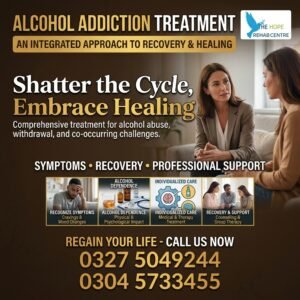
Alcohol addiction treatment can help people regain control over their lives, improve their health, and address the challenges associated with alcohol dependence. Alcohol use disorder is a medical condition that can affect physical health, emotional well-being, relationships, work, and family life. With appropriate treatment and ongoing support, people can work toward meaningful and lasting recovery.
Recognizing the warning signs of alcohol addiction is an important first step. Some people may gradually develop a dependence on alcohol, while others experience increasing difficulties after periods of heavy drinking. Understanding the available treatment options can help individuals and families make informed decisions.
For people exploring support in Islamabad, The Hope Rehabilitation Center Islamabad, Pakistan, provides a setting to learn about addiction-related care and recovery support.
What Is Alcohol Addiction?
Alcohol addiction, clinically referred to as alcohol use disorder (AUD), involves difficulty controlling alcohol consumption despite negative consequences. A person may continue drinking even when it affects their health, relationships, responsibilities, or emotional well-being.
Alcohol dependence can develop gradually. Changes in tolerance, cravings, and withdrawal symptoms may make it increasingly difficult to reduce or stop drinking without help.
Alcohol addiction is not simply a lack of willpower. It is a health condition influenced by biological, psychological, and social factors.
Common Symptoms of Alcohol Addiction
Recognizing the symptoms of alcohol addiction can help individuals identify when professional assessment may be needed.
Common signs include:
- Strong cravings or urges to drink
- Difficulty limiting the amount of alcohol consumed
- Repeated unsuccessful attempts to reduce drinking
- Needing more alcohol to experience the same effects
- Continuing to drink despite health or relationship problems
- Neglecting work, education, or family responsibilities
- Spending considerable time drinking or recovering afterward
- Experiencing withdrawal symptoms when alcohol use decreases
Not everyone experiences every symptom. A healthcare professional can assess the pattern of alcohol use and determine whether treatment is appropriate.
Physical and Psychological Effects of Alcohol Addiction
Long-term heavy alcohol use can affect several parts of the body, including the liver, heart, digestive system, and nervous system. It may also increase the risk of certain cancers and contribute to sleep problems, nutritional deficiencies, and other medical complications.
Alcohol can affect mental health as well. Some people experience worsening anxiety, low mood, irritability, memory difficulties, or problems with concentration.
Alcohol use and mental health conditions can occur together. Assessment should consider both when relevant so that treatment addresses the person’s broader needs.
Alcohol Withdrawal and the Importance of Medical Safety
When someone who has been drinking heavily or regularly suddenly stops, withdrawal symptoms may develop. These can include shaking, sweating, nausea, anxiety, headaches, and sleep disturbances.
Alcohol withdrawal can be life-threatening. Severe cases may involve seizures, hallucinations, or delirium. People with possible alcohol dependence should seek medical advice before stopping abruptly, because withdrawal may require supervised treatment.
If someone experiences a seizure, severe confusion, hallucinations, or other serious symptoms during withdrawal, seek emergency medical care immediately.
Alcohol Detoxification
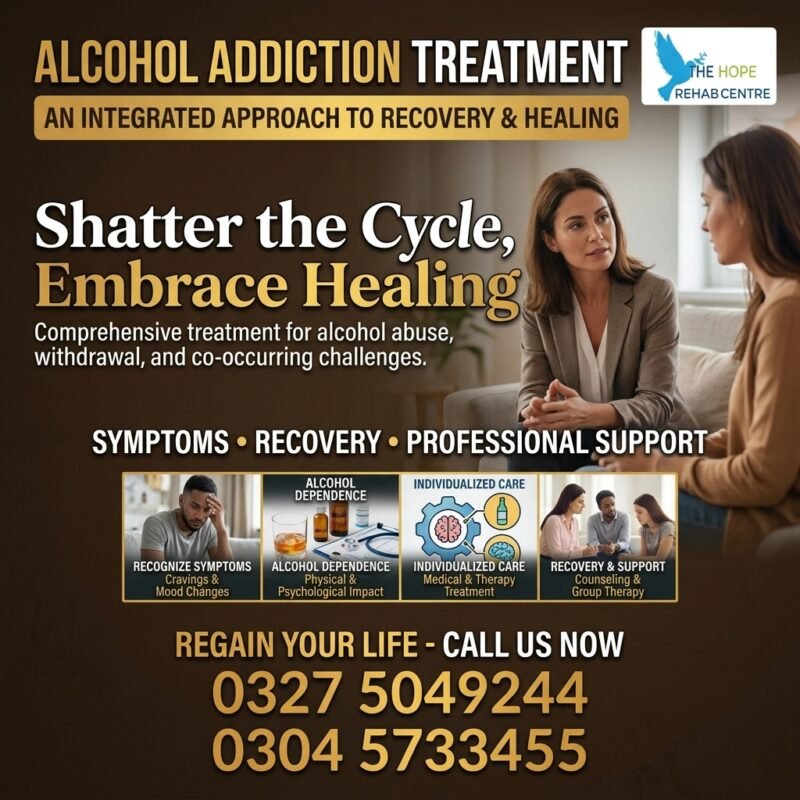
Alcohol detoxification focuses on managing withdrawal and helping the person become medically stable. The appropriate approach depends on drinking history, previous withdrawal episodes, physical health, medications, and other individual factors.
Medical professionals may monitor symptoms, hydration, vital signs, and complications. Medication may be prescribed when clinically appropriate to reduce withdrawal risks.
Detox is an important step for some people, but it does not address every factor associated with addiction. Continuing treatment is often necessary to support recovery after withdrawal.
Professional Alcohol Addiction Treatment Options
Alcohol addiction treatment should be individualized. Depending on a person’s needs, care may involve outpatient treatment, residential rehabilitation, counseling, medication, or a combination of approaches.
Counseling and Behavioral Therapy
Counseling helps people identify triggers, understand drinking patterns, and develop healthier ways to manage stress and difficult emotions.
Behavioral therapies can support changes in habits, decision-making, and responses to cravings. Treatment may also help individuals recognize situations that increase the likelihood of returning to alcohol use.
Medication-Based Treatment
Certain medications can help some people reduce cravings, support abstinence, or manage alcohol use disorder. Suitability depends on medical history, current health, other medications, and treatment goals.
Medication should be prescribed and monitored by a qualified healthcare professional. It should not be used as a substitute for appropriate withdrawal management when medical supervision is needed.
Residential and Outpatient Rehabilitation
Residential treatment may provide a structured environment for people who need intensive support. Outpatient treatment allows individuals to receive care while continuing to live at home, when clinically appropriate.
The right level of care depends on withdrawal risk, medical and mental health needs, home circumstances, and the availability of support.
Family Support During Alcohol Addiction Recovery
Alcohol addiction can affect spouses, children, parents, and other family members. Relatives may experience stress, worry, or uncertainty about how to help.
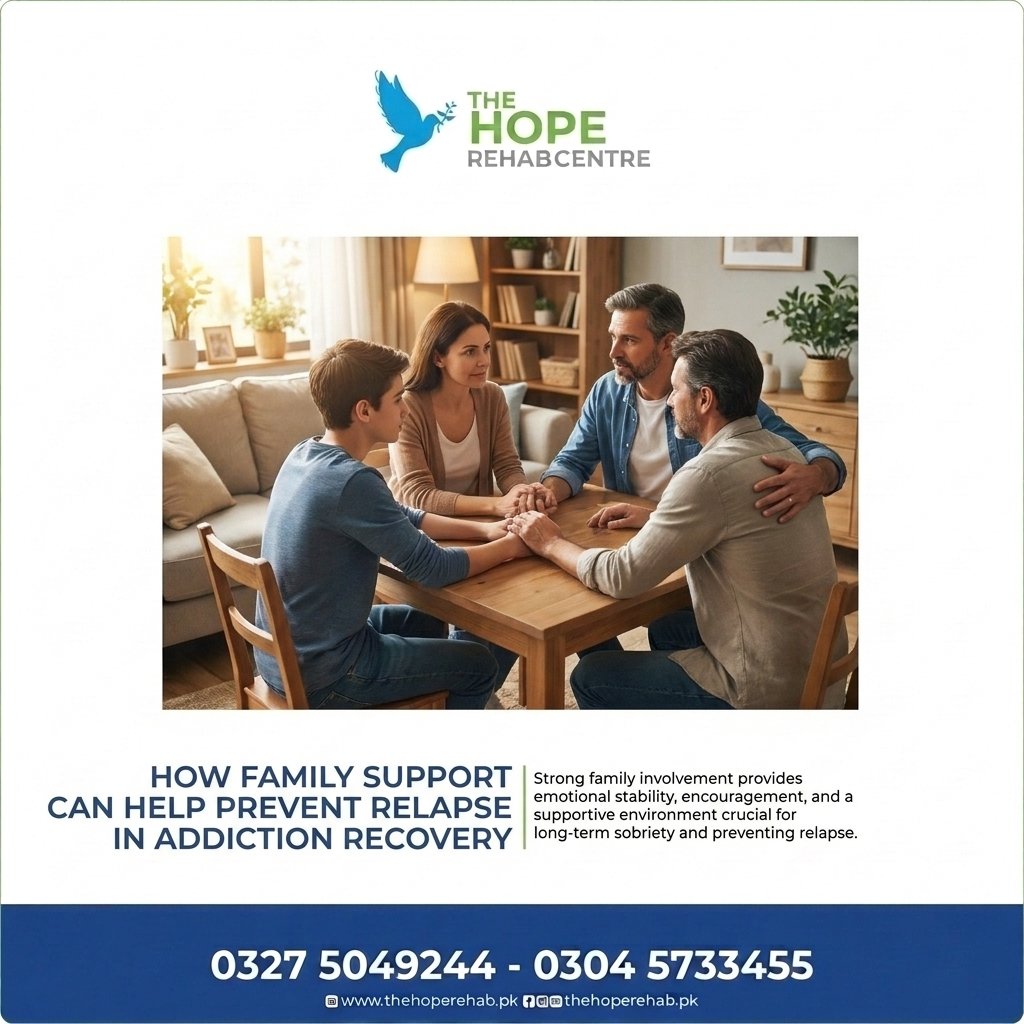
Family education and counseling can improve communication, establish healthy boundaries, and help relatives understand addiction as a health condition.
Supportive family involvement can be valuable, but family members should not be expected to manage withdrawal or provide professional treatment themselves.
Relapse Prevention and Long-Term Recovery
Recovery continues beyond detoxification or the completion of a rehabilitation program. Stress, social pressure, emotional difficulties, and familiar drinking environments may create challenges.
A relapse-prevention plan can help individuals recognize warning signs, manage cravings, and seek support before difficulties escalate.
Ongoing counseling, medical follow-up, peer support, healthy routines, and treatment for co-occurring mental health conditions may all contribute to continued recovery.
A return to drinking does not mean that recovery is impossible. It may indicate that the treatment plan needs to be reviewed and additional support considered.
Alcohol Addiction Treatment at The Hope Rehabilitation Center Islamabad, Pakistan
The Hope Rehabilitation Center Islamabad, Pakistan, provides a setting for individuals and families seeking support for addiction and related concerns.
Anyone considering alcohol addiction treatment should receive an appropriate professional assessment to determine the safest and most suitable care. Treatment planning should consider alcohol use history, withdrawal risk, physical health, mental health, and personal circumstances.
Choosing professional support can help individuals understand their options and take informed steps toward recovery.
Frequently Asked Questions
1. What are the first signs of alcohol addiction?
Early warning signs may include cravings, difficulty controlling drinking, increasing tolerance, neglecting responsibilities, or continuing to drink despite harmful consequences.
2. Is alcohol detox safe to do at home?
It may be unsafe for someone with alcohol dependence to detox without medical guidance. Withdrawal can cause seizures or other life-threatening complications, so professional assessment is important before stopping abruptly.
3. How long does alcohol addiction treatment take?
Treatment duration varies depending on the severity of alcohol use disorder, medical and mental health needs, treatment setting, and individual progress. Recovery often involves ongoing support rather than a fixed timeline.
4. Can alcohol addiction be treated successfully?
Many people make meaningful progress with appropriate treatment and continued support. Individual outcomes vary, and treatment may need to be adjusted over time.
5. What happens after alcohol detox?
After detox, treatment may include counseling, medication when appropriate, rehabilitation, family support, and relapse-prevention planning. Continuing care helps address the broader factors associated with alcohol use disorder.
Conclusion
Alcohol addiction treatment involves more than stopping drinking. It requires attention to withdrawal safety, physical health, emotional well-being, behavioral patterns, and the factors that can influence recovery.
Recognizing symptoms early and seeking professional guidance can help individuals and families understand the available options. For those exploring care at The Hope Rehabilitation Center Islamabad, Pakistan, an individualized assessment is a sensible starting point for determining appropriate treatment and ongoing recovery support.