Mental health is an essential part of overall well-being. It influences how people think, feel, manage stress, make decisions, and build relationships. Good mental health does not mean being happy all the time; it means having the support and skills needed to cope with life’s challenges and maintain daily functioning.
Mental health difficulties can affect anyone, regardless of age, background, or circumstances. Stress, anxiety, depression, trauma, and other psychological conditions can influence family relationships, education, work, and physical health. Understanding these concerns can help people recognize when they may need support and make informed decisions about treatment.
For individuals and families in Islamabad, The Hope Rehabilitation Center Islamabad, Pakistan, provides a setting to explore support for addiction and related mental health concerns.
Why Is Mental Health Important?
Mental health affects many aspects of everyday life. It can influence concentration, emotional regulation, relationships, sleep, motivation, and the ability to respond to stressful situations.
Taking care of mental well-being can help people manage challenges, communicate more effectively, and maintain healthier routines. When mental health symptoms become persistent or overwhelming, professional assessment can help identify possible causes and appropriate treatment options.
Mental health is also closely connected to physical health. Sleep difficulties, chronic stress, and certain medical conditions can affect emotional well-being, while mental health conditions may influence appetite, energy, and physical activity.
Common Mental Health Conditions
Mental health conditions vary in their symptoms, causes, and treatment needs. A qualified professional can assess symptoms and determine whether they indicate a mental health disorder or another concern.
1. Depression
Depression can involve persistent sadness, loss of interest in activities, low energy, difficulty concentrating, changes in sleep or appetite, and feelings of hopelessness.
These symptoms can affect relationships, work, studies, and everyday responsibilities. Depression is treatable, and care may include psychotherapy, medication when appropriate, lifestyle support, or a combination of approaches.
2. Anxiety Disorders
Anxiety disorders involve excessive fear, worry, or nervousness that can interfere with daily life. Symptoms may include restlessness, muscle tension, difficulty sleeping, racing thoughts, or panic attacks.
Treatment may involve cognitive behavioral therapy, other forms of psychotherapy, medication when appropriate, and practical strategies for managing stress.
3. Bipolar Disorder
Bipolar disorder involves episodes of depression and periods of mania or hypomania. These elevated mood states may include unusually high energy, reduced need for sleep, increased activity, or impulsive behavior.
Professional assessment is important because bipolar disorder requires an individualized treatment plan, which may include medication and psychological support.
4. Post-Traumatic Stress Disorder
Post-traumatic stress disorder (PTSD) may develop after experiencing or witnessing a traumatic event. Symptoms can include intrusive memories, nightmares, avoidance, heightened alertness, and emotional distress.
Trauma-informed professional care can help individuals manage symptoms and work toward improved daily functioning.
5. Schizophrenia and Other Psychotic Disorders
Psychotic disorders can affect how a person interprets reality. Symptoms may include hallucinations, delusions, disorganized thinking, or changes in behavior and functioning.
These symptoms require professional assessment. Treatment may include psychiatric medication, psychological support, rehabilitation, and assistance with daily living.
Signs That Someone May Need Mental Health Support

Mental health symptoms can appear gradually or develop more suddenly. Possible warning signs include:
- Persistent sadness or excessive worry
- Major changes in sleep or appetite
- Loss of interest in usual activities
- Social withdrawal
- Difficulty concentrating
- Unusual irritability or mood changes
- Problems managing everyday responsibilities
- Increased use of alcohol or drugs to cope
- Feelings of hopelessness or worthlessness
These signs do not automatically indicate a specific disorder. However, if symptoms persist, become severe, or interfere with daily life, seeking professional advice is a sensible step.
What Causes Mental Health Conditions?
There is rarely one single cause of a mental health condition. Contributing factors may include genetics, physical health, stressful life events, trauma, social isolation, family circumstances, substance use, and environmental pressures.
Experiencing stress or trauma does not mean a person will develop a mental health disorder. Similarly, having a mental health condition is not a sign of personal weakness.
Understanding an individual’s circumstances helps healthcare professionals develop a more appropriate treatment plan.
Mental Health Treatment Options
Effective treatment depends on the condition, symptom severity, personal circumstances, and individual preferences.
Psychological Therapy and Counseling
Psychotherapy gives people an opportunity to explore thoughts, emotions, experiences, and behavioral patterns with a trained professional.
Cognitive behavioral therapy (CBT), for example, can help people identify unhelpful thinking patterns and develop practical ways to respond to difficult situations. Other therapies may be appropriate depending on the person’s needs.
Psychiatric Assessment and Medication
A psychiatrist or another qualified healthcare professional may assess symptoms, review medical history, and discuss treatment options.
Medication can be helpful for certain mental health conditions, but its suitability depends on the individual. Prescriptions and changes to medication should be managed by an appropriate healthcare professional.
Lifestyle and Emotional Well-Being
Regular sleep, physical activity, balanced nutrition, social connection, and stress-management practices can support mental well-being.
These habits may complement treatment but should not replace professional care when symptoms require clinical attention.
Support for Co-Occurring Conditions
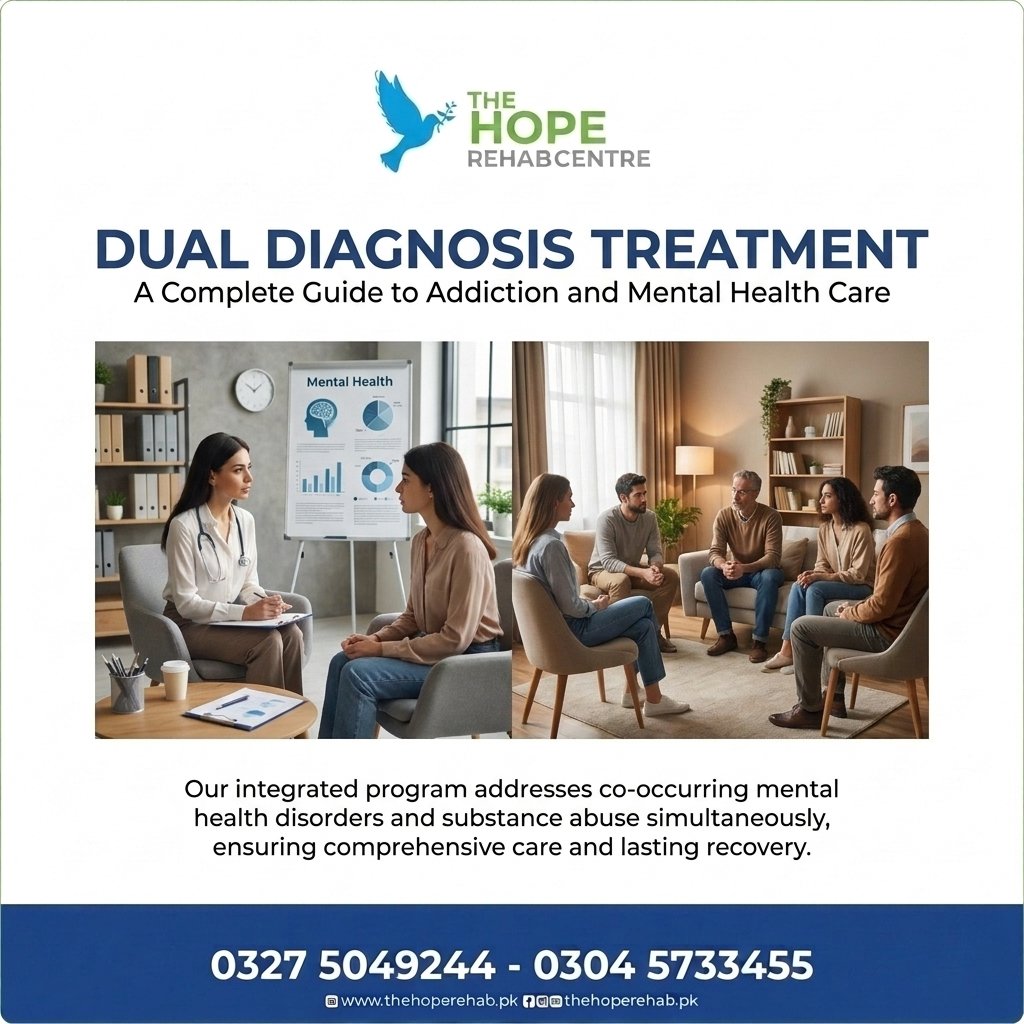
Some people experience mental health conditions alongside substance use disorders. This is sometimes described as a dual diagnosis or co-occurring condition.
When both are present, treatment planning should consider mental health and substance use together. Addressing only one may leave important recovery needs unaddressed.
How Families Can Support Mental Health Recovery
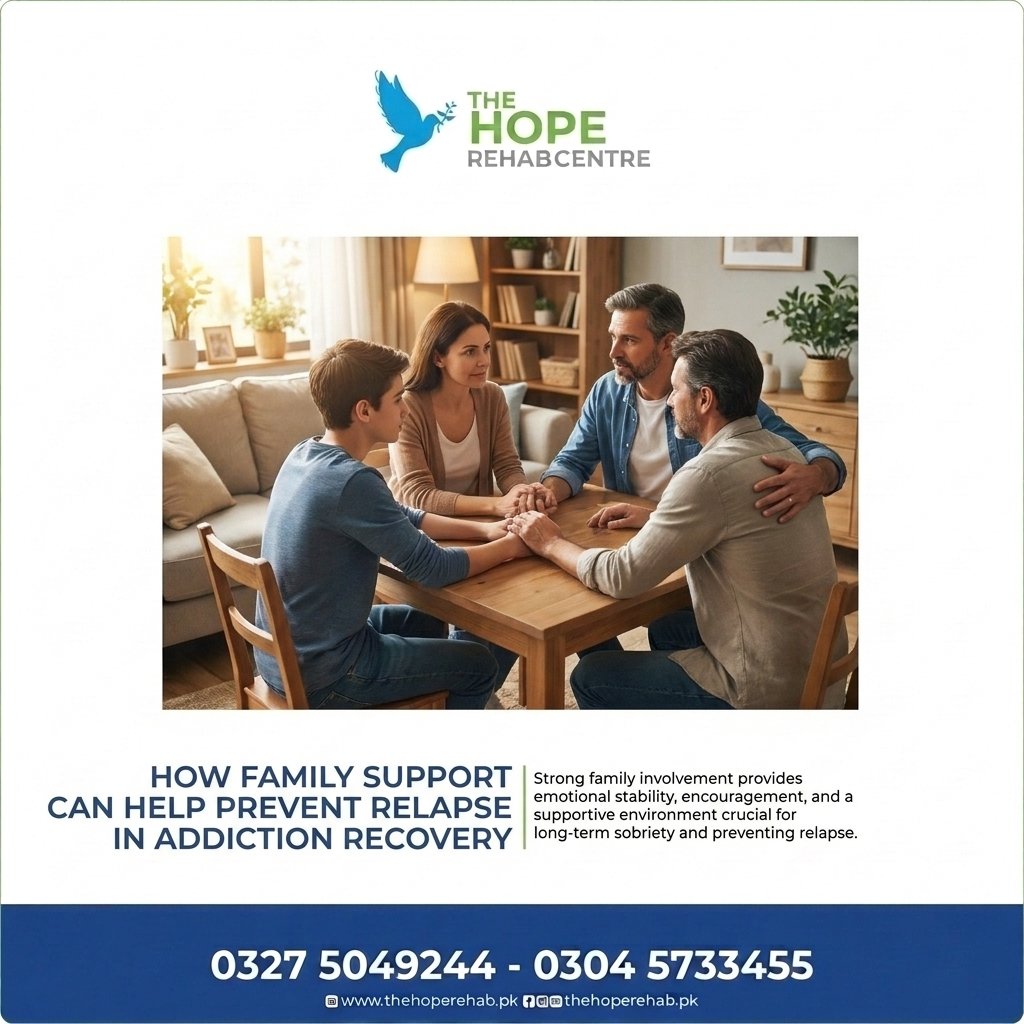
Families and friends can provide valuable support by listening without judgment, respecting privacy, and encouraging appropriate professional care.
Helpful approaches include maintaining calm communication, learning about the condition, avoiding blame, and offering practical assistance with appointments or daily responsibilities when welcomed.
Family members should also recognize their own needs and establish healthy boundaries. Supporting someone does not mean taking responsibility for every part of their recovery.
Mental Health Support at The Hope Rehabilitation Center Islamabad, Pakistan
The Hope Rehabilitation Center Islamabad, Pakistan, provides a setting for individuals and families seeking support for addiction and related mental health concerns.
People considering treatment should discuss their symptoms and circumstances with qualified professionals to determine which services are appropriate. The right approach depends on a careful assessment of mental health, physical health, substance use history, and personal needs.
If someone is at immediate risk of suicide or serious harm, or is experiencing severe confusion or dangerous behavior, seek urgent emergency assistance.
Frequently Asked Questions
1. What is mental health?
Mental health refers to emotional, psychological, and social well-being. It affects how people manage stress, make decisions, relate to others, and function in everyday life.
2. What are the most common mental health conditions?
Common conditions include depression, anxiety disorders, bipolar disorder, PTSD, and other mental health disorders. Their symptoms and treatment needs vary from person to person.
3. Can mental health conditions be treated?
Yes. Many mental health conditions can be managed with appropriate care. Treatment may include psychotherapy, medication, practical support, or a combination of approaches.
4. When should I seek professional mental health treatment?
Consider seeking support when symptoms persist, become overwhelming, or interfere with relationships, sleep, work, education, or everyday activities. Severe symptoms or immediate safety concerns require urgent assistance.
5. How can I improve my mental health naturally?
Regular sleep, physical activity, social connection, balanced meals, and stress-management practices may support well-being. However, these measures are not substitutes for professional treatment when a mental health condition requires care.
Conclusion
Mental health is a vital part of overall health and deserves attention, understanding, and appropriate treatment. Recognizing common conditions, understanding warning signs, and seeking professional support can help people make informed decisions about their well-being.
With individualized treatment, supportive relationships, and ongoing care when needed, people can work toward better daily functioning and improved quality of life. For individuals and families in Islamabad, learning about available mental health and addiction support is a constructive first step toward finding appropriate care.