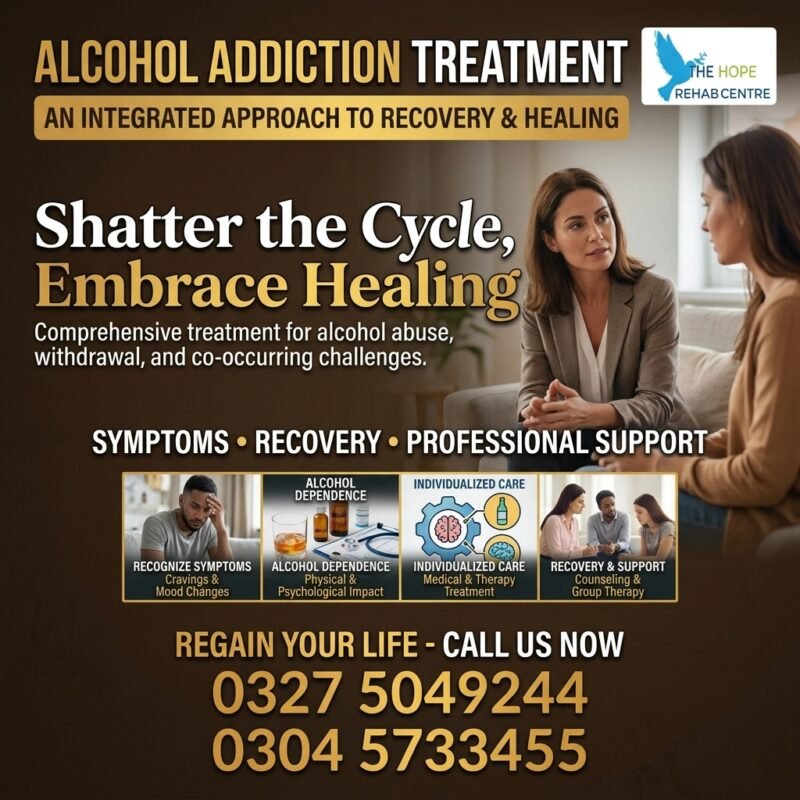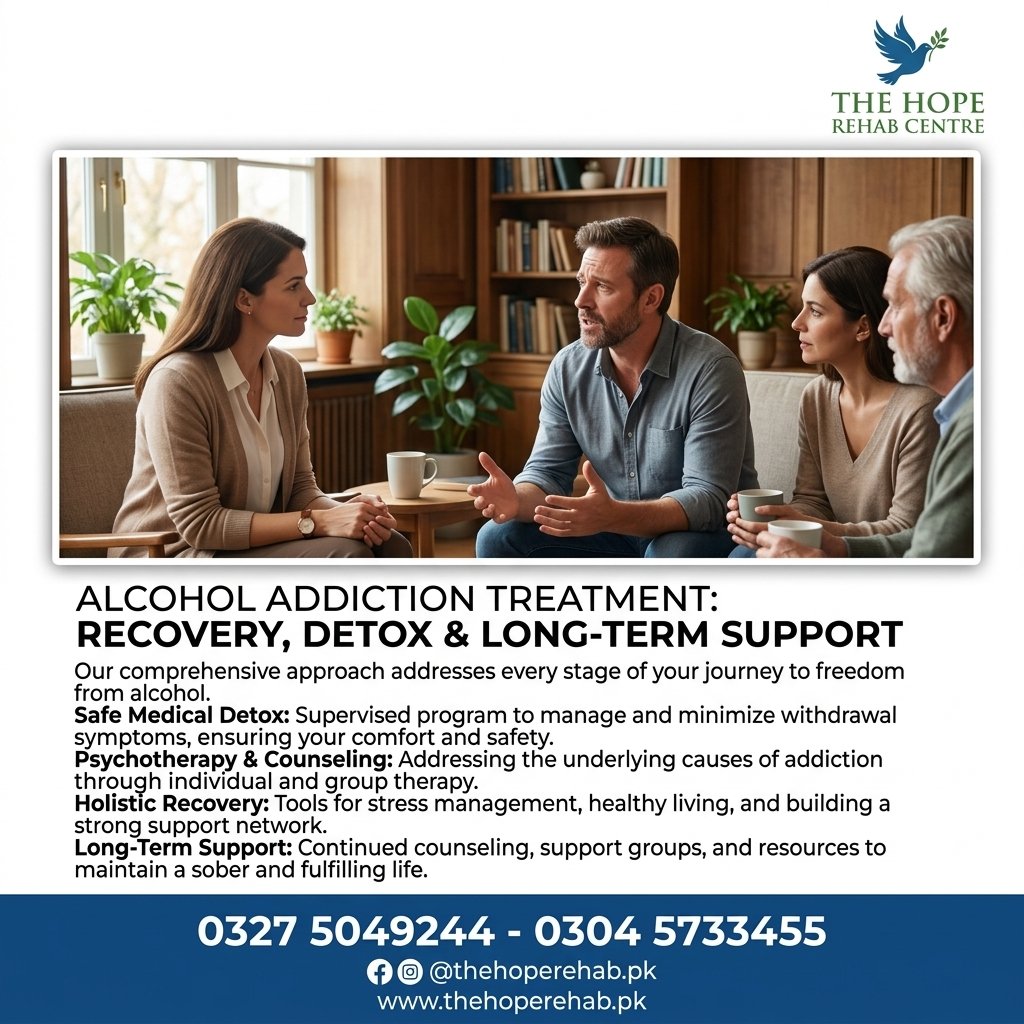
The Hope Rehab Center

Alcohol Addiction Treatment Centre in Islamabad, Pakistan: Treatment, Recovery and Support

Alcohol Addiction Treatment Centre in Islamabad, Pakistan: Treatment, Recovery and Support

One of the important steps for getting rid of alcohol dependence is finding an appropriate Alcohol Addiction Treatment Centre in Islamabad, Pakistan. Alcohol addiction can impact your physical health, mental health, social life, work and family. But, with proper professional support, you can learn to manage alcoholism and achieve long-term recovery.

Alcohol use disorder is a condition characterized by the inability to stop or control drinking although it has caused problems in one life. Treatment should focus on more than alcohol use, with interventional components addressing withdrawal risks, psychological health (including co-occurring mental disorders) and family circumstances, surroundings and relapse risk.

The Hope Rehabilitation Center provide a structured change programmed for anyone struggling to cope with an addiction or mental health issue due.

What Is Alcohol Addiction?

Alcoholism (or alcohol addiction, alcohol dependence), is a disease characterized by repeated drinking of alcoholic drinks that would cause a significant issue for your life which the person cannot control. Continued use despite having persistent or recurrent social, occupational behavioral, or relationship problems caused by the effects of alcohol

Common warning signs can include:

  • Strong cravings for alcohol
  • Drinking more or for longer than you intended
  • Trouble cutting back and quitting alcohol
  • Developing tolerance
  • Experiencing withdrawal symptoms after stopping
  • Neglecting family, work or other duties
  • Drinking regardless of the adverse results
  • Devoting a lot of time to get alcohol or recover from its effects

Detecting these signs early can motivate people and their families to ask for a professional assessment.

Why Get Professional Alcohol Addiction Treatment

For those who are heavily physically dependent on alcohol, stopping suddenly is not always safe. It can also include seizures, profound confusion, hallucinations or delirium and sometimes it gets serious enough to act as a medical emergency.

This is why anyone with high alcohol intake or long-term use should seek medical advice before abruptly discontinuing.

Before determining the best treatment approach for them, a licensed alcohol abuse center in Islamabad matches the person’s drinking background, physical health, mental health, drugs they are taking or have used, and their probability of withdrawal.

Alcohol Detoxification and Withdrawal Management

Alcohol detox is usually a first step in recovery for those who are physically dependent on alcohol. The goal here is to train the body not only to do without alcohol, but also to monitor and control withdrawal symptoms.

Possible withdrawal symptoms include:

  • Anxiety or restlessness
  • Tremors
  • Sweating
  • Nausea
  • Headaches
  • Sleep difficulties
  • Irritability
  • Increased heart rate

The most severe types of withdrawal can involve seizures, hallucinations or profound confusion and need immediate medical attention.

But detox alone is not a cure for addiction. Continuous care has been shown to be effective in helping people reduce the risk of relapse and maintain a full recovery.

Counseling for Alcohol Addiction

Psychological treatment teaches people what drives their drinking and how they can cope in a healthier way with stress, emotions and difficult situations.

Counseling may focus on:

  • Identifying drinking triggers
  • Managing alcohol cravings
  • Improving emotional regulation
  • Challenging unhealthy thought patterns
  • Developing healthier coping skills
  • Improving decision-making
  • Building motivation for recovery

Where appropriate, cognitive behavioral approaches may be incorporated. Treatments should be personalized rather than cookie-cutter across the board for everyone.

Mental Health and Alcohol Addiction

Co-occurring Alcohol Use Disorder and Mental Health Conditions Psychological states, such as depression and anxiety and trauma-related symptoms can affect alcohol use while heavy drinking may impact the emotional and psychological health of individuals.

A good treatment plan must, therefore, take into account both conditions when they exist.

Which is why this integrated method has other names like dual diagnosis treatment or co-occurring disorder care. Treating mental health issues in conjunction with an alcohol problem will help you recover more completely.

Alcohol Addiction Treatment Centre in Islamabad, Pakistan: Treatment, Recovery and Support

Family Support During Alcohol Recovery

Families can be greatly taxed by alcohol dependence. Alternatively, loved ones might worry, fight over what to do, struggle with their finances or not know what to do.

Family counseling and education can teach family members about alcohol dependence and how they can encourage recovery in more effective ways.

This is a powerful message around how families can learn to:

  • Communicate calmly and clearly
  • Establish appropriate boundaries
  • Avoid enabling harmful drinking
  • Encourage professional treatment
  • Support healthy routines
  • Recognize warning signs
  • Respond appropriately during a crisis

Family members should ask for emotional support also when needed.

Relapse Prevention After Alcohol Treatment

After the treatment period, there is continued recovery. Cravings to consume alcohol will resurface when someone is put in a stressful situation or put near the people, places, or situations that they were in during previous drinking.

A relapse-prevention plan can include:

  1. Identifying personal triggers
  2. Continuing counseling or therapy
  3. Developing healthy daily routines
  4. Building a supportive social network
  5. Managing stress in healthier ways
  6. Avoiding high-risk situations
  7. Maintaining follow-up care
  8. Proactive treatment when cravings feel difficult to control

Realizing that returning to drinking is not a failure of the program, but rather an inherent part of it. This can be a moment to re-evaluate what the person needs and provide stronger support for recovery.

Selecting an Alcohol Addiction Treatment Centre in Islamabad

Keep in mind the most important thing when looking for an Alcohol Addiction Treatment Centre in Islamabad, Pakistan is to look at quality of care and not just advertisements or false promises of 100% recovery.

Important questions include:

  • Is a trained medical or mental health provider helping?
  • Is a full workup done prior to treatment?
  • How is Alcohol Withdrawal Symptoms Monitored or Treated?
  • Is there walk-in emergency medical assistance?
  • Are counseling and behavioral therapies offered?
  • Is mental health assessed?
  • Is family support included?
  • Does the program include relapse prevention measures?
  • Is follow-up or aftercare available?

Such questions can then assist individuals and families to make a more educated decision about the treatment.

In Islamabad, New Hope Rehabilitation and caring center offer alcohol rehabilitation services.

The Hope Rehabilitation Center have organized lodgings for all who are confronting enslavement and psychological wellness issues.

Each person’s substance-use history, physical health, psychological needs, family circumstances and recovery goals should be taken into account for treatment. The appropriateness of the identification and assistance can be determined through a professional evaluation.

It’s important to get help quickly, especially if drinking is impacting health, home life, work or school responsibilities or safety.

Frequently Asked Questions

1.     Which is the best treatment for alcoholism?

There is no one-size-fits-all treatment. The treatment methods depend on the particular needs of the individual and may involve medical withdrawal management, counselling, behavioral therapy, mental health treatment, family involvement and/or relapse prevention.

2.     Who Needs Alcohol Detoxification?

Not necessarily. Whether medically supervised withdrawal is needed depends on the drinking history, physical dependence, previous experiences with alcohol withdrawal and general health. A qualified professional can evaluate the degree of risk.

3.     Can alcohol withdrawal be dangerous?

Yes. In severe cases, alcohol withdrawal may cause seizures, hallucinations and extreme confusion or delirium which could lead to needing immediate medical care. If you have very heavy alcohol dependence then you should not stop suddenly without medical advice.

4.     Alcohol addiction is something that often calls for some form of counseling to overcome.

Counseling is a take-back part of treatment. It can assist them in managing cravings, improve their coping skills, identifying triggers and dealing with psychological issues relating to drinking. Here are some who must also be given medical or psychiatric support.

5.     What is the duration of alcohol dependency therapy?

The treatment duration is different in each case. This may be based on the extent and duration of use, withdrawal risks, mental and physical health status, previous treatment history, and motivating recovery needs or goals.

Conclusion

An Alcohol Addiction Treatment Centre in Islamabad, Pakistan offers structured professional help for those who have trouble controlling alcohol consumption. Because many of the risks associated with alcohol dependence are immediate, effective care should focus on these as well as on longer-term psychological, behavioral, and social aspects of recovery.

Depending on your condition, medical assessment, withdrawal management if indicated, mental health care and family support will be components of a comprehensive recovery plan.

If you have health problems, relationship issues or losing control over use of alcohol, talking to a competent addiction or mental health professional can help identify your next best steps. If you are trying and need qualified help, The Hope Rehabilitation Center provide individuals within troubled families with opportunity for a fresh start.

Alcohol Addiction: Understanding Causes, Treatment, Recovery, and Support
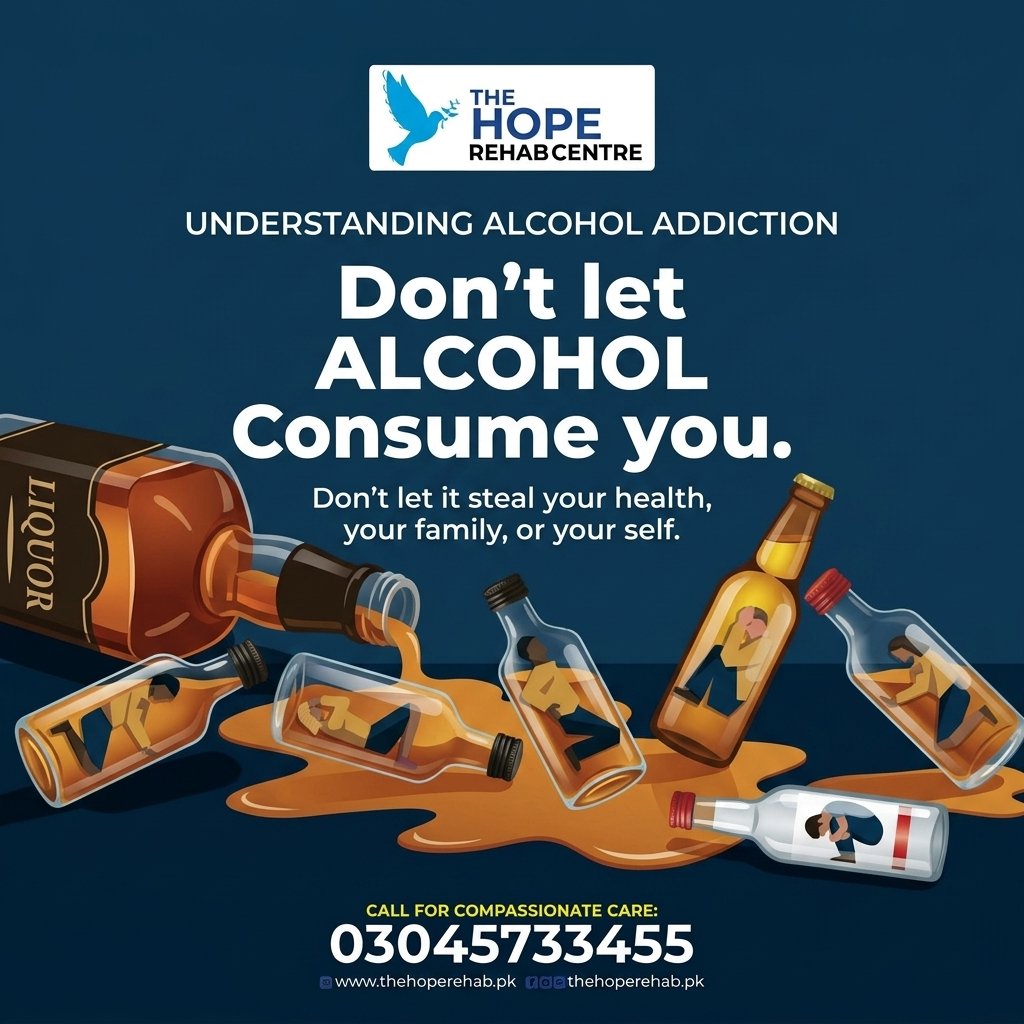
Alcohol Addiction: Understanding Causes, Treatment, Recovery, and Support

Alcohol addiction is a serious health condition that can affect a person’s physical health, emotional well-being, relationships, work, and daily life. What may begin as occasional drinking can become difficult to control for some people. Over time, repeated alcohol use may lead to dependence, cravings, and continued drinking despite negative consequences.

Understanding alcohol addiction is an important first step toward seeking appropriate help. Recovery is possible, but treatment needs to be based on the person’s health, drinking history, mental health, and individual circumstances.

At The Hope Rehabilitation Center Islamabad, Pakistan, people and families can explore appropriate rehabilitation and recovery support based on professional assessment and individual needs.

What Is Alcohol Addiction?

Alcohol addiction, commonly referred to clinically as alcohol use disorder, involves difficulty controlling alcohol use despite harmful consequences. It can range from mild to severe, and symptoms can vary between individuals.

Some possible signs include:

  • Strong urges to drink
  • Drinking more or for longer than intended
  • Repeated attempts to reduce or stop drinking without success
  • Spending significant time obtaining, drinking, or recovering from alcohol
  • Neglecting work, education, family, or social responsibilities
  • Continuing to drink despite physical or emotional problems
  • Developing tolerance to alcohol
  • Experiencing withdrawal symptoms when alcohol use is reduced or stopped

Having one or more signs doesn’t automatically establish a diagnosis. A qualified healthcare professional can conduct an appropriate assessment.

Why Alcohol Addiction Develops

There is no single cause of alcohol addiction. Several factors can contribute to problematic alcohol use.

Biological Factors

Genetics, brain chemistry, and individual differences in how the body responds to alcohol may influence vulnerability to dependence.

Mental Health

Depression, anxiety, trauma, chronic stress, and other mental health difficulties may occur alongside problematic drinking. Some individuals may use alcohol in an attempt to cope with difficult emotions, although alcohol can ultimately make these problems harder to manage.

Social and Environmental Factors

Family circumstances, peer influence, social norms, stressful environments, and easy access to alcohol can also affect drinking patterns.

Understanding these factors can help treatment professionals develop a more complete recovery plan.

Health Effects of Long-Term Alcohol Misuse

Heavy or prolonged alcohol consumption can affect many parts of the body.

Potential health concerns include:

  • Liver disease
  • High blood pressure
  • Cardiovascular problems
  • Digestive difficulties
  • Sleep disruption
  • Weakened immune function
  • Memory and concentration problems
  • Nutritional deficiencies
  • Increased risk of certain cancers

Alcohol can also affect mental health and may contribute to depression, anxiety, relationship difficulties, and problems with decision-making.

The effects vary depending on drinking patterns, individual health, and other factors.

Alcohol Withdrawal Can Require Medical Attention

Alcohol Addiction: Understanding Causes, Treatment, Recovery, and Support

One of the most important considerations in alcohol addiction treatment is withdrawal.

A person who has developed physical dependence may experience symptoms after reducing or stopping alcohol. These can include shaking, sweating, anxiety, nausea, insomnia, and an elevated heart rate.

In severe cases, alcohol withdrawal can cause seizures, hallucinations, severe confusion, or delirium tremens. These complications can be life-threatening.

For this reason, someone who drinks heavily or regularly should not assume that suddenly stopping alcohol is always safe. Medical assessment can help determine the appropriate approach.

Emergency medical care should be sought for severe confusion, seizures, hallucinations, difficulty breathing, loss of consciousness, or other serious symptoms.

Alcohol Addiction Treatment

Treatment should be individualized rather than based on a single method. Depending on a person’s needs, treatment may involve several stages.

Assessment

A healthcare professional may review alcohol use, physical health, mental health, medications, previous treatment, and withdrawal history.

Detoxification

For individuals who require it, medically supervised withdrawal management can help address alcohol withdrawal safely. Detox is not the same as complete addiction treatment.

Counseling and Behavioral Therapy

Therapy can help individuals understand patterns of drinking, identify triggers, develop coping skills, and work toward healthier behaviors.

Mental Health Treatment

When depression, anxiety, trauma, or another psychiatric condition occurs alongside alcohol addiction, both concerns may need attention.

Aftercare and Relapse Prevention

Continuing care can help individuals manage cravings, recognize warning signs, maintain healthy routines, and seek assistance when difficulties arise.

The Role of Family Support

Alcohol addiction can place considerable strain on families. Relatives may experience worry, frustration, anger, or uncertainty about how to respond.

Family support can include education about addiction, counseling, improved communication, and healthy boundaries.

Being supportive doesn’t mean ignoring harmful behavior. Families can encourage treatment while protecting their own emotional and physical well-being.

Recovery Is More Than Stopping Alcohol

Stopping alcohol use is an important milestone, but long-term recovery often involves broader changes.

These may include:

  • Developing healthier coping strategies
  • Improving sleep and daily routines
  • Building supportive relationships
  • Addressing mental health concerns
  • Avoiding high-risk situations
  • Participating in counseling
  • Developing a relapse-prevention plan
  • Maintaining appropriate follow-up care

Recovery looks different for each person. Some people need intensive treatment, while others may benefit from less intensive outpatient support.

How The Hope Rehabilitation Center Can Help

The Hope Rehabilitation Center Islamabad, Pakistan takes a rehabilitation-focused perspective in which treatment needs should be considered individually. Appropriate care may involve assessment, counseling, family involvement, relapse-prevention planning, and continuing support.

No responsible healthcare provider can guarantee a particular outcome. Recovery can involve progress, challenges, and changes to the treatment plan over time.

The most appropriate level of care depends on the individual’s medical condition, alcohol use pattern, mental health, support system, and professional assessment.

Frequently Asked Questions

1. What are the common signs of alcohol addiction?

Signs may include difficulty controlling drinking, strong cravings, increased tolerance, neglect of responsibilities, repeated unsuccessful attempts to stop, and continued drinking despite harmful consequences.

2. Is alcohol withdrawal dangerous?

It can be. Severe alcohol withdrawal may involve seizures, hallucinations, severe confusion, or delirium tremens. People with significant alcohol dependence should seek medical advice before stopping suddenly.

3. Is detox enough to treat alcohol addiction?

No. Detox primarily addresses the physical effects of withdrawal. Long-term recovery may also require counseling, behavioral therapy, mental health care, family support, and relapse-prevention strategies.

4. Can alcohol addiction occur alongside depression or anxiety?

Yes. Alcohol use disorder and mental health conditions can occur together. Professional assessment can help determine whether both require treatment.

5. How can family members support someone with alcohol addiction?

Families can encourage professional treatment, learn about addiction, communicate respectfully, maintain appropriate boundaries, and support healthy recovery routines without enabling harmful drinking.

Conclusion

Alcohol addiction is a complex health condition that can affect nearly every area of life. Recognizing the signs and seeking appropriate professional assessment can help individuals understand their treatment options.

Recovery may involve medically appropriate withdrawal management, counseling, behavioral therapy, mental health care, family support, and continuing aftercare. At The Hope Rehabilitation Center Islamabad, Pakistan, treatment can be approached with dignity, compassion, realistic expectations, and attention to each individual’s circumstances.

Alcohol Addiction: Understanding Treatment, Recovery, and Long-Term Support in Islamabad, Pakistan
Alcohol Addiction: Understanding Treatment, Recovery, and Long-Term Support in Islamabad, Pakistan

Alcohol addiction is a serious health condition that can affect a person’s physical health, mental well-being, relationships, work, and everyday responsibilities. It is sometimes described as a lack of willpower, but addiction is more complex than that. Repeated alcohol use can change patterns of behavior and make stopping difficult, particularly when physical dependence has developed.

Recognizing the problem is an important first step. With appropriate professional assessment and individualized care, people experiencing alcohol-related problems can work toward healthier and more stable lives. The Hope Rehabilitation Center Islamabad, Pakistan takes a compassionate, non-judgmental approach to rehabilitation, with treatment based on individual needs and clinical considerations.

What Is Alcohol Addiction?

Alcohol addiction, commonly referred to clinically as alcohol use disorder (AUD), involves difficulty controlling alcohol use despite harmful consequences.

Possible warning signs include:

  • Drinking more or for longer than intended
  • Repeated attempts to reduce or stop drinking
  • Strong cravings for alcohol
  • Spending considerable time drinking or recovering from its effects
  • Neglecting work, education, or family responsibilities
  • Continuing to drink despite physical or emotional problems
  • Developing tolerance and needing more alcohol to achieve similar effects
  • Experiencing withdrawal symptoms when alcohol use is reduced or stopped

Having one of these signs doesn’t automatically establish a diagnosis. A qualified healthcare professional can assess the person’s symptoms and circumstances.

Why Alcohol Dependence Can Be Difficult to Overcome

Alcohol affects the brain’s reward and stress systems. With repeated use, the body may adapt to the presence of alcohol. This can contribute to cravings, tolerance, and withdrawal.

Emotional factors can also play a role. Some people use alcohol to cope with stress, anxiety, trauma, loneliness, or other difficulties. Treating alcohol addiction therefore often requires more than simply stopping alcohol consumption.

A comprehensive approach considers both physical dependence and psychological or behavioral factors.

Alcohol Withdrawal Requires Careful Attention

One of the most important considerations in alcohol recovery is withdrawal. People who have been drinking heavily or regularly may experience symptoms after reducing or stopping alcohol.

Possible symptoms include:

  • Anxiety and irritability
  • Sweating
  • Tremors
  • Nausea
  • Sleep difficulties
  • Increased heart rate
  • Confusion or agitation

Severe alcohol withdrawal can be dangerous and may include seizures or delirium. For this reason, someone with significant alcohol dependence should not assume that suddenly stopping alcohol without medical assessment is safe.

Medical professionals can determine whether supervised withdrawal or another level of care is necessary.

Treatment for Alcohol Addiction

Alcohol Addiction: Understanding Treatment, Recovery, and Long-Term Support in Islamabad, Pakistan

Treatment should be individualized rather than based on a single method. Depending on the person’s needs, treatment may include:

Medical Assessment and Detoxification

A healthcare professional can assess withdrawal risk and determine whether medically supervised detoxification is appropriate. Detox is only one stage of recovery; it doesn’t by itself address the underlying causes of addiction.

Individual Counseling

Counseling can help individuals understand their drinking patterns, identify triggers, manage cravings, and develop healthier coping strategies.

Behavioral Therapy

Approaches such as Cognitive Behavioral Therapy may help individuals recognize thoughts and behaviors associated with alcohol use and practice healthier responses.

Group Therapy

Group-based support can provide opportunities to share experiences, learn coping strategies, and reduce feelings of isolation.

Family Counseling

Alcohol addiction can place considerable strain on families. Family counseling may help improve communication, establish healthy boundaries, and address relationship difficulties.

At The Hope Rehabilitation Center Islamabad, Pakistan, the appropriate combination of services should be determined according to each person’s clinical needs and recovery goals.

The Role of Mental Health in Alcohol Recovery

Alcohol addiction and mental health concerns can occur together. Depression, anxiety, trauma-related symptoms, and other psychological difficulties may influence alcohol use, while heavy drinking can also worsen emotional and psychological problems.

When both conditions are present, an integrated approach can be important. Addressing only alcohol use while ignoring significant mental health concerns may leave important recovery needs unresolved.

A professional assessment can help identify whether additional mental health treatment is needed.

Family Support During Recovery

Family members often notice changes in drinking behavior before the person recognizes the problem. However, supporting someone with addiction can be emotionally exhausting.

Families can help by:

  • Communicating calmly and respectfully
  • Encouraging professional help
  • Avoiding judgment and shame
  • Maintaining appropriate boundaries
  • Supporting healthy routines
  • Learning about alcohol use disorder
  • Taking care of their own emotional well-being

Family involvement should support recovery without enabling harmful drinking behavior.

Relapse Prevention and Aftercare

Recovery continues after an initial treatment program ends. Stress, social situations, emotional difficulties, and exposure to alcohol can sometimes trigger renewed drinking.

A relapse-prevention plan may involve:

  • Recognizing personal triggers
  • Developing healthy coping skills
  • Maintaining supportive relationships
  • Continuing counseling when appropriate
  • Establishing healthy sleep and daily routines
  • Avoiding high-risk situations
  • Seeking professional help when warning signs appear

A setback should be viewed as an opportunity to reassess the treatment plan rather than as evidence that recovery is impossible.

When Should Someone Seek Help?

Professional assessment may be appropriate when alcohol use begins interfering with health, relationships, responsibilities, or personal goals.

Seeking help is particularly important when someone:

  • Cannot control how much they drink
  • Experiences withdrawal symptoms
  • Frequently drinks despite negative consequences
  • Has repeated unsuccessful attempts to quit
  • Experiences alcohol-related medical problems
  • Has significant depression, anxiety, or other mental health symptoms
  • Experiences safety concerns related to drinking

Early support can help identify appropriate treatment options before problems become more severe.

Frequently Asked Questions

1. Is alcohol addiction a medical condition?

Yes. Alcohol use disorder is a recognized health condition involving problematic alcohol use and difficulty controlling drinking.

2. Can someone stop drinking safely at home?

It depends on the person’s level of alcohol dependence. Sudden withdrawal can be dangerous for some people. Anyone with significant or prolonged alcohol use should discuss stopping with a qualified healthcare professional.

3. Does detox cure alcohol addiction?

No. Detoxification addresses the physical process of withdrawal, but long-term recovery usually requires additional psychological, behavioral, and social support.

4. Can alcohol addiction treatment include family counseling?

Yes. Family counseling can help relatives understand addiction, improve communication, establish boundaries, and develop healthier ways of supporting recovery.

5. Can alcohol addiction occur alongside depression or anxiety?

Yes. Alcohol use disorder can coexist with mental health conditions. When this occurs, both concerns may need to be assessed and addressed as part of an integrated treatment plan.

Conclusion

Alcohol addiction can affect nearly every area of life, but it is a health condition that deserves compassionate and professional care. Understanding the warning signs, recognizing the risks of withdrawal, and seeking an appropriate assessment can help individuals make informed decisions about recovery.

At The Hope Rehabilitation Center Islamabad, Pakistan, treatment can be approached through individualized assessment, counseling, behavioral support, family involvement, relapse-prevention planning, and appropriate aftercare. The goal is not to make unrealistic promises, but to provide a supportive environment in which individuals can work toward healthier choices and sustainable recovery.

Alcohol Addiction | Understanding Treatment and the Path to Recovery
Alcohol Addiction | Understanding Treatment and the Path to Recovery

Alcohol addiction is a chronic condition that can affect physical health, emotional well-being, relationships, and daily life. While occasional alcohol use may not lead to dependence, repeated and excessive drinking can gradually develop into alcohol use disorder, making it difficult to stop without professional support. Fortunately, recovery is possible through evidence-based treatment, compassionate care, and long-term recovery planning.

Seeking help early can reduce health risks and improve overall quality of life. At The Hope Rehabilitation Center Islamabad, Pakistan, alcohol addiction treatment focuses on individualized care that addresses both the physical and psychological aspects of addiction. Through medical supervision, counseling, behavioral therapies, and relapse prevention strategies, individuals receive comprehensive support throughout their recovery journey.

What Is Alcohol Addiction?

Alcohol addiction, also known as Alcohol Use Disorder (AUD), is a medical condition in which a person loses control over alcohol consumption despite experiencing harmful consequences. Over time, the brain adapts to regular alcohol use, leading to cravings, tolerance, and withdrawal symptoms when drinking stops.

Alcohol addiction can affect people of all ages and backgrounds. Early recognition and timely treatment significantly improve the chances of successful long-term recovery.

Common Signs and Symptoms of Alcohol Addiction

Recognizing the warning signs is an important first step toward seeking professional help.

Physical Symptoms

  • Increased tolerance to alcohol
  • Withdrawal symptoms when not drinking
  • Fatigue and low energy
  • Sleep disturbances
  • Frequent headaches or nausea

Behavioral Symptoms

  • Drinking more than intended
  • Difficulty reducing alcohol use
  • Neglecting work, education, or family responsibilities
  • Continuing to drink despite health or relationship problems
  • Spending significant time obtaining or consuming alcohol

Emotional Symptoms

  • Mood swings
  • Anxiety or depression
  • Irritability
  • Poor concentration
  • Loss of interest in daily activities

These symptoms vary from person to person and should be evaluated by qualified healthcare professionals.

Causes and Risk Factors

Alcohol addiction usually develops through a combination of biological, psychological, and environmental influences.

Common risk factors include:

  • Family history of addiction
  • Chronic stress
  • Mental health disorders
  • Peer influence
  • Early exposure to alcohol
  • Traumatic life experiences

Understanding these contributing factors allows treatment providers to develop individualized recovery plans.

Comprehensive Treatment for Alcohol Addiction

Alcohol Addiction | Understanding Treatment and the Path to Recovery

Successful recovery involves more than simply stopping alcohol use. Comprehensive treatment addresses the physical, emotional, and behavioral aspects of addiction.

Medical Assessment

Treatment begins with a detailed evaluation of the individual’s medical history, alcohol use, mental health, and recovery goals.

Alcohol Detoxification

For individuals with physical dependence, medically supervised detoxification may be recommended. Detox helps manage withdrawal symptoms safely while preparing individuals for ongoing rehabilitation.

Individual Counseling

Counseling provides a confidential environment where individuals can explore the underlying causes of alcohol use, identify personal triggers, and develop healthier coping strategies.

Behavioral Therapy

Evidence-based approaches such as Cognitive Behavioral Therapy (CBT) help individuals recognize unhealthy thinking patterns, manage cravings, improve emotional regulation, and strengthen decision-making skills.

Group Therapy

Group counseling encourages peer support, accountability, and shared learning from others facing similar recovery challenges.

At The Hope Rehabilitation Center Islamabad, Pakistan, treatment plans are personalized to meet each individual’s unique needs while promoting long-term recovery.

The Importance of Family Support

Family involvement often plays a valuable role in addiction recovery. Supportive family members can encourage treatment participation, improve communication, and help create a healthier recovery environment.

Family counseling may focus on:

  • Rebuilding trust
  • Improving communication
  • Understanding addiction
  • Developing healthy boundaries
  • Strengthening emotional support

Including family members, when appropriate, can contribute positively to long-term recovery outcomes.

Relapse Prevention and Aftercare

Recovery continues long after formal treatment ends. Ongoing support helps individuals maintain sobriety while adapting to everyday life.

Relapse prevention strategies may include:

  • Identifying personal triggers
  • Continuing counseling sessions
  • Participating in support groups
  • Managing stress effectively
  • Maintaining healthy routines
  • Building positive social connections

Aftercare services provide continued guidance and accountability throughout the recovery process.

Benefits of Professional Alcohol Addiction Treatment

Professional rehabilitation offers structured care that supports lasting recovery.

Potential benefits include:

  • Safe management of withdrawal symptoms
  • Improved physical health
  • Better emotional well-being
  • Stronger coping skills
  • Reduced relapse risk
  • Healthier relationships
  • Improved quality of life

With individualized treatment and ongoing support, many individuals achieve meaningful and lasting recovery.

Frequently Asked Questions (FAQs)

1. What is alcohol addiction?

Alcohol addiction, or Alcohol Use Disorder (AUD), is a condition characterized by difficulty controlling alcohol consumption despite negative physical, emotional, or social consequences.

2. What are common symptoms of alcohol addiction?

Common symptoms include strong cravings, increased tolerance, withdrawal symptoms, neglect of responsibilities, and continued drinking despite harmful effects.

3. Is medical detox necessary for everyone?

Not everyone requires medical detox. A healthcare professional evaluates each individual’s condition to determine the safest and most appropriate treatment approach.

4. Can counseling help treat alcohol addiction?

Yes. Individual counseling, Cognitive Behavioral Therapy (CBT), and group therapy are important components of comprehensive alcohol addiction treatment.

5. Is long-term recovery possible?

Yes. Many individuals achieve lasting recovery through personalized treatment, ongoing counseling, healthy lifestyle changes, family support, and structured aftercare.

Conclusion

Alcohol addiction is a treatable medical condition that affects both physical and mental health. Early intervention, comprehensive treatment, and continued support can help individuals overcome alcohol dependence and build healthier, more fulfilling lives.

At The Hope Rehabilitation Center Islamabad, Pakistan, compassionate care, evidence-based therapies, medical support, and personalized recovery planning work together to help individuals address alcohol addiction safely and effectively. With the right guidance and commitment, lasting recovery is an achievable goal.

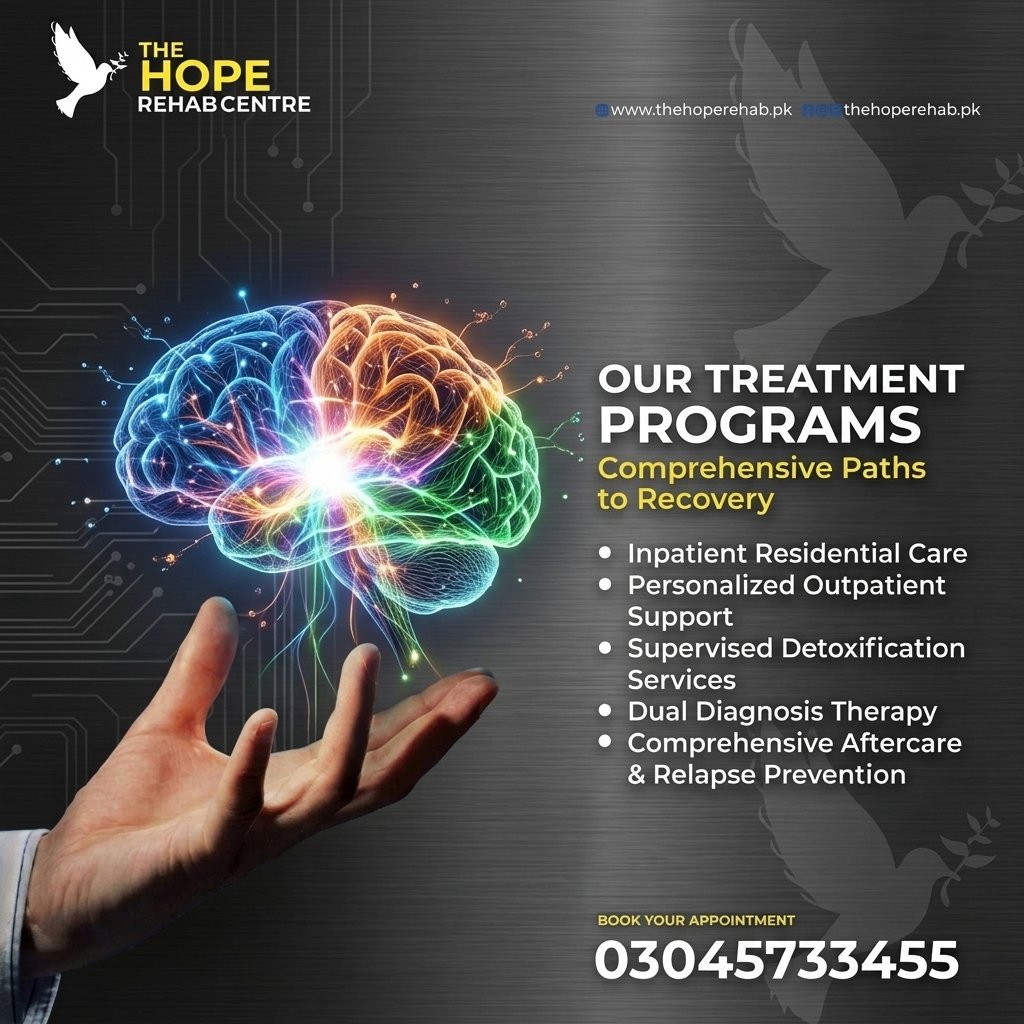
Addiction Treatment Programs | Personalized Care for Long-Term Recovery
Addiction Treatment Programs | Personalized Care for Long-Term Recovery

Addiction is a complex health condition that affects the brain, behavior, and overall well-being. It can impact individuals of all ages and backgrounds, influencing physical health, emotional stability, relationships, and daily responsibilities. While addiction can feel overwhelming, recovery is possible with the right treatment, professional guidance, and ongoing support.

Effective addiction treatment programs are designed to address both the physical and psychological aspects of substance use disorders. Rather than focusing only on stopping substance use, comprehensive treatment helps individuals understand the underlying causes of addiction, develop healthier coping strategies, and build the skills needed for lasting recovery.

At The Hope Rehabilitation Center Islamabad, Pakistan, personalized addiction treatment programs provide compassionate, evidence-based care tailored to each individual’s unique needs and recovery goals.

What Are Addiction Treatment Programs?

Addiction treatment programs are structured plans that combine medical care, counseling, behavioral therapies, and recovery support to help individuals overcome substance use disorders. Every person’s experience with addiction is different, which is why treatment plans should be individualized rather than using a one-size-fits-all approach.

Comprehensive programs often include:

  • Medical assessment
  • Detoxification when appropriate
  • Individual counseling
  • Behavioral therapy
  • Group therapy
  • Family support
  • Relapse prevention planning
  • Aftercare services

These services work together to support both immediate recovery and long-term wellness.

Who Can Benefit from Addiction Treatment?

Professional treatment may benefit individuals experiencing dependence on substances such as:

  • Alcohol
  • Heroin
  • Prescription opioids
  • Methamphetamine
  • Cocaine
  • Cannabis (marijuana)
  • Benzodiazepines
  • Nicotine and tobacco products

Treatment can also support individuals living with co-occurring mental health conditions such as anxiety, depression, or trauma-related disorders.

The Importance of Early Intervention

Seeking treatment early can reduce the impact addiction has on physical health, mental well-being, and personal relationships. Early intervention may also help individuals avoid more serious medical, legal, or social consequences.

Professional support provides individuals with practical tools to begin recovery before addiction becomes more severe.

Key Components of Addiction Treatment Programs

Addiction Treatment Programs | Personalized Care for Long-Term Recovery

Comprehensive Assessment

Recovery begins with a detailed evaluation of physical health, mental health, substance use history, and personal recovery goals. This assessment helps healthcare professionals develop an individualized treatment plan.

Medical Detoxification

For some individuals, medically supervised detoxification may be recommended to manage withdrawal symptoms safely. Medical supervision helps ensure patient safety while preparing for the next stages of treatment.

Individual Counseling

One-on-one counseling allows individuals to explore personal challenges, emotional triggers, and behaviors associated with addiction. Counseling also helps build healthy coping skills and strengthen motivation for recovery.

Behavioral Therapy

Evidence-based therapies, including Cognitive Behavioral Therapy (CBT), help individuals recognize unhealthy thought patterns, manage cravings, improve emotional regulation, and reduce the risk of relapse.

Group Therapy

Group counseling creates opportunities for peer support, shared experiences, and personal growth. Many individuals find encouragement and motivation by learning from others facing similar challenges.

The Role of Family in Recovery

Addiction often affects the entire family, not just the individual receiving treatment. Family involvement can improve communication, rebuild trust, and strengthen long-term recovery.

Family support programs may include:

  • Family counseling
  • Education about addiction
  • Communication skills training
  • Healthy boundary setting
  • Emotional support strategies

At The Hope Rehabilitation Center Islamabad, Pakistan, family participation is encouraged whenever it supports the individual’s recovery journey.

Relapse Prevention

Recovery continues after formal treatment is completed. Relapse prevention focuses on helping individuals recognize potential challenges and develop practical strategies for maintaining progress.

Relapse prevention plans may include:

  • Identifying personal triggers
  • Developing healthy routines
  • Managing stress effectively
  • Continuing therapy when needed
  • Participating in support groups
  • Building positive social connections

Long-term recovery is strengthened through consistent follow-up care and continued personal growth.

Benefits of Professional Addiction Treatment Programs

Comprehensive addiction treatment programs offer numerous benefits, including:

  • Personalized treatment planning
  • Professional medical supervision
  • Evidence-based therapies
  • Mental health support
  • Improved emotional well-being
  • Stronger family relationships
  • Enhanced coping skills
  • Long-term recovery support

These services help individuals address the physical, emotional, and behavioral aspects of addiction while improving overall quality of life.

Why Choose Professional Care?

Recovery is often more successful when guided by experienced healthcare professionals who understand the complexities of addiction. Professional treatment provides a safe, structured environment where individuals can focus on healing while receiving compassionate support.

At The Hope Rehabilitation Center Islamabad, Pakistan, addiction treatment programs are designed to meet each person’s unique needs through individualized care, clinical expertise, and a commitment to long-term recovery.

Frequently Asked Questions (FAQs)

1. What are addiction treatment programs?

Addiction treatment programs are structured services that combine medical care, counseling, behavioral therapies, and recovery planning to help individuals overcome substance use disorders.

2. Is detoxification included in every treatment program?

Not always. Detoxification is recommended only when clinically appropriate, depending on the type of substance used, level of dependence, and individual health needs.

3. Can addiction treatment help with mental health conditions?

Yes. Many comprehensive programs address both addiction and co-occurring mental health conditions, providing integrated and individualized care.

4. Why is family involvement important during recovery?

Family support can improve communication, strengthen relationships, encourage treatment participation, and provide emotional encouragement throughout recovery.

5. Can people achieve long-term recovery after treatment?

Yes. Many individuals achieve lasting recovery through professional treatment, continued counseling, relapse prevention planning, healthy lifestyle changes, and ongoing support.

Conclusion

Addiction is a treatable health condition, and recovery is possible with comprehensive, evidence-based care. Effective addiction treatment programs address not only substance use but also the emotional, behavioral, and social factors that contribute to addiction.

At The Hope Rehabilitation Center Islamabad, Pakistan, personalized addiction treatment programs combine medical assessment, counseling, behavioral therapies, family support, relapse prevention, and aftercare planning to help individuals build healthier, more fulfilling lives. With compassionate care and ongoing support, every step toward recovery becomes an opportunity for lasting positive change.

Alcohol Addiction Rehab | A Complete Guide to Recovery
Alcohol Addiction Rehab | A Complete Guide to Recovery

Alcoholism is a disease of the body and mind that can take its toll not just on an individual, but also on their relationships, quality of life, and overall mental health. Most people drink in a social setting but if you are drinking repeatedly and feel you cannot stop it is likely that alcohol dependence may have developed which requires specialist help. In the long run alcohol addiction can impact your job and family life as well as your health.

With the right combination of compassion, evidence-based treatment, and support, individuals can repair the damage done by addiction — eventually establishing a life without drugs and alcohol that is healthier than it ever was before. Alcoholism addiction recovery program in The Hope Rehabilitation Center Islamabad, Pakistan is more precisely organized to aid an individual with alcoholism battling to conquer dependence since its compound behavioral element which makes it challenging for a person to alter their habits augmenting the significance of alcohol rehab programs: how can they shape your treatment plan?

What Is Alcohol Addiction?

Alcohol addiction alcohol use disorder AUD is a condition that causes an individual to be without control over the consumption of alcohol despite producing unfavorable consequences. It causes the body and brain to change over time so that people need progressively more alcohol to get the same effect (in other words, they develop a tolerance), and when they try to drink less or quit altogether, many people experience withdrawal symptoms.

Alcoholism is as much a medical condition as it is the product of poor willpower. Professional treatment and early intervention can really enhance your prospects of making a full recovery.

Typical Indications & Symptoms of Alcoholism

Being aware of the signs of alcohol addiction may help facilitate prompt treatment.

Physical Symptoms

  • Frequent intoxication
  • Tremors or shaking
  • Fatigue and low energy
  • Sleep disturbances
  • Poor appetite
  • Increased tolerance to alcohol

Behavioral Symptoms

  • Drinking more than intended
  • Difficulty controlling alcohol use
  • Neglecting work or family responsibilities
  • Drinking even when it causes problems – whether related to health or relationships
  • Using a great deal of time to get or drink alcohol
  • Unsuccessful attempts to quit drinking

Emotional and Mental Symptoms

  • Anxiety
  • Depression
  • Mood swings
  • Irritability
  • Poor concentration
  • Loss of motivation

Extensive assessments take place at The Hope Rehabilitation Center Islamabad, Pakistan to ensure that all the needs of each individual is taken care of before they form their own recovery program.

Long Term Health Effects of Alcohol

Alcohol Addiction Rehab | A Complete Guide to Recovery

Chronic use of alcohol can cause almost all organs in the body, and can almost always cause dangerous effects on each part.

Physical Health Risks

  • Liver disease
  • High blood pressure
  • Digestive disorders
  • Weakened immune system
  • Heart problems
  • Nutritional deficiencies

Mental Health Effects

Alcohol addiction can also help with:

  • Anxiety disorders
  • Depression
  • Memory difficulties
  • Poor decision-making
  • Emotional instability

Statistically, treating both addictions and co-occurring mental health conditions helps to provide a more sustainable recovery, than if one receives treatment without the other.

Alcohol Addiction Rehab — the Facts

A rehabilitation program has all the necessary tools, guidance and professional help to properly kick-off an individual on their recovery process.

Medical Assessment

Treatment starts with a thorough assessment of physical health, mental health, history of alcohol use, and objectives for recovery.

Medically Supervised Detoxification

Others may have to go through medically supervised detoxification, where they will monitor and manage alcohol withdrawal symptoms. They are monitored by medical professionals during the detox process in order to ensure that the patient is safe and comfortable.

Individual Counseling

They target the emotional and behavioral component by offering one-on-one counseling that addresses the inner triggers to drinking while guiding individuals through ways to cope differently.

Behavioral Therapy

Expressive therapies, such as Cognitive Behavioral Therapy (CBT), help people become more aware of harmful thought processes or patterns, learn how to manage emotional triggers, and develop practical relapse prevention strategies.

Group Therapy

Group bonding encourages peer support, shared experiences and growth in a safe place.

The treatment plans are designed according to the important circumstances and individual rehabilitation goals at The Hope Rehabilitation Center Islamabad Pakistan.

The Importance of Family Support

The presence of family can contribute significantly towards the recovery process. Your loved ones must know enough about addiction to be emotionally supportive without hindering your recovery.

Family counseling may help:

  • Improve communication
  • Rebuild trust
  • Reduce family conflict
  • Establish healthy boundaries
  • Strengthen long-term recovery support

Relapse Prevention and Aftercare

The process of recovery does not end with formal rehabilitation. Continuous support aids people to stick to healthy habits and work through future difficulties.

Relapse prevention strategies may include:

  • Identifying personal triggers
  • Learning stress management techniques
  • Continuing therapy and counseling
  • Developing healthy daily habits
  • Participating in aftercare programs
  • Building supportive relationships

Aftercare planning also allows you to have an extra helping hand in the transition back into day-to-day life.

Why Professional Alcohol Rehabilitation Matters

Professional rehab is about so much more than stopping drinking. The best treatment approaches include all aspects of the person experiencing addiction–the physical, emotional, psychological and social.

A structured rehab programme can offer:

  • Personalized treatment plans
  • Medical supervision when needed
  • Evidence-based therapies
  • Mental health support
  • Family education
  • Long-term recovery planning

Compassionate professionals at The Hope Rehabilitation Center Islamabad, Pakistan dedicate time to fully collaborating with individuals in order to assist them as they begin their journey toward recovery in a safe, respectful, and confidential manner.

Frequently Asked Questions (FAQs)

1.     What is alcohol addiction rehab?

Rehabilitating individuals addicted to alcohol is a medically facilitated program designed to help people with dependency on alcohol through medical care, counseling, behavioral therapy, and long-term recovery support.

2.     Does Everyone Need Medical Detox?

Not always. Detoxification is appropriate based on the nature of a person’s dependence, their health status and clinical evaluation.

3.     What is the duration of alcohol rehabilitation?

The length of treatment will depend on the individual goals, physical problems and the journey through recovery.

4.     Will my family be involved in treatment?

Yes. Whenever appropriate, family counseling and education may be included in order to enhance communication and promote recovery over time.

5.     Do people recover from alcoholism?

Yes. With the right approach — involving professional care, regimen, lifestyle changes and protective resources — most people are able to find sustained recovery.

Conclusion

Alcoholism is a treatable, yet multifaceted medical disease. However, with proper professional care, compassionate support and evidence-based treatment, they can take back control of their lives to pursue a long-term recovery.

Alcohol addiction rehabilitation in The Hope Rehabilitation Center Islamabad, Pakistan consists of medical assessment, appropriate supervised detoxification, counseling, behavioral therapies and family involvement, followed by a focus on relapse prevention. They are supported all the way through their recovery with personalized service and a focus on long-term well-being.

Marijuana Addiction | Understanding Recovery from Marijuana Addiction
Marijuana Addiction | Understanding Recovery from Marijuana Addiction

As the use of cannabis increases among various age demographics, marijuana addiction grows concerned. Though many people think marijuana is harmless, its regular use or long-term use can lead to dependence that impacts physical health, mental wellbeing, social life and day-to-day functioning. Those addicted to the drug may find it hard to refrain from using marijuana even when it creates problems in both their personal or professional lives.

The right support, professional help, and scientifically proven forms of treatment can lead to recovery. Comprehensive treatment programs are developed to serve persons with Marijuana addiction at The Hope Rehabilitation Center Islamabad, Pakistan via compassionate care, therapies tailored for individuals and long-term recovery planning.

What Is Marijuana Addiction?

Cannabis Use Disorder or Marijuana Addiction A condition where a person becomes dependent on cannabis and continues to use it despite negative consequences. Marijuana can be addictive, though not every user becomes dependent on it, frequent use can alter brain function and that makes it hard to cut back or quit.

Marijuana addiction, some of the signs might include having cravings to use marijuana as well as losing control over its consumption, while also feeling a sense of withdrawal when trying to quit using it.

The most Common Signs & Symptoms of Marijuana Addiction

Understanding the warning signs of marijuana addiction is an essential first step toward treatment by a professional.

Physical Symptoms

  • Red or bloodshot eyes
  • Increased appetite
  • Fatigue or low energy
  • Poor coordination
  • Sleep disturbances
  • Reduced motivation

Behavioral Symptoms

  • More weed than you planned to use
  • Skimping its work, academic or family duties
  • Not wanting to do things you once enjoyed and avoiding others
  • A great deal of time spent getting or using cannabis
  • Difficulty stopping despite repeated attempts

Emotional and Mental Symptoms

  • Anxiety
  • Irritability
  • Mood swings
  • Difficulty concentrating
  • Memory problems
  • Reduced motivation

With the right experienced professionals, who do a detail examination of the professional to calculate its requirements concerning difficulties every individual face at The Hope Rehabilitation Center Islamabad Pakistan establishes its exclusively tailored treatment plan.

Causes and Risk Factors

The way that marijuana addiction develops is highly individualistic. There are various risk factors which can make an individual more likely to suffer from dependence on cannabis, including:

  • Frequent or long-term cannabis use
  • Early exposure during adolescence
  • A family history of substance uses disorders
  • Anxiety or depression as mental health conditions
  • Chronic stress
  • Social or environmental influences

Being aware of these factors allows healthcare providers to manage the addiction as well as its root cause.

Chronic Health Effects of Cannabis

Marijuana Addiction | Understanding Recovery from Marijuana Addiction

Despite often being perceived down as not harmful because marijuana is not lethal like other areas of substance misuse, chronic or long-term use can impact many humans.

Physical Health

Long-term use of marijuana can results in:

  • Respiratory irritation (when smoked)
  • Reduced physical energy
  • Sleep disturbances
  • Changes in appetite

Mental Health

Regular use of cannabis may also be linked to

  • Anxiety
  • Depression
  • Difficulty with memory and learning
  • Reduced attention and concentration
  • Emotional instability in some individuals

For effective recovery, both substance use problems and mental health must be treated together!

Treatment Options for Marijuana Addiction

The treatment of choice in this case is to treat the person, so they can learn about addictions, develop better coping skills and lead meaningful lives long-lasting recovery.

Comprehensive Assessment

The treatment initiates with a comprehensive assessment of physical health, mental health, substance use history, and personal recovery objectives.

Individual Counseling

Without getting into much detail; One on one counseling enables individuals to diagnose emotional triggers, unhealthy behaviors as well as form practical coping strategies.

Cognitive Behavioral Therapy (CBT)

CBT is standard practice for addressing negative thought patterns, craving management and replacing unhealthy habits with healthier, positive behaviors.

Group Therapy

Group sessions offer a chance to learn from others who are experiencing some of the same challenges you are while instilling support and accountability.

The Hope Rehabilitation Center Islamabad Pakistan, treatment plans are customized for the individual to help achieve recovery in a safe, caring and supportive residential environment.

Preventing Relapse

Recovery does not stop when formal treatment is complete. One way is through their relapse prevention techniques that help prepare them for the trials and tribulations in life while keeping healthy habits going.

Common relapse prevention strategies include:

  • Identifying personal triggers
  • Practicing stress management techniques
  • Building healthy daily routines
  • Continuing counseling when appropriate
  • Developing supportive social relationships

These techniques foster long-lasting recovery and emotional resistance.

The Importance of Family Support

In recovery from marijuana addiction, family support often is very important. Your family can better support you in finding ways to encourage and guide you toward healthy decisions if they know more about addiction and the recovery process.

Family counseling may help:

  • Improve communication
  • Rebuild trust
  • Reduce conflict
  • Strengthen emotional support

Family intervention can be included in programmed once clear to recovery at The Hope Rehabilitation Center Islamabad, Pakistan.

Frequently Asked Questions (FAQs)

1.     What is marijuana addiction?

Marijuana addiction is when a person uses marijuana despite troubles in school, work, and home life.

2.     Can marijuana cause withdrawal symptoms?

Yes. Others feel irritable, lose sleep, feel anxious or get cravings, or have other disturbances when they stop using marijuana.

3.     Is marijuana addiction treatable?

Yes. A combination of counseling, behavioral therapies, structured treatment programs and continuous recovery support can help individuals beat marijuana addiction.

4.     How long does treatment take?

What is needed for treatment may depend on an individual woman/couples particular substance use history, how healthy they are, and what their recovery goals are.

5.     What is the importance of family in recovery?

Loving family dynamics stimulate drive, enhance dialogue and provide patients the support system they need for lifelong rehabilitation.

Conclusion

Marijuana addiction can impact your body, mind, relationships, and life. If diagnosed early, treated appropriately by a qualified healthcare provider and given proper support can get back on track, regain control and create a healthier way of living.

Compassionate, individualized treatment programs at The Hope Rehabilitation Center Islamabad, Pakistan combine counseling with behavioral therapies along with family supports and relapse prevention planning so individuals can move toward lasting recovery. With professional advice and a desire to heal, it is possible to recover from marijuana addiction.

Alcohol Addiction – Alcohol Addiction Treatment in Islamabad, Pakistan
Alcohol Addiction – Alcohol Addiction Treatment in Islamabad, Pakistan

A person can be addicted to alcohol, that causes many serious health issues, and it disturbs the mental state of a person as well as his/her relationships and everyday life. Though alcohol is used socially, over time excessive and constant use of drinking can create an addiction. What begins as a drink here and there may evolve into addiction, so much that stopping without the help of a professional feels impossible.

What happens in the process of recovering from Alcohol Addiction Treatment Islamabad, Pakistan and effects of alcohol. Alcohol addiction treatment at The Hope Rehabilitation Center Islamabad, Pakistan is conducted under professional supervision, with an ethical approach and a planned recovery regimen.

What Is Alcohol Addiction?

Alcoholism, alcohol dependence or alcohol use disorder is a psychological and physical addiction to the consumption of alcoholic beverages. The dependence can disrupt work, family life, mental and physical health.

Symptoms of Alcohol Addiction Common indicators of alcohol dependence include:

  • Drinking more than intended
  • Strong cravings for alcohol
  • Difficulty controlling alcohol use
  • Needing alcohol to relax
  • Increased tolerance
  • Withdrawal symptoms when not drinking

Alcohol addiction affects people of all ages and from various locations.

How Long Do You Need to Drink Alcohol Before Becoming Addicted?

Early recognition of the alcohol addiction can lead in successful recovery.

Common symptoms include:

  • Frequent drinking
  • Loss of Control Over Alcohol Consumption
  • Mood swings
  • Anxiety or irritability
  • Poor sleep
  • Isolation from family and friends
  • Financial difficulties
  • Neglecting responsibilities
  • Memory problems
  • Physical weakness

Without treatment, these symptoms can worsen over time.

Health Risks of Alcohol Addiction

Risks of Alcohol Use to Body and Mind

Physical Health Risks

Chronic alcohol consumption increases the risk of

  • Liver disease
  • Heart problems
  • High blood pressure
  • Digestive disorders
  • Weakened immune system
  • Sleep disturbances
  • Weight changes
  • Brain damage

Mental Health Effects

Alcohol addiction can also positively impact emotional health by:

Alcohol Addiction – Alcohol Addiction Treatment in Islamabad, Pakistan
  • Depression
  • Anxiety
  • Mood instability
  • Aggression
  • Stress dependency
  • Suicidal thoughts in severe cases

That is why along with alcohol recovery, mental health care is often necessary

Causes of Alcohol Addiction

There are plenty of factors why alcohol addiction can create.

Emotional Stress

Numerous individuals use alcohol to address stress, agony, or psychological instability.

Trauma

This risk for alcohol dependency may be greater among those who have experienced trauma in the past.

Mental Health Disorders

Depression and anxiety may drive some to seek solace in alcohol as a form of self-medication.

Social Influence

This is partly due to peer pressure and also because of the social environments in which regular drinking occurs.

Family History

Genetics may also contribute to alcohol addiction.

Understanding these causes leads into treatment planning.

Alcohol Withdrawal Symptoms

With this in mind, ceasing alcohol use abruptly following heavy consumption sparks withdrawal symptoms.

Common withdrawal symptoms include:

  • Sweating
  • Tremors
  • Anxiety
  • Nausea
  • Restlessness
  • Insomnia
  • Mood swings
  • Increased heart rate
  • Confusion

In extreme cases, withdrawal can pose danger–this is why detoxification under professional supervision is crucial.

Why You Need Professional Alcohol Addiction Treatment

Experience Alcohol Addiction Treatment in Islamabad, Pakistan for safe detoxification process along with emotional support and structured recovery planning.

Professional treatment can help individuals:

  • Manage withdrawal symptoms safely
  • Understand emotional triggers
  • Improve mental health
  • Learn healthier coping strategies
  • Prevent relapse
  • Restore daily routines

The Hope Rehabilitation Center Islamabad, Pakistan tailor-makes each treatment plan to suit different needs.

Treatment Approaches for Alcohol Addiction

Detoxification

Detox serves to eliminate alcohol from your system as you begin managing the withdrawal symptoms in a safe manner.

Individual Counseling

This helps any individual look into emotional issues and what really lead to their addiction.Assisted living facilities provide a sober environment but it is also a social situation for patients who don let the groups assists them.

Cognitive Behavioral Therapy (CBT)

CBT addresses the negative thoughts and behaviors related to alcohol use.

Group Therapy

Make good use of group support for motivation, emotional connection and rebuilding experience.

Family Support Programs

Family involvement is important to increasing communication, building trust and supporting recovery.

Relapse Prevention After Alcohol Treatment

Keep in mind that long-term recovery often necessitates continuous assistance and the preparation of relapse prevention plans.

Important strategies include:

  • Identifying triggers
  • Managing stress
  • Attending therapy sessions
  • Building healthy habits
  • Avoiding high-risk environments
  • Strengthening family support

Relapse prevention is one of the most important aspects in recovery planning; At The Hope Rehabilitation Center Islamabad, Pakistan, we ensure that all procedures are detailed.

Frequently Asked Questions (FAQs)

1.     What is alcohol addiction?

Alcohol dependence occurs when a person becomes physically and emotionally attached to alcohol.

2.     Can alcohol addiction be treated?

Yes. The right environment, drugs for detoxification, therapy, and structure may aid recovery.

3.     Is alcohol withdrawal dangerous?

It can be. Severe withdrawal symptoms may necessitate the need for medical supervision.

4.     Can alcohol affect mental health?

Yes. Alcohol can aggravate anxiety, depression and emotional unsteadiness.

5.     Is this important to help a person battle alcoholism?

Yes. Engagement of family may increase support and enhance long-term recovery.

Conclusion

Alcohol use disorder influences each aspect of a person’s life, including their physical health (liver disease or heart problems), emotional stability and relationships. Although recovery can sometimes be challenging, it is achievable with the appropriate support and therapy. Alcohol Addiction Treatment in Islamabad, Pakistan will get you the guidance and help to start your recovery

Alcohol addiction treatment at The Hope Rehabilitation Center Islamabad, Pakistan centers involves the finest detox, counseling, family support, and guidance in relapse prevention. With professional support and willingness, all the steps can be related to recovery or emotional stability and an eventful life.

Family Support Program | Strengthening Recovery Through Care and Connection
Family Support Program | Building Stronger Families for Lasting Recovery

Recovery from addiction or mental health challenges is rarely a journey taken alone. Family plays a powerful role in helping individuals heal, rebuild trust, and maintain long-term stability. A Family Support Program is designed to involve loved ones in the treatment process, offering education, emotional guidance, and structured support.

When a person struggles with addiction, depression, trauma, or behavioral health issues, the entire family can be affected. Emotional stress, communication breakdown, and uncertainty often become part of daily life. A strong family support system can make recovery more stable and meaningful.

At The Hope Rehabilitation Center Islamabad, Pakistan, family support programs are an important part of treatment, helping both individuals and their families move toward healthier relationships and long-term healing.

What Is a Family Support Program?

A Family Support Program is a structured approach that helps family members understand addiction, mental health conditions, and the recovery process. It creates a safe space where families can learn how to support their loved one while also taking care of their own emotional well-being.

These programs may include:

  • Family counseling sessions
  • Emotional support meetings
  • Educational workshops
  • Conflict resolution guidance
  • Communication skill building

The goal is to strengthen family relationships and improve recovery outcomes.

Why Family Support Matters in Recovery

Addiction and mental health challenges can affect trust, communication, and emotional stability within a family. Without proper understanding, families may feel helpless or overwhelmed.

A family support program can help by:

  • Improving understanding of addiction and mental health
  • Reducing blame and confusion
  • Encouraging healthy communication
  • Building emotional resilience
  • Supporting long-term recovery goals

At The Hope Rehabilitation Center Islamabad, Pakistan, family involvement is encouraged when it can positively support the recovery journey.

How Addiction Affects Families

Substance use disorders often create challenges beyond the individual. Family members may experience:

Emotional Stress

Watching a loved one struggle can lead to anxiety, sadness, and emotional exhaustion.

Trust Issues

Repeated relapse, dishonesty, or unpredictable behavior can damage trust within the home.

Financial Strain

Addiction may create financial difficulties that affect the entire family.

Communication Problems

Families often struggle to talk openly about addiction, leading to conflict or silence.

A structured Family Support Program helps families address these issues in a healthy and productive way.

Key Elements of a Family Support Program

Family Support Program | Strengthening Recovery Through Care and Connection

Family Counseling Sessions

Counseling creates an environment where family members can express feelings, ask questions, and work through emotional challenges together.

At The Hope Rehabilitation Center Islamabad, Pakistan, these sessions are guided by trained professionals who focus on healing relationships and improving understanding.

Education About Addiction and Mental Health

Learning about addiction, relapse, withdrawal, and emotional triggers can help families respond with more patience and awareness.

Education can reduce misunderstandings and improve support at home.

Communication Skills Training

Healthy communication is essential during recovery. Families may learn:

  • Active listening
  • Setting boundaries
  • Managing conflict calmly
  • Expressing emotions clearly

These skills help reduce tension and build stronger relationships.

Relapse Prevention Support

Families can learn how to recognize warning signs of relapse and how to respond appropriately without panic or blame.

This can improve long-term recovery planning.

Benefits of Family Involvement in Recovery

Family support can improve treatment outcomes in many ways.

Emotional Encouragement

Support from loved ones can motivate individuals to stay committed to treatment.

Improved Accountability

Family involvement can help individuals stay focused on their recovery goals.

Better Home Environment

A healthy and supportive home can reduce stress and improve emotional stability.

Stronger Relationships

Recovery can create opportunities to rebuild trust and strengthen family bonds.

At The Hope Rehabilitation Center Islamabad, Pakistan, the goal is to help both individuals and families heal together.

Family Healing Is Important Too

Family members also need support. Living with addiction or mental health struggles can be emotionally draining. Family support programs remind loved ones that their well-being matters too.

Support may help family members:

  • Manage stress
  • Set healthy boundaries
  • Understand their own emotions
  • Develop better coping strategies

Healing as a family can create a stronger foundation for lasting recovery.

Frequently Asked Questions (FAQs)

1. What is a Family Support Program?

A Family Support Program helps families understand addiction and mental health while providing emotional support and guidance during recovery.

2. Why is family support important in addiction recovery?

Family support can improve motivation, emotional stability, and long-term recovery success.

3. Can family counseling help rebuild trust?

Yes. Counseling can improve communication and help repair damaged relationships over time.

4. Do family members need support too?

Yes. Addiction affects the whole family, and emotional support for loved ones is often important.

5. Can family support reduce relapse risk?

A supportive and informed family environment can help individuals stay focused on recovery and recognize challenges early.

Conclusion

A Family Support Program is an important part of recovery because it recognizes that healing often involves more than one person. Addiction and mental health challenges can affect the entire family, but with education, counseling, and emotional support, families can become a strong source of encouragement and stability.

At The Hope Rehabilitation Center Islamabad, Pakistan, family support programs are designed to strengthen relationships, improve communication, and support lasting recovery. Through shared understanding and professional guidance, families can move forward together with greater hope, trust, and emotional balance.

Addiction Treatment – Addiction Treatment in Islamabad, Pakistan
Addiction Treatment – Addiction Treatment in Islamabad, Pakistan

Addiction is a complex health disorder that involves an individual’s mind, body, and behavior. This can be through drugs, alcohol, nicotine or some other untouched addiction and compulsions that make control impossible. Addiction slowly destroys relationships, mental health and overall quality of life. Fortunately, with effective therapy and additional support, recovery is achievable.

Introduction — Those looking to get Addiction Treatment in Islamabad, Pakistan for themselves or someone they know come across information that can change their lives forever; this guide is the first step on that journey. The Hope Rehabilitation Center Islamabad, Pakistan is working on building lives back with compassion, professional care and evidence-based addiction recovery methods.

What Is Addiction?

Addiction is a state in which one loses control of a substance or behavior and actively continues to use the substance despite having consequences. It alters the brain, rendering it difficult to stop using without assistance.

Common types of addiction include:

  • Drug addiction
  • Alcohol addiction
  • Nicotine addiction
  • ICE and crystal meth addiction
  • Opioid addiction
  • Cannabis addiction
  • Prescription medication misuse

Addiction is a terrible disease that impacts the lives of people from the very young to the old; all walks of life.

Signs and Symptoms of Addiction

Early detection of addiction can prevent dire health and emotional ramifications.

Common signs include:

  • Strong cravings for substances
  • Loss of control over usage
  • Increased tolerance
  • Withdrawal symptoms
  • Mood swings
  • Social isolation
  • Neglecting responsibilities
  • Financial problems
  • Sleep disturbances
  • Anxiety or depression

Without treatment, these symptoms may become more severe with time.

Why Professional Addiction Treatment Matters

This is why many people attempt to quit on their own but relapse, because addiction usually contains two components (the physical and the psychological).

Here are some of the Addiction Treatment in Islamabad, when you import addiction treatment in Islamabad?

  • Safe detoxification support
  • Professional counseling
  • Emotional healing
  • Relapse prevention strategies
  • Family guidance
  • Mental health care

Through professional treatment, the odds of life recovered jumping up.

The treatment programs at The Hope Rehabilitation Center Islamabad, Pakistan focus on the physical and psychological elements of addiction.

The Addiction Treatment Process

Comprehensive Assessment

The first step for recovery is to perform a complete evaluation about the individual substance abuse history, and his/her mental health illness and treatment needs.

Detoxification

In patients with physical dependence, detoxification is often the first step. It is effective in the elimination of neuromuscular toxins, managing craving and withdrawal symptoms safely.

Therapy and Counseling

Therapy targets being able to understanding of the addiction in those individuals and explains better coping skill sets.

Cognitive Behavioral Therapy (CBT)

Addiction Treatment – Addiction Treatment in Islamabad, Pakistan

Cognitive Behavioral Therapy is often used to determine negative thoughts and behaviors surrounding addiction.

Group Therapy

Group sessions provide an opportunity to connect with others, share struggles, and receive emotional support.

Family Support Programs

Conclusion: Working together as a family can enhance the level of communication and trust, which generally improves long-term recovery.

Common Causes of Addiction

For many reasons addiction can take hold including:

Emotional Stress

Some will turn to substance use in an effort to cope with stress or trauma, emotional pain.

Mental Health Disorders

A lot of conditions like depression, anxiety, or PTSD can lead to addiction.

Peer Pressure

Social environment: Social environments can impact alcohol and drug use behaviors, especially among young adults.

Genetic Factors

Note that sometimes, family history does correlate with susceptibility to addiction.

And so, the better we can get to know what makes these factors increased risk for developing difficulties allows us to develop treatment plans that are more tailored.

Mental Health and Addiction

Either mental health or addiction frequently go hand in hand. Those that are battling substance abuse also go through:

  • Depression
  • Anxiety
  • Panic disorders
  • Trauma
  • Mood disorders

Integrated treatment for co-occurring disorder can bolster outcomes in recovery. This is commonly referred to as dual-diagnosis treatment.

The Hope Rehabilitation Center Islamabad, Pakistan provide an integrated form of care that can treat emotional challenges as well as substance-related challenges.

Relapse Prevention in Recovery

Treatment does not equate to recovery. Long-term healing includes relapse prevention – another reason to seek help.

Effective relapse prevention includes:

  • Identifying triggers
  • Managing stress
  • Regular counseling
  • Healthy daily routines
  • Family support
  • Ongoing therapy sessions

These strategies act to keep them engaged in recovery.

The Importance of Family Support

Family support is great to recover. Loved ones can help by:

  • Offering emotional encouragement
  • Supporting treatment goals
  • Improving communication
  • Helping reduce stress
  • Recognizing early warning signs

Motivation can also improve by supportive family members, which further helps us in overcoming relapse problems.

Frequently Asked Questions (FAQs)

1.     What is addiction treatment?

Addiction treatment is a formal procedure that assists individuals stop using substances and the psychological and behavioral causes of their addiction.

2.     How Long is Addiction Treatment?

The duration of treatment is based on the type and severity of addiction along with individual progress.

3.     Do you need to detox for every addiction?

Not always. It depends on the substance and the severity of the physical dependence.

4.     Does addiction treatment address mental health issues?

Yes. In fact, a lot of treatment programs combine the treatment for both addictions and mental illness.

5.     Can family involvement improve recovery?

Yes. A family can enhance emotional recovery and provide support for a long time.

Conclusion

The impact of addiction may be deep and THT care, recovery is possible. Addiction Rehabilitation in Islamabad, Pakistan can help individuals regain control of their lives by providing the stability, therapy and support needed to manage substance dependence again.

The Hope Rehabilitation Center Islamabad, Pakistan provide a comprehensive addiction treatment that is grounded in ethical care supported by professional guidance permeated with long-term recovery planning. Detox, therapy, mental health care and family-involved treatment help people on their path to recovery with its clean paintbrush strokes — beginning anew in a healthier environment.

Hopelessness Is a Sin: Understanding the Spiritual and Emotional Weight of Despair
Hopelessness Is a Sin: Understanding the Spiritual and Emotional Weight of Despair

Hopelessness is a heavy emotional state that can make a person feel lost, empty, and disconnected from life. It often appears during difficult times—when pain feels endless, when prayers seem unanswered, or when life becomes overwhelming. Many people ask whether hopelessness is simply a feeling or something deeper.

From a spiritual perspective, hopelessness is often seen as dangerous because it can distance a person from faith, purpose, and trust in God. In many religious teachings, despair is discouraged because it can weaken the belief that healing, mercy, and change are still possible.

However, it is important to understand the difference between feeling hopeless and choosing to live in hopelessness.

Hopelessness as a Human Emotion

Every person experiences moments of sadness, pain, and uncertainty. Feeling hopeless during hardship does not make someone weak or sinful. It is part of being human. Loss, trauma, addiction, depression, and emotional pain can create intense feelings of despair.

What matters is how a person responds to those feelings.

When hopelessness becomes permanent in the mind, it can lead to isolation, depression, and harmful decisions. That is why emotional support, faith, and professional help are so important.

Spiritual Meaning of Hopelessness

Many faith traditions teach that God’s mercy, guidance, and help are always present—even when unseen. Losing all hope can sometimes reflect losing trust in that mercy.

In Islamic teachings, despairing completely of Allah’s mercy is strongly discouraged. The Qur’an repeatedly reminds believers that hardship is temporary and that relief can come after struggle.

Hopelessness becomes spiritually harmful when a person believes:

  • Things can never improve
  • Forgiveness is impossible
  • Recovery is out of reach
  • Their life has no value

These thoughts can trap a person in darkness.

The Connection Between Hopelessness and Mental Health

Hopelessness Is a Sin: Understanding the Spiritual and Emotional Weight of Despair

Hopelessness is also closely connected to mental health conditions like depression, anxiety, trauma, and addiction. Sometimes people do not feel hopeless because of weak faith—they feel hopeless because they are emotionally exhausted.

This is why mental health support matters.

At The Hope Rehabilitation Center Islamabad, Pakistan, individuals struggling with depression, addiction, and emotional trauma receive structured care designed to help them rebuild emotional strength and regain hope.

Professional treatment can help people understand that hopelessness is often a symptom, not a permanent truth.

How to Fight Hopelessness

Overcoming hopelessness often takes both spiritual and practical steps:

1. Speak to Someone

Keeping pain inside can make hopelessness stronger. Talking to a trusted person, therapist, or counselor can provide relief.

2. Reconnect with Faith

Prayer, reflection, and spiritual connection can help restore inner peace and perspective.

3. Focus on Small Steps

Recovery and healing do not happen overnight. Small progress still matters.

4. Seek Professional Help

If hopelessness is linked with depression, addiction, or trauma, professional support may be necessary.

At The Hope Rehabilitation Center Islamabad, Pakistan, mental health and addiction recovery programs help individuals rebuild confidence, emotional balance, and hope.

Final Thoughts

Hopelessness is not something to ignore. While it can be a painful emotional experience, living in complete despair can damage both mental health and spiritual well-being. The key is to remember that no hardship lasts forever.

Healing is possible. Forgiveness is possible. Recovery is possible.

Even in the darkest moments, hope remains one of the strongest forces a person can hold onto. Sometimes the first step toward healing is simply believing that a better day can still come.

Alcohol Addiction – Alcohol Addiction Treatment in Islamabad, Pakistan

Alcohol Addiction – Alcohol Addiction Treatment in Islamabad, Pakistan

Alcohol addiction is a serious health condition that can affect a person’s physical health, emotional stability, family life, and social responsibilities. While alcohol may begin as a casual habit for some, regular and excessive drinking can gradually turn into dependence. This condition often makes it difficult for individuals to stop drinking without professional support.

For people searching for Alcohol Addiction Treatment in Islamabad, Pakistan, understanding the signs, causes, and treatment options is an important step toward recovery. At The Hope Rehabilitation Center Islamabad, Pakistan, individuals struggling with alcohol addiction receive professional, ethical, and personalized care designed to support long-term healing and emotional wellness.

Understanding Alcohol Addiction

Alcohol addiction, also known as alcohol use disorder (AUD), occurs when a person becomes physically or psychologically dependent on alcohol. Over time, alcohol changes the brain’s reward system, making it harder to control drinking habits.

What may start as social drinking can slowly become a pattern of excessive alcohol consumption. As tolerance builds, a person may need larger amounts of alcohol to feel the same effect, increasing the risk of addiction.

Without proper treatment, alcohol addiction can affect health, relationships, and daily functioning.

Common Signs of Alcohol Addiction

Recognizing the symptoms of alcohol addiction can help individuals seek support before the condition worsens.

Common signs include:

  • Strong cravings for alcohol
  • Drinking larger amounts than intended
  • Difficulty stopping alcohol use
  • Withdrawal symptoms such as sweating, shaking, or nausea
  • Mood swings and irritability
  • Neglecting responsibilities at work or home
  • Sleep disturbances
  • Relationship conflicts
  • Memory problems
  • Increased tolerance to alcohol

If these signs continue over time, professional treatment may be needed.

Causes and Risk Factors

Alcohol addiction often develops due to a combination of factors.

Emotional Stress

Many individuals use alcohol to cope with stress, anxiety, depression, or emotional pain. This can increase the risk of dependence over time.

Genetic Factors

A family history of alcohol addiction may increase a person’s vulnerability to developing similar patterns.

Social Environment

Peer pressure, social gatherings, and easy access to alcohol can contribute to excessive drinking habits.

Mental Health Conditions

People experiencing depression, trauma, anxiety, or chronic stress may use alcohol as a way to manage difficult emotions.

Health Effects of Alcohol Addiction

Long-term alcohol misuse can have serious effects on both physical and mental health.

Physical Health Effects

Alcohol addiction may contribute to:

  • Liver disease
  • Heart problems
  • Digestive issues
  • Sleep disorders
  • Weak immune system
  • Nutritional deficiencies
Alcohol Addiction – Alcohol Addiction Treatment in Islamabad, Pakistan

Mental Health Effects

Alcohol can also impact emotional and psychological well-being by causing:

  • Depression
  • Anxiety
  • Poor concentration
  • Memory loss
  • Mood instability

These effects can significantly reduce a person’s quality of life.

Why Professional Alcohol Addiction Treatment Is Important

Recovering from alcohol addiction can be difficult without proper support, especially because withdrawal symptoms may become severe.

Seeking Alcohol Addiction Treatment in Islamabad, Pakistan can provide individuals with structured care and professional guidance throughout recovery.

Professional treatment may help with:

  • Safe withdrawal management
  • Understanding addiction triggers
  • Emotional healing
  • Relapse prevention planning
  • Rebuilding healthy routines
  • Strengthening family relationships

At The Hope Rehabilitation Center Islamabad, Pakistan, treatment focuses on both physical recovery and emotional wellness.

Treatment Approaches for Alcohol Addiction

Assessment and Evaluation

Recovery often begins with a detailed assessment to understand the individual’s drinking patterns, health status, and personal treatment goals.

Detoxification Support

Detox is often the first stage for individuals with physical dependence on alcohol. Medical supervision helps manage withdrawal symptoms safely.

Individual Therapy

One-on-one counseling helps individuals explore personal challenges and the emotional reasons behind alcohol use.

Cognitive Behavioral Therapy (CBT)

CBT helps identify negative thinking patterns and teaches healthier ways to manage stress and cravings.

Group Therapy

Group sessions provide peer support and shared experiences, helping individuals feel less isolated during recovery.

Family Support Programs

Family involvement can be an important part of healing. Education and counseling sessions can improve communication and help loved ones better support recovery.

Relapse Prevention Strategies

Recovery from alcohol addiction is a long-term process. Learning relapse prevention skills can help maintain sobriety.

Common relapse prevention strategies include:

  • Avoiding triggers
  • Managing stress effectively
  • Building healthy daily routines
  • Continuing therapy
  • Joining support groups
  • Maintaining strong social support

These strategies help individuals stay focused on their recovery goals.

Benefits of Early Alcohol Addiction Treatment

Seeking help early can improve recovery outcomes and reduce long-term health risks.

Benefits may include:

  • Better physical health
  • Improved emotional stability
  • Stronger relationships
  • Better work performance
  • Increased self-confidence
  • Improved overall quality of life

Early intervention can provide the tools needed for healthier decision-making and long-term wellness.

Frequently Asked Questions (FAQs)

1. What is alcohol addiction?

Alcohol addiction is a condition where a person becomes dependent on alcohol and struggles to stop drinking despite negative consequences.

2. Can alcohol withdrawal be dangerous?

Yes. In some cases, alcohol withdrawal can cause serious symptoms, which is why medical supervision is often recommended.

3. How is alcohol addiction treated?

Treatment may include detoxification, therapy, counseling, family support, and relapse prevention planning.

4. Can alcohol addiction affect mental health?

Yes. Alcohol addiction is often linked with anxiety, depression, mood changes, and emotional instability.

5. Is long-term recovery possible?

Yes. With proper treatment, support, and ongoing commitment, many individuals achieve long-term recovery.

Conclusion

Alcohol addiction can affect every area of life, from physical health to emotional well-being and personal relationships. However, recovery is possible with professional care and the right support system. Seeking Alcohol Addiction Treatment in Islamabad, Pakistan can help individuals safely manage withdrawal, address underlying causes, and build healthier coping strategies.

The Hope Rehabilitation Center Islamabad, Pakistan is dedicated to providing compassionate, ethical, and personalized addiction treatment. Through counseling, therapy, family support, and relapse prevention strategies, individuals can work toward recovery, emotional stability, and a healthier future.